Why Visit Nuremberg? What Makes This City Special
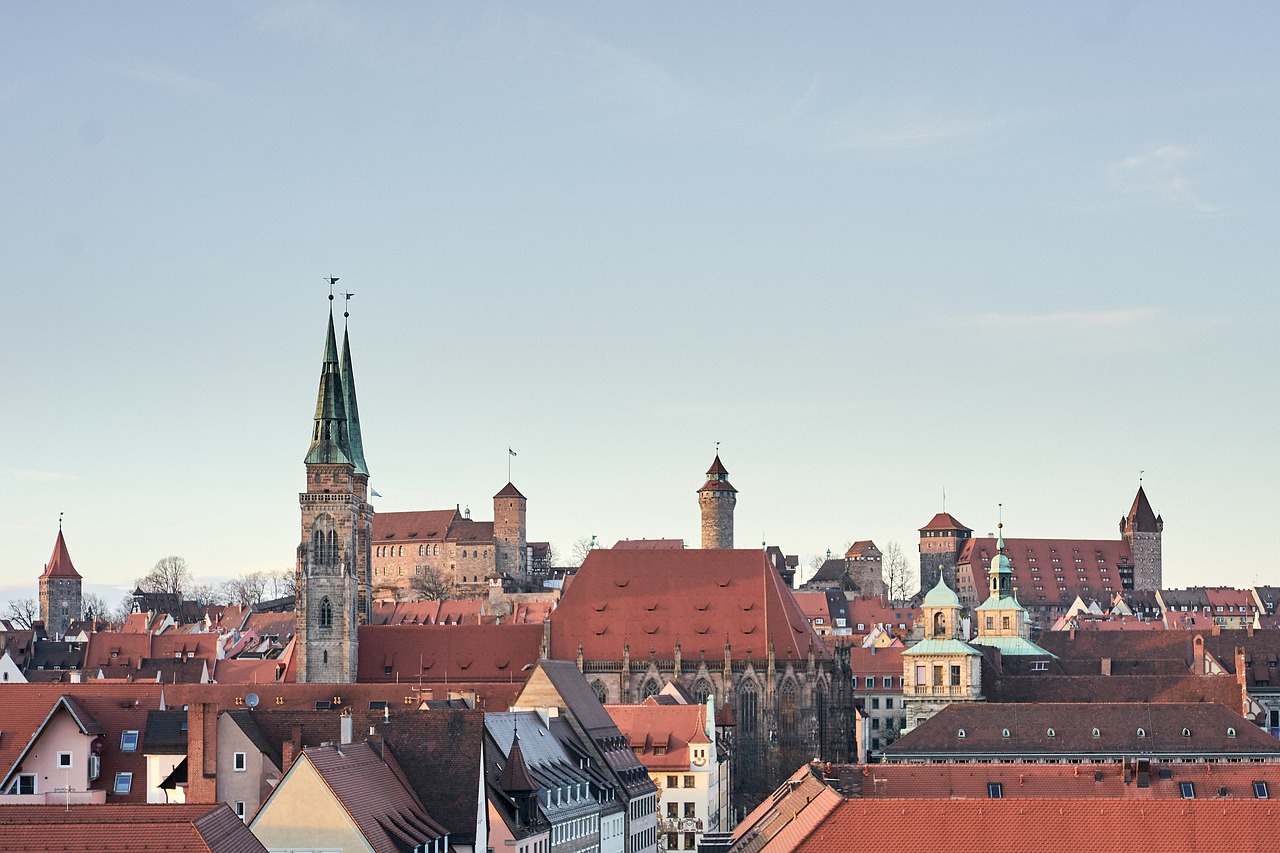
Nuremberg (Nürnberg) is one of those cities that quietly gets under your skin. It doesn’t have Berlin’s swagger or Munich’s international fame, yet many travelers I’ve guided through Germany end up saying Nuremberg was their favorite stop. I’ve lived nearby for years and have visited Nuremberg more times than I can count—on misty winter mornings, in golden autumn light, during the madness of the Christmas market, and on languid summer evenings by the river.
What makes Nuremberg special is the contrast. It’s a medieval storybook city wrapped in massive walls, crowned with an imperial castle, yet it’s also a place that has wrestled deeply with its 20th-century history and rebuilt itself as a center of human rights and culture. You’ll stroll cobbled lanes lined with half-timbered houses, then step into some of the most thoughtful museums in Europe about World War II and the Nuremberg Trials. You can eat rustic Franconian sausages grilled over open beechwood fires and then sip craft beer in a modern bar tucked into centuries-old cellars.
For a 3 days in Nuremberg city break or a deeper 4–5 day itinerary, you’ll find a compact historic center that’s easy to walk, excellent public transport, day trips to storybook towns and forests, and a food scene that’s far better than most people expect. Families love the toy museum and the zoo, couples love the romantic river views and wine taverns, and solo travelers appreciate how safe and manageable the city feels.
This travel guide for Nuremberg (updated for 2026–2027) is written the way I explore the city myself: slowly, with time for coffee breaks, random detours down side streets, and long conversations with locals. I’ll share my favorite must-see attractions in Nuremberg, the best places to visit in Nuremberg beyond the obvious, and plenty of hidden gems, local customs, and practical travel tips so you can craft your own 3, 4, or 5 day itinerary for Nuremberg.
Table of Contents
- Why Visit Nuremberg?
- Nuremberg at a Glance (2026–2027)
- Top 20 Must-See Attractions in Nuremberg
- Suggested Itineraries: 3, 4 & 5 Days in Nuremberg
- Neighborhoods & Areas to Explore
- Local Food & Drink in Nuremberg
- Nightlife, Entertainment & Cultural Experiences
- Best Day Trips from Nuremberg
- Cultural Etiquette & Local Customs
- Practical Travel Advice for Nuremberg
- Summary & Best Time to Visit
Nuremberg at a Glance (2026–2027)
Nuremberg is Bavaria’s second-largest city and the heart of the Franconia region. It’s big enough to feel urban but small enough that you can cross the Old Town on foot in 20–30 minutes. The Pegnitz River splits the historic center into north and south, joined by postcard-perfect bridges.
- Population: ~520,000 in the city; ~1.3 million in the metro area.
- Best for: History lovers, foodies, families, couples, Christmas market fans, and anyone planning a 3–5 day itinerary for Nuremberg or using it as a hub for Franconia.
- Vibe: Medieval charm + industrial heritage + student energy + thoughtful remembrance of history.
- Language: German (local Franconian dialect), but English is widely spoken in tourism.
- Currency: Euro (€).
- Getting there: Direct trains from Munich (~1h), Frankfurt (~2h), Berlin (~3h), Prague (~3.5h via bus/train combo). Nuremberg Airport has growing connections around Europe.
Major Events & What’s New in 2026–2027
While exact lineups change every year, here’s what to look out for around 2026–2027:
- Nuremberg Christmas Market (Christkindlesmarkt) – Late November to Christmas Eve. One of Germany’s most famous Christmas markets, with a traditional focus and strict quality rules for vendors.
- Rock im Park Festival – Early June, a huge rock and alternative music festival at Zeppelinfeld; book accommodation months ahead if visiting then.
- Nürnberger Volksfest (Spring & Autumn Fairs) – Carnival rides, beer tents, and food stalls on the Dutzendteich grounds.
- Blaue Nacht (Blue Night) – Usually in May. A night-time arts and culture festival with light installations all over the Old Town.
- International Human Rights Film Festival – Biennial event focusing on human rights, often centered around the Documentation Center and other venues.
- Ongoing renovations – Sections of the Imperial Castle and city walls frequently undergo restoration; expect some scaffolding but usually minimal disruption.
Top 20 Must-See Attractions in Nuremberg (With Local Stories & Tips)
These are the best places to visit in Nuremberg if you want a mix of medieval beauty, deep history, and local life. I’ll weave in personal experiences and practical advice so you can decide how to fit each into your 3, 4, or 5 day itinerary.
1. Imperial Castle of Nuremberg (Kaiserburg)
The Imperial Castle dominates Nuremberg’s skyline, a powerful reminder that this city was once one of the most important centers of the Holy Roman Empire. The first time I climbed up to the castle, it was just after a summer rainstorm; the rooftops below were still glistening, and a rainbow arched faintly over the Pegnitz. It’s that kind of view you remember years later.
The complex includes the imperial palace, the Sinwell Tower, deep well, and castle museum. Many emperors stayed here, and imperial diets (assemblies) were held in Nuremberg, making it one of the political hearts of medieval Europe.
What to do: Walk the courtyards and walls, then pay to enter the museum and climb the Sinwell Tower for the best panoramic 360° view of the city. The deep well demonstration (Brunnenführung) is surprisingly fun, especially for kids.
My tip: Go early in the morning or about an hour before closing for softer light and fewer crowds. In winter, try to catch sunset from the tower and then walk down into the Old Town as the Christmas lights switch on.
How to get there: From Hauptmarkt, it’s a 10–15 minute uphill walk through the Altstadt. Wear decent shoes; the cobbles can be slippery in rain or snow.
2. Nuremberg Old Town (Altstadt) & City Walls
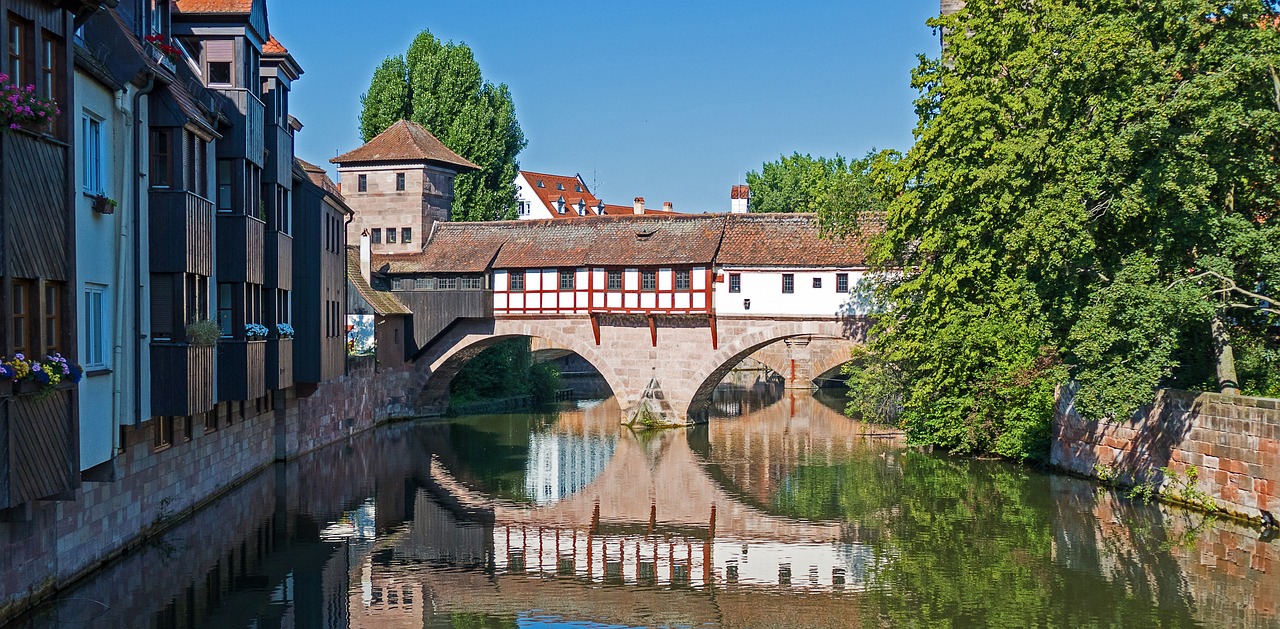
The Old Town, wrapped by one of the most complete city wall systems in Europe, is where you’ll likely spend most of your time. I still get lost in the tangle of lanes between the Weißgerbergasse and the Pegnitz, even after countless visits, and that’s part of the charm.
Highlights: The medieval towers, gates like Königstor and Frauentor, the Handwerkerhof (Craftsmen’s Courtyard), and stretches of walkable walls with views over the rooftops and gardens.
Local moment: One of my favorite things is walking the outer moat path early on a Sunday, when the city is quiet except for joggers and dog walkers. You can see allotment gardens and the slightly scruffier, everyday side of Nuremberg, just steps from the tourist trail.
Tip: You don’t need to follow a strict route. For a 3 day itinerary for Nuremberg, plan at least half a day to wander the Old Town with no agenda, ducking into courtyards and churches as you go.
3. Hauptmarkt & Schöner Brunnen
Hauptmarkt is Nuremberg’s main square and the stage for many of its biggest events—from daily produce markets to the world-famous Christmas market. In December, it’s packed with stalls, mulled wine, and gingerbread; in summer, it’s a sun-drenched plaza framed by historic façades.
Schöner Brunnen (Beautiful Fountain): This ornate, 14th-century gothic fountain looks like a spire shooting up from the cobbles. Look closely and you’ll see philosophers, prophets, and figures symbolizing the liberal arts. There’s a brass ring in the protective grille—locals say turning it three times brings good luck. I’ve lost track of how many times I’ve turned it before exams, job interviews, and, yes, new trips.
Tip: Visit in the early morning when vendors are setting up; you’ll see locals shopping for vegetables and flowers, and prices are better than supermarkets for many things.
4. Church of Our Lady (Frauenkirche)
Overlooking Hauptmarkt, the brick gothic Frauenkirche is both beautiful and historically significant. It was commissioned by Emperor Charles IV in the 14th century and heavily damaged in World War II, then meticulously rebuilt.
Don’t miss: The Männleinlaufen (little men’s procession) at noon, when mechanical figures above the clock circle the Holy Roman Emperor. As a kid, I was convinced they were real and begged my parents to come every day we were in the city.
Tip: Step inside for a few quiet minutes. The contrast between the busy square outside and the peaceful interior is striking.
5. St. Lorenz Church (Lorenzkirche)
St. Lorenz, with its twin towers, is one of Nuremberg’s most important churches and a masterpiece of German gothic architecture. Standing inside under the soaring vaults, it’s sobering to remember how much of this had to be reconstructed after the war.
Highlight: The Angelic Salutation by Veit Stoß, a late gothic sculpture that seems to float in the nave. I still find new details every time I look at it.
Tip: Combine a visit with a stroll down Karolinenstraße, a busy shopping street, then duck back into side alleys for half-timbered houses and quieter cafés.
6. St. Sebald Church (Sebalduskirche)
St. Sebald, dedicated to Nuremberg’s patron saint, feels older and more intimate than St. Lorenz. It stands near the castle, its stone worn soft by centuries of weather and war.
Why go: To see the intricate bronze shrine of St. Sebald and to get a sense of the city’s spiritual life across centuries. On quiet afternoons, you might hear organ practice drifting through the nave.
Tip: In cooler months, bring a light layer; churches can be chilly even when it’s mild outside.
7. Albrecht Dürer House
This half-timbered gem below the castle was home to Albrecht Dürer, one of the greatest artists of the Northern Renaissance. The first time I visited, I expected a stuffy museum; instead, I found a warm, thoughtfully curated house that made Dürer feel surprisingly modern.
What to see: Period furnishings, workshops, and demonstrations of printmaking. Some tours feature a costumed “Dürer’s wife” who leads you through the rooms with lively stories.
Tip: The small square outside is lovely for a coffee break; grab a seat and watch tour groups swirl around while you plan your next stop.
8. Handwerkerhof (Craftsmen’s Courtyard)
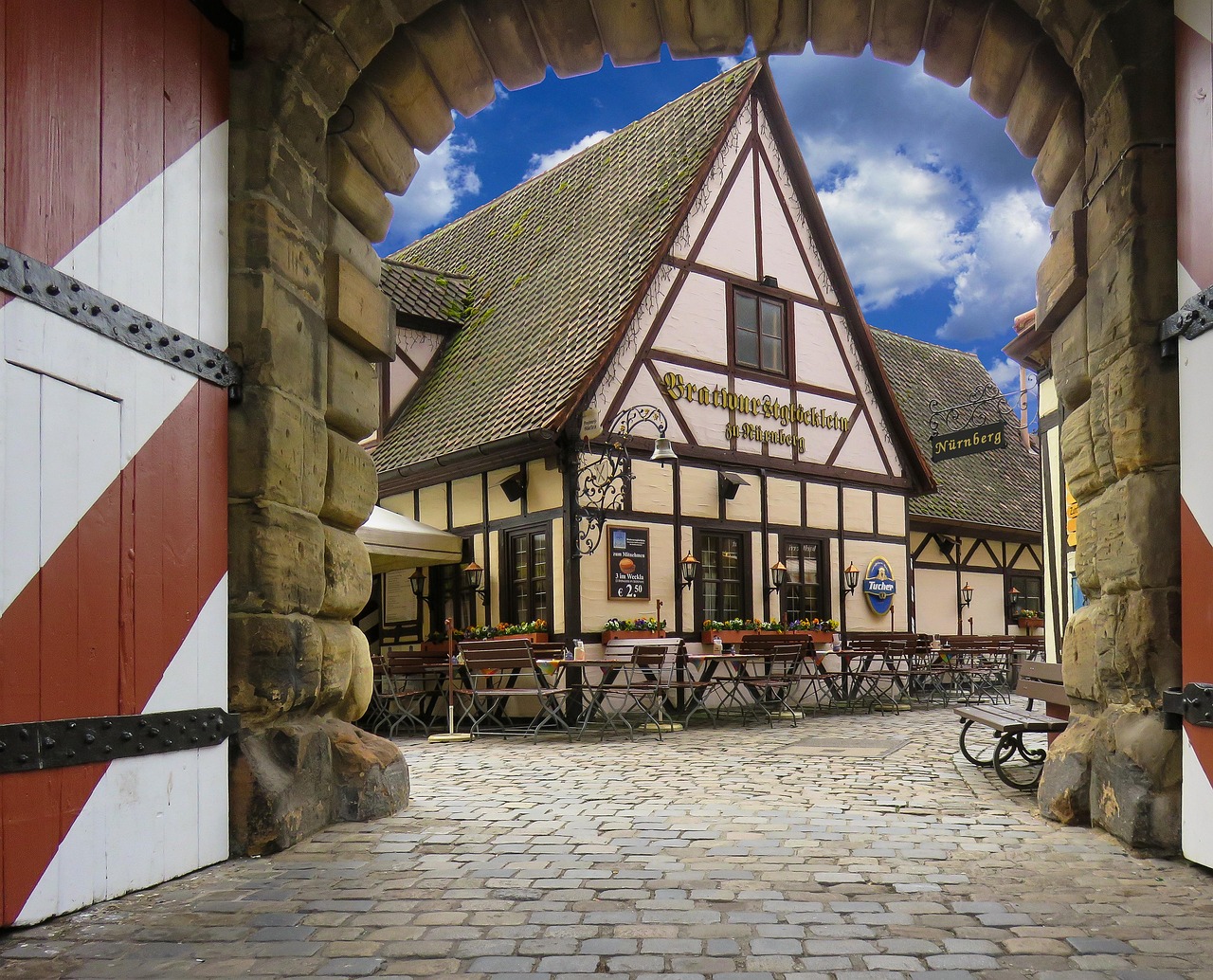
Tucked just inside Königstor, the Handwerkerhof looks like a tiny medieval village pressed against the city wall. Yes, it’s touristy, but if you look past the souvenir magnets, you’ll find real craftspeople working with glass, leather, and metal.
Why I like it: On winter evenings, it glows with fairy lights and the smell of grilled sausages. I’ve bought some of my favorite handmade Christmas ornaments here, and a leather notebook that’s traveled with me for years.
Tip: Prices can be higher than elsewhere, but quality is generally good. It’s a nice introduction to Franconian crafts for a 3 day itinerary when you don’t have time to explore smaller towns.
9. Germanisches Nationalmuseum
This is Germany’s largest museum of cultural history, and it’s vast. You could easily spend a full day here, but even 2–3 hours will give you a sense of how rich German art and culture are beyond the clichés.
Highlights: Medieval sculptures, paintings by Dürer and other masters, historical musical instruments, and beautifully designed exhibits on everyday life through the centuries. I love wandering the sections on toys and domestic life—small details like children’s drawings or kitchen tools make history feel intimate.
Tip: If you’re on a 3 days in Nuremberg schedule, prioritize one or two wings that interest you, otherwise you’ll burn out. There’s a good café for refueling mid-visit.
10. Documentation Center Nazi Party Rally Grounds
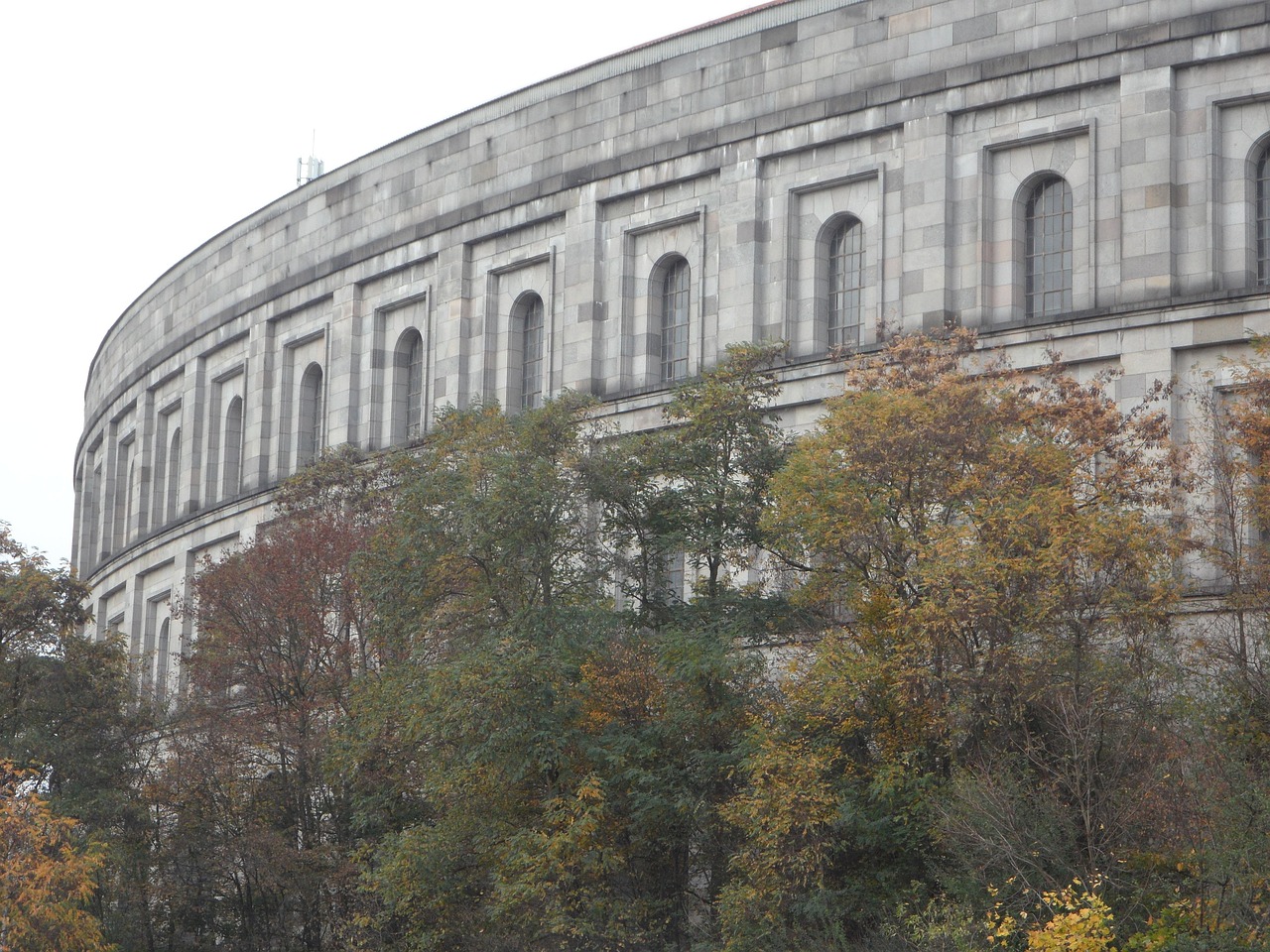
This museum, set in the unfinished Congress Hall of the Nazi Party Rally Grounds, is one of the most important and sobering places in Nuremberg. It explores how the Nazi regime came to power, how it used Nuremberg for massive propaganda rallies, and what followed.
The first time I visited, I walked around Zeppelinfeld afterward in silence, trying to process the contrast between the grotesque scale of the architecture and the present-day joggers and dog walkers using it as a park.
Why go: To understand Nuremberg’s 20th-century history beyond the Trials and to see how Germany confronts its past. It’s highly recommended for adults and older teens.
Tip: Plan at least 2–3 hours. Bring water and tissues. Combine with a walk around Dutzendteich Lake afterward to decompress.
11. Nuremberg Trials Memorial & Courtroom 600
In the Palace of Justice, Courtroom 600 is where leading Nazi officials were tried after World War II. The Nuremberg Trials were a milestone in international law and human rights, and standing in the actual room is deeply moving.
What to expect: An audio-guided exhibition about the trials, their participants, and their legacy. Courtroom 600 itself is still used occasionally, so check opening times; sometimes you can only view it from the gallery.
Tip: This pairs well with the Documentation Center if you want a full day focused on history, but that can be emotionally heavy. On a short 3 day itinerary, many visitors choose one or the other.
12. Nuremberg Toy Museum (Spielzeugmuseum)
Nuremberg has been a toy-making center for centuries, and this delightful museum showcases everything from antique dollhouses to modern toys. I first came here with friends’ kids, then returned alone because I realized I hadn’t seen half of it while chasing toddlers.
Family-friendly: Absolutely. There are play areas, interactive exhibits, and a small outdoor playground in good weather.
Tip: Great option for rainy days or when kids need a break from churches and history. Combine with a hot chocolate stop nearby.
13. Nuremberg Zoo (Tiergarten Nürnberg)

Nuremberg’s zoo is set in a sprawling, wooded park east of the city, with naturalistic enclosures built into former sandstone quarries. It’s one of the most beautiful zoos in Germany in terms of landscape.
Why go: Families love the dolphin lagoon and the petting zoo; nature lovers enjoy the forested paths. I’ve spent entire days here on lazy summer weekends, just wandering between enclosures and napping on the lawns.
Tip: Wear comfortable shoes; distances between enclosures can be long. There’s a small train inside the zoo that kids adore.
14. Weißgerbergasse & Half-Timbered Houses
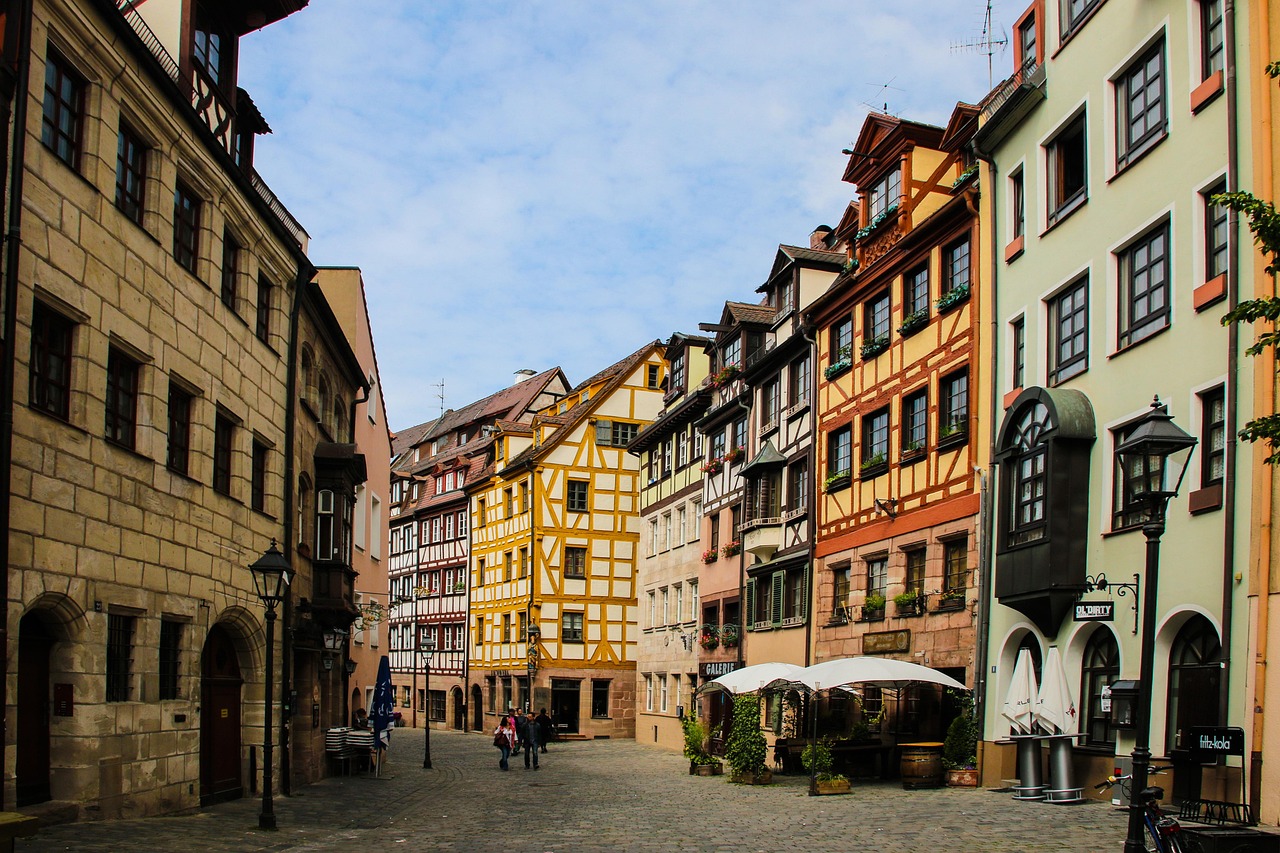
Weißgerbergasse is arguably the prettiest street in Nuremberg—a curve of colorful half-timbered houses that somehow survived the bombings. It used to be the tanners’ quarter; today, it’s home to bars, cafés, and boutiques.
Local moment: On warm evenings, people spill out onto the cobbles with glasses of wine or beer. I love coming here around golden hour, when the sun hits the façades just right.
Tip: For photos, come early in the morning before café tables fill the street, then return in the evening to experience the atmosphere.
15. Henkersteg & Hangman’s Bridge
This covered wooden bridge and the small island around it look like something from a fairy tale, but the name hints at a darker past: the hangman once lived here, isolated from the rest of the town.
Why go: For quintessential Nuremberg river views and peaceful benches where you can sit and watch the water flow under the old mills. In spring, the trees along the Pegnitz blossom beautifully.
Tip: This is a perfect stop on a romantic evening stroll. Nearby, you’ll find cozy wine taverns and Franconian restaurants.
16. Pegnitz River Islands & Maxbrücke
The Pegnitz River breaks into several arms as it flows through the Old Town, creating islands and scenic bridges. Maxbrücke, the oldest stone bridge in Nuremberg, offers one of the best classic views of the city—especially at twilight when the water reflects the lights.
Local tip: In summer, grab a takeaway ice cream from a nearby gelateria and sit on the riverbank steps. On very warm days, you’ll see people dangling their feet in the water (though officially, swimming isn’t encouraged here).
17. Nuremberg City Park (Stadtpark) & Green Spaces
When I need a break from sightseeing, I head to Stadtpark or the green belts along the Pegnitz. Nuremberg is greener than you might expect; parks, allotment gardens, and riverside meadows are woven through the city.
Why go: To picnic, jog, or simply sit with a book. In spring and early summer, rose gardens and flowerbeds are at their best.
Tip: Pick up snacks from a bakery and supermarket and have a budget-friendly lunch here. It’s a great way to save money on a longer 4 or 5 day itinerary in Nuremberg.
18. Nuremberg Christmas Market (Christkindlesmarkt)
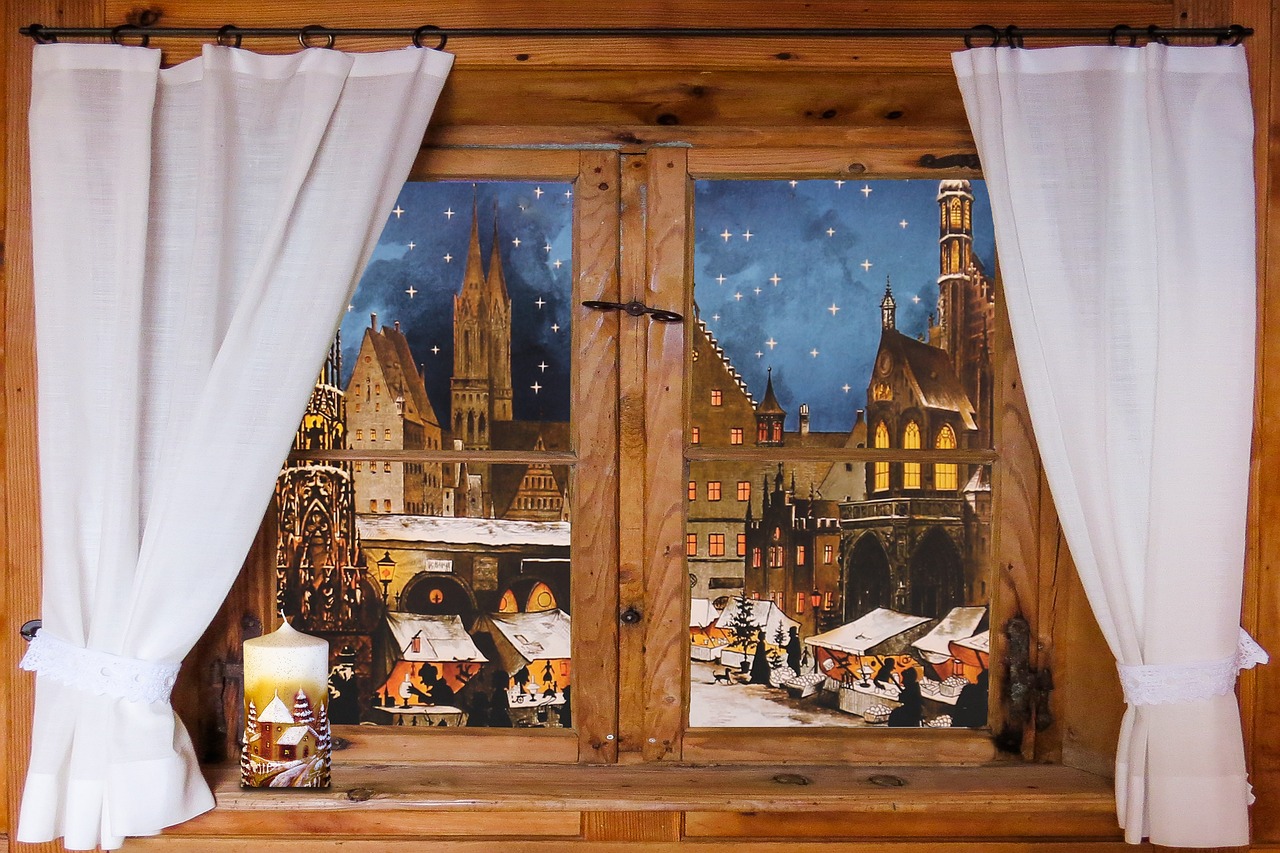
If you visit Nuremberg between late November and Christmas, the Christkindlesmarkt will likely be the centerpiece of your trip. The whole Old Town glows with lights, and the scent of gingerbread, almonds, and mulled wine hangs in the air.
What makes it special: Strict rules keep the market traditional—no flashing neon or tacky plastic toys. Many stalls have been family-run for generations.
My ritual: I always start with a mug of Glühwein, then move on to a grilled Nuremberg sausage sandwich and a bag of roasted almonds. Only after that do I allow myself to buy ornaments; otherwise, my hands are too full.
Tip: Weekdays early in the day are much less crowded. Evenings and weekends can be shoulder-to-shoulder—atmospheric, but intense.
19. Nazi Party Rally Grounds (Open-Air Area)
Beyond the Documentation Center, the wider Rally Grounds area includes Zeppelinfeld, the Große Straße, and lakeside paths. It’s a vast landscape of architecture and empty spaces that’s both eerie and important to see.
Why go: To walk through history at your own pace, see how the city has repurposed the area for concerts and sports, and reflect on how societies can be seduced by spectacle.
Tip: Rent a bike or use a city e-scooter to cover more ground; distances are larger than they look on the map.
20. Lesser-Known Gems: Cemeteries, Courtyards & Cellars
Beyond the headline attractions, Nuremberg is full of quieter places that reveal its character.
- Historic Rock-Cut Cellars (Historische Felsengänge): A maze of underground passageways and beer cellars carved into the sandstone beneath the Old Town. Guided tours (often in German with some English-language options) include stories about beer brewing, storage, and wartime air-raid shelters. It’s one of my favorite “hidden” attractions in the city.
- Johannisfriedhof (St. John’s Cemetery): A beautiful cemetery west of the Old Town, with ornate metal grave markers and the resting place of Albrecht Dürer and other notable citizens. In spring, flowers spill over the graves, and the whole place feels like a meditation garden.
- Hidden Courtyards: Many houses and former merchant complexes hide courtyards behind their gates. When a gate is open, peek in respectfully; often you’ll see ivy-covered façades, wells, or tiny gardens.
Tip: Reserve the cellar tours in advance, especially on weekends or during peak seasons.
Suggested Itineraries: 3, 4 & 5 Days in Nuremberg
Whether you have 3 days in Nuremberg or a full 5 day itinerary, the city is compact enough that you can see a lot without feeling rushed. Below is a flexible 5-day plan drawn from my own visits; you can compress it into a 3 or 4 day itinerary by skipping or combining days.
Day 1: First Impressions – Castle, Old Town & River
I like to start every Nuremberg trip by getting my bearings from above. On my last visit in early autumn, I dropped my bag at a small guesthouse near Lorenzkirche, grabbed a quick coffee, and walked straight up to the castle.
Morning: Castle & Albrecht Dürer
Begin at Kaiserburg. Spend the morning exploring the castle museum, climbing the Sinwell Tower, and joining the deep well demonstration if timings work. Allow 2–3 hours so you’re not rushing through exhibits.
Afterward, stroll down to the Albrecht Dürer House. On one visit, I joined a late-morning tour with the costumed “Dürer’s wife” who brought the domestic details of Renaissance life to life with plenty of humor.
Lunch idea: Nearby, try a traditional Franconian restaurant for your first plate of tiny grilled Nürnberger Bratwürste with sauerkraut and potato salad.
Afternoon: Meandering the Old Town
After lunch, wander gradually downhill into the heart of the Old Town. Stop at St. Sebald, then continue to Hauptmarkt and the Frauenkirche. Turn the brass ring at Schöner Brunnen—travel superstition is half the fun.
From the square, follow the side lanes toward Weißgerbergasse. Take your time; this is where you start to feel the city’s rhythm: flower boxes on windowsills, locals cycling past, church bells echoing off stone.
Evening: River Views & Wine
As the light softens, head to Maxbrücke and the Henkersteg area. Cross the covered bridge, loop around the small island, and find a spot on the riverbank steps.
Dinner: Pick a nearby Franconian wine tavern and try a Schäufele (roast pork shoulder with crispy crackling) or a vegetarian dish like Käsespätzle. Pair with a local Franconian Silvaner or a dark beer.
Tip: If you only have 3 days in Nuremberg, this first day will cover many of the must-see attractions. Don’t overpack your schedule; jet lag and cobblestones are a tiring combination.
Day 2: Art, Toys & Underground Secrets
On my second day in Nuremberg, I usually dive into the museums and then balance it with something playful or unusual.
Morning: Germanisches Nationalmuseum
After breakfast at a local bakery (try a Butterbreze and coffee), head to the Germanisches Nationalmuseum. Choose a focus: medieval art, everyday life, or toys/music. Otherwise, the sheer size can be overwhelming.
Personal favorite: I love the sections on daily life—kitchenware, clothing, and furniture from different eras. It feels like time-traveling through ordinary homes.
Lunch: Quick & Local
For a budget-friendly lunch, grab a sausage sandwich or falafel wrap from a takeaway stand near the city walls, or pop into a supermarket for salads and snacks to eat in a park.
Afternoon: Toy Museum & Old Town Wandering
Walk back into the Old Town and visit the Toy Museum. Even without kids, it’s a delight to see the evolution from tin soldiers and dollhouses to model trains and modern toys.
Afterward, allow time for aimless exploring. This is when I like to hunt for hidden courtyards and small independent shops—bookstores, design stores, and chocolate shops tucked into side streets.
Late Afternoon: Rock-Cut Cellars
Book an afternoon tour of the Historic Rock-Cut Cellars. You’ll descend into the sandstone under the Old Town, hearing stories about beer brewing traditions and how these spaces were used as air-raid shelters during World War II.
Tip: It’s cool underground, even in summer; bring a light jacket. Tours in English are less frequent, so check schedules in advance.
Evening: Beer & Franconian Food
After emerging from the cellars, you’ll probably be in the mood for a beer. Try one of Nuremberg’s traditional breweries or beer halls for dinner. I like sampling a Dunkel (dark lager) with a plate of Bratwurst and potato salad.
Day 3: Confronting History – Rally Grounds & Trials
Day 3 is heavier but essential if you want a deeper understanding of Nuremberg and modern Europe. I still find it emotionally exhausting, so I always plan something light afterward.
Morning: Documentation Center Nazi Party Rally Grounds
Take tram or S-Bahn to the Documentation Center. Spend the morning with the exhibition, moving at your own pace with the audio guide. The museum doesn’t sensationalize; it explains the mechanisms of propaganda, group psychology, and power.
Tip: Take breaks. Step outside, look at the lake, and breathe. It’s a lot to absorb.
Midday: Walk or Bike the Rally Grounds
After the museum, walk around Zeppelinfeld and the Große Straße. On one visit, I rented a bike and circled the lake, watching families feed ducks and teenagers skateboard on the same ground that once hosted mass rallies. The contrast is the point.
Afternoon: Nuremberg Trials Memorial
Head back toward the center and then out to the Nuremberg Trials Memorial and Courtroom 600. You’ll learn about the legal innovations of the trials and how they laid the foundation for modern international criminal law.
Tip: Check opening times carefully; Courtroom 600 is sometimes used for events and may be closed to visitors.
Evening: Gentle Old Town Stroll
After such a day, I always end with something simple: a slow walk through the Old Town at dusk, a comforting bowl of soup or plate of pasta, and maybe a glass of wine. Let your mind unwind.
Shorter trips: If you’re doing a 3 day itinerary for Nuremberg and history isn’t your main focus, you might choose either the Documentation Center or the Trials Memorial and then spend the rest of the day exploring parks or the zoo instead.
Day 4: Parks, Zoo & Neighborhoods Beyond the Walls
If you have 4 days in Nuremberg, this is the day to branch out beyond the Old Town and experience how locals live. On a recent spring trip, I spent most of this day under trees—at the zoo, in parks, and along the river.
Morning: Nuremberg Zoo
Take tram or bus to the Tiergarten. Arrive when it opens to have a quieter experience around the more popular enclosures. Wander through the forested paths, watch the dolphins, and let kids burn off energy in the playgrounds.
Budget tip: Bring your own snacks and water. Zoo food is convenient but more expensive.
Afternoon: Stadtpark & Northern Neighborhoods
Return toward the center and get off near Stadtpark. This elegant city park has lawns, ponds, and flowerbeds. After hours of animals and crowds, sitting in the shade with a book or simply people-watching feels luxurious.
Then, walk or tram through some of the residential neighborhoods north of the Old Town. You’ll see early 20th-century apartment buildings, small local cafés, and everyday shops—this is where many Nurembergers actually live.
Evening: Casual Neighborhood Dinner
Pick a neighborhood restaurant rather than an Old Town tourist spot. I’ve had some of my best meals in Nuremberg in unassuming Italian trattorias and Turkish restaurants far from the main squares.
Day 5: Markets, Hidden Gems & Optional Day Trip
With 5 days in Nuremberg, you have the luxury of a slower final day or an easy day trip. I’ll outline both options.
Option A: Slow City Day
Start with a wander through any weekly markets happening outside Hauptmarkt—often you’ll find flea markets, farmers’ markets, or craft fairs in various squares.
Then, visit a spot you’ve missed: Johannisfriedhof cemetery, another museum, or a second visit to a place you loved. On my last long stay, I went back to the castle on my final morning just to sit on the wall and say a quiet goodbye to the city.
Spend the afternoon shopping for local specialties—gingerbread (Lebkuchen), mustard, beer, wine, and handmade crafts. Many shops offer nicely packed gifts that travel well.
Option B: Day Trip
Use this day to explore one of the nearby towns (see the Day Trips section below) such as Bamberg, Rothenburg ob der Tauber, or the Franconian Switzerland region.
Tip: For a 5 day itinerary for Nuremberg, I recommend at least one full day trip—Bamberg is the easiest and most rewarding if you want another beautiful historic town without too much travel time.
How to Adapt for 3 or 4 Days in Nuremberg
- 3 days in Nuremberg: Use Days 1–3 as your base. If you prefer nature to heavy history, swap Day 3 for Day 4.
- 4 days in Nuremberg: Use Days 1–4. If you’re a fast traveler, squeeze a half-day trip to Bamberg or a half-day at the zoo into Day 4.
- 5 days in Nuremberg: Follow the full plan, adding more café time, extra museum visits, or a second day trip if you like.
Neighborhoods & Areas to Explore in Nuremberg
Nuremberg’s core is the Altstadt (Old Town), but it’s surrounded by districts with their own character. If you’re staying more than a couple of nights, venture beyond the walls.
Altstadt – The Walled Old Town
This is where you’ll find most of the classic tourist sights: the castle, major churches, Hauptmarkt, and river views. Within the walls, locals sometimes distinguish between:
- St. Sebald quarter (north of the Pegnitz): More medieval, with the castle, Dürer House, and Sebalduskirche.
- St. Lorenz quarter (south of the Pegnitz): More commercial, with shopping streets, Lorenzkirche, and the train station.
Staying in the Altstadt means you can walk almost everywhere, which is ideal for a 3 day itinerary for Nuremberg.
Gostenhof (GoHo)
West of the Old Town, Gostenhof is Nuremberg’s trendy, slightly gritty, creative neighborhood. Think street art, alternative bars, vintage shops, and a mix of cultures.
I like coming here for coffee in hip cafés, browsing small design shops, and catching live music in the evenings. It’s a good area if you prefer a more local base and don’t mind a 15–20 minute walk or a short tram ride into the center.
Südstadt (Southern Districts)
South of the main station, the Südstadt is more residential and multicultural. You’ll find excellent Turkish, Middle Eastern, and Asian food here, as well as more affordable accommodation.
It’s not as polished as the Altstadt, but if you want to see everyday Nuremberg life and save money on a longer 4 or 5 day itinerary, this area can be a good option.
St. Johannis & Weststadt
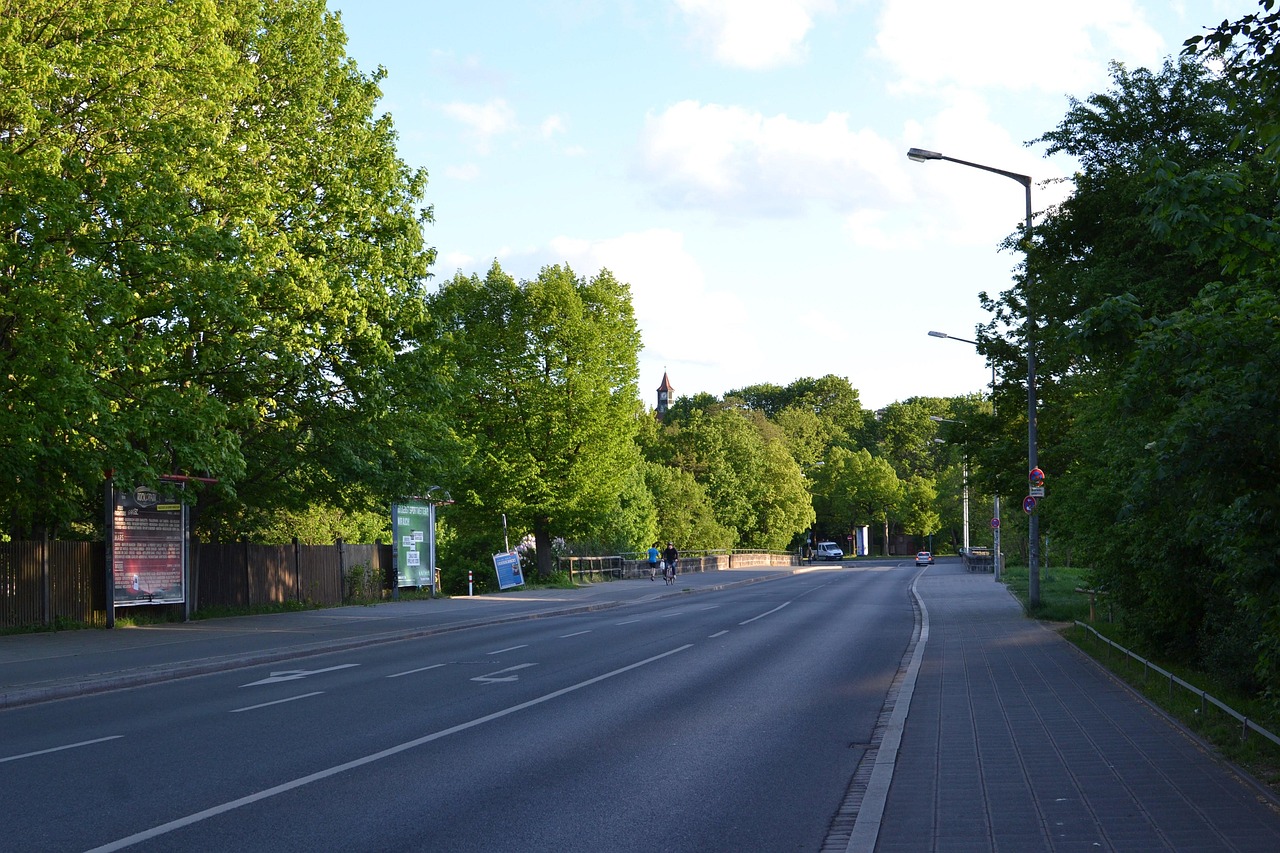
West of the Old Town, around Johannisfriedhof, you’ll find a quieter, leafy district with a mix of historic and modern buildings. It feels almost village-like in parts, with small squares and local bakeries.
It’s a lovely area for an afternoon walk, especially combined with a visit to the cemetery and nearby gardens.
Dutzendteich & Rally Grounds Area
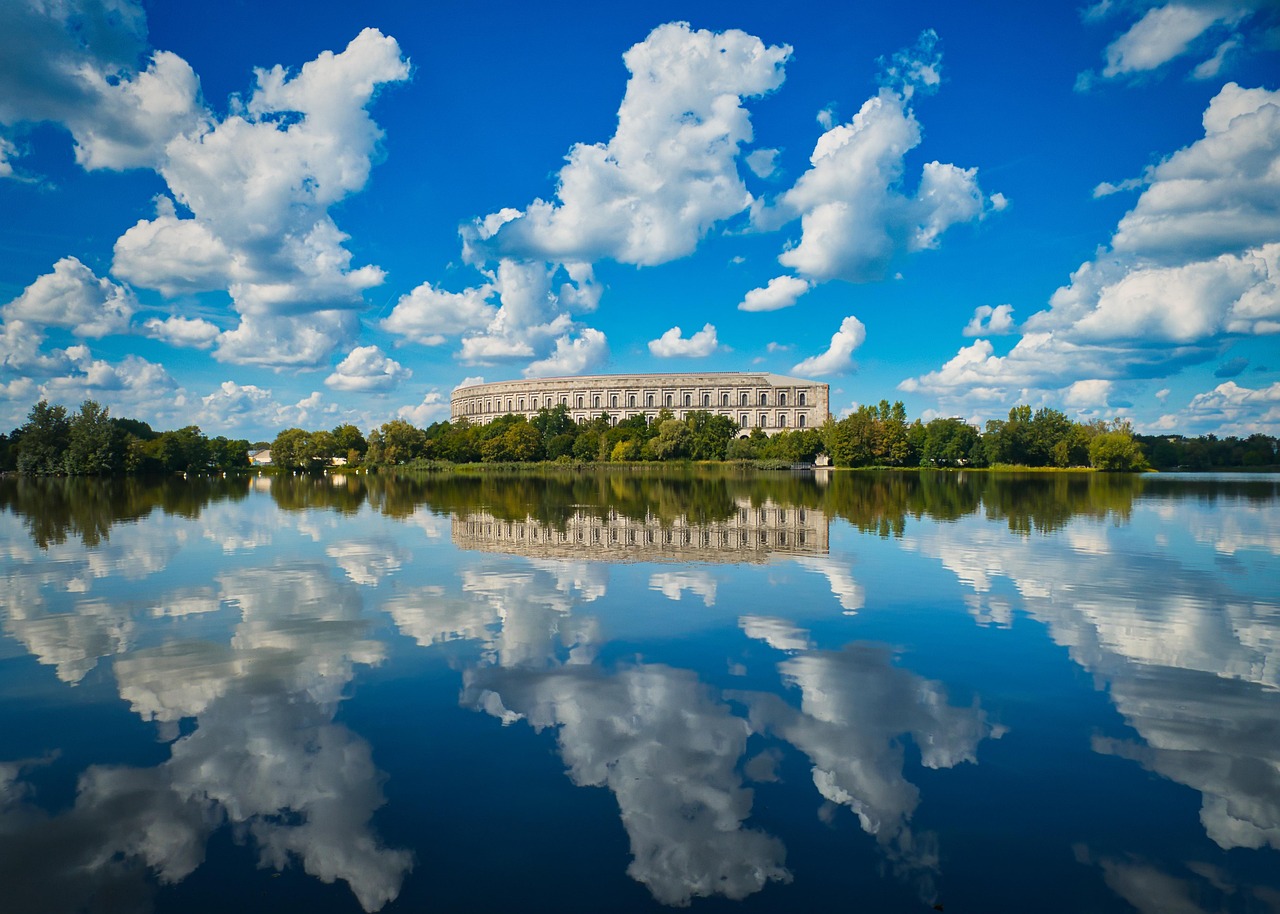
South-east of the center, the Dutzendteich area mixes lakes, parks, and the imposing structures of the Nazi Party Rally Grounds. On weekends, locals come here to jog, paddle boats, or attend events and festivals.
It’s not a typical place to stay, but it’s worth exploring for a sense of how Nuremberg has integrated a difficult past into everyday leisure spaces.
Local Food & Drink in Nuremberg
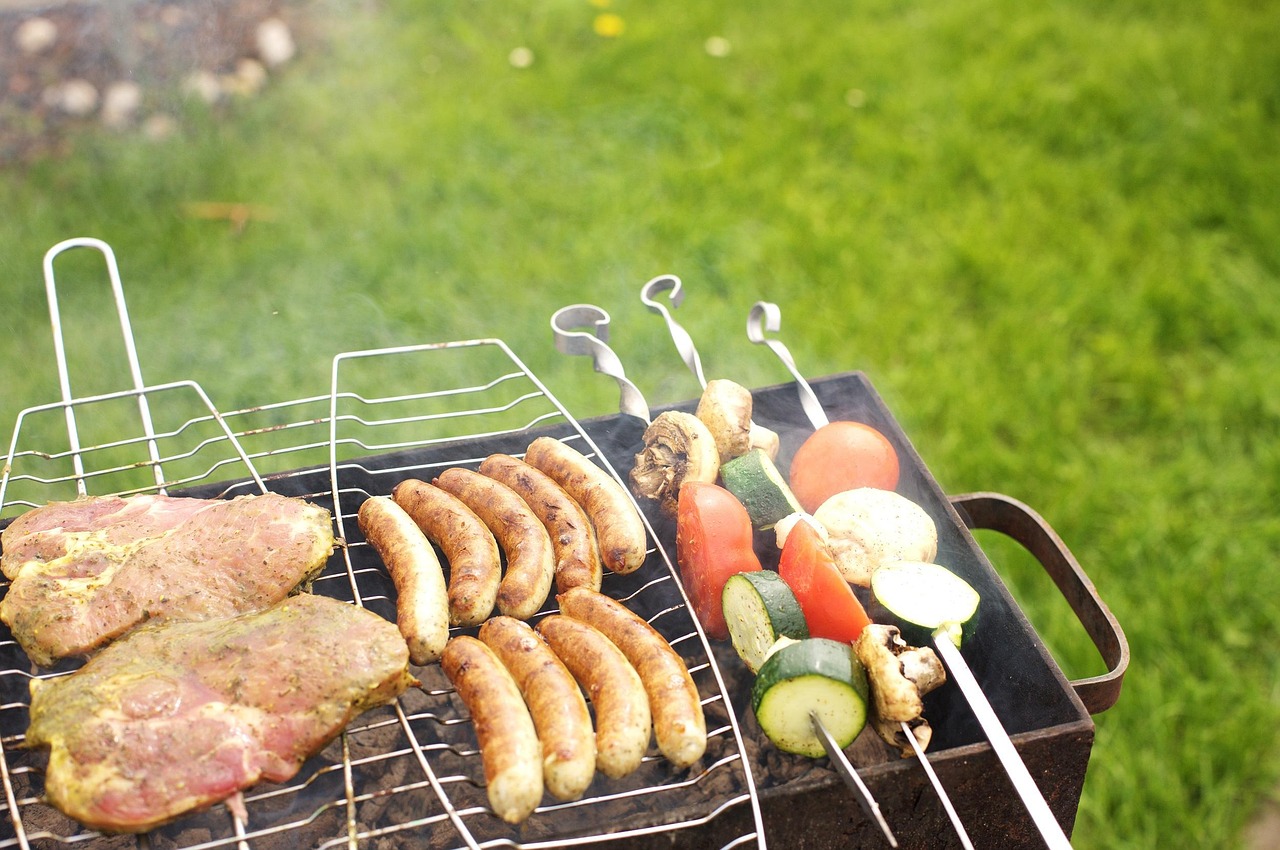
Nuremberg is heaven if you like hearty, rustic food and good beer. But there’s more variety than the clichés suggest, and it’s easy to eat well even on a budget.
Must-Try Local Dishes
- Nürnberger Bratwürste: Tiny, finger-sized sausages, usually served grilled by the half-dozen or dozen, with sauerkraut or potato salad. Try them “im Weckla” (in a bun) for a quick, cheap lunch.
- Fränkische Schäufele: Roast pork shoulder with crispy crackling, usually served with dumplings and gravy. This is rich and filling—best on cooler days.
- Lebkuchen (Gingerbread): Nuremberg is famous for its soft, spiced gingerbread, especially around Christmas but available year-round in specialty shops.
- Blaue Zipfel: Sausages simmered in a vinegar-onion broth. More of an acquired taste, but very traditional.
- Käsespätzle: German-style mac and cheese with fried onions. A great vegetarian option and perfect comfort food.
Local Drinks
- Franconian Beer: The wider Franconia region has one of the highest brewery densities in the world. In Nuremberg, try local lagers, dark beers, and seasonal brews.
- Franconian Wine: Especially Silvaner and Müller-Thurgau, often served in round Bocksbeutel bottles. White wines pair well with Franconian dishes.
- Glühwein: Hot mulled wine, especially during Christmas market season.
Where to Eat: Personal Picks
I’m not listing names to keep this guide timeless, but here’s the type of places I return to:
- Traditional Franconian Restaurants: In the Old Town around the castle and river. Look for wood-paneled interiors, checkered tablecloths, and menus with Schäufele and Bratwürste.
- Cozy Wine Taverns: Near Weißgerbergasse and the river. Ideal for date nights or a quiet evening with friends.
- Bakery-Cafés: All over the city. Great for budget breakfasts and light lunches; order a pastry, sandwich, and coffee.
- Turkish & Middle Eastern Eateries: In Südstadt, offering generous portions and vegetarian options at excellent prices.
- Trendy Cafés & Bistros: In Gostenhof and around the edges of the Old Town. Perfect for brunch, vegan options, and good coffee.
Saving Money on Food
- Eat your main hot meal at lunch; many places offer cheaper lunch menus.
- Use supermarkets for picnic supplies—bread, cheese, fruit, and snacks—for park lunches.
- Get sausage-in-a-bun or döner kebab for under €5–7 as a filling meal.
- Coffee and cake in a café is often cheaper (and more atmospheric) than dessert in a sit-down restaurant.
Nightlife, Entertainment & Cultural Experiences in Nuremberg
Nuremberg’s nightlife is more laid-back than Berlin’s, but you’ll find a good mix of traditional pubs, modern bars, and cultural venues.
Evening Ideas
- Traditional Beer Halls & Pubs: Ideal for low-key evenings with hearty food and conversation.
- Wine Bars: Around the Old Town and Weißgerbergasse for a romantic night out.
- Cocktail Bars & Craft Beer: Particularly in Gostenhof and up-and-coming side streets around the Altstadt.
- Live Music & Clubs: Smaller live-music venues host jazz, rock, and indie bands. Clubs tend to be more local-focused but welcoming.
Cultural Experiences
- Theater & Opera: The State Theatre offers opera, ballet, and plays (mostly in German); even if you don’t speak the language, opera can be enjoyable.
- Festivals & Fairs: From Rock im Park to Volksfest, there’s often something happening. Check local event calendars close to your travel dates in 2026–2027.
- Blue Night (Blaue Nacht): One night each year, museums and galleries open late with light installations and performances across the city.
Best Day Trips from Nuremberg
One of Nuremberg’s strengths is its location. Within an hour or two, you can reach some of Germany’s most charming towns and landscapes.
Bamberg
Bamberg is my top day trip recommendation from Nuremberg. Its UNESCO-listed Old Town, hilltop cathedral, and riverside “Little Venice” quarter are unforgettable.
- Travel time: ~1 hour by regional train, frequent departures.
- Highlights: The cathedral, old town hall perched over the river, smoked beer (Rauchbier), and winding lanes.
Rothenburg ob der Tauber
Rothenburg is a perfectly preserved medieval town that feels like stepping into a fairy tale. It’s very popular, but still worth it.
- Travel time: ~1.5–2 hours by train with one or two changes.
- Tip: Arrive early to enjoy quieter streets before tour groups flood in.
Franconian Switzerland (Fränkische Schweiz)
This picturesque region of cliffs, forests, and tiny villages is perfect for hikers, climbers, and beer lovers. It’s dotted with castles and breweries.
- Travel time: 45–90 minutes by train/bus to various starting points.
- Activities: Hiking, rock climbing, visiting beer gardens with panoramic views.
Other Options
- Regensburg: Another UNESCO-listed city on the Danube, with a beautiful Old Town.
- Würzburg: Baroque palace (Residenz), vineyards, and riverfront walks.
Tip: Consider a Bayern Ticket or regional day pass if you’re doing multiple train rides in one day; it can save money, especially for couples or groups.
Cultural Etiquette & Local Customs in Nuremberg
Germans are generally straightforward and value order, punctuality, and privacy. Franconians add their own flavor—often a bit reserved at first, but warm once you connect.
Greetings & Politeness
- Use “Guten Tag” (good day) or “Hallo” when entering small shops or restaurants.
- Say “Tschüss” or “Auf Wiedersehen” when leaving.
- “Bitte” (please/you’re welcome) and “Danke” (thank you) go a long way.
In Restaurants & Cafés
- Seat yourself unless there’s a sign or host directing you.
- It’s common to share large tables with strangers in busy places; simply greet them and sit.
- Service is less intrusive than in some countries; staff won’t check on you constantly. Signal when you’re ready to pay by catching the server’s eye and saying “Zahlen bitte.”
- Tip about 5–10% by rounding up the bill and telling the server the total you’d like to pay.
Quiet & Public Behavior
- Keep voices moderate on public transport and in residential areas at night.
- On Sundays, many shops are closed; it’s a day for family, nature, and rest.
- Recycling and trash separation are taken seriously; use the correct bins when available.
Respecting History
In places like the Documentation Center, Rally Grounds, and Trials Memorial, remember you’re on sites of immense human suffering. Jokes, loud behavior, or “funny” selfies are deeply inappropriate and will offend locals and other visitors.
Practical Travel Advice for Nuremberg (2026–2027)
Getting Around Nuremberg
- On Foot: The Old Town is compact; you can walk across it in about 20–30 minutes.
- Public Transport: Nuremberg has an integrated system of U-Bahn (subway), trams, and buses. Tickets are valid across all modes within selected zones.
- Airport to City: U2 subway line connects the airport to the main station in about 12 minutes.
- Tickets: Single, day, and multi-day passes are available. For 3–5 days in Nuremberg, a multi-day pass can make sense if you’re staying outside the center or visiting the zoo and Rally Grounds.
- Bikes & Scooters: Bike lanes and e-scooters are common. Always follow road rules and park rented scooters responsibly.
Car Rental & Driving
- You don’t need a car inside Nuremberg; parking in the Old Town is limited and expensive.
- A car can be useful for exploring Franconian Switzerland or small villages.
- Most foreign driver’s licenses are accepted for short stays; an International Driving Permit is recommended if your license is not in English or German.
- Germany has strict rules about drinking and driving—don’t risk it.
SIM Cards & Connectivity
- Germany’s major providers (Telekom, Vodafone, O2) and discount brands sell prepaid SIMs.
- Buy at official shops, electronics chains, or supermarkets; you’ll need ID registration due to legal requirements.
- eSIM options are increasingly available and convenient for short stays.
- Wi-Fi is common in hotels and many cafés, but less ubiquitous than in some countries; having mobile data is very useful for maps and translations.
Money & Costs
- Cards are widely accepted, but some smaller places still prefer cash. Carry some euros, especially coins for small purchases and public toilets.
- Nuremberg is generally cheaper than Munich or Frankfurt for accommodation and food.
- For budget travelers, aim for €40–60/day excluding accommodation by using supermarkets and bakeries and limiting paid attractions.
Visa & Entry Requirements
- Nuremberg is in Germany, part of the Schengen Area. Check current visa requirements for your nationality before traveling.
- Many travelers from the EU, UK, US, Canada, Australia, and others can enter visa-free for short stays, but always confirm as rules may evolve by 2026–2027.
- Ensure your passport is valid for at least 6 months beyond your planned departure and has blank pages.
Safety & Health
- Nuremberg is generally very safe, including for solo travelers and families. Use normal city precautions—watch your bag in crowds and at Christmas markets.
- Tap water is safe to drink; refill bottles to save money and plastic.
- Pharmacies (Apotheke) can advise on minor health issues; for emergencies, dial 112.
Best Seasons to Visit Nuremberg & What They’re Good For
- Spring (April–June): Mild weather, blooming parks, fewer crowds than summer. Great for walking, outdoor cafés, and 3 or 4 day itineraries combining city and countryside.
- Summer (July–August): Warmest weather, long days, and many festivals. Can be busy, especially during major events, but still less crowded than bigger German cities.
- Autumn (September–October): My personal favorite—golden light, cooler temperatures, and harvest season for wine and beer. Ideal for day trips to Franconian Switzerland and Bamberg.
- Winter (November–March): Cold and often gray, but magical during the Christmas market (late November to December 24). Perfect for short 3 days in Nuremberg focused on markets, museums, and cozy pubs.
Hidden Tips to Make the Most of Your Trip
- Start early: Popular spots like the castle and Hauptmarkt are quietest in the first couple of hours after opening.
- Use church interiors as “break spaces”: They’re free, calm, and a good place to rest your feet and reset mentally.
- Look up and down: So many details—carvings, ornaments, old signs—are above eye level. And Nuremberg’s cobblestones and manhole covers often feature beautiful designs.
- Shop late afternoon: Many shops close earlier than in some countries (especially on Saturdays), so don’t leave all your shopping for the evening.
- Pack layers: Weather can be changeable; a light jacket, scarf, and compact umbrella are useful in every season.
Summary: Key Takeaways & Final Recommendations
Nuremberg is a city of layers: imperial and industrial, medieval and modern, joyful and reflective. It rewards curiosity and a slightly slower pace. With 3 days in Nuremberg, you can see the core must-see attractions—castle, Old Town, key museums, and river views. With 4 days in Nuremberg, you’ll have time to add parks, the zoo, or more in-depth historical sites. With 5 days in Nuremberg, you can blend all that with a day trip to another Franconian gem.
For most travelers in 2026–2027, the best time to visit Nuremberg is:
- Late spring (May–June): For pleasant weather, festivals, and green parks.
- Early autumn (September–early October): For comfortable temperatures, beautiful light, and harvest season.
- Advent season (late November–December 24): For the full Christmas market magic, especially if you don’t mind colder weather.
However you structure your 3, 4, or 5 day itinerary for Nuremberg, leave a little unplanned time. Sit in a café and watch the world go by, get lost in backstreets, or spend an extra hour on a bench by the Pegnitz. Those unscripted moments are often what make Nuremberg not just a place you visited, but a place you remember.