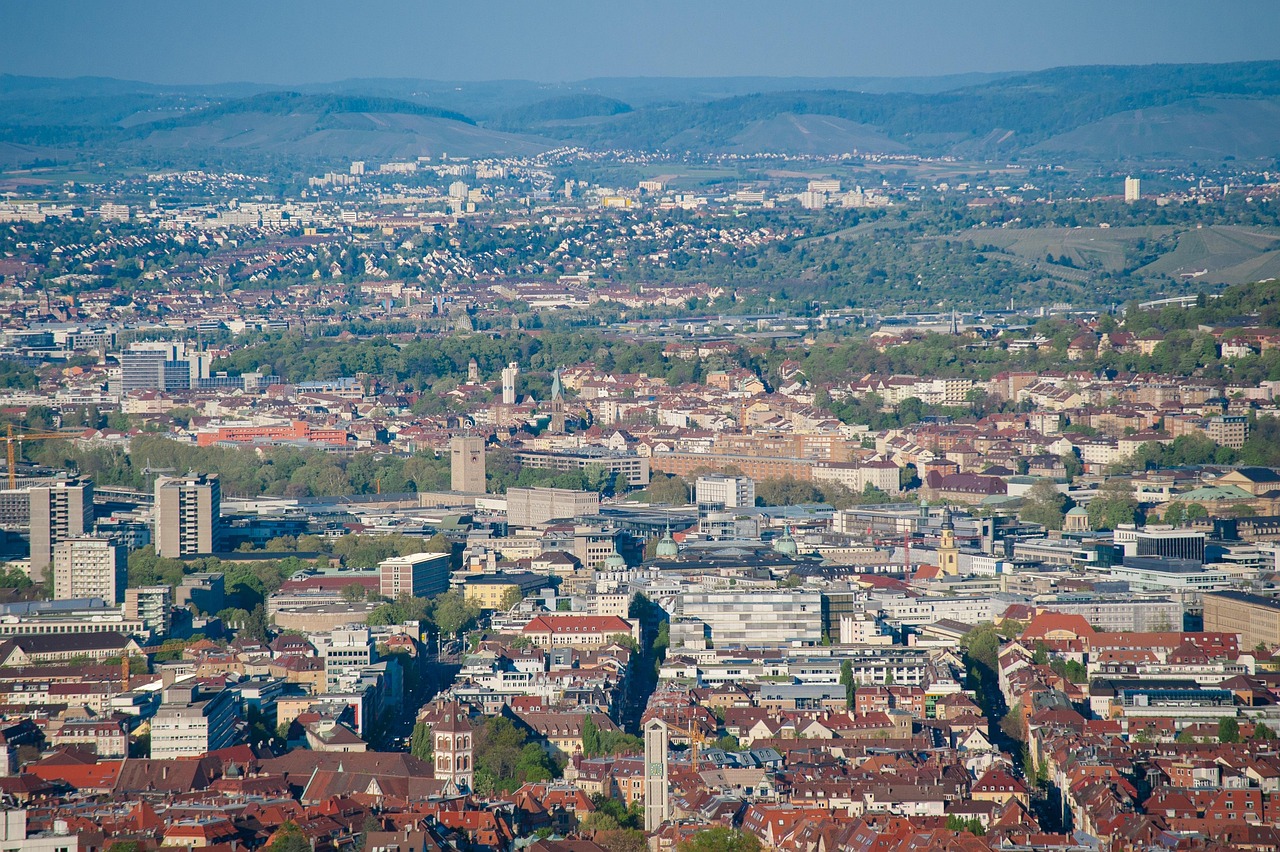
Why Visit Stuttgart in 2026
Stuttgart is one of those cities that quietly gets under your skin. It doesn’t shout like Berlin or preen like Munich; instead, it draws you in slowly with vineyard-clad hillsides, soft Swabian dialects, and a mix of cutting-edge engineering and old-world charm. The first time I arrived here, I stepped out of Stuttgart Hauptbahnhof, walked a few minutes into Schlossplatz, and suddenly found myself in the middle of a grand square framed by palaces, fountains, and locals lounging with ice cream in hand. It felt both regal and surprisingly laid-back.
What makes Stuttgart special is the contrast: Mercedes and Porsche museums in a city that’s also surrounded by vineyards; Baroque palaces a short U-Bahn ride away from experimental theaters; forested hills and thermal spas right next to urban nightlife. It’s a city where you can spend the morning exploring world-class museums, the afternoon sipping local Riesling overlooking the Neckar, and the evening at an open-air festival or cozy wine tavern.
In 2026–2027, Stuttgart is especially interesting: major transport upgrades around the controversial Stuttgart 21 project are nearing completion, new cultural spaces are opening, and the city is leaning into sustainable travel, with expanding bike lanes and green initiatives. Plus, major events like Volksfest, the Stuttgarter Weindorf, and a packed classical music calendar make this one of the most rewarding cities in Germany to explore slowly, over 3, 4, or 5 days.
Table of Contents
- Why Visit Stuttgart
- Suggested Itineraries (3–5 Days in Stuttgart)
- Top 20 Must-See Attractions in Stuttgart
- Neighborhoods & Areas to Explore
- Local Food & Drink in Stuttgart
- Nightlife, Entertainment & Cultural Experiences
- Major Events & Festivals 2026–2027
- Best Day Trips from Stuttgart
- Local Customs & Cultural Etiquette
- Practical Travel Advice for Stuttgart
- Summary & Best Time to Visit Stuttgart
Suggested Itineraries: 3, 4 & 5 Days in Stuttgart
These itineraries are built from my own visits over the years, tweaked and refined as friends and readers have tested them. They balance the must-see attractions in Stuttgart with hidden gems, local food, and time to breathe.
3 Days in Stuttgart: Classic Highlights & Vineyard Views
If you only have 3 days in Stuttgart, focus on the city center, the big car museums, and the vineyard belt along the Neckar. This 3 day itinerary for Stuttgart gives you a taste of everything without rushing too much.
Day 1: Palaces, Parks & the Heart of the City
My ideal first day in Stuttgart always starts in the city center, within walking distance of the Hauptbahnhof. Drop your bags, then walk straight toward Schlossplatz.
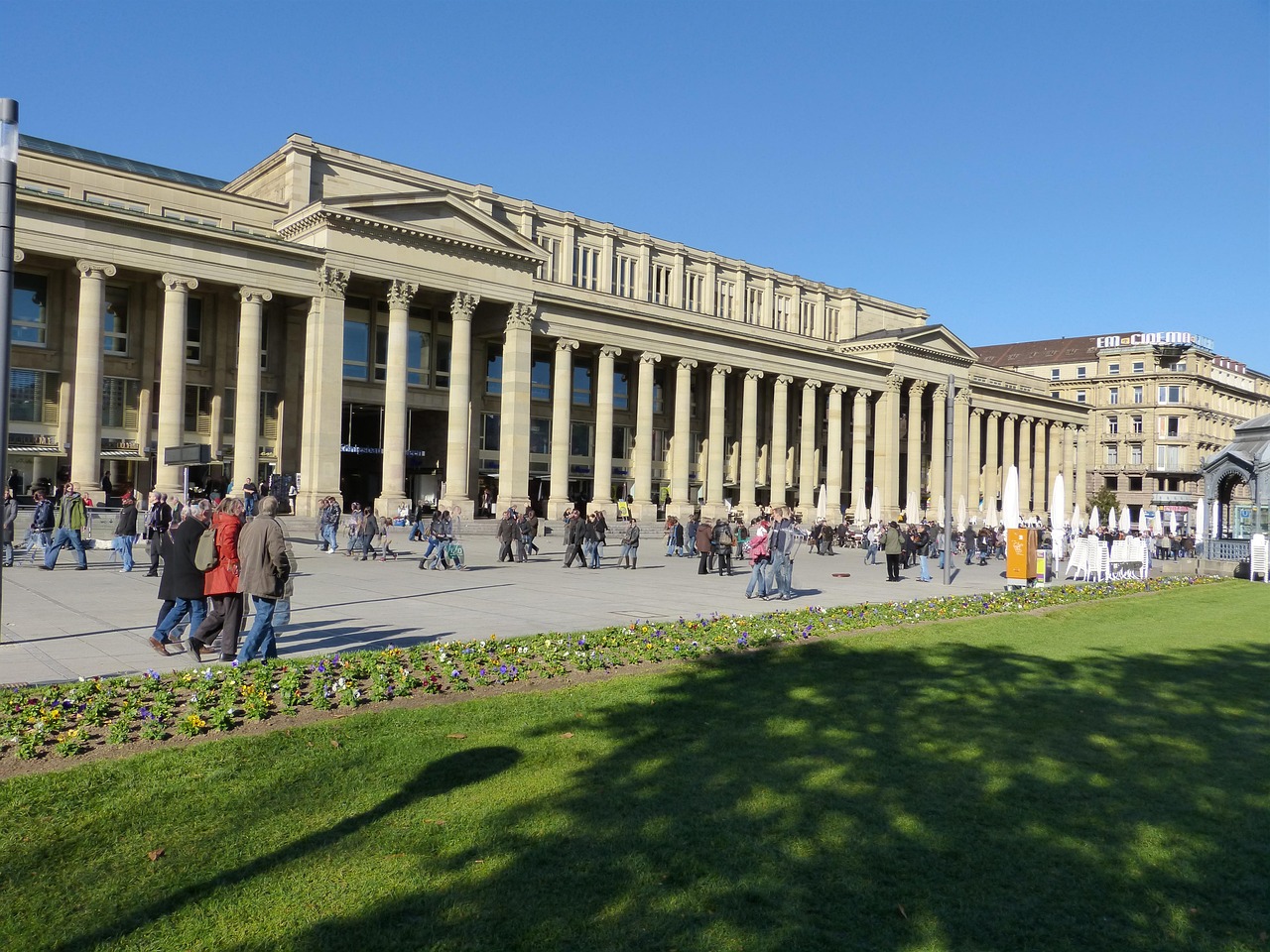
Morning – Schlossplatz & Neues Schloss
I still remember arriving on a crisp autumn morning, the fountains misting slightly in the sun. Schlossplatz is the living room of the city. On your left, the Baroque Neues Schloss (New Palace); on your right, the classicist Königsbau; ahead, the Jubiläumssäule column and lawns dotted with locals.
- Stroll the square, then pop into the Kunstmuseum Stuttgart (glass cube) at the edge of the square if you’re into modern art.
- Walk through the Schlossgarten park toward the Staatsgalerie if you prefer classic and modern masterpieces.
- Grab a coffee at one of the cafés along Königstraße, Stuttgart’s main shopping street.
Afternoon – Stuttgart Markthalle & Old Town Lanes
From Schlossplatz, it’s a short walk to one of my favorite indoor markets in Germany: the Stuttgarter Markthalle.
I’ve spent countless rainy afternoons here grazing from stall to stall. You’ll find everything from Swabian specialties to Spanish jamón and Turkish sweets.
- Try a portion of Maultaschen (Swabian filled pasta) or a slice of Zwiebelkuchen (onion tart) with a glass of local wine.
- Wander the side streets toward Schillerplatz, with its statue of Friedrich Schiller and the old Stiftskirche (Collegiate Church).
- Climb the church tower if open for great city views between the rooftops.
Evening – Relaxed Dinner & First Taste of Swabian Cuisine
End your first day in a traditional Weinstube (wine tavern) around the city center or Bohnenviertel. I like ducking into wood-paneled spots where menus are handwritten and locals are sharing long tables.
- Order Spätzle (egg noodles) with Linsen & Saitenwürstle (lentils and sausages) or Zwiebelrostbraten (roast beef with onions).
- Pair it with a dry Trollinger or Lemberger red wine from the surrounding vineyards.
Day 2: Mercedes-Benz Museum & Neckar Vineyards
This is one of my favorite days in Stuttgart, whether I’m showing friends around or just indulging my love of design and good views.
Morning – Mercedes-Benz Museum
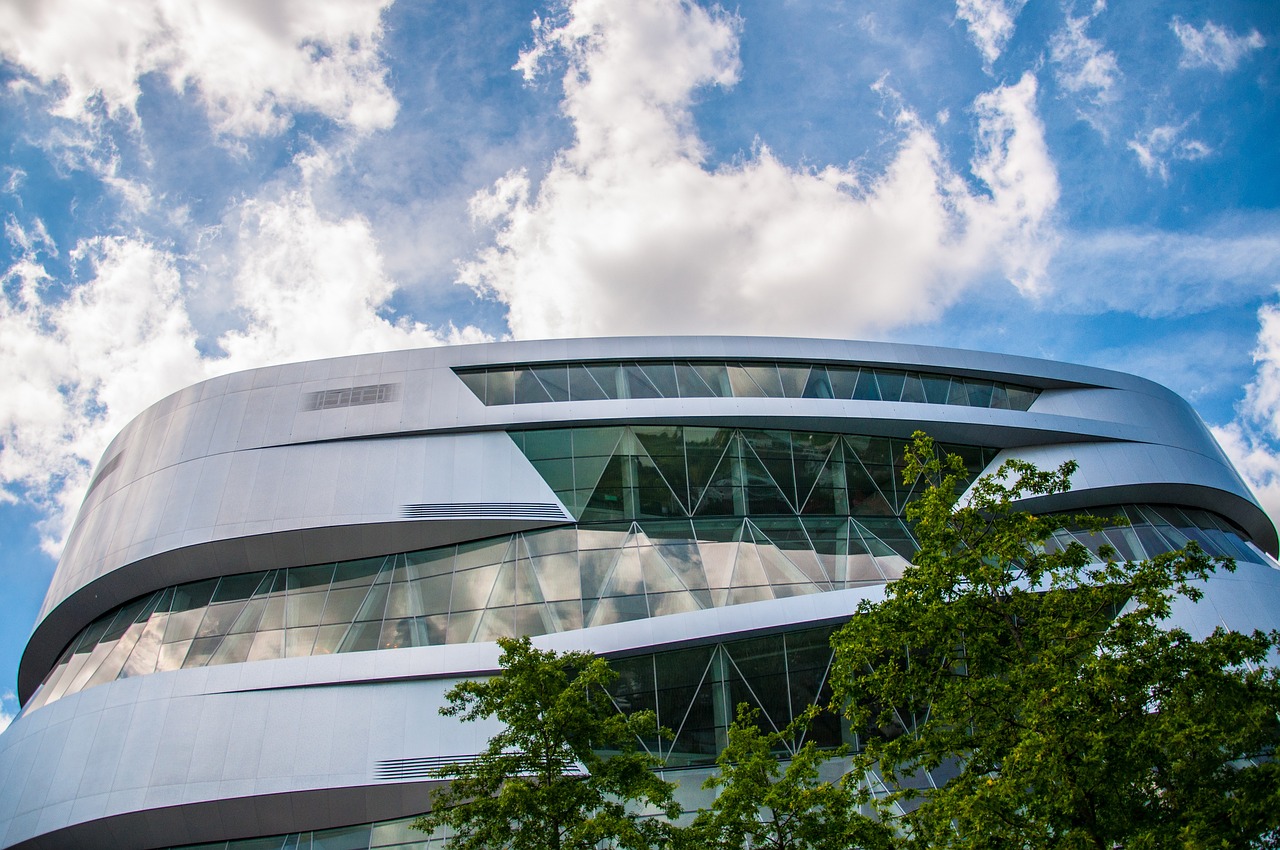
Even if you’re not a car person, the Mercedes-Benz Museum is a must-see attraction in Stuttgart. The building itself spirals like a double helix. I usually take the elevator to the top and walk down through the decades of automotive history.
- Plan at least 3–4 hours here; the exhibits are detailed and surprisingly moving.
- Look for the early motorized carriage and the iconic Silver Arrows racing cars.
- There’s an excellent café on site for a quick lunch.
Afternoon – Walk or Cruise Along the Neckar & Vineyards
After the museum, I like to slow down. Depending on the season:
- Spring–Autumn: Take a Neckar boat cruise or walk the river paths toward Untertürkheim and the vineyards.
- Climb into the vines around Uhlbach or Obertürkheim and visit a Besenwirtschaft – seasonal wine taverns run by local winemakers. They’re among the best hidden gems in Stuttgart.
Evening – Wine with a View at Württemberg Hill
If the weather’s kind, head up to the Grabkapelle auf dem Württemberg, a memorial chapel above the Neckar. I’ve watched sunsets here with a bottle of local Riesling and a picnic; the view over the vines and city is unforgettable and wonderfully romantic.
Day 3: Porsche Museum & Killesberg Heights
Morning – Porsche Museum
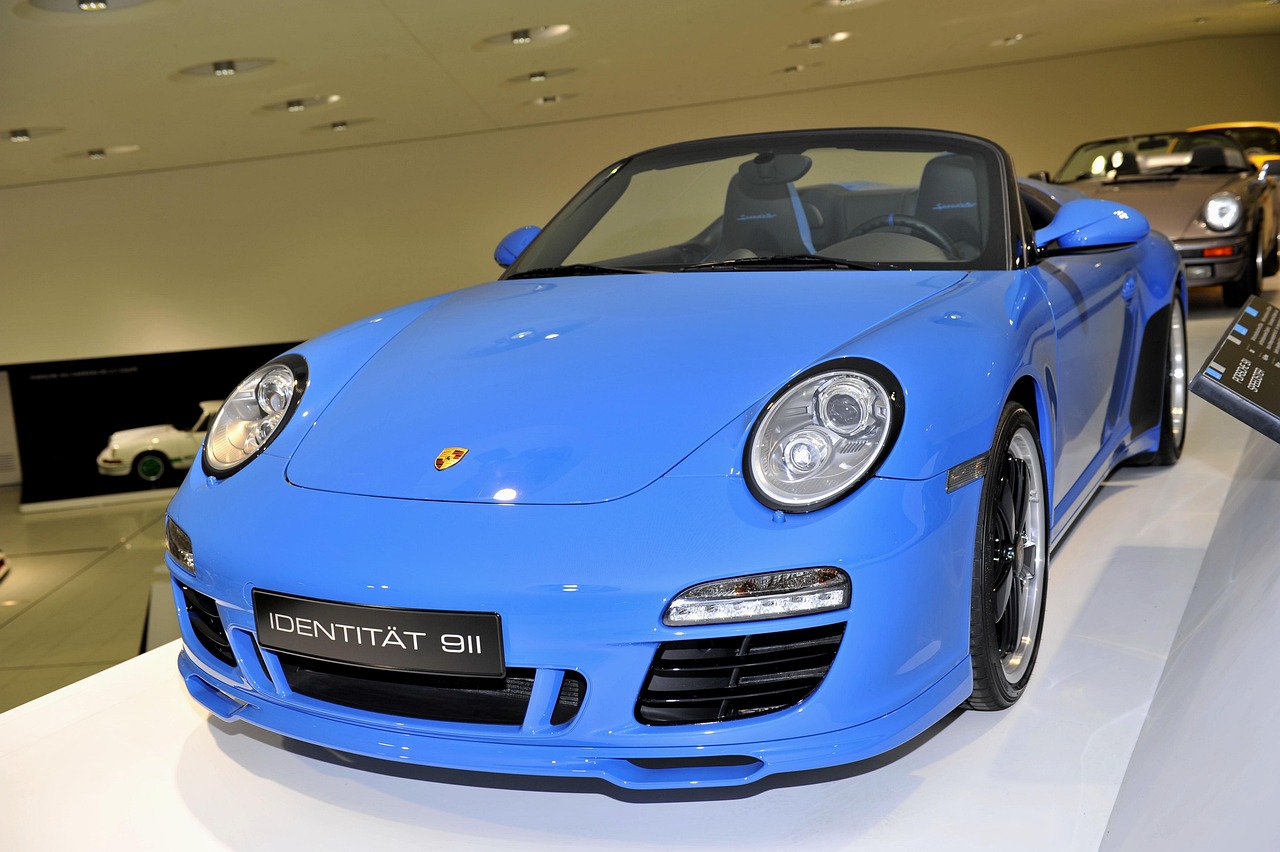
The Porsche Museum is sleeker and more compact than its Mercedes cousin, but I always come away impressed. The architecture is a futuristic sculpture in itself, floating above the road in Zuffenhausen.
- Allow 2–3 hours for the exhibits.
- Don’t miss the racing section; you’ll hear engines roar and see engineering up close.
Afternoon – Killesberg Park & Tower
From speed and steel to greenery and calm: hop on the U-Bahn to Killesberg. The Höhenpark Killesberg is one of my favorite escapes within the city.
- Climb the delicate Killesberg Tower for panoramic views of Stuttgart and the surrounding hills.
- Families will love the miniature railway, playgrounds, and flower gardens.
- Couples can find quieter corners and picnic spots.
Evening – Nightlife or Quiet Bars
For your final night, choose your vibe:
- Nightlife: Head to Theodor-Heuss-Straße for bars and clubs.
- Cozy: Explore Bohnenviertel or Heusteigviertel for wine bars and small restaurants.
4 Days in Stuttgart: Adding Palaces & Thermal Spas
With 4 days in Stuttgart, you can slow the pace and add more cultural experiences. A 4 day itinerary for Stuttgart gives you time for Ludwigsburg’s palaces or a full spa session.
Day 4 Option A: Ludwigsburg Residential Palace & Baroque Gardens
About 15–20 minutes by S-Bahn from Stuttgart, Ludwigsburg is one of Europe’s largest preserved Baroque palace complexes. I try to visit at least once a year, especially when the gardens are in bloom.
- Tour the Residenzschloss (Residential Palace) with its lavish interiors.
- Explore the Blühendes Barock gardens, with themed sections and seasonal displays.
- If you’re visiting with kids, the Märchengarten (Fairy Tale Garden) is magical and very family friendly.
Have lunch in one of Ludwigsburg’s cafés on the Marktplatz, then either continue to the hunting lodge Favorite Palace or head back to Stuttgart for a relaxed evening.
Day 4 Option B: Mineral Baths & Stuttgart’s Green U
If you’re more into relaxation and wellness, dedicate your fourth day to Stuttgart’s thermal side. The city sits on one of Europe’s largest mineral water sources.
- Choose between Mineralbad Leuze, Berg, or Bad Cannstatt for pools, saunas, and wellness areas. Note: German spa etiquette often includes textile-free sauna zones.
- Walk sections of the Grünes U (Green U), a chain of connected parks that arc through the city.
- In summer, bring a picnic and enjoy long, lazy hours between the pool and park lawns.
5 Days in Stuttgart: Deep Dives & Day Trips
With 5 days in Stuttgart, you can mix the 4-day plans and add a proper day trip. A 5 day itinerary for Stuttgart lets you see beyond the city limits into the Black Forest or Swabian Alb.
Day 5: Day Trip to the Swabian Alb or Black Forest
My two favorite full-day escapes:
- Swabian Alb: Explore Burg Hohenzollern, cave systems, and rolling hills. Great for hikers and castle lovers.
- Black Forest (Schwarzwald): Head to towns like Freudenstadt or Baden-Baden for forest walks and classic spa culture.
More detailed day trip ideas are in the Day Trips section below.
Top 20 Must-See Attractions in Stuttgart (with Local Insights)
This is where we dive deep. For each of these 20 best places to visit in Stuttgart, I’ll share history, significance, and how I personally like to experience them, including food tips, how to get there, and when to go.
1. Schlossplatz & Neues Schloss
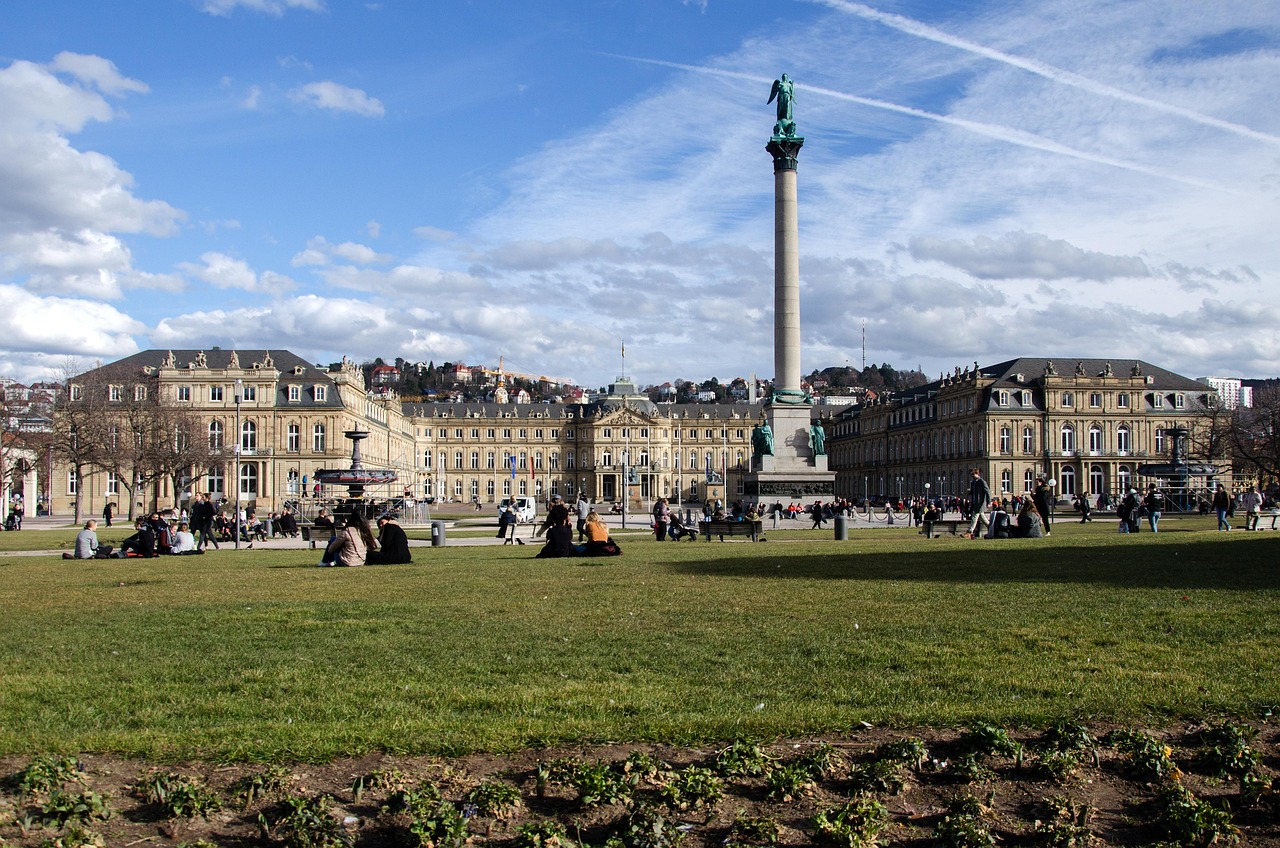
Why go: Schlossplatz is the beating heart of Stuttgart and the perfect introduction to the city’s blend of royal history and relaxed, contemporary life.
History & background: The Neues Schloss was built in the late 18th century as the residence of the Dukes and Kings of Württemberg. Damaged heavily in WWII, it’s been meticulously restored and now houses government offices. The square itself is framed by historic buildings and lush lawns, where events and festivals regularly take place.
My experience: I’ve seen Schlossplatz in almost every mood: lit up with Christmas markets, drenched in summer sunlight with kids running through fountains, and during cultural festivals when stages pop up overnight. On warm evenings, I like to grab a gelato from a nearby stand and join the locals people-watching on the grass.
Tips for visitors:
- Best time: Late afternoon into early evening, especially in spring and summer.
- Food: For a splurge, the cafés along Königstraße have terrace seating; for budget eats, grab takeaway from Königstraße side streets and picnic on the lawn.
- Getting there: A short walk from Stuttgart Hauptbahnhof or via U-Bahn to Schlossplatz.
- Family friendly: Kids love the fountains and open space; bring a ball or frisbee.
2. Mercedes-Benz Museum
Why go: One of the world’s most impressive automotive museums, tracing not just Mercedes but the evolution of the car itself.
History & background: Stuttgart is the birthplace of the automobile, thanks to Karl Benz and Gottlieb Daimler. The museum, opened in 2006, tells that story in a dramatic spiral layout, matching milestones in automotive engineering with world history.
My experience: The first time I visited, I expected dry tech talk. Instead, I found emotional narratives of innovation, war, rebuilding, and design. The 1950s and 60s sports cars still stop me in my tracks every time. I’ve returned with car-mad friends and non-car people; everyone found something fascinating.
Tips for visitors:
- Time needed: 3–4 hours minimum.
- Tickets: Pre-book online in summer or weekends to avoid queues.
- Food: The onsite café is solid; for cheaper options, walk toward Bad Cannstatt for kebab and bakeries.
- Getting there: S-Bahn to Neckarpark (Mercedes-Benz), then a signed walk.
- Family friendly: Interactive exhibits and kid-friendly displays; strollers allowed.
3. Porsche Museum
Why go: A sleek, design-forward museum celebrating one of the world’s most iconic sports car brands.
History & background: The Porsche Museum opened in 2009 in Zuffenhausen, where Porsche has been building cars since the 1950s. The collection ranges from early prototypes to legendary racing models.
My experience: When friends visit, I often pair Mercedes one day and Porsche the next. Porsche feels more intimate, with a strong focus on design language and racing. I love standing under the suspended cars and tracing how the 911 evolved over decades.
Tips for visitors:
- Time needed: 2–3 hours.
- Getting there: S-Bahn to Neuwirtshaus (Porscheplatz).
- Photography: Very photogenic; bring a wide-angle lens if you have one.
- Combined day: Visit in the morning and then explore nearby Weilimdorf or head back to the center.
4. Stuttgart TV Tower (Fernsehturm)
Why go: For one of the best skyline views of Stuttgart and its encircling hills and vineyards.
History & background: Completed in 1956, Stuttgart’s Fernsehturm was the world’s first concrete TV tower and inspired many later towers. After a closure for safety upgrades, it’s now fully open again.
My experience: On clear days, you can see to the Swabian Alb. I like to come just before sunset, watch the city lights flicker on, then warm up with a drink in the café.
Tips for visitors:
- Best time: Late afternoon to sunset for great photos.
- Getting there: U-Bahn to Ruhbank (Fernsehturm), then a short walk.
- Weather check: Not worth it on foggy days; check visibility before committing.
5. Höhenpark Killesberg & Killesberg Tower
Why go: A blend of landscaped gardens, playful architecture, and sweeping views from the airy Killesberg tower.
History & background: Once a quarry, this area was transformed into a park for horticultural exhibitions. Today, it’s part of Stuttgart’s “Green U” of connected parks.
My experience: I’ve come here in spring for tulips, in summer for festivals, and in autumn for russet leaves. The walk up the open, spiraling Killesberg tower is surprisingly thrilling on a windy day.
Tips:
- Family friendly: Mini train, playgrounds, open lawns.
- Picnic: Bring snacks; kiosks are seasonal.
- Getting there: U-Bahn to Killesberg.
6. Staatsgalerie Stuttgart
Why go: One of Germany’s top art museums, with a strong collection from the 14th century to modern art.
History & background: The original neoclassical building was expanded by James Stirling’s bold postmodern extension in the 1980s, now an architectural landmark.
My experience: I often duck into the Staatsgalerie on rainy days. The collection includes works by Picasso, Matisse, and German Expressionists. The architecture itself is a joy to wander.
Tips:
- Check which floors are open; some rotate.
- Budget travelers: look for free or reduced entry days.
- Combine with a stroll in the Schlossgarten right next door.
7. Weissenhof Estate & Le Corbusier Houses
Why go: A pilgrimage site for architecture lovers and a key example of early modernist housing.
History & background: Built in 1927 for the Werkbund exhibition, the Weissenhofsiedlung features designs by Mies van der Rohe, Le Corbusier, and others. Two Le Corbusier houses are now a UNESCO World Heritage Site.
My experience: The first time I walked through, it felt surreal to see such clean-lined, white modernism perched on a Stuttgart hillside. The small museum inside one of the Le Corbusier houses gives a fascinating look at how revolutionary these ideas were.
Tips:
- Take the U-Bahn to Hölderlinplatz and walk up, or bus closer to the estate.
- Architecture buffs should allow 2–3 hours; casual visitors may be content with a shorter stroll.
8. Grabkapelle auf dem Württemberg
Why go: A romantic hilltop chapel surrounded by vineyards, with panoramic views over the Neckar and Stuttgart.
History & background: Built by King Wilhelm I of Württemberg in memory of his beloved wife Katharina, the chapel has become a symbol of eternal love. Locals still see it as one of the city’s most romantic spots.
My experience: I’ve brought visiting couples up here with a bottle of Riesling and some bread and cheese; more than one has said it was the highlight of their trip. The light over the vines at golden hour is spectacular.
Tips:
- Best combined with a vineyard walk from Untertürkheim or Rotenberg.
- Wear good shoes; paths can be steep.
- Check chapel opening times if you want to see the interior.
9. Stuttgart Markthalle
Why go: A foodie paradise and the best place to sample local food in Stuttgart under one roof.
History & background: The Markthalle dates back to the early 20th century and combines Art Nouveau elements with modern stalls. It was rebuilt after war damage and is now a beloved local institution.
My experience: I almost always bring guests here on their first full day. My personal routine: start with a coffee, graze from a Swabian deli for Maultaschen, then buy dried fruits and nuts for the rest of the trip.
Tips:
- Come hungry and at off-peak times to avoid the lunch crush.
- Prices can be higher than supermarkets; think of it as an experience.
- Great spot to pick up picnic supplies before heading to a park or vineyard.
10. Ludwigsburg Residential Palace & Gardens
Why go: One of the largest Baroque palaces in Germany, with sprawling gardens and seasonal festivals.
History & background: Built in the early 18th century, Ludwigsburg served as the residence of the Dukes of Württemberg before Stuttgart took over as the main seat. Its gardens, known as Blühendes Barock, are famous for floral displays and the Fairytale Garden.
My experience: I love visiting during the pumpkin festival (Kürbisausstellung) when enormous, sculpted pumpkin displays take over the grounds. In quieter months, it’s a serene place to stroll and imagine courtly life.
Tips:
- Plan a full day if you want to see palace interiors and gardens thoroughly.
- Family travelers: don’t skip the Märchengarten.
- Easy S-Bahn ride from Stuttgart; the palace is walkable from Ludwigsburg station.
11. Wilhelma Zoo & Botanical Garden
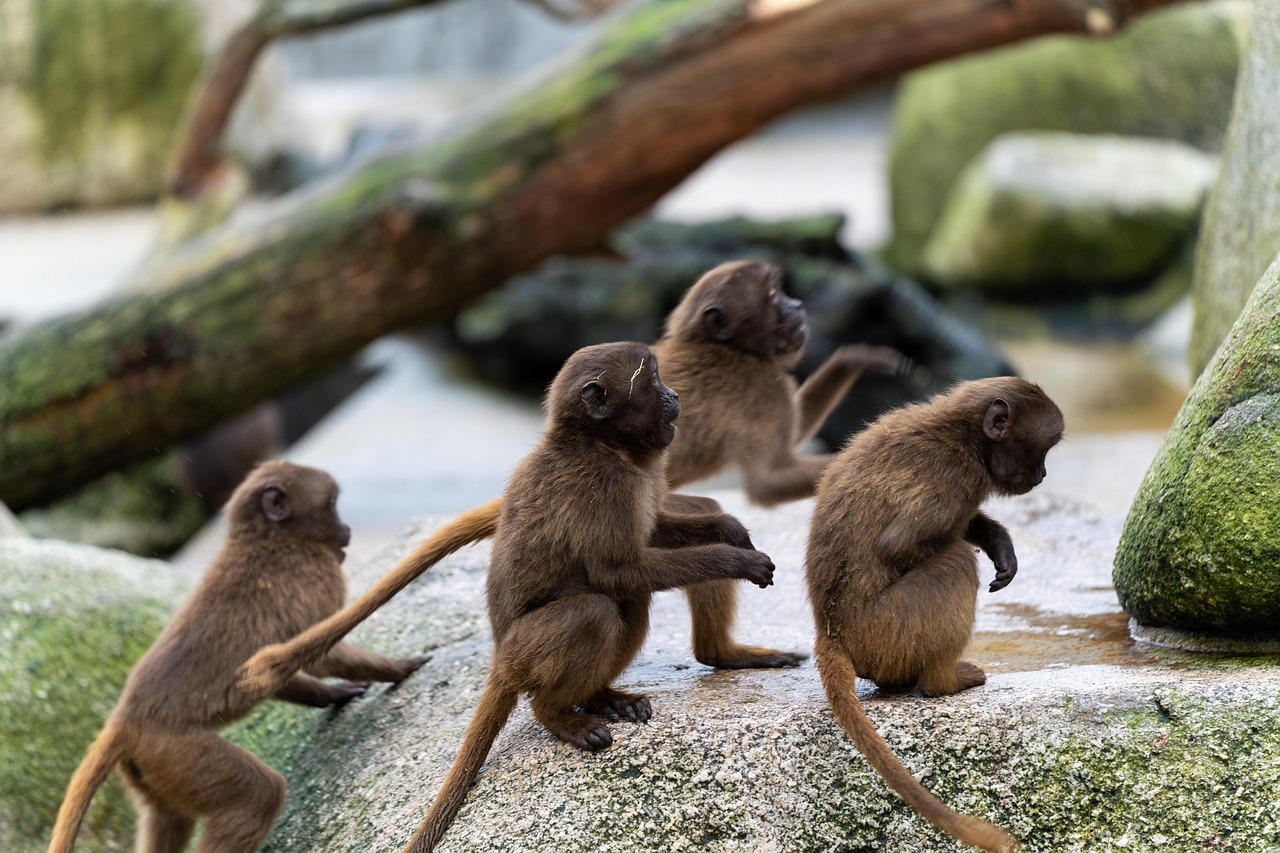
Why go: A unique combination of zoo and botanical garden set in a 19th-century Moorish-style palace complex.
History & background: Originally created as a royal garden for King Wilhelm I, Wilhelma became a public zoo and botanical garden after WWII. Its mix of exotic architecture, plant houses, and animal enclosures is unlike any other zoo I’ve visited.
My experience: I’ve spent full days here and still not seen everything in detail. My favorite corners are the historic greenhouses and the butterfly house, where kids (and adults) can walk among fluttering wings.
Tips:
- Arrive early to avoid crowds, especially on weekends and school holidays.
- Plenty of food kiosks, but you can also bring your own snacks.
- Very family friendly; plan for a lot of walking.
12. Bohnenviertel & Heusteigviertel
Why go: Atmospheric historic quarters with cobbled streets, small shops, and cozy wine bars.
History & background: The Bohnenviertel (“bean quarter”) is one of the oldest parts of Stuttgart, once home to gardeners and tradespeople. Heusteigviertel has beautiful turn-of-the-century buildings and a creative, slightly bohemian vibe.
My experience: These are my go-to neighborhoods when I want to feel a bit removed from the commercial bustle. I love wandering in the late afternoon, then settling into a quiet bar or restaurant.
Tips:
- Perfect for evening strolls and dinner.
- Look for small galleries and independent shops.
- Safe and walkable; wear comfortable shoes for cobblestones.
13. Killesberg Railway & Family Attractions
Why go: For a nostalgic miniature train ride through parkland, especially fun with kids.
History & background: The Killesberg railway dates back to 1939 and today runs seasonally through the park, pulled by small steam or diesel locomotives.
My experience: Even as an adult, I find it charming. On one visit with friends’ children, we did two loops because they simply refused to get off the first time.
Tips:
- Check seasonal operating times.
- Combine with a picnic in Höhenpark Killesberg.
14. Stuttgart’s Urban Vineyards & Wine Villages
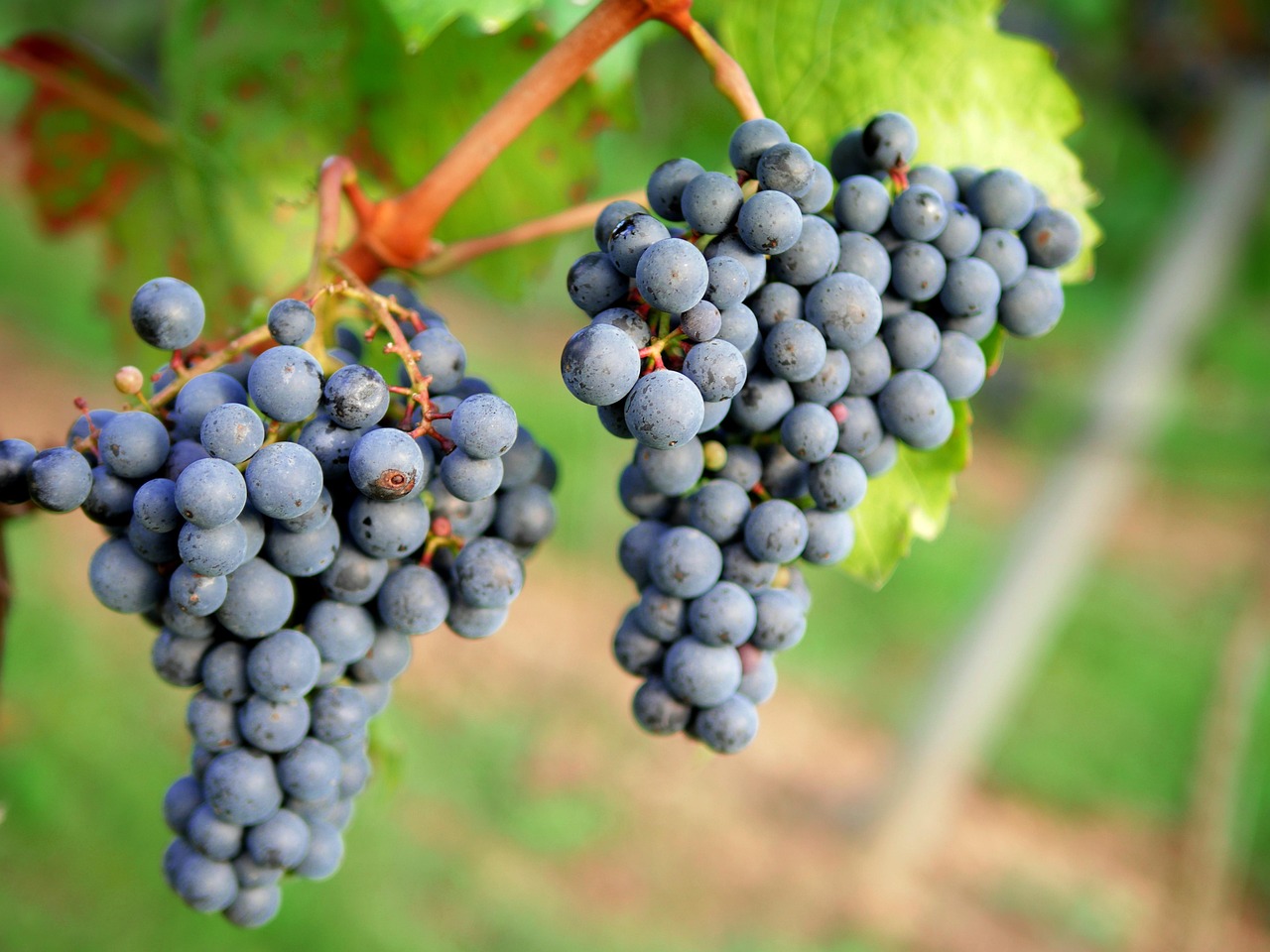
Why go: Few cities have vineyards so close to the center; here you can walk directly from tram stops into rows of vines.
Areas to explore: Uhlbach, Rotenberg, Untertürkheim, and Obertürkheim are all reachable by S-Bahn or bus and offer scenic walks, wine estates, and seasonal Besenwirtschaften.
My experience: My idea of a perfect Sunday is a vineyard walk from Uhlbach, a stop at the Weinbaumuseum (wine museum), then a hearty late lunch at a Besenwirtschaft with half the city’s wine-loving population.
Tips:
- Wear good walking shoes; some slopes are steep.
- Check Besenwirtschaft opening cycles online; they open only a few weeks each year.
- Great for couples, small groups, and photographers.
15. Stuttgart State Opera & Ballet
Why go: Stuttgart has one of Europe’s most respected opera and ballet companies, making it a cultural powerhouse.
History & background: The Opernhaus sits in the Oberer Schlossgarten, a classical building reconstructed after WWII. Stuttgart Ballet, in particular, is world-renowned.
My experience: I still remember a winter evening watching a modern ballet production, then stepping out to see the park dusted with snow. Performances are often daring and contemporary.
Tips:
- Book tickets in advance, especially for popular productions.
- Dress code is smart-casual; you’ll see everything from suits to jeans and nice sweaters.
- Combine with pre-show dinner around Schlossplatz.
16. Stuttgart’s Modern Architecture & City Library
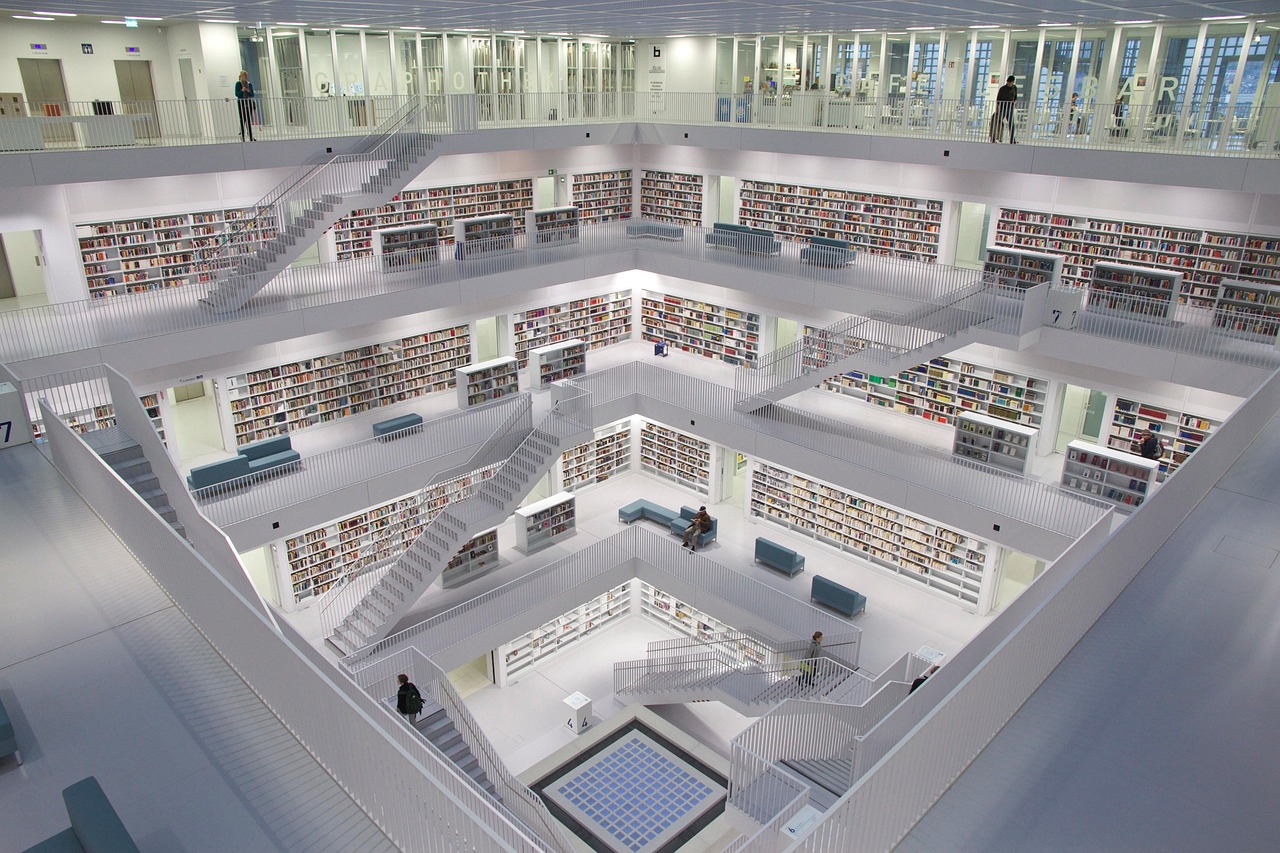
Why go: Stuttgart is quietly an architecture lover’s dream, from the new main station designs to the striking white cube of the city library.
Highlight: The Stadtbibliothek am Mailänder Platz looks like a simple cube outside, but inside reveals a breathtaking, minimalist, terraced atrium.
My experience: The library is one of my favorite hidden gems in Stuttgart. I’ve come here just to sit, read, and soak in the serene geometry. At sunset, the exterior sometimes glows with subtle lighting.
Tips:
- Take the lift up and walk down through the levels.
- Free entry; great on a rainy or hot day.
- Combine with shopping or a meal in the nearby Milaneo mall.
17. Bad Cannstatt Old Town & Mineral Springs
Why go: One of the oldest parts of Stuttgart, with half-timbered houses, mineral springs, and a more local feel.
History & background: Bad Cannstatt predates Stuttgart itself and became famous for its healing mineral waters. Today, it blends spa culture with a lived-in, everyday neighborhood vibe.
My experience: I often come here when I want to feel “off-duty” from the city center. The weekly markets, local bakeries, and more modest prices feel refreshingly authentic.
Tips:
- Explore on foot from Bad Cannstatt station.
- Look for public fountains where you can taste mineral water (not everyone likes the flavor!).
- Combine with Wilhelma or the mineral baths.
18. Schillerplatz, Stiftskirche & Altes Schloss
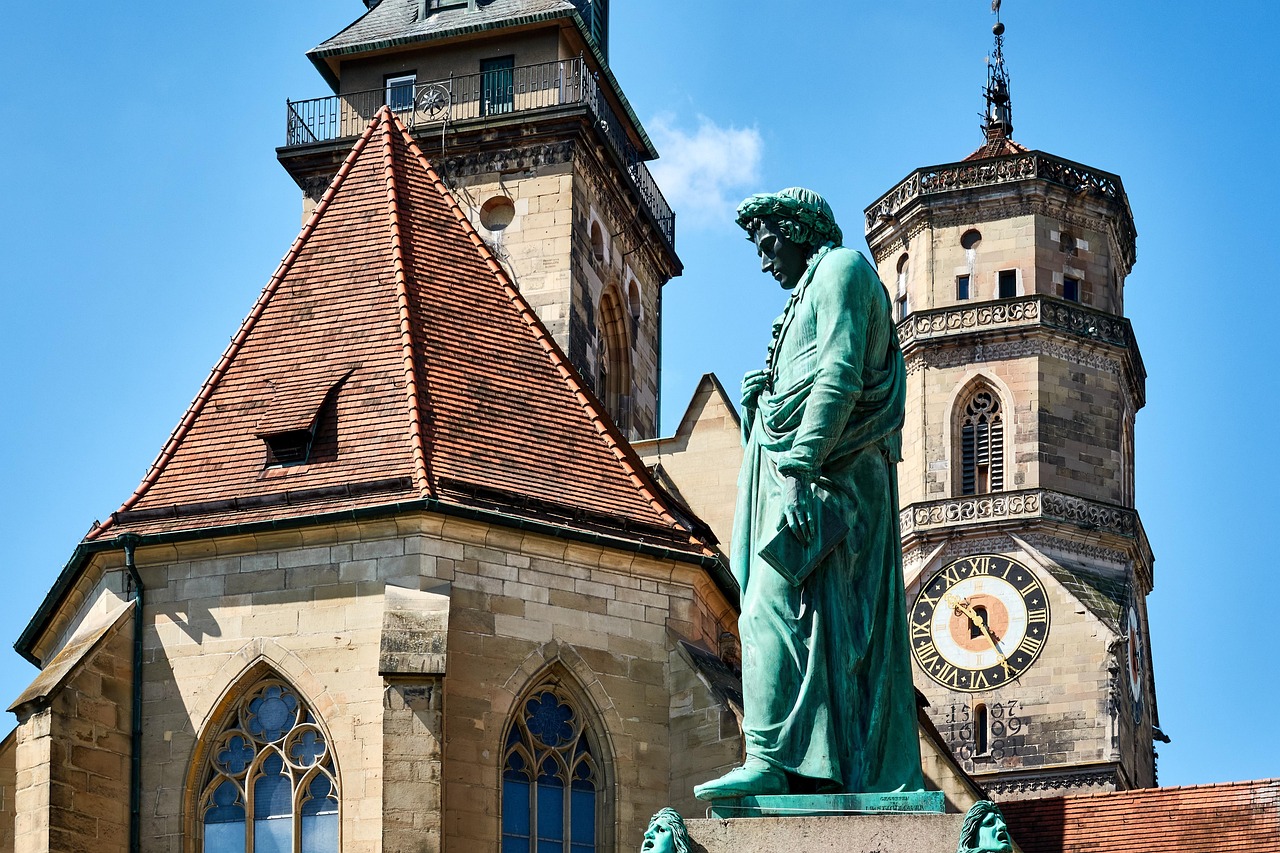
Why go: The historic core of Stuttgart, with cobbled squares and key historic buildings.
Highlights:
- Schillerplatz: Statue of Friedrich Schiller, surrounded by historic facades.
- Stiftskirche: Gothic church with twin towers and a peaceful interior.
- Altes Schloss: Former ducal residence, now housing the Württemberg State Museum.
My experience: I like to weave through these squares in the late afternoon when light slants across the stone. At Christmas, this area turns into part of Stuttgart’s beloved Christmas market.
19. Stuttgart Mineral Baths (Leuze, Berg, Bad Cannstatt)
Why go: To soak in naturally warm mineral waters and experience a big part of local wellness culture.
My experience: After long walking days, I love ending with a few hours at Mineralbad Leuze. Floating in outdoor pools under the stars in winter feels almost surreal.
Tips:
- Textile-free sauna zones are normal; if you’re shy, stick to pool-only areas.
- Bring flip-flops, a towel, and maybe a robe; rentals are available but add cost.
- Check for family times if visiting with children.
20. Stuttgarter Weindorf & Volksfest (Seasonal but Iconic)
Why go: If your visit coincides with these festivals, they become must-see attractions in Stuttgart in their own right.
Stuttgarter Weindorf: Late August to early September, the city center fills with beautifully decorated wine stalls serving local varietals and Swabian dishes. I come every year, meeting friends in the same stall and catching up over Trollinger and Käsespätzle.
Cannstatter Volksfest: Late September to early October on the Wasen in Bad Cannstatt. Think Oktoberfest’s cousin: huge beer tents, rides, and fairground food, but with more locals and slightly fewer tourists.
Tips:
- Reserve a table for Volksfest tents in advance for evenings/weekends.
- For Weindorf, early evenings are less crowded; later gets lively.
Stuttgart Neighborhoods & Areas to Explore
Stuttgart-Mitte (City Center)
The core of most itineraries: Königstraße shopping street, Schlossplatz, Markthalle, and main museums. Great for first-time visitors and convenient hotels.
Stuttgart-West
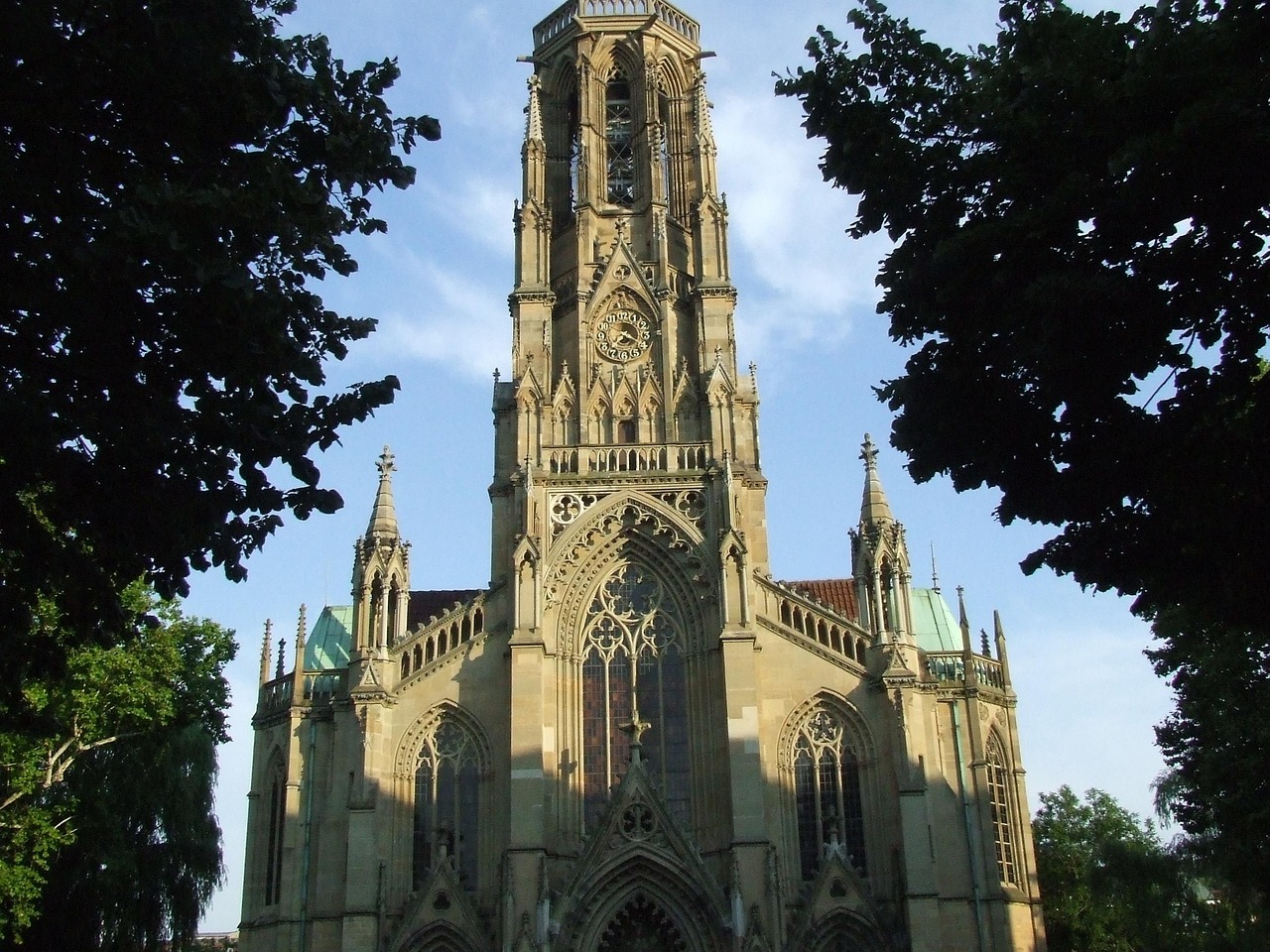
A residential area with elegant 19th-century buildings, independent cafés, and a very local feel. I love brunches here and quiet evening walks.
Stuttgart-Süd & Heusteigviertel
Creative, slightly hilly, with Art Nouveau buildings and plenty of bars and eateries. A great area to stay if you want a neighborhood vibe but still close to the center.
Stuttgart-Ost & Vineyards
Quieter residential pockets and access to some vineyard walks. Good if you prefer calm and don’t mind using public transport to get into the center.
Bad Cannstatt
Old town charm, Wilhelma, Volksfest grounds, and mineral baths. If you want to be near festivals and don’t mind a short S-Bahn ride to the center, this is a solid base.
Local Food & Drink in Stuttgart
Swabian cuisine is hearty, comforting, and perfect after days of exploring hills and museums. These are the must-try dishes and drinks, plus where I personally like to enjoy them.
Essential Swabian Dishes
- Maultaschen: Often called “Swabian ravioli” – pasta pockets filled with meat and spinach. Try them in broth (in der Brühe) or pan-fried with onions. I like them at traditional Weinstuben in the Bohnenviertel.
- Spätzle: Soft egg noodles; best as Käsespätzle (with cheese and onions). Comfort food at its finest.
- Zwiebelrostbraten: Roast beef topped with crispy onions, usually served with Spätzle. Ideal when you’re really hungry.
- Linsen mit Spätzle & Saitenwürstle: Lentils with noodles and sausages – a Swabian classic that’s both filling and budget-friendly.
- Flammkuchen: Thin-crust “pizza” from nearby Alsace; very popular in wine bars.
Local Wines & Drinks
- Trollinger: Light red, often enjoyed chilled. A Stuttgart staple.
- Lemberger (Blaufränkisch): Fuller-bodied red; great with meat dishes.
- Riesling & Kerner: Crisp whites from the Neckar slopes.
- Spritzer: Schorle (wine mixed with sparkling water) – refreshing on hot days.
Where I Like to Eat & Drink (Examples)
- Traditional Weinstuben: Around Bohnenviertel and the city center for classic Swabian food and local wines in wood-paneled interiors.
- Markthalle Stalls: For a casual, varied lunch when you can’t decide what to eat.
- Vineyard Besenwirtschaften: For seasonal, ultra-local experiences; check online for current openings.
Saving Money on Food
- Take advantage of Mittagsangebote (lunch specials) in many restaurants.
- Use bakeries (Bäckerei) for breakfast: fresh rolls, pastries, and coffee for a few euros.
- Buy picnic supplies at supermarkets and enjoy them in parks or vineyards.
Nightlife, Entertainment & Cultural Experiences in Stuttgart
Nightlife Areas
- Theodor-Heuss-Straße: Bars, clubs, and a lively scene until late. Expect crowds on weekends.
- Heusteigviertel & Bohnenviertel: More relaxed bars and wine taverns.
- Stuttgart-West: Local favorite bars and smaller venues.
Cultural Experiences
- Opera & Ballet: See a performance at the Staatsoper Stuttgart or the ballet – world-class quality.
- Theaters: Schauspiel Stuttgart for German-language theater; smaller venues for experimental works.
- Live Music: Jazz, rock, and classical concerts pop up in venues across the city; check local listings.
Romantic Experiences
- Sunset at the Grabkapelle Württemberg with a picnic.
- Evening walk through Schlossgarten and along the Neckar.
- Dinner in a candlelit Weinstube in the old town.
Family-Friendly Evenings
- Early evening at Killesberg Park or Schlossgarten.
- Casual dinner in family-friendly restaurants in the center.
- Seasonal fairs and events, especially in summer and around Christmas.
Major Events & Festivals in Stuttgart (2026–2027)
Stuttgart’s event calendar is dense. Some key highlights for 2026–2027 (dates may shift slightly year to year; always confirm closer to your trip):
- Stuttgarter Frühlingsfest (Spring Festival) – April to early May on the Wasen in Bad Cannstatt; rides, beer tents, and fairground fun.
- Stuttgarter Weindorf (Wine Village) – Late August to early September in the city center; decorated wine stalls and Swabian food.
- Cannstatter Volksfest – Late September to early October; one of the biggest beer festivals in the world.
- Stuttgart Christmas Market – Late November to just before Christmas; one of Germany’s oldest and most beautifully decorated markets.
- Classical Music & Ballet Seasons – Ongoing at the Staatstheater with special premieres and guest performances planned for 2026–2027.
- Automotive & Design Events – Watch for rotating exhibitions at Mercedes-Benz and Porsche museums, plus design fairs at the Messe Stuttgart complex.
Best Day Trips from Stuttgart
With 4 or 5 days in Stuttgart, consider these excellent day trips:
Hohenzollern Castle
A fairy-tale fortress perched on a conical hill about an hour from Stuttgart by car or train plus bus. Great for hikers and photographers.
Tübingen
Charming university town with colorful houses along the Neckar. Stroll the old town, climb to the castle, and enjoy riverside cafés.
Black Forest (Schwarzwald)
Head to towns like Freudenstadt or Baiersbronn for forest walks, spa hotels, and hearty food.
Swabian Alb
Explore limestone hills, caves, and castles; ideal if you want more nature and fewer crowds.
Esslingen am Neckar
Just 15–20 minutes from Stuttgart, Esslingen offers a beautifully preserved medieval town center and vineyards. Its Christmas market is especially atmospheric.
Practical tips:
- Use Baden-Württemberg regional day tickets for cost-effective train travel.
- Start early to maximize your day; many attractions close by early evening.
- Pack layers; weather can shift quickly in hillier regions.
Local Customs & Cultural Etiquette in Stuttgart
Understanding local customs in Stuttgart will make your trip smoother and more enjoyable.
Greetings & Politeness
- Use “Guten Tag” (good day) or “Hallo” when entering small shops or cafés.
- Address people with Herr (Mr.) or Frau (Ms.) plus last name unless invited to use first names.
- Handshakes are common in more formal settings; a simple nod and “Hallo” works casually.
Dining Etiquette
- It’s normal to share tables with strangers in busy beer gardens or Weinstuben; just ask “Ist hier noch frei?” (Is this seat free?).
- Wait to be seated in many restaurants; in casual places, you can often choose your own table.
- Tip around 5–10% by rounding up the bill and telling the server the total amount.
Quiet & Order
- Sunday is a rest day; many shops are closed, and noise in residential areas is frowned upon.
- Recycling is taken seriously; follow bin labels in apartments and public spaces.
Language
Most younger people and those in tourism speak English, but learning a few German phrases is appreciated. The local dialect (Schwäbisch) can sound very different from textbook German; don’t be shy about asking people to repeat slowly.
Practical Travel Advice for Stuttgart (2026 Edition)
Getting Around Stuttgart
Stuttgart’s public transport network (VVS) is excellent: S-Bahn, U-Bahn, buses, and regional trains are integrated.
- From the airport: S-Bahn lines S2/S3 connect the airport to the main station in about 30 minutes.
- Tickets: Day passes often save money if you’re taking multiple trips. Consider a Stuttgart Card for combined transport and attraction discounts.
- Bikes & Scooters: In 2026, the bike network is growing; e-scooters and bike-sharing are widely available but ride carefully on hills and cobbles.
Car Rental & Foreign Licenses
You don’t need a car in Stuttgart itself, but it can be handy for day trips. Most foreign driver’s licenses (especially from EU, UK, US, Canada, Australia, etc.) are accepted for short stays; check specifics before travel. An International Driving Permit can be useful but isn’t always required.
Remember that parts of Stuttgart are low-emission zones; rental cars will usually have the necessary stickers, but confirm.
SIM Cards & Connectivity
For data and calls in 2026:
- Prepaid SIMs from providers like Telekom, Vodafone, and O2 are available at electronics stores and some supermarkets.
- EU eSIM packages are increasingly common; you can install one before arrival.
- Free Wi-Fi is available in many cafés, hotels, and some public areas.
Money & Costs
Germany uses the euro (€). Card payments are widely accepted, though small, older places might prefer cash.
- Stuttgart is mid-range by German standards; cheaper than Munich, more expensive than smaller towns.
- Save money with lunch deals, supermarket picnics, and regional train tickets.
Visa Requirements
Germany is part of the Schengen Area. Many nationalities (including EU, UK, US, Canada, Australia, New Zealand, and others) can enter visa-free for short stays (usually up to 90 days) for tourism. Always check up-to-date requirements for your nationality well before travel, especially with evolving ETIAS rules in the EU.
Safety
Stuttgart is generally very safe. Standard city precautions apply: watch your belongings in crowded areas and on public transport, especially during festivals.
Best Seasons for Different Activities
- Spring (March–May): Blossoms in parks, milder temperatures, fewer tourists. Great for walking and early vineyard hikes.
- Summer (June–August): Outdoor festivals, beer gardens, and long evenings. Can be hot; escape to parks and mineral pools.
- Autumn (September–November): Wine festivals, colorful vineyards, and Volksfest. My personal favorite time to visit.
- Winter (December–February): Christmas markets, spa culture, and cozy Weinstuben. Short days but very atmospheric.
Hidden Money-Saving Tips
- Use regional day tickets for multiple train journeys (valid after morning peak on weekdays and all day on weekends).
- Look for museum combo tickets and late-entry discounts.
- Stay slightly outside the center (e.g., in Bad Cannstatt or Stuttgart-West) for better hotel prices and use public transport.
Summary: Planning Your Perfect Stuttgart Trip in 2026
Stuttgart rewards travelers who like to balance big-name attractions with slower, more local experiences. Whether you spend 3 days in Stuttgart hitting the classics, or plan a 4 day itinerary for Stuttgart or 5 day itinerary for Stuttgart that dives into vineyards, spas, and day trips, you’ll find a city that is both proud of its engineering heritage and deeply rooted in a warm, wine-soaked Swabian culture.
Key takeaways:
- Must-see attractions in Stuttgart: Schlossplatz, Mercedes-Benz Museum, Porsche Museum, Wilhelma, Killesberg, Staatsgalerie, and the vineyards.
- Best local food in Stuttgart: Maultaschen, Käsespätzle, Zwiebelrostbraten, and local wines (Trollinger, Lemberger, Riesling).
- Hidden gems in Stuttgart: City library, Besenwirtschaften, Grabkapelle Württemberg at sunset, Bad Cannstatt’s old town.
- Best seasons: Autumn for wine and festivals, December for Christmas markets, and late spring/summer for outdoor life.
Come with good walking shoes, an appetite for hearty food and crisp wine, and a willingness to slow down and explore. Stuttgart won’t overwhelm you at first glance, but give it a few days – it has a way of feeling like home remarkably quickly.