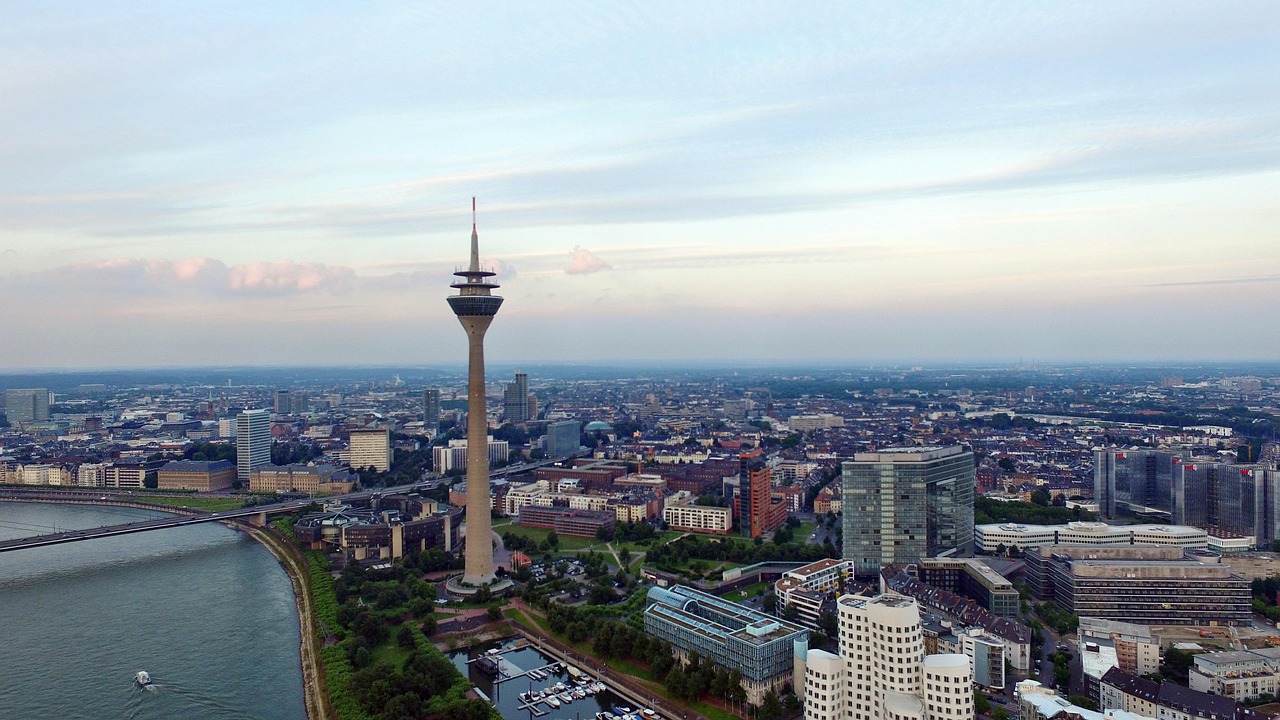
Why Visit Düsseldorf?
Düsseldorf has this quiet confidence that sneaks up on you. It doesn’t shout like Berlin or pose like Munich; it just goes about being effortlessly stylish, deeply livable, and unexpectedly fun. The first time I came, I planned to stay two days on my way to the Netherlands. I ended up staying a week, came back the next year, and then again. By now I’ve lost count of how many weekends I’ve wandered along the Rhine here.
What makes Düsseldorf special is the mix: a riverside city with an almost Mediterranean café culture, cutting‑edge modern architecture, a walkable Old Town that claims the “longest bar in the world,” one of Europe’s most important contemporary art scenes, and the largest Japanese community in Germany (hello ramen and izakaya!). Add easy public transport, friendly locals who actually talk to you at the bar, and a compact center that you can cross on foot in 20 minutes, and you’ve got a perfect base for 3–5 days in Düsseldorf—or longer.
This 2026 travel guide is written as if I’m walking you around the city myself: the must‑see attractions, the little side streets where I drink coffee and people‑watch, the places where you can save money without compromising, and the cultural quirks that will make you feel less like a tourist and more like a temporary local.
City Overview & Neighborhoods
Düsseldorf sits on a sweeping curve of the Rhine in western Germany, about 40 minutes by train from Cologne and 2.5–3 hours from Amsterdam, Brussels, or Paris by high‑speed train. It’s the capital of North Rhine‑Westphalia, one of Germany’s economic powerhouses, which means plenty of business travelers during the week and a very polished city center—but also a student and creative population that keeps things interesting.
Key Neighborhoods to Know
- Altstadt (Old Town): Compact, cobbled, and lively. Home to the “longest bar in the world,” historical churches, and riverfront promenades. Great for first‑time visitors and nightlife.
- Rheinufer & MedienHafen: The Rhine promenade and the revamped harbor area with Gehry architecture, trendy restaurants, and sunset views. My go‑to evening walk.
- Königsallee & Stadtmitte: Düsseldorf’s luxury shopping mile (locals call it the “Kö”) and the commercial center. Ideal if you want to be close to everything and don’t mind some gloss.
- Carlstadt: Slightly quieter than Altstadt, with galleries, antique shops, and the Carlsplatz food market. I often stay around here—central but not too loud.
- Flingern: Split into Flingern‑Nord (hip cafés, boutiques, street art) and Flingern‑Süd (more residential). Think “Brooklyn‑lite” with a Rhenish twist.
- Bilk & Unterbilk: Younger, creative, lots of student bars, indie cinemas, and casual eateries. Great for more affordable stays and a local vibe.
- Oberkassel: Leafy, elegant neighborhood across the river, full of Art Nouveau buildings. Cross the bridge at sunset and you’ll see why locals love living here.
- Little Tokyo / Immermannstraße: Between the main station and the Kö, this compact Japanese quarter is where to go for ramen, sushi, Asian groceries, and manga shops.
Top 20 Attractions & Experiences in Düsseldorf
These are the places I keep returning to, the must‑see attractions in Düsseldorf that I’d include in any 3 day itinerary or 5 day itinerary for Düsseldorf. I’ll start with the big icons and then drift into the hidden gems.
1. Rheinuferpromenade (Rhine Promenade)
If Düsseldorf has a living room, it’s the Rheinuferpromenade. This wide, tree‑lined walkway runs along the Rhine from the Old Town down to MedienHafen, and it’s where the city comes out to breathe, flirt, run, and drink beer in the sunshine.
I usually arrive on a late afternoon train, drop my bags, and head straight here. The river is broad and busy, barges sliding past as cyclists and in‑line skaters weave between families and couples. On warm evenings, people perch on the steps by Burgplatz with bottles of Altbier from the nearby breweries, and street performers add a soundtrack of guitars and saxophones.
What to do: Walk from the Oberkasseler Brücke towards MedienHafen around sunset. Stop at one of the outdoor cafés for a Kölsch or Altbier (yes, you can get both, though Düsseldorf is an Alt town) and some Flammkuchen (a kind of thin, crispy pizza from Alsace). If you’re with kids, there’s plenty of space to run and a few playgrounds along the way.
Tips: It’s especially atmospheric during summer evenings and during the Rheinkirmes (Rhine fair) in July, when the whole riverbank turns into a carnival. For photos, come early in the morning when the light is soft and the promenade is almost empty.
How to get there: Any Altstadt or Heinrich‑Heine‑Allee tram/underground stop will put you within a couple of minutes’ walk.
2. Altstadt – The “Longest Bar in the World”
Calling Altstadt the “longest bar in the world” is only slightly an exaggeration. This compact Old Town is packed with over 250 bars, brewpubs, and restaurants, squeezed between historic churches and narrow lanes. Yet it’s more than just a party zone; if you wander in the morning, you’ll find quiet courtyards, bakeries pulling hot Brötchen from the oven, and locals doing their daily shopping.
On my last trip I stayed just south of Altstadt and slipped in early each day for a coffee on Marktplatz before the tour groups arrived. Later, I’d return in the evening for an Altbier crawl with friends, letting the waiters (“Köbesse”) keep the beers coming until we surrendered by putting a coaster on top of the glass.
Don’t miss:
- Marktplatz & Rathaus (Town Hall): The heart of the Old Town, with a statue of Jan Wellem on horseback and the historic town hall building.
- Burgplatz: Large square opening onto the river, framed by the Schlossturm tower.
- Ratinger Straße: A slightly more local stretch of bars, less stag‑party heavy than Bolkerstraße.
Family‑friendly? During the day, yes. At night, especially Fridays and Saturdays, it can get rowdy. If you’re traveling with kids, aim for late afternoon and early evening, then retreat to quieter neighborhoods to sleep.
3. Königsallee (“Kö”)
Königsallee is Düsseldorf’s catwalk: a broad boulevard split by a canal, lined with plane trees and expensive boutiques. Even if you’re not here to shop, it’s pure people‑watching gold. You’ll see impeccably dressed locals walking small, well‑groomed dogs, business people from the nearby offices, and tourists posing on the bridges.
My guilty pleasure is to grab a coffee to go from one of the side‑street cafés and stroll up the Kö imagining which apartment I’d buy if I ever won the lottery. At Christmas, the trees are wrapped in lights and there’s a festive market nearby; in spring the blossoms along the side streets are lovely.
Shopping tips: The luxury brands are on the Kö itself, but don’t miss Schadowstraße and the smaller streets towards Carlstadt and Stadtmitte for more affordable shops. Even if you’re on a budget 3 days in Düsseldorf, a window‑shopping loop here is worth an hour.
4. MedienHafen – Architecture & Nightlife by the Water
Once a gritty industrial harbor, MedienHafen has transformed into a showcase of contemporary architecture and creative businesses. When I first visited in the early 2010s it already felt new; every time I return, another striking building has appeared.
The stars of the show are the Gehry Buildings—three leaning, twisting structures designed by Frank Gehry that look like they’re having a conversation with each other. Around them, you’ll find glass‑and‑steel office blocks, converted warehouses, rooftop bars, and stylish restaurants.
What I like to do: Come in late afternoon, wander the piers with a camera, then head to one of the bars overlooking the harbor for a drink as the lights come on. It’s romantic without trying too hard and makes a great evening stop on a 4 day itinerary for Düsseldorf.
Tips: MedienHafen can be windy; bring a light jacket even in summer evenings. If you’re after nightlife, this area has a more grown‑up, lounge‑y vibe compared to the beer halls of Altstadt.
5. Rheinturm (Rhine Tower)
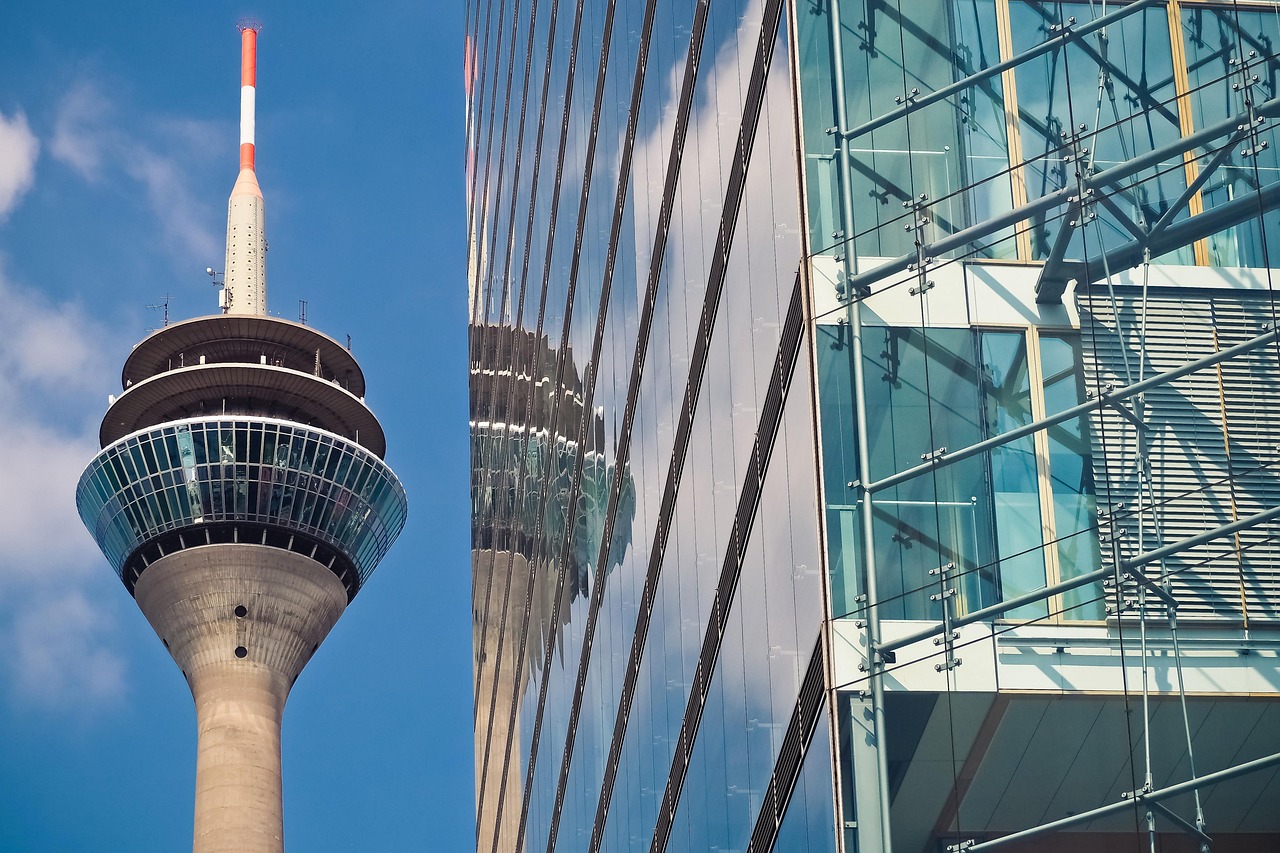
The Rheinturm is Düsseldorf’s 240‑meter communications tower, and the best place to get a sense of how the city hugs the Rhine. I’ve been up in all kinds of weather: bright winter days when the air is crystal clear and you can see Cologne’s cathedral in the distance, hazy summer evenings with the river glowing orange, and once during a brooding November storm when the city lights reflected in the low clouds.
What to expect: High‑speed elevators whisk you up to the observation deck. There’s a bar and a revolving restaurant above; prices are higher than in town, but the view is the point. I like coming about 45 minutes before sunset to watch the city slowly switch from day to night.
Booking & tips: In busy months (May–September, Advent weekends) it’s worth booking a time slot online. Families: kids usually love spotting trains and boats from above. If you have vertigo, stay away from the edge but you can still enjoy the bar.
6. Kunstsammlung NRW (K20, K21 & K22)
Düsseldorf punches far above its weight when it comes to art, and the Kunstsammlung Nordrhein‑Westfalen is the main reason why. It’s spread across (currently) three main sites:
- K20 Grabbeplatz: Focused on 20th‑century classics—Klee, Picasso, Matisse, etc.—in a black granite building near the Altstadt.
- K21 Ständehaus: More contemporary works in a former parliament building with a stunning glass dome.
- K22 (newer exhibitions space): Rotating shows and experimental projects (check current programming).
On one rainy November visit I spent half a day drifting between K20 and K21, taking breaks in their cafés and watching soaked umbrellas parade past the windows. The installations in K21’s atrium are often spectacular—check if any walk‑on nets or interactive pieces are installed when you visit.
Tips: Get the combined ticket if you plan to see more than one site (especially good value if you’re doing 3–4 days in Düsseldorf). Many exhibitions have English translations. Lockers are available for bags. Closed Mondays, so plan around that.
7. Museum Kunstpalast
While the Kunstsammlung leans modern, the Museum Kunstpalast covers a broader sweep of art history, from Old Masters to design and glass collections. It’s located near the Rhine, next to the NRW‑Forum, and often hosts big‑ticket temporary exhibitions.
Last spring I ducked in during a sudden storm, planning a quick hour and staying almost four. The permanent collection is manageable (not overwhelming like some mega‑museums), and the staff are surprisingly chatty if you show interest.
Good for: Art lovers, rainy days, families (there are often kid‑friendly activities). If you’re only in town for 3 days and not a hardcore art person, choose either Kunstsammlung or Kunstpalast; with 5 days in Düsseldorf, you can happily do both.
8. Schloss Benrath & Park
Schloss Benrath is a pastel‑pink 18th‑century palace in the southern district of Benrath, surrounded by formal gardens and a large park. It feels like stepping into a Rococo dollhouse.
I like to come here when I need a break from the city center. You can tour the main residence with a guide (available in English), visit the museums in the side wings (nature and garden history), and then wander the park down to the lake. In spring, the lawns are dotted with picnics; in autumn, the trees along the canals turn blazing red and gold.
Romantic touch: This is a classic proposal or wedding‑photo spot for locals; don’t be surprised if you see couples in full wedding attire posing under the trees.
How to get there: S‑Bahn S6 from Düsseldorf Hbf to Benrath (about 10–15 minutes), then a short walk following signs to the palace.
9. Hofgarten – Düsseldorf’s Green Lung
Hofgarten is the city’s oldest public park, stretching from the Kö up towards the Ehrenhof cultural complex. It’s my go‑to place for a mid‑afternoon walk when I’ve overdosed on museums and coffee.
Expect winding paths, ponds, sculptures, and a mix of office workers on lunch breaks, parents with strollers, and students with take‑out sushi from nearby. In summer, the shade here is a blessing; in winter, the bare trees create a graphic, almost monochrome beauty.
Family tip: There are several playgrounds scattered around, making it a nice pause if you’re doing a family‑friendly 4 day itinerary for Düsseldorf.
10. Burgplatz & Schlossturm
Burgplatz is the main square that opens from the Altstadt onto the Rhine. It’s framed by the round Schlossturm (Castle Tower), the last remaining part of Düsseldorf’s old castle, now housing the SchifffahrtMuseum (Maritime Museum).
On summer evenings, this is where I often end up sitting on the river steps, watching the boats and the people. Street musicians find their way here, kids ride scooters, and the view towards Oberkassel across the river is classic postcard Düsseldorf.
Museum note: The Maritime Museum is small but interesting, with ship models and Rhine history. It’s a good stop if you’re curious about the river’s role in the region; otherwise, you can just enjoy the tower from outside and focus on the views.
11. Carlsplatz Market
Carlsplatz is my favorite everyday spot in central Düsseldorf. This covered market just south of the Altstadt has stalls selling fresh produce, flowers, cheese, bread, and prepared foods from around the world. It’s where office workers grab lunch, older locals buy their weekly fruit, and visitors like us graze happily.
I’ve lost count of how many meals I’ve had here: a plate of Flönz (blood sausage) and mashed potatoes one chilly January afternoon, Vietnamese summer rolls eaten standing at a high table, and once an impromptu wine tasting at a stall while the rain drummed on the roof.
What to eat: Try a traditional German dish at one of the local food stands, or go international with Italian, Middle Eastern, or Asian options. Grab a slice of cake and a coffee if you just need a break.
Budget tip: This is a great place to assemble a picnic if you’re trying to keep costs down during your 3 days in Düsseldorf.
12. Little Tokyo on the Rhine (Immermannstraße)
Düsseldorf has the largest Japanese community in Germany, and you feel it immediately around Immermannstraße, just east of the main station. Japanese supermarkets, ramen bars, izakayas, bakeries, and bookshops cluster here.
My ritual: arrive hungry, wander past the window displays of beautiful bento boxes and dorayaki, then join the queue at one of the popular ramen shops. After lunch, I pop into a grocery store for snacks (onigiri for a later picnic by the Rhine) and maybe treat myself to a matcha dessert.
When to go: Evenings and weekends are busy, especially for the most famous ramen places. Go early or late for shorter waits. If you’re spending 5 days in Düsseldorf, come more than once and try different spots.
13. Kiefernstraße & Flingern Street Art
For a completely different side of Düsseldorf, head to Flingern and specifically Kiefernstraße. Once a squatters’ street famous for left‑wing activism, it’s now a legal residential area whose long row of buildings is covered in colorful murals and graffiti.
I came here first with a local friend who wanted to show me “the other Düsseldorf.” We spent an hour just photographing details: painted windowsills, cartoon characters, political slogans. From there we wandered Flingern‑Nord’s boutiques and cafés, feeling like we’d stepped into a mini creative village far from the gloss of the Kö.
Safety & etiquette: It’s a residential street; people live here. Be respectful, keep noise down, and don’t photograph directly into windows or private spaces.
14. Neanderthal Museum (Neandertal)
A short trip out of town, but such a good one: the Neanderthal Museum sits in the valley where the first Neanderthal fossils were discovered. The museum is modern and very interactive, explaining human evolution in a way that’s engaging for both adults and kids.
I visited on a gray November day when the forest paths were misty and the museum felt like a cozy time bubble. The exhibits are in German and English, with lots of models and multimedia. Outside, you can walk along themed trails and see life‑size reconstructions of prehistoric humans.
How to get there: S‑Bahn to Hochdahl‑Millrath or Neanderthal stations (about 20–25 minutes), then follow the signs or local bus. It’s a great half‑day trip during a 4 or 5 day itinerary for Düsseldorf, especially with kids.
15. Aquazoo Löbbecke Museum
The Aquazoo combines an aquarium, zoo, and natural history museum under one roof in the north of the city near the Nordpark. Penguins, fish, reptiles, and lots of educational displays make it a hit with families.
I went with friends and their two small children on a rainy Sunday; we all had more fun than we expected. The kids loved the penguins and shark tunnel; I nerded out over the evolution exhibits.
Tip: Pair a visit here with a stroll through Nordpark and the Japanese Garden if the weather cooperates.
16. Nordpark & Japanese Garden
Nordpark is a large, formal park north of the center, laid out with fountains, flowerbeds, and broad avenues. Tucked within it is the Japanese Garden, a tranquil space of ponds, stones, and carefully pruned trees donated by the local Japanese community.
On a sunny June morning I came here with a book and ended up reading for hours under a tree, occasionally looking up to watch koi in the pond. It’s that kind of place—made for slowing down.
Good for: Relaxing, picnics, combining with Aquazoo, low‑key romantic walks. In cherry blossom season (late March–April) it’s particularly pretty.
17. Bilk & Unterbilk – Studenty, Creative, Casual
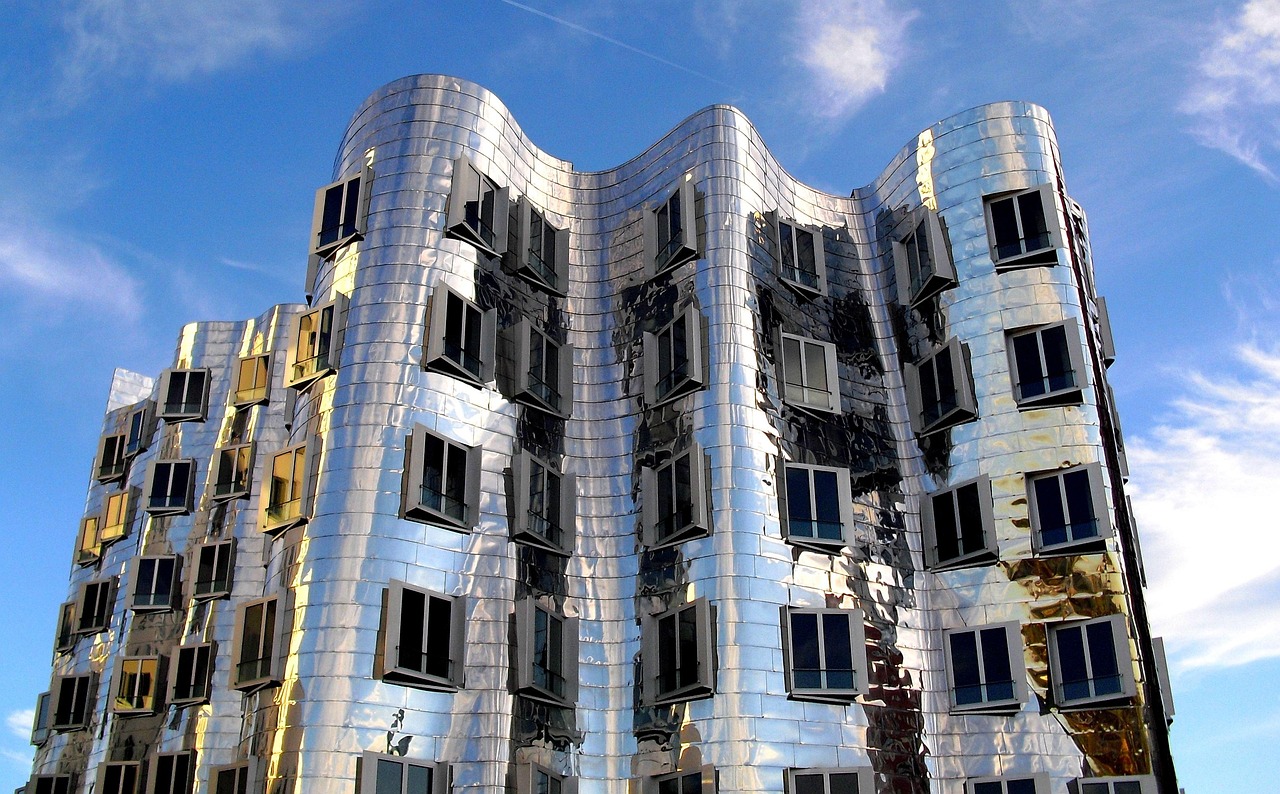
South of the city center, Bilk and Unterbilk form a lively, younger district full of cafés, bars, indie cinemas, and small shops. It’s where many students and young professionals live, and where you’ll find a more relaxed nightlife.
Some of my favorite nights in Düsseldorf have started with dinner on Lorettostraße in Unterbilk, continued with a film at the small Abaton or Metropol cinemas, and ended with drinks in a neighborhood bar where I was clearly the only non‑local—and no one cared.
Why go: If you want to see how people actually live here, not just the tourist side. Great area to stay if you’re on a budget but still want walkable distances and plenty of things to do.
18. Oberkassel – Elegant & Leafy
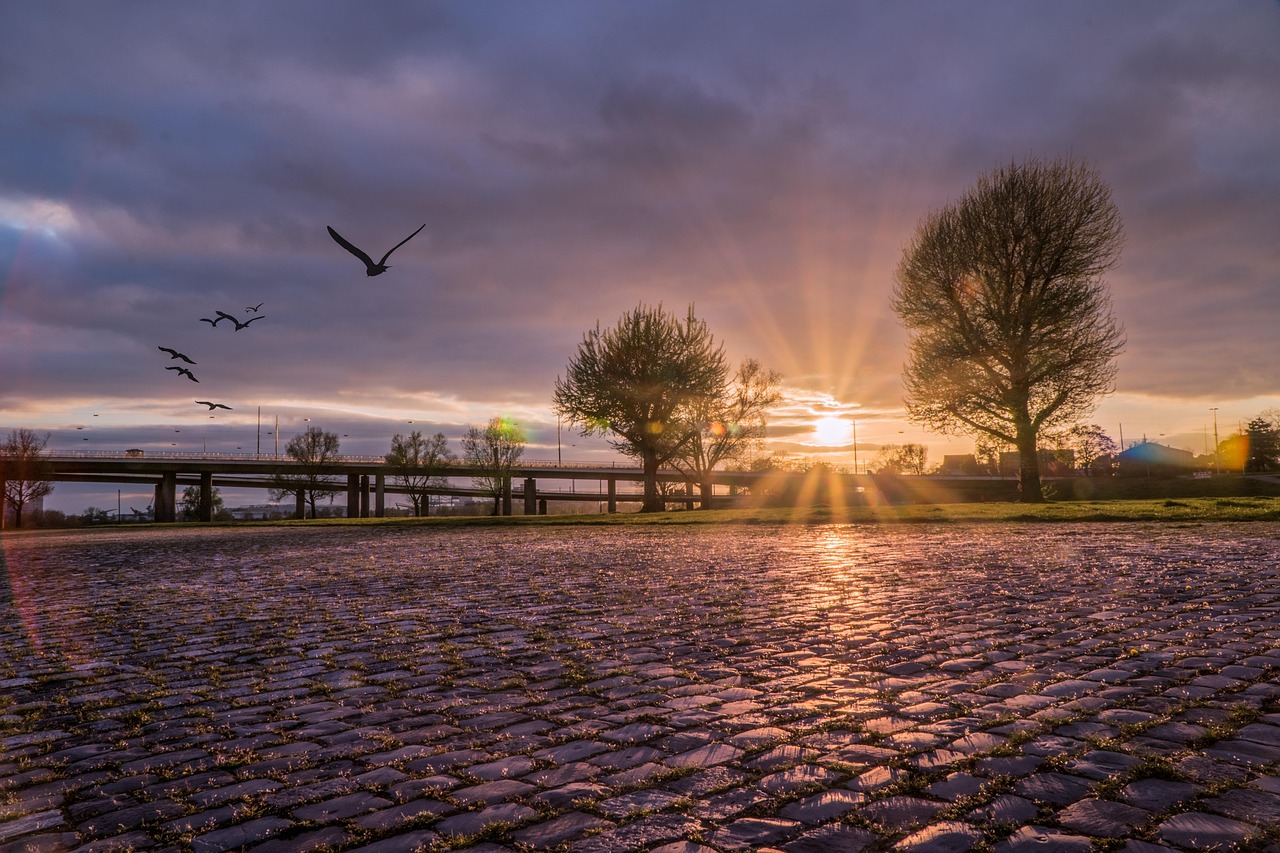
Cross the Oberkasseler Brücke from the Altstadt and you’ll find yourself in Oberkassel, an affluent residential district with beautiful early 20th‑century buildings, tree‑lined streets, and a calmer feel.
I like to walk over around golden hour, explore the side streets, then come back along the river meadows with the skyline of Düsseldorf spread across the water. In summer, people barbecue on the grassy banks, and kids fly kites.
Tip: For iconic photos of Düsseldorf’s skyline, shoot from the Oberkassel riverbank back towards the Altstadt and MedienHafen.
19. Classic Remise Düsseldorf
Hidden in a former locomotive depot in the south of the city, Classic Remise is part museum, part storage facility, and part workshop for classic cars. And it’s free to enter.
I’m not a huge car person, but wandering among lovingly restored vintage vehicles, peeking into workshops, and seeing million‑euro cars casually parked in glass boxes was unexpectedly fascinating. There’s also a restaurant and café on site.
Getting there: Take a tram or S‑Bahn towards Düsseldorf‑Eller and walk a short distance. Check current directions on their website, as routes can change with construction.
20. Stadtmuseum Düsseldorf (City Museum) & Hidden Courtyards
Often overlooked, the Stadtmuseum near Carlstadt tells Düsseldorf’s story from a small riverside settlement to today’s metropolis. It’s not flashy, but if you like understanding how places evolved, it’s worth an hour or two.
What I really love are the quiet courtyards and side streets around it, where you can stumble upon small galleries, antique shops, and ivy‑covered walls. On one hot August afternoon, I retreated here from the crowded Altstadt and found myself in a café garden with only two other people and a very sleepy cat.
Tip: Combine the museum with a slow wander through Carlstadt and Carlsplatz market for a less touristy, more local morning.
Recommended 3–5 Day Itineraries for Düsseldorf
Here’s how I’d structure 3 days in Düsseldorf, and how I’d expand that into a 4 day itinerary or 5 day itinerary depending on how much time you have. Think of these as flexible frameworks rather than rigid schedules.
3 Days in Düsseldorf: Essential Highlights
If you only have 3 days in Düsseldorf, you can still see the city’s greatest hits without rushing too much.
Day 1 – Altstadt, Rhine, & Königsallee
On my typical “first day back” in Düsseldorf, I drop my bags at my hotel (usually somewhere between Carlstadt and Bilk), then head straight into the Altstadt.
Morning: Start at Marktplatz and the Rathaus, then wander towards Burgplatz and the river. Walk a stretch of the Rheinuferpromenade to get your bearings. Grab a late breakfast—maybe a simple Brötchen with cheese from a bakery or a sit‑down brunch at a café near Carlsplatz.
Midday: Spend an hour or two exploring Carlsplatz Market. Try local dishes or assemble picnic supplies. If you’re already feeling the travel fatigue, linger with a glass of wine and people‑watch.
Afternoon: Stroll up to Königsallee for window shopping and photos along the canal. Then cut through Hofgarten for some green and wind your way back down to the river.
Evening: Classic Altstadt beer hall night. Pick one of the traditional breweries (Uerige, Füchschen, Schlüssel, Schumacher) and settle in. The waiters will keep bringing small glasses of Altbier until you cap your glass with a coaster. Order hearty Rhenish dishes like Sauerbraten (marinated beef) or Himmel un Ääd (mashed potatoes with apple and blood sausage). If you want a quieter vibe, eat in Carlstadt and just dip into Altstadt bars afterwards.
Day 2 – Art & Architecture
Morning: Choose between K20 (if you like early 20th‑century art) or Museum Kunstpalast. Either makes an excellent 2–3 hour visit. Coffee breaks in their stylish cafés are mandatory in my book.
Afternoon: Walk along the river towards MedienHafen, stopping at viewpoints and maybe grabbing a snack at one of the food trucks or kiosks along the way. Explore the Gehry buildings and other architectural highlights, then ride up the Rheinturm for city views.
Evening: Dinner in MedienHafen (lots of modern European and fusion spots) or head to Unterbilk for a more neighborhood feel on Lorettostraße. If you’re into cocktails, check out one of the speakeasy‑style bars back near the city center afterwards.
Day 3 – Little Tokyo & Neighborhoods
Morning: Make your way to Little Tokyo around Immermannstraße. Browse Japanese grocery stores and bookshops, then have an early ramen or sushi lunch (queues build quickly).
Afternoon: Hop on a tram to Flingern and explore Kiefernstraße’s street art, followed by coffee and cake at one of the area’s hip cafés. Alternatively, if the weather is good, head to Nordpark and the Japanese Garden for a more tranquil afternoon.
Evening: For your last night, either repeat your favorite area or cross the river into Oberkassel for a different perspective and a quieter dinner. If you’ve still got energy, end with one final stroll along the Rhine promenade to say goodbye.
4 Days in Düsseldorf: Slower Pace & Extra Culture
With 4 days in Düsseldorf, you can follow the 3 day itinerary above and add a whole extra day for deeper dives.
Day 4 – Schloss Benrath & Local Life
Morning: Take the S‑Bahn to Benrath and visit Schloss Benrath. Tour the palace, stroll the park, and if the weather is nice, bring a simple picnic from a bakery or supermarket.
Afternoon: Return to the city and spend some time in Bilk/Unterbilk. Visit small shops, stop for coffee on Lorettostraße, and see a film in an original‑language cinema if you’re interested (many screenings are in English with subtitles).
Evening: Enjoy dinner in Bilk or Unterbilk—there are lots of international options that are more affordable than some inner‑center spots. This is also a good night to check out live music or a small local gig.
5 Days in Düsseldorf: Add a Day Trip
For 5 days in Düsseldorf, keep the 4 day itinerary for Düsseldorf and add a day trip. You have several excellent options; here’s how I usually choose:
Day 5 – Day Trip Options
- Neanderthal Museum: If you love prehistory, nature walks, and something a bit different. Half‑day to full day depending on how much hiking you do.
- Cologne: 40 minutes by train; visit the cathedral, walk the Old Town, and maybe climb the tower. Busy but iconic.
- Zollverein Coal Mine (Essen): UNESCO‑listed industrial heritage site, fantastic for architecture and design nerds.
- Kaiserswerth: Technically still Düsseldorf but far enough out to feel like a trip—riverfront village with castle ruins and pretty lanes.
Whatever you choose, plan a gentle final evening back in Düsseldorf—maybe one last Altbier in the Altstadt or a quiet walk in Hofgarten.
Local Food & Drink in Düsseldorf
One of my main reasons for repeatedly returning to Düsseldorf is its food scene—both the traditional Rhenish dishes and the international flavors.
What to Eat: Classic Local Dishes
- Altbier: Dark copper, top‑fermented beer served in small 200ml glasses. Brewed locally; try it at Uerige, Füchschen, Schlüssel, or Schumacher.
- Himmel un Ääd: Literally “heaven and earth” – mashed potatoes (earth) with applesauce (heaven) and fried blood sausage.
- Sauerbraten: Marinated pot roast, often served with red cabbage and dumplings. In Düsseldorf it’s sometimes made with beef instead of horse.
- Rheinischer Döbbekooche: A dense baked potato cake, crisp on the outside.
- Halve Hahn: Confusingly not chicken but a rye roll with cheese, mustard, and onions—great beer snack.
Japanese & International Food
In Little Tokyo, you’ll find some of the best ramen and sushi in Germany. Across the city, there’s Vietnamese, Korean, Turkish, Italian, and more, reflecting Düsseldorf’s international population.
My Personal Favorite Spots (As of 2026)
- Traditional Altbier & Rhenish food: Brauerei Uerige (lively, classic), Im Füchschen (cozy, great food), Zum Schlüssel.
- Casual lunch: Carlsplatz Market stalls, small cafés in Bilk/Flingern, bakery chains like Hinkel or Backwerk for budget sandwiches.
- Japanese: Ramen and izakaya spots along Immermannstraße—pick based on current queues and recent reviews; quality is generally high.
- Coffee & cake: Independent cafés in Flingern and Unterbilk; look for places roasting their own beans.
Money‑Saving Food Tips
- Eat your main meal at lunchtime; many restaurants have cheaper lunch specials.
- Use supermarkets (Rewe, Edeka, Aldi, Lidl) for breakfasts and snacks—great for budget 3 day itineraries.
- Street food at markets and festivals can be both tasty and affordable.
Nightlife, Entertainment & Cultural Experiences
Nightlife Areas
- Altstadt: High‑energy, lots of bars and breweries. Great if you want a classic night out.
- MedienHafen: Trendy lounges and clubs with harbor views. More dressed‑up.
- Bilk/Unterbilk: Smaller bars, more local, good for relaxed evenings.
Cultural Experiences
- Theater & Opera: Düsseldorf has strong opera and theater outfits; check programs at Deutsche Oper am Rhein and Schauspielhaus.
- Art openings: Especially in Flingern and around Grabbeplatz; many galleries host evening vernissages.
- Festivals: Japan Day, Carnival, Rheinkirmes, and Christmas markets (see Events section).
Day Trips from Düsseldorf
Neanderthal Museum (Neandertal)
Already covered above; allow 4–6 hours including transport and walks.
Kaiserswerth
Charming historic district in the north of Düsseldorf with castle ruins (Kaiserpfalz), cobbled streets, and river views. Reachable by U‑Bahn or boat in season. Perfect for a lazy half‑day during a 5 day itinerary for Düsseldorf.
Cologne (Köln)
40 minutes by train. Visit the Dom, walk the Old Town, try Kölsch beer, and stroll along the Rhine. Very easy DIY day trip.
Zollverein Coal Mine Industrial Complex (Essen)
UNESCO World Heritage Site and one of Europe’s most impressive industrial heritage locations. Design museum, guided tours, and striking architecture. About 1 hour by train and tram.
Events & What’s New in Düsseldorf 2026–2027
Exact schedules can shift, but here are recurring and expected highlights for 2026–2027 (always double‑check dates closer to travel):
- Karneval (Carnival): January/February 2026 & 2027 – Street parades, costumes, parties. Rosenmontag parade is the peak.
- Japan‑Tag (Japan Day): Usually May or June – Japanese culture festival along the Rhine, with food stalls, performances, and a big fireworks display at night.
- Rheinkirmes: Mid‑July – Huge funfair along the Rhine meadows in Oberkassel; rides, beer tents, and fireworks.
- Christmas Markets: Late November–December – Multiple themed markets across the city center with Glühwein, crafts, and regional specialties.
- Art & Design Exhibitions: Rotating major shows at Kunstsammlung and Kunstpalast; 2026–2027 schedules will be announced on their sites.
In 2026, Düsseldorf continues to invest in the MedienHafen area and riverfront, with new restaurants and public spaces planned or opening—expect even more choice for waterfront dining and nightlife.
Cultural Etiquette & Local Customs
Social Norms
- Punctuality: Germans are serious about being on time. Arrive a few minutes early for tours, reservations, and meet‑ups.
- Quiet in residential areas: Keep noise down late at night, especially in courtyards and on balconies.
- Cash vs card: Card acceptance is now widespread, but some smaller bars (especially old Altbier pubs) still prefer cash. Always carry a bit of cash.
In Bars & Restaurants
- Seat yourself: In many casual places you can sit yourself; in more formal restaurants, wait to be seated.
- Altbier etiquette: In traditional breweries, Köbesse will keep bringing fresh beers until you cover your glass with a coaster. If you’re done, signal clearly.
- Tipping: Round up or add 5–10% for good service. Say the total including tip when you pay (“Zwanzig, bitte” for a €17 bill you’re making €20).
Language
German is the main language, but in Düsseldorf many people, especially younger ones and those in hospitality, speak good English. A few German phrases are appreciated:
- Guten Tag – Good day
- Bitte – Please / you’re welcome
- Danke – Thank you
- Ein Alt, bitte – One Altbier, please
Practical Travel Advice for Düsseldorf
Getting Around
Düsseldorf’s public transport (VRR network) is excellent: trams, U‑Bahn (underground), S‑Bahn (suburban trains), and buses.
- Tickets: Buy at machines in stations or via the VRR or local apps. Day tickets and group tickets are good value.
- Validation: Some tickets need stamping; many machine‑printed ones don’t. Always check instructions on the ticket.
- Airport: Düsseldorf Airport is connected by S‑Bahn and regional trains; about 10 minutes to Hbf.
- Walking: The central area is very walkable. For 3–4 days in Düsseldorf you can mostly rely on your feet plus occasional trams.
SIM Cards & Connectivity
Major providers: Telekom, Vodafone, O2, plus many MVNOs. For short stays, look for prepaid SIMs at the airport, main station, or electronics stores (Saturn, MediaMarkt). EU roaming rules mean EU SIMs work at domestic rates.
Car Rental & Driving
- You don’t need a car in Düsseldorf itself.
- Car rental is useful if you plan multiple rural day trips; agencies are at the airport and Hbf.
- Foreign driver’s licenses from many countries are accepted; non‑EU visitors should consider an International Driving Permit (IDP) in addition to their national license—check your country’s agreement with Germany.
- Düsseldorf is in a low‑emission zone; rental cars will have the necessary sticker, but private vehicles must comply.
Visa Requirements
Düsseldorf follows German and Schengen rules. Many nationalities can enter visa‑free for short stays (up to 90 days in 180) for tourism; others need a Schengen visa in advance. Always check the latest requirements on official government sites before travel, especially as regulations can change by 2026–2027.
Money & Costs
- Currency: Euro (€).
- ATMs: Widely available; avoid Euronet if possible due to fees.
- Budget tips: Use day passes on transit, eat lunches at markets, and consider apartment stays in Bilk/Flingern for better value.
Best Seasons & What They’re Good For
- Spring (April–June): Mild weather, blossoms, Japan Day, great for walking and outdoor cafés.
- Summer (July–August): Warm, sometimes hot; river life is in full swing, Rheinkirmes in July. Can be busier and pricier.
- Autumn (September–October): Often lovely weather, fewer crowds, colorful parks—my personal favorite for 3–5 days in Düsseldorf.
- Winter (November–March): Cold, gray at times, but magical at Christmas market season and during Carnival. Great for museums and cozy beer halls.
Summary: Key Takeaways for Planning Your Trip
- 3 days in Düsseldorf: Enough to see the main sights—Altstadt, Rhine promenade, Königsallee, MedienHafen, one major museum, and Little Tokyo.
- 4 days in Düsseldorf: Add Schloss Benrath, deeper neighborhood exploration, and more relaxed pacing.
- 5 days in Düsseldorf: Include a day trip (Neanderthal Museum, Kaiserswerth, Cologne, or Zollverein) and really settle into the city’s rhythm.
- Stay central or in Bilk/Flingern: For easy access to must‑see attractions and a local feel.
- Use public transport & your feet: You don’t need a car; trams and S‑Bahn are efficient and simple.
- Eat widely: Alternate between traditional Altbier breweries, Carlsplatz market, and Japanese food in Little Tokyo for a full culinary picture.
- Best times to visit: Late spring and early autumn for balanced weather and events; December for Christmas markets; February/March if you want the full Carnival experience.
Düsseldorf rewards both first‑timers and repeat visitors. The more I come back, the more small details I notice: a new mural in Flingern, a pop‑up gallery in Carlstadt, a different sunset color over the Rhine. Whether you’re here for 3 days, 4 days, or a full 5 day itinerary, this travel guide for Düsseldorf should give you enough structure to see the best places to visit—and enough freedom to discover your own hidden gems.