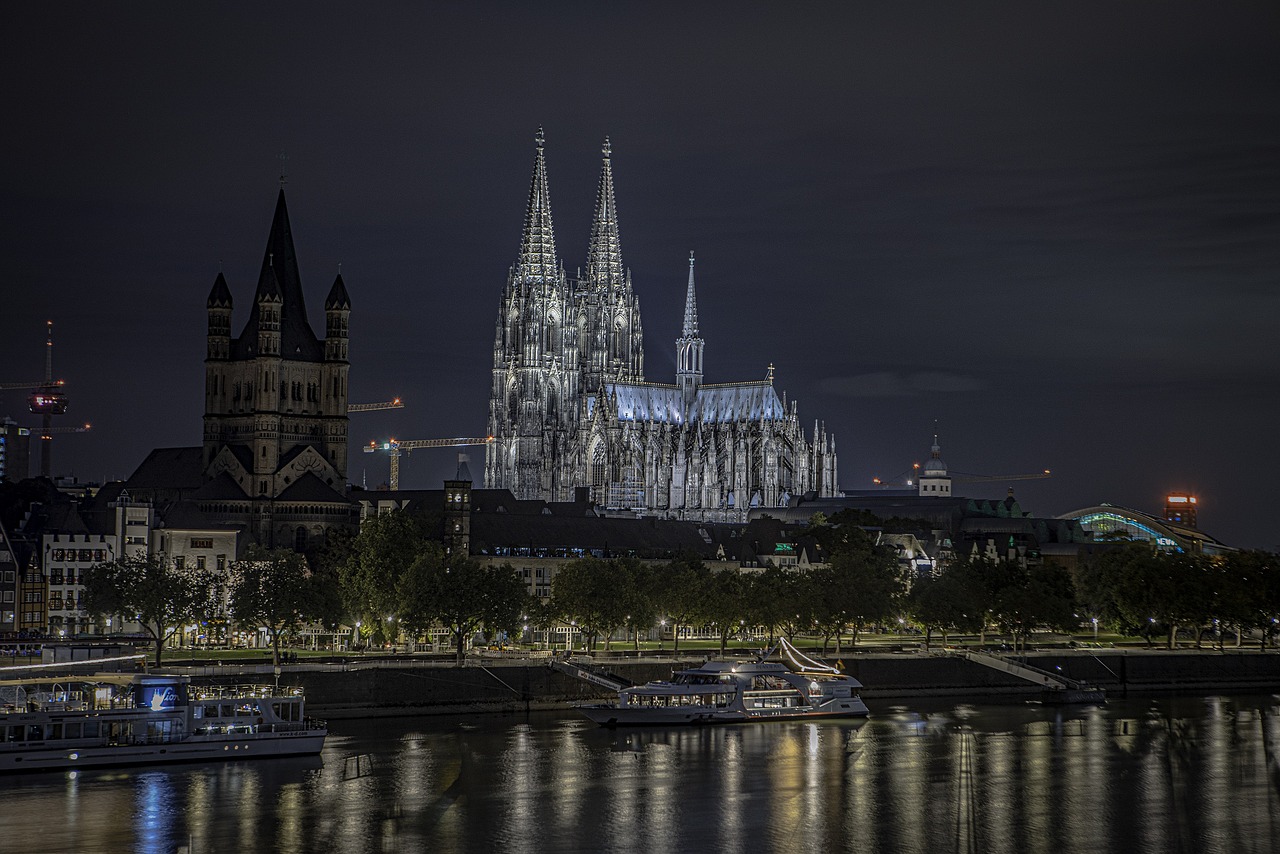
Why Visit Cologne?
Cologne is the city that surprised me the most in Germany. On my first trip, I expected to “see the cathedral and move on.” Instead, I found a place where Gothic spires stand shoulder to shoulder with bold post-war architecture, where locals insist you drink tiny glasses of Kölsch and still somehow remember your name, and where the Rhine is less a river and more a living room.
Cologne isn’t as polished as Munich or as intense as Berlin. It’s warm, lived-in, and a bit quirky. It’s a city of art students, scientists, families, and football fans; of hidden Roman ruins under modern buildings and experimental galleries tucked in old factories. It’s a place that rewards slow wandering and repeat visits.
Whether you’re planning 3 days in Cologne, a 4 day itinerary for Cologne, or a deep-dive 5 days in Cologne, this travel guide will help you find the best places to visit in Cologne, taste authentic local food in Cologne, and discover genuine hidden gems in Cologne, with practical travel tips for Cologne and cultural context for 2026–2027.
I’ll walk you through detailed day-by-day itineraries, personal stories from my own trips (I’ve visited Cologne four times now, including two winter and two summer stays), and honest advice on what’s worth your time—and what to skip.
Table of Contents
- Why Visit Cologne in 2026
- City Overview & Neighborhoods
- Suggested Itineraries (3, 4 & 5 Days in Cologne)
- 20 Must-See Attractions in Cologne (Deep Dives)
- Best Local Food & Drink in Cologne
- Nightlife, Entertainment & Cultural Experiences
- Major Events & Festivals 2026–2027
- Practical Travel Advice for Cologne
- Best Day Trips from Cologne
- Summary & Final Recommendations
Cologne at a Glance: Neighborhoods & City Vibe
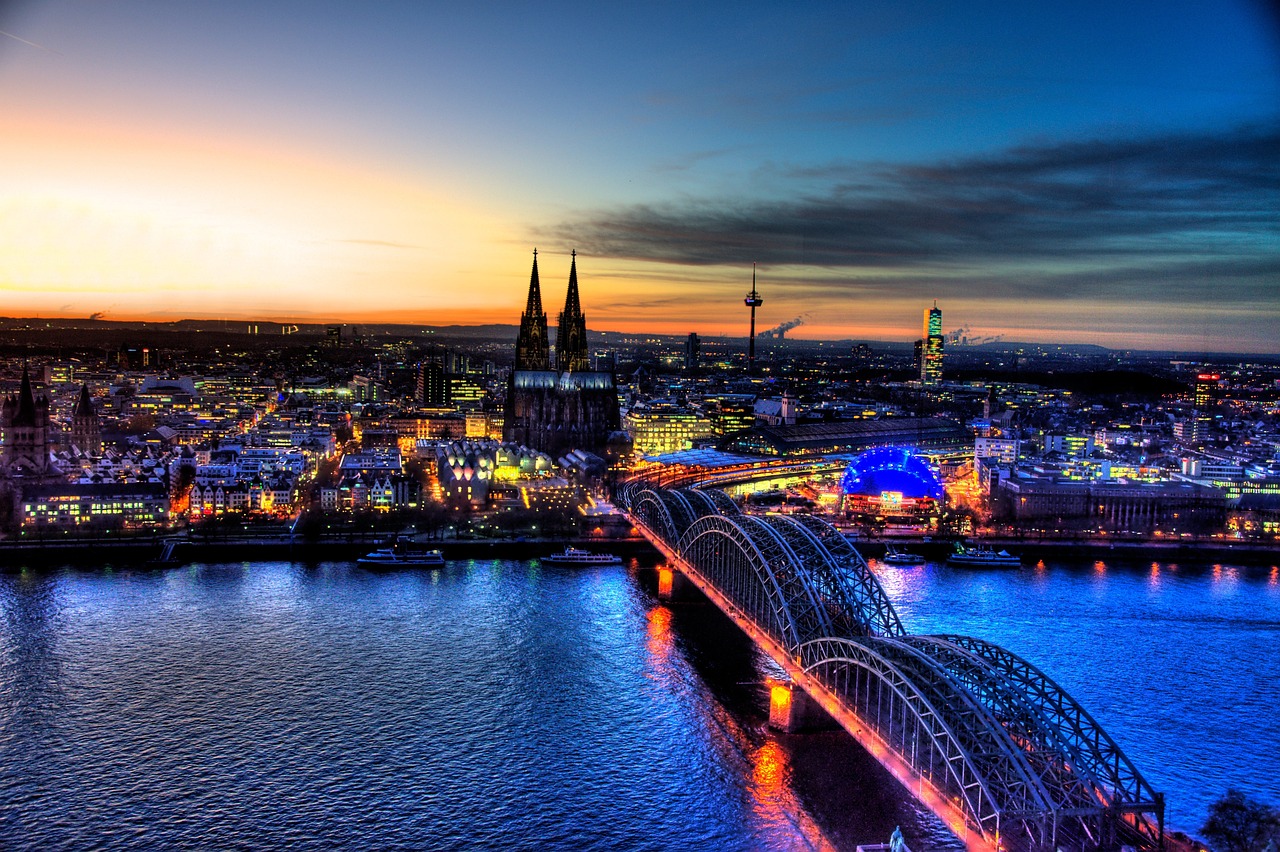
Cologne is Germany’s fourth-largest city, but it often feels like a collection of villages wrapped around the Rhine. Each district (Veedel in the local dialect) has its own personality.
Altstadt (Old Town)
This is where you’ll probably start: the Cologne Cathedral, riverside promenades, narrow alleys, and colorful gabled houses. It’s touristy, yes, but early mornings and late evenings feel almost intimate. I like to wander here before 9 am when delivery bikes outnumber tour groups.
Innenstadt (City Center)
The shopping heart: from the big-name chains on Schildergasse and Hohe Straße to small side-street boutiques. It’s functional rather than charming, but you’ll pass through often—most trams converge here.
Belgisches Viertel (Belgian Quarter)
Trendy without trying too hard. Think independent designers, leafy squares, laidback cafés, and wine bars. In the evenings, locals spill out onto Aachener Straße with a glass of something in hand.
Ehrenfeld
Ehrenfeld is where I stay most often now. Once industrial, now a creative hub with murals, clubs, Middle Eastern bakeries, and some of the best coffee in the city. If you like neighborhoods with grit, color, and character, put Ehrenfeld high on your list.
Südstadt (Southern Old Town)
More lived-in than touristy, with cozy bars and restaurants, especially around Chlodwigplatz and Volksgarten. On summer nights, this area feels like one long outdoor living room.
Deutz (Right Bank)
Across the Rhine, Deutz offers some of the best skyline views back toward the cathedral, especially from the Rheinboulevard. This is also where you’ll find the trade fair grounds and Lanxess Arena.
Rheinauhafen
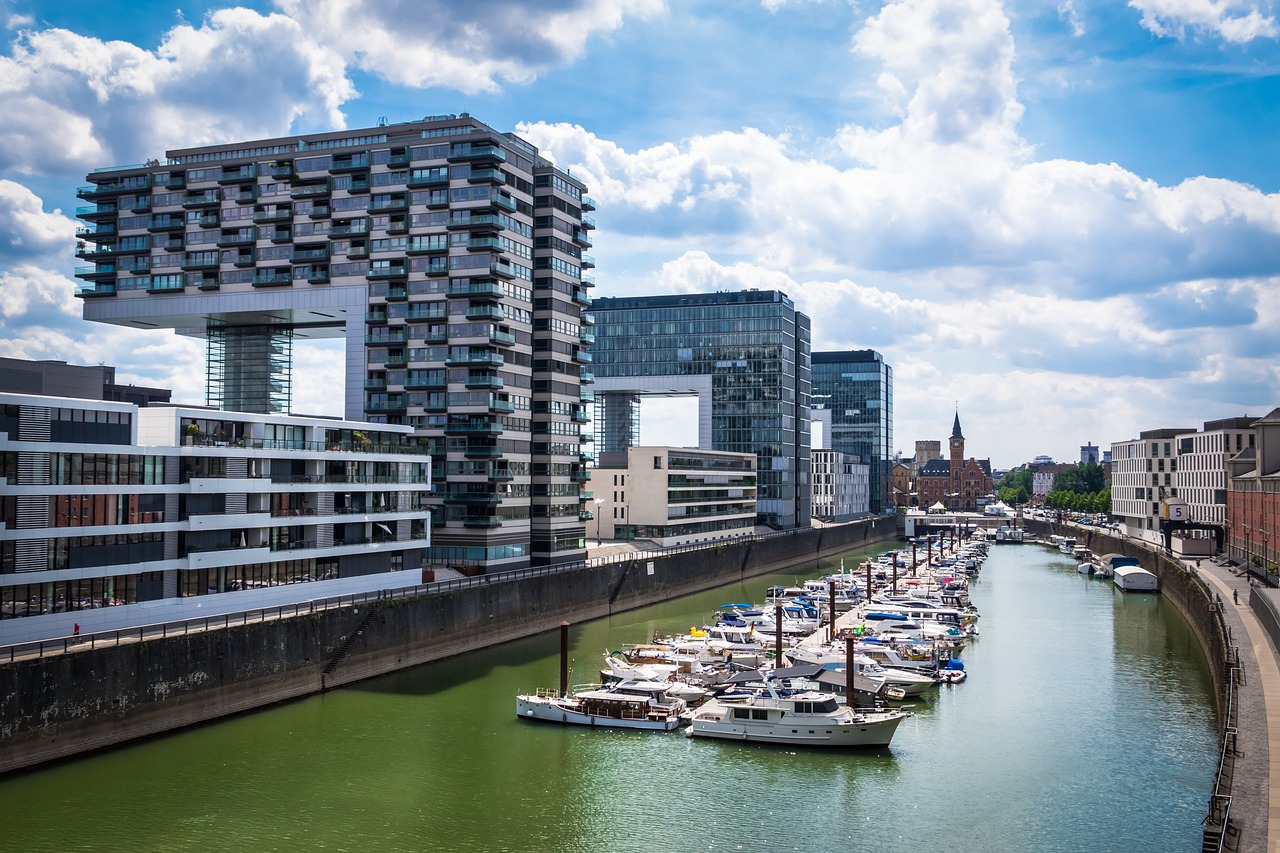
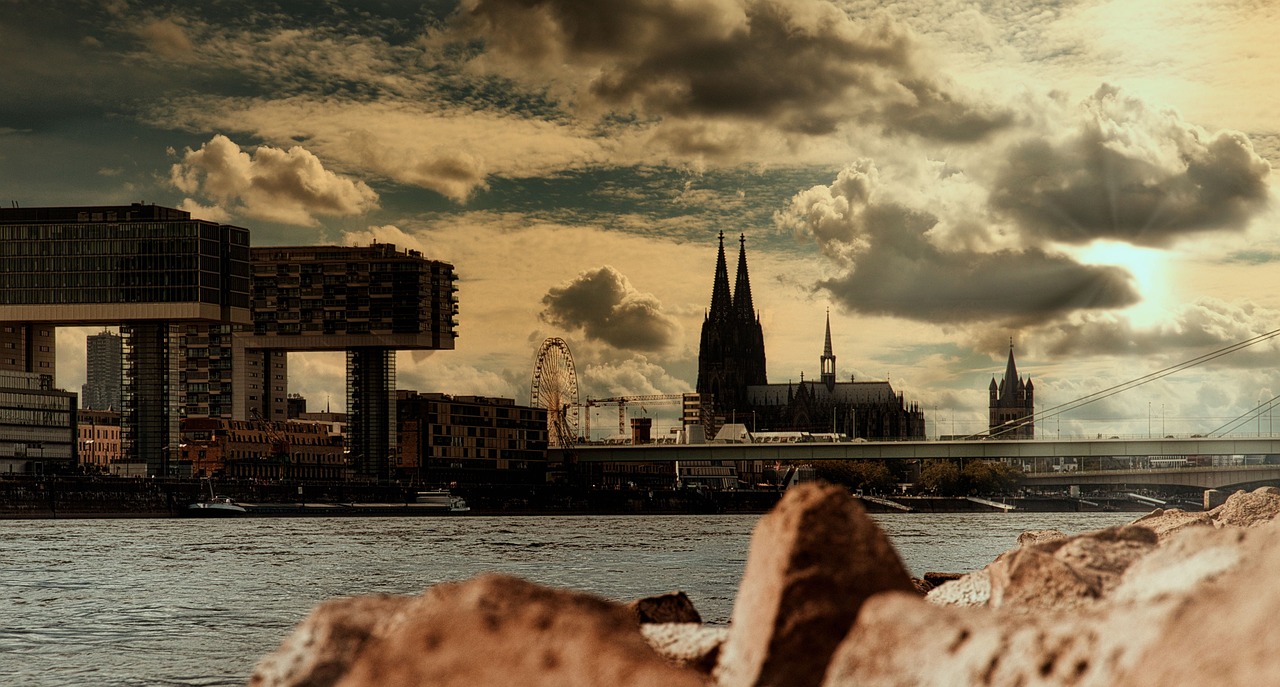
A striking mix of old harbor warehouses and futuristic crane houses (Kranhäuser). It’s one of Cologne’s most photogenic architectural ensembles and a great place for a sunset walk.
All of these neighborhoods will appear again in the itineraries and attraction deep dives—because the best way to experience Cologne is to link places together in a way that makes sense on the ground, not just on a list.
Itineraries: 3, 4 & 5 Days in Cologne
The following plan works as a flexible base. If you have 3 days in Cologne, focus on Days 1–3. For a 4 day itinerary for Cologne, add Day 4. If you’re lucky enough to have 5 days in Cologne, include Day 5 for day trips and slower exploring.
Day 1: Cathedral, Altstadt & Rhine – Cologne’s Iconic Heart
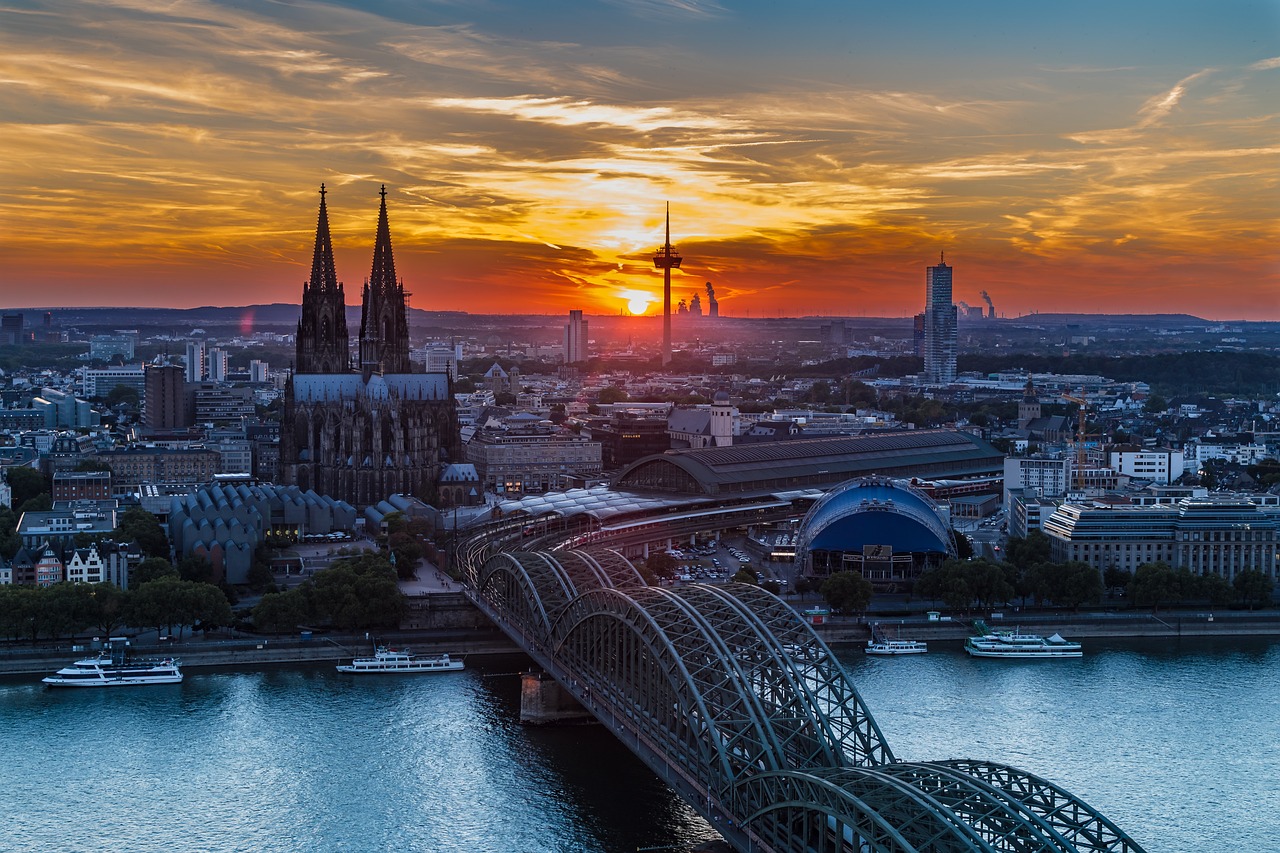
On my very first morning in Cologne, I stepped out of the main station and literally stopped mid-stride. The Cologne Cathedral (Kölner Dom) rises right in front of you—no gentle build-up, just stone and sky. Even after multiple visits, that first sight still hits me.
Morning: Cologne Cathedral & the Old Town
Drop your bags (if your hotel is nearby) and start at the Dom while your energy and patience are fresh.
- Cologne Cathedral (Kölner Dom) – Free to enter; small fee to climb the tower. I like to walk a slow loop around the outside first, noticing the gargoyles and stonework.
- Inside the cathedral – Take time in front of the Shrine of the Three Kings. Even if you’re not religious, the craftsmanship is mesmerizing.
- Tower climb – It’s a narrow winding staircase, so go as soon as it opens to avoid crowds. The view over the Rhine and city is one of Cologne’s best; I’ve climbed it in both icy January air and humid July heat—both are worth it, but bring water in summer.
After the tower, grab a coffee at one of the cafés on Trankgasse just behind the cathedral. I like to sit where I can still see the spires and watch commuters weave around camera-wielding visitors.
Walk toward the Altstadt (Old Town), dropping down the steps toward the Rhine. You’ll pass the pastel-colored houses on Fischmarkt; they’re as photogenic as Instagram suggests, but still feel like a real neighborhood in the early morning when shop owners are just opening.
Midday: Museum Ludwig & Riverside Walk
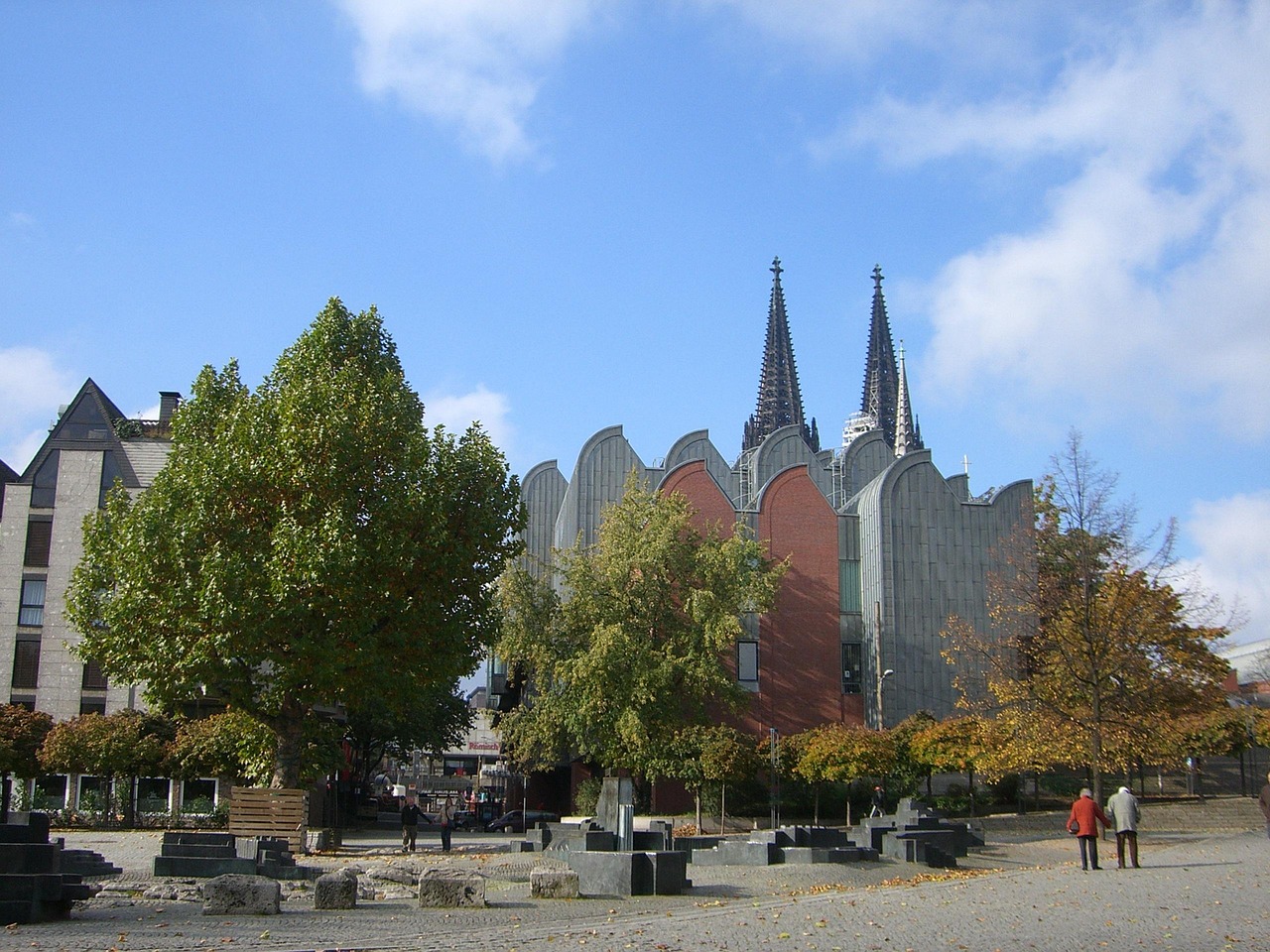
Next, head to Museum Ludwig, right next to the cathedral. If you like modern art—even just a little—this is unmissable. I once lost three hours here without noticing.
- Highlights: One of Europe’s best Pop Art collections, Picasso works, and frequently changing contemporary exhibitions.
- Tip: Use the lockers for your bag; it’s more pleasant to wander unencumbered.
- Family-friendly: There are usually interactive elements and family guides; check the info desk.
When you emerge, step onto the Hohenzollern Bridge for classic views of the cathedral and Rhine. Yes, there are “love locks.” Yes, it’s touristy. I still walk it every trip. The trains thundering past give a sense of how central Cologne is to European rail life.
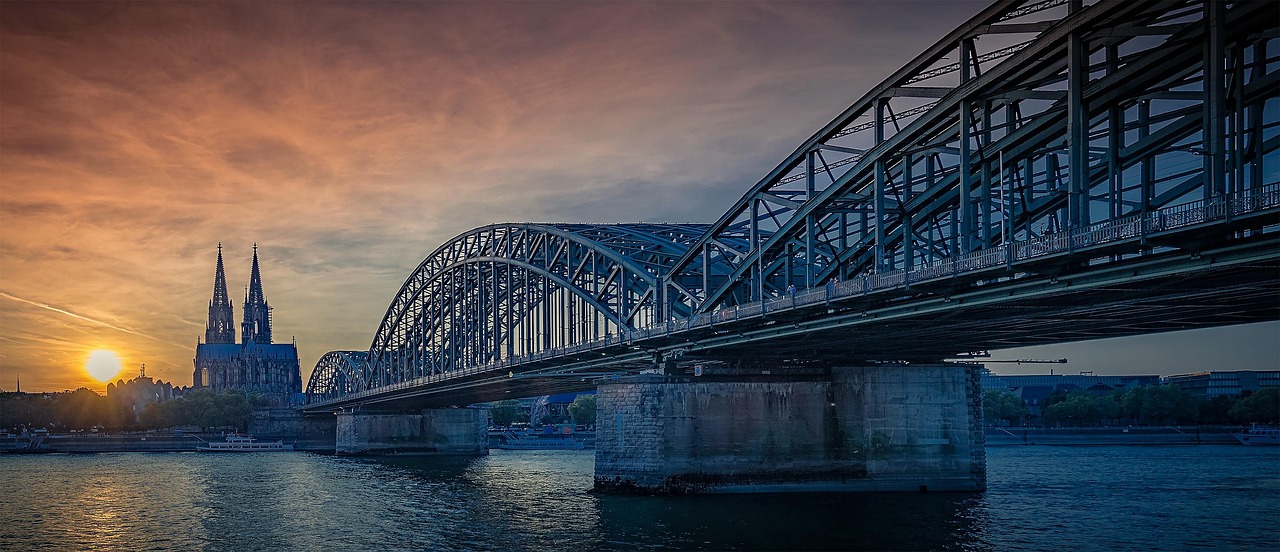
On the other side, in Deutz, walk along the Rheinboulevard. This stepped promenade has one of my favorite skyline views. If the weather cooperates, sit on the steps and grab a snack from a nearby kiosk.
Lunch: Traditional Kölsch Brewery
Head back across the river to the Altstadt for lunch in a traditional Brauhaus (brewery pub). My go-tos:
- Früh am Dom – Iconic, busy, and atmospheric. Great introduction to Kölsch culture.
- Brauerei zur Malzmühle – Slightly less touristy, excellent food.
Order a Kölsch (the local top-fermented beer, always served in slender 0.2L glasses). The waiter—called a Köbes—will keep bringing fresh ones until you place a coaster on top of your glass. Don’t be surprised if the service feels brusque; it’s part of the theatre.
For food, try:
- Himmel un Ääd (Heaven and Earth) – Mashed potatoes with apples and blood sausage; sounds heavy, tastes comforting.
- Halver Hahn – Not chicken, but a rye roll with cheese, onions, and mustard. Cheap, filling, and classic.
Afternoon: Altstadt Alleys & Rhine Cruise
Walk off lunch wandering the Altstadt’s narrow streets. Key spots:
- Groß St. Martin – One of the Romanesque churches with an imposing tower. Step inside for quiet and cool stone on hot days.
- Alter Markt & Heumarkt – Main squares with cafés and street performers; very lively during festivals.
- Historic City Hall (Rathaus) – Look up to see the sculpted figures on the tower façade.
If it’s your first visit and the weather is decent, consider a short Rhine cruise (typically 1–2 hours). I like the late afternoon departures for golden light. It’s especially nice for families and couples—low-effort, relaxing, and scenic.
Evening: Sunset & Nighttime Views
For sunset, walk south along the riverside toward Rheinauhafen. The old harbor cranes and modern Kranhäuser buildings create a striking silhouette against the evening sky.
For dinner, you have two main options:
- Traditional repeat – Another brewery if you’re leaning into the “classic Cologne” experience.
- Modern German or international – Restaurants in Rheinauhafen or the nearby Südstadt offer refined takes on local ingredients.
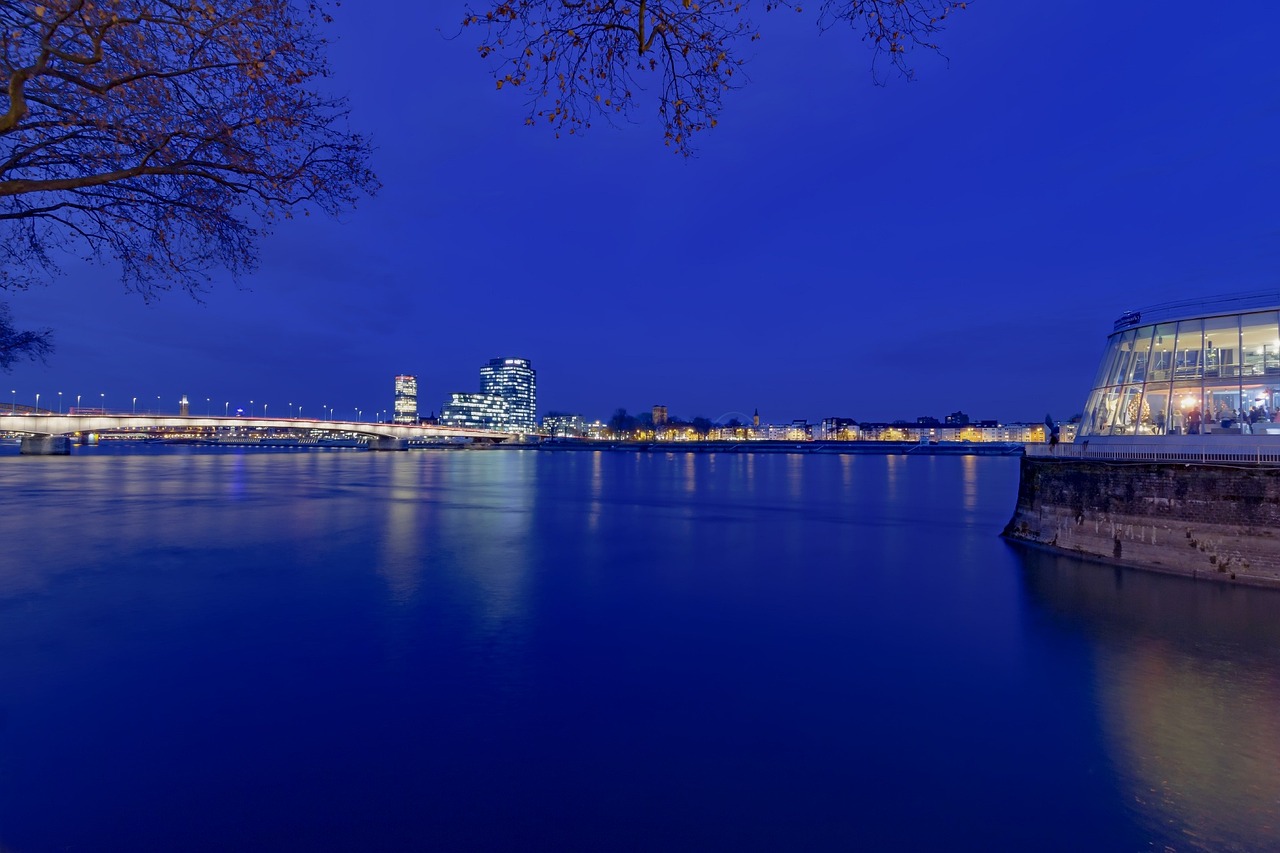
End your first day with a nighttime view of the cathedral, either from Deutz or simply from the Domplatte (the wide square in front of the cathedral). It feels different at night—somehow more solemn, less crowded, and beautifully lit.
Day 2: Museums, Belgian Quarter & Nightlife
By Day 2 you’ve met Cologne’s postcard side. Today is about depth: art, history, and a taste of how locals actually spend their evenings.
Morning: Choose Your Museum – Roman, Chocolate, or NS Documentation Center
Cologne is a museum city, and you can tailor your morning based on interests:
- Roman-Germanic Museum (Römisch-Germanisches Museum) – For archaeology and Roman history. Currently parts of the collection are exhibited in temporary spaces while the main building is being renovated in the mid-2020s; check where exhibits are in 2026.
- NS Documentation Center (EL-DE-Haus) – A powerful, sobering museum on Cologne under National Socialism, housed in the former Gestapo headquarters. The preserved prison cells are emotionally heavy but important. I recommend going earlier in the day and giving yourself time afterward to decompress.
- Chocolate Museum (Imhoff-Schokoladenmuseum) – Great for families or anyone with a sweet tooth. You’ll learn about cocoa production and can watch chocolate being made. There’s even a chocolate fountain.
I’ve visited all three on different trips. The NS Documentation Center is the most impactful; the Chocolate Museum is the most “fun.” If you’re doing a 3 day itinerary for Cologne with kids, I’d pick the Chocolate Museum. History buffs: NS Documentation Center plus a quick stop at the Roman exhibits.
Lunch: Riverside or Local Imbiss
Near the Chocolate Museum, you’ll find several casual riverside spots. Alternatively, head slightly inland and look for simple Imbiss (snack stands) serving currywurst, fries, or döner kebab—fast, cheap, and very Cologne.
Afternoon: Belgian Quarter (Belgisches Viertel)
Take the tram or walk west to the Belgisches Viertel. Street names like Antwerpener Straße and Brüsseler Platz give this area its name.
- Brüsseler Platz – The beating heart of the quarter, with a church in the center and bars all around.
- Boutiques & design shops – Smaller, independent places line the surrounding streets; I love browsing for postcards and ceramics here.
- Cafés – Settle in with a coffee and watch local life unfold. On warm days, the sidewalks become extra seating.
On one summer trip, I spent an entire afternoon hopping from café to café here, writing notes and watching the light slowly shift on the church façade. It’s not “sightseeing” in the conventional sense, but it’s the kind of slow time that makes you feel like you know a city.
Evening: Nightlife – From Cozy Kneipen to Clubs
Cologne’s nightlife is relaxed but diverse. For a representative night out:
- Start with an early drink at a small bar around Brüsseler Platz.
- Move toward Aachener Straße, where you’ll find more bars and late-night food.
- For clubbing, consider heading later to Ehrenfeld (Day 3 area), where repurposed industrial spaces host everything from techno to live bands.
If you prefer something quieter, check the schedule at venues like the Cologne Philharmonic (Kölner Philharmonie) near the cathedral for classical concerts, or look for small jazz gigs in the Südstadt.
Day 3: Ehrenfeld, Street Art & Local Food Culture
Day 3 is where many visitors either fall in love with Cologne—or realize it’s not their city. Ehrenfeld is rawer than the Altstadt; if you like street art, diverse food, and a slightly chaotic edge, you’ll feel at home.
Morning: Ehrenfeld Walk & Street Art
Take the S-Bahn to Köln-Ehrenfeld or tram to Körnerstraße. From there, wander:
- Vogelsanger Straße & Körnerstraße – Mix of Turkish bakeries, hip cafés, and vintage shops.
- Street art hotspots – Large-scale murals decorate building sides and underpasses. I usually just follow colors and side streets rather than any fixed route.
- Former industrial sites – Old factory buildings now house studios, clubs, and offices.
On my last visit, I joined a local street art tour here and ended up in a tiny studio space talking with an artist about how Cologne’s art scene is shaped by its history of reconstruction after WWII. It gave a whole new layer of meaning to walls I might have otherwise just photographed and passed by.
Lunch: International Eats
Ehrenfeld is excellent for affordable international food:
- Turkish and Middle Eastern spots for fresh falafel, lahmacun, or mezze.
- Casual Asian eateries for noodles or rice bowls.
- Trendy burger or vegan joints if you’re craving comfort food.
This is also a good neighborhood to pick up picnic supplies for later—bakeries, supermarkets, and specialty shops are abundant.
Afternoon: Green Spaces & Local Markets
Depending on the day of the week and time of year, you might find flea markets or farmers’ markets in or near Ehrenfeld. Ask at your accommodation or check local listings; these are great for finding unique souvenirs and people-watching.
Alternatively, head to a nearby park—Cologne has a “green belt” (Grüngürtel) where many locals walk dogs, jog, or just hang out. When I’m in Cologne for more than a few days, I always end up in these green spaces at some point, just to counterbalance the stone and steel.
Evening: Ehrenfeld After Dark
Ehrenfeld’s nightlife skews younger and more alternative than the Altstadt’s. Expect:
- Bars with craft beer and natural wine.
- Live music venues in repurposed industrial buildings.
- Street food-style snacks until late.
On one autumn trip, I ended up at a small venue where a local band played to about 60 people. Halfway through, the singer started joking with the crowd in Kölsch dialect; even though I missed half the words, the sense of community was unmistakable.
Day 4: Parks, Architecture & Contemporary Culture
If you’re staying 4 days in Cologne, this day is your chance to see beyond the obvious and slow down a little.
Morning: Cologne Cable Car & Rheinpark
Start with something playful: the Cologne cable car (Kölner Seilbahn). It glides over the Rhine between the zoo area and the Rheinpark, offering different views of the city.
- Family-friendly: Kids love it, and it’s short enough that no one gets bored.
- Tip: Go earlier in the day to avoid queues on weekends and warm-weather days.
Once you’re across, stroll the Rheinpark. It’s a classic 20th-century park with lawns, sculptures, and river views. Take a book, sit on a bench, and enjoy watching joggers, families, and dog walkers go by.
Midday: Cologne Zoo or Flora & Botanical Garden
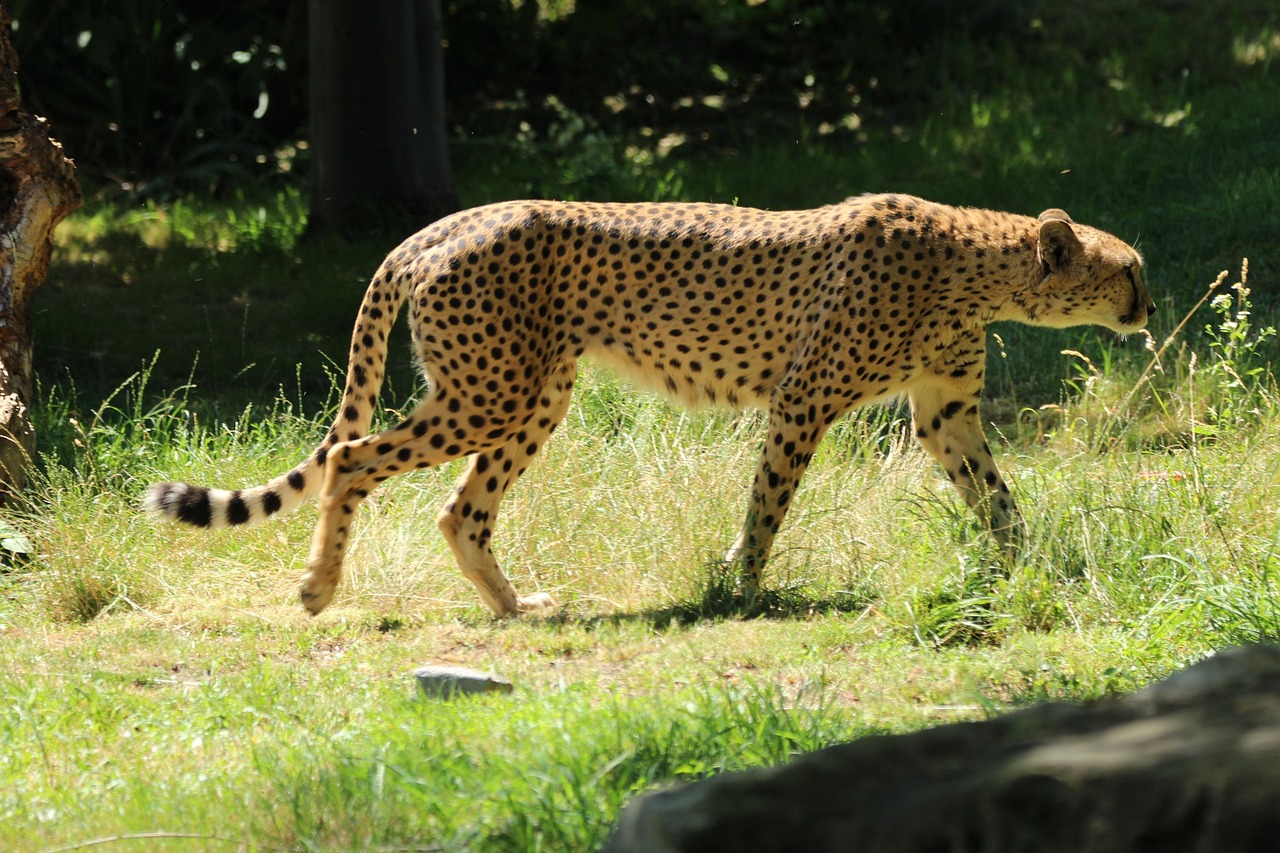
Across from the cable car station lies the Cologne Zoo and the Flora & Botanical Garden:
- Cologne Zoo – One of Germany’s oldest; very popular with families. Plan several hours if you go.
- Flora & Botanical Garden – Free entry and incredibly peaceful. I love wandering the different plant collections and sitting by the fountain.
On a warm May afternoon, I once spent nearly three hours in the Flora, doing little more than moving from bench to bench. It gave me a sense of how locals use and love this space—there were couples reading, older folks chatting, and kids learning to ride bikes.
Afternoon: Architecture – Rheinauhafen & Modern Cologne
Head back toward the Rheinauhafen area if you haven’t explored it in depth yet. Architecturally, it’s one of the most striking parts of Cologne:
- The three Kranhäuser (crane houses) jutting over the water.
- Renovated brick warehouses now housing offices, galleries, and restaurants.
- Public art and riverside seating.
This area is especially nice for photography—reflections in the water, strong lines, and the cathedral in the distance.
Evening: Contemporary Culture – Theater, Opera, or Indie Cinema
Check what’s on at:
- Schauspiel Köln – For theater (mostly in German).
- Cologne Opera – For opera and classical works.
- Indie cinemas – Some show films in original language with subtitles.
Alternatively, head back into the Belgian Quarter or Südstadt for a relaxed dinner and drink. After four days, you might even find yourself returning to a spot you liked earlier in the trip—one of the joys of staying a bit longer.
Day 5: Day Trips & Slow Rhine Moments
If you have 5 days in Cologne, use this day for either a day trip or very slow, hyper-local exploration.
Option 1: Day Trip to Bonn
Bonn, the former capital of West Germany, is a quick train ride (about 20–30 minutes) from Cologne and feels smaller and calmer.
- Visit the Haus der Geschichte (House of History) for an excellent look at post-war German history.
- Walk the Rhine promenade.
- Explore Beethoven’s birthplace if you’re a classical music fan.
Option 2: Rhine Towns – Königswinter or Linz am Rhein
Take a regional train south along the Rhine and you’ll hit storybook towns:
- Königswinter – Ride the Drachenfelsbahn cog railway up Drachenfels for sweeping views of the Rhine Valley.
- Linz am Rhein – Known as the “colorful city on the Rhine” for its painted half-timbered houses.
Both are easy, scenic, and very doable as day trips from Cologne. I’ve done Königswinter in both fog and sunshine; in clear weather, the view is spectacular, but even in mist, the castle ruins feel atmospheric.
Option 3: Slow Cologne – Markets, Cafés & Favorite Spots
If you’re tired of trains, simply pick a neighborhood you liked (Ehrenfeld, Südstadt, or the Belgian Quarter) and spend a day as if you lived there:
- Sleep in.
- Have a long breakfast at a local café.
- Browse a market or two.
- Return to a favorite attraction at a different time of day for new light and fewer crowds.
On a recent 5-day stay, my last day was exactly like this: late breakfast in Südstadt, a long walk along the Rhine, and a final Kölsch at my favorite corner bar. It felt less like tourism and more like a soft goodbye—for now.
20 Must-See Attractions in Cologne (Deep Dives)
Below are twenty of the must-see attractions in Cologne, each with history, significance, and practical tips. Many appear in the itineraries above; this section lets you go deeper and mix-and-match for your own travel guide for Cologne.
1. Cologne Cathedral (Kölner Dom)
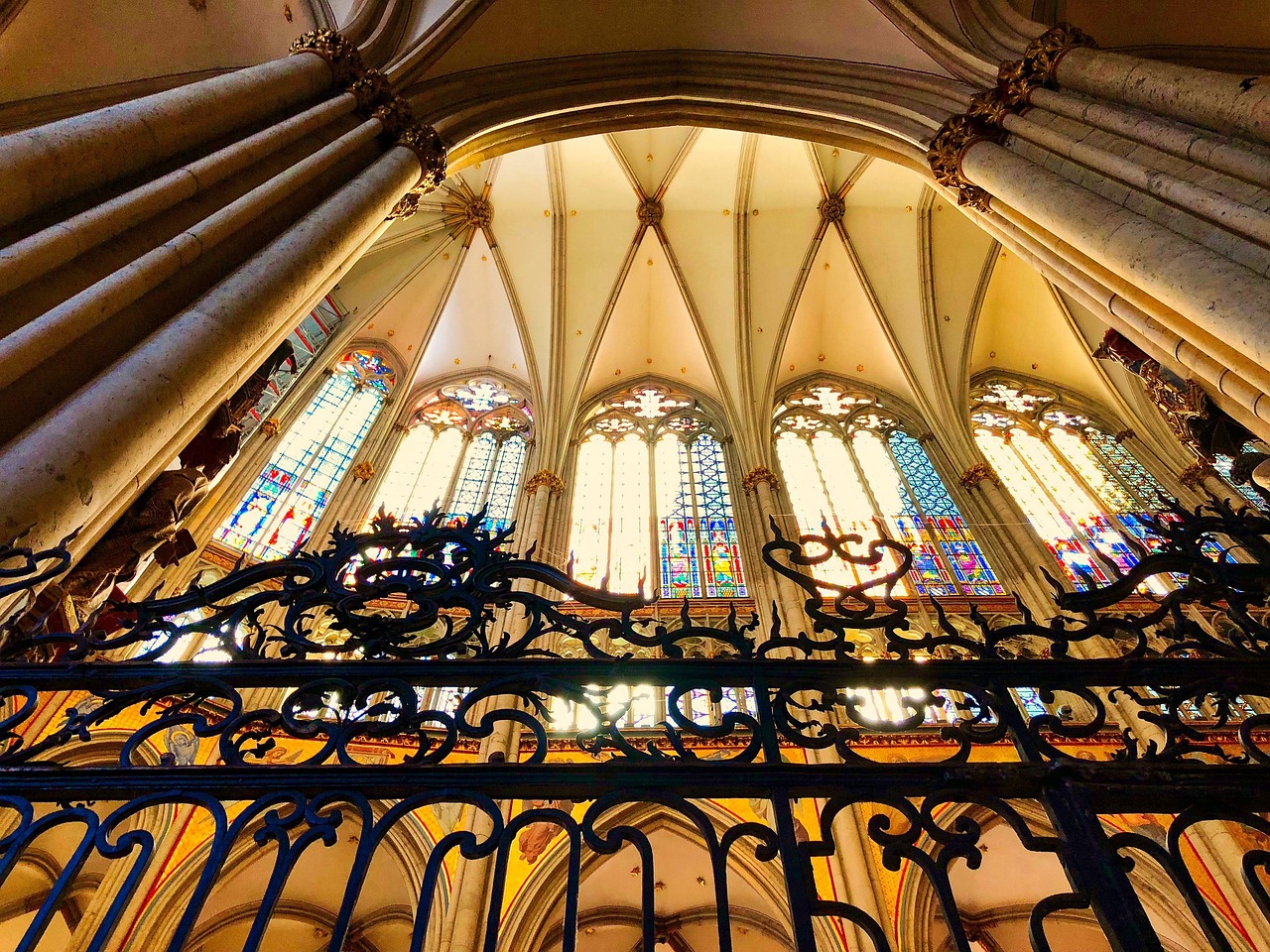
The Cologne Cathedral is more than an icon; it’s the city’s emotional anchor. Construction began in 1248 and wasn’t completed until 1880, a timespan that still boggles my mind each time I look up at its twin spires.
Inside, light filters through stained glass, particularly the modern abstract window by Gerhard Richter, which casts a pixelated glow over the stone. The Shrine of the Three Kings—a gold reliquary said to hold the remains of the biblical Magi—drew medieval pilgrims from across Europe and still attracts quiet lines of visitors.
Climbing the south tower’s 500+ steps is a workout, but the view is worth it. You’ll see the Rhine curve, trains streaming in and out of the Hauptbahnhof, and the patchwork of old and new buildings. On windy days, you can feel the breeze through the open stone tracery.
Tips:
- Go early (opening time) or late afternoon to avoid the biggest crowds.
- Dress modestly; it’s still an active place of worship.
- Check for organ recitals or services if you’d like to hear the acoustics in full use.
2. Museum Ludwig
Museum Ludwig feels like a dialogue between eras—Picasso, Warhol, Lichtenstein, and contemporary installations all speak to each other across rooms. The building’s curved rooflines and light-filled galleries are intentionally neutral, giving the art room to breathe.
I still remember turning a corner and nearly walking into a massive Roy Lichtenstein canvas; its bright comic-book style felt surreal against the muted German winter outside. The museum’s Pop Art collection is one of the best I’ve seen anywhere.
Good for: Art lovers, rainy days, anyone needing a break from medieval stone.
Tip: Allow 2–3 hours, more if you like to read wall texts in detail. The café has decent snacks and a nice view of the cathedral spires.
3. Hohenzollern Bridge & Rheinboulevard
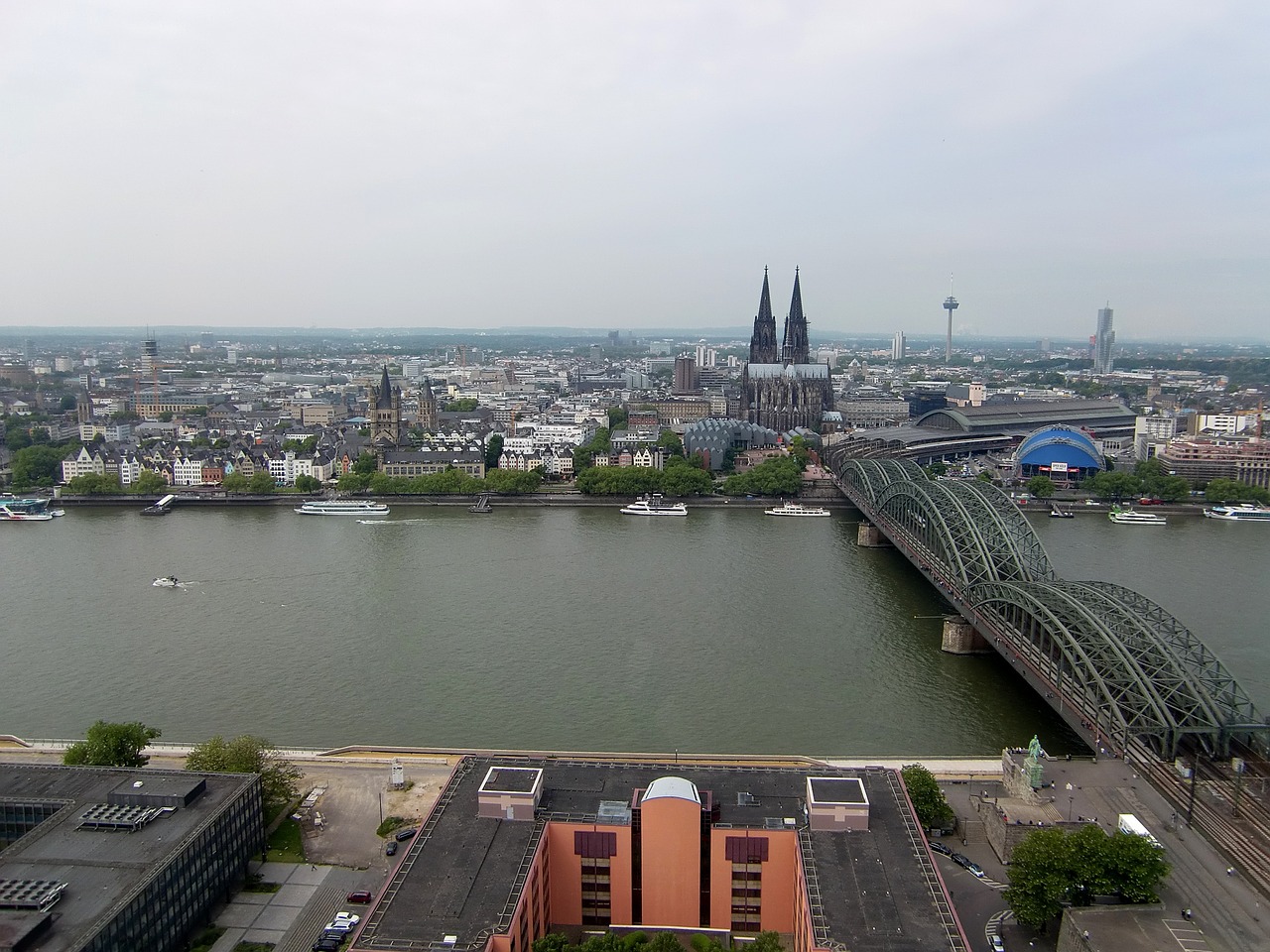
The Hohenzollern Bridge started as a utilitarian rail bridge, but its pedestrian path and view of the Dom have made it a destination. As trains clatter past and the river flows beneath, you’re literally and figuratively in transit—a feeling that suits Cologne’s role as a crossroads.
On the Deutz side, the Rheinboulevard steps provide a natural amphitheater facing the city. Locals sit with beers, couples lean into one another, and tourists snap photos of the skyline. I like coming here around sunset with take-away food; it’s one of the simplest and best free experiences in Cologne.
4. Old Town (Altstadt) & Fischmarkt
Bombed heavily in WWII and reconstructed afterward, the Altstadt you see today is partly a reimagining—but it still manages to feel atmospheric. The colorful houses at Fischmarkt lining the Rhine are perhaps the most photographed spot in Cologne, yet early mornings here can be strangely quiet.
Wander the alleys, listen for the mix of Kölsch dialect and other languages, and pop into hidden courtyards when doors are open. Many of Cologne’s traditional breweries are also clustered here, which makes the Altstadt the natural place to begin exploring local food and drink.
5. Chocolate Museum (Imhoff-Schokoladenmuseum)
Half museum, half industrial temple to chocolate, this riverside attraction traces cacao from jungle to bar. Exhibits cover cultivation, trade routes, and ethical concerns, while the glass-walled production line lets you watch pralines and bars taking shape.
The star, especially for kids, is the chocolate fountain where staff dip wafers into flowing chocolate. It’s touristy, but also genuinely educational if you take time to read the displays.
Tip: It can get very busy on rainy weekends; buy tickets in advance if possible, or go early.
6. NS Documentation Center (EL-DE-Haus)
Housed in the former Gestapo headquarters, this museum is one of the most sobering places in Cologne. The upper floors provide context on Cologne during the Nazi era—persecution, resistance, daily life—while the basement preserves the original prison cells and etched messages of prisoners.
I walked through in near silence on a gray winter afternoon, and the combination of historical documents and physical space was overwhelming. It’s not an easy visit, but it’s an essential one if you want to understand the city’s 20th-century history.
Tip: Give yourself time afterward to decompress; a quiet café nearby or a walk along the Rhine can help process the experience.
7. Roman-Germanic Museum & Roman Cologne
Long before the cathedral, Cologne was a Roman city—Colonia Claudia Ara Agrippinensium. The Roman-Germanic Museum showcases mosaics, glassware, and everyday objects excavated from beneath modern streets, including the famous Dionysus mosaic.
As of the mid-2020s, the main building has been undergoing renovation, with key pieces displayed in temporary quarters. In 2026, expect improved exhibitions and updated interpretation as the project progresses or completes; check current details before you go.
Tip: Combine this with a short self-guided walk to other Roman remnants, like sections of the old city wall.
8. Belgian Quarter (Belgisches Viertel)
Less an “attraction” and more a living neighborhood, the Belgian Quarter is where you feel Cologne’s contemporary creative pulse. Around Brüsseler Platz, bars, cafés, and small shops create a low-key buzz from late afternoon into the night.
I’ve spent many evenings here starting with coffee, shifting to wine or beer as the sky darkens, and ending with a walk through nearby streets noting the ever-changing window displays and street art stickers.
9. Ehrenfeld & Street Art Scene
Once outside the classic tourist radius, Ehrenfeld has become one of Cologne’s most interesting districts. Warehouses and factories now house studios, clubs, and quirky shops, while large murals transform blank walls into open-air galleries.
Several street art festivals over the years have left a visible legacy. Every time I return, there are new pieces and old favorites have weathered or vanished—it’s a living, changing canvas.
Tip: Look for guided tours led by local artists or activists if you want deeper context on the scene and its politics.
10. Rheinauhafen & Kranhäuser
Rheinauhafen condenses Cologne’s architectural story into a single river bend: historic brick warehouses, repurposed industrial cranes, and the futuristic Kranhäuser that mimic the shape of dockside cranes.
The promenade is a favorite for joggers and strollers. At night, reflections of the Kranhäuser shimmer on the water, with the faint outline of the cathedral in the distance. It’s one of my favorite places for long, unhurried walks—especially if you’re staying nearby.
11. Cologne Cable Car (Kölner Seilbahn)
The cable car runs between the zoo and the Rheinpark, offering a bird’s-eye view over the Rhine and parts of the city. It’s short but memorable, especially for families or anyone craving a different perspective.
I rode it once in early autumn when the trees in the Rheinpark were just starting to turn; the patchwork of greens and golds below made Cologne feel surprisingly leafy.
12. Cologne Zoo
Founded in 1860, the Cologne Zoo is one of Germany’s oldest. It’s large enough to fill a day if you’re traveling with kids, with themed zones and well-maintained enclosures.
Tip: Combine the zoo, Flora & Botanical Garden, and cable car into a loop for a full, family-friendly day.
13. Flora & Botanical Garden
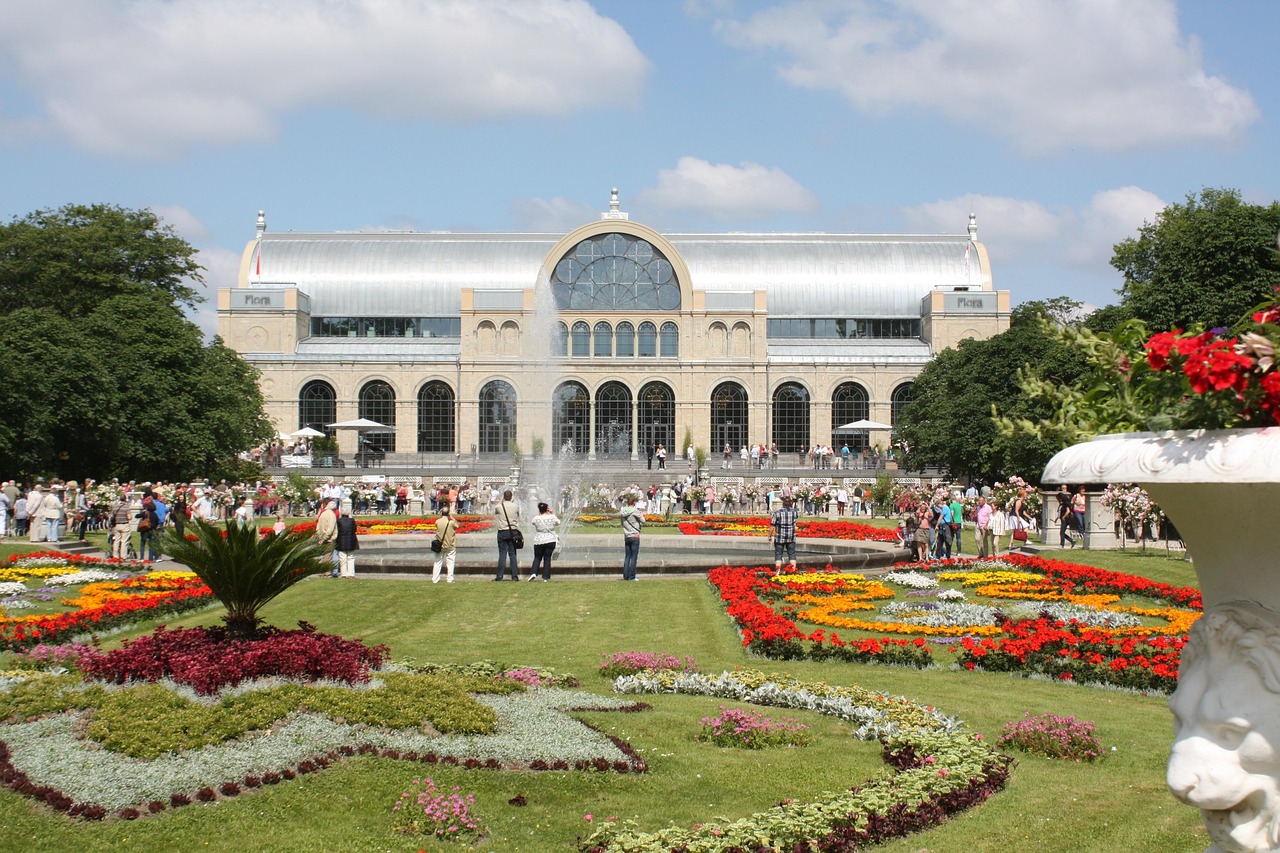
The Flora is a 19th-century botanical garden with glasshouses, themed beds, and a stately central building. It’s free, peaceful, and a favorite among locals for quiet walks or reading on benches.
In spring, the variety of blooms is almost overwhelming; in winter, the greenhouses provide a brief escape from gray skies.
14. Great St. Martin Church
The massive tower of Groß St. Martin is one of the defining features of Cologne’s skyline. Dating back to the 12th century (with many later reconstructions), it stands on the site of a former Roman chapel.
Inside, the Romanesque architecture feels more austere than the Gothic cathedral; the contrast between the two styles is a nice architectural lesson in itself.
15. Cologne City Hall (Rathaus) & Historic Center
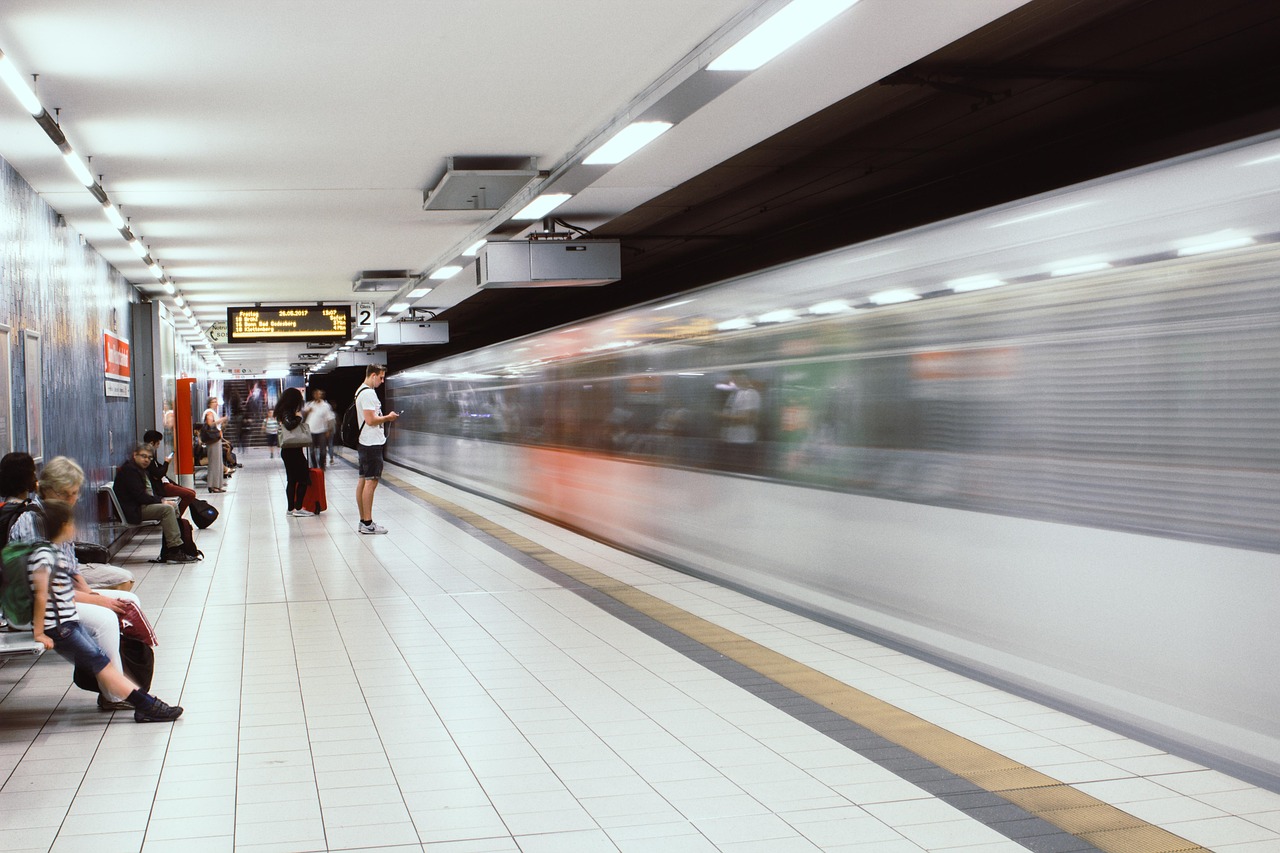
Cologne’s historic City Hall is one of the oldest in Germany, with a richly decorated tower and Renaissance loggia. The statues lining the tower façade range from historic figures to whimsical modern additions—spotting them can be a fun game.
Surrounding streets hide small courtyards and traces of medieval Cologne. It’s worth a slow wander with your eyes up.
16. Cologne Philharmonic (Kölner Philharmonie)
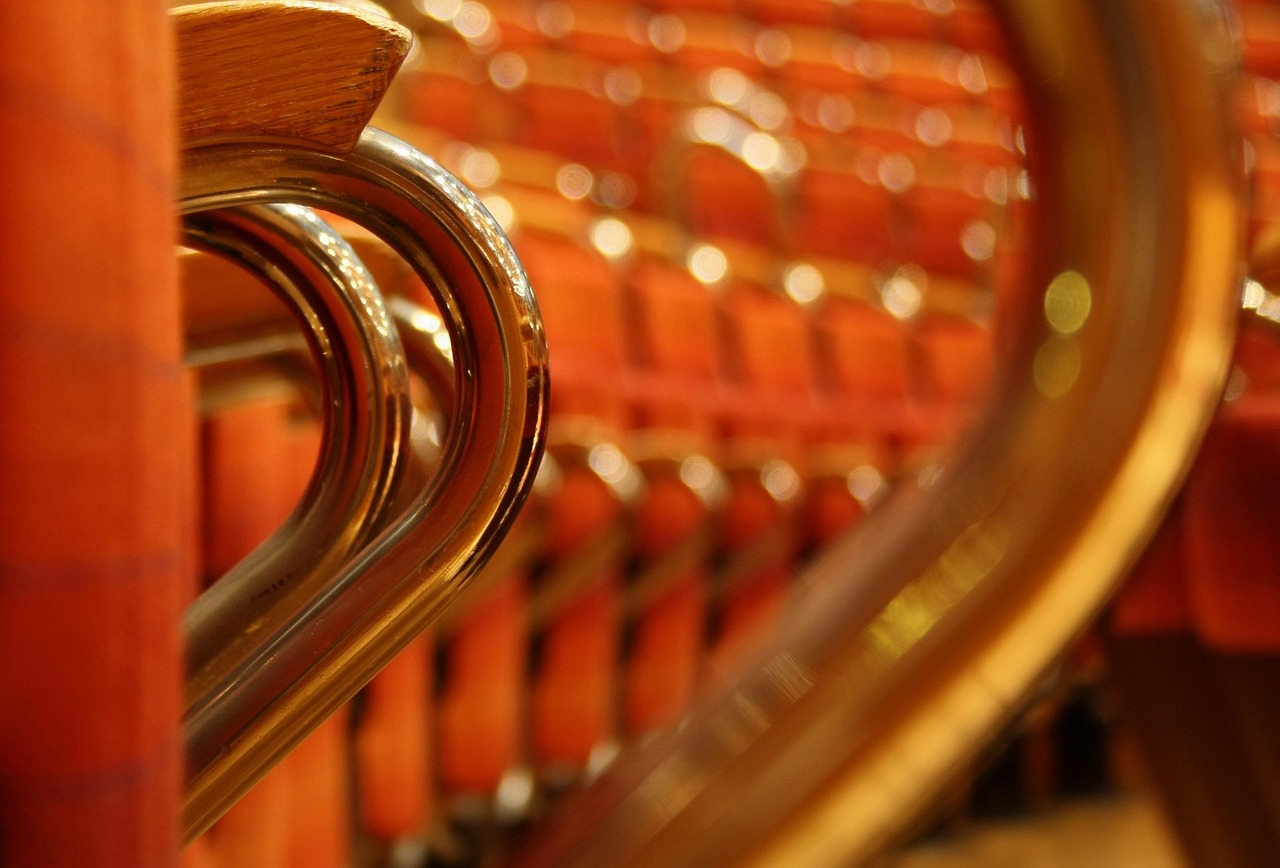
Just below the Domplatte, the Philharmonie is acoustically renowned and hosts a packed program of classical and contemporary music. Even if you’re not usually a concert-goer, catching a performance here can be a highlight.
One quirk: during rehearsals, staff sometimes ask people not to walk across the plaza above because footsteps can be heard inside. It’s a small detail that hints at how seriously Cologne takes its sound.
17. Cologne Triangle (KölnTriangle) Panorama
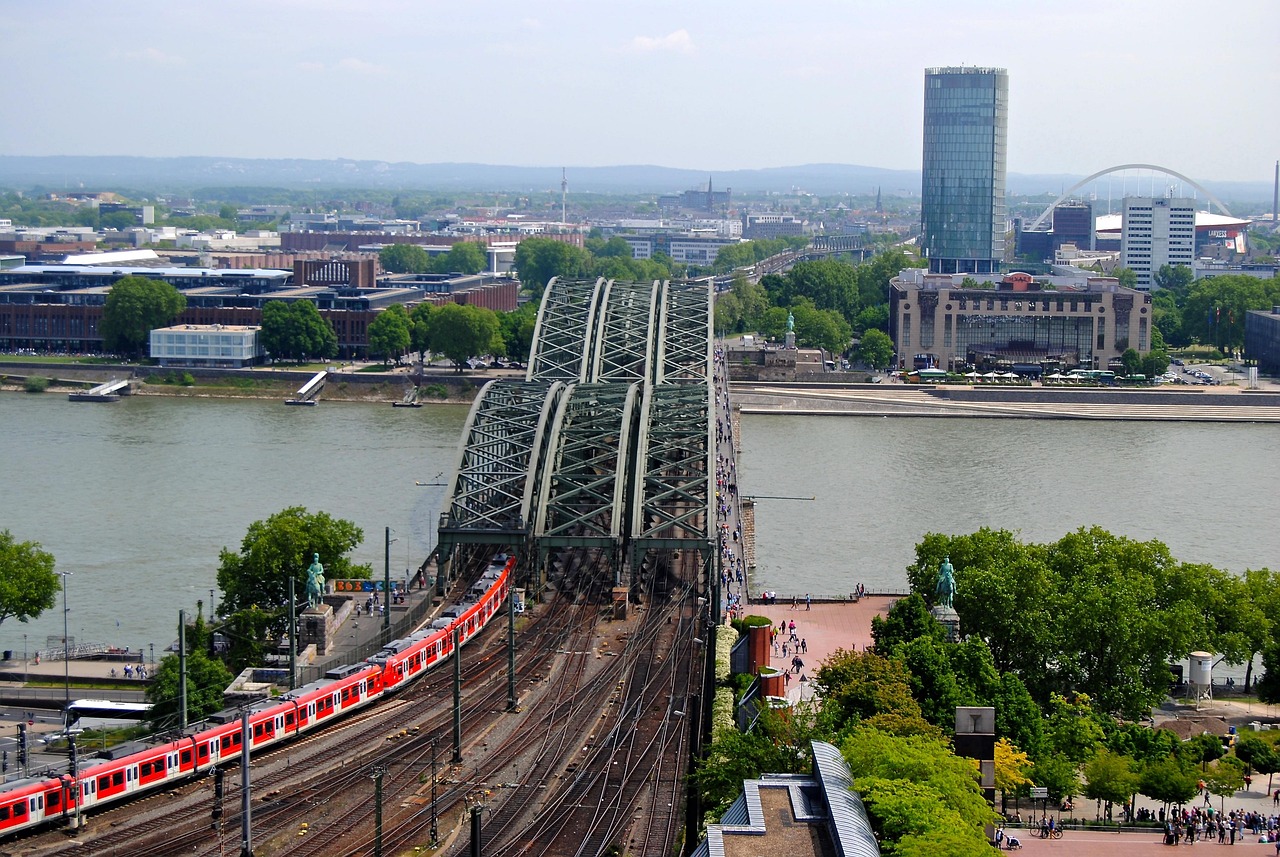
For a different skyline view, head up to the observation deck of the Cologne Triangle in Deutz. From here, the cathedral, Altstadt, Hohenzollern Bridge, and Rhine all line up beautifully.
I like this view especially at blue hour, when the sky deepens and city lights flicker on. Tripods may have restrictions, so check current rules if you’re a serious photographer.
18. Südstadt & Volksgarten

South of the center, Südstadt feels residential and relaxed. Its heart, the Volksgarten, is a park with a small lake, beer garden, and plenty of shady paths.
On summer evenings, friends gather here with blankets and snacks; in autumn, the changing leaves soften the city edges. It’s one of my go-to spots when I need a break from sightseeing.
19. Cologne Carnival (Kölner Karneval)
More than an event, Carnival is a season and mindset in Cologne. The main celebrations erupt in the days leading up to Ash Wednesday, especially on Weiberfastnacht (Women’s Carnival Day) and Rosenmontag (Rose Monday).
Costumed crowds fill the streets, parades roll through town, and there’s a constant, contagious sense of mischief. I attended once and spent half the day laughing with strangers in elaborate homemade costumes. If you’re in Cologne during Carnival, you don’t just watch—you participate.
Tip: Book accommodation early; 2026 Carnival will be especially busy as travel has fully rebounded. Wear a costume or at least something colorful; you’ll stand out more if you don’t.
20. 4711 House & Cologne’s Fragrance Heritage
The word “cologne” itself comes from this city’s fragrance history. The 4711 House showcases the story of Original Eau de Cologne—a light citrus fragrance that became globally famous.
Even if you’re not particularly into perfume, it’s fun to step inside, smell different variations, and maybe bring home a small bottle as a very literally “Cologne from Cologne” souvenir.
Local Food & Drink in Cologne
Cologne’s food scene blends hearty Rhineland classics with international flavors and modern German cooking. Here’s what to look for.
Essential Cologne Dishes
- Kölsch – The local beer: light, slightly fruity, always served in 0.2L Stangen. Each brewery has its own twist.
- Himmel un Ääd – Mashed potatoes (earth) with applesauce (heaven) and blood sausage.
- Rheinischer Sauerbraten – Marinated pot roast, often served with red cabbage and dumplings.
- Halver Hahn – A rye roll with cheese, mustard, and onions. Budget-friendly and filling.
- Flönz – Local blood sausage, often served with onions and mustard.
Where to Eat: Personal Favorites
Some of my most enjoyable meals in Cologne have been in places where no one rushed me and the menu included both classics and seasonal dishes.
- Traditional Brauhäuser in Altstadt – Früh, Gaffel, and Malzmühle are busy but iconic.
- Südstadt – Smaller bistros, international eateries, and cozy bars that do very good food.
- Ehrenfeld – Fantastic Middle Eastern and Turkish spots, plus creative vegetarian/vegan places.
- Belgian Quarter – Stylish cafés by day, wine bars and small plates by night.
Budget-Friendly Eating
- Lunch specials (Mittagsmenü) in many restaurants.
- Bakery lunches – fresh rolls, pastries, and coffee for a few euros.
- Imbiss stands for currywurst, fries, or döner.
- Supermarkets for picnic supplies by the Rhine or in parks.
Nightlife, Entertainment & Cultural Experiences
Cologne’s nightlife mirrors its personality: friendly, unpretentious, and varied.
Classic Evenings
- Brauhaus hopping in the Altstadt – Try different Kölsch and compare atmospheres.
- Concerts at the Philharmonie – For classical music fans.
- Rhine sunset walks – Simple, romantic, and free.
Bars & Clubs
- Belgian Quarter – Wine bars and relaxed cocktail spots.
- Ehrenfeld – Alternative clubs, live music, and experimental spaces.
- Südstadt – Cozy Kneipen (pubs) with regulars and friendly bartenders.
Cultural Experiences
- Theater and opera performances (check Schauspiel Köln and Oper Köln).
- Seasonal markets: Christmas markets in late November–December, summer festivals along the Rhine.
- Local football culture: If 1. FC Köln is playing at home, the city’s mood shifts. Even if you don’t attend a match, you’ll feel it in the streets and bars.
Major Events & Festivals in Cologne 2026–2027
Cologne’s calendar is packed. Highlights likely for 2026–2027 include:
- Cologne Carnival (Kölner Karneval) – Late February or early March (dates vary). The biggest event of the year.
- Cologne Pride (CSD – Christopher Street Day) – One of the largest Pride events in Europe, usually in July, with parades and parties across town.
- Christmas Markets – Late November through December. Multiple markets around the city, including by the cathedral and in the Old Town.
- RheinEnergie Marathon – Annual marathon, typically in autumn, with a scenic course.
- Trade fairs at Koelnmesse – Gamescom, Anuga, photokina (when held), and other fairs bring big crowds and can affect hotel prices.
By 2026–2027, Cologne’s tourism infrastructure is fully back in swing, with many museums and venues having recently updated exhibitions or facilities. Check city and venue websites for exact dates as your trip approaches.
Practical Travel Advice for Cologne
Cultural Etiquette & Local Customs
Cologne is one of Germany’s friendliest cities, with a strong local identity and distinct dialect (Kölsch).
- Greetings: A simple “Hallo” or “Guten Tag” works. In more relaxed settings, you might hear “Tach!”
- Punctuality: Still valued, especially for tours and reservations. Don’t be late for trains.
- Tipping: 5–10% in restaurants and bars, rounded up in taxis.
- Cash vs. card: Card acceptance is widespread and increasingly standard, but small bars and older bakeries may still prefer cash.
- In breweries: The Köbes will keep bringing Kölsch unless you place your coaster on top of the glass. It’s not rude; it’s the system.
- Quiet hours: Residential areas expect relative quiet at night; keep noise down on side streets after 10 pm.
Getting Around Cologne
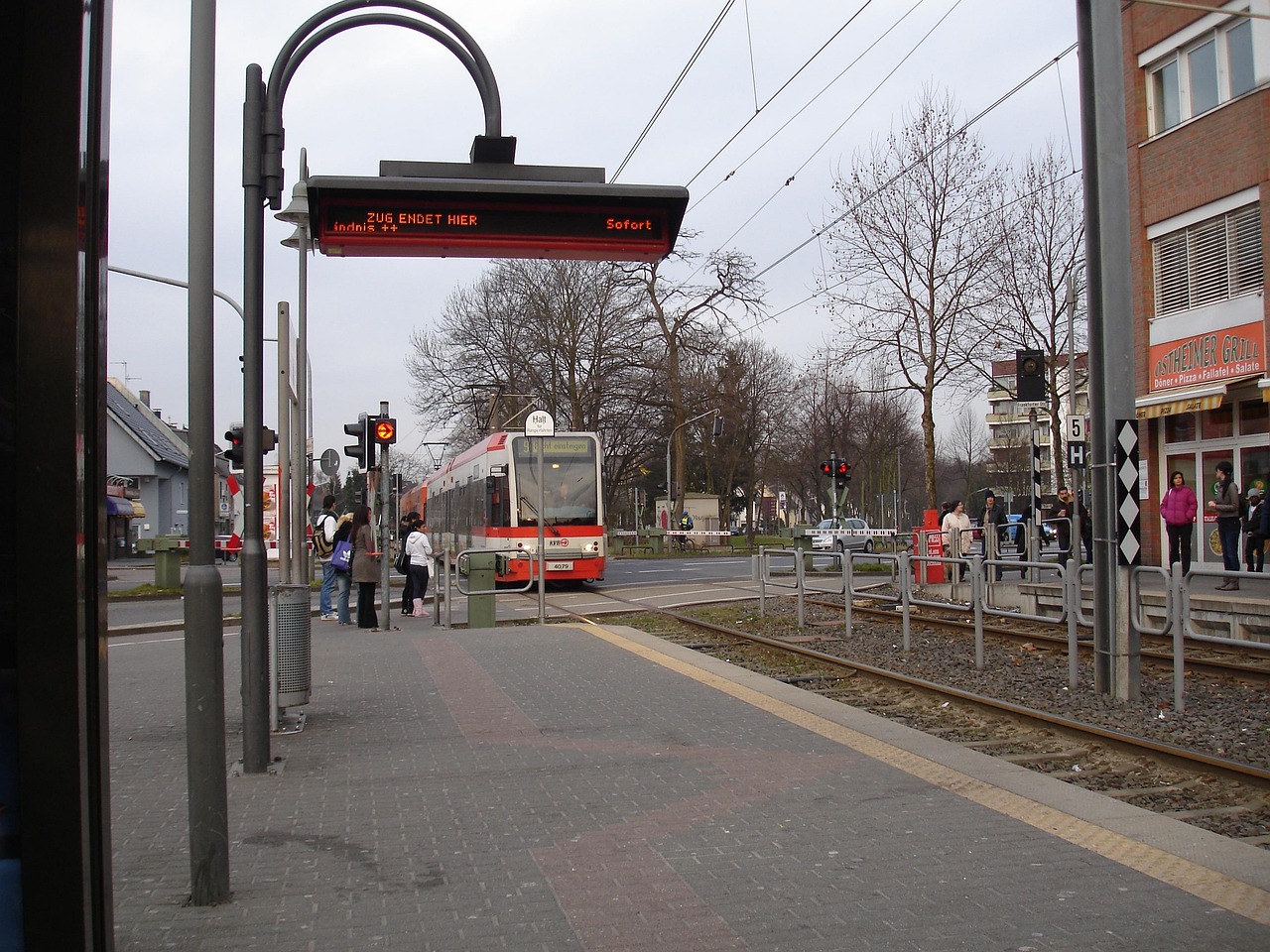
Cologne is compact and walkable in the center, with an efficient public transport network.
- On foot – The best way to experience the Altstadt, Rheinauhafen, and Belgian Quarter.
- Public transport – Trams, buses, and S-Bahn run frequently. Tickets can be bought from machines at stops or via apps; validate if required.
- Bikes & e-scooters – Widely available via sharing apps; pay attention to bike lanes and traffic rules.
- Trains – Cologne Hauptbahnhof is a major hub, with frequent trains to Bonn, Düsseldorf, and beyond—perfect for day trips.
How to Save Money in Cologne
- City cards – Check for current visitor cards that combine public transport and museum discounts.
- Lunch deals – Eat your main meal at lunch when many places offer cheaper menus.
- Self-catering – Choose accommodation with a small kitchen and use local supermarkets.
- Free attractions – The cathedral, many churches, parks, and the riverside are all free. Some museums have reduced or free entry days.
- Tap water – Safe to drink; refill bottles instead of buying new ones.
SIM Cards, Visa Requirements & Driving
SIM Cards & Connectivity
- EU travelers – Roaming is often included; check your plan.
- Non-EU travelers – Buy a local prepaid SIM from providers like Telekom, Vodafone, or O2 at the airport, train station, or electronics stores. eSIM options are increasingly available.
- Wi-Fi is common in hotels, cafés, and public areas but not universal on the street; having data is handy.
Visa Requirements
- Germany is in the Schengen Area. Many nationalities can enter visa-free for short stays (up to 90 days in 180). Check official sources for your passport.
- From 2025–2026, the EU’s ETIAS travel authorization system for some non-EU visitors is expected; check current requirements before traveling.
Driving & Foreign Licenses
- You do not need a car in Cologne; parking is expensive and traffic can be dense.
- Most foreign driving licenses are accepted for short tourist stays; an International Driving Permit can be useful, depending on your home country.
- Cologne has environmental zones where only vehicles with proper emissions stickers can enter; rental cars usually comply, but check.
- For day trips, trains are usually faster and less stressful than driving.
Best Time to Visit Cologne
Cologne has something in every season; the “best” time depends on your priorities.
- Spring (March–May) – Mild weather, blooming parks, fewer crowds. Great for walking and photography.
- Summer (June–August) – Long days, outdoor events, lively riverside. Can be hot and busy, especially during major fairs or Pride.
- Autumn (September–November) – Cooler, often clear skies, beautiful foliage in parks. A favorite time for city walks.
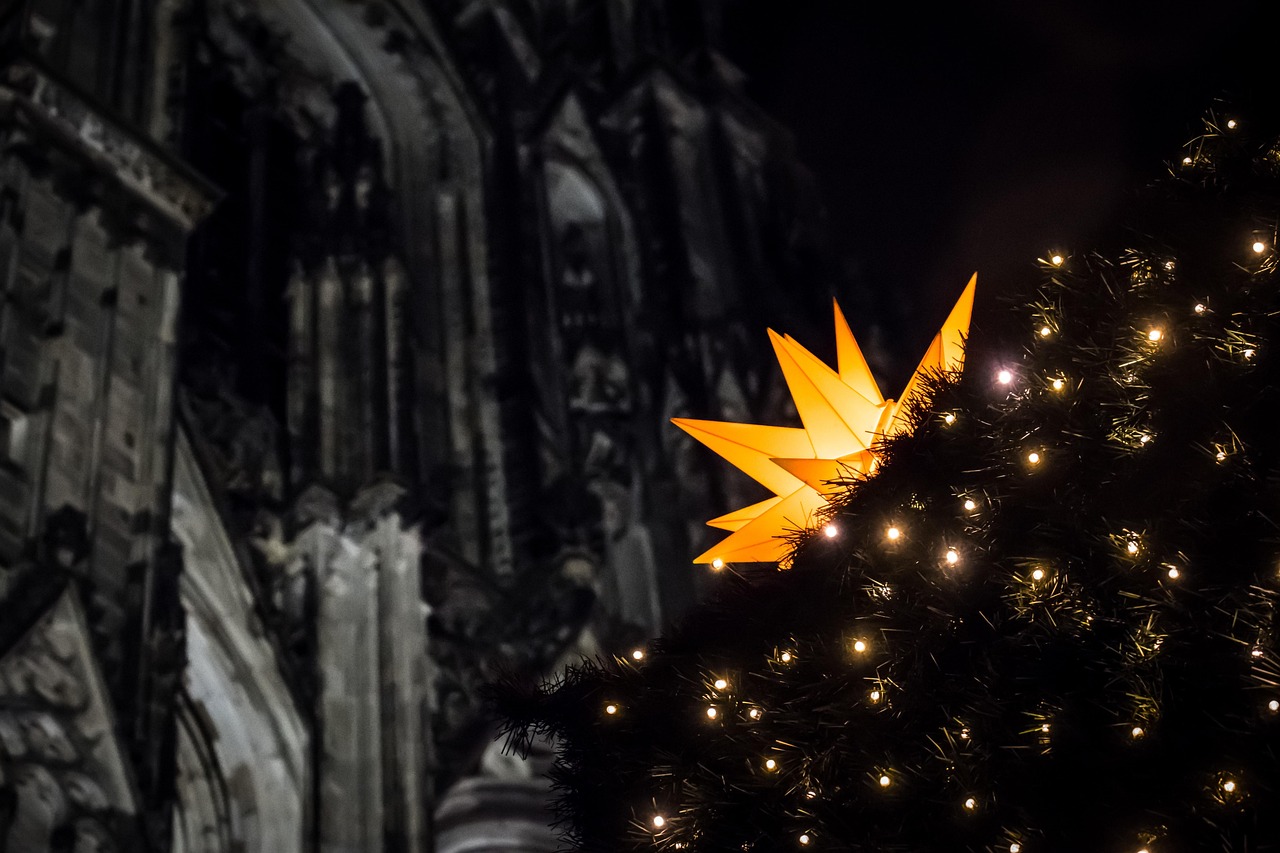
- Winter (December–February) – Christmas markets, cozy breweries, and Carnival. Cold and often gray, but very atmospheric.
For a first visit, I usually recommend late spring (May–early June) or early autumn (September) for comfortable weather and a good balance of activity and space. If you’re drawn to festive chaos, plan around Christmas markets or Carnival.
Best Day Trips from Cologne
Cologne’s position on the Rhine and its rail connections make it an excellent base for exploring western Germany.
Bonn
Just south, Bonn offers a calmer, elegant vibe and rich political history. Visit the Haus der Geschichte, stroll the old town, and walk the Rhine promenade. In spring, the cherry blossoms in the old town streets can be stunning.
Rhine Gorge Towns
Further south, between Koblenz and Bingen, the Upper Middle Rhine Valley (a UNESCO site) is studded with castles and vineyards. You can reach towns like Koblenz or Boppard by train, then continue by boat for classic Rhine scenes.
Düsseldorf
A short train ride north, Düsseldorf contrasts Cologne with polished shopping streets, a lively Altstadt of its own, and modern architecture along the MedienHafen. It’s a fun compare-and-contrast day trip.
Brühl
Close to Cologne, Brühl is home to the Augustusburg and Falkenlust Palaces, UNESCO-listed examples of Rococo architecture, and an amusement park (Phantasialand) popular with families.
Summary & Final Recommendations
Cologne is a city that reveals itself in layers. On the surface, you have a world-famous cathedral and Rhine views; beneath that, you find Roman roots, post-war resilience, and a strong, friendly local culture that insists on toasting with Kölsch at least once.
For a 3 day itinerary for Cologne, focus on the cathedral, Old Town, Museum Ludwig, one or two additional museums, and a neighborhood like the Belgian Quarter. With 4 days in Cologne, add parks, the cable car, and more time in Ehrenfeld or Südstadt. With 5 days in Cologne, layer in a day trip and slow, local moments.
In 2026–2027, expect a confident, fully open city with refreshed museum spaces, a busy festival calendar, and a culinary scene that keeps getting more interesting. Come with comfortable shoes, an open schedule, and a willingness to say “Prost!” to strangers. Cologne will do the rest.
Best seasons? Late spring and early autumn for comfort and balance; December and Carnival season if you want Cologne at its most exuberant. Whenever you come, leave room in your itinerary for simply sitting by the Rhine and watching the city flow by—that’s when Cologne really gets under your skin.