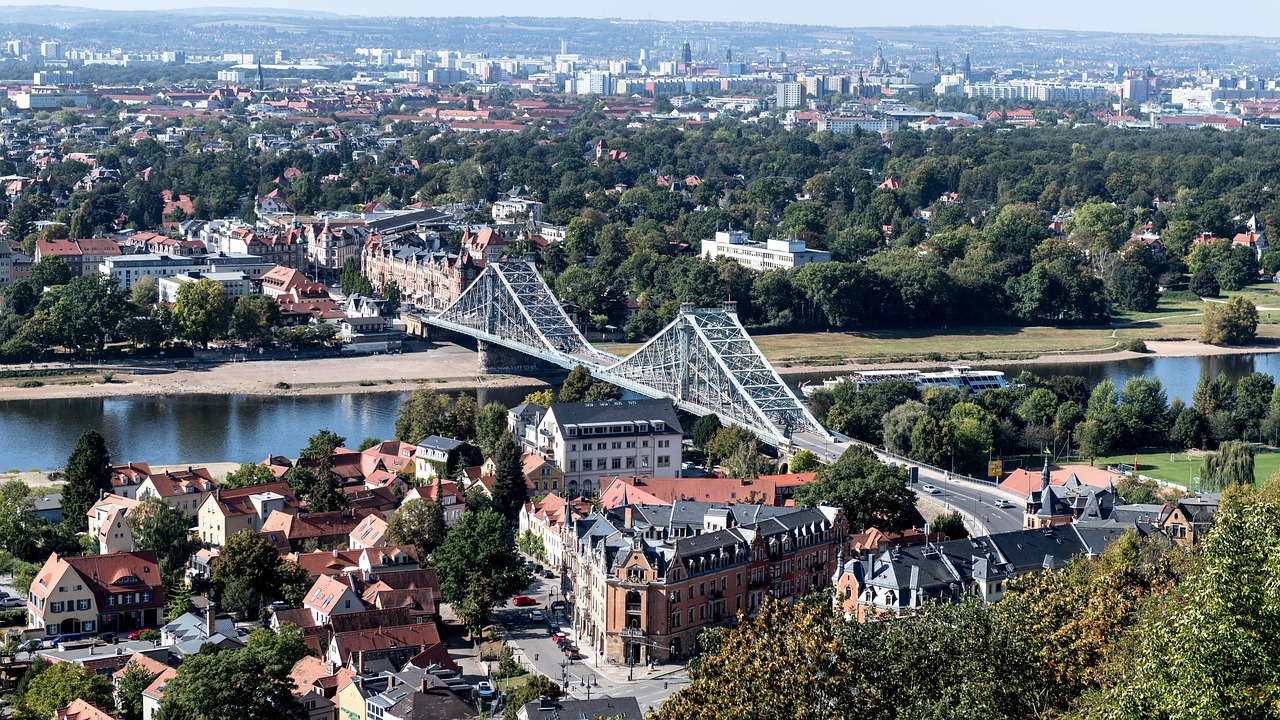
Why Visit Dresden in 2026?
I’ve lived in Saxony for years and have visited Dresden more times than I can count. Each time I step off the train at Dresden Hauptbahnhof and walk toward the Elbe, I get the same feeling: this city shouldn’t exist in the way it does. It’s a place that was nearly obliterated in 1945 and then painstakingly brought back to life piece by piece. That tension between past and present is exactly what makes Dresden so special.
Dresden is often called the “Florence on the Elbe” for its baroque skyline along the river, but the nickname doesn’t quite do it justice. Yes, you get dreamy domes and spires, world-class museums, and some of the best classical music in Germany, but you also get edgy street art, beer gardens by the water, fantastic cycling paths, and neighborhoods that feel more like Berlin’s cool little cousin.
In 2026, Dresden is especially worth putting on your list because the city is in a sweet spot: fully rebuilt in many areas, well-connected by train and bus, but still not overrun by mass tourism the way Munich or Berlin can be. You can walk across the historic Old Town (Altstadt) in 10–15 minutes, yet you could spend days exploring the museums, churches, riverside promenades, and leafy suburbs.
Whether you’re planning 3 days in Dresden, 4 days in Dresden, or even 5 days in Dresden, this travel guide will walk you through detailed itineraries, tell you where to find the best local food, share hidden gems that most tourists miss, and give you practical travel advice for Dresden in 2026–2027.
Table of Contents
- Why Visit Dresden in 2026?
- Dresden at a Glance
- Suggested Itineraries (3–5 Days in Dresden)
- 20+ Must-See Attractions in Dresden (Deep Dive)
- Neighborhoods & Areas to Explore
- Local Food & Drink in Dresden
- Nightlife, Entertainment & Cultural Experiences
- What’s New in 2026–2027: Events & Festivals
- Best Day Trips from Dresden
- Cultural Etiquette & Local Customs
- Practical Travel Advice for Dresden
- Summary & Best Time to Visit Dresden
Dresden at a Glance
Dresden is the capital of the German state of Saxony, set along the Elbe River about two hours by train south of Berlin and 90 minutes north of Prague. The city has roughly 550,000 residents, but it feels much more intimate than its size suggests.
- Population: ~550,000 (metro area > 1 million)
- Language: German (English widely spoken in tourist areas, younger locals, and service industry)
- Currency: Euro (€)
- Best for: History lovers, architecture buffs, art fans, couples, families, and anyone who likes a relaxed, walkable European city with real depth.
- Good trip length: 3–5 days in Dresden (plus day trips)
Suggested Itineraries: 3–5 Days in Dresden
Below are flexible, story-style itineraries based on how I usually show friends around when they visit. You can mix and match days depending on whether you’re planning a 3 day itinerary for Dresden, a 4 day itinerary for Dresden, or a 5 day itinerary for Dresden.
3 Days in Dresden: Classic Highlights & Riverside Charm
If you only have 3 days in Dresden, focus on the Old Town, the riverfront, and one or two big museums, plus a taste of Neustadt’s creative side.
- Day 1: Altstadt icons – Frauenkirche, Brühl’s Terrace, Zwinger, Semperoper
- Day 2: Neustadt & Elbe meadows – street art, cafés, and riverside sunset
- Day 3: Castles & views – Dresden Royal Palace, Pfunds Molkerei, and sunset from Loschwitz/Blue Wonder bridge
4 Days in Dresden: Add Palaces & Parks
With 4 days in Dresden, you can go beyond the core and add a day out at Pillnitz Palace or the baroque quarter.
- Day 1–3: Same as the 3 day itinerary for Dresden
- Day 4: Pillnitz Palace & gardens, or a full day in the baroque Innere Neustadt and along the Elbe cycle path
5 Days in Dresden: Full Experience + Day Trip
With 5 days in Dresden, you can really relax into the city and add at least one day trip, usually to Saxon Switzerland National Park or Meissen.
- Day 1–4: Follow the 4 day itinerary for Dresden
- Day 5: Day trip to Saxon Switzerland (Bastei Bridge) or Meissen porcelain & wine
20+ Must-See Attractions in Dresden (With Local Insight)
Below you’ll find detailed, story-style guides to more than 20 of the best places to visit in Dresden. I’ve structured them roughly from the most iconic to the more hidden gems. Each one includes history, why it matters, and my own experience and tips.
1. Frauenkirche (Church of Our Lady)
The Frauenkirche is the emotional heart of Dresden. Every time I step into Neumarkt square and see its sandstone dome rising above the cobblestones, I still get goosebumps. This baroque church was completely destroyed in the 1945 bombing; its blackened ruins were left as a war memorial for decades. Only after reunification was it painstakingly rebuilt, reopening in 2005.
On my first visit inside, I remember tilting my head back and just staring at the pastel-colored interior – the light blues, pinks, and golds almost too pretty to be real. If you look closely at the façade, you’ll notice darker stones among the lighter new sandstone: these are original fragments, reinserted like pieces of a puzzle.
What to Do
- Climb the dome: The ascent is a mix of stairs and ramps. It’s not too strenuous, but wear comfortable shoes. At the top, you get a 360° view over all of Dresden – this is my favorite viewpoint in the city, especially in late afternoon when the light is soft.
- Attend a concert or service: Even if you’re not religious, an evening organ concert here is spine-tingling. Check the current 2026 program on the official site and book ahead.
- Walk around Neumarkt: The square around Frauenkirche has been reconstructed in a historically sensitive way, with narrow streets and baroque facades. Grab a coffee at a side street café rather than directly on the square to save money and avoid the most touristy spots.
Practical Tips
- Best time: Early morning for quiet photos; late afternoon or golden hour for the dome view.
- Tickets: Entry to the church is usually free; there’s a fee for the dome climb. Weekends in summer can sell out, so go earlier in the day.
- Family-friendly: Kids often enjoy the climb and the view, but the interior is solemn – best to keep voices low.
2. Zwinger Palace & Museums
The Zwinger is Dresden’s baroque showpiece – an almost theatrical complex of pavilions, galleries, fountains, and lawns. I like to think of it as Dresden’s outdoor living room. On sunny days, locals stretch out on the grass with books and ice cream, while tourists move between the galleries, half of them staring at the architecture instead of the art.
Built in the early 18th century under Augustus the Strong, the Zwinger was originally used for festivals and courtly pageants. Today it houses several world-class collections: the Old Masters Picture Gallery (Gemäldegalerie Alte Meister), the Porcelain Collection, and the Royal Cabinet of Mathematical and Physical Instruments.
What to See
- Gemäldegalerie Alte Meister: Home to Raphael’s “Sistine Madonna” and a stunning collection of Renaissance and baroque art. The first time I saw the “Sistine Madonna” in person, I was surprised at how quiet the room was – people seemed genuinely moved.
- Porcelain Collection: Augustus the Strong was obsessed with porcelain, and it shows. Don’t skip this; it’s surprisingly beautiful, and the display design is modern and fresh.
- Mathematical-Physical Salon: Old globes, clocks, and scientific instruments. I always bring friends here who think they’re “not museum people” – they usually change their minds.
- Upper terrace walk: You can walk along the balustrades above the courtyard for free, with great photo angles of the pavilions and gardens.
Practical Tips
- Time needed: Minimum 2–3 hours if you want to see at least one museum and wander the courtyard.
- Tickets: Unified tickets covering multiple museums are usually the best deal; check current offers in 2026.
- Food: For a budget lunch, step out toward Postplatz for bakeries and snack bars instead of eating inside the complex.
3. Semperoper (Semper Opera House)
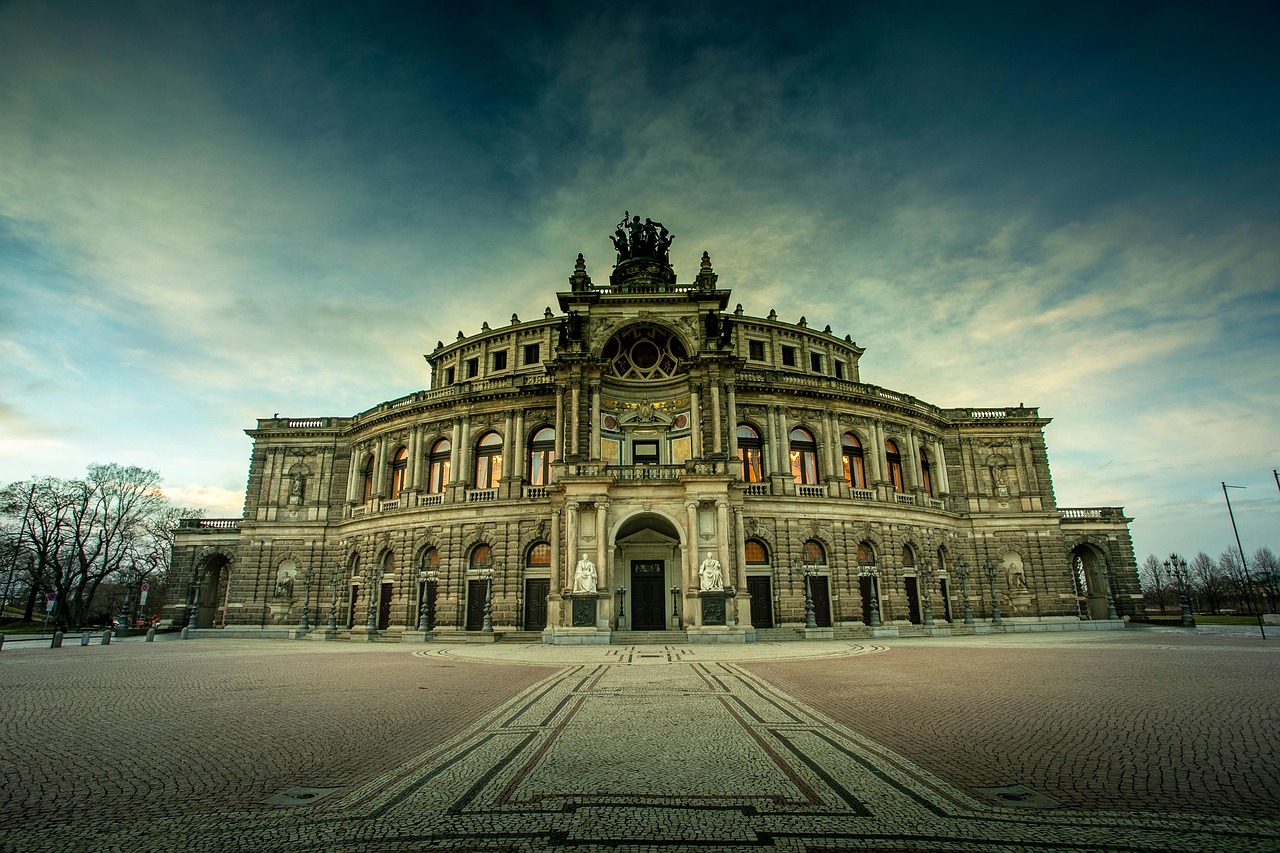
The Semperoper is one of Europe’s most beautiful opera houses, and you don’t need to be an opera fan to appreciate it. I still remember my first performance here: I stood on the Theaterplatz as the sky turned pink, watched people in evening dress arrive, then stepped inside and felt like I’d walked into a jewelry box of velvet, gold, and crystal.
The building you see today is actually the third incarnation: the original from 1841 burned, its 1878 successor was destroyed in WWII, and the current reconstruction reopened in 1985. Inside, the acoustics are superb, and the repertoire covers opera, ballet, and concerts.
How to Experience the Semperoper
- Guided tour: During the day, you can take a 45–60 minute tour (often available in English) that walks you through the foyer, the main hall, and behind the scenes. This is ideal if you’re not up for a full performance.
- Evening performance: If you can, book a ticket in advance. Even cheap seats in the upper tiers feel special. Dress smart-casual – no need for black tie, but avoid shorts and flip-flops.
- Pre-show drink: I like to arrive early and grab a glass of Sekt (sparkling wine) in the foyer – it feels very “Dresden.”
Practical Tips
- Booking: Tickets for popular operas can sell out weeks ahead, especially weekends and festival periods.
- Romantic factor: Very high. This is one of the best romantic things to do in Dresden in the evening.
- Photography: You can usually take photos in the foyer and outside, but not during performances.
4. Brühl’s Terrace (“Balcony of Europe”)
The first time I walked up the steps to Brühl’s Terrace, it hit me how perfectly Dresden is laid out along the Elbe. On one side, baroque facades and museum domes; on the other, the broad river, meadows, and the silhouettes of the Neustadt. It feels almost unreal at sunset, when the stone glows golden.
Brühl’s Terrace sits atop the old city fortifications and was transformed in the 18th century into a promenade for the elite. Today, everyone enjoys it – tourists, locals on lunch breaks, couples on evening strolls, and street musicians.
What to Do
- Stroll the length: Start near the Albertinum and walk toward the Schlossplatz. You’ll catch views of the Elbe, the Augustus Bridge, and the Neustadt riverbank.
- Sunset photos: This is one of the classic sunset spots in Dresden – come a bit early for a good vantage point.
- Combine with river cruise: From the terraces you can see the historic paddle steamers below. A 1–2 hour cruise is a relaxing way to see the skyline from a different angle.
Tip
If you want a quieter moment, come early in the morning. In winter, on a crisp blue-sky day with hardly anyone around, it feels like you have the whole city to yourself.
5. Dresden Royal Palace (Residenzschloss) & Green Vault
The Dresden Royal Palace is where the city’s rich, sometimes outrageous, sometimes tragic history comes into focus. This was the seat of the Saxon electors and kings, and today it houses several museums under one roof.
The first time I went, I underestimated how long I’d want to stay and ended up racing through the last part as the guards gently nudged people toward the exit. Don’t make my mistake – allow at least half a day.
Highlights
- Historic Green Vault (Historisches Grünes Gewölbe): A jaw-dropping treasury of jewels, gold, and precious objects. Entry is by timed ticket and often sells out in high season. I still remember standing in front of the “Court of Aurangzeb” miniature and trying to process the insane level of detail.
- New Green Vault: Less crowded, with more context. Great if you like to understand what you’re looking at, not just be dazzled.
- Turkish Chamber: Exhibits reflecting Saxony’s fascination with Ottoman culture – tents, costumes, and weapons.
- Hausmannsturm (tower): Climb for another excellent view of Dresden’s Altstadt.
Practical Tips
- Tickets: Consider a combined ticket for multiple palace museums; book the Historic Green Vault time slot online, especially on weekends.
- Family note: Younger kids may get bored; teens who enjoy history often love it.
- Security: Bags are checked; some areas prohibit photography.
6. Fürstenzug (Procession of Princes)
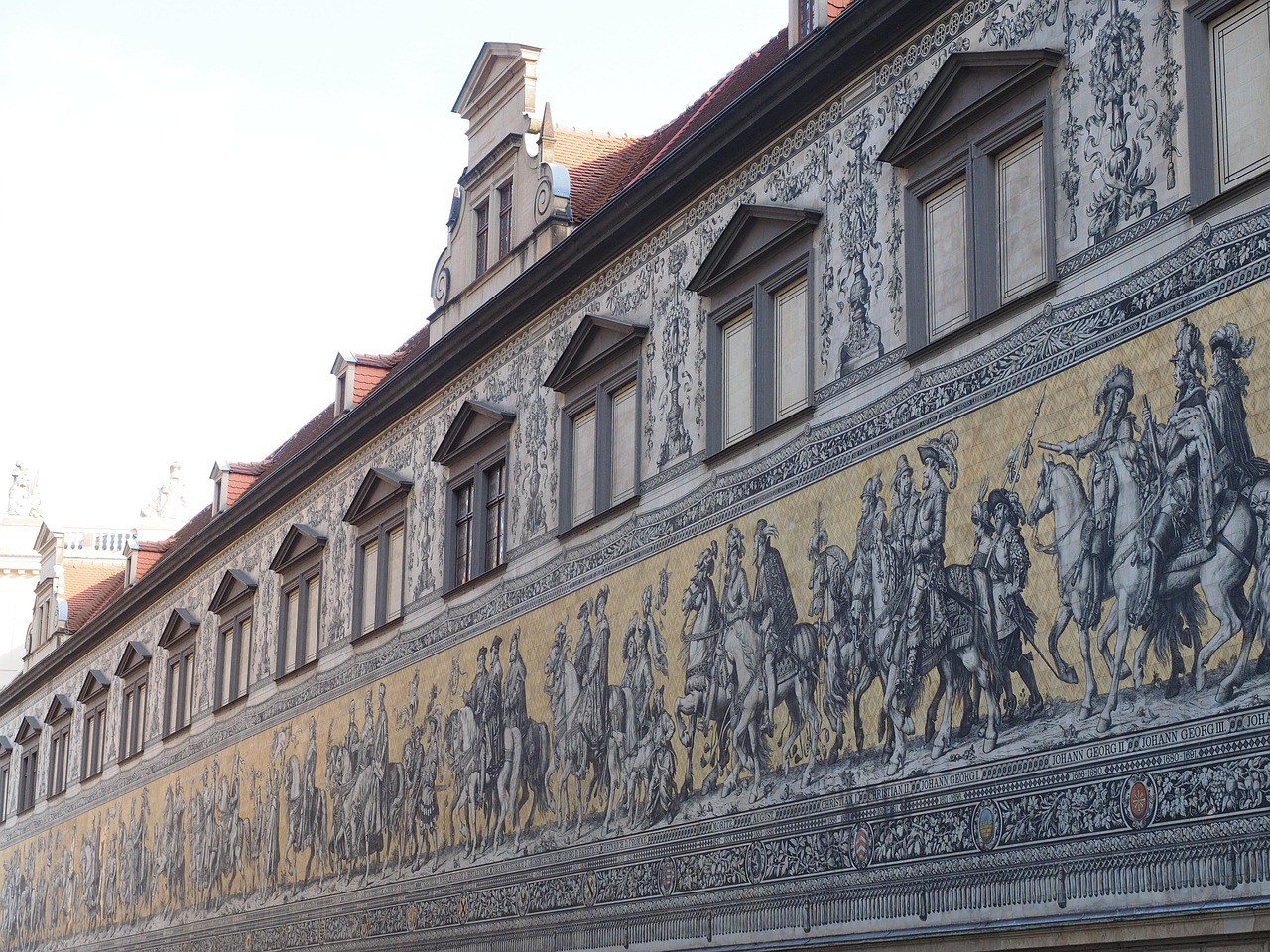
The Fürstenzug is one of those things in Dresden that you stumble on while walking between bigger sights and then realize, “Oh, this is actually famous.” It’s a 102-meter-long porcelain mural depicting a mounted procession of Saxon rulers, made up of around 23,000 Meissen tiles.
I like to pass by in the early evening when the crowds thin and the light is softer. It’s free, outdoors, and makes for great photos.
7. Dresden Neustadt (Outer & Inner)
If Altstadt is Dresden’s grand, historical face, Neustadt is its beating creative heart. I’ve spent countless evenings here in tiny bars, indie cinemas, and quirky courtyards, and it’s the part of Dresden I’d choose to live in.
There are actually two “Neustadts”:
- Innere Neustadt (Inner Neustadt): Elegant, baroque, and closer to the river, with wide boulevards like Königstraße and beautiful courtyards.
- Äußere Neustadt (Outer Neustadt): The alternative, bohemian quarter full of street art, vintage shops, and nightlife.
What I Love Doing Here
- Café hopping: Start with a coffee on Alaunstraße or Görlitzer Straße. Many spots roast their own beans and are laptop-friendly during the day.
- Street art walk: Wander without much of a plan; look up, look into courtyards, and you’ll constantly spot new murals.
- Evening drinks: Neustadt is where Dresden goes out. You’ll find everything from craft beer bars to smoky (sometimes too smoky) Kneipen (pubs).
For a family-friendly twist, come in the afternoon when it’s calmer and focus on cafés, playgrounds, and the Kunsthofpassage (see below).
8. Kunsthofpassage
Tucked in the Äußere Neustadt, the Kunsthofpassage is a series of interconnected courtyards where artists have turned the buildings themselves into installations. I still remember the first rainy day I spent here, watching water cascade down the “singing facades” of the Courtyard of the Elements.
Highlights
- Court of the Elements: Blue walls covered in pipes and funnels – when it rains, the water makes music-like sounds.
- Court of Animals and Mythical Creatures: Playful, whimsical designs loved by kids.
- Small boutiques & cafés: Great place to buy unique souvenirs from local designers rather than mass-produced trinkets.
Come in the late afternoon; have a coffee or a glass of wine and take your time exploring the different courtyards.
9. Elbe River & Elbwiesen (Elbe Meadows)
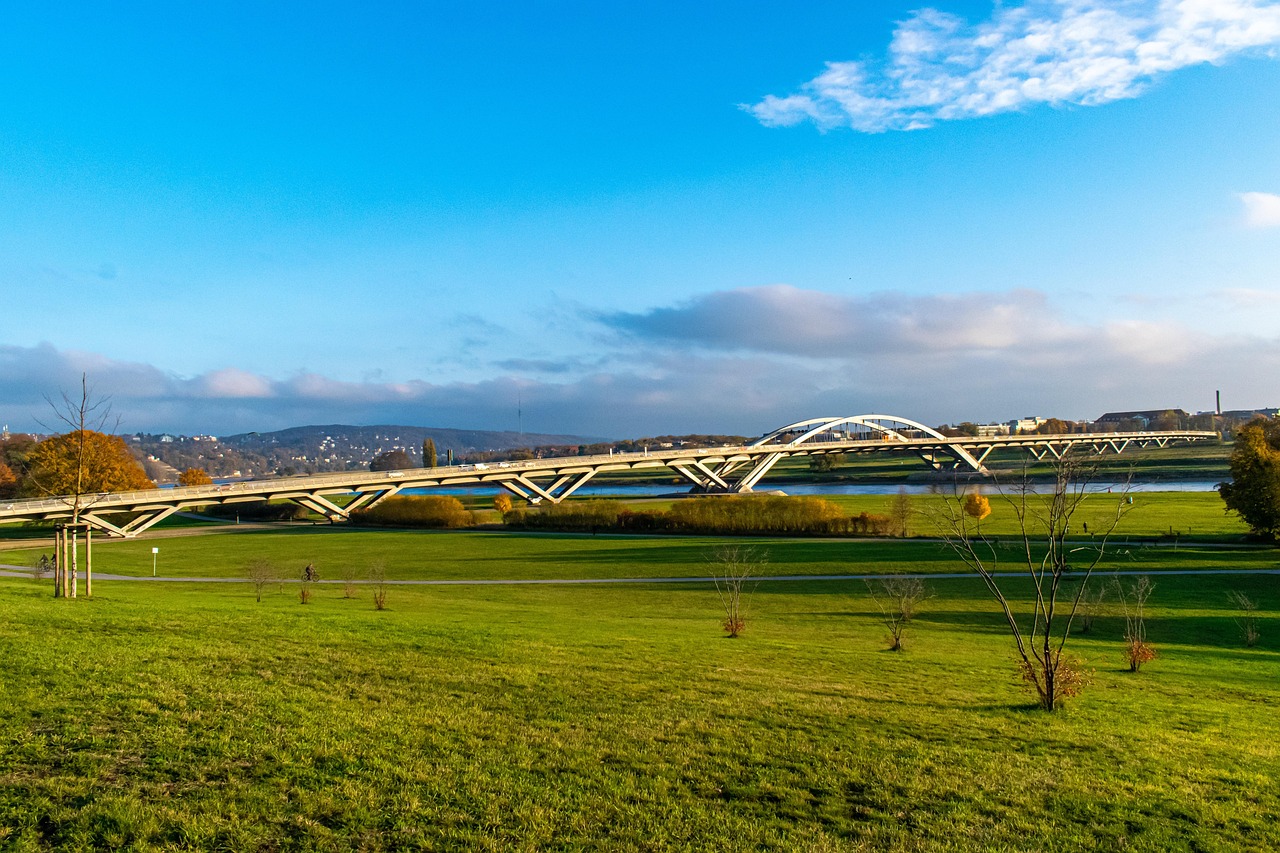
One of Dresden’s greatest luxuries is how much green space there is right in the center. The Elbwiesen – the grassy meadows along the Elbe – are where locals picnic, grill, play music, and watch the sunset.
Some of my favorite memories here involve nothing more than a blanket, a bottle of Saxon wine, some local cheese and bread, and friends. On warm evenings you’ll see groups scattered all along the riverbanks, especially between the Augustus Bridge and the Waldschlösschen Bridge.
What to Do
- Picnic: Grab supplies from a supermarket or the Neustadt market and join the locals on the grass.
- Cycling: The Elberadweg (Elbe Cycle Path) runs right along here. You can rent a bike and ride out toward the castles or downstream.
- Paddle steamer cruise: For a relaxed afternoon, hop on one of the historic steamers heading upriver toward Pillnitz or Saxon Switzerland.
10. Pfunds Molkerei
Pfunds Molkerei bills itself as “the most beautiful dairy shop in the world,” and for once the hype isn’t exaggerated. The interior is covered floor to ceiling in hand-painted tiles depicting rural scenes, flowers, and patterns. It’s small, often busy, but worth squeezing into.
Whenever I bring visitors here, their first reaction is usually a stunned “Wow.” Then we buy cheese.
Tips
- Photography: Check on current rules; they’ve sometimes restricted photos due to crowding.
- Taste: Try one of their flavored cheeses or a glass of buttermilk if you like traditional dairy.
- Combine with: Neustadt exploration – it’s an easy walk from the lively streets.
11. Blaues Wunder (Blue Wonder Bridge) & Loschwitz
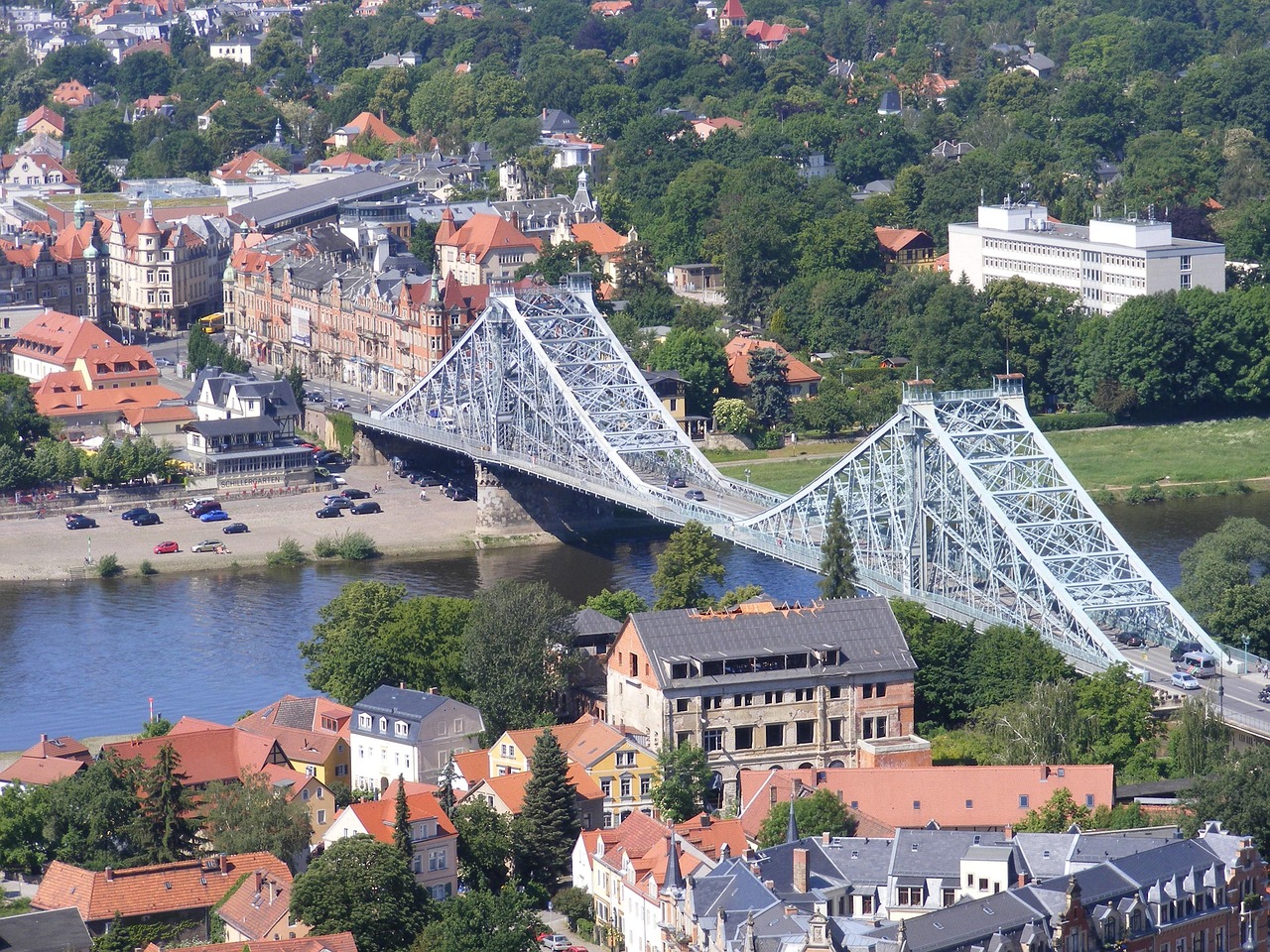
Blaues Wunder is a steel truss bridge from the late 19th century, painted a distinctive light blue. When it opened, it was considered a technical marvel – hence the “Blue Wonder.” Today, it’s a beloved landmark and gateway to some of Dresden’s prettiest villa districts.
I love coming here in the early evening: you can walk across the bridge, watch the light change on the water, then head up into the hills by funicular or hillside paths.
What to Do
- Walk the bridge: It’s not long, but the views upriver and downriver are gorgeous.
- Take the Schwebebahn or Standseilbahn: Two fun historic hillside railways connect the river level with the villa neighborhoods above, offering great views.
- Riverside drinks: In summer, pop-up beer gardens along the banks are perfect for a relaxed evening.
12. Pillnitz Palace & Gardens
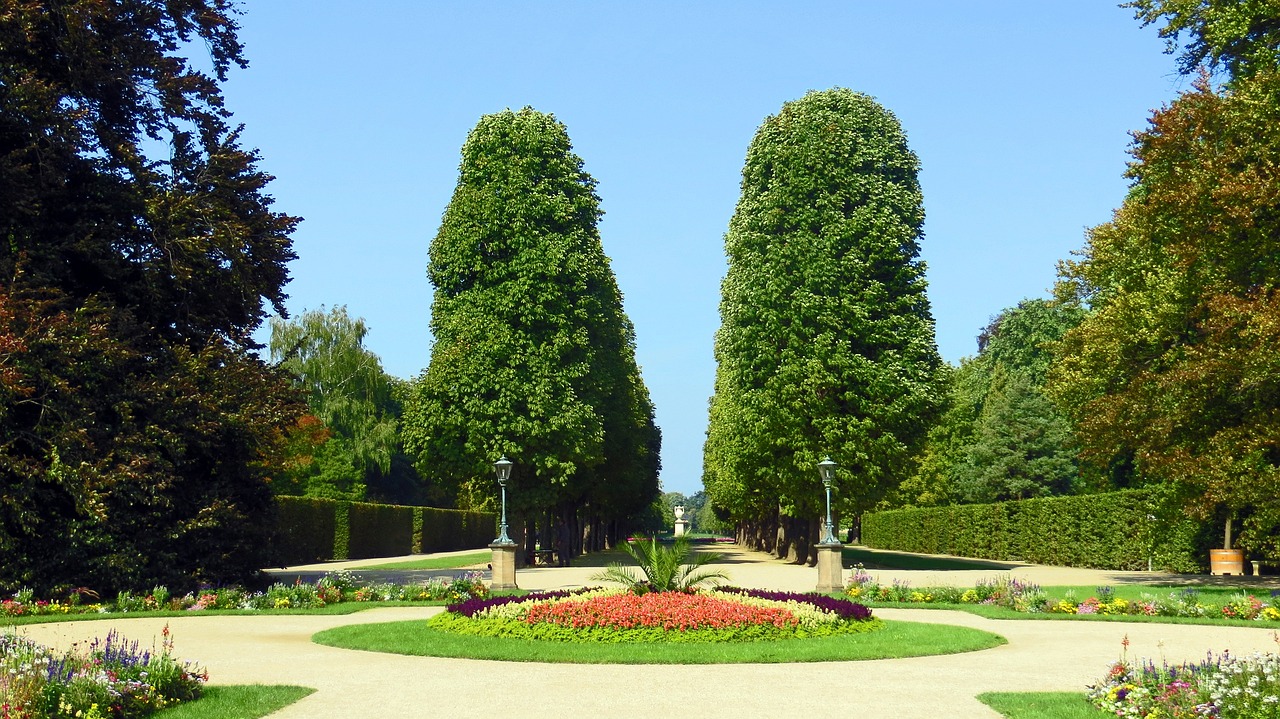
Pillnitz feels like a little world of its own, downriver from central Dresden. The palace combines baroque and chinoiserie elements and sits right on the Elbe, framed by manicured gardens and old trees.
The first time I biked out there along the Elbe cycle path, it felt like a mini adventure: passing vineyards, small allotment gardens, and river villages before arriving at this elegant complex where you can wander for hours.
Highlights
- Palace museum: Exhibitions about the Saxon court and summer life here.
- Gardens: English-style park, formal gardens, and a famous camellia that’s several centuries old.
- Riverside lawns: Perfect for picnics and photo sessions with the palace backdrop.
Getting There
- By river steamer: Romantic and scenic, about 1.5 hours each way.
- By bike: About 1–1.5 hours one way, mostly flat along the Elbe.
- By tram/bus: Easiest and quickest option on a tight schedule.
13. Großer Garten (Great Garden)
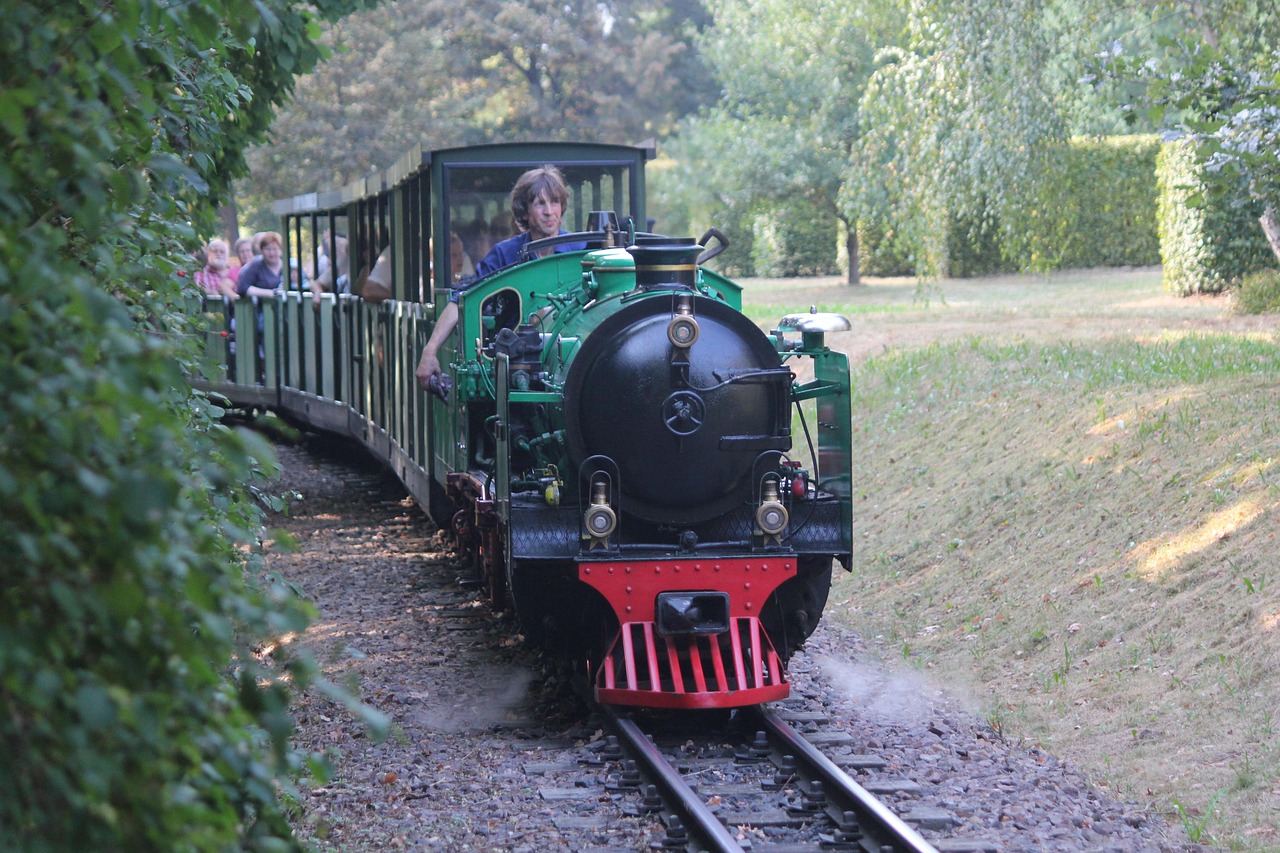
The Großer Garten is Dresden’s big central park, larger and wilder than it first appears. I’ve come here for morning runs, lazy weekend picnics, and evening walks when the city feels too crowded.
What to Do
- Walk or cycle: Crisscrossing paths make it easy to wander; rent a bike or simply stroll.
- Park railway: A miniature railway circles the park – kids love it, and it’s been running since the GDR era.
- Palace in the park: A small baroque palace (Palais im Großen Garten) sits in the middle; check if there are exhibitions or events when you visit.
14. Albertinum & New Masters Gallery
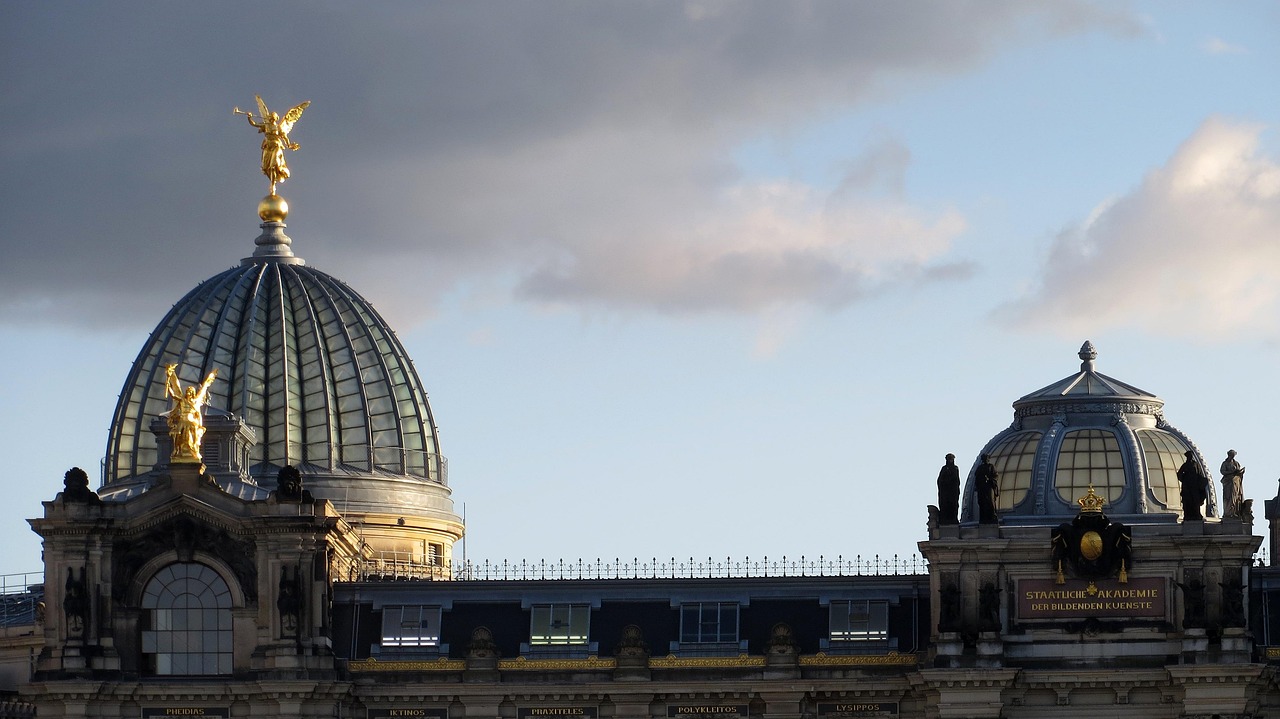
For modern and contemporary art, the Albertinum is where you want to be. It houses the New Masters Gallery (Galerie Neue Meister) and a sculpture collection. I particularly like the way the building itself has been adapted, with a striking inner courtyard and glass roof.
If you’re into 19th–20th century painting or sculpture, this is a must. It’s also a good rainy-day option on your 3 or 4 day itinerary for Dresden.
15. Military History Museum (Militärhistorisches Museum)
This is one of the most thought-provoking museums in Germany. The building, redesigned by Daniel Libeskind, has a dramatic wedge of glass and steel cutting through the original structure – symbolizing the disruption of war.
Inside, the exhibits go far beyond battles and uniforms; they look at how war affects societies, technology, families, and culture. I’ve left here both intellectually stimulated and emotionally drained – in a good way.
Tip
Give yourself at least 3 hours. Even if you’re not usually into military museums, this one is very different and well worth including if you have 4 or 5 days in Dresden.
16. Dresden Panometer
The Panometer is one of Dresden’s more unusual attractions: a former gasometer turned into a 360° panoramic art installation by artist Yadegar Asisi. At various times, it has shown Dresden in 1945 after the bombing or in 1756 in all its baroque glory.
Standing on the central platform, surrounded by the panorama, you feel immersed in another time. Soundscapes and lighting changes (from day to night) make it even more powerful. When the 1945 panorama is on, it’s haunting; the 18th-century version is mesmerizing in a different way.
17. Transport Museum (Verkehrsmuseum) & Johanneum
Right off the Neumarkt, the Transport Museum is great if you’re traveling with kids or are a fan of trains, cars, and planes. Exhibits cover everything from old locomotives to cycling history and model railways.
On a cold winter day, this is one of my go-to recommendations for families wondering what things to do in Dresden with children.
18. Yenidze (The “Mosque” Factory)
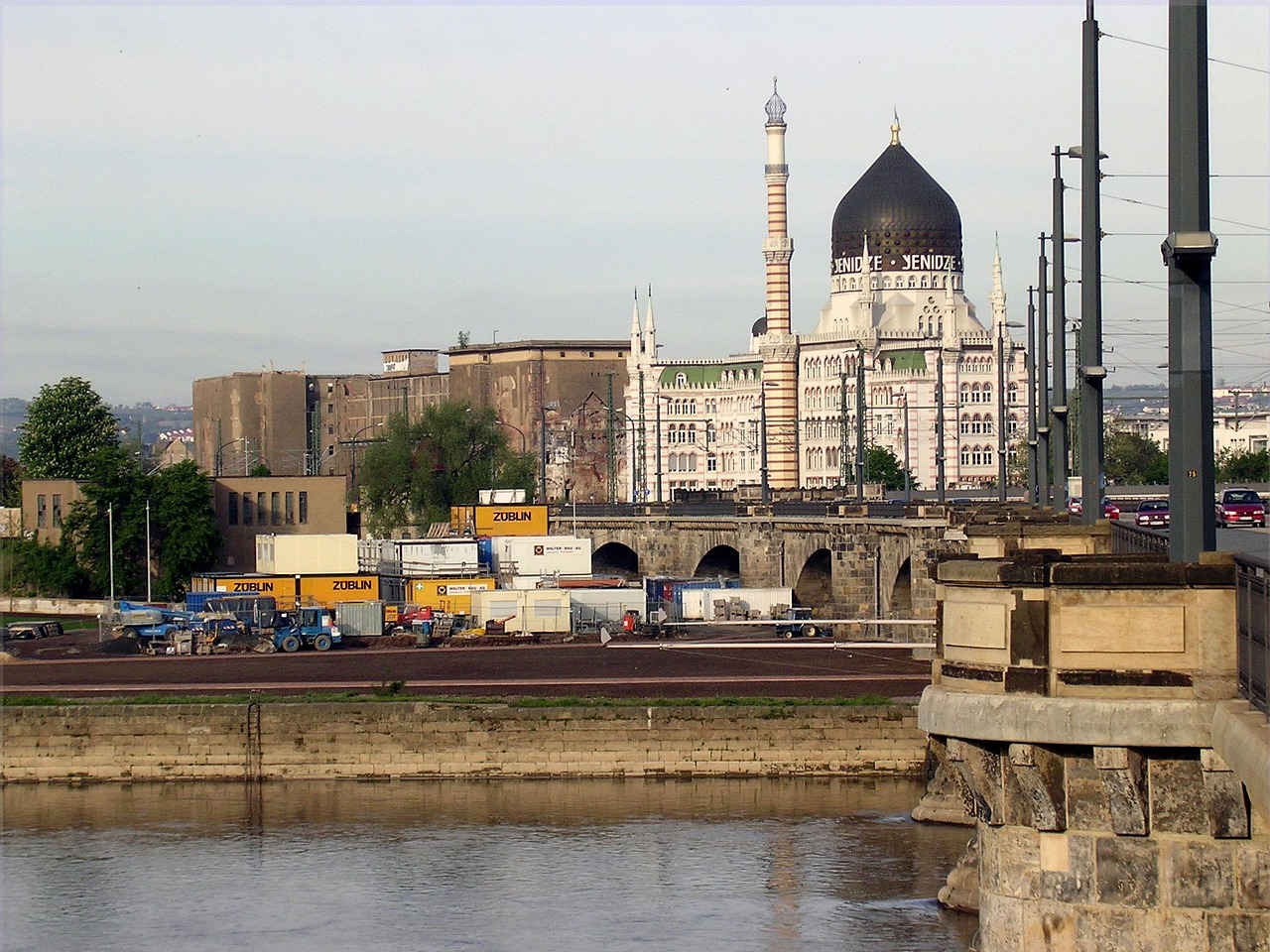
Yenidze is one of Dresden’s quirkiest buildings: a former cigarette factory built in 1909 in a pseudo-Oriental style, complete with dome and minaret-like chimneys. Today it houses offices, but there’s a rooftop restaurant and event space.
I like to use Yenidze as a landmark when walking from the old town toward the west; at sunset, its silhouette against the sky is particularly striking.
19. Prager Straße & Modern City Center
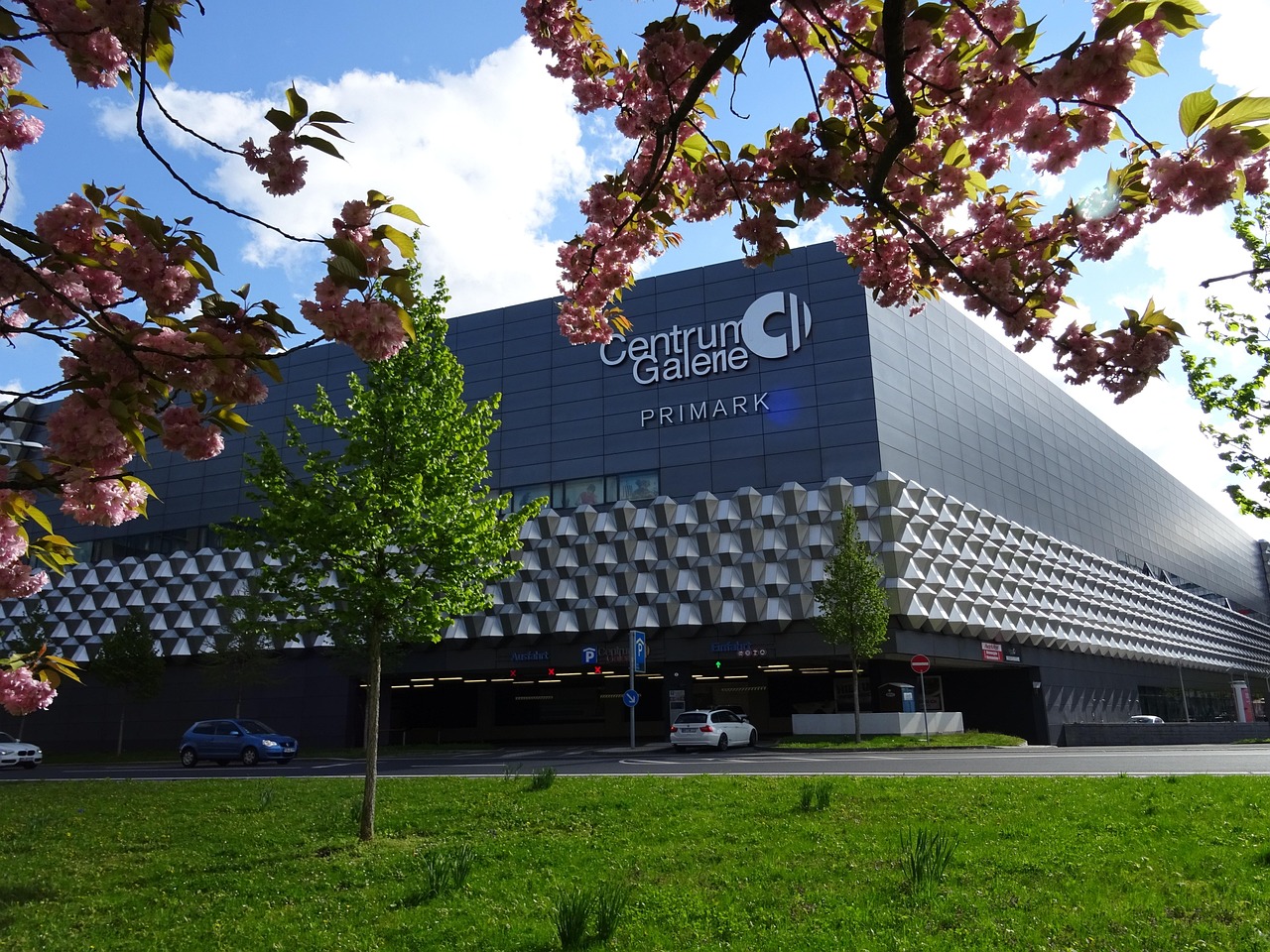
Prager Straße is Dresden’s main pedestrian shopping boulevard, rebuilt in a modernist style during the GDR period and later updated after reunification. Architecturally it’s not everyone’s favorite, but it’s a good place for practical errands, SIM cards, and last-minute shopping.
On my first trip to Dresden, this was where I got my cheap local SIM and a quick meal when I was too tired to be picky. It’s also where you’ll find many chain hotels, making it a practical base if you want easy access to the Hauptbahnhof and trams.
20. Moritzburg Castle (Day Trip)
Strictly speaking, Moritzburg is outside the city, but for many locals it feels like an extension of Dresden’s leisure landscape. This moated baroque hunting lodge sits on an island surrounded by forests and ponds, and it looks especially magical in autumn or on a misty winter morning.
Fans of European fairy-tale films will recognize it from the beloved movie “Three Wishes for Cinderella” (Drei Haselnüsse für Aschenbrödel). In winter, there’s often a themed exhibition which draws big crowds of nostalgic visitors of all ages.
Getting There
- By bus: Direct connections from Dresden, about 30–40 minutes.
- By bike: A pleasant ride through villages and countryside if you’re comfortable cycling 20–25 km.
Dresden Neighborhoods & Districts to Explore
Altstadt (Old Town)
The Altstadt is where most first-time visitors spend much of their time. It’s compact, easy to navigate, and packed with must-see attractions in Dresden: Frauenkirche, Zwinger, Semperoper, Royal Palace, Brühl’s Terrace, and more.
Despite the tourist crowds, I still enjoy wandering here late in the evening when the tour buses are gone and the buildings are beautifully lit. It’s particularly romantic along the riverfront.
Innere Neustadt (Baroque Quarter)
North of the river, Innere Neustadt is elegant, with baroque townhouses, hidden courtyards, and one of my favorite streets in the city: Königstraße. It’s quieter than Altstadt but feels just as stately.
Walk from the Augustus Bridge up Hauptstraße, detour into side streets, and you’ll find boutiques, galleries, and cozy wine bars. This area is great for a relaxed, slightly upscale evening out.
Äußere Neustadt (Outer Neustadt)
Äußere Neustadt is where Dresden lets its hair down. Street art, independent bars, quirky shops, and a young, alternative vibe define this neighborhood. If you’re looking for nightlife and cultural experiences in Dresden beyond classical concerts, this is where you’ll find them.
I love coming here on summer evenings when the sidewalks are buzzing, people spill out of bars onto the street, and there’s this feeling that everyone knows each other (even if they don’t).
Loschwitz & Weißer Hirsch
Up in the hills above the Elbe, these villa districts feel like an oasis: leafy streets, grand houses, and sweeping views back over the city. Historically, this was where Dresden’s wealthy came for fresh air and spa treatments.
If you have 4 or 5 days in Dresden, I highly recommend spending at least half a day exploring here. Ride the Schwebebahn or Standseilbahn, then wander the quiet streets and stop at a café terrace with a view.
Plauen, Pieschen & Emerging Areas
Beyond the main tourist zones, neighborhoods like Plauen (southwest of the center) and Pieschen (northwest along the river) show more of everyday Dresden life. Pieschen in particular has been changing fast, with new cafés, bars, and creative spaces popping up along the river.
These areas are worth a wander if you’ve done the main sights and want to see where locals actually live, shop, and hang out.
Local Food & Drink in Dresden
Dresden’s food scene mixes hearty Saxon comfort dishes, classic German fare, and a growing number of modern, vegetarian, and international spots. If you’re hunting for local food in Dresden, here’s what to look for.
What to Eat in Dresden
- Sächsischer Sauerbraten: Marinated roast, usually served with red cabbage and dumplings. Rich and perfect in cooler months.
- Quarkkäulchen: Little fried potato-quark patties, often sweet, with sugar and applesauce – a Saxon specialty I always recommend.
- Dresdner Eierschecke: A layered cake with yeast dough, quark, and a custard-like topping. I’ve made special detours for a good slice of this.
- Dresdner Christstollen: Famous Christmas fruit bread; you can find it year-round but it’s best in winter.
- Braised red cabbage & Klöße (dumplings): Frequent sides with meats that become stars in their own right.
Where to Eat: Personal Favorites
Restaurants and ownership can change, so check current reviews in 2026, but these are the kinds of places and areas I return to.
- Altstadt: For traditional Saxon food in grand, historic settings. Avoid the most touristy menus with photos; walk a street or two away from the main squares for better value.
- Neustadt: Best for vegetarian, vegan, and international options. Plenty of budget-friendly eateries and cozy bars with good snacks.
- Elbe riverbanks: Seasonal beer gardens with simple but tasty food – grilled sausages, pretzels, salads.
Drinks to Try
- Saxon wines: The Elbe valley between Dresden and Meissen produces whites like Riesling and Müller-Thurgau. Order a glass of local wine with dinner or at a Weinstube (wine tavern).
- Local beers: Try regional brews from Radebeul or other Saxon breweries. Beer is usually cheaper than wine.
- Glühwein: If you visit at Christmas market time, hot mulled wine is mandatory.
Money-Saving Food Tips
- For breakfast, local bakeries are cheaper and better than hotel buffets. Grab a Brötchen (roll) with cheese or cold cuts and a coffee.
- Lunch menus (Mittagstisch) are often significantly cheaper than dinner for the same dishes.
- Rewe, Edeka, and Lidl supermarkets are good for picnic supplies; combine with the Elbe meadows for a budget-friendly feast.
Nightlife, Entertainment & Cultural Experiences
Dresden’s evenings can be as refined or as wild as you like. You might spend one night at the opera and the next hopping between tiny bars in Neustadt.
Classical & High Culture
- Semperoper: Opera, ballet, and concerts in a legendary setting.
- Dresden Philharmonic: Based in the Kulturpalast; excellent acoustics and programming.
- Church concerts: Organ recitals in the Frauenkirche or Kreuzkirche can be very moving.
Neustadt Nightlife
For bars, live music, and casual clubs, Neustadt is the main hub. Start around Alaunstraße and Görlitzer Straße and let your ears guide you; there are too many options to list.
On some nights, I’ve ended up listening to jazz in a tiny cellar; on others, dancing until late in a courtyard bar. Many places are informal – jeans and sneakers are fine.
Family-Friendly Evenings
- Evening Elbe walk: The lit skyline and bridges are magical after dark.
- Mini-golf or playgrounds: Look around the Großer Garten or near the Elbe for kid-friendly spaces.
- Early evening river cruise: Some boats run special evening or dinner cruises.
What’s New in 2026–2027: Events & Festivals
Event schedules can shift, but based on recent patterns and local planning, here are recurring and upcoming highlights for 2026–2027 in Dresden (double-check dates closer to your trip):
- Dixieland Festival Dresden (May 2026 & 2027): One of Europe’s biggest jazz and Dixieland festivals, with concerts in clubs, on boats, and in the streets. The parade and riverboat events are particularly fun.
- Bunte Republik Neustadt (usually June): A legendary street festival in Neustadt, with live music, food stalls, and performances. Crowded, colorful, and very local – be prepared for noise and packed streets.
- Dresden City Festival (Dresdner Stadtfest, August): Citywide celebration with stages, fireworks, and programming across the center.
- Striezelmarkt (late November–December): One of Germany’s oldest Christmas markets, with traditional crafts, food, and the famous Stollen festival. If you visit Dresden in winter 2026, this is a must.
- Classical music seasons 2026–2027: Semperoper and Dresden Philharmonic will continue offering strong programs; watch for special anniversaries or themed festivals.
Best Day Trips from Dresden
If you have 4 or 5 days in Dresden, factor in at least one day trip. The region around the city is packed with options.
Saxon Switzerland National Park (Sächsische Schweiz)
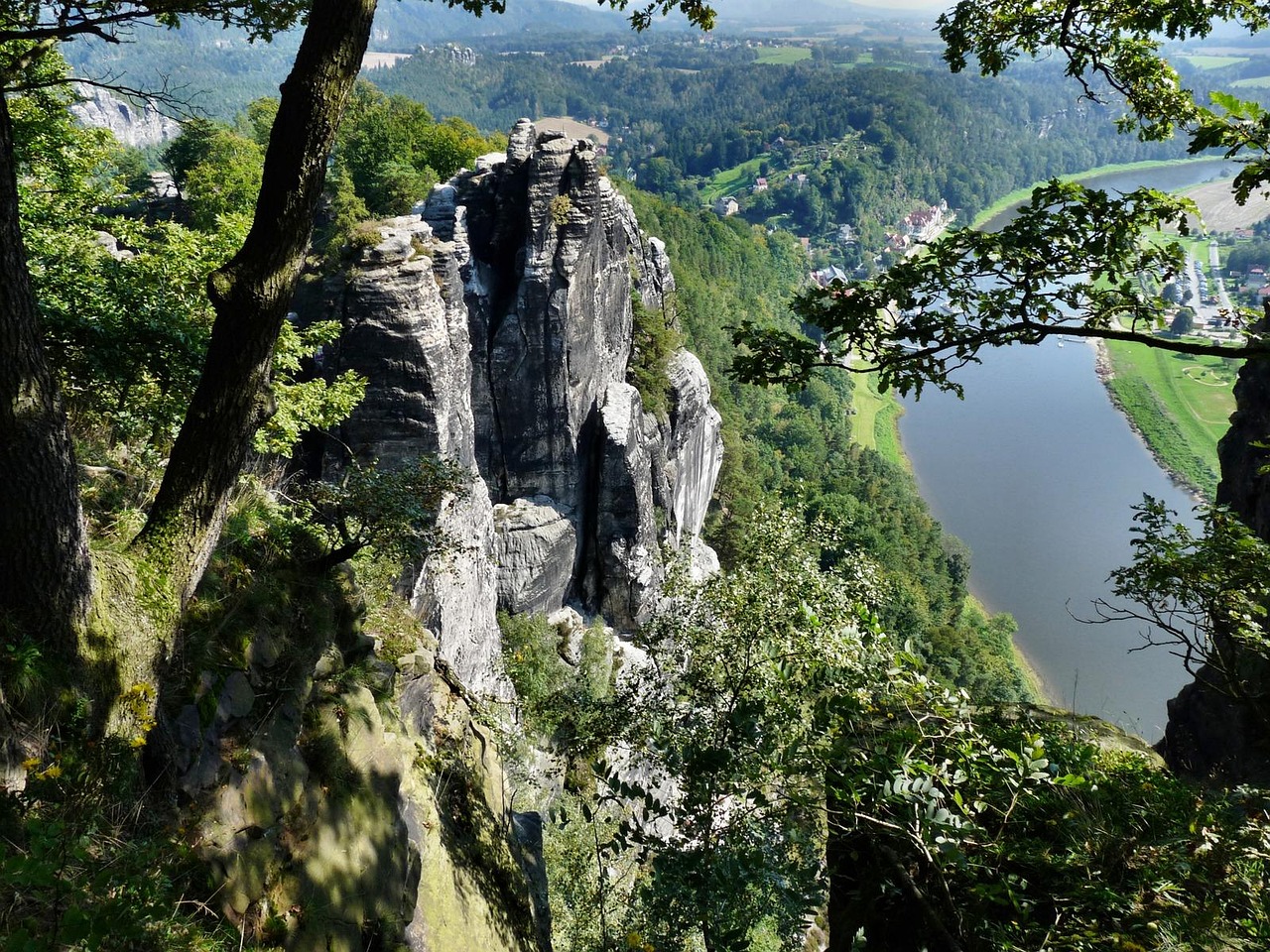
Just under an hour from Dresden by train lies one of Germany’s most dramatic landscapes: sandstone rock formations, deep gorges, and forested plateaus along the Elbe. The Bastei Bridge is the most famous viewpoint, and yes, it’s touristy, but the views make up for it.
I’ve hiked here in every season, and each has its charm: spring flowers, summer greenery, autumn colors, and winter mist. If you like mild adventure, this is the day trip to choose.
Tips
- Transport: Train from Dresden to Kurort Rathen or Bad Schandau, then ferry/bus and hiking trails.
- Difficulty: Trails range from easy to demanding. Wear proper shoes.
- Timing: Start early to avoid peak crowds at Bastei.
Meissen
Meissen, northwest of Dresden, is famous for its porcelain and hilltop cathedral. The old town is picturesque, with narrow streets, colorful houses, and a relaxed pace. It’s one of my favorite easy-going day trips.
What to Do
- Visit the Meissen Porcelain Manufactory and museum.
- Climb up to the Albrechtsburg castle and cathedral for views.
- Taste local Elbe valley wines in a Weinstube.
Moritzburg (as Day Trip Detail)
See the dedicated section above for Moritzburg Castle. Combine it with a forest walk and café stop for a full, relaxed day out.
Cultural Etiquette & Local Customs in Dresden
Germans are often seen as reserved, and Saxons can be a bit more so compared to, say, Bavarians. But people in Dresden are generally friendly and helpful if you respect a few basics.
Language & Greetings
- Start with “Guten Tag” or simply “Hallo”. For younger people and in casual settings, “Hi” is fine.
- Most people under 40 speak at least some English, especially in tourism. Still, a few German phrases go a long way.
- Handshakes are less common since the pandemic; a simple verbal greeting is enough.
Dining Etiquette
- Seat yourself in many casual places unless there’s a “Bitte warten” sign.
- It’s normal to share large tables with strangers in busy beer gardens – just ask, “Ist hier noch frei?” before sitting.
- Tipping: Round up or add about 5–10% in restaurants. Hand the tip directly to the server when paying; don’t leave it on the table.
Public Behavior
- Keep your voice moderate on public transport and in museums/churches.
- Always cross streets at crosswalks and wait for the green light, even if no cars are coming – locals notice.
- On escalators, stand on the right, pass on the left.
Local Customs & Holidays
- On Sundays, many shops are closed; plan grocery shopping accordingly.
- At Christmas time, markets are social centers – it’s common to meet friends for Glühwein after work.
- Cash is still useful, though cards are widely accepted in 2026. Smaller bakeries and kiosks may be cash-only.
Practical Travel Advice for Dresden (2026–2027)
Getting Around Dresden
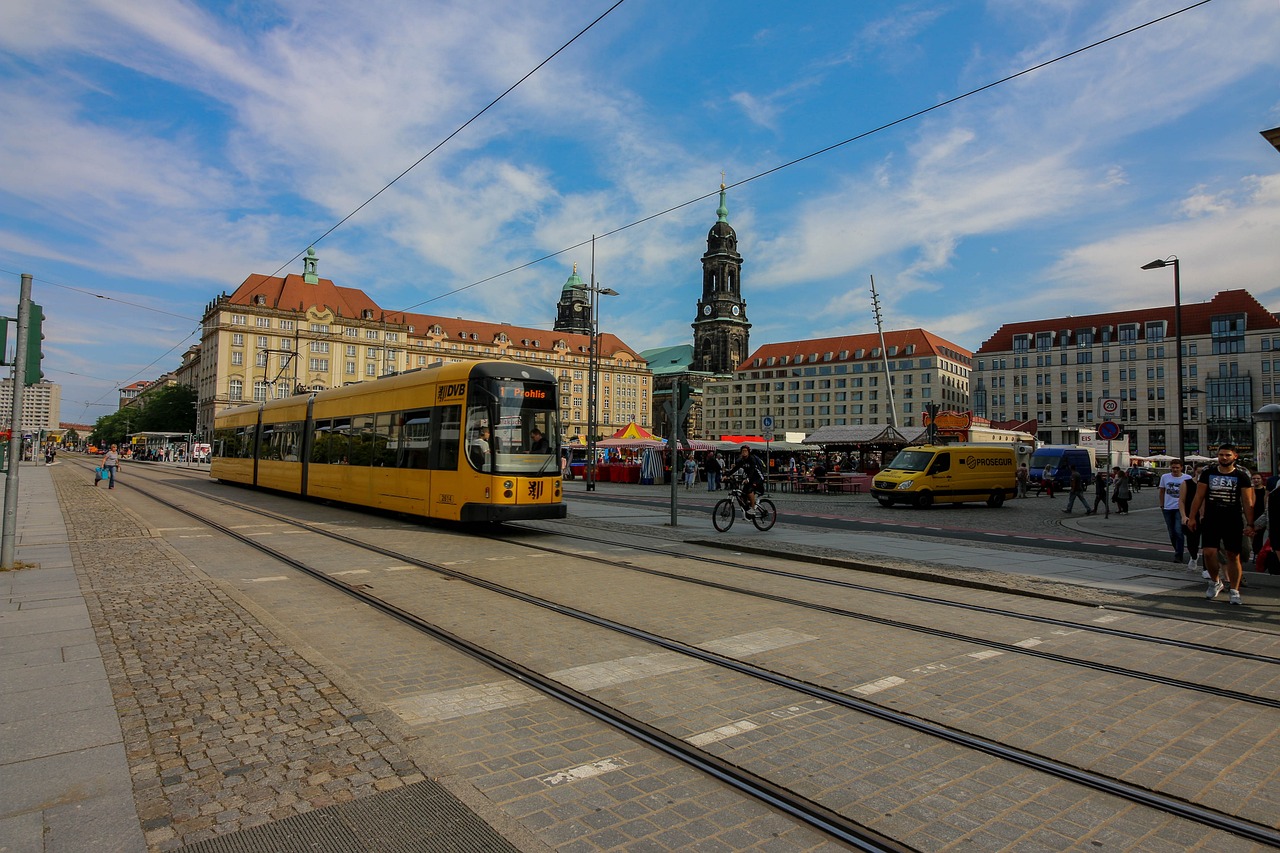
Dresden is compact and well-served by public transport. I rarely need a car in the city itself.
- Walking: Altstadt and much of Neustadt are easily walkable.
- Trams & buses: DVB (Dresdner Verkehrsbetriebe) runs frequent services. Buy tickets at machines, via app, or kiosks. Validate paper tickets once.
- Day passes: Great value if you’re making multiple trips; look for 24-hour or family tickets.
- Bikes: Bike lanes and the Elbe cycle path make cycling easy. Several bike rental companies and app-based systems operate in 2026.
- Car rental: Only necessary if you plan extensive countryside exploration. Parking in the center can be expensive.
SIM Cards & Connectivity
In 2026, eSIMs are increasingly common, but physical SIMs are still widely sold.
- Look for prepaid SIMs at supermarkets, electronics stores, or dedicated phone shops along Prager Straße or in malls.
- Providers like Telekom, Vodafone, and O2 offer tourist-friendly packages with generous data.
- Wi-Fi is common in hotels, many cafés, and public buildings; less so on the street.
Money-Saving Tips for Dresden
- City cards: Dresden tourist cards often bundle public transport with museum discounts – worth it if you plan intensive sightseeing.
- Lunch vs. dinner: Eat your main hot meal at lunchtime when prices are lower.
- Self-catering: Choose accommodation with a small kitchenette if staying 4 or 5 days in Dresden – even occasional breakfasts in can save a lot.
- Free sights: Elbe meadows, Fürstenzug, Brühl’s Terrace, many churches (donations welcome), and walking in Neustadt are all free.
Visa Requirements & Driving Licenses
Check official sources for the latest rules, but as of 2026:
- Schengen Area: Dresden is in Germany, part of the Schengen zone. Many nationalities can visit visa-free for up to 90 days in a 180-day period.
- Visa: If you need a Schengen visa, apply in advance through the German consulate/visa center in your country.
- Driving licenses: EU and many non-EU licenses are accepted for short visits. An International Driving Permit (IDP) is recommended if your license is not in Latin script or if you plan to rent a car.
Best Seasons & What They’re Good For
- Spring (April–May): Mild temperatures, blooming parks, fewer crowds. Great for walking and cycling.
- Summer (June–August): Warm, sometimes hot; perfect for Elbe picnics, beer gardens, and festivals. Can be busier and pricier.
- Autumn (September–October): My personal favorite: golden light, colorful foliage along the Elbe and in Saxon Switzerland, comfortable weather.
- Winter (November–March): Cold, shorter days, but magical for Christmas markets (especially late November–December). Museums and indoor cultural experiences shine.
Summary: Planning Your Dresden Trip
Dresden is a city that rewards both quick visits and slow explorations. With 3 days in Dresden, you’ll cover the essential must-see attractions: Frauenkirche, Zwinger, Semperoper, the Royal Palace, and walks along the Elbe and through Neustadt. With 4 days in Dresden, you can add Pillnitz or more time in the baroque quarter and villa districts. With 5 days in Dresden, you’ll have room for a day trip to Saxon Switzerland or Meissen and the freedom to linger in favorite spots.
What makes Dresden special isn’t just the grand architecture, but the contrast: reconstructed baroque splendor next to experimental art, world-class concerts followed by beers in a scruffy Neustadt bar, and quiet Elbe meadows just a short walk from major museums. It’s a city that has lived through destruction and reinvention and has come out with a strong sense of itself.
If you love cities where history is visible at every turn but life feels very much in the present, Dresden will stay with you long after you’ve left. Whether you’re crafting a 3 day itinerary for Dresden, stretching to a 4 day itinerary for Dresden, or soaking it all in over a 5 day itinerary for Dresden, you’ll find more than enough things to do in Dresden, plenty of hidden gems in Dresden, and countless chances to connect with local culture, food, and everyday life.
When you stand on Brühl’s Terrace at sunset, watching the Elbe flow past and the skyline light up, you’ll understand why so many of us who know Dresden keep coming back.