Why Visit Athens in 2026?
Athens is the kind of city that refuses to sit quietly in the past. You’ll walk past a 2,500-year-old temple, turn a corner, and suddenly find yourself in a bar with rooftop DJs, natural Greek wines, and a view of the Acropolis lit up like a movie set. I’ve been coming back to Athens for over a decade, and it still surprises me on every visit.
In 2026, Athens feels particularly exciting. The city has doubled down on pedestrian-friendly streets, expanded bike lanes, and revamped cultural spaces. New galleries, food markets, and micro-neighborhoods are popping up around former industrial zones in Gazi, Metaxourgio, and along the coast. Yet, the heart of Athens remains the same: ancient stones, strong coffee, late dinners, and conversations that go on long after the last glass of ouzo.
Whether you’re planning 3 days in Athens, a full 4 or 5 day itinerary for Athens, or using the city as a base for exploring the Greek islands, this travel guide for Athens will help you uncover both the must-see attractions and the hidden gems, with lots of local-style, on-the-ground tips.
I’ll share what it’s like to actually move through the city: which hills to climb at sunset, which tavernas to trust for the freshest octopus, which metro stops feel safest at night, and how to stitch all of this together into a realistic day. Think of this less as a list of things to do in Athens and more as a lived-in blueprint.
Table of Contents
- Why Visit Athens in 2026?
- Suggested Itineraries (3–5 Days in Athens)
- 20+ Must-See Attractions in Athens (Deep Dive)
- Best Neighborhoods & Areas to Explore
- Local Food in Athens: What & Where to Eat
- Nightlife, Entertainment & Cultural Experiences
- Day Trips from Athens
- Cultural Etiquette & Local Customs
- What’s New: Events & Festivals 2026–2027
- Practical Travel Tips for Athens
- Summary & Best Time to Visit Athens
Suggested Itineraries: 3–5 Days in Athens
These itineraries are based on how I actually move through the city when I’m showing friends around. They’re flexible, mix icons with side streets, and account for the heat and Athenian meal times.
3 Days in Athens: Classic Highlights with a Local Twist
If you only have 3 days in Athens, you can still see the must-see attractions and sneak in a few hidden gems. This 3 day itinerary for Athens assumes you stay near Syntagma, Plaka, or Monastiraki for easy walking access.
Day 1: Acropolis, Plaka & Old Athens
I like to start strong, with the city’s crown jewel.
- Morning: Acropolis & Acropolis Museum
- Afternoon: Wander Plaka & Anafiotika, coffee in Monastiraki
- Evening: Sunset at Areopagus Hill or Filopappou Hill, dinner in a traditional taverna
On my most recent trip, I entered the Acropolis right when it opened, then escaped the midday heat at the Acropolis Museum café. In the afternoon, I got “lost” in Anafiotika’s whitewashed lanes, then watched the Acropolis turn golden from Areopagus Hill with a takeaway souvlaki in hand.
Day 2: Ancient Agora, Central Athens & Lycabettus Hill
- Morning: Ancient Agora, Roman Agora, Hadrian’s Library
- Afternoon: Syntagma Square, changing of the guard, National Garden, coffee on Kolonaki terraces
- Evening: Sunset at Lycabettus Hill & dinner nearby
This day mixes ruins with urban Athens. I love walking from Monastiraki through the flea market to the Ancient Agora, then slowly working uphill to Kolonaki before ending on Lycabettus with a wide-open view of the city lights.
Day 3: Museums, Markets & Alternative Athens
- Morning: National Archaeological Museum
- Afternoon: Psiri street art & coffee, Central Market (Varvakios Agora)
- Evening: Rooftop drinks with Acropolis view, or a performance at Odeon of Herodes Atticus if in season
On my last 3-day visit, I devoted my final afternoon to just sitting in Psiri with a Greek coffee, watching daily life unfold—vendors, kids on scooters, a neighbor shouting greetings from a balcony. It’s a great way to feel the city rather than just check boxes.
4 Day Itinerary for Athens: Deeper Dive & Coastal Escape
With 4 days in Athens, you can keep all the above and add the coast or a dedicated “hidden gems in Athens” day.
Day 4 Option A: Athens Riviera & Temple of Poseidon
- Morning: Tram or taxi down the coast to Athens Riviera, beach time in Glyfada or Vouliagmeni
- Afternoon–Evening: Drive or bus to Cape Sounion & Temple of Poseidon for sunset
I usually rent a car for this day so I can linger at small coves and stop at seaside tavernas. Watching the sun drop behind the Temple of Poseidon is one of the most romantic things to do in Athens.
Day 4 Option B: Neighborhoods & Contemporary Culture
- Morning: Exarchia & Metaxourgio for cafés, bookstores, and street art
- Afternoon: Stavros Niarchos Foundation Cultural Center & seaside walk
- Evening: Dinner and drinks in Gazi, Athens’ nightlife hub
This is the day that shows you the Athens that locals argue about, love, and sometimes roll their eyes at—a living, evolving city, not just a museum.
5 Day Itinerary for Athens: Slow Travel & Day Trips
With 5 days in Athens, you can really relax into the rhythm of the city.
Day 5 Options
- Day Trip: Aegina Island, Delphi, or Hydra
- Or: Explore more local markets, a cooking class, or additional museums like Benaki Museum or Museum of Cycladic Art
On my longest Athens stays, I like to dedicate one “no big plans” day: a lazy breakfast, a long walk through a new neighborhood, and maybe a spontaneous concert. It’s often the most memorable day.
20+ Must-See Attractions in Athens: Stories, History & Tips
Below are deep dives into more than twenty of the best places to visit in Athens. Each section mixes historical background, cultural context, and my own experiences so you can decide how each spot fits into your own itinerary.
1. The Acropolis
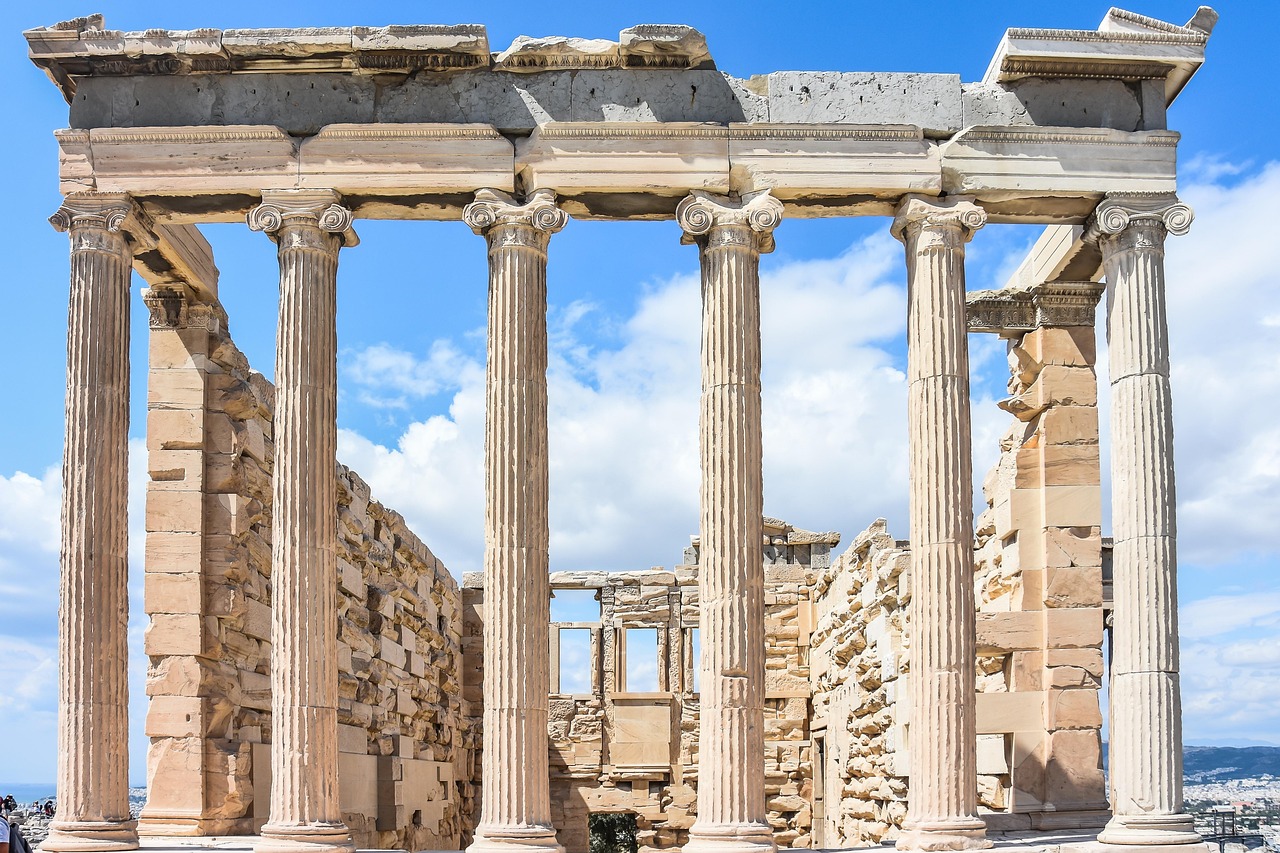
The Acropolis is the reason many people first come to Athens. Even after multiple visits, I still get goosebumps when I see the Parthenon appear between apartment blocks as I ride the metro into town.
Perched on a limestone hill above the city, the Acropolis has been inhabited since the Neolithic period, but its golden age came in the 5th century BCE under Pericles. The Parthenon, dedicated to Athena Parthenos, symbolized the power and cultural achievement of classical Athens. Nearby, the Temple of Athena Nike and the Erechtheion—with its iconic Caryatids—add layers of myth and function: victory, worship, politics, and civic pride.
My routine is always the same: I enter as early as possible (ideally at opening time) to avoid both the heat and the cruise ship crowds. The southern slope entrance near the Acropolis Museum tends to be a bit calmer than the western main gate. From there, you pass the Theater of Dionysus and the Odeon of Herodes Atticus before climbing up to the Propylaea, the monumental gateway.
What I love most is not just the temples, but the 360-degree view. You see Lycabettus Hill, the sea glittering in the distance on a clear day, and the urban sprawl of Athens wrapped around the ancient core. It’s a fantastic orientation point for first-timers.
- Family-friendly? Yes, but bring hats, sunscreen, and plenty of water—the marble reflects heat and it gets slippery.
- Romantic? The hill itself is more awe-inspiring than intimate, but pair it with a sunset view from a nearby rooftop and it becomes very romantic.
- Adventurous? Not in a physical sense, but history lovers will feel like Indiana Jones walking through millennia of stories.
Tips: Buy a combined ticket that includes the Acropolis and several other sites like the Ancient Agora and Roman Agora—it’s good value if you plan to see multiple ruins. In 2026, timed-entry slots continue to be recommended during peak season (June–September), so book online in advance if you can. Wear shoes with good grip; the worn stone near the viewpoints can be extremely slick.
2. Acropolis Museum
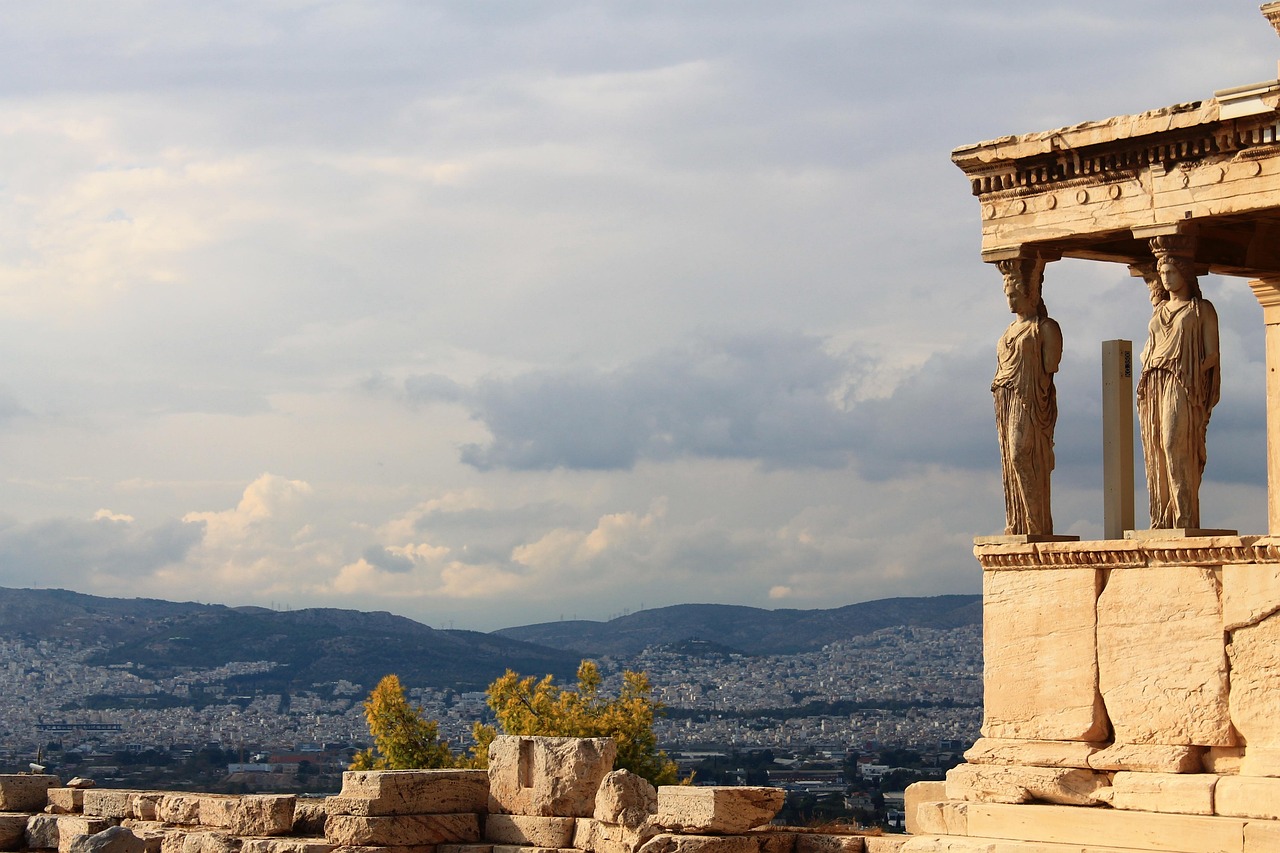
The Acropolis Museum is where the Acropolis comes alive. It’s a sleek, glass-and-concrete building that seems to float above excavated ruins. I like visiting right after the Acropolis, when the sun is getting harsher and a cool, air-conditioned space feels like a blessing.
The museum is meticulously curated: you start with finds from the slopes of the Acropolis and ascend, just as you would climb the hill. The top floor mirrors the Parthenon’s layout, with original friezes and metopes placed exactly as they would have appeared on the temple, where possible. Standing there, looking up at the Acropolis through the glass, you can almost stitch the fragments back onto the building in your mind.
Every time I visit, I spend too long at the Archaic Gallery—those early kouroi and korai statues have such personality, and the lighting makes them feel almost animated. The café terrace also has one of the best, more relaxed Acropolis views in the city.
Tips: Go early or late in the day to avoid school groups. If you’re short on time, focus on the top floor (Parthenon Gallery) and the Archaic Gallery. The museum shop is excellent for well-designed, non-cheesy souvenirs.
3. The Parthenon (Within the Acropolis)
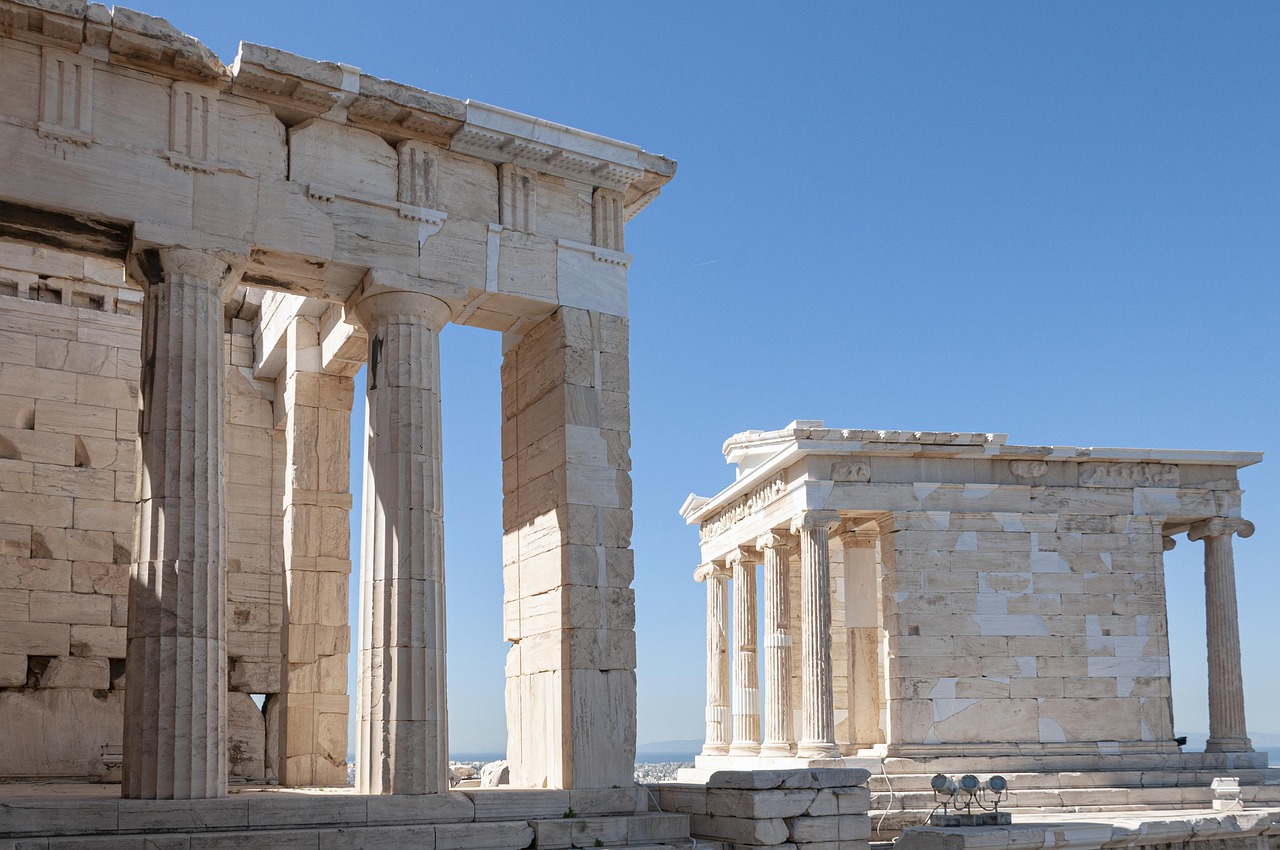
Technically part of the Acropolis, the Parthenon deserves its own mention because it’s one of the most iconic structures on Earth. Even partially ruined, its proportions feel so right that every other building seems a little off afterward.
Built between 447 and 432 BCE, the Parthenon is a Doric temple with subtle optical corrections: the columns bulge slightly (entasis), the floor is gently curved, and the corner columns are thicker. These details counter optical illusions and make the building appear perfectly straight and harmonious from a distance.
On a spring visit, I remember standing near the eastern side early in the morning, with only a handful of others around, and the light was that soft Athenian gold. It was one of the few times I’ve experienced almost silence up there—just the sound of pigeons and a distant church bell. It’s worth getting up early just for that moment.
Photo tip: The best wide-angle shots are from the northern side of the Acropolis and from Areopagus Hill. Drone photography is not allowed.
4. Ancient Agora of Athens
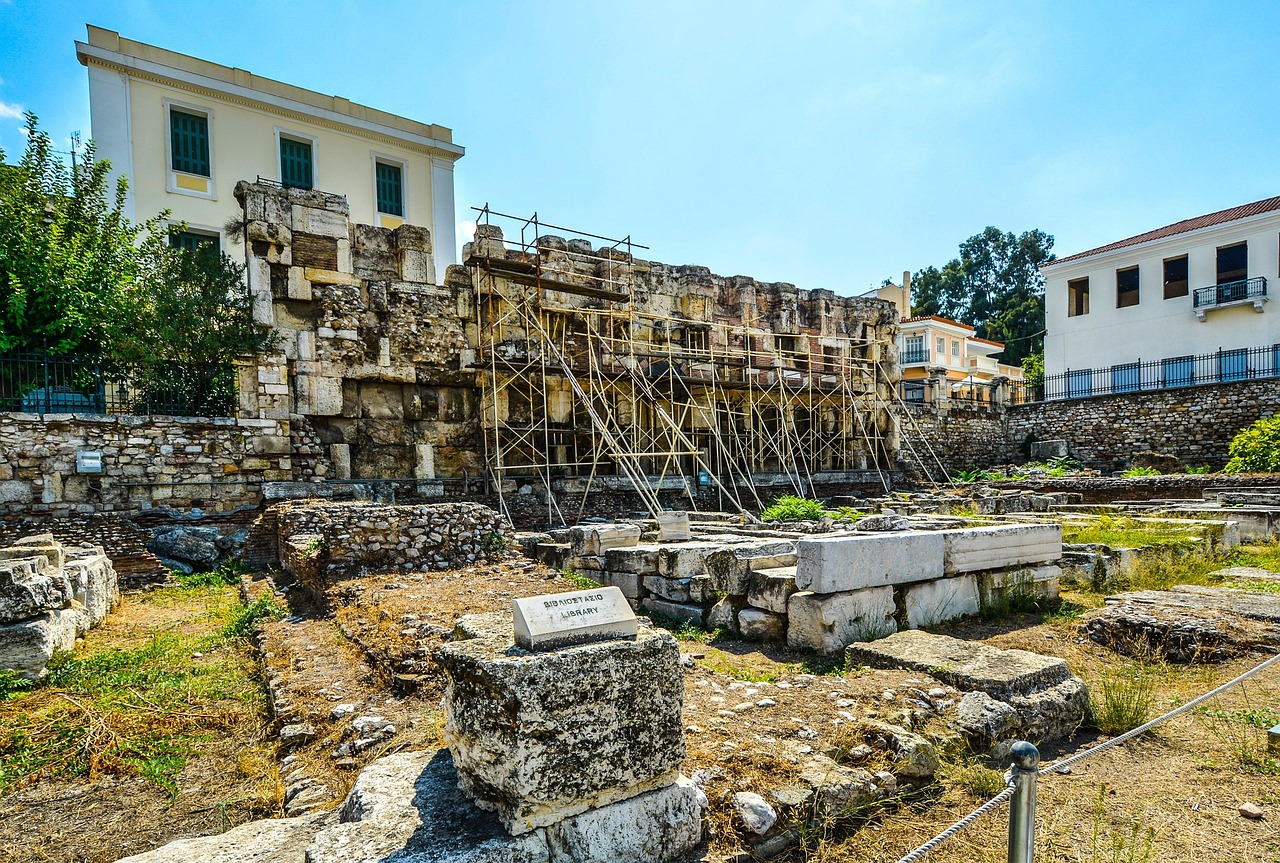
The Ancient Agora is where classical Athens breathed. This was the marketplace, the civic center, the place where philosophers debated and politicians schemed. Compared to the Acropolis, it’s a more relaxed, green space that invites wandering.
The star is the Temple of Hephaestus, one of the best-preserved ancient Greek temples. On my first visit, I was shocked at how intact it is—you almost expect priests to walk out at any moment. I like circling it slowly, noticing the details in the friezes and the way the columns frame views of the modern city.
The restored Stoa of Attalos houses a small but fascinating museum with everyday objects: clay toys, tools, inscriptions. These always make history feel more human to me—a reminder that ancient Athenians also drank from cups, lost their jewelry, and wrote love notes.
Tip: Visit in the late afternoon when the light is warm and the crowds have thinned. The site is mostly open, so bring water and a hat in summer. The Ancient Agora is especially good for families because kids can roam a bit more freely than on the Acropolis.
5. Roman Agora & Hadrian’s Library
The Roman Agora and Hadrian’s Library feel like footnotes compared to the Acropolis, but they’re perfect for filling in the city’s later layers. Built under Roman rule, the Roman Agora was essentially the new market square. The Tower of the Winds, an octagonal marble structure, is a highlight—an ancient combination of sundial, water clock, and weather vane.
Hadrian’s Library, just around the corner, gives a sense of the grandeur of Roman Athens. I often stop here on my way between Monastiraki and Plaka, especially in the late afternoon when the crowds are light. Once, during an unseasonably warm February afternoon, I had parts of it almost to myself and could hear the call to prayer drifting over from a nearby mosque—an unexpected, evocative soundtrack.
Tip: Both sites are included in the combined ticket. They’re compact and easy to fit into a busy day; 30–45 minutes each is usually enough.
6. Plaka & Anafiotika
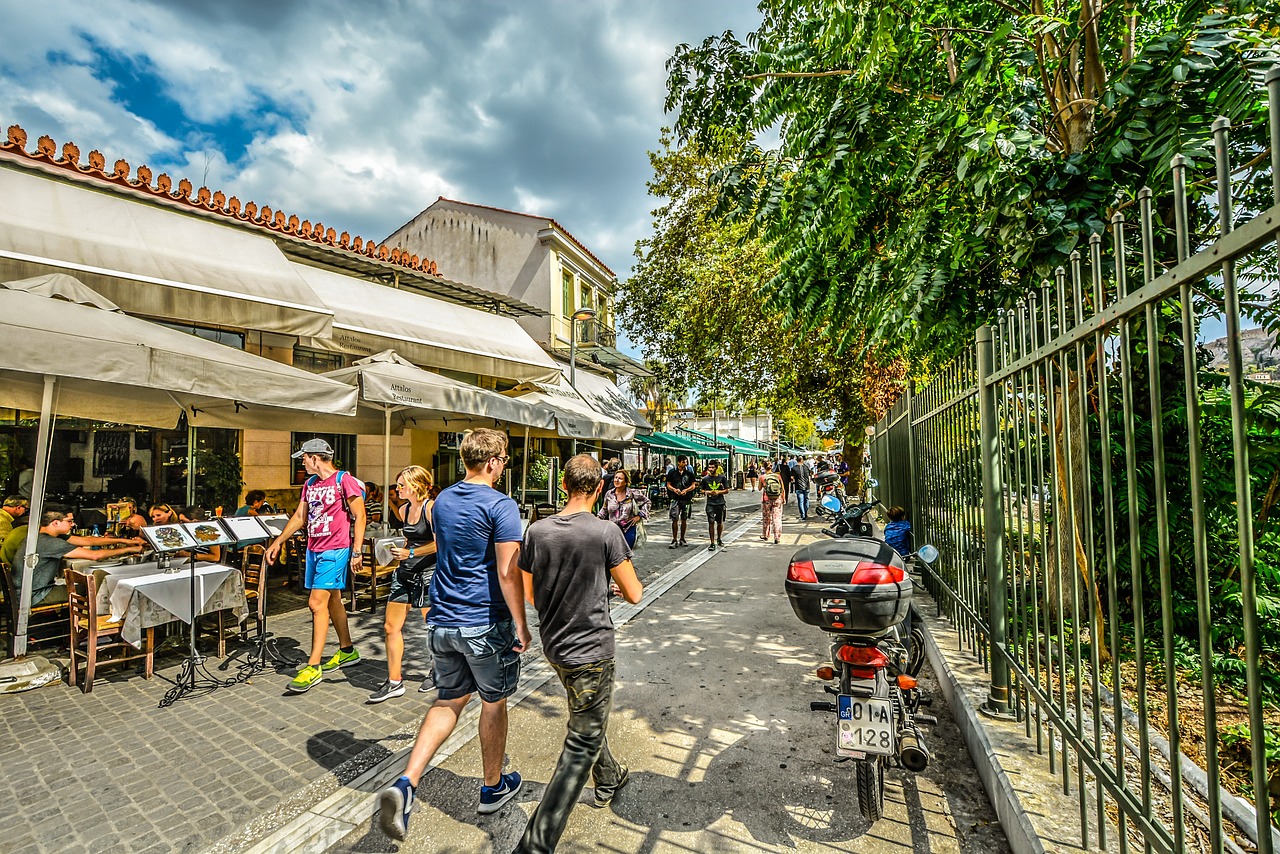
Plaka is the old town of Athens, all colorful houses, bougainvillea, and tavernas with checked tablecloths. It’s touristy, yes, but also undeniably charming—especially early in the morning or late at night when the day-trippers have gone.
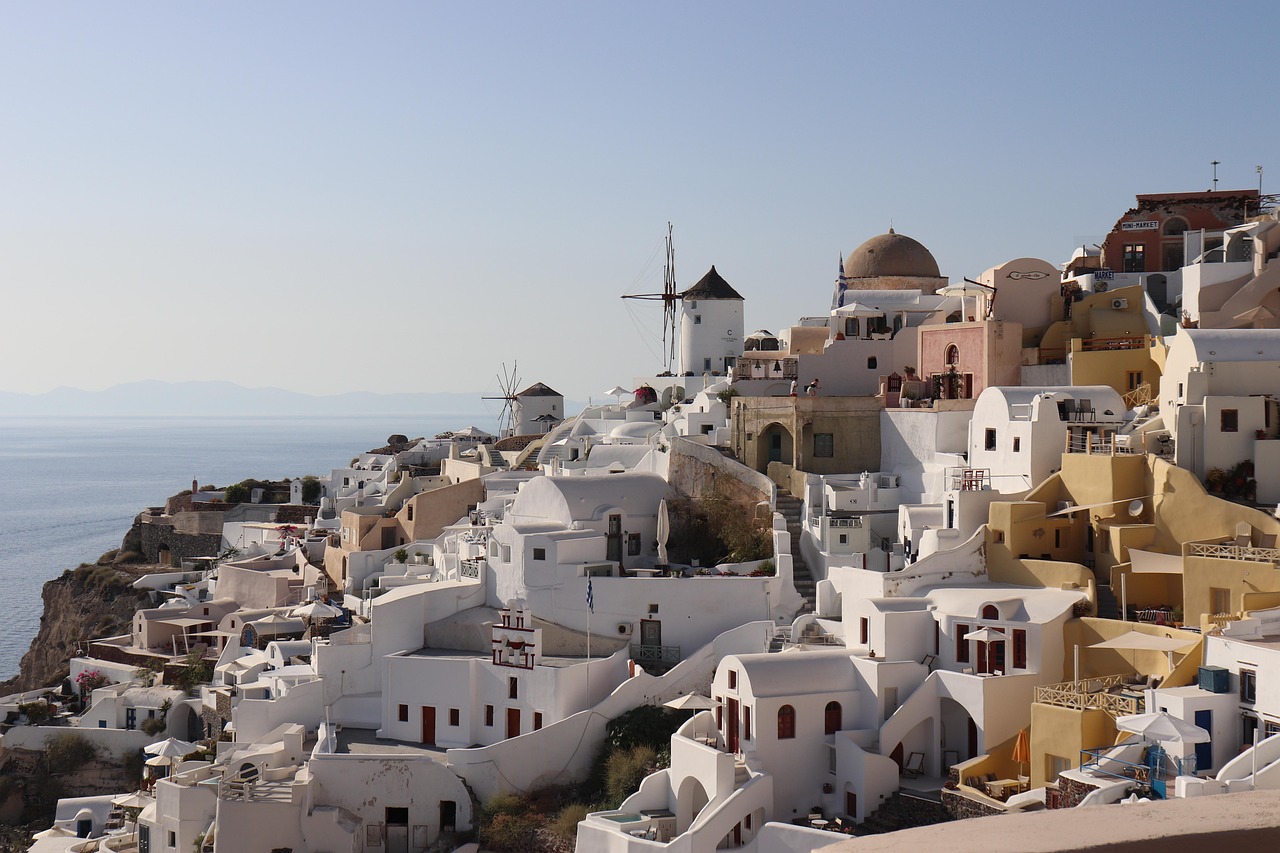
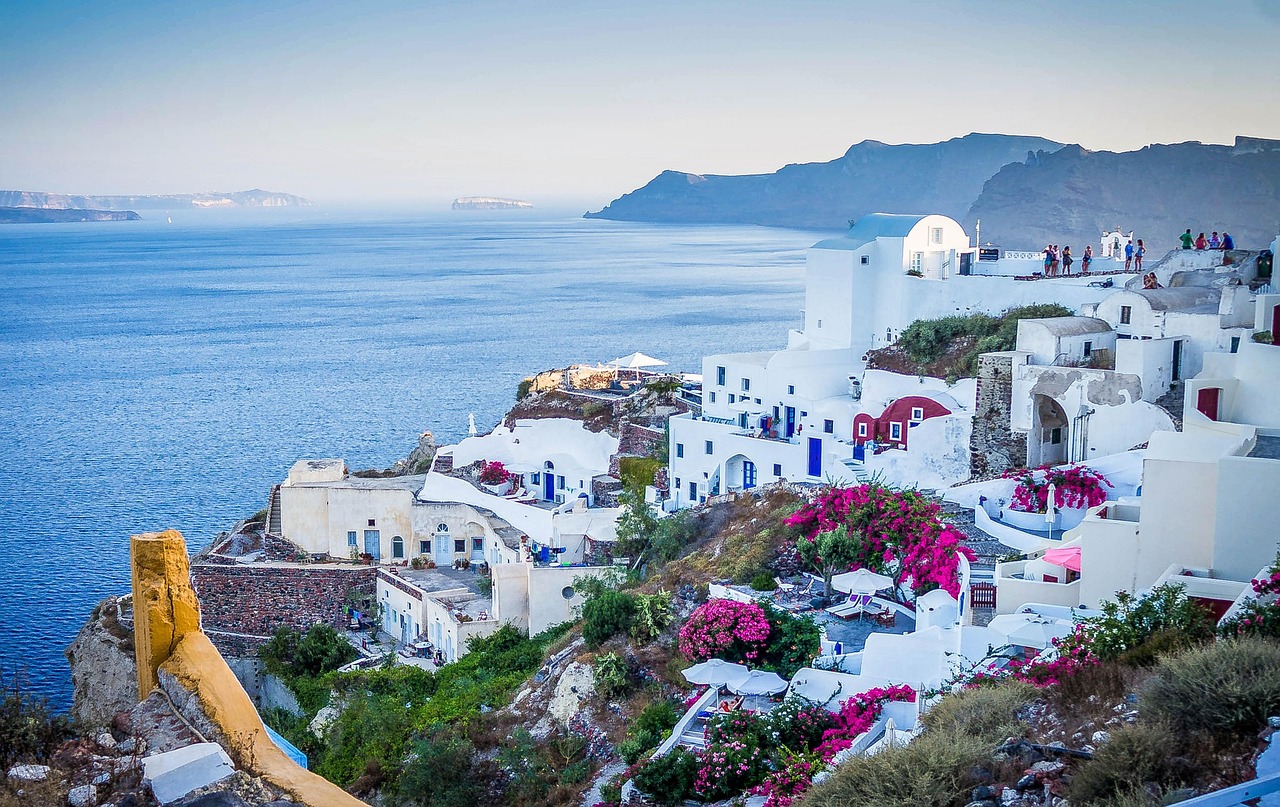
One of my favorite rituals is to wander aimlessly through Plaka’s back streets, then climb up into Anafiotika, a tiny Cycladic-style neighborhood built by islanders from Anafi in the 19th century. Suddenly, the city feels like a Greek island village: whitewashed walls, blue shutters, and cats sunning themselves on steps.
I remember one humid June evening when I slipped into Anafiotika just before sunset. The air smelled of jasmine, and from a hidden terrace I could hear someone playing a bouzouki. Below, car horns and city noise; up here, only music and birds. That contrast is very Athens.
Tip: Plaka is full of souvenir shops—most forgettable, some excellent. Look for family-run stores selling handmade ceramics or traditional products like Cretan olive oil and herbs. For food, step one or two streets away from the main drag and peek where Greeks are actually eating.
7. Monastiraki Square & Flea Market
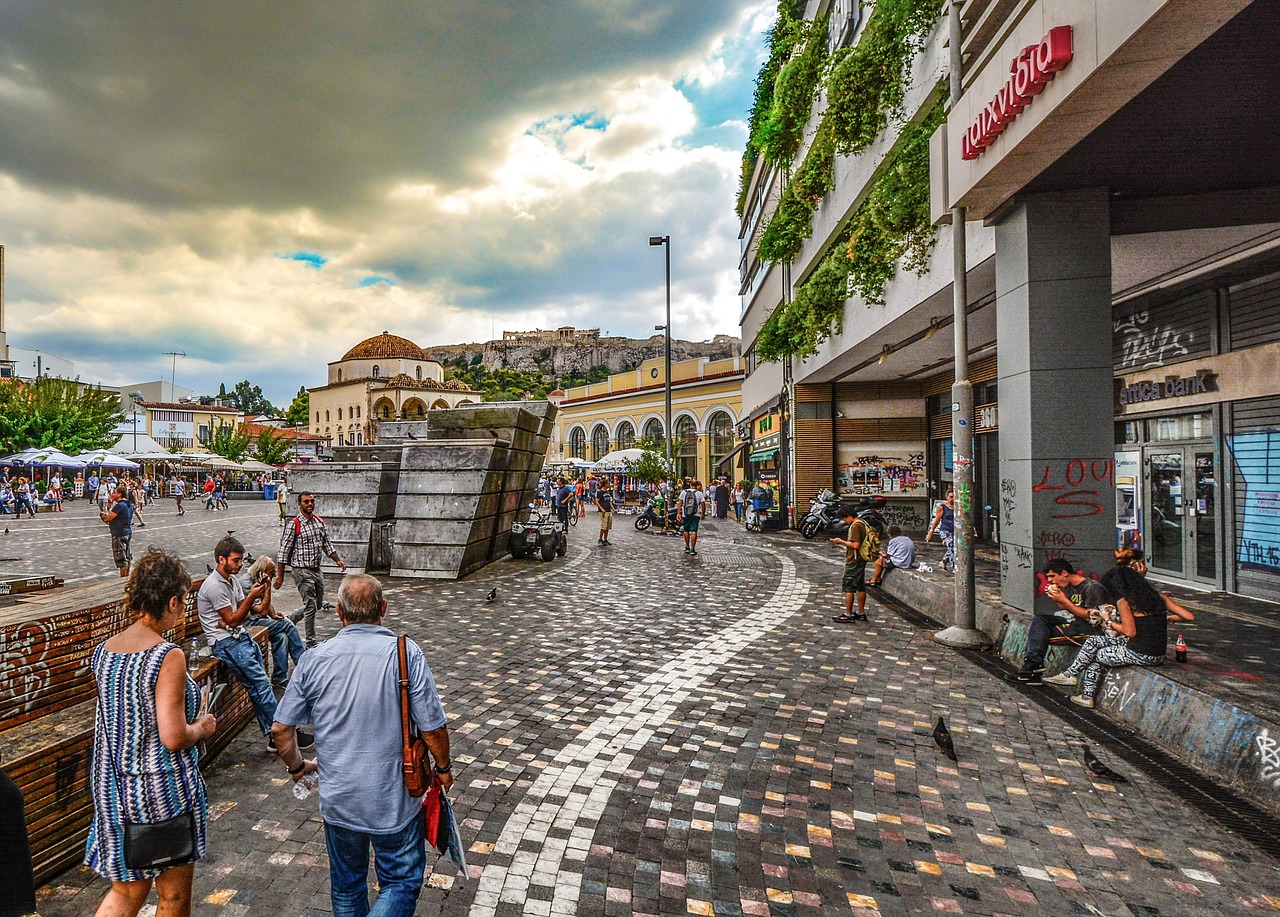
Monastiraki Square is chaotic in the best way: street performers, vendors, church bells, and the Acropolis looming above. It’s one of the easiest areas to orient yourself, since most metro lines and walking routes seem to pass through here.
The flea market is a mix of tourist trinkets and genuinely interesting antique shops. I once spent an entire rainy afternoon rummaging through vintage vinyl and old Greek film posters—perfect souvenirs if you like your travel memories a bit quirky.
I often grab a quick souvlaki here (there are a few excellent spots tucked just off the main square) before heading to the Ancient Agora or up toward Plaka.
Tip: Pickpocketing can happen in crowded squares and on the metro—keep your bag zipped and close. This area is generally safe but feels more comfortable in groups late at night.
8. Syntagma Square & Changing of the Guard
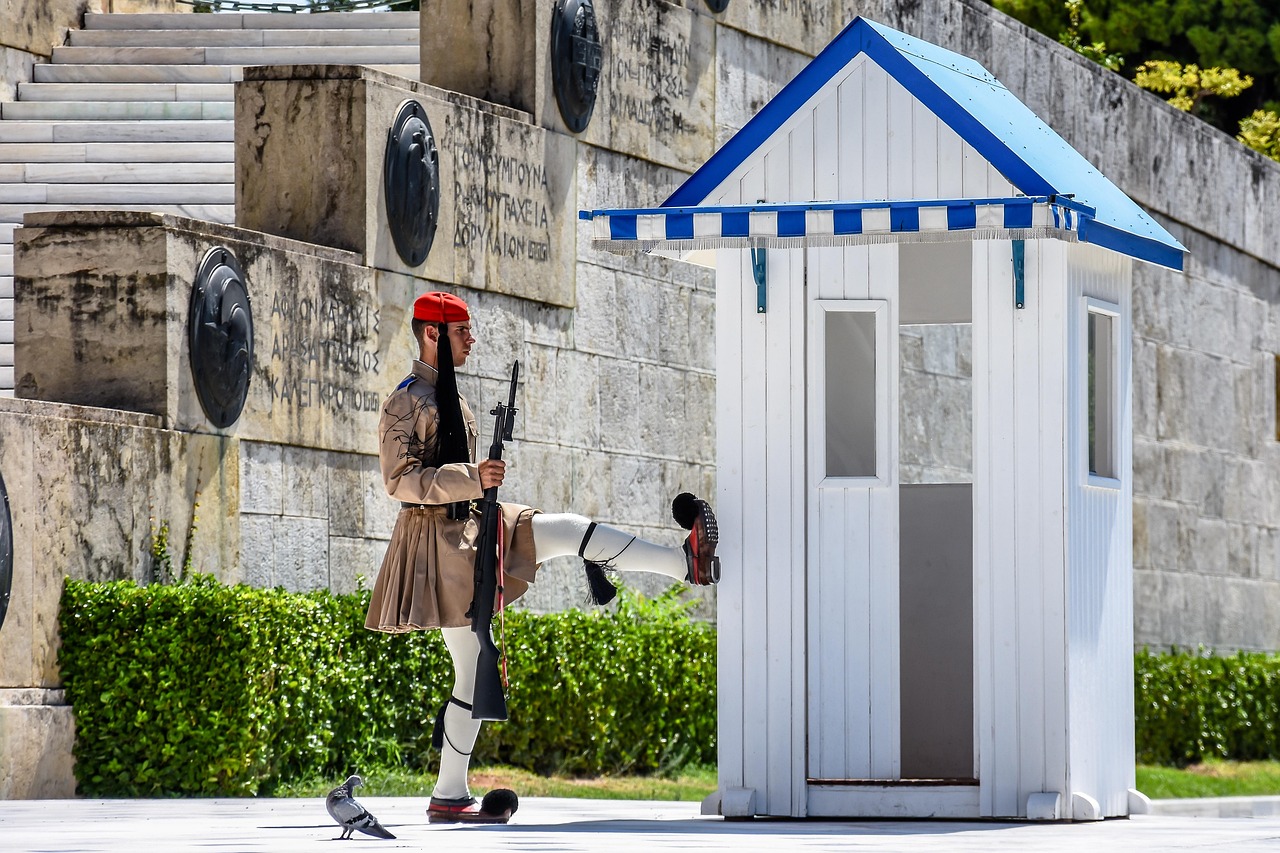
Syntagma Square is the political heart of Athens, facing the Hellenic Parliament. The main draw for visitors is the changing of the guard at the Tomb of the Unknown Soldier, where the Evzones (presidential guards) perform a precise, slow-motion march in traditional uniforms.
I like to swing by on Sunday at 11:00 a.m. for the full ceremonial change, which is more elaborate than the hourly versions. The way the guards move—measured, almost dance-like—never fails to impress me. It’s serious, but there’s also a theatrical element that’s very Greek.
From Syntagma, you can easily duck into the National Garden, a shady escape with turtles, small ponds, and quiet paths—great if you’re traveling with kids or just need a breather from the city.
Tip: Syntagma is also the main hub for buses to the airport and other parts of the city. Many demonstrations take place here, usually peaceful but noisy; if you see a large protest forming and you’re not curious to observe, just reroute via nearby streets.
9. Lycabettus Hill (Lykavittos)
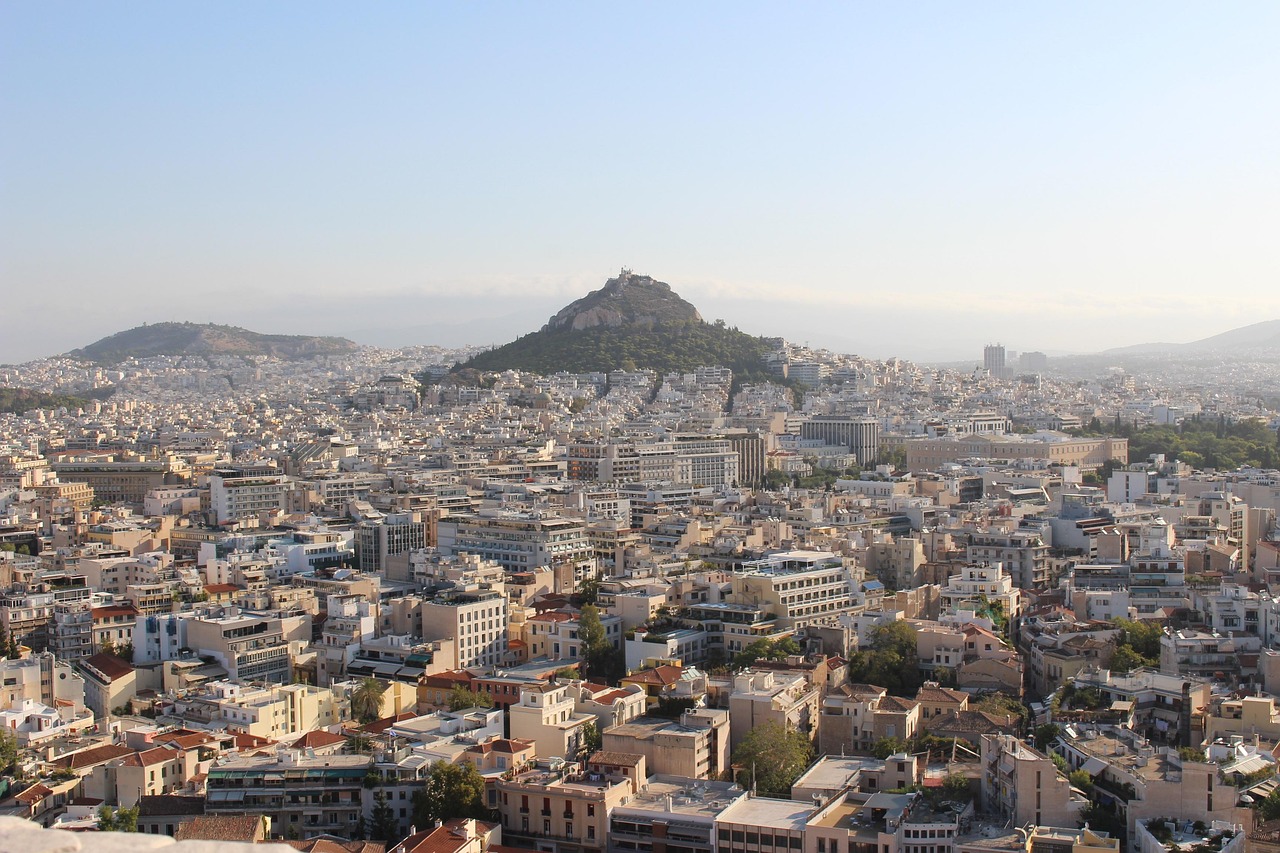
Lycabettus Hill is the highest point in central Athens and one of my favorite spots for sunset. You can either hike up (a moderate 20–30 minute climb from Kolonaki) or take the funicular from the base.
At the summit, the tiny white Chapel of St. George crowns the hill, and the view stretches from the Acropolis to the sea. I still remember a late October evening when a storm was rolling in—dark clouds over Piraeus, golden light over the Parthenon. The whole city looked like a painting.
There’s also a café and sometimes concerts at the open-air theater (which has been undergoing renovations and updates heading into 2026). Check local listings if you’re into live music; seeing a show up here is unforgettable.
Tip: The path can be uneven, so wear good shoes if you hike. If you’re doing a 3 day itinerary for Athens, I strongly recommend dedicating one evening here.
10. Filopappou Hill & Pnyx
Filopappou Hill (Hill of the Muses) is my personal favorite hill in Athens. It’s less crowded than Lycabettus and offers stunning, slightly closer views of the Acropolis. At the top stands the Monument of Philopappos, a Roman-era tomb.
Nearby is the Pnyx, the hillside where the Athenian assembly once met—essentially one of the birthplaces of democracy. There’s not much to “see” in terms of structures, but the historical weight is huge.
I’ve spent many evenings here with local friends, carrying up a bottle of wine and some snacks, watching the Acropolis light up. It’s popular with Athenians for exactly that reason: it’s romantic, but also casual and very local.
Tip: It’s a great alternative to Areopagus Hill if you want more space and fewer selfie sticks. Bring a small flashlight for the walk down after dark.
11. Areopagus Hill (Mars Hill)

Areopagus Hill sits just northwest of the Acropolis and is one of the most popular sunset spots in the city. It’s historically significant (the ancient council of elders met here, and it features in the New Testament), but most visitors come for the view.
I’ve watched countless sunsets from this rock, usually perched on a less crowded edge with my feet dangling over the slope. The marble can be polished and slippery, especially in sandals, so I’ve also watched my share of near-misses.
Tip: Arrive 30–45 minutes before sunset to claim a comfortable spot. Be extremely careful on the rock—shoes with grip are a must, and parents should keep a close eye on kids.
12. National Archaeological Museum
The National Archaeological Museum is one of the world’s great museums of ancient art. If you’re a history or archaeology lover, it’s non-negotiable.
Inside, you’ll find the famous Mask of Agamemnon, the Antikythera Mechanism (often called the world’s first analog computer), and exquisite bronze statues like the Artemision Bronze. The sheer density of masterpieces can be overwhelming, so I usually break my visits into two or three hours with a coffee break in the courtyard café.
On one winter visit, I spent an entire hour in the Mycenaean room alone, tracing the evolution of jewelry and funeral masks. It’s one of those places where you suddenly realize how sophisticated ancient craftsmanship was.
Tip: Combine this with a stroll through the nearby Exarchia neighborhood for a fascinating contrast between ancient art and contemporary, often radical, street culture.
13. Benaki Museum (Main Building)
The Benaki Museum is my go-to recommendation for anyone who wants a single, coherent story of Greek culture—from prehistory to the 20th century. Housed in a beautiful neoclassical mansion, it’s elegant without being stuffy.
What I love most is how it ties everything together: Byzantine icons, Ottoman-era costumes, folk art, and modern paintings all flow in a way that makes Greek history feel continuous rather than chopped into eras.
Tip: The rooftop café has a lovely view toward the National Garden. The Benaki also has satellite museums (like the Islamic Art Museum in Kerameikos), which are worth seeking out if you have more time.
14. Museum of Cycladic Art
The Museum of Cycladic Art is smaller but incredibly impactful. Its minimalist galleries showcase those iconic Cycladic figurines—abstract, almost modernist statues that feel surprisingly contemporary.
On my last visit, there was a thoughtful temporary exhibition connecting these ancient forms to modern sculpture; seeing that dialogue made me appreciate both more deeply.
Tip: It’s a perfect pairing with the Benaki Museum on a “museum day.” The museum shop is also excellent for tasteful design objects and books.
15. Central Market (Varvakios Agora)
The Central Market on Athinas Street is one of my favorite places to feel everyday Athens. Inside, butchers call out prices over rows of meat and fish; outside, vegetable stalls overflow with tomatoes, olives, herbs, and seasonal fruit.
I usually come here mid-morning, grab a coffee from a nearby kafeneio, and wander through the aisles just listening and watching. Once, a fishmonger insisted I try a tiny raw shrimp “just to see how sweet it is”—it was, and we ended up chatting about island life for 20 minutes.
Tip: Wear closed shoes (floors can be wet). For a cheap, hearty lunch, try one of the simple eateries around the market serving soups, stews, and grilled meats to local workers.
16. Psiri (Psyrri) Neighborhood
Psiri is a once-gritty, now-trendy neighborhood full of street art, small bars, and artisan workshops. It’s where I go when I want to feel the creative, slightly chaotic side of Athens.
By day, you’ll find traditional leatherworkers and metal shops alongside hip cafés. By night, the squares fill with tables, live rebetiko music, and a mix of locals and travelers. I’ve had some of my best impromptu nights out here, starting with a simple ouzo and meze and ending hours later with new friends and sore feet from dancing.
Tip: Psiri is great for budget-friendly eats and drinks. It’s generally safe but feels more comfortable if you stick to the main squares and lit streets late at night, especially if you’re solo.
17. Gazi & Technopolis
Gazi grew up around the old gasworks of Athens, now converted into Technopolis, a cultural center that hosts exhibitions, markets, and concerts. The surrounding area is one of the city’s nightlife hubs.
I’ve come here for everything from industrial design fairs to open-air jazz concerts. In 2026, Technopolis continues to be a key spot for festivals, especially during summer, when events spill outdoors under strings of lights.
Tip: Gazi is best experienced in the evening. The Kerameikos metro station drops you right in the heart of it. For quieter drinks, aim for the periphery streets rather than the loudest main squares.
18. Athens Riviera (Glyfada, Vouliagmeni & Beyond)
The Athens Riviera stretches from Piraeus down past Glyfada, Vouliagmeni, and beyond. It’s where Athenians go to swim, sun, and feel like they’re on holiday without leaving the city.
On hot days, I love hopping on the tram from Syntagma or Neos Kosmos and trundling down to the coast. Glyfada is busy and buzzy, with shops and bars; Vouliagmeni is more upscale, with the famous Vouliagmeni Lake offering warm, mineral-rich waters.
Tip: For a cheap seaside fix, use the public beaches near Alimos or Edem. For comfort, sunbeds, and service, pay for an organized beach club. Weekdays are quieter; weekends can be packed in summer.
19. Cape Sounion & Temple of Poseidon
Cape Sounion, at the tip of the Attica peninsula, is home to the Temple of Poseidon, dramatically perched on cliffs above the Aegean. It’s one of the best day trips from Athens and a must for romantics.
On my first visit, I went on an organized sunset tour; on subsequent trips, I’ve rented a car to stop at small beaches along the way. The temple itself is smaller than the Parthenon, but its location is unbeatable. Watching the sun sink behind the columns, with the sea turning orange and purple, is one of those “yes, this is Greece” moments.
Tip: Bring a light jacket; it can be windy even in summer. If you drive, allow time for a seafood dinner at one of the tavernas on the small bays below the temple.
20. Stavros Niarchos Foundation Cultural Center (SNFCC)
The Stavros Niarchos Foundation Cultural Center is a symbol of contemporary Athens: sustainable design, green spaces, and culture for all. Designed by Renzo Piano, it houses the National Library of Greece and the Greek National Opera, surrounded by a large park and a canal.
I love coming here for a completely different vibe from the historic center. Families picnic on the lawns, joggers loop around the park, and kids play by the fountains. In summer, free concerts and film screenings are frequent, and the rooftop offers a wide view toward the sea and the city.
Tip: Take the shuttle bus from Syntagma (often free, check current info) or a short taxi ride. Check the SNFCC events calendar before your trip; there’s almost always something happening.
21. Odeon of Herodes Atticus
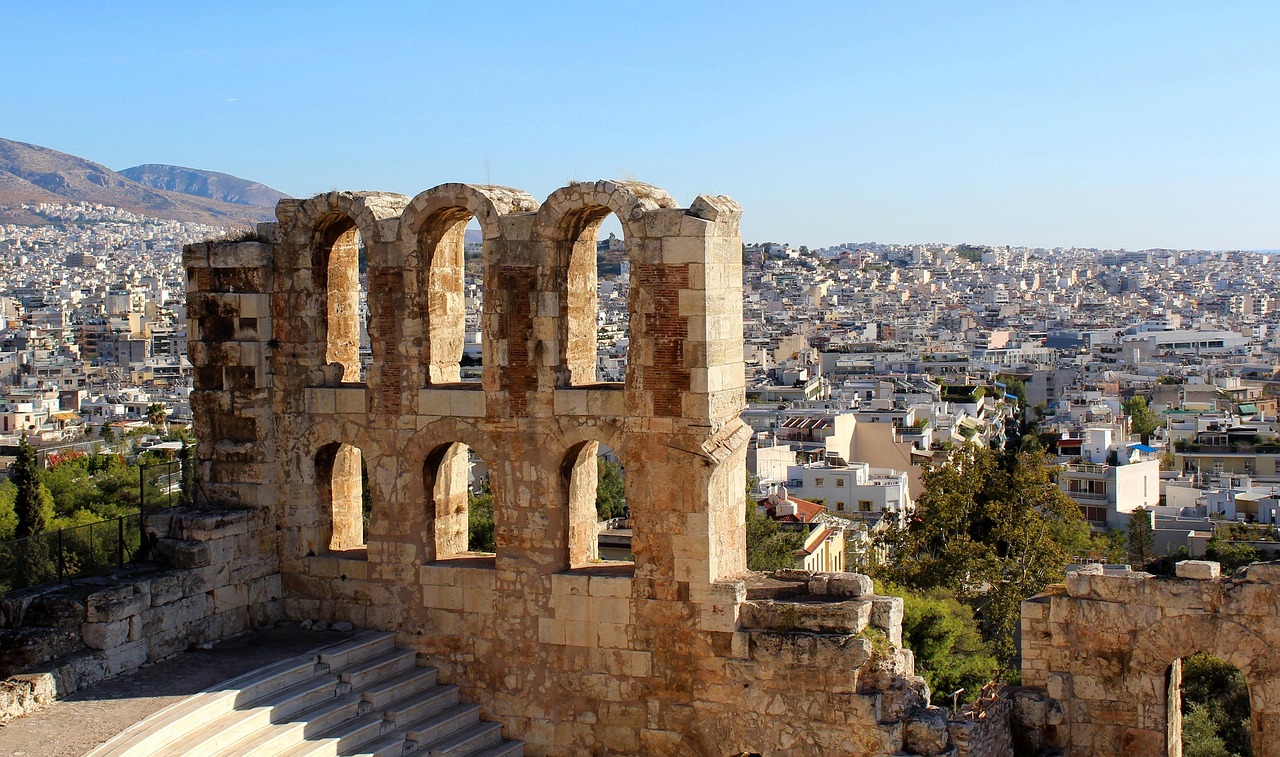
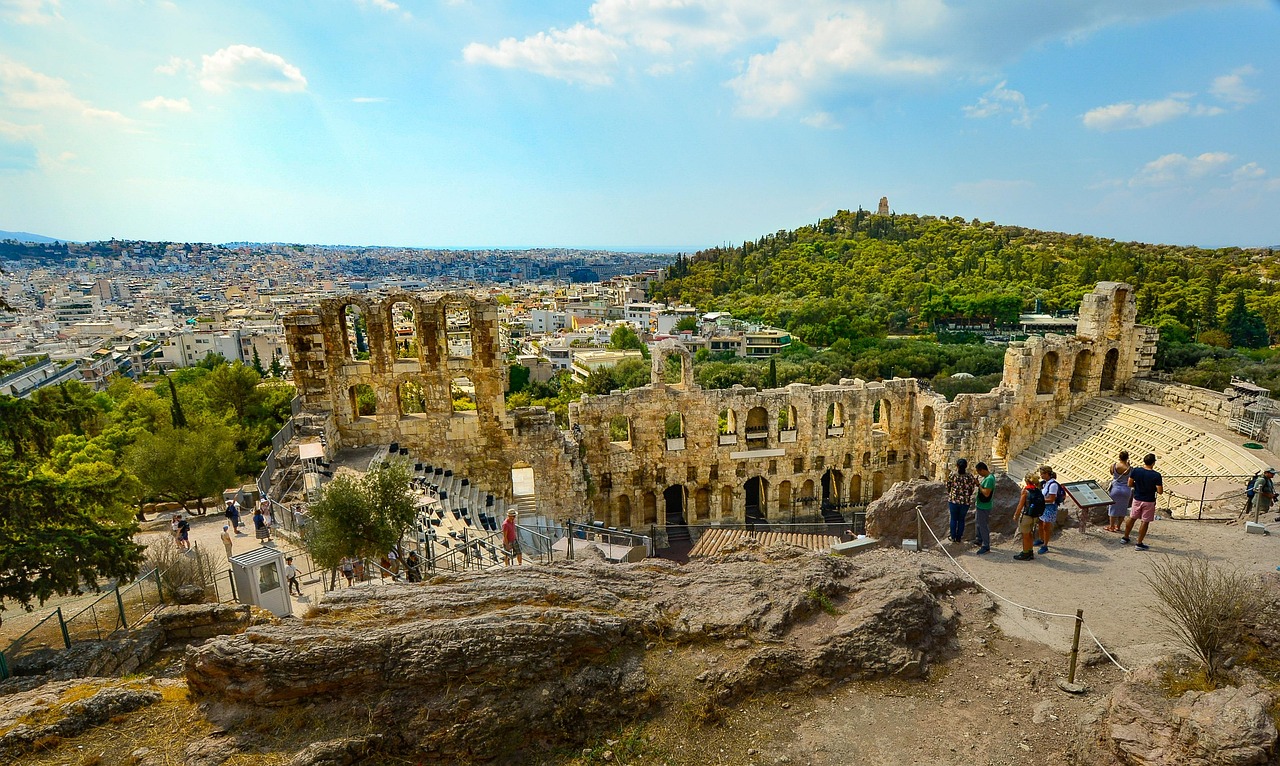
The Odeon of Herodes Atticus is a Roman-era stone theater on the southwest slope of the Acropolis. During the Athens & Epidaurus Festival (typically June–August), it hosts concerts, ballet, and theater performances under the stars.
Seeing a concert here was one of my most magical Athens experiences: the stage lit softly, the Acropolis looming above, the sound of strings and voices carried on the warm night air. If you’re visiting in summer 2026 or 2027, I highly recommend checking the program well in advance.
Tip: Dress nicely but comfortably—seating is on stone, so bring a small cushion or scarf. Photography is often restricted during performances.
Neighborhoods & Districts: Where to Wander in Athens
Kolonaki
Kolonaki is chic, hilly, and polished. Think designer boutiques, art galleries, and terrace cafés filled with well-dressed Athenians. It’s a great base if you like walkable elegance and don’t mind climbing a few slopes.
I love lingering on Kolonaki’s squares with a freddo espresso, people-watching and trying to guess who’s heading to an art opening and who’s just walking their dog.
Exarchia
Exarchia is the city’s anarchist, student, and activist quarter. You’ll see bold murals, political graffiti, small bookshops, and alternative bars. It’s vibrant, intellectual, sometimes scruffy, and very real.
I usually come here in the afternoon for coffee and to browse independent bookstores. Nights can be lively and sometimes rowdy; if you’re sensitive to that, stick to daylight visits.
Metaxourgio
Metaxourgio is an up-and-coming area where art spaces, small theaters, and creative restaurants are moving into former industrial buildings. It’s still rough around the edges but has a lot of character.
This is where I’ve found some of my favorite little galleries and pop-up events. If you’re into contemporary art and urban photography, add Metaxourgio to your list of hidden gems in Athens.
Plaka (More Than Just the Main Streets)
Beyond the touristy core, Plaka has quiet residential corners, tiny churches, and courtyards where older Athenians still sit out in the evening. If you step away from Adrianou Street and let yourself get lost, you’ll see a different side of it.
Thissio & Kerameikos
Thissio is one of the loveliest areas for a stroll, with a wide pedestrian street and constant Acropolis views. Nearby Kerameikos mixes ancient ruins (the ancient cemetery) with modern bars and cafés.
On warm evenings, this is one of my favorite walks in Athens—couples, families, street musicians, and that glowing Acropolis backdrop.
Local Food in Athens: What & Where to Eat
Athens is a fantastic city for eating—whether you’re on a backpacker budget or ready to splurge. Some must-try dishes and drinks:
- Souvlaki & gyros: The ultimate budget meal. I still maintain that some of the best are found on side streets off Monastiraki and Syntagma. Look where taxi drivers eat.
- Meze: Shared small plates—grilled octopus, fava (split pea puree), dakos, fried zucchini, saganaki cheese, and more. Perfect with ouzo or tsipouro.
- Moussaka & pastitsio: Comfort food classics—layers of eggplant or pasta with spiced meat and béchamel.
- Koulouri: Sesame bread rings sold on street corners; my go-to breakfast on the run.
- Loukoumades: Greek doughnuts soaked in honey and sprinkled with cinnamon or nuts. Dangerous in the best way.
- Greek coffee & frappé / freddo espresso: Essential fuel for long days of sightseeing.
I’ve eaten my way through dozens of tavernas in Athens. My rule of thumb: if the menu is small, mostly in Greek, and there are older locals at the tables, you’re probably in good hands. Avoid places where staff aggressively try to pull you in from the street.
Money-saving tip: Share dishes. Portions are generous, and ordering a spread of meze is usually better value—and more fun—than individual mains.
Nightlife, Entertainment & Cultural Experiences in Athens
Athenian nights start late and end even later. Dinner at 9 or 10 p.m. is normal. Bars fill around 11 p.m., and clubs often don’t peak until 1–2 a.m.
- Rooftop bars: Around Monastiraki, Syntagma, and Psiri, rooftop bars offer Acropolis views with cocktails. They’re fantastic for a first-night orientation.
- Rebetiko & live music: Look for small live music tavernas in Psiri, Plaka backstreets, and Exarchia. Rebetiko—the “Greek blues”—is soulful and addictive.
- Open-air cinemas: From May to October, outdoor cinemas like Cine Thisio and Cine Paris show films under the stars, often with Acropolis views.
- Cultural venues: The SNFCC, Odeon of Herodes Atticus, and Megaron Athens Concert Hall host everything from classical to contemporary performances.
Some of my best nights in Athens have been low-key: a long dinner in a taverna with carafes of house wine, then a slow walk through the illuminated ruins.
Day Trips & Nearby Escapes from Athens
Aegina Island
Aegina is the quickest island fix from Athens—about 40–70 minutes by ferry from Piraeus. It has charming harbors, pistachio orchards, and the impressive Temple of Aphaia.
I love coming here for a day of swimming, seafood lunches, and a different pace of life before returning to the city in the evening.
Hydra Island
Hydra is further than Aegina but still doable as a long day trip. No cars are allowed; donkeys and water taxis do the work. Its stone mansions and steep alleys are postcard-perfect.
Delphi
Delphi, once considered the center of the world in ancient Greek cosmology, makes for a full-day trip from Athens (about 2.5–3 hours each way by bus or car). The combination of mountain scenery and ruins is powerful.
I still remember walking the Sacred Way under a moody sky, trying to imagine the pilgrims who traveled here to consult the Oracle.
Cultural Etiquette & Local Customs in Athens
- Greetings: A simple “Yia sou” (hi, informal) or “Kalimera” (good morning) goes a long way. Greeks appreciate even small attempts at the language.
- Time: Things run later. Lunch at 2–3 p.m. and dinner at 9–10 p.m. are normal. Don’t expect restaurants to be buzzing at 6 p.m.
- Churches & monasteries: Dress modestly—covered shoulders, no super-short shorts. Speak quietly and avoid flash photography inside.
- Tipping: Not mandatory, but rounding up or leaving 5–10% in restaurants is appreciated. In cafés, leaving small change is common.
- Personal space: Greeks can be expressive and stand closer in conversation than some Northern Europeans or North Americans are used to. This is normal, not intrusive.
- Strikes & protests: Demonstrations are relatively common, especially around Syntagma. They are usually peaceful; just give them space and check local news for any transport disruptions.
What’s New: Events & Festivals in Athens 2026–2027
While specific line-ups change each year, some recurring highlights to look out for in 2026–2027:
- Athens & Epidaurus Festival (Summer 2026 & 2027): Theater, dance, and music at venues including the Odeon of Herodes Atticus and the Ancient Theater of Epidaurus.
- Documenta-adjacent contemporary art programming: Since hosting Documenta 14, Athens has maintained a vibrant contemporary art scene, with biennial-style exhibitions and pop-ups across Exarchia, Metaxourgio, and Piraeus.
- SNFCC Summer Events: Free outdoor concerts, film nights, and cultural festivals at the Stavros Niarchos Foundation Cultural Center.
- Athens Marathon (November each year): Runners follow the historic route from Marathon to the Panathenaic Stadium in Athens.
- Greek Easter Celebrations (Spring 2026 & 2027): One of the most moving times to be in Greece, with midnight services, candles, and feasts.
Practical Travel Advice for Athens (2026)
Getting Around
Athens has a solid public transport network:
- Metro: Fast and generally reliable. Lines 2 and 3 pass through most central areas and connect to the airport and Piraeus.
- Tram: Great for reaching the Athens Riviera.
- Buses & trolleybuses: Extensive routes but can be confusing; apps like Google Maps help.
- Taxis & ride-hailing: Affordable compared to many European capitals. Use reputable apps to avoid misunderstandings over fares.
Driving: Athens traffic is intense and parking is scarce. I only rent a car for day trips (like Delphi or Sounion) and avoid driving in the city center.
SIM Cards & Connectivity
In 2026, you can easily buy prepaid SIMs from major Greek providers (Cosmote, Vodafone, Nova) at the airport or in central shops. Bring your passport. Data is reasonably priced, and coverage in Athens is excellent. Many hotels, cafés, and restaurants offer free Wi-Fi.
Money-Saving Tips
- Eat where locals eat: away from main squares, at places with Greek-only chalkboard menus.
- Use the combined archaeological site ticket if you plan to visit multiple ruins.
- Consider staying slightly outside Plaka/Monastiraki (e.g., Koukaki or Mets) for better value accommodation while staying walkable.
- Drink tap water—it’s safe in Athens. Refill your bottle instead of buying new ones.
Visas & Entry Requirements
Greece is part of the Schengen Area. In 2026, most visitors from the EU, UK, US, Canada, Australia, and many other countries can enter visa-free for short stays (typically up to 90 days in a 180-day period). Always check the latest requirements for your nationality before travel, as rules can evolve.
Driving Licenses
If you plan to rent a car, many rental agencies accept EU and standard international licenses. Some non-EU visitors may need an International Driving Permit (IDP) in addition to their home license—check with your rental company before you book.
Best Seasons & Weather
- Spring (April–June): Ideal for sightseeing; mild temperatures, wildflowers, and fewer crowds than high summer.
- Summer (July–August): Very hot—often over 35°C (95°F). Great for beaches and nightlife, but plan early morning and evening sightseeing and midday siestas.
- Autumn (September–October): My favorite time: warm seas, pleasant days, and softer light—perfect for photography and long walks.
- Winter (November–March): Cooler, with some rainy days but far fewer tourists. Ruins can be atmospheric in winter light; some island connections and tourist services are reduced.
Summary: Key Takeaways for Your Athens Trip
Athens is more than a quick stopover on the way to the islands. With even just 3 days in Athens, you can experience the Acropolis, wander Plaka, climb a hill at sunset, and taste real local food. With 4 or 5 days in Athens, you’ll have time to explore neighborhoods, hit the coast, or take a day trip to Delphi or Aegina.
Balance your must-see attractions—the Acropolis, Ancient Agora, Acropolis Museum—with cultural experiences like an open-air cinema, a rebetiko night in Psiri, or a lazy afternoon in the National Garden. Respect local customs, embrace the late meal times, and don’t rush your coffee; in Athens, conversation is as important as the caffeine.
For most travelers, the best time to visit Athens is spring (April–June) and autumn (September–October), when the weather is kind and the city is lively but not overwhelming. Whenever you come, give yourself at least one unplanned day—let the city lead you. That’s when Athens really starts to feel like a place you could return to again and again.