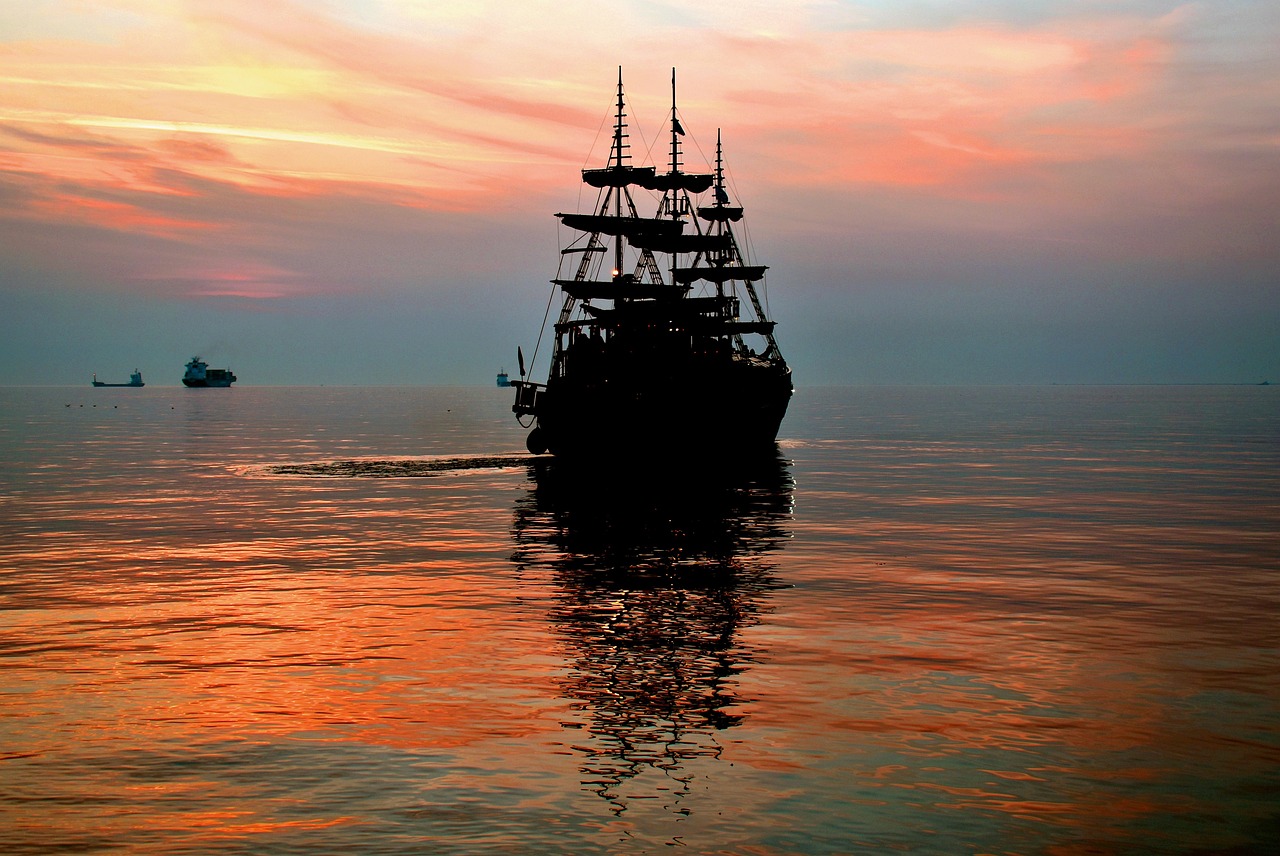
Why Visit Thessaloniki in 2026
Thessaloniki isn’t the kind of city that tries to impress you with a single postcard view. It’s the kind that walks beside you on the promenade at sunset, puts a koulouri (sesame bread ring) in your hand, and quietly steals your heart.
I’ve been coming here on and off for over a decade, and I’ve lived in Thessaloniki for several years. Even now, I still catch myself stopping mid-errand because of how the late-afternoon light hits the Byzantine walls, or because the smell of fresh bougatsa from a tiny corner shop pulls me off my planned route. This guide is a long one because Thessaloniki rewards time and curiosity.
In 2026, the city feels especially alive. New waterfront bars have opened along the Nea Paralia, the art scene in Ano Poli is thriving, and the calendar is full of festivals leading into 2027. At the same time, prices remain more reasonable than in Athens or the islands, making this an ideal base for 3, 4, or 5 days in Thessaloniki—or longer, if you let the city work its quiet magic.
What makes Thessaloniki special?
- Layers of history – Roman, Byzantine, Ottoman, Jewish, and modern Greek history overlap in a walkable center.
- Legendary food – Many Greeks will tell you the best food in the country is in Thessaloniki. I tend to agree.
- Laid-back energy – This is a university city with a youthful, creative vibe and a nightlife that runs late (really late).
- Sea without the crowds – You get a waterfront city with easy day trips to beaches, but without island-level prices.
- Perfect for 3–5 days – Compact, rich in sights, and easy to navigate on foot and by bus.
If you’re looking for a destination that blends culture, food, nightlife, and authentic local life, this travel guide for Thessaloniki will help you plan everything—from a 3 day itinerary for Thessaloniki to a full 5 day Thessaloniki adventure.
Table of Contents
- Why Visit Thessaloniki in 2026
- Suggested 3–5 Day Itineraries
- 20 Must-See Attractions in Thessaloniki (With Local Tips)
- Neighborhoods & Areas to Explore
- Local Food & Drink: What and Where to Eat
- Nightlife, Entertainment & Cultural Experiences
- Best Day Trips from Thessaloniki
- Cultural Etiquette & Local Customs
- Practical Travel Advice for Thessaloniki
- What’s New in 2026–2027: Events & Travel Scene
- Summary & Best Time to Visit Thessaloniki
3–5 Day Itineraries for Thessaloniki
Whether you have 3, 4, or 5 days in Thessaloniki, these itineraries are designed from my own repeat visits and from showing countless friends around the city. Mix and match days to build your ideal trip.
3 Days in Thessaloniki: Classic First-Timer Itinerary
If this is your first time and you’re wondering how to structure a 3 day itinerary for Thessaloniki, start here. You’ll hit the must-see attractions in Thessaloniki, taste the city’s best food, and still have time for sea views and sunsets.
Day 1: Waterfront Icons & Historic Core
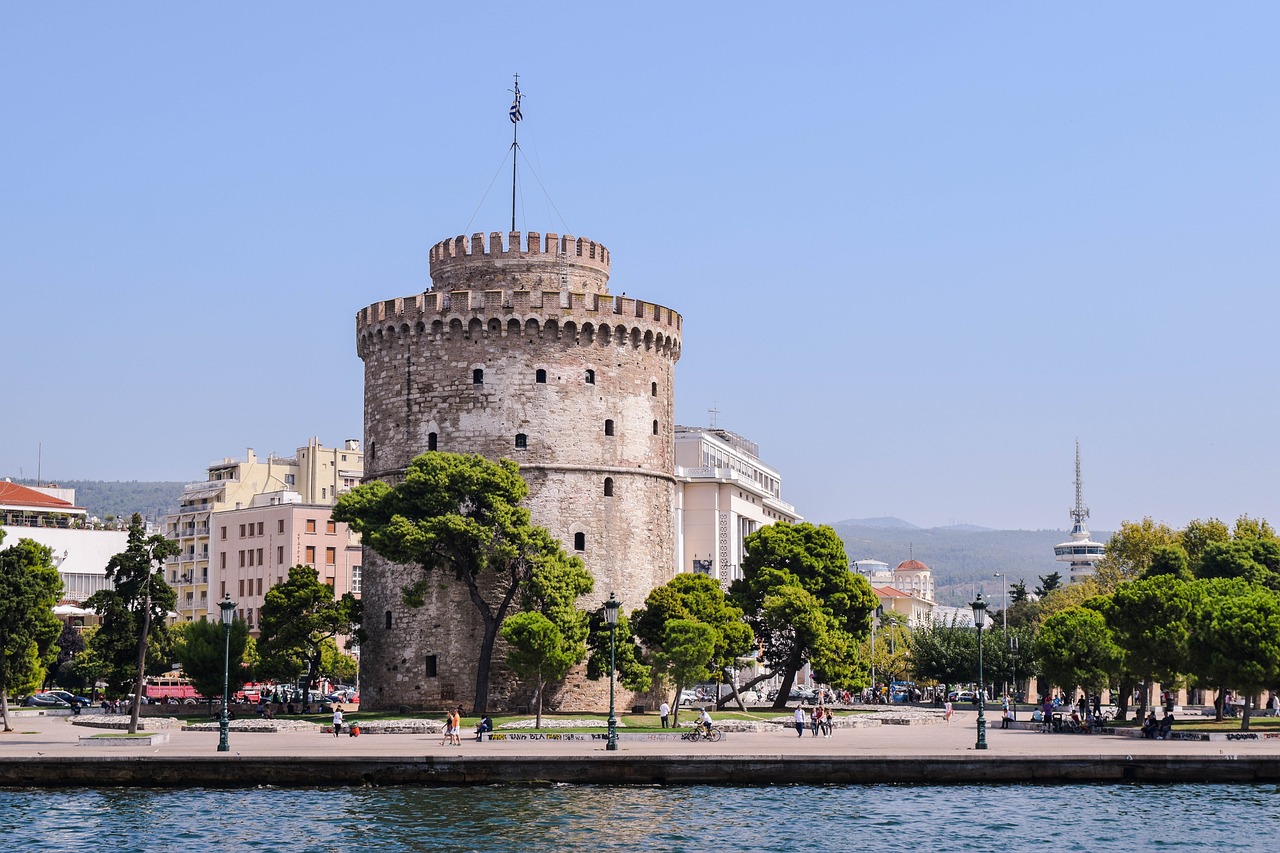
I like to start every friend’s first day exactly the same way: coffee on the waterfront, staring at the White Tower while the city slowly wakes up.
- Morning – Walk the promenade to the White Tower, then continue to Aristotelous Square and the Roman Forum.
- Lunch – Mezze at a taverna near Ladadika.
- Afternoon – Visit the Rotunda and Galerius Arch; wander Tsimiski Street for shopping.
- Evening – Sunset walk along Nea Paralia, dinner in Ladadika, drinks at a rooftop bar.
Tip: Buy a combined ticket for the city’s main archaeological and Byzantine museums if you’re a history lover; it pays off even in just three days in Thessaloniki.
Day 2: Ano Poli, Byzantine Walls & Local Life
On my second day with visitors, we always go up—literally. Ano Poli shows you the city from above and offers some of the best hidden gems in Thessaloniki.
- Morning – Taxi or bus up to the Trigonion Tower and city walls; stroll down through Ano Poli.
- Coffee stop – In a courtyard café overlooking the bay.
- Afternoon – Visit Vlatadon Monastery, then descend through the old alleys, stopping at small churches and murals.
- Late afternoon – Explore Modiano Market and Kapani Market.
- Night – Dinner around Bit Pazar or Valaoritou, then a bar or live music venue.
Day 3: Museums, Markets & Sea Breezes
By day three, you’ll have a sense of the city’s rhythm. This is when I like to dive deeper into culture—or take it slow along the sea.
- Morning – Choose between the Archaeological Museum of Thessaloniki and the Museum of Byzantine Culture (or do both).
- Lunch – Casual bites along the waterfront or at a market stall.
- Afternoon – Optional boat cruise from the port, or explore Nea Paralia’s Theme Gardens by bike.
- Evening – Farewell dinner with seafood near the port, then a final stroll along the promenade.
For a 3 day itinerary for Thessaloniki, this covers the essentials without rushing, and leaves room for spontaneous stops—because that’s where Thessaloniki shines.
4 Days in Thessaloniki: Deeper Dive & Hidden Corners
If you have 4 days in Thessaloniki, you can move beyond the obvious must-see attractions and layer in local experiences.
Day 4 Option A: Alternative Thessaloniki & Street Art
- Morning – Explore Valaoritou and the old commercial district, photographing murals and old warehouses.
- Lunch – Cheap and cheerful souvlaki or gyros at a local grill house.
- Afternoon – Visit the Jewish Museum of Thessaloniki and stroll the backstreets towards the port.
- Evening – Craft beer bar-hop or discover a small live music space with rebetiko (Greek blues).
Day 4 Option B: Half-Day Trip & Evening in the City
On one of my stays, I used my fourth day to escape briefly to the countryside and still be back for dinner.
- Morning–Afternoon – Half-day wine tour in nearby Epanomi or a beach run if it’s summer.
- Evening – Return to Thessaloniki, dinner in Ladadika, and a last stroll along Nea Paralia.
This 4 day itinerary for Thessaloniki balances city exploration with a taste of the region around it.
5 Days in Thessaloniki: Slow Travel & Regional Highlights
With 5 days in Thessaloniki, you can truly sink into the city’s rhythm and fit in at least one full day trip.
Day 5: Full-Day Excursion
- Option 1 – Vergina & Pella (history lovers) – Explore the royal tombs of Vergina and the ancient capital of Macedon.
- Option 2 – Halkidiki Beaches (summer travelers) – Rent a car or take a bus to the first “leg” of Halkidiki for turquoise water.
- Option 3 – Mount Olympus Region (hikers) – Base yourself in Litochoro and do an easier hike.
Return to Thessaloniki for a final dinner and a late-night gelato on the promenade. A 5 day itinerary for Thessaloniki gives you the best of the city and a real sense of Northern Greece.
20 Must-See Attractions in Thessaloniki (With Local Tips & Stories)
These are the best places to visit in Thessaloniki, from headline sights to quieter corners. I’ve included personal notes on when to go, what to look for, and how to make each visit memorable.
1. White Tower of Thessaloniki
The White Tower is the city’s unofficial logo. I’ve met friends under it, watched thunderstorms roll in from its base, and climbed it more times than I can count.
History & significance: Built in the 15th century during Ottoman rule, the tower was once part of the city’s fortifications and later a notorious prison. It was whitewashed in the early 20th century as a symbolic “cleansing” of its bloody history, which is where its modern name comes from.
What to do: Climb the spiral ramp inside for panoramic views across the bay. The small museum inside walks you through Thessaloniki’s history, but the real reward is the rooftop terrace.
My tip: Go right after opening in the morning or about an hour before sunset for softer light and fewer crowds. In summer, I like to grab a cold freddo espresso from a kiosk and drink it on the benches nearby while street performers set up.
Family / romantic / adventurous? Perfect for families (safe, educational), romantic for couples at sunset, and a must-do for first-timers.
2. Aristotelous Square
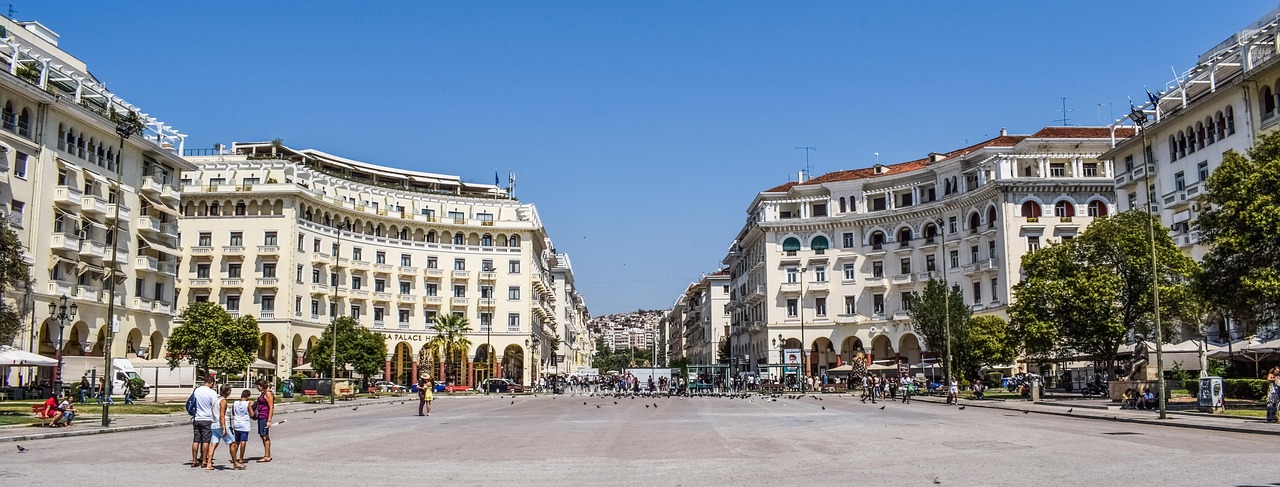
Aristotelous Square is Thessaloniki’s living room. I’ve spent countless hours here people-watching, writing notes for this very guide, and warming my hands around a winter cappuccino.
Why it matters: Designed by French architect Ernest Hébrard after the 1917 fire, the square’s neoclassical facades open dramatically towards the sea. It’s the city’s main gathering point for celebrations, protests, and New Year’s Eve fireworks.
What to do: Sit at one of the many cafés lining the square and order a coffee (yes, one coffee can justify your seat for an hour or two—this is Greece). Wander down to the seafront, then back up into the narrow streets to find bakeries and small shops.
Tip: For a different perspective, go up to a café or bar on a higher floor along the square and look down on the geometry of the buildings and the sea beyond.
3. Ladadika District
Ladadika is where I bring friends for their first Thessaloniki night out. Cobbled streets, colorful facades, music spilling from tavernas—it’s theatrical without feeling totally fake.
History: Once a trading district of oil merchants (hence the name “Ladadika,” from “ladi,” oil), this area fell into decline before being restored in the 1990s and 2000s. Today it’s packed with restaurants, bars, and ouzeris.
What to do: Come hungry. Try a mezze-style dinner: small plates of grilled octopus, saganaki cheese, tzatziki, and meatballs shared across the table. Many places have live music on weekends.
My tip: Avoid the most aggressively touristy spots right on the main corners. Wander a block or two in and look for places where you hear more Greek than English. I’ve had some of my best evenings in the smaller side streets, talking to owners about the city’s changes.
4. Ano Poli (Upper Town)
Whenever city life starts to feel loud, I head uphill to Ano Poli. The air seems clearer, the sounds more muted, and the views—well, they’re unbeatable.
Why go: This is the only part of Thessaloniki that survived the great fire of 1917, so you’ll find traditional houses, narrow lanes, Ottoman-era buildings, and old churches.
What to do: Wander without a strict plan. Start near the Trigonion Tower and follow the walls, then drift down into the alleys. Peek into courtyards, stop at tiny cafés, and look out for stray cats sunning themselves on rooftops.
Tip: Wear good shoes; the cobbles can be slippery. I like to time my visits for late afternoon and then stay for sunset, watching the lights flicker on across the bay.
5. Archaeological Museum of Thessaloniki
On a hot August afternoon a few years ago, I ducked into the Archaeological Museum to escape the sun—and ended up staying for hours, completely absorbed.
Highlights: Treasures from ancient Macedon, including intricate gold wreaths, sculptures, and everyday objects that make the ancient world feel more human.
Why visit: If you’re doing a day trip to Vergina or Pella, this museum provides essential context. It’s also well laid out, with good English explanations.
Tip: Combine with the nearby Museum of Byzantine Culture; they’re next to each other, and there’s a combined ticket. Go midday to avoid heat and crowds.
6. Museum of Byzantine Culture
This is one of my favorite museums in Greece. It’s calm, beautifully curated, and gives you a deep sense of the city’s Byzantine soul.
What you’ll see: Icons, mosaics, textiles, architecture fragments, and everyday objects from the Byzantine and early Christian periods.
Why it matters: Thessaloniki was once second only to Constantinople in the Byzantine Empire. You feel that importance in this collection.
Tip: Even if you’re not a “museum person,” go for 60–90 minutes. Focus on the mosaics and icons—they’re stunning.
7. Rotunda of Galerius
The first time I stepped inside the Rotunda, I whispered without meaning to. The acoustics and height of the space almost demand it.
History: Built around 306 AD, likely as part of Emperor Galerius’s palace complex, it has been a pagan temple, a church, and a mosque. Today it’s a monument and occasional cultural venue.
What to notice: The mosaics in the dome and the subtle remnants of its mosque period (like the base of the minaret outside).
Tip: Combine with a walk along the Arch of Galerius (Kamara) and down to Navarinou Square. This is a lively student area with cheap eats and cafes.
9. Roman Forum (Ancient Agora)
Hidden in a dip just off a busy street, the Roman Forum always feels to me like a small pause in the city’s rush.
History: Dating from the 2nd–3rd century AD, this was the administrative and commercial heart of Roman Thessaloniki.
What to do: Walk the perimeter to get different angles, then pop into the small underground museum if it’s open.
Tip: It’s especially atmospheric in the early evening, when the light is low and the modern city hums just above.
10. Nea Paralia (New Waterfront)
If Thessaloniki has a heartbeat, it’s here, along the sea. I’ve walked this promenade in every season: bundled in a winter coat with a hot chocolate, sweating in August with a salty breeze, and everything in between.
What it is: A long, redesigned waterfront promenade stretching from the port area past the White Tower and on to themed gardens.
What to do: Rent a bike, rollerblade, or just walk. Look out for the famous Umbrellas sculpture, the music hall, and the small piers where locals fish.
Tip: Sunset here is non-negotiable. If the sky is clear, you may catch Mount Olympus silhouetted in the distance.
11. Zongolopoulos Umbrellas
I can’t count how many photos I’ve taken of these umbrellas against moody clouds, golden sunsets, or starry skies.
What it is: A modern sculpture by George Zongolopoulos, now one of Thessaloniki’s most photographed landmarks.
Why visit: It’s an iconic stop for your 3 day itinerary for Thessaloniki and a fun place for creative photos.
Tip: Come at blue hour (just after sunset) when the sky is deep blue and the city lights come on.
12. Modiano & Kapani Markets
Markets are where I feel closest to the soul of a city, and Thessaloniki’s central markets are no exception.
What they are: Kapani is the older, more traditional market: produce, spices, cheeses, fish. Modiano has been recently renovated, blending traditional stalls with modern eateries and bars.
What to do: Wander the narrow aisles, sample olives, buy spices, and grab a stool at a small ouzeri or meze place.
Tip: Mornings are best; by early afternoon, some stalls start closing. It’s a great spot for a budget-friendly lunch.
13. Jewish Museum of Thessaloniki
Few visitors realize Thessaloniki was once called the “Jerusalem of the Balkans.” This museum changed the way I saw the city.
What you’ll learn: Thessaloniki’s Jewish community was one of the largest in Europe before WWII. The museum traces centuries of history and the devastating impact of the Holocaust.
Why it matters: Understanding this history adds a powerful layer to your experience of the city.
Tip: Allow at least 1–2 hours. It’s emotionally heavy; plan something light afterward, like a walk by the sea.
14. Bit Pazar
Bit Pazar feels like a village inside the city—flea-market vibes by day, cozy tavernas by night.
What it is: A small square and surrounding streets with antique shops, vintage stalls, and traditional eateries.
What to do: Browse for old books, records, and trinkets. In the evening, sit down for meze and wine under string lights.
Tip: It’s especially charming in cooler months, when the tavernas feel extra cozy.
15. Vlatadon Monastery
On one rainy November afternoon, I found myself almost alone at Vlatadon, watching mist soften the city below. It was one of my quietest, most memorable moments in Thessaloniki.
What it is: A 14th-century monastery in Ano Poli with beautiful views over the bay.
What to do: Visit the church, walk the grounds, say hello to the resident peacocks, and take in the panorama.
Tip: Dress modestly (shoulders and knees covered). Combine with a broader Ano Poli walk.
16. Heptapyrgion Fortress (Yedi Kule)
This fortress at the northeastern corner of the walls has an austere presence and a darker past as a prison.
Why go: For history lovers and those chasing views, it’s worth the trek. The massive walls and towers feel imposing, and the views of the city are wide and dramatic.
Tip: Bring water and a hat in summer; there’s little shade. You can walk from Ano Poli but it’s uphill—consider a taxi up and walk down.
17. Church of Agios Dimitrios
This basilica is one of the most important churches in Thessaloniki and a place where I often light a candle for people I’m thinking of back home.
Who is Agios Dimitrios: The patron saint of Thessaloniki. The church is built over the site of his martyrdom.
What to do: Step inside, notice the relics, and if the crypt is open, visit below the main church—it’s atmospheric and historic.
Tip: Be respectful of services. Dress modestly and keep voices low.
18. Church of Hagia Sophia
Not to be confused with Istanbul’s Hagia Sophia, Thessaloniki’s version is smaller but historically significant.
What it is: A Byzantine church dating to the 8th century, modeled on the great church in Constantinople.
What to see: The dome mosaics and the blend of Byzantine and later elements.
Tip: Combine with a stroll down to Aristotelous Square; they’re not far apart.
19. Thessaloniki Port & Contemporary Art Center
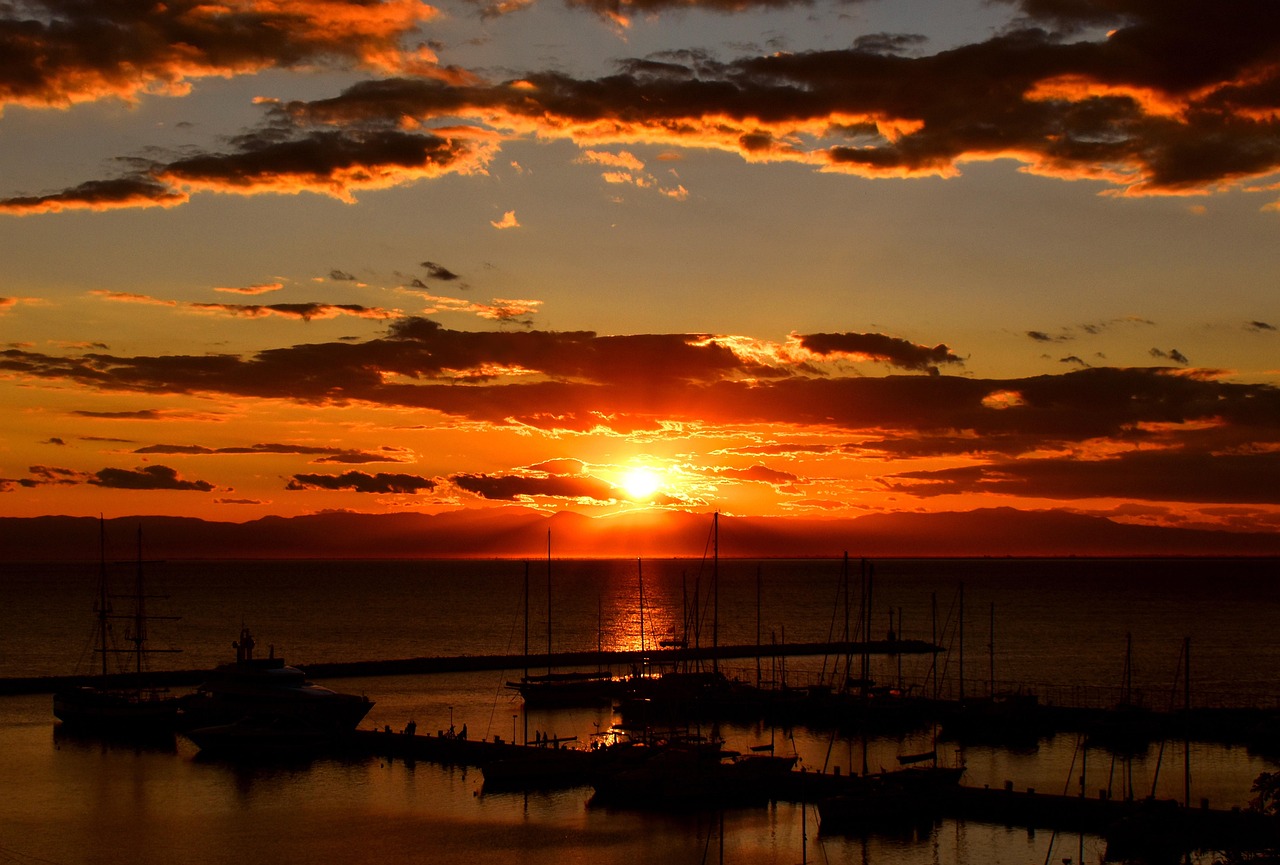
The port area has transformed in recent years from purely functional to one of the city’s most photogenic sunset spots.
What to do: Walk along the docks, grab a drink at a café with sea views, and if you’re into art, check out exhibitions at the Thessaloniki Museum of Photography or contemporary art spaces in the old warehouses.
Tip: On clear evenings, you’ll get a postcard-perfect sunset view with cranes and boats silhouetted against the sky.
20. Thessaloniki Concert Hall & Eastern Waterfront
Further along the waterfront, the modern glass-and-brick Thessaloniki Concert Hall marks the eastern edge of central Thessaloniki.
Why visit: For architecture lovers and anyone wanting a quieter stretch of the promenade. There are occasional concerts and shows worth checking out.
Tip: If you rent a bike, this is a great turnaround point, with broad paths and fewer crowds than the section near the White Tower.
Neighborhoods & Areas to Explore in Thessaloniki
City Center & Tsimiski
This is where most visitors spend their time: Aristotelous Square, Tsimiski shopping street, and the surrounding grid. It’s busy, convenient, and full of shops, cafes, and services. If you only have 3 days in Thessaloniki, you’ll naturally gravitate here.
Ladadika
Lively, atmospheric, with cobbled streets and nightlife. Great for dining and going out, slightly noisy if you stay right in the middle of it.
Ano Poli
Romantic, historic, quieter at night. Staying here means great views and old-world charm, but more uphill walking and bus/taxi rides into the center.
Valaoritou & Old Commercial District
Edgy and creative, with bars, street art, and a slightly gritty feel. This is where you’ll find some of the city’s more alternative nightlife.
Toumba & Eastern Districts
More residential, with local bakeries, cafes, and a strong football culture (home turf for PAOK fans). Not essential for a short visit, but interesting if you like seeing everyday life.
Kalamaria & Eastern Waterfront Suburbs
Further east along the bay, Kalamaria offers quieter waterfront promenades, seafood tavernas, and a more suburban feel. Lovely for an evening meal by the water.
Local Food in Thessaloniki: What & Where to Eat
Must-Try Dishes
- Bougatsa – Flaky pastry with cream, cheese, or meat filling. Thessaloniki is famous for it.
- Koulouri Thessalonikis – Sesame bread ring, perfect for breakfast on the go.
- Gyros & Souvlaki – Classic Greek street food; cheap and filling.
- Ladokolla meats – Grilled meats served on greaseproof paper, ideal for sharing.
- Seafood meze – Grilled octopus, fried calamari, marinated anchovies.
- Politiki cuisine – Dishes from Greeks of Constantinople, rich in spices and flavor.
Where I Love to Eat (Personal Picks)
I’ll skip naming too many specific venues (they change often), but here’s where I tend to send friends:
- Breakfast – Bougatsa shops near Navarinou or in the center; bakeries around Kapani.
- Cheap lunch – Gyros places off Tsimiski and around the university area; market stalls in Modiano.
- Seafood dinner – Taverns near the port or in Kalamaria, slightly away from the most touristy spots.
- Meze with friends – Ladadika side streets or Bit Pazar.
- Coffee – Along Aristotelous for people watching, or on the waterfront for views.
- Sweet treats – Traditional patisseries in the center; look for tsoureki (sweet bread) and syrupy pastries.
Saving Money on Food
Eating well doesn’t need to be expensive:
- Street snacks like koulouri and pies are very cheap and filling.
- Look for “menu of the day” or lunch specials at small tavernas.
- A sit-down coffee will cost more than takeaway; decide what you value more, the seat or the savings.
- Tap water is drinkable; ask for “nero kranis” (tap water) instead of bottled.
Nightlife, Entertainment & Cultural Experiences in Thessaloniki
Nightlife
Thessaloniki is a university city, and it shows. Bars and cafes buzz late into the night, especially Thursday to Saturday.
- Ladadika – Classic tavernas and bars, good for first-timers.
- Valaoritou – Trendier bars, alternative crowd, street art.
- Waterfront – Cocktail bars with sea views, more relaxed vibe.
Cultural Experiences
- Thessaloniki Concert Hall – Check for classical concerts, jazz, and special events.
- Film festivals – Thessaloniki hosts important film festivals annually.
- Rebetiko & live Greek music – Small venues across the city, often in Ladadika and Valaoritou.
- Street festivals & fairs – Especially in warmer months; ask your hotel what’s on.
Family-Friendly, Romantic & Adventurous Activities
- Family-friendly – Boat cruises, waterfront playgrounds, markets, museums with interactive exhibits.
- Romantic – Sunset at the Umbrellas, dinner in Ano Poli with city views, evening strolls on Nea Paralia.
- Adventurous – Day hikes near Mount Olympus, bike rides along the waterfront, exploring alternative neighborhoods.
Day Trips from Thessaloniki
Vergina & Pella
History lovers should not miss this. The royal tombs at Vergina, including that of Philip II (Alexander the Great’s father), are about an hour away and stunningly presented. Combine with Pella, the ancient capital of Macedon.
How to go: Organized tours from Thessaloniki, or rental car if you prefer flexibility.
Halkidiki Beaches
Locals head to Halkidiki for summer weekends. The first “leg” (Kassandra) has lively resorts; the second (Sithonia) is quieter with stunning beaches.
How to go: Buses run from Thessaloniki’s Halkidiki bus station, or rent a car for maximum flexibility.
Mount Olympus & Litochoro
For a taste of myth and mountains, head to the Olympus region. Even if you’re not climbing to the summit, there are accessible trails around Litochoro and Enipeas Gorge.
How to go: Train or bus to Litochoro, or rental car. Start early and check weather conditions.
Edessa & Pozar Baths
Edessa’s waterfalls and the thermal baths at Pozar make a lovely nature-focused day trip, especially in cooler months.
Cultural Etiquette & Local Customs in Thessaloniki
Understanding local customs in Thessaloniki will make your stay smoother and more enjoyable.
- Greetings – A simple “Yia sou” (informal) or “Yia sas” (formal/plural) works well. Handshakes are common; close friends may kiss cheeks.
- Cafés – It’s normal to linger over one coffee for a long time. Don’t feel rushed.
- Religion – Churches and monasteries are active places of worship. Dress modestly, speak quietly, and avoid flash photography.
- Tipping – Rounding up or leaving 5–10% is appreciated in restaurants and cafes. Leave small change for taxi drivers if service was good.
- Smoking – Officially restricted indoors, but enforcement can vary. Outdoors, it’s common.
- Time – Things run more relaxed than in Northern Europe or North America. Being 10–15 minutes late is not unusual socially.
- Meals – Dinner often starts later (9 pm or after), especially on weekends.
Practical Travel Advice for Thessaloniki (2026)
Getting Around Thessaloniki
Thessaloniki’s center is compact and walkable; you can cover most must-see attractions in Thessaloniki on foot.
- On foot – Ideal for the center, waterfront, and main sites.
- Buses – Run by OASTH; they connect the center with suburbs and the airport. Buy tickets at kiosks or on board (slightly more expensive) and validate them.
- Taxis – Reasonably priced. Use official taxis; ask your accommodation what a typical fare should be to avoid surprises.
- Car rental – Not needed inside the city, but useful for day trips (Halkidiki, Vergina, Olympus). Parking in the center can be challenging.
- Bikes & scooters – Available along the waterfront; good for Nea Paralia.
SIM Cards & Connectivity
For data and calls, buy a local SIM from major providers (e.g., Cosmote, Vodafone, Wind) in the city center or at the airport. Bring your passport; it’s required for registration. Packages with several GB of data plus local calls are affordable and make navigation and translation easier.
How to Save Money in Thessaloniki
- Stay slightly off the main tourist streets; side streets often have cheaper cafes and tavernas.
- Use bakeries for breakfast and light lunches.
- Take advantage of combined museum tickets.
- Use public buses when possible, especially to/from the airport.
- Travel off-season (spring or autumn) for better hotel rates.
Visa Requirements & Driving
Visas: Greece is part of the Schengen Area. Many travelers (EU, UK, US, Canada, Australia, etc.) can enter visa-free for short stays, but always check up-to-date rules for 2026 based on your nationality.
Driving licenses: EU licenses are accepted. Non-EU visitors may need an International Driving Permit in addition to their national license; check current regulations before you arrive and carry both if required.
Best Seasons & What They’re Good For
- Spring (April–June) – Ideal for sightseeing, mild weather, fewer crowds. Great for walking, cultural experiences, and markets.
- Summer (July–August) – Hot, lively, with long days and vibrant nightlife. Combine Thessaloniki with Halkidiki beaches. Museums are air-conditioned but midday can be intense.
- Autumn (September–October) – Wonderful balance of good weather, less heat, and a busy cultural calendar. Perfect for a 3 to 5 day itinerary for Thessaloniki.
- Winter (November–March) – Cooler, sometimes rainy, but cozy. Great for food, cafes, museums, and lower prices. Holiday season lights make December special.
Thessaloniki in 2026–2027: Events & What’s New
As of 2026, Thessaloniki continues to evolve while keeping its laid-back character.
- Thessaloniki International Film Festival (annually in autumn) – A major event drawing filmmakers and cinephiles from around the world.
- Thessaloniki Documentary Festival – Typically in early spring; a fantastic way to dive into global and Greek documentary cinema.
- Cultural festivals – Music, food, and art festivals throughout the year; check the 2026–2027 calendar closer to your visit for exact dates.
- Waterfront scene – New bars and cafes continue to open along Nea Paralia, adding to the already vibrant promenade.
Because event schedules can shift, especially post-2020s, always confirm dates and venues shortly before your trip.
Summary: Key Takeaways & Best Time to Visit Thessaloniki
Thessaloniki is a city to savor rather than rush through. Whether you’re planning 3 days in Thessaloniki or a full 5 day itinerary for Thessaloniki, you’ll find a mix of must-see attractions, hidden gems, and local experiences that stay with you long after you leave.
- Best time to visit: Late spring (May–June) and early autumn (September–October) for ideal weather and manageable crowds.
- Don’t miss: White Tower, Ano Poli, Aristotelous Square, Nea Paralia, the markets, and at least one major museum.
- Eat & drink: Bougatsa, koulouri, gyros, seafood meze, and local sweets, washed down with Greek coffee, ouzo, or local wine.
- Slow down: Build time into your travel guide for Thessaloniki to simply sit at a café or on the sea wall and watch daily life unfold.
Come with an open schedule, a good pair of walking shoes, and an appetite. Thessaloniki will take care of the rest.