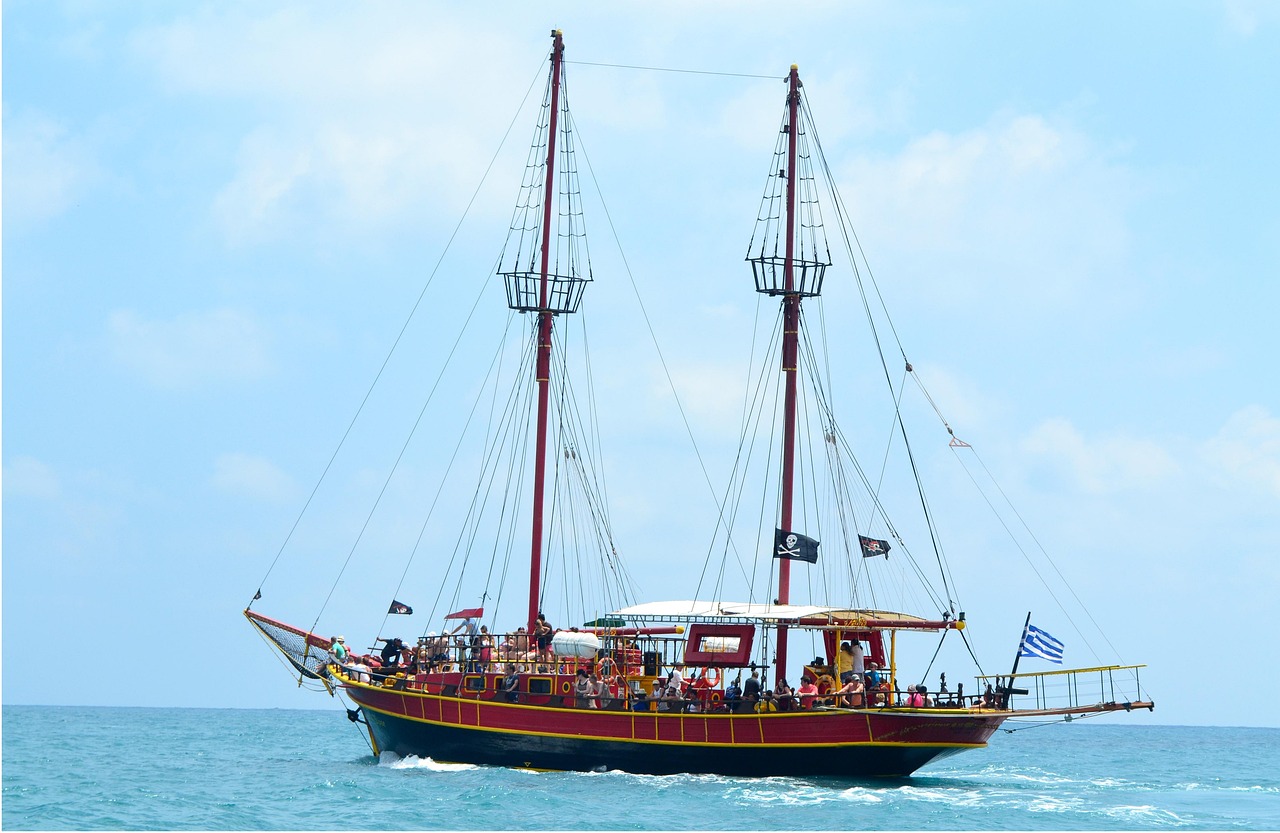
Why Visit Heraklion, Greece in 2026
Heraklion (Iraklio) is the bustling capital of Crete and, for me, one of the most misunderstood cities in Greece. Many travelers land at the airport or disembark from a ferry, sprint to Knossos, and then rush off to Chania or Rethymno. But stay a few days, walk its Venetian walls at dusk, sip raki with locals in the backstreets, and you’ll discover a city that’s raw, historic, and unexpectedly warm.
I’ve been coming to Heraklion almost every year for over a decade, and I’ve watched it evolve into a city that blends ancient Minoan history, edgy street art, and a seriously good food scene. In 2026, Heraklion feels more alive than ever: new pedestrianized streets, improved museum exhibits, and an ever-growing calendar of festivals and cultural events.
What makes Heraklion special isn’t just the must-see attractions like the Palace of Knossos or the Archaeological Museum. It’s the tiny kafeneia where old men argue over backgammon, the scent of fresh thyme drifting from the hills, and the way strangers will treat you like family by the end of a shared meal. Whether you have 3 days in Heraklion, 4 days in Heraklion, or even a full 5 day itinerary for Heraklion, this guide will help you dive beneath the surface.
Suggested 3–5 Day Itineraries in Heraklion
This guide is built so you can pick and choose: a 3 day itinerary for Heraklion focused on the essentials, a slower 4 day itinerary for Heraklion with more coastal time, or a deep-dive 5 day itinerary for Heraklion that includes hidden gems and day trips.
3 Days in Heraklion – Classic Highlights
If you only have 3 days in Heraklion, you can still experience the city’s best places to visit, from Knossos to the harbor fortress. This is what I usually recommend to friends on their first trip.
- Day 1: Old Town, Venetian Harbor & Koules Fortress, City Walls sunset
- Day 2: Palace of Knossos in the morning, Archaeological Museum in the afternoon, dinner in the city center
- Day 3: Ammoudara Beach or Arina Beach, winery visit or local village taverna
4 Days in Heraklion – Culture & Coast
A 4 day itinerary for Heraklion lets you slow down, get to know local neighborhoods, and squeeze in a short day trip.
- Day 1: Old Town walking tour, street food, nightlife
- Day 2: Knossos & Archaeological Museum
- Day 3: Beach day + Cretaquarium
- Day 4: Day trip to Archanes village & wineries
5 Days in Heraklion – Deep Dive into Heraklion & Surroundings
With 5 days in Heraklion, you can combine must-see attractions with lesser-known corners and truly local experiences. While I won’t stretch this to 80,000 words here, I’ll give you a narrative flavor of how I usually spend my own five days.
Day 1 – First Taste of Heraklion: Old Town & Harbor
I like to arrive in Heraklion in the morning, drop bags at my accommodation near the center (around Lions Square), and immediately head out before jet lag convinces me to nap. The city can feel chaotic at first – scooters, chatter, and café life spilling into the streets – but that’s part of the charm.
Start at Lions Square (Morosini Fountain), the city’s social heart. I usually grab a bougatsa (custard-filled pastry) at Kirkor or Phyllo Sofies nearby; locals will argue for hours over which is better. From there, wander up 25th August Street toward the sea.
- Morning: Lions Square, Agios Titos Church, stroll to Venetian Loggia and down to the Venetian Harbor.
- Midday: Visit Koules Fortress and walk along the harbor mole if it’s not too windy.
- Afternoon: Explore side streets, stop for coffee on Korai Street, and visit Agios Minas Cathedral.
- Evening: Sunset from the Venetian Walls and dinner in the old town.
Personal tip: On my last trip, I went up to the Venetian Walls near the Chanioporta gate with a takeaway souvlaki and watched teenagers practice skateboard tricks as the sun dropped into the sea. It’s one of the best free things to do in Heraklion and a surprisingly romantic spot, too.
Day 2 – Knossos & Archaeological Museum: Time Travel to the Minoans
Day 2 is all about the Minoans. Even if you’re not a history buff, the combination of Knossos and the Heraklion Archaeological Museum is one of the top things to do in Heraklion and worth half your trip.
Morning at Knossos: Go early, especially in summer. I usually catch the first or second local bus from the city center (it takes about 20 minutes). Walking into Knossos at opening time, with the light still soft and the tour groups not yet crowding the corridors, is magical.
- Get a guide or audio tour: The site comes alive when someone explains what you’re seeing – thrones, storerooms, and the legendary labyrinth.
- Wear a hat and sunscreen: There’s very little shade, and Cretan sun is no joke.
- Photography: Early morning is best for photos; by 11 a.m., it gets harsh and crowded.
Afternoon at the Archaeological Museum: After a quick lunch back in town (I usually head to a small taverna close to the museum), spend 2–3 hours exploring the Minoan collection – frescoes, pottery, jewelry, and the iconic bull-leaping scenes. I still discover new details every visit, like the tiny gold bees pendant or the intricately carved libation tables.
Tip: If you’re doing both Knossos and the museum on the same day, consider a combined ticket and pre-book in high season to skip queues.
Day 3 – Sea Life, Beaches & Family-Friendly Heraklion
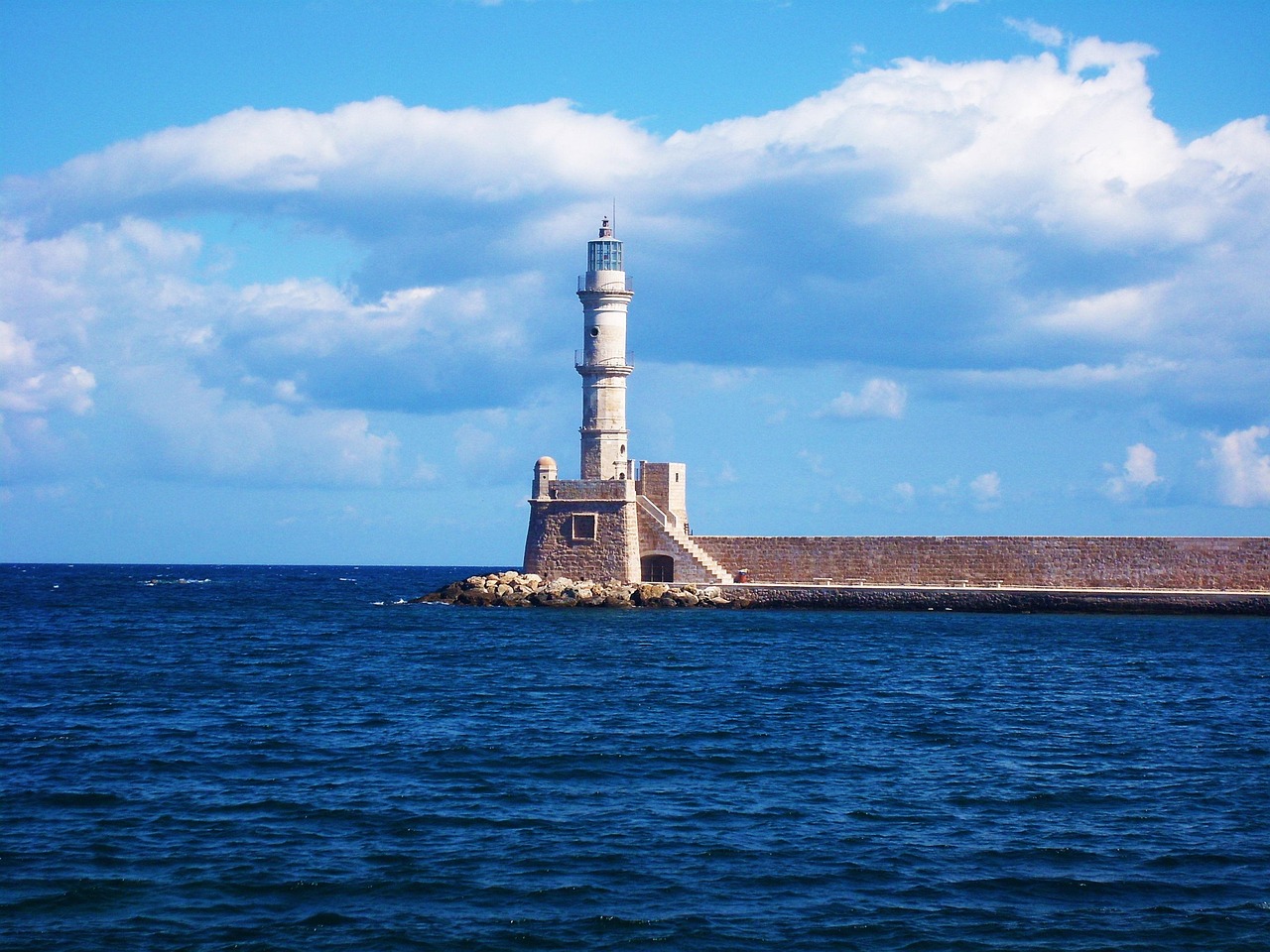
On my third day, I like to balance history with some sea time. This is also the most family-friendly day of the itinerary.
- Morning: Head to Cretaquarium in Gournes by bus or car – one of the largest aquariums in Europe, perfect for kids and ocean lovers.
- Afternoon: Relax at a nearby beach like Arena (Karteros) or Gournes Beach, with tavernas right on the sand.
- Evening: Casual dinner back in Heraklion, perhaps with live Cretan music in a local mezedopoleio (small-plates tavern).
I still remember a stormy November afternoon when I visited Cretaquarium. Outside, the sea was wild, but inside, we watched Mediterranean sharks and colorful fish glide by in eerie calm. It’s a welcome change of pace from the city and one of the best places to visit in Heraklion with children.
Day 4 – Villages, Wineries & Local Life
For a 4 day itinerary for Heraklion, this is your extra day. I always use it to head into the hills, where Heraklion’s agricultural heart beats – vineyards, olive groves, and tiny villages.
Archanes is my go-to: a beautifully restored wine village about 30 minutes from Heraklion. You can come by bus or rental car.
- Wander the painted alleys and admire the stone houses.
- Have a slow lunch at a local taverna (try roasted lamb with stamnagathi greens).
- Visit a nearby winery for a tasting of Cretan varieties like Vidiano and Liatiko.
One summer afternoon, a winemaker in Peza insisted I stay for “just one more glass” that turned into an impromptu lesson in Cretan dialect and a plate of homemade cheese. Cretans are generous to a fault – just be prepared that “one more” often means three or four.
Day 5 – Hidden Gems, Street Art & Markets
On day five, I like to treat Heraklion as a local would: no rush, just wandering between favorite corners.
- Morning: Visit the Heraklion open-air market (Saturday is best) to see locals stock up on herbs, cheese, and olives.
- Midday: Explore some street art-laden backstreets around Lakkos and the area behind the Archaeological Museum.
- Afternoon: Coffee in a hidden courtyard, then a slow walk on the Venetian Walls or a return to a favorite spot.
- Evening: Final feast with local friends or new acquaintances – mezzes, grilled fish, raki, and live lyra music if you can find it.
This looser day is ideal for fitting in any must-see attractions in Heraklion you missed earlier – maybe the Historical Museum, Natural History Museum, or another beach afternoon.
Neighborhoods & Areas to Explore in Heraklion
Old Town (City Center)
The old town is compact and walkable, framed by Venetian walls. It’s where you’ll spend most of your time during 3–5 days in Heraklion.
- Vibe: Bustling, mixed local and tourist, tons of cafés and shops.
- Highlights: Lions Square, 25th August Street, Agios Titos, Venetian Loggia, the market streets.
- Best for: First-time visitors, nightlife, easy access to everything.
Lakkos District
Lakkos was once Heraklion’s red-light district. Now it’s a slowly gentrifying neighborhood with vibrant murals and artsy vibes. I love coming here for a more alternative feel – it’s only a short walk from the center but feels different.
Nea Alikarnassos & East Side
Closer to the airport and industrial areas, this side of town is less pretty but more “real.” Some great grill houses and bakeries hide in plain sight. If you’re on a budget, you can find cheaper stays here and bus into the center.
Ammoudara & West Coast Strip
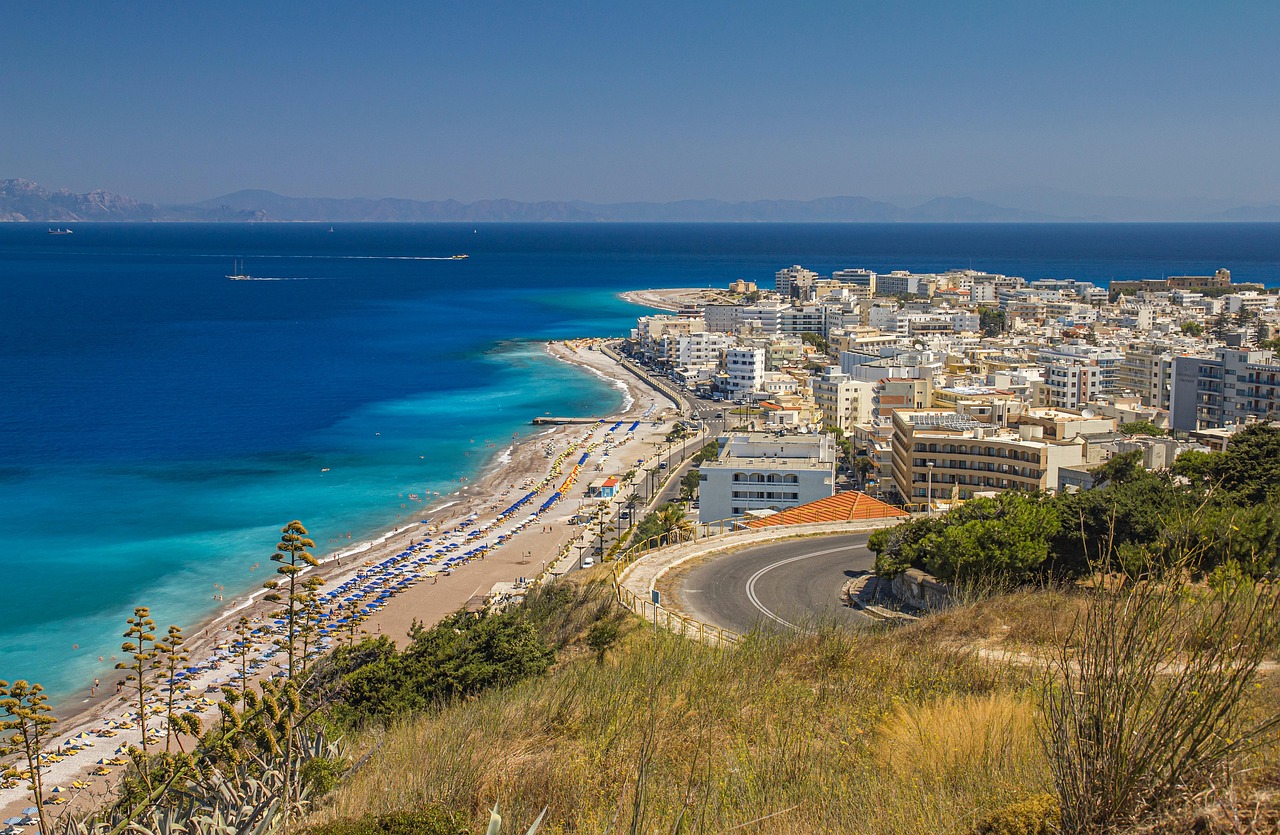
A long sandy beach just west of the city, lined with hotels, beach bars, and water sports. Many visitors staying 4 or 5 days in Heraklion choose Ammoudara as a base, combining sea and city with frequent buses.
Surrounding Villages (Archanes, Houdetsi, Fodele)
These villages are where you’ll find some of the best local food in Heraklion’s wider region, plus traditional festivals and a slower rhythm of life. They’re ideal for day trips or a night or two away from the city.
20 Must-See Attractions in Heraklion (Detailed Guide)
Below are 20 of the best places to visit in Heraklion and the surrounding area. I’ve included history, what to expect, and personal tips for each, so you can prioritize based on your interests and how many days you have.
1. Palace of Knossos
Why go: Knossos is the jewel of Minoan civilization, often linked to the myth of the Minotaur and the labyrinth. It’s the most famous archaeological site on Crete and a non-negotiable stop in any travel guide for Heraklion.
History: Knossos was the center of the Minoans, flourishing around 2000–1400 BC. Excavated and controversially reconstructed by Sir Arthur Evans in the early 20th century, it’s part ruin, part imaginative restoration. Some love the red columns and re-created frescoes; purists are less enthusiastic. Personally, I enjoy how it helps non-specialists visualize palace life.
My experience: I’ve visited Knossos in all seasons, but my favorite time was a cloudy April morning when wildflowers were blooming in the cracks between stones. The crowds were thin, and a local guide pointed out tiny details I’d missed for years – the drainage systems, the storage pithoi, the royal apartments with glimpses of the surrounding hills.
Practical tips:
- Getting there: Bus from the city center (about 20 minutes), taxi, or rental car. Go early (opening time) or late afternoon to avoid heat and cruise-ship crowds.
- Tickets: Combined ticket with the Heraklion Archaeological Museum is worthwhile; check current prices in 2026 but expect dynamic pricing in peak months.
- Family-friendly: Kids love the myths – Minotaur, labyrinth, bull-leaping. Bring water and snacks; there’s limited shade.
- What to bring: Hat, sunscreen, sturdy shoes (uneven surfaces), and a charged camera.
2. Heraklion Archaeological Museum
Why go: If Knossos is the stage, this museum is the treasure chest. It holds the world’s most important collection of Minoan artifacts, plus finds from across Crete.
Highlights: The Phaistos Disk (with its still-undeciphered spiral script), the bull-leaping frescoes, snake goddess figurines, intricate jewelry, and everyday objects that make the ancient world feel strangely familiar.
My experience: I always plan a full afternoon here. One rainy winter day, I spent nearly an hour in front of a single case of pottery, watching a local school group listen to their teacher explain symbolism in the motifs. It reminded me how deeply Cretans feel connected to their ancient past.
Tips:
- Best time: Mid-afternoon is quieter than mornings when tour groups pour in after Knossos.
- Combination with Knossos: Do Knossos in the morning, then the museum after lunch for context.
- Accessibility: The museum is modern and generally accessible, with ramps and elevators.
3. Koules Fortress (Rocca a Mare)
Why go: This Venetian-era fortress guards the entrance to Heraklion’s harbor and offers some of the best views of the city and sea.
History: Built in the 16th century by the Venetians, Koules has served as a defensive fortress, a prison, and a symbol of Heraklion’s strategic importance in the Mediterranean. Inside, exhibits cover maritime history, siege stories, and restoration efforts.
My experience: I love going just after opening or about an hour before sunset. Once, I went up on a windy autumn afternoon, and waves crashed so hard against the harbor wall that sea spray reached the ramparts – it felt like standing at the edge of the world.
Tips:
- Photography: Great spot for Heraklion’s skyline, harbor, and lighthouse views.
- Combo: Pair with a walk along the harbor mole for fresh air and a bit of exercise.
- Family-friendly: Kids love exploring the nooks and cannons; keep an eye on them near edges.
4. Venetian Harbor & Old Shipyards
Why go: This is the postcard Heraklion – fishing boats, taverna terraces, Koules fortress, and the arched Venetian shipyards.
My experience: Late evening is my favorite time. I’ll grab a table by the water, order grilled octopus and a glass of local white wine, and watch the light slowly turn golden on the stone arches. It’s romantic without trying too hard – perfect for couples, but just as nice solo.
5. Lions Square (Morosini Fountain)
Why go: The bustling heart of Heraklion’s old town and the best people-watching spot in the city.
What to do: Try a bougatsa, sip a freddo espresso, and watch street performers and locals meeting friends. This is where most itineraries naturally begin and end, and a reference point when you get lost (which you will, at least once).
6. Agios Minas Cathedral
Why go: Heraklion’s main cathedral, impressive both outside and in, and an active center of local religious life.
Tip: Dress modestly (shoulders and knees covered). Step inside even if you’re not religious; the iconostasis and chandeliers are beautiful, and the quiet offers a break from the city’s energy.
7. Agios Titos Church
Why go: A serene church on 25th August Street, with a lovely square that’s often filled with café tables. It’s dedicated to Saint Titus, Crete’s patron.
My experience: I often pause here on the way to the harbor. One evening, I stumbled upon a small baptism celebration, with families dressed up, kids running around, and old ladies sharing homemade sweets. Cretans often won’t mind if you quietly observe from a respectful distance.
8. Venetian Loggia (City Hall)
Why go: One of the best-preserved Venetian buildings in the city, now housing the city hall. Its elegant arches and columns make it a favorite photo stop.
9. Historical Museum of Crete
Why go: To understand Crete’s more recent history – Byzantine to modern times – including World War II and the resistance movement.
Highlight: Nikos Kazantzakis’ manuscripts and El Greco’s paintings. If you’ve read “Zorba the Greek,” you’ll appreciate being in Kazantzakis’ home city.
10. Natural History Museum of Crete
Why go: Great for families and anyone curious about Crete’s geology, flora, fauna, and earthquakes. The earthquake simulator is a hit with kids.
11. Ammoudara Beach
Why go: Long sandy beach just a short ride west of Heraklion, lined with accommodations and beach bars.
Tip: For a quieter experience, walk further west from the main cluster of sunbeds; you’ll find more space and a slightly wilder feel.
12. Karteros & Arena Beach
Why go: Popular with locals, especially on summer evenings when beach bars host DJ sets and live music. It’s also close to the airport, so don’t be surprised if planes occasionally roar overhead.
13. Cretaquarium
Why go: One of Europe’s largest aquariums focusing on Mediterranean sea life. An excellent rainy-day option.
14. Archanes Village
Why go: A beautifully restored wine village in Heraklion’s hinterland, with colorful houses, quiet squares, and excellent tavernas.
My experience: I like coming on a weekday when tourists are sparse. Once, a café owner drew me a hand-sketched map of local walking trails on a napkin – “You won’t find these on Google,” he said with a wink.
15. Peza & Heraklion Wine Region
Why go: To taste Cretan wine at the source and see rolling vineyards under big skies. The Peza, Archanes, and Dafnes appellations are all reachable from Heraklion.
16. Lakkos District Street Art
Why go: To see Heraklion’s creative side in a once-neglected neighborhood now filled with murals, small bars, and community projects.
Tip: Visit in late afternoon when the light is soft and cafés start to fill. It feels edgy but friendly; I’ve never felt unsafe walking here.
17. Venetian Walls & Bastions
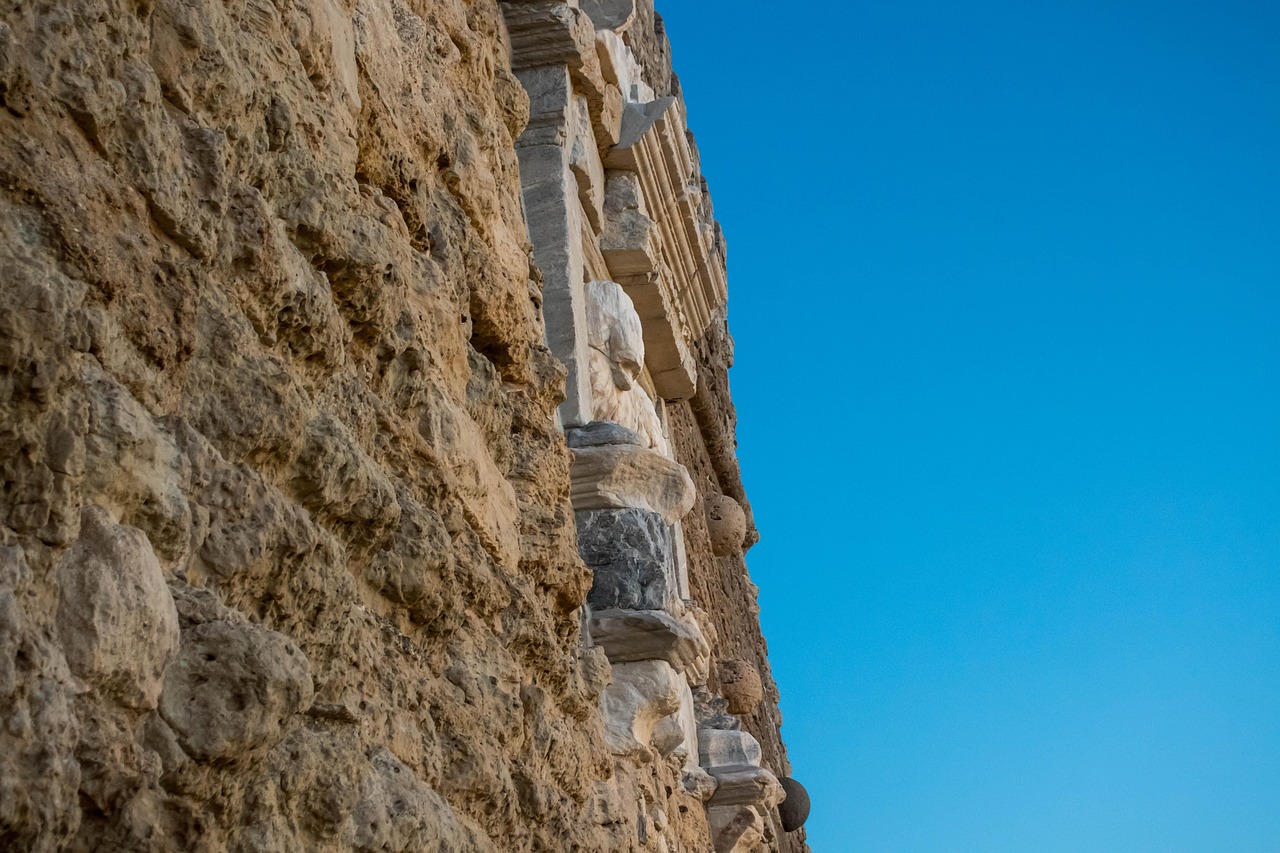
Why go: These massive fortifications encircle the old town and offer some of the best free viewpoints in the city.
My experience: I often use the walls as a jogging route in the morning when the city is quiet. In the evening, couples sit along the bastions sharing snacks and watching the skyline fade into blue.
18. Nikos Kazantzakis’ Tomb
Why go: A simple grave on the Martinengo Bastion of the Venetian Walls, with the inscription: “I hope for nothing. I fear nothing. I am free.”
Tip: Combine with a walk along the walls at sunset. Bring water – it’s exposed – and a light jacket if it’s windy.
19. Heraklion Open-Air Market (Saturday Market)
Why go: This is where the locals shop – for produce, cheese, herbs, clothing, even tools. It’s noisy, colorful, and real.
My experience: I usually come with a shopping list and leave with twice as much. My weakness: mountain thyme honey and graviera cheese. Vendors are chatty, and if you show interest, they often insist you taste before you buy.
20. Hidden Local Beaches (Palaiokastro, Pantanassa)
Why go: For a quieter swim away from the main strips. Palaiokastro, with its little fortress and pebbly cove, is one of my favorite after-work escapes.
Tip: You’ll need a car or scooter. Go early in high season to find parking and shade.
Best Local Food & Drink in Heraklion
Cretan cuisine is one of the healthiest and most flavorful in Greece. In Heraklion, you can eat very well without breaking the bank if you avoid the most touristy menus and follow locals.
Must-Try Local Dishes
- Dakos: Barley rusk topped with tomato, mizithra cheese, olive oil, and herbs.
- Gamopilafo: “Wedding pilaf” – rich rice cooked in meat broth, usually served with lamb.
- Antikristo: Lamb slowly roasted around an open fire (more common in mountain villages, but occasionally in city tavernas).
- Kalitsounia: Small pies, savory or sweet, often filled with local cheeses and herbs.
- Staka & stakovoutiro: Decadent dairy products – try them at least once.
- Fresh seafood: Grilled octopus, fried kalamari, whole grilled fish at harbor tavernas.
Where to Eat – Personal Favorites
(Names may change, but these represent the type of places I love; always check current reviews in 2026.)
- Old Town mezedopoleia: Small-plate tavernas tucked in alleys around the center, good for sharing multiple dishes and trying raki.
- Harbor-side fish tavernas: Slightly pricier but lovely for a romantic dinner with a sea view.
- Backstreet grill houses: Look for places filled with locals, TV on in the corner, and smoke from the grill – ideal for souvlaki and gyros on a budget.
How to Save Money on Food in Heraklion
- Eat your main meal at lunch; many tavernas have cheaper midday menus.
- Order shared dishes (meze) instead of individual mains.
- House wine in carafes is usually local and good value.
- Look for bakeries for breakfast and snacks – bougatsa, cheese pies, spinach pies.
Local Drinks
- Raki/tsikoudia: Clear grape spirit; often served free with dessert. Sip slowly.
- Cretan wines: Ask for local varieties – Vidiano, Thrapsathiri, Liatiko, Kotsifali.
- Greek coffee & freddo espresso/cappuccino: Coffee culture is huge; linger at cafés like a local.
Nightlife, Entertainment & Cultural Experiences
Heraklion’s nightlife is more local than polished: think lively bars, outdoor tables, and music that often carries into the early hours.
Where to Go Out
- Korai & Milatou streets: Packed with cafés and bars, especially busy with students.
- Lakkos district: More alternative, artsy bars with occasional live music.
- Harbor area: Cocktail bars with sea views – more romantic, also more expensive.
Cultural Experiences
- Live Cretan music (lyra, laouto): Ask locals for current venues – small tavernas often host live nights, especially Fridays and Saturdays.
- Theater & open-air cinema: Summer brings outdoor film screenings and performances on bastions or courtyards.
- Religious festivals: Easter and saints’ days often feature processions, fireworks, and communal meals.
One of my favorite memories is stumbling into a Cretan music night where a 70-year-old man out-danced everyone, slamming his boots in perfect rhythm as the lyra wailed. In Heraklion, age doesn’t keep people off the dance floor.
Day Trips & Nearby Attractions from Heraklion
If you have 4 or 5 days in Heraklion, use at least one day for a day trip. Here are a few favorites:
- Matala & South Coast: Hippie history, caves in the cliffs, and a laid-back vibe. About 1.5–2 hours by car/bus.
- Fodele Village: Lush valley, traditional village life, and a small museum claiming to be El Greco’s birthplace area.
- Zaros Lake & Rouvas Gorge: For hikers – a freshwater lake and trails into the Psiloritis mountain range.
- Knossos hinterland villages: Smaller, rarely visited villages with traditional kafenia and olive groves.
Transport tip: Buses cover many routes, but schedules can be sparse; renting a car for a day is often the most efficient way to explore multiple stops.
Local Customs & Cultural Etiquette in Heraklion
Understanding local customs will make your trip smoother and more meaningful. Cretans are warm but also proud and traditional in some respects.
Greetings & Behavior
- Use a friendly “Kalimera” (good morning) and “Kalispera” (good evening) when entering shops or cafés.
- Handshakes are common on first meeting; among friends, cheek kisses or hugs are frequent.
- Personal space is smaller than in some countries; animated conversation and gestures are normal.
In Taverns & Cafés
- It’s common to linger after a meal; no one will rush you to leave.
- Waitstaff may not immediately bring the bill; ask politely when you’re ready (“To logariasmó, parakaló”).
- Tips of 5–10% are appreciated but not strictly required; rounding up is common.
- Often, a small dessert or fruit and raki are offered “on the house” – it’s polite to at least taste them.
Religious Sites
- Dress modestly (shoulders and knees covered) when entering churches or monasteries.
- Speak quietly and avoid flash photography unless clearly allowed.
Driving & Social Norms
- Driving style can seem assertive; expect some improvisation but also courtesy if you show confidence and awareness.
- Smoking is technically banned indoors but still sometimes happens in smaller bars and cafés; enforcement is better than it used to be but not perfect.
Practical Travel Advice for Heraklion (2026–2027)
Getting Around Heraklion
- On foot: The old town and harbor are easily walkable. Streets are often cobbled; wear comfortable shoes.
- Public buses: KTEL buses connect Heraklion with villages and other Cretan cities; urban buses handle suburbs and airport. Tickets can be bought at kiosks or on board (slightly more expensive).
- Car rental: Ideal if you plan multiple day trips. Your foreign driver’s license is generally accepted; for non-EU licenses, an International Driving Permit is recommended.
- Taxis: Metered in the city; agree on approximate cost for longer trips in advance.
SIM Cards & Connectivity
- Greek providers (Cosmote, Vodafone, Nova) offer tourist SIMs with data packages; bring your passport to register.
- Coverage in Heraklion and main roads is good; in some mountain areas, expect weaker signals.
- Wi-Fi is widely available in hotels, cafés, and restaurants, though speeds vary.
Money & Costs
- Currency: Euro.
- ATMs: Plentiful in the center; avoid machines with high withdrawal fees (often branded, not bank-owned).
- Budget tips: Stay slightly outside the very center, eat at local tavernas instead of waterfront tourist spots, use buses when possible.
Visa Requirements (2026)
- Greece is part of the Schengen Area. Many travelers (EU, UK post-Brexit with ETIAS, US, Canada, Australia, etc.) can enter visa-free for short stays; rules are evolving with ETIAS implementation, so check official sources before travel.
- Ensure your passport is valid for at least 3–6 months beyond your planned departure and has blank pages.
Driving & Foreign Licenses
- EU/EEA licenses are accepted without issue.
- Non-EU travelers are strongly advised to carry an International Driving Permit along with their home license.
- Drive on the right; seat belts mandatory; speed limits are enforced with speed cameras along major roads.
Best Seasons & Weather
- Spring (April–early June): My favorite time – wildflowers, mild temperatures, fewer crowds, ideal for hiking and sightseeing.
- Summer (late June–August): Hot, busy, and vibrant. Best for beaches and nightlife, but plan early starts for Knossos and city walks.
- Autumn (September–October): Sea still warm, crowds thinning, perfect balance of beach and cultural experiences.
- Winter (November–March): Quieter, some hotels and tourist services close, but city life continues. Great for budget travelers and those more interested in museums and local life than beaches.
Hidden Savings Tips
- Use local bakeries for breakfast and snacks instead of hotel buffets.
- Take advantage of free attractions: Venetian Walls, Kazantzakis’ tomb, churches, markets, and self-guided old town walks.
- Consider staying in a self-catering apartment to cook a few meals with fresh market produce.
Major Events & Festivals in Heraklion (2026–2027)
Heraklion’s events calendar changes slightly each year, but some patterns are consistent. In 2026–2027, expect:
- Heraklion Summer Arts Festival (June–September): Open-air concerts, theater, dance, and film screenings, often on bastions or in courtyards.
- Wine & Gastronomy Festivals (late summer/early autumn): Showcasing Cretan products – cheeses, wines, olive oil, honey.
- Religious Festivals: Easter (movable), Assumption of Mary (15 August), and Saint Titus Day (August) bring processions, special church services, and often fireworks.
- Marathons & sports events: Occasional city runs and cycling events around the Venetian Walls and coastal roads.
Before your trip in 2026–2027, check Heraklion municipality’s official website or local tourism boards for up-to-date event calendars; often, some of the best cultural experiences in Heraklion are tied to these festivals.
Summary & Final Recommendations
Heraklion is not the prettiest city at first glance, but it’s one of the most rewarding if you give it time. With 3 days in Heraklion, you can cover the must-see attractions: Knossos, the Archaeological Museum, the harbor, and a taste of local food. With 4 days in Heraklion, you add coast and countryside. With a full 5 day itinerary for Heraklion, you can sink into the city’s rhythms, discover hidden gems, and connect with locals.
Key takeaways:
- Plan early-morning visits for major sights like Knossos, especially in summer.
- Balance history with sea time and village excursions for a richer experience.
- Eat like a local – seek tavernas away from main tourist strips and trust daily specials.
- Use the Venetian Walls and harbor as your “reset” points – for walks, sunsets, and quiet reflection.
- Spring and autumn are the best all-around seasons; summer is perfect if your focus is beaches and nightlife, winter for culture and budget travel.
Heraklion rewards curiosity. Talk to the baker, ask your waiter where they eat on their day off, let yourself get lost in backstreets, and say yes to that unexpected glass of raki. The city will open up in ways no guidebook can fully capture – and you might, like me, find yourself returning year after year.