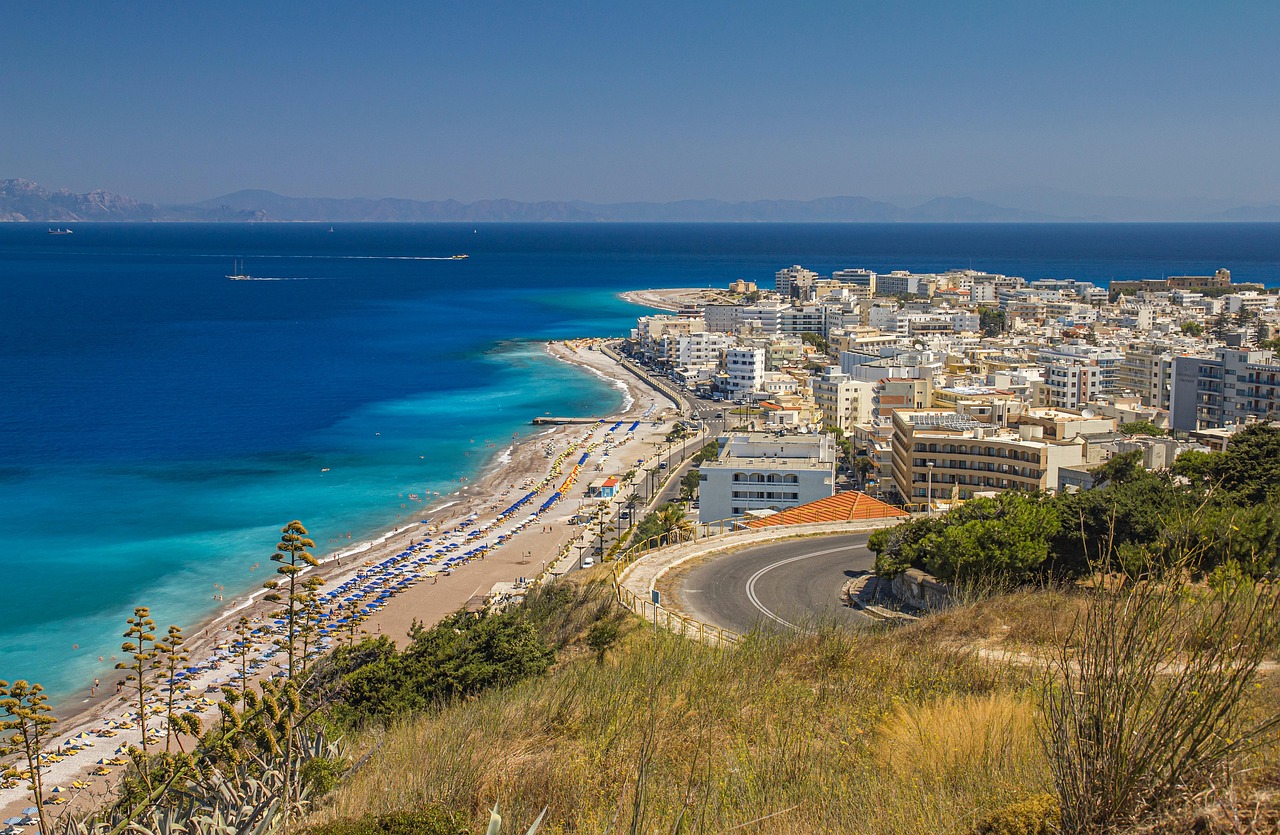
Why Visit Rhodes in 2026
Rhodes is one of those places that gets under your skin. I still remember my first arrival back in 2011 – the medieval walls of Rhodes Old Town glowing gold at sunset while ferries slid silently into Mandraki Harbor. I’ve returned almost every year since, in every season, and this island keeps revealing new layers.
What makes Rhodes special isn’t just its headline attractions – the UNESCO-listed Old Town, the beaches, the Acropolis of Lindos – but the way ancient history, everyday Greek life, and slow island time coexist. You can spend the morning wandering cobbled crusader streets, the afternoon floating in turquoise water, and the evening eating grilled octopus at a family-run taverna where the owner still remembers your order from two summers ago.
In 2026, Rhodes is particularly exciting. Post-pandemic tourism has stabilized, but it hasn’t gone back to the “overwhelmed” feeling of the late 2010s. New boutique hotels have opened inside restored medieval mansions, a few ambitious restaurants are quietly elevating local cuisine, and cultural festivals are expanding their programs. Yet you can still find sleepy villages where time seems frozen in the 1970s and beaches where goats outnumber people.
This travel guide for Rhodes is written as if I’m planning your trip the way I plan my own: slow, immersive, and full of small details – where to stand for the best sunset, which bus to catch, how to order coffee like a local, and how to stretch your budget without missing out.
Table of Contents
- Why Visit Rhodes
- Quick Overview of Rhodes
- 20 Must-See Attractions in Rhodes (With Local Insights)
- Suggested Itineraries: 3, 4, and 5 Days in Rhodes
- Neighborhoods & Areas to Explore
- Local Food in Rhodes & Where to Eat
- Nightlife, Entertainment & Cultural Experiences
- Day Trips & Nearby Islands
- Cultural Etiquette & Local Customs
- Practical Travel Tips for Rhodes (2026–2027)
- Summary & Best Time to Visit
Rhodes at a Glance
Rhodes is the largest of the Dodecanese islands in the southeastern Aegean Sea, closer to Turkey than to Athens. It’s famous for the Colossus of Rhodes (one of the Seven Wonders of the Ancient World, long gone but not forgotten), its remarkably preserved medieval Old Town, and its diverse coastline – from sandy family-friendly beaches to rocky coves perfect for snorkeling.
- Best for: Couples, history lovers, families, sun-seekers, foodies, and soft-adventure travelers.
- Ideal trip length: 4–5 days for highlights, 7–10 days to slow down and explore villages and smaller beaches.
- Peak season: June–September (busiest in July–August).
- Shoulder gems: May, early June, late September, and October – still warm, fewer crowds.
In 2026–2027, Rhodes will host expanded cultural events at the Palace of the Grand Master, the annual Medieval Rose Festival, and several music and food festivals in Lindos and Faliraki. I’ll flag specific dates and tips later in the guide.
20 Must-See Attractions in Rhodes (With Personal Notes)
These are the core “things to do in Rhodes” that I keep returning to. I’ll start with the most iconic and gradually move toward quieter, more local spots. For each, I’ll share history, what it feels like to be there, and practical tips.
1. Rhodes Old Town (UNESCO Medieval City)
Rhodes Old Town is where I always begin and end my trips. Enclosed by 4 km of massive stone walls and gates, it’s one of the best-preserved medieval cities in Europe – but it’s also a living neighborhood where kids ride bikes over ancient cobbles and grandmothers gossip under Ottoman-era balconies.
The Old Town’s layout reflects layers of history: the Knights of St. John, the Ottomans, the Italians. You’ll walk from a Gothic hospital to a mosque to a 1930s Italianate arcade in a few minutes. In 2026, restoration work continues on parts of the walls, but access to major streets and sights remains open.
What I love doing here: I like entering through Gate d’Amboise early in the morning before cruise ship passengers arrive. The shadows are long, the air smells faintly of jasmine and sea salt, and the stone of Street of the Knights is still cool underfoot. I usually grab a Greek coffee at a tiny café near Socratous Street and just watch the town wake up.
Don’t miss:
- Street of the Knights: The power avenue of the Knights of St. John, lined with “inns” of different Langues (languages). Walk it slowly uphill – it feels like a movie set, especially at dusk.
- Sokratous Street: Yes, it’s touristy, but wander the side alleys to find quieter shops and courtyards.
- Renaissance and Ottoman details: Arched doorways, Arabic inscriptions, wooden balconies – bring your camera and zoom in.
Family-friendly? Absolutely – kids love the “castle” feel. Just watch for uneven stones and steps.
Romantic? Extremely. Come after 21:00 when the crowds thin, the stones are warm, and lanterns glow.
Getting there: If you’re staying in the New Town or near Elli Beach, it’s a 10–20 minute walk. Buses from other parts of the island stop at the central station just outside the walls.
2. Palace of the Grand Master of the Knights of Rhodes
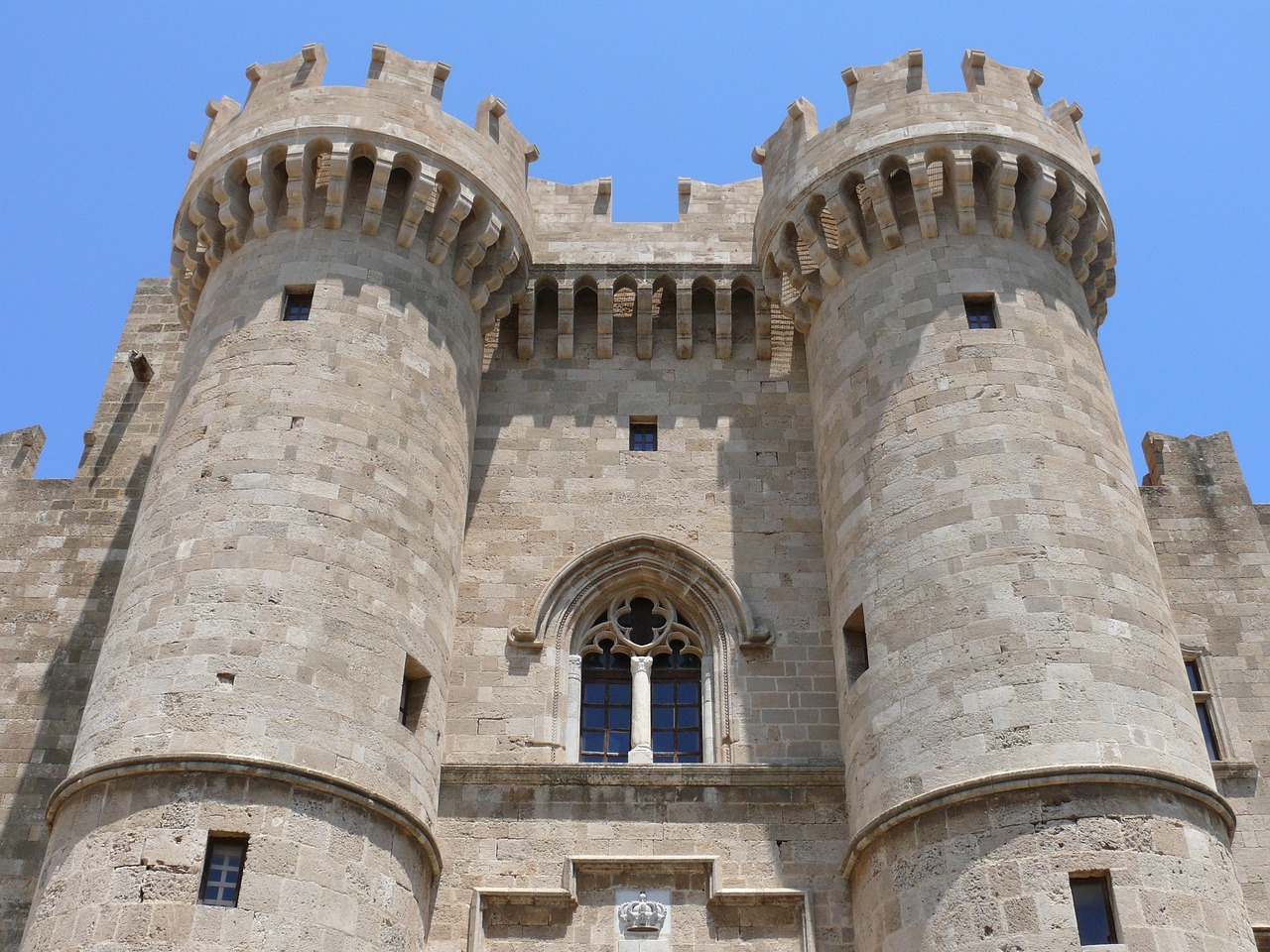
This imposing palace, reconstructed by the Italians in the early 20th century on the site of the original 14th-century fortress, dominates the highest point of the Old Town. It’s part museum, part time machine.
On my most recent visit in 2025, I went first thing in the morning. The tour groups hadn’t arrived yet, and wandering the echoing halls with only a few other visitors felt surreal. Sunbeams cut through high windows, catching dust in the air above mosaic floors imported from Kos.
Inside highlights:
- Mosaic floors: Ancient Roman and Hellenistic mosaics depicting mythological scenes – one of the most impressive collections in the Dodecanese.
- Reception halls: High-ceilinged rooms where the Grand Master received emissaries. I always try to imagine the mix of languages and politics that once filled these spaces.
- Byzantine and medieval exhibits: Rotating collections, including icons, armor, and everyday artifacts.
2026 events: The Palace will again host parts of the Medieval Rose Festival (usually late May–early June) with reenactments, music, and night openings. Check local listings a few weeks before your trip – evening events here are magical.
Tips:
- Arrive when it opens (often 08:00) to avoid heat and crowds.
- Wear something with sleeves if you plan to continue to nearby churches afterward.
- Buy a combined ticket that also covers the Archaeological Museum – better value.
3. Archaeological Museum of Rhodes
Housed in the former Hospital of the Knights, this museum is worth a visit even if you’re “not a museum person.” The building itself – with its arcaded courtyard, carved coats of arms, and peaceful garden – is one of my favorite spots to escape the midday sun.
Every time I come, I end up lingering in the courtyard, listening to the splash of the fountain and the distant murmur of the Old Town. Inside, you’ll find artifacts from ancient Rhodes and nearby islands: statues, funerary steles, pottery, jewelry.
Don’t miss:
- The Aphrodite of Rhodes: A Hellenistic statue that has become something of a symbol of the museum.
- Funerary stele inscriptions: Even if you don’t read ancient Greek, the carved figures are moving.
- Upper floors: Many visitors skip them, but they offer great views of the courtyard and interesting small finds.
Practical tip: Combine this with the Palace in the same morning. The air-conditioned rooms are a blessing on hot days.
4. Mandraki Harbor & the Colossus Site
Mandraki is the postcard-perfect harbor at the edge of the New Town, where the legendary Colossus of Rhodes is believed to have once stood. Today, deer statues (Elafos and Elafina) mark the entrance, and yachts bob where warships once anchored.
I love walking the length of the harbor in the late afternoon. On one side you have sleek boats and colorful fishing vessels; on the other, the iconic trio of medieval windmills and the Fort of St. Nicholas at the tip.
Best experiences:
- Sunset stroll: Start at the Evangelismos Church and walk out to the fort and back as the sky turns pink. It’s one of the most romantic walks on the island.
- Boat trips: Many day cruises depart from here – to Lindos, Symi, and nearby bays. If you’re on a budget, compare prices at several kiosks; last-minute deals are common in shoulder season.
- Photography: Come early for reflections of the deer statues and windmills in calm water.
Family-friendly? Yes – kids enjoy the boats and feeding fish from the harbor wall. Just keep a close eye; there are no railings in some sections.
5. Elli Beach (City Beach of Rhodes Town)
Elli Beach curls around the northeastern tip of Rhodes Town, where the Aegean and Mediterranean seas meet. It’s a classic city beach: pebbly, lively, lined with sunbeds, beach bars, and 1960s hotels with retro charm.
When I stay in Rhodes Town, I often start my day here with a quick swim before breakfast. The water is incredibly clear, and early in the morning you’ll share it mostly with locals doing their daily laps.
What to expect:
- Facilities: Sunbeds and umbrellas (paid), showers, changing cabins, beach bars, and restaurants across the road.
- Water: Quickly gets deep – great for strong swimmers, less ideal for tiny kids who prefer shallow sand.
- Atmosphere: Social and busy in summer, especially around the iconic diving platform.
Tip: For a quieter swim, walk further toward the northern tip or come after 18:00 when many people pack up.
6. Acropolis of Rhodes & Monte Smith Hill
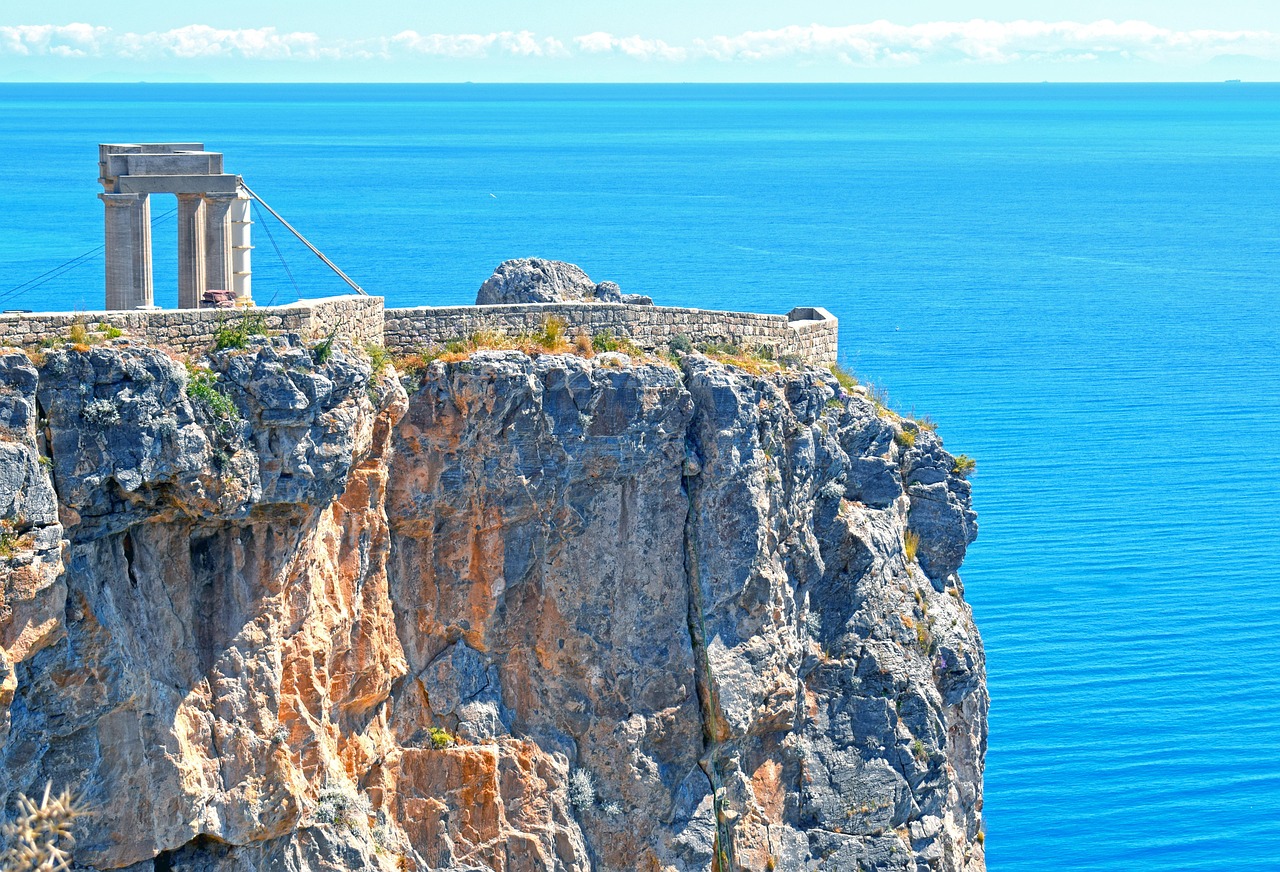
Perched on Monte Smith above the New Town, the Acropolis of Rhodes is more about atmosphere and views than perfectly intact ruins. You’ll find the remains of a temple to Apollo, a small theater, and an ancient stadium, with the modern city and sea spread out below.
My ritual is to come here around golden hour. I climb the steps of the theater, sit on the stone seats, and watch the sun slide toward the horizon. On my last visit, a group of local teenagers practiced a dance routine on the stage, their music echoing in the warm air. It felt wonderfully alive.
Highlights:
- Ancient stadium: You can actually walk on the track; it’s a fun photo-op for runners.
- Sunset views: Some of the best over Rhodes Town and the sea.
- Free entry: The site is open and unfenced, which makes it perfect for spontaneous visits.
Romantic? Very – especially at sunset with a picnic (take your trash with you).
Getting there: About 30–40 minutes’ walk uphill from Elli Beach, or a short taxi/bus ride. In summer heat, I recommend a taxi up and walking down.
7. Lindos Village
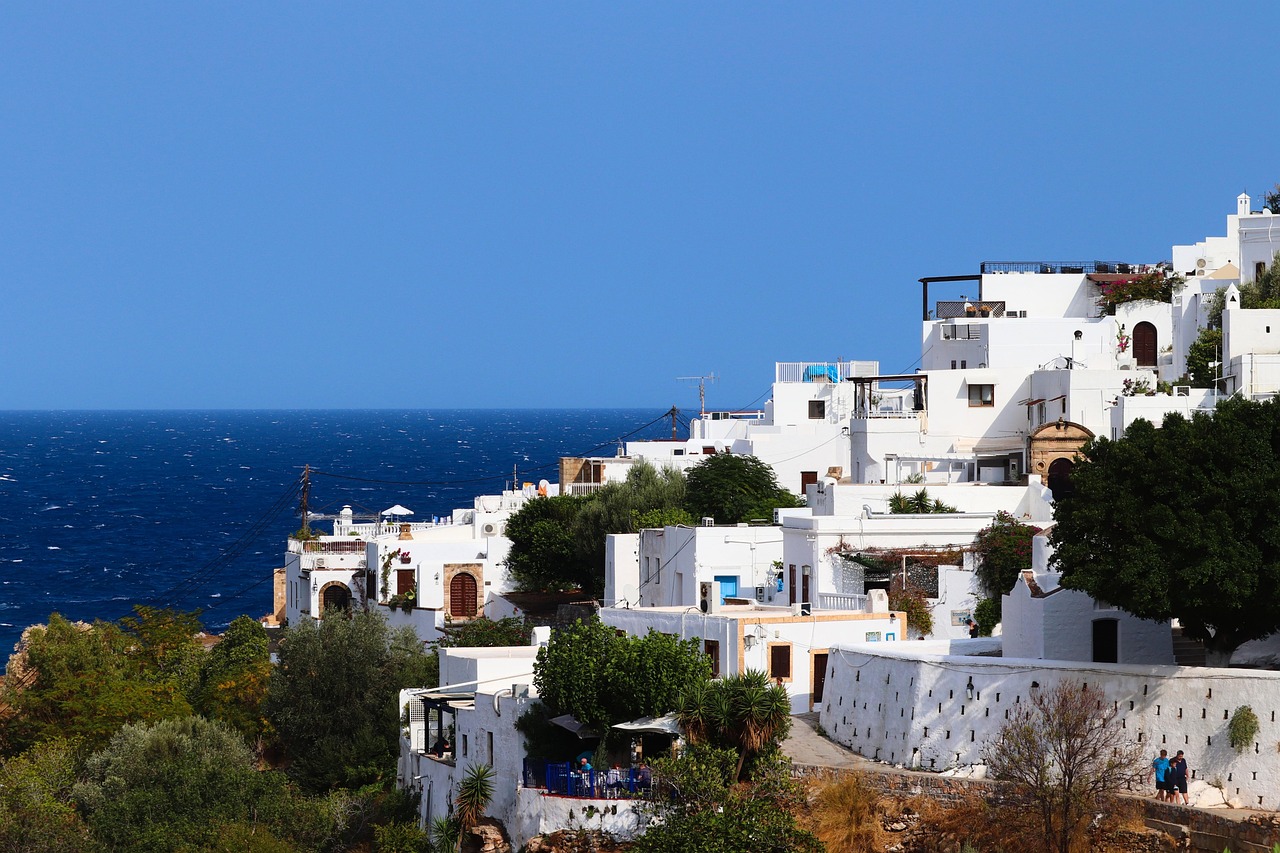
Lindos is the whitewashed dream of Rhodes: a tangle of tiny streets, sugar-cube houses, rooftop bars, and bougainvillea, all huddled beneath a dramatic clifftop acropolis. It’s busy and no longer a “secret,” but it’s still impossibly beautiful.
My relationship with Lindos is complicated in the best way. The first time I came (in high season), I hated the crowds. On later trips, I learned its rhythms. My advice: stay overnight if you can. Once the day-trippers leave, Lindos becomes another place entirely – soft, candlelit, intimate.
Best experiences:
- Getting lost in the alleys: The “streets” are more like corridors, with high white walls and carved doorways. Peek into courtyards but respect privacy.
- Rooftop dinner: Many tavernas have rooftop terraces with acropolis views. Reserve ahead for sunset in July–August.
- Early morning wander: Before 09:00, when shops are just opening and cats rule the streets.
Tip: Wear non-slip sandals; the polished stone streets can be slick.
8. Acropolis of Lindos
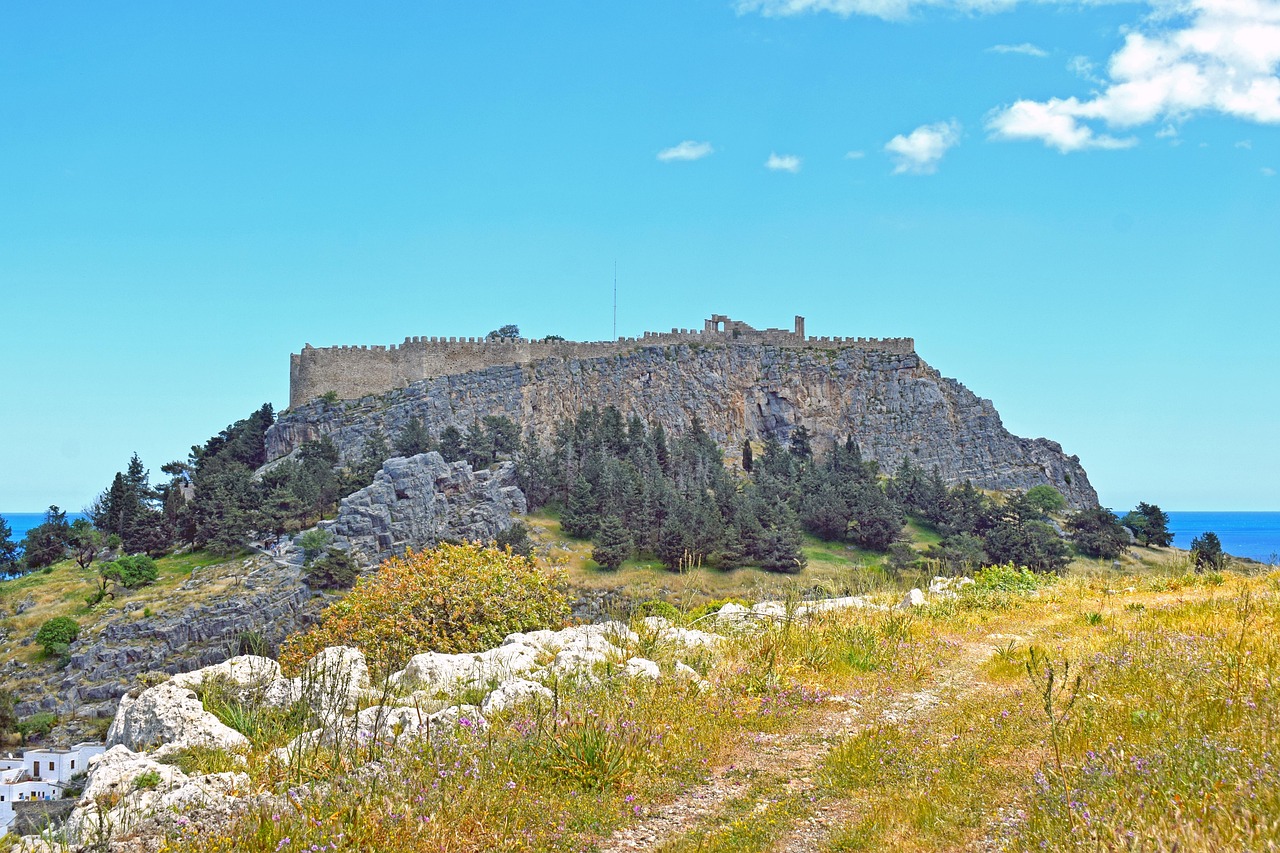
The Acropolis of Lindos is one of Greece’s most photogenic archaeological sites. The ruins of a temple to Athena Lindia perch on a cliff surrounded by sea, reached by a steep climb through medieval fortifications.
On my last visit, I started the climb at 07:45, just as the ticket booth opened. The air was still, cicadas were silent, and the only sound was my own footsteps and the distant splash of waves in St. Paul’s Bay below. Up top, I had the place nearly to myself for 20 minutes – a rare gift in high season.
What you’ll see:
- Hellenistic stoa and temple remains: Columns and foundations with sweeping views.
- Byzantine chapel: Layered history in one compact space.
- 360° views: Over Lindos, the main beach, and heart-shaped St. Paul’s Bay.
Important tips:
- Go early (before 09:00) or late afternoon to avoid heat and crowds.
- Wear sturdy shoes; there are many steps and some uneven surfaces.
- Bring water; there’s none at the top.
9. St. Paul’s Bay, Lindos
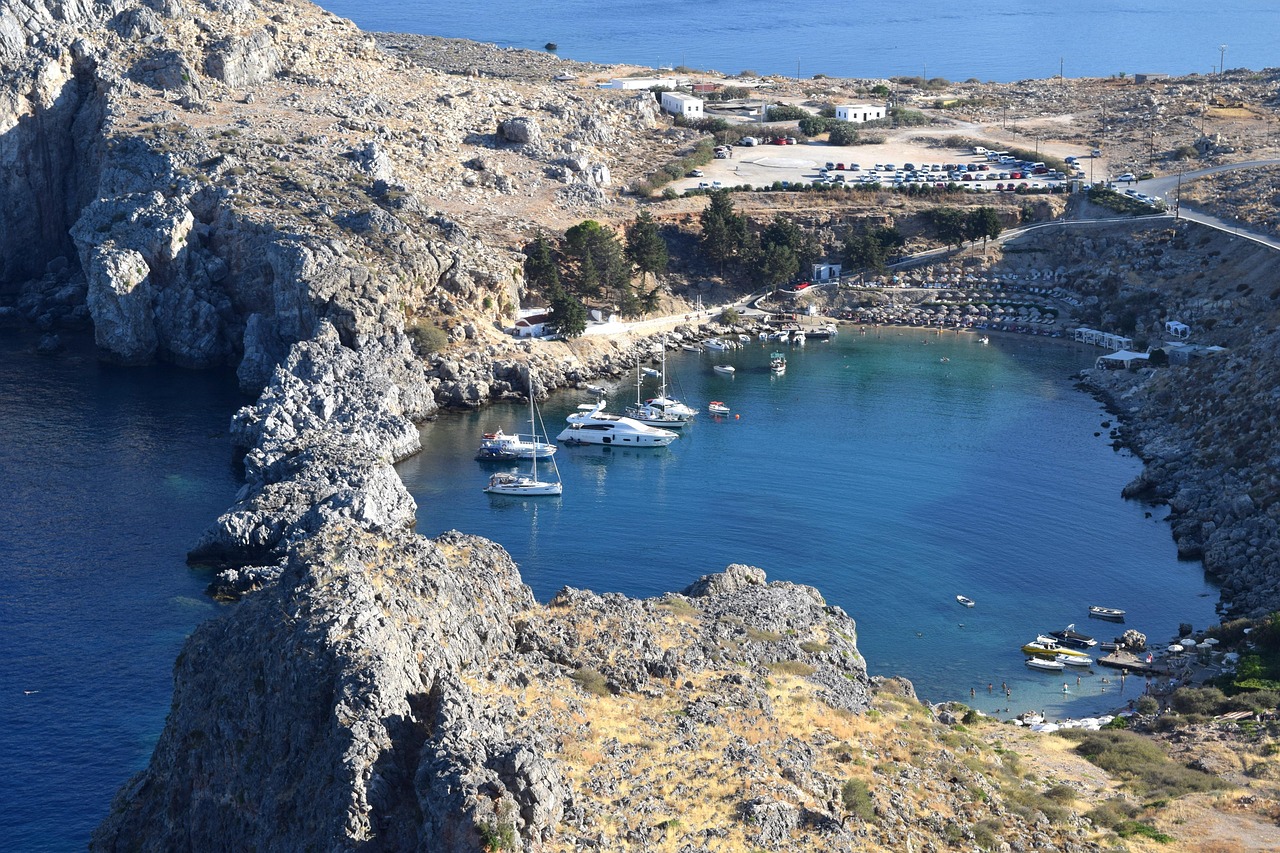
Just behind Lindos village, St. Paul’s Bay is a small, protected cove that looks almost unreal – turquoise water, rocky cliffs, a tiny white chapel, and clear views of the acropolis above. Locals say St. Paul was shipwrecked here; whether that’s true or not, it’s certainly a place to linger.
When I stay in Lindos, this is my morning swim spot. I like to come before 09:00, when the water is glassy and still. During the day, the two small beaches (one sandier, one more pebbly) fill up with sunbeds and boats.
Who it’s for:
- Couples: Very romantic – weddings often happen at the chapel.
- Families: Calm, protected water is great for kids, though space is limited in peak season.
- Snorkelers: Rocky edges harbor small fish; bring your mask.
Tip: Sunbeds here are pricier than larger beaches. If you’re on a budget, bring a towel and sit on the rocks (wear water shoes).
10. Tsambika Beach
Tsambika is one of the best sandy beaches in Rhodes – a long, wide arc of golden sand with shallow, clear water and a fairly relaxed vibe despite its popularity. Above it, perched on a steep hill, is the monastery of Tsambika with panoramic views.
I still remember my first time climbing to the monastery in the late afternoon. Locals told me there were “about 300 steps.” There are more, and they’re steep, but the view from the top is worth every one. On the way down, I rewarded myself with a long swim and a simple lunch of souvlaki and Greek salad at a beachfront taverna.
Beach overview:
- Facilities: Sunbeds, umbrellas, showers, changing cabins, several tavernas, watersports (jet skis, banana boats).
- Families: Great for kids – soft sand and gentle entry into the water.
- Atmosphere: Lively but not party-heavy. You can walk to the far ends for more space.
Getting there: About 30 km south of Rhodes Town. Buses stop on the main road; from there it’s a 15–20 minute walk down to the beach. With a rental car, parking is straightforward.
11. Monastery of Tsambika
The small monastery of Tsambika sits on a hill above the beach, dedicated to the Virgin Mary. It’s especially famous among locals for fertility blessings, and many couples come here to light candles and pray.
I’ve climbed up in different seasons: once in sweltering July, once in breezy October. October was far kinder. Along the way, small landings offer benches and expanding views over the coast. At the top, the white chapel contrasts starkly with the blue sea and sky.
Tips:
- Wear proper footwear – 300+ steep steps.
- Bring water; there’s a small kiosk sometimes open near the parking but not guaranteed.
- Cover shoulders if entering the chapel; be respectful of locals praying.
12. Valley of the Butterflies (Petaloudes)
From June to early September, the Valley of the Butterflies fills with thousands of Jersey tiger moths (often called butterflies by locals). Even outside peak season, it’s a lovely, shaded gorge with a stream, wooden bridges, and lots of greenery – a cool escape from the coastal heat.
On my first summer visit, I remember stepping onto a wooden bridge and suddenly realizing all the “bark” around me was alive. When startled, the moths burst into the air in a cloud of orange and black. It’s beautiful, but also a reminder to move quietly.
Important etiquette:
- Do not clap, shout, or try to make the moths fly – it exhausts them.
- Stay on marked paths to protect the habitat.
- Visit early or late to avoid bus tour crowds.
Family-friendly? Yes – kids love the bridges and spotting butterflies. Just keep an eye on small children near water and steep edges.
13. Ancient Kamiros
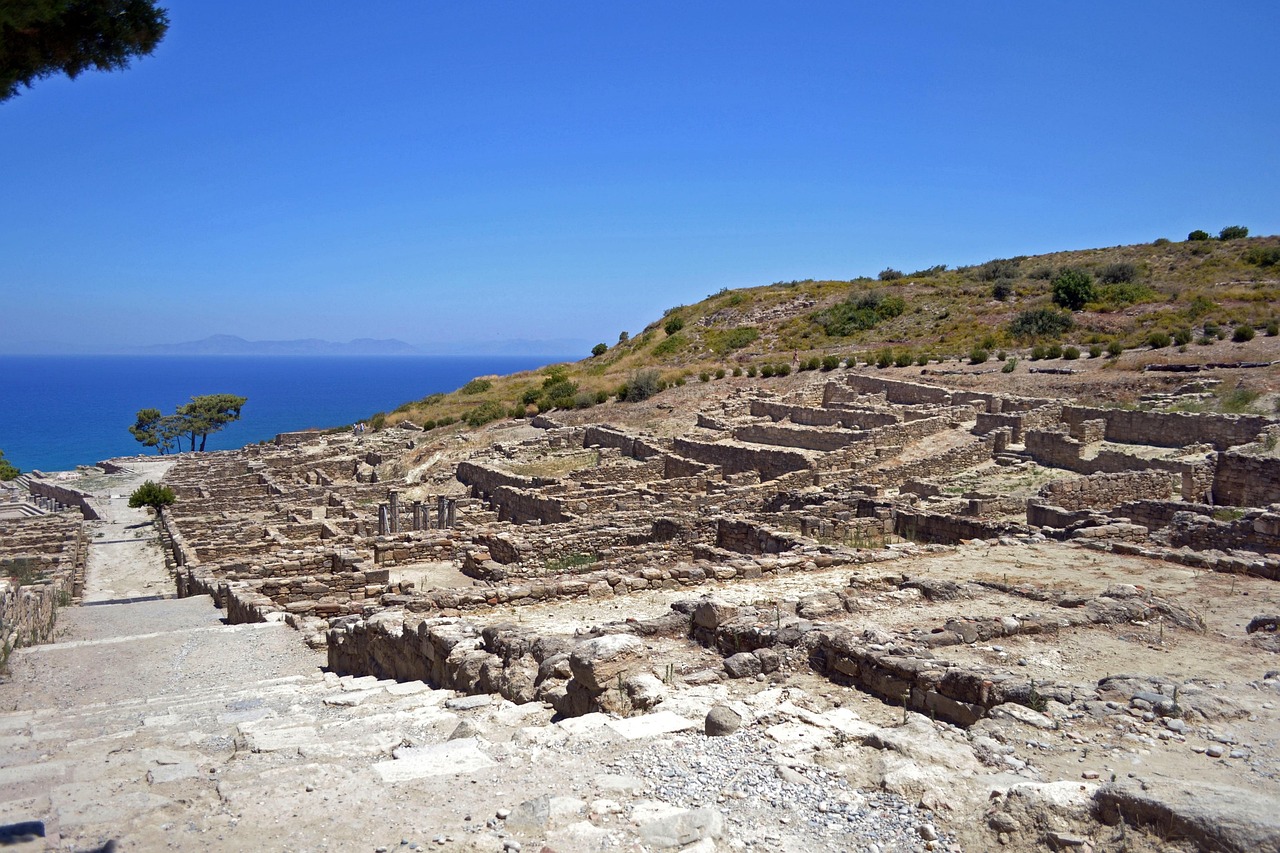
Kamiros is the quiet, contemplative side of Rhodes’ history. Unlike the more theatrical Lindos, Ancient Kamiros is a hillside grid of ruins: houses, streets, cisterns, and temples from one of the island’s three original city-states (with Lindos and Ialysos).
I like to visit Kamiros in the late afternoon, when the light softens and the site empties out. Standing at the top, looking down over the city plan and out to sea, you can almost feel the hum of daily life that once filled this place.
Who will enjoy it:
- History lovers who like to imagine past lives from stones and layouts.
- Photographers – the combination of ruins and sea is striking.
- Travelers seeking a quieter, less touristed site.
Tip: Bring water and a hat – there’s little shade. Combine with a swim at a nearby west coast beach.
14. Prasonisi (Where Two Seas Meet)
At the very southern tip of Rhodes, Prasonisi is a sandy cape where the Aegean and Mediterranean meet. In summer, a sandbar appears, connecting the mainland to a small island and creating two distinct beaches – one usually windy with waves, the other calmer.
I’ve been here in both July and October, and it felt like two different worlds. In July, the place buzzed with windsurfers and kites; colorful sails danced against the blue sky. In October, the sandbar was narrower, the wind gentler, and the whole area felt remote and wild.
Best for:
- Windsurfers and kitesurfers – one of the top spots in Greece.
- Adventurous travelers who like off-the-beaten-path drives.
- Sunset chasers – the light here can be spectacular.
Practical notes: You’ll need a car or motorbike to get here (about 90 km from Rhodes Town). Bring snacks, water, and sun protection; services are limited and seasonal.
15. Seven Springs (Epta Piges)
Seven Springs is a green oasis inland, where seven small springs feed a stream that flows through a narrow tunnel to a man-made lake. It’s cooler here than on the coast, making it a popular midday escape.
The first time I walked through the tunnel (barefoot, because the water runs ankle-deep), I felt like a child again – a bit spooked, a bit thrilled. The tunnel is narrow and dark, so if you’re claustrophobic, you can follow the trail above instead.
What to do:
- Walk through the water tunnel (or hike above it).
- Have a long lunch at the shady taverna, listening to the water and cicadas.
- Let kids explore the short forest paths and bridges.
Tip: It can get crowded in high season. Come early or later in the afternoon if you prefer it quieter.
16. Faliraki Beach & Bay
Faliraki has a reputation as a party spot from the early 2000s, but in 2026 it has mellowed into a mostly family-friendly resort area, with a long sandy beach, shallow waters, and tons of facilities.
I tend to avoid the busiest central strip, but I’ve stayed in quieter parts on the edges and used Faliraki as a budget base. If you want easy beach access, lots of restaurant options, and good bus connections without staying in Rhodes Town, Faliraki can work very well.
Who it suits:
- Families who want big, sandy, shallow beaches and waterparks.
- Budget travelers – lots of affordable accommodation.
- Night owls – there are still bars and clubs, though more contained now.
17. Anthony Quinn Bay
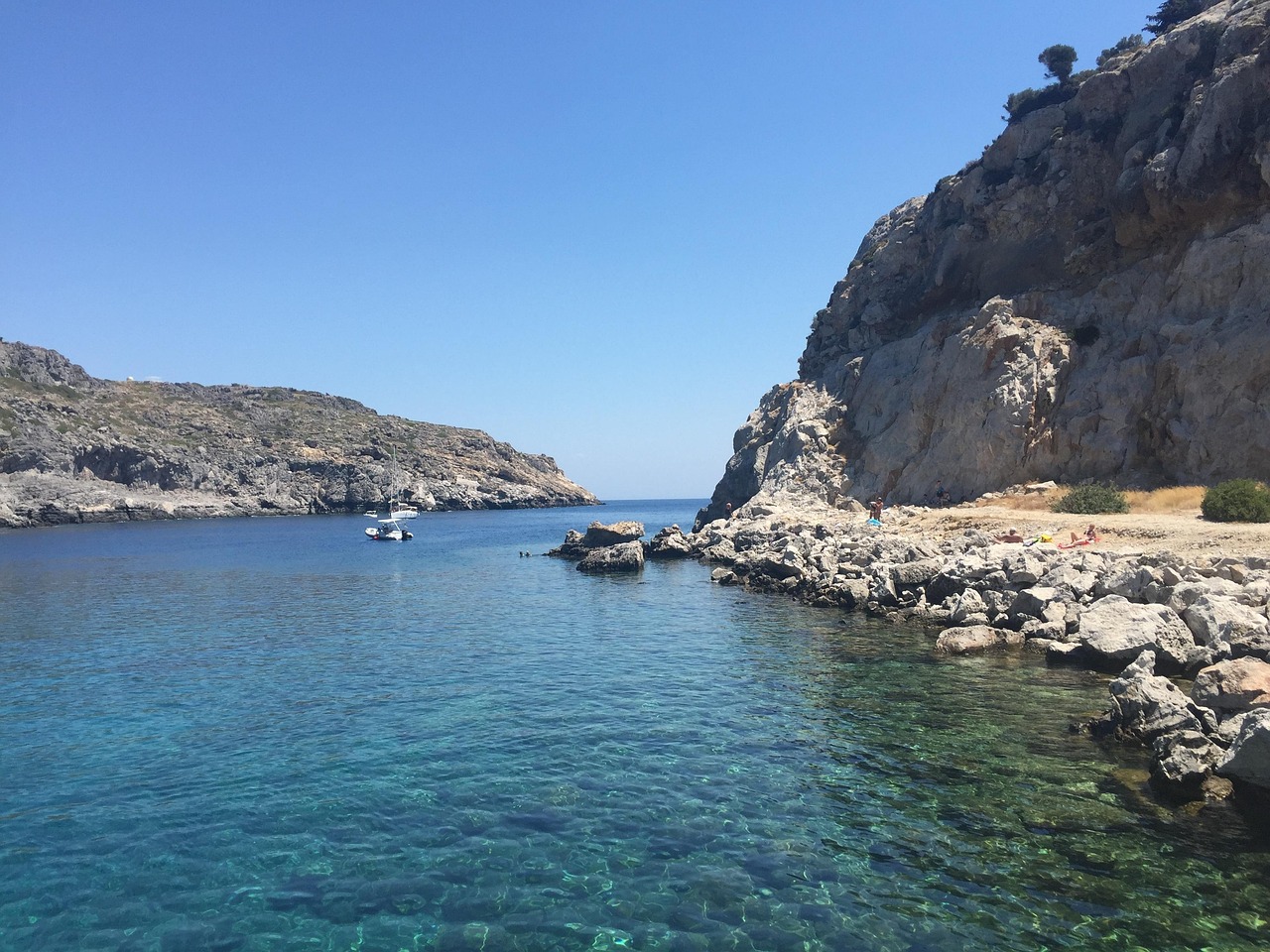
Anthony Quinn Bay, named after the actor who filmed “The Guns of Navarone” here, is a small rocky cove with emerald water and excellent snorkeling. It’s one of my personal favorite swimming spots on the island.
I like to come in the late afternoon once the boat excursions have left. The rocks glow warm, the water is still, and you can float over underwater rock formations watching small fish dart around. There’s a small beach with sunbeds, but space is limited in July–August.
Tips:
- Bring water shoes; the entry is rocky.
- Arrive early or later in the day to avoid crowds.
- Combine with nearby Ladiko Bay and Afandou Beach for a full beach-hopping day.
18. Monolithos Castle
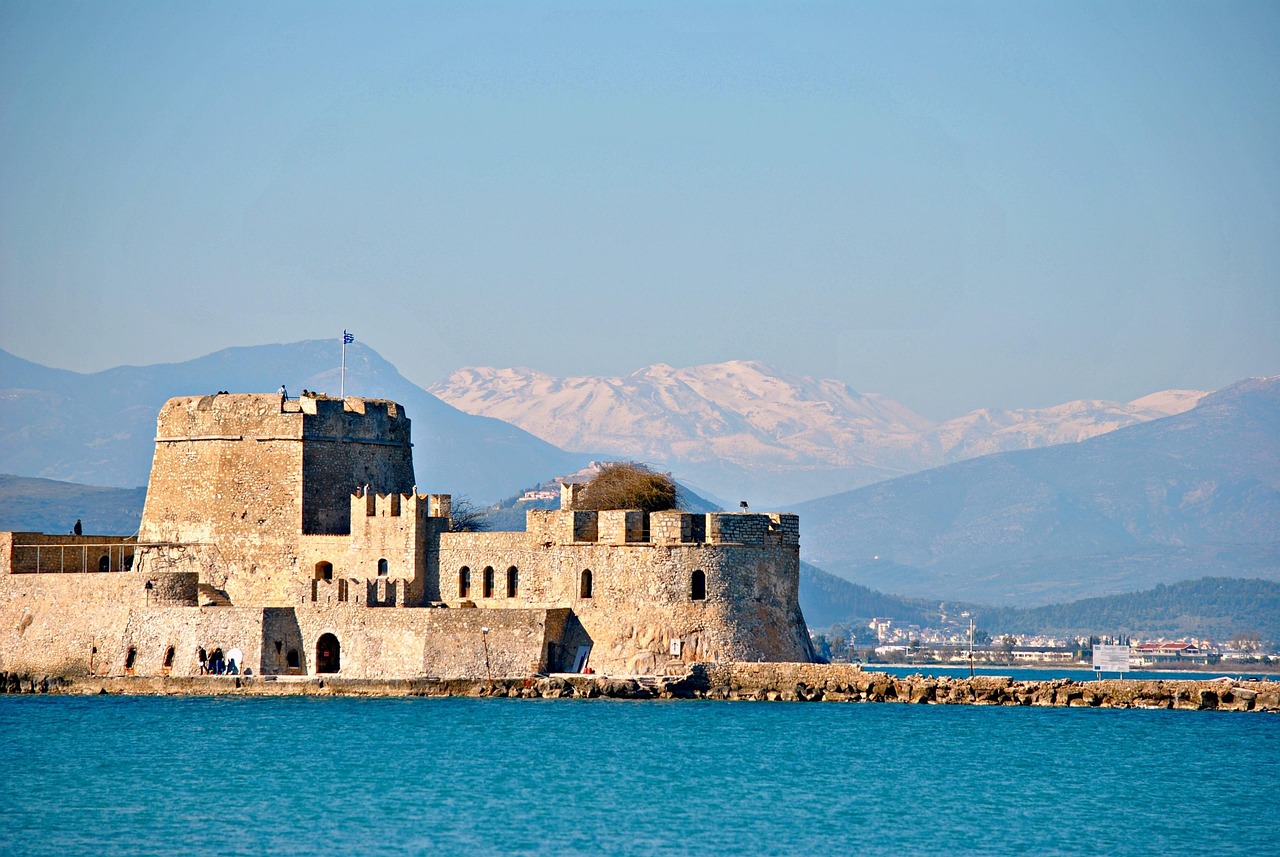
On the wild west coast, the ruins of Monolithos Castle cling to a massive rock above the sea. The drive to get there winds through pine forests and small villages; the reward is one of the most dramatic viewpoints on the island.
I’ve been here at midday and at sunset; sunset wins by a mile. The castle itself is mostly walls and a small chapel, but the panorama – over the sea and tiny islets – is breathtaking. On a clear day, you can see all the way to the islands off the Turkish coast.
Who it’s for:
- Photographers and sunset lovers.
- Travelers with a car who enjoy scenic drives.
- Those seeking quieter, less commercialized spots.
Note: There are steps and uneven paths; wear good shoes and avoid in strong wind if you’re uncomfortable with heights.
19. Kallithea Springs
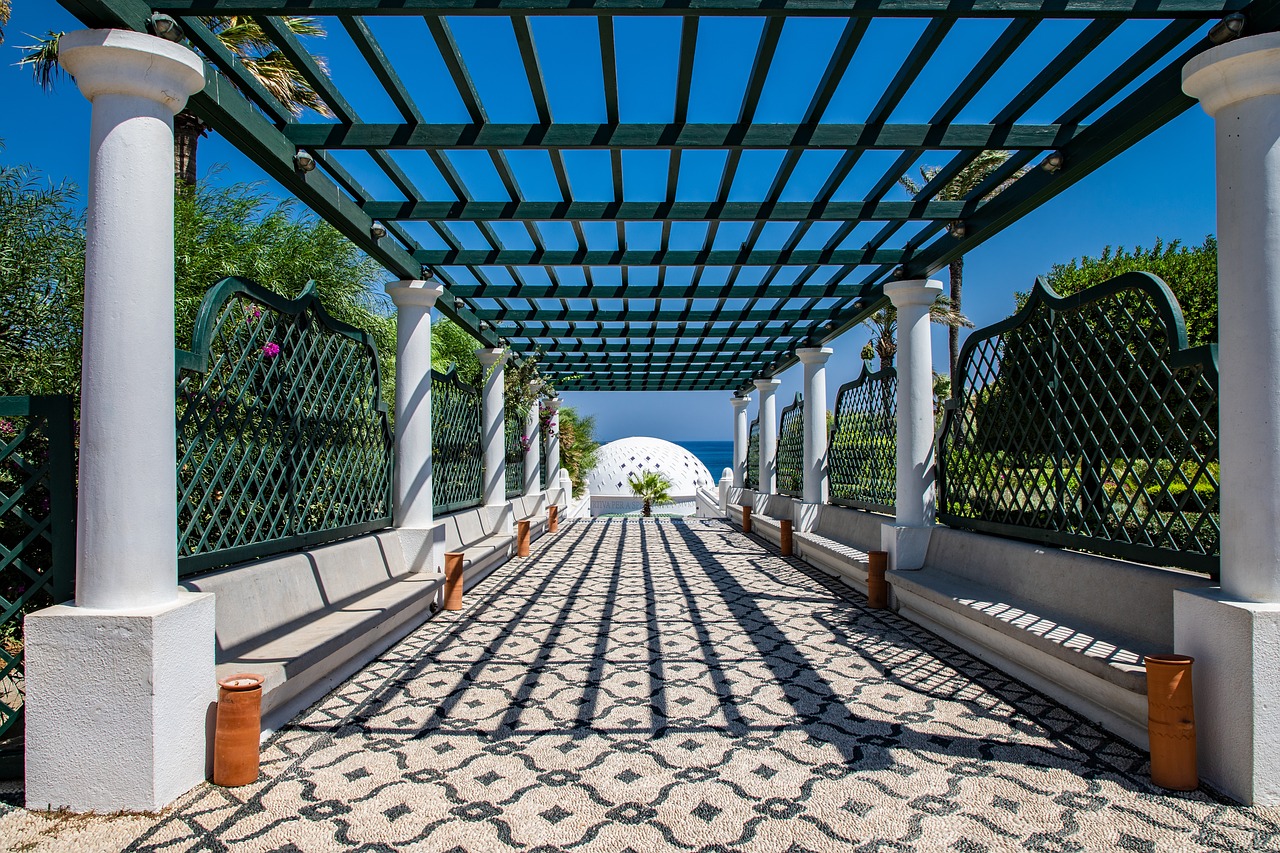
Kallithea Springs is a restored 1920s spa complex built by the Italians, with Moorish-style domes, tiled walkways, and a small bay perfect for swimming. It’s one of the island’s architectural highlights and a favorite wedding venue.
The first time I visited, I was surprised how peaceful it felt despite being close to Rhodes Town. I spent an entire afternoon drifting between the sea, the shaded colonnades, and the café under the trees. The domes and arches are incredibly photogenic.
Good for:
- Couples – very romantic atmosphere.
- Architecture lovers – unique mix of styles.
- Anyone looking for a relaxed swim with nice facilities.
Tip: There’s a small entrance fee. Come mid-morning and stay for lunch at the on-site café or walk to nearby coves.
20. Rodini Park
Rodini Park, just outside Rhodes Town, bills itself as one of the oldest landscaped parks in the world. Whether that’s strictly true or not, it’s certainly a leafy, shaded escape, with streams, small bridges, peacocks, and often very few people.
On hot days, I like to pick up a takeaway pita gyros and bring it here for a quiet lunch under the trees. The sound of the stream and peacocks calling in the distance feels worlds away from the busy harbor.
Family-friendly? Definitely – lots of space for kids to run around, shaded paths, and birds to spot.
Tip: Combine with a visit to the Acropolis of Rhodes, as they’re in the same general area.
Suggested Itineraries: 3, 4, and 5 Days in Rhodes
Below are flexible itineraries based on how long you have. They’re designed around real trips I’ve taken, with a mix of must-see attractions, hidden gems, and local experiences. You can tweak them depending on your interests and pace.
3 Days in Rhodes: Classic Highlights Itinerary
If you only have 3 days in Rhodes, focus on Rhodes Town and a day trip to Lindos. This 3 day itinerary for Rhodes is tight but rewarding.
Day 1: Medieval Rhodes Town & Elli Beach
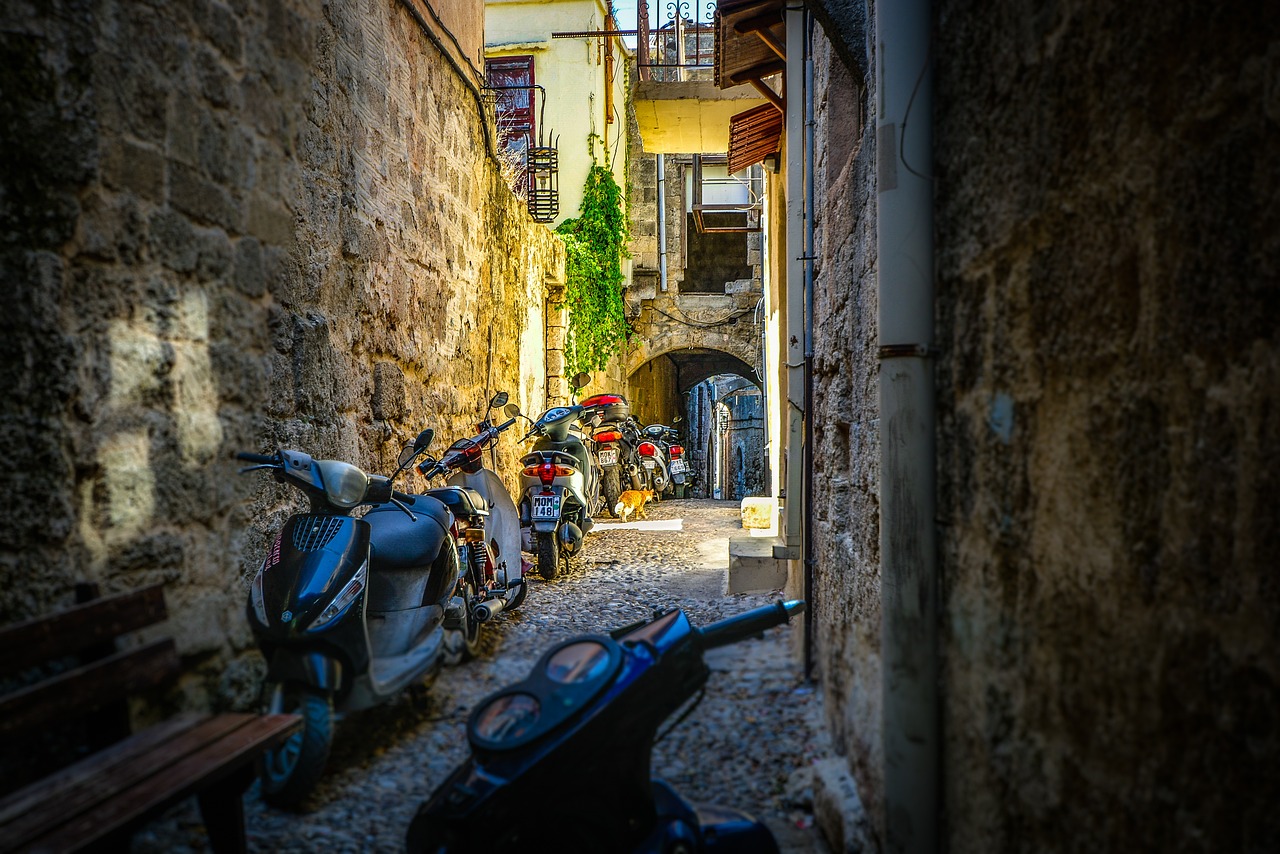
Morning: Start at Gate d’Amboise and wander the Old Town. Visit the Palace of the Grand Master and the Archaeological Museum. Take time to detour down side alleys – my favorite stretches are around the less crowded Arionos and Pythagora streets, where local kids still play football in tiny squares.
Lunch: Head to a taverna slightly away from the main drag. I often eat at a small place near the Jewish Quarter – order gemista (stuffed vegetables), a Greek salad, and local white wine. Expect €12–18 per person for a simple lunch.
Afternoon: Exit the walls and walk down to Mandraki Harbor. Loop around to see the deer statues, the windmills, and the Fort of St. Nicholas. Then continue to Elli Beach for a swim. Rent a sunbed if you want comfort or throw a towel on the pebbles to save money.
Evening: Return to the Old Town for dinner. For something atmospheric but not too touristy, look for small courtyards lit by fairy lights. After dinner, stroll the walls if night access is open (it sometimes is in summer events) or simply wander the lanes, gelato in hand.
Day 2: Lindos & St. Paul’s Bay
Morning: Take an early bus or boat to Lindos (about 1 hour by bus, longer by boat but far more scenic). On arrival, head straight up to the Acropolis of Lindos to beat the heat and crowds. Spend time exploring the ruins and soaking in the views.
Late morning: Descend into the village and wander the narrow streets. Pop into small shops selling local ceramics and textiles (I’ve bought beautiful hand-embroidered pillowcases here over the years).
Lunch: Choose a rooftop taverna with acropolis views. Order meze style: grilled octopus, fava (yellow split pea purée), dolmades (stuffed vine leaves), and a carafe of white wine or a cold beer.
Afternoon: Walk down to St. Paul’s Bay for a swim. If you prefer more space, opt for Main Lindos Beach, which is larger and sandier. In July–August, reserve sunbeds in advance if you’re particular about location.
Evening: If you’re returning to Rhodes Town, catch a late bus or boat back, watching the coastline slide by in the dusk. If staying overnight in Lindos (highly recommended if time allows), enjoy a quieter, more romantic side of the village once day-trippers leave.
Day 3: Acropolis of Rhodes, Kallithea Springs & Nightlife
Morning: Head up to the Acropolis of Rhodes and Monte Smith for views and a bit of history. After exploring the stadium and theater, walk or taxi back down toward town.
Midday–afternoon: Travel to Kallithea Springs (by bus, taxi, or rented scooter). Spend a leisurely afternoon swimming, strolling the spa complex, and relaxing with coffee or a light lunch at the café.
Evening: For your final night, explore Rhodes Town nightlife. Start with a sunset drink at a rooftop bar overlooking the Old Town or harbor. Then choose between:
- A relaxed taverna dinner with live Greek music.
- A bar-hopping circuit in the New Town near Orfanidou Street (livelier, more touristy).
For couples, I’d choose a quiet wine bar in the Old Town; for groups of friends, the New Town has more energy.
4 Days in Rhodes: Classic + Nature & Villages
With 4 days in Rhodes, you can follow the 3-day itinerary above and add a day focused on nature and inland villages – a more balanced 4 day itinerary for Rhodes.
Day 4: Valley of the Butterflies & Seven Springs
Morning: Head early to the Valley of the Butterflies (Petaloudes). Walk quietly through the valley, crossing wooden bridges and watching for clusters of resting moths on tree trunks. Spend 1.5–2 hours here.
Lunch: Drive or take a taxi to a nearby village taverna (ask locals for current favorites – they change). I’ve had wonderful, unpretentious meals of slow-cooked goat, local cheese, and fresh bread in small places where no one bothers printing an English menu.
Afternoon: Continue to Seven Springs. Walk the tunnel or trails, then relax at the taverna with a cold drink in the shade. If you have a rental car and love driving, you can loop back via the east coast, stopping at a small beach for a late swim.
Evening: Return to Rhodes Town or your base. Dinner somewhere easy and close – this is a day you’ll likely be pleasantly tired.
5 Days in Rhodes: Full Taste of the Island
5 days in Rhodes gives you enough time to really breathe. You can mix history, beaches, villages, and a bit of adventure. This 5 day itinerary for Rhodes builds on the previous ones.
Day 5: West Coast, Kamiros & Monolithos
Morning: Rent a car and drive up the west coast. Your first major stop: Ancient Kamiros. Explore the site slowly, imagining the grid of ancient houses and cisterns bustling with life. Allow at least an hour.
Midday: Continue south along the coast, stopping at a quiet beach (there are many small, often empty bays on this side) for a swim. I often pack a picnic from a bakery in Rhodes Town: spanakopita (spinach pie), cheese pies, fruit.
Afternoon: Press on to Monolithos Castle. Park below and climb up to the ruins. Spend time just sitting on the walls, watching the sea and feeling the wind. It’s wonderfully remote.
Evening: Drive back via the interior, passing through villages like Siana (famous for honey and suma, a local spirit). Stop for dinner at a mountain taverna if you’re not in a rush – grilled meats, local wine, and starry skies.
Neighborhoods & Areas to Explore in Rhodes
Rhodes isn’t just its famous sights; each area has a different feel. Here’s how they break down from a traveler’s point of view.
- Rhodes Old Town: Medieval, atmospheric, touristy but magical. Best for history lovers and couples who want character stays in boutique hotels.
- Rhodes New Town: 20th-century architecture, shopping streets, Elli Beach. Good if you want easy beach access and nightlife but still be able to walk into the Old Town.
- Lindos: The island’s second hub; whitewashed village with strong Greek island vibes. Best for romance, pretty beaches, and staying somewhere “iconic.”
- Faliraki: Resort area with long beach, lots of hotels, waterpark. Good for families and budget-conscious travelers prioritizing beach and convenience over charm.
- Ixia & Ialyssos: West coast resorts, windy and good for windsurfing. More low-key than Faliraki; sunsets are excellent.
- South Rhodes (Kiotari, Gennadi, Lachania, Prasonisi): Quieter, more spread-out resorts and villages. Great for those wanting fewer crowds and more nature.
- Inland villages (Archangelos, Afandou, Embonas): More local life, traditional tavernas, and wine/honey production.
Local Food in Rhodes & Where to Eat
Rhodes cuisine is classic Greek with some Dodecanese twists. My trips revolve heavily around meals, and this island hasn’t disappointed me yet.
Must-Try Dishes
- Pitaroudia: Chickpea fritters with herbs and onion – a Rhodes specialty. Crunchy outside, soft inside.
- Giaprakia: Local version of stuffed vine leaves, sometimes with a slightly different spice blend.
- Fresh fish & seafood: Grilled whole fish, fried calamari, octopus in vinegar. Prices vary by catch and location – ask before ordering whole fish.
- Moussaka & pastitsio: Classic baked comfort food, best in family tavernas.
- Local cheeses & honey: Dodecanese islands produce excellent honey; try it on yogurt for breakfast.
Where I Love to Eat (Examples)
I won’t list exact names for every place (they change ownership and quality), but here’s the type of spots I seek out:
- Old Town tavernas in side alleys: Look for simple places with more Greek than English heard at the tables and short menus on paper. Ask for the day’s specials.
- Village tavernas inland: In places like Embonas, order whatever they’re grilling that day and local wine. Portions are huge; share dishes.
- Beachfront fish tavernas: I prefer those slightly away from major resort centers, where the catch is displayed on ice and staff are happy to weigh and price it in front of you.
Saving Money on Food
- Eat your main meal at lunch: Some tavernas have lunch specials; you’ll also be more awake to enjoy it.
- Use bakeries: Greek bakeries are excellent for pies, sandwiches, and sweets for €2–4 each.
- Share meze: Instead of ordering one main per person, share 4–5 small plates between two; you’ll taste more and often spend less.
Nightlife, Entertainment & Cultural Experiences
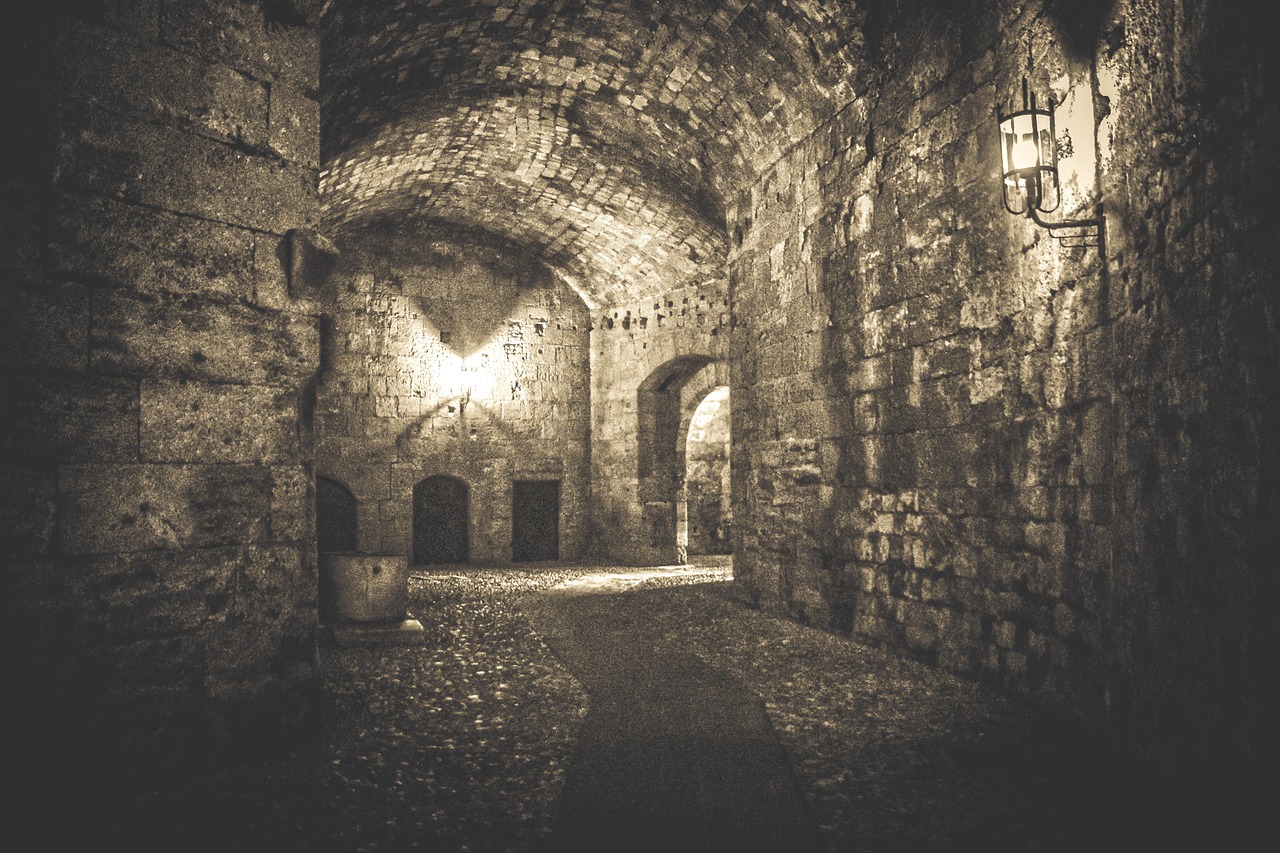
Nightlife in Rhodes ranges from quiet wine bars to full-on clubbing.
Rhodes Town Nightlife
- Old Town: Romantic restaurants, cozy bars in courtyards, occasional live Greek music. Perfect for couples or relaxed groups.
- New Town (Orfanidou Street): Bars and clubs with DJs, louder music, and later nights.
Faliraki
Still the party capital, though scaled back from its wildest days. Expect British- and European-oriented bars, karaoke, and cheap drink deals in summer.
Cultural Experiences & Festivals (2026–2027)
- Medieval Rose Festival (late May–early June): Reenactments, parades, music, and events mainly in the Old Town and at the Palace.
- Summer concerts at the Palace and Ancient Theater: Greek and international artists perform; check listings closer to your travel dates.
- Local village festivals: In summer, many villages host religious feast days with music, dancing, and communal meals – ask your hotel or a taverna owner if any are happening during your stay.
Day Trips & Nearby Islands from Rhodes
If you have more than 4–5 days, consider a day or overnight trip.
Symi Island
Famous for its neoclassical harbor lined with pastel houses, Symi is a popular day trip. Boats depart from Mandraki Harbor. My advice: if you can, stay overnight to enjoy the island after the crowds leave.
Chalki Island
Smaller and quieter than Symi, with a pretty harbor and relaxed pace. Some day trips are available, but it also makes a lovely 1–2 night side trip.
Boat Trips Around Rhodes
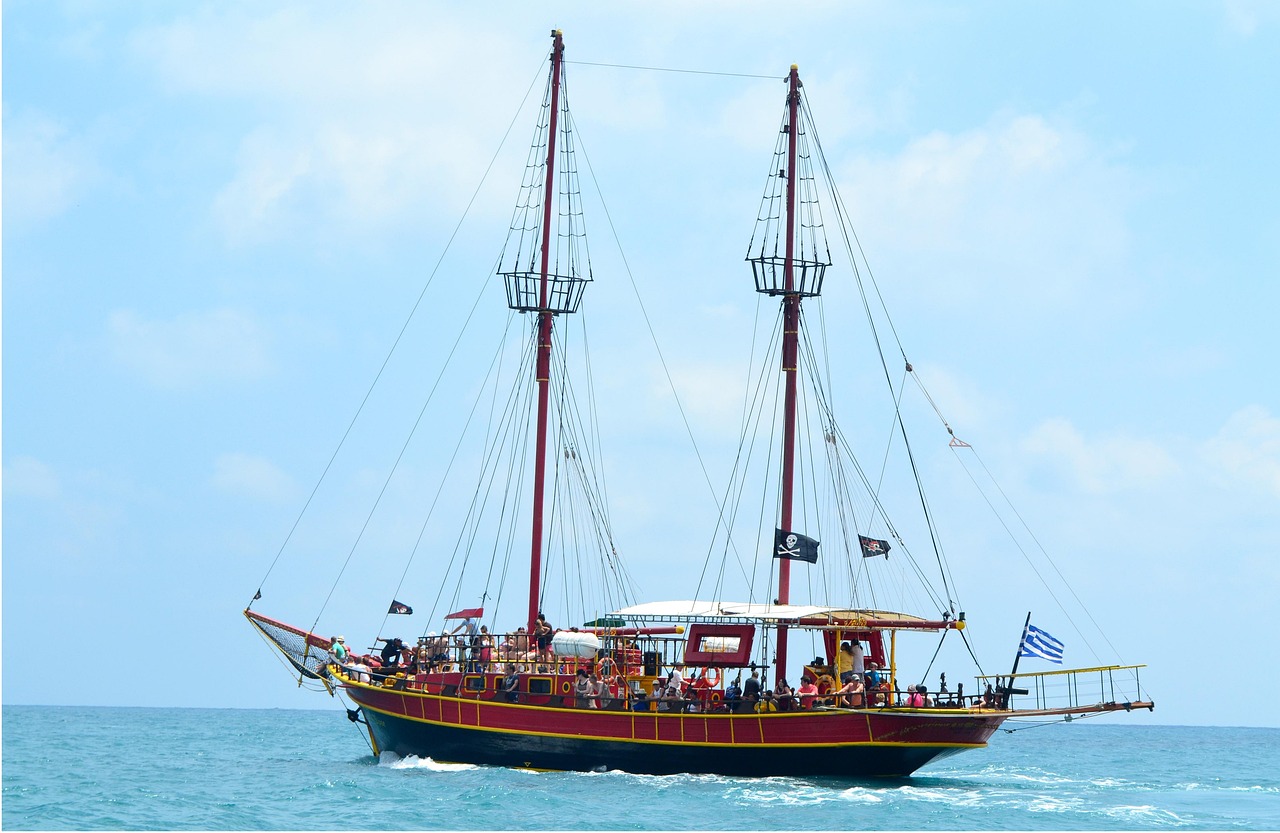
Numerous options from Rhodes Town, Faliraki, and Lindos: glass-bottom boats, snorkeling cruises, sunset sails. Shop around and check what’s included (meals, drinks, snorkeling gear).
Cultural Etiquette & Local Customs in Rhodes
Greeks on Rhodes are generally warm, informal, and used to visitors, but a few cultural points will help you connect more deeply and avoid awkward moments.
- Greetings: A simple “Kalimera” (good morning) or “Kalispera” (good evening) goes a long way. Use it when entering small shops or tavernas.
- Churches & monasteries: Dress modestly (shoulders and knees covered). Speak softly, don’t use flash, and avoid posing suggestively near icons.
- Tipping: Not mandatory but appreciated. Round up or leave 5–10% in restaurants if service was good. Leave coins for café staff and housekeepers.
- Table culture: Meals are unhurried. Don’t expect the bill until you ask; lingering over a coffee or glass of wine after eating is normal.
- Personal space: Greeks may stand closer than Northern Europeans or North Americans. It’s friendly, not intrusive.
- Noise: Locals speak animatedly and loudly; don’t mistake it for anger. That said, keep noise down late at night in residential areas.
Practical Travel Tips for Rhodes (2026–2027)
Getting Around Rhodes
- Public buses: Connect Rhodes Town with major resorts (Faliraki, Lindos, etc.). Inexpensive but can be crowded in summer; schedules are posted at stations and online.
- Car rental: The best way to explore villages, the west coast, and Prasonisi. Book in advance for July–August; check insurance details carefully and inspect the car.
- Scooters & ATVs: Popular but be cautious – roads can be windy and drivers assertive. Wear helmets and don’t drink and drive.
- Taxis: Readily available in towns; fares are regulated. Agree on approximate cost for longer trips beforehand.
SIM Cards & Connectivity
- EU travelers: Most EU SIMs roam at domestic rates (check your plan).
- Non-EU travelers: Buy a local SIM from providers like Cosmote, Vodafone, or Nova in Rhodes Town. Packages with several GB of data for 7–14 days are common.
- Wi-Fi is widely available in hotels, cafés, and many tavernas.
Money-Saving Tips
- Travel in shoulder season (May–early June, late September–October) for lower accommodation prices and fewer crowds.
- Stay in Faliraki, Ialyssos, or inland villages if Old Town and Lindos rates are too high – then day-trip in.
- Use bakeries and supermarkets for some meals; splurge on one or two special dinners.
- Choose a 3 day itinerary for Rhodes or 4 day itinerary for Rhodes and stick to one or two bases instead of moving every night to save on transfers.
Visas & Driving
- Visas: Rhodes is part of Greece and the Schengen Area. Many nationalities (EU, UK, US, Canada, Australia, etc.) can visit visa-free for up to 90 days in a 180-day period; confirm current rules with your local Greek consulate.
- Driving licenses: EU licenses are valid. Non-EU visitors may need an International Driving Permit (IDP) alongside their home license – check before travel and bring it if required.
Best Seasons by Activity
- Beach & swimming: Late May–October (warmest seas in August–September).
- Hiking & sightseeing: April–early June, late September–November (cooler temperatures).
- Windsurfing at Prasonisi: July–September (stronger, more consistent winds).
- Quiet cultural visits: March–April and late October–November – some beach facilities closed, but Old Town is peaceful.
Summary & Final Recommendations
Rhodes is a rare island that can satisfy first-timers and repeat visitors alike. In one trip you can climb ancient acropolises, swim in turquoise bays, get lost in a living medieval city, and share a slow meal in a village taverna where time seems to idle.
If it’s your first visit and you’re planning 3 days in Rhodes, build your trip around Rhodes Town and Lindos. For 4 days in Rhodes, add a nature-focused day at the Valley of the Butterflies and Seven Springs. With 5 days in Rhodes, include the west coast and inland villages for a more complete picture of the island.
For most travelers, the sweet spot is late May–mid June and late September–early October: warm seas, comfortable temperatures for walking, and fewer crowds at must-see attractions in Rhodes like the Acropolis of Lindos and the Palace of the Grand Master.
However you structure your travel guide for Rhodes into reality – a 3, 4, or 5 day itinerary for Rhodes, or a longer, slower journey – leave space for unplanned moments: a spontaneous swim in a tiny cove, an extra glass of wine offered “on the house,” or a sunset that keeps you lingering on a castle wall long after you meant to leave. Those are the memories that will bring you back, as they did me, again and again.