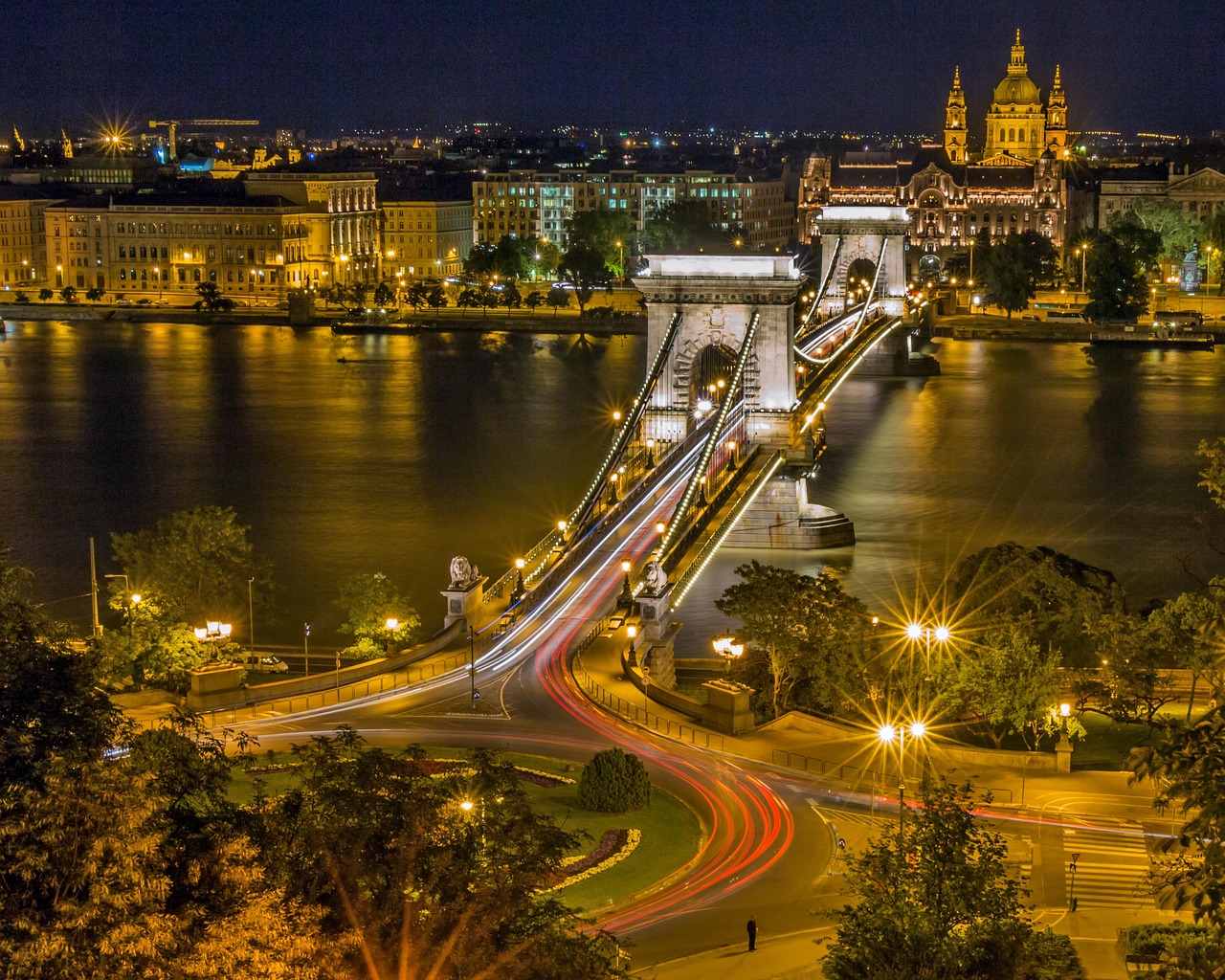
Why Visit Budapest in 2026
Budapest is one of those cities that quietly steals your heart. It doesn’t shout like Paris or overwhelm like Rome; instead, it unfolds slowly—through late-night Danube walks, steamy thermal baths on cold winter mornings, and tiny wine bars tucked into 19th‑century courtyards. In 2026, the city feels especially alive: new cafés and galleries are opening in old factory buildings, tram lines are being modernized, and the cultural calendar is packed with festivals, concerts, and exhibitions.
I’ve been coming back to Budapest regularly since my early twenties, and every visit feels a little different. Once I came in January, when the city was wrapped in snow and steam rose from the Széchenyi Baths like a movie scene. Another time, I spent a July afternoon watching the sunset from Gellért Hill, listening to street musicians and the low hum of river cruise boats. What keeps me returning is the way Budapest blends grandeur and grit: ornate palaces standing next to crumbling courtyards covered in street art, Michelin-starred restaurants around the corner from no-frills étkezde (canteens) serving soul-warming goulash for a few euros.
Whether you have 3 days in Budapest or you’re planning a 5 day itinerary for Budapest, this guide will walk you through the must-see attractions, the hidden gems, and the tiny local details that make the city feel less like a tourist stop and more like a temporary home.
Table of Contents
- Why Visit Budapest in 2026
- Budapest at a Glance
- 20+ Must-See Attractions in Budapest (Deep Dive)
- Suggested Itineraries: 3–5 Days in Budapest
- Neighborhoods & Districts to Explore
- Local Food in Budapest: What & Where to Eat
- Nightlife, Entertainment & Cultural Experiences
- Best Day Trips from Budapest
- Cultural Etiquette & Local Customs
- Practical Travel Tips for Budapest 2026–2027
- Major Events in Budapest 2026–2027
- Summary & Best Time to Visit Budapest
Budapest at a Glance
Budapest is really two cities—Buda and Pest—facing each other across the Danube River. Buda, on the western bank, is hilly, leafy, and residential, crowned by the Castle District and Gellért Hill. Pest, on the eastern side, is flat, buzzing, and more urban, with elegant boulevards, ruin bars, and most of the city’s nightlife.
In 2026, Budapest is part old-world Austro-Hungarian grandeur, part creative startup hub. It’s still relatively affordable compared to Western Europe, making it ideal if you want to stretch your budget without sacrificing comfort, food, or culture. Public transport is efficient, English is widely understood in central areas, and the city is compact enough that you can see most of the major sights with just a 3 day itinerary for Budapest, though I strongly suggest at least four or five days.
20+ Must-See Attractions in Budapest (With Personal Insights)
Below are more than 20 of the best places to visit in Budapest. I’ll weave in my own experiences, little mistakes I’ve made, and the tiny details that don’t always make it into glossy brochures.
1. Buda Castle & the Castle District
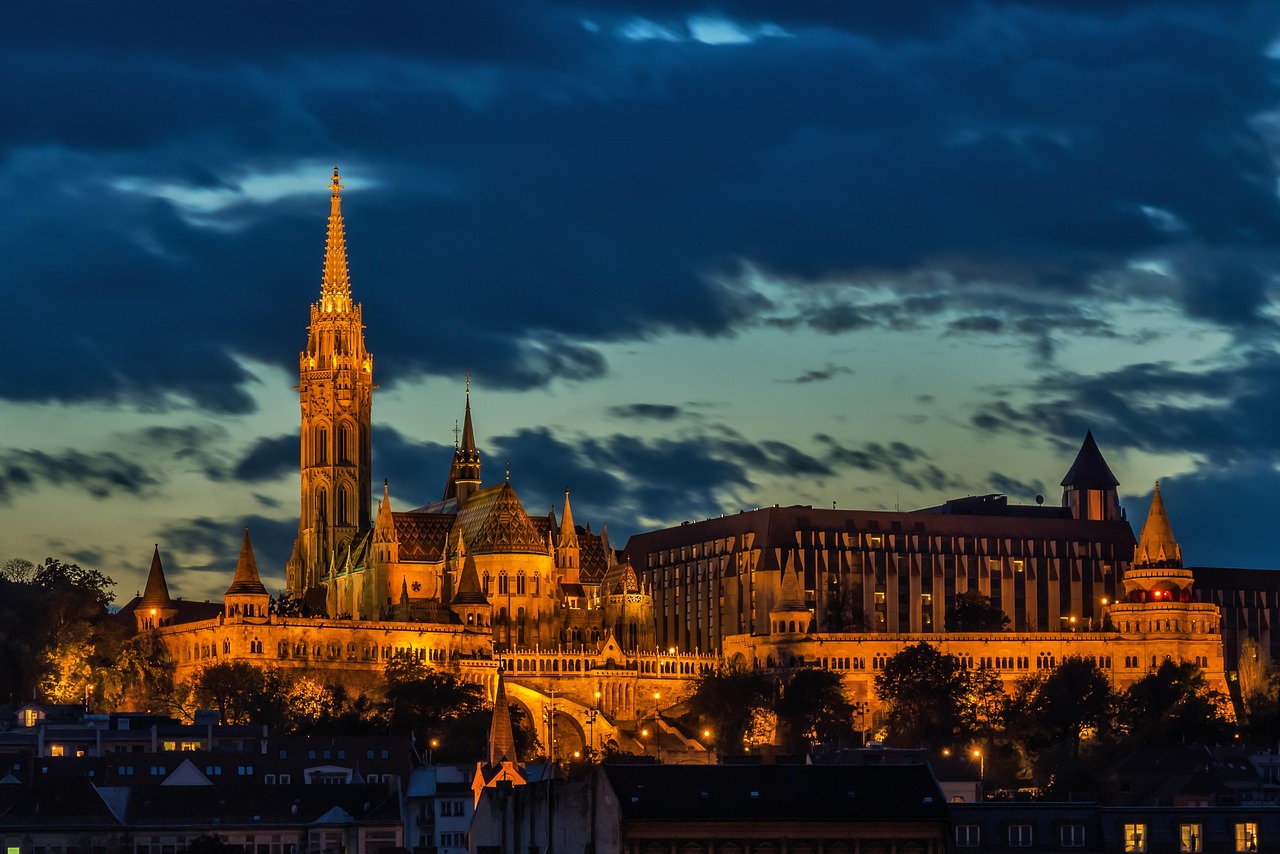
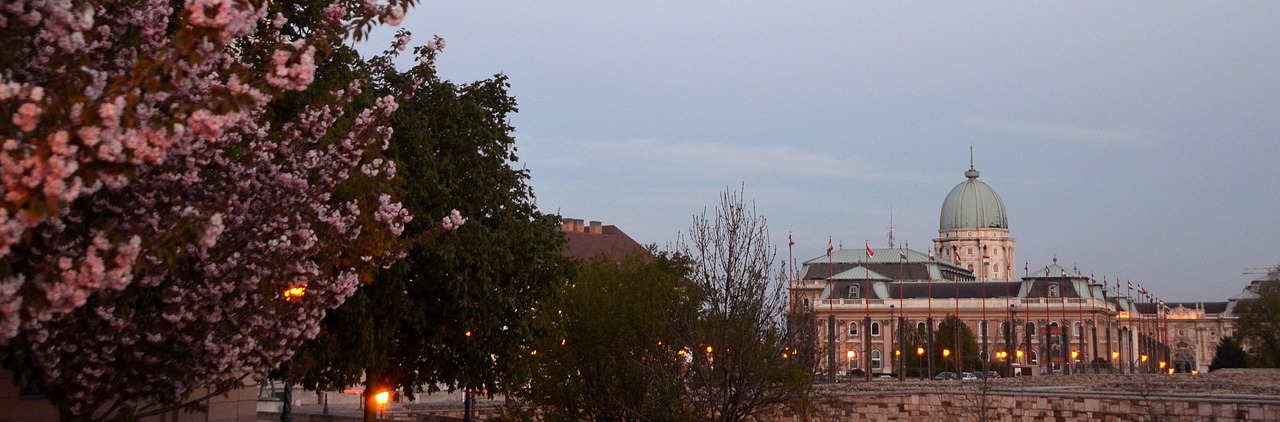
The first time I walked up to Buda Castle, it was a chilly March afternoon. The sky over Pest was a soft grey, and the red-tiled roofs of the Castle District glowed faintly against it. Buda Castle isn’t just a single building—it’s a complex of palaces, museums, and cobbled lanes perched high above the river.
The modern palace you see today is mostly a 20th‑century reconstruction, but the site has been home to royal residences since the 13th century. It’s been destroyed and rebuilt multiple times—by wars, fires, and shifting empires. In 2026, parts of the complex are still evolving, with ongoing restoration projects that occasionally close off small sections but also reveal new archaeological finds.
What to do: I usually start at Clark Ádám tér (by the Chain Bridge) and either take the funicular up (touristy but fun) or walk the zigzag path. Once at the top, wander through the courtyards, peek into the National Gallery (excellent if you’re into Central European art), and walk along the medieval walls overlooking the Danube. Near sunset, the views over Pest’s skyline and the Parliament building are some of the best in the city.
Tips: Come in the late afternoon so you can see the city in daylight, then stay until the lights come on at night. I’ve done this three times now and it never gets old. Bring a light jacket—even in summer the breeze up here can be surprisingly cool.
How to get there: Tram 19 or 41 to Clark Ádám tér, or bus 16 from Deák Ferenc tér up into the Castle District.
2. Fisherman’s Bastion & Matthias Church
Fisherman’s Bastion looks like something out of a fairytale—white stone turrets, arched walkways, and sweeping terraces. It was actually built in the late 19th and early 20th centuries as a decorative lookout rather than a real fortress, in neo-Romanesque style. Its name comes from the medieval fishermen’s guild that was once responsible for defending this stretch of the city walls.
I still remember my first visit here on a foggy November morning, when the Parliament building across the river slowly emerged from the mist. Later trips in summer were crowded but still magical, especially around sunrise. The paid upper terraces are less busy and worth the small fee if you want clearer photos and a bit more peace.
Next door, Matthias Church (Mátyás-templom) is one of my favorite churches in Europe. Its colorful tiled roof alone is a showstopper, and the interior—with its painted walls and golden details—feels like stepping into a jewel box. This is where Hungarian kings were crowned, including Franz Joseph I. Try to catch an organ concert here if your dates line up.
Best time to visit: Early morning for quiet photos, or late evening to see the city lights. If you’re here for only 3 days in Budapest, put Fisherman’s Bastion on your first or second day.
3. Hungarian Parliament Building
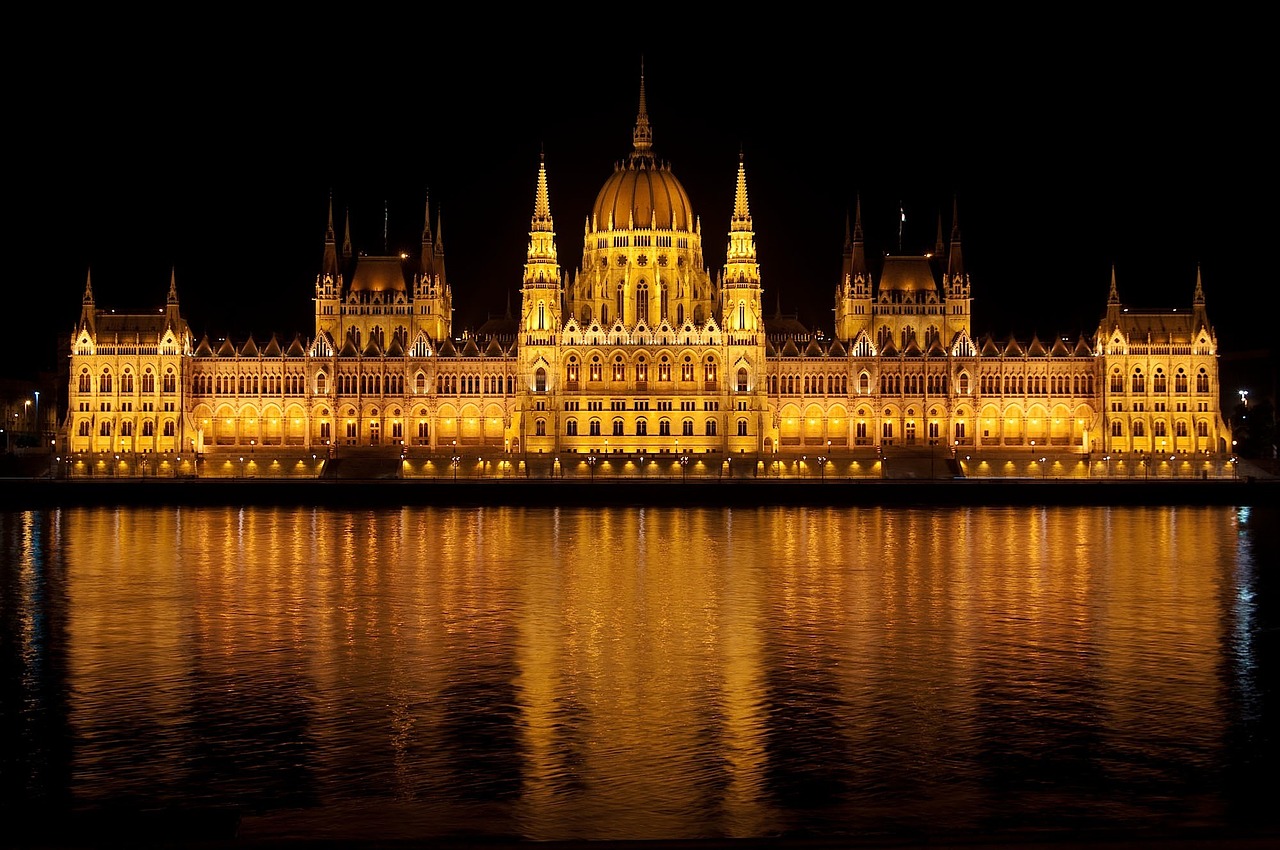
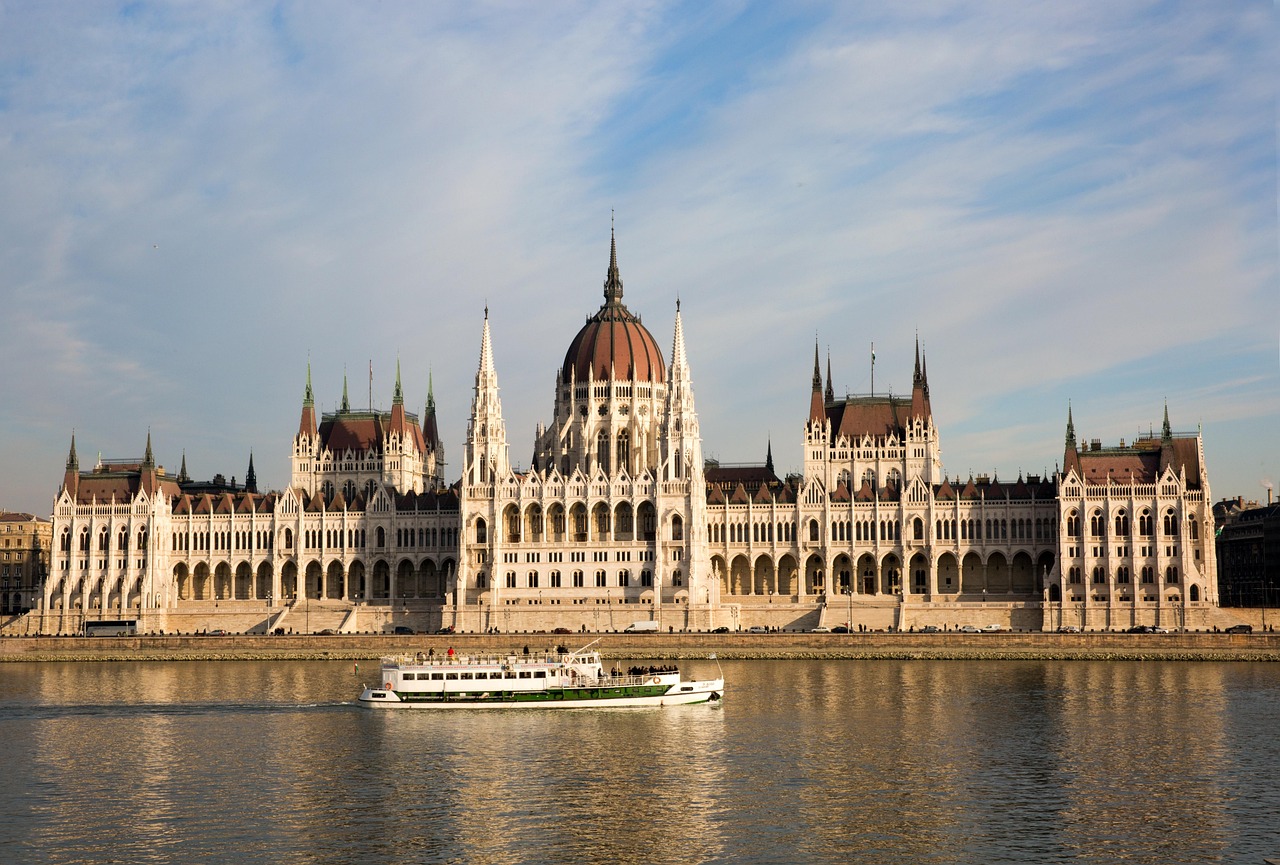
The Hungarian Parliament building is the city’s icon: a massive neo-Gothic masterpiece right on the Danube. I still get a little thrill every time I spot its spiky silhouette from the riverbank. Finished in 1904, it was designed to showcase the power and ambition of the newly unified Hungary.
One of my most memorable visits was on a freezing January morning. I booked the first English-language tour of the day, and as our small group moved through the corridors, the building was almost eerily quiet. We saw the golden dome hall, the Hungarian Crown Jewels, and the grand staircase lined with red carpet and gold detailing.
Booking tips: Tours sell out, especially in high season and weekends. Book online at least a few days in advance. Non-EU citizens pay a bit more, and you’ll need to bring your ID or passport. Security is airport-style; allow extra time.
Photo tip: For the classic postcard shot, cross to the Buda side and walk along the riverbank between Batthyány tér and Margaret Bridge around sunset.
4. Széchenyi Chain Bridge
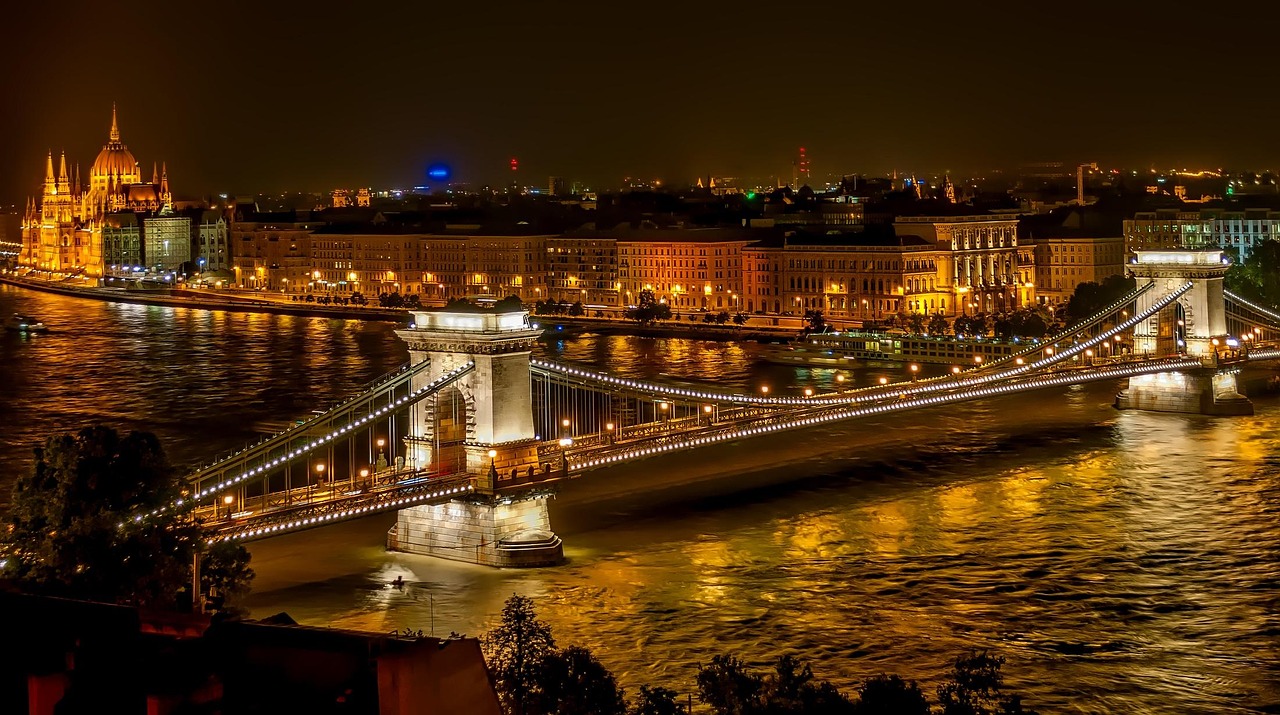
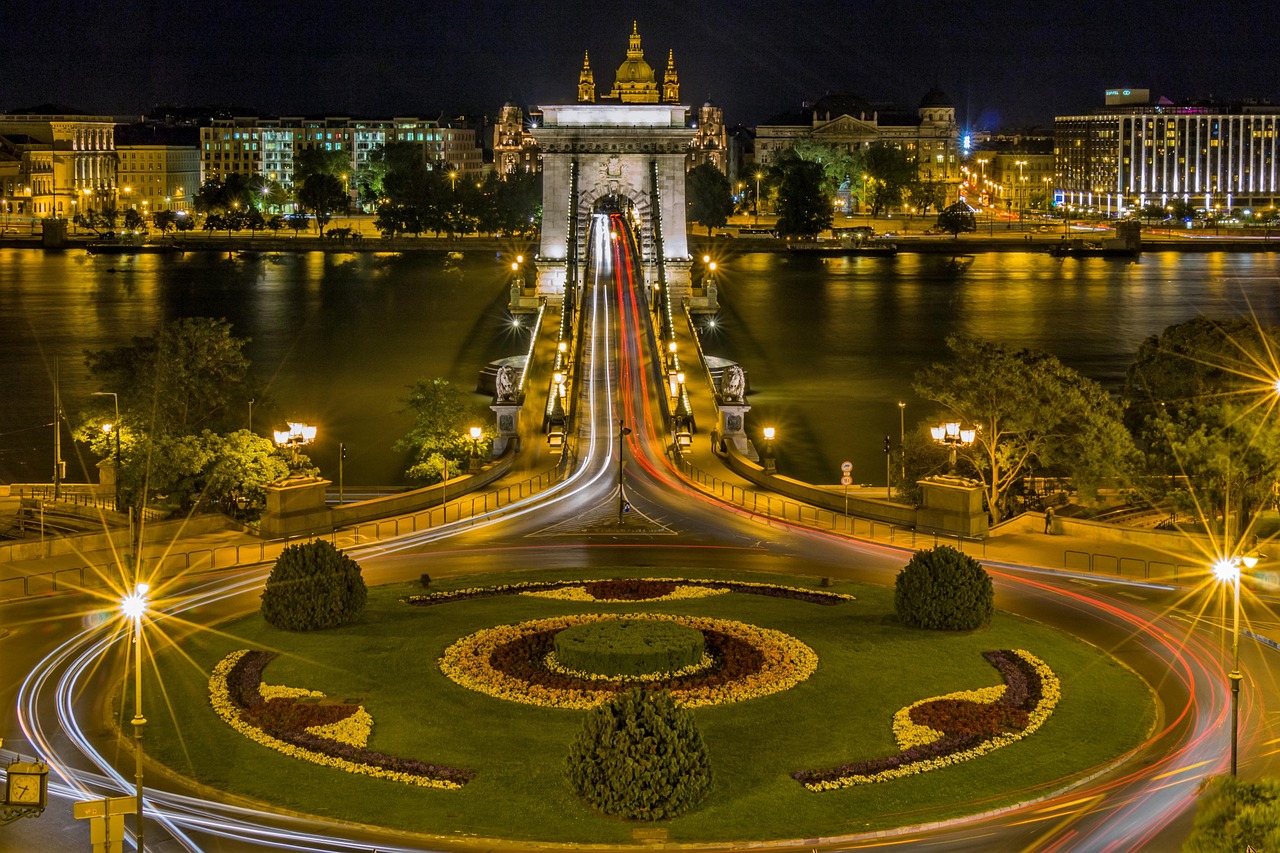
The Chain Bridge was the first permanent bridge to connect Buda and Pest, completed in 1849. Its stone lions and sleek chains have become symbolic of the city itself. After extensive renovation works in the early 2020s, by 2026 it’s fully reopened, looking almost brand new but still carrying that old-world charm.
I love walking the bridge at different times of day. Sunrise offers silence and soft light over the river; at night, the bridge is lit up, and you can see trams gliding along the embankments. I’ve often crossed it on foot after dinner in Pest, heading back to a guesthouse in Buda, stopping halfway just to watch the reflections of the Parliament and Buda Castle on the water.
Family tip: Kids usually love the lions at each end and watching the boats pass below. Keep a tight grip on little hands—there’s traffic on both sides, though the pedestrian sidewalks are separated.
5. Széchenyi Thermal Bath
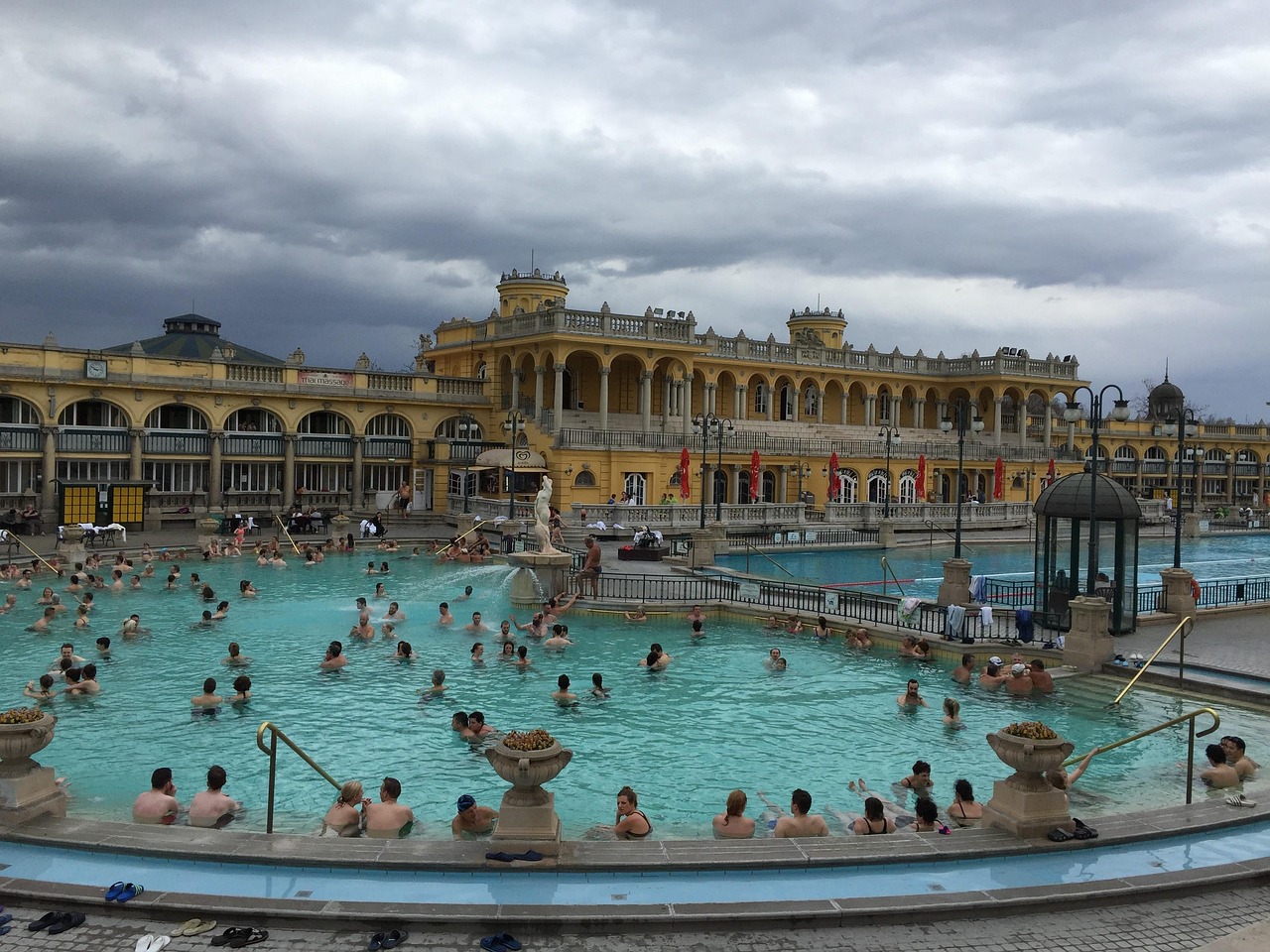
If you’ve seen photos of people soaking in steaming outdoor pools surrounded by yellow neo-Baroque buildings, that’s Széchenyi. It’s one of Europe’s largest spa complexes and an absolute must if you have at least 3 days in Budapest.
My favorite visit was a frosty December afternoon. The air temperature was below zero, but the outdoor pools were a toasty 38°C. Steam billowed around us as snowflakes began to fall. I floated on my back, looking up at the pale sky, and felt all the travel fatigue melt away. Inside, you’ll find a maze of smaller pools at various temperatures, saunas, and steam rooms.
Practical tips:
- Arrive early (before 9am) to avoid the biggest crowds.
- Bring flip-flops, a swimsuit, and a towel; renting on-site is possible but pricey and slower.
- Lockers and cabins are available. I usually get a cabin so I can change comfortably.
- Stay hydrated; the hot water and steam can sneakily dehydrate you.
How to get there: Take the historic yellow Metro line 1 to Széchenyi Fürdő station—it drops you almost at the entrance.
6. Gellért Thermal Bath
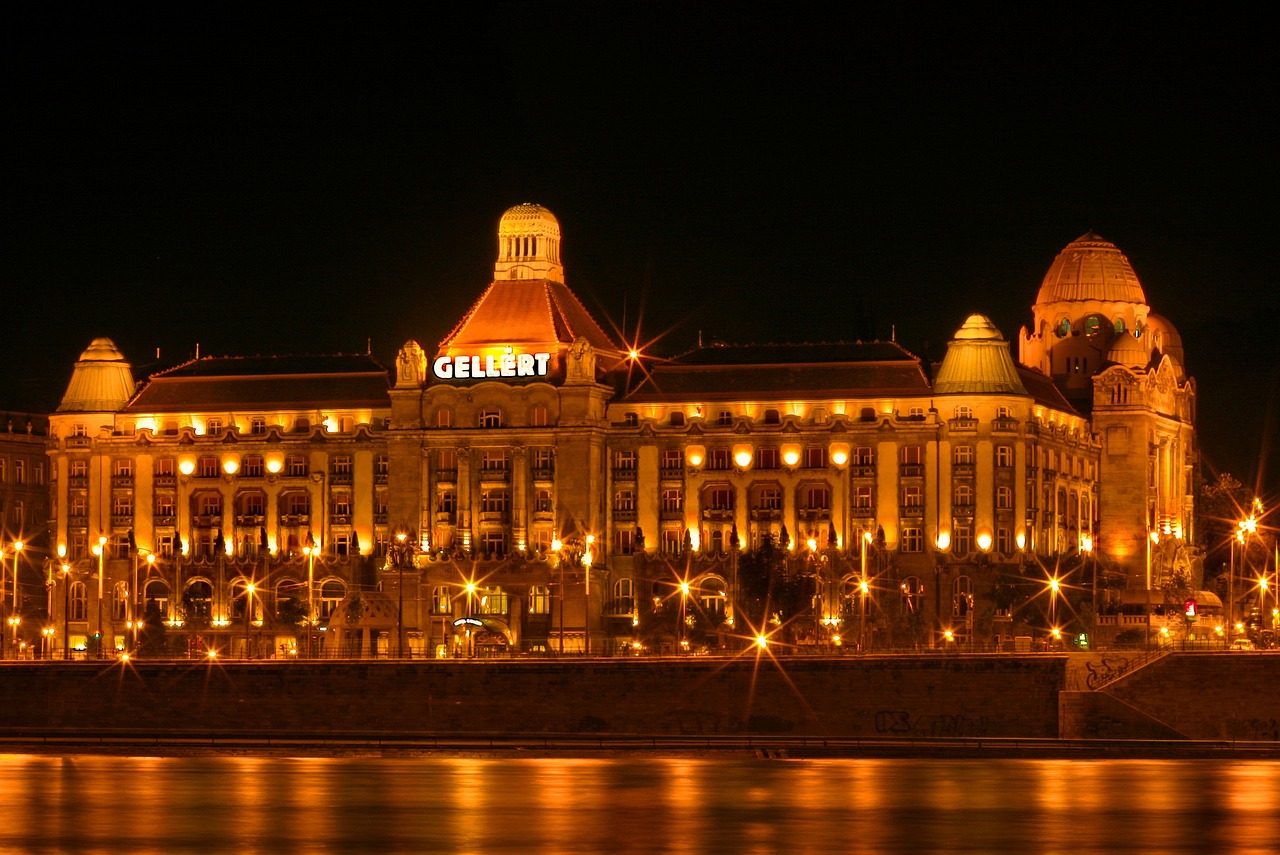
Gellért Bath, attached to the Art Nouveau Gellért Hotel at the foot of Gellért Hill, feels more intimate and ornate than Széchenyi. Inside, you’ll find stained glass, mosaic tiles, and elegant colonnades. It’s where I go when I want the bath experience to feel like a slow, almost meditative ritual rather than a social event.
On a rainy April day, I spent nearly four hours here, moving between indoor thermal pools, a wave pool (in summer), and the outdoor soaking pools. The indoor main hall, with its turquoise water and high ceiling, is especially beautiful in the late afternoon when the light filters through the glass.
Good for: Couples and solo travelers who want a slightly quieter, more atmospheric spa day. Families might prefer Széchenyi’s larger outdoor area, but well-behaved kids are welcome here too.
7. St. Stephen’s Basilica
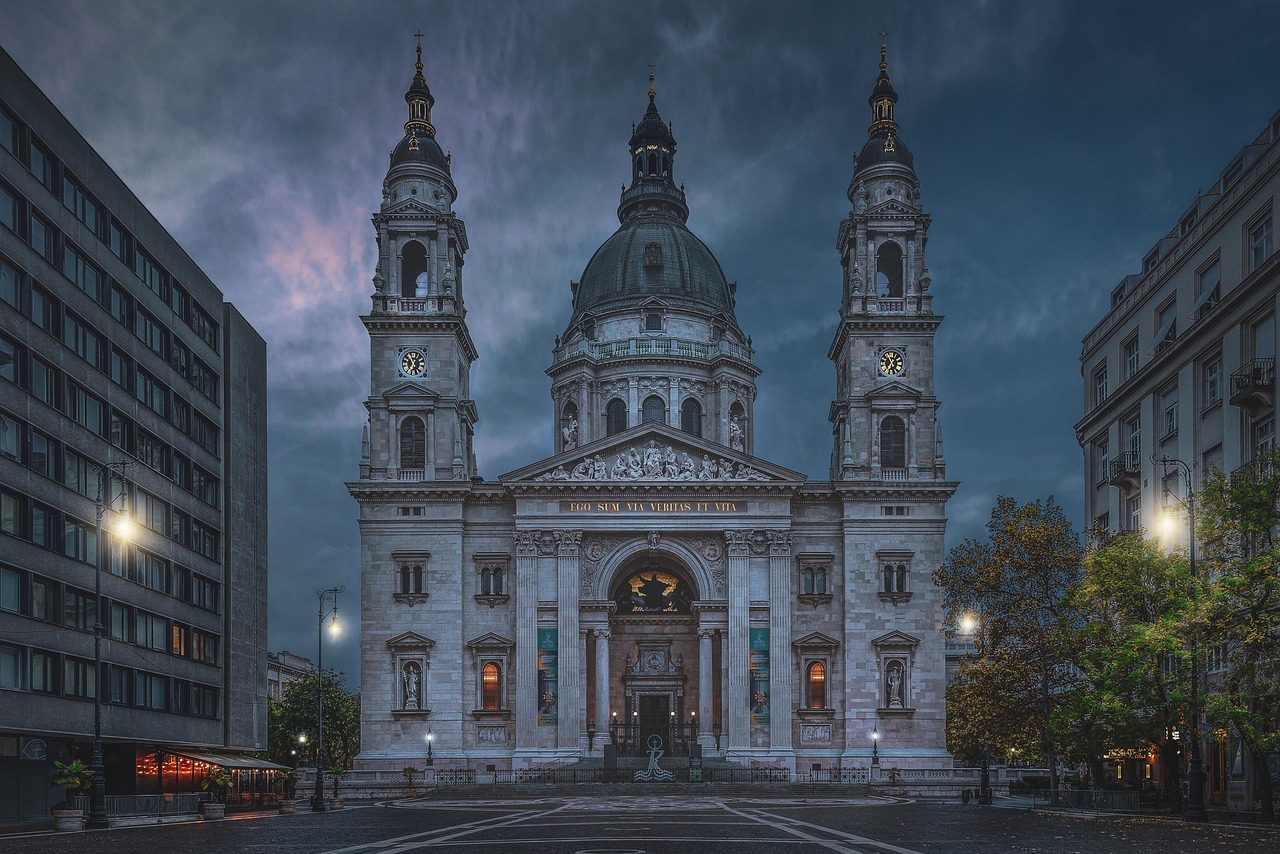
St. Stephen’s Basilica dominates the skyline of central Pest with its grand dome and twin towers. It’s named after Hungary’s first king, whose mummified right hand is kept as a relic inside. Even if you’re not religious, the architecture alone is worth the visit.
Each time I visit, I make sure to climb (or take the elevator) to the dome’s viewing platform. From up there, Budapest spreads out in a 360-degree panorama—Parliament, Buda Castle, the river, and the endless roofs of Pest. I once timed my visit to coincide with golden hour and watched the city slowly turn copper and pink. It remains one of my favorite viewpoints.
Tip: In summer, avoid midday if you can; the dome can get warm and the queues longer. Check the schedule for evening organ concerts if you enjoy classical music.
8. Heroes’ Square & City Park (Városliget)
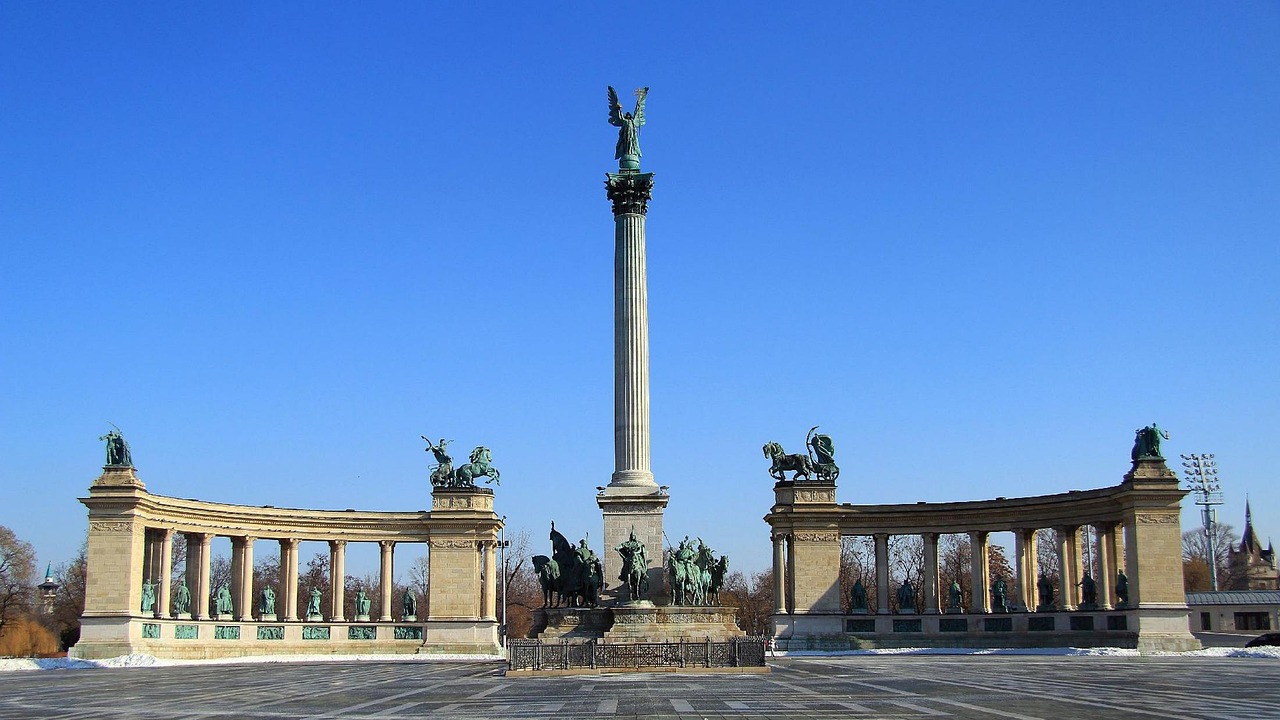
Heroes’ Square is a monumental plaza at the end of Andrássy Avenue, dominated by the Millennium Monument, which commemorates the 1000th anniversary of the Hungarian state. Statues of kings, warriors, and political leaders stand in semicircles around a central column topped by the Archangel Gabriel.
I like to combine a visit here with a leisurely walk through City Park (Városliget). On one winter trip, I laced up rented skates and circled the outdoor ice rink while the fairy-tale towers of Vajdahunyad Castle loomed in the background. In summer, I’ve rented a paddle boat on the lake and grabbed a lángos (fried dough) from a nearby stall.
Nearby highlights: Széchenyi Bath, the Museum of Fine Arts, and the Vajdahunyad Castle complex.
9. Great Market Hall (Nagycsarnok)
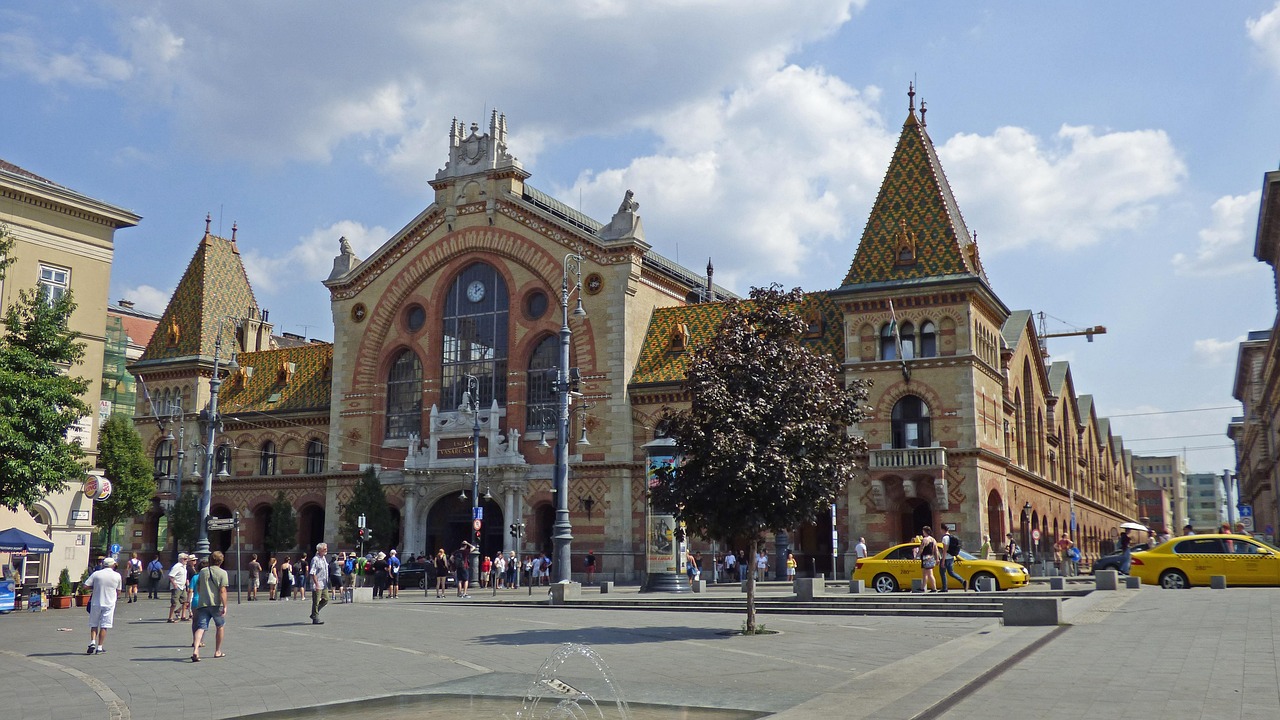
The Great Market Hall is where I go when I want to feel the pulse of everyday Budapest. Built in the 1890s, it’s a vast iron-and-glass structure near Liberty Bridge, filled with stalls selling vegetables, paprika, cured meats, pastries, and souvenirs.
On my first morning in the city years ago, jet-lagged and hungry, I wandered in and ended up having a breakfast of fresh pogácsa (savory cheese scones) and strong coffee, surrounded by locals doing their weekly shopping. Since then, I’ve come back almost every trip—sometimes to grab fruit and snacks for the day, other times to sit upstairs at the simple canteens for a quick lunch of goulash or stuffed cabbage.
Money-saving tip: Prices on the ground floor produce stalls are usually better than the tourist-oriented food stands upstairs. If you’re on a budget 3 day itinerary for Budapest, stock up here for cheap picnic lunches.
10. Dohány Street Synagogue & Jewish Quarter
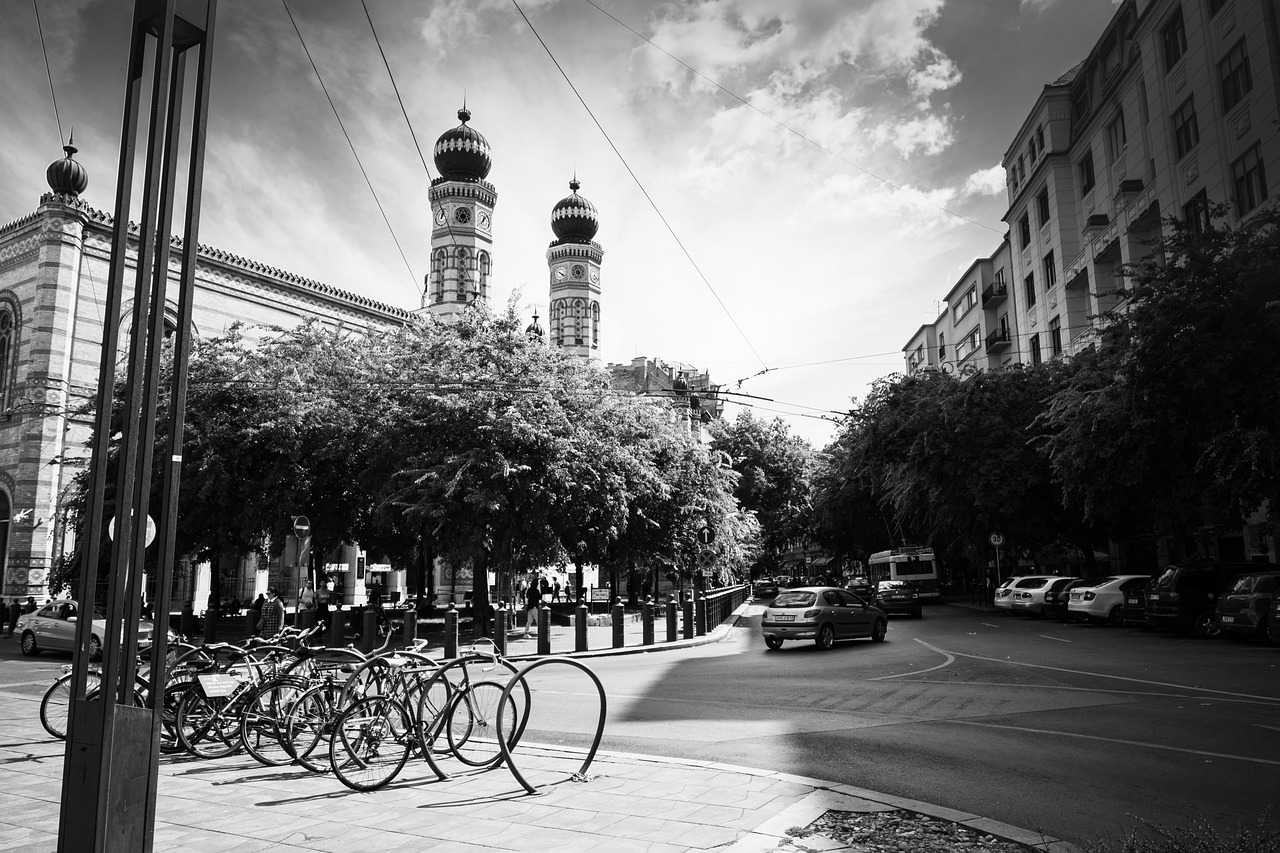
The Dohány Street Synagogue is the largest in Europe and one of the most moving places in Budapest. Built in the mid-19th century in a Moorish Revival style, its onion domes and striped brickwork stand out even in a city full of striking buildings. Inside, the sanctuary is grand yet intimate, with ornate woodwork and a palpable sense of history.
On my second visit to Budapest, I joined a guided tour that included the synagogue, the Holocaust Tree of Life Memorial (a metal willow tree engraved with the names of victims), and the small Jewish Museum. The guide’s stories about wartime Budapest and the ghetto that once surrounded the synagogue added layers to streets I thought I already knew.
After visiting, I usually wander the surrounding Jewish Quarter (District VII), which today is a lively mix of kosher bakeries, trendy cafés, and ruin bars. It’s one of the neighborhoods where the city’s layered history is most tangible.
11. Gellért Hill & Citadella Viewpoints
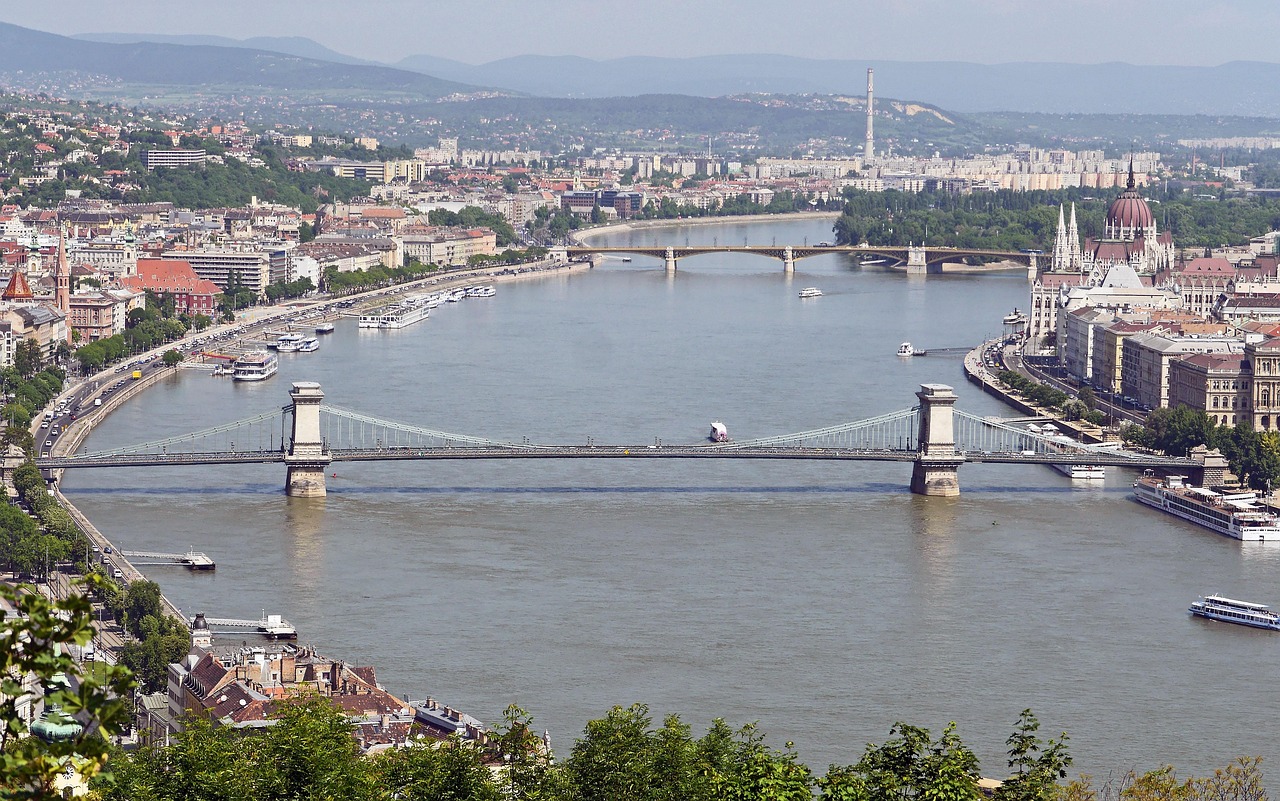
Gellért Hill rises steeply above the Danube, offering some of the best panoramic views of Budapest. The climb looks intimidating, but there are several paths and it’s manageable for most people with reasonable fitness. I’ve hiked up here in every season—green and lush in spring, blazing with autumn colors in October, and bare but dramatic in winter.
The top is crowned by the Citadella and the Liberty Statue, originally erected in 1947 and later recontextualized after the fall of communism. In recent years, the area has been undergoing renovations and accessibility upgrades; by 2026, new viewing platforms and paths make it easier to find great vantage points.
Best time: Sunset or just after. Bring a light jacket and maybe a small picnic. If you’re on a romantic trip, this is one of the most atmospheric spots in the city.
12. Andrássy Avenue & Opera House
Andrássy Avenue is Budapest’s grand boulevard, often compared to Paris’s Champs-Élysées. Lined with neo-Renaissance mansions, embassies, theaters, and high-end shops, it connects the city center with Heroes’ Square and City Park.
I like to start at Deák Ferenc tér and stroll all the way up, ducking into side streets for coffee or to admire ornate doorways and inner courtyards. Halfway along, you pass the Hungarian State Opera House, a lavish building that recently underwent painstaking restoration. I once scored a last-minute standing ticket for an evening performance—less than the price of a cocktail—and spent the intermissions just gazing at the gilded interior.
Tip: Even if you’re not an opera fan, consider a guided tour of the building; the interiors are stunning and the history is fascinating.
13. House of Terror Museum
The House of Terror Museum, located in a former secret police headquarters on Andrássy Avenue, is one of the most intense experiences in Budapest. It focuses on the fascist and communist regimes of the 20th century, using exhibitions, video interviews, and preserved prison cells.
On my first visit, I left in silence, needing time to process what I’d seen. The museum doesn’t shy away from difficult topics, and the atmosphere is deliberately heavy. If you’re interested in history, especially Central Europe’s 20th-century story, it’s essential—but I recommend not stacking other emotionally heavy activities on the same day.
Note: Not ideal for young children. Teens with an interest in history may find it powerful and educational.
14. Margaret Island (Margitsziget)
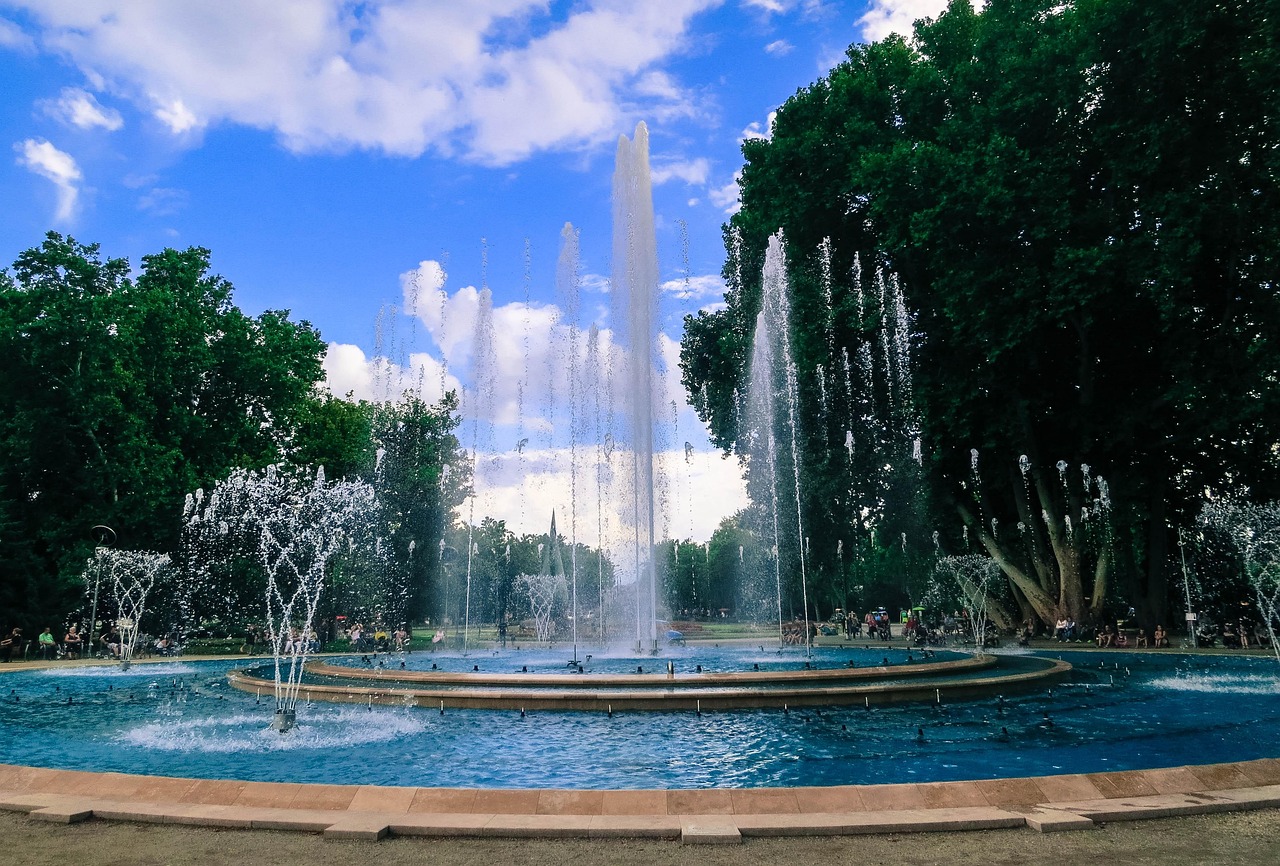
Margaret Island is a green oasis in the middle of the Danube, connected to both banks by bridges. It’s where locals go to run, picnic, and escape the city noise without actually leaving the city.
One of my favorite summer afternoons in Budapest was spent here: I rented a bike at the entrance, circled the island’s running track, climbed the water tower for views, and then lazed under a tree with a book. In the evening, the musical fountain at the southern tip puts on light-and-water shows set to music—cheesy but oddly charming.
Family-friendly: Absolutely. There are playgrounds, open spaces, and in summer, an outdoor pool complex (Palatinus). It’s a great break in a busy 4 day itinerary for Budapest.
15. Ruin Bars of the Jewish Quarter (Szimpla & Beyond)
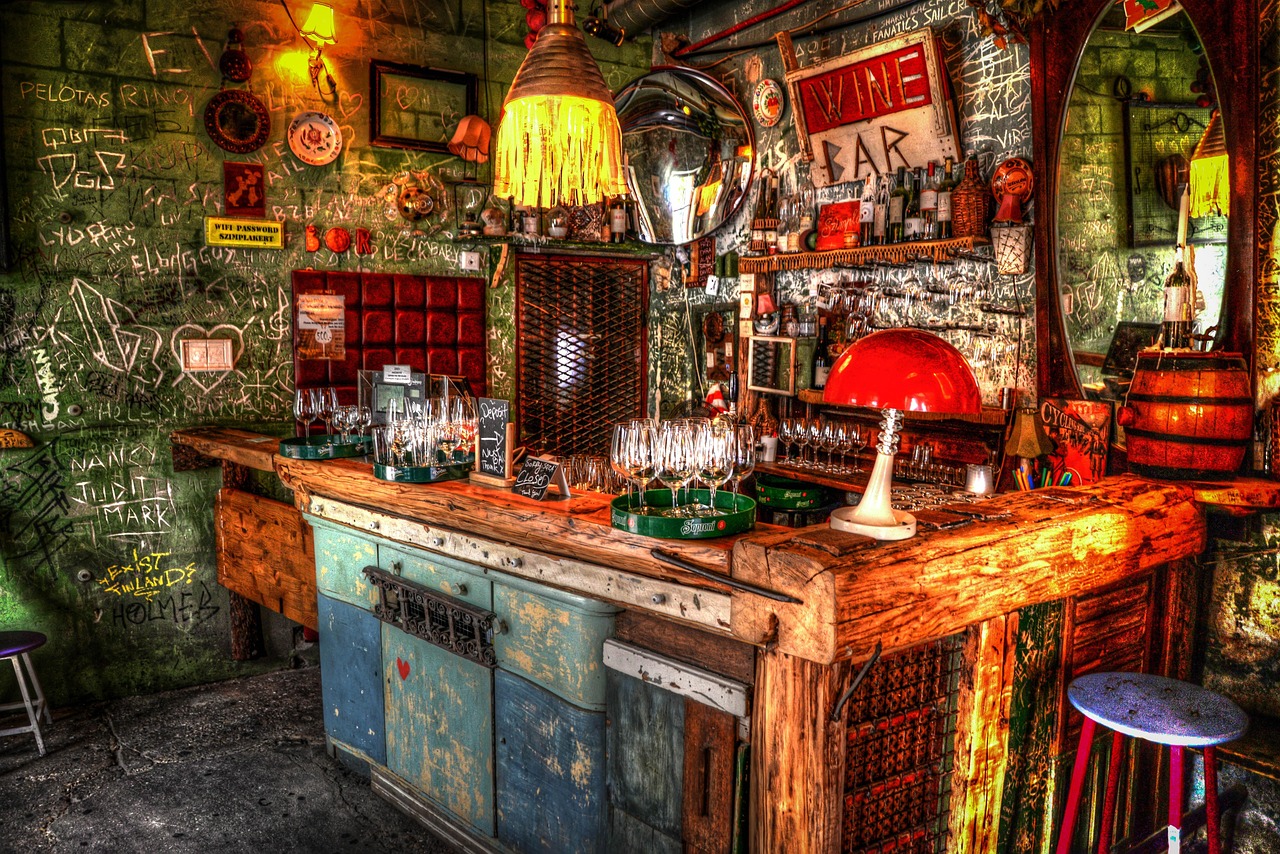
Budapest’s ruin bars are legendary: quirky bars set in abandoned buildings and courtyards, decorated with mismatched furniture, vintage knickknacks, plants, and whatever else the owners could find. The original and most famous is Szimpla Kert, in the Jewish Quarter.
My first time at Szimpla felt like wandering through someone’s surreal art project. Each room had a different vibe—one with old cinema seats, another with bathtubs turned into sofas, another with live music. Over multiple visits, I learned to come early in the evening if I wanted to actually talk with friends, and later at night if I was in the mood for a more chaotic, party atmosphere.
Tip: Ruin bars aren’t just for heavy drinking. Szimpla, for example, hosts a Sunday farmers’ market in the daytime, which is much calmer and perfect if you’re not into nightlife but still curious.
16. Liberty Bridge (Szabadság híd)
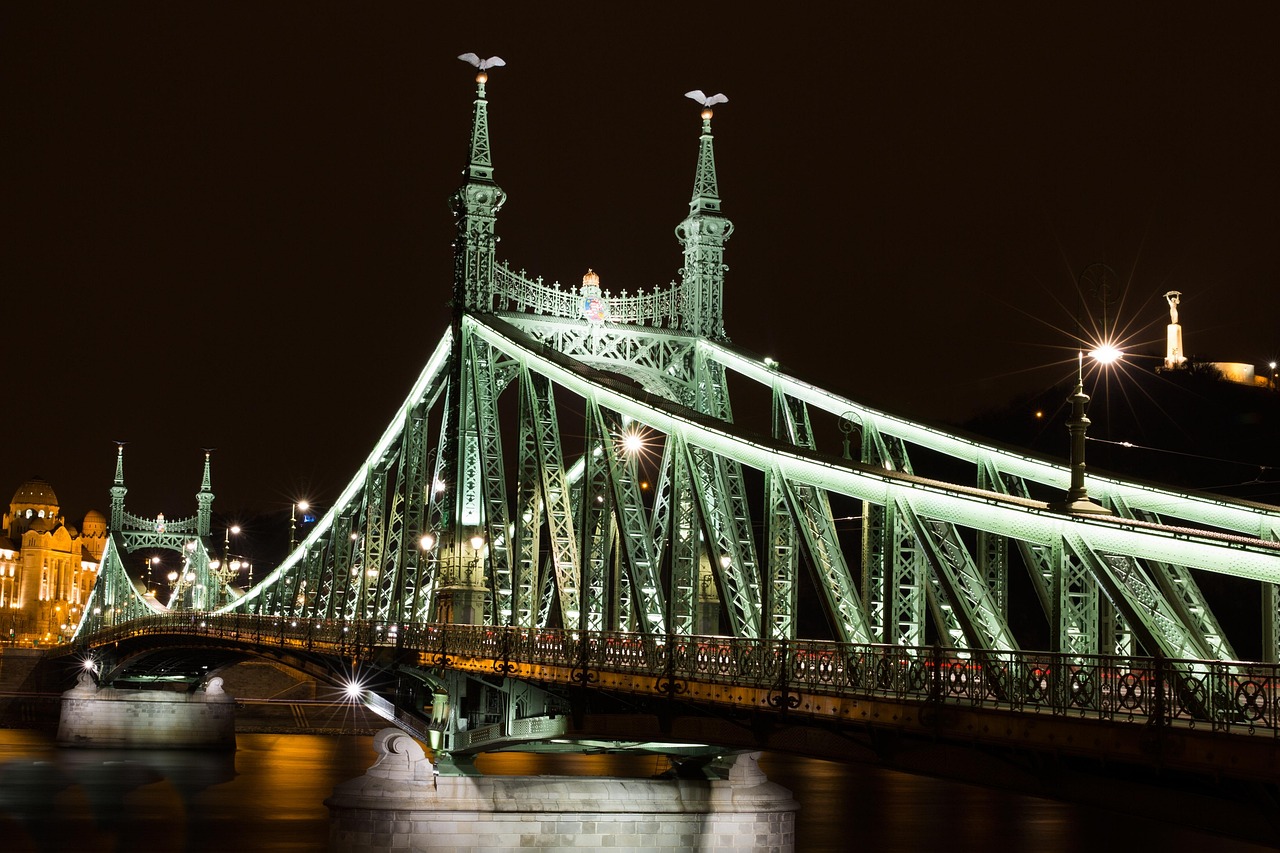
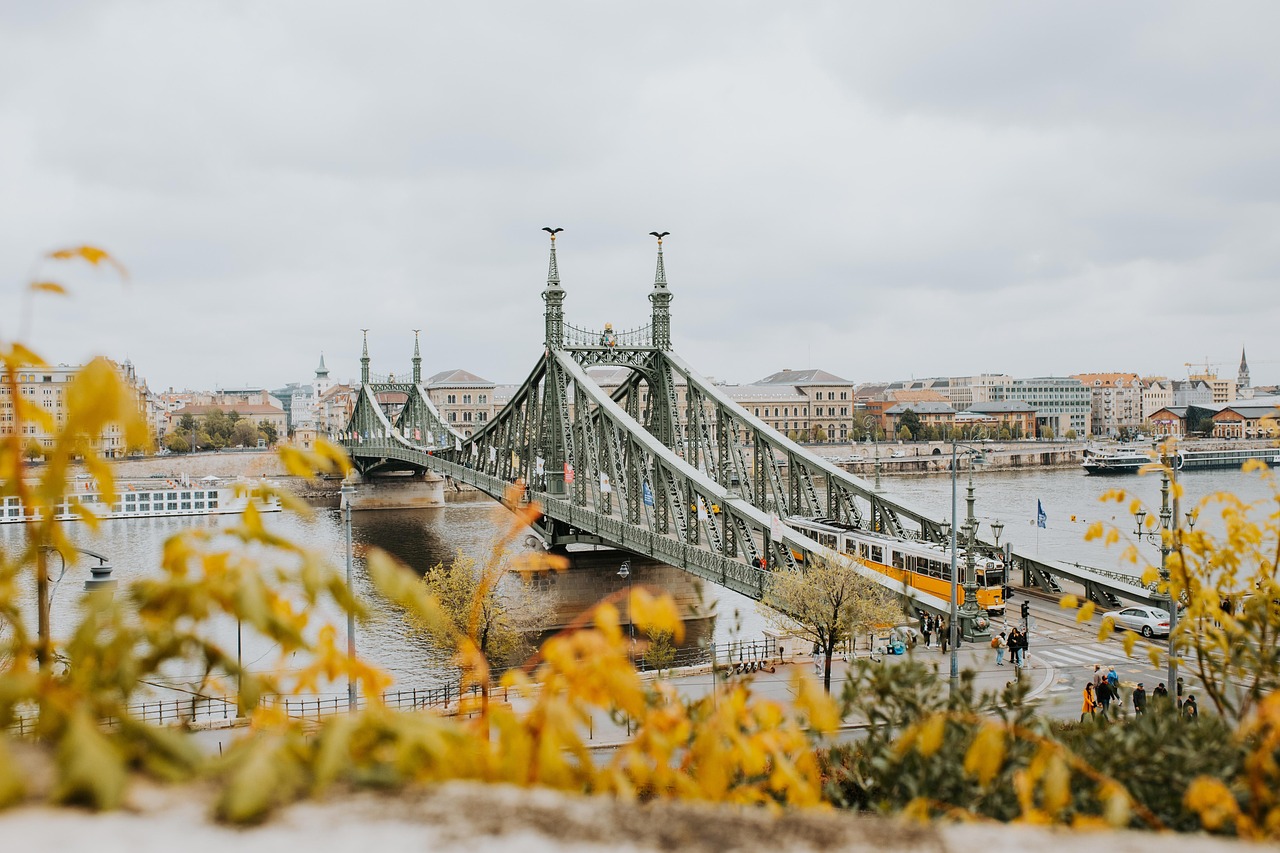
Liberty Bridge, painted green and adorned with Art Nouveau details, is my favorite of Budapest’s bridges. It connects the Great Market Hall area with Gellért Hill and the Gellért Baths. In summer evenings, locals often perch on its lower beams (where it’s safe) to chat and watch the city glow.
More than once, I’ve grabbed a gelato near Fővám tér and then wandered onto the bridge just as the sky turned orange. From here, you get a perfect view of the Danube flowing between Buda and Pest, with trams clanking by and boats gliding underneath.
17. Museum of Fine Arts & Műcsarnok
Flanking Heroes’ Square, the Museum of Fine Arts (Szépművészeti Múzeum) and the Kunsthalle (Műcsarnok) together form Budapest’s primary art hub. The Museum of Fine Arts houses an impressive collection of European masters—El Greco, Goya, and others—alongside Egyptian and classical antiquities.
On a rainy day during one of my longer stays, I spent hours here, lingering in front of paintings while groups of schoolchildren trooped by. The building itself, with its neoclassical façade and grand halls, adds to the experience.
Across the square, the Műcsarnok focuses on contemporary art with rotating exhibitions. If you’re an art lover with 4 days in Budapest, you’ll want to carve out time here.
18. Vajdahunyad Castle
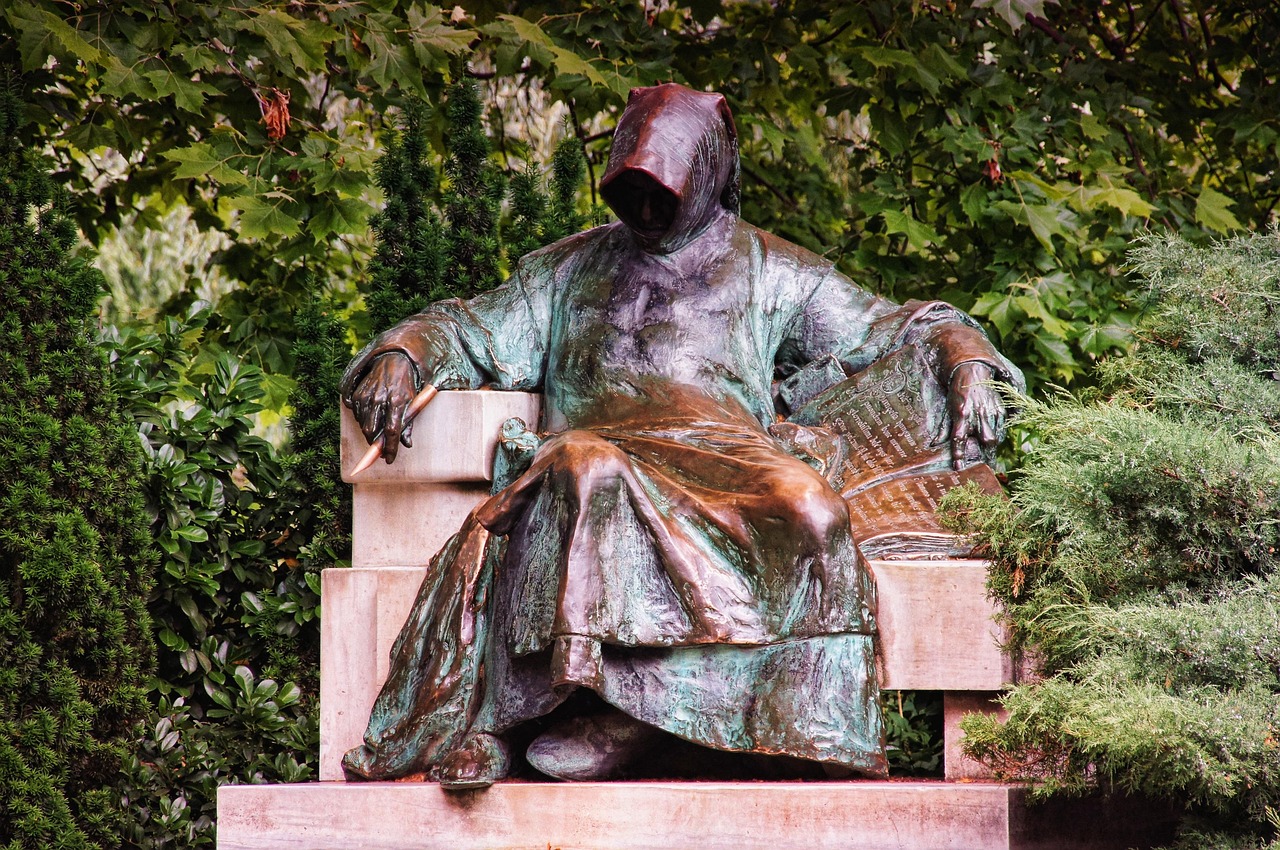
Vajdahunyad Castle looks medieval, but it’s actually an architectural “greatest hits” built in 1896 for Hungary’s Millennium Exhibition. It combines elements of famous buildings from across the country into one whimsical complex, set on an island in City Park’s lake.
I love strolling around here in the late afternoon when the light softens and couples pose for wedding photos under the arched gateways. In winter, with the lake turned into an ice rink, the whole scene feels like a snow globe come to life.
19. Budapest Eye & Erzsébet Square
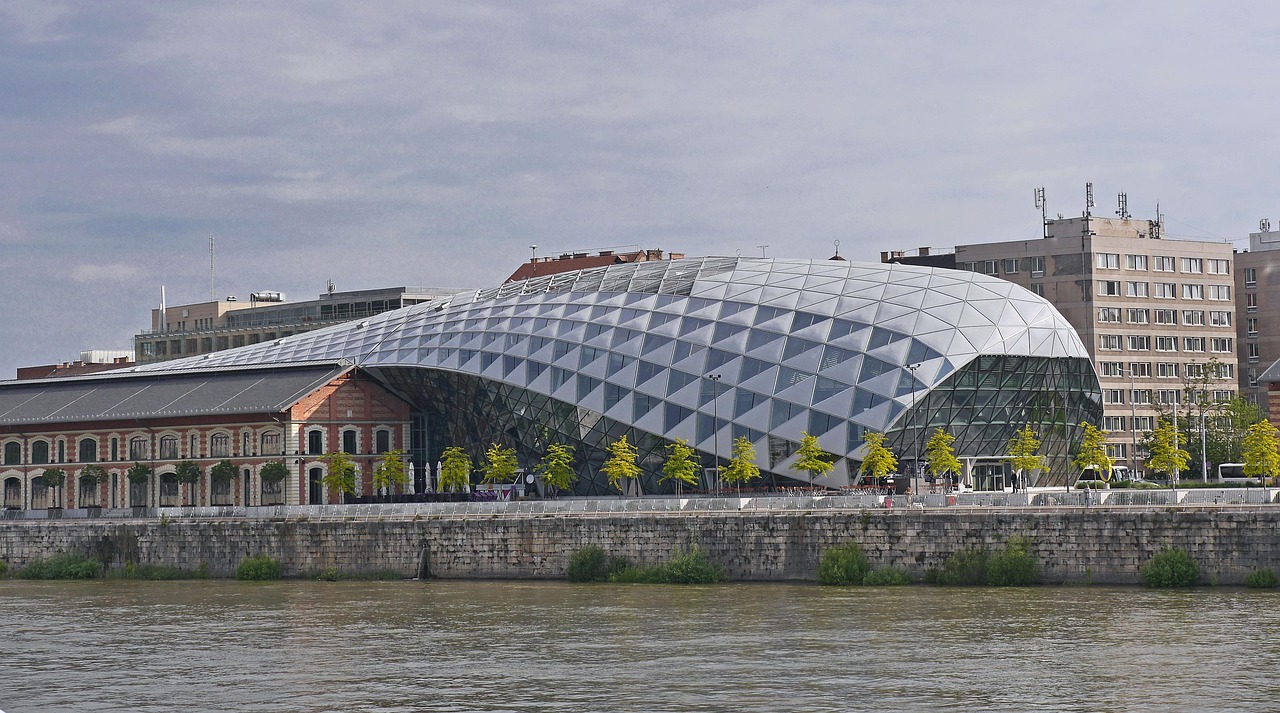
The Budapest Eye is a large Ferris wheel set in Erzsébet Square, in the heart of Pest. It’s not a historic must-see, but it is a fun way to get a different perspective on the city—especially if you’re traveling with kids or on a romantic weekend.
On a warm May evening, I shared a cabin with two friends. As we rose above the rooftops, we pointed out landmarks we’d visited that day—Parliament, Buda Castle, the Basilica dome. The ride is short but sweet, and afterward, we grabbed drinks at a nearby terrace bar and watched the wheel’s lights reflect in a shallow pool.
20. Memento Park (Statue Park)
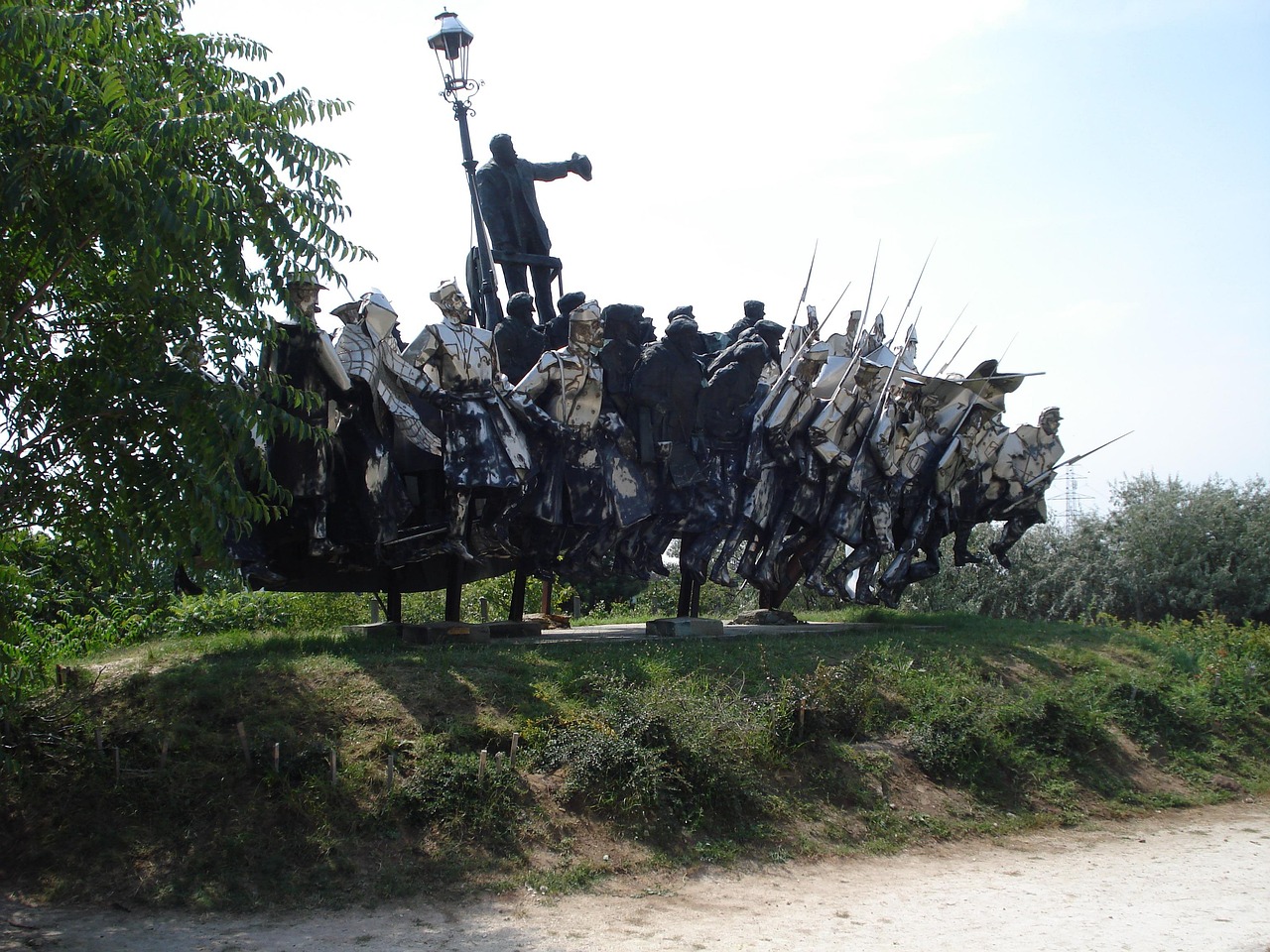
Memento Park, on the outskirts of the city, is an open-air museum of communist-era statues and monuments that were removed from Budapest’s public spaces after 1989. Giant Lenins, Marx and Engels, stern-faced soldiers—they’re all assembled here in a strange, almost surreal landscape.
I visited on a bright autumn day and found the juxtaposition of oversized ideological art and peaceful countryside oddly compelling. The park includes a small exhibition center with photos and films about the era, plus an old Trabant car you can sit in for the obligatory goofy photo.
How to get there: Bus from Kelenföld railway/metro station, or join an organized tour if you prefer not to navigate suburban buses.
21. Hungarian National Museum
For a deeper understanding of Hungary’s long and tumultuous history—from Roman times through the Ottoman occupation and the Austro-Hungarian Empire—the Hungarian National Museum is essential. The grand building, with its classical columns, is impressive, but it’s the artifacts and narratives inside that really shine.
I spent a quiet weekday morning here, working my way slowly through centuries of history. The sections on the 1848 revolution and the 1956 uprising are particularly powerful if you’ve already been to places like the House of Terror or Memento Park.
22. Smaller Markets & Local Food Halls
Beyond the Great Market Hall, Budapest has several smaller, more local markets—such as Hunyadi tér Market or Lehel Market. These are where you see everyday life: pensioners comparing cabbages, kids helping parents carry bags, vendors chatting in rapid Hungarian.
On a longer stay, I rented an apartment and came to one of these markets every other day. Not only was it cheaper than eating out for every meal, but it also gave me a reason to practice basic Hungarian phrases and feel more rooted in the neighborhood.
Suggested Itineraries: 3–5 Days in Budapest
Budapest is flexible: you can see the highlights in a busy 3 days, or sink into the city’s rhythm over 4 or 5 days. Below I’ll outline overlapping itineraries that you can adapt depending on how long you stay. I’ll weave in personal stories and practical tips, but keep in mind you can always swap days around depending on weather and your interests.
3 Days in Budapest: Classic Highlights
Day 1: Pest’s Grand Boulevards & Riverside Icons
On my ideal first day in Budapest, I always start in Pest. It’s flat, easy to navigate, and full of many of the must-see attractions in Budapest.
Morning: St. Stephen’s Basilica & Downtown Pest
Grab a coffee and a pastry (try a túrós táska, a sweet cheese-filled pastry) at a café near Deák Ferenc tér. Then walk to St. Stephen’s Basilica. Visit the interior, then ascend to the dome for a first panoramic look at the city. It’s a great way to orient yourself and pick out landmarks you’ll visit later.
From the Basilica, wander along Zrínyi utca toward the Danube. This short street frames a perfect view of the river and Buda Castle—one of those little details that still makes me stop and take a photo, even though I’ve seen it countless times.
Midday: Parliament & Danube Promenade
Head north along the riverbank to the Hungarian Parliament Building. If you’ve pre-booked a tour, time it for late morning or early afternoon. Afterward, walk south along the Danube Promenade, pausing at the moving Shoes on the Danube Bank memorial, which commemorates Jews shot into the river during WWII. It’s a simple yet deeply affecting site; I always take a quiet moment here.
Lunch: For something local yet casual, try a nearby bistro offering daily menus (napi menü)—these fixed-price lunches are one of my favorite money-saving tips in Budapest.
Afternoon: Great Market Hall & Liberty Bridge
Continue south by tram or on foot to the Great Market Hall. Browse the stalls, pick up paprika or kolbász (sausage) as a souvenir, and maybe grab a late lunch or snack upstairs. From here, cross the Liberty Bridge on foot for views up and down the river.
Evening: Gellért Hill or Gellért Baths
If you have the energy, start the climb up Gellért Hill for sunset—this is ambitious for day one but unforgettable. Alternatively, reward yourself with a soak at the Gellért Baths instead. I’ve done both on different trips; if you only have 3 days in Budapest, I’d lean toward the baths—you’ll be tired from travel and walking.
Dinner: Try a cozy restaurant in Buda around Gellért or a tram ride away in the Castle District. End the night with a slow walk back across Liberty or Elizabeth Bridge, watching the city lights shimmer on the water.
Day 2: Buda Castle, Fisherman’s Bastion & the Danube
Morning: Castle District Wander
Take bus 16 up to the Castle District and start at Buda Castle. Spend time in the courtyards, possibly visit the National Gallery if you’re an art fan, and then head toward Matthias Church and Fisherman’s Bastion.
I like to grab a coffee from a small café nearby and sip it on the Fisherman’s Bastion terraces while taking in the view of the Parliament building and Pest. It’s touristy, yes, but the panorama is pure magic.
Midday: Lunch in the Castle District
The Castle District has both formal restaurants with terrace views and smaller, more low-key spots tucked down side streets. I usually avoid the most obvious tourist spots right on the main squares and instead walk a few blocks away—prices drop, and the food often feels more authentic.
Afternoon: Funicular & Riverside Walk
Take the funicular or walk down to Clark Ádám tér, then stroll along the riverbank on the Buda side toward Margaret Bridge. This path gives you constantly changing angles on Pest’s skyline. If you’re up for it, cross over to Margaret Island for a late-afternoon break among the trees.
Evening: Danube Cruise
A night-time Danube river cruise might sound cliché, but it’s truly one of the best things to do in Budapest—especially if you’re short on time. I usually opt for a simple, no-frills cruise without dinner; I prefer to focus on the view rather than a buffet. Seeing the Parliament, Buda Castle, and bridges illuminated from the water is an experience I repeat nearly every visit.
Dinner: Back on land, head into the city center or the Jewish Quarter for dinner. If you’re curious about ruin bars but not into heavy partying, this is a good night to wander through a couple, have a drink, and people-watch.
Day 3: City Park, Baths & Ruin Bars
Morning: Andrássy Avenue & Heroes’ Square
Take the historic yellow Metro line 1 up Andrássy Avenue, hopping off for a quick look at the Opera House exterior if you haven’t already. Continue to Heroes’ Square and then wander into City Park.
Midday: Vajdahunyad Castle & Széchenyi Baths
Explore the grounds of Vajdahunyad Castle, then head to Széchenyi Thermal Bath for a long, leisurely soak. Plan at least 2–3 hours here if you can; try different pools and saunas, and don’t rush.
Late Afternoon: Nap / Café Time
After the baths, I often feel wonderfully relaxed and a bit sleepy. Take the metro back to the center, rest at your accommodation, or find a café for cake and coffee. Budapest’s café culture is strong—try a slice of Dobos torta or Eszterházy cake.
Evening: Jewish Quarter & Ruin Bars
Spend your final evening exploring the Jewish Quarter. Start with dinner—there’s everything from traditional Hungarian to hip fusion spots—then weave through the streets to check out a few ruin bars. Even if you only have one drink, the eclectic interiors and laid-back atmosphere are a quintessential Budapest experience.
4 Day Itinerary for Budapest: Slower Pace & More Local Life
If you have 4 days in Budapest, follow the 3-day outline above and add:
Day 4: Margaret Island, Local Markets & Neighborhood Explorations
Morning: Local Market & Coffee
Start your day at a smaller neighborhood market—Lehel Market or Hunyadi tér are great options. Grab fresh fruit, baked goods, and snacks. I love these moments of being surrounded by locals, hearing Hungarian chatter, and feeling briefly like I live here.
Midday: Margaret Island
Take tram 4/6 to Margaret Bridge and walk onto Margaret Island. Rent a bike or just stroll the paths, visit the small animal park if you’re with kids, and climb the water tower if it’s open. This is your chance to slow down between busy sightseeing days.
Afternoon: Architecture Walk in Lipótváros & Parliament Area
Return to Pest and wander through Lipótváros (the Parliament district). Look for ornate facades, hidden courtyards, and small specialty shops. I often stop at a café with outdoor seating and simply watch the world go by.
Evening: Danube Promenade & Quiet Dinner
End the day with a relaxed walk along the Danube Promenade and dinner at a restaurant with river views. If you skipped the cruise earlier in your trip, tonight’s a good chance to do it.
5 Day Itinerary for Budapest: Deep Dive & Day Trips
With 5 days in Budapest, you can really settle into the city and add a day trip.
Day 5: Day Trip to Szentendre or Danube Bend
Option 1: Szentendre
Szentendre is a colorful riverside town about an hour from Budapest, known for its art galleries, cobbled streets, and baroque churches. I hopped on the suburban HEV train one sunny morning and spent the day wandering, eating kürtőskalács (chimney cake), and browsing craft shops.
How to get there: HEV H5 train from Batthyány tér. Buy a suburban extension ticket in addition to your regular pass.
Option 2: Danube Bend (Visegrád, Esztergom)
For more dramatic scenery, join a Danube Bend tour or DIY by train/bus to Visegrád or Esztergom. Expect hilltop fortresses, rolling hills, and sweeping river views. It’s a refreshing contrast to the urban landscape.
Evening Back in Budapest: Return for a final dinner—perhaps something special, like a tasting menu or wine-pairing experience featuring Hungarian wines from Tokaj and Villány.
Budapest Neighborhoods & Districts to Explore
District V (Belváros & Lipótváros): The Historic Heart
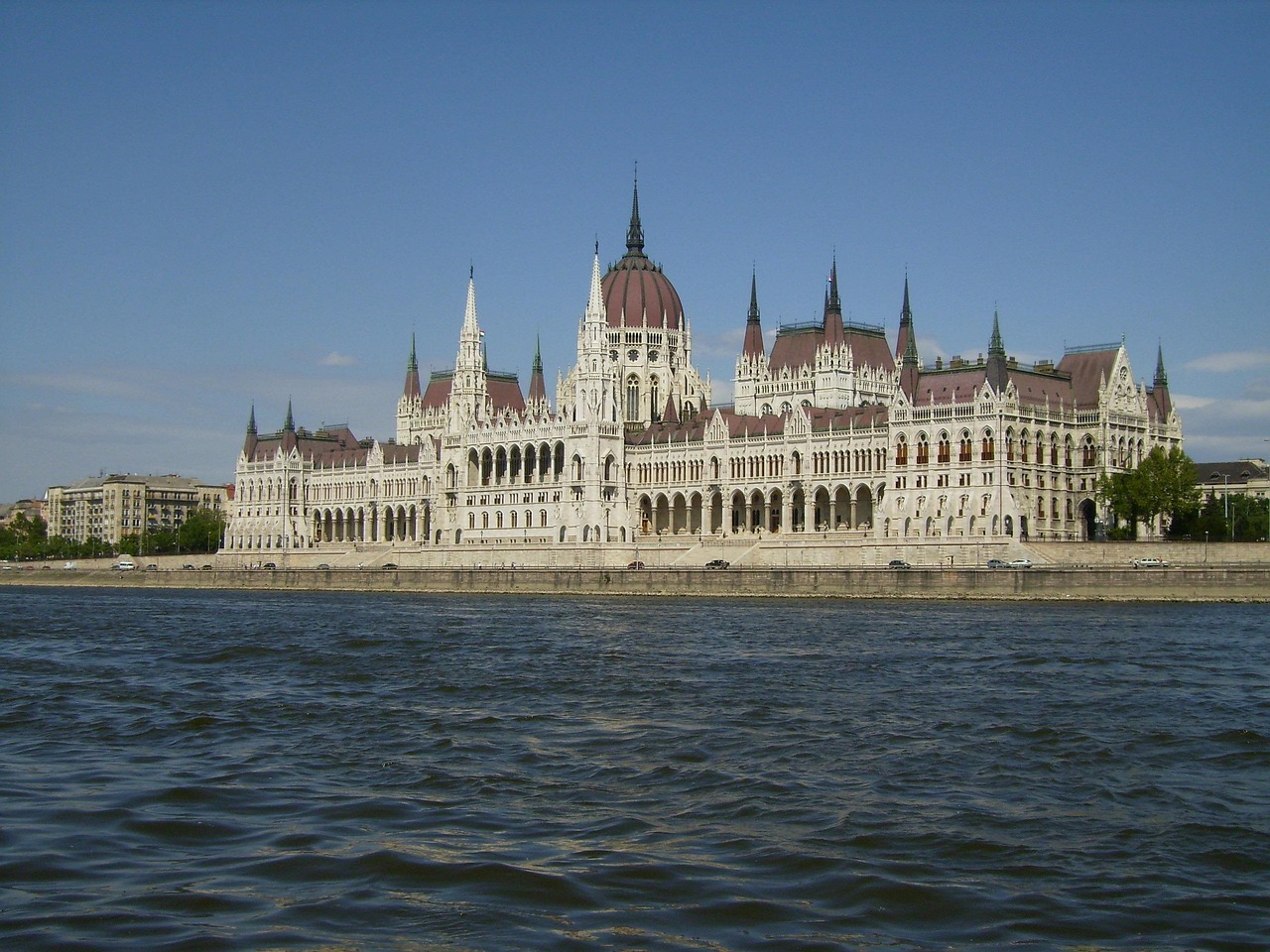
District V covers much of central Pest along the Danube—this is where you’ll find Parliament, the Basilica, the Danube Promenade, and many major sights. It’s touristy but beautiful, with wide boulevards, elegant facades, and plenty of cafés and restaurants.
I often stay here on shorter trips because it’s walkable to almost everything. Early mornings are particularly lovely, before the tour groups arrive—perfect for photographers.
Jewish Quarter (District VII): Ruin Bars & Street Art
Once the wartime ghetto, today the Jewish Quarter is Budapest’s nightlife and creative hub. Streets are lined with ruin bars, street art, vintage shops, and an ever-changing lineup of eateries.
I’ve rented short-term apartments here a couple of times; it’s lively (read: noisy late at night near certain bars), but incredibly convenient. If you’re into nightlife and café culture, this is your spot.
Castle District (District I): Cobblestones & Quiet Charm
On the Buda side, the Castle District is atmospheric and historic, with pastel-colored houses, narrow streets, and sweeping views. After day-trippers leave, it becomes surprisingly peaceful.
Staying here feels almost like being in a small town. I love evening walks along the walls when the city below is lit up.
Terézváros & Erzsébetváros (Districts VI & VII): Between Opera & Ruin Bars
These districts stretch behind Andrássy Avenue. They’re a great compromise between central convenience and local feel. Think 19th-century apartment buildings, small neighborhood bars, and a growing number of trendy cafés and brunch spots.
Many friends who work remotely love staying here: good transit, lots of services, and you can walk to most major sights.
Óbuda & Buda Hills (Districts III & Beyond): Quieter & Leafy
If you prefer a calmer base, look towards Óbuda and the Buda Hills. You’ll be further from the center but surrounded by greenery and residential calm. It’s where I’d stay on a longer, slower trip, especially if I wanted to hike or run in the hills.
Local Food in Budapest: What & Where to Eat
Must-Try Hungarian Dishes
- Gulyás (Goulash): A hearty soup with beef, potatoes, and paprika. Unlike the thick stew you might know from elsewhere, Hungarian gulyás is more brothy. I like it on chilly evenings, preferably with fresh bread.
- Paprikás Csirke (Chicken Paprikash): Chicken in a creamy paprika sauce, usually served with nokedli (dumplings). Comfort food at its finest.
- Lángos: Deep-fried dough topped with sour cream and cheese, sometimes garlic or other toppings. I often grab this as a snack at markets or near City Park.
- Hortobágyi Palacsinta: Savory pancakes filled with meat and paprika sauce.
- Dobos Torta & Eszterházy Torta: Classic Hungarian cakes you’ll find in traditional cafés.
- Kürtőskalács (Chimney Cake): Sweet, spiral pastry grilled over coals and rolled in sugar, cinnamon, or nuts. Great as a walking snack.
Where to Eat: From Markets to Michelin
Budapest’s food scene has grown a lot in the last decade. You can still find classic, no-frills eateries with checkered tablecloths and big portions, but also sleek modern bistros and creative fine dining.
Budget: Look for simple étkezde (canteens) and daily menu (menü) deals at lunch. Markets like the Great Market Hall or smaller neighborhood markets are perfect for cheap, fresh food. Bakeries (pékség) are lifesavers for breakfast and snacks.
Mid-range: Many bistros in District V and the Jewish Quarter offer modern takes on Hungarian classics. I’ve had memorable meals in places where goulash arrived in elegant white bowls and lángos was reimagined as a sharing appetizer.
Splurge: Budapest has several acclaimed fine-dining restaurants, some with Michelin stars, that showcase local ingredients and wines with contemporary techniques. Book ahead, especially for Friday and Saturday nights.
What to Drink: Wine, Pálinka & Coffee
Hungarian Wine: Don’t leave without trying Tokaji (sweet or increasingly, dry styles), Bikavér (Bull’s Blood red blend), and reds from Villány or Szekszárd. I love popping into small wine bars in the center and letting the staff recommend a flight.
Pálinka: A strong fruit brandy (apricot, plum, pear). Sip slowly. It’s potent, and locals often treat it as a digestif.
Craft Beer & Coffee: The craft beer scene has grown, with several small breweries and bars. Specialty coffee shops are everywhere; perfect for mid-morning breaks.
Money-Saving Food Tips
- Eat your big meal at lunch using daily menus; they can be half the price of dinner.
- Self-cater breakfast from supermarkets or markets if you have a fridge.
- Tap water is safe to drink—refill a bottle instead of buying.
- Check if service is included; if not, 10%–12% tip is normal in sit-down restaurants.
Nightlife, Entertainment & Cultural Experiences in Budapest
Nightlife: From Ruin Bars to Jazz Clubs
Budapest’s nightlife is famously varied. Beyond the ruin bars, you’ll find rooftop terraces, wine bars, jazz clubs, and late-night cafés.
- Ruin Bars: Szimpla Kert is the classic, but explore smaller ones for a more relaxed vibe.
- Rooftop Bars: In summer, rooftop terraces offer city views and breezy evenings.
- Jazz & Live Music: Look out for small clubs featuring local jazz or folk bands; they’re great places to mingle with locals.
- Danube Cruises: Some include live music and drinks—touristy but fun in moderation.
Cultural Experiences: Opera, Concerts & Festivals
Opera & Classical: The Hungarian State Opera and other venues offer high-quality performances at reasonable prices. I’ve often grabbed last-minute balcony tickets for less than a standard restaurant meal.
Theater & Dance: While most plays are in Hungarian, ballet and dance performances are accessible to all.
Festivals: From wine festivals in Buda Castle to Christmas markets in November–December, the city always seems to have something on. Check the 2026–2027 events section below for specific highlights.
Best Day Trips from Budapest
Szentendre
As mentioned earlier, Szentendre is perfect for a relaxed day: pastel houses, riverside walks, and art galleries. It’s also very family-friendly and easy to navigate.
Danube Bend: Visegrád & Esztergom
Expect castle ruins, river bends, and postcard-perfect views. Organized tours are convenient if you’re short on planning time; independent travel gives you more flexibility.
Lake Balaton (Longer Day or Overnight)
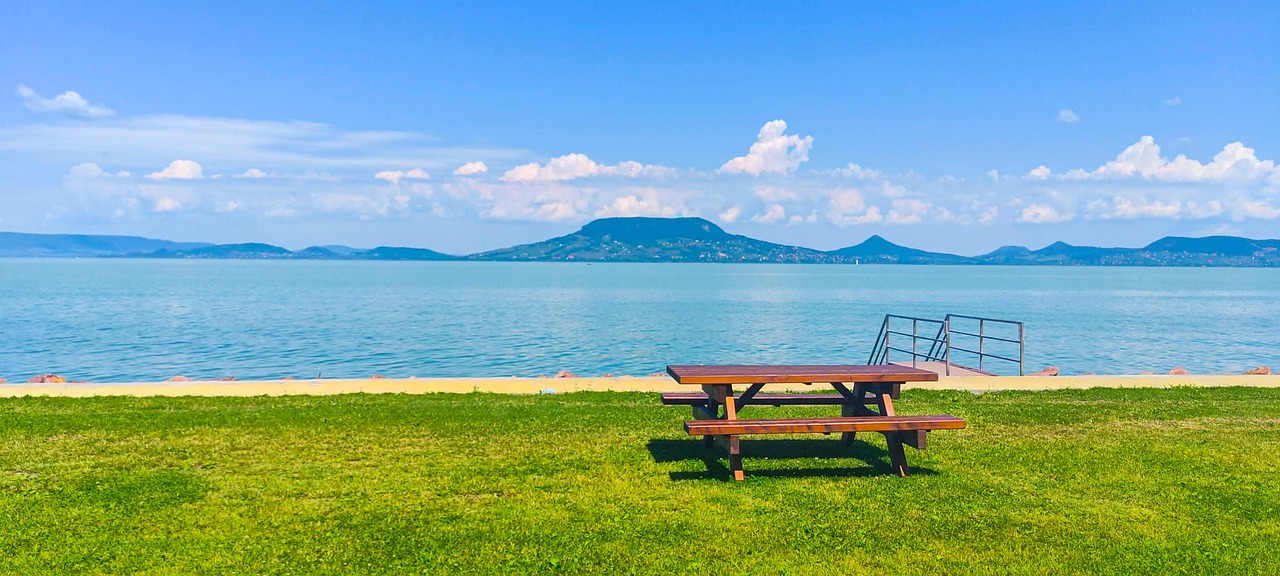
Hungary’s “sea,” Lake Balaton, is a bit far for a casual day trip but doable as a long day or, better, a 1–2 night excursion. In summer, beaches fill with families; in shoulder seasons, it’s quieter and great for wine tasting around Badacsony.
Cultural Etiquette & Local Customs in Budapest
Hungarians can seem reserved at first, but they’re generally warm and helpful once you break the ice. A few etiquette tips go a long way.
- Greetings: A simple “Jó napot” (good day) or “Szia” (hi, informal) is appreciated in small shops and cafés.
- Politeness: Saying “Köszönöm” (thank you) and “Kérem” (please) earns smiles.
- Quiet in Public Transport: Locals tend to be fairly quiet on trams and metros; keep voices down and avoid speakerphone calls.
- Shoes in Homes: If you’re invited to someone’s home, it’s customary to remove your shoes.
- Tipping: 10%–12% in restaurants if service isn’t included; round up in bars and cafés.
- Toasting: Traditionally, clinking beer glasses was frowned upon (dating back to 19th-century history), but this has relaxed among younger people. Still, you’ll sometimes see people just raising glasses instead of clinking.
- Religion & Memorials: Dress respectfully in churches and synagogues, speak quietly, and avoid taking photos where it’s prohibited (especially at Holocaust-related sites).
Practical Travel Tips for Budapest 2026–2027
Getting Around: Public Transport, Walking & Car Rental
Public Transport: Budapest has an extensive network of metros, trams, buses, and suburban trains. I almost never need a car in the city.
- Buy a travel pass (24/72-hour or 7-day) if you plan to move around a lot—great value.
- Validate single tickets before boarding or immediately after boarding buses.
- Tram lines 2, 4, and 6 are particularly useful; tram 2 along the Danube is also a mini sightseeing tour.
Walking: Central areas are very walkable. I often do 15–20 km a day without realizing it—bring comfortable shoes.
Car Rental: Not recommended for within the city; parking is tricky, and public transport is easier. If you plan countryside trips, rent a car only for those days.
SIM Cards & Connectivity
In 2026, eSIMs and local SIMs are both straightforward options.
- eSIM: Buy an international eSIM before arrival for instant data.
- Local SIM: Available from major providers’ shops in the city and at the airport. Bring your passport; registration is required.
- Free Wi‑Fi is common in cafés, malls, and many public spaces.
Money, Costs & How to Save
Currency: Hungarian Forint (HUF). Some touristy places accept euros, but rates are poor—always pay in forints.
- Use ATMs from major banks; avoid independent “ATM” machines with high fees.
- Cards are widely accepted, but it’s useful to carry some cash for small purchases and markets.
- Save by using lunch menus, markets, and walking or using passes for transport.
Safety & Common Scams
Budapest feels generally safe, even at night in central areas. Normal big-city precautions apply:
- Watch out for pickpockets on crowded trams/metros and at markets.
- Avoid unlicensed taxis; use official companies or ride-hailing apps.
- Be cautious in nightlife areas late at night; know your limits with alcohol.
Visa Requirements & Driving Licenses
Visas: Hungary is part of the Schengen Area. Many nationalities can enter visa-free for short stays (up to 90 days within 180 days). Always check the latest requirements for your passport before traveling.
Driving Licenses: Visitors from the EU/EEA can drive with their domestic license. Many other nationalities can drive with their home license plus an International Driving Permit (IDP); check the latest regulations if you plan to rent a car.
Best Seasons for Different Activities

- Spring (April–May): Mild weather, blooming parks, fewer crowds. Great for walking itineraries and outdoor cafés.
- Summer (June–August): Hot, lively, and sometimes crowded. Best for Margaret Island, rooftop bars, and late-night ruin bar hopping. Pack light clothes and sunscreen.
- Autumn (September–October): My favorite time—pleasant temperatures, colorful foliage on Gellért Hill and in City Park, wine festivals.
- Winter (November–March): Cold, but magical: Christmas markets, thermal baths in the snow, indoor cafés and museums. Perfect if you like a cozier city vibe and don’t mind bundling up.
Major Events in Budapest 2026–2027
Event calendars can shift, but based on recent patterns and planned projects, here are some things to look for in 2026–2027:
- Budapest Spring Festival (April): City-wide arts festival with concerts, theater, and exhibitions.
- Budapest Summer Festival (June–August): Open-air performances on Margaret Island and other venues.
- Wine & Gastro Festivals (September): Buda Castle wine festival and other regional showcases—great for trying Hungarian wines in one place.
- Christmas Markets (late November–December): Especially at Vörösmarty tér and St. Stephen’s Basilica—mulled wine, crafts, and seasonal foods.
- Ongoing Urban Projects: Continued upgrades to tram lines, riverside promenades, and cultural venues, making 2026–2027 a dynamic time to experience a city in gentle transformation.
Summary & Final Recommendations: When to Visit & How Long to Stay
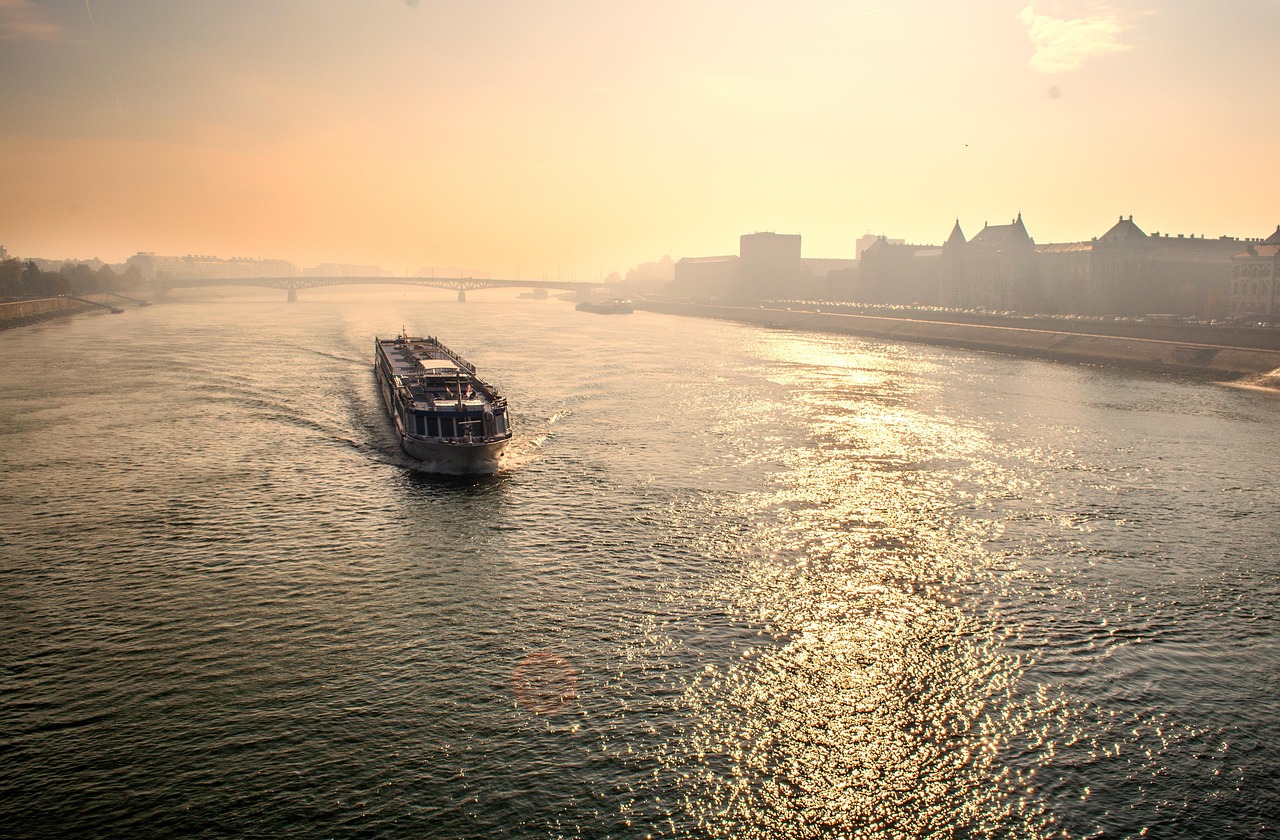
Budapest is a city that rewards both first-time visitors and repeat travelers like me. You can come for a quick 3 day itinerary for Budapest and see the essentials—Buda Castle, Parliament, Fisherman’s Bastion, Széchenyi Baths, and a ruin bar or two—or you can stretch to a 4 or 5 day itinerary for Budapest and slip into a more local rhythm with markets, day trips, and neighborhood wanders.
Best overall time: Late April–June and September–early October hit the sweet spot of good weather and manageable crowds. Winter is perfect if you dream of steaming baths and Christmas lights; summer is at its most energetic but also its busiest.
What keeps drawing me back isn’t just the list of things to do in Budapest, but the way the city feels at street level: tram bells ringing, café chatter spilling onto sidewalks, the smell of fresh lángos near City Park, and the hush along the Danube embankment at night. Come with a rough plan, leave room for detours, and let Budapest surprise you—it’s very good at that.