Why Visit Reykjavik in 2026
Reykjavik is a small city with a big personality: corrugated-iron houses painted every color of a candy box, crisp ocean air that smells of salt and snow, and a nightlife that somehow stays lively even in mid-winter darkness. It’s the kind of place where you can soak in a geothermal pool at sunrise, walk volcanic coastline by noon, browse design shops and cutting-edge galleries in the afternoon, and end the day with craft beer, live music, and maybe a glimpse of the northern lights.
I’ve visited Reykjavik several times over the last decade, including most recently in early 2026. Each time, I’ve found something new: a neighborhood mural where there used to be a blank wall, a tiny bakery tucked into a side street, a new geothermal spa that locals are buzzing about. Reykjavik is constantly evolving, but it never loses its sense of intimacy. You can walk almost everywhere, recognize the same bartender you met two nights before, and still feel that the wild Icelandic landscape is just a short drive away.
In 2026, Reykjavik is especially exciting. The city has doubled down on sustainability, expanded its cultural festivals, and added new walking and cycling paths along the waterfront. Tourism has matured: there are more options for budget travelers, more authentic local food experiences, and better infrastructure for visitors who want to go beyond the “Golden Circle” and still use Reykjavik as a home base.
Whether you have 3 days in Reykjavik, 4 days, or a full 5 day itinerary to play with, the city works beautifully as both a standalone destination and a hub for exploring Iceland’s otherworldly landscapes.
Table of Contents
- Why Visit Reykjavik in 2026
- Reykjavik at a Glance
- 20 Must-See Attractions in Reykjavik (With Local Stories & Tips)
- Suggested Itineraries: 3, 4 & 5 Days in Reykjavik
- Neighborhoods & Districts of Reykjavik
- Local Food & Drink in Reykjavik
- Nightlife, Entertainment & Cultural Experiences
- Best Day Trips from Reykjavik
- Cultural Etiquette & Local Customs
- Practical Travel Tips for Reykjavik (Money, SIM, Transport, Seasons, Visas)
- Reykjavik Events & Festivals 2026–2027
- Summary & Best Time to Visit Reykjavik
Reykjavik at a Glance
Reykjavik is the northernmost capital in the world, home to about 140,000 people (roughly one-third of Iceland’s population). It feels more like a coastal town than a sprawling city: low-rise buildings, a tidy harbor, and snow-capped mountains forming a backdrop that looks hand-painted.
The city center is compact, easily explored on foot in any detailed 3 day itinerary for Reykjavik, and even more deeply in 4–5 days. The atmosphere is relaxed, creative, and friendly. You’ll see locals bundled in wool sweaters (lopapeysa) chatting in cafés, kids splashing in heated outdoor pools, and visitors craning their necks at the futuristic Hallgrímskirkja church tower.
Public transport is simple but effective, English is widely spoken, and tap water is some of the cleanest in the world. Reykjavik also makes an excellent base for day trips: the Blue Lagoon, the Golden Circle, Snæfellsnes Peninsula, hiking, horseback riding, and glacier excursions all start here.
20 Must-See Attractions in Reykjavik (With Local Stories & Tips)
These are the best places to visit in Reykjavik, from the iconic to the quietly magical. I’ve included personal anecdotes, history, and practical travel advice for Reykjavik to help you decide what to prioritize in your own 3, 4, or 5 day itinerary.
1. Hallgrímskirkja Church
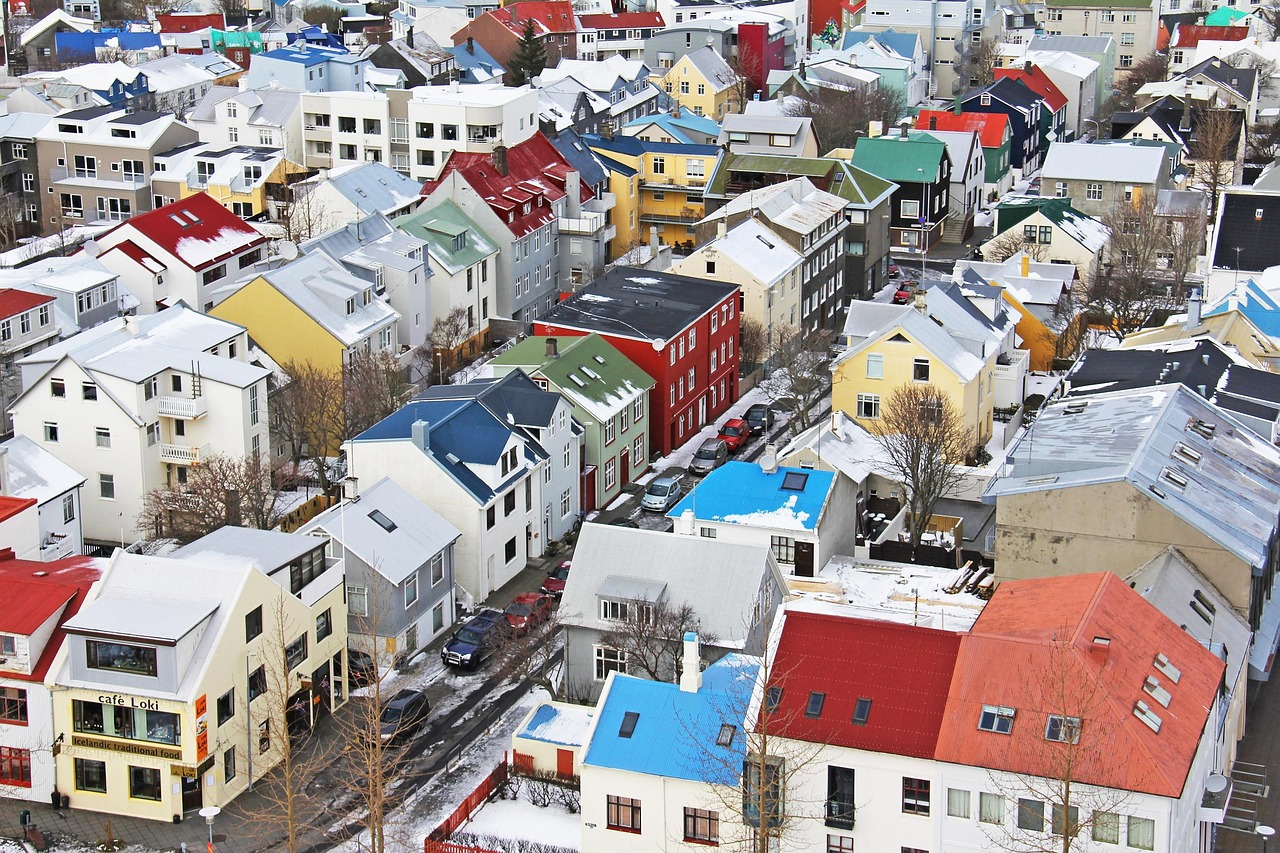
The first time I saw Hallgrímskirkja, I arrived on a blustery April morning. The church tower rose like a basalt cliff from the sea of colorful rooftops, its concrete columns inspired by the hexagonal lava formations found across Iceland. It’s Reykjavik’s most recognizable landmark and a must-see attraction in any travel guide for Reykjavik.
Why it’s special: Completed in 1986 and named after 17th-century poet and clergyman Hallgrímur Pétursson, Hallgrímskirkja is both a functioning parish church and a symbol of national identity. The design by Guðjón Samúelsson evokes lava flows and Iceland’s volcanic geology. Inside, it’s simple and bright, with an immense pipe organ that fills the space with sound during concerts.
What to do: Pay the small fee to ride the elevator up the tower. On clear days, the 360° view is spectacular: tin rooftops, Faxaflói Bay, Mount Esja, and on especially clear days, Snæfellsjökull glacier. I like to time my visits for late afternoon in winter, when the low sun paints the city pink, or around 9–10 p.m. in summer, when it’s still daylight and the streets buzz with life.
Tips:
- Arrive early (before 10 a.m.) or late afternoon to avoid cruise ship crowds.
- The church is free; only the tower requires a ticket.
- Check the noticeboard for organ recitals; they’re a beautiful cultural experience in Reykjavik and usually affordable.
Nearby food: Walk down Skólavörðustígur (the rainbow street) for coffee and pastries. I often grab a cinnamon bun and coffee at a nearby café, then wander the artisan shops selling Icelandic wool and local design.
2. Harpa Concert Hall & Conference Centre
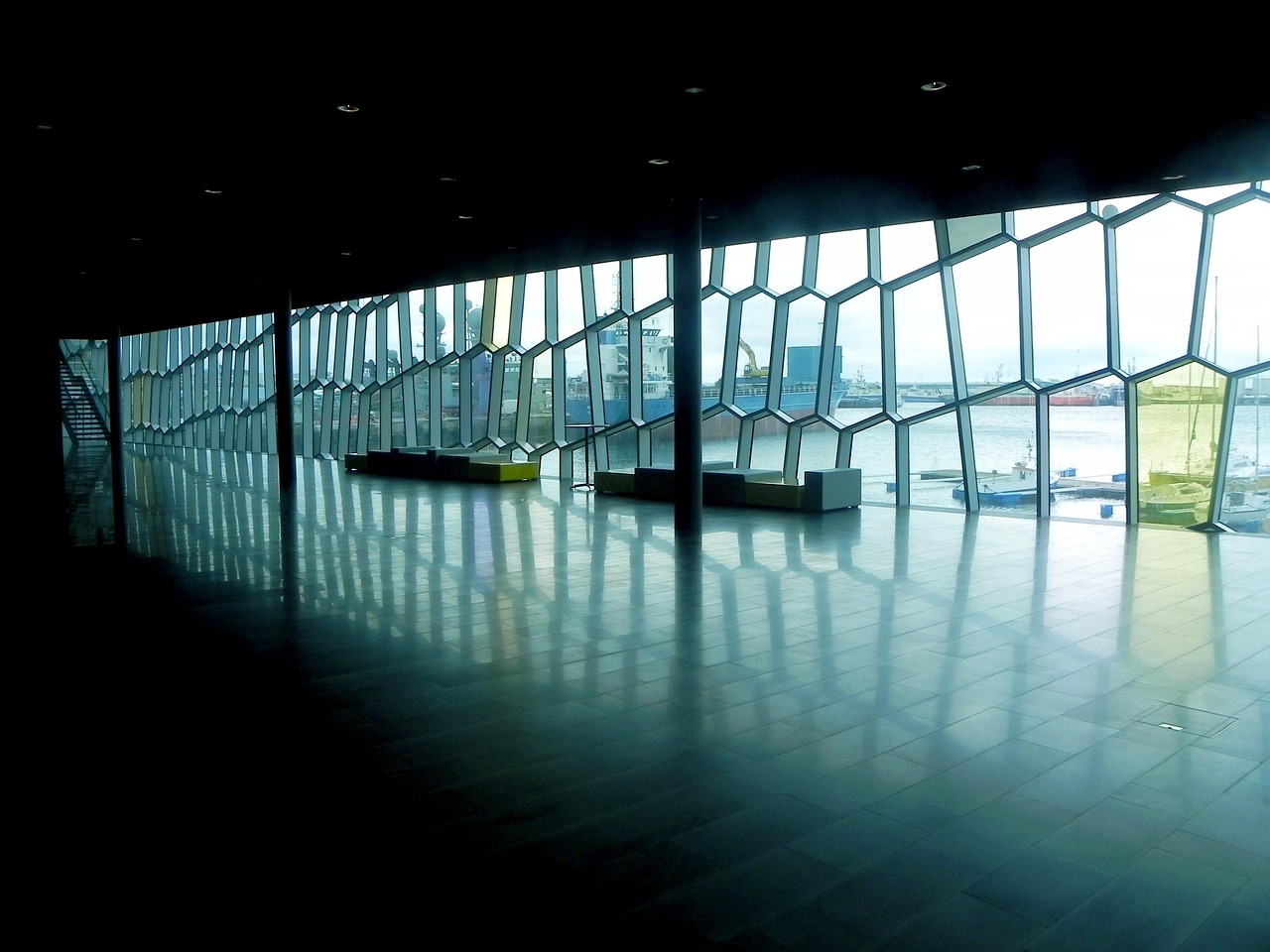
Harpa’s glass façade glitters like a giant honeycomb on the harbor. On my second visit to Reykjavik, I spent an entire rainy afternoon here, watching the light shift through the geometric glass panes designed by artist Ólafur Elíasson. It’s as photogenic inside as it is outside.
Why it’s special: Opened in 2011, Harpa quickly became a symbol of Reykjavik’s resilience after Iceland’s 2008 financial crisis. Its design was inspired by basalt columns and the play of Icelandic light. It hosts the Iceland Symphony Orchestra, the Icelandic Opera, festivals, and conferences.
What to do:
- Wander inside for free and explore the different levels, balconies, and views over the harbor.
- Attend a concert or performance—classical, jazz, or even quirky multimedia shows.
- Take a guided architectural tour if you’re curious about the building’s creation and symbolism.
Tips:
- Great rainy-day activity, especially for families.
- The café inside is a cozy place to warm up with coffee and cake.
- Sunset outside Harpa is a photographer’s dream, with reflections on both the glass and the water.
3. Sun Voyager (Sólfar) Sculpture
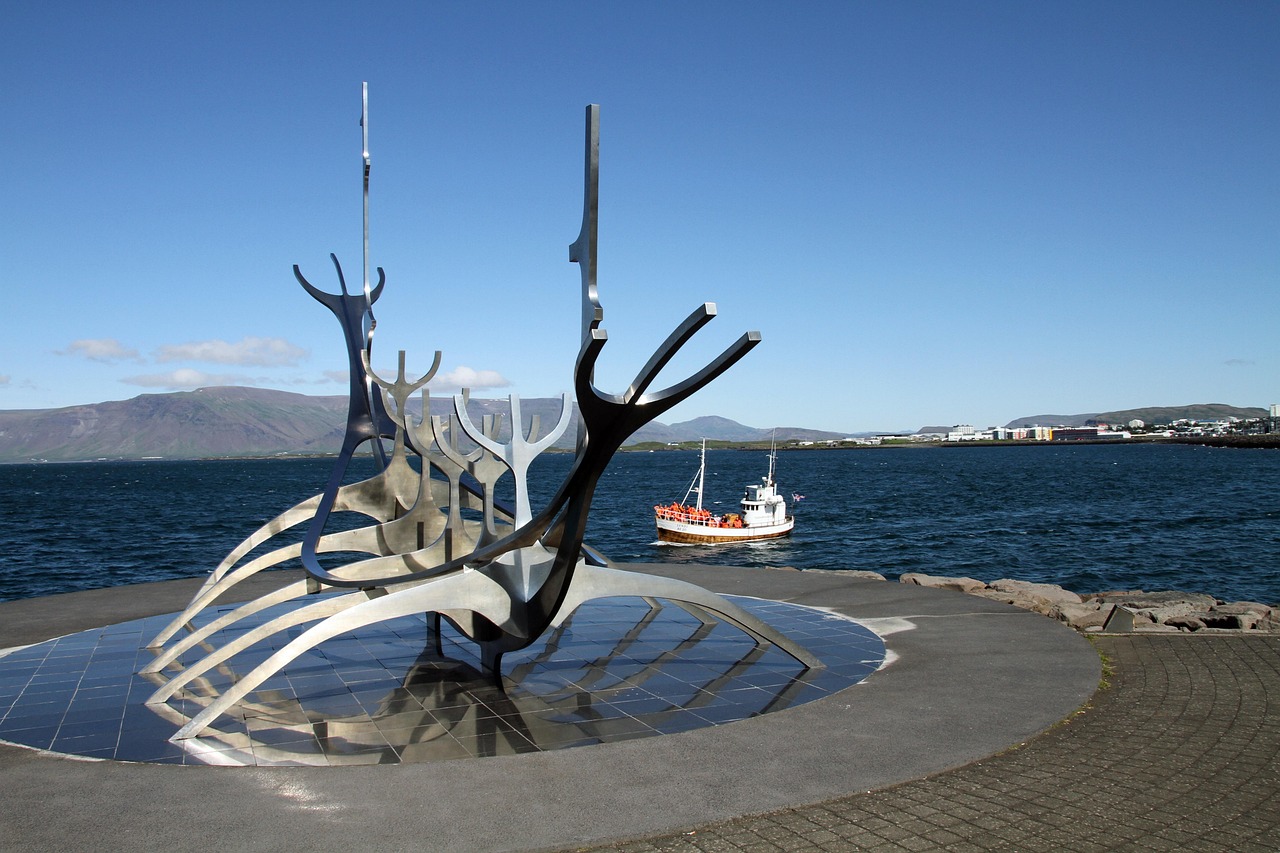
The Sun Voyager is one of those places I return to every single trip, no matter how short. This gleaming steel “dreamboat” sits on the waterfront, pointed toward the horizon. It’s both a tribute to the sun and a poetic nod to exploration.
Why it’s special: Created by Jón Gunnar Árnason and unveiled in 1990, Sun Voyager is often mistaken for a Viking ship, but the artist described it as a vessel of dreams and hope. Against the backdrop of Mount Esja and Faxaflói Bay, it encapsulates the spirit of Reykjavik—looking outwards, slightly melancholic, always connected to the sea.
Best time to go:
- Summer: Late evening (10–11 p.m.) when the sun hangs low and the sky glows.
- Winter: Blue hour (around sunrise or sunset) for moody light and fewer crowds.
Tips: It can be extremely windy; bring a hat and gloves even in shoulder seasons. Combine with a stroll along the waterfront path between Harpa and the old harbor—perfect for romantic walks or family-friendly sightseeing.
4. Reykjavik Old Harbor (Gamla Höfnin)
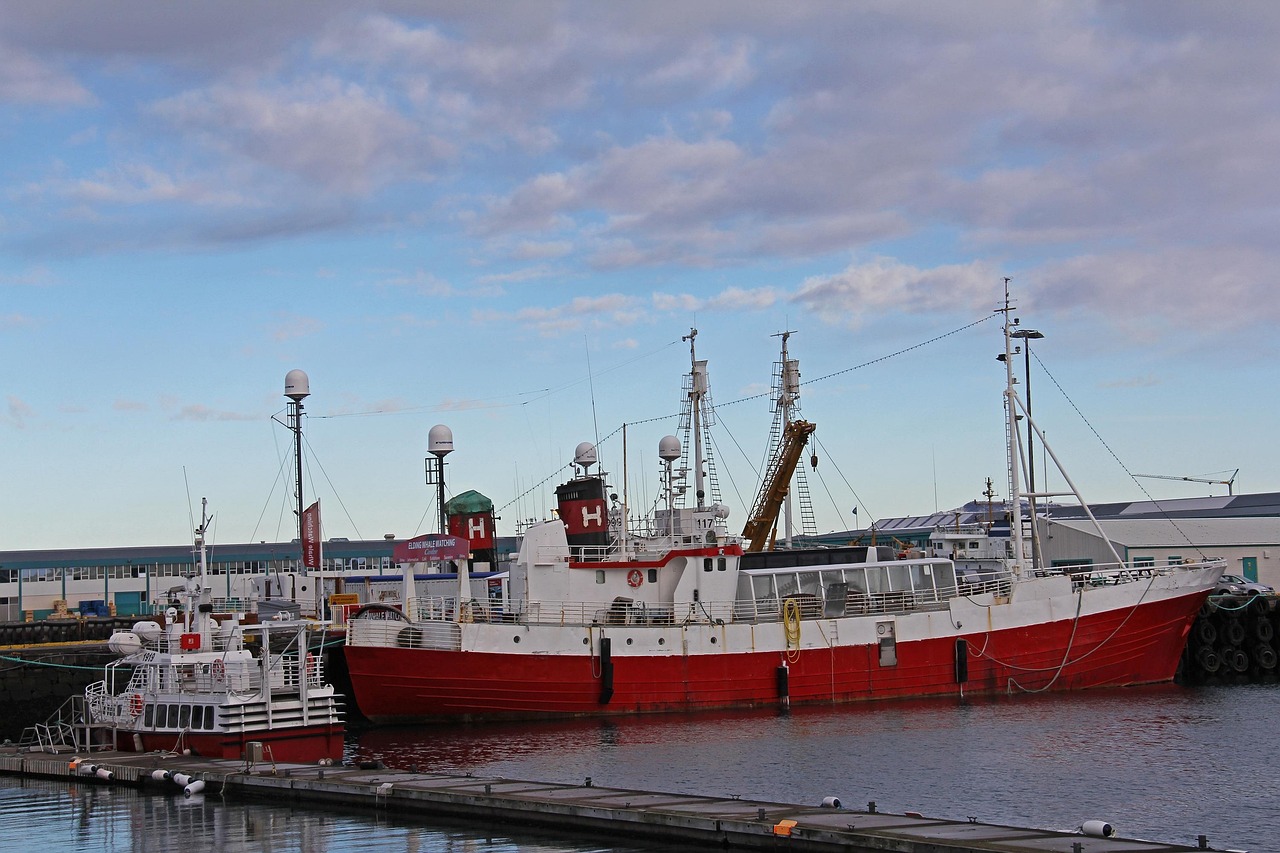
The Old Harbor is where I fell in love with Reykjavik. Colorful boats bob in the water, sea birds circle overhead, and the air smells faintly of fish and coffee. Converted warehouses now house cafés, design studios, and tour offices.
Why it’s worth your time:
- Departure point for whale watching and puffin tours.
- Home to some of Reykjavik’s best seafood spots.
- Beautiful views across the bay to Mount Esja.
Personal tip: I like to come here in the late morning, grab a fish soup or a lobster roll, and watch the tour boats come and go. In winter, the low sun makes the water shimmer. In summer, it’s lively but still relaxed.
5. Perlan – Wonders of Iceland & Observation Deck
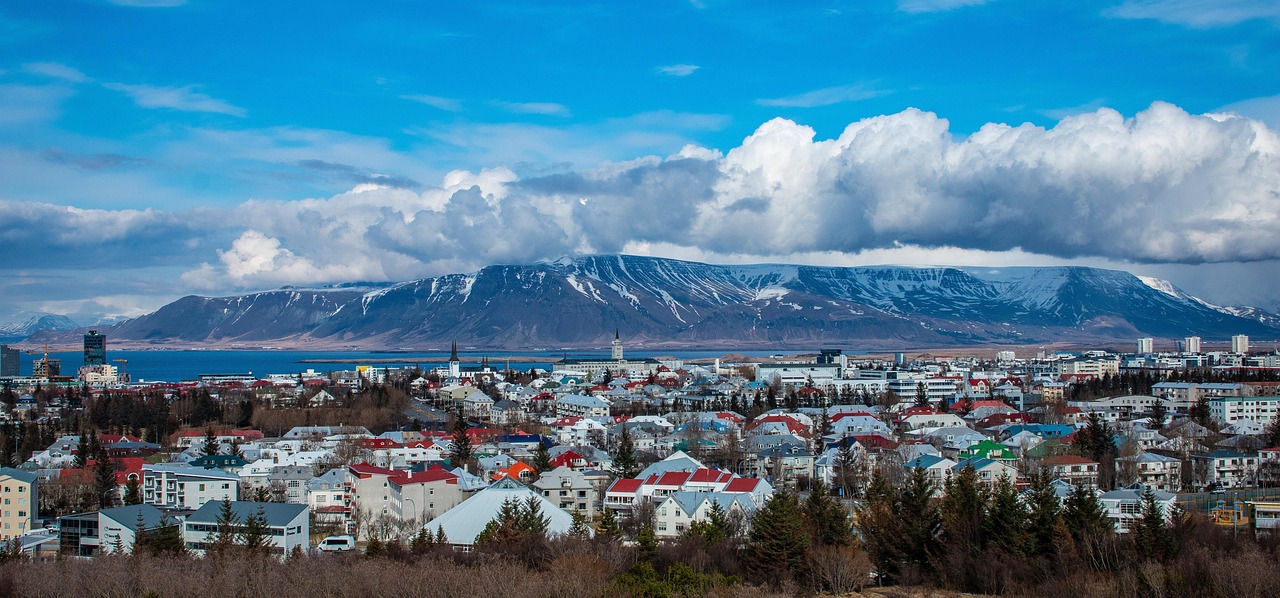
Perlan looks like a spaceship landed on a hill: a glass dome atop giant water tanks. Inside, you’ll find one of Reykjavik’s best family-friendly attractions, and outside, one of its finest viewpoints.
What’s inside:
- Wonders of Iceland exhibition with a man-made ice cave you can walk through.
- Interactive displays on glaciers, volcanoes, and northern lights.
- A planetarium-style aurora show—great if clouds ruin your real-life aurora hunt.
My experience: I visited Perlan on a stormy November day when outdoor activities were limited. The ice cave was a hit with kids in our group, and the observation deck offered dramatic views of storm clouds rolling over the city. It’s a good stop in any 3 day itinerary for Reykjavik, especially if weather turns.
Tips:
- Take the bus or walk up from the city center (about 20–30 minutes uphill).
- Bundle up for the outdoor deck—it’s windier than the city streets.
6. National Museum of Iceland (Þjóðminjasafn)
On my first winter trip, I spent a blissful half day here as snow fell outside. If you want context for everything you’ll see in Iceland—from turf houses to sagas—this is the place.
Highlights:
- Artifacts from the Viking Age to the modern era.
- Medieval church carvings and the iconic carved door from Valþjófsstaður.
- Exhibits on everyday life: fishing, farming, and urbanization.
Why it matters: Understanding Iceland’s harsh history—settlement, isolation, volcanic eruptions, and resilience—gives richer meaning to the landscapes and people you’ll encounter.
Tips:
- Free or discounted entry some days for certain passes; check current offers.
- Audio guides and English explanations are excellent.
7. Árbær Open Air Museum
Árbær feels like stepping into a time machine. On a sunny summer afternoon, I wandered between turf houses, a church, and old town buildings relocated here from central Reykjavik.
What to expect:
- Traditional turf-roof houses and farm buildings.
- Costumed staff on some days demonstrating old crafts.
- Seasonal events like Christmas programs and craft fairs.
Family-friendly: Kids love the open space, animals, and the sense of exploring a “mini village.” It’s one of the more underrated cultural experiences in Reykjavik.
8. Reykjavik Art Museum (Hafnarhús, Kjarvalsstaðir, Ásmundarsafn)
Reykjavik’s art scene punches far above its weight. The Reykjavik Art Museum is spread across three venues, each with its own personality.
Hafnarhús: Near the harbor, focuses on contemporary art and edgy exhibitions. I once stumbled into a thought-provoking show here that combined video, sculpture, and soundscapes of melting glaciers.
Kjarvalsstaðir: Set in a 1960s modernist building near a park, dedicated to painter Jóhannes Kjarval and landscape art.
Ásmundarsafn: Sculpture museum and garden in the former home of sculptor Ásmundur Sveinsson—great on a sunny day.
9. Laugardalslaug & Reykjavik’s Geothermal Pools
If you want to experience everyday life in Reykjavik, go to the pool. Laugardalslaug is the largest and most popular complex, with outdoor pools, hot tubs of varying temperatures, steam baths, and waterslides.
My routine: I love going in the evening: swim a few laps, move between hot tubs, and eavesdrop (politely) on local conversations. The pools are social hubs; it’s where people catch up on news and gossip.
Etiquette:
- Shower naked (yes, fully) before entering the pool—this is non-negotiable and monitored.
- Keep voices low in hot tubs; it’s a relaxed, not rowdy, environment.
10. Grótta Lighthouse & Seltjarnarnes Peninsula
For a quick taste of wild Iceland without leaving the city, head to Grótta. On my last trip, I walked here in the late afternoon, watching waves crash against the rocks and seabirds dive for fish.
Why go:
- Peaceful coastal walks and black sand beaches.
- Good spot for northern lights viewing when conditions are right.
- Small geothermal foot bath along the path for a quirky stop.
Tips: Check tide times if you plan to walk all the way to the lighthouse—it can be cut off at high tide. Dress warmly; the wind can be fierce.
11. Reykjavik City Hall & Tjörnin Lake
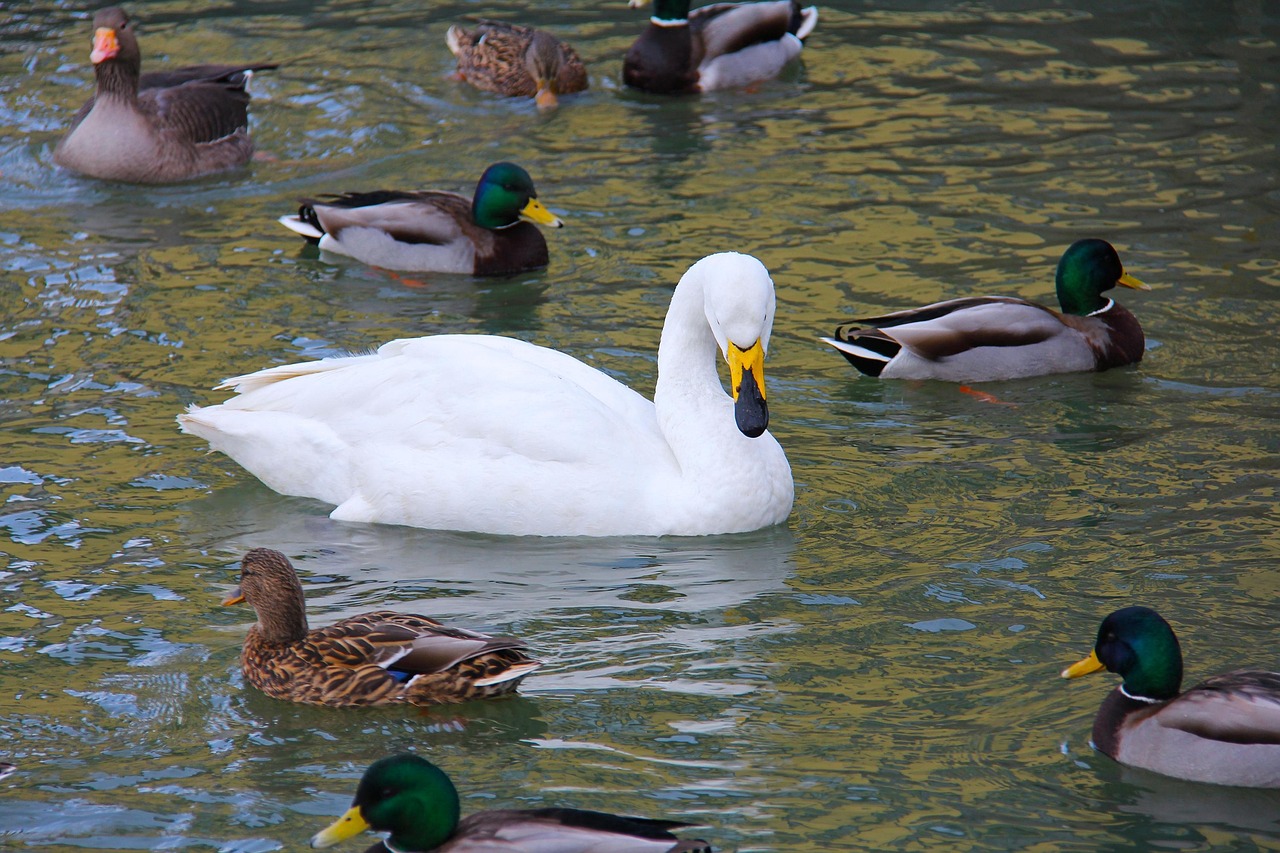
Tjörnin is the little heart-lake of Reykjavik. In summer, it’s edged with wildflowers and benches; in winter, it often freezes, and you’ll see people skating or walking across (if conditions allow).
City Hall: The building juts out over the water and houses a huge 3D map of Iceland—a fun way to visualize your broader trip. I like to pop in on chilly days; it’s free and warm.
12. Street Art & Murals of Reykjavik
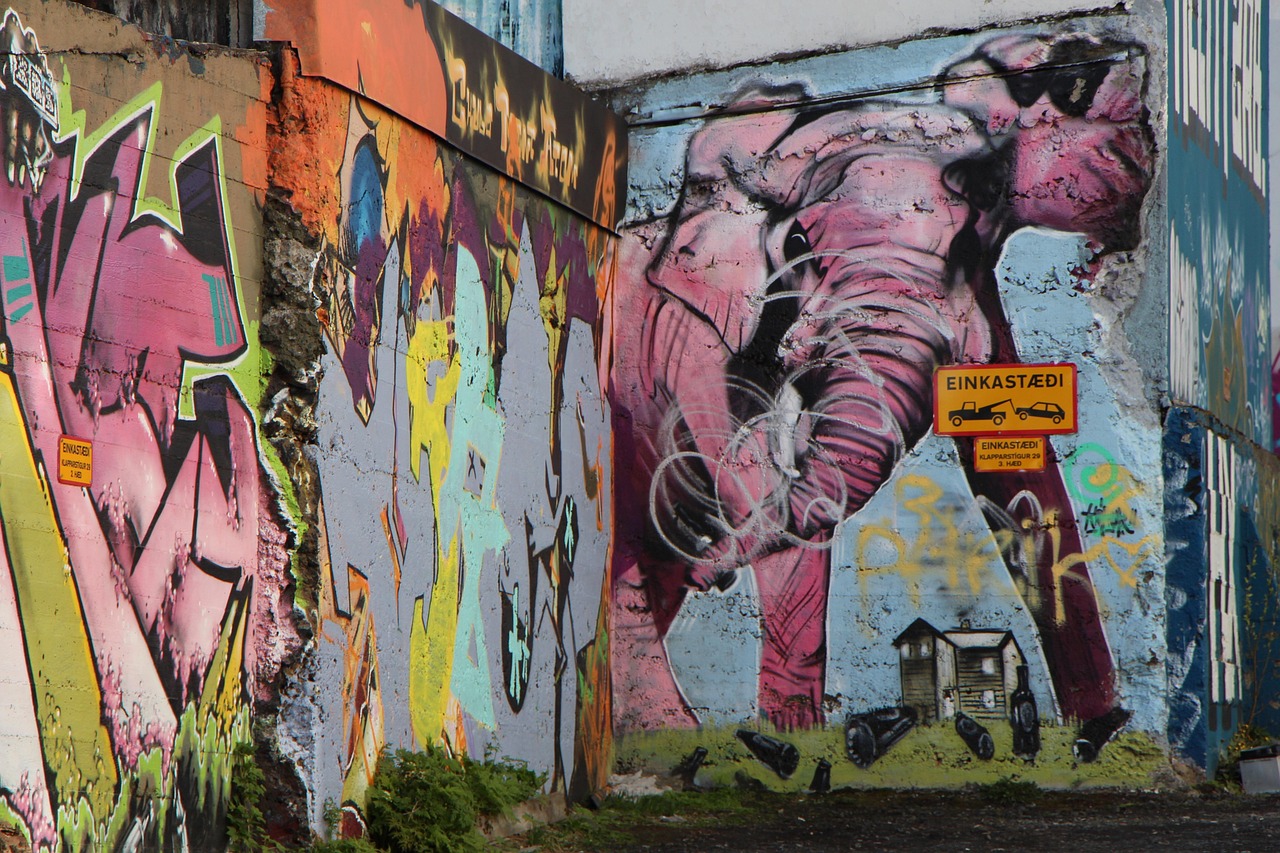
One of my favorite things to do in Reykjavik is simply wander and look up. Many blank walls have been transformed into murals, from whimsical creatures to political commentary.
Where to look:
- Around Laugavegur and Hverfisgata streets.
- Side streets near the old harbor.
- Residential areas of Grandi and Vesturbær for more subtle pieces.
Every visit, I discover new works—it’s like a constantly changing open-air gallery.
13. Whales of Iceland Museum
This museum surprised me. I expected something small and touristy; instead, I found a spacious hall filled with life-size whale models suspended from the ceiling, mood lighting, and immersive audio.
Why visit:
- Great for families and animal lovers.
- Educational on marine ecosystems and conservation.
- Nice complement to a whale watching trip from the adjacent harbor.
14. The Icelandic Phallological Museum
Yes, this is the infamous “penis museum.” It started as a private collection and now displays specimens from various mammals, including whales, seals, and (tastefully) humans.
Who it’s for: Curious adults and teenagers with a sense of humor and interest in biology. It’s a quirky thing to do in Reykjavik when you’ve ticked off the main sights.
15. Reykjavik Maritime Museum
Iceland’s history is inseparable from the sea. This museum, set in a former fish factory by the harbor, tells that story through boats, photos, and artifacts.
Highlights: Exhibits on fishing, the “Cod Wars” with the UK, and everyday life in a fishing nation. It gave me a deeper appreciation for the harbor I’d been casually admiring.
16. Northern Lights Tours & City Viewing Spots
From September to April, chasing the aurora becomes an evening ritual. On one memorable February night, I stood on a hill near Perlan as green ribbons flickered overhead, faint at first, then bright enough to elicit gasps from everyone around me.
Options:
- Guided bus or super-jeep tours: They’ll drive you away from city lights based on cloud and activity forecasts.
- DIY spots in Reykjavik: Grótta, the hill near Perlan, and darker stretches along the waterfront.
Tips:
- No guarantees—treat it as a bonus, not the sole reason for your trip.
- Dress warmer than you think necessary. Standing still in Arctic wind is brutal.
17. Sky Lagoon
Sky Lagoon is Reykjavik’s newer rival to the Blue Lagoon, located just outside the city. I visited on a gray, drizzly evening, and the infinity-edge pool made it feel like I was floating in the Atlantic itself.
Why go:
- Ocean views from a warm geothermal pool.
- Seven-step “Ritual” including cold plunge, sauna with a floor-to-ceiling sea view, mist room, and scrub.
- Closer to central Reykjavik than the Blue Lagoon.
Tip: Book in advance for sunsets and weekends. This is a perfect romantic activity or a soothing end to a busy day of sightseeing.
18. Icelandic Punk Museum
Housed in a former public toilet near Laugavegur, this tiny museum is crammed with memorabilia from Iceland’s punk scene. It’s scrappy, loud, and oddly charming.
Why I liked it: It shows a different side of Iceland than waterfalls and volcanoes—a rebellious, DIY creative spirit that still influences Reykjavik’s music scene today.
19. Elliðaárdalur Valley & Nature Reserve
When central Reykjavik feels a bit too busy (it happens, especially in high season), I escape to Elliðaárdalur. This green valley within the city has walking paths, small waterfalls, and a salmon river.
Why it’s a hidden gem: Few tourists make it here, so it feels like “local Reykjavik.” It’s ideal for light hiking, picnics, or a quiet run.
20. Vesturbæjarlaug Pool & Neighborhood Life
While Laugardalslaug is the big famous pool, Vesturbæjarlaug is my favorite neighborhood pool. It’s smaller, more intimate, and tucked into one of Reykjavik’s loveliest residential areas.
Why I go: After a day of walking, I head here in the evening, soak in the hot pots, and feel like I’ve been briefly adopted into the neighborhood. It’s also near some excellent cafés and bakeries.
Suggested Itineraries: 3, 4 & 5 Days in Reykjavik
These sample itineraries blend must-see attractions in Reykjavik with local food, hidden gems, and cultural experiences. Adjust based on your interests and the season.
3 Days in Reykjavik: Classic First-Timer Itinerary
If you have just 3 days in Reykjavik, focus on the city’s highlights, one geothermal experience, and one day trip or nature escape.
Day 1 – Iconic Reykjavik & Harbor Life
Morning: Start at Hallgrímskirkja for orientation and city views. Wander down Skólavörðustígur, stopping in design shops and cafés. Walk to Tjörnin Lake and City Hall for the Iceland map.
Afternoon: Head to Harpa, then stroll the waterfront to Sun Voyager. Continue to the Old Harbor for a late lunch—try fish soup or plokkfiskur (fish stew). Consider an afternoon whale watching tour if seas are calm.
Evening: Explore downtown’s bars and restaurants along Laugavegur and Hverfisgata. For a gentle first night, end with drinks in a cozy bar rather than diving straight into the famously late Icelandic nightlife.
Day 2 – Culture & Geothermal Soaking
Morning: Visit the National Museum of Iceland to understand the country’s history. Alternatively, art lovers can start at one branch of the Reykjavik Art Museum.
Afternoon: Café hop downtown, then take a bus or transfer to Sky Lagoon for the seven-step Ritual and sunset soaking. This is a highlight of many 3 day itineraries for Reykjavik.
Evening: Return to town, grab a casual dinner (local fish or a burger), and, in winter, keep an eye on aurora forecasts. If the forecast is promising, join a northern lights tour.
Day 3 – Day Trip or Nature Escape
Option 1: Classic Golden Circle day trip (Þingvellir, Geysir, Gullfoss) with a geothermal stop (Secret Lagoon) and return to Reykjavik.
Option 2: Stay more local: visit Perlan in the morning, then hike around Grótta and Seltjarnarnes or relax at Laugardalslaug.
4 Days in Reykjavik: Deeper Dive into City & Nature
With 4 days in Reykjavik, you can add more local flavor and a second excursion.
Day 1 – As in 3-Day Itinerary
Follow Day 1 of the 3 day itinerary for Reykjavik: Hallgrímskirkja, harbor, downtown.
Day 2 – Museums & Neighborhood Pools
Morning: Choose between the National Museum or multiple branches of the Art Museum.
Afternoon: Visit the Whales of Iceland Museum or Maritime Museum at the harbor. Late afternoon soak at Vesturbæjarlaug.
Evening: Dinner in the Vesturbær neighborhood, then casual bar-hopping downtown.
Day 3 – Golden Circle or South Coast Day Trip
Pick a full-day tour: the Golden Circle for history and geothermal wonders, or a South Coast tour for waterfalls and black sand beaches. Return to Reykjavik late, grab something quick to eat, and rest.
Day 4 – Sky Lagoon & Hidden Corners
Morning: Slow start with coffee and pastries. Explore street art, smaller galleries, and shops you missed.
Afternoon: Sky Lagoon or a long session at Laugardalslaug. Alternatively, head to Elliðaárdalur for an urban nature walk.
Evening: In winter, keep this flexible for northern lights chasing. In summer, enjoy late-night daylight with a harbor walk and a drink on a heated terrace.
5 Days in Reykjavik: Slow, Local & Adventurous
Five days in Reykjavik lets you blend a full city experience with multiple day trips and plenty of downtime—ideal for couples, families, or solo travelers wanting a balanced 5 day itinerary for Reykjavik.
Day 1 – City Icons
Follow Day 1 from the 3 day plan: Hallgrímskirkja, Harpa, Sun Voyager, Old Harbor.
Day 2 – Culture & Pools
Combine museums and an evening at a neighborhood pool as in the 4 day itinerary.
Day 3 – Golden Circle Day Trip
Full-day tour with optional geothermal bathing stop.
Day 4 – Sky Lagoon & Hidden Gems
Enjoy the Sky Lagoon, explore Grandi (the old industrial harbor turned hip district), and maybe pop into small museums like the Punk Museum.
Day 5 – Extra Adventure or Free Day
Choose based on your interests:
- Horseback riding on Icelandic horses near Reykjavik.
- Snæfellsnes Peninsula day trip.
- Hiking and nature walks around Grótta and Elliðaárdalur.
- Shopping for local design and wool, plus one last hot dog and cinnamon bun.
Neighborhoods & Districts of Reykjavik
Reykjavik might be compact, but each area has its own flavor. Exploring beyond the tourist core is one of the best hidden gems in Reykjavik.
Downtown (Miðborg)
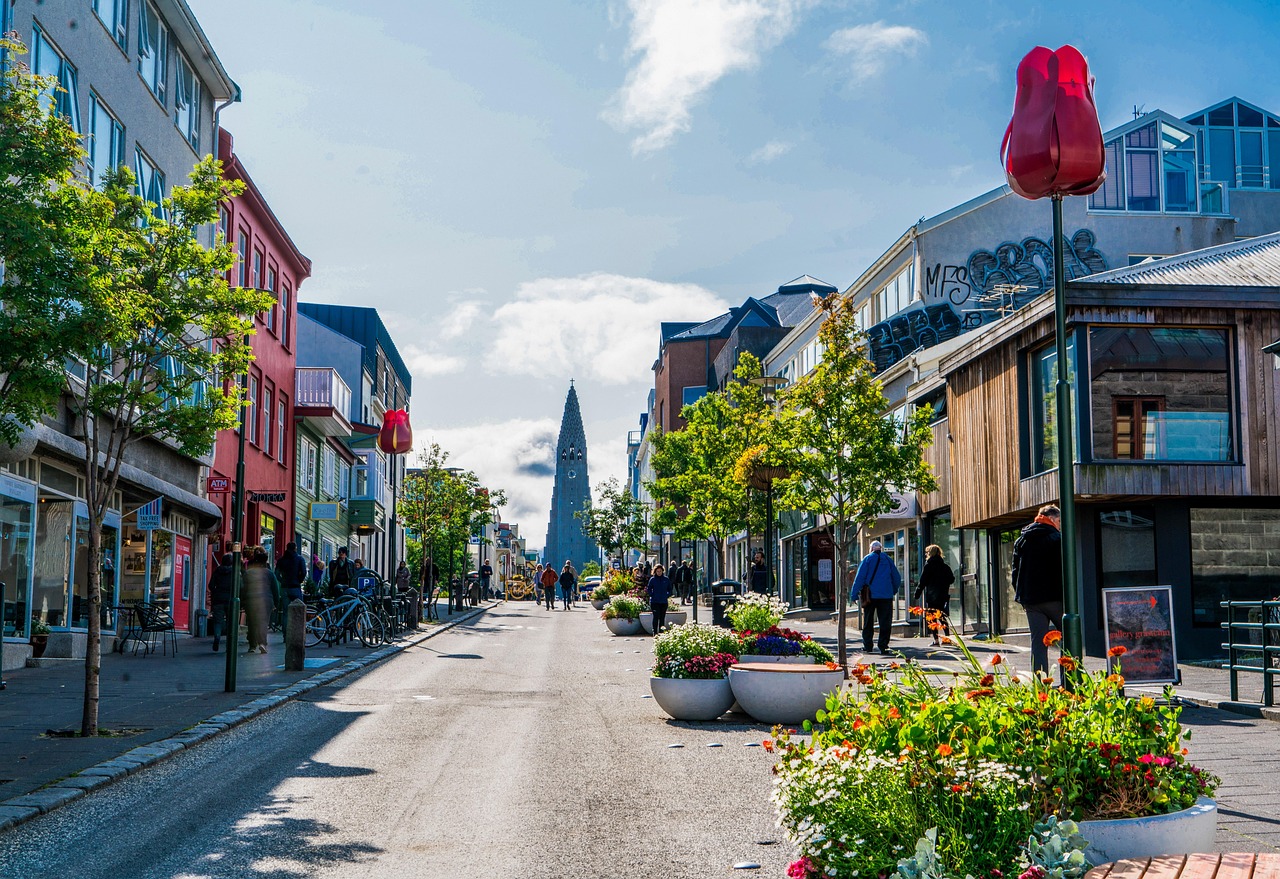
This is where you’ll probably stay and spend most of your time: Laugavegur shopping street, Skólavörðustígur leading up to Hallgrímskirkja, and the blocks around Tjörnin.
Vibe: Lively, walkable, full of cafés, bars, and design shops.
Vesturbær
A leafy, upscale residential area west of downtown, home to Vesturbæjarlaug, university buildings, and a wonderful local bakery scene.
Why go: To experience everyday Reykjavik life, away from tour groups.
Grandi & Old Harbor Area
Former industrial docks turned creative hub. Now full of street food halls, chocolate factories, breweries, and museums like Whales of Iceland.
Vibe: Hip, evolving, slightly gritty in a good way.
Laugardalur
East of downtown, this district has parks, sports facilities, the city’s main campsite, and Laugardalslaug pool.
Good for: Budget travelers staying at the campsite, families, and anyone who likes green space.
Seltjarnarnes
Technically a separate municipality but feels like part of greater Reykjavik. Known for Grótta lighthouse, coastal walks, and views of the city skyline from a distance.
Hafnarfjörður (Nearby Town)
A short drive or bus ride away, this lava-field town is famous for Viking festivals and quirky elf lore. It’s a fun half-day trip from Reykjavik with a different feel than the capital.
Local Food & Drink in Reykjavik
Icelandic cuisine is much more than fermented shark. In Reykjavik, you can eat everything from comforting fish stews to inventive New Nordic tasting menus.
Must-Try Local Foods in Reykjavik
- Plokkfiskur: Creamy fish stew, usually made with cod or haddock and potatoes. Fantastic on a cold day.
- Lamb: Icelandic lamb is famously flavorful—try it roasted, in soup, or as a burger.
- Fish & seafood: Fresh cod, haddock, arctic char, and langoustine (lobster) are staples.
- Hot dogs (pylsur): The affordable national snack. Order “ein með öllu” (one with everything).
- Skyr: Thick, creamy dairy product similar to strained yogurt, often eaten with berries.
- Rúgbrauð: Dense rye bread, sometimes baked using geothermal heat.
Drinks
- Local beer: Microbreweries in Reykjavik produce excellent IPAs, lagers, and stouts.
- Brennivín: Traditional schnapps, sometimes called “Black Death”—strong, caraway-flavored.
- Coffee: Icelanders take coffee seriously; café culture is strong.
Money-Saving Eating Tips
Reykjavik is not cheap, but you can eat well without blowing your budget:
- Take advantage of lunch specials at restaurants—often much cheaper than dinner.
- Buy snacks, skyr, and bread from Bonus or Krónan supermarkets.
- Mix in street food or casual options (hot dogs, soup, bakery sandwiches) with nicer sit-down meals.
- Tap water is excellent; don’t buy bottled.
Nightlife, Entertainment & Cultural Experiences
Reykjavik’s nightlife is legendary relative to its size. Icelanders tend to start late; bars fill up around midnight and stay busy until 3–5 a.m. on weekends.
Nightlife
- Bars & pubs: From cozy craft beer bars to sleek cocktail lounges, most clustered around Laugavegur and adjacent streets.
- Live music: Small venues often host local bands; check posters and event listings.
- Clubs: A few compact clubs draw younger crowds and play everything from pop to electronic.
Cultural Experiences
- Concerts at Harpa: Classical, jazz, film scores, and more.
- Theater & performance: Mostly in Icelandic but some English-friendly shows appear, especially during festivals.
- Festivals: Film, music, food, and cultural festivals dot the calendar (see Events section).
Tip: Alcohol is expensive. Pre-drinking (“rúntur”) at home or your accommodation before going out late is common among locals; visitors can moderate costs by enjoying fewer but higher-quality drinks out.
Best Day Trips from Reykjavik
Reykjavik is an ideal base for exploring Iceland’s natural wonders. These are the most popular and practical day trips.
Golden Circle
Classic route including Þingvellir National Park, Geysir geothermal area, and Gullfoss waterfall. Many tours add a geothermal stop at the Secret Lagoon or a farm visit. This is a must-do if it’s your first time in Iceland.
South Coast
Waterfalls (Seljalandsfoss, Skógafoss), black sand beaches (Reynisfjara), and glacier views. Longer day but unforgettable.
Snæfellsnes Peninsula
Coastal cliffs, lava fields, fishing villages, and the iconic Kirkjufell mountain. Feels like “Iceland in miniature.”
Blue Lagoon
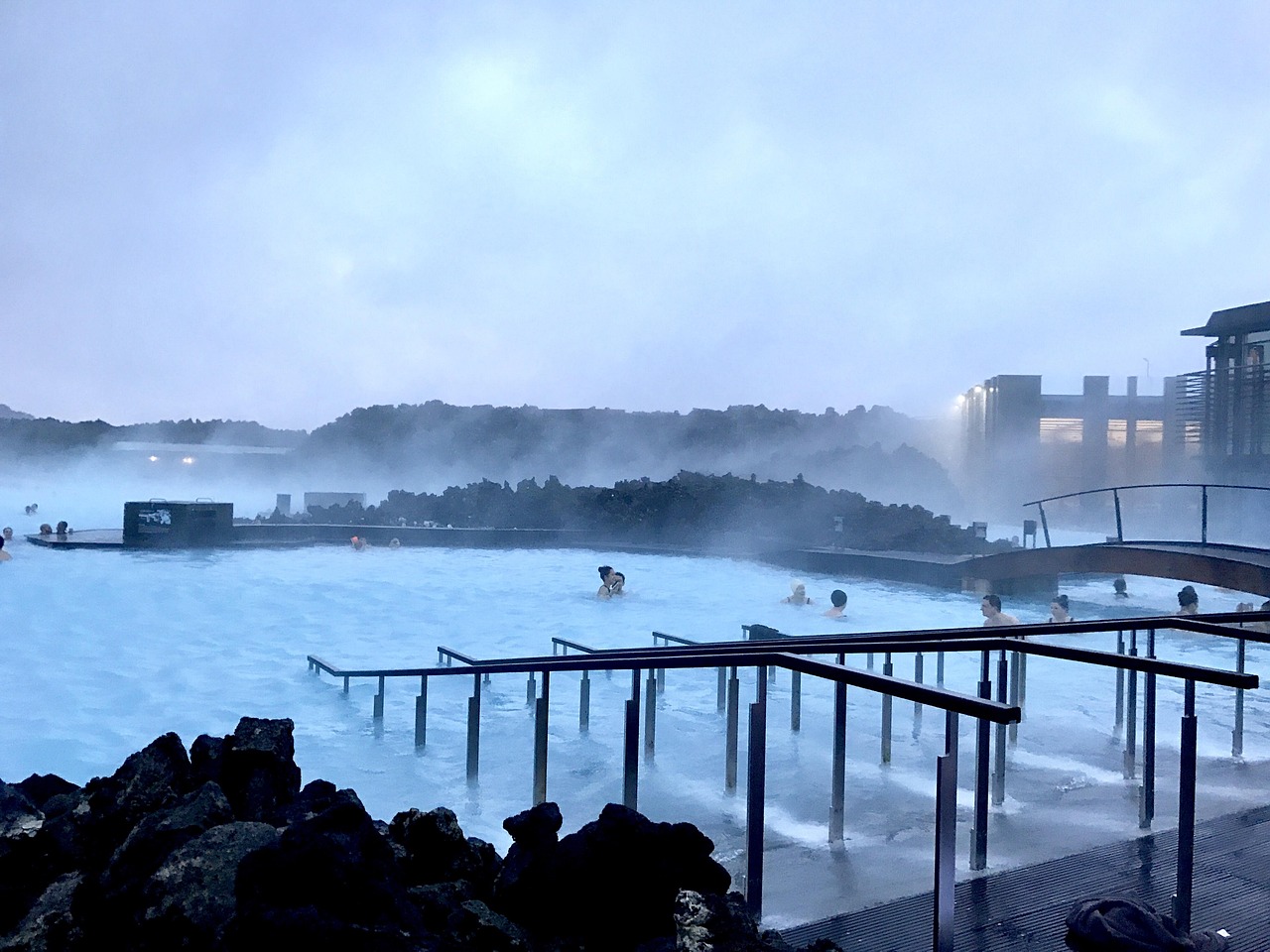
Though located between Keflavik Airport and Reykjavik, most people treat this as a day trip or half-day excursion. Pre-booking is essential.
Transport tips: If you’re not comfortable driving in Iceland, guided bus tours are plentiful and well-run. If you do rent a car, check weather and road conditions daily (especially in winter) and ensure your rental includes proper tires.
Cultural Etiquette & Local Customs in Reykjavik
Reykjavik is relaxed and informal, but a few local customs and cultural experiences in Reykjavik are worth knowing.
General Etiquette
- First names: Icelanders usually go by first names, even doctors and officials. Don’t be surprised if people introduce themselves casually.
- Punctuality: Being on time for tours and appointments is appreciated.
- Quiet respect: In churches, pools, and museums, keep voices low.
Pool Etiquette
- Shower naked thoroughly before entering the pool. This is not optional and is taken seriously.
- Remove shoes before entering locker areas if requested.
- Photography is generally frowned upon in locker rooms and sometimes in pool areas.
Environmental Respect
- Stay on marked paths; Icelandic nature is fragile.
- Do not stack rocks, carve into moss, or disturb bird nesting areas.
- Take all trash with you; garbage bins may be sparse in nature areas.
Tipping
Service charges are usually included; tipping is not expected but appreciated for exceptional service. Rounding up the bill at restaurants or leaving small change at bars is fine but not mandatory.
Practical Travel Tips for Reykjavik
Money & Costs
The currency is the Icelandic króna (ISK). Cards are accepted almost everywhere—even for small purchases and in public toilets.
- ATMs are easy to find downtown.
- Reykjavik is expensive; budget more than you would for most European cities.
SIM Card & Connectivity
For travel advice for Reykjavik in 2026, connectivity is simple:
- Prepaid SIMs from Icelandic providers are available at Keflavik Airport and in Reykjavik. Bring an unlocked phone.
- Many hotels, cafés, and buses offer free Wi-Fi.
Getting Around Reykjavik
- On foot: The center is walkable; most attractions cluster within a 20–30 minute radius.
- Buses: Strætó buses cover the city and suburbs. Use the app to plan routes and buy tickets.
- Taxis & ride-hailing: Available but pricey; best reserved for late nights or bad weather.
- Bikes & scooters: In summer, rentals and e-scooters make a fun option on waterfront paths.
Car Rental & Driving
Renting a car opens up more day trip options, especially for a 4 or 5 day itinerary for Reykjavik.
- Foreign driver’s licenses are generally accepted if in Latin script; otherwise, an International Driving Permit is recommended.
- Drive with headlights on at all times.
- Watch weather and road condition reports; in winter, conditions change fast.
Visa Requirements
Iceland is part of the Schengen Area. Visitors from many countries (including most of Europe, North America, and parts of Asia-Pacific) can enter visa-free for short stays. Always check the latest entry requirements before travel, as rules can change.
Best Seasons & What They’re Good For
- Summer (June–August): Best for long days, mild weather, festivals, hiking, and road trips. Reykjavik is lively; great for 4–5 day stays with day trips.
- Shoulder seasons (May & September): Fewer tourists, still okay weather, some chance of northern lights in September.
- Winter (October–April): Best for northern lights, cozy culture, and geothermal pools. Short days but very atmospheric. Good for focused 3 days in Reykjavik plus a couple of winter excursions.
How to Save Money in Reykjavik
- Stay in guesthouses or apartments with kitchenettes; cook some meals.
- Use public pools instead of pricey spa experiences every day.
- Walk as much as possible; taxis add up fast.
- Look for city cards or combination tickets for museums and pools.
Reykjavik Events & Festivals 2026–2027
Reykjavik’s calendar is busy for a city its size. If you can, time your trip to coincide with a festival—it adds an extra layer of cultural experiences in Reykjavik.
- Reykjavik Winter Lights Festival (February 2026 & 2027): Illuminations, art installations, and extended opening hours at museums and pools brighten the dark season.
- Reykjavik Arts Festival (late May–early June 2026): Multidisciplinary arts, including music, theater, and visual arts.
- Secret Solstice / successor music events (June 2026): Music festivals celebrating the midnight sun evolve each year—check current lineups and venues.
- National Day (June 17 each year): Parades, concerts, and family activities across the city.
- Reykjavik Pride (August 2026 & 2027): One of the city’s biggest events, with a vibrant parade and parties.
- Reykjavik Culture Night (Menningarnótt, August 2026 & 2027): City-wide celebration with open houses, performances, and fireworks.
- Reykjavik International Film Festival (RIFF, late September–early October 2026 & 2027): Screenings, events, and filmmaker Q&As.
- New Year’s Eve (December 31, annually): Bonfires and fireworks on a scale that must be seen to be believed.
Summary & Best Time to Visit Reykjavik
Reykjavik is simultaneously a gateway to Iceland’s wild landscapes and a destination in its own right. Its must-see attractions—Hallgrímskirkja, Harpa, Sun Voyager, the Old Harbor—are all within easy walking distance, while its geothermal pools, museums, and lively nightlife give it year-round appeal.
If you’re planning 3 days in Reykjavik, focus on the city highlights, one geothermal lagoon, and a single day trip. For 4 days in Reykjavik, add more museums, neighborhood pools, and a second excursion. With 5 days in Reykjavik, you can slow down, explore local neighborhoods, and venture deeper into nearby nature.
Best times to visit:
- Summer (June–August): Ideal for first-timers, families, and festival lovers—best weather and endless light.
- Winter (November–March): For aurora hunters and those who love cozy, atmospheric cities and hot pools in the snow.
- May & September: Balanced option with fewer crowds and still-good conditions.
Whichever season and however many days you choose—3, 4, or 5—Reykjavik rewards those who slow down: linger in a hot tub, wander side streets for street art, chat with baristas, try that unfamiliar dish, and let the city’s gentle rhythm wash over you. That’s when Reykjavik stops being just a stopover and starts feeling like a place you’ll want to return to, again and again.