Why Visit Delhi in 2026
Delhi isn’t just a city; it’s a full-body experience. The first time I arrived, I remember stepping out of the airport and being hit by a wave of warm air scented with masala chai, exhaust fumes, and jasmine flowers from a nearby vendor. A cow wandered calmly past honking cars, a young man balanced a tower of steel tiffins on his bicycle, and somewhere in the distance a temple bell chimed. It was chaotic, overwhelming, and absolutely fascinating.
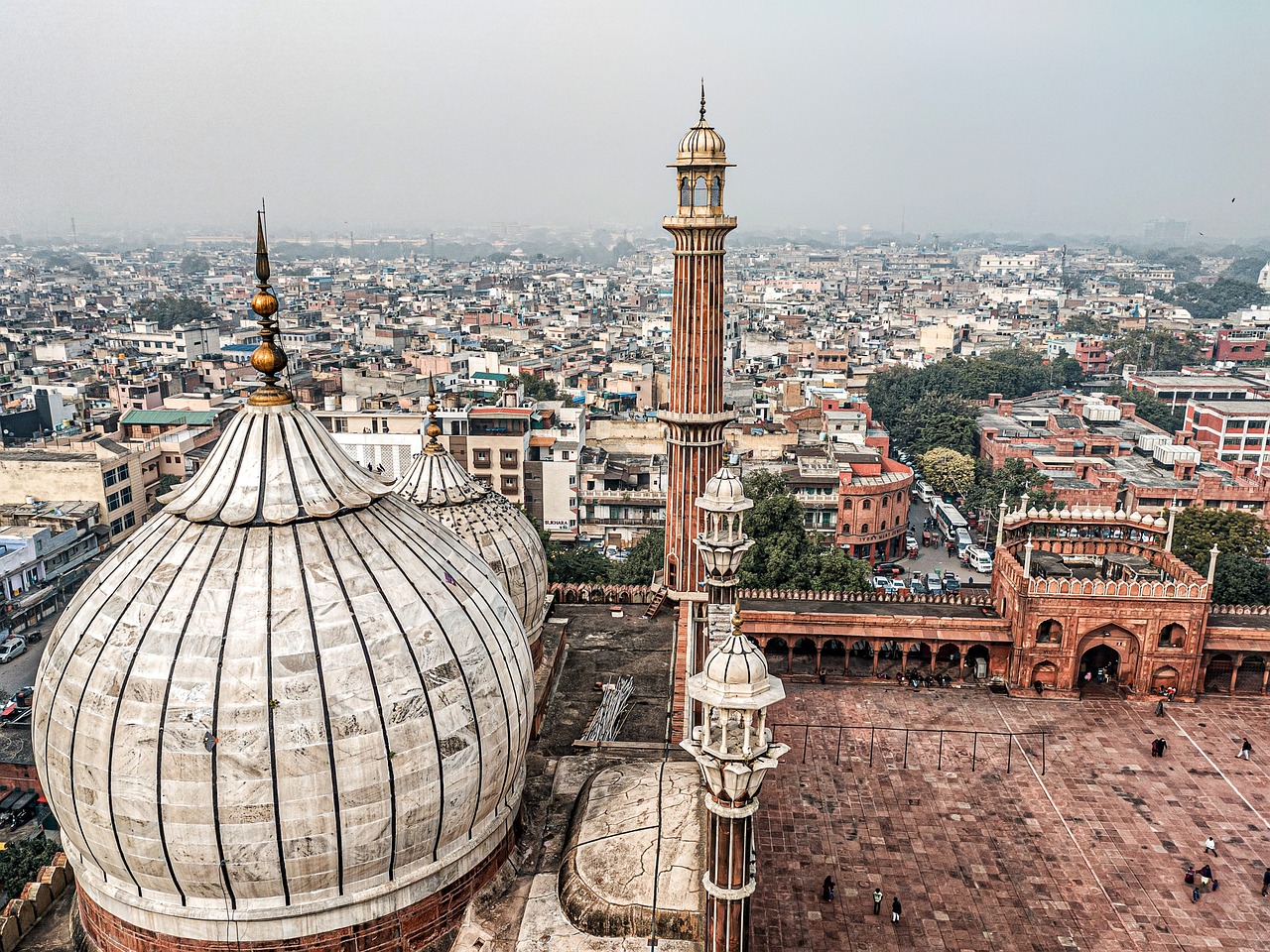
By my third visit, Delhi had become a place I understood better – where to get the softest, flakiest parathas at 7 a.m., which metro exit to use at Chandni Chowk to avoid the worst crowds, which rooftop to sit on for a sunset view of the Jama Masjid domes, and how to find a quiet garden when the city feels like too much.
This 2026 travel guide to Delhi is the one I wish I had on my first trip. It’s designed especially for travelers planning 3 days in Delhi, 4 days in Delhi, or even 5 days in Delhi, with detailed itineraries, personal stories, and practical travel tips for Delhi. We’ll cover the must-see attractions in Delhi, the best local food in Delhi, genuine cultural experiences in Delhi, and the lesser-known hidden gems in Delhi that most short-stay visitors miss.
In 2026–2027, Delhi is buzzing with new metro extensions, improved pedestrian zones around some monuments, and a growing wave of young chefs reinventing street food in hip cafés. Yet the city’s soul is still anchored in its centuries-old bazaars, Mughal ruins, Sufi shrines, and neighborhood chai stalls where time slows down over a clay cup of tea.
If you’re wondering whether Delhi is worth more than a quick layover: it absolutely is. Give it at least three days—ideally four or five—and this city will reward you with layers of history, flavor, and human warmth that are hard to find anywhere else.
Table of Contents
- Why Visit Delhi in 2026
- Delhi at a Glance
- Suggested Itineraries (3–5 Days in Delhi)
- Top 20+ Must-See Attractions in Delhi
- Interesting Neighborhoods & Areas to Explore
- Best Local Food & Drinks in Delhi
- Nightlife, Entertainment & Cultural Experiences
- Best Day Trips from Delhi
- Cultural Etiquette & Local Customs
- Practical Travel Tips for Delhi
- Best Time to Visit Delhi
- Major Events & Festivals 2026–2027
- Summary & Final Recommendations
Delhi at a Glance
Delhi is actually a cluster of many cities layered on top of each other, from the ruins of ancient capitals scattered around Mehrauli to the grand avenues of New Delhi planned by the British. Today, it’s officially split into Old Delhi (Shahjahanabad, the Mughal walled city) and New Delhi, plus a patchwork of bustling neighborhoods, leafy enclaves, and fast-growing suburbs.
- Population: Over 30 million in the wider metropolitan area.
- Languages: Hindi and English are widely used; you’ll also hear Punjabi, Urdu, and many more.
- Religion: Predominantly Hindu, with large Muslim, Sikh, Christian, and Jain communities.
- Vibe: Intense, energetic, endlessly surprising. Delhi can be both exhausting and exhilarating in the same hour.
For travelers, Delhi is the gateway to North India and the Golden Triangle (Delhi–Agra–Jaipur), but it’s also a destination in itself. It’s perfect for history lovers, foodies, photographers, families, and couples looking for a mix of romance and adventure.
Suggested Itineraries: 3–5 Days in Delhi
I’ve structured these itineraries the way I now guide friends through the city when they visit. You’ll see the famous monuments early on, but I’ll also weave in quieter spots, local markets, and quick escapes when the city feels too loud.
3-Day Itinerary for Delhi – Classic Highlights
If you have 3 days in Delhi, you can still see the major must-see attractions in Delhi and taste some great food. Expect full days with a mix of history, architecture, and street life.
- Day 1: Old Delhi immersion – Red Fort, Jama Masjid, Chandni Chowk, Spice Market, evening at India Gate.
- Day 2: New Delhi & Mughal Delhi – Humayun’s Tomb, Lodhi Gardens, Khan Market, Connaught Place.
- Day 3: South Delhi – Qutub Minar, Mehrauli Archaeological Park, Hauz Khas, Dilli Haat.
4-Day Itinerary for Delhi – Adding Culture & Hidden Gems
With 4 days in Delhi, you can slow the pace, add museums and spiritual sites, and discover some hidden gems in Delhi.
- Days 1–3: As in the 3-day itinerary.
- Day 4: Akshardham Temple, National Museum, craft shopping in Janpath, rooftop dinner in Old Delhi.
5-Day Itinerary for Delhi – Deep Dive into the City
For a full 5 day itinerary for Delhi, I like to build in one “breathing day” and a neighborhood wander. This is my favorite way to introduce people to the city.
- Days 1–4: As in the 4-day itinerary.
- Day 5: Neighborhood exploration (Shahpur Jat or Lajpat Nagar), more museums, or an easy day trip to nearby sites.
Below, I’ll walk you through a detailed 5-day story-style itinerary, with personal experiences, food stops, and time-saving tricks.
Top 20+ Must-See Attractions in Delhi (Detailed Local Guide)
These are the places I keep returning to, even after multiple trips. For each attraction, I’ve included a bit of history, my own experiences, and travel tips for Delhi that will make your visit smoother.
1. Red Fort (Lal Qila)
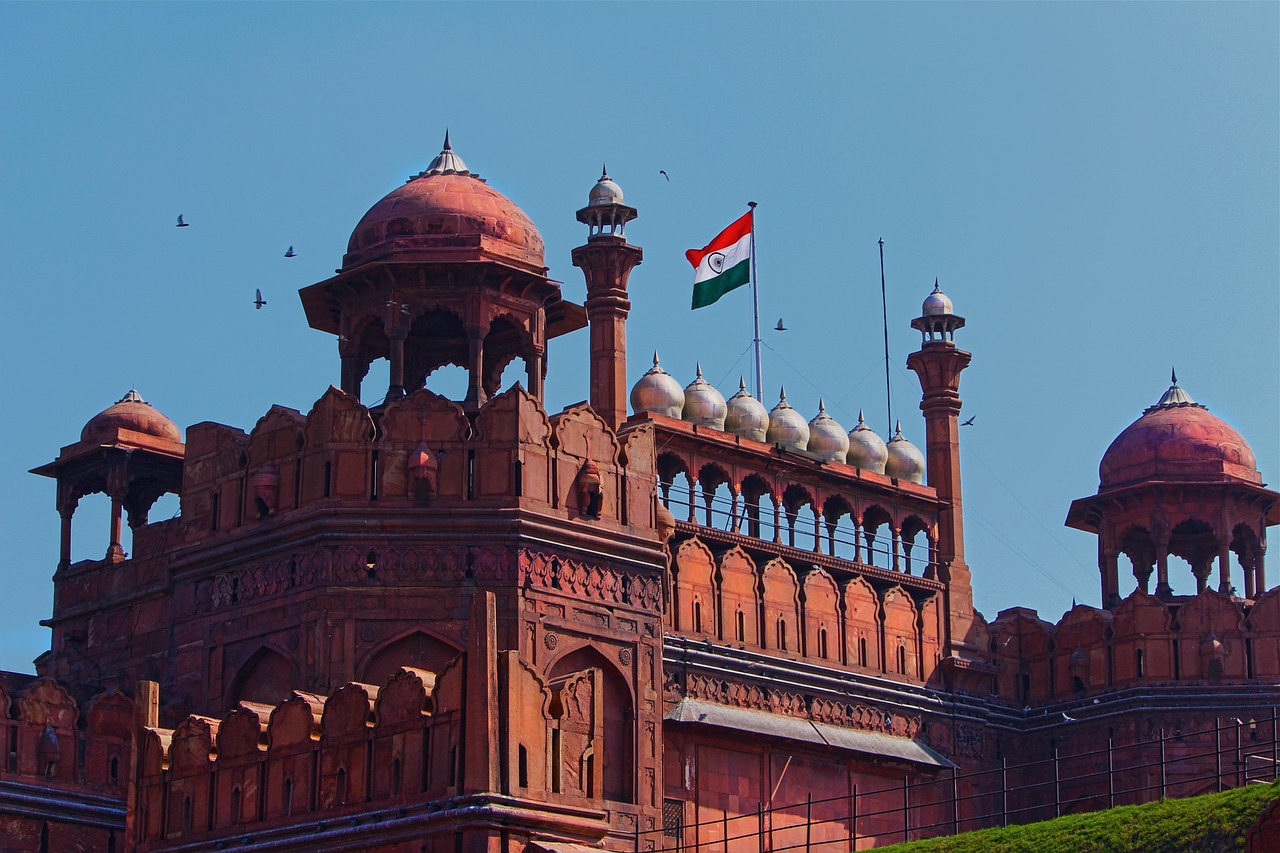
The Red Fort is where I like to start any serious visit to Delhi. It’s more than just an impressive Mughal fortress; it’s the symbolic heart of modern India. Every Independence Day, the Prime Minister addresses the nation from its ramparts.
Commissioned by Emperor Shah Jahan in the 17th century when he shifted his capital from Agra to Shahjahanabad (Old Delhi), the Red Fort once housed opulent palaces, audience halls, and pavilions in white marble and red sandstone. Though much was plundered over centuries, the remaining structures still whisper of that lost grandeur.
On my last visit in late winter, I arrived just after opening. The air was cool, the crowds were thin, and a faint mist hung above the massive red sandstone walls. I bought my ticket online in advance (which saved me from waiting in the longer on-site queue) and walked through the Lahore Gate into a bazaar-like arcade where shops still sell souvenirs and trinkets.
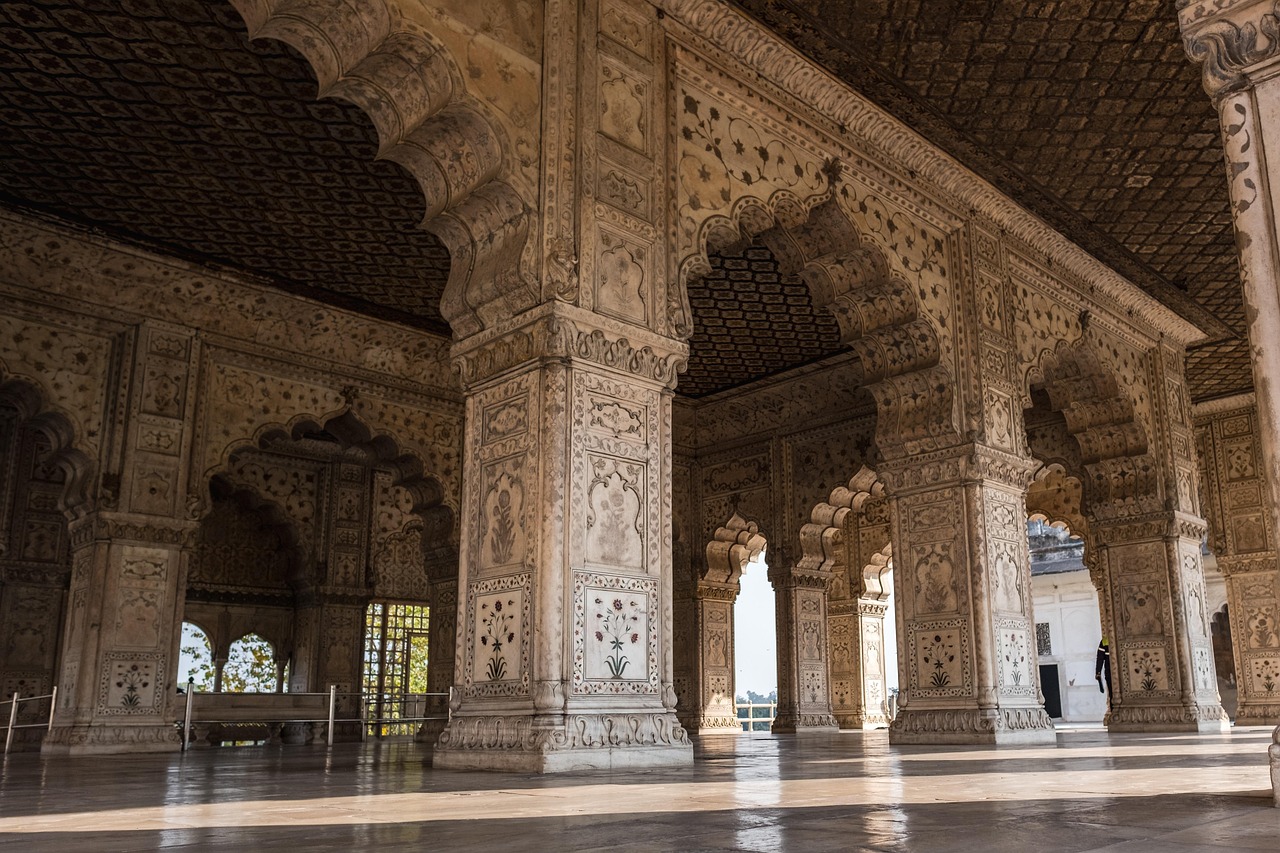
Inside, I slowly wandered through Diwan-i-Aam (the Hall of Public Audience), the intricately carved Diwan-i-Khas (Hall of Private Audience), and the hammams (royal baths). I paused by the small museum to understand the fort’s role under British rule and during the independence movement.
Tips for Visiting the Red Fort
- Best time: Morning, right at opening (usually around 9 a.m.), especially in peak season (Oct–Mar).
- Tickets: Book online via the official ASI portal to avoid lines, especially on weekends.
- What to wear: Comfortable walking shoes; the complex is large and mostly open air.
- Nearby food: I usually grab a late breakfast in nearby Chandni Chowk—jalebi and kachori at a local stall.
- Family-friendly? Yes. Kids enjoy the scale of the fort and running across open courtyards.
- Romantic? Late afternoon light can be beautiful and surprisingly atmospheric.
2. Jama Masjid
A short rickshaw ride from the Red Fort stands Jama Masjid, one of India’s largest mosques and my personal favorite place to watch Old Delhi’s daily life unfold. The grand staircase leading up to its main gate is always alive: men chatting, kids chasing pigeons, vendors selling balloons and snacks.
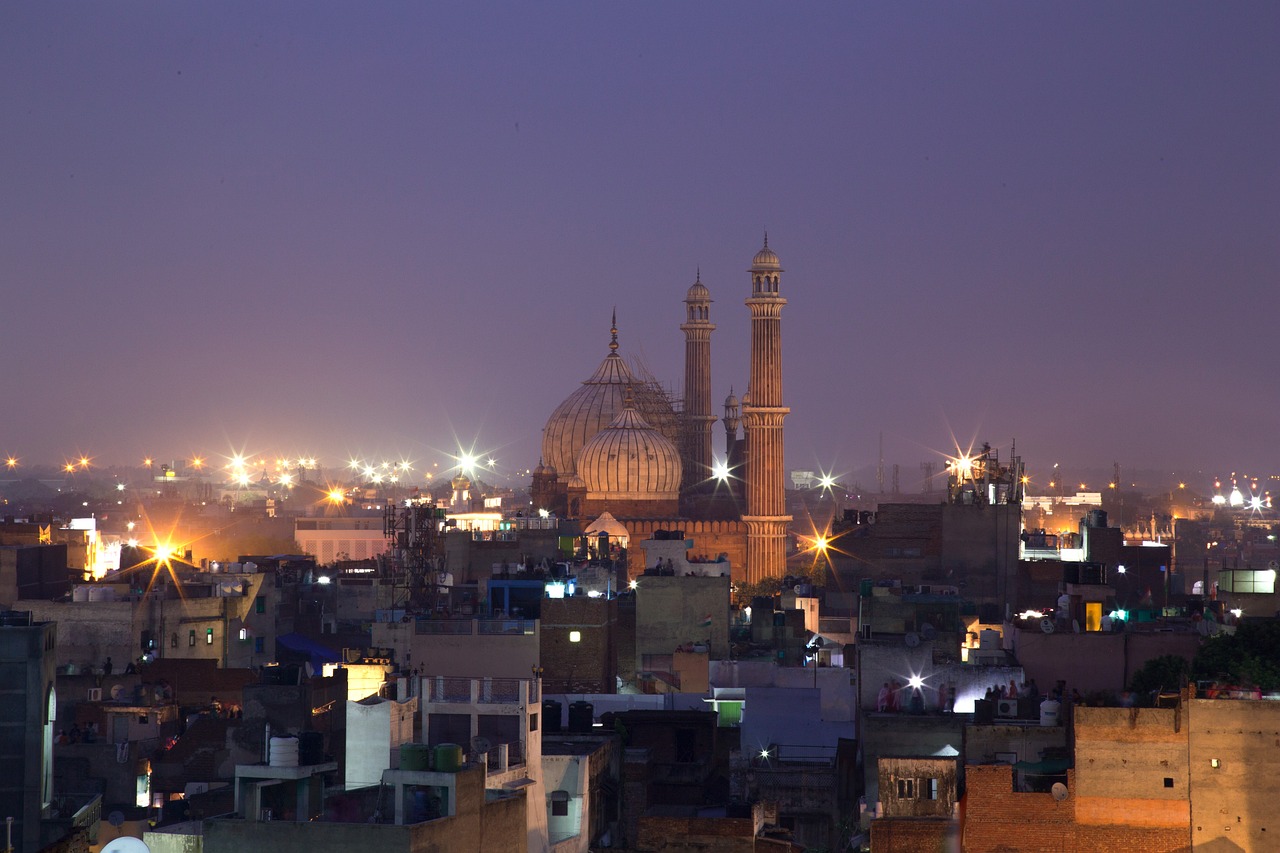
Shah Jahan completed Jama Masjid in 1656, using red sandstone and white marble to create a mosque that still dominates the Old Delhi skyline. Three domes, two soaring minarets, and a huge courtyard that can hold 25,000 worshippers—standing here, you feel the weight of centuries.
On one winter evening visit, I timed my arrival for the golden hour. I rented a long robe at the entrance (modest dress is essential) and climbed the narrow spiral staircase up one of the minarets. As I emerged at the top, the view took my breath away: a sea of chaotic rooftops, crowded lanes, and distant modern towers glowing in the sunset. The call to prayer mingled with honks and street cries far below—this is Delhi’s soundtrack in one moment.
Tips for Visiting Jama Masjid
- Dress code: Shoulders and legs covered; women may be given robes at the entrance. Remove shoes before entering the courtyard.
- Photography: Allowed in the courtyard for a small fee; be respectful and avoid photographing people at prayer.
- Minaret climb: There’s a separate fee; the staircase is narrow and can feel claustrophobic, so avoid if you’re uncomfortable with heights or tight spaces.
- Best time: Late afternoon into sunset for magical light and cooler temperatures.
- Nearby food: After visiting, I always head into the lanes behind the mosque for kebabs and tandoori delights (Karim’s and Al-Jawahar are classics).
3. Chandni Chowk & Khari Baoli Spice Market
Chandni Chowk is where Delhi hits all your senses at once. This 17th-century market street was once a moonlit canal-lined boulevard frequented by Mughal nobility; today, it’s a tangled knot of shops, carts, rickshaws, and street food stands that feels like the city’s beating heart.
The first time I walked here alone, I got lost within 10 minutes—and it was the best thing that could have happened. I let the lanes pull me in: one filled with bridal saris glittering like jewels, another stacked to the ceiling with books, another perfumed with flowers, and eventually the spice market of Khari Baoli, where the air itself seems seasoned.
Khari Baoli, the largest spice market in Asia, is an assault on the nose and eyes. Burlap sacks brimming with turmeric, chili, cardamom, cinnamon, dried fruits, and nuts. Workers hoist huge bags on their backs, while traders haggle and sip chai. I remember climbing up a rickety staircase to a rooftop and looking down over a patchwork of tarps and sacks, the air hazy with chili dust. Wear a mask or scarf if you’re sensitive—your nose will thank you.
Tips for Chandni Chowk & Spice Market
- Best way to explore: On foot, with occasional cycle-rickshaw rides to rest. Keep valuables secure.
- Food to try:
- Parathas at Paranthe Wali Gali (I love the paneer and mixed veg ones).
- Jalebi (hot, syrupy spirals) from a street stall.
- Rabri falooda (sweet, creamy dessert) in summer.
- Spice shopping: Ask vendors to vacuum-seal spices for travel; check your home country’s customs rules.
- Family-friendly? Yes, but can be overwhelming with young kids during peak hours; go earlier in the day.
- Safety: It’s generally safe but extremely crowded. Keep bags zipped and carry only what you need.
4. India Gate & Kartavya Path (Rajpath)
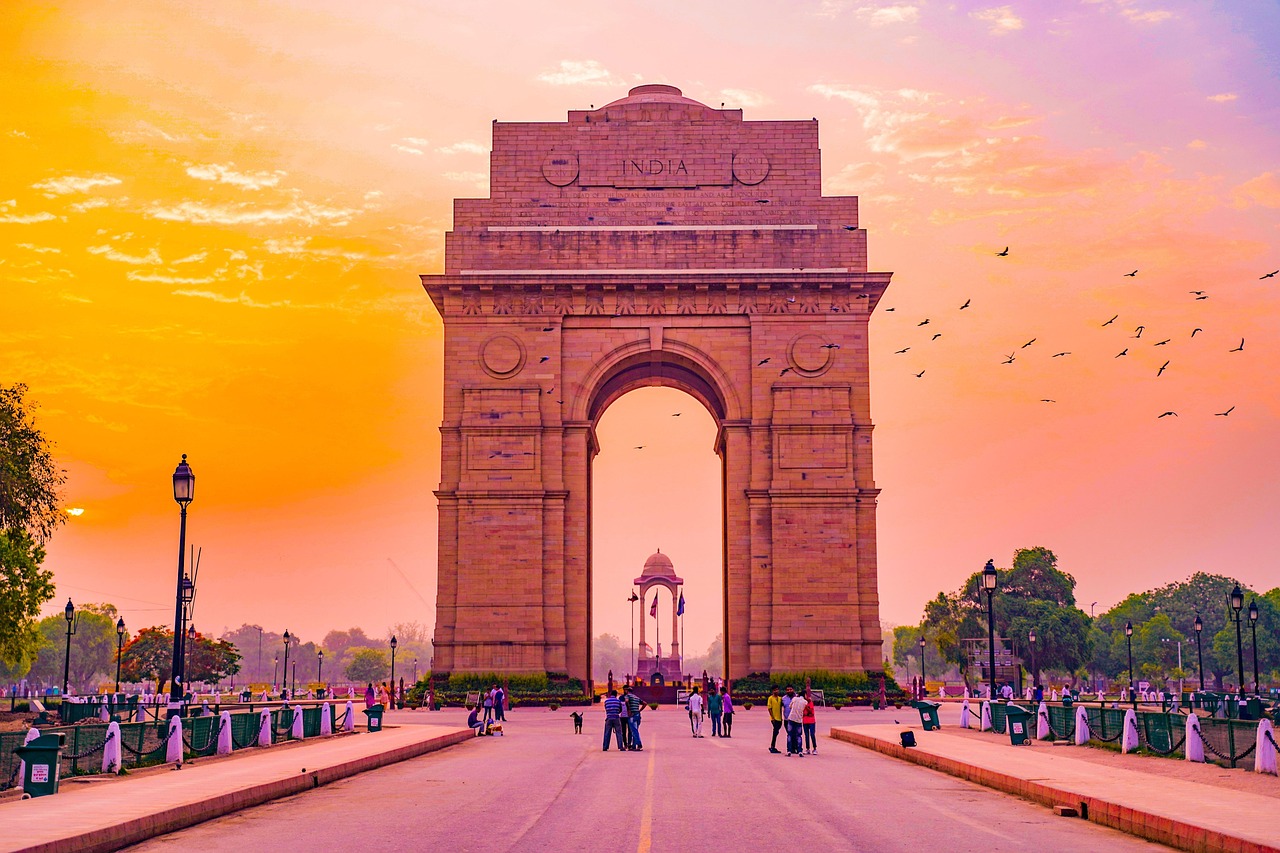
After the intensity of Old Delhi, the ceremonial heart of New Delhi feels almost like another city. Designed by British architect Edwin Lutyens, this area is all wide avenues, green lawns, and imposing government buildings.
At its center stands India Gate, a 42-meter-high arch built in memory of Indian soldiers who died in World War I. At night, it glows softly while families picnic on the lawns, kids run around with glowing balloons, and vendors sell chaat, ice cream, and roasted corn. I like to come here in the evening, grab a paper cone filled with bhel puri, and watch the city unwind.
In 2026, the revamped Kartavya Path (formerly Rajpath) has become more pedestrian-friendly, with better lighting, seating, and fountains. It’s a great place for a leisurely stroll, especially during winter evenings when the air is crisp and you can see the Rashtrapati Bhavan (Presidential Palace) glowing in the distance.
Tips for India Gate
- Best time: Evening for a casual, relaxed atmosphere and illuminated views.
- Activities: Picnics, street food, people-watching, and for kids, plenty of open space to run.
- Nearby: Rashtrapati Bhavan, North and South Block, and several museums within a short drive.
- Romantic? Very—especially if you like simple pleasures like walking and sharing street snacks.
5. Humayun’s Tomb
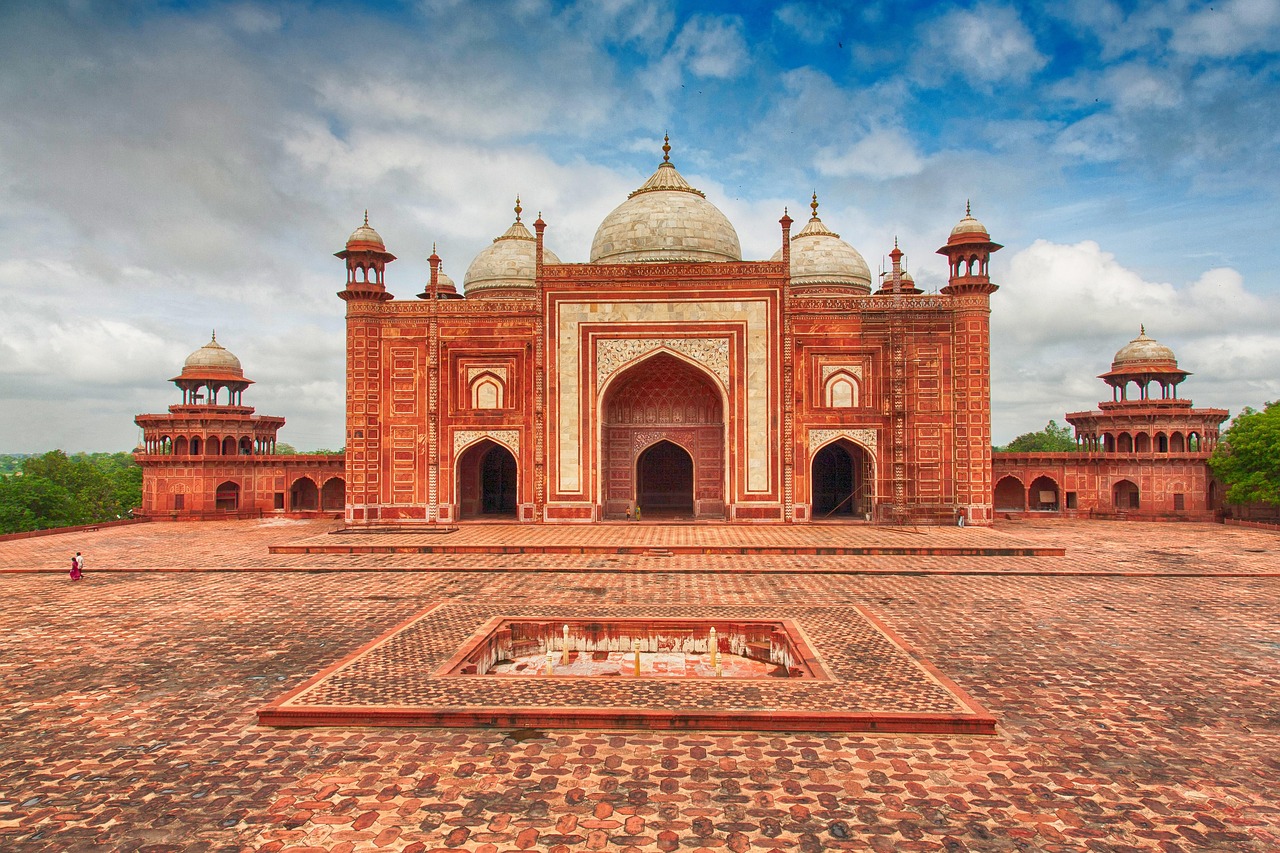
If you want a preview of the Taj Mahal’s elegance without leaving Delhi, Humayun’s Tomb is it. This UNESCO World Heritage Site was built in the mid-16th century for the Mughal Emperor Humayun by his widow, Empress Bega Begum. Its Persian-style gardens, red sandstone and white marble façade, and symmetrical design heavily influenced later Mughal architecture—including the Taj.
On my second trip to Delhi, I came here early one winter morning. The gardens were still damp with dew, and only a handful of other visitors were walking slowly along the tree-lined paths. The main tomb rose ahead of me like a mirage, reflected in long water channels. I sat on the steps for half an hour, watching the light change and listening to birds chattering in the trees. It felt almost meditative—something you don’t always associate with Delhi.
Don’t miss the surrounding smaller tombs and Isa Khan’s octagonal tomb nearby. Many visitors rush through the complex; it’s worth giving yourself at least 1.5 to 2 hours here.
Tips for Humayun’s Tomb
- Best time: Early morning or late afternoon; avoid midday heat in summer.
- Tickets: Available online and at the gate; foreigner and Indian prices differ.
- Photography: Fantastic spot for architecture and portrait shots; tripods may require extra permissions.
- Nearby: Nizamuddin Dargah (Sufi shrine) and Sundar Nursery (a beautiful heritage park).
- Family-friendly? Yes; plenty of lawn space for kids to roam.
6. Qutub Minar & Mehrauli Complex
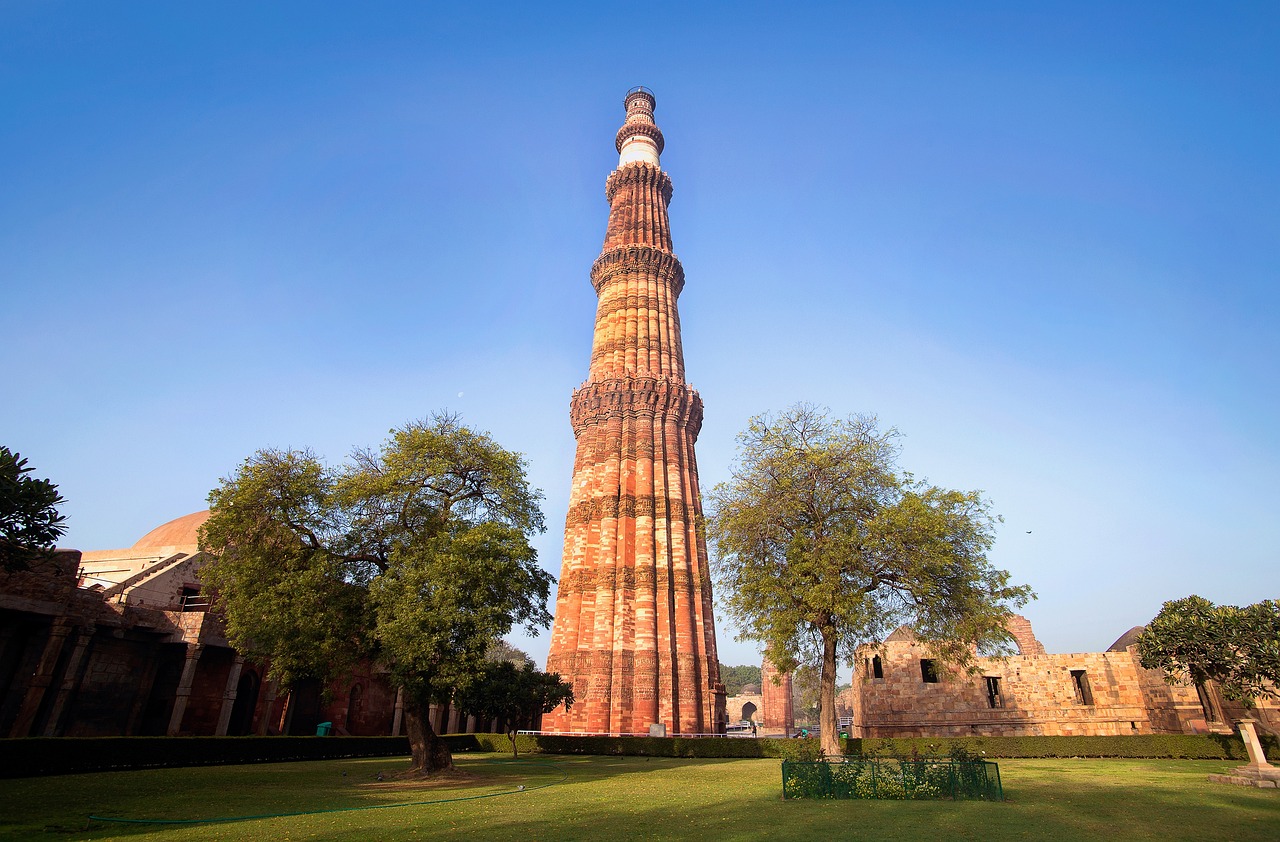
Qutub Minar is one of Delhi’s most iconic silhouettes: a 73-meter-tall victory tower started in 1192 by Qutb-ud-din Aibak, the founder of the Delhi Sultanate. Built in red sandstone with intricate Arabic inscriptions, it stands amidst a complex of ancient mosques, tombs, and stone ruins that feel both grand and ghostly.
I visited Qutub Minar on a hazy spring afternoon and was struck by how the past and present overlapped here: school groups listening to guides, couples taking selfies under centuries-old arches, and parrots nesting in crevices of the minaret itself. Walking through the Quwwat-ul-Islam Mosque and the famous Iron Pillar (renowned for its rust-resistant metallurgy), you can trace the early Islamic history of North India.
Nearby, the broader Mehrauli Archaeological Park is one of my favorite hidden gems in Delhi. Few tourists make it beyond Qutub Minar, but if you have energy and time, wander through this sprawling park dotted with tombs, stepwells, and crumbling pavilions swallowed by trees.
Tips for Qutub Minar
- Best time: Late afternoon for softer light and cooler weather.
- Tickets: Buy online for faster entry; there’s separate pricing for foreigners.
- Combine with: Mehrauli Archaeological Park (wear good walking shoes) or a café stop in nearby Mehrauli village.
- Family-friendly? Yes, but keep an eye on kids near uneven steps and ruins.
7. Lotus Temple (Baháʼí House of Worship)
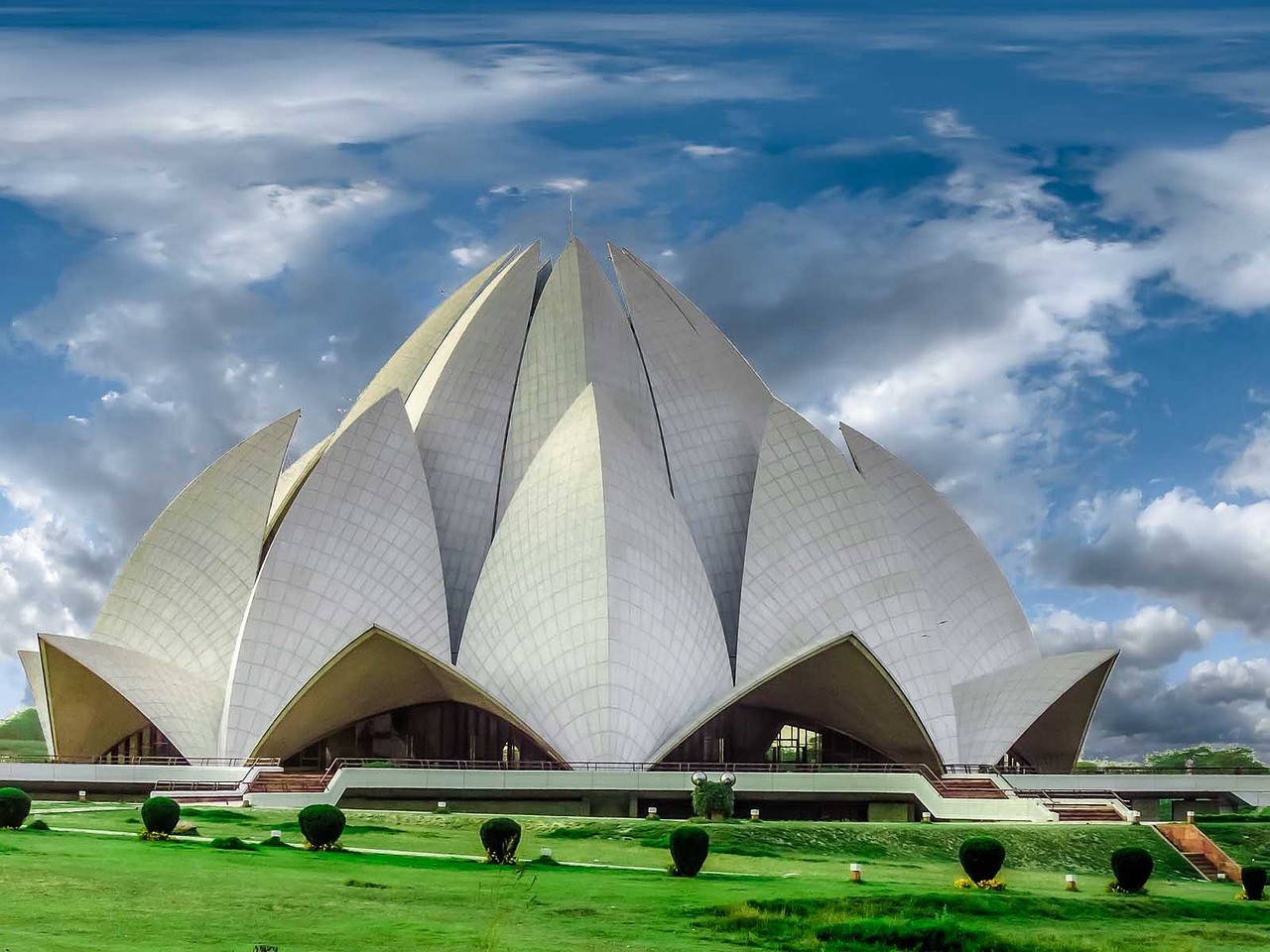
The Lotus Temple is one of the most serene modern structures in Delhi. Shaped like a blooming lotus flower, its 27 white marble “petals” form a house of worship open to people of all faiths. Unlike many Indian religious sites, it’s intentionally minimalist—no icons, no rituals, just silence.
The first time I visited, the noise of Delhi’s traffic followed me almost to the gate. But as I joined the slow-moving line towards the entrance, something shifted. Volunteers asked everyone to maintain silence, and by the time I stepped into the main hall, the only sounds were footsteps and the soft whir of fans. I sat down on a wooden bench, closed my eyes, and felt an almost physical sense of calm.
Tips for the Lotus Temple
- Best time: Weekday mornings; it gets crowded on weekends and holidays.
- Dress code: Modest clothing advised; silence is expected inside.
- Photography: Allowed outside, not inside the prayer hall.
- Family-friendly? Yes, though younger kids may find the enforced silence a bit challenging.
8. Akshardham Temple
Akshardham is opulent, theatrical, and deeply spiritual all at once. Opened in 2005, it’s not historic in the way Mughal monuments are, but the scale and detail of its carvings are jaw-dropping. The complex includes a central sandstone temple with thousands of carved figures, landscaped gardens, boat rides through animated tableaux of Indian history, and evening fountain shows.
On my most recent visit, I went with friends just before sunset. We spent over an hour just circling the main sanctum, trying to take in all the carved elephants, musicians, deities, and scenes from Hindu epics. Phones and cameras aren’t allowed inside (there’s a secure cloakroom), which initially frustrated the photographer in me—but without screens, I found myself paying more attention.
We stayed for the Sahaj Anand water show, a multimedia spectacle mixing fountains, lights, projections, and storytelling. It’s touristy but surprisingly moving, especially if you enjoy mythological tales.
Tips for Akshardham
- Security: Very strict. No phones, cameras, or large bags inside the complex; lockers provided.
- Time needed: At least 3–4 hours if you want to see the exhibits and evening show.
- Best time: Late afternoon, staying through sunset and the water show.
- Family-friendly? Very. Kids tend to love the boat ride and fountain show.
9. Lodhi Gardens
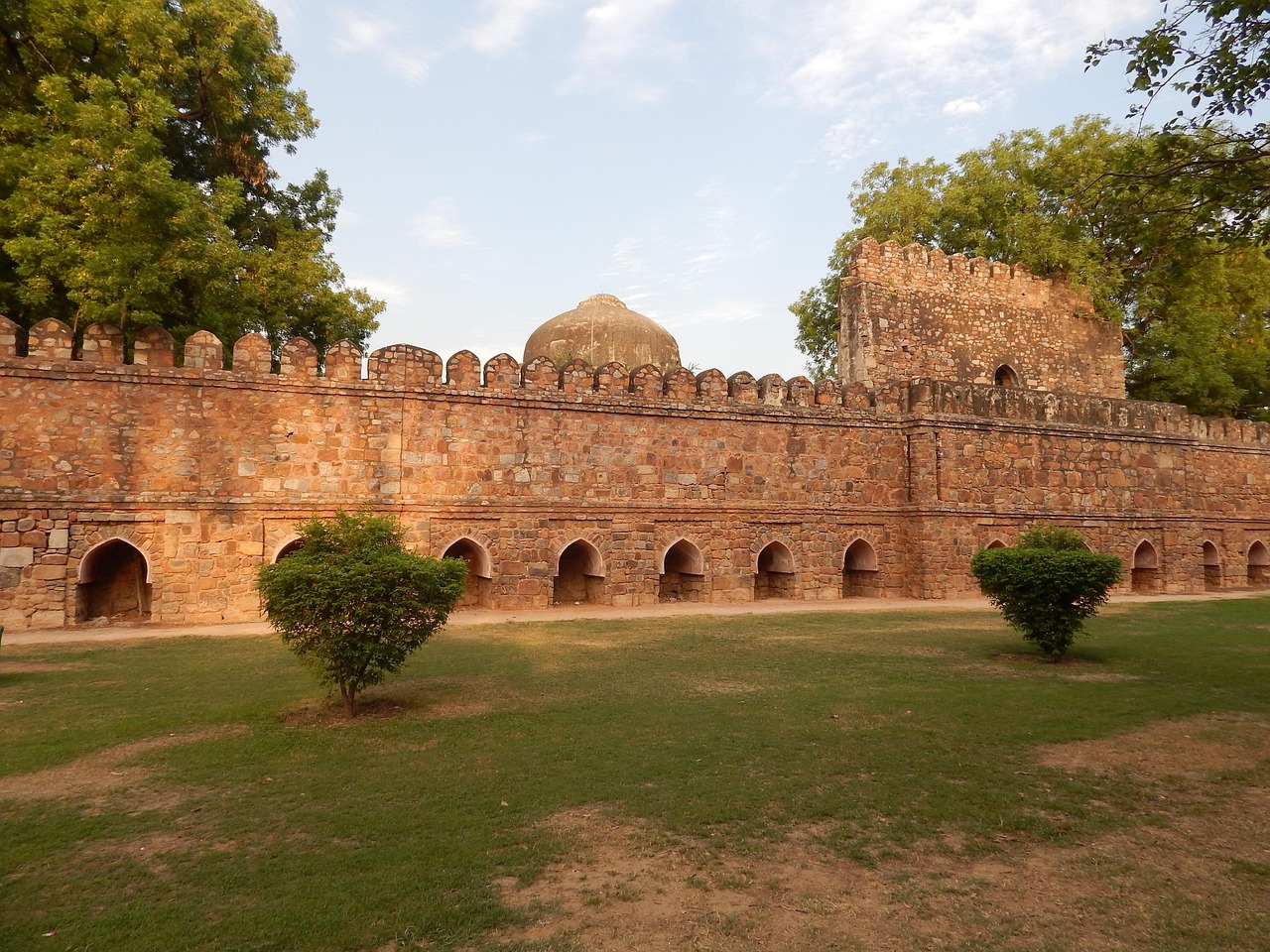
Lodhi Gardens is my go-to escape when Delhi feels too loud. This 90-acre park in the heart of the city is dotted with 15th-century tombs, crumbling domes, and stone bridges, all set among lush trees and walking paths. In the early morning, it’s full of joggers, yoga groups, and old men doing laughter therapy.
One of my favorite Delhi rituals is to pick up a coffee and a light breakfast in nearby Khan Market, then walk into Lodhi Gardens as the sun climbs. I’ll circle the Shisha Gumbad and Bara Gumbad tombs, sit on a bench with my notebook, and watch parakeets dart in and out of the trees. It’s an unexpectedly romantic spot too—I’ve seen countless couples perched on the grass, deep in conversation.
Tips for Lodhi Gardens
- Best time: Early morning or late afternoon; midday can be hot in summer.
- What to bring: Water, a light snack, and maybe a book or journal.
- Activities: Walking, jogging, picnicking, photography, yoga.
- Family-friendly? Yes, plenty of open space for kids.
10. Raj Ghat (Mahatma Gandhi Memorial)
Raj Ghat, the memorial marking the spot where Mahatma Gandhi was cremated in 1948, is a simple black marble platform set in peaceful gardens. An eternal flame burns nearby, and the words “Hey Ram” (Gandhi’s reported last words) are inscribed on the stone.
I visited Raj Ghat on a hot afternoon when the rest of the city felt relentless. Inside the complex, the mood was different: quieter, calmer, with school groups walking silently in lines and older visitors bowing their heads as they passed. It’s not visually dramatic like other attractions, but it offers a glimpse into India’s reverence for Gandhi and the country’s independence story.
Tips for Raj Ghat
- Best time: Morning or late afternoon to avoid the harshest sun.
- Dress: Modest and respectful; this is a memorial site.
- Combine with: Nearby museums or a drive along the Yamuna riverfront.
11. National Museum
The National Museum is where I go when I want to understand the threads connecting all the monuments I’ve seen. Its collections span 5,000 years—from Indus Valley artifacts to Mughal miniatures and tribal art.
On one monsoon day when rain made outdoor sightseeing impossible, I spent nearly four hours wandering its galleries. The highlights for me: delicate Chola bronzes, vivid Rajasthani miniature paintings, and an entire section devoted to Buddhist art, including relics from across Asia. It’s a fantastic way to put the pieces of Indian history into context.
Tips for the National Museum
- Best time: Any time of year, especially good for hot or rainy days.
- Time needed: 2–4 hours, depending on your interest in history and art.
- Family-friendly? Older kids and teens who like history will enjoy it; younger children may need breaks.
12. Hauz Khas Village & Lake
Hauz Khas is where medieval ruins meet Delhi’s hipster side. The neighborhood wraps around a 14th-century water reservoir and complex of tombs and pavilions, while the surrounding lanes are packed with cafés, boutiques, and bars.
One evening, I met friends for coffee in a rooftop café overlooking the lake. We watched as the sky turned pink above the crumbling domes and the water below filled with silhouettes of couples walking along the path. Afterwards, we descended into the ruins themselves, wandering among stone arches that once formed part of a madarsa (Islamic college).
Tips for Hauz Khas
- Best time: Late afternoon into evening—explore ruins first, then enjoy cafés and bars.
- Vibe: Young, creative, slightly touristy but still fun.
- Romantic? Yes—sunset at the lake followed by dinner makes a lovely date night.
13. Gurudwara Bangla Sahib
Bangla Sahib is one of Delhi’s most welcoming spiritual spaces. This Sikh gurudwara, with its golden dome and large holy pond (sarovar), is open 24/7 and offers free meals (langar) to anyone who visits, regardless of faith or background.
My first visit to Bangla Sahib remains one of my most humbling Delhi experiences. I covered my head with the provided scarf, washed my hands and feet, and stepped into the main prayer hall. The sound of kirtan (devotional music) was soothing, and people of all ages sat cross-legged, some in prayer, others simply resting. Later, I joined the langar, sitting in a long row as volunteers moved swiftly up and down, ladling dal, vegetables, and chapatis onto our thalis. The atmosphere of service and equality is deeply moving.
Tips for Bangla Sahib
- Dress code: Modest clothing; head covering mandatory inside (scarves provided).
- Footwear: Remove shoes and socks before entering; there’s a shoe deposit area.
- Photography: Allowed in outer areas, not inside the main prayer hall.
- Family-friendly? Yes, but help children follow the quiet, respectful atmosphere.
14. Dilli Haat (INA)
Dilli Haat is like a curated version of India’s bazaars, with artisans and food stalls from different states gathered in one open-air complex. It’s touristy, yes, but it’s also one of the easiest places to shop for handicrafts and sample regional cuisines without leaving Delhi.
I’ve bought everything here from Kashmiri shawls to Madhubani paintings, and when I’m hungry, I gravitate towards the Rajasthani thali or momos from the Northeast stalls. Prices can be slightly higher than in local markets, but the quality is usually good and bargaining is more relaxed.
Tips for Dilli Haat
- Entry fee: Small ticket fee, which helps keep out aggressive touts.
- Best time: Late afternoon or evening; it can be hot at midday.
- Shopping: Bargain gently; compare prices at a few stalls before buying.
- Family-friendly? Yes; kids often enjoy the colorful stalls and occasional cultural performances.
15. Connaught Place (CP)
Connaught Place, or CP, is the colonial-era commercial hub of New Delhi—a circular set of colonnaded buildings filled with shops, restaurants, and offices. It’s where you’ll find everything from global chains to old-school Indian institutions.
When I want a break from chaotic markets, I come to CP for a coffee, a quick meal, or a drink at one of its many bars. The central park often hosts events and performances, and the nearby Palika Bazaar (underground market) is a throwback to 80s-style shopping.
Tips for Connaught Place
- Best for: Dining, nightlife, and familiar brands mixed with local shops.
- Metro access: Rajiv Chowk station connects multiple metro lines—very convenient.
- Safety: Generally safe but watch out for overly friendly “guides” or people offering unsolicited help.
16. Nizamuddin Dargah & Sufi Qawwali
For a different kind of cultural experience in Delhi, head to the Sufi shrine of Nizamuddin Dargah, especially on Thursday evenings when qawwali (devotional music) performances take place. The narrow lanes leading to the dargah are a world of their own, filled with flower sellers, kebab stands, and pilgrims.
On one memorable night, I followed the crowd into the courtyard, barefoot, head covered, and sat on the floor among families, students, and travelers. The qawwals began to sing, their voices rising and falling in call-and-response patterns, accompanied by harmonium and clapping. Even without understanding every word, the emotion was palpable. It’s one of the most powerful experiences you can have in Delhi—raw, spiritual, and communal.
Tips for Nizamuddin Dargah
- Dress code: Modest, shoulders and legs covered; head covering recommended (scarves sold nearby).
- Best time: Thursday evenings for qawwali; arrive early to find a spot.
- Safety: Go with a local guide or trusted companion if you’re nervous about crowds.
- Photography: Restricted; be discreet and respectful.
17. Mehrauli Archaeological Park
Mehrauli Archaeological Park is where Delhi’s history spills into the undergrowth. Spread across more than 200 acres, it holds remains from nearly every era of Delhi’s past—tombs, stepwells, mosques, palaces—many of them overgrown and quietly crumbling.
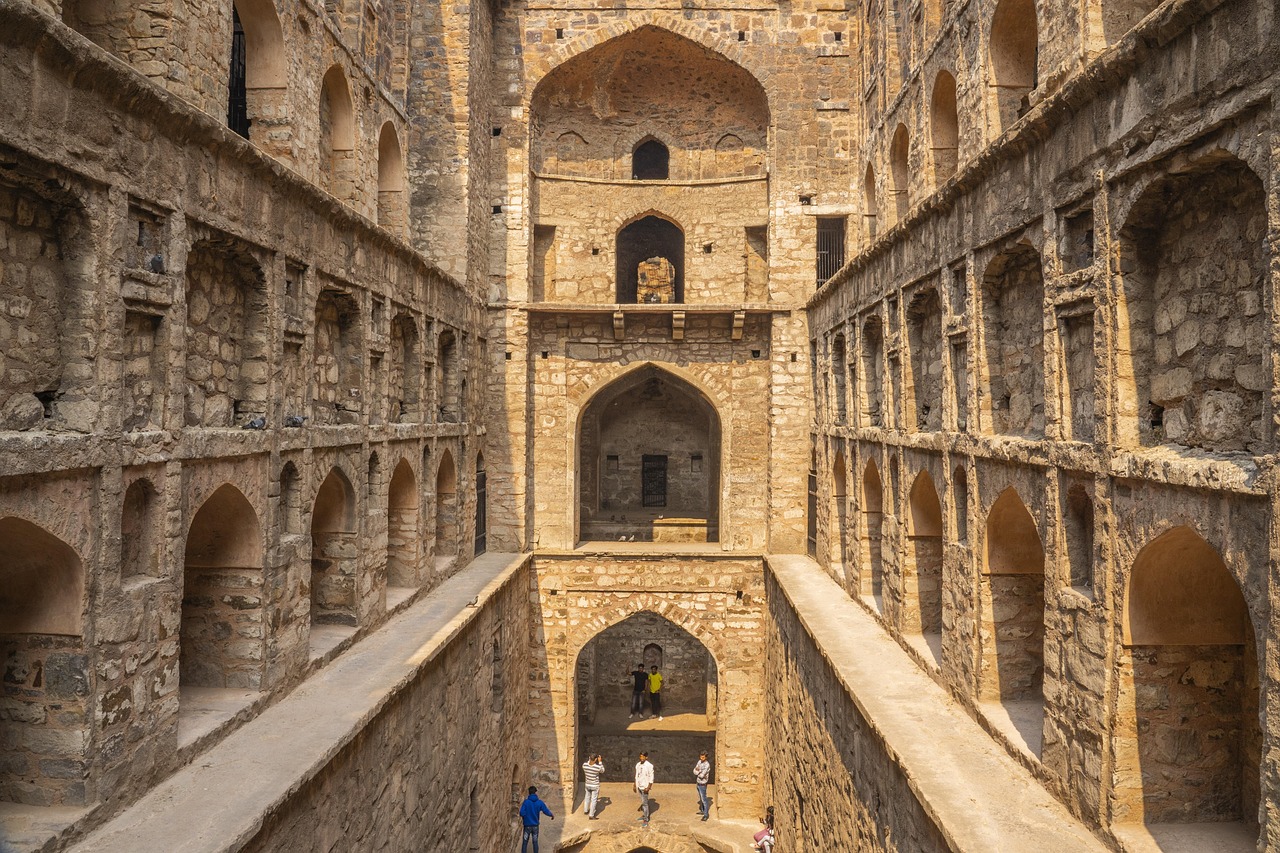
On my first walk here, I hardly saw another visitor for an hour. I wandered past the elegant Jamali Kamali Mosque, descended the steps of Rajon ki Baoli (a multi-level stepwell), and stumbled on ruined gateways half hidden by trees. It’s a place for slow exploration and imagination, best visited with comfortable shoes and no fixed schedule.
Tips for Mehrauli Archaeological Park
- Best time: Morning or late afternoon; take water and snacks as there are few vendors inside.
- Guides: A local guide can bring the ruins to life with stories; otherwise, download a map beforehand.
- Adventurous? Yes—great for those who love off-the-beaten-path history.
18. Rashtrapati Bhavan & Central Vista
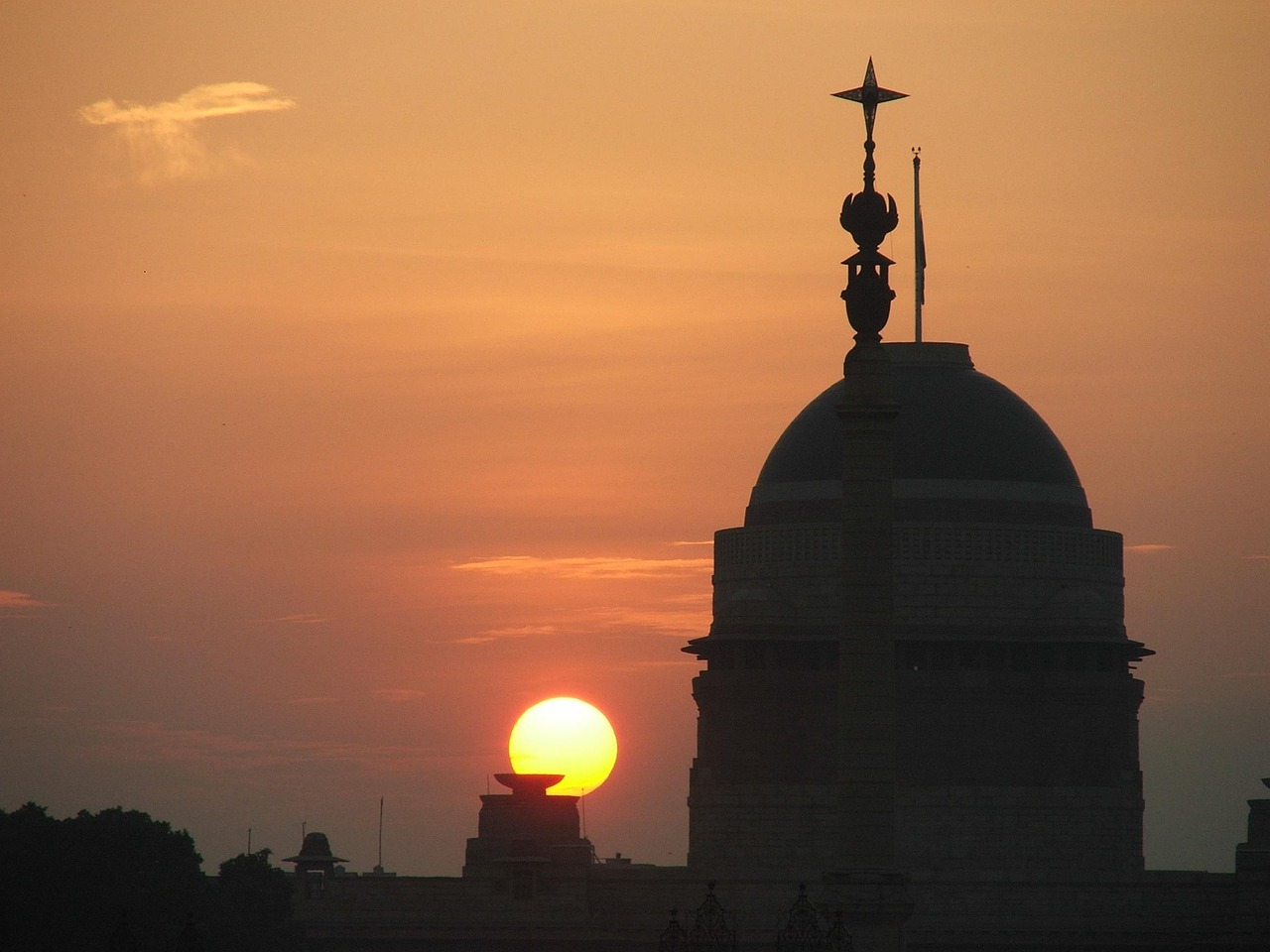
Rashtrapati Bhavan, the presidential residence, sits at the head of Kartavya Path, flanked by imposing government buildings. Viewed from afar, it gives Delhi a stately, almost European grandeur; up close, the details reveal Indo-Saracenic design and local motifs.
On one of my winter visits, I booked an advance tour of parts of the complex and the famous Mughal Gardens (now often referred to as Amrit Udyan), which open seasonally. Walking through its manicured lawns, rose gardens, and fountains felt like peeking into a very exclusive world.
Tips for Rashtrapati Bhavan
- Booking: Tours must be booked in advance via the official website; carry ID.
- Best time: Check seasonal openings of the gardens (usually late winter/early spring).
- Combine with: India Gate and a walk along Kartavya Path.
19. Purana Qila (Old Fort)
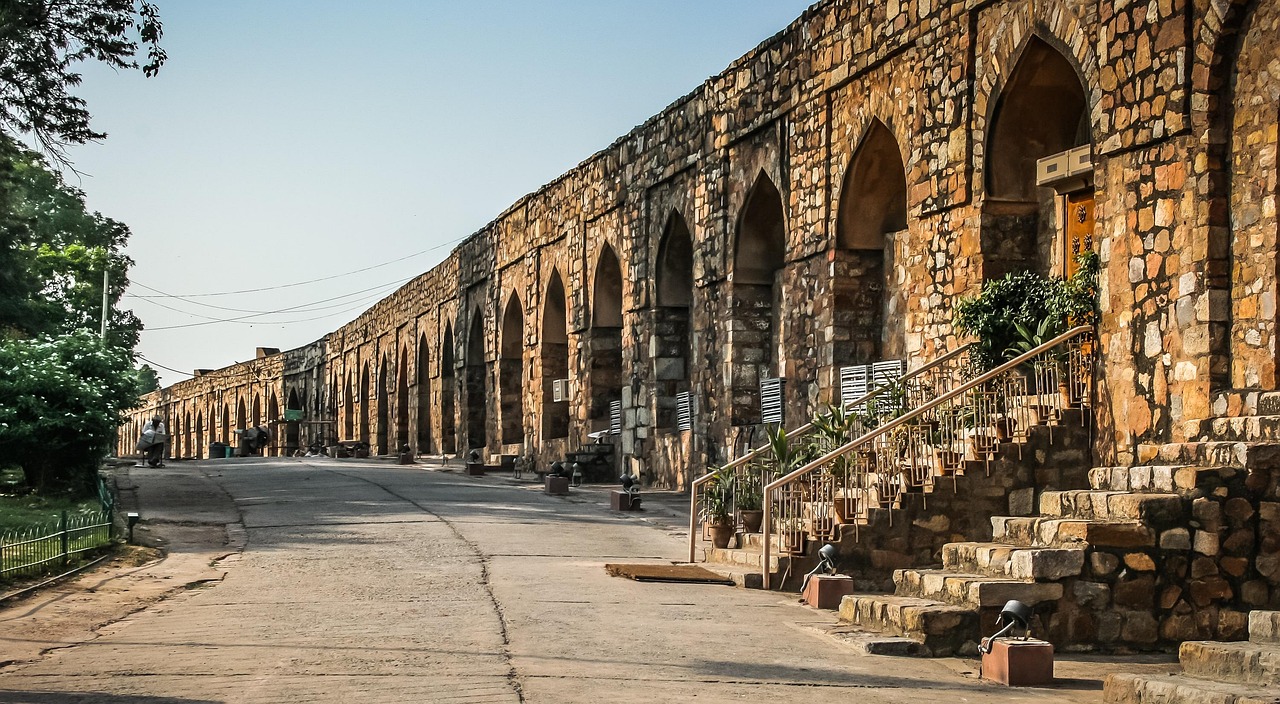
Purana Qila is often overshadowed by the Red Fort, but it has its own quiet charm. Believed to stand on the site of the ancient city of Indraprastha from the Mahabharata, the current fort walls date mainly to the 16th century.
I visited one hazy afternoon and was surprised by how empty it was. I strolled along its ramparts, peeked into the Qila-i-Kuhna Mosque, and watched locals boating on the small lake outside the fort walls. In the evening, there’s often a sound-and-light show narrating Delhi’s history.
Tips for Purana Qila
- Best time: Afternoon, followed by the sound-and-light show if you’re interested.
- Family-friendly? Yes; the boating lake is a hit with kids.
- Combine with: National Zoological Park next door (if you’re traveling with children).
20. Delhi’s Street Food Lanes (Old Delhi, Lajpat Nagar, Rajouri Garden)
If there’s one thing that will make you fall in love with Delhi, it’s the food. Beyond individual restaurants, some entire lanes are dedicated food heavens: the streets around Jama Masjid for non-veg Mughlai specialties, Lajpat Nagar for Punjabi and North Indian snacks, and Rajouri Garden for late-night eats.
One of my favorite food walks happened on a chilly January night. A local friend led me through a maze of lanes behind Jama Masjid, where we tried smoky seekh kebabs, buttery nihari (slow-cooked meat), and finally, kulfi falooda (frozen dessert) that we ate while standing on the street, watching the chaos swirl around us. Later, in Lajpat Nagar, I discovered chole bhature so good I still dream about it.
Tips for Delhi Street Food
- Stomach safety: Pick busy stalls with high turnover; avoid raw salads and unbottled water.
- Must-try items: Chole bhature, golgappe (pani puri), kebabs, momos, parathas, jalebi, and kulfi.
- Guided tours: Consider a reputable street food tour for your first night—they know the safest, most delicious spots.
My Personal 5-Day Delhi Story: Detailed Itinerary
Below is how I’d personally structure 5 days in Delhi for a first-time visitor in 2026. You can easily compress it into a 4 day itinerary for Delhi by trimming a bit, or focus on Days 1–3 if you only have 3 days in Delhi.
Day 1 – Old Delhi: Forts, Mosques & Markets
I like to start at the deep end: Old Delhi. It’s intense, but it sets the tone for everything that follows.
Morning: Red Fort & Introduction to Mughal Delhi
Arrive early at the Red Fort. If you’re staying in central Delhi, take the metro to Lal Qila station or a cab/Uber. I usually aim to reach by 9 a.m. to beat both the crowds and the heat.
Spend 1.5–2 hours wandering through the palaces, halls, and museums. As you walk, try to imagine the fort in its heyday: flowing canals, jeweled thrones, and royal processions. This mental picture will keep popping up as you later visit other Mughal sites like Humayun’s Tomb and the Jama Masjid.
Late Morning: Jama Masjid & Views from the Minaret
From the fort, either walk or hop on a cycle-rickshaw to Jama Masjid. I like to pause at the bottom of the grand staircase for a minute, just taking in the scene, before climbing towards the main gate.
Inside, explore the vast courtyard and, if you’re up for it, climb the minaret. On my last visit, I ended up chatting at the top with a local student who pointed out landmarks on the horizon: Qutub Minar, Connaught Place, even the faint glint of distant modern towers. It was a reminder that Delhi is both ancient and constantly reinventing itself.
Lunch: Old Delhi Street Food
By now, you’ll be hungry. This is where Delhi’s local food really shines.
- For vegetarians: Head to Paranthe Wali Gali for stuffed parathas with pickles and lassi.
- For meat lovers: Try Karim’s or Al-Jawahar behind Jama Masjid for kebabs, butter chicken, and biryani.
Ask for “less spicy” if you’re not used to Indian heat—though in Delhi, “less spicy” still usually has a kick.
Afternoon: Chandni Chowk & Khari Baoli
After lunch, dive into Chandni Chowk. I like to pick one or two themed lanes rather than trying to see everything:
- The spice market of Khari Baoli for aromas and rooftop views.
- A jewelry lane if you’re shopping for silver or costume pieces.
- A book or paper lane if you love stationery and second-hand books.
When the crowds feel like too much, duck into a side alley or climb to a rooftop (some shops and small cafés have them) for a quick reset.
Evening: India Gate & Chill Time
By late afternoon, leave Old Delhi and head to India Gate. The contrast is huge: from tight, noisy lanes to open lawns and wide roads. I like to arrive around sunset, then stay as the lights come on.
Grab some chaat or roasted corn from a vendor and simply people-watch. Families, couples, groups of friends—everyone seems to end up here at some point. It’s a gentle, low-effort way to end your first day.
Day 2 – New Delhi & Mughal Elegance
Day 2 is about balance: grand Mughal tombs, leafy parks, and modern cafés.
Morning: Humayun’s Tomb & Nizamuddin Area
Start at Humayun’s Tomb. Arrive by 9 a.m. if possible. Spend time not just at the main tomb but also exploring Isa Khan’s tomb and the surrounding gardens. I often bring a small snack and sit in the shade for a while, just soaking in the symmetry.
Afterwards, if you’re curious about Sufi culture, walk or drive over to Nizamuddin Dargah. During the day, it’s quieter; in the evenings, especially Thursdays, it comes alive with qawwali.
Lunch: Nizamuddin or Khan Market
For lunch, you have two good options:
- Nizamuddin area: Local eateries with kebabs and North Indian dishes.
- Khan Market: A more polished neighborhood with cafés, bakeries, and modern Indian restaurants.
I often choose Khan Market when I want a break from heavy curries—there are good salads, fusion dishes, and coffee shops here.
Afternoon: Lodhi Gardens
Walk or cab to Lodhi Gardens. Spend a couple of hours strolling, reading on a bench, or taking photos. It’s a great place to see Delhites at leisure: couples, joggers, office workers on lunch breaks, and elderly groups deep in conversation.
Evening: Connaught Place & Nightlife
As evening falls, make your way to Connaught Place. You can:
- Shop for books, clothes, or handicrafts.
- Have dinner at one of the many restaurants—everything from classic Indian to international cuisine.
- Check out a bar or live music venue for a taste of Delhi’s nightlife.
If you prefer something quieter, go for an early dinner and then stroll through the central park before heading back to your hotel.
Day 3 – South Delhi: Towers, Ruins & Lakeside Evenings
Day 3 focuses on South Delhi’s blend of ancient ruins and trendy neighborhoods.
Morning: Qutub Minar & Mehrauli Archaeological Park
Start at Qutub Minar, ideally soon after opening. Explore the minaret, mosque, and surrounding ruins. Give yourself at least 1.5 hours here.
Then, if you’re up for some walking and light adventure, continue to Mehrauli Archaeological Park. Bring water, wear good shoes, and take it slow. Each structure has a story, from Rajon ki Baoli’s carved steps to Jamali Kamali’s painted interiors.
Lunch: Mehrauli Cafés or Local Dhaba
By lunchtime, you’ll be hungry. Nearby Mehrauli has a handful of nice cafés and restaurants, some with rooftop views. On one visit, I ended up in a small café with a balcony overlooking trees and ruins; the food was simple but tasty, and the view unforgettable.
Afternoon & Evening: Hauz Khas Village
Head to Hauz Khas Village in the later afternoon. Explore the medieval reservoir and ruins first—there’s something magical about seeing centuries-old stone reflected in still water, with the city’s hum just beyond the trees.
As the sun begins to set, pick a rooftop café or restaurant overlooking the lake. I love sitting outside with a cold drink, watching the sky change color over the domes. Later, if you’re up for it, you can explore Hauz Khas’s nightlife: cocktail bars, music venues, and late-night eateries.
Day 4 – Spiritual Delhi & Craft Shopping
With the “big” sights mostly done, Day 4 is about spiritual spaces and relaxed browsing.
Morning: Lotus Temple
Begin your day at the Lotus Temple. Arrive early to avoid long lines. The experience here is less about visual spectacle (though the architecture is stunning) and more about silence. Sit in the main hall for as long as you like; I find 10–15 minutes enough to reset my mind.
Late Morning & Lunch: Akshardham
From there, head to Akshardham. Plan at least 3–4 hours for the complex, including exhibits and the water show if you stay into the evening. There’s a cafeteria inside with clean, reasonably priced vegetarian food. On my last visit, I ate a simple thali there—dal, vegetable curry, rice, and chapati—which was both tasty and budget-friendly.
Afternoon/Evening: Dilli Haat
Later, make your way to Dilli Haat. This is my favorite place for one-stop souvenir shopping:
- Handwoven shawls and scarves.
- Handicrafts, jewelry, and small artworks.
- Textiles and decorative items for the home.
Have an early dinner at one of the regional food stalls—maybe Assamese fish curry one night, Rajasthani dal bati the next. It’s like a mini food tour of India in one place.
Day 5 – Neighborhood Life, Museums & Flex Day
Day 5 is your “flex day”—perfect for diving deeper into a neighborhood, catching up on museums, or taking a short day trip.
Option 1: Museum & Culture Day
- Start at the National Museum for a deeper dive into Indian history and art.
- Visit nearby crafts markets (Janpath, Central Cottage Industries Emporium) for high-quality souvenirs.
- End with a cultural show or classical music/dance performance if one is scheduled during your stay.
Option 2: Neighborhood Walk – Lajpat Nagar or Shahpur Jat
I love spending this day in a real residential neighborhood:
- Lajpat Nagar: Bustling, middle-class market area famous for clothes, fabrics, and street food.
- Shahpur Jat: A quieter, creative neighborhood with designer boutiques and cafés hidden in village-like lanes.
Grab a chai from a street stall, watch daily life unfold, maybe get a henna design on your hand, and enjoy the slower pace.
Option 3: Easy Day Trip
If you want to stretch your legs outside the city, consider a half- or full-day trip (see more in the day trips section). In five days, I usually prefer to stay within Delhi, but seasoned travelers often squeeze in a quick visit to the Taj Mahal or Neemrana Fort.
Interesting Neighborhoods & Areas to Explore
Delhi’s neighborhoods each have their own personality. Here are a few worth wandering:
Old Delhi (Shahjahanabad)
Dense, historic, and endlessly photogenic. Ideal for experiencing traditional bazaars, Mughal architecture, and some of the best local food in Delhi.
New Delhi (Lutyens’ Delhi)
Wide avenues, diplomatic enclaves, and government buildings. Great for walks around India Gate, Rashtrapati Bhavan, and tree-lined residential areas.
South Delhi
Includes Hauz Khas, Mehrauli, Greater Kailash, Lajpat Nagar, and more. This is where a lot of Delhi’s middle and upper-middle class live, shop, and hang out.
Hauz Khas & Green Park
Trendy, youthful areas with plenty of cafés, bars, boutiques, and easy access to the lake and ruins.
Lajpat Nagar
Perfect if you want to see a bustling local market without the heavy tourist focus of Old Delhi. Great for clothes, shoes, and affordable street snacks.
Shahpur Jat
A former village turned creative enclave. Narrow lanes hide designer studios, quirky shops, and intimate cafés. A lovely spot for a romantic afternoon or solo wandering.
Karol Bagh
Busy shopping district with everything from electronics to bridal wear. Also home to many mid-range hotels and guesthouses—good for budget-conscious travelers.
Best Local Food & Drinks in Delhi
Delhi is one of India’s great food capitals. Whether you’re on a budget or ready to splurge, you’ll eat well here.
Iconic Dishes to Try
- Chole Bhature: Spicy chickpeas with fluffy fried bread. I had my best plate in Lajpat Nagar, eaten standing at a tiny counter with locals.
- Parathas: Stuffed flatbreads with potato, paneer, or mixed veg, served with pickles and yogurt. Paranthe Wali Gali is famous, but many small dhabas do them just as well.
- Kebabs & Tandoori: Seekh kebabs, tandoori chicken, and more around Jama Masjid and in many North Indian restaurants.
- Chaat: Tangy, spicy, crunchy snacks like aloo tikki and papdi chaat. Look for busy street carts or hygienic chaat counters in markets.
- Momos: Steamed dumplings popular in Delhi’s Tibetan and Nepali communities. Try them in markets like Lajpat Nagar or from street carts in South Delhi.
- Jalebi & Gulab Jamun: Syrupy sweets best enjoyed hot in the evening.
Where I Like to Eat
- Old Delhi: Street stalls for kebabs, nihari, jalebi, and parathas.
- Khan Market: Mid- to high-end cafés and restaurants with global and modern Indian menus.
- Dilli Haat: Regional specialties from across India in one place.
- Lajpat Nagar & Rajouri Garden: Fantastic, affordable Punjabi and North Indian food.
Saving Money on Food
To stretch your budget without compromising health, I recommend:
- Eating main meals at busy local restaurants rather than fancy hotel buffets.
- Using food delivery apps (with your local SIM) for well-reviewed, hygienic options.
- Choosing street food from stalls with visible cooking and lots of local customers.
Nightlife, Entertainment & Cultural Experiences in Delhi
Delhi’s nightlife is diverse: rooftop bars, craft beer pubs, live music, and quiet cultural evenings are all on offer.
Nightlife Areas
- Connaught Place: Pubs, bars, and some live music.
- Hauz Khas Village: Trendy bars and restaurants.
- South Delhi (Saket, Greater Kailash): Lounge bars and upscale dining.
Cultural Experiences
- Sufi Qawwali at Nizamuddin Dargah: For a profoundly moving spiritual music experience.
- Classical Dance or Music Performances: Check venues like Kamani Auditorium or India Habitat Centre.
- Sound & Light Shows: At Red Fort or Purana Qila, narrating Delhi’s history.
For couples, I recommend a combination of sunset at Hauz Khas Lake, followed by a dinner with a view, and then either a quiet walk at India Gate or a live music show, depending on your mood.
Day Trips & Nearby Attractions from Delhi
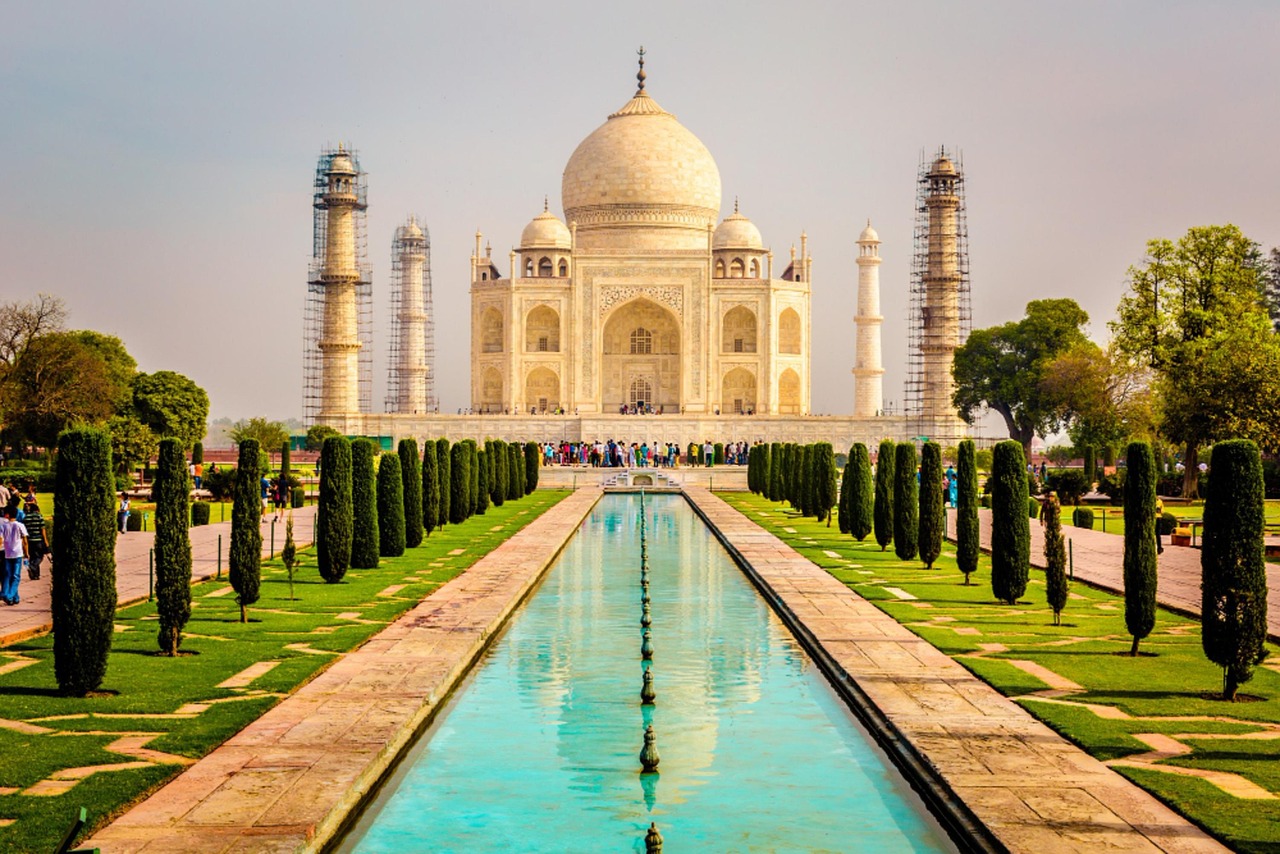
With an extra day or two, you can use Delhi as a base to explore nearby highlights.
Agra (Taj Mahal)
About 3–4 hours by train or expressway from Delhi. Many travelers do it as a full day trip, though I personally prefer an overnight stay to see the Taj at sunrise.
Jaipur
Part of the Golden Triangle, about 5–6 hours by road. Better suited to a 2–3 day side trip, but some ambitious travelers do a very long day or overnight from Delhi.
Neemrana Fort Palace
About 2–3 hours by road from Delhi. A restored fort-palace where you can have lunch, explore, or even try a zipline if it’s operating. Romantic and slightly adventurous.
Mathura & Vrindavan
Holy cities associated with Lord Krishna, about 3 hours from Delhi. Especially lively during festivals like Holi and Janmashtami.
Cultural Etiquette & Local Customs in Delhi
Understanding local customs in Delhi will make your trip smoother and more respectful.
Dressing & Behavior
- Dress modestly, especially in religious places: covered shoulders and knees are appreciated.
- Remove shoes before entering temples, mosques, and gurudwaras.
- Public displays of affection are still relatively uncommon; keep it low-key.
Greetings & Interaction
- “Namaste” with palms together is a respectful greeting; many people also shake hands.
- Use your right hand for giving and receiving items, especially food.
- Ask before photographing people; many will happily agree if you smile and gesture politely.
At Religious Sites
- Follow posted signs for dress codes and photography rules.
- At Sikh gurudwaras, always cover your head and sit on the floor during langar.
- At mosques and dargahs, women may have separate sections; ask a caretaker if unsure.
Practical Travel Tips for Delhi (2026)
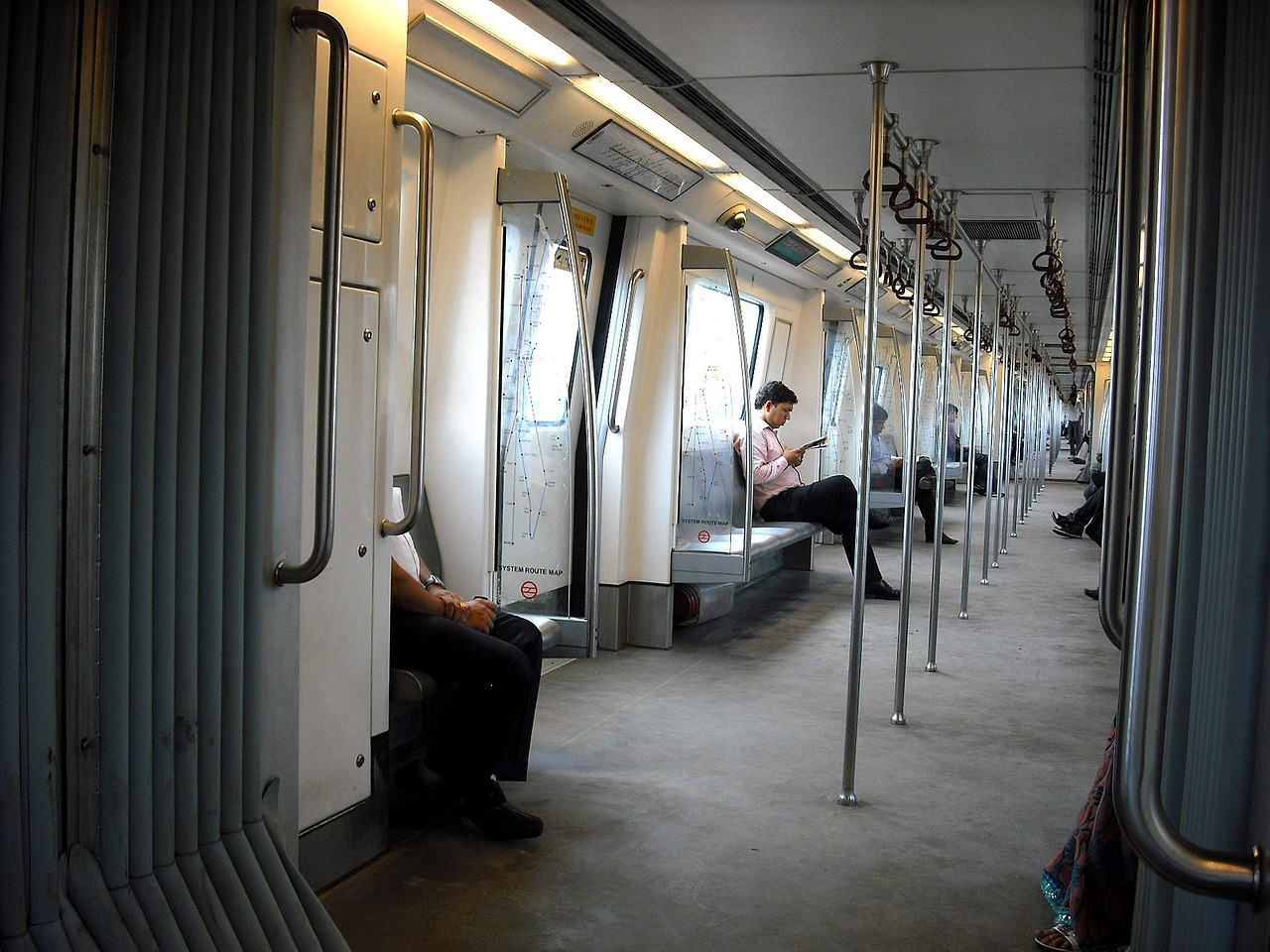
Getting Around
- Metro: Fast, cheap, and expanding. Buy a smart card or use token tickets. Avoid rush hour if possible.
- App-based cabs: Uber and local apps are widely used and generally reliable.
- Auto-rickshaws: Great for short distances; insist on the meter or agree on a fare beforehand.
- Walking: Fine in some neighborhoods (Lutyens’ Delhi, parts of South Delhi, within parks) but less practical for long distances.
Money-Saving Tips
- Use the metro instead of taxis for long cross-city journeys.
- Eat at local restaurants instead of hotel dining rooms.
- Shop where locals shop: Lajpat Nagar, Sarojini Nagar, and Janpath (for bargains).
SIM Cards & Connectivity
- Major providers include Jio, Airtel, and Vi.
- For foreigners, the easiest option is often to buy a tourist SIM at the airport with your passport and visa.
- Data is inexpensive, and coverage in Delhi is generally good.
Visas & Driving
- Visas: Most nationalities require a visa to enter India; e-visas are common and should be applied for before arrival. Check the current rules for 2026 on official government sites.
- Driving: Your foreign driver’s license may not be sufficient to legally drive; an International Driving Permit is recommended, but honestly, Delhi traffic is intense. I strongly suggest using drivers, taxis, or the metro instead of self-driving.
Health & Safety
- Drink only bottled or filtered water; avoid ice in dubious places.
- Use hand sanitizer frequently, especially when eating street food.
- Air quality can be poor, especially in winter; consider a mask if you have respiratory issues.
- Delhi is generally safe if you take normal big-city precautions—avoid very dark, isolated areas at night, and keep valuables secure.
Best Time to Visit Delhi
Delhi’s climate swings from chilly fog to scorching heat. Timing your trip matters.
October to March – Peak Season
- Weather: Pleasant days, cooler nights; can be foggy and polluted in Dec–Jan.
- Best for: Sightseeing, outdoor activities, festivals.
April to June – Hot Season
- Weather: Very hot (often over 40°C), dry.
- Best for: Budget travelers who can handle heat; plan indoor activities midday.
July to September – Monsoon
- Weather: Humid, with periodic heavy rains.
- Best for: Lower prices, lush gardens, but be flexible with plans due to showers.
Major Events & Festivals in Delhi (2026–2027)
Delhi always has something happening. For 2026–2027, expect:
- Republic Day Parade (26 January, annually): Massive parade along Kartavya Path with military and cultural displays. Tickets need to be arranged in advance.
- Independence Day (15 August, annually): Flag hoisting at the Red Fort and nationwide celebrations.
- Diwali (Oct/Nov, annually): The festival of lights, with markets, decorations, and family gatherings. Delhi is particularly festive at this time.
- Holi (March, annually): Festival of colors—celebrated enthusiastically but can be overwhelming; join with a trusted local or organized event.
- International Trade Fair (usually November): Held at Pragati Maidan, showcasing products and culture from across India and other countries.
Exact dates shift each year (especially for festivals based on the lunar calendar), so check closer to your travel dates in 2026 or 2027.
Summary & Final Recommendations
Delhi is not an “easy” city, but that’s exactly what makes it unforgettable. Give it at least 3 days, ideally 4 or 5 days in Delhi, and you’ll begin to see past the chaos to the patterns beneath: morning prayers in quiet shrines, office workers grabbing street chai, kids flying kites over rooftops, couples walking hand-in-hand in Lodhi Gardens.
Use this travel guide for Delhi as a framework, but leave space for serendipity—an unplanned food stop, a conversation with a shopkeeper, or a detour down a lane that looks interesting. See the must-see attractions in Delhi, absolutely, but also seek out the smaller cultural experiences that bring the city to life: Sufi qawwali, gurudwara langar, a local market at rush hour.
For most travelers, the best seasons to visit Delhi are from October to March, when the weather is pleasant and festivals are frequent. Just bring layers for cool evenings and be prepared for some fog and air quality issues in mid-winter.
In the end, Delhi will probably surprise you. It did for me—on every single visit. And that’s why I keep coming back.