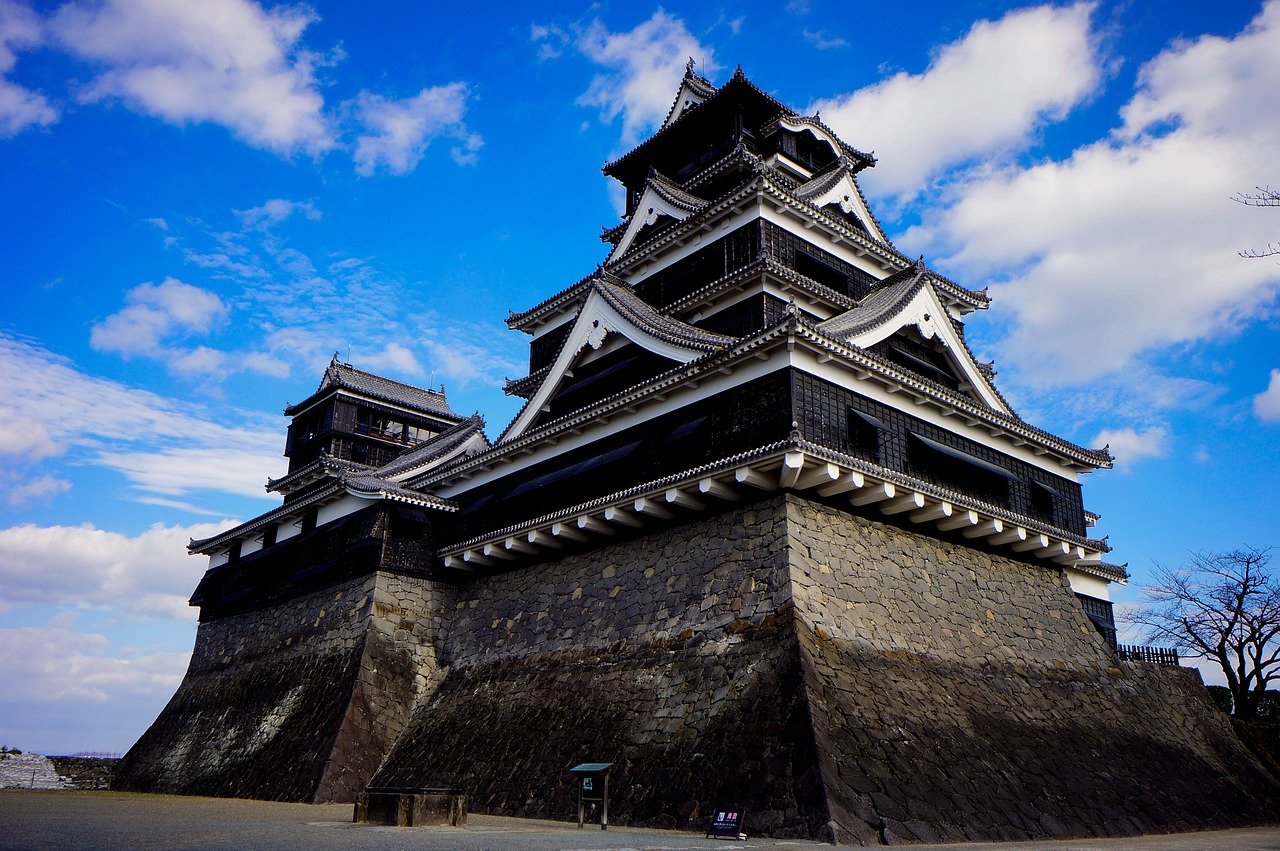
Why Visit Fukuoka in 2026
Fukuoka is the city that quietly steals your heart. As someone who has lived on and off between Fukuoka and Tokyo for nearly a decade, I keep coming back to this laid‑back port city for its warm people, obsession with good food, and the way the sea, rivers, and mountains are all woven into everyday life.
In 2026, Fukuoka is especially exciting. The city has been pushing “compact smart city” initiatives, expanding bike lanes, renovating waterfront areas, and polishing up its already excellent food scene. Yet it still feels human-sized: you can land at the airport and be slurping tonkotsu ramen downtown in under 20 minutes.
Think of Fukuoka as a softer, more breathable alternative to Tokyo or Osaka: all the conveniences, none of the stress. It’s ideal if you only have 3 days in Fukuoka and want an easy, walkable base, but it also rewards longer 4–5 day itineraries with day trips, hot springs, and hiking.
- Food paradise: Birthplace of tonkotsu ramen, famous yatai (street food stalls), fresh seafood, and soul‑warming local specialties.
- Relaxed coastal vibe: Beaches, islands, and parks are all reachable within an hour by subway, bus, or ferry.
- Compact and convenient: One of the easiest cities to navigate in Japan, perfect for first‑timers or families.
- Culture with a local feel: Temples, shrines, festivals, and neighborhoods that still feel lived-in, not curated for tourists.
- Gateway to Kyushu: Great base for day trips to Dazaifu, Itoshima, Yanagawa, Karatsu, and on to Nagasaki, Beppu, and beyond.
Fukuoka Overview & Neighborhoods
Fukuoka City sits on the northern shore of Kyushu and is usually thought of in two halves: Hakata (the historic port and business district) and Tenjin (the shopping and entertainment heart). They’re connected by subway and are a short walk or bike ride apart.
Key Neighborhoods & Areas
- Hakata Station Area: Transportation hub, big malls, great base for first‑timers. Excellent for quick access to the airport and shinkansen.
- Nakasu & Kawabata: Island between rivers, neon-lit nightlife, yatai clusters, and the atmospheric Kawabata shopping arcade.
- Tenjin: Department stores, underground shopping streets, cafés, and bars. Very convenient for 3–4 day itineraries in Fukuoka.
- Daimyo & Imaizumi: Hipster central with boutiques, coffee roasters, craft beer, and vintage shops. Great for people‑watching.
- Ohori & Maizuru: Green lake park, castle ruins, museums; my favorite area for morning runs and quiet strolls.
- Momochi & Seaside Area: Modern waterfront, Fukuoka Tower, beaches, Fukuoka PayPay Dome.
- Nishijin: University area with local shops and markets; feels more neighborhood‑y and less touristy.
Top 20 Must‑See Attractions in Fukuoka (With Local Stories & Tips)
Below are twenty of the best places to visit in Fukuoka, each with history, what to do, and my personal notes from repeated visits. These are the backbone of any 3 day itinerary for Fukuoka, and you can easily stretch them into a deeper 4 or 5 day itinerary for Fukuoka.
1. Ohori Park (Ōhori Kōen)
Ohori Park is where Fukuoka breathes. Built around what was once the moat of Fukuoka Castle, it’s a wide lake with little islands connected by elegant stone bridges, ringed with running paths and cherry trees. I’ve lost count of how many evenings I’ve jogged here after work, watching the sunset turn the water a soft gold.
The park is beautiful in every season: cherry blossoms in late March/early April, deep green in summer, fiery momiji (maple leaves) in November, and quiet, clear days in winter when you can see all the way to the mountains.
What to Do
- Walk or run the 2km loop around the lake. Sunrise is quiet; sunset is romantic.
- Rent a pedal boat on the lake. Families love the swan boats; couples opt for the smaller ones.
- Visit the Fukuoka Art Museum on the park’s edge for a mix of Japanese and international art.
- Cross the bridges to the central islands and sit on a bench to enjoy the view.
Personal Tip
I love grabbing a coffee from a small café near the subway exit (Ōhori Kōen Station, Exit 4) and doing a slow lap before 9am. On misty mornings, the city feels far away. If you’re doing 3 days in Fukuoka, make this your “reset” spot between busy sightseeing days.
How to Get There
Take the Kūkō (Airport) Subway Line from Hakata or Tenjin to Ōhori Kōen Station (about 10 minutes from Tenjin). Follow the signs; the lake is just a 3–5 minute walk.
2. Fukuoka Castle Ruins & Maizuru Park
Next to Ohori Park are the Fukuoka Castle ruins, remnants of what was once the largest castle in Kyushu. There’s no towering main keep left, but the stone walls, gates, and soaring viewpoints still stir the imagination.
I like to come here in late afternoon, climbing up through the old stone passages until the city spreads out beneath me. In spring, the whole park explodes into cherry blossoms, and office workers picnic under the petals with canned beer and convenience store snacks.
What to Do
- Climb to the observation platforms for wide views of Fukuoka’s skyline and the bay.
- Wander the castle walls and gates; the contrast of old stone and modern buildings is striking.
- Visit during sakura season (usually late March–early April) for one of the best hanami spots in the city.
Personal Tip
On one of my first visits, I got caught here in a sudden spring shower. I ducked under an old stone archway with a group of elderly locals, who shared their snacks and stories of how the park looked decades ago. It reminded me that Fukuoka’s beauty is as much about people as places.
How to Get There
From Ohori Park, just walk south into Maizuru Park. From Tenjin, it’s a 20–25 minute walk or a short bus ride.
3. Kushida Shrine (Kushida-jinja)
Kushida Shrine is the spiritual heart of Fukuoka and the main stage for the famous Hakata Gion Yamakasa Whenever I stay near Hakata, I like to start my day here. The moment you pass under the torii gate, the city noise softens. Locals come to bow before work, clap their hands, and ring the shrine bell for good luck. If you’re visiting Fukuoka in early July, wake up before sunrise and catch the Yamakasa race. I’ve stood in the crowd at 4am, half asleep, watching teams of men in traditional outfits sprint through the streets with huge floats. You feel the ground shake. 5–7 minutes on foot from Nakasu-Kawabata Station (Kūkō Subway Line). Follow signs for Kawabata shopping arcade; the shrine entrance is just off the arcade.What to Do
Personal Tip
How to Get There
4. Canal City Hakata
Canal City is a sprawling shopping and entertainment complex with its own artificial canal running through it. Locals jokingly call it a “city within a city.” I’m not a huge mall person, but on rainy days in Fukuoka, this is where I hide.
What to Do
- Browse fashion, cosmetics, and character goods in the multilevel mall.
- Catch the fountain and light shows in the central atrium (they run regularly throughout the day).
- Eat your way through the Ramen Stadium, where different regional ramen shops compete side by side.
Personal Tip
When I was building a 3 day itinerary for Fukuoka for my parents, I used Canal City as our “flex day” spot—if it rained, we came here. My father still talks about the Hakata-style ramen he had in Ramen Stadium, declaring it the best of the trip.
How to Get There
About 10 minutes’ walk from Hakata Station or Nakasu-Kawabata. Follow the signs or use the pedestrian walkways; it’s well-marked in English.
5. Nakasu Yatai (Street Food Stalls)
Few things say “Fukuoka” like sitting on a plastic stool at a yatai (street food stall), steam from hot oden curling into the night air while the Naka River reflects neon lights. Nakasu, the island between the rivers, is home to one of the city’s most famous yatai clusters.
I still remember my first solo trip to Fukuoka in my early twenties, nervously sliding into a seat at a yatai. Ten minutes later I was clinking beers with the salaryman next to me while the owner shouted orders over the sizzle of yakitori. That’s the magic here: strangers don’t stay strangers for long.
What to Eat
- Hakata ramen (rich tonkotsu broth, thin noodles)
- Yaki ramen (fried ramen)
- Yakitori (grilled skewers), including pork belly, chicken skin, and vegetables
- Oden (hotpot items in soy-flavored broth), especially in cooler months
Personal Tip
Go early (around 7–8pm) if you want a seat without waiting. Many stalls close around midnight. Bring cash; most yatai are still cash-only. If you’re shy, just say “osusume onegai shimasu” (please give me your recommendation) and let the owner choose.
How to Get There
Short walk from Nakasu-Kawabata Station. Follow the riverbank toward the neon signs and stalls; you’ll see rows of yatai lined along the water.
6. Fukuoka Tower & Momochi Seaside Park
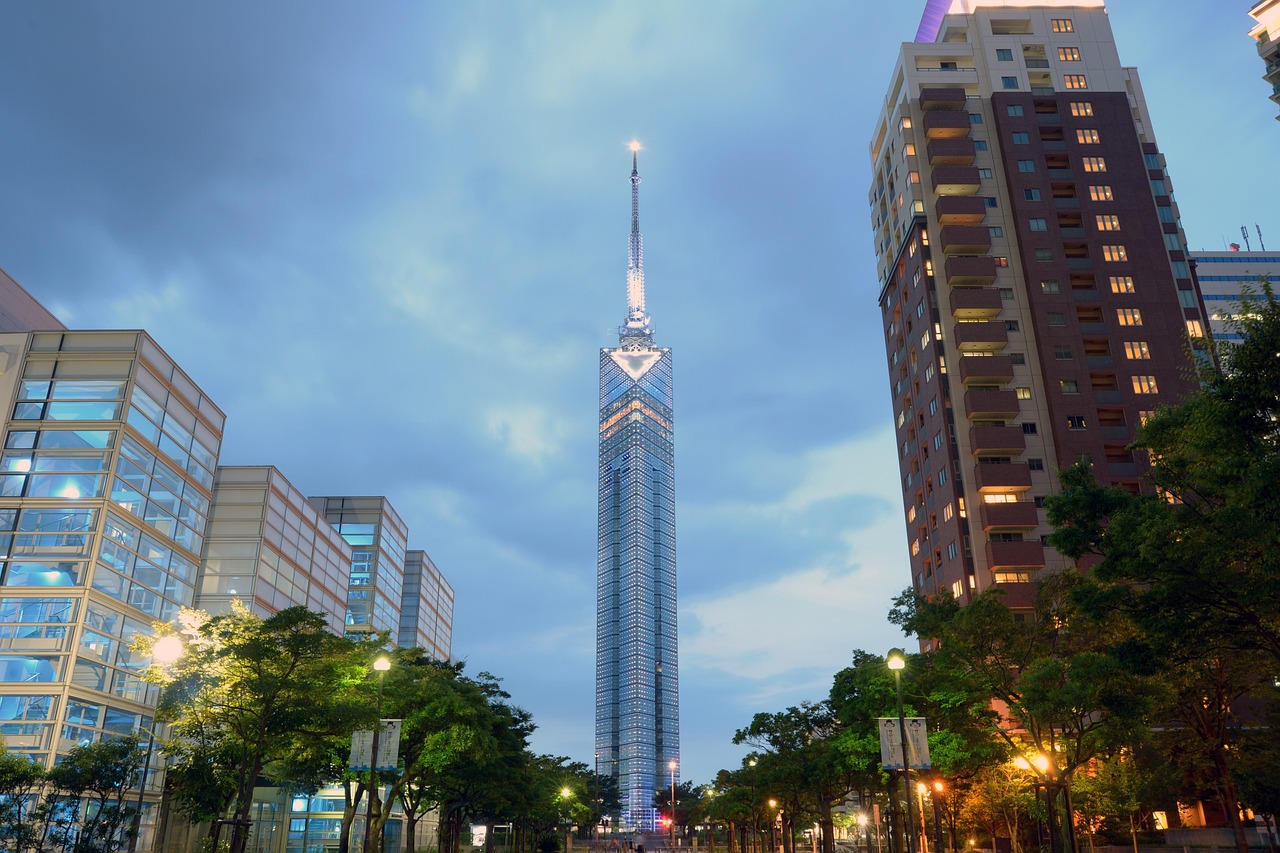
Fukuoka Tower is the city’s iconic landmark: a 234m triangular tower clad in reflective glass, standing right by the sea. It’s touristy, yes, but for a first‑time visitor, the panorama from the observation deck is worth it.
My favorite time to visit is late afternoon on a clear day. I watch the city shift from blue to orange to twinkling night lights, then stroll along Momochi Seaside Park afterward.
What to Do
- Ride up to the observation deck for 360° views of the city, bay, and nearby islands.
- Walk along Momochi Beach, a man-made stretch of sand popular with locals in summer.
- Have a drink or snack at the Marizon complex (Mediterranean-style buildings on the water).
Personal Tip
On one spring evening, I brought convenience store snacks up the tower (you’re allowed if you’re discreet) and watched the sun set with a friend who’d just moved to Fukuoka. We traced our future running routes and evening hangouts from above, like planning a new life on a map.
How to Get There
From Tenjin, take a bus to Fukuoka Tower Minami-guchi (about 20–25 minutes). There’s also a seasonal loop bus serving major tourist spots.
7. Fukuoka Art Museum
On the edge of Ohori Park, the Fukuoka Art Museum is a calm, modern space that blends beautifully with its surroundings. It’s not overwhelming; you can see the main exhibits in an hour or two.
I like to pair a museum visit with a lazy walk around Ohori. On hot summer days, the air-conditioned galleries feel like a refuge.
Highlights
- Collections of Asian art, Buddhist statues, and contemporary works
- Occasional special exhibitions featuring modern Japanese artists
- Café with large windows overlooking the park
How to Get There
Inside Ohori Park, a short walk from Ōhori Kōen Station.
8. Hakata Station & JR City
Hakata Station is more than a place to catch trains; it’s the beating commercial heart of the city. The station complex, JR Hakata City, is packed with shops, restaurants, and a rooftop garden.
On my first long stay in Fukuoka, I lived in a tiny apartment a few minutes from Hakata. Many evenings ended with a quick wander through the station’s food halls, picking up bento and local sweets.
What to Do
- Browse the Hakata Hankyu department store and station shopping floors.
- Visit the food basement (depachika) for beautifully displayed bento, wagashi (sweets), and local delicacies.
- Go up to the rooftop garden for views and a bit of green space.
Personal Tip
If you’re only doing 3 days in Fukuoka and leaving by shinkansen, plan your final meal at one of the station’s ramen or udon restaurants. It saves time and ends your trip on a delicious note.
9. Tenjin Underground Shopping Street (Tenjin Chikagai)
Running beneath Tenjin is a long, beautifully designed underground shopping street. Far from being a generic mall, Tenjin Chikagai has tiled walkways, stylish storefronts, and a surprising amount of charm for something below ground.
On rainy days, I can cross half of central Fukuoka without ever opening an umbrella thanks to this network.
What to Do
- Shop for fashion, stationery, cosmetics, and souvenirs.
- Pop into small cafés and bakeries along the way.
- Use it as an all-weather corridor between different parts of Tenjin.
Personal Tip
I love ducking into the small bookstores and stationery shops here. Japanese stationery is dangerously addictive; budget accordingly.
10. Dazaifu Tenmangū Shrine (Day Trip)
Just outside the city lies Dazaifu Tenmangū, one of Japan’s most important shrines dedicated to the deity of learning, Sugawara no Michizane. It’s a classic day trip from Fukuoka and a must if you have 4 or 5 days in Fukuoka.
I’ve come here with friends cramming for exams, with parents on their first trip to Japan, and alone on cold winter mornings when the shrine grounds felt almost deserted.
What to Do
- Walk the approach street lined with shops selling souvenirs and local sweets like ume-ga-e mochi (sweet rice cakes).
- Cross the arched bridges over the pond leading up to the main shrine.
- Explore the adjacent Kyushu National Museum for history and culture of the region.
Personal Tip
Try the ume-ga-e mochi hot off the grill. On a winter visit with a friend, we stood under the eaves of a shop, blowing on the steaming sweets while snowflakes drifted down. It’s a simple moment I still think about.
How to Get There
From Nishitetsu Fukuoka (Tenjin) Station, take the train to Dazaifu Station (about 40 minutes with one change at Futsukaichi). The shrine is a short walk from the station.
11. Nokonoshima Island Park
Nokonoshima is a small island in Hakata Bay, famous for its flower park with sweeping views of the city skyline and sea. It feels worlds away but is less than an hour from central Fukuoka.
I went on a whim one autumn day and ended up staying until sunset, watching the sky turn pink over the water while kids played in the open fields.
What to Do
- Stroll through seasonal flower fields (rapeseed, cosmos, sunflowers, etc.).
- Enjoy the panoramic views of Fukuoka’s skyline.
- Have a simple lunch at the park cafés or bring a picnic.
How to Get There
Bus from Tenjin or Hakata to Noko Tosenba ferry terminal, then a short ferry ride to Nokonoshima. From the island port, take the local bus up to the park.
12. Marine World Uminonakamichi
Marine World is Fukuoka’s modern aquarium facing Hakata Bay, with large tanks showcasing the rich marine life of Kyushu. It’s especially good for families.
One rainy spring day, I spent hours here watching dolphins and sea turtles instead of moping in my hotel. The huge windows facing the bay make it feel more open than many aquariums.
What to Do
- See the main Kyushu Sea tank with sharks and schools of fish.
- Watch the dolphin and sea lion shows (kids love these).
- Enjoy the ocean views from the building’s terrace.
How to Get There
Take the JR train to Uminonakamichi Station or a ferry from Hakata Port. The aquarium is a short walk from the station.
13. Uminonakamichi Seaside Park
Next to Marine World is the expansive Uminonakamichi Seaside Park, a huge coastal park with lawns, flower gardens, playgrounds, and cycling paths. On weekends, it’s full of families, couples, and groups of friends barbecuing or cycling.
I like renting a bicycle and just wandering, stopping at random flower fields and viewpoints. It’s a great break from the city if you have 4 or 5 days in Fukuoka.
What to Do
- Rent a bicycle and explore the park’s many zones.
- Visit the seasonal flower gardens.
- Have a picnic or BBQ (some areas require reservations).
14. Hakata Machiya Folk Museum
Near Kushida Shrine, the Hakata Machiya Folk Museum preserves the atmosphere of old Hakata townhouses and crafts. It’s compact but gives a nice sense of local history and everyday life.
On a humid summer afternoon, I ducked in here mostly to escape the heat and ended up chatting with an elderly volunteer about how Hakata dialect has changed over the years.
What to Do
- See reconstructed traditional townhouses and interiors.
- Watch demonstrations of local crafts like Hakata weaving (Hakata-ori).
- Browse the small gift shop for unique, non‑touristy souvenirs.
15. Sumiyoshi Shrine
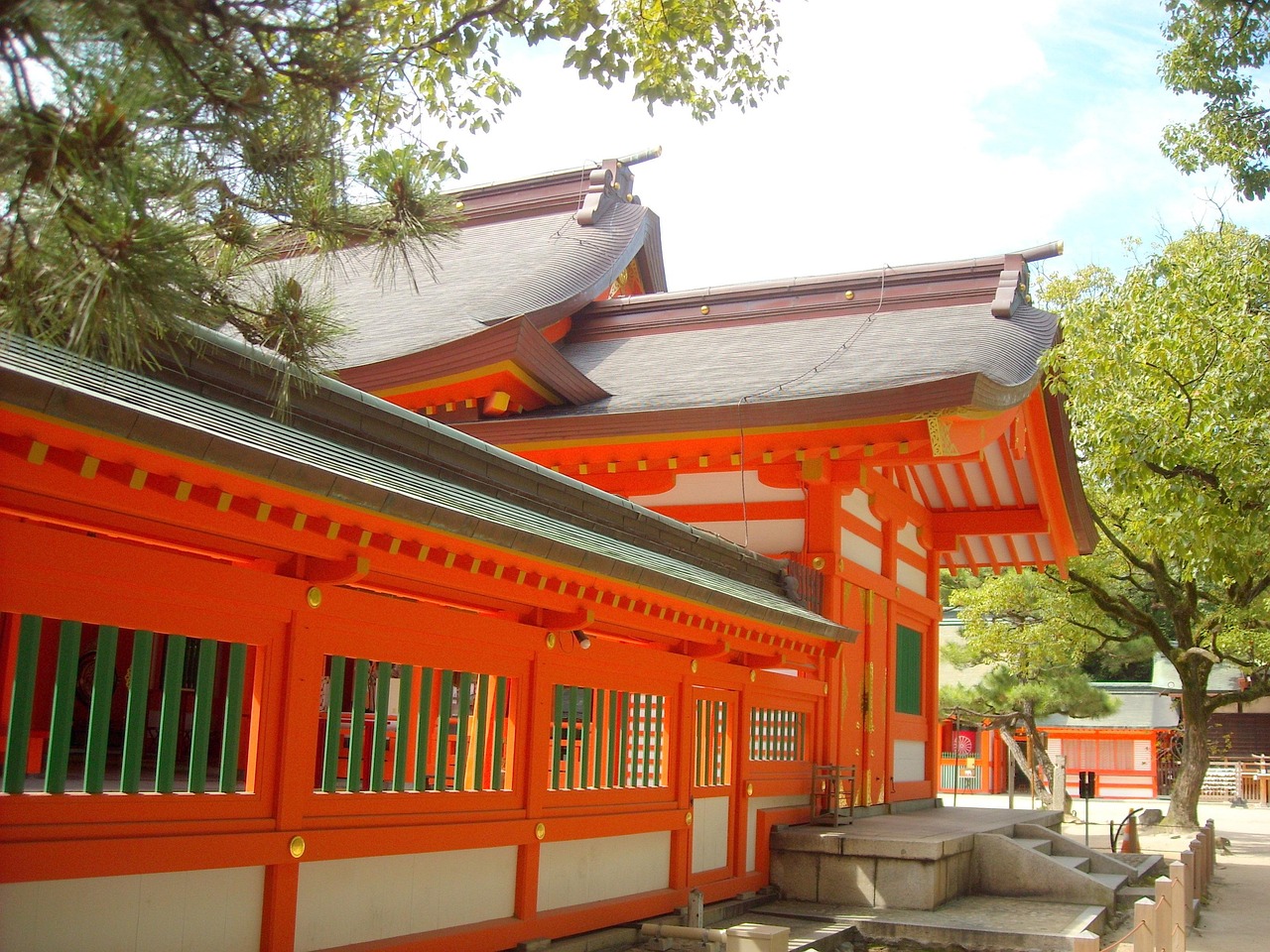
Sumiyoshi Shrine is one of Japan’s oldest Sumiyoshi shrines, dedicated to sea and travel deities. It sits quietly near Hakata Station, surrounded by greenery and tall trees.
On my last trip before moving back to Fukuoka in 2026, I stopped here on the way to the airport to “say hello again soon.” Superstition, maybe, but my plane ticket back was booked a month later.
What to Do
- Walk through the forest-like grounds and relax on a bench.
- Visit the main hall and smaller shrines.
- Look for sumo-related stone markers, as the shrine has historical ties to the sport.
16. Shōfuku-ji Temple
Shōfuku-ji is said to be Japan’s oldest Zen temple, founded in 1195. It’s quietly tucked in a residential area not far from Hakata Station, and rarely crowded.
On tranquil autumn mornings, you can hear little more than the rustle of leaves. I’ve spent meditative hours here, sitting on stone steps and just listening.
What to Do
- Walk the simple, atmospheric grounds (many buildings aren’t open for entry but views are lovely).
- Enjoy the quiet, contemplative atmosphere, especially on weekdays.
17. Tōchō-ji Temple & Giant Buddha
Tōchō-ji is another central temple best-known for its massive wooden seated Buddha, one of the largest in Japan. The statue is impressive, but I also love the surrounding temple buildings and cemetery.
On a cloudy afternoon, I walked through the dim corridor behind the Buddha (a kind of symbolic journey through heaven and hell) and emerged feeling oddly lighter.
What to Do
- See the Great Buddha statue (small entrance fee).
- Explore the five-story pagoda and other temple structures.
18. Fukuoka PayPay Dome & Baseball Experience
The Fukuoka PayPay Dome is home to the Fukuoka SoftBank Hawks and one of Japan’s most impressive baseball stadiums. Even if you’re not a sports fan, a game here is a cultural experience.
I’ve sat in the stands with friends, cheering in half‑understood Japanese, drinking cold beer, and eating karaage (fried chicken) while the crowd performed perfectly synchronized chants.
What to Do
- Catch a baseball game during the season (spring to autumn).
- Explore the attached mall and entertainment complex.
- Walk to nearby Momochi Seaside Park before or after the game.
19. Nishijin Shopping Street
Nishijin is a more local, student-heavy area west of Tenjin, near Fukuoka Tower. Its shopping street is filled with small shops, produce vendors, and inexpensive eateries.
When I stayed nearby for a month, this was my go‑to place for cheap lunches and everyday errands. It’s not glamorous, but it’s very real.
What to Do
- Stroll the shotengai (covered arcade) and side streets.
- Try local set meals (teishoku) at small restaurants.
- People-watch and get a feel for non-touristy Fukuoka life.
20. Yusentei Park & Garden
Yusentei is one of Fukuoka’s loveliest traditional gardens, once a villa for a local feudal lord. Set around a pond, with a tea house and manicured greenery, it feels like a hidden sanctuary.
On a quiet weekday, I sat in the tatami-matted tea room, sipping matcha and watching koi lazily circle the pond. It’s the kind of place that slows your heartbeat.
What to Do
- Walk the garden paths around the pond.
- Enjoy matcha and sweets in the tea room (small extra fee).
- Take photos of the classic Japanese garden scenery.
How to Get There
Bus from Tenjin or Hakata toward Jonan Ward; get off near Yusentei and walk (signage is limited, so use offline maps).
Suggested Itineraries: 3–5 Days in Fukuoka
Fukuoka is perfect for flexible trips. Whether you’re planning 3 days in Fukuoka for a quick city break or 4–5 days with day trips, these itineraries blend must‑see attractions with local experiences and hidden gems.
3 Day Itinerary for Fukuoka: City Highlights & Food Heaven
When friends ask for a 3 day itinerary for Fukuoka, this is the one I usually send. It’s tried and tested over multiple visits, and balances temples, shopping, and of course, food.
Day 1: Hakata History, Canal City & Yatai Night
On your first morning in Fukuoka, start in Hakata to ground yourself in the city’s history.
- Morning: Visit Kushida Shrine and wander the Kawabata shopping arcade. Grab a coffee or traditional sweet.
- Late Morning: Head to Hakata Machiya Folk Museum to understand old Hakata life.
- Lunch: Eat your first Hakata ramen near Hakata Station or in Canal City’s Ramen Stadium.
- Afternoon: Explore Canal City Hakata; watch a fountain show and browse shops.
- Evening: Walk to Nakasu yatai area. Eat yakitori, oden, and more ramen along the river.
On one of my trips, I did almost exactly this with a jet‑lagged friend. By the time we reached the yatai, the combination of hot soup, cool river air, and friendly stall owners had completely revived us.
Day 2: Ohori Park, Fukuoka Castle & Tenjin Shopping
- Morning: Take the subway to Ohori Park. Walk the lake loop, maybe rent a pedal boat.
- Late Morning: Visit the Fukuoka Art Museum on the park’s edge.
- Lunch: Try a café or soba shop around Ohori or nearby Ropponmatsu.
- Afternoon: Walk to Fukuoka Castle ruins in Maizuru Park and climb up for city views.
- Late Afternoon: Head to Tenjin. Explore Tenjin Chikagai and department stores.
- Dinner: Eat local specialties like mentaiko (spicy cod roe), mizutaki (chicken hotpot), or motsunabe (offal hotpot) at a restaurant in Tenjin.
Day 3: Coastline & Fukuoka Tower
- Morning: Take a bus from Tenjin to Fukuoka Tower. Visit the observation deck.
- Late Morning to Afternoon: Enjoy Momochi Seaside Park. In warmer months, you can swim or just lie on the sand.
- Optional: Walk or bus to Fukuoka PayPay Dome and check out the area; catch a game if timing aligns.
- Evening: Final dinner in Hakata or Tenjin. If you haven’t yet, try yakitori on a small side street in Daimyo.
With this 3 day itinerary for Fukuoka, you’ll have seen the main city highlights, eaten very well, and gotten a feel for Fukuoka’s easy-going rhythm.
4 Day Itinerary for Fukuoka: City + Dazaifu Day Trip
With 4 days in Fukuoka, add a cultural day trip to Dazaifu. Use the 3-day plan above as Days 1–3, then:
Day 4: Dazaifu Tenmangū & Kyushu National Museum
- Morning: From Nishitetsu Fukuoka (Tenjin) Station, take the train to Dazaifu. Stroll the approach street, eating ume-ga-e mochi.
- Mid-morning: Visit Dazaifu Tenmangū Shrine. Cross the arched bridges, explore the grounds, and make a wish.
- Lunch: Try local restaurants around the shrine; many serve set meals featuring local vegetables and river fish.
- Afternoon: Walk to the Kyushu National Museum. Its modern, glassy architecture contrasts beautifully with the wooded hills.
- Evening: Return to Fukuoka. Relax with a casual dinner in Daimyo or Imaizumi—izakaya hopping is fun here.
5 Day Itinerary for Fukuoka: Islands, Parks & Local Life
With 5 days in Fukuoka, you can slow down and add natural escapes. Use the 4-day plan, then:
Day 5: Nokonoshima or Uminonakamichi
Choose one based on your style (or split if you start early):
- Option A – Nokonoshima: Ferry to Nokonoshima Island Park, enjoy flower fields and bay views. Pack snacks or eat at park cafés. Sunset here is gorgeous.
- Option B – Uminonakamichi: JR train to Uminonakamichi Seaside Park and Marine World. Great for families; rent bikes and explore.
On my last 5 day itinerary for Fukuoka, I used this “out of town” day as a mental reset. Being by the water and in big open spaces made me appreciate how compact and livable the city is.
Best Local Food in Fukuoka: What & Where to Eat
Fukuoka is one of Japan’s undisputed food capitals. The average meal here is better than the “fancy” meals I’ve had in some cities. Eating is a central part of any travel guide for Fukuoka, and you can eat very well without spending a fortune.
Signature Dishes You Must Try
- Hakata Ramen: Thin, straight noodles in a rich, pork bone (tonkotsu) broth. Often topped with green onions, chashu pork, and pickled ginger.
- Motsunabe: A hotpot made with beef or pork offal, cabbage, garlic chives, and a flavorful broth. Much better than it sounds; comforting and perfect on cool nights.
- Mizutaki: A lighter chicken hotpot where you dip boiled chicken and vegetables into ponzu sauce. Subtle and nourishing.
- Mentaiko: Spicy cod roe, often served with rice, in onigiri, or atop pasta. Fukuoka is famous for it.
- Gyoza: Local style is small, pan-fried dumplings; order more than you think you’ll need.
- Yatai fare: Ramen, yakitori, oden, and small snacks at street stalls along the river.
Where I Actually Eat (Personal Favorites)
I won’t list every restaurant (Fukuoka changes too fast), but here are types of places and areas I trust:
- Hakata Station Ramen Street: Easy place to sample multiple ramen shops in one go; lines move fast.
- Tenjin & Daimyo side streets: Look for small, crowded places with Japanese menus and handwritten signs; they’re usually excellent and affordable.
- Nishijin: Great for budget set meals (teishoku) popular with students.
- Yatai along Nakasu and Tenjin: Slightly pricier than fixed shops, but worth it for the atmosphere.
Money‑Saving Food Tips
- Lunch sets: Many places offer cheaper set menus by day than at night; aim your big meal at midday if budgeting.
- Convenience stores: In Japan, konbini food is surprisingly good; onigiri, salads, and sandwiches can save you when you’re tired.
- Department store basements: Depachika at Hakata Hankyu and Tenjin’s department stores have discounted bentos in the evening.
Nightlife, Entertainment & Cultural Experiences in Fukuoka
Fukuoka’s nightlife isn’t as overwhelming as Tokyo’s, but it’s friendly, compact, and easy to explore on foot.
Nightlife Areas
- Nakasu: Neon, bars, clubs, and yatai. Some areas are more adult-oriented; stick to main streets if with family.
- Tenjin: Casual izakaya, craft beer bars, and whisky bars. Safer and more relaxed than Nakasu late at night.
- Daimyo/Imaizumi: Trendy bars, cozy wine spots, and café‑bar hybrids popular with younger locals.
Cultural Experiences
- Tea at Yusentei Garden: Quiet, traditional atmosphere; a nice introduction to Japanese tea culture.
- Seasonal Festivals: Yamakasa (July) and Dontaku (May) are huge; smaller neighborhood festivals happen throughout the year.
- Baseball Games: Cheering with locals at PayPay Dome is a cultural activity as much as a sport.
Best Day Trips & Nearby Attractions from Fukuoka
Once you’ve covered the must-see attractions in Fukuoka, consider these easy side trips:
- Dazaifu: Shrine and museum (as above); 30–40 minutes by train.
- Itoshima: Stunning coastal scenery, cafés, and photo spots like the couple’s “married rocks” (Meotoiwa). Easiest with a rental car, but some buses run from Hakata and Tenjin.
- Yanagawa: Canalside town famous for donkobune boat rides; about 50–60 minutes by train. Romantic and family‑friendly.
- Karatsu: Castle town with beaches and pottery; about an hour by JR train.
Events & Festivals in Fukuoka (2026–2027)
Exact dates can shift year to year, so always confirm closer to your trip, but in 2026–2027 you can expect:
- Hakata Dontaku Port Festival (May 3–4): One of Japan’s largest festivals with parades, dancers, and floats across the city.
- Hakata Gion Yamakasa (early–mid July): Famous float-carrying race starting at Kushida Shrine.
- Fukuoka Asia Art & Design Events (various 2026 dates): The city has been promoting international art and tech festivals; check the Fukuoka City tourism website.
- Autumn Festivals (September–November): Local shrine festivals, food events, and illumination displays in parks and at Fukuoka Tower.
Cultural Etiquette & Local Customs in Fukuoka
Fukuoka people tend to be warm and straightforward, but basic Japanese etiquette still applies. Observing local customs will make your trip smoother and more respectful.
Key Etiquette Points
- At Shrines & Temples: Bow lightly at the torii gate, cleanse hands and mouth at the chozuya (water basin), avoid loud voices, and don’t take photos where prohibited.
- On Public Transport: Keep voices low, set phones to silent, and avoid eating on local trains and buses (shinkansen is fine).
- Cash & Payment: Although cashless payments are increasing, small restaurants and yatai may be cash-only. Place money in the tray at counters, don’t hand it directly unless they do.
- Shoes: Remove shoes when entering traditional accommodations, certain restaurants, and private homes. Watch for raised floors and shoe racks.
- Tipping: No tipping culture. Exceptional service is standard; leaving cash can cause confusion.
Practical Travel Tips for Fukuoka (2026): Getting Around, SIM, Money & More
Getting Around Fukuoka
- Subway: Three lines (Kūkō, Hakozaki, Nanakuma) connect the airport, Hakata, Tenjin, and many sights. Signage is multilingual.
- Buses: Extensive network; useful for reaching Fukuoka Tower, Yusentei, and outer neighborhoods.
- IC Cards: Use common IC cards (like Suica, ICOCA, or local Hayakaken) for tap‑on/tap‑off convenience.
- Walking & Cycling: Central Fukuoka is walkable. Bike rental services and hotel bikes are increasingly common.
SIM Cards & Connectivity
- Airport Options: Fukuoka Airport international terminal has multiple SIM and pocket Wi‑Fi counters.
- eSIM: In 2026, many visitors use eSIMs purchased online before arrival; they activate instantly upon landing.
- Wi‑Fi: Good free Wi‑Fi in many cafés, hotels, and some public areas, but don’t rely on it exclusively if you need maps.
Accommodation & Money‑Saving Tips
- Where to Stay:
- Hakata Station: Best for short stays, early trains, and airport access.
- Tenjin: Great for shopping, nightlife, and central base.
- Ohori/Nishijin: Quieter, more residential; good if you prefer calm evenings.
- Budget: Business hotels near Hakata and Tenjin often have good deals, especially on weekdays.
- Food Savings: Use lunch specials, convenience store breakfasts, and department store bento discounts.
Car Rental & Driving
- Within Fukuoka City: You don’t need a car; public transport is excellent.
- For Day Trips (Itoshima, rural Kyushu): Rental cars can be useful. Book near Hakata Station or the airport.
- Licenses: Most visitors need an International Driving Permit (IDP) plus their home license. Some countries have separate agreements, so check official Japanese government guidance before your trip.
Visa Requirements (2026)
Visa rules vary by nationality and can change. Many passport holders from Europe, North America, and parts of Asia can enter Japan visa‑free for short stays, but always:
- Check the latest requirements on your country’s Japanese embassy/consulate website.
- Ensure your passport is valid for the duration of your stay (and ideally six months beyond).
Best Seasons & What They’re Good For
- Spring (March–May): Cherry blossoms in Ohori Park and Maizuru, mild weather. Ideal for first‑time visitors.
- Summer (June–August): Hot and humid, with occasional typhoons. Great for beaches, festivals (Dontaku, Yamakasa), and yatai nights.
- Autumn (September–November): Comfortable temperatures, fall foliage at Yusentei and parks; my personal favorite season.
- Winter (December–February): Chilly but not brutal; clear skies, illuminations, hotpot dishes like motsunabe and mizutaki are perfect.
Hidden Local Tips
- Start Early: Popular spots like Dazaifu and Fukuoka Tower are much quieter right after opening.
- Use Coin Lockers: Stations like Hakata and Tenjin have many; perfect for luggage on your last day.
- Language: English isn’t universally spoken, but people are kind; a few Japanese phrases go a long way.
Summary & Final Recommendations: Planning Your Fukuoka Trip
Fukuoka is one of those cities that slips under the radar yet delivers some of the most memorable trips in Japan. It’s an ideal base for 3–5 days in Fukuoka, with a perfect mix of urban comfort, seaside breezes, and easy day trips.
- For 3 days in Fukuoka: Focus on Hakata, Ohori Park, Fukuoka Castle, Tenjin, Fukuoka Tower, and yatai nights.
- For 4 days in Fukuoka: Add a full day in Dazaifu for shrines and museums.
- For 5 days in Fukuoka: Add Nokonoshima or Uminonakamichi for nature, or a coastal day in Itoshima.
Best time to visit Fukuoka: I personally recommend spring (March–April) for cherry blossoms and comfortable weather, or autumn (October–November) for clear skies, foliage, and perfect ramen weather. Summer is fun if you love festivals and beaches; winter is quiet and cozy.
Whatever season you choose, come hungry, bring comfortable walking shoes, and leave room in your schedule for wandering. Fukuoka rewards curiosity—and you might find yourself, like me, planning your next visit before you’ve even left.