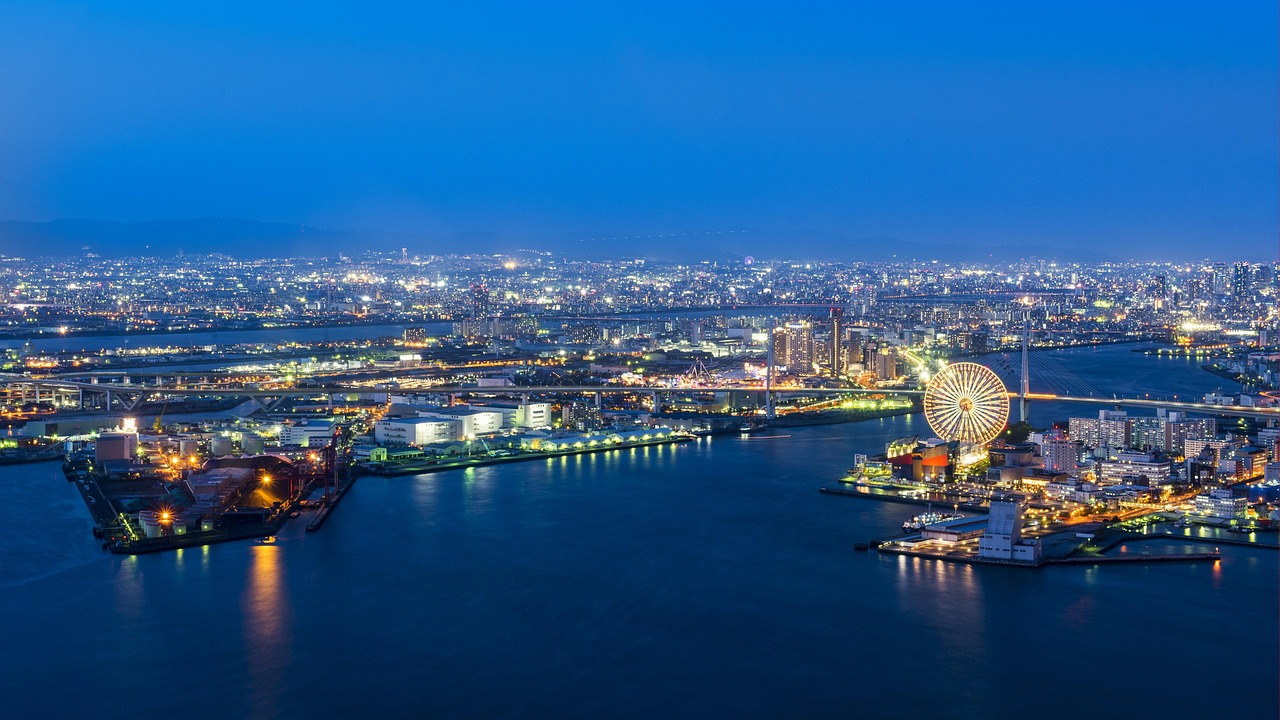
Why Visit Osaka in 2026?
Osaka is the city Japan lets its hair down in. If Tokyo is the polished overachiever and Kyoto the elegant traditionalist, Osaka is the funny, big-hearted friend who insists you have a second helping and a late-night drink. I’ve been coming here regularly for over a decade, and I finally moved my “home base” here for a few months in 2024. Every time I leave, I miss the neon glow of Dotonbori, the smell of grilled takoyaki, and the way Osakans will strike up a conversation just because they like your sneakers.
In 2026, Osaka feels especially exciting. The city has been steadily upgrading infrastructure and cultural offerings in the lead-up to major international events, and there’s a tangible buzz in the air. The classic must-see attractions in Osaka—Osaka Castle, Dotonbori, Universal Studios Japan, Umeda Sky Building—are as dazzling as ever, but it’s the hidden gems in Osaka and the everyday rituals of eating, bathing, shopping, and strolling that will make you fall in love with the city.
This travel guide for Osaka is written the way I’d plan a trip for close friends: personal, detail-rich, and honest. Whether you have 3 days in Osaka, 4 days in Osaka, or 5 days in Osaka, you’ll find suggested itineraries, must-see attractions in Osaka, local food in Osaka worth crossing town for, cultural experiences and local customs in Osaka to be aware of, and plenty of travel tips for Osaka to help you save money and travel smarter.
Table of Contents
- Why Visit Osaka in 2026?
- Osaka at a Glance
- Suggested Itineraries (3, 4 & 5 Days in Osaka)
- Neighborhoods & Districts of Osaka
- 20+ Must-See Attractions in Osaka (Deep-Dive Guide)
- Local Food in Osaka: What & Where to Eat
- Nightlife, Entertainment & Cultural Experiences in Osaka
- Best Day Trips from Osaka
- Cultural Etiquette & Local Customs in Osaka
- Practical Travel Tips for Osaka 2026–2027
- Summary & Best Time to Visit Osaka
Osaka at a Glance
Osaka is Japan’s third-largest city and the beating heart of the Kansai region, sitting conveniently between Kyoto, Nara, and Kobe. Historically a merchant city and “Japan’s kitchen,” Osaka is still obsessed with food, trade, and comedy. You’ll feel it in the bustling arcades, steaming food stalls, and the way locals love to joke.
- Population: About 2.7 million in the city, over 19 million in the metropolitan area
- Vibe: Casual, friendly, loud, hungry, neon-lit, playful
- Best for: Food lovers, families (thanks to Universal Studios Japan), couples (so many romantic viewpoints), pop culture fans, and anyone who likes a little chaos with their culture
- Getting around: Extremely efficient subway and JR lines, walkable central districts, plentiful taxis
- Language: Japanese (Kansai-ben dialect), but major tourist spots have English signage
Suggested Itineraries: 3, 4 & 5 Days in Osaka
Below are narrative-style itineraries based on how I usually show friends around. Feel free to swap days or slow down; consider them frameworks rather than strict schedules. The 3 day itinerary for Osaka hits the greatest hits; 4 days in Osaka adds more neighborhood wandering; 5 days in Osaka lets you travel deeper and add a day trip.
3 Day Itinerary for Osaka: First-Time Highlights
Day 1: Dotonbori, Namba & Osaka’s Street Food Heart
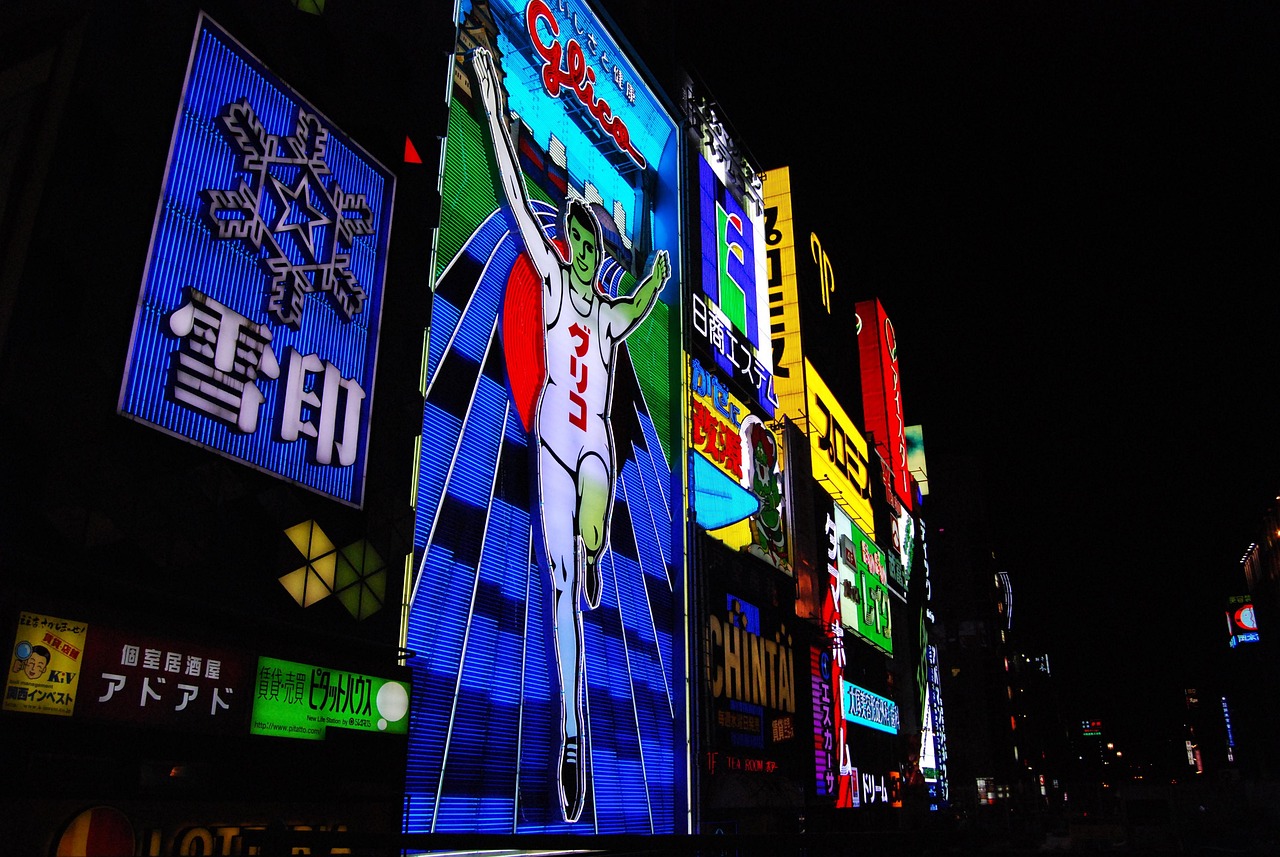
Whenever I arrive in Osaka after a long Shinkansen ride, I drop my bags at the hotel and head straight to Dotonbori. It’s not subtle, but it is Osaka distilled into one glowing, noisy, delicious river of people and neon.
Morning: Arrival & Getting Oriented in Namba
If you’re staying around Namba (which I recommend for first-timers), spend your first morning walking the covered shopping arcades: Shinsaibashi-suji and Ebisubashi-suji. I like to start with a quiet coffee at a kissaten (old-school coffee shop) tucked into a side street.
- Tip: Buy an IC card (ICOCA or similar) at Namba Station and load it up. You’ll use this to tap in/out on trains, subways, some buses, and even vending machines.
- Budget breakfast idea: Grab onigiri and canned coffee from a konbini (convenience store) and eat in your hotel room or at a small park before diving into the crowds.
Midday: Kuromon Ichiba Market (Osaka’s Kitchen)
From Namba, Kuromon Ichiba is a short walk. I usually give myself at least two hours here because I always end up chatting with stall owners.
- Try fresh sashimi on a stick, giant oysters, grilled scallops, and fruit skewers.
- Look for stalls with more locals than tourists; these often have the best prices and freshest options.
- Personal favorite: A tiny stall near the middle of the market that sells ikayaki (grilled squid pancake). It’s messy, cheap, and ridiculously satisfying.
How to get there: Walk from Namba (10–15 minutes) or take the subway to Nipponbashi Station.
Afternoon: Dotonbori Canal & Street Food Crawl
Head back toward the Dotonbori Canal. Cross the bridges, glance up at the iconic Glico running man, and let yourself be pulled into the chaos.
- Takoyaki stop: Try at least two different stalls. The famous ones often have long lines, but smaller local stands can be just as good. Osaka-style takoyaki is creamier inside than most first-timers expect.
- Okonomiyaki: This is a must for your first day. Look for a place where you can see the griddle and sit at the counter. Watching the cabbage pancakes sizzle is half the experience.
- Boat ride: Consider a short Dotonbori river cruise if you want a view of the neon without crowds crushing your shoulders.
Evening: Namba Yasaka Shrine & Night Views
As the sky darkens, slip away from the crowds and walk 10–15 minutes to Namba Yasaka Shrine. The massive lion-head stage here looks like something from a dream—especially when lit up at dusk. It’s oddly peaceful after Dotonbori’s intensity.
Finish the night with a drink in one of the hidden alleys of Namba—I especially like the narrow lanes near Hozenji Temple. Lantern-lit izakaya, clinking glasses, and the smell of charcoal grilling skewers make for an unforgettable first night.
Day 2: Osaka Castle, History & Umeda Skyline
Morning: Osaka Castle & Park
On my second day in Osaka, I usually go historical. Osaka Castle looks like something from a samurai movie, especially if you catch it on a hazy morning. The current castle keep is a reconstruction from the 1930s (with modern renovations), but the stone walls and moats still feel imposing.
- Getting there: Take the JR Loop Line to Osakajokoen Station or subway to Morinomiya or Tanimachi 4-chome.
- Inside the castle: The museum offers a great crash course on Toyotomi Hideyoshi and the castle’s turbulent history. The top floor has a 360-degree view over the park and city.
- Time it right: In late March–early April, Osaka Castle Park is one of the best cherry blossom spots in Osaka. In autumn (late October–November), the foliage is gorgeous.
Personal tip: I like to grab a bento from a convenience store and picnic under the trees away from the main castle entrance. Look for locals doing the same—it’s a gentle, everyday cultural experience in Osaka.
Afternoon: Umeda & Osaka Station City
Next, head to Umeda, Osaka’s northern commercial hub. Even if you’re not a big shopper, the architecture around Osaka Station City is worth seeing: sweeping glass roofs, elevated walkways, and rooftop gardens.
- Wander through Grand Front Osaka and the station complex. You’ll find everything from high-end fashion to quirky character goods.
- Take a coffee break in one of the station’s upper-level cafés with a view of the tracks; watching the trains feels oddly meditative.
Evening: Umeda Sky Building & Floating Garden Observatory
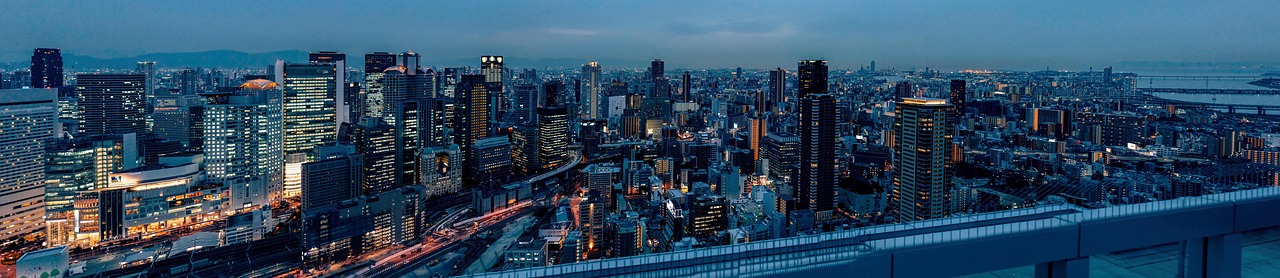
End your day at the Umeda Sky Building, one of the most distinctive pieces of architecture in Osaka. The two towers connected by a circular rooftop observatory look like a sci-fi set.
- Best time: Arrive before sunset and stay until the city lights up. On clear evenings, you can see all the way to Kobe.
- Romantic angle: There’s a “lovers’ seat” and heart-themed photo spots inside—cheesy, yes, but also charming if you lean into it.
- Budget tip: If you don’t want to pay for the observatory, you can still get decent views from some of the high floors in nearby buildings like Grand Front or Lucua—just not as sweeping.
Day 3: Choose Your Adventure – Universal Studios Japan or Deep Osaka Culture
Option A: Universal Studios Japan (Family-Friendly & Thrill-Seeker Day)
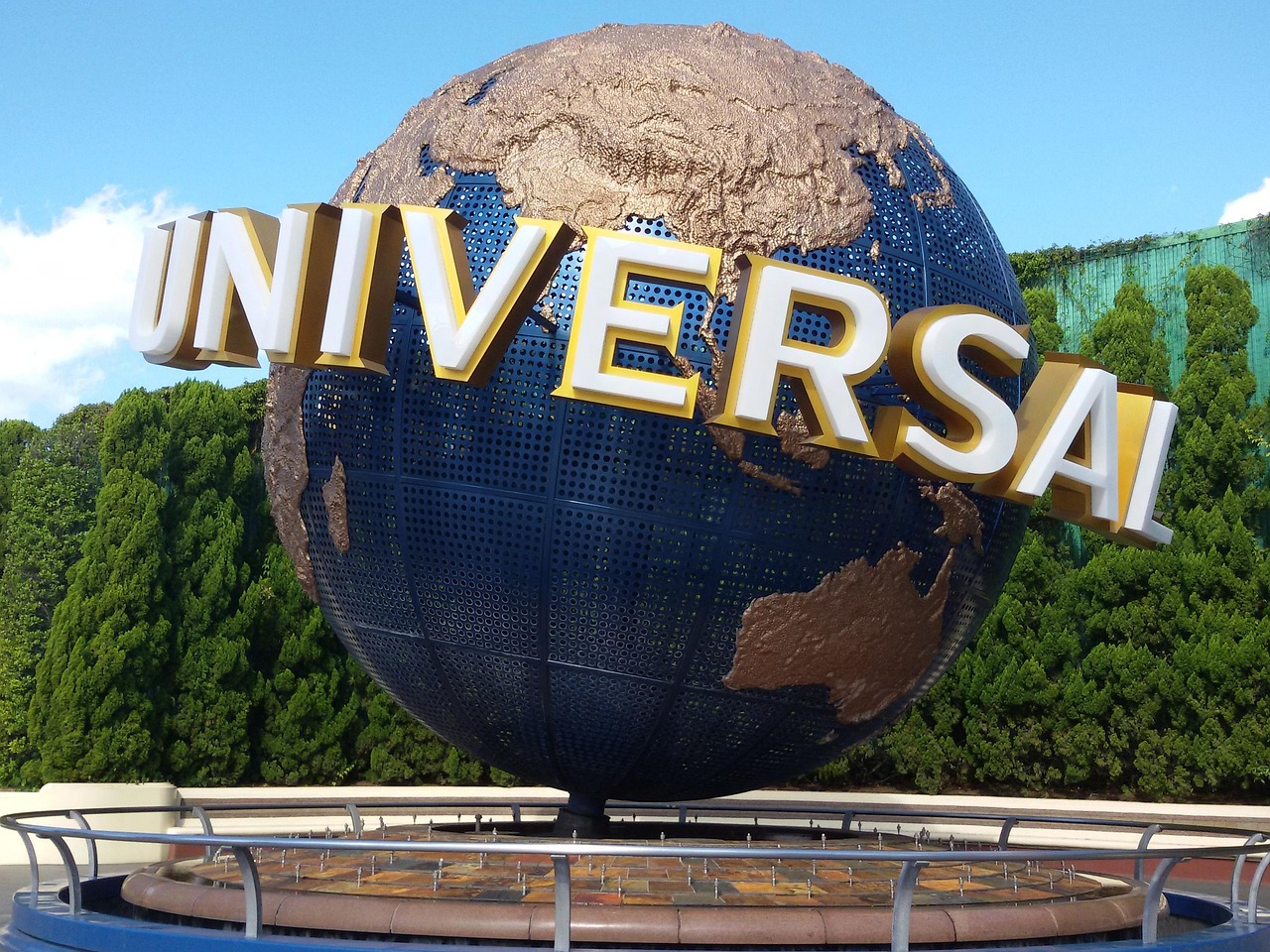
If you’re visiting Osaka with family or you’re a theme park fan, dedicate your third day to Universal Studios Japan (USJ). I’ve been three times now, and each visit feels different, especially with the newer areas.
- Highlights in 2026:
- Super Nintendo World – Still wildly popular, with amazing interactive elements (bring your Power-Up Band if you have one).
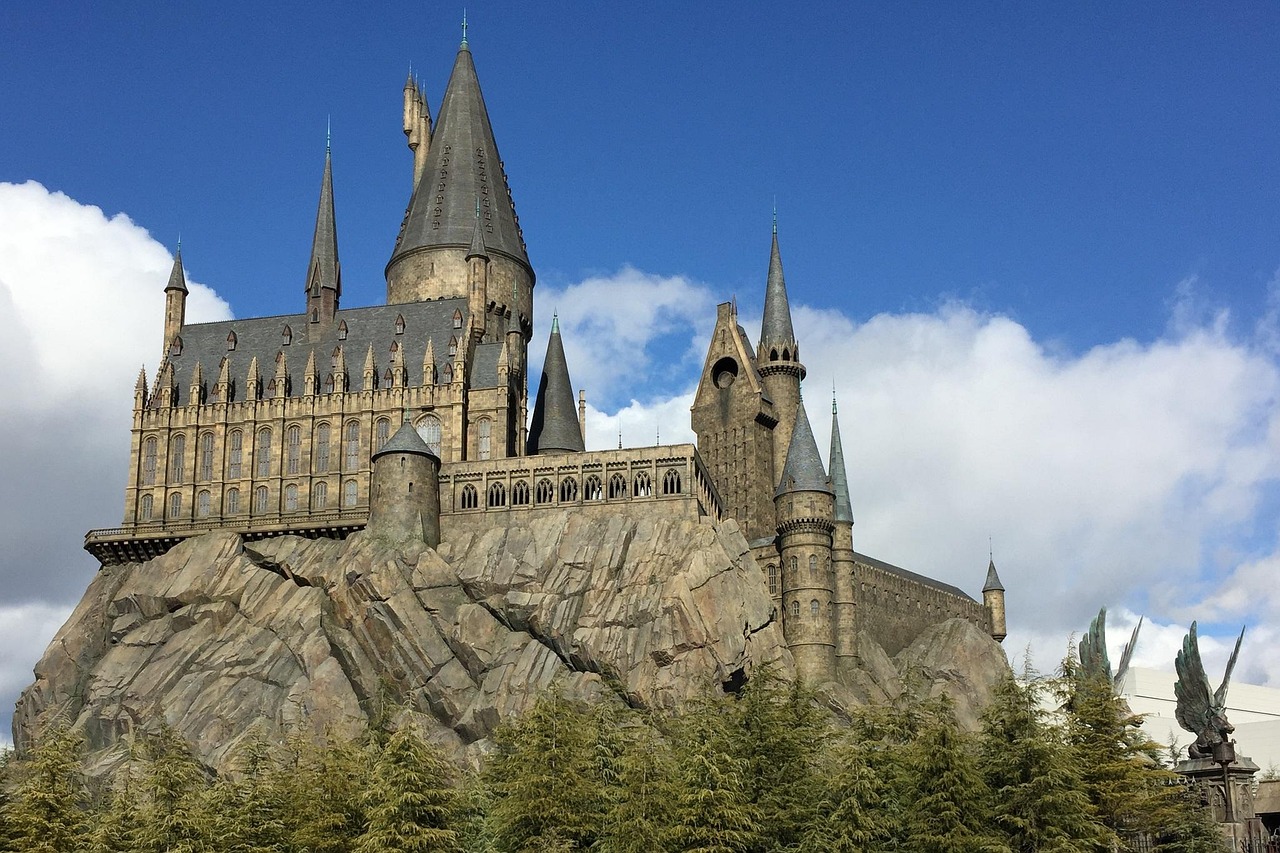
- The Wizarding World of Harry Potter – Butterbeer never gets old, even on cold winter mornings.
- Seasonal events – USJ goes all-out for Halloween Horror Nights and Christmas.
- Getting there: Take the JR Yumesaki Line to Sakurajima Station (USJ Station). It’s all well-signed.
- Time-saving tip: If your budget allows, consider an Express Pass. On busy days it can mean 5–8 major rides instead of 2–3.
Option B: Sumiyoshi Taisha, Shinsekai & Onsen Evening (Cultural Experiences in Osaka)
If theme parks aren’t your thing, spend the day hopping through some of Osaka’s more traditional and quirky corners.
- Morning: Visit Sumiyoshi Taisha, one of Japan’s oldest shrines with a unique architectural style and a beautiful arched bridge. It’s especially atmospheric on New Year and during summer festivals.
- Afternoon: Head to Shinsekai and Tsutenkaku Tower. This retro district feels trapped in Showa-era nostalgia. Try kushikatsu (deep-fried skewers) at a local shop—just remember, no double-dipping the sauce.
- Evening: Relax in an onsen or sento. Spa World (near Shinsekai) is a fun, slightly kitschy option with themed baths from around the world—great if you’re new to Japanese bathing culture.
4 Day Itinerary for Osaka: Neighborhoods & Hidden Corners
If you have 4 days in Osaka, follow the 3 day itinerary for Osaka above, then add this slower, more local-feeling day.
Day 4: Tenjinbashi-suji, Nakazakicho & Riverfront Strolls
Morning: Tenjinbashi-suji Shopping Street
Tenjinbashi-suji is Japan’s longest shopping arcade, stretching over 2.5 km. It’s where I go when I want to feel like a local again after too much time in Dotonbori.
- Browse bargain clothing, kitchenware, traditional sweets, and old-school coffee shops.
- Stop for a simple lunch at a teishoku-ya (set meal restaurant) frequented by office workers and retirees.
- Pop into Osaka Tenmangu Shrine nearby, especially lovely during the Tenjin Festival in summer.
Afternoon: Nakazakicho – Vintage & Café Culture
Walk or take a short train ride to Nakazakicho, one of my favorite hidden gems in Osaka. This area survived wartime bombing, so it still has narrow lanes and old wooden houses, many of which have been converted into tiny cafés, art studios, and vintage shops.
- Wander without a strict plan: half the joy is in discovering random secondhand shops and tiny galleries.
- Look for cafés inside old machiya townhouses; they often serve beautiful desserts and pour-over coffee.
Evening: Nakanoshima & Riverfront
End your day on Nakanoshima, the island between the Dojima and Tosabori Rivers. Here you’ll find civic buildings, museums, and lovely riverside promenades.
- Admire the Osaka Central Public Hall, a beautiful red-brick building with a European feel.
- In winter, Nakanoshima hosts one of Osaka’s most impressive illumination displays.
- Grab dinner or a drink at a riverside restaurant for a calmer, more adult-feeling end to the day.
5 Day Itinerary for Osaka: Deep Dive & Day Trips
With 5 days in Osaka, you can really balance must-see attractions with local life and a day trip. Follow the 4 day itinerary for Osaka, then add this fifth-day option.
Day 5: Day Trip from Osaka (Kyoto, Nara or Kobe)
Osaka is a perfect base for exploring the Kansai region. For your fifth day:
- Kyoto: Temples, geisha districts, tea houses – about 15 minutes by Shinkansen or 30–45 minutes by regular train from Osaka.
- Nara: Giant Buddha, friendly deer, peaceful parks – about 40–50 minutes by train.
- Kobe: Coastal views, sake breweries, and stylish neighborhoods – about 25–30 minutes by train.
I often recommend Nara for families (kids love the deer), Kyoto for couples and culture buffs, and Kobe for foodies and those looking for something slightly less touristy.
Neighborhoods & Districts to Explore in Osaka
One of the best things to do in Osaka is simply wander its distinct neighborhoods. Here’s how I think of the city’s main areas:
Namba & Dotonbori
The loud, bright, beating heart of Osaka nightlife and street food. Ideal if you want to be in the middle of everything. Expect crowds, late-night noise, and endless dining options.
Shinsaibashi & Amerikamura
Shinsaibashi is a major shopping district with a covered arcade; Amerikamura (“Amemura”) is the youth culture hub, full of vintage shops, street art, and quirky cafés. I love people-watching here on weekend afternoons.
Umeda (Kita)
Umeda is the northern business and shopping district, anchored by Osaka Station. Skyscrapers, department stores, underground malls, and the Umeda Sky Building dominate. Great transport connectivity, slightly more polished vibe than Namba.
Shinsekai
A retro neighborhood shadowed by Tsutenkaku Tower. Feels like stepping back several decades. Famous for kushikatsu and cheap eats. A bit gritty, but very atmospheric at night.
Tennoji & Abeno
Home to Abeno Harukas (Japan’s tallest skyscraper) and the revitalized Tennoji Park area. Good mix of modern shopping, museums, and green spaces.
Nakazakicho
Low-rise, artsy, vintage, and full of personality. Great for slow, aimless exploration, cute cafés, and small independent shops.
Bay Area (Tempozan, Osaka Aquarium, USJ)
Facing Osaka Bay, this area includes Osaka Aquarium Kaiyukan, Tempozan Harbor Village, and Universal Studios Japan. Family-friendly and spacious, with views of the harbor and bridges.
Nakanoshima & Yodoyabashi
Osaka’s cultural and business core, with museums, historic buildings, and leafy riverside promenades. Feels more restrained and European-influenced in parts.
20+ Must-See Attractions in Osaka (Deep-Dive Guide)
Below are detailed sub-articles for some of the best places to visit in Osaka. I’ve woven in personal experiences, historical notes, and specific travel tips for Osaka you don’t always find in short guides.
1. Osaka Castle (Osaka-jo)
I still remember my first time approaching Osaka Castle on a foggy winter morning. The white and green tiers of the main keep seemed to float above the moat, and a group of elderly locals were doing tai chi under the pines. It felt almost unreal, given that I’d just emerged from a modern subway station.
Originally built in the late 16th century by Toyotomi Hideyoshi, Osaka Castle played a central role in unifying Japan. It’s been destroyed and rebuilt several times; the current keep dates from 1931, with major renovations completed in the early 2000s. Inside you’ll find a multi-story museum with armor, weapons, and models explaining the castle’s bloody sieges.
- Best time to visit:
- Spring (late March–early April): Cherry blossoms turn the park into a sea of pink. It’s crowded but magical.
- Autumn (late October–November): Red and gold leaves, fewer crowds, gentler light for photos.
- Early morning year-round: Quieter, cooler, and better for photos without large tour groups.
- What I like to do:
- Walk the outer moat before entering, to appreciate the scale of the stone walls.
- Visit the observation deck at the top of the keep for a 360-degree city view.
- Wander the less-trodden paths in the park, where locals jog and couples picnic.
- Family-friendly? Yes. Kids enjoy the armor displays and views from the top; there’s plenty of space to run around.
- How to get there: JR to Osakajokoen, or subway to Morinomiya or Tanimachi 4-chome, then follow signs.
- Food tip: There are food stalls near the park entrances in peak seasons; otherwise, bring a bento or grab something from a convenience store.
2. Dotonbori & The Glico Man
Dotonbori is chaotic, touristy, and absolutely essential. Every time I walk along the canal at night, the giant mechanical crab waves its claws, the Glico man runs in frozen victory, and the reflection of neon colors ripples on the black water. It’s sensory overload in the best way.
Historically, Dotonbori was a theater district; today, it’s Osaka’s most famous nightlife and street food area. You’ll find everything from takoyaki and okonomiyaki to ramen, sushi, crepes, and bizarre photo ops.
- Don’t miss:
- Taking a photo with the Glico Man across Ebisubashi Bridge.
- Trying takoyaki from a busy stall (blow on them—they’re lava-hot inside).
- Walking the parallel backstreets, which are slightly quieter and full of hidden bars.
- Romantic? Surprisingly yes, if you step away from the main drag and find a quiet canal-side bench or low-key bar on a side street.
- Timing:
- Afternoon for easier photos and less crowding.
- Night for full neon immersion and nightlife.
- Budget tip: Treat Dotonbori as a tasting menu: share small dishes at several spots instead of sitting down for one big meal.
3. Kuromon Ichiba Market
Nicknamed “Osaka’s Kitchen,” Kuromon Ichiba has supplied the city’s restaurants and households for over a century. I try to visit every trip, ideally on an empty stomach. The main arcade is lively but manageable, and friendly stall owners often offer samples.
On one visit, a vendor grinned at my terrible Osaka dialect and knocked a few yen off my grilled scallops “because your Kansai-ben is cute.” That’s Osaka for you.
- What to eat:
- Grilled scallops with butter and soy.
- Fatty tuna sashimi on a stick.
- Wagyu beef skewers (pricey but sublime).
- Seasonal fruit: in summer, look for perfectly sweet peaches and melon slices.
- When to go: Morning to early afternoon. Many stalls start closing by late afternoon.
- Family-friendly? Yes, though it can get crowded; keep an eye on younger kids.
- Money-saving tip: Avoid obviously tourist-targeted “luxury” platters. Buy from stalls where you see locals shopping, and don’t be afraid to ask prices clearly before ordering.
4. Umeda Sky Building & Floating Garden Observatory
The first time I saw the Umeda Sky Building from below, I thought, “This looks like it landed from space.” The two opposing towers connected by a ring-shaped observatory 170 meters up are unlike anything else in Japan.
- Why go:
- Unobstructed 360-degree views from the open-air rooftop.
- Particularly stunning at sunset and after dark.
- Cool escalators that cross the open air between the towers.
- Romantic factor: High. The rooftop “Lumi Sky Walk” has illuminated paths and cozy corners.
- Photography tip: Bring a lens cloth; wind can blow fine dust onto your camera. Tripods may be restricted during busy times.
- How to get there: About 10–15 minutes’ walk from JR Osaka Station; follow signs or use an offline map.
5. Universal Studios Japan (USJ)
USJ is one of the top things to do in Osaka if you love rides, characters, or just want a break from temples and shrines. My most recent visit was in 2025, and the energy in Super Nintendo World was off the charts—kids and adults alike punching question blocks and competing on Mario Kart.
- Key areas:
- Super Nintendo World.
- The Wizarding World of Harry Potter.
- Minion Park and seasonal event zones.
- Practical tips:
- Buy tickets in advance; some dates now use variable pricing.
- Consider Express Passes for peak seasons (Golden Week, summer, Christmas, spring breaks).
- Arrive before opening; popular rides get long lines quickly.
- Family-friendly? Extremely. There are rides and shows for all ages.
- Food: Try themed snacks (Mario mushrooms, butterbeer, Minion treats), but note prices are higher than in the city.
6. Osaka Aquarium Kaiyukan
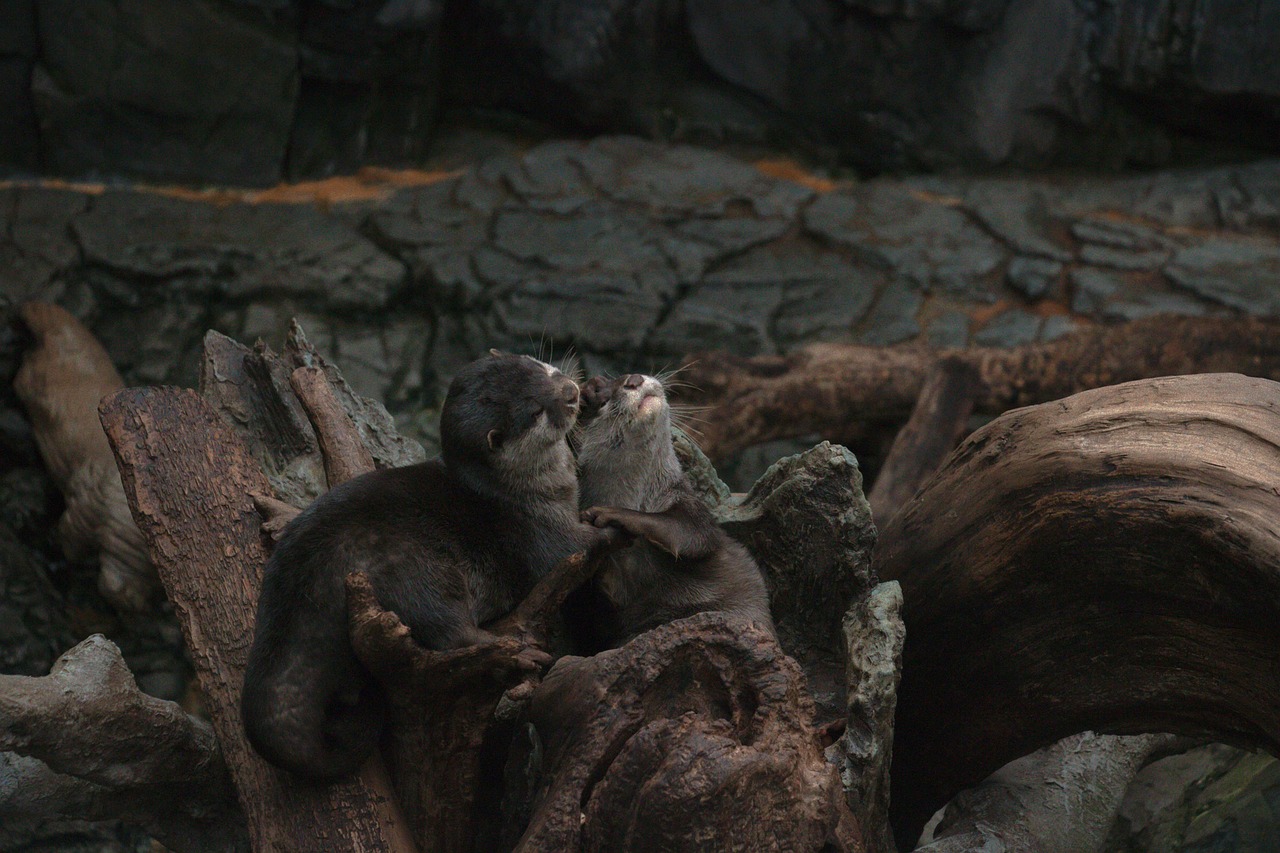
Kaiyukan is one of the world’s largest and most impressive aquariums, and it’s my go-to recommendation for families or rainy days. The design leads you slowly downward in a spiral around a huge central tank, where a whale shark glides with lazy grace.
- Highlights:
- Whale shark and large manta rays.
- Jellyfish rooms with ethereal lighting.
- Hands-on touch pools (check current health and safety rules).
- Timing: Try to arrive early or later in the afternoon to avoid school groups.
- Combo: Pair with a ride on the nearby Tempozan Giant Ferris Wheel for harbor views.
7. Shinsekai & Tsutenkaku Tower
Shinsekai was built in the early 20th century with Paris- and New York-inspired designs, and it’s barely changed since the 1960s. Neon signs, nostalgic arcade games, cheap eats, and the iconic Tsutenkaku Tower define its silhouette.
I like to come here at dusk, when locals finish work and the kushikatsu joints fill with people in business suits, families, and solo diners. It feels like a working-class Osaka that still thrives under the glossy modern surface.
- Must-try dish: Kushikatsu (fried skewers). Remember: no double-dipping in the communal sauce.
- View: You can go up Tsutenkaku Tower for city views; it’s not as high as Abeno Harukas, but the retro vibe is strong.
- Safety: It’s generally safe, but feels a bit rougher than central Osaka. Just use normal city awareness at night.
8. Abeno Harukas & Harukas 300 Observatory
Abeno Harukas is Japan’s tallest skyscraper, with a sleek glass design that catches the light beautifully at sunset. The Harukas 300 observatory on the upper floors has some of the best indoor views in Osaka.
- Why go:
- Panoramic views across Osaka and out toward the mountains.
- Comfortable indoor seating and café—great for hot summers or cold winters.
- Shopping and dining in the building and surrounding Abeno district.
- Best time: Late afternoon into evening. Watching the city shift from day to night is mesmerizing.
9. Sumiyoshi Taisha Shrine
One of Japan’s oldest shrines, Sumiyoshi Taisha has a distinct architectural style known as Sumiyoshi-zukuri, predating Buddhist influence. The bright vermillion buildings and the steeply arched Sorihashi Bridge over a reflective pond make it feel almost storybook-like.
I visited one chilly January morning and watched families dressed in kimono come to pray for the new year. The smell of incense, distant drumbeats, and occasional laughter of children made it feel intimate despite its importance.
- Good for: Cultural immersion, photography, peaceful walks.
- Festival highlight: The Sumiyoshi Matsuri in summer is lively, with floats, performances, and food stalls.
- How to get there: Take the Nankai Line to Sumiyoshi Taisha Station or the Hankai Tramway (a charming old tram) to Sumiyoshitorii-mae.
10. Namba Yasaka Shrine
This small shrine near Namba is famous for its gigantic lion-head stage. Legend says the lion’s mouth “swallows” evil spirits and brings good luck, especially for students and businesspeople.
I like to stop here on my way between Namba and other neighborhoods—it’s a quick visit but makes for striking photos and a quiet moment away from traffic.
- Best time: Late afternoon for soft light on the lion head.
- Accessibility: Short walk from Namba Station; use a map app to navigate the smaller streets.
11. Hozenji Temple & Hozenji Yokocho
Tucked just off Dotonbori, Hozenji Temple and its surrounding lane Hozenji Yokocho feel like a secret portal into old Osaka. The stone-paved alley is lined with tiny restaurants and bars, and the temple’s moss-covered Fudo Myoo statue glistens from constant water offerings.
On a drizzly evening, I once ducked into a tiny izakaya here and ended up sharing sake with the owner and a retired taxi driver, who insisted on teaching me Osaka proverbs. That conversation is one of my favorite cultural experiences in Osaka.
- When to go: Evening for lantern-lit atmosphere.
- What to do:
- Offer a small prayer at the temple and gently pour water over the mossy statue.
- Have dinner in one of the lane’s intimate restaurants; many serve Osaka specialties.
12. Tennoji Park & Osaka City Museum of Fine Arts
Once a bit neglected, Tennoji Park has been significantly revamped. It’s now a pleasant green space with lawns, walking paths, playgrounds, and the Osaka City Museum of Fine Arts and traditional Keitakuen Garden inside.
I like to come here after Shinsekai or Abeno Harukas—sitting on the grass with a convenience store coffee, watching kids play and couples stroll, is a simple but real slice of local life.
- Keitakuen Garden: A lovely Japanese garden with ponds and manicured landscaping; small entrance fee, peaceful atmosphere.
- Good for: Families, picnic lovers, museum fans.
13. Nakanoshima Park & Osaka Central Public Hall
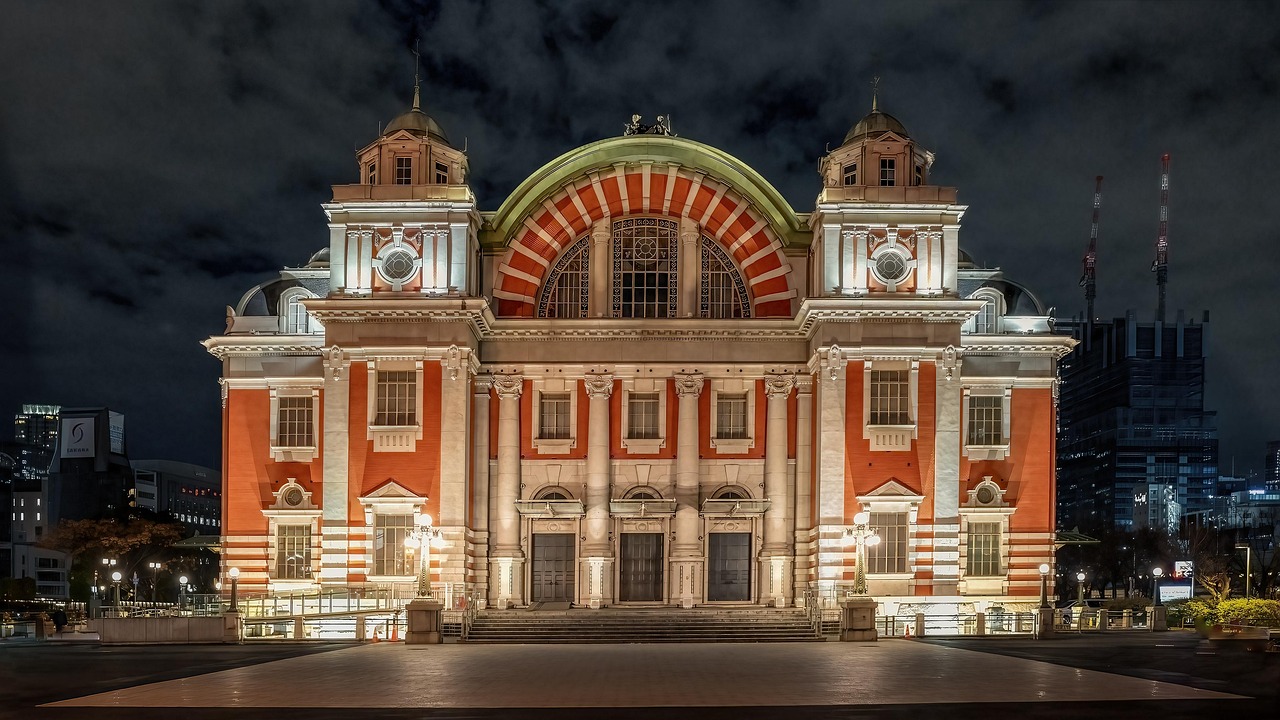
Nakanoshima Park is a long, narrow park between two rivers, anchored by the elegant Osaka Central Public Hall and the Osaka City Hall. It’s one of my favorite places for a quiet riverside walk.
- Why visit:
- Riverside paths great for running, walking, or just sitting with a book.
- Beautiful rose garden in season.
- Illuminations and projection mapping events in winter.
- Cultural angle: The public hall occasionally hosts concerts and events—check the schedule if you’re into music or architecture.
14. Osaka Museum of History
Located near Osaka Castle, the Osaka Museum of History offers a surprisingly engaging journey through the city’s past. Exhibits recreate streets and houses from different eras, and there are scale models that show Osaka’s evolution as a merchant hub.
It’s a great stop if you want more context for what you’re seeing above ground—and the upper floors have nice views of the castle.
15. Tempozan Harbor Village & Giant Ferris Wheel
Next to Kaiyukan, Tempozan Harbor Village offers shopping, casual dining, and the colorful Tempozan Giant Ferris Wheel. On clear days, you can see across Osaka Bay, the city skyline, and even to Awaji Island.
- Best for: Families (combined with the aquarium), couples (evening Ferris wheel ride), photography.
- Tip: In summer, bring a hat and sunscreen; the area can be very sunny and exposed.
16. Nakazakicho Vintage Quarter
As mentioned earlier, Nakazakicho is one of Osaka’s quiet creative hearts. On my last visit, I spent an entire afternoon drifting from one tiny shop to another, chatting with owners about their favorite record or antique lamp.
- Expect: Vintage clothing, secondhand vinyl, handmade jewelry, cozy cafés, street art.
- Good for: Slow travelers, solo explorers, anyone tired of malls.
- Tip: Many shops open late (around 11 am or noon) and close earlier than big chains—plan your day accordingly.
17. Amerikamura (Amemura)
Amerikamura is Osaka’s answer to Harajuku in Tokyo: a youth culture district full of streetwear boutiques, thrift shops, live houses, and cafés. The central triangle park is a hangout spot for skaters, musicians, and students.
I love Amemura for its energy. You might stumble across an impromptu dance practice, a fashion shoot, or a small street performance. It’s a great place to feel the city’s younger pulse.
18. Tenjinbashi-suji Shopping Street
At over 2.5 km, Tenjinbashi-suji claims to be Japan’s longest shopping street. Unlike the more tourist-focused arcades in Namba, this one feels refreshingly local.
- What you’ll find: Kimono shops, pharmacies, 100-yen stores, old-fashioned sweets, bargain fashion, and no-frills restaurants.
- Local experience: Grab a set lunch at a tiny counter-only place; you may be the only tourist, but you’ll be warmly welcomed.
19. Spa World (Onsen Theme Park)
Spa World near Shinsekai is a huge bath complex with themed “world” baths (Europe zone, Asia zone, etc.) as well as standard Japanese baths. It’s not as serene as a rural onsen, but it’s a fun way to experience bathing culture in Osaka.
- Good for: First-timers to onsen nervous about etiquette (lots of signage), families with older kids, couples (note: baths are gender-separated).
- Tip: Tattoos may be restricted—check current policy.
20. Osaka Science Museum & National Museum of Art, Osaka
On Nakanoshima, the Osaka Science Museum and the subterranean National Museum of Art, Osaka make a great cultural double-header.
- Science Museum: Very family-friendly, with interactive exhibits and a planetarium (mostly Japanese, but still enjoyable).
- Art Museum: Contemporary art in a striking underground space; perfect for design and art lovers.
Local Food in Osaka: What & Where to Eat
If there’s one thing Osaka is truly fanatical about, it’s food. The phrase kuidaore—“to eat oneself into ruin”—is often associated with this city. Eating your way through Osaka is not just one of the best things to do in Osaka; it’s practically a cultural obligation.
Osaka Specialties You Must Try
- Takoyaki: Octopus-filled batter balls, crispy outside, molten inside, topped with sauce, mayo, bonito flakes.
- Okonomiyaki: Savory cabbage pancake with pork, seafood, or cheese, grilled on a teppan and topped with sauce and mayo.
- Kushikatsu: Deep-fried skewers (meat, vegetables, seafood) dipped in a communal sauce—no double-dipping.
- Negiyaki: A thinner, scallion-heavy cousin of okonomiyaki.
- Osaka-style udon & kitsune udon: Thick noodles in a light broth, often with sweet fried tofu.
Where I Actually Eat (Personal Favorites)
I’ll avoid listing specific small restaurants that may change owners by 2026, but here are areas and types of places I return to:
- Dotonbori & Namba: Great for a first taste of takoyaki and okonomiyaki. I prefer smaller side-street shops over the biggest, most obvious chains.
- Shinsekai: My go-to for kushikatsu. Look for places crowded with locals; sit at the counter if you can.
- Tenjinbashi-suji: Fantastic for cheap, hearty set meals. I’ve had some of my best miso soups and grilled fish here for under ¥1000.
- Nakazakicho: Perfect for coffee and dessert cafés in renovated houses.
Money-Saving Food Tips
- Department store basements (depachika): At Umeda and Namba, these food halls have prepared dishes that get discounted toward closing time.
- Konbini (convenience stores): 7-Eleven, Lawson, and FamilyMart offer surprisingly good onigiri, salads, and bento boxes.
- Lunch specials: Many restaurants offer cheaper lunch sets than dinner; aim your bigger meals for midday if you’re on a budget.
Drinks in Osaka
Osaka has plenty of izakaya and craft beer bars, plus sake and whisky specialists. Try:
- Local sake: Often from nearby Nara or Hyogo (Kobe) breweries.
- Highballs: Whisky with soda—light, refreshing, and everywhere.
- Craft beer: Small breweries and taprooms are emerging around Namba, Umeda, and Nakazakicho.
Nightlife, Entertainment & Cultural Experiences in Osaka
Osaka at night is a chameleon: it can be raucous and neon-lit, cozy and intimate, or culturally rich and reflective.
Nightlife Hotspots
- Dotonbori & Namba: Bars, clubs, karaoke, and izakaya. Great for bar-hopping and people-watching.
- Shinsaibashi & Amemura: Youthful vibe, live houses, indie music venues, underground clubs.
- Umeda: Slightly more upscale bars and lounges, including hotel bars with city views.
Cultural Experiences in Osaka After Dark
- Bunraku (Puppet Theater): Osaka is the historic home of bunraku. Check performances at the National Bunraku Theatre near Nippombashi.
- Comedy (Manzai): Osaka is Japan’s comedy capital. Look for shows by Yoshimoto Kogyo and other troupes; many are in Japanese, but the energy is infectious.
- Nighttime temple/shrine visits: Some shrines and temple grounds (like Hozenji) are accessible at night and feel magical under lantern light.
Best Day Trips from Osaka
Osaka makes an excellent base for exploring the Kansai region. Besides Kyoto, Nara, and Kobe, consider:
- Nara: Todai-ji Temple, giant Buddha, deer park. Around 40–50 minutes by train from Osaka or Namba.
- Kyoto: Fushimi Inari, Kiyomizu-dera, Arashiyama bamboo groves. 15–45 minutes depending on train.
- Kobe: Harborland, Kitano, sake breweries in Nada. About 25–30 minutes by train.
- Wakayama: Coastal scenery, Wakayama Castle, and as a gateway to the Kii Peninsula. Around 1–1.5 hours by train.
Cultural Etiquette & Local Customs in Osaka
Osakans are famously warm and forgiving, but understanding local customs in Osaka will make your trip smoother and more respectful.
Basic Etiquette
- On trains: Keep voices low, set phones to silent, avoid eating strong-smelling food.
- Trash: Public bins are scarce; carry a small bag to take your trash back to your hotel or a convenience store.
- Shoes: Remove shoes when entering homes, some traditional inns, and clearly marked areas (tatami mats). Follow local cues.
- Cash & cards: Cash is still widely used, but in 2026 most places accept IC cards and major credit cards. Small shops may still be cash-only.
Dining Etiquette
- Say “itadakimasu” before eating and “gochisousama deshita” after.
- Don’t stick chopsticks upright in rice; it resembles funeral rites.
- At kushikatsu restaurants, remember: no double-dipping in the shared sauce.
Onsen & Sento Etiquette
- Wash thoroughly before entering the shared baths.
- Swimwear is usually not allowed; baths are nude and gender-separated.
- Tattoos may be restricted in some places—check in advance.
Practical Travel Tips for Osaka 2026–2027
Getting Around Osaka
- Trains & Subway: The easiest way to move between districts. Get an IC card (ICOCA or similar) and tap in/out.
- Buses: Less crucial than in some cities; trains usually suffice for visitors.
- Taxis: Clean, reliable, more expensive. Good late at night or with luggage.
- Walking: Many central attractions are walkable within their respective districts (Namba/Shinsaibashi, Umeda, etc.).
Transport Passes & Money-Saving Tips
- Osaka Amazing Pass: Offers unlimited subway/bus rides and free/discounted entry to various attractions. Great if you’re doing lots of sightseeing in a short time.
- JR Pass (nationwide): Often not necessary for a trip limited mostly to Kansai; consider regional passes instead.
- Regional passes: Kansai-area passes can save money if you plan multiple day trips from Osaka.
SIM Cards & Connectivity
- In 2026, eSIMs are widely supported. Purchase a Japan or Asia eSIM before arrival for convenience.
- Physical SIMs and portable Wi-Fi routers are available at Kansai International Airport and major electronics stores in Umeda and Namba.
Accommodation Tips
- Best areas to stay:
- Namba/Shinsaibashi: For nightlife and first-timers.
- Umeda: For transport convenience and a slightly calmer vibe.
- Tennoji: Often slightly cheaper, with good access to the south and airport.
- Budget options: Business hotels, hostels, and capsule hotels are plentiful and generally clean.
Car Rental & Driving
For most travelers, a car in Osaka is unnecessary and more hassle than help. Parking is expensive and traffic can be dense.
- Foreign driver’s license: Most visitors need an International Driving Permit (IDP) based on the 1949 convention in addition to their home license. Check Japan’s latest rules and your country’s eligibility before travel.
- Use cars for: Rural day trips beyond normal train reach, not for city commuting.
Visa Requirements
Visa rules change, so always check your local Japanese embassy or consulate’s website. Many nationalities can enter Japan visa-free for short stays in 2026, but this may not apply to everyone and lengths of stay vary.
Upcoming Events & Changes in Osaka (2026–2027)
Osaka continues to host major festivals and international events. In 2026–2027, expect:
- Expanded cultural programming at Nakanoshima and the bay area, including art festivals and light installations.
- Ongoing upgrades around major stations and tourist corridors, improving accessibility and signage.
- Annual events like the Tenjin Matsuri (summer), Osaka Castle Park hanami (spring), winter illuminations in Umeda and Nakanoshima, and seasonal events at USJ.
Best Seasons for Different Activities
- Spring (March–May): Cherry blossoms, comfortable temperatures, crowded popular spots. Great for Osaka Castle Park, Nakanoshima walks, and day trips.
- Summer (June–August): Hot and humid, but lively festivals and fireworks. Good for night activities, USJ (with heat precautions), and beaches/day trips.
- Autumn (September–November): My personal favorite: milder weather, colorful foliage, fewer crowds than spring. Excellent for city walks and temple visits.
- Winter (December–February): Cold but rarely extreme in Osaka. Great for illuminations, hot food (nabe, ramen), and onsen. USJ and indoor attractions are quieter outside holidays.
Summary & Final Recommendations: Planning Your Time in Osaka
Osaka rewards both first-time visitors and repeat travelers. With 3 days in Osaka, focus on Dotonbori, Osaka Castle, Umeda Sky Building, Kuromon Market, and either USJ or a cultural district like Shinsekai and Sumiyoshi Taisha. With 4 days in Osaka, add slower neighborhood explorations in Tenjinbashi-suji, Nakazakicho, and Nakanoshima. With 5 days in Osaka, use the extra time for a day trip to Kyoto, Nara, or Kobe and dive deeper into hidden gems in Osaka.
The best time to visit Osaka depends on your priorities. For cherry blossoms and soft spring light, aim for late March to early April; for comfortable weather and foliage, autumn is ideal; for festivals and fireworks, summer nights are unforgettable; and for illuminations and cozy food, winter is underrated.
Whatever season you choose, come hungry, pack comfortable shoes, and leave room in your schedule to simply wander. The greatest must-see attractions in Osaka are iconic, but the city’s true charm lies in the unexpected: a conversation with a shopkeeper, a hidden alley bar, or a perfect bowl of noodles you stumble upon when you’re lost. That’s the Osaka I’ve fallen in love with over the years—and the one I hope you’ll discover for yourself.