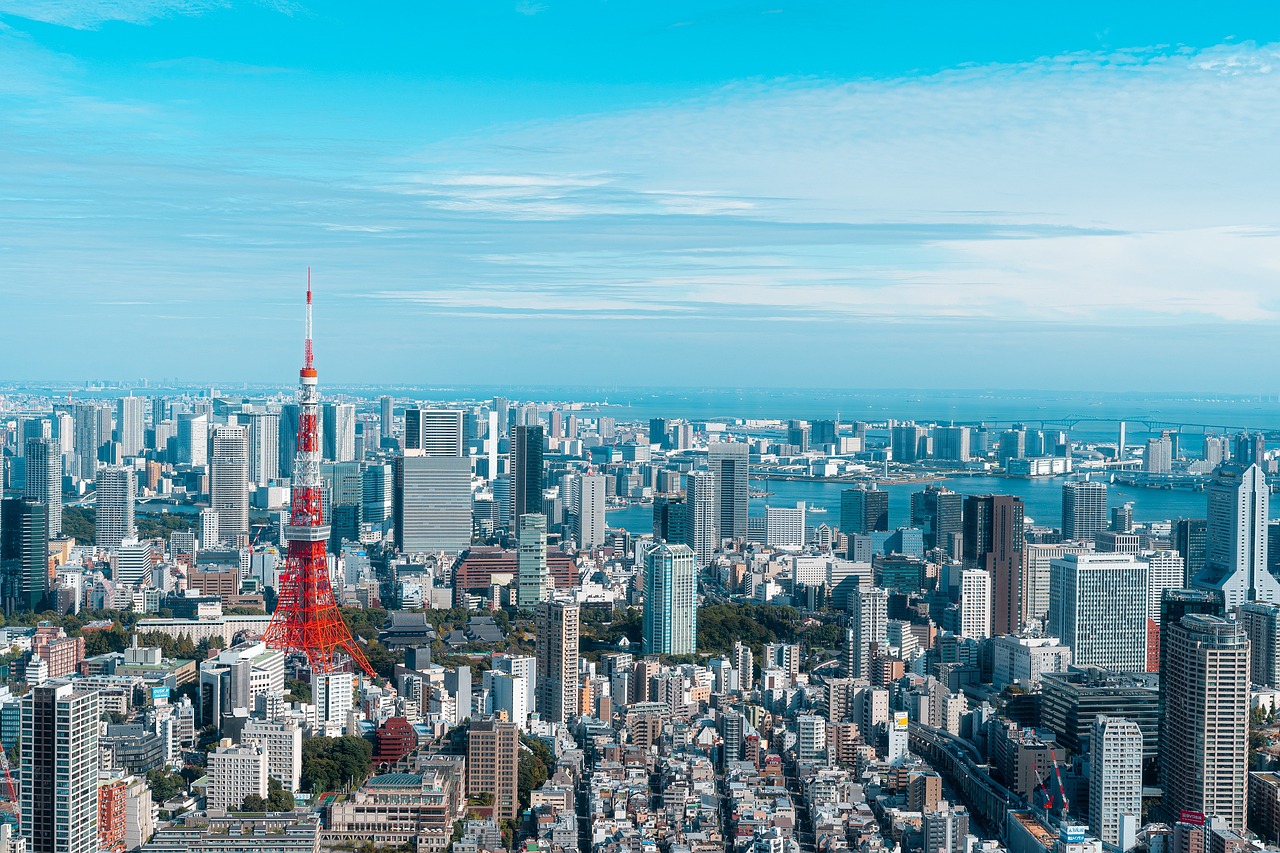
Why Visit Tokyo in 2026?
Every time I land at Tokyo Haneda and see the skyline glittering across the bay, I get the same feeling: this city never stops reinventing itself. I first came to Tokyo in my early twenties and have returned at least once a year ever since. In 2026, Tokyo feels more exciting (and comfortable for visitors) than ever—sleek new skyscrapers, beautifully restored historic districts, cashless convenience, yet still those tiny yakitori joints under the train tracks that smell like charcoal and soy.
What makes Tokyo so special is the contrast: ancient shrines tucked behind neon shopping arcades, quiet residential lanes only a few minutes from the crowded scramble of Shibuya Crossing, futuristic architecture side by side with wooden izakaya that look unchanged since the 1960s. It’s ultra-efficient, incredibly safe, obsessively detailed, and yet endlessly playful.
In this 2026 travel guide for Tokyo, I’ll walk you through my favorite neighborhoods, must-see attractions, and lesser-known corners of the city—plus share practical travel tips, cultural etiquette, and several detailed 3, 4, and 5 day itineraries based on how I actually spend my time here. Whether you’re planning 3 days in Tokyo or a 5 day itinerary for Tokyo, you’ll find ideas to match your style: family-friendly, romantic, or full-on adventure.
Tokyo in 2026–2027 also comes with a packed calendar of festivals, new art spaces, upgraded train stations, and refreshed shopping areas. If it’s your first visit, you’ll be blown away. If it’s your fifth, I guarantee you’ll still discover something new.
Table of Contents
- Why Visit Tokyo in 2026?
- Tokyo at a Glance (2026 Update & Upcoming Events)
- Tokyo’s Neighborhoods & Districts
- 20 Must-See Attractions in Tokyo (With Local Stories)
- Suggested Itineraries: 3, 4, and 5 Days in Tokyo
- Local Food in Tokyo: What & Where to Eat
- Nightlife, Entertainment & Cultural Experiences
- Best Day Trips from Tokyo
- Cultural Etiquette & Local Customs
- Practical Travel Tips for Tokyo (Money, Transport, SIM, Visas)
- When to Visit Tokyo & Seasonal Highlights
- Summary & Final Recommendations
Tokyo at a Glance (2026–2027)
Tokyo is a megacity of around 37 million people in the greater metropolitan area, but it rarely feels overwhelming thanks to its hyper-organized transport system and neighborhood-based character. Instead of trying to “do Tokyo” in one go, think of it as a collection of villages, each with its own personality.
In 2026, several new urban projects and cultural developments are changing how both locals and visitors move around and experience the city:
- Redeveloped Stations & Districts: Shibuya, Shinjuku, and Tokyo Station areas continue to evolve with new pedestrian decks, rooftop gardens, and shopping complexes that make moving between attractions smoother and more scenic.
- Cashless & Multilingual: Nearly every shop, restaurant, and vending machine now accepts major cards and IC cards (Suica/PASMO), and more signage than ever is in English, Chinese, and Korean.
- Green & Waterfront Spaces: Tokyo has been quietly reclaiming spaces along Tokyo Bay and the Sumida River for promenades, cycling, and dining. The city feels more livable and slower-paced if you know where to walk.
Major Events & Festivals (2026–2027)
Exact line-ups vary year to year, but these recurring and expected events are worth watching for 2026–2027:
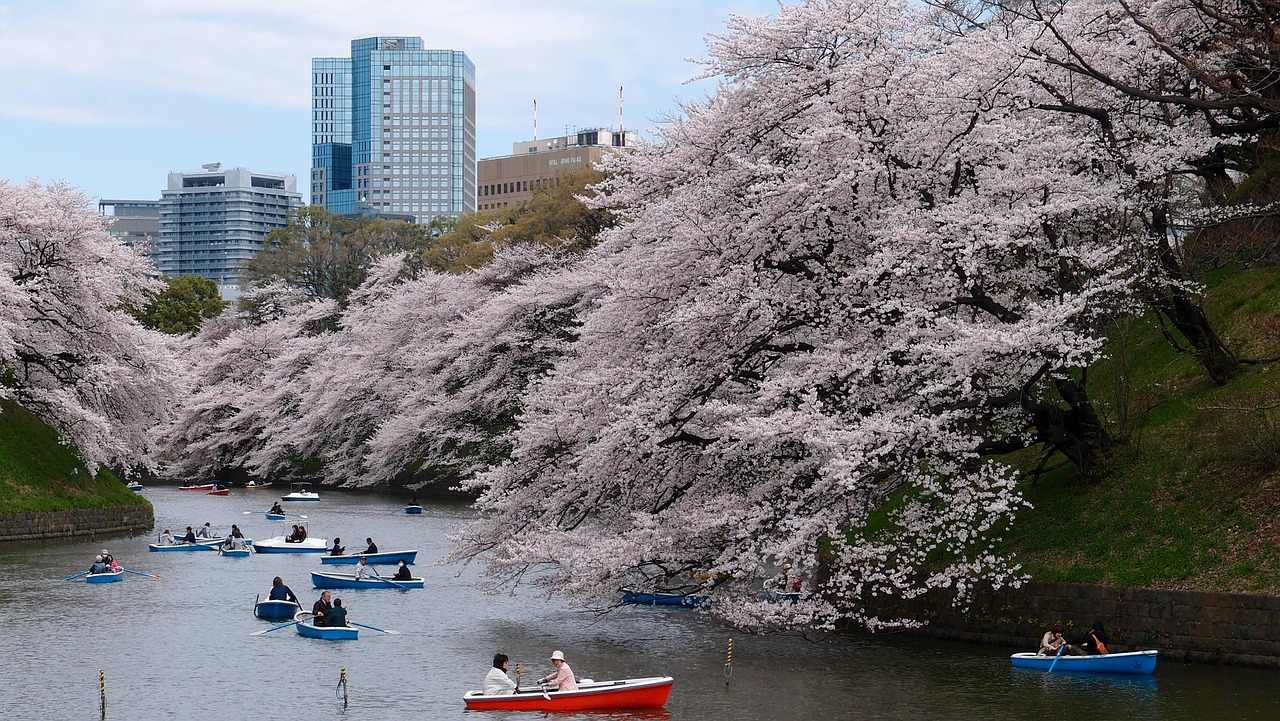
- Spring 2026 & 2027 – Cherry Blossom Season (late March–early April): Ueno Park, Chidorigafuchi, Meguro River, and Shinjuku Gyoen host night illuminations and hanami (flower-viewing) events.
- Summer 2026 – Sumida River Fireworks Festival: One of Tokyo’s biggest fireworks displays, usually in late July. Book accommodation early if you want to be nearby.
- August 2026 & 2027 – Koenji Awa Odori & Asakusa Samba Carnival: Major street dance festivals with vibrant costumes, music, and a party atmosphere.
- Autumn 2026 – Tokyo Ramen Festa: A huge outdoor ramen festival (often in Komazawa Olympic Park), featuring regional ramen stalls from across Japan.
- Winter 2026–27 – Illuminations: Tokyo Midtown, Roppongi Hills, Shibuya, and Marunouchi turn into glittering light gardens from November through early January.
Check official city and ward tourism websites as dates are confirmed; Tokyo is excellent at publishing multilingual event details online.
Tokyo’s Neighborhoods & Districts to Explore
On my first trip, I tried to see everything and ended up exhausted. Now, I plan each day around two or three neighboring districts. Here’s how I think about Tokyo’s main areas:
- Shinjuku: Skyscrapers, nightlife, department stores, and the gateway to the mountains. West Shinjuku is business towers and views; East Shinjuku is neon and izakaya.
- Shibuya: Youth fashion, music, and the famous crossing. Great for shopping, people-watching, and late-night dining.
- Harajuku & Omotesando: Street fashion, crepes, pop culture, and leafy boulevards lined with high-end boutiques and striking architecture.
- Asakusa: Old Tokyo vibes, Senso-ji Temple, rickshaws, traditional sweets. A must for first-timers.
- Ueno & Yanaka: Museums, Ueno Park, pandas at Ueno Zoo, and Yanaka’s old wooden houses and narrow lanes.
- Akihabara: Electronics, anime, gaming, and otaku culture.
- Ginza: Luxury shopping, refined dining, art galleries, and surprisingly calm streets at night.
- Roppongi: Museums, expat-friendly bars, and Tokyo City View observatory.
- Odaiba & Tokyo Bay: Futuristic architecture, waterfront promenades, and family-friendly attractions.
- Shimokitazawa, Koenji, Nakameguro: Hipster, bohemian, and local neighborhoods full of vintage shops, indie cafes, and tiny bars.
20 Must-See Attractions in Tokyo (With Local Stories & Tips)
These 20 places form the backbone of most 3 day itinerary for Tokyo and 5 day itinerary for Tokyo plans. I’ve visited each multiple times, in different seasons and moods. Think of this as your longlist—you’ll pick and choose based on your interests.
1. Tokyo Skytree
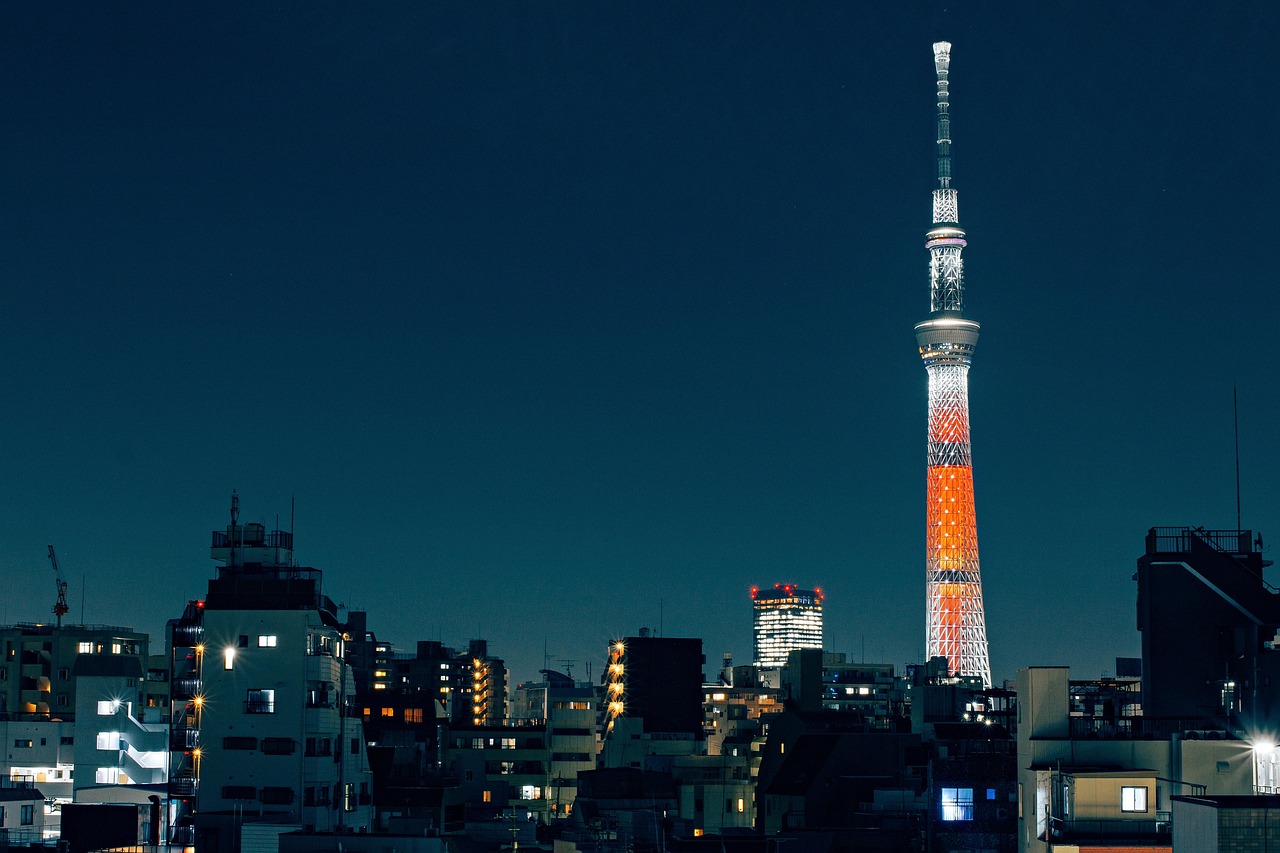
My favorite memory of Tokyo Skytree is standing at the window at dusk, watching the city lights slowly flicker on as Mount Fuji’s silhouette faded into the darkness. Tokyo Skytree, at 634 meters, is Tokyo’s tallest structure and one of the best places to get your bearings.
Opened in 2012, it anchors the Tokyo Skytree Town complex in Sumida, with shopping, an aquarium, and restaurants. Historically, Tokyo’s skyline was relatively low until the economic boom; Skytree symbolized a new era, replacing Tokyo Tower as the city’s main broadcast tower.
What to do: There are two main observation decks (Tembo Deck at 350 m and Tembo Galleria at 450 m). I usually book a late afternoon time slot online, arrive an hour before sunset, and stay until the city is fully lit. The glass floors are a hit with kids (and a mild terror for adults afraid of heights!).
Food tip: In Solamachi (the shopping area at the base), try the small ramen joints or grab taiyaki (fish-shaped cakes) from a stand. I like to pick up matcha sweets from one of the specialty shops and enjoy them on a bench overlooking the Sumida River afterward.
How to get there: Take the Tobu Skytree Line to Tokyo Skytree Station or the Hanzomon Line to Oshiage (Skytree) Station. It’s very well signposted.
Best for: Families (aquarium + views), couples (sunset and night views), first-time visitors.
Local tip: Weekdays in the morning or late at night (after 8 pm) are significantly less crowded than weekend afternoons. Buy tickets online to skip the longest lines.
2. Senso-ji Temple, Asakusa
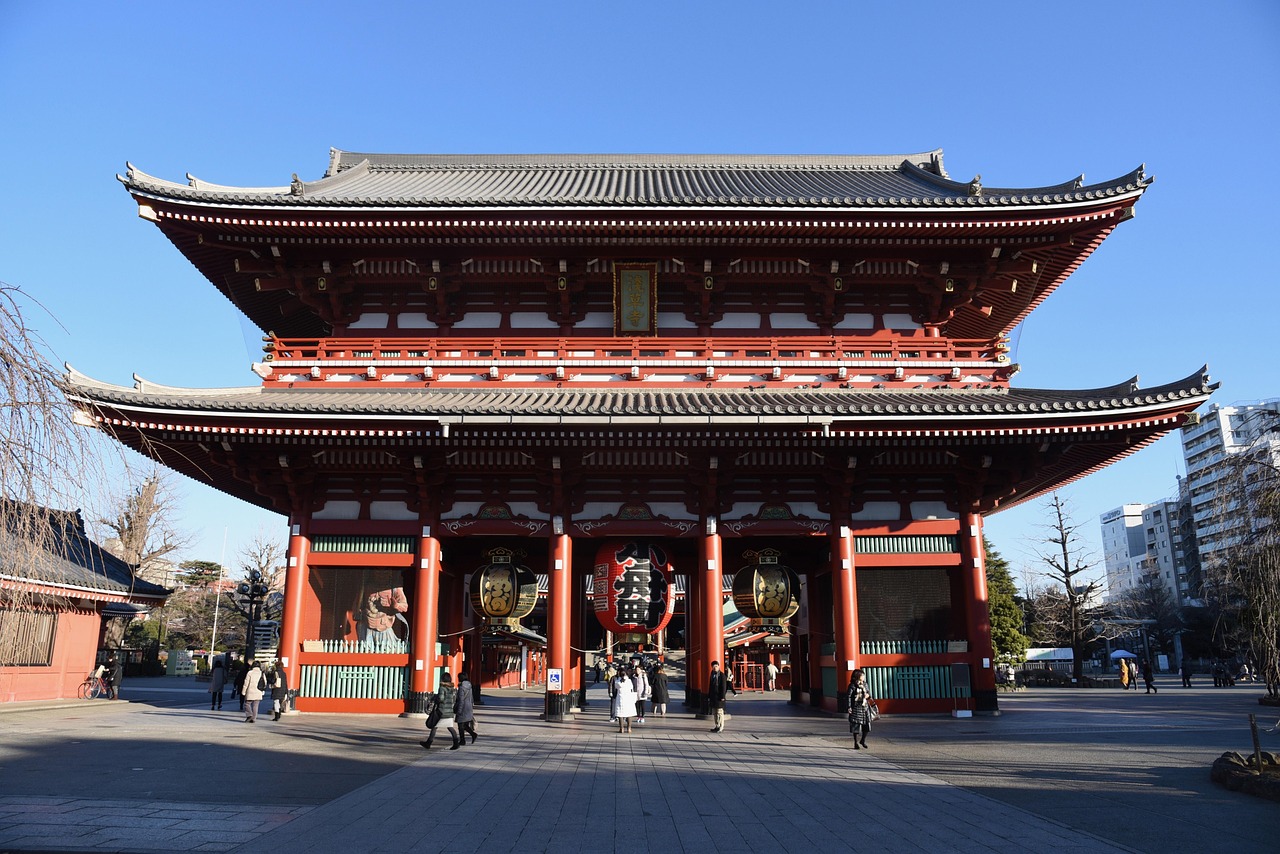
Senso-ji is where I always take friends on their first morning in Tokyo. Walking under the giant red lantern of Kaminarimon Gate and into Nakamise Shopping Street feels like stepping into a woodblock print.
Tokyo’s oldest temple, Senso-ji dates back to the 7th century. Legend says two fishermen pulled a statue of Kannon, the Buddhist goddess of mercy, from the Sumida River; the village head recognized it as sacred and enshrined it here.
What to do: Stroll Nakamise-dori, sampling ningyo-yaki (small doll-shaped cakes filled with red bean paste) and senbei (rice crackers). At the main hall, follow locals: bow lightly, toss a coin, ring the bell, and say a short prayer. Don’t miss the small Asakusa Shrine to the right of the main hall.
Personal ritual: I like to visit very early, around 7 am, when the shop shutters are still down and painted with traditional scenes. The temple grounds are peaceful, with locals doing their morning routines.
How to get there: Short walk from Asakusa Station (Ginza Line, Asakusa Line, Tobu Skytree Line).
Best for: Culture lovers, photographers, families (rickshaw rides, sweets).
Local tip: If you want photos without crowds, come before 8 am or after 8 pm when the temple is beautifully illuminated.
3. Meiji Jingu Shrine & Yoyogi Park
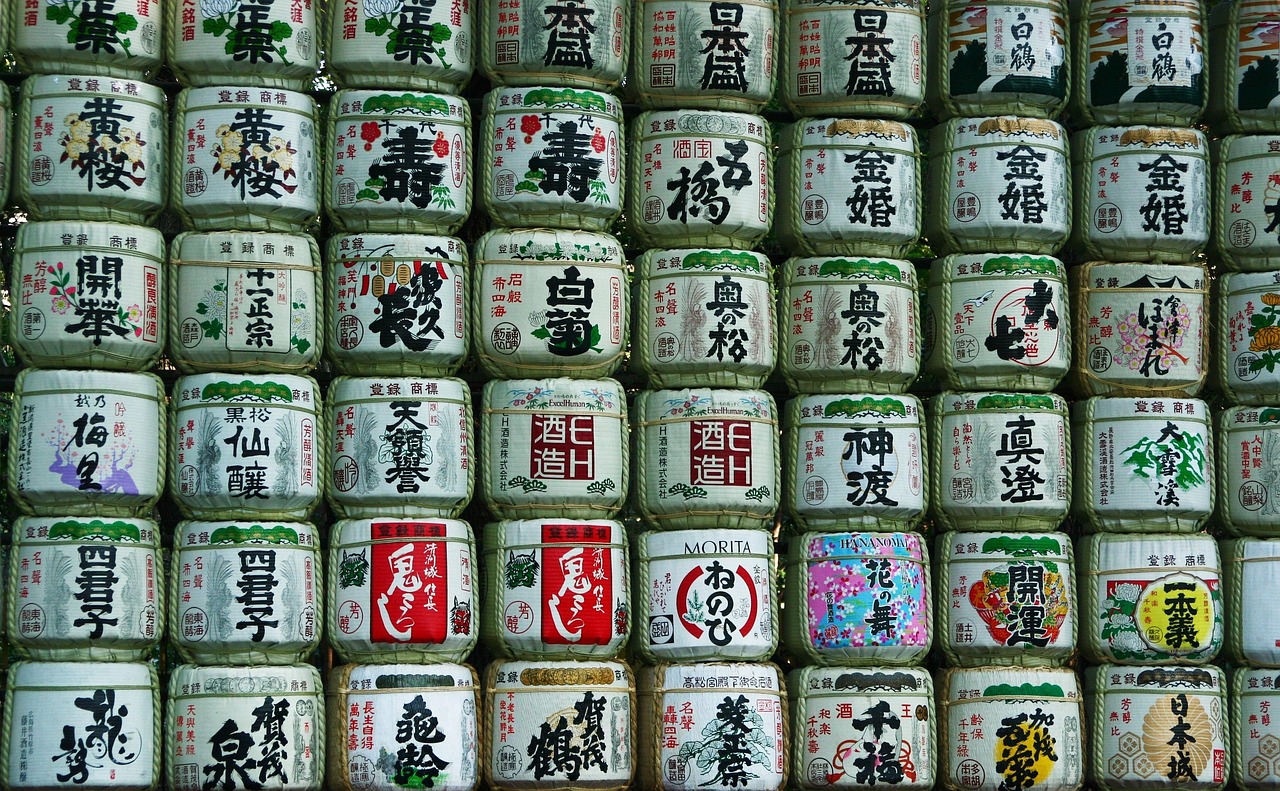
It still amazes me that you can step from Harajuku’s chaotic Takeshita Street into the quiet, cedar-scented forest of Meiji Jingu in just a few minutes. This shrine is Tokyo’s spiritual lung.
Dedicated to Emperor Meiji and Empress Shoken, the shrine was completed in 1920 but rebuilt after WWII bombings. The forest is man-made, planted by volunteers from across Japan as a symbol of national unity.
What to do: Enter through the massive torii gate, walk the gravel path under towering trees, and cleanse your hands at the chozuya (purification fountain) before approaching the main hall. On weekends, you’ll often see Shinto wedding processions—brides in white silk kimono, grooms in formal montsuki, moving slowly across the courtyard.
Personal note: When I feel overwhelmed by Tokyo’s energy, I come here early on weekday mornings. The sound of gravel underfoot and the faint smell of incense always reset my brain.
How to get there: Harajuku Station (JR Yamanote Line) or Meiji-jingumae Station (Chiyoda/Fukutoshin Lines).
Best for: Everyone, especially if you need a quiet counterpoint to the city.
Local tip: Combine Meiji Jingu with Harajuku, Omotesando, and Shibuya in one very walkable day.
4. Shibuya Crossing & Hachiko
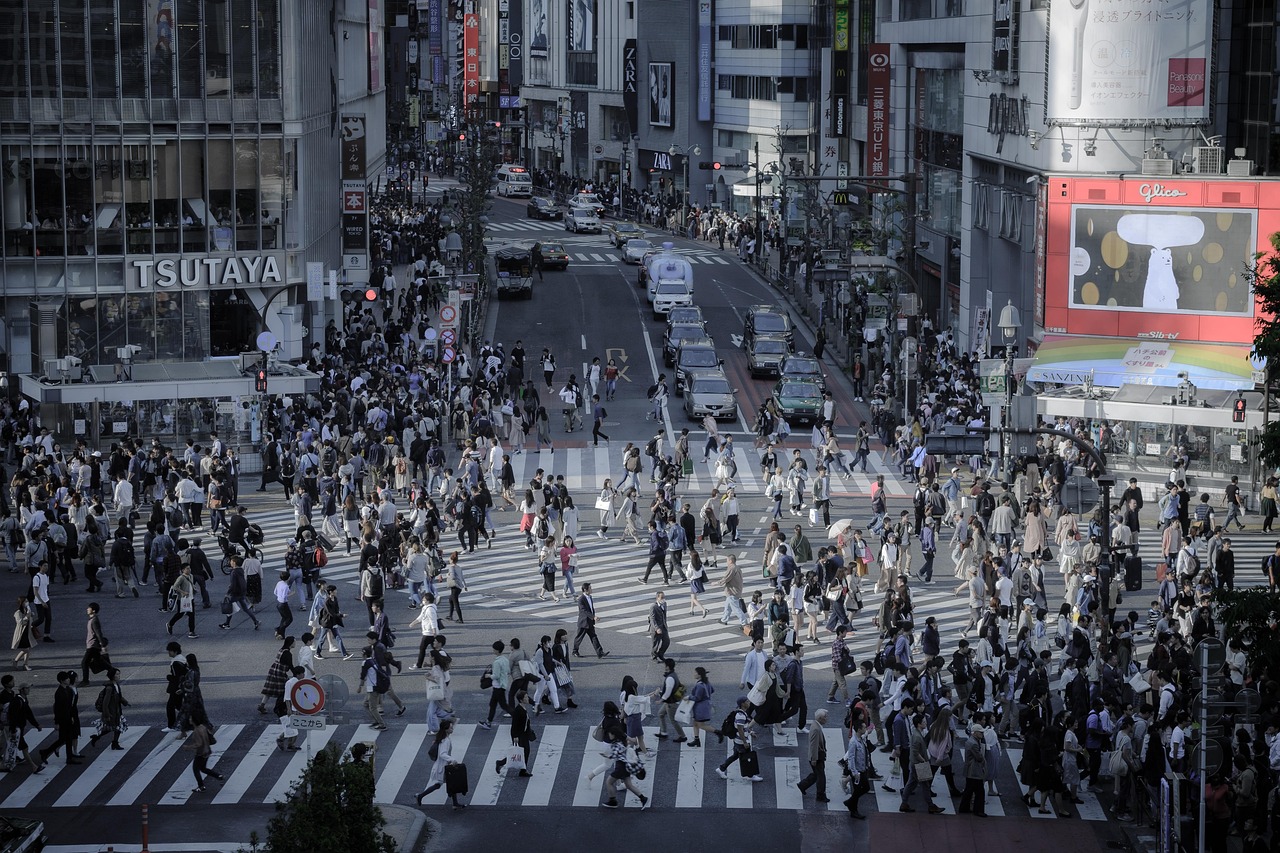
Every first evening in Tokyo, I head to Shibuya Crossing just to stand still while hundreds of people flow around me. It’s cliché, but it’s also the best introduction to Tokyo’s energy.
Shibuya has long been a youth culture center, its scramble crossing appearing in countless films and ads. The Hachiko statue nearby commemorates the loyal dog who waited for his owner at Shibuya Station every day—even for years after his owner’s death.
What to do: Watch the crossing from above—Shibuya Sky (the rooftop of Shibuya Scramble Square) offers a spectacular open-air view. For a cheaper vantage point, grab a coffee in one of the cafes overlooking the intersection.
Food tip: Shibuya is where I usually go for casual izakaya nights. The narrow backstreets (like Nonbei Yokocho) hide tiny bars and yakitori spots. Good for adventurous eaters and nightlife.
How to get there: Shibuya Station (JR Yamanote, Ginza, Hanzomon, Fukutoshin, Den-en-toshi, and more).
Best for: First-time visitors, night owls, shoppers.
Local tip: For photos, evening rush hour (5–7 pm) is most dramatic, but earlier in the day is easier if you don’t like crowds.
5. Shinjuku Gyoen National Garden
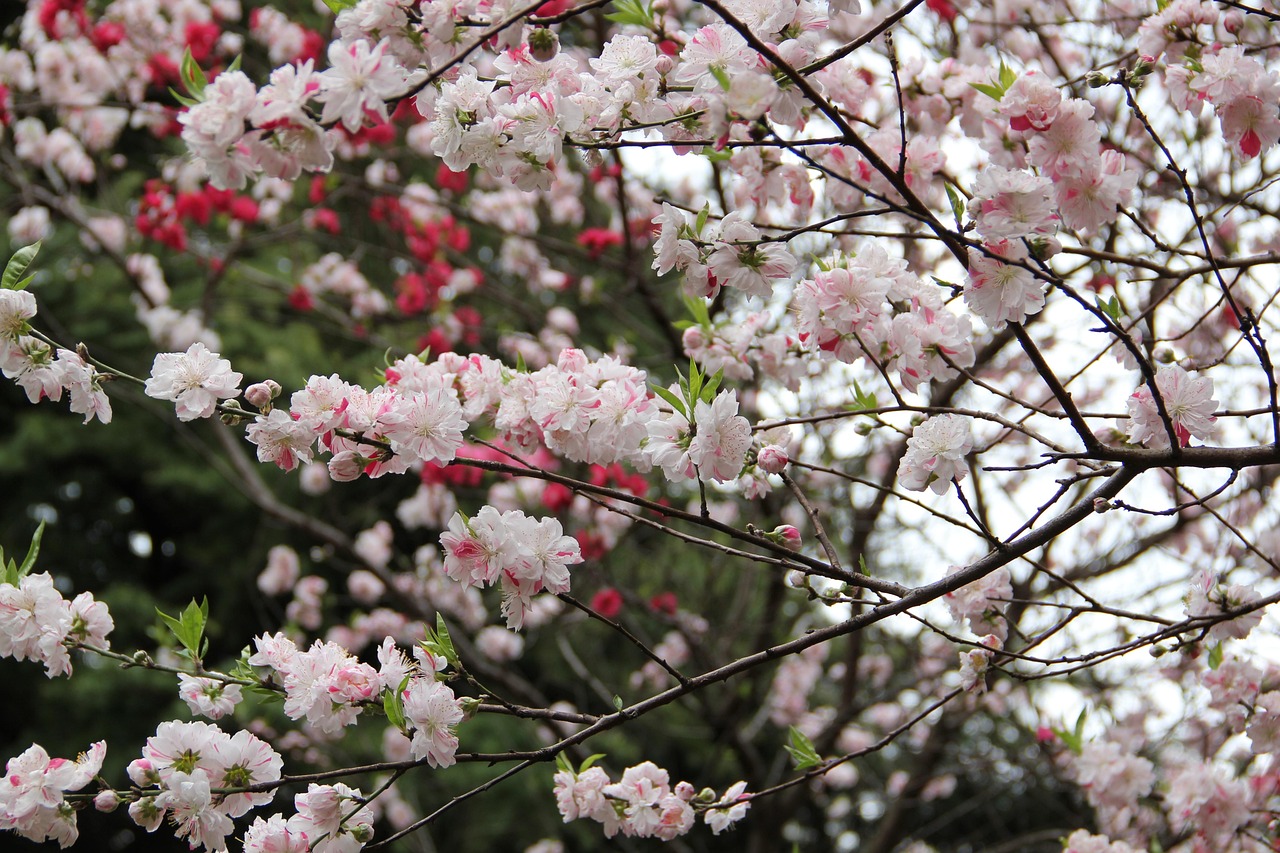
Shinjuku Gyoen is where I escape when I need grass under my feet. Right next to one of the busiest train stations in the world, it’s shockingly peaceful.
Originally a feudal lord’s residence, then an imperial garden, Shinjuku Gyoen opened to the public after WWII. It blends French, English, and Japanese landscaping styles with ponds, lawns, and a tea house.
What to do: In spring, this is one of Tokyo’s best cherry blossom spots. In autumn, the maple trees explode into reds and golds. I love bringing a convenience store picnic (onigiri, fried chicken, green tea) and camping on the lawn with a book.
How to get there: Shinjuku-gyoenmae Station (Marunouchi Line) or a 10–15 minute walk from JR Shinjuku Station’s south exit.
Best for: Families, couples, anyone needing a break from concrete.
Local tip: Alcohol isn’t allowed inside, so if you’re planning hanami with drinks, choose Ueno Park or Yoyogi instead.
6. Tokyo Tower
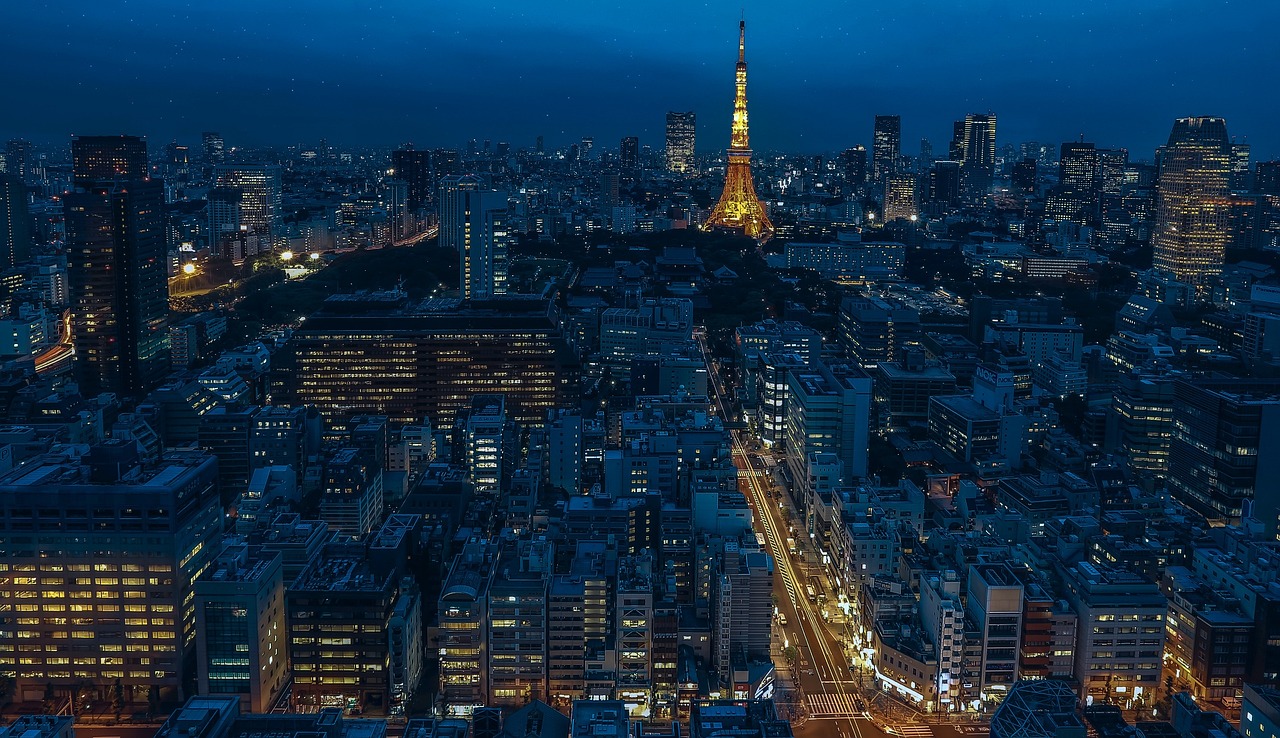
I have a soft spot for Tokyo Tower. It might be overshadowed by Skytree in height, but not in charm. The orange-and-white lattice tower, inspired by the Eiffel Tower, was completed in 1958 and became a symbol of Japan’s post-war recovery.
What to do: There are main and top decks for views. At night, the tower glows in seasonal colors. The small shrine inside and the retro feel of the lower floors always make me a bit nostalgic.
Romantic angle: One of my favorite dates in Tokyo was walking from Roppongi to Tokyo Tower at night, stopping to take photos from different angles.
How to get there: Akabanebashi Station (Oedo Line), Onarimon Station (Mita Line), or a bit of a walk from Hamamatsucho (JR).
Best for: Couples, fans of classic Tokyo iconography.
Local tip: Combine with Zojo-ji Temple at the base and a stroll to Shiba Park for quiet temple + skyline photos.
7. Ueno Park & Tokyo National Museum
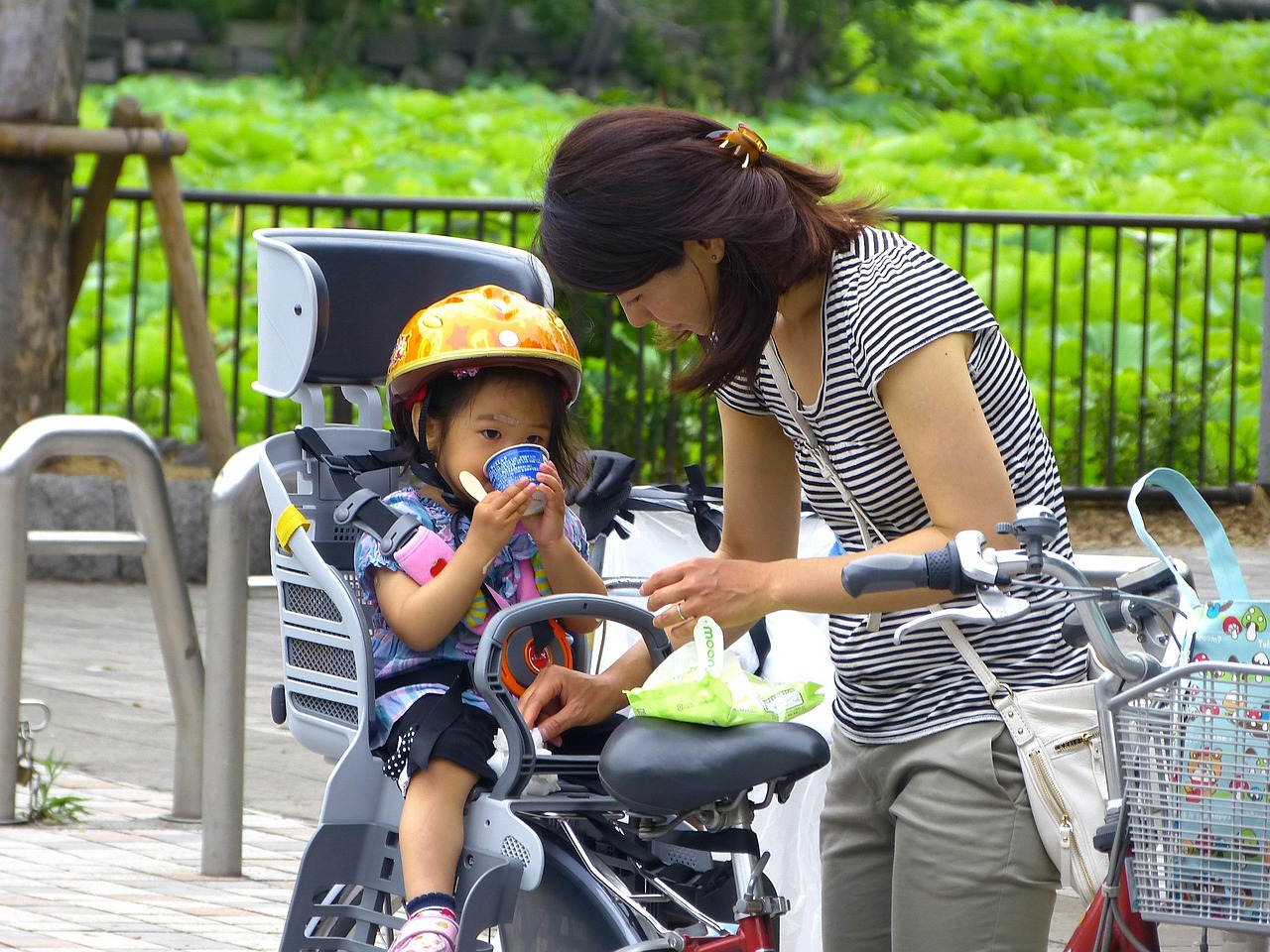
My first hanami (cherry blossom) experience was in Ueno Park, squeezed between groups of office workers drinking beer under the trees. Ueno is one of Tokyo’s cultural hubs, with museums, a zoo, and historical sites.
What to do: Visit the Tokyo National Museum to see samurai armor, ukiyo-e prints, and Buddhist statues. Ueno Zoo is popular with families (especially the pandas). Shinobazu Pond offers boat rentals and lotus flowers in summer.
How to get there: Ueno Station (JR, Ginza, Hibiya Lines).
Best for: Families, museum lovers, spring travelers.
Local tip: Ameya-Yokocho (Ameyoko) market street, just outside the park, is great for cheap snacks and discount shopping.
8. Akihabara Electric Town
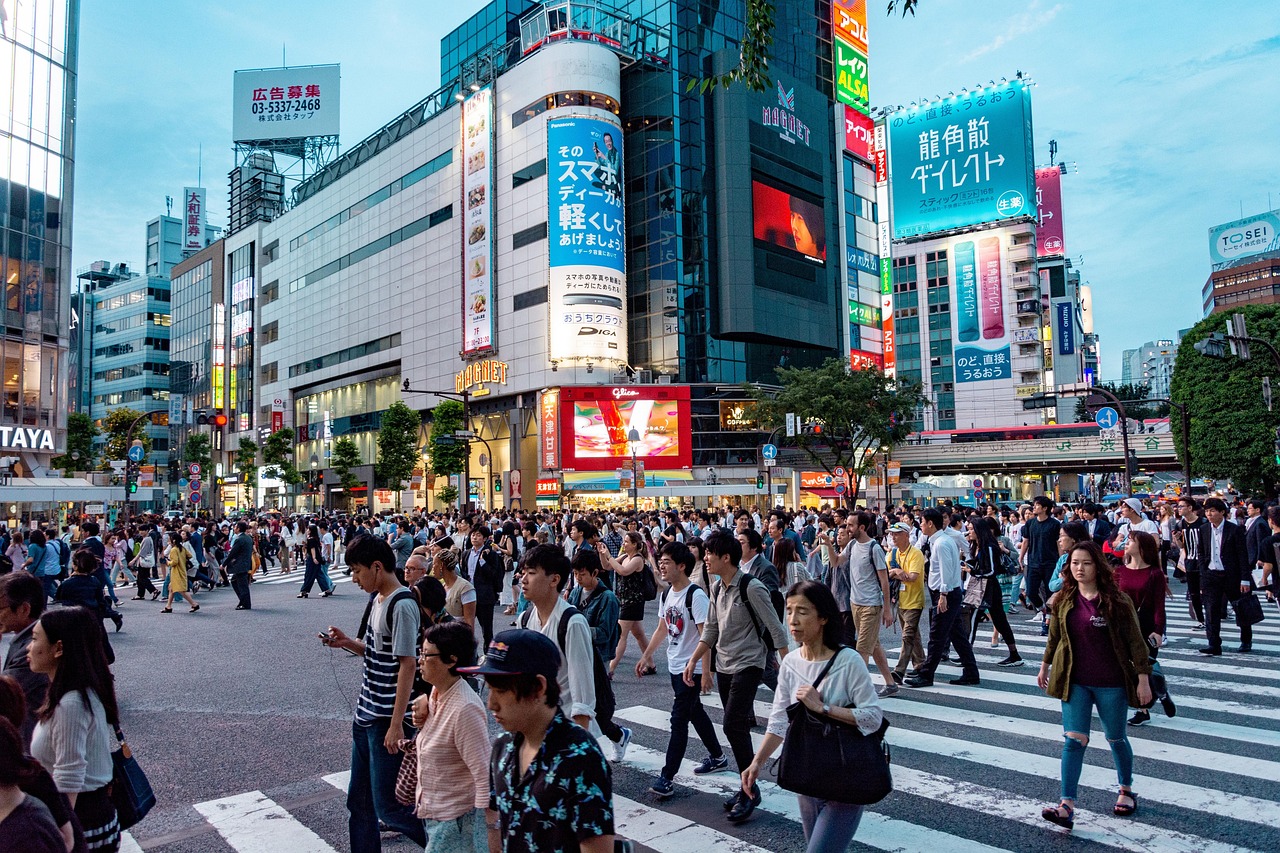
I’m not a hardcore gamer, but wandering Akihabara always feels like stepping into another dimension. Neon signs, anime billboards, arcades, and electronics shops stacked floor after floor.
After WWII, Akihabara became a black-market electronics hub, then evolved into a center of otaku culture—anime, manga, idol groups, and more.
What to do: Browse retro game shops, try a multi-story arcade, or visit a maid café if you’re curious (they’re very much a “only-in-Japan” experience). For collectors, there are specialty stores for everything from model trains to trading cards.
How to get there: Akihabara Station (JR, Hibiya Line, Tsukuba Express).
Best for: Gamers, anime fans, tech lovers, curious families with older kids.
Local tip: If big crowds tire you out, walk 10–15 minutes to Kanda or Ochanomizu for quieter cafes and used bookshops.
9. Ginza Shopping & Kabukiza Theatre
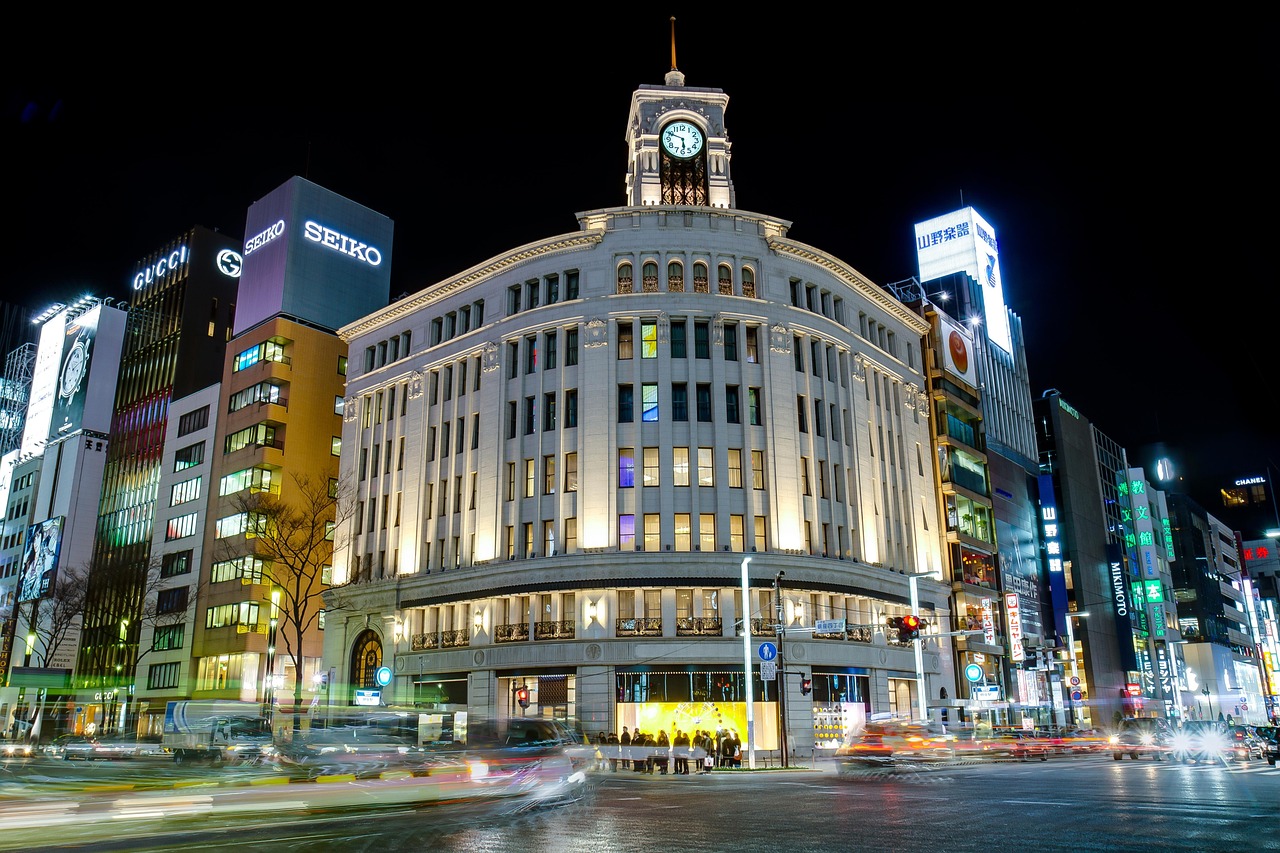
Ginza is my go-to when I want to feel grown-up in Tokyo. Wide boulevards, flagship stores, art galleries, and some of the city’s finest restaurants.
Once a silver coin mint district, Ginza was rebuilt in the late 19th century with brick buildings and gas lamps as a “modern” showcase. Today, it’s Tokyo’s luxury window.
What to do: Window-shop along Chuo-dori, visit a department store basement (depachika) for immaculate food displays, and check the latest exhibitions in small galleries. Don’t miss Kabukiza if you’re interested in traditional theater—you can buy single-act tickets for an accessible introduction.
How to get there: Ginza Station (Ginza, Hibiya, Marunouchi Lines), or Yurakucho (JR) for the southern edge.
Best for: Shoppers, design lovers, foodies.
Local tip: On weekend afternoons, the main street becomes pedestrian-only, perfect for leisurely strolls and photos.
10. Roppongi Hills & Mori Art Museum
Roppongi is where I go for art and city views in one hit. Roppongi Hills is a mixed-use complex with offices, apartments, a mall, and the Mori Art Museum perched near the top.
What to do: Explore the contemporary art exhibits at Mori Art Museum, then step out onto the Tokyo City View observatory. The open-air Sky Deck (weather permitting) is especially dramatic at night.
How to get there: Roppongi Station (Hibiya, Oedo Lines).
Best for: Art lovers, night views, couples.
Local tip: Look for combined tickets that include both the museum and observatory; exhibitions change frequently, so check what’s on before you go.
11. Odaiba & Tokyo Bay Area
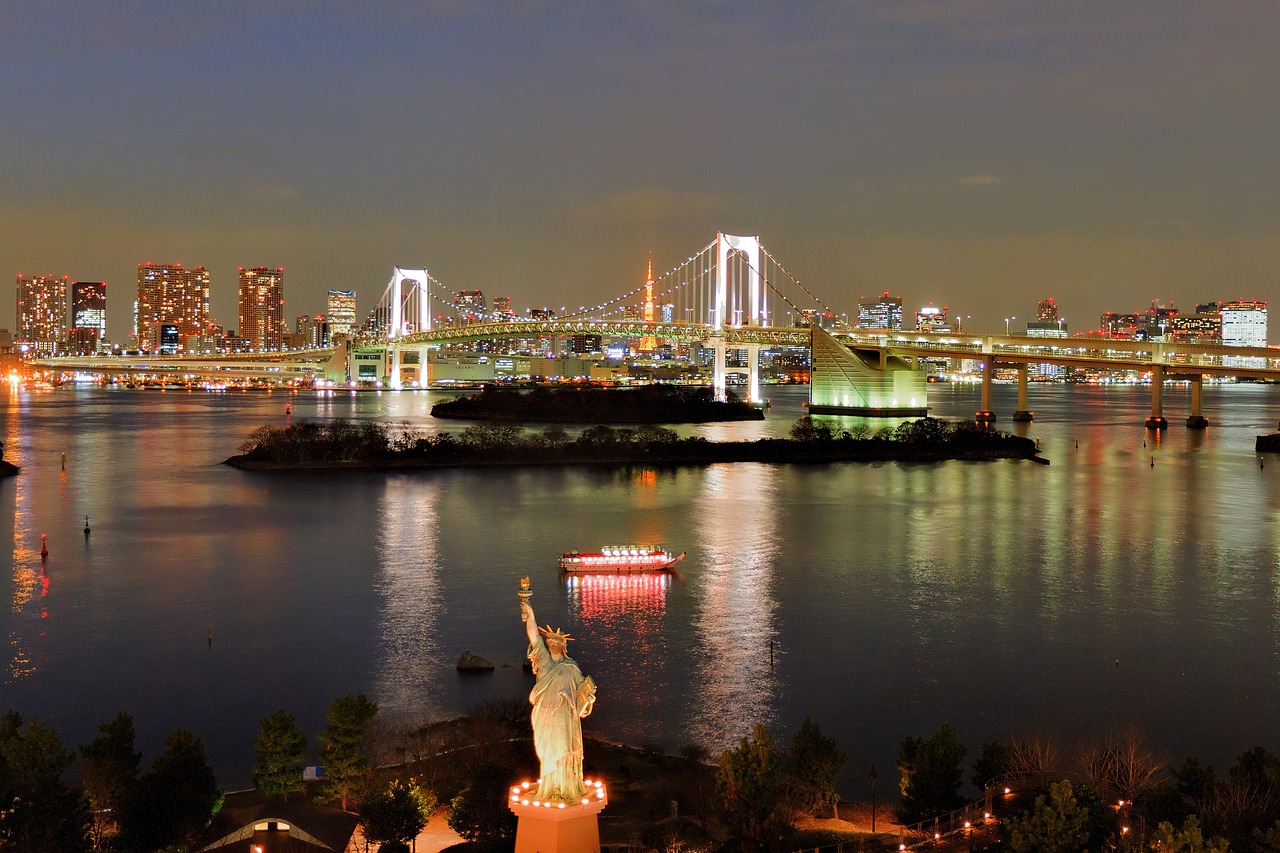
My first rainy day in Tokyo turned out great because I spent it in Odaiba. This man-made island in Tokyo Bay has malls, museums, a giant Gundam statue, onsen, and waterfront views.
What to do: Visit teamLab Planets (immersive digital art), stroll along the seaside park with views of Rainbow Bridge, and relax at Oedo Onsen Monogatari-style facilities (or newer spa complexes) if open. It’s also very family-friendly with attractions like indoor theme parks and entertainment centers.
How to get there: Yurikamome Line (from Shimbashi) or Rinkai Line (from Shinjuku/Osaki).
Best for: Families, rainy days, futuristic architecture fans.
Local tip: Ride the Yurikamome in the front car for a “driver’s seat” view as it glides over the bay.
12. Toyosu & Tsukiji Outer Market (Seafood Heaven)
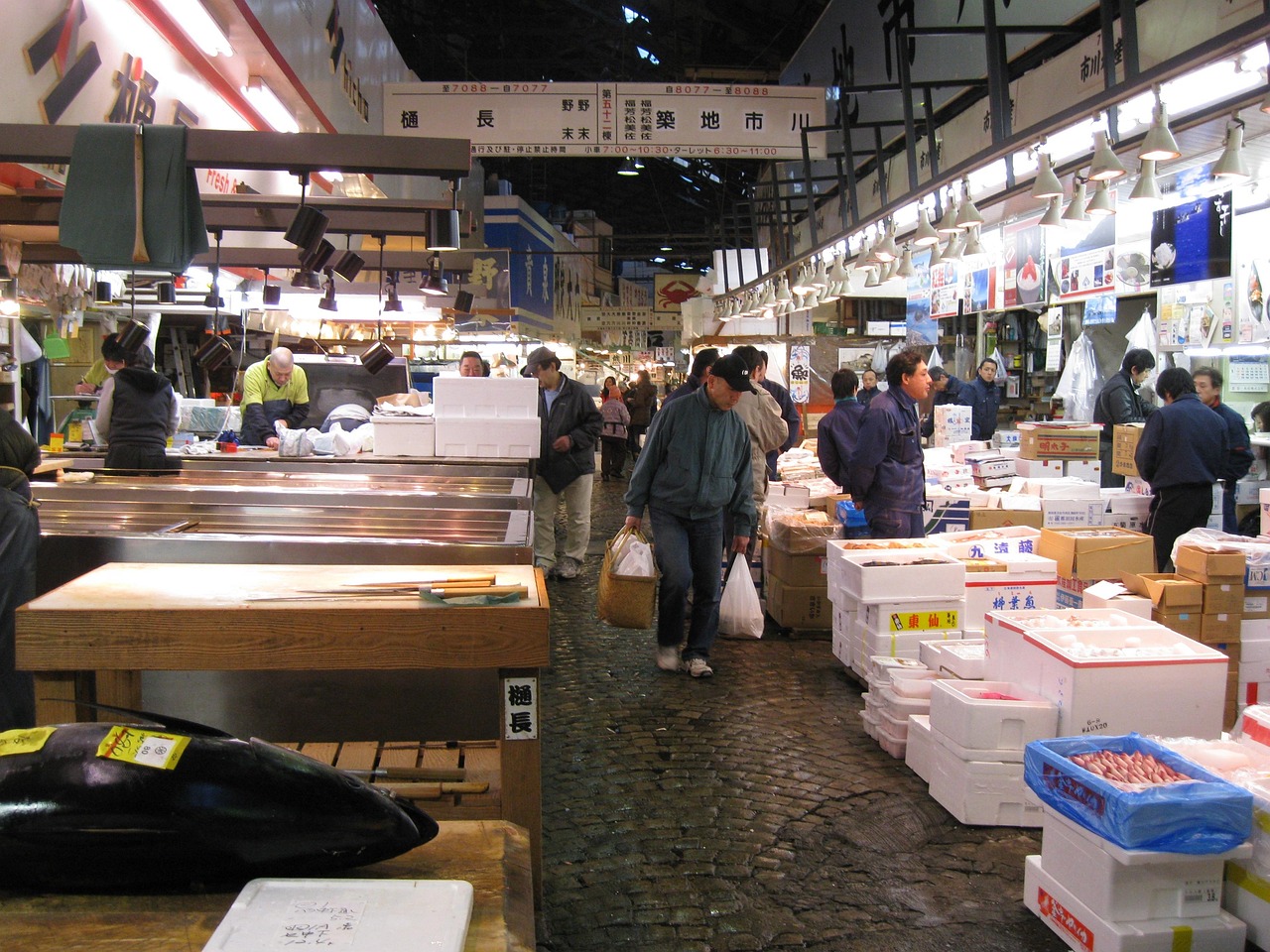
The old Tsukiji inner market moved to Toyosu, but the outer market remains one of my favorite places for breakfast. Narrow lanes packed with seafood stalls, tamagoyaki (sweet rolled omelet) stands, and tiny sushi counters.
What to do: At Tsukiji Outer Market, graze: grilled scallops with butter, uni on rice, tuna skewers, matcha ice cream. At Toyosu, you can watch the tuna auctions from observation decks if you book ahead, and dine in modern sushi restaurants overlooking the bay.
How to get there: Tsukiji: Tsukiji Station (Hibiya Line) or Shijo-mae Station (for Toyosu Market, Yurikamome Line).
Best for: Foodies, early risers.
Local tip: Go early (7–9 am) for the freshest sushi and fewer crowds. Many shops close by early afternoon.
13. Harajuku & Takeshita Street
Harajuku is pure fun. It’s where you’ll see teens in wild fashion, endless crepe stands, and quirky boutiques. On Sundays, the streets feel like a runway.
What to do: Walk down Takeshita-dori, then escape the crowds by exploring the backstreets toward Omotesando for independent designer shops and cafes. If you love people-watching, grab a bubble tea and sit near the station entrance.
How to get there: Harajuku Station (JR Yamanote), Meiji-jingumae (Chiyoda/Fukutoshin).
Best for: Youth culture, shoppers, families with teens.
Local tip: Takeshita can be insanely crowded on weekend afternoons; come early or on a weekday if you dislike being in a crush.
14. Omotesando & Aoyama Architecture Walk
Whenever I want to feel like I’m in a glossy architecture magazine, I walk Omotesando. This tree-lined avenue is flanked by flagship stores in bold, experimental buildings.
What to do: Start at Omotesando Station and stroll toward Harajuku, ducking into side streets for smaller boutiques and cafes. Don’t miss Omotesando Hills (Tadao Ando design) and the iconic glass facades of major brands.
Best for: Architecture lovers, design-minded travelers, cafe hoppers.
Local tip: Some of my best coffee in Tokyo has been found in Omotesando’s back alleys; keep an eye out for minimalist shop fronts and small signs.
15. Yanaka Ginza & Old Tokyo Streets
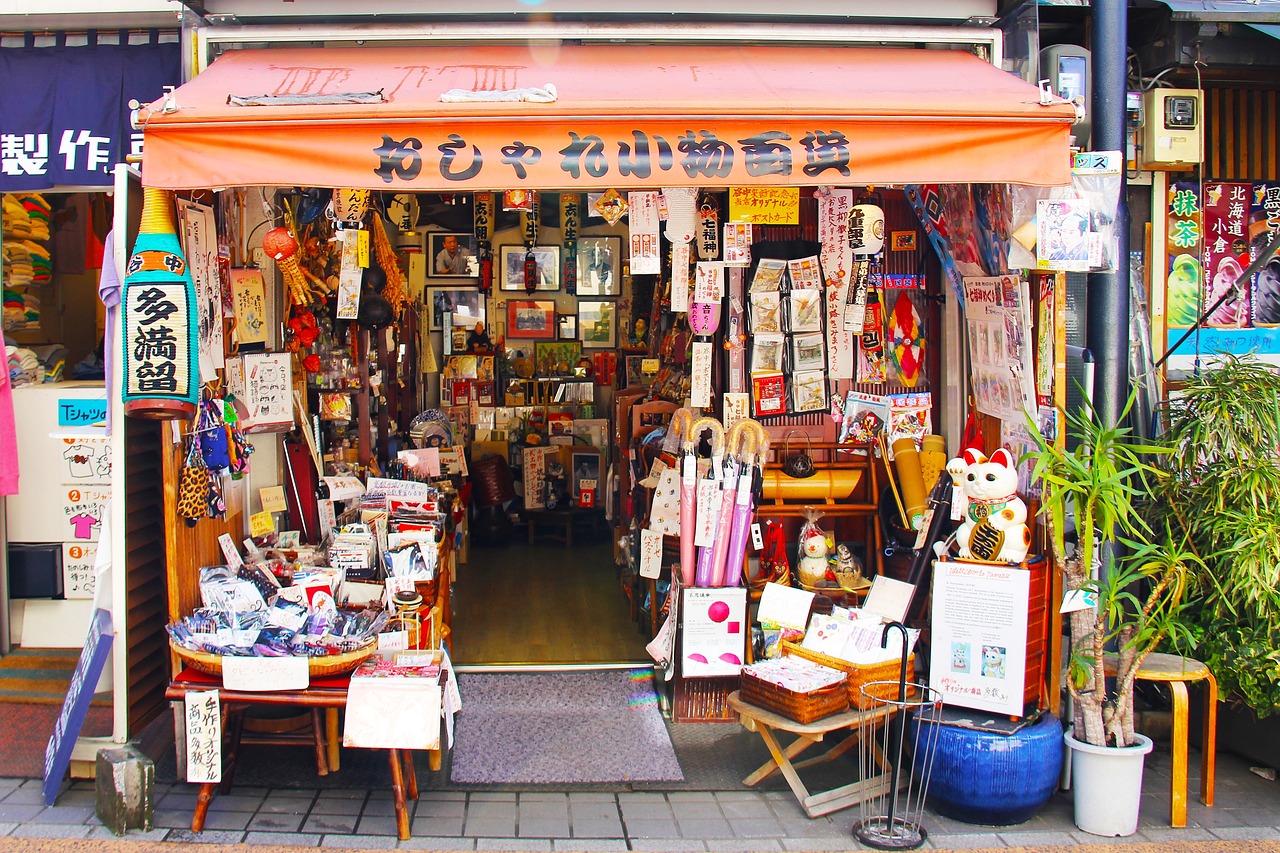
Yanaka is where I go when I want to time-travel. Unlike many areas, it survived WWII bombings and retains low-rise wooden houses, cats sunning themselves on steps, and a slower rhythm.
What to do: Walk down Yanaka Ginza shopping street, trying croquettes and small sweets shops. Explore side alleys, visit small temples, and wander up the stairway known as “Yuyake Dandan” (Sunset Steps) for evening light.
How to get there: Nippori Station (JR Yamanote, Keisei) then a short walk.
Best for: Photographers, walkers, anyone who likes local, non-touristy neighborhoods.
Local tip: Many shops are small family businesses; be mindful of closing times (often by early evening) and take care not to block narrow streets with tripods or large groups.
16. Sumida River Cruise & Asakusa–Odaiba Route
One of my favorite ways to see Tokyo’s layers is from the water. The Sumida River cruise connects Asakusa with Odaiba and other points along the river.
What to do: Take a boat from Asakusa down to Odaiba, passing under multiple bridges and seeing the skyline from a different angle. Some boats are designed by anime director Leiji Matsumoto and look like spaceships.
Best for: Families, couples, anyone needing a break from walking.
Local tip: Sit on the side facing Tokyo Skytree for the best views when departing Asakusa.
17. Rikugien Garden
Rikugien is my secret weapon when someone says, “I want a traditional Japanese garden but without crowds.” It’s a landscape garden built in the Edo period, centered on a pond with small hills and tea houses.
What to do: Walk the circular path, stopping at viewpoints that frame the scene like paintings. In autumn, the garden is illuminated at night, and the red maples reflected in the pond are magical.
How to get there: Komagome Station (JR Yamanote, Namboku Line).
Best for: Garden lovers, couples, repeat visitors.
Local tip: Combine with nearby Koishikawa Korakuen for a two-garden day if you love traditional landscaping.
18. Shimokitazawa: Vintage & Indie Scene
Shimokitazawa (Shimokita) is where Tokyo’s indie heart beats: secondhand clothing stores, tiny live music venues, record shops, and cozy cafes. I come here when I want Tokyo without the gloss.
What to do: Spend a few hours wandering narrow streets, browsing vintage shops, and stopping for pour-over coffee or curry. In the evening, catch a small gig in a basement live house.
How to get there: Shimokitazawa Station (Odakyu, Keio Inokashira Lines).
Best for: Young travelers, music fans, people who like Brooklyn/Shoreditch-style neighborhoods.
Local tip: Many shops open late (around 11 am or noon), so don’t come too early.
19. Omoide Yokocho & Golden Gai (Shinjuku’s Tiny Alleys)
Golden Gai and Omoide Yokocho are my favorite places to end a night in Shinjuku. Narrow lanes packed with tiny bars and yakitori joints, lanterns glowing, smoke in the air.
What to do: In Omoide Yokocho (“Memory Lane”), duck into a small counter bar for grilled skewers and beer. In Golden Gai, each bar has its own theme—film, jazz, punk, etc. Some are regulars-only, but more and more welcome visitors.
How to get there: Near Shinjuku Station’s west and east exits.
Best for: Nightlife, adventurous eaters, couples or friends. Not ideal for small children.
Local tip: Look for signs in English indicating visitors are welcome, and always pay the table charge (otoshi) without complaint—it’s standard here.
20. teamLab Planets & Digital Art Spaces
teamLab’s digital art installations are one of those “I can’t believe I’m inside this” experiences. I’ve visited multiple times, and it never feels the same twice.
What to do: Walk barefoot through shallow water, mirrored rooms, and immersive projections that respond to your movement. It’s highly Instagrammable but also genuinely impressive as art and technology.
Best for: Families, couples, art-tech fans.
Local tip: Book timed tickets in advance; slots sell out, especially on weekends and during holidays.
Suggested Itineraries: 3, 4, and 5 Days in Tokyo
Below is how I usually structure my time when friends visit for the first time. You can compress this into a 3 days in Tokyo plan by dropping a day, or stretch into a 5 day itinerary for Tokyo by including everything and adding slower mornings.
Classic 3 Day Itinerary for Tokyo (First-Time Visitors)
Day 1: Asakusa, Sumida River, and Skytree
When I’m hosting first-timers, I start with old Tokyo in the east and end on a high viewpoint. It sets the tone beautifully.
- Morning: Senso-ji Temple and Asakusa backstreets. Grab breakfast at Tsukiji-style sushi or a simple kissaten (old-school coffee shop) nearby.
- Midday: Wander along the Sumida River, maybe take a short river cruise, or walk toward Tokyo Skytree through quieter residential streets.
- Afternoon: Explore Solamachi shopping complex, have a snack, then head up Skytree for sunset.
- Evening: Dinner around Oshiage or back in Asakusa (try tempura or monjayaki). Night photos of Skytree reflected in the river are worth the detour.
Day 2: Shibuya, Harajuku, and Meiji Jingu
This day is a mix of pop culture, fashion, and a dose of calm at Meiji Shrine. It’s one of my favorite walking routes in the city.
- Morning: Start at Meiji Jingu, entering from Harajuku side. Enjoy the forest walk and shrine.
- Late Morning: Dive into Takeshita Street for crepes and people-watching. Then drift toward Omotesando’s stylish avenues.
- Afternoon: Walk to Shibuya, explore Shibuya Center-gai, do some shopping, and relax in a cafe overlooking the crossing.
- Evening: Visit Shibuya Sky for night views, then dinner at a local izakaya or ramen joint.
Day 3: Shinjuku, Ueno, or Akihabara (Choose Your Theme)
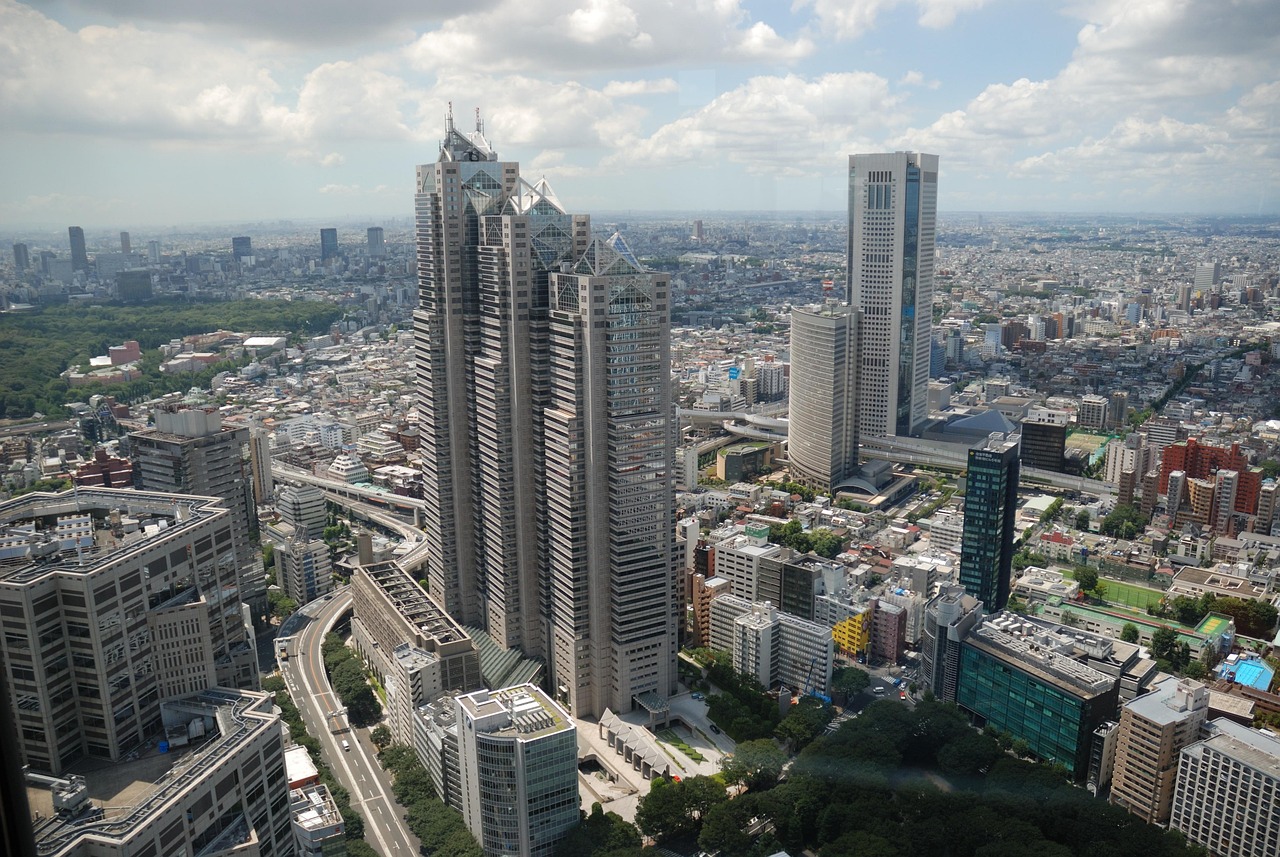
On the third day, I tailor the plan depending on what my friends like most.
- Option A – Culture & Parks: Ueno Park, Tokyo National Museum, Yanaka Ginza.
- Option B – Neon & Nightlife: Shinjuku Gyoen in the morning, shopping around Shinjuku, then Omoide Yokocho and Golden Gai at night.
- Option C – Anime & Electronics: Akihabara in the morning, then cross to nearby Kanda/Jimbocho for used books and curry.
Any of these can complete a compact but rich 3 day itinerary for Tokyo.
4 Day Itinerary for Tokyo (Add a Bay or Neighborhood Day)
For 4 days in Tokyo, I add either a bay/waterfront day or a deeper neighborhood dive.
Day 4 Option 1: Odaiba & Tokyo Bay
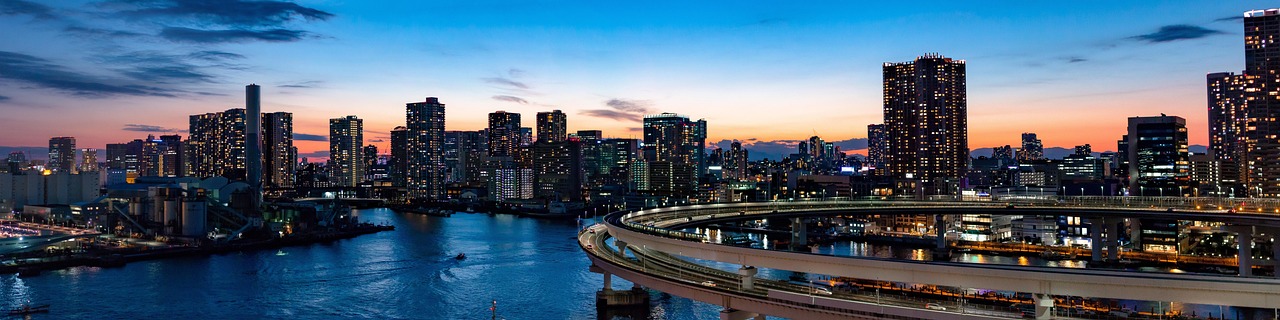
Perfect for families or if you encounter rain.
- Morning: Head to Odaiba via Yurikamome Line, stop at teamLab Planets if timed tickets allow.
- Afternoon: Lunch with a bay view, stroll the boardwalk, visit entertainment complexes or museums.
- Evening: Enjoy Rainbow Bridge views at sunset, then ride back to central Tokyo for dinner.
Day 4 Option 2: Shimokitazawa & Nakameguro
This is my favorite “local life” day.
- Morning: Coffee and vintage browsing in Shimokitazawa.
- Afternoon: Train to Nakameguro, walk along the canal (especially lovely in spring), explore small boutiques and bakeries.
- Evening: Dinner at a neighborhood izakaya or yakitori spot.
5 Day Itinerary for Tokyo (Slow Down & Add a Day Trip)
With 5 days in Tokyo, you can see the highlights and also breathe. I strongly recommend adding one day trip.
Day 5: Day Trip from Tokyo
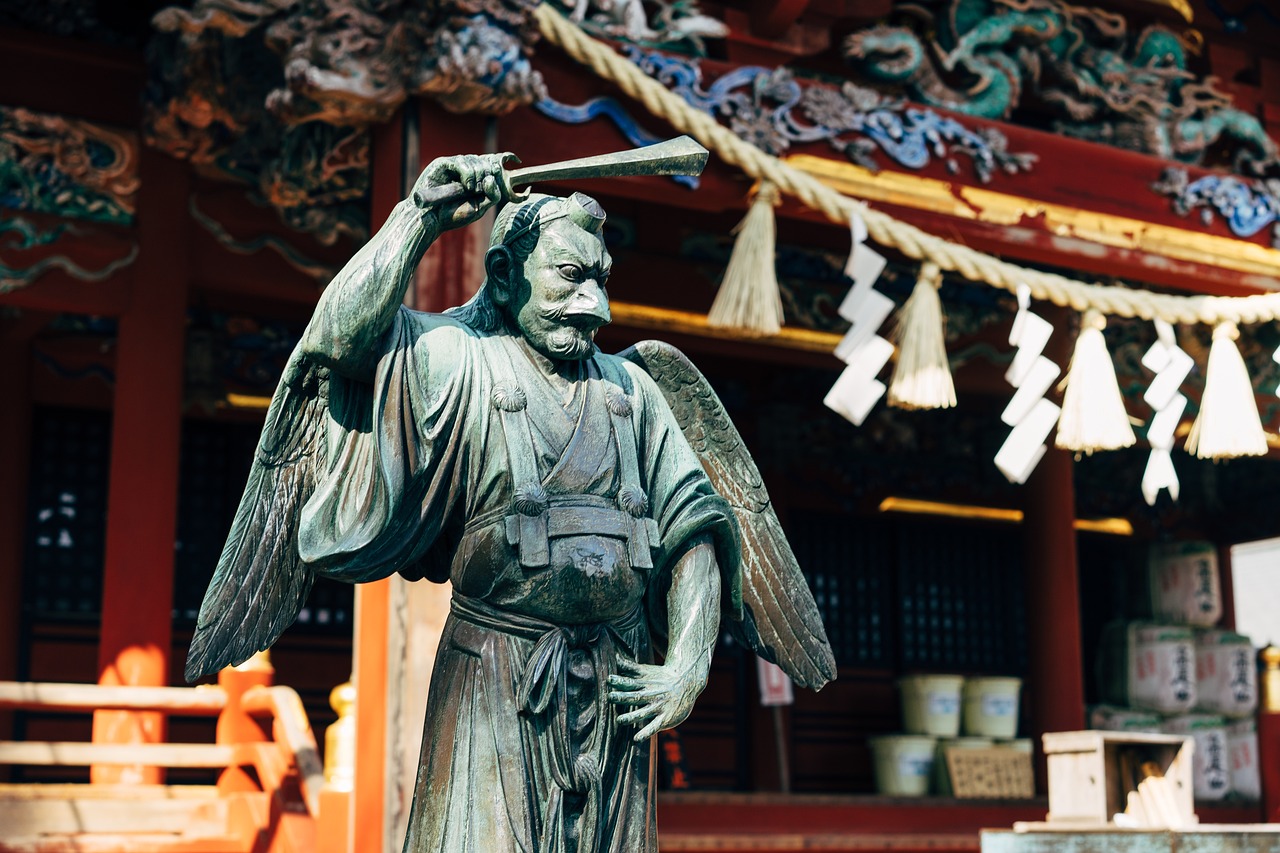
- Nikko: Shrines in the forest, waterfalls, and mountain air (2 hours each way).
- Kamakura & Enoshima: Coastal temples, the Great Buddha, and beaches (1–1.5 hours).
- Hakone: Onsen, Lake Ashi, and Mt. Fuji views (allow a full day).
- Mount Takao: Easy hiking, foliage, and temple complexes just outside Tokyo proper.
For a first visit, Kamakura or Nikko work beautifully as they’re easy to navigate and full of history.
Local Food in Tokyo: What & Where to Eat
I measure my trips to Tokyo in bowls of ramen and plates of sushi. Tokyo is one of the world’s great food cities—from tiny counters to Michelin-starred dining.
Must-Try Dishes
- Sushi & Sashimi: From high-end omakase to standing sushi bars. Try breakfast sushi at Tsukiji Outer Market or a casual chain like Uogashi Nihon-ichi.
- Ramen: Tonkotsu, shoyu, miso, tsukemen… my trick is to look for short menus and long lines of locals. Chains like Ichiran or Ippudo are reliable, but independent shops in Shinjuku, Ikebukuro, and Nakano are excellent.
- Tempura: Lightly battered seafood and vegetables. Asakusa is known for classic tempura restaurants.
- Yakitori: Grilled chicken skewers, best enjoyed with beer in an izakaya or under-the-tracks joint in Yurakucho or Shinjuku.
- Okonomiyaki & Monjayaki: Savory pancakes; try Tsukishima for monja and parts of Shibuya or Asakusa for okonomiyaki.
- Katsu (Tonkatsu): Breaded pork cutlets served with shredded cabbage and rice. Look for specialist shops.
- Sweets: Taiyaki, dorayaki, matcha parfaits, seasonal wagashi (traditional sweets).
Saving Money on Food
On long stays, I mix splurge meals with budget days:
- Department store basements (depachika) have high-quality bento and snacks at good value, especially after 7 pm when discounts kick in.
- Konbini (7-Eleven, Lawson, FamilyMart) offer surprisingly good onigiri, sandwiches, salads, and hot snacks.
- Lunch sets (teishoku) at many restaurants are significantly cheaper than dinner.
Drinks & Nightlife
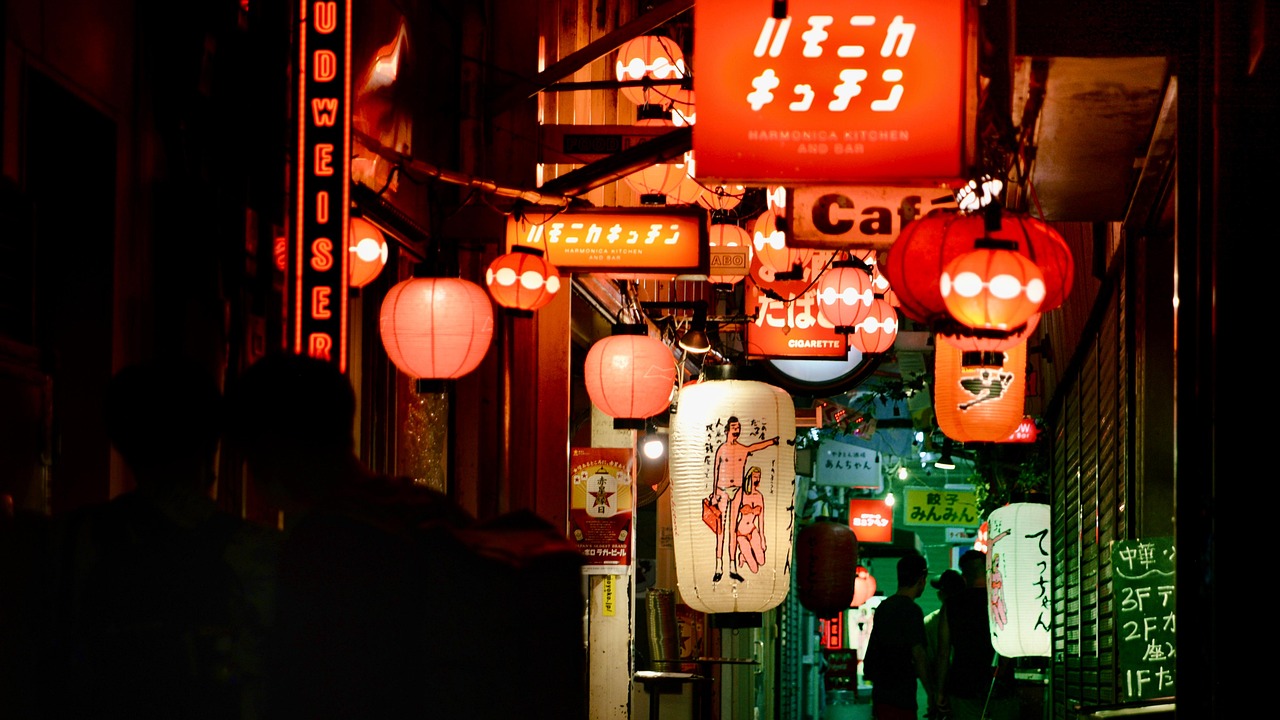
Try local beer, highballs (whisky and soda), and sake in izakaya. Craft beer bars are scattered across neighborhoods like Kanda, Shibuya, and Shimokitazawa. For cocktails, hotel bars in Shinjuku, Shibuya, and Ginza have excellent mixologists—but expect to pay a premium and sometimes a cover charge.
Nightlife, Entertainment & Cultural Experiences
Tokyo after dark is a different city: lantern-lit alleys, rooftop bars, late-night ramen, and all-night karaoke boxes.
Nightlife Districts
- Shinjuku: Golden Gai, Kabukicho (lively, sometimes seedy), Omoide Yokocho.
- Shibuya: Clubs, live music, casual bars, late-night dining.
- Roppongi: Expat-heavy bars, clubs, and upscale lounges.
Cultural Experiences
- Kabuki at Kabukiza: Traditional theater with single-act tickets.
- Tea ceremony: Bookable experiences in Asakusa, Ueno, or cultural centers.
- Sumo: Tournaments in Tokyo usually held in January, May, and September at Ryogoku Kokugikan. Outside these months, mornings at sumo stables (with advance arrangement) are possible.
- Workshops: Calligraphy, wagashi making, kimono dressing, and more—look for vetted operators that keep group sizes small.
Best Day Trips from Tokyo
When I’ve had a few busy city days, I love escaping to one of these places.
Nikko
Lavish shrines in a cedar forest, waterfalls, and mountain air. Take the Tobu line from Asakusa or JR from Tokyo/Ueno. Perfect for history and nature lovers.
Kamakura & Enoshima
Temples, the Great Buddha statue, and coastal walks. Easy train ride from Tokyo or Shinjuku on JR lines. Great for a relaxed day with a mix of culture and sea breeze.
Hakone
Onsen, mountain views, and (on clear days) Mt. Fuji. Use the Hakone Freepass for transport savings. Ideal for a romantic or restorative day, or overnight.
Mount Takao
Just outside Tokyo, an easy hike with temple complexes and foliage. From Shinjuku, take the Keio Line. Popular in autumn; go early on weekends.
Cultural Etiquette & Local Customs in Tokyo
Tokyoites are generally forgiving of visitors, but observing a few basic customs goes a long way.
- Quiet on trains: Keep voices low, set phones to silent, and don’t talk on your phone in carriages.
- Queuing: Stand in line for trains, elevators, and registers. Look for floor markings.
- Shoes off: Remove shoes when entering homes, some traditional accommodations, and certain restaurants. If you see a row of shoes at the entrance or a raised floor, that’s your cue.
- Cash & cards: Tapping IC cards is common, but small cash is still useful for shrines, mom-and-pop shops, and some older restaurants.
- Trash: Public bins are rare; carry a small bag for your rubbish and dispose of it back at your hotel or a convenience store (for items you bought there).
- Tipping: Not customary. Good service is included. Leaving cash can confuse staff.
- Onsen etiquette: Wash thoroughly before entering baths, no swimsuits, and tattoos may be restricted (though this is slowly changing). Check rules beforehand.
Practical Travel Tips for Tokyo (2026)
Getting Around
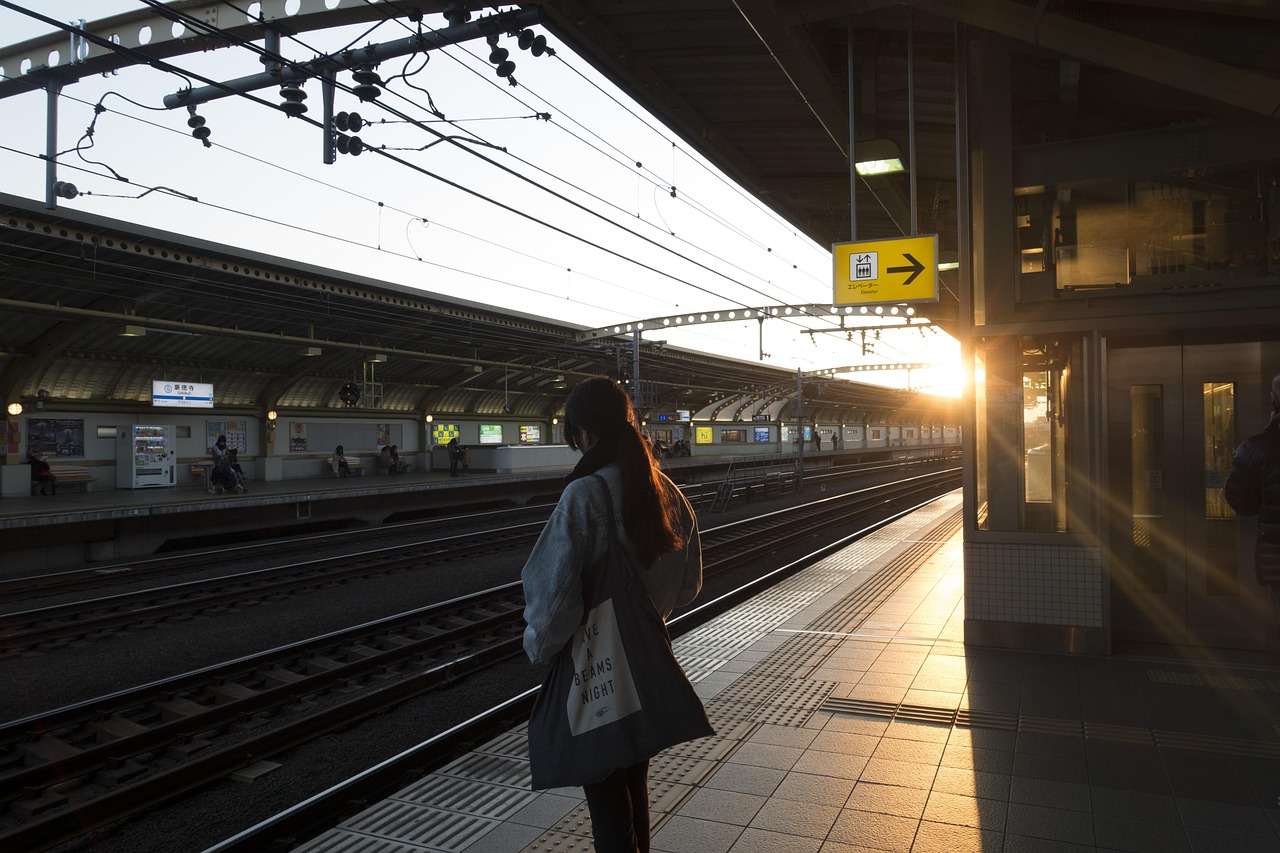
Tokyo’s public transport is one of the best in the world: punctual, clean, and safe.
- IC Cards: Suica and PASMO (and their newer mobile versions) work on almost all trains, subways, and buses, plus many shops. In 2026, mobile Suica/PASMO on smartphones and watches is widespread and very convenient.
- JR vs Metro: JR Yamanote Line is the main loop; Tokyo Metro and Toei lines fill in gaps. Don’t worry too much about distinctions; Google Maps, Apple Maps, and local apps like Navitime are very accurate.
- Car Rental: Not recommended inside Tokyo; traffic and parking are a hassle. Useful only if you’re exploring rural areas by road.
SIM Cards & Connectivity
In 2026, eSIMs and pocket Wi-Fi are the norm.
- Buy an eSIM before arrival from major travel eSIM providers; activate on landing.
- Alternatively, rent a pocket Wi-Fi at the airport. Good for groups since you can share one connection.
Money & Budgeting
Tokyo can be expensive, but smart choices keep it reasonable.
- ATMs: 7-Eleven, FamilyMart, and Japan Post ATMs accept most international cards.
- Daily budgets: On a mid-range budget, allow roughly ¥10,000–¥15,000 per day for food, local transport, and attractions (excluding accommodation).
- Saving tips: Mix convenience store meals with occasional splurges, use passes (like subway day passes) only if you’ll ride enough to justify them.
Visas & Entry (Check Your Nationality)
Many nationalities enjoy visa-free short stays in Japan, but rules do change. Always check the official Ministry of Foreign Affairs website or your local embassy before travel.
- Ensure your passport is valid for the duration of your stay (some airlines prefer 6 months).
- Return or onward ticket may be requested on entry.
Driving & International Licenses
If you plan to drive outside Tokyo or join go-kart-style tours (where available), you’ll generally need:
- An International Driving Permit (IDP) based on the 1949 Geneva Convention, issued in your home country, plus your original license.
- Some countries (like Switzerland, Germany, France) may need a certified Japanese translation of the license instead; check rules before arrival.
Accommodation: Where to Stay
I usually recommend:
- Shinjuku: Best-connected, lively, lots of hotel options from business hotels to luxury towers.
- Shibuya: Great for younger travelers and nightlife, easy to reach most attractions.
- Ueno/Asakusa: Slightly cheaper, more traditional vibe, good for families and early train connections.
- Tokyo Station/Marunouchi: Ideal if you’re doing multiple day trips; easy Shinkansen access.
For budget, consider business hotels (compact but efficient), hostels with private rooms, or small guesthouses in areas like Asakusa or Yanaka.
Hidden Money-Saving Tips
- Use supermarket and convenience store bentos for some meals.
- Plan your “paid attractions” days (observatories, museums) together and leave other days for free explorations of neighborhoods and parks.
- Look out for combination tickets (e.g., museum + observatory) and weekday discounts.
When to Visit Tokyo & Seasonal Highlights
I’ve visited Tokyo in every season, and each has its strengths.
Spring (March–May)
Cherry blossoms, mild temperatures, and lots of festivals. Crowded but magical. Ideal for park picnics and temple visits.
Summer (June–August)
Hot and humid, with a rainy season in June. However, it’s great for fireworks festivals, street food, and late-night walks. Pack light clothes and stay hydrated.
Autumn (September–November)
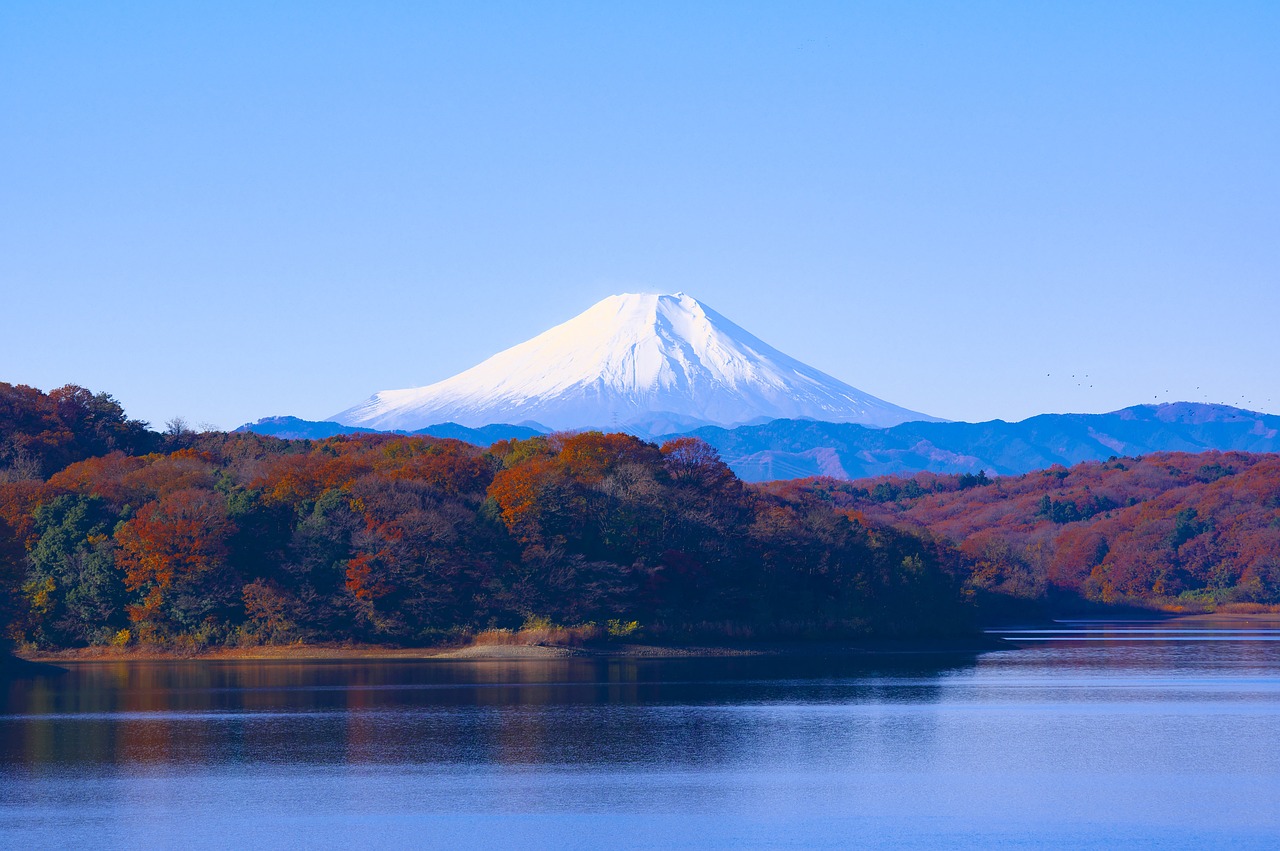
My personal favorite. Crisp air, foliage in parks and gardens, fewer crowds than spring. Perfect for walking-heavy itineraries.
Winter (December–February)
Cold but usually dry, with beautiful winter illuminations and fewer tourists (except New Year’s period). Great for hot springs, hearty food, and clear views from observatories.
Summary & Final Recommendations
Tokyo is a city you can visit for three days or three months and still feel like you’ve only scratched the surface. For a first-timer, a 3 day itinerary for Tokyo focused on Asakusa, Shibuya/Harajuku, and Shinjuku or Ueno will capture the essence. With 4 days in Tokyo, add Odaiba or a neighborhood exploration. With a 5 day itinerary for Tokyo, you can slow down and include a rewarding day trip.
My overarching advice:
- Don’t try to see everything; pick a few key districts each day.
- Balance busy, neon-heavy areas with quiet gardens and shrines.
- Say yes to small experiences: a random ramen shop, a backstreet cafe, a tiny bar with five seats.
- Respect local customs, move with the flow, and let Tokyo’s rhythm carry you.
For many of us, Tokyo becomes a place we keep returning to. I hope this travel guide for Tokyo in 2026 helps you craft your own stories here—and that, like me, you’ll find yourself planning your next visit before you’ve even left.