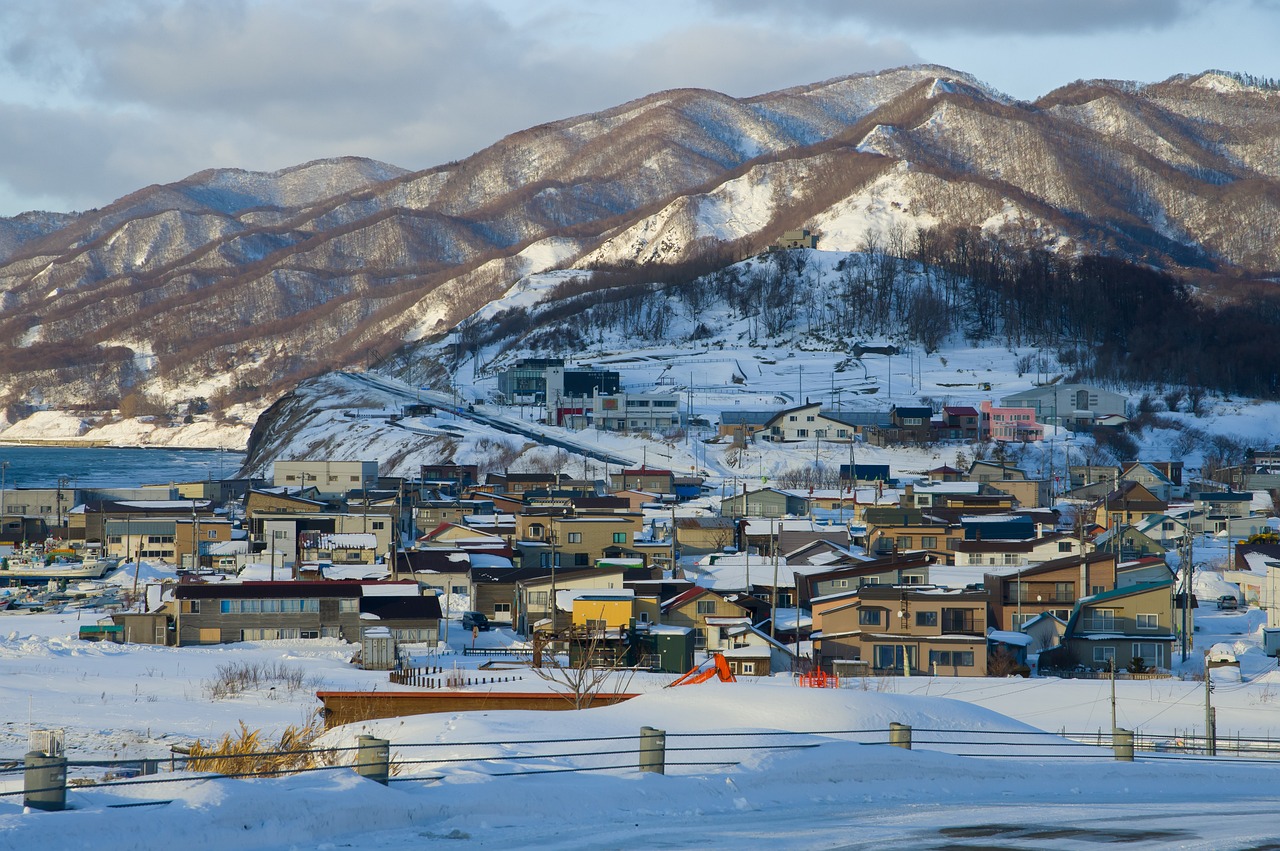
Why Visit Sapporo in 2026
Every time my train pulls into Sapporo Station and I step out into that crisp Hokkaido air, I remember why I keep coming back. Sapporo isn’t the neon overload of Tokyo or the temple maze of Kyoto. It’s a city that breathes: wide streets, big skies, and a rhythm that feels both cosmopolitan and surprisingly relaxed.
In 2026, Sapporo is especially worth your time. The city has been quietly polishing its parks, renovating classic attractions, and doubling down on what makes it special: snow festivals, craft beer, ramen, soft-serve ice cream made with Hokkaido milk, and a food scene that’s obsessed—truly obsessed—with fresh seafood and seasonal produce.
Think of Sapporo as your gateway to Hokkaido: you can spend 3 days in Sapporo as a city break, or build a 4 or 5 day itinerary for Sapporo as a base to explore nearby hot springs, ski resorts, and coastal towns. It’s perfect for families (lots of parks and easy public transport), couples (romantic night views and cozy izakaya), and adventure seekers (skiing, snowboarding, hiking, and more).
And unlike some Japanese cities that can feel overwhelming to first-timers, Sapporo is forgiving. The grid-style streets are logical, the people are patient, and English signage is surprisingly common. If you’ve been hesitating about Japan, Sapporo is a gentle and delicious place to start.
Table of Contents
- Why Visit Sapporo in 2026
- Sapporo at a Glance
- Neighborhoods & Districts
- Top 20+ Must-See Attractions in Sapporo
- Suggested 3–5 Day Itineraries
- Local Food & Drink in Sapporo
- Nightlife, Entertainment & Cultural Experiences
- Best Day Trips from Sapporo
- Cultural Etiquette & Local Customs in Sapporo
- Practical Travel Tips for Sapporo (2026–2027)
- When to Visit Sapporo & Final Takeaways
Sapporo at a Glance
Sapporo is the capital of Hokkaido, Japan’s northernmost main island. Built on a grid like many North American cities, it feels more modern and spacious than other Japanese cities. Winters are snowy and magical; summers are mild and comfortable. Spring and autumn are short but beautiful, with cherry blossoms and fiery foliage framing the city’s parks.
- Population: ~2 million
- Best known for: Sapporo Snow Festival, Sapporo Beer, miso ramen, fresh seafood, ski resorts
- Good for: Families, couples, foodies, skiers/snowboarders, first-time Japan visitors
- Ideal trip length: 3–5 days in Sapporo (plus extra days for wider Hokkaido)
Key Neighborhoods & Districts in Sapporo
Odori & City Center
Odori is the heart of Sapporo, where I usually base myself. Odori Park cuts right through the city, a green (or white, in winter) ribbon lined with seasonal festivals, food stalls, and street performers. From here you can walk to most must-see attractions in Sapporo: the TV Tower, Tanukikoji Shopping Arcade, Susukino, and the Sapporo Clock Tower.
Susukino
Susukino is Sapporo’s nightlife district: glowing neon, ramen alleyways, izakaya, karaoke bars. It looks wild but feels safe; I’ve walked here alone late at night many times and never felt uncomfortable. It’s perfect if you want to be able to grab a bowl of ramen at midnight or duck into a cozy bar after a day of exploring.
JR Sapporo Station Area
The station area is modern and convenient, packed with department stores and underground shopping malls. Staying near Sapporo Station makes day trips effortless. I often stay here in winter because I can duck into the underground passages and avoid the snow when I’m feeling lazy.
Maruyama & West Sapporo
Quieter and more residential, Maruyama is known for its big park, zoo, and Hokkaido Shrine. It’s where I go when I need a break from the city. In spring, locals gather here under cherry blossoms for hanami picnics—if you want a non-touristy seasonal experience, this is it.
Moiwa & South Sapporo
South Sapporo is greener and hillier, with Mount Moiwa offering some of the best night views in the city. There are also onsen (hot springs) and quieter residential neighborhoods where you’ll find low-key local restaurants and cafes.
Teine & Outskirts
On the outskirts, places like Teine and the surrounding hills host ski areas in winter and hiking trails in summer. They’re easy day trips and great if you want to add some adventure to a 3 or 4 day itinerary for Sapporo.
Top 20+ Must-See Attractions in Sapporo (With Local Insights)
Below are detailed, story-style snapshots of more than 20 of the best places to visit in Sapporo. You don’t need to see them all, but mix and match to build your own 3 day itinerary for Sapporo, 4 day itinerary, or even 5 days in Sapporo.
1. Odori Park (Ōdōri Kōen)
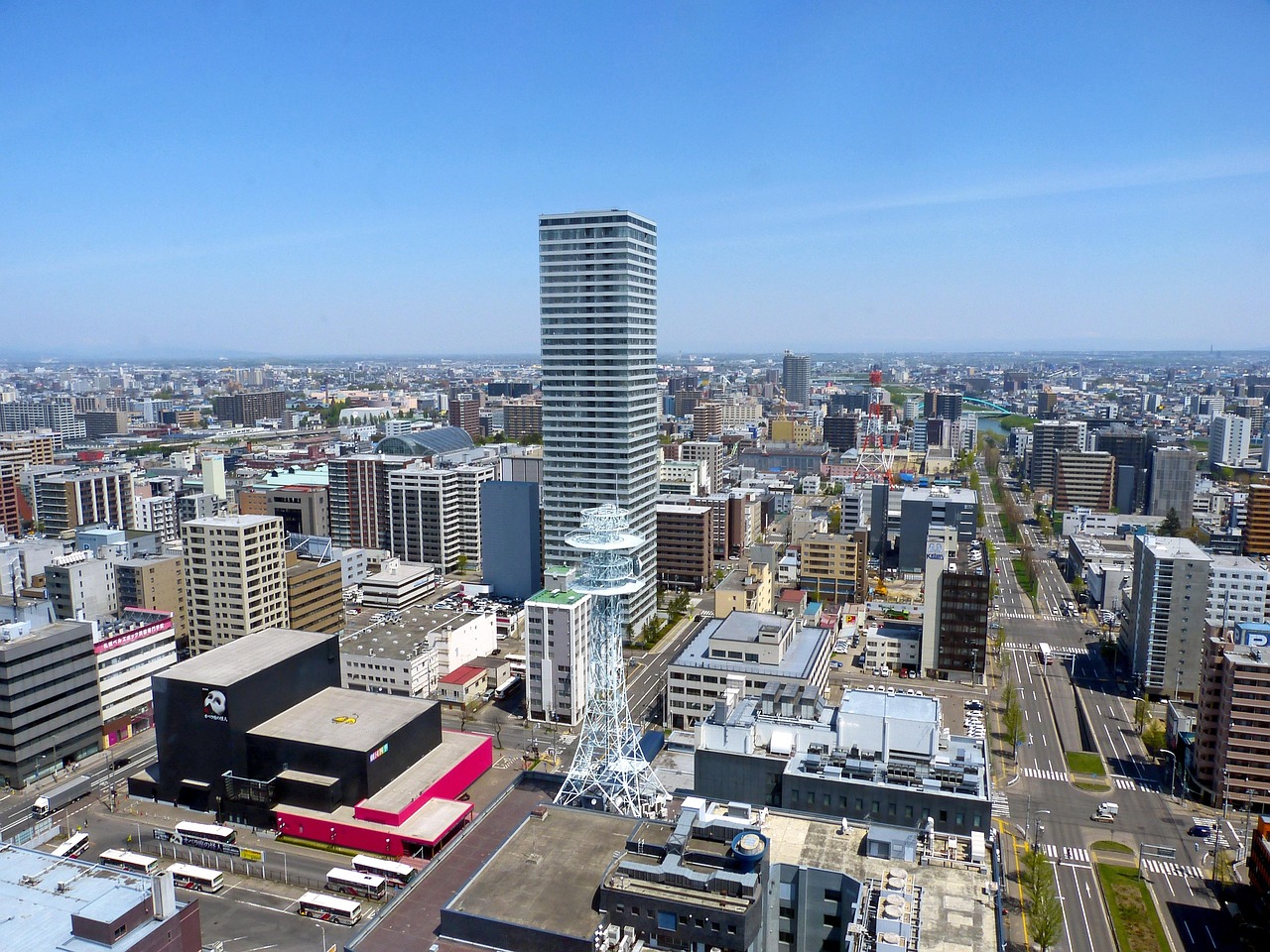
Odori Park is the spine of Sapporo. I’ve strolled along it in every season: under cherry blossoms in late April, surrounded by sunflowers and food stalls in summer, wrapped in a scarf watching snow sculptures glow at night in February.
Originally planned as a firebreak, Odori became Sapporo’s central park, stretching about 1.5 km through downtown. Each block has a slightly different character: fountains, flower beds, modern art, playgrounds, and in winter, snow festival sites.
What I usually do here: In the morning, I grab a coffee from a nearby cafe and wander from the TV Tower end toward the west, watching locals walk their dogs and office workers cut through the park. In the evening, especially in summer, I come back for one of the seasonal beer gardens that pop up—each major brewery gets its own section, and the vibe is like a relaxed, open-air Oktoberfest, Japanese-style.
Best time to visit: Late afternoon into sunset. In winter, come after dark to see the illuminations or snow sculptures. In summer, sunset is perfect for photos of the skyline framing the park.
How to get there: Odori Station (Subway Namboku, Tozai, and Toho lines) puts you right in the middle. Sapporo Station is a 10–15 minute walk through underground passages if it’s snowy.
Tips: If you’re short on time (3 days in Sapporo goes fast), use Odori Park as your navigation anchor; most central attractions are within walking distance. In winter, wear boots with good grip—the paths can be icy.
2. Sapporo TV Tower
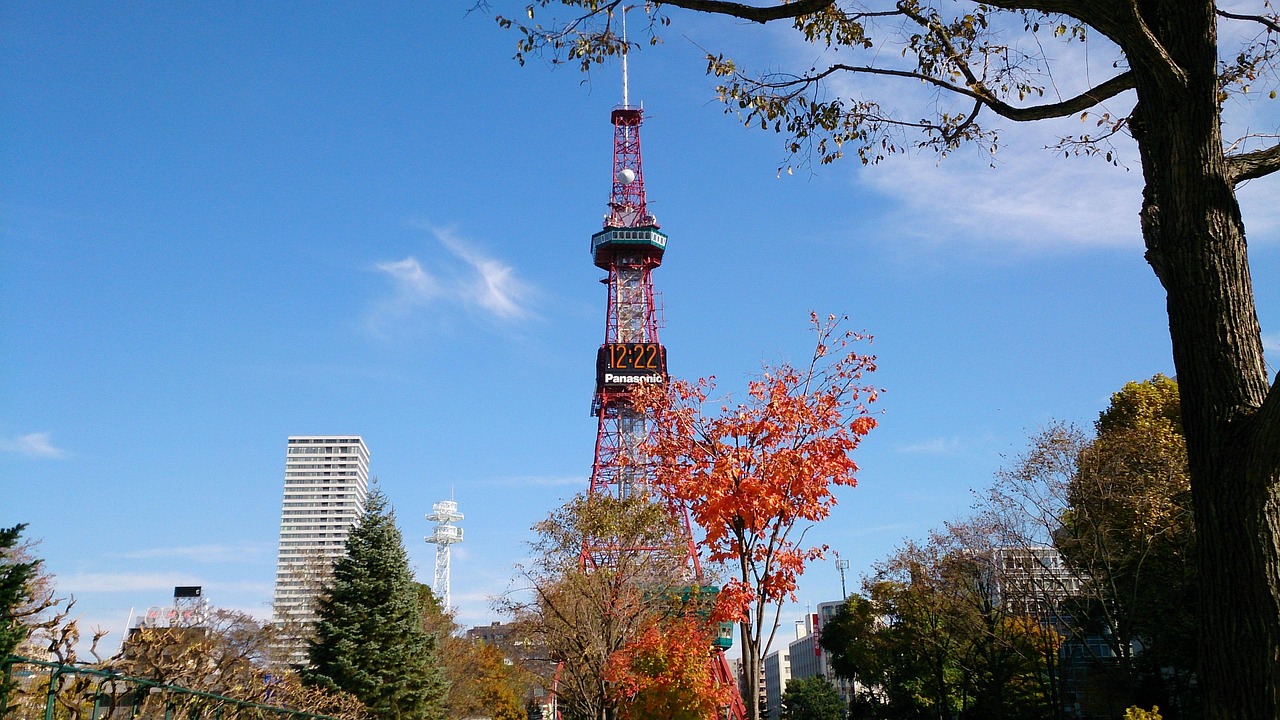
Sapporo TV Tower stands at the eastern end of Odori Park, a retro steel structure that’s been watching over the city since 1957. It’s not the tallest observation point in Sapporo, but it’s the most central, and it gives you that postcard-perfect view over Odori Park.
I like visiting twice if I can: once on a clear afternoon to get a sense of the city’s layout, and once at night to see the lights tracing the grid of streets. In winter, you’re looking down on sparkling illuminations and snow festival sculptures—it’s magical.
History & background: Built during Japan’s post-war modernization, it was once used to broadcast TV signals. Now it’s primarily an observation deck and symbol of central Sapporo.
Family-friendly? Yes. The elevator ride is quick, and the views are fun for kids. There’s usually some character merchandise and small exhibits at the top.
How to get there: Odori Station, exit toward the TV Tower; it’s a 2–3 minute walk.
Tip: If you’re debating between paying for the TV Tower or saving for Mount Moiwa, I’d pick Moiwa for drama and romance, and TV Tower if you’re short on time or focusing on central attractions.
3. Sapporo Clock Tower (Tokeidai)
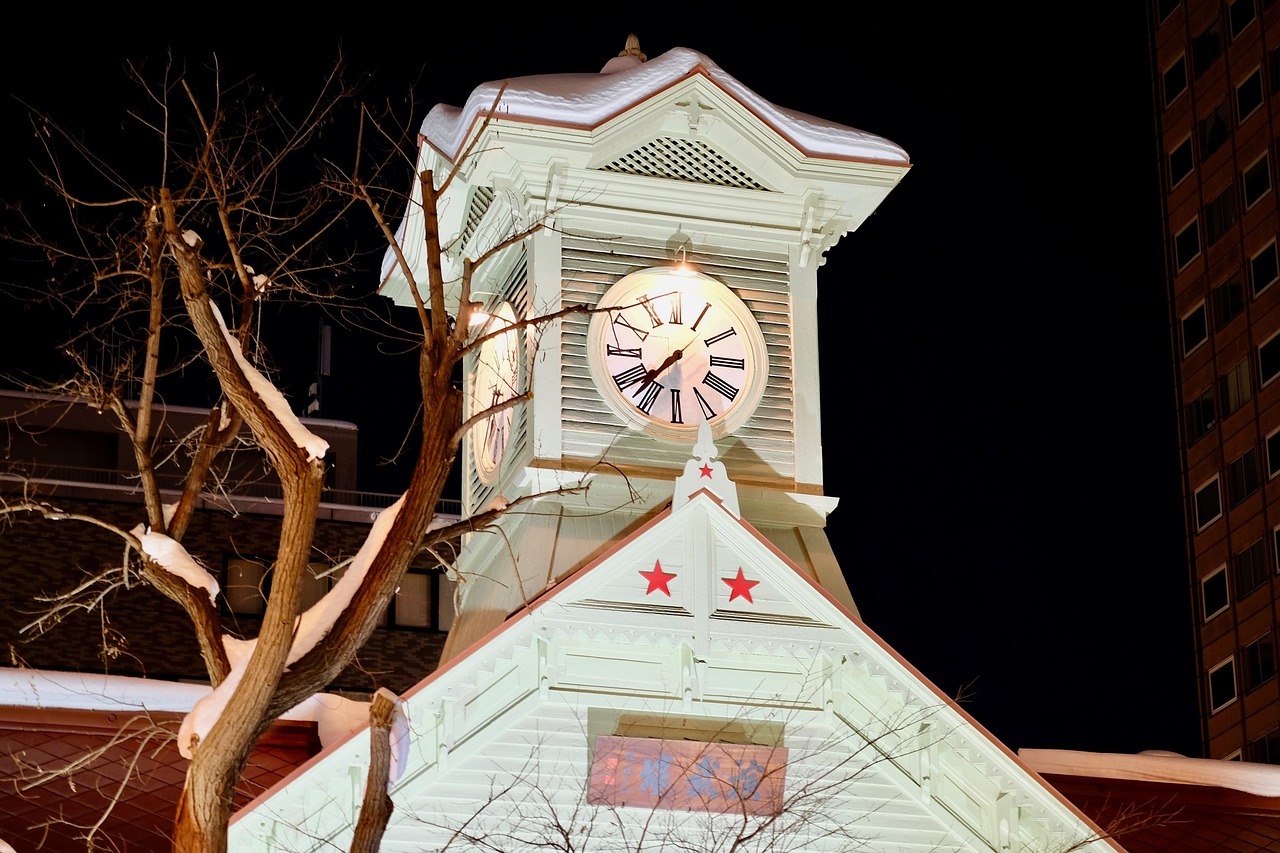
The Sapporo Clock Tower is one of those attractions locals kind of roll their eyes at and tourists instinctively photograph. It’s a modest, white wooden building dwarfed by modern office towers, but there’s something endearing about its stubborn presence.
Built in 1878 as part of the Sapporo Agricultural College (now Hokkaido University), it’s one of the city’s oldest buildings and reflects the early Western influence on Sapporo’s design. Inside, the small museum explains the city’s American-influenced grid layout and development.
Personal ritual: I usually stop by on my first day, on the way from Sapporo Station to Odori. I don’t go inside every time, but I always enjoy watching first-time visitors gasp a little when they see how small it really is.
Best for: History buffs, architecture fans, and anyone who likes “so ugly it’s cute” kind of icons.
How to get there: About 5 minutes on foot from Odori Station or Sapporo Station.
Tip: Visit early in the morning to avoid school groups and to get cleaner photos without too many people in the frame.
4. Sapporo Beer Museum & Sapporo Beer Garden
If you enjoy beer even a little, this is non-negotiable. Housed in a gorgeous red-brick building from the Meiji era, the Sapporo Beer Museum traces the story of Japan’s beer culture and Sapporo’s iconic brand, which started here in 1876.
My first visit was in deep winter; the walk from the station was icy and my fingers were numb, but stepping into the warm, malty-smelling hall felt like entering another world. The museum itself is fairly small, with exhibits (in Japanese and some English) about brewing history, advertising, and branding.
The real fun is downstairs at the tasting counter and in the adjoining Sapporo Beer Garden. You can sample different brews, including some you don’t easily find elsewhere, and then move to the beer hall for Genghis Khan (jingisukan)—Hokkaido’s signature grilled mutton and vegetables cooked on a dome-shaped grill at your table.
Romantic or family-friendly? Both, strangely. I’ve seen dates, families with kids, and big groups of friends. The atmosphere is loud and convivial rather than rowdy.
How to get there: From Sapporo Station, either walk about 20 minutes, or take the Loop 88 Factory Bus or a short taxi ride.
Tips:
- Reservations recommended in peak seasons (Snow Festival, Golden Week, summer).
- If you’re on a budget, stick to the museum + tasting and skip the full all-you-can-eat course.
5. Susukino District
Susukino is Sapporo’s answer to Shinjuku or Dotonbori—neon-soaked, noisy, and endlessly fascinating. I’ve spent more late nights here than I care to admit: slurping miso ramen at 1 am, singing terrible karaoke with friends, or just people-watching from a bar window seat.
The iconic view is from the intersection where the big Nikka Whiskey sign glows above the traffic. From there, smaller streets lead to ramen alleys, izakaya-lined lanes, and more adult-oriented venues (which are easy to avoid if you’re not interested).
Best for: Nightlife, food, and getting a feel for how Sapporo locals unwind. It’s an essential part of any 3 day itinerary for Sapporo if you like cities after dark.
Safety: It looks intense but is generally safe. I’ve never had issues walking alone; just exercise normal city awareness.
Tip: If you’re with kids, come early in the evening for ramen and leave before things get rowdier; it’s still fine, just more adult energy later on.
6. Ramen Yokocho (Ramen Alley)
On a snowy night, there’s nothing better than ducking into Ramen Yokocho, the narrow alley in Susukino lined with tiny ramen shops. Steam rises from pots of broth, cooks shout greetings, and you squeeze onto a stool shoulder-to-shoulder with strangers.
Sapporo is the home of miso ramen, and this is one of the best places to try it. I still remember my first bowl here—thick, slightly smoky miso broth, a slab of butter melting on top (very Hokkaido), sweet corn, and chewy noodles. It set an impossibly high bar for every bowl after.
How to choose a shop: I usually look for a place with a mix of locals and visitors, not just a huge line of tourists. Don’t worry too much—most are good.
Ordering tips: Many shops use vending machines: insert cash, choose your ramen (miso is a must-try), hand the ticket to the staff. If you’re unsure, say “osusume” (recommended) and smile.
Budget: Expect around ¥900–¥1,400 per bowl.
7. Hokkaido Shrine (Hokkaidō Jingū)
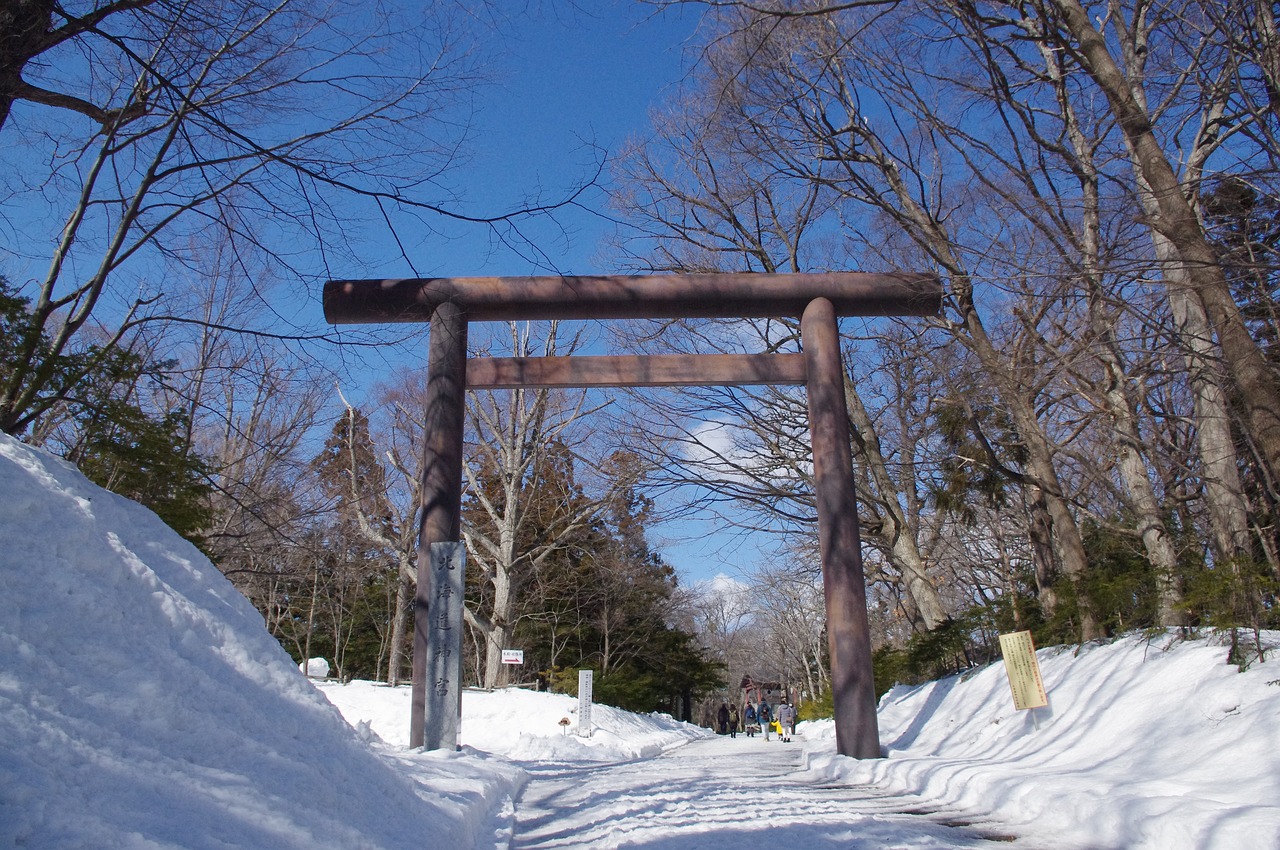
Tucked inside Maruyama Park, Hokkaido Shrine is where I go when I want to slow down. The approach road, lined with towering trees, feels a world away from Odori’s downtown energy. In late April and early May, the path is framed by cherry blossoms and it becomes one of the most beautiful (and lively) places in the city.
Built in 1869 to enshrine the deities protecting Hokkaido’s development, the shrine is now a spiritual heart of Sapporo. I like to follow the local rituals: bow lightly at the torii gate, purify your hands and mouth at the water basin, and offer a small prayer at the main hall.
Seasonal highlights:
- Spring: Cherry blossoms and hanami picnics.
- New Year: Huge crowds come for hatsumode (first shrine visit of the year).
- Autumn: Quiet, with beautiful foliage.
How to get there: Maruyama-Koen Station (Tozai Line), then a 10-minute walk through Maruyama Park.
Tip: Combine with Maruyama Zoo or a cafe stop in Maruyama’s residential streets for a relaxed half-day.
8. Maruyama Park & Maruyama Zoo
Maruyama Park is my favorite “breathing space” in Sapporo. Trails wind through the trees, families picnic in clearings, and in winter the whole area turns into a quiet, snow-blanketed forest.
Next door, Maruyama Zoo is one of the best family-friendly things to do in Sapporo. I’ve visited with friends and their kids, and the enclosures are relatively spacious by Japanese standards, with a focus on cold-climate animals like polar bears and red pandas.
Best for: Families, nature lovers, anyone needing a break from the city grid.
How to get there: Maruyama-Koen Station, walk straight toward the park.
Tip: In cherry blossom season, come early; the park gets very busy with hanami parties.
9. Mount Moiwa (Moiwa-yama)
If you want a romantic experience in Sapporo, this is it. Mount Moiwa’s summit offers a 360-degree view of the city and the surrounding mountains, and the night view is officially ranked as one of Japan’s best.
The journey up is part of the fun: a ropeway cable car, a short ride on a mini cable car, then a viewing platform where couples pose at the “lover’s sanctuary” bell. I’ve been up in every season: summer sunsets with warm breezes, autumn skies blazing orange, and winter nights where you can see your breath in the freezing air as the city glitters below.
Adventure? There are hiking trails up the mountain (best in late spring to autumn), but most visitors use the ropeway.
How to get there: Take the streetcar to Ropeway Iriguchi stop, then a shuttle bus or 5–10 minute walk to the ropeway station.
Tip: Check sunset time and aim to arrive 30–40 minutes before. Stay until the city is fully lit.
10. Moerenuma Park
Moerenuma Park is where Sapporo lets its artistic side run wild. Designed by the famed sculptor Isamu Noguchi, the entire park is a piece of landscape art: glass pyramids, geometric hills, and vast lawns laid out in bold shapes.
The first time I biked through here on a summer afternoon, it felt like I’d slipped into an architectural daydream. Kids rolled down grassy slopes, couples posed on the steps of the glass pyramid, and locals sunbathed like it was a beach.
What to do:
- Climb the artificial hills for sweeping views.
- Rent a bike at the park entrance (in summer).
- Visit the glass pyramid (Hidamari) for exhibitions and a cafe.
How to get there: From Sapporo Station, bus or a combination of subway and bus (about 40–50 minutes). It’s a bit of a trek, so best on a 4 or 5 day itinerary for Sapporo.
Tip: Bring snacks or a picnic; food options inside are limited.
11. Hokkaido University Campus
Hokkaido University’s campus is one of the prettiest city campuses I’ve ever walked through. Just a few minutes from Sapporo Station, it’s an oasis of wide avenues, old buildings, and tall trees.
My favorite time to visit is autumn, when the famous ginkgo avenue turns into a golden tunnel. Students ride bicycles under the falling leaves, and locals come just to stroll and take photos.
Good for: A peaceful walk, casual photography, and a peek into local student life.
How to get there: North exit of Sapporo Station, then walk straight into campus.
Tip: There’s a small museum of the university’s history; worth a quick visit if you’re curious about Hokkaido’s development.
12. Sapporo Snow Festival & Winter Illuminations
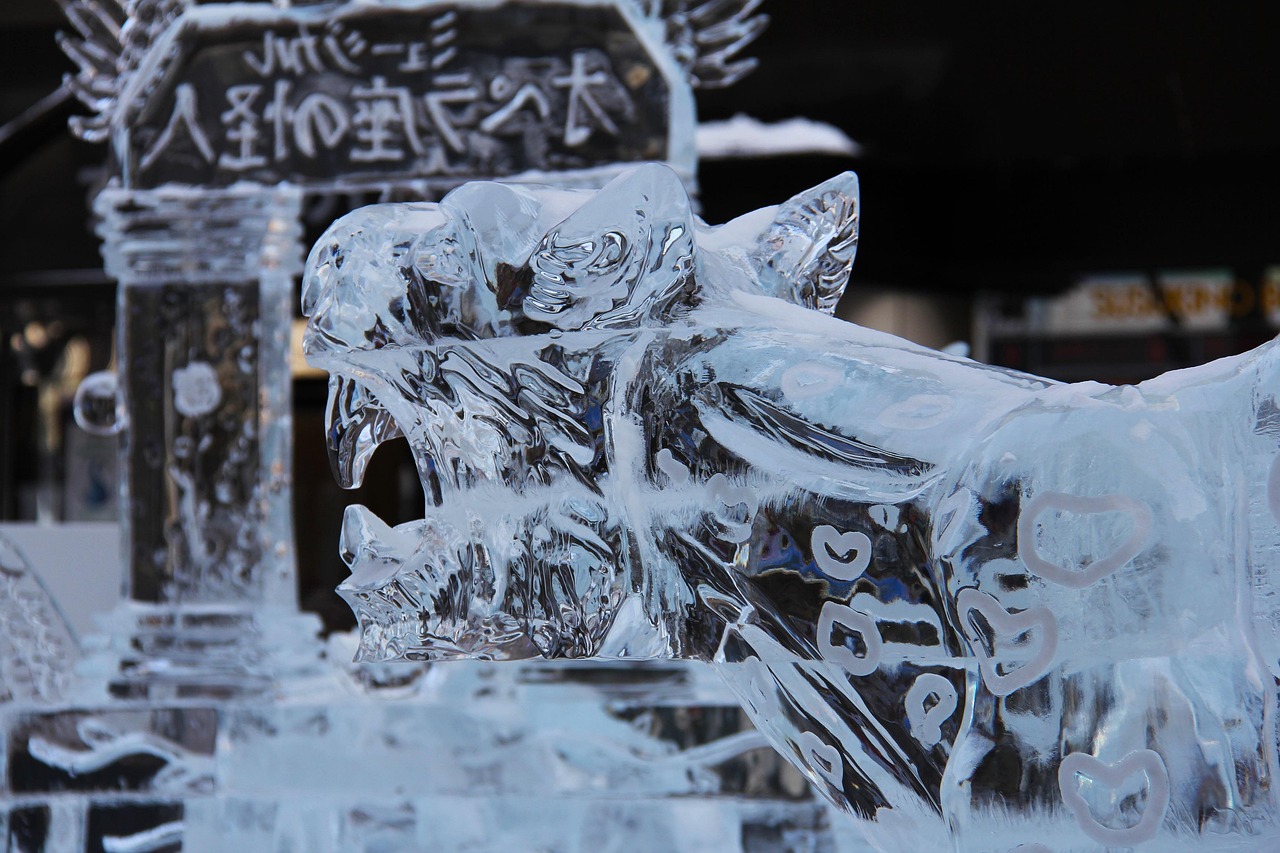
If you’ve seen dramatic photos of giant snow sculptures and frozen cities of ice, you’re probably looking at Sapporo Snow Festival (Yuki Matsuri). Held every February, it transforms Odori Park, Susukino, and Tsudome into an outdoor art gallery made of snow and ice.
I’ve braved the festival multiple times, bundled in layers, sipping hot amazake as I wandered between towering snow castles, anime characters carved in ice, and international competition pieces. At night, projections and colored lights make the sculptures feel alive.
2026–2027 updates: Expect expanded interactive zones for families, more multilingual signage, and increased focus on sustainable snow and ice management as the city responds to climate changes.
Tips for winter visitors:
- Wear proper winter boots and thermal layers; temperatures can drop to -10°C or lower.
- Book accommodation early—prices rise and popular hotels fill months in advance.
- Use the underground walkway (Chi-Ka-Ho) between Sapporo and Odori to warm up between sites.
13. Tanukikoji Shopping Arcade
Tanukikoji is a long, covered shopping arcade that runs east–west between Odori and Susukino. It’s one of the best places to shelter from rain or snow while still feeling like you’re exploring.
In my usual Sapporo routine, I end up walking the full length of Tanukikoji at least once per trip: browsing souvenir shops, stopping for a crepe, and ducking into game centers. You’ll find everything from 100-yen shops to quirky boutiques and old-school snack bars hidden upstairs.
Best for: Casual shopping, snack hunting, and people-watching.
Tip: Look up—many bars and small restaurants are on the 2nd or 3rd floors with small signs.
14. Former Hokkaido Government Office (Akarenga)
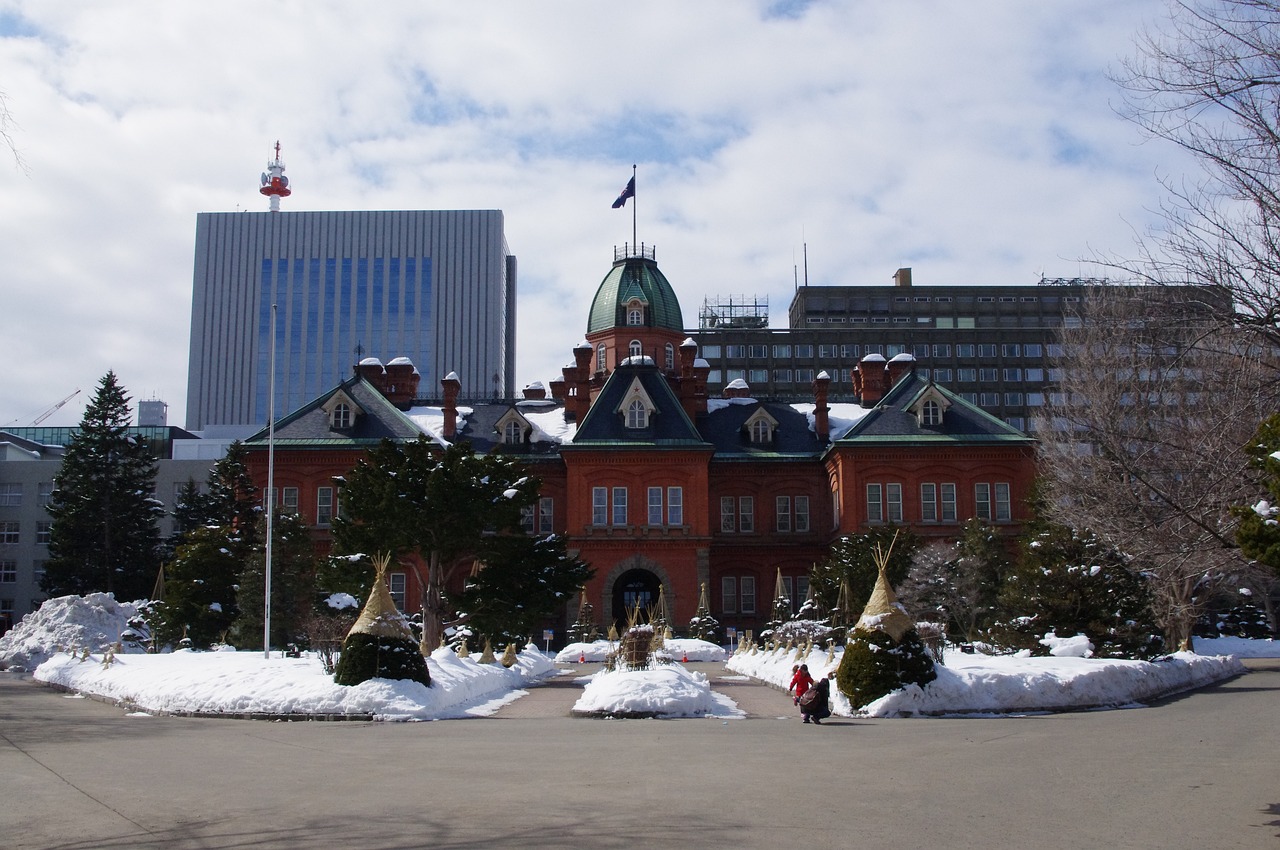
The Former Hokkaido Government Office, known as Akarenga (“red brick”), is a stately red-brick building surrounded by a pond and gardens, right in the city center. It looks almost European, and in winter, with snow on the roof and trees, it feels like a scene from a storybook.
Inside, there are small exhibits about Hokkaido’s political history and development. I usually spend more time outside, walking the grounds and taking photos, especially in autumn when the trees are blazing with color.
How to get there: A 5-minute walk from Sapporo Station.
Tip: Come early or late in the day for softer light and fewer tour groups.
15. Sapporo Art Park & Art Museum
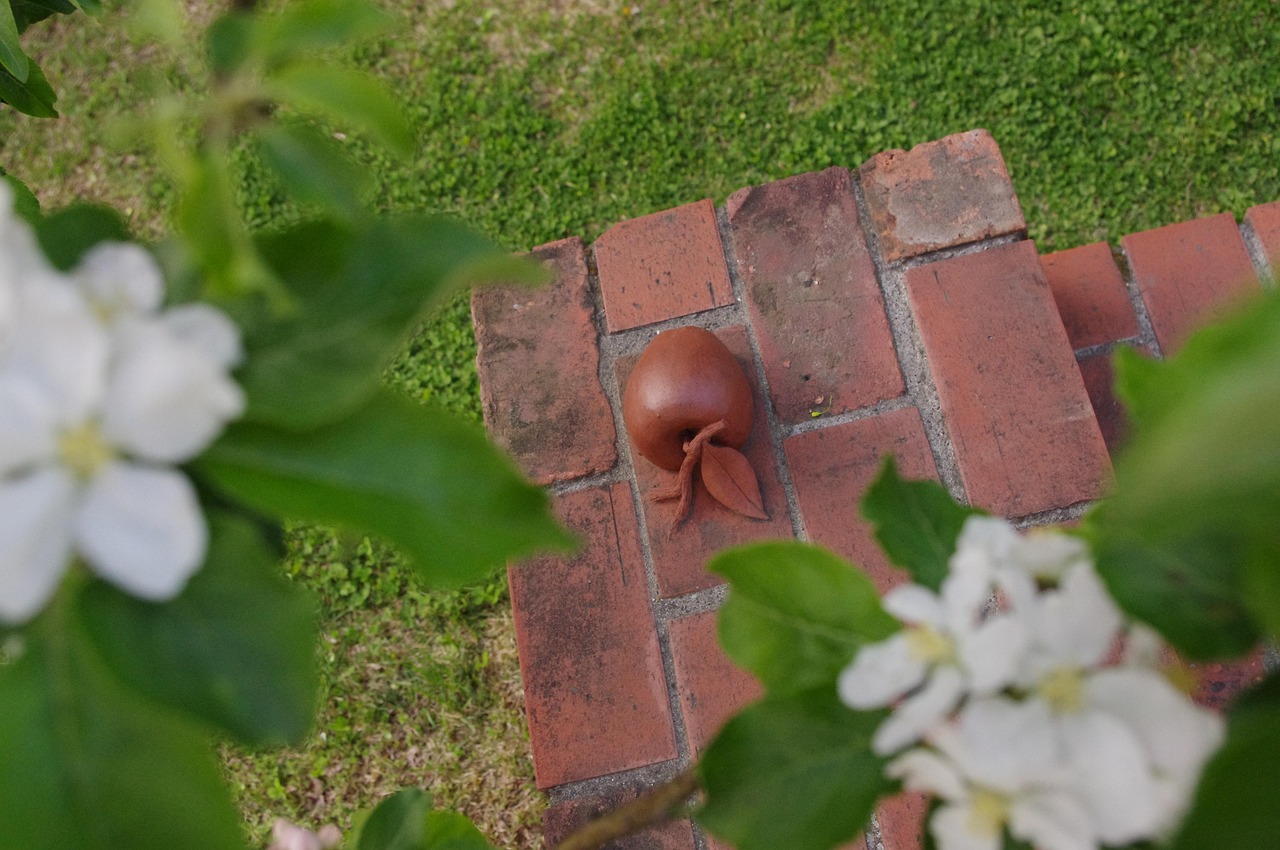
On the southern edge of the city, Sapporo Art Park is part museum, part sculpture garden, part forest escape. I love it because it mixes culture and nature so effortlessly.
Walking along the trails, you’ll stumble upon large outdoor sculptures framed by trees and hills. The indoor museum hosts rotating exhibits of contemporary art, often with a Hokkaido or northern-Japan focus.
Best for: Art lovers, couples looking for a peaceful date, and anyone building a slower-paced 4 or 5 day itinerary for Sapporo.
How to get there: Subway + bus combination (about 45–60 minutes from central Sapporo), or car.
16. Sapporo Fushimi Inari Shrine
Much smaller than Kyoto’s famous Fushimi Inari, this hillside shrine in south Sapporo has its own quiet charm. A series of red torii gates climb up the slope, creating a photogenic tunnel of vermilion.
I visited one autumn afternoon and was surprised how few people were there. From the upper parts of the shrine, you get partial views over the city, framed by trees and torii.
Good for: Photos, a short hike, and a less touristy spiritual spot.
How to get there: Bus from central Sapporo or a combination of subway and walking; taxis are convenient if you’re short on time.
17. Sapporo Factory
Sapporo Factory is a shopping and entertainment complex built on the site of the original Sapporo brewery. The mix of old red-brick structures and modern glass atriums makes it an interesting spot for architecture fans and shoppers alike.
I like coming here on bad-weather days: you can wander through shops, catch a movie, or sit under the indoor “courtyard” glass ceiling with a coffee. In winter, they often put up a big Christmas tree and illuminations.
How to get there: About a 15-minute walk or short bus ride from Sapporo Station.
18. Hitsujigaoka Observation Hill
Hitsujigaoka Observation Hill is a bit touristy, but I have a soft spot for it. Overlooking fields and the edge of the city, it’s home to the famous statue of Dr. William S. Clark, an American educator who helped found Hokkaido University. His phrase “Boys, be ambitious!” has become something of a slogan here.
The view is more pastoral than dramatic, especially in summer when sheep graze in the fields. It’s a nice reminder that Sapporo is very close to Hokkaido’s farmland and countryside.
Best for: Families, fans of cheesy photo ops, and anyone curious about Hokkaido’s early pioneers.
How to get there: Bus from Fukuzumi Station (Toho Line).
19. Susukino Ice World (Winter Only)
During Snow Festival, Susukino hosts Ice World: a street of intricate ice sculptures lit up at night. I usually walk through after dinner in Susukino—vendors sell hot drinks, and the combination of neon signs and glowing ice is unforgettable.
Tip: Watch your step; the street can get extremely slippery. Use the handrails when provided.
20. Nakajima Park
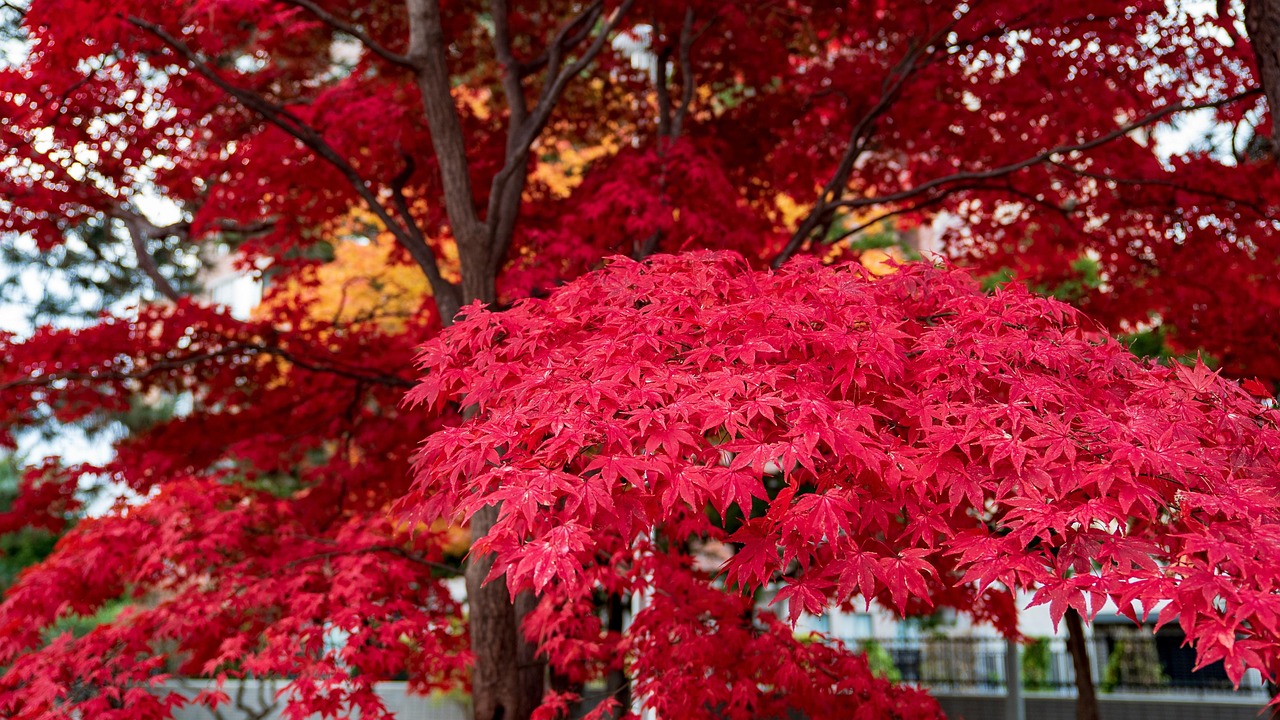
Nakajima Park sits just south of Susukino, but it feels like a different world. There’s a small lake with rental boats, walking paths under big trees, and cultural spots like the Hoheikan (a historic Western-style building) and the Kitara concert hall.
I love coming here in the morning with a coffee, especially in autumn when the leaves reflect in the lake. In winter, the park becomes quiet and dreamy, with snow covering the paths and branches.
How to get there: Nakajima-Koen Station (Namboku Line) drops you right at the park.
21. Sapporo Satoland & Tsudome (Seasonal)
Sapporo Satoland and the Tsudome site are especially fun for families during Snow Festival. While Odori Park focuses on sculptures, Tsudome offers snow slides, snow rafting, and indoor rest areas.
The first time I visited with friends’ kids, they spent hours on the snow slides while we rotated between supervising and warming up with hot drinks inside. If you’re traveling with children in winter, this is one of the best things to do in Sapporo.
Suggested Itineraries: 3–5 Days in Sapporo
Below are flexible outlines for 3 days in Sapporo, 4 days in Sapporo, and 5 days in Sapporo. Adjust depending on the season, your pace, and your interests (food, culture, skiing, etc.).
3 Day Itinerary for Sapporo
If you only have 3 days in Sapporo, focus on the central must-see attractions, food, and one nature viewpoint.
- Day 1: Odori Park, Sapporo TV Tower, Clock Tower, Tanukikoji, Susukino & Ramen Alley
- Day 2: Hokkaido Shrine, Maruyama Park & Zoo, Sapporo Beer Museum & Beer Garden
- Day 3: Hokkaido University, Former Government Office, Nakajima Park, Mount Moiwa night view
4 Day Itinerary for Sapporo
With 4 days in Sapporo, add Moerenuma Park or a half-day art excursion, plus more relaxed cafe time.
- Follow the 3 day itinerary for Sapporo above.
- Day 4: Moerenuma Park (daytime) + Sapporo Factory or a local onsen in the evening.
5 Day Itinerary for Sapporo
With 5 days in Sapporo, you can include a full day trip outside the city (see Day Trips section) and dig deeper into hidden gems.
- Follow the 4 day itinerary for Sapporo.
- Day 5: Day trip to Otaru, Jozankei Onsen, or a ski resort like Teine or Kokusai (seasonal).
Local Food & Drink in Sapporo
Signature Dishes to Try
- Miso Ramen: Rich, miso-based broth with curly noodles; try it with butter and corn, Hokkaido-style.
- Soup Curry: Spiced, soupy curry loaded with vegetables and your choice of meat.
- Jingisukan (Genghis Khan): Grilled mutton and vegetables cooked at your table.
- Fresh Seafood: Uni (sea urchin), crab, scallops, salmon roe—best at morning markets and specialty restaurants.
- Hokkaido Dairy: Soft-serve ice cream, cheese, puddings, and milk-based sweets.
Where I Love to Eat
I’ve developed a personal circuit of go-to spots over the years. I won’t list specific small restaurants by name (those change often), but here’s where to look:
- Ramen: Ramen Yokocho in Susukino for atmosphere; standalone shops near Sapporo Station and in Odori for serious ramen nerds.
- Soup Curry: Look for specialty soup curry chains and local favorites—most neighborhoods have at least one good option.
- Seafood: Nijo Market or near Sapporo Station’s department store food floors for high-quality sushi and kaisendon (seafood rice bowls).
- Jingisukan: Sapporo Beer Garden or smaller Jingisukan joints in Susukino and around Odori.
Saving Money on Food
- Check out konbini (convenience stores) for surprisingly good onigiri, bento, and snacks.
- Department store depachika (basement food halls) often discount prepared foods in the evening.
- Look for lunch sets at nicer restaurants; they’re usually cheaper than dinner.
Drinks & Sapporo Beer
Beyond the Sapporo Beer Museum, local craft beer bars and izakaya around Susukino and Odori are great for sampling regional brews. Hokkaido also does excellent coffee, and small roaster cafes are scattered all over the city.
Nightlife, Entertainment & Cultural Experiences in Sapporo
Nightlife
Most nightlife revolves around Susukino: izakaya, bars, karaoke, and late-night ramen. It’s lively but not overwhelming, and you’ll find plenty of spots that feel cozy rather than wild.
Onsen & Relaxation
While central Sapporo has a few sento (public baths) and onsen-style facilities, the best hot spring experiences are in nearby Jozankei (see Day Trips). Still, it’s worth trying a local bathhouse at least once—it’s a core Japanese cultural experience.
Cultural Experiences
- Shinto rituals at Hokkaido Shrine.
- Local festivals (matsuri) in summer with food stalls and performances in Odori and neighborhood shrines.
- Concerts at Kitara (Nakajima Park) or cultural halls around the city.
Major Events 2026–2027
- Sapporo Snow Festival (February 2026 & 2027): Expanded international sculpture competitions and family zones.
- Summer Beer Gardens (July–August): Beer gardens in Odori Park and rooftop venues, with more craft beer options emerging each year.
- Autumn Food Festivals: Seasonal events in Odori Park and other venues focused on Hokkaido produce, seafood, and regional dishes.
Best Day Trips from Sapporo
Otaru
Otaru is a charming port town about 30–40 minutes by train from Sapporo. Famous for its canal, glassware, music boxes, and seafood, it makes a perfect day trip. I’ve walked the canal in summer and winter; both are beautiful, but the snowy version feels like a movie set.
How to get there: JR train from Sapporo Station to Otaru Station.
Jozankei Onsen
Jozankei is Sapporo’s backyard hot spring town, set in a river valley about an hour away. In autumn, the surrounding mountains explode in reds and golds, and soaking in an outdoor bath feels almost surreal.
How to get there: Bus from Sapporo Station or a direct bus from some hotels.
Teine & Ski Resorts
In winter, ski resorts like Sapporo Teine and Sapporo Kokusai are easily accessible from the city. Teine even offers views over Sapporo from the slopes on clear days.
How to get there: Train + bus combination or dedicated ski buses in season.
Cultural Etiquette & Local Customs in Sapporo
Hokkaido is generally more relaxed than some other parts of Japan, but basic Japanese etiquette still applies.
At Shrines & Temples
- Bow lightly at the entrance torii gate.
- Use the purification basin: rinse left hand, right hand, mouth (discreetly), then rinse the handle.
- At the main hall: toss a coin, bow twice, clap twice, offer a silent prayer, bow once.
In Public
- Keep noise low on public transport; phone calls are frowned upon.
- Queue in lines (for trains, elevators, shops) and be patient.
- Carry your trash; bins can be scarce in some areas.
In Restaurants
- Many places have self-service water or tea; help yourself.
- Pay at the register instead of leaving money on the table.
- Tipping is not customary; good service is included in the price.
Onsen & Public Baths
- Wash and rinse thoroughly before entering the shared bath.
- No swimsuits; you bathe naked (men and women separated).
- Towels stay out of the water; place them on your head or at the side.
Practical Travel Tips for Sapporo (2026–2027)
Getting Around
Sapporo has an excellent, easy-to-use public transport system: three subway lines, JR trains, buses, and a streetcar. For most visitors, the subway and walking will cover almost everything.
- IC Cards: Use regional IC cards (like Kitaca, Suica, etc.) for tap-on/tap-off on most public transport.
- Underground Walkways: In winter, use the underground networks between Sapporo, Odori, and Susukino to stay warm and avoid snow.
SIM Cards & Connectivity
In 2026, eSIMs and physical tourist SIMs are widely available at New Chitose Airport, Sapporo Station, and major electronics shops. Pocket Wi-Fi rental is another easy option if you have multiple devices.
Car Rental & Driving
You don’t need a car for central Sapporo, but for exploring wider Hokkaido, renting a car can be very useful.
- Foreign driver’s license: Most visitors need an International Driving Permit (IDP) plus their home license; check current rules before traveling.
- Winter driving can be challenging due to snow and ice; if you’re not experienced, consider trains and buses instead.
Money-Saving Tips
- Use day passes for subway and streetcar if you plan multiple rides.
- Eat bigger lunches (often cheaper sets) and lighter dinners.
- Stay slightly outside the most central areas (but close to a subway station) for better hotel value.
Visa Requirements
Visa rules change, so check the latest information from Japan’s Ministry of Foreign Affairs or your local embassy before traveling. Many nationalities can enter visa-free for short stays, but this can shift, especially after global events.
When to Visit Sapporo & Final Takeaways
Best Seasons for Sapporo
- Winter (December–February): Best for snow, skiing, Sapporo Snow Festival, illuminations. Cold but magical.
- Spring (late April–May): Cherry blossoms, fresh greenery, cooler crowds than major Honshu cities.
- Summer (June–August): Mild temperatures, beer gardens, festivals; a great escape from Japan’s southern heat.
- Autumn (September–October): Crisp air, colorful foliage, harvest-season food—my personal favorite.
Key Takeaways
Sapporo is an easy, rewarding city to fall in love with. Whether you spend 3 days in Sapporo focusing on the city center, stretch to 4 days to add art parks and shrines, or give yourself 5 days in Sapporo to include onsen and ski trips, you’ll find a relaxed, friendly city with serious food, beautiful parks, and a gateway to the rest of Hokkaido.
If you like cities that breathe, where you can go from neon ramen alleys to forested shrines and modern art parks in one day, Sapporo deserves a spot near the top of your Japan list in 2026–2027.