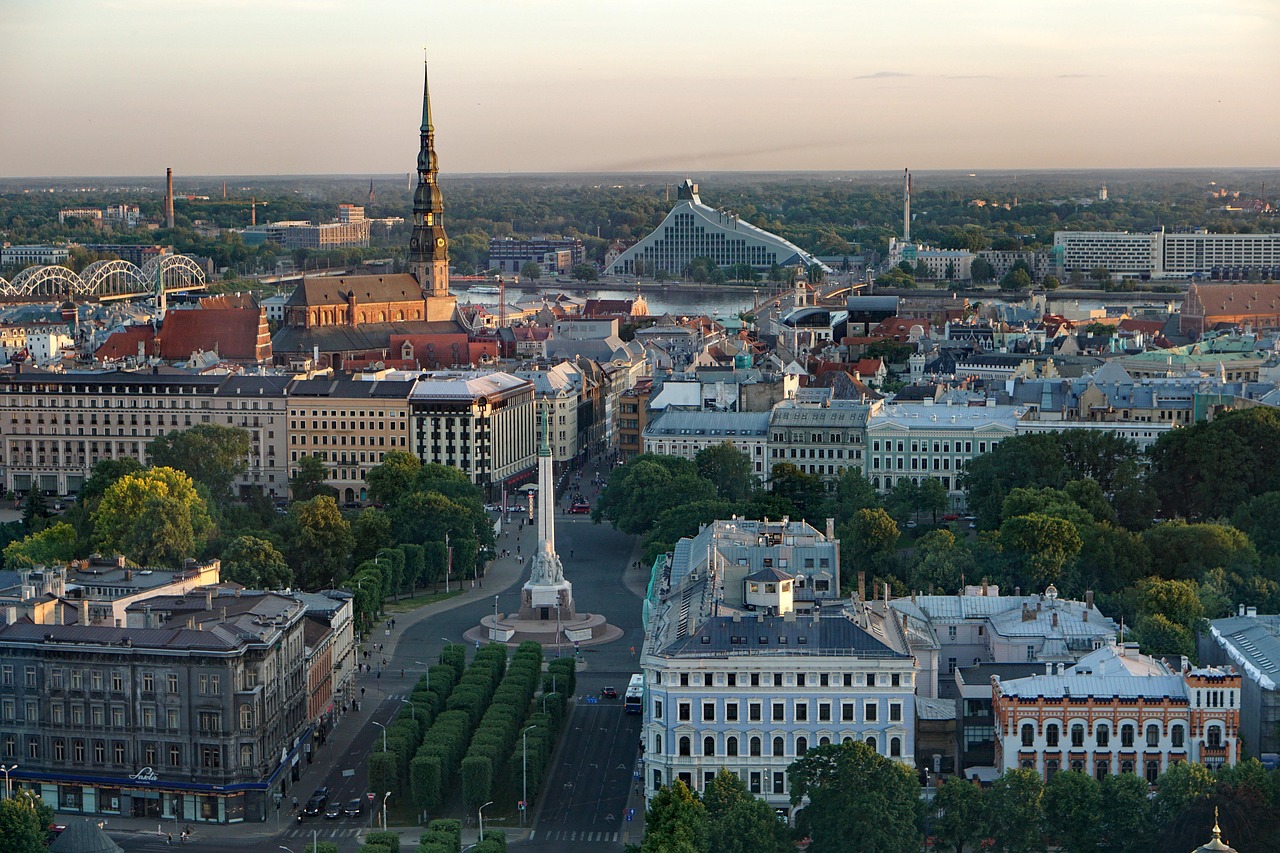
Why Visit Riga in 2026?
I’ve been going back and forth to Riga for over a decade now, and every time I arrive at the Central Station and step out toward Old Town, the city feels both familiar and slightly changed. Riga is one of those rare places where medieval lanes, art nouveau mansions, Soviet ghosts, and a young, creative scene coexist within walking distance. It’s compact yet layered, beautiful without trying too hard, and still surprisingly affordable in 2026.
Riga is perfect whether you’re planning 3 days in Riga, a deeper 4 day itinerary for Riga, or a leisurely 5 days in Riga. You can spend your mornings wandering cobblestones, your afternoons on a wide sandy beach at Jūrmala, and your evenings with craft beer in a courtyard bar hearing four languages at once.
What makes Riga special for me is the rhythm of the day: mist over the Daugava River at sunrise, locals grabbing rye bread and kefir for breakfast, trams clattering past art nouveau facades in the quiet central districts, and then that golden hour in Old Town when the copper church spires catch the last light and buskers start playing on Kalku iela.
In 2026, Riga is buzzing with cultural events, new restaurants, and a growing focus on sustainable, local travel. It’s still under the radar compared with Prague or Budapest, which means you get the magic without the crowds (and without the price tag).
Table of Contents
- Why Visit Riga in 2026?
- Essential Intro to Riga
- Sample Itineraries: 3, 4 & 5 Days in Riga
- 20 Must-See Attractions in Riga (With Local Stories)
- Best Neighborhoods & Districts to Explore
- Local Food in Riga: What & Where to Eat
- Nightlife, Entertainment & Cultural Experiences
- Best Day Trips from Riga
- Local Customs & Cultural Etiquette
- Practical Travel Tips for Riga (Money, SIM, Transport, Visas)
- When to Visit Riga & Final Recommendations
Essential Intro to Riga in 2026
Riga is Latvia’s capital and largest city, sitting at the mouth of the Daugava River on the Baltic Sea. It’s known for its UNESCO-listed Old Town, some of the best art nouveau architecture in Europe, and a café culture that thrives even in the darkest winter months.
Population-wise, Riga hovers around 600,000 residents, but it feels smaller because the core areas you’ll explore—Old Town (Vecrīga), the Central District, and the riverside—are all very walkable.
What’s New in 2026–2027
- Riga 2026–2027 Cultural Seasons: The city is continuing its strong post-pandemic cultural program with expanded free public concerts in summer at Vērmanes Garden and Esplanāde Park.
- Rail Baltica Preparations: Construction is visible around Central Station as Riga prepares for the future Rail Baltica line. Expect some detours but improved signage in English.
- Food Scene: New-wave Latvian bistros focusing on seasonal, locally-sourced ingredients have opened around Miera iela and Āgenskalns Market, adding depth to the already solid food scene.
- Festivals (2026–2027):
- Riga City Festival: Mid-August 2026 & 2027 – concerts, street food, river parades.
- Staro Rīga Light Festival: November 2026 & 2027 – buildings illuminated with art projections; magical but pack warm clothes.
- Riga Opera Festival: June 2026 & 2027 – at the Latvian National Opera.
- Positivus Festival (often near Riga): Summer 2026 & 2027 – huge music festival, sometimes just outside the city.
3–5 Day Itineraries for Riga (With Personal Stories)
This travel guide is optimized for planning 3 days in Riga, but I’ll also show you how to stretch it into a 4 day itinerary for Riga or a full 5 days in Riga with extra neighborhoods and day trips.
3 Day Itinerary for Riga: Classic Highlights & Easy Wandering
When friends visit for the first time and say “We only have 3 days in Riga”, this is the route I usually walk them through. It covers the must-see attractions in Riga but leaves breathing room for cafés, people-watching, and spontaneous detours.
Day 1: Old Town, Church Spires & River Views
I still remember one chilly April morning when I decided to “re-do” Riga like a first-timer. I started at Town Hall Square, coffee in hand, and let myself get lost again in Vecrīga. This is how I’d map out your first day.
- Morning: Town Hall Square, House of the Blackheads, St. Peter’s Church tower, stroll to Riga Cathedral.
- Lunch: Traditional Latvian lunch near Dome Square.
- Afternoon: Three Brothers, Swedish Gate, Powder Tower, Freedom Monument, and a slow walk through Bastejkalna Park.
- Evening: Sunset drinks near the Daugava River or on a rooftop, then dinner in Old Town.
Old Town is compact and walkable. Wear comfortable shoes; the cobblestones can be uneven, especially if it rains. I like starting around 9–10 a.m. when the tour groups haven’t fully arrived yet.
Day 2: Art Nouveau, Central Market & Wooden Riga
Day two is all about the other side of Riga’s personality: ornate facades, giant zeppelin hangars turned into a food paradise, and quiet wooden streets where cats nap on windowsills.
- Morning: Central Market for breakfast and a wander, then walk to Alberta iela and Art Nouveau district.
- Lunch: Café on Elizabetes iela or a bistro near Alberta iela.
- Afternoon: Art Nouveau Museum, then tram to Āgenskalns for wooden architecture and market.
- Evening: Craft beer bar in Āgenskalns or back in the center; try a modern Latvian restaurant.
This is the day I always end up over-eating: a warm pīrāgs (savory bun) at the market, cake at a central café, and then a full dinner. Pace yourself.
Day 3: Parks, Museums & Optional Beach Escape
For your third day, you can stay in the city to dive deeper into museums and parks, or (if it’s warm enough) escape to the sea at Jūrmala.
- Option A – In the City: Latvian National Museum of Art, Latvian Occupation Museum, and quiet time in Mežaparks.
- Option B – Day Trip: Train to Jūrmala for a Baltic Sea beach day, wooden villas, and fresh fish.
I’ve done both routes multiple times. In shoulder season (April, October), I prefer museums and parks. In summer, it’s hard to resist the call of the beach.
4 Day Itinerary for Riga: Add Neighborhoods & Deeper Culture
If you have 4 days in Riga, you can slow down and see how locals really live. I like to use the extra day to linger around Miera iela and the Kalnciema Quarter, and to spend longer at museums I usually rush.
A classic 4 day itinerary for Riga looks like this:
- Day 1: Old Town highlights (as above).
- Day 2: Central Market & Art Nouveau district.
- Day 3: Jūrmala day trip or museums + Mežaparks.
- Day 4: Miera iela creative quarter, Kalnciema Quarter, and a deep dive into the Latvian National Museum of Art or the Latvian Ethnographic Open-Air Museum.
By day four, you’ll start recognizing tram numbers and maybe even your favorite coffee spots. This is when Riga starts feeling less like a destination and more like a city you could live in.
5 Day Itinerary for Riga: Full Immersion & Day Trips
With 5 days in Riga, you can truly settle in. I usually recommend adding at least one more day trip and one “slow” day just hanging out in parks and cafés.
A balanced 5 day itinerary for Riga could be:
- Day 1: Old Town & riverfront.
- Day 2: Central Market, Art Nouveau, Āgenskalns.
- Day 3: Jūrmala beach day.
- Day 4: Miera iela, Kalnciema Quarter, and a big museum.
- Day 5: Day trip to Sigulda (for castles and nature) or Cēsis, then a relaxed final evening in Riga.
In the detailed attraction sections below, I’ll weave in how each place fits into these itineraries, plus my personal notes on the best times to go and how to avoid crowds.
20 Must-See Attractions in Riga (With Local Stories & Tips)
Below are 20 of the best places to visit in Riga. I’ve visited each one multiple times in different seasons, and I’ll share what they’re like, how to get there, when to go, and how they fit into a 3–5 day itinerary for Riga. I’ll also flag which activities are family-friendly, romantic, or more adventurous.
1. House of the Blackheads & Town Hall Square
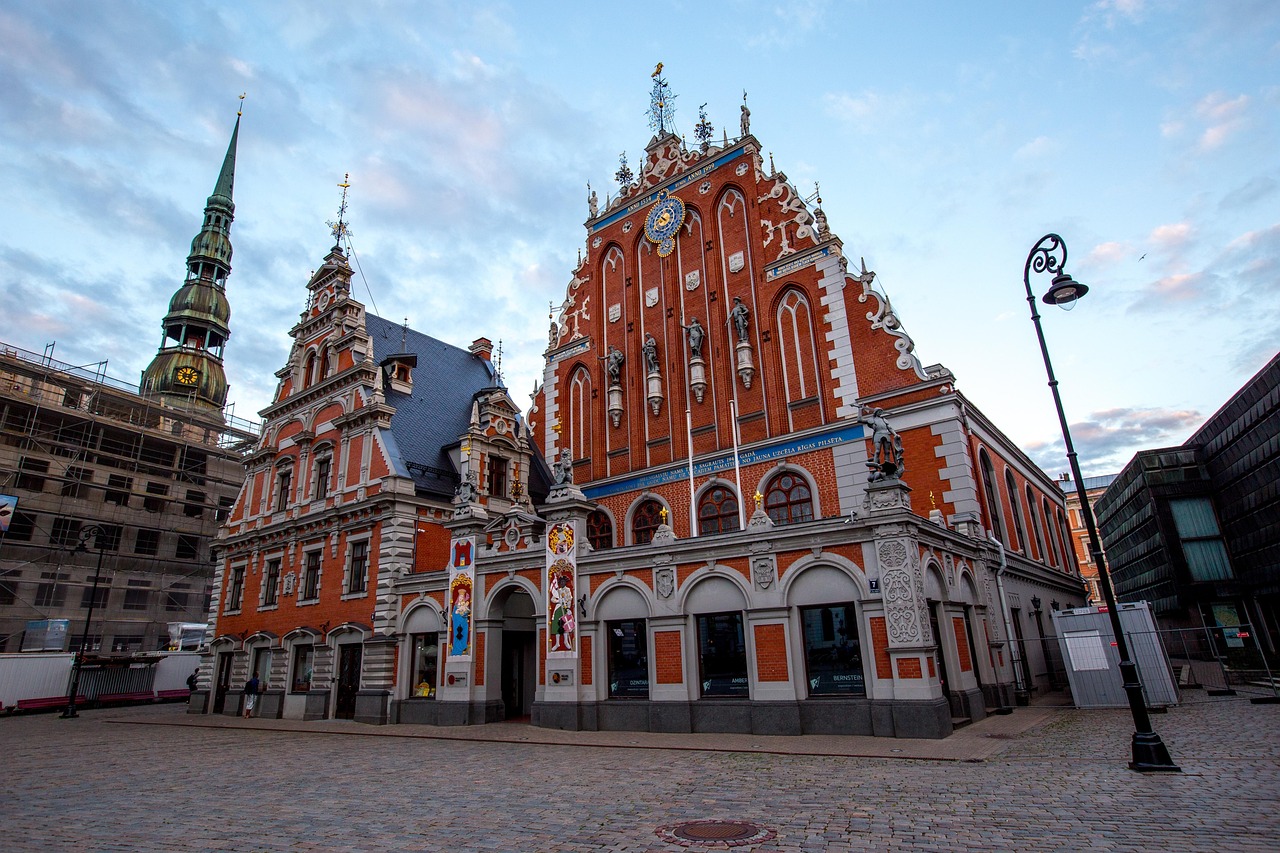
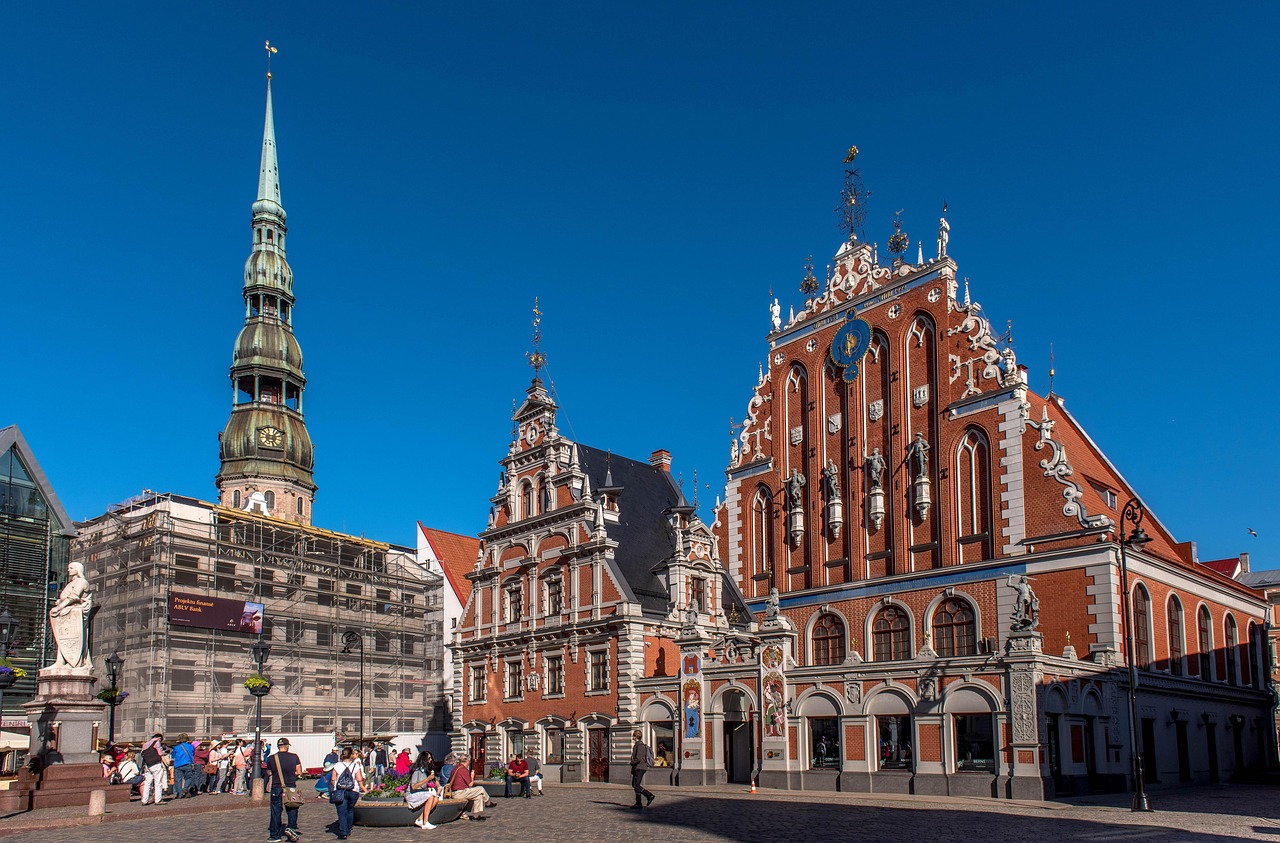
The House of the Blackheads is the postcard face of Riga. The first time I walked into Town Hall Square, it was a winter evening; the Christmas market stalls were closing, snow was drifting sideways, and the illuminated façade of the House of the Blackheads looked almost unreal—too ornate, too fairytale, to be real bricks and mortar.
Originally built in the 14th century for the Brotherhood of Blackheads (a guild of unmarried foreign merchants), the building was heavily damaged in World War II and reconstructed in the late 1990s. Today it doubles as a museum and event venue, but even if you don’t go inside, the exterior alone is worth the stop.
What to Do
- Walk around Town Hall Square and take in the architecture from multiple angles; early morning light is best for photos.
- Pop inside the House of the Blackheads museum if you enjoy grand halls and guild history. It’s relatively quick, about 45–60 minutes.
- Sit on a bench and people-watch; you’ll see walking tours constantly circling through here.
Personal Tip
I like coming here twice: once around 9 a.m. when it’s quiet and the light is soft, and once after dark when the building is lit up. If you’re planning 3 days in Riga, schedule your Old Town morning around this square, then branch out to St. Peter’s Church and the rest of Vecrīga.
Family-friendly? Yes, kids enjoy the square’s open space. Romantic? Very, especially at night. Adventurous? Not really; this is more of a cultural and visual stop.
2. St. Peter’s Church & Tower View
Whenever someone asks me where to get the best view of Riga, I send them straight to the tower of St. Peter’s Church. The first time I went up, a storm had just rolled away, leaving the rooftops shining and the river a deep slate blue—a perfect 360° panorama of Old Town, the National Library, and the Daugava.
Why It’s Special
The church itself dates back to the 13th century, though it’s been rebuilt multiple times due to fires and war damage. The tower elevator takes you up to an open-air viewing platform. On a clear day you can see far beyond the city center.
Practical Tips
- Best time: Morning or late afternoon for softer light. Sunset is beautiful but can be crowded in summer.
- Tickets: Separate fee for the tower; bring cash or card. Budget 45–60 minutes for the visit.
- Weather: It’s windy up top, especially in autumn and winter. Bring a hat or secure your scarf.
For a 3 day itinerary for Riga, I like pairing St. Peter’s in the late morning with lunch nearby and then heading toward the Freedom Monument via Old Town’s backstreets.
3. Riga Cathedral (Dome Cathedral) & Dome Square
On summer evenings, Dome Square becomes Riga’s living room. Terraces spill over with people, jazz sometimes drifts from a nearby bar, and the massive bulk of Riga Cathedral anchors the scene. I once spent three hours here doing nothing more than slowly nursing a beer and watching shadows move across the cathedral walls.
Riga Cathedral (Doma baznīca) is one of the largest medieval churches in the Baltics. It’s famous for its organ—one of the world’s largest when it was built in the 19th century—and for its mix of Romanesque, Gothic, Baroque, and Art Nouveau elements.
What to Do
- Step inside to see the interior and, if timing works, catch an organ concert. The acoustics are incredible.
- Circle the cloister area; it’s surprisingly peaceful compared to the square outside.
- Grab a coffee or beer at one of the terraces on Dome Square and just soak in the atmosphere.
Romantic? Absolutely—especially in the evening. Family-friendly? Yes; kids can run around the square while adults relax.
4. The Three Brothers
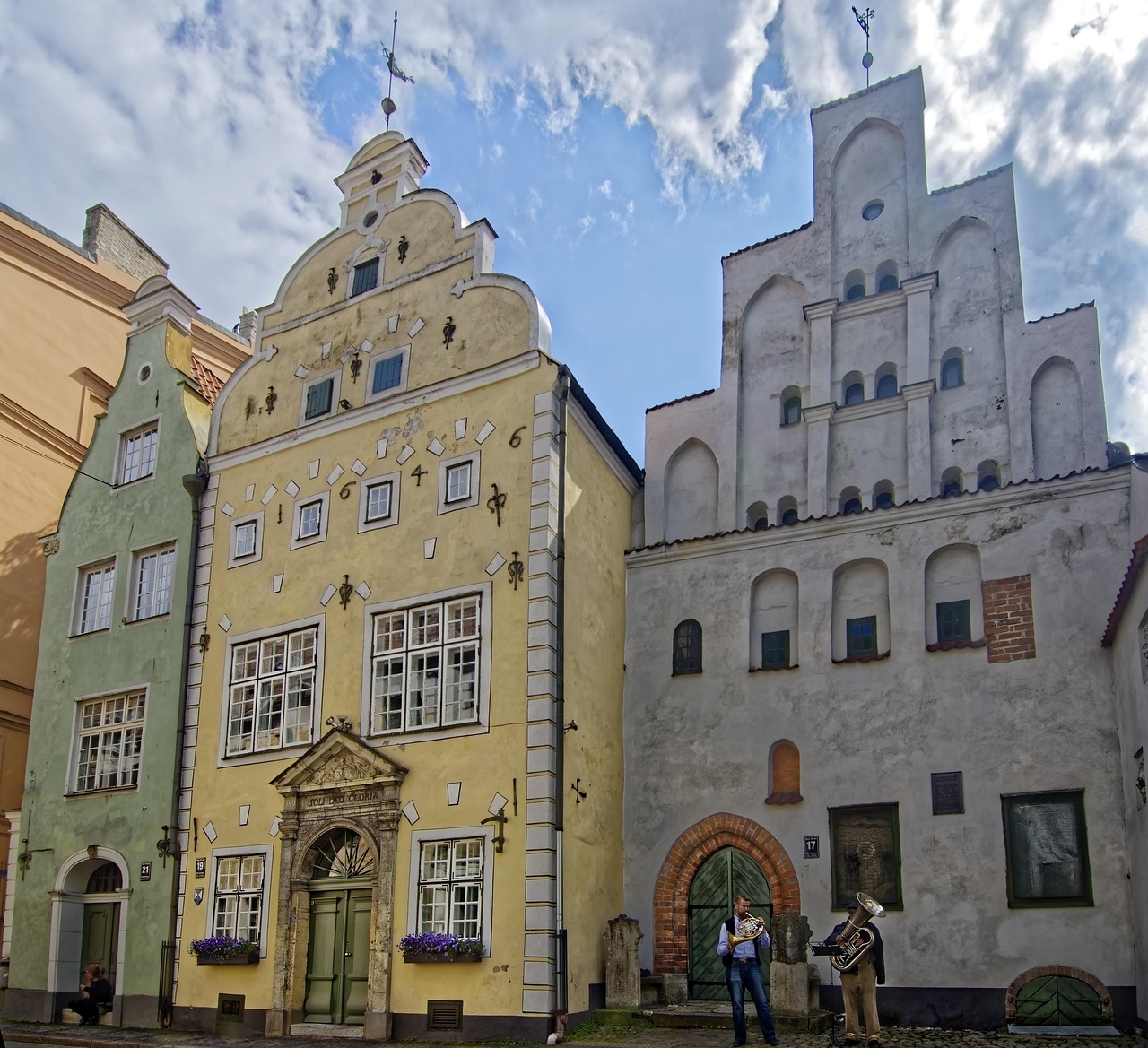
I walked past the Three Brothers several times before I really noticed them. They’re tucked away on a quiet lane, overshadowed by bigger-name attractions, but once you stop, the charm is undeniable.
The Three Brothers are the oldest residential buildings in Riga, each from a different century (15th, 16th, and 17th). They stand shoulder-to-shoulder, a visual timeline of architectural styles.
Why Go
- They’re a quick but essential stop on any 3 days in Riga plan, especially if you love photography.
- The inside houses parts of the Latvian Museum of Architecture (check current opening hours).
- The narrow street gives you a feel for medieval Riga away from the busier squares.
I like to swing by in the late afternoon when the tour groups have thinned out. If you’re into quiet corners and old stones, this will be one of your favorite hidden gems in Riga even though it’s technically well-known.
5. Freedom Monument & Bastejkalna Park
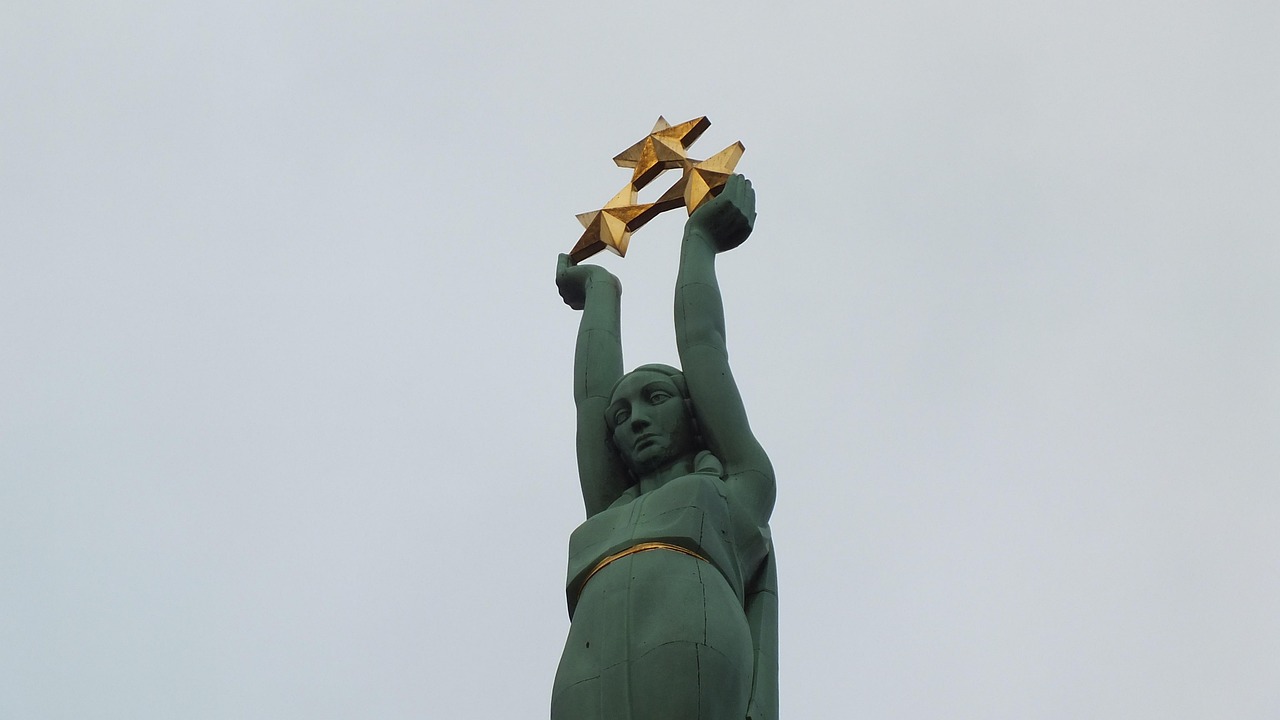
Every time I pass the Freedom Monument, I’m reminded how recent Latvia’s independence story really is. Locals still lay flowers here on important dates, and there’s a quiet solemnity despite the traffic circling nearby.
Unveiled in 1935, the monument honors those who died in Latvia’s War of Independence. It survived Soviet times thanks to its re-interpretation as a symbol of “Soviet-Latvian friendship,” but for Latvians it always meant one thing: freedom.
What to Do
- Watch the changing of the guard (usually every hour during the day; check current schedule).
- Stroll through Bastejkalna Park along the canal, especially in spring when the flowers explode in color.
- Take a canal boat tour from here; it’s a relaxing way to see central Riga.
For families, the park is great for kids. Couples often find this area quietly romantic, especially around sunset. It’s also a good orientation point if you’re walking between Old Town and the Art Nouveau district.
6. Art Nouveau District (Alberta iela & Elizabetes iela)
The first time I walked down Alberta iela, I nearly sprained my neck from looking up. Faces, flowers, mythological creatures—every façade is decorated like a wedding cake. Riga has one of the highest concentrations of art nouveau architecture in the world, and this district is its crown jewel.
Highlights
- Alberta iela: The most famous street; almost every building is photo-worthy.
- Elizabetes iela: Grand boulevards and more art nouveau masterpieces.
- Art Nouveau Museum: A restored apartment that shows what life was like in the early 1900s.
I like to start at the corner of Elizabetes and Alberta around 10 a.m., when the light is good and tour buses haven’t fully arrived. Give yourself at least an hour just to wander and photograph. Afterwards, duck into a nearby café for coffee and cake; there are several excellent options within a 5-minute walk.
This area fits nicely into Day 2 of a 4 day itinerary for Riga or the “architecture and markets” day of a 5 day itinerary for Riga.
7. Riga Central Market

Riga Central Market is where I go when I want to feel the city’s heartbeat. Housed in repurposed German zeppelin hangars from the 1920s, it’s one of Europe’s largest markets and hands-down one of the best places to sample local food in Riga.
What to Eat & Do
- Try pīrāgi (bacon buns), smoked fish, pickled everything, and local cheeses.
- Walk through the vegetable pavilions and outdoor stalls to see what’s in season.
- Look for small eateries inside the hangars serving hearty, inexpensive lunches.
I usually arrive around 9–10 a.m., grab a coffee from one of the newer specialty stalls, then graze my way through breakfast: a rye bread sandwich, maybe a sweet pastry, and some berries in summer. It’s easy to eat well here on a budget, making it a great stop if you’re trying to save money in Riga.
Family-friendly? Yes, though keep an eye on kids in crowds. Adventurous? Some stalls sell unusual meats and offal; great if you like exploring local food traditions.
8. Vecrīga (Old Town Riga)
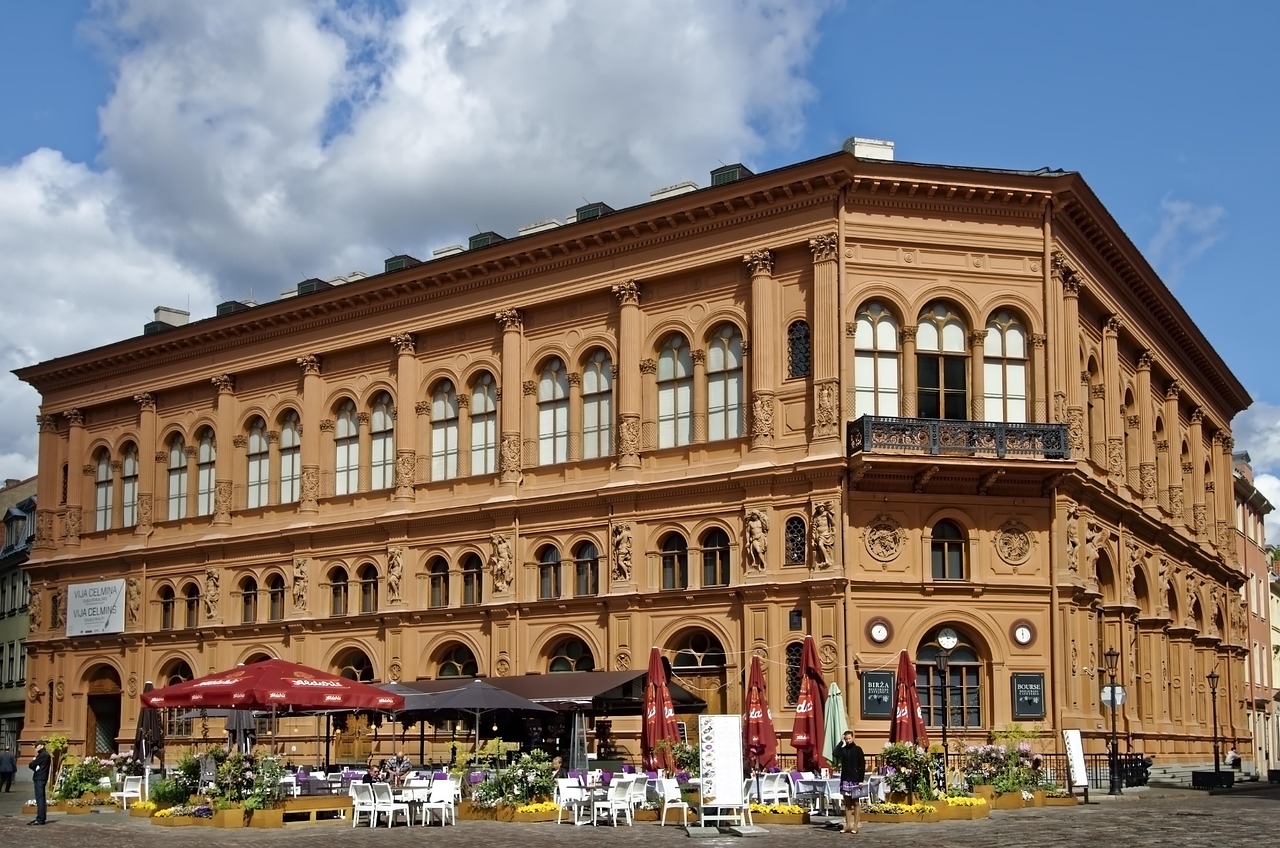
Old Town is where most visitors fall in love with Riga, and to be honest, I still do too. I’ve walked these streets in all seasons: covered in snow, shimmering in summer heat, and glowing under autumn leaves. Each time, I notice something different—a doorway, a carving, a hidden courtyard café.
What to See
- Streets like Jāņa iela, Rozena iela, and Skārņu iela for atmosphere.
- Squares: Dome Square, Livu Square (especially in summer), Town Hall Square.
- Hidden courtyards and back alleys—just follow your curiosity.
For a 3 day itinerary for Riga, dedicate at least one full day or two half days to Vecrīga. My favorite time is early morning before the shops open, when it feels like the city is just waking up.
9. Latvian National Opera & Opera House Park
One of my favorite “luxury on a budget” experiences in Riga is getting a ticket to the Latvian National Opera. Prices are much more accessible than in Western Europe, but the quality is high. I once scored a last-minute seat to a ballet performance for less than the price of a cocktail in some other capitals.
Why Go
- Beautiful 19th-century building right next to the canal.
- Top-notch opera and ballet performances.
- The surrounding park is lovely for a pre-show stroll.
Check the schedule in advance, especially around the Riga Opera Festival in June 2026 and 2027. Dress is smart casual; Latvians tend to dress up a bit, but you don’t need a tuxedo or gown.
10. Mežaparks (City Forest Park)
Whenever I’ve had enough of cobblestones and city noise, I hop on a tram to Mežaparks. It’s a huge green area on the shores of Lake Ķīšezers, with forest trails, playgrounds, bike paths, and the grand Song Festival grounds.
What to Do
- Rent a bike (in warm months) and cycle through the park.
- Walk along the lake; in winter, you’ll sometimes see people skating when conditions allow.
- Visit the zoo (great for families) and the Song Festival stage area.
Mežaparks is especially atmospheric during the Latvian Song and Dance Festival (next big edition after 2023 is planned in the early 2030s), but even in regular years there are concerts and events.
11. Jūrmala Beach & Wooden Villas
Technically a separate town, but close enough to feel like Riga’s seaside suburb, Jūrmala is my default escape on sunny days. The train ride from Riga Central Station takes about 30–35 minutes, and suddenly you’re on a wide sandy beach lined with pines and charming wooden houses.
Why It’s Worth a Day
- Endless sandy beach, shallow water (great for kids in summer).
- Historic wooden villas along Jomas iela and the surrounding streets.
- Beach cafés, spas, and relaxed seaside vibe.
In a 5 day itinerary for Riga, Jūrmala is almost mandatory in summer. I usually pack a towel, swimsuit, a light sweater (Baltic weather is unpredictable), and spend the day alternating between beach and café. Trains run frequently, and you can hop off at either Majori or Dzintari stations.
12. Museum of the Occupation of Latvia
This is not a light stop, but it’s one of the most important cultural experiences in Riga. The Museum of the Occupation covers Latvia’s turbulent 20th century under Soviet and Nazi occupations. It’s sobering, detailed, and essential for understanding modern Latvia.
Visiting Tips
- Plan 1.5–2 hours; more if you read every panel.
- Consider booking a guided tour for deeper context.
- Emotionally heavy—maybe don’t pair it with other intense museums on the same day.
I visited with a Latvian friend who shared family stories that aligned with what we saw. It made the exhibits feel painfully real. If you care about history, make room for this in any 3 day itinerary for Riga.
13. Latvian National Museum of Art
Even if you’re not a hardcore art fan, the building alone is worth it: a beautifully restored 1905 neo-baroque palace with a stunning central staircase. Inside, you’ll find Latvian art from the 18th century to contemporary works.
Why I Love It
On a rainy afternoon, this is my favorite place to hide. I wander the galleries, then sit in the café with a coffee and cake, watching people drift in and out. Exhibits often include themes tied to Latvian identity, nature, and folklore.
14. St. Jacob’s (St. James’s) Cathedral
Less flashy than Riga Cathedral, St. Jacob’s has a quieter, more intimate feel. I like slipping inside for a few minutes when Old Town gets too busy. The interior is simple but atmospheric, and the tower’s green spire is one of the key shapes in Riga’s skyline.
15. Swedish Gate & Powder Tower
These two landmarks sit close together and are easy to fold into any Old Town walk. The Swedish Gate is the last remaining city gate, dating from 1698, and the Powder Tower once formed part of the city’s defensive system.
I’m partial to the Swedish Gate at dusk, when the street lamps come on and the archway frames the cobbles beyond. It feels like stepping through time.
16. Miera iela & The Quiet Centre
When you’ve checked the big sights off your list and want to see the “real” Riga, head to Miera iela. This “Peace Street” area is full of indie cafés, vintage shops, small galleries, and a slower, bohemian vibe.
What I Do Here
- Grab a specialty coffee and people-watch.
- Browse boutiques and design shops.
- Walk toward the cemetery—yes, really. The nearby Great Cemetery is more like a park, with old tombstones and overgrown paths.
This area is ideal for Day 4 or 5 if you’re following a 4 day itinerary for Riga or 5 day itinerary for Riga. It’s also a nice contrast to touristy Old Town.
17. Āgenskalns & Kalnciema Quarter
Across the river from Old Town, Āgenskalns feels like a small town inside the city. Wooden houses, leafy streets, and a slower pace make it one of my favorite hidden gems in Riga.
Kalnciema Quarter
The Kalnciema Quarter is a restored cluster of 19th-century wooden buildings that now host markets, concerts, and design shops. On Saturdays, there’s often a farmer’s market with local food, crafts, and live music.
I love coming here in summer: grabbing a drink, browsing stalls, and listening to a band while kids run around the courtyard. It’s relaxed, local, and more authentic than some Old Town souvenir markets.
18. Latvian Ethnographic Open-Air Museum
A bit outside the center, on the shores of Lake Jugla, this open-air museum brings rural Latvian history to life with old farmsteads, windmills, and traditional wooden buildings from different regions.
Why Go
- Learn about Latvian rural life in a forested lakeside setting.
- Great for families and anyone who likes open-air museums.
- Often hosts craft fairs and folk festivals.
I’ve spent lazy summer afternoons here, wandering the paths and then sitting by the lake with a snack. It’s a good fit for Day 4 or 5 if you want to get beyond the city without a long journey.
19. National Library of Latvia (“Castle of Light”)
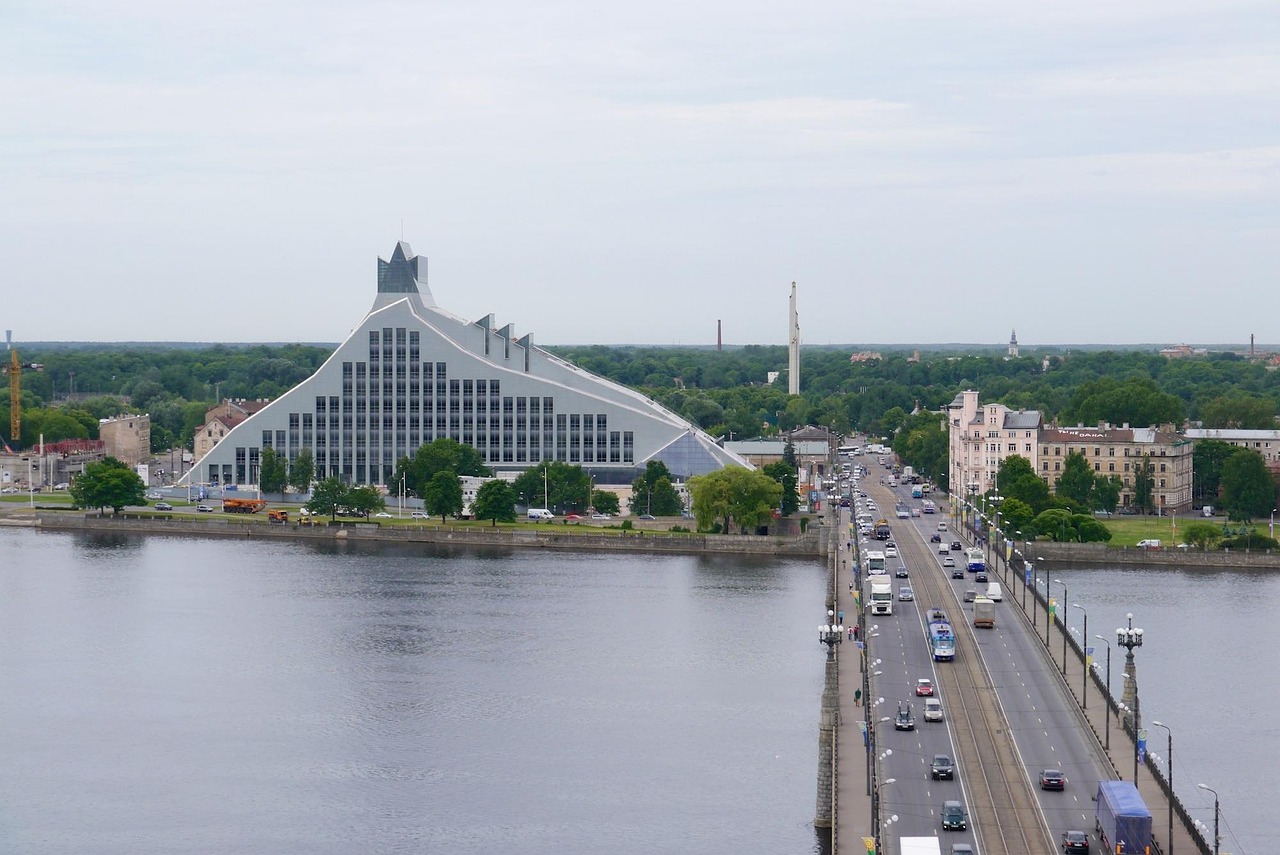
Across the river from Old Town, the National Library is a modern landmark you can’t miss. Locals call it the “Castle of Light.” Its angular glass form looks particularly dramatic at sunset, reflecting the colors of the sky.
Inside, there are reading rooms, exhibitions, and often cultural events. Even if you don’t go in, walking across the bridge and seeing Riga’s skyline from this side is worthwhile.
20. Daugava Riverfront & Skyline Viewpoints
For me, Riga’s skyline—those church spires and red roofs against the river—is what really anchors the city in my memory. Some of the best views are from the bridges, from the riverfront promenade, and from the opposite bank near the National Library.
Best Spots
- The river promenade near the Akmens Bridge.
- The opposite bank by the National Library.
- Boat cruises on the Daugava in summer (romantic at sunset).
If you’re planning romantic activities, a sunset stroll along the river is one of the simplest and best things to do in Riga.
Best Neighborhoods & Districts to Explore in Riga
Riga’s charm isn’t limited to its tourist core. Once you’ve covered the must-see attractions in Riga, venture into the surrounding districts to understand how locals live.
Vecrīga (Old Town)
Touristy but essential: medieval streets, main churches, lots of restaurants and bars. Best for first-time visitors, nightlife, and people-watching. Try to stay here or just outside it if you have only 3 days in Riga.
Centrs (Central District)
Art nouveau buildings, wide boulevards, and many hotels and cafés. This is my favorite base for a longer stay: close to everything, less noisy than Old Town, and full of everyday life—schools, offices, parks.
Āgenskalns & Pārdaugava (Left Bank)
Across the river, you’ll find wooden houses, markets, and a more residential vibe. It’s great for feeling like a local. The Kalnciema Quarter regularly hosts markets and cultural events—check their 2026 program for concerts and food festivals.
Miera iela & The Quiet Centre
Creative quarter with indie shops and cafés. Ideal for slow mornings, working remotely, or just absorbing a calmer side of Riga.
Mežaparks & Jugla
Green, suburban-feeling districts with forest parks and lakes. Perfect for outdoor activities and family-friendly afternoons.
Local Food in Riga: What & Where to Eat
Latvian cuisine is hearty, seasonal, and deeply tied to the land: rye bread, potatoes, mushrooms, berries, pork, fish, and dairy. Over the years I’ve watched Riga’s food scene evolve from heavy, traditional plates to a blend of classic and modern Nordic-inspired dishes.
Must-Try Dishes
- Rupjmaize: Dark rye bread—served with everything. I miss it when I leave Latvia.
- Grey peas with bacon: A filling traditional dish; best in winter.
- Pīrāgi: Small baked buns, usually with bacon and onion.
- Smoked fish: Especially sprats and salmon from markets like Central Market.
- Cabbage & root vegetables: Often braised or pickled.
- Layered rye bread dessert (Rupjmaizes kārtojums): Crumbled rye bread, whipped cream, and berries.
Where to Eat (2026 Recommendations)
I won’t name every place (Riga’s scene changes quickly), but here are types of spots to look for:
- Traditional taverns in Old Town: For classic Latvian fare in a cozy, rustic setting.
- Modern Latvian bistros in Centrs & Miera iela: Seasonal menus, small plates, local craft beer and natural wines.
- Central Market eateries: Best for cheap, filling lunches and sampling local specialties.
- Cafés in the Quiet Centre: Excellent for brunch, pastries, and coffee culture.
Saving Money on Food
- Eat your main meal at lunch; many places have daily specials that are cheaper than dinner.
- Use bakeries and supermarkets for breakfast—fresh pastries and coffee are widely available.
- Central Market and Āgenskalns Market are great for budget-friendly, authentic meals.
Drinks to Try
- Rīgas Melnais Balzams: A herbal liqueur, strong and bitter-sweet. Try it straight or in a cocktail.
- Local beers: Latvia has a growing craft beer scene; look for microbreweries on tap.
- Kvass: A mild, slightly sweet fermented rye bread drink—refreshing in summer.
Nightlife, Entertainment & Cultural Experiences in Riga
Nightlife in Riga ranges from quiet wine bars to lively clubs. The scene is concentrated in Old Town and Centrs, with more alternative venues scattered in Miera iela and Āgenskalns.
Old Town Bars & Pubs
If you want a classic night out, start in Vecrīga. There are Irish pubs, cocktail bars, Baltic beer bars, and plenty of spots that turn into dance floors after midnight. Keep in mind that weekends can be rowdy in certain streets—if you’re not into stag parties, avoid the most obvious pub-crawl clusters.
Centrs & Miera iela
For a more local vibe, I prefer wine bars and craft beer spots in Centrs or around Miera iela. Here, you’ll hear more Latvian and Russian than English, and the crowds tend to be a bit more laid-back.
Cultural Experiences
- Latvian National Opera & Ballet: Affordable high culture.
- Concerts at churches: Organ concerts at Riga Cathedral and St. Peter’s.
- Festivals: Riga City Festival (August), Staro Rīga (November), and various street food and music festivals from May to September.
Best Day Trips from Riga
With 4–5 days in Riga, you should absolutely leave the city at least once. Latvia is small and well-connected by train and bus, making day trips easy.
Sigulda & Gauja National Park
Sigulda is about an hour by train or bus from Riga and offers castles, forested hills, and the Gauja River valley. I’ve been in both summer (green and lush) and autumn (blazing with color), and both are spectacular.
- Visit Sigulda Castle and nearby ruins.
- Hike or take a cable car over the Gauja River.
- In winter, there’s even a bobsled track for adrenaline seekers.
Cēsis
A charming small town with a medieval castle, cobbled streets, and a slower pace. Slightly further than Sigulda but doable as a day trip. Great for history lovers and photographers.
Jūrmala
As mentioned earlier, Jūrmala is the easiest and most popular day trip—a straight shot by commuter train. Ideal for families, couples, and anyone craving sea air.
Local Customs & Cultural Etiquette in Riga
Latvians are often described as reserved but warm once you get to know them. In Riga, you’ll encounter a mix of Latvian and Russian speakers, plus growing numbers of international students and workers.
Basic Etiquette
- Greetings: A simple “Labdien” (good day) or “Sveiki” (hello) is appreciated, though most younger people speak English.
- Personal space: Latvians value it; avoid overly familiar gestures with strangers.
- Quiet in public transport: Keep your voice low on trams and buses.
- Shoes off indoors: If you’re invited to a home, expect to remove shoes at the door.
Tipping
- In restaurants, 10% is appreciated if service is good.
- Rounding up taxi fares or bar bills is common but not mandatory.
Photography
It’s fine to photograph public spaces and buildings, but be respectful when taking pictures of people, especially at markets or religious sites. Ask if in doubt.
Practical Travel Tips for Riga in 2026
Getting Around
- On foot: Old Town and Centrs are easily walkable.
- Public transport: Trams, buses, and trolleybuses cover the city. Buy e-tickets at kiosks or via the official app for discounts.
- Car rental: Not necessary within Riga, but useful for wider Latvia. Foreign driving licenses (EU, US, etc.) are generally accepted; check your specific country’s rules before travel.
- Taxis & ride-hailing: Use reputable apps; avoid unmarked cars hailed on the street.
SIM Cards & Connectivity
Latvia has excellent mobile coverage and fast data. In 2026, you can buy prepaid SIM cards from major providers at the airport, shopping centers, or supermarkets. Bring your passport. Alternatively, EU travelers can use roaming.
Money & Costs
- Currency is the euro (€).
- Cards are widely accepted, but small cash is handy for markets and some smaller spots.
- Riga is cheaper than most Western European capitals, but prices have been rising. You can still eat well and stay comfortably on a moderate budget.
Visas & Entry Requirements
Latvia is part of the Schengen Area. EU/EEA citizens enter freely. Many nationalities (including US, UK, Canada, Australia, New Zealand, etc.) can enter visa-free for short stays; always check current 2026 rules before travel. Some travelers may need a Schengen visa obtained in advance.
Safety
Riga is generally safe. Usual city precautions apply: watch your belongings in crowded areas and at night around certain Old Town bars. Public transport at night is usually fine, but I prefer taxis after midnight if I’m far from my accommodation.
How to Save Money in Riga
- Use public transport instead of taxis.
- Eat at markets and lunch menus in local cafés.
- Stay just outside Old Town—in Centrs or Miera iela—for cheaper, often nicer hotels or apartments.
- Take advantage of free walking tours (tip-based) to get oriented.
When to Visit Riga & Final Recommendations
Riga changes dramatically with the seasons, and I’ve grown to love each one for different reasons.
Spring (April–May)
Parks bloom, café terraces reappear, and temperatures become comfortable. Great for sightseeing with fewer crowds. I love May for long evenings and fresh greenery.
Summer (June–August)
The best time for outdoor activities, Jūrmala beach, and festivals. Long days, sometimes 18 hours of light. Also the busiest and priciest period, though still manageable compared to other European capitals.
Autumn (September–October)
Golden leaves in Bastejkalna Park and Mežaparks, cooler but pleasant weather, fewer tourists. Perfect for museums, food, and cozy evenings. Early October is one of my favorite times for a 3 day itinerary for Riga.
Winter (November–March)
Short days, cold temperatures, but a special charm. Christmas markets, frozen rivers, and steaming bowls of soup. Staro Rīga in November 2026 and 2027 will light up the city with art projections—if you don’t mind bundling up, it’s a magical time.
Key Takeaways
- First-time visitors: Aim for 3–4 days in Riga to cover the main sights comfortably.
- Slow travelers: 5 days in Riga (or more) lets you add day trips and really feel the city’s rhythm.
- Best seasons overall: Late May–June and September–early October balance weather, crowds, and prices.
Riga is one of those cities that lingers in your mind long after you’ve left: the sound of trams, the smell of rye bread, the silhouette of church spires against the evening sky. Whether you follow this travel guide for Riga step by step or simply use it as inspiration, I hope your own walks through the city are as quietly unforgettable as mine have been.