Why Visit Vilnius in 2026?
Vilnius isn’t a city that tries too hard. It doesn’t need to. Cobblestone streets, baroque church towers, edgy street art, rooftop bars with secret sunset views, and forests that sneak into the city – it all feels surprisingly relaxed for a European capital.
I’ve been coming back to Vilnius regularly for over a decade, and every visit feels like a gentle conversation with an old friend. One evening you’re wandering through the UNESCO-listed Old Town, the next you’re sipping craft beer in a former Soviet factory turned cultural hub, and by the weekend you’re kayaking a river at the city’s edge or taking a day trip to a fairy-tale castle on a lake.
In 2026, Vilnius is especially exciting. The city continues to lean into its creative, green, and tech-forward image. Outdoor festivals are multiplying, the food scene is having a moment (again), and more English-language tours and menus make it easier than ever for first-time visitors.
This comprehensive travel guide for Vilnius is designed to feel like you’re exploring the city with a friend who knows the shortcuts, the quiet courtyards, the best cepelinai, and when to ignore Google Maps and just follow the church spires.
Table of Contents
- Why Visit Vilnius
- Quick Overview & Key Facts
- Suggested Itineraries (3–5 Days in Vilnius)
- 20+ Must-See Attractions in Vilnius (With Personal Notes)
- Neighborhoods & Areas to Explore
- Local Food in Vilnius & Where to Eat
- Nightlife, Entertainment & Cultural Experiences
- Best Day Trips from Vilnius
- Major Events & Festivals (2026–2027)
- Local Customs & Cultural Etiquette
- Practical Travel Tips for Vilnius
- Summary & When to Visit Vilnius
Quick Overview & Key Facts
If you’re planning 3 days in Vilnius, or building a 4 day itinerary for Vilnius as part of a longer Baltic trip, here’s the city at a glance:
- Country: Lithuania
- Population: ~600,000 in the city
- Language: Lithuanian (English widely spoken in central areas, especially by younger people)
- Currency: Euro (EUR)
- Time Zone: Eastern European Time (EET), UTC+2 (UTC+3 in summer)
- Best for: History lovers, couples, budget travelers, families, digital nomads, street-art hunters, foodies
- Vibe: Relaxed, artistic, slightly quirky, very walkable
Suggested Itineraries: 3–5 Days in Vilnius
These itineraries are built from trips I’ve actually done (and redone). Mix-and-match depending on your pace and interests.
3 Days in Vilnius – Classic Highlights Itinerary
If you only have 3 days in Vilnius, you can still cover the core essentials: Old Town wonders, hilltop views, bohemian Užupis, and a taste of Lithuanian food and nightlife.
Day 1 – Old Town, Cathedral & Castle Hill
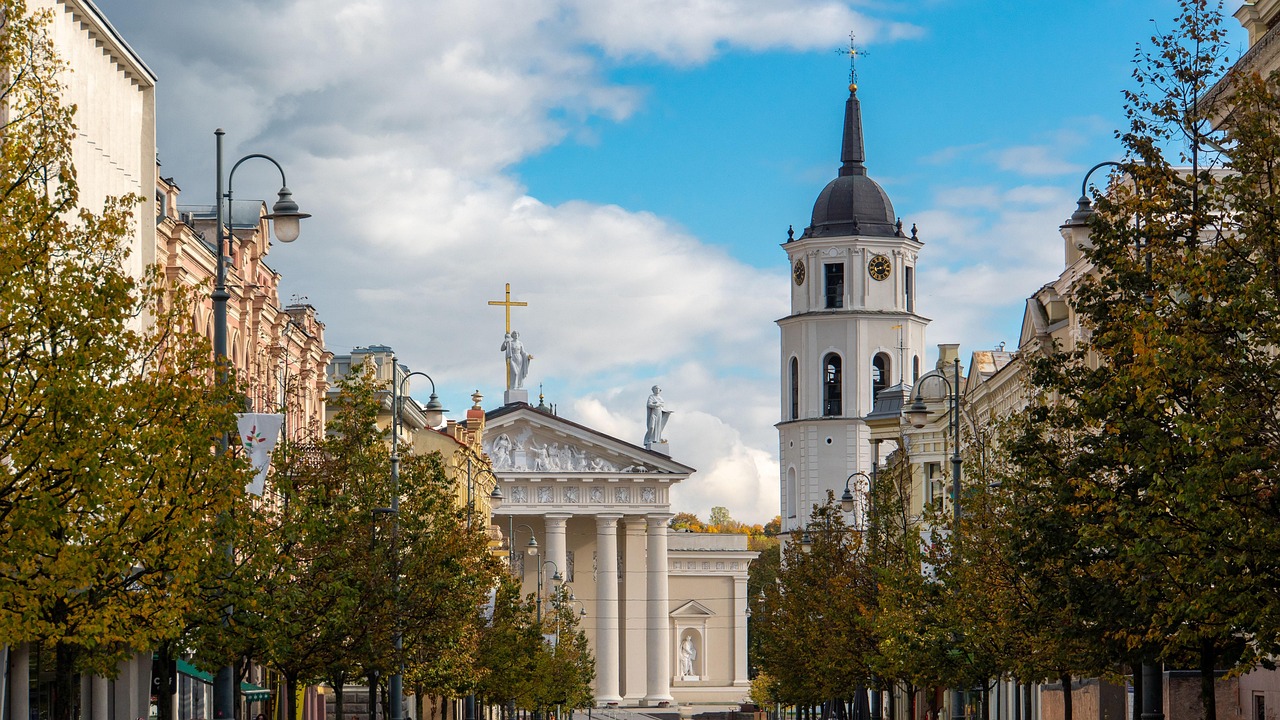
On my first proper “tourist” day in Vilnius, I started exactly where you should: Catholic spires, wide squares, and a hill with a red-brick tower that watches the city.
- Morning: Wander Vilnius Old Town, starting at Cathedral Square and Gediminas’ Tower. Climb (or funicular if operating) to the hilltop for panoramic views. It’s the best mental map of the city you’ll get.
- Lunch: Traditional Lithuanian dishes near Pilies Street – I often duck into a cozy cellar restaurant for cepelinai (potato dumplings) and beetroot soup.
- Afternoon: Visit St. Anne’s Church and Bernardine Church, then stroll along the Vilnia river towards Užupis.
- Evening: Cross into Užupis, the self-declared “Republic” with its own constitution. Have dinner in one of its riverside places, then walk back via the Old Town, which feels magical after dark.
Day 2 – Museums, Gates & Panoramic Sunsets
- Morning: Start at the Gate of Dawn, then wander to the Town Hall Square. If you like history, choose between the Palace of the Grand Dukes and the Museum of Occupations and Freedom Fights (intense, but powerful).
- Lunch: Try a modern bistro near the Town Hall – there are great spots for contemporary Lithuanian cuisine.
- Afternoon: Explore Literatų Street and side streets, or join a walking tour focusing on Jewish heritage or Soviet history.
- Evening: Head to Subačiaus Viewpoint or a rooftop bar for sunset views over the Old Town – a must in any 3 day itinerary for Vilnius.
Day 3 – Bohemian Corners & Modern Vilnius
- Morning: Dive into Užupis properly – galleries, street art, riverside walks.
- Lunch: Casual lunch at a café in Užupis or on Paupio street.
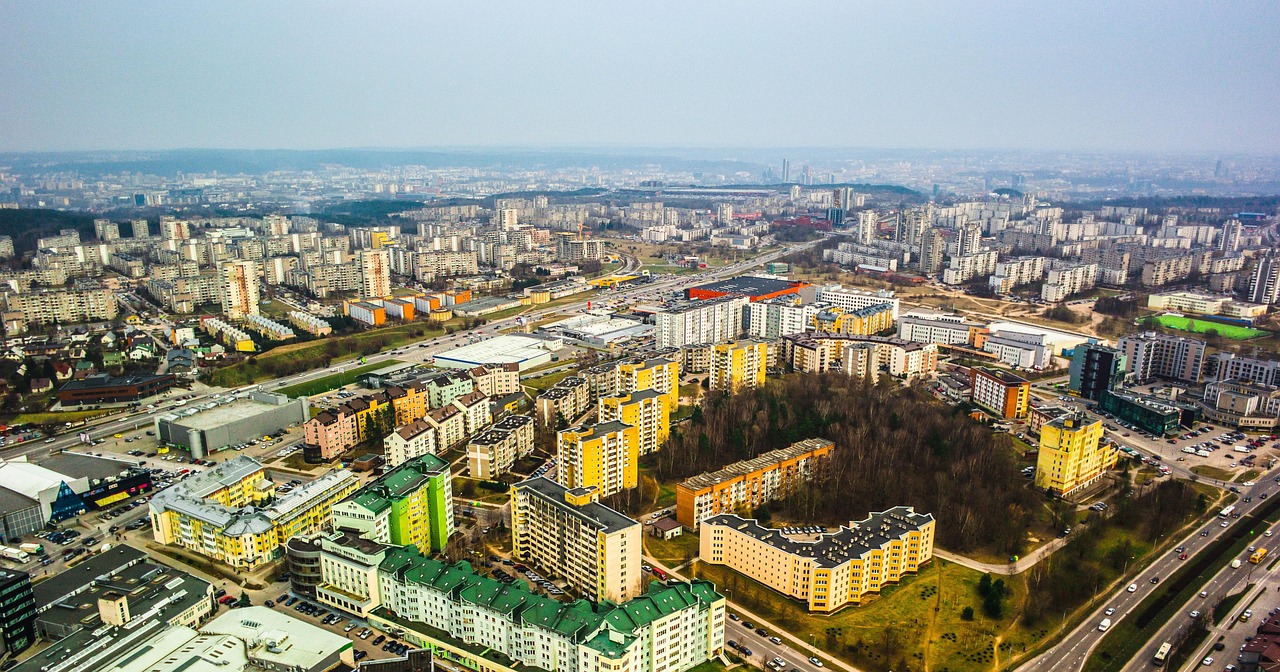
- Afternoon: Cross the river to Šnipiškės & Business District for a taste of “new” Vilnius, or explore Street Art & Railway Station Area.
- Evening: Sample Vilnius nightlife – craft beer bars, wine bars, or live music. I usually end my short trips at a cozy bar near the Town Hall, watching locals and visitors spill into the square.
4 Days in Vilnius – Add Nature & Deeper Exploring
A 4 day itinerary for Vilnius gives you time to breathe: linger in museums, escape to a forest, and discover smaller churches and courtyards most people walk past.
Day 4 – Nature Escape: Verkiai or Belmontas
On my fourth day on one trip, I joined friends for a picnic at Verkiai Regional Park. Within 30 minutes of leaving the Old Town, we were under towering trees, with views over the Neris river valley.
- Option A – Verkiai Regional Park: Lakes, manor complex, forest trails. Perfect for families and couples who need a break from cobblestones.
- Option B – Belmontas: A forested valley with a restored mill, waterfalls, and hiking trails – very popular with locals on weekends.
- Evening: Return to the Old Town for a leisurely dinner and maybe a performance at the Lithuanian National Opera and Ballet Theatre if it fits your dates.
5 Days in Vilnius – Deep Dive & Day Trips
If you have 5 days in Vilnius, you can build a 5 day itinerary for Vilnius that includes a full-day escape.
Day 5 – Day Trip to Trakai Castle
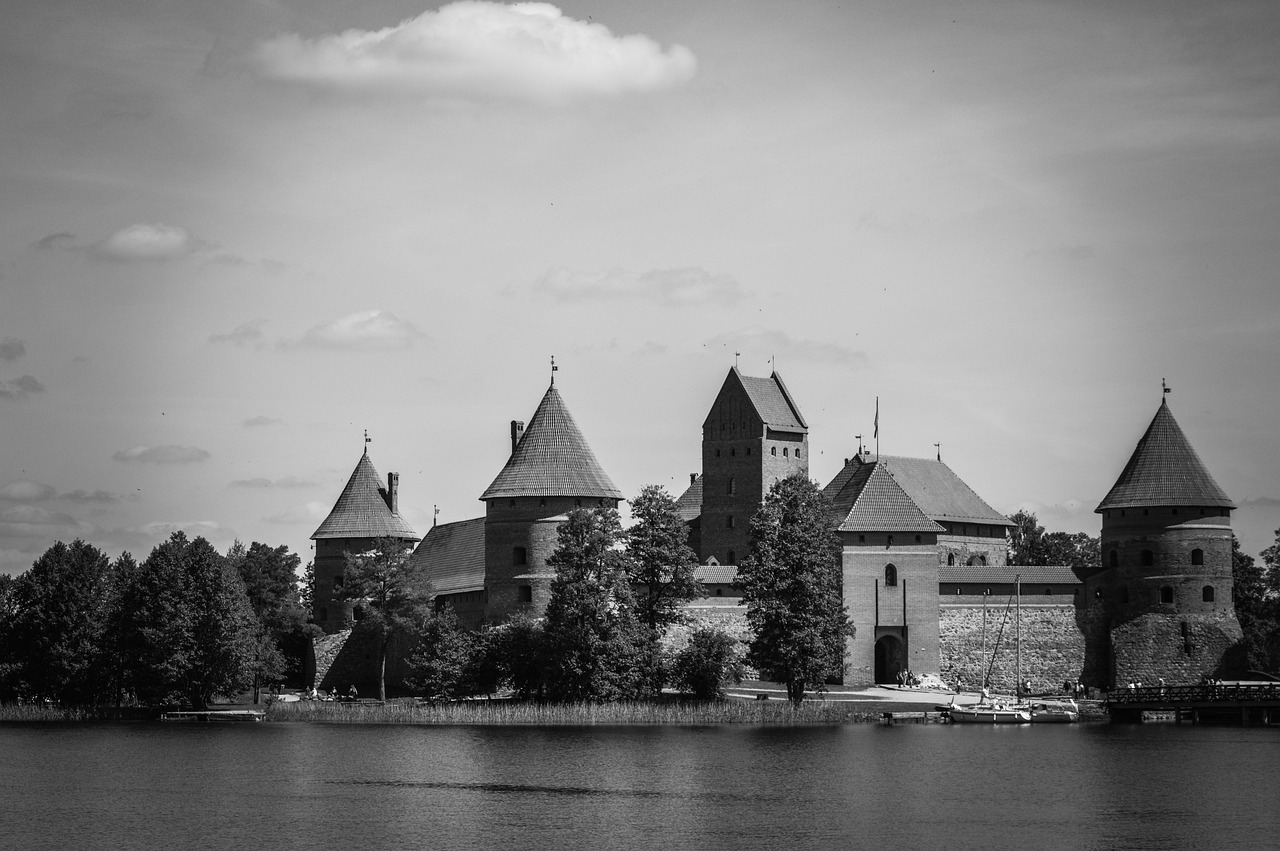
Trakai is the classic Vilnius day trip, and I still go back every couple of years. The red-brick castle, floating on a lake and surrounded by forest, feels like a postcard.
- Morning: Take a train or bus to Trakai (about 30–40 minutes). Walk through the village and along the lake to the castle.
- Lunch: Try kibinai (savory pastries) at a Karaim restaurant along the main street.
- Afternoon: Explore the castle museum, rent a boat in summer, or just walk lakeside paths. Head back to Vilnius by early evening.
- Evening: Last-night dinner in Vilnius – I like to book something slightly special, maybe a tasting menu of modern Lithuanian cuisine.
Below, I break down each major attraction in more depth so you can customize your own itinerary.
20+ Must-See Attractions in Vilnius (With Stories, History & Tips)
These are the best places to visit in Vilnius, arranged from the iconic to the slightly more hidden. I’ve included my personal impressions, how to get there, and what to look for beyond the obvious.
1. Vilnius Old Town (Senamiestis)
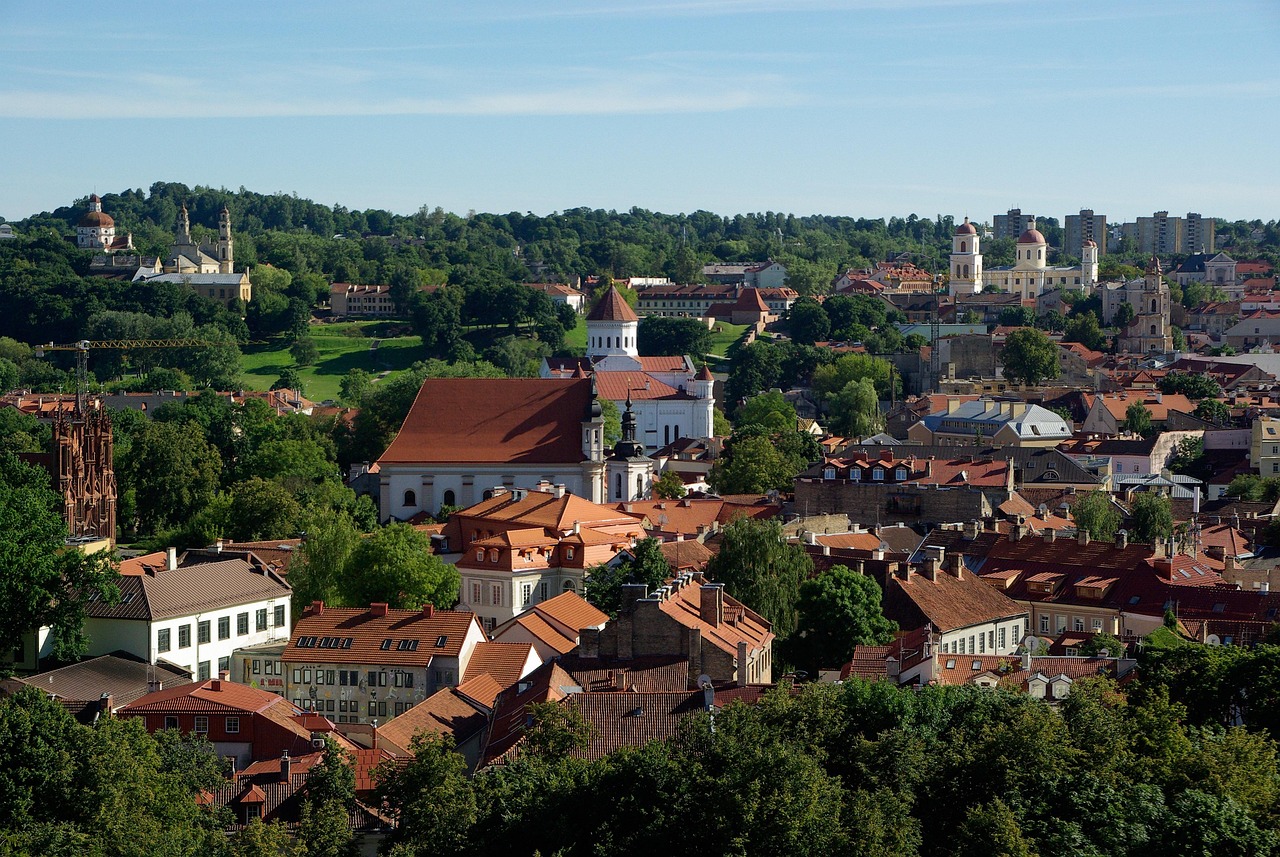
Why go: This is the heart of almost every travel guide for Vilnius. A UNESCO World Heritage Site, it’s one of the largest surviving medieval Old Towns in Eastern Europe, but it doesn’t feel like a museum. People actually live, study, and work here – laundry hangs from balconies, students rush to class, and you’ll hear everything from Lithuanian to English to Polish on the streets.
I like to enter the Old Town early in the morning, when the cobbles are still a bit damp from the night and cafés are just putting out chairs. My “ritual” is a slow walk down Pilies Street, turning down side alleys whenever something catches my eye: a hidden courtyard with ivy, an old wall painting, or a little craft shop with handwoven linen.
Highlights & hidden corners:
- Pilies Street: The main spine, full of cafés, souvenir shops, and street musicians in summer.
- University courtyards: If the gates are open, peek into Vilnius University’s historic courtyards – they’re usually peaceful and beautifully worn-in.
- Hidden courtyards: Many Old Town buildings hide arcaded courtyards behind simple doors. If a door is propped open and it’s clearly residential/office, step in quietly, be respectful, and you might find a tiny oasis.
Practical tips: Wear comfortable shoes. Cobblestones here can be brutal after a few hours. Distances are small, but the Old Town rewards slow walking. For families with strollers, stick to the wider, flatter streets (Pilies, Didžioji, Vokiečių) and cut through squares instead of narrow alleys.
2. Vilnius Cathedral & Cathedral Square
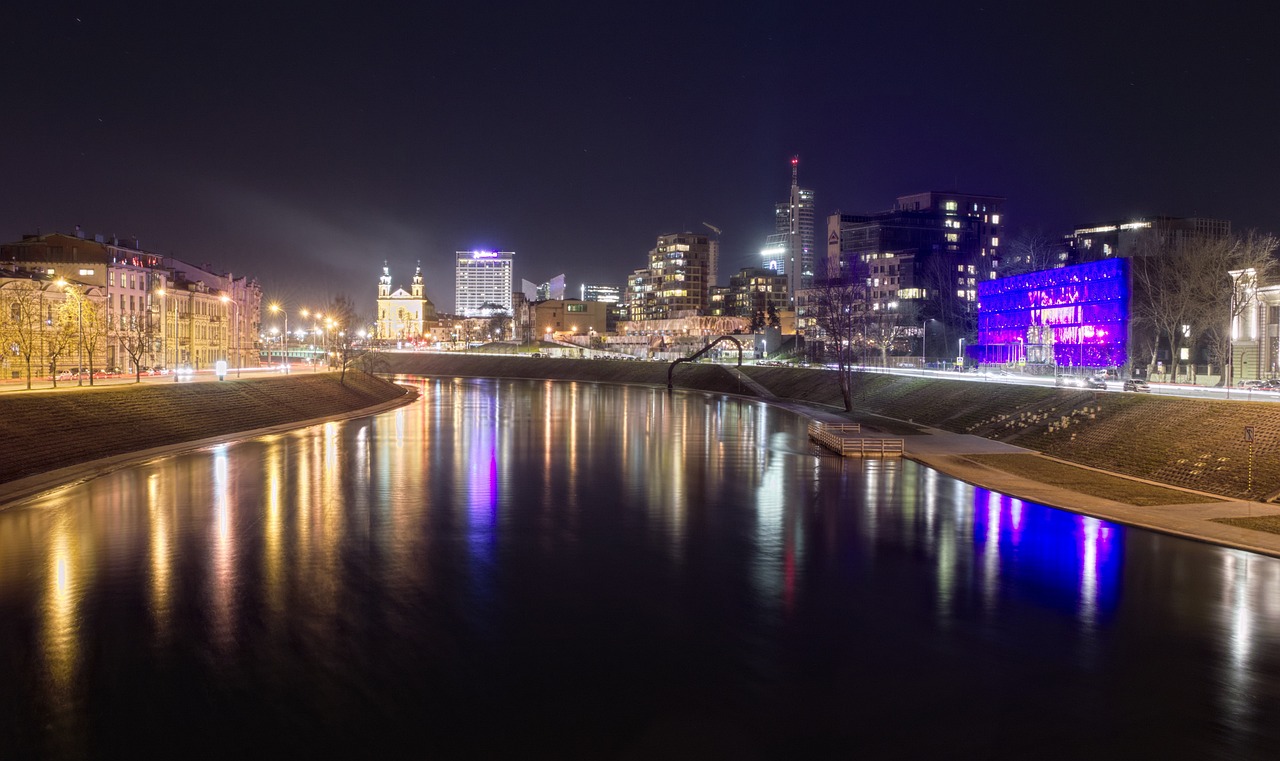
Why go: This is Vilnius’ living room. The white, neoclassical cathedral with its tall bell tower anchors the city, and the surrounding square is where people meet, demonstrations gather, festivals happen, and kids race scooters in summer.
The first time I stood here on a winter evening, the square was filled with Christmas lights and a giant tree, with the cathedral as a backdrop. Another visit, it hosted an outdoor concert. Every season gives it a different personality.
Inside the Cathedral: The interior is bright and elegant, with subtle frescoes and chapels. If you’re interested in religious history, the crypts and catacombs tours (when available) are fascinating, giving insight into Lithuania’s Christianization and the power of the Grand Duchy.
Bell Tower: You can climb the separate bell tower for another viewpoint over the square and Old Town. The stairs are steep and a bit narrow in parts, but the view is worth it.
Don’t miss: The “magic tile” (a small tile marked “Stebuklas”) near the tower. Legend says if you stand on it, make a wish, and spin around, it will come true. You’ll see people doing it all the time – I’ve done it more than once, for science.
3. Gediminas’ Tower & Castle Hill
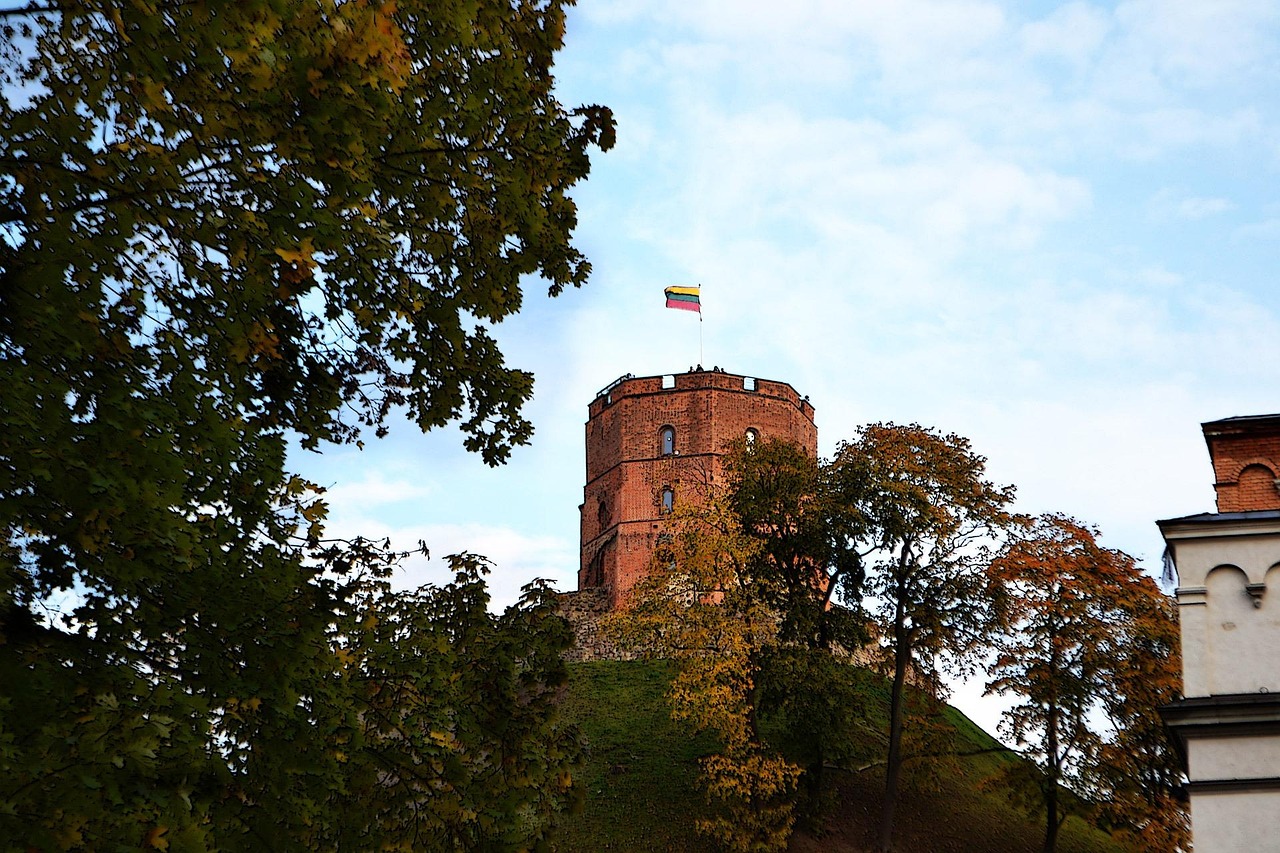
Why go: The red-brick tower on a green hill is the most recognizable symbol of Vilnius. From the top, you get the classic postcard view: red roofs, church spires, and the modern business district in the distance.
On clear evenings, I like to time my climb for about 45 minutes before sunset. The path up is short but steep – there used to be a funicular, and it may or may not be operating depending on ongoing restoration, so check locally.
Inside: The small museum inside the tower covers the history of Vilnius Castle and the city’s beginnings. It’s compact but gives context to what you’re seeing outside.
Best time to visit: Late afternoon into sunset, especially in spring and early autumn. In summer, it can be hot and crowded mid-day; in winter, be mindful of icy paths.
Tip: Combine this with the Cathedral and Old Town walks for an efficient first day. Families with younger kids should allow time for breaks – the grassy slopes are perfect for a quick roll-around (in warmer months).
4. Užupis – The Republic of Artists
Why go: Užupis is Vilnius’ bohemian soul – a tiny district that declared itself an independent republic on April 1 (yes, April Fools’ Day). Expect street art, quirky sculptures, riverside cafés, and a playful sense of freedom.
Every time I cross the bridge into Užupis, I read the “border checkpoint” sign and smile. The constitution, posted on plaques in many languages, is a set of whimsical “laws” like “Everyone has the right to make mistakes” and “Everyone has the right to be happy.”
What to see & do:
- Constitution Wall: Read the Užupis constitution translated into dozens of languages. It always starts conversations.
- Angel of Užupis: A statue of an angel blowing a trumpet stands at the main square, symbolizing artistic freedom.
- Art galleries: Small galleries and studios dot the streets; many artists are happy to chat if you show genuine interest.
- Riverside walks: In summer, locals dangle their feet in the river. I’ve seen people set up mini picnics on the low walls.
When to go: Afternoons and early evenings are best. On warm days, the place feels like a small festival. At night, it’s more low-key and intimate.
For couples: Užupis is one of the most romantic areas in Vilnius – cobbled lanes, lights reflected in the river, and quiet corners to sit with a glass of wine.
5. St. Anne’s Church & Bernardine Complex
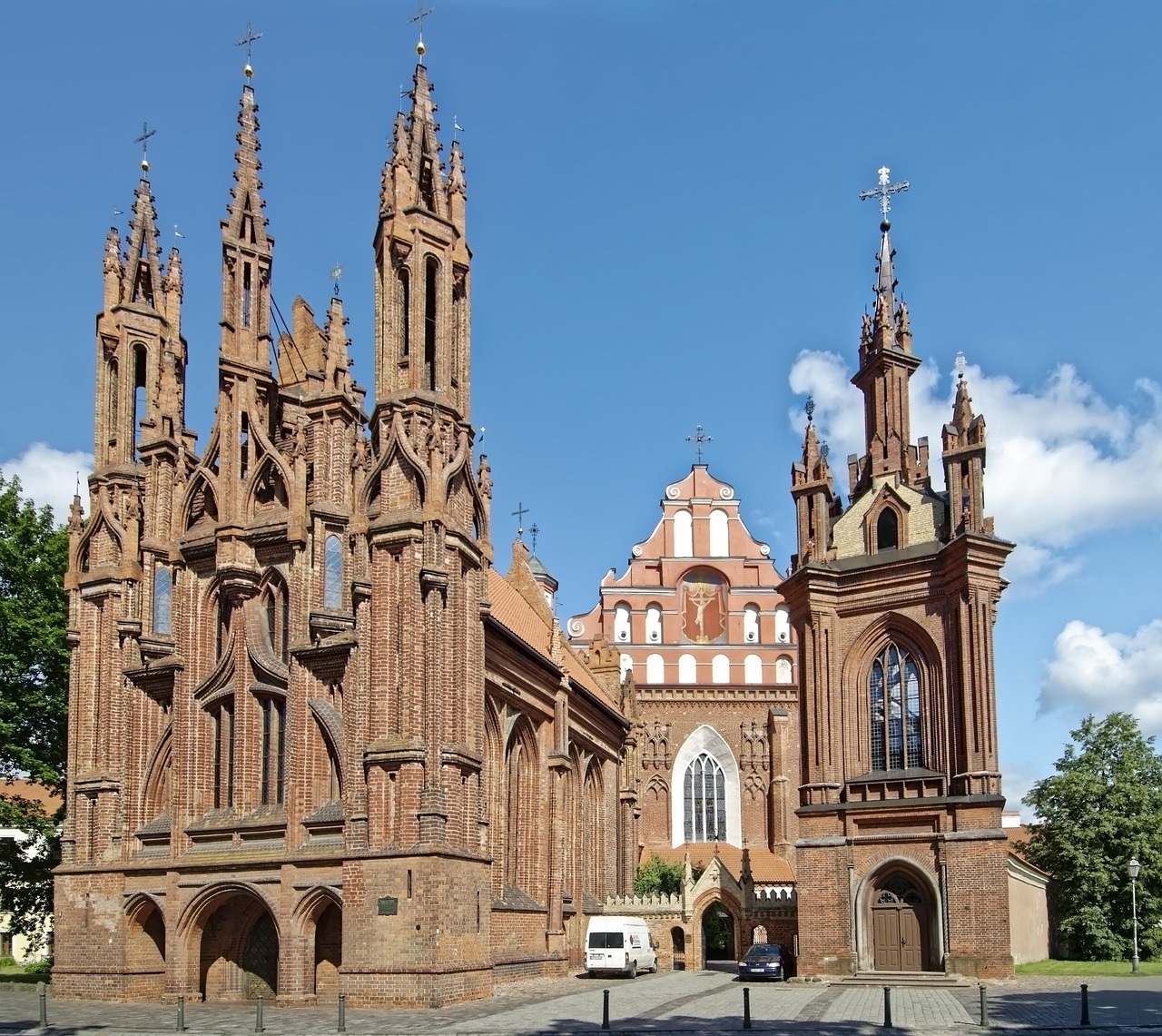
Why go: St. Anne’s Church is probably the prettiest gothic church in Lithuania, all red-brick lacework and intricate details. Legend says Napoleon wanted to carry it back to Paris in the palm of his hand. Standing in front of it, you understand the sentiment.
I love coming here in the golden hour, when the bricks seem to glow. The contrast with the neighboring Bernardine Church, with its softer, more ornate baroque style, is a visual history lesson of Vilnius architecture.
Inside: St. Anne’s is relatively simple compared to some baroque churches but atmospheric. The Bernardine Church and monastery complex next door is larger and worth exploring if open.
Tip: Walk behind the churches to the park along the Vilnia river – it’s a peaceful green belt with views back toward the Old Town skyline. On a sunny day, I often sit on a bench here with a coffee.
6. Gate of Dawn (Aušros Vartai)
Why go: The Gate of Dawn is both a historical city gate and a pilgrimage site. Inside the small chapel above the gate is a revered icon of the Virgin Mary, believed to have miraculous powers.
I remember one morning, arriving just as a small group of women began to sing hymns softly in the chapel. Even if you’re not religious, the atmosphere is deeply moving.
How to visit: You can walk under the gate (it’s part of a busy street) and then enter the chapel via stairs from the side. Dress respectfully (covered shoulders) – it’s an active place of worship.
Nearby: The street leading from the Gate of Dawn into the Old Town is dotted with small churches and shops. It’s a good route to slowly walk toward the Town Hall area.
7. Vilnius Town Hall & Town Hall Square
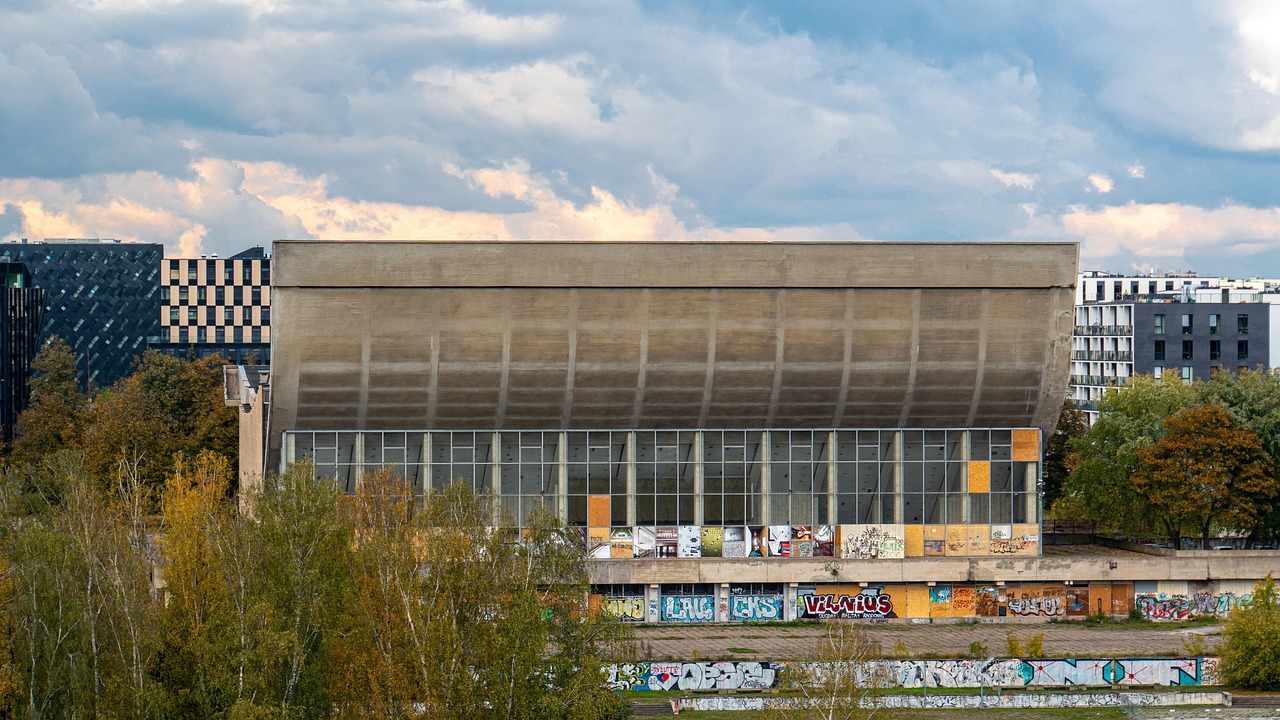
Why go: Town Hall Square is a lively, central point in the Old Town and a hub for events, markets, and open-air concerts, especially in warmer months.
On one summer visit, I stumbled onto a free jazz concert here – no big advertising, just locals in chairs and kids dancing in front of the stage. In winter, the square hosts parts of the Christmas market.
Inside the Town Hall: Sometimes you’ll find exhibitions or cultural events; check posted schedules. The building itself is neoclassical and photogenic from all angles.
Eating nearby: The streets radiating from the square are packed with restaurants and bars. This is where I usually come in the evening when I’m not sure what I want – you can browse menus and follow your mood.
8. Palace of the Grand Dukes of Lithuania
Why go: If you want to understand why little Lithuania once mattered so much in European geopolitics, this is your place. The palace is a reconstruction on the original site and houses a large museum on the history of the Grand Duchy of Lithuania.
It took me a couple of trips before I finally went inside, and I regretted waiting so long. The exhibits are well-curated and give a sense of how Vilnius evolved from a pagan stronghold to a major European capital.
What to expect: Archaeological remains, historical interiors, weaponry, ceramics, and rotating exhibitions. It’s bigger than it looks – allow at least 2–3 hours if you’re a history fan.
Good for families: Kids tend to enjoy the armory and models. There are audio guides and some interactive elements.
9. Vilnius University & Sts. Johns’ Church
Why go: Founded in 1579, Vilnius University is one of the oldest universities in Eastern Europe. Its courtyards, arcades, and historic buildings form a small city within the city.
On a drizzly afternoon years ago, I wandered into the courtyards to escape the rain and ended up spending an hour just exploring. Students ducked under umbrellas, bells chimed, and the cloistered spaces felt timeless.
Highlights:
- Courtyards: Each has its own character, with frescoes, arcades, and statues.
- Sts. Johns’ Church: The university church, with a tall bell tower you can sometimes climb for a different angle on the Old Town.
- University library: Guided tours (when offered) sometimes include this – a treat for book lovers.
Tips: Check visiting hours; some areas may be closed during exams or events. Be quiet and respectful – it’s an active campus.
10. Museum of Occupations and Freedom Fights (Former KGB Museum)
Why go: This is one of the most emotionally heavy but important things to do in Vilnius. Housed in the former KGB headquarters and prison, the museum documents Soviet and Nazi occupations and the Lithuanian resistance.
My first visit left me quiet for a long time afterward. Walking through the prison cells, execution chamber, and interrogation rooms, you feel history in your bones, not just your mind.
What to expect: Exhibits on deportations to Siberia, partisan resistance, propaganda, and everyday life under occupation. The basement prison is the most impactful part.
Who it’s for: Adults and older teens with an interest in 20th-century history. It may be too intense for younger children.
Tips: Allow at least 2 hours. Consider doing something light afterward – a walk in Lukiškės Square nearby or a café stop – to decompress.
11. Literatų Street (Literatai gatvė)
Why go: A short but delightful street where the walls are covered in small artworks dedicated to writers connected to Vilnius or Lithuania.
I discovered Literatų Street by accident on an early trip, following a sign because it sounded pretty. Every time I return, there are new pieces – metal, ceramic, wood – tiny tributes that turn the street into an outdoor gallery.
How to enjoy it: Stroll slowly, pick a few plaques at random, and look up the authors later. Some are global names, others are local legends.
Nearby: It’s close to Pilies Street and the university; combine it with a wider Old Town wander.
12. Three Crosses Hill (Trijų Kryžių Kalnas)
Why go: This forested hill offers one of the best viewpoints over Vilnius, with a white monument of three crosses on top. The crosses commemorate martyred monks and more broadly symbolize national resilience.
The hike up takes 15–25 minutes depending on your pace, through a shady forest that feels worlds away from the city. I often bring a coffee in a reusable cup and treat it as a mini urban hike.
View: From the top, you see the red roofs of the Old Town, Gediminas’ Tower, and the river. At sunset, the sky often turns soft pink behind the city.
Tips: Paths can be muddy after rain and icy in winter. Wear decent shoes. It’s a great spot for couples and photographers; families with kids who like climbing will enjoy it too.
13. Subačiaus Viewpoint
Why go: Another panoramic spot, this time from the opposite side of the Old Town. Easier to reach than Three Crosses Hill and with a different angle on the skyline.
I like to stop here on my way back from the Rasos Cemetery or the more residential parts of the city. Locals come with takeaway coffee, sit on the benches, and watch the city slowly shift colors.
When: Late afternoon or early evening; less crowded than Gediminas’ Tower at sunrise or sunset.
14. Rasos Cemetery (Rasų kapinės)
Why go: One of the oldest and most beautiful cemeteries in Vilnius, with moss-covered gravestones, monuments, and a peaceful, slightly melancholic atmosphere. It’s historically significant for both Lithuanians and Poles.
I visited on a cloudy autumn day; the combination of orange leaves and old stone felt like walking through a sepia photograph. It’s a place for quiet reflection rather than ticking off a sight.
Tip: Not a must-see for a tight 3 day itinerary for Vilnius, but wonderful if you have extra time or an interest in history and cemeteries.
15. Vilnius Street Art & Railway Station Area
Why go: Vilnius has an increasingly vibrant street-art scene. Around the railway station and in districts like Naujamiestis, you’ll find large murals and smaller pieces that add color and commentary to the city.
On one of my later trips, I joined a street art walking tour and realized how much I’d been missing by only staying in the Old Town. Pieces range from political to playful; some reference Lithuanian folklore, others global pop culture.
Must-see mural: The famous “Trump and Putin kiss” mural near the station was once a viral hit; even though it has changed over time, the area still hosts bold works.
Tip: Go in daylight. While I’ve never felt unsafe, station areas in any city can feel a bit rough at night. For photography, overcast days are actually ideal.
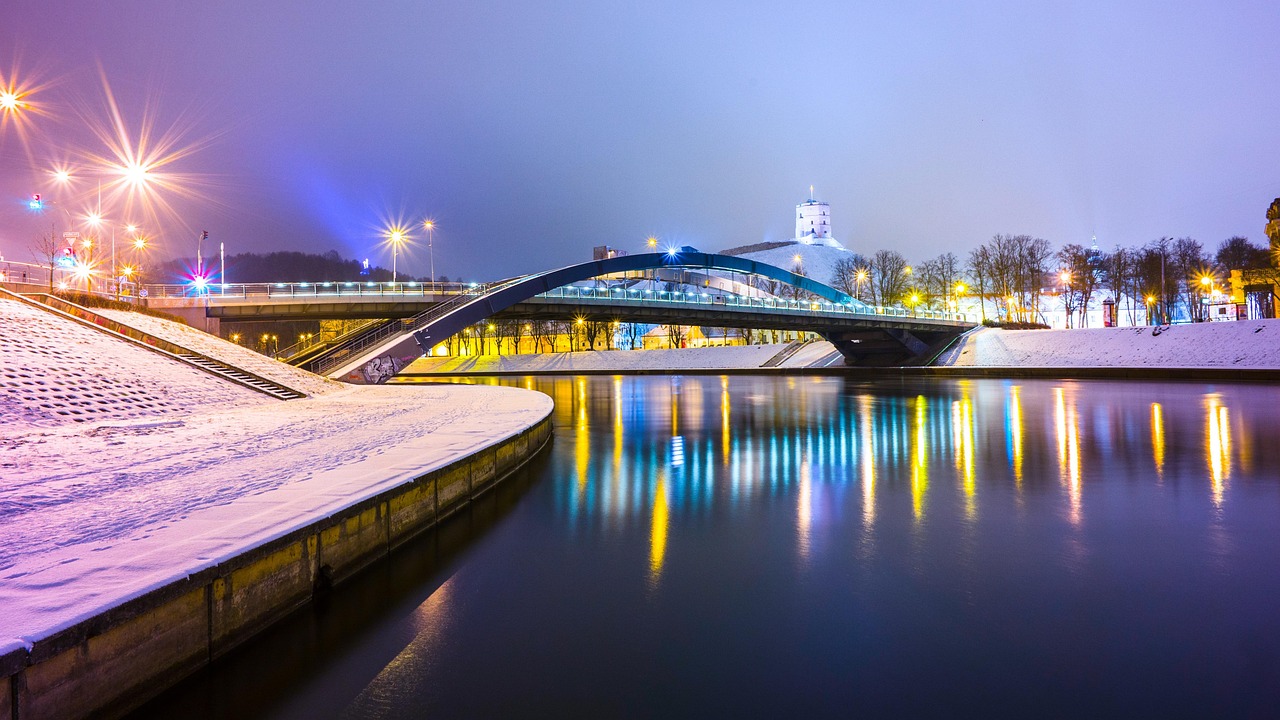
16. Modern Business District & White Bridge
Why go: To see the contrast between medieval Vilnius and its glass-and-steel counterpart. Across the Neris river, the business district has high-rises, modern shopping centers, and a different energy.
I like to cross the White Bridge in the late afternoon, watching joggers and cyclists go by. In summer, the grassy banks become a kind of informal beach, with people sunbathing and playing volleyball.
What to do: Visit a rooftop bar for skyline views, grab coffee in a modern café, or simply stroll along the river.
17. Bernardine Garden (Bernardinų sodas)
Why go: A beautifully landscaped park along the river, just behind the Cathedral and St. Anne’s Church. It’s one of my favorite spots to rest between sightseeing.
On warm days, fountains play, kids run between playgrounds, and couples sit on benches under trees. There’s usually an ice cream stand or two, which I consider an essential attraction.
Good for: Families (playgrounds), couples (romantic walks), solo travelers (great place to read or people-watch).
18. Belmontas & Pavilniai Regional Park
Why go: A green valley with a restored mill complex, waterfalls, and walking trails, just outside the city center. It feels like a countryside retreat, yet it’s still technically in Vilnius.
I’ve come here with friends for long lunches followed by hikes. The sound of water, the smell of forest, and a plate of hearty food – it’s a nice reset if you’ve spent days on stone and brick.
What to do: Walk the trails, have a meal at the Belmontas restaurant complex, and explore the small waterfalls and bridges.
19. Verkiai Regional Park & Green Lakes
Why go: A large natural area in the north of the city, with forests, lakes, and the picturesque Verkiai Palace. The nearby “Green Lakes” are beloved summer swimming spots.
One hot July afternoon, I joined a group of locals heading to the lakes. We swam, sunbathed on the pine-scented banks, and grilled sausages at a designated spot. It’s very much a local experience in good weather.
Tips: Bring swimwear, a towel, and insect repellent in summer. Check local rules about grilling and fires – they can change depending on drought conditions.
20. Trakai Island Castle (Day Trip)
Why go: Technically outside Vilnius, but so closely associated that no extended travel guide for Vilnius can leave it out. The red-brick castle sits on an island in Lake Galvė, connected by bridges, and surrounded by forest.
Trakai was once a political center of the Grand Duchy. Today, it’s a mix of history, nature, and Karaim culture – a Turkic minority invited centuries ago to serve as guards and still present in the town.
What to do: Visit the castle museum, rent a boat or paddleboard in summer, walk lake trails, and eat kibinai (meat or vegetarian turnovers) at a Karaim restaurant.
Getting there: Trains and buses run regularly from Vilnius (30–40 minutes). From the station, it’s about a 20–30 minute walk to the castle, or you can take a local bus/taxi.
More Interesting Spots (Bonus Hidden Gems)
If you’re building a 4 day itinerary for Vilnius or a 5 day itinerary for Vilnius, consider adding:
- MO Museum: Contemporary art museum with rotating exhibitions and a stylish café.
- Lukiškės Prison 2.0: Former prison turned cultural venue with tours, concerts, and events.
- Tymas Market: A small, more local-feeling market near Užupis (especially active in warmer months).
- Vingis Park: Huge park and forest with cycling paths, used for big concerts and family picnics.
Neighborhoods & Districts of Vilnius to Explore
Old Town (Senamiestis)
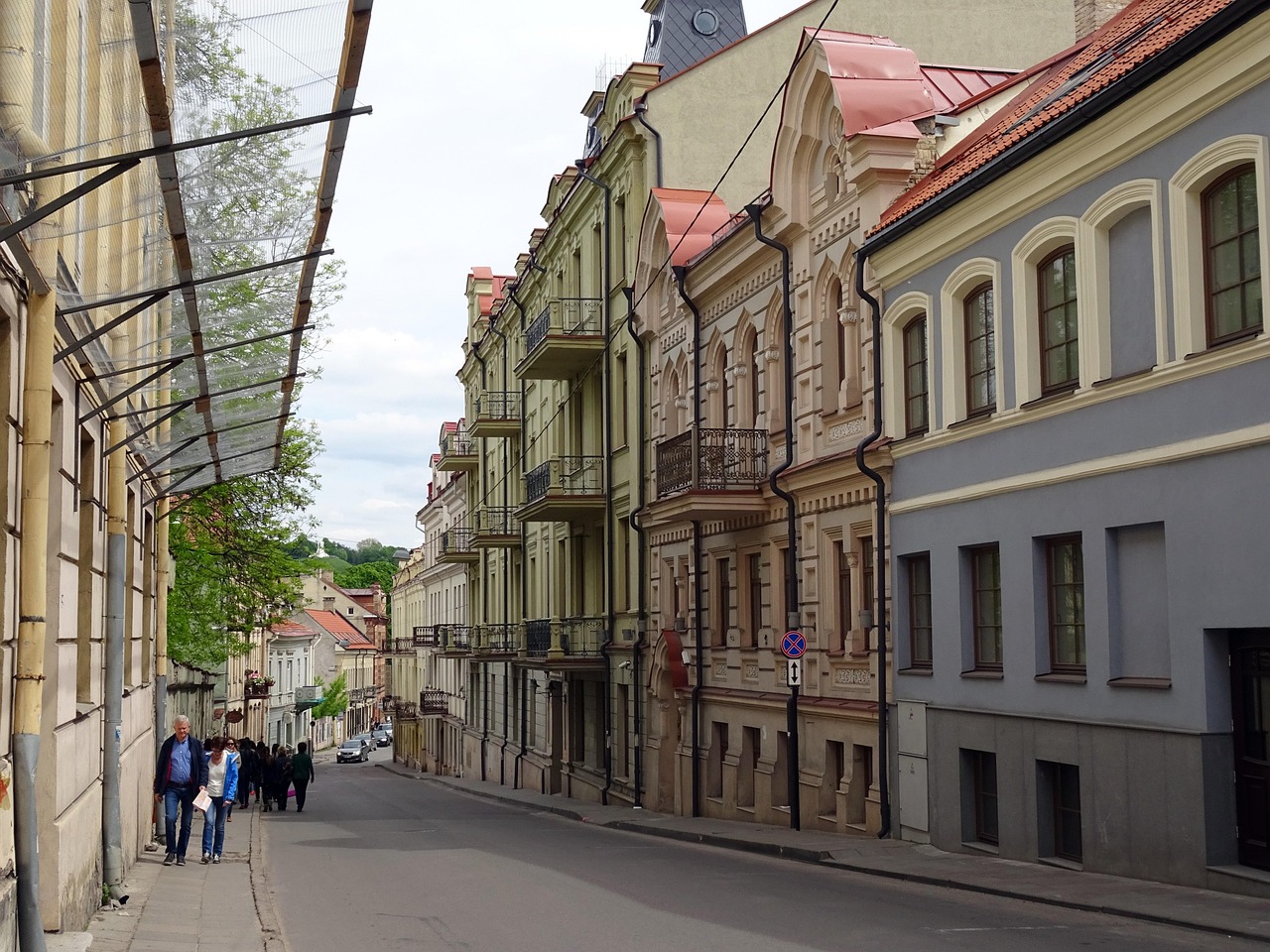
Vibe: Historic, charming, touristy but still lived-in.
Best for: First-time visitors, short stays, romantic trips, anyone who wants to walk everywhere.
Stay here if you want to step out the door and immediately be in the middle of everything. Nights can be a bit noisy near busy bars, so choose a side street if you’re a light sleeper.
Užupis
Vibe: Artistic, bohemian, slightly eccentric.
Best for: Creative travelers, couples, photographers.
It’s still within walking distance of the Old Town but feels like a small village. Accommodation options are more limited but atmospheric.
Naujamiestis & Station Area
Vibe: Gritty-creative, up-and-coming, mixed.
Best for: Street art fans, budget travelers, nightlife explorers.
Gentrification and creativity are transforming old industrial and Soviet-era spaces here into galleries, bars, and co-working hubs. Some streets still feel rough around the edges, especially at night, but it’s a fascinating side of Vilnius.
Šnipiškės & Business District
Vibe: Contrasts – old wooden houses vs. new skyscrapers.
Best for: Seeing the “new” Vilnius, business travelers, longer stays.
Walk a few blocks and you go from shiny glass towers to wooden cottages. It’s one of the most visually interesting juxtapositions in the city.
Žvėrynas
Vibe: Leafy, residential, wooden architecture.
Best for: Slow travelers, architecture lovers, those seeking quiet.
I like to walk here on Sunday afternoons, admiring the wooden villas and gardens, then loop back along the river.
Antakalnis
Vibe: Green, spread out, local.
Best for: Longer stays, people who like being near nature while still in the city.
Close to the river, cemeteries, and some embassies; not a tourist hub, but very livable.
Local Food in Vilnius – What to Eat & Where
One of the joys of spending 4 days in Vilnius or more is having time to really explore the food scene – from traditional Lithuanian dishes to modern bistros, vegan cafés, and bustling markets.
Must-Try Lithuanian Dishes
- Cepelinai: Potato dumplings filled with meat, curd, or mushrooms, served with bacon and sour cream. Heavy but satisfying – I usually share a portion if I still want dessert.
- Šaltibarščiai: Cold beetroot soup, bright pink, served with dill, cucumber, and usually boiled potatoes on the side. Perfect on a hot day.
- Kugelis: Baked potato pudding, crispy on top, soft inside.
- Kibinai: Savory turnovers, originally Karaim, especially good on a day trip to Trakai.
- Kepta duona: Fried bread sticks with garlic, often served with cheese dip – the ultimate beer snack.
Where to Eat in Vilnius (Personal Favorites)
Restaurants come and go, but certain streets and areas stay reliably good for food:
- Old Town backstreets: Around Town Hall Square and Pilies Street, look for basement taverns serving traditional dishes. I often end up in small, brick-vaulted places with hearty menus and local beer on tap.
- Modern Lithuanian bistros: There’s a new wave of spots reimagining local ingredients – think beetroot, buckwheat, forest mushrooms – in lighter, creative ways. Great for a splurge night.
- Užupis cafés: Relaxed, artsy, often with vegetarian and vegan options.
- Street food & markets: Seasonal markets (like near the Town Hall or in Tymas) are good for quick bites; look for local cheeses, smoked meats, and pastries.
Money-saving tip: Lunch menus (weekday set lunches) are common and cheaper than dinner à la carte. I often eat my “big meal” at lunch and go lighter at dinner.
What to Drink in Vilnius
- Local beer: Lithuania has a strong beer culture; try both big brands and smaller craft brews. Many bars offer tasting flights.
- Midus (mead): A traditional honey-based alcoholic drink; sweeter and stronger than beer.
- Kvass (gira): Low-alcohol or non-alcoholic fermented bread drink; slightly sweet and tangy, sold in shops and occasionally on tap.
- Specialty coffee: The café scene is excellent – third-wave coffee shops are scattered across the Old Town and Naujamiestis.
Nightlife, Entertainment & Cultural Experiences in Vilnius
Nightlife in Vilnius
Vilnius nightlife ranges from quiet wine bars to busy clubs, with a strong emphasis on cozy, atmospheric spaces rather than mega clubs.
- Old Town & Town Hall area: Densest cluster of bars – craft beer bars, cocktail bars, wine cellars. I like to hop between a couple, keeping things spontaneous.
- Užupis: Smaller, more alternative bars with live music or DJ sets.
- Naujamiestis: Emerging spots in former industrial buildings; ask locals for current favorites, as these change quickly.
Tip: Smoking is not allowed inside, but some terraces exist. ID checks are common; carry a copy or digital version of your passport or ID.
Cultural Experiences
- Lithuanian National Opera and Ballet Theatre: Check schedules for opera, ballet, and concerts. Tickets can be very affordable compared to Western Europe; I’ve seen excellent performances for the price of a mid-range dinner elsewhere.
- Small theatres: Experimental and contemporary performances, mostly in Lithuanian but sometimes accessible regardless of language.
- Classical concerts: Churches and halls often host concerts; posters around the Old Town advertise them.
- Festivals: Summer is festival season – music, street theatre, cultural nights, and open-air cinema.
Family-Friendly, Romantic & Adventurous Activities
- Family-friendly: Bernardine Garden, Vingis Park, Trakai day trip, Green Lakes, riverbank cycling, interactive museums.
- Romantic: Evening walks in the Old Town, sunset at Gediminas’ Tower or Subačiaus viewpoint, wine bars, Užupis dinners, boat rides in Trakai.
- Adventurous: Kayaking or SUP on the Neris or lakes, hot air balloon flights over Vilnius (when offered), winter cross-country skiing in city parks, longer hikes in regional parks.
Best Day Trips from Vilnius
Trakai Castle & Lakes
Covered above in detail, but as a reminder: easy access, iconic views, and perfect for all ages. One of the easiest and most rewarding day trips.
Kaunas – Lithuania’s Second City
Why go: Different vibe from Vilnius – more interwar modernist architecture, a long pedestrian avenue, and its own castle and riverside walks.
Getting there: Frequent trains and buses (1–1.5 hours). A good choice for a longer stay in Vilnius when you want to see more of the country without changing hotels.
Paneriai Memorial (Paneriai Forest)
Why go: A memorial site in a forest where tens of thousands of Jews and others were murdered during the Holocaust. A sobering but important visit for those wishing to understand the region’s history.
Getting there: About 10 km from Vilnius; can be reached by train to Paneriai station plus a walk, or by taxi/ride-hailing.
Anyksčiai & Treetop Walkway (Longer Day Trip)
Why go: A bit farther, but the treetop walkway and surrounding forests are magical, especially in autumn when leaves turn golden.
Getting there: Around 1.5–2 hours by car; buses exist but make this easier with a rental car or organized tour.
Major Events & Festivals in Vilnius (2026–2027)
Exact lineups change every year, but based on recent patterns, here are key events to watch for in 2026–2027 when planning your trip:
- Vilnius City Fiesta (Sostinės dienos) – Early September: Open-air concerts, markets, art installations, and performances across the Old Town and along Gedimino Avenue.
- Vilnius Festival – June: Classical music festival with local and international artists, often including performances in historic venues.
- Culture Night (Kultūros naktis) – Summer: One night when the city fills with free artistic events, performances, and installations until late.
- Christmas Markets – Late November to early January: Cathedral Square and Town Hall Square transform into Christmas villages, with a spectacular Christmas tree in Cathedral Square.
- Vilnius International Film Festival (Kino Pavasaris) – March/April: Screens films from around the world; a big deal in the local cultural calendar.
- Street Music Day – Spring/early summer: Musicians take over streets and squares; delightful to stumble upon if your dates align.
As 2026 approaches, check official Vilnius tourism sites and event calendars for updated dates and any special one-off festivals or city-wide celebrations.
Local Customs & Cultural Etiquette in Vilnius
Understanding a few local customs goes a long way. Lithuanians can seem reserved at first, but they’re generally warm and helpful once you break the ice.
- Greetings: A simple “Labas” (hi) or “Laba diena” (good day) works; handshakes are common in more formal situations. Many younger people will switch to English quickly.
- Personal space: People value it. Don’t be surprised if strangers seem a bit distant or quiet on public transport.
- Silence in churches: Dress modestly, speak softly, and avoid intrusive photography during services.
- Tipping: Not mandatory but appreciated – around 10% in restaurants if service is good. Rounding up in cafés and taxis is common.
- Shoes off at home: If you’re invited to a local’s home, expect to remove your shoes at the door.
- Alcohol: Public drinking rules are enforced – open containers in streets/parks may be fined; stick to designated terraces and bars.
- History topics: WW2, Soviet occupation, and current regional politics can be sensitive. Listen more than you speak unless you know the context well.
Practical Travel Advice for Vilnius (2026)
Getting Around Vilnius
- On foot: The Old Town and central areas are very walkable. Most must-see attractions in Vilnius are within a 20–30 minute walk of each other.
- Public transport: Buses and trolleybuses cover the city. They’re clean and generally punctual.
- Tickets: Buy via mobile apps (e.g., local ticketing app) or from kiosks. Validate when you board. Day passes are good value if you’re moving around a lot.
- Ride-hailing & taxis: Apps are widely used and often cheaper and more reliable than hailing cabs on the street.
- Bikes & e-scooters: Shared services operate seasonally; good for river paths and parks, less ideal on cobblestones.
SIM Cards & Connectivity
As of 2026, Lithuania has excellent mobile coverage and fast data.
- EU visitors: Often can roam on your existing plan at domestic rates (check with your provider).
- Non-EU visitors: Buy a local prepaid SIM at the airport, malls, or phone shops. Major operators offer tourist packages with generous data.
- eSIM: Many providers sell eSIMs online; you can set it up before arrival.
- Wi-Fi: Common in hotels, cafés, and many public spaces.
Car Rental & Driving
You don’t need a car for Vilnius itself, but it can be useful for day trips beyond Trakai.
- Foreign driver’s licenses: EU licenses are accepted. Many non-EU licenses are fine; some nationalities may need an International Driving Permit (IDP). Check before travel.
- Roads: Main roads are in good condition. Driving standards are comparable to other EU countries.
- Parking: Paid street parking zones in central areas; check signs and use apps or meters. Some Old Town streets are restricted or narrow.
How to Save Money in Vilnius
- Accommodation: Stay just outside the Old Town (e.g., in Naujamiestis or across the river) for better rates while remaining walkable.
- Lunch deals: Take advantage of set lunch menus, which are cheaper than dinner.
- Public transport: Use day or multi-day passes instead of single tickets if you’ll ride more than a few times.
- Free views: Three Crosses Hill and Subačiaus viewpoint are free, whereas some towers charge a fee.
- Tap water: Safe to drink; refill your bottle instead of buying plastic.
Visa Requirements
Vilnius is in Lithuania, a member of the Schengen Area.
- EU/EEA & some other countries: No visa for tourism; ID card or passport needed.
- Many non-EU countries: Can enter visa-free for short stays (up to 90 days in 180 days); check if your passport qualifies.
- Others: May require a Schengen visa obtained in advance.
Always verify current rules with official government or embassy websites before traveling, as regulations can change.
When to Visit Vilnius – Seasons & What They’re Best For
- Spring (April–May): Mild weather, trees and parks turning green, fewer crowds. Great for walking and photography.
- Summer (June–August): Warmest and liveliest – festivals, outdoor cafés, long days. Ideal for first-time visitors, families, and anyone wanting to enjoy lakes and parks. Also the busiest and sometimes pricier.
- Autumn (September–October): My personal favorite – crisp air, golden leaves, fewer tourists, and beautiful light. Perfect for city walks and day trips to forests.
- Winter (November–March): Can be cold and dark, but snow adds a fairy-tale feel. Christmas markets and lights brighten December. Good for budget travelers and those who love winter atmospheres.
Safety & Common-Sense Tips
- Vilnius is generally safe, including for solo travelers. Use normal city awareness: watch your belongings in crowded areas and at night.
- Avoid very drunk crowds around some late-night bars; choose another street or grab a ride if you feel uncomfortable.
- In winter, watch for icy sidewalks – good footwear matters.
Summary: Key Takeaways & Final Recommendations
Vilnius is one of those cities that quietly exceeds expectations. It’s small enough to feel intimate but layered enough to keep you coming back. Whether you’re planning 3 days in Vilnius or stretching to a 4 or 5 day itinerary for Vilnius, you can shape your trip around what you love most: history, food, nature, art, or just wandering beautiful streets.
- Best seasons: Late spring (May–June) and early autumn (September) balance pleasant weather, open-air life, and manageable crowds. Summer is great for festivals and lakes; winter for cozy, atmospheric evenings and Christmas lights.
- Must-see attractions in Vilnius: Old Town, Cathedral Square, Gediminas’ Tower, Užupis, St. Anne’s Church, Three Crosses Hill, and at least one major museum (Palace of the Grand Dukes or Museum of Occupations and Freedom Fights).
- Don’t skip: Trying local food (especially cepelinai and šaltibarščiai), exploring at least one forested park, and catching a sunset from a hill or viewpoint.
After many trips, my core advice remains: slow down. Let Vilnius reveal itself through small details – a church door ajar, a mural in a side street, a quiet bench by the river. That’s where this city really shines.