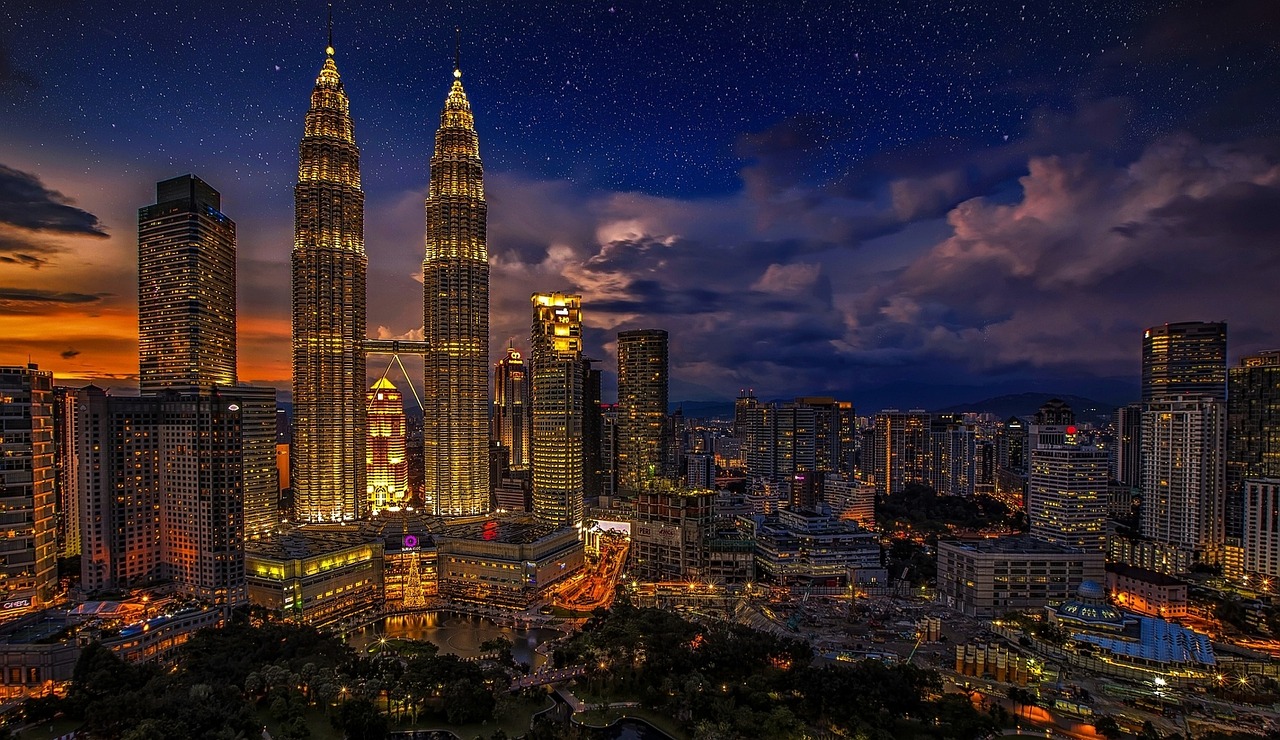
Why Visit Kuala Lumpur?
If Southeast Asia were a buffet, Kuala Lumpur (KL) would be the plate where everything delicious accidentally mixes together and somehow works perfectly.
KL is old mosques and glass towers, smoky satay grills under monorail tracks, air-conditioned megamalls next to crumbling shophouses painted in pastel colors. It’s where you can eat banana leaf rice with your hand at noon, sip a rooftop cocktail by the Petronas Twin Towers at sunset, and end the night at a speakeasy hidden behind a noodle shop door.
I’ve been coming back to KL almost every year since 2012. I’ve watched new MRT lines open, neighborhoods like Chow Kit and Kampung Attap reinvent themselves, and tiny family food stalls survive rising rents because locals simply refuse to eat anywhere else. Every visit, the city feels a little different—but the warmth, the humor, and the food obsession stay the same.
This 2026 travel guide for Kuala Lumpur is long, detailed, and personal. It’s written for you if you’re planning 3 days in Kuala Lumpur, 4 days, or even 5 days in Kuala Lumpur and you want:
- A realistic 3–5 day itinerary for Kuala Lumpur, with specific routes and timing.
- Deep dives into 20+ must-see attractions with tips I wish I’d known on my first visit.
- Local food in Kuala Lumpur: what to eat, where I actually go, and how not to overorder (you will anyway).
- Hidden gems in Kuala Lumpur beyond Petronas and Batu Caves.
- Travel tips for Kuala Lumpur: SIM cards, public transport, money-saving tricks, and local customs so you don’t accidentally step on cultural toes.
Table of Contents
- Why Visit Kuala Lumpur?
- Key Neighborhoods & Areas to Explore
- Top 20+ Must-See Attractions in Kuala Lumpur
- 3–5 Day Itineraries for Kuala Lumpur (With Personal Stories)
- Best Local Food & Drinks in Kuala Lumpur
- Nightlife, Entertainment & Cultural Experiences
- Best Day Trips from Kuala Lumpur
- Cultural Etiquette & Local Customs
- Practical Travel Advice for Kuala Lumpur (2026–2027)
- Major Events & Festivals 2026–2027
- Summary & Best Time to Visit Kuala Lumpur
Key Neighborhoods & Areas to Explore in Kuala Lumpur
Kuala Lumpur City Centre (KLCC)
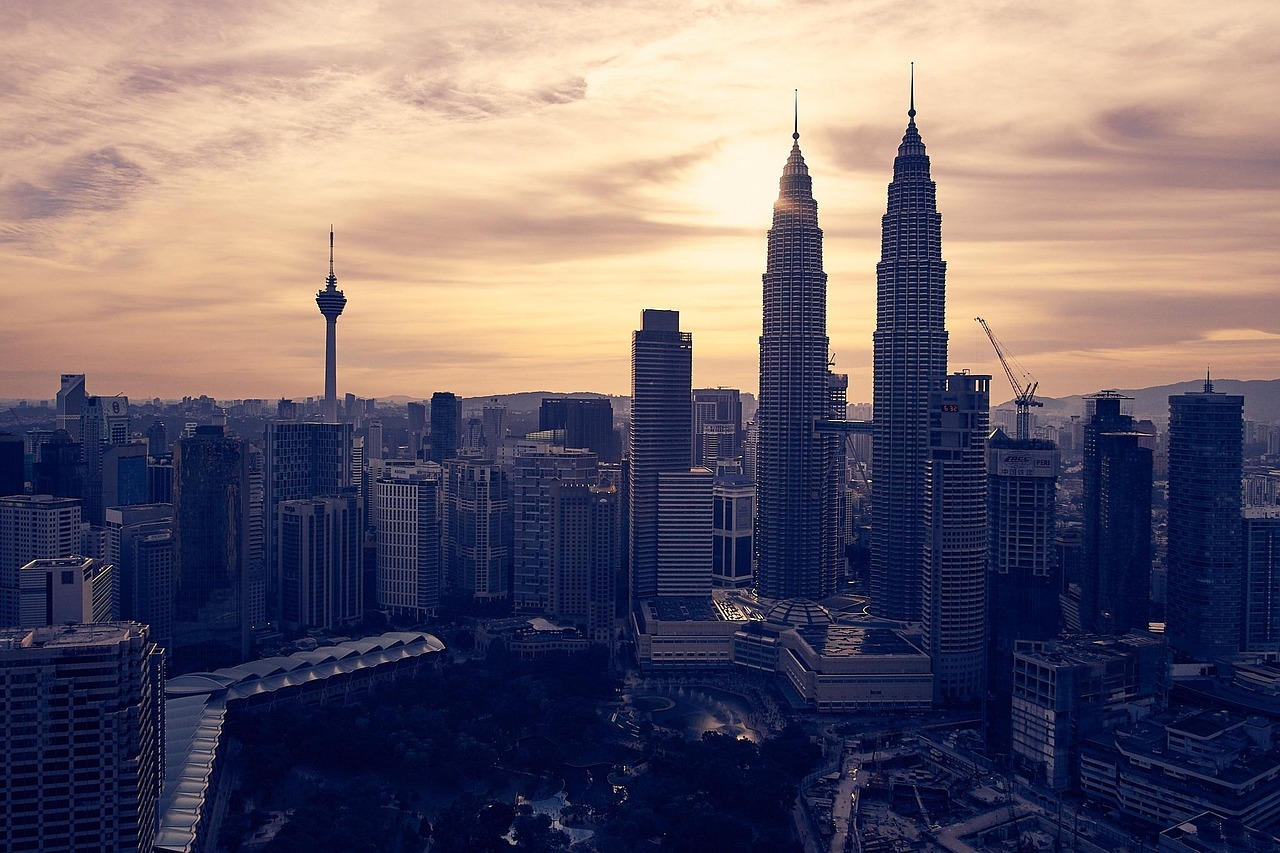
Vibe: Futuristic, polished, business-meets-leisure.
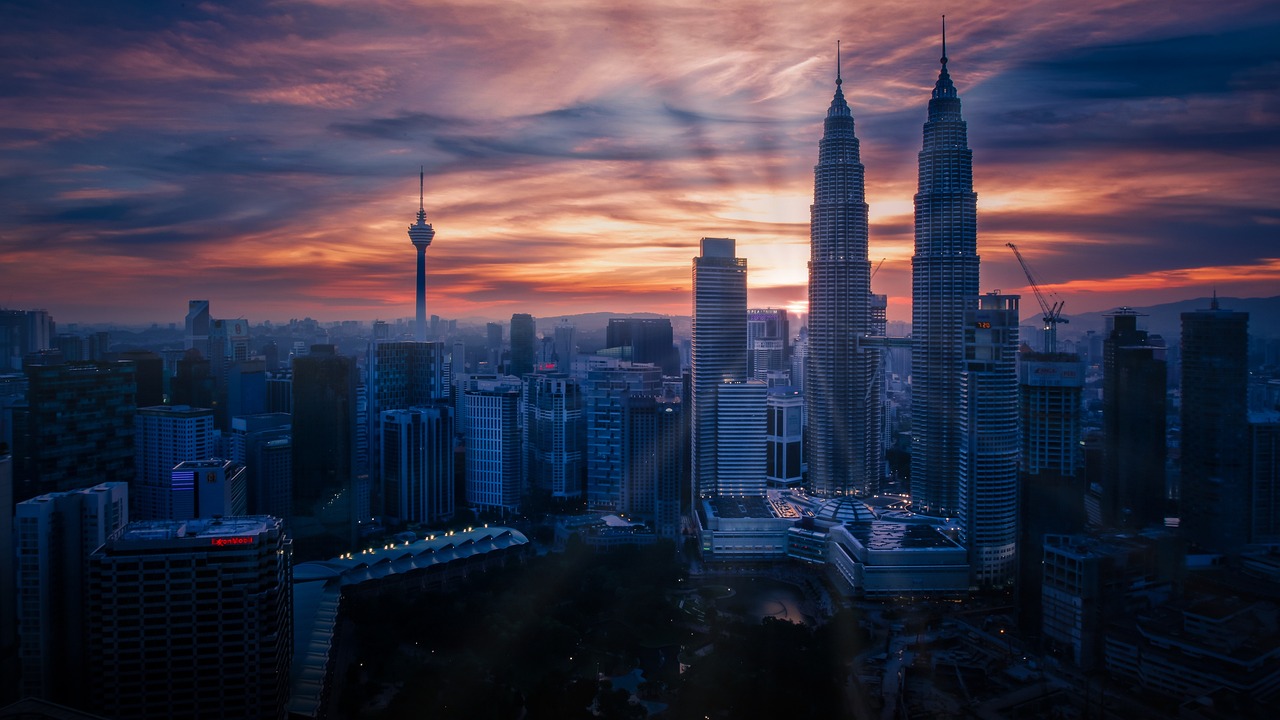
This is where the Petronas Twin Towers pierce the sky and manicured parks sit under highways. In KLCC, you hop between Suria KLCC mall, the KLCC Park fountains, and sleek rooftop bars without ever straying far from air-conditioning.
Bukit Bintang
Vibe: Neon, noisy, and never really asleep.
If you want things to do in Kuala Lumpur at night, you end up in Bukit Bintang: Jalan Alor food street, malls like Pavilion, street performers, and traffic that never seems to move but somehow never stops.
Chinatown (Petaling Street & surroundings)
Vibe: Gritty, colorful, creative, a little chaotic.
Markets, old temples, and some of KL’s coolest independent cafés and bars tucked into revitalized shophouses. I often base myself around Chinatown when I want to feel the “old city” but still drink good coffee.
Brickfields (Little India)
Vibe: Spices, incense, and Bollywood soundtracks.
Immediately behind KL Sentral station, Brickfields is sari shops, flower garland stalls, and banana leaf rice restaurants that locals will argue about endlessly. It’s a great place for an early evening walk and a very filling dinner.
Bangsar
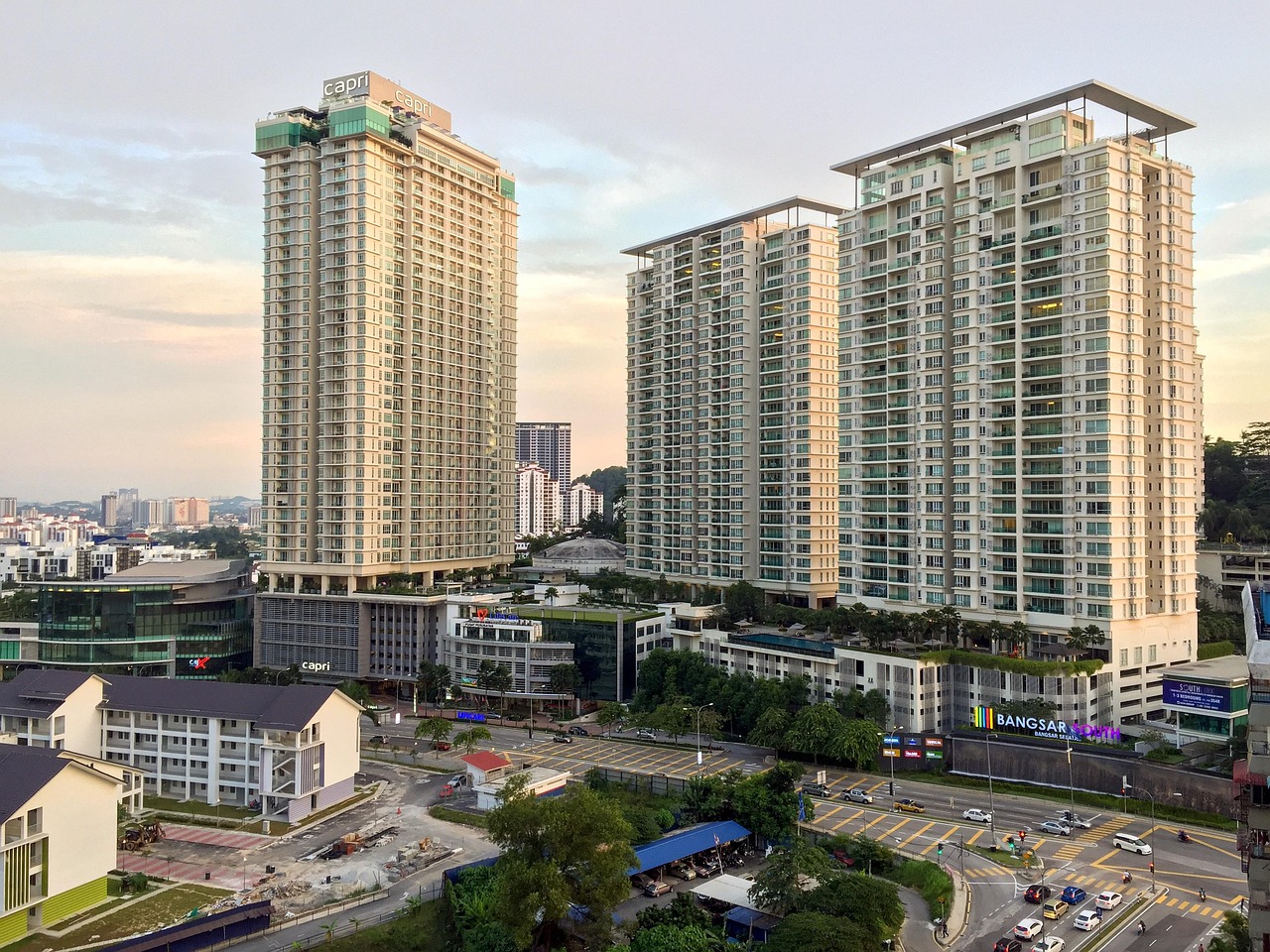
Vibe: Expat-favorite, café-hopping, relaxed nightlife.
Low-rise, leafy, and full of brunch spots, wine bars, and boutiques. I like Bangsar on days when KL’s intensity feels like too much.
KL Eco City & Mid Valley
Vibe: Shopping, business, and surprising pockets of greenery.
Kampung Baru
Vibe: Traditional Malay village in the shadow of skyscrapers.
One of my favorite contrasts in KL: wooden houses, durian stalls, and warungs with the Petronas Towers looming in the background.
TTDI & Damansara
Vibe: Residential, foodie, increasingly hip.
Not essential for first-timers with just 3 days in Kuala Lumpur, but lovely if you have 4–5 days and want to see where a lot of locals actually hang out.
Top 20+ Must-See Attractions in Kuala Lumpur (With Local-Style Insight)
Below are detailed mini-guides to more than 20 of the best places to visit in Kuala Lumpur. I’ll weave many of these into the 3–5 day itineraries later, but this section is your deep-dive reference.
1. Petronas Twin Towers & KLCC Park
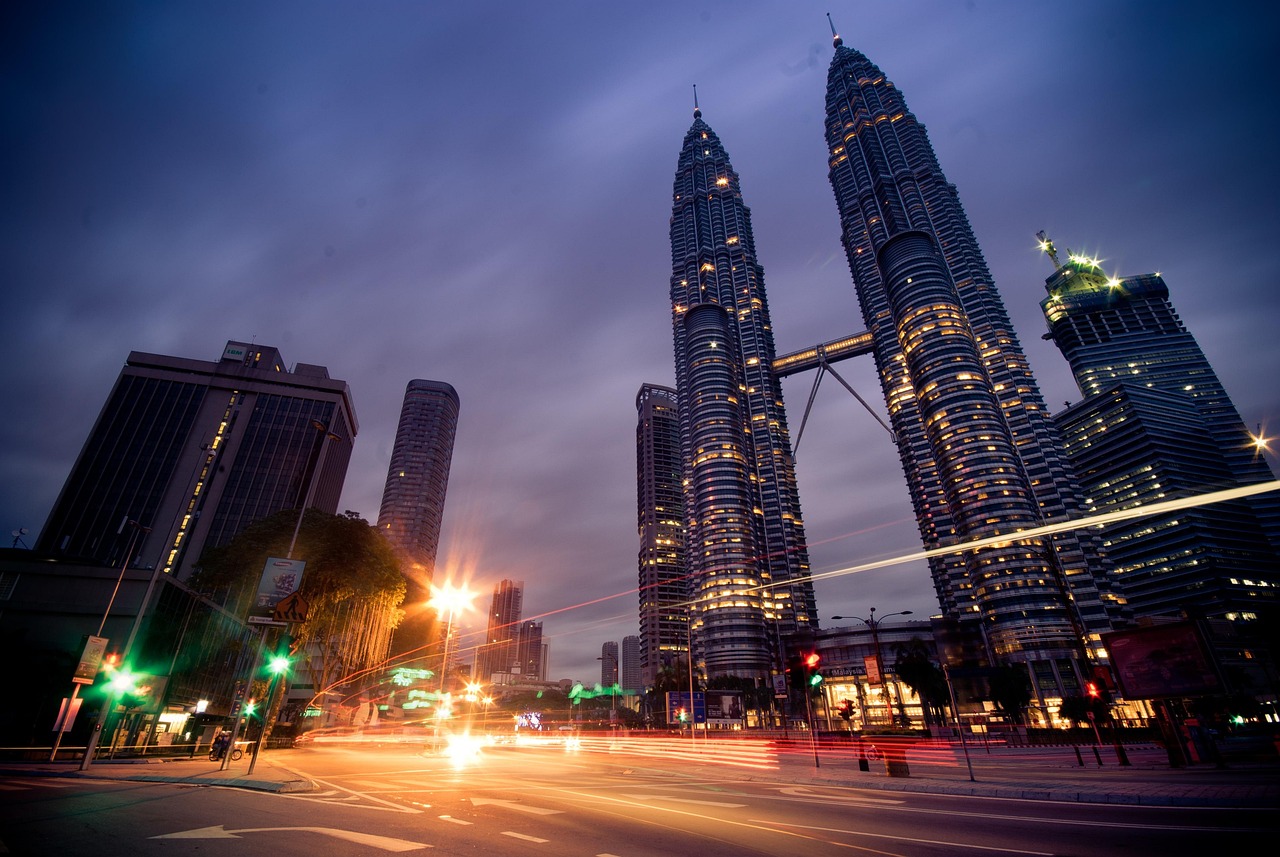
The Petronas Twin Towers are the face of modern KL. The first time I saw them up close, I was standing in KLCC Park at dusk, sweaty from the humidity and clutching a plastic bag of fried snacks. As the sky darkened, the towers lit up like steel lanterns, reflected in the park’s lake. I remember thinking, “Okay, this city is serious about its skyline.”
What to do:
- Walk around KLCC Park at sunset; the light is perfect for photos, and the air feels marginally less heavy.
- Visit the Skybridge and Observation Deck (book online in advance, especially during weekends and holidays).
- Watch the Lake Symphony fountain show at night right outside Suria KLCC.
My tip: I prefer viewing KL from other towers (like KL Tower) so I can keep Petronas in the skyline. But walking the Skybridge once is an iconic experience—do it if it’s your first time.
How to get there: LRT Kelana Jaya Line to KLCC station (the most straightforward), or via covered pedestrian walkways from Bukit Bintang (about 15–20 minutes).
2. Kuala Lumpur Tower (Menara KL)
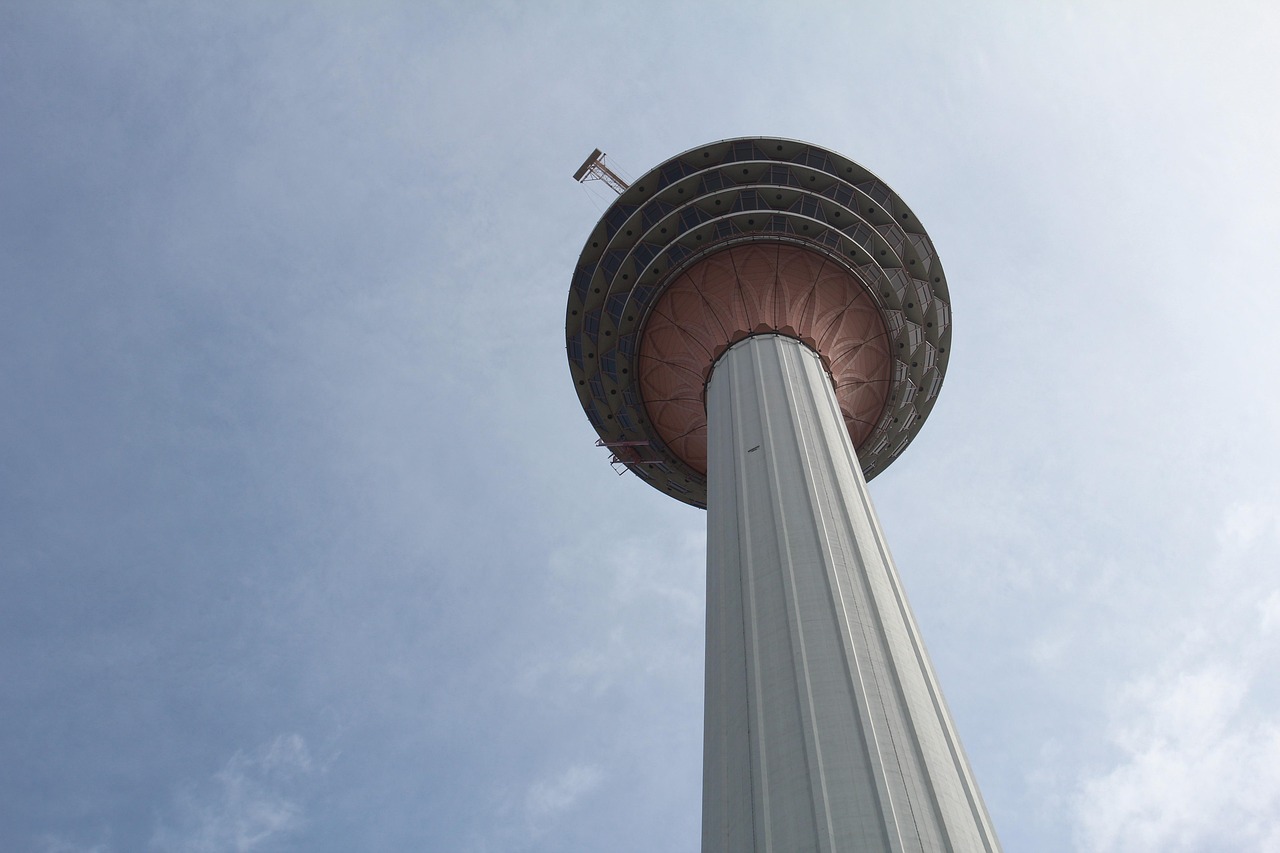
Built on a hill, the KL Tower offers arguably the best 360° view of Kuala Lumpur, including a perfect angle on the Petronas Towers. I’ve come up here solo at sunset, on a date, and once with three sugar-high nephews; it works for every mood.
Highlights:
- Observation Deck – fully enclosed and more budget-friendly.
- Sky Deck & Sky Box – glass platforms jutting out over the city; great for brave Instagrammers.
- Atmosphere 360 Restaurant – revolving restaurant; food is okay, views are fantastic.
When to go: Late afternoon leading into sunset; you get both day and night views in one visit.
3. Batu Caves
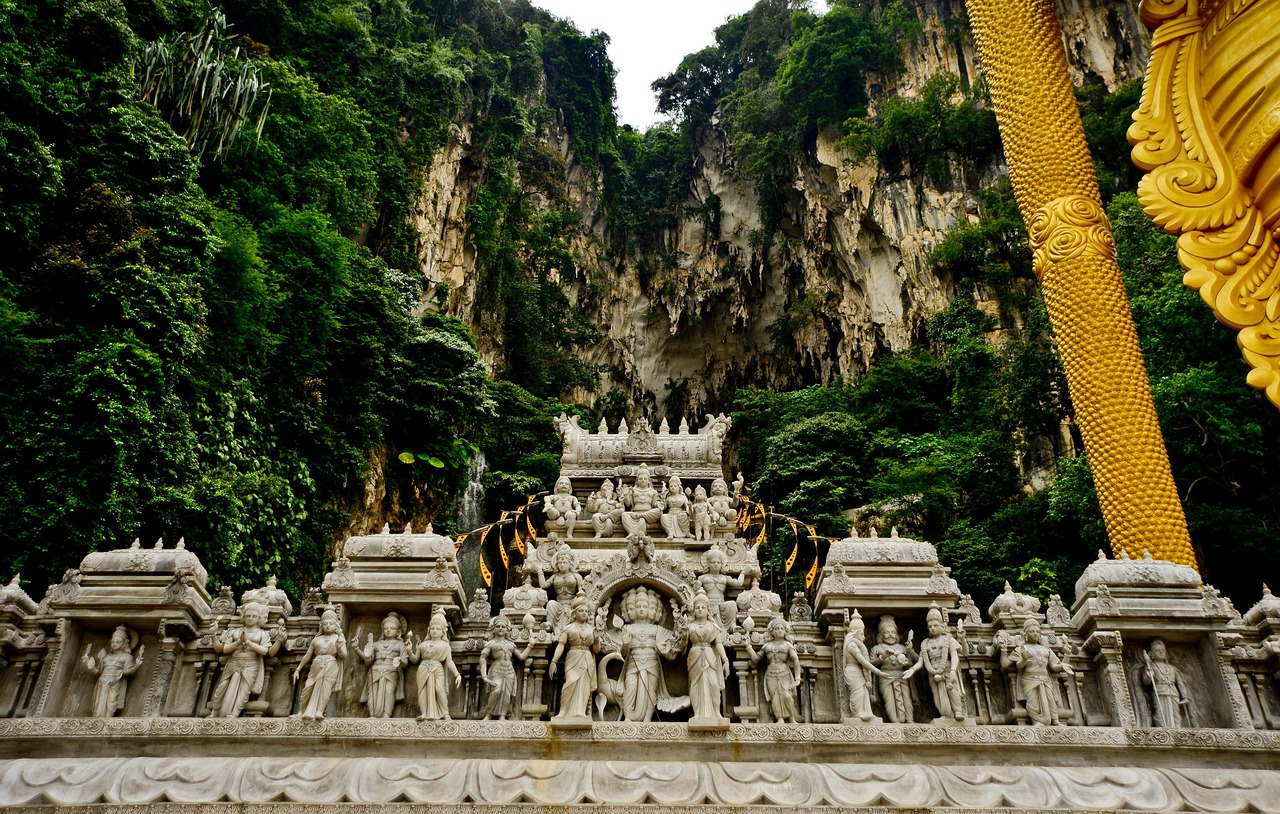
The first time I climbed the steps to Batu Caves, the monkeys intimidated me more than the stairs. This Hindu temple complex is set into a limestone hill, with a massive golden statue of Lord Murugan guarding 272 rainbow-colored steps.
Why it’s special: It’s both a religious site and a natural wonder—cathedral-like caverns with shafts of light, shrines, and the smell of incense mixing with damp rock.
Tips:
- Dress modestly (shoulders and knees covered).
- Come early (before 9am) to avoid heat and crowds.
- Don’t feed or tease the monkeys; they’re opportunistic thieves.
4. Merdeka Square & Sultan Abdul Samad Building
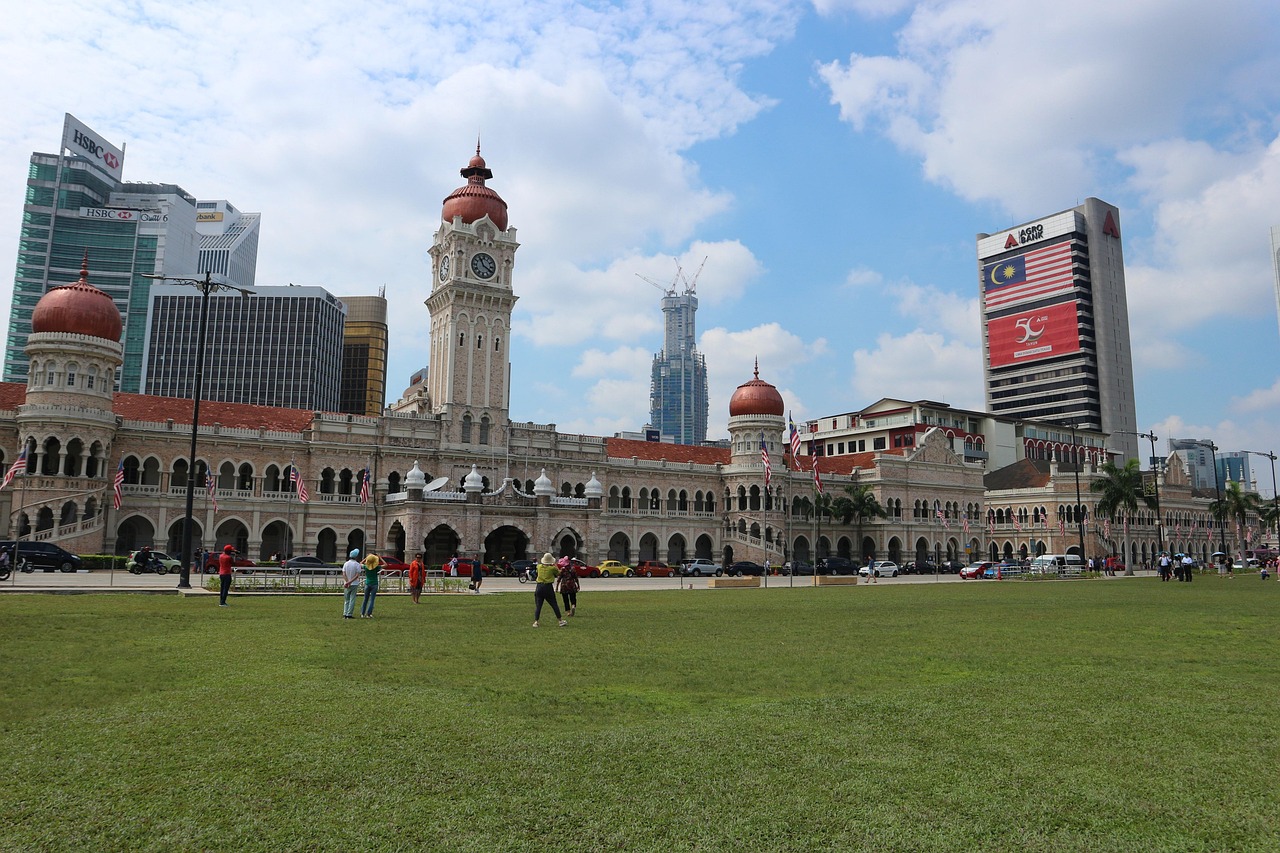
This is historic Kuala Lumpur: grand colonial buildings, the gigantic flagpole, and the field where Malaysia declared independence in 1957.
What I love: Evening walks when the Sultan Abdul Samad Building is lit up in warm tones, with the modern skyline peeking behind it. It’s a visual timeline of KL in one view.
5. Thean Hou Temple
This six-tiered Chinese temple sits on a hill with sweeping views of the city. I came here once on a drizzly morning, and the red lanterns glowed against the grey sky—it felt like stepping onto a movie set.
Best time: Early morning for peace and softer light; or during Chinese New Year for a riot of color and activity.
6. National Mosque of Malaysia (Masjid Negara)
Masjid Negara is one of my favorite pieces of modernist Islamic architecture. It’s serene, with a beautiful turquoise roof and geometric details.
Visitors: Non-Muslims are welcome outside prayer times; robes and headscarves (for women) are provided. Move quietly and respectfully.
7. Islamic Arts Museum Malaysia
This museum is a gem, and I say that as someone who’s usually more interested in street food than galleries. The collection of textiles, ceramics, jewelry, and architectural models is superb, and the building itself is flooded with natural light.
8. Central Market (Pasar Seni)
Central Market is a heritage building turned arts, crafts, and souvenir center. It’s touristy, yes, but in a charming way, and a good place to buy batik, handicrafts, and small gifts.
9. Chinatown & Petaling Street
At night, Petaling Street glows under red lanterns and awning lights. Fake-branded goods, local snacks, and the occasional surprisingly good coffee shop hidden upstairs. I like to duck into the side streets—this is where you’ll find heritage cafés, speakeasies, and tiny temples.
10. Jalan Alor Food Street
Some KL locals roll their eyes at Jalan Alor (“too touristy”), but I still bring first-timers here. Plastic chairs, smoky grills, neon signs, menus in five languages—it’s chaotic in a fun way.
What to eat: Grilled satay, BBQ chicken wings, char kway teow, and tropical fruit juices. Prices are higher than neighborhood kopitiams but still reasonable.
11. Bukit Bintang Shopping & Nightlife
For malls, you have Pavilion, Lot 10, Fahrenheit 88, and more, all within walking distance. I like ducking into Lot 10 Hutong, a food court that gathers famous hawker stalls from around the city in one air-conditioned basement.
12. KL Forest Eco Park & Canopy Walk
A surprisingly lush patch of rainforest in the middle of the city, with canopy walkways and trails. I love how you can look up at huge trees and then see the KL Tower peeking through.
13. Kampung Baru
At night, parts of Kampung Baru turn into a Malay food paradise: grilled fish, satay, nasi lemak, and kuih (traditional sweets). The contrast between old wooden houses and the Petronas skyline is unforgettable.
14. Little India (Brickfields)
Right by KL Sentral, this area is perfect for an evening wandering among shops selling saris, gold jewelry, and spices, followed by a feast of banana leaf rice.
15. National Museum of Malaysia (Muzium Negara)
This museum offers a concise overview of Malaysian history—from prehistoric artifacts to independence. It’s a good stop to add context to all the places you’ll see.
16. Perdana Botanical Gardens & Lake Gardens
KL can be intense; the Perdana Botanical Gardens are my reset button. Big lawns, lakes, shaded paths, and joggers everywhere in the late afternoon.
17. KLCC & Surrounding Architecture Walk
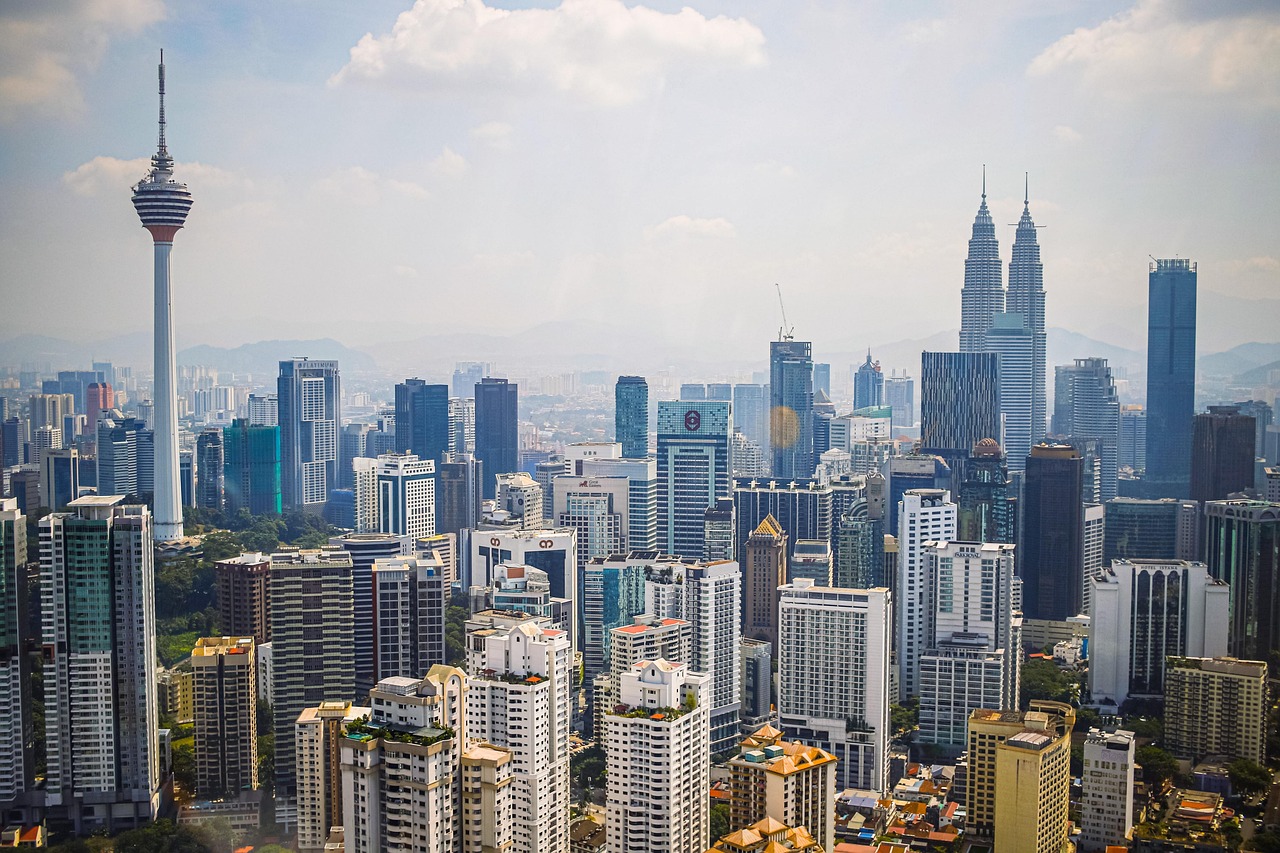
KL is a playground if you like architecture: Islamic motifs, colonial facades, and glass towers. I often do a DIY walk connecting Petronas Twin Towers, KLCC Park, the nearby mosque, and the footbridges linking to Bukit Bintang.
18. Kampung Attap & Art Bookshops
A creative hub in old shophouses, with art spaces and independent bookstores. If you’re into design, photography, or just quiet corners with good coffee, this area is for you.
19. Sunway Pyramid & Sunway Lagoon
About 20–30 minutes outside central KL, Sunway is a full-blown family-friendly entertainment zone: huge mall, ice-skating rink, and the Sunway Lagoon theme park with water rides and more.
20. Bukit Kiara & Taman Tugu Trails
For something more active, locals head to Bukit Kiara or Taman Tugu on weekend mornings for hikes and trail runs. It’s a nice break from mall-hopping and café-sitting.
21. Masjid Jamek & River of Life
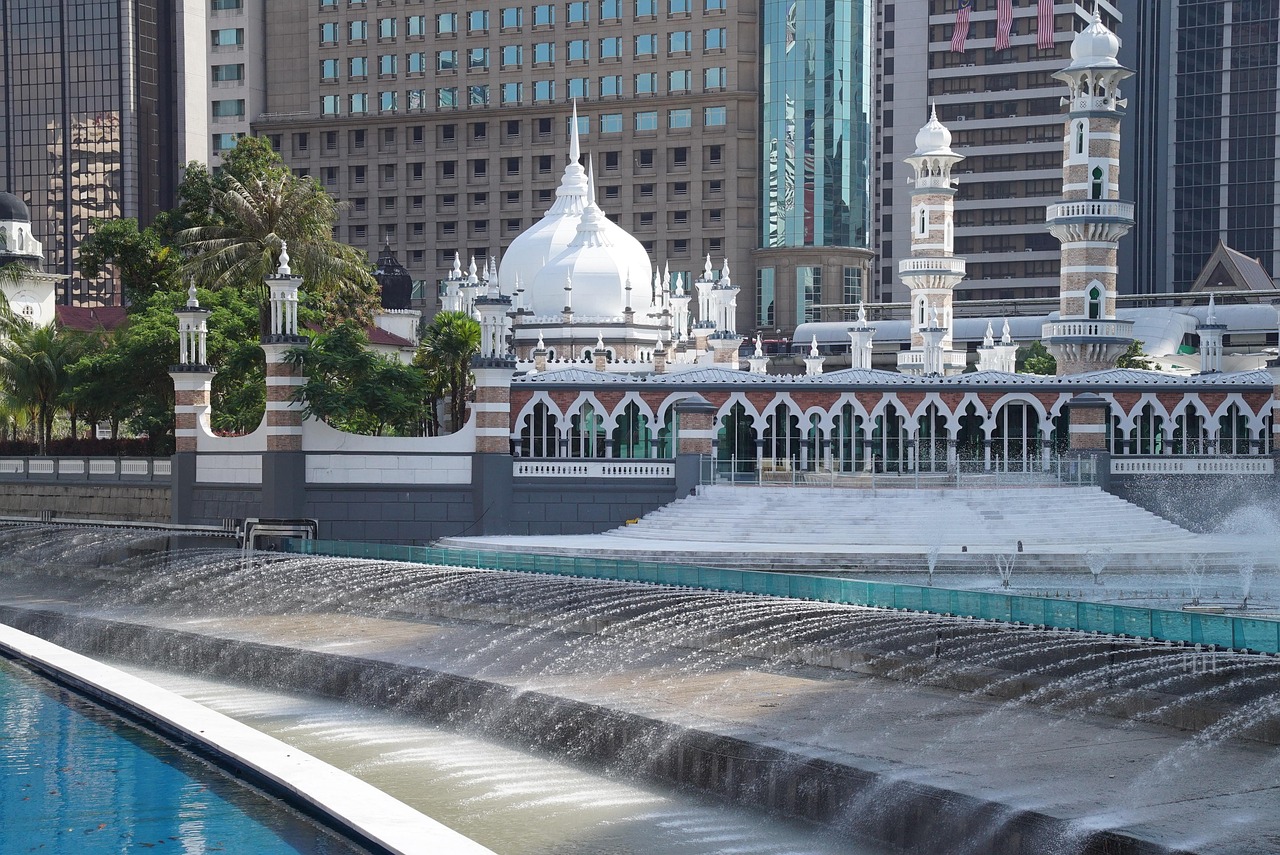
Built at the confluence of the Gombak and Klang rivers, Masjid Jamek is one of KL’s oldest mosques. At night, the River of Life project lights up the riverbanks with blue mist and LED lights.
3–5 Day Itineraries for Kuala Lumpur (With Personal Stories)
Below are flexible itineraries you can adapt for 3 days in Kuala Lumpur, 4 days, or 5 days in Kuala Lumpur. I’ll focus on flow, minimizing backtracking, and mixing big-ticket sights with smaller local experiences.
3 Day Itinerary for Kuala Lumpur (Core Highlights)
If you only have 3 days in Kuala Lumpur, this is how I’d structure it:
- Day 1: KLCC, Petronas, Bukit Bintang, Jalan Alor (city icons & nightlife)
- Day 2: Batu Caves, Kampung Baru, KL Tower, KL Forest Eco Park (culture & views)
- Day 3: Merdeka Square, Chinatown, Central Market, National Mosque, Islamic Arts Museum (history & heritage)
4 Day Itinerary for Kuala Lumpur
With 4 days in Kuala Lumpur, add:
- Day 4: Thean Hou Temple, Brickfields (Little India), KL Sentral & Bangsar cafés and nightlife.
5 Day Itinerary for Kuala Lumpur
For a 5 day itinerary for Kuala Lumpur, you can either:
- Use Day 5 as a city-deep-dive: Kampung Attap, TTDI, Bukit Kiara trails, more food hunting; or
- Take a day trip to places like Genting Highlands, Malacca, or Kuala Selangor fireflies (see Day Trips).
Below I’ll walk through a story-style version of these days, with practical advice woven in. (To keep this guide readable, I’ll focus on clear, dense detail rather than sheer length.)
Day 1: First Taste of KL – Petronas, KLCC Park, Bukit Bintang & Jalan Alor
I usually recommend starting your Kuala Lumpur trip in KLCC and Bukit Bintang. It’s the city at its most polished and photogenic, and it helps you orient yourself quickly.
Morning: Arrival, Check-In & First Coffee
On my last trip, I landed around 9am. By 10:30 I was on the KLIA Express train into town, watching palm plantations slide past the window. If you arrive early:
- Drop bags at your hotel in KLCC, Bukit Bintang, or Chinatown—these areas make all itineraries easier.
- Grab a kopi (local coffee) and kaya toast at a chain like OldTown White Coffee or a neighborhood kopitiam.
Late Morning–Afternoon: KLCC & Petronas Twin Towers
Head to KLCC station. The first time those towers suddenly fill your field of vision as you exit the station never gets old.
- Walk Suria KLCC Mall briefly (good for SIM cards, ATMs, a quick snack).
- Book or confirm your Petronas Towers time slot if you’re going up. Late afternoon is ideal.
- Stroll through KLCC Park. There’s a small wading pool for kids—if you’re traveling as a family, bring a change of clothes.
Late Afternoon: Petronas Towers & Skyline Photos
If you’ve booked the Petronas visit, allow about 1.5 hours. Afterward:
- Walk around the park for golden-hour photos.
- Optionally, head to a nearby rooftop bar (e.g., in the KLCC or Ampang area) for a drink with a view.
Evening: Bukit Bintang & Jalan Alor
From KLCC, walk the air-conditioned pedestrian bridge to Pavilion Mall in Bukit Bintang (about 15–20 minutes). It’s one of my favorite small pleasures in KL—walking above the traffic chaos.
In Bukit Bintang:
- Quick explore of Pavilion and the streets outside for people-watching.
- Head to Jalan Alor for dinner. Wander, pick a busy stall with lots of locals, and order more than you think you need.
Nightlife option: Bar-hop along Changkat Bukit Bintang (touristy but fun) or retreat to your hotel if jetlag hits hard.
Day 2: Batu Caves, Kampung Baru & KL Tower
Morning: Batu Caves
Get an early start. The one time I went at 11am, I regretted every minute on those sun-baked stairs.
- Take the KTM Komuter train to Batu Caves station. It’s cheap and straightforward.
- Spend 1.5–2 hours exploring the main cave and smaller temples. Drink plenty of water.
Afternoon: Kampung Baru Village & Lunch
On the way back, get off near KLCC or Dang Wangi and walk or ride to Kampung Baru.
- Wander among traditional Malay houses and small eateries.
- Have a nasi campur lunch—rice with a choice of home-style dishes.
Late Afternoon–Evening: KL Tower & KL Forest Eco Park
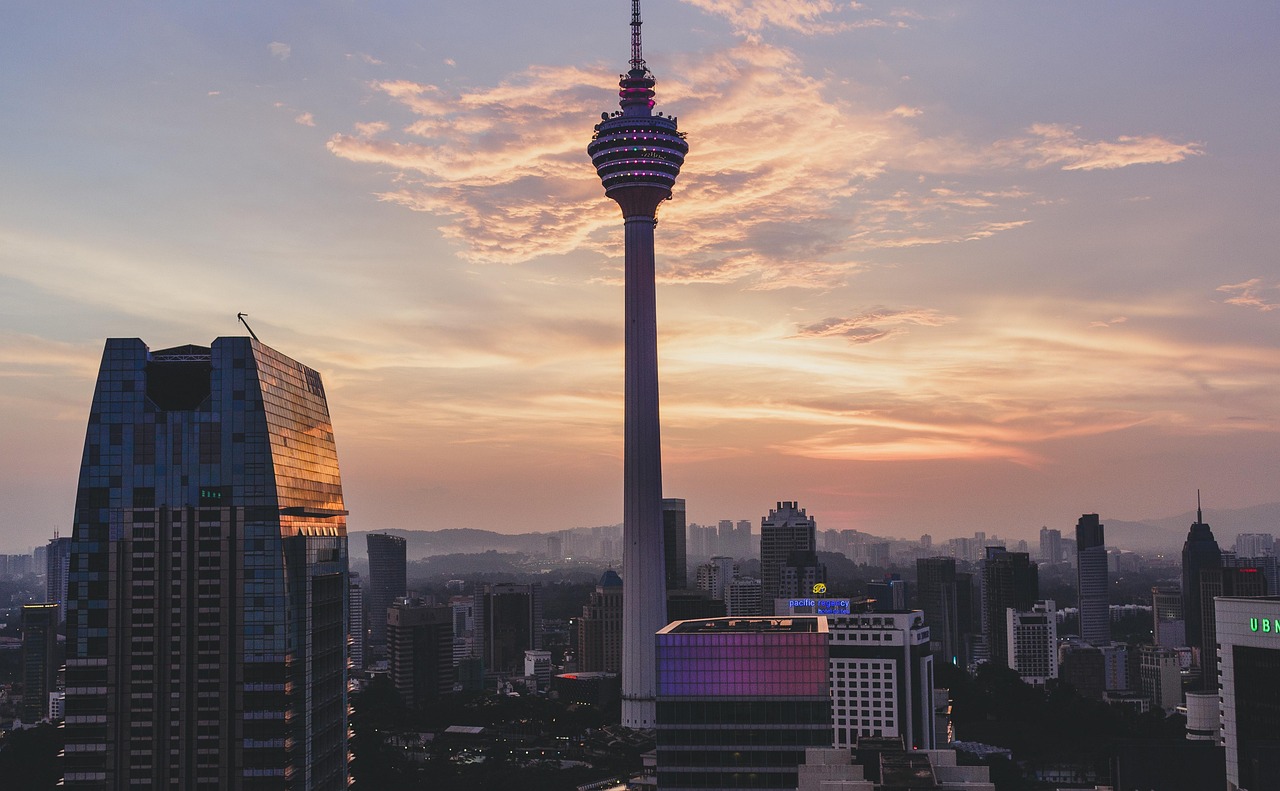
Walk or take a short ride to the KL Forest Eco Park, then climb up towards the KL Tower.
- Do the canopy walk first while there’s still daylight.
- Head up the KL Tower observation deck for sunset into night. It’s stunning.
Afterward, grab dinner nearby or return to Bukit Bintang or Chinatown for more street food.
Day 3: Heritage, Mosques & Chinatown Nights
Morning: Merdeka Square & Masjid Jamek
- Start at Masjid Jamek station.
- Walk to Merdeka Square, admire Sultan Abdul Samad Building, and wander the riverfront.
Midday–Afternoon: National Mosque & Islamic Arts Museum
- Taxi/Grab to Masjid Negara (National Mosque). Visit respectfully.
- Walk next door to the Islamic Arts Museum. Allow 1.5–2 hours; it’s worth lingering.
Late Afternoon–Evening: Central Market & Chinatown
Head to Central Market and then into Chinatown for your last night:
- Shop for souvenirs at Central Market.
- Walk Petaling Street as the vendors set up.
- Find a hidden speakeasy bar or café in the backlanes for a nightcap.
Day 4: Temples, Little India & Bangsar
Morning: Thean Hou Temple
Start early at Thean Hou Temple. The morning I arrived around 8:30, I shared the place with only a few worshippers and photographers.
Midday: Brickfields (Little India)
- Walk or ride down to Brickfields.
- Eat banana leaf rice for lunch, followed by masala chai.
- Browse sari and jewelry shops.
Afternoon–Night: Bangsar Cafés and Bars
Spend the rest of the day in Bangsar café-hopping, then stay on for dinner and casual drinks. It’s a nice change of pace from central KL.
Day 5: Local Life, Green Escapes & Optional Day Trip
If you have 5 days in Kuala Lumpur, you can either:
- Stay in town and dive deeper into neighborhoods like TTDI, Kampung Attap, and Damansara, plus a hike at Bukit Kiara, or
- Take a day trip (see Day Trips).
When I have a spare day, I often start at a local wet market in TTDI, grab breakfast at a kopitiam, then hike Bukit Kiara and end the day in a quiet café with a book.
Best Local Food in Kuala Lumpur: What to Eat & Where
KL is one of Asia’s great food cities. If you leave without at least one food coma, you’ve done it wrong.
Must-Try Dishes
- Nasi lemak – Coconut rice, sambal, fried anchovies, peanuts, cucumber, and often fried chicken. Try it at Village Park (Damansara Uptown) or many Malay stalls in Kampung Baru.
- Char kway teow – Stir-fried flat rice noodles with egg, prawns, and Chinese sausage.
- Roti canai – Flaky flatbread with dhal and curry; perfect breakfast.
- Banana leaf rice – Rice served on a banana leaf with curries and vegetables; eat with your right hand if you’re comfortable.
- Hokkien mee – Dark, thick noodles with lard and wok hei (smoky flavor); a KL specialty.
- Teh tarik – “Pulled tea,” sweet and frothy.
- Cendol & ais kacang – Shaved ice desserts that save lives in the afternoon heat.
Where I Actually Eat (Across Budgets)
Some of my repeat spots over the years:
- Lot 10 Hutong (Bukit Bintang) – Curated hawker food court; good introduction to many dishes in one place.
- Jalan Alor – For the atmosphere more than the absolute best food, but still very fun.
- Kampung Baru night stalls – For Malay food and grilled seafood.
- Brickfields banana leaf – Several long-standing favorites; ask your hotel which is currently best as these change.
- TTDI hawker centres – More local vibe, fewer tourists.
Money-Saving Eating Tips
- Eat where locals outnumber tourists, especially at lunch.
- Food courts in malls can be cheap and good; don’t dismiss them.
- Drinking alcohol is relatively expensive; stick to water, tea, and local drinks if on a budget.
Nightlife, Entertainment & Cultural Experiences in Kuala Lumpur
Nightlife Areas
- Changkat Bukit Bintang – Lively, tourist-friendly bar street.
- Bangsar – More laid-back bars and wine spots.
- Chinatown backlanes – Speakeasy-style bars with creative cocktails.
- Rooftop bars – For views of Petronas and KL Tower; dress codes may apply.
Cultural Experiences
- Islamic Arts Museum & National Mosque – For art and architecture.
- Live music – Jazz bars and smaller venues around KLCC and Bangsar.
- Festivals – Chinese New Year, Hari Raya, Deepavali, and Thaipusam at Batu Caves are powerful ways to experience KL’s diversity.
Family-Friendly Evenings
- KLCC Park fountains at night.
- Sunway Lagoon (if you stay late) and adjacent mall entertainment.
- Merdeka Square and River of Life light displays.
Best Day Trips from Kuala Lumpur
Genting Highlands
Cooler temperatures, casinos, theme parks, and views. Take a bus or Grab plus a cable car up.
Malacca (Melaka)
Historic UNESCO-listed town about 2 hours from KL. Colorful shophouses, Portuguese-Dutch-British history, and great food.
Kuala Selangor Fireflies
Evening boat trips to see fireflies blinking in mangroves. Combine with seafood dinner.
Cameron Highlands (Overnight Recommended)
Tea plantations and cool hills; doable as a long day trip but better as an overnight.
Cultural Etiquette & Local Customs in Kuala Lumpur
Dress & Behavior
- KL is modern, but at mosques and temples dress modestly (covered shoulders and knees).
- Public displays of affection are frowned upon, especially in religious sites.
- Remove shoes before entering homes and many temples.
Greetings & Communication
- English is widely spoken; a few Malay phrases are appreciated.
- Use your right hand to give/receive items and to eat with your hands.
At the Table
- At informal places, share dishes “family-style.”
- Finishing your plate is generally good; don’t waste food.
Practical Travel Advice for Kuala Lumpur (2026–2027)
Getting Around
KL’s public transport has improved dramatically in the last decade.
- LRT, MRT, Monorail – Cover most key areas and are cheap and air-conditioned.
- KTM Komuter – For Batu Caves and some suburbs.
- Grab (ride-hailing) – My go-to for late nights and areas between stations; inexpensive by global standards.
- Walking – Great in KLCC and Bukit Bintang core, but sidewalks elsewhere can be patchy and heat is intense.
SIM Cards & Connectivity
- Buy a local SIM at the airport (Celcom, Maxis, Digi, U Mobile) with data packages for 7–30 days.
- eSIMs are increasingly available and convenient in 2026 if your phone supports them.
Money & Costs
- Currency: Malaysian Ringgit (MYR).
- Cards widely accepted in malls and mid–high-end restaurants; carry cash for hawker stalls and small shops.
- Street food: 10–25 MYR per meal; midrange restaurants: 30–70 MYR per person; rooftop drinks: pricey.
Where to Stay (Saving Money vs. Convenience)
- Chinatown – Budget/midrange guesthouses and boutique hotels; great food; central.
- Bukit Bintang – Excellent for shoppers and nightlife.
- KLCC – More business/upper-midrange and luxury hotels with skyline views.
Visas & Entry (Check 2026 Updates)
- Many nationalities get visa-free entry for 30–90 days; always verify with official Malaysian immigration or your Foreign Office before travel.
- Ensure your passport has at least 6 months validity.
Driving & Car Rental
- KL traffic can be intense; I rarely recommend renting a car for city-only trips.
- For road trips, an International Driving Permit plus your home license is generally advisable; check current rules.
Weather & Best Seasons
- KL is hot and humid year-round, with temps around 27–33°C.
- Rain can come any time; late afternoons often see showers.
- Best for sightseeing: Generally June–August and December–February, though micro-variations exist.
Health & Safety
- Tap water quality varies; most visitors stick to bottled or filtered water.
- Use mosquito repellent, especially around greenery and at dusk.
- Petty theft exists but violent crime against tourists is rare; standard city precautions apply.
Money-Saving Tips
- Use public transport as much as possible.
- Avoid overuse of airport taxis; take the train or airport buses when practical.
- Eat at kopitiams and hawker stalls for cheap, excellent meals.
- Choose accommodation near a major transit hub to reduce taxi use.
Major Events & Festivals in Kuala Lumpur (2026–2027)
Dates shift yearly due to lunar calendars; always recheck closer to travel:
- Chinese New Year (Jan–Feb) – Lion dances, lanterns, and celebrations across the city.
- Thaipusam (Jan–Feb) – Pilgrimage and ceremonies at Batu Caves; intense and crowded but unforgettable.
- Hari Raya Aidilfitri (Eid al-Fitr) – End of Ramadan; many businesses close briefly, but festivities and open houses make it a special time.
- Deepavali (Oct–Nov) – Festival of Lights, particularly vibrant in Brickfields and Indian neighborhoods.
- Merdeka (Independence Day – 31 August) – Parades and flags everywhere; big celebrations around Merdeka Square.
In 2026–2027, expect continued expansion of the MRT network, more pedestrian improvements around the city core, and a growing calendar of food festivals, art fairs, and music events—especially in KLCC, Bukit Bintang, and Kampung Attap. Check local listings closer to your dates for the latest.
Summary & Final Recommendations: When & How to Visit Kuala Lumpur
Kuala Lumpur is a city that rewards both first-timers and repeat visitors. Whether you have 3 days in Kuala Lumpur or a full 5 day itinerary, you can mix:
- Iconic sights – Petronas Twin Towers, Batu Caves, KL Tower.
- Heritage and culture – Merdeka Square, mosques, temples, and Chinatown.
- Local food adventures – From Jalan Alor to tiny kopitiams and banana leaf institutions.
- Hidden gems – Kampung Baru, Kampung Attap, TTDI markets, and Bukit Kiara trails.
Best time to visit Kuala Lumpur:
- For city strolling & photography: June–August and December–February (generally slightly less rain, but still humid).
- For festivals & cultural experiences: Time your visit around Chinese New Year, Thaipusam, Hari Raya, or Deepavali—but book early.
If you remember just a few things from this guide:
- Stay near an LRT/MRT/Monorail station.
- Embrace street food and don’t be afraid of plastic chairs.
- Balance malls and skyscrapers with green spaces and historic streets.
- Respect local customs at religious sites—modest dress, quiet behavior, and open-minded curiosity go a long way.
Kuala Lumpur isn’t a city that shouts for your attention; it just quietly feeds you, shows you its contrasts, and then somehow persuades you to come back. It certainly did that to me—again and again.