Why Visit Valletta in 2026
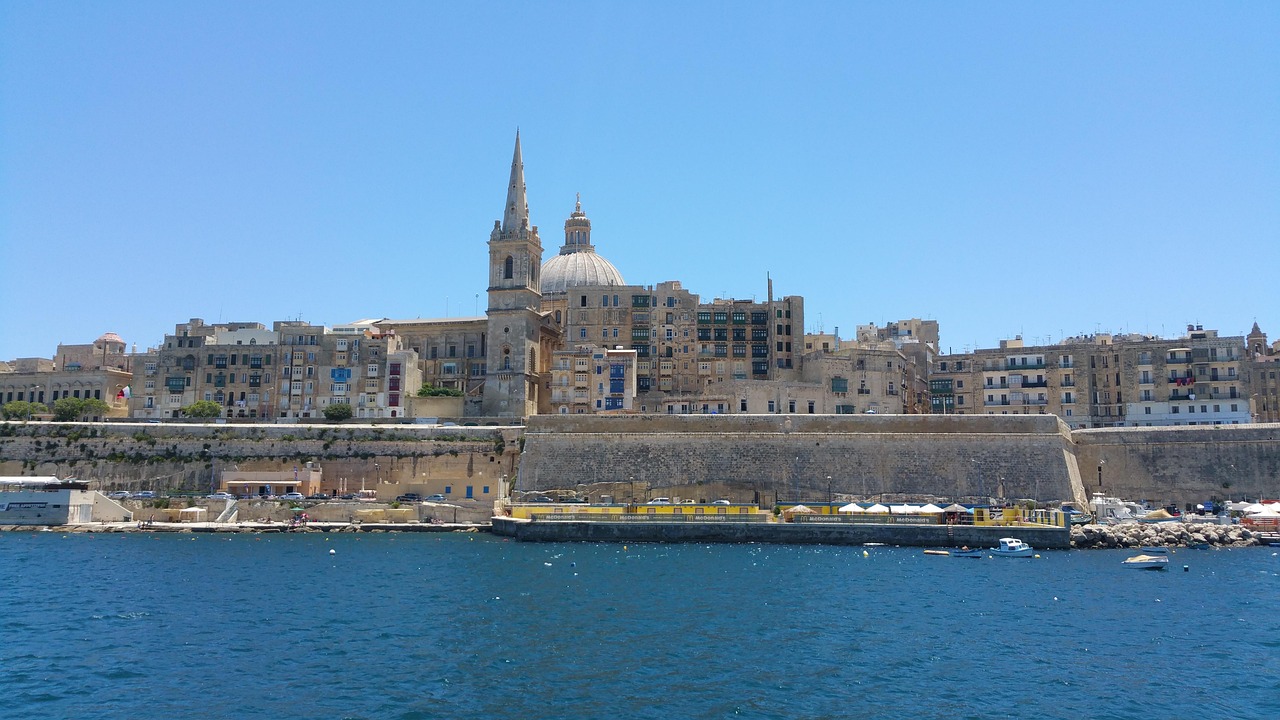
Valletta might be one of Europe’s smallest capitals, but it punches far above its weight. Perched on a golden limestone peninsula and wrapped in honey-colored fortifications, it feels like a living film set: baroque facades, azure harbors, and narrow streets where laundry flaps above ornate wooden balconies. I’ve been coming here for years, and every visit reminds me how compact, walkable, and yet endlessly layered this city is.
In 2026, Valletta is in a particularly exciting phase. The legacy of its European Capital of Culture year (2018) lives on in a thriving cultural scene: intimate jazz nights in vaulted cellars, contemporary art tucked inside 16th-century palaces, and a calendar of festivals that keeps the city buzzing well into the night. Yet it hasn’t lost its local soul—elderly men still play cards at corner bars, church bells mark the passing hours, and the smell of freshly baked pastizzi drifts out of tiny hole‑in‑the‑wall bakeries.
What makes Valletta special for travelers is the mix of history, sea views, and easy logistics. You can walk from one end of the city to the other in about 20 minutes, but along the way you’ll pass world-class museums, fortified bastions, quiet gardens, and family-run eateries. It’s an ideal base for 3–5 days in Malta: spend your mornings exploring, your afternoons swimming in the clear Mediterranean, and your evenings with a glass of local wine overlooking the Grand Harbour.
Whether you’re planning a 3 day itinerary for Valletta or stretching it to a 4 or 5 day itinerary, this guide—based on repeat visits and local tips—will help you navigate the must-see attractions, the little side streets most visitors miss, and the practical details that make a trip smooth and affordable.
Table of Contents
- Why Visit Valletta in 2026
- Valletta Overview & Neighborhoods
- Suggested 3–5 Day Itineraries
- 20 Must-See Attractions in Valletta (Deep Dive)
- Local Food in Valletta: What & Where to Eat
- Nightlife, Entertainment & Cultural Experiences
- Best Day Trips from Valletta
- Cultural Etiquette & Local Customs in Valletta
- Practical Travel Tips for Valletta 2026–2027
- Major Events & Festivals 2026–2027
- Summary & Best Time to Visit Valletta
Valletta Overview & Neighborhoods
Valletta is tiny—roughly 1 km long and 600 m wide—but its “neighborhoods” each have their own feel. On my last trip, I stayed in three different parts of the city just to get a sense of their rhythms.
The City Gate & Republic Street Spine
This is the main artery. You enter through the Renzo Piano–designed City Gate, with the Parliament building on one side and the skeletal remains of the old Royal Opera House turned into an open-air performance space on the other. From here, Republic Street runs straight to Fort St. Elmo. It’s busy, commercial, and ideal if you want to be close to everything.
The Upper & Lower Barrakka Area
South of Republic Street, towards the Grand Harbour, you’ll find the Upper and Lower Barrakka Gardens, the Saluting Battery, and some of the best terrace views in Europe. Streets here are a mix of elegant townhouses, boutique hotels, and quiet corners where cats nap in the sun.
St. Paul’s & Merchant Street Grid
Parallel to Republic Street, Merchant Street and the lanes around St. Paul’s Street feel more local, with a growing number of wine bars and restaurants. I love wandering these backstreets at sunset, when the light hits the limestone and everything glows.
Fort St. Elmo & the Peninsula Tip
At the far end, Fort St. Elmo guards the entrance to the Grand Harbour and Marsamxett Harbour. It’s quieter here, with sweeping sea views, the National War Museum, and the rough stone swim spots locals call “il-bajja taħt il-Belt” (the beach below Valletta).
Waterfront & Marsamxett Side
On the Marsamxett Harbour side, steps lead down to the ferries for Sliema, with a promenade of cafes and bars facing the water. It’s a good area if you like to be close to swimming spots and ferry connections while still sleeping inside the fortifications.
Suggested 3–5 Day Itineraries in Valletta
These itineraries are based on how I usually structure my own visits and how I guide friends when they come over. They work as stand-alone 3, 4, or 5 day itineraries for Valletta. Adjust depending on your pace and interests.
3 Days in Valletta: Classic Highlights & Harbour Views
If you only have 3 days in Valletta, focus on the must-see attractions within the city walls and a taste of nearby Three Cities.
Day 1: First Impressions & Baroque Valletta
I like to start at the City Gate around 9:00, while the light is still soft and crowds are thin.
- Morning: Walk down Republic Street, peek into side alleys, then head straight for St. John’s Co-Cathedral. Give yourself at least 1–1.5 hours here; the interior is astonishing.
- Late Morning: Continue to Republic & Merchant Street area, stop for a coffee and a pastizz at a local bar (I often duck into the more old-school places where the TV is showing Italian football).
- Afternoon: Visit the Grand Master’s Palace and State Rooms, then drift towards Upper Barrakka Gardens in time for the 12:00 or 16:00 cannon firing at the Saluting Battery.
- Evening: Aperitivo with a Grand Harbour view, then dinner on a side street off Merchant Street to avoid the most touristy spots.
Day 2: Forts, Museums & Harbour Magic
Day two is about fortifications and the sea.
- Morning: Walk to Fort St. Elmo and the National War Museum. Plan 2–3 hours; there’s more to see than you think.
- Lunch: Simple lunch near the fort or back along the Marsamxett side—grilled fish or a ftira sandwich.
- Afternoon: Take a traditional dgħajsa boat or ferry to the Three Cities for a wander around Birgu’s alleys and waterfront.
- Evening: Back in Valletta, join a wine bar crawl—Strait Street is great for a first night out.
Day 3: Hidden Corners, Local Life & Swimming Below the Walls
- Morning: Explore less-visited churches and streets—St. Paul’s, St. Ursula, the quieter lower parts of the city.
- Afternoon: If the weather is good, head down to the swim spots below Valletta for a dip. Otherwise, dive into the MUŻA National Community Art Museum or smaller museums.
- Evening: Choose a terrace with a harbour view for a final sunset and a long, leisurely Maltese dinner.
4 Days in Valletta: Culture, Coast & Nearby Villages
With 4 days in Valletta, add a day trip to Mdina or the Blue Grotto and Marsaxlokk.
Days 1–3 follow the plan above. For Day 4:
Day 4: Mdina & Rabat Day Trip
- Morning: Bus or taxi to Mdina & Rabat. Wander the Silent City, climb the bastions, and get lost in Rabat’s streets.
- Afternoon: Visit St. Paul’s Catacombs or take a countryside walk if it’s not too hot.
- Evening: Back to Valletta for a relaxed dinner and perhaps a concert at the Teatru Manoel if the schedule fits.
5 Days in Valletta: Slow Travel & Island Hopping
A 5 day itinerary for Valletta lets you slow down and live like a local for a few days.
Use the 4-day outline and add:
Day 5: Gozo or Blue Lagoon, Comino
- Option 1 – Gozo: Early ferry for beaches, Victoria’s Citadel, and coastal walks.
- Option 2 – Comino: Boat trips to the Blue Lagoon and quieter coves, then back to Valletta for a final night out.
On my last 5-day stay, I used the extra time to revisit favorite cafes, chat with shop owners, and take late-afternoon swims—activities that rarely fit into a rushed schedule but often end up being the most memorable.
20 Must-See Attractions in Valletta (Deep Dive)
These are the best places to visit in Valletta, each with history, stories, and practical tips. I’ve visited all of them multiple times; each subsection reads like a mini-article so you can decide what fits your style.
1. St. John’s Co-Cathedral
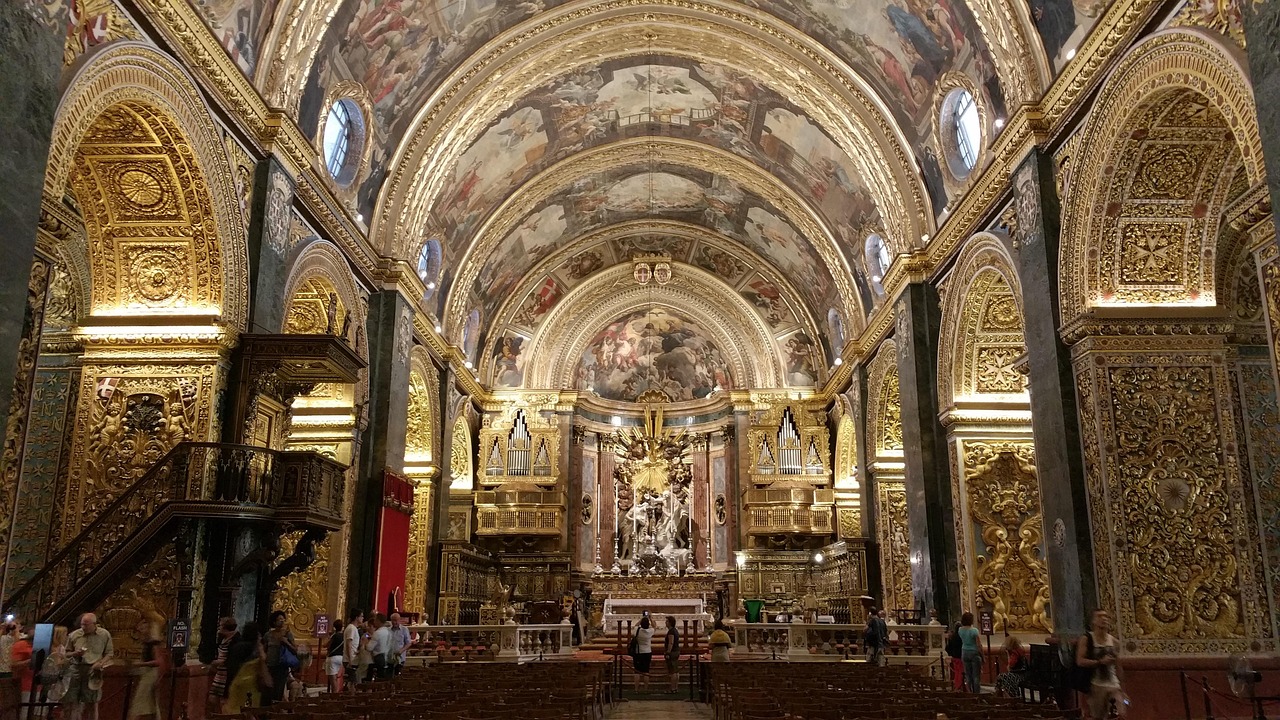
If there is one must-see attraction in Valletta, this is it. From the outside, St. John’s Co-Cathedral looks modest—almost severe. But step inside, and you’re in a baroque jewel box of gilded stone, painted ceilings, and an inlaid marble floor that serves as a monumental tomb for hundreds of Knights of St. John.
The first time I walked in, I remember just standing there, slightly dazed, while a guide hushed a group in front of me. The ceiling paintings by Mattia Preti seem to move as you walk, and every side chapel has its own personality. The highlight for many is the oratory, home to two paintings by Caravaggio, including The Beheading of Saint John the Baptist, his largest work and the only one he signed. Even after several visits, I still find new details in the shadows of that painting.
History & significance: Built between 1573 and 1578, the cathedral was the spiritual heart of the Knights’ stronghold. Each langue (regional division) of the Order had its own chapel, which explains the exuberant decoration—each tried to outdo the others.
Tips for visitors:
- Arrive early (opening is usually 9:30) to avoid tour groups.
- Dress modestly—shoulders and knees covered. Scarves are often provided, but don’t rely on it in high season.
- Photography rules can change—respect posted signs, especially in the Caravaggio oratory.
- The audio guide is worth the small extra cost; it brings the symbolism and stories to life.
2. Upper Barrakka Gardens
Upper Barrakka Gardens is where I take every first-time visitor. It’s the balcony of Valletta, with sweeping views over the Grand Harbour, the Three Cities, and the endless parade of ships gliding in and out.
The gardens themselves are small—stone arcades, benches in the shade of trees, a few statues—but the magic is in the atmosphere. Early morning, when office workers grab a quick coffee, feels completely different from sunset, when couples lean on the balustrade and street musicians play under the arches.
Saluting Battery: Directly below the gardens is the Saluting Battery. Cannons are fired daily at 12:00 and 16:00. I’ve watched this ceremony at least half a dozen times, and it never gets old—the uniforms, the echo rolling around the harbour, the realization that this tradition has been kept alive for centuries.
Personal tip: Grab a takeaway coffee and come just after sunrise. You’ll share the gardens mostly with locals and a few cats. It’s my favorite quiet moment in Valletta.
3. Saluting Battery
Visiting the Saluting Battery feels a bit like stepping into a historical reenactment—but one that’s deeply rooted in Valletta’s maritime past. For centuries, ships were welcomed or signaled by cannon fire here. Today, uniformed guides keep the ritual alive.
On one visit, I joined a small group at the 16:00 firing. The guide explained how each cannon is loaded, the role of the Battery in the Great Siege, and the significance of the daily salute. Standing just behind the rope as the officer gave the command, I felt the blast more than heard it—a physical thump in the chest followed by a plume of smoke over the harbour.
Tips: Tickets are separate from the gardens and include a short tour. Arrive 20–30 minutes before firing to secure a good spot. Kids usually love this, making it one of the more family-friendly activities in Valletta.
4. Grand Master’s Palace & State Rooms
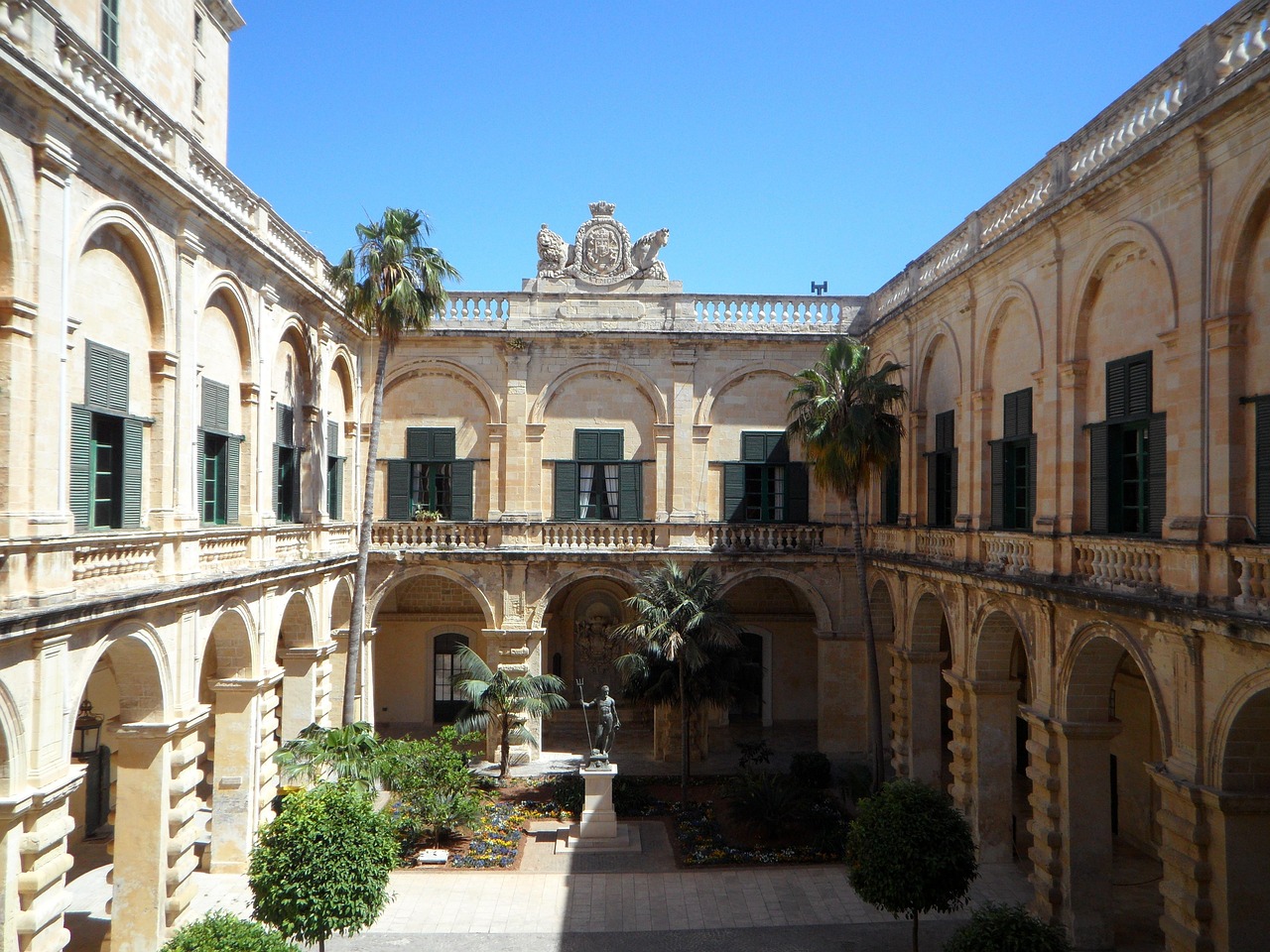
The Grand Master’s Palace is Valletta’s political and ceremonial heart, historically home to the head of the Order of St. John and now housing the Office of the President. Inside, the State Rooms and Armoury offer a vivid sense of the city’s past as a Knightly fortress-state.
Walking through the long, frescoed corridors, I always imagine envoys from European courts arriving here in rustling silk. The Council Chamber’s walls are covered with 18th-century tapestries depicting exotic animals from the Americas and Asia—Malta’s window onto the wider world.
The Armoury is a particular treat for history buffs: rows of suits of armor, ornate swords, and early firearms. On a quiet weekday, I once had an entire gallery almost to myself and ended up sketching one of the helmets in a notebook, trying to capture the absurdly elaborate crest.
Tip: Check ahead for partial closures due to official events. This is still a working building, and occasionally certain rooms are off-limits.
5. Fort St. Elmo & the National War Museum
At the tip of the peninsula, Fort St. Elmo feels like a city within a city—a star-shaped fortress that played a crucial role in the 1565 Great Siege and in World War II. The ramparts offer 360° views of both harbours and the open sea.
The National War Museum inside the fort is surprisingly extensive. I’ve lost track of how many hours I’ve spent there over multiple visits. Exhibits cover everything from the Knights’ campaigns to Malta’s punishing bombardment in WWII. The George Cross, awarded collectively to the Maltese people, is on display here.
For families: Kids tend to enjoy the cannons, tunnels, and interactive displays. Bring water and a hat—it can be very exposed and hot in summer.
6. MUŻA – The National Community Art Museum
MUŻA is Malta’s national art museum, housed in the Auberge d’Italie, one of the historic inns of the Knights. It’s a thoughtful, beautifully curated space where old masters share walls with contemporary Maltese artists.
What I love about MUŻA is how it frames Maltese identity—through seascapes, portraits of knights and merchants, and modern works grappling with migration and Mediterranean life. On a hot afternoon, it’s a perfect escape: cool stone rooms, quiet corners, and a courtyard cafe where I’ve spent many an hour with a notebook and espresso.
Tip: Check current exhibitions; MUŻA often hosts temporary shows that offer a different angle on Maltese culture.
7. Republic Street & Merchant Street
Republic Street is Valletta’s backbone, and Merchant Street runs parallel like a more relaxed cousin. Between them, they form the city’s main pedestrian grid: shops, cafes, churches, small markets, and everyday life.
On early visits, I treated these streets mostly as thoroughfares between “proper” sights. Over time, I’ve learned that the life of Valletta is here: the morning produce vendors on Merchant Street, the pensioners arguing politics in corner bars, the sudden glimpse of the sea down a steep cross street.
Don’t miss:
- Small side chapels with surprisingly rich interiors.
- Balconies—look up; each tells a story of the families who’ve lived here.
- Informal street food: pastizzi, qassatat, and ftira sold from tiny counters.
8. Lower Barrakka Gardens & Siege Bell Memorial
Lower Barrakka is like Upper Barrakka’s quieter sibling. Tucked further along the bastions, it offers equally impressive views of the Grand Harbour with far fewer people.
The standout feature is the Siege Bell Memorial, dedicated to those who lost their lives in WWII. The bell tolls daily at noon, its sound rolling over the water. I once happened to be there on a slightly overcast day, and the combination of grey sea, golden stone, and that solitary toll felt incredibly moving.
Tip: Combine a visit here with a walk along the bastion walls towards Fort St. Elmo. It’s one of the best strolls in the city.
9. Teatru Manoel
Teatru Manoel is one of Europe’s oldest working theatres, a baroque gem with wooden balconies, plush red seats, and an intimate stage. Seeing a performance here—whether opera, theatre, or a jazz concert—is one of the top cultural experiences in Valletta.
I’ve sat in the upper balconies for a chamber music concert, watching as the chandeliers dimmed and candle-like lights flickered on. The acoustics are excellent, and there’s a sense of continuity; you know you’re sitting where 18th-century audiences once did, gossiping between acts.
Tip: Even if you can’t attend a performance, take a daytime guided tour to see the interior. Check the schedule in advance, especially in festival seasons.
10. Strait Street (The Gut)
Once infamous as “The Gut,” a narrow lane of bars and nightlife for off-duty British servicemen, Strait Street is now one of the coolest places in Valletta after dark. Many of the old bar signs remain, but inside you’ll find cocktail bars, wine bars, and live music venues.
On my last trip, I spent a whole evening here without planning to—starting with a quiet glass of Maltese white at a tucked-away bar, then drifting into a more upbeat spot where a trio was playing jazz standards. The best part is the layering of history: you can still see where old neon signs once hung, now framing sleek modern interiors.
For couples: This is a great area for a romantic, slightly bohemian night out—share small plates, try local wines, and wander hand in hand between venues.
11. Valletta Waterfront & Pinto Stores
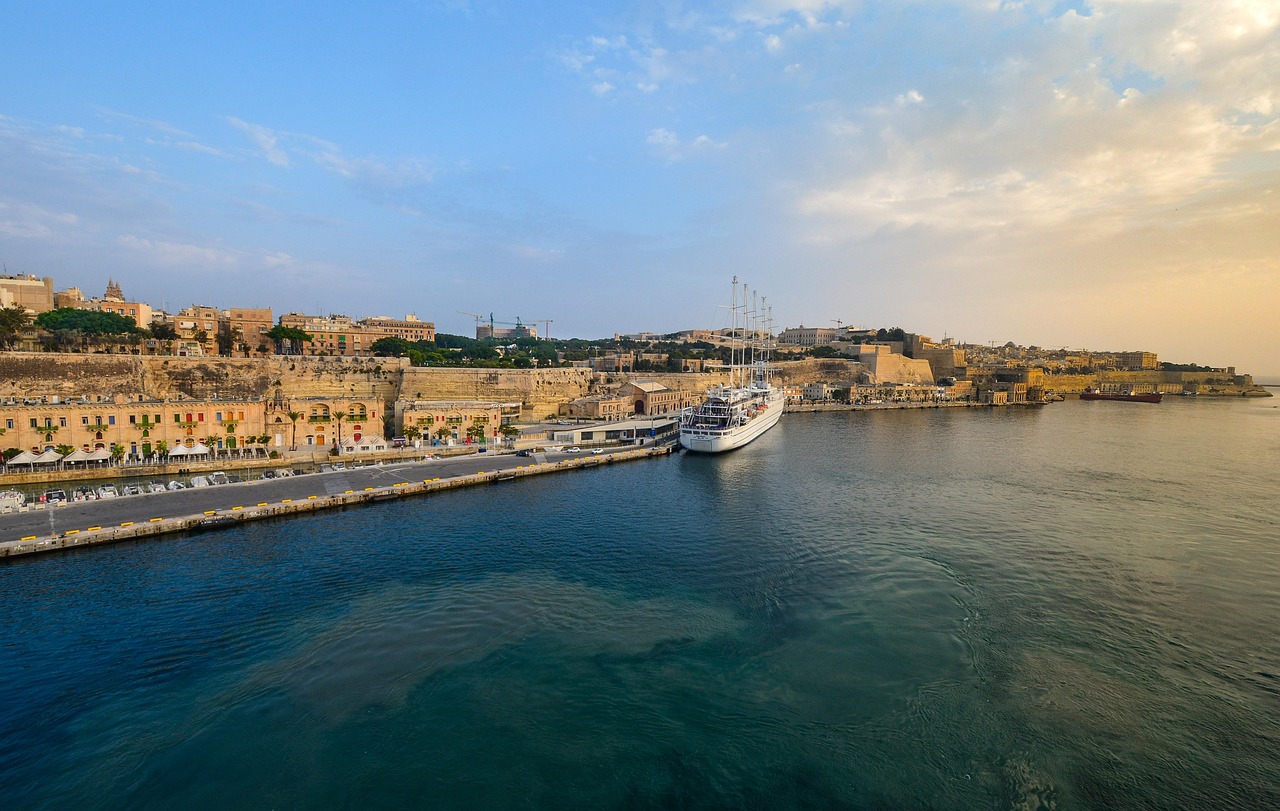
Below the bastions on the Grand Harbour side, the Valletta Waterfront is a row of 18th-century warehouses (Pinto Stores) converted into restaurants and bars. It’s polished and somewhat cruise-ship-oriented, but the setting—massive stone walls, bobbing yachts, and the occasional cruise liner—makes it a dramatic place for an evening stroll.
I tend to come here when I want a waterside drink and an easy meal. It’s particularly atmospheric at night when the arches are lit. Families appreciate the space for kids to run without traffic.
Tip: Combine the Waterfront with the Upper Barrakka Lift, which whisks you between harbour level and the city in seconds.
12. Swimming Spots Below Valletta’s Walls
One of the joys of Valletta is that you can walk down from a 16th-century bastion and be swimming in clear blue water within minutes. There are several informal “lidos” or rocky platforms used by locals.
On hot days, I pack a towel and swimsuit in my day bag. My favorite spots are along the Marsamxett side, where steps cut into the rock lead straight into the sea. There’s no sand, but the water is clean and refreshing, and you’ll be surrounded mostly by locals.
Tips:
- Wear water shoes if you have them; rocks can be slippery.
- There’s little shade—come in the late afternoon and watch the sunset light on Sliema across the water.
- Always watch for jellyfish flags in summer (locals will warn you too).
13. National War Museum (Inside Fort St. Elmo)
Although part of Fort St. Elmo, the National War Museum deserves its own mention because it’s one of the best-curated museums in Malta. Exhibits tell the story of Malta’s military history from the Bronze Age through the Knights, the French occupation, and especially WWII.
What struck me most on my first visit was how personal some of the exhibits feel—letters, small objects, and photographs that bring home the toll of the relentless air raids Malta endured. The island was one of the most bombed places on earth during WWII.
Tip: Allow at least 2 hours, especially if you’re a history fan. There’s a lot of reading material and multimedia installations.
14. Collegiate Parish Church of St. Paul’s Shipwreck
St. Paul’s Shipwreck is one of Valletta’s most atmospheric churches, tucked into the dense grid of the old streets. Tradition holds that St. Paul was shipwrecked on Malta in AD 60, and this church is dedicated to that event.
The interior is richly decorated, and the church holds important relics: a wrist bone of St. Paul and part of the pillar on which he was beheaded. I once slipped in during a weekday mass; the mixture of tourists, old Valletta families, and candlelight made it feel deeply local and lived-in.
Tip: If you’re in Valletta in February, the feast of St. Paul (10 February) is a major event, with processions and celebrations spilling into the streets.
15. Casa Rocca Piccola
Casa Rocca Piccola is a 16th-century palazzo still lived in by a noble Maltese family and open for guided tours. It’s one of the best ways to see how Valletta’s wealthy residents lived over the centuries.
The house is full of antiques, family portraits, and quirky details—like the World War II-era air raid shelters dug beneath the house. On one tour, our guide (a family member) told stories about relatives hiding there during bombing raids, making the history very immediate.
Tip: Tours run at set times; check ahead and arrive a little early, as groups are small.
16. The Three Cities (Vittoriosa/Birgu, Senglea, Cospicua)
Technically not inside Valletta, but right across the Grand Harbour, the Three Cities feel like Valletta’s historic mirror: quiet, residential, and steeped in history. Birgu (Vittoriosa) is the most charming, with narrow lanes, potted plants, and sweeping waterfront views.
I always recommend at least a half-day trip here. It’s easy: take a ferry or traditional dgħajsa from Valletta and just wander. I like to sit on a waterfront bench with a coffee and watch Valletta’s bastions glow in the late afternoon sun.
Tip: Combine with dinner in Birgu if you don’t mind a slightly later return to Valletta; night views across the harbour are stunning.
17. Traditional Dgħajsa Harbour Boat Ride
The traditional dgħajsa is a small wooden boat, somewhat like a Venetian gondola’s Maltese cousin. Taking a short ride across the Grand Harbour in one is a simple but unforgettable experience.
On one of my early trips, I hesitated, thinking it was too touristy. A local friend insisted, and I’m glad he did. Skimming along the water with Valletta on one side and the Three Cities on the other, passing under looming bastions, you understand why this harbour was so coveted.
Tip: Agree on the price before boarding. Rides are generally short and reasonably priced. Great for families and couples alike.
18. Valletta Markets & Food Halls
Valletta’s market scene has changed over the years, but a mix of traditional stalls and modern food halls remains. You can find everything from fresh fish and vegetables to gourmet Maltese products.
I like to visit in the morning when locals are shopping. It’s a good place to pick up picnic supplies (cheese, bigilla bean dip, ftira bread, olives) and to get a sense of everyday life beyond the tourist streets.
Tip: Ask stallholders for tasting samples; many are happy to let you try a bite of ġbejna (local cheese) or sun-dried tomatoes before you buy.
19. City Gate, Parliament & Old Opera House Ruins
The entrance to Valletta has been dramatically reimagined by architect Renzo Piano. The modern Parliament building, open-air Pjazza Teatru Rjal on the site of the bombed Royal Opera House, and minimalist City Gate contrast sharply with the baroque city behind.
When these were first built, locals argued passionately about them (they still do), but I’ve come to appreciate the dialogue between old and new. I often pause here, especially at dusk, to watch the light change on the stone and the stream of people going in and out of the city.
20. Valletta’s Side Streets & Wooden Balconies
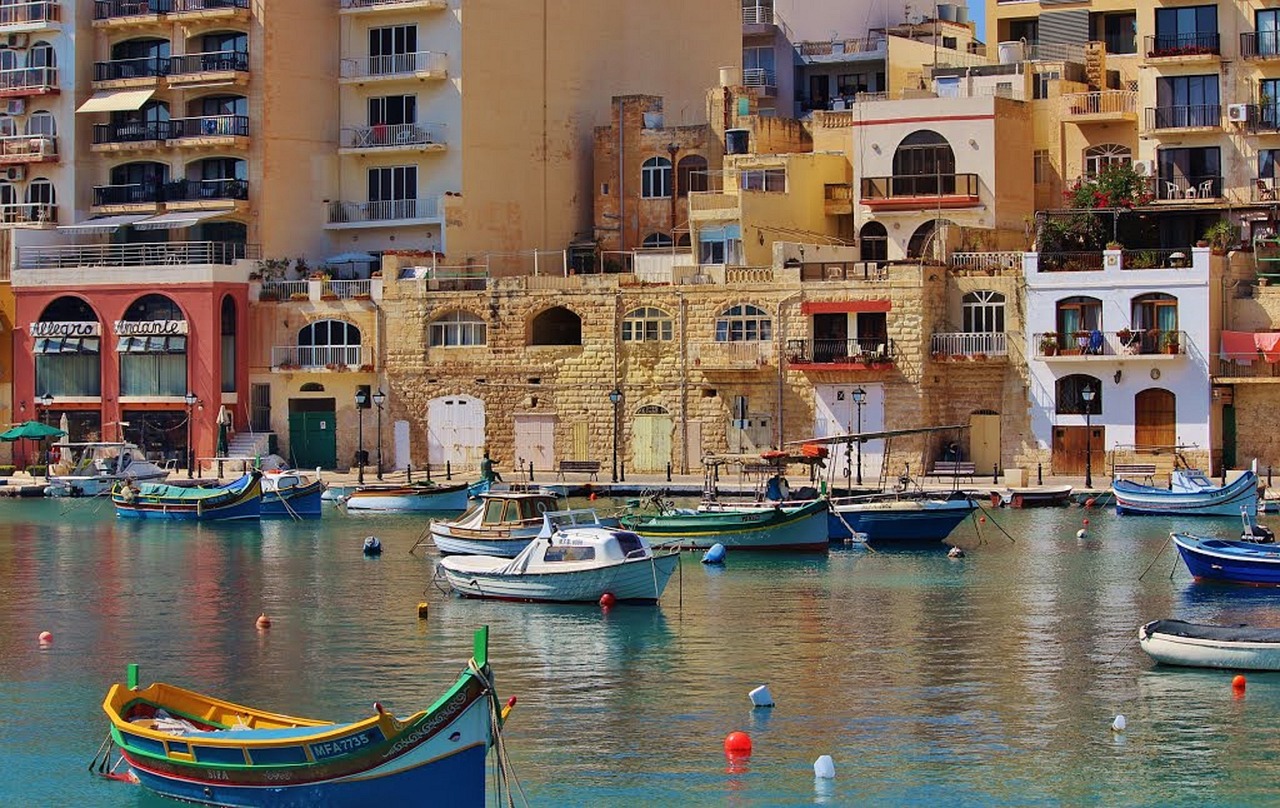
The truth is, one of the best things to do in Valletta is to do “nothing” structured at all. Wander the steep side streets, climb staircases, and look up at the rows of traditional Maltese wooden balconies painted in greens, blues, and reds.
On many visits, my favorite memories are small: an elderly woman watering geraniums on a balcony, a cat stretched across sun-warmed stone steps, kids playing football in a tiny square. Valletta’s beauty is not just in its big monuments but in these lived-in corners.
Tip: Photograph respectfully—people live behind those balconies. A smile and a nod go a long way if you’re pointing a camera upwards.
Local Food in Valletta: What & Where to Eat
Food is a big part of Maltese life, and Valletta is a perfect place to taste local flavors. Maltese cuisine is a Mediterranean blend with Italian, North African, and British influences.
Must-Try Dishes
- Pastizzi: Flaky pastries filled with ricotta or mushy peas. I often start my day with one from a tiny counter on a side street and always end up going back for a second.
- Ftira: A ring-shaped bread, often used for sandwiches with tuna, capers, olives, and tomatoes. It’s perfect picnic food.
- Rabbit (Fenek): Typically stewed in wine and garlic. A classic Maltese dish; I recommend trying it once, preferably in a more traditional restaurant.
- Bragioli: Beef olives—thin slices of beef rolled around a breadcrumb filling and simmered in tomato sauce.
- Aljotta: A garlicky fish soup, wonderfully comforting on cooler evenings.
- Ġbejna: Small local cheeses (sheep or goat), served fresh, dried, or peppered.
Local Drinks
- Kinnie: A bittersweet, herbal soft drink made from orange and aromatic herbs. Locals either love it or politely tolerate it; I’m firmly in the “love” camp.
- Cisk: The local lager, light and refreshing—good with a seaside view.
- Maltese wines: Local wineries produce excellent whites and some good reds. Try a Vermentino or Girgentina with fish.
Saving Money on Food
Valletta can be as budget-friendly or splurge-worthy as you like. For value:
- Eat main meals at lunch; many places have set menus.
- Use bakeries and snack bars for breakfast and quick bites.
- Pick up picnic items from markets and small grocers.
Nightlife, Entertainment & Cultural Experiences in Valletta
Valletta’s nightlife is more about wine bars, live music, and culture than huge clubs (those are more in Paceville). Evenings here are atmospheric rather than wild.
Wine Bars & Cocktails
The side streets off Merchant Street and around Strait Street are full of cozy wine bars in old stone buildings. I love tucking into a vaulted cellar with a glass of local red and a plate of Maltese nibbles—olives, sun-dried tomatoes, ġbejna.
Live Music & Theatre
Check schedules for the Teatru Manoel, Pjazza Teatru Rjal, and smaller music venues. Valletta has a strong jazz scene; I’ve stumbled into more than one impromptu jam session while just following the sound of a sax down a side street.
Romantic Experiences
- Sunset at Upper Barrakka Gardens followed by a harbour-view dinner.
- Evening dgħajsa ride around the Grand Harbour.
- Late-night stroll through quiet streets lit by warm yellow lamps.
Family-Friendly Evenings
- Harbourfront dinners where kids can move around.
- Early evening cannon firing at the Saluting Battery.
- Gelato walks along the bastion walls.
Best Day Trips from Valletta
Valletta is the hub of Malta’s bus network, making it easy to explore beyond the city. These are my favorite day trips from Valletta that fit well with a 4 or 5 day itinerary.
Mdina & Rabat
Mdina, the “Silent City,” is a walled medieval town with narrow lanes and sweeping views. Rabat, just outside its walls, is more local and relaxed. Together they make a perfect full day.
From Valletta: Buses run regularly (about 30–40 minutes). Go early to enjoy Mdina before it fills up.
Comino & the Blue Lagoon
For turquoise water and swimming, Comino’s Blue Lagoon is the classic choice. It can be crowded in summer, but the water really is that blue.
From Valletta: Take a bus or taxi to one of the northern ferry points (Cirkewwa or Marfa), then a small boat to Comino. Pack sunscreen, water, and a hat.
Marsaxlokk & the South Coast
Marsaxlokk is a traditional fishing village with colorful luzzu boats and a Sunday fish market. Combine it with a visit to nearby St. Peter’s Pool for cliff jumping (for the brave) or just watching others leap into the sea.
Cultural Etiquette & Local Customs in Valletta
Maltese culture is warm, family-oriented, and a bit conservative beneath the surface. Valletta, as the capital, is used to visitors, but a few simple courtesies go a long way.
Language
Malta has two official languages: Maltese and English. Most people in Valletta speak excellent English, and you can easily get by without learning Maltese. Still, using a few basic words is appreciated:
- Bonġu: Good morning
- Ħelow: Hello
- Grazzi: Thank you
Dress & Church Visits
Valletta is quite relaxed, but when visiting churches (and you’ll likely visit several), dress modestly: shoulders and knees covered. Swimwear is for beaches and swim spots only, not city streets.
Tipping
Tipping is appreciated but not mandatory. In restaurants, 5–10% is standard if service is good. Rounding up taxi fares and leaving small change at cafes is common.
Local Customs
- People tend to speak loudly and gesticulate—this is just Mediterranean expressiveness, not anger.
- Family is central; Sunday lunch is sacred for many Maltese.
- Religious feasts (festas) are a big deal, with fireworks and processions; enjoy respectfully and be aware of temporary street closures.
Practical Travel Tips for Valletta (2026–2027)
How to Get Around
Valletta is best explored on foot. Streets can be steep, with lots of stairs, so wear comfortable shoes.
- Buses: The main bus terminal just outside City Gate connects Valletta to the rest of Malta. Buses are frequent but can be crowded in peak hours.
- Ferries: Regular ferries run to Sliema and the Three Cities—often faster and more pleasant than buses.
- Taxis & ride-hailing: Widely available via local apps and hotel bookings.
- Car rental: Not recommended for staying in Valletta itself; parking is limited and driving in the old streets can be stressful. Better for island-wide exploration if you’re comfortable with narrow roads and left-hand driving.
Saving Money
- Travel off-season (March–May, October–November) for lower prices and milder weather.
- Use weekly or day bus passes if you plan frequent trips outside Valletta.
- Eat at snack bars and bakeries for some meals; cook if you have an apartment.
SIM Cards & Connectivity
Malta has good mobile coverage. You can buy prepaid SIM cards from major providers at the airport, in Valletta, and in malls. EU travelers can usually roam under their home plans as per EU rules (check with your provider). Wi‑Fi is common in hotels and many cafes.
Visa Requirements & Driving Licenses
- Malta is in the Schengen Area. Visitors from many countries can enter visa-free for short stays; always check the latest requirements for 2026 before travel.
- EU/EEA and many international driving licenses are accepted for car rental; some non-EU travelers may need an International Driving Permit in addition to their home license. Confirm with the rental company in advance.
Health & Safety
Valletta is generally safe, even at night. Usual big-city precautions apply: keep an eye on valuables in crowded areas, especially when cruise ships are in port. Tap water is treated and officially safe, but many people prefer bottled or filtered due to taste.
Best Seasons & Weather
- Spring (March–May): Ideal for walking tours, sightseeing, and day trips. Wildflowers in the countryside.
- Summer (June–September): Hot and dry. Best for swimming and nightlife, but midday sightseeing can be tough.
- Autumn (October–November): Warm sea, cooler air. Great all-round time to visit.
- Winter (December–February): Mild, sometimes rainy. Quieter, with fewer tourists and a more local feel.
Major Events & Festivals in Valletta (2026–2027)
Exact dates change yearly, but these are key events to watch for in 2026–2027:
- Valletta Baroque Festival (January): Concerts in historic venues including St. John’s Co-Cathedral and Teatru Manoel.
- Carnival (February/March): Colorful parades, costumes, and street parties in Valletta and Floriana.
- Holy Week & Easter (March/April): Religious processions and events across the city.
- Isle of MTV / Summer Music Events (Summer): Large open-air concerts, often with international acts, sometimes centered around Valletta and Floriana.
- Notte Bianca (October): All-night arts and culture festival with open museums, performances, and street food.
- Christmas & New Year (December): Festive lights, markets, concerts, and New Year fireworks over the Grand Harbour.
Summary & Final Recommendations: When to Visit Valletta
Valletta is a rare mix: a UNESCO-listed fortress city that still feels like a lived-in neighborhood, with enough things to do to fill a 3, 4, or 5 day itinerary without ever needing a car. From Caravaggio masterpieces and cannon salutes to hidden swimming spots and late-night jazz in centuries-old cellars, it rewards both planners and wanderers.
Best times to visit:
- For sightseeing & culture: March–May and October–November—mild temperatures and fewer crowds.
- For swimming & nightlife: June–September—hot, lively, and perfect for combining city life with sea dips.
- For a quiet, atmospheric stay: Winter months—cooler, but with plenty of sun and a more local pace.
Whether you’re here for 3 days in Valletta or stretching your trip to 5 days, slow down, look up at the balconies, listen for church bells and harbour sounds, and let the city’s layered history and everyday rhythms unfold around you.