Why Visit Chamarel Seven Coloured Earths in 2026
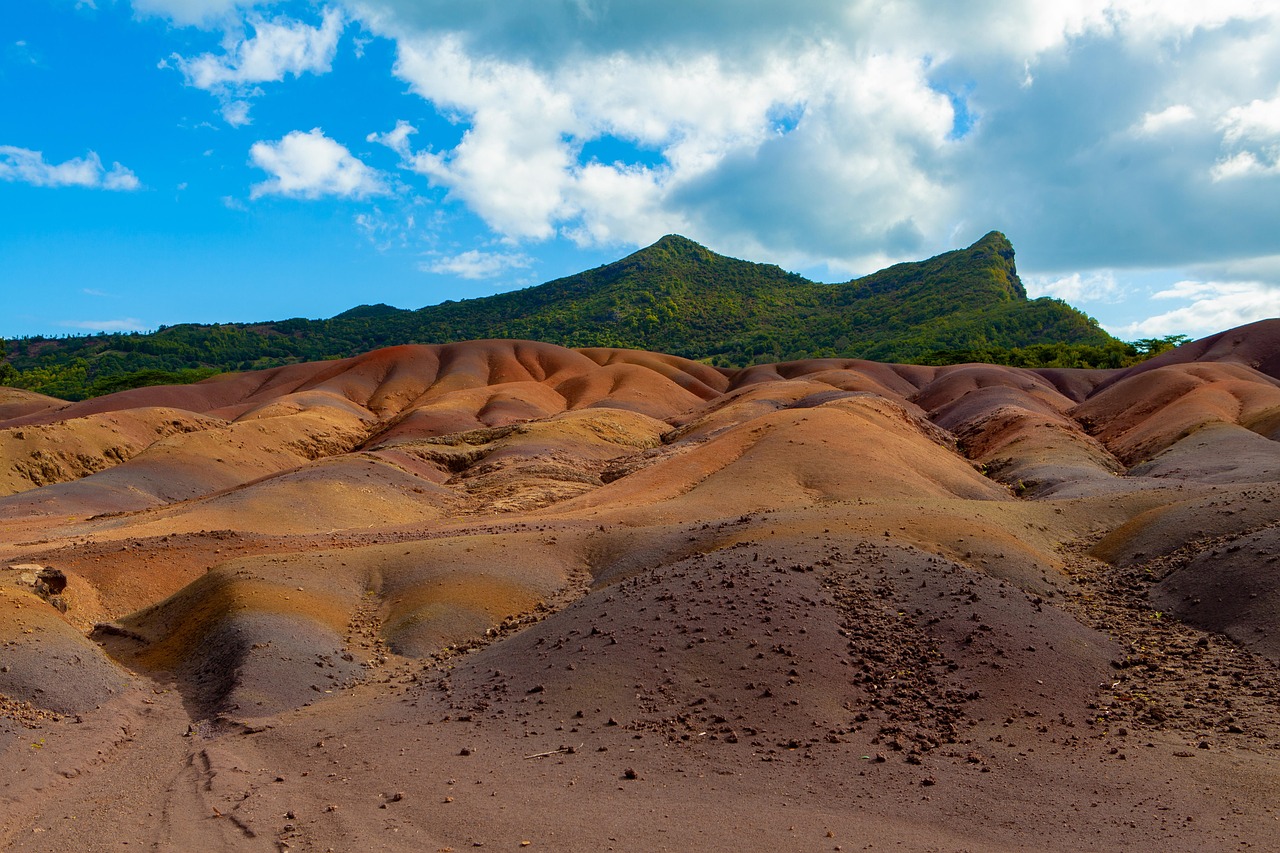
The Chamarel Seven Coloured Earths are a geological curiosity: rippled dunes banded in reds, ochres, violets, and blues, formed by volcanic basalt slowly transforming into iron and aluminium-rich clays. But that scientific explanation barely prepares you for how dreamlike it feels to stand at the rail and watch the colours glow in the morning sun.
In 2026, the site is better managed than ever: clear walkways, upgraded viewpoints, small interpretive displays, and a gently controlled visitor flow that still leaves room for quiet moments. The entry ticket also includes access to the Chamarel waterfall viewpoint, and with a little planning you can wrap in rum tastings, coffee plantations, nature walks, and some of the island’s most underrated food.
Whether you’re planning a 1 day itinerary for Chamarel Seven Coloured Earths, or staying longer with a 2 day itinerary or 3 day itinerary for Chamarel Seven Coloured Earths, this travel guide is written to help you experience it the way we locals do: unhurried, curious, and with time for one more cup of coffee before the clouds roll in.
Table of Contents
- Why Visit Chamarel Seven Coloured Earths
- Essential Overview & How the Site Works
- 1. The Main Seven Coloured Earths Dunes
- 2. Chamarel Waterfall
- 3. Giant Tortoise Enclosure & Forest Edges
- 4. Rhumerie de Chamarel (Rum Distillery)
- 5. Coffee & Vanilla Plantations of Chamarel
- 6. Viewpoints: From Black River Gorges to Baie du Cap
- 7. Chamarel Village Life & Creole Culture
- 8. Nearby Nature Walks & Adventure Spots
- Suggested 1–3 Day Itineraries
- Eating Around Chamarel Seven Coloured Earths
- Where to Stay Near Chamarel
- Chamarel by Light: Dawn, Golden Hour, and After Dark
- Events & What’s New in 2026–2027
- Best Day Trips & Nearby Attractions
- Cultural Etiquette & Local Customs
- Practical Travel Advice & Logistics
- Tickets, Opening Hours & On-Site Rules
- Hidden Tips & Ways to Save Money
- Summary & Final Recommendations
Essential Overview: How to Visit Chamarel Seven Coloured Earths
Chamarel village sits in the southwest highlands of Mauritius, about 1–1.5 hours’ drive from the main resort zones of Flic-en-Flac, Le Morne, and Grand Baie. The Seven Coloured Earths Geopark is a privately managed site at the end of a short internal road, with a ticket gate you’ll pass by car, scooter, or taxi.
Your entry ticket (as of early 2026) covers:
- Access to the main Seven Coloured Earths dunes and boardwalk viewpoints
- Access to the Chamarel Waterfall main viewpoint
- Short forested stretches of road with secondary viewpoints and picnic corners
- The giant tortoise enclosure near the dunes
Most visitors spend an hour or two rushing through. I’d urge you to slow down. On my last visit, I spent nearly three hours just between the waterfall and dunes, watching the colours change as clouds passed over and school groups came and went. With kids, or if you’re photographing seriously, allow longer. The site is compact but rich: you’ll walk, pause, watch, and walk a little more.
1. The Main Seven Coloured Earths Dunes
The first time I saw the dunes, I almost walked straight past the initial viewpoint – I could see people clustering further along the path, cameras raised, and I assumed the first platform was a throwaway stop. It isn’t. Each angle here gives a different composition, and the geology reveals itself in layers if you let your eyes adjust.
Approach & First Impressions
After you pass the ticket barrier and roll through the shaded road (look for monkeys and bright red Cardinal birds), you’ll reach a small parking area near the dunes. From here it’s a short, gentle walk on a firm path – suitable for strollers and most travelers with limited mobility, though not perfectly flat.
You’ll smell the humid forest and, if it rained recently, a faint earthy scent that reminds you this is still a living landscape. The dunes suddenly appear on your left, a bare patch of rolling earth hemmed in by trees. Fences keep you off the soil itself – and that’s a good thing for preservation.
Understanding the Colours
The colours come from the decomposition of volcanic basalt into mineral-rich clays over millions of years. Iron gives the reds and browns; aluminium gives the blues and purples. Because the grains settle in layers and resist erosion at different rates, the dunes take on a corrugated, ripple-like shape.
On cloudless days, the colours are bold and obvious. But my favourite visits have been on days with fast-moving clouds, when the passing shadows sweep across the surface and the reds deepen into wine tones while the blues appear almost metallic. If you can, time your visit for mid-morning, between 9:30 and 11:00, when the sun is high enough to pull out the full palette but not yet so vertical that the relief flattens.
Walking the Viewpoints
There are several main viewing stretches:
- Entrance Platform: The first rail you reach. It’s often less crowded and gives a good sense of scale. I like to start here and simply watch people’s faces as they see the dunes for the first time.
- Central Curve: Follow the path along the wooden fence until it curves closer to the dunes. From here, you can see the full sweep, with forest framing the earth. This is the classic “postcard” view.
- Far-side Bend: Keep walking to the far end for slightly elevated angles and fewer people. In the late afternoon, this end catches beautiful side light.
On a recent May afternoon, I walked the loop twice, once with a wide-angle lens to catch the whole amphitheatre, then again with a longer lens, isolating small folds of colour like abstract paintings. If you’re just using a phone, don’t worry – the colours are strong enough that even basic cameras do them justice.
Family-Friendly & Accessibility Notes
Kids tend to love the dunes because they look like something from another planet. There’s enough space along the fence for them to lean and gawk, and the paths are stroller-friendly. Just keep an eye on little ones so they don’t try to climb or slip under the barriers.
Benches are scattered along the route, and there’s some shade from surrounding trees, but it can still be hot. Bring hats and water; you’ll find a small café and toilets a short walk away, but they’re not immediately at the rail.
Photography Tips
- Best light: Mid-morning or late afternoon golden hour. Dawn is quieter but can be misty.
- Angles: Experiment with low angles at the rail to emphasise the ripples, using the fence as a leading line.
- Lenses: 24–70mm equivalent works well. For details, 70–200mm or phone zoom is enough.
- Restrictions: No drones are allowed; respect this – enforcement is active, and it’s also about wildlife and other visitors’ peace.
How Long to Spend
I recommend at least 45–60 minutes just at the dunes, longer if you’re serious about photography or traveling with kids who want to wander. Many tours allocate 20 minutes, which is barely enough to walk from one end to the other.
2. Chamarel Waterfall
Chamarel Waterfall is the kind of place that makes you instinctively lower your voice. The water drops nearly 100 meters in a single thin plume, framed by basalt cliffs and curtains of green. In the wet season of February 2026, I watched a double rainbow form in the mist – one of those rare “forget the camera” moments.
Reaching the Viewpoint
Access to the waterfall viewpoint is included in your Chamarel Seven Coloured Earths tickets. If you’re driving yourself, you’ll see signs before you reach the dunes. There’s a small parking area; from there, the walk is short but slightly uneven, with a few steps.
The main platform gives a near-frontal view of the falls. Further along the path, there are side angles where the gorge opens up and you can better appreciate the depth and the layers of lava that once flowed here.
Best Time to Visit
For volume and drama, visit in or just after the rainy months (January–March), when the falls are at their fullest. In the drier winter (June–September), the flow is thinner but often more gracefully defined, and skies are sharper blue.
In terms of daily timing, I like late morning, when the sun has climbed enough to light the full cascade without throwing too much glare into the camera. Early morning can be magical too, especially if low clouds filter the light.
Swimming & Access Below
A common question is: “Can we swim in Chamarel Waterfall?” Officially, from the main park side, you’re looking at the falls from above and do not descend to the base. However, there are guided canyoning and hiking tours (with licensed operators) that approach the river and pools from outside the park boundaries. If you’re adventurous and reasonably fit, these can be a highlight of a 2 days in Chamarel Seven Coloured Earths itinerary.
Do not attempt to scramble down from the viewpoint; it’s steep, unstable, and prohibited for good reason.
Family & Romantic Angles
For families, the waterfall stop is short and sweet: a walk, a few wow-moments, some photos, then back to the car. For couples, try lingering; when the crowds ebb, there’s an intimate hush here that makes it a lovely romantic stop, especially if you follow it with a long lunch nearby.
How Long to Spend
Most people spend 15–30 minutes. I usually allow half an hour, more if I’m combining it with a nature walk along the road (there are a few informal trails where you can stretch your legs and admire the forest).
3. Giant Tortoise Enclosure & Forest Edges
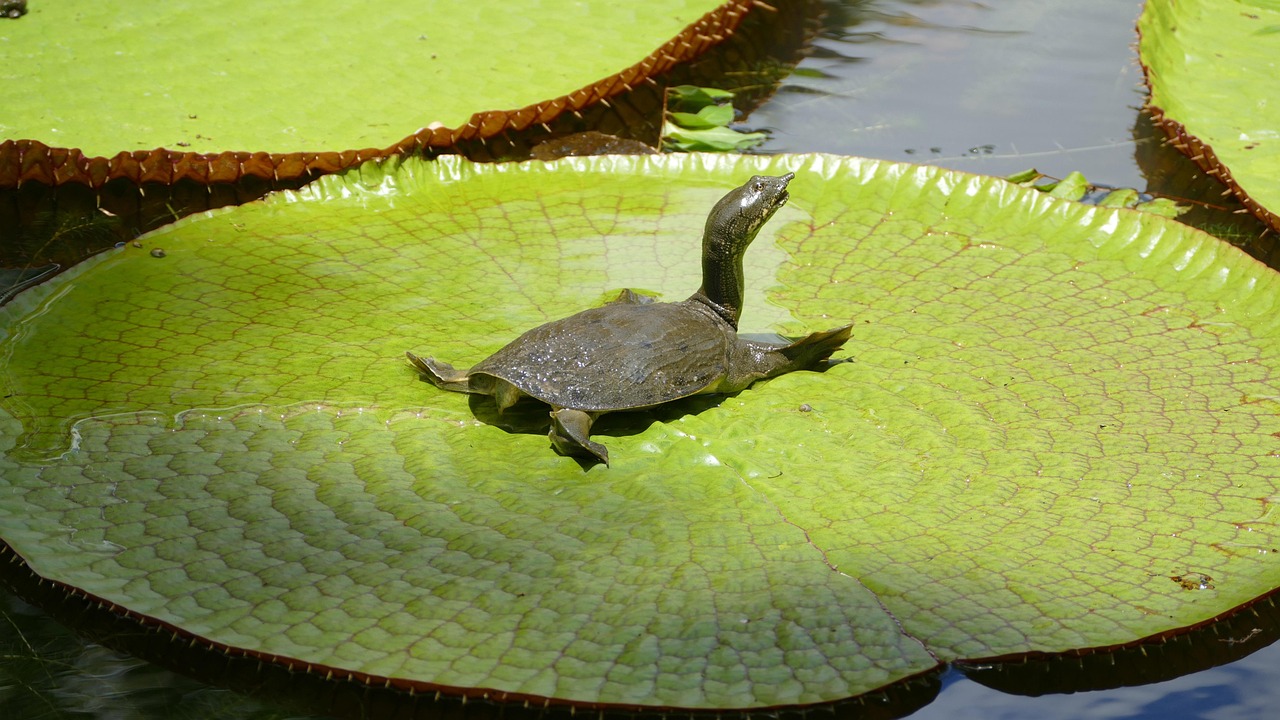
Just a few minutes’ walk from the dunes sits a small enclosure where several Aldabra giant tortoises live out their slow, steady days. It’s not a full-blown attraction in its own right, but if you’re traveling with children, this becomes an instant favourite.
What to Expect
The tortoises graze lazily, occasionally lifting their heads to observe the passing parade of visitors. Informational signs explain their origin (Aldabra Atoll in the Seychelles) and conservation status. On my last visit, a park guide was gently answering kids’ questions about how old they were and whether they liked to be petted (answer: no touching, just observing).
It’s a chance to talk about wildlife respect: staying outside the low fence, keeping voices calm, and never feeding them. I’ve seen too many people try to drop leaves or snacks in; staff are vigilant, but it’s on all of us to behave responsibly.
Forest Edges & Birdlife
Around the enclosure, the forest thickens. If you pause a while, you may spot:
- Red-whiskered bulbuls hopping in the lower branches
- Mauritius grey white-eyes flitting in social groups
- Occasional Mauritius kestrels circling high above
Bring a light pair of binoculars if you’re keen on birds; early morning is best, before the heat and crowds build.
How Long to Spend
10–20 minutes is usually enough here, unless you’re a serious wildlife lover. I like to stop by on the way out from the dunes, as a gentle decompression before rejoining the main road.
4. Rhumerie de Chamarel – Rum, Sugarcane & Slow Afternoons
Rum is the taste of Mauritius, and Chamarel is one of its most elegant expressions. The Rhumerie de Chamarel, just a few minutes’ drive from the Seven Coloured Earths, is a beautifully designed distillery built amid rolling cane fields. I’ve lost whole afternoons here, happily.
Guided Tours & Tasting
Tours typically run every 30–60 minutes and include:
- A walk through the small on-site cane fields (seasonal)
- An introduction to the distillation process in the copper column stills
- A peek into the ageing cellars for rhums vieux
- A guided tasting of several varieties: white, gold, spiced, and aged rums
The guides are usually young locals from the region; they know their rum and speak candidly about how the industry is evolving. On a recent tour, our guide explained how climate shifts are affecting cane harvests – a reminder that even this idyllic landscape is changing.
Designate a driver if you’re tasting. Alternatively, visit on a day when you’ve hired a taxi or driver for a 1 day itinerary for Chamarel Seven Coloured Earths; they’ll usually wait while you tour and taste.
Restaurant & Romantic Meals
The on-site restaurant has one of the loveliest terraces in the region, overlooking cane and forest. The food is refined Creole with French influences: think smoked marlin tartare, octopus curry, and delicate coconut desserts paired with rum reductions.
I like it best for long, lazy lunches. For couples on a romantic 2 days in Chamarel Seven Coloured Earths trip, this is where you linger over a second rum cocktail and watch the light shift over the hills.
Shopping & What to Bring Home
The shop sells bottles you won’t always find in supermarkets – small-batch infusions with vanilla, coffee, or local spices. If you’re bringing gifts home, this is a good place to stock up. Check your customs limits before you overdo it.
How Long to Spend
Allow 1.5–3 hours depending on whether you’re just tasting or also having lunch. In a 3 day itinerary for Chamarel Seven Coloured Earths, I’d dedicate a whole afternoon here paired with a late-day viewpoint stop.
5. Coffee & Vanilla Plantations of Chamarel
Chamarel’s highland microclimate, with its cooler temperatures and frequent mists, is perfect for coffee and vanilla. While sugarcane dominates the landscape, small plantations and gardens hide among the hills. Visiting them adds a delicious layer to your travel guide for Chamarel Seven Coloured Earths experience.
Coffee in Chamarel
On a drizzly August morning last year, I joined a tiny group at a family-run plot where Arabica coffee bushes grow under taller shade trees. The owner – a soft-spoken man in his fifties – walked us between rows, letting us taste the ripe red cherries and explaining how the berries are hand-picked, pulped, fermented, and dried.
Don’t expect industrial scale or fancy facilities. These are small operations, often part of a broader agro-tourism project. That’s precisely their charm: you’re seeing how things are really grown, not a polished theme park.
Vanilla & Spices
Vanilla vines curl up support trees like green ribbons, their waxy leaves catching drops of water. Seasonally, you may see the pale greenish flowers, which must be hand-pollinated. Farmers often combine vanilla with other crops: bananas, chilies, and herbs.
Many of these plantations sell small quantities of locally cured vanilla beans, jams, and spice mixes. I always bring home a bundle of beans – the aroma when you open your bag weeks later is a direct teleport back to Chamarel.
Booking & Visiting
Ask your guesthouse or driver about current plantation visits; a few have set schedules, others work on request. Some tours bundle coffee/vanilla visits with a stop at a viewpoint and the Seven Coloured Earths. If you’re crafting a slower 3 days in Chamarel Seven Coloured Earths plan, slot this into a morning when the weather is cloudy – the plantations are atmospheric in mist.
6. Viewpoints: Black River Gorges to Baie du Cap
One of the joys of Chamarel is how the land suddenly drops away, revealing deep gorges on one side and open ocean on the other. Between the official viewpoints and informal stops, you can fill a day just chasing horizons.
Black River Gorges Viewpoint
On the main approach road to Chamarel from the west, you’ll hit a classic viewpoint over Black River Gorges National Park. From here, forested ridges fold into each other like green waves, and on clear days you see all the way to the sea.
I like to stop here early in the day, when the light slants across the valley and the air is cool. It’s also a good orientation: your driver can point out where the Seven Coloured Earths sit relative to the gorges, giving you a sense of how this corner of Mauritius was built by fire and water.
Baie du Cap & Maconde View
If you have a car, drive the sinuous road down from Chamarel towards Baie du Cap and the famous Maconde viewpoint. From a rocky promontory, the coastal road curves in a near-perfect S-shape below you, with emerald sea on both sides.
It’s about a 30–40 minute drive from Chamarel village. On my last trip, I combined a morning at the Seven Coloured Earths with lunch in Chamarel, then descended to Maconde for late-afternoon photos. The contrast – from cool forest to hot coastal rock – is dramatic.
Hidden Pull-Offs
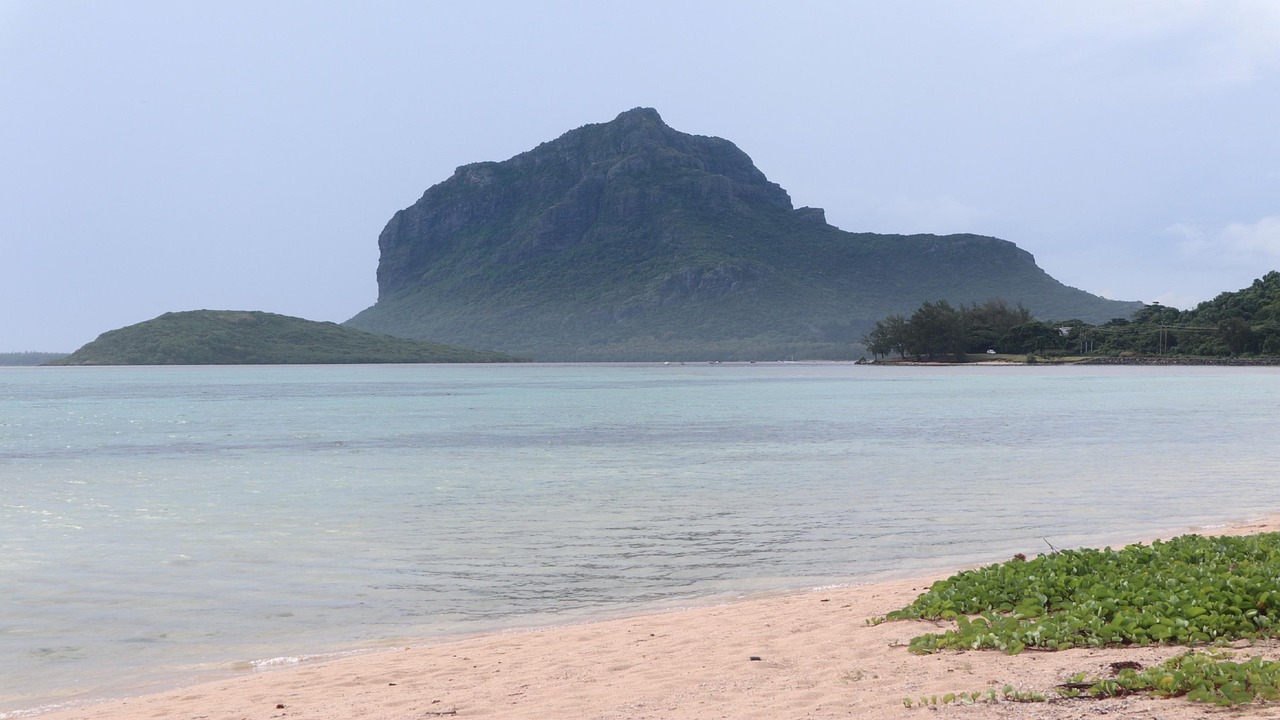
Between Chamarel and the gorges, look for small lay-bys where locals sometimes park. These often reveal quieter, unmarked views: a single tree silhouetted against a ravine, or a glimpse of Le Morne Brabant rising out of the sea.
Always park fully off the road and be cautious of traffic; these are not official sites, just local secrets.
7. Chamarel Village Life & Creole Culture
Too many visitors dart in and out of the geopark without setting foot in Chamarel village itself. That’s a shame, because the village is where you feel the rhythm of everyday life: schoolkids in uniform, men in caps arguing over dominoes, women chatting at the roadside vegetable stands.
A Walk Through the Village
There’s no grand “old town” here, just a scatter of houses and small shops along the road and up side lanes. Still, an unhurried walk reveals:
- Traditional Creole houses in bright colours, with tin roofs and carved wooden verandas.
- Small snack shops selling gato pima (fried lentil fritters), rotis, and local sodas.
- Roadside fruit stalls groaning with pineapples, bananas, and seasonal lychees.
On a recent Sunday, I bought a bag of still-warm gateaux piment from a lady who insisted I add some fresh chili and a squeeze of lime. We ended up chatting about how much the village has changed since she was a child – more visitors, better roads, but also more pressure on land and water.
Creole Language & Identity
In Chamarel, you’ll mostly hear Mauritian Creole, our island lingua franca. It’s French-based, with African, Malagasy, and Indian influences. A few words will open many doors:
- Bonzur – Hello (used almost all day)
- Mersi – Thank you
- Ki manier? – How are you?
- Li bon sa! – That’s tasty!
People appreciate any effort, even if your pronunciation wobbles. English is widely understood, and French too, but starting in Creole is a small gesture of respect.
Churches & Temples
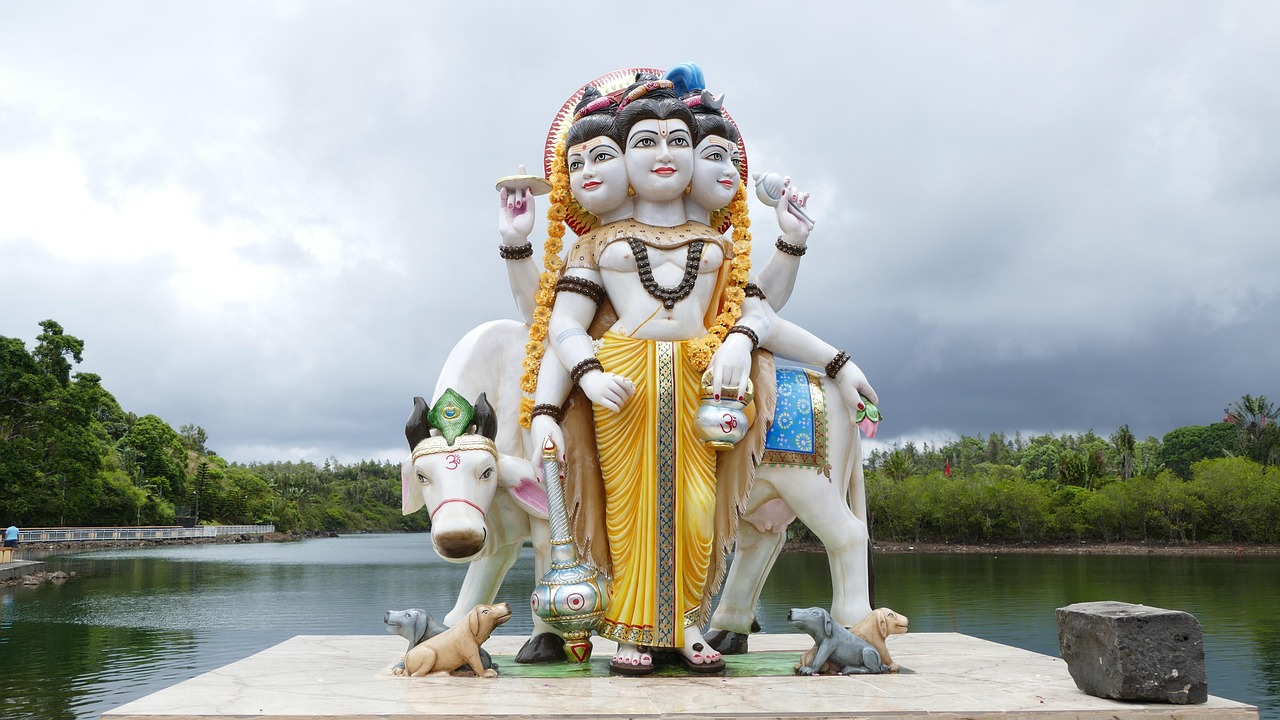
As across Mauritius, Chamarel reflects a mosaic of faiths. You’ll see a small church, Hindu shrines, and sometimes improvised altars by the roadside under banyan trees. If you pass a ceremony, keep a respectful distance unless invited; photography during worship is best avoided unless you ask.
8. Nearby Nature Walks & Adventure Spots
The highlands around Chamarel are laced with trails and tracks, some well-marked, others better tackled with a guide. If you’re the kind of traveler who wants more than viewpoints, this is your playground.
Short Forest Walks
Several guesthouses and small tour operators offer guided walks into the nearby forest, often focusing on:
- Native and endemic trees and plants
- Birdlife, including rare species if you’re lucky
- Local uses of medicinal plants
On a cool July morning, my guide pointed out bois d’olive and bois de natte, explaining how older generations used them in traditional remedies. It’s a gentle, grounding way to balance the more “Instagrammable” parts of a trip.
Canyoning & Adventure
For the adventurous, canyoning companies run excursions in the nearby rivers and falls, involving rappelling down waterfalls, sliding through natural rock chutes, and swimming in clear pools. These typically require a half-day, good footwear, and comfort with heights.
If you include canyoning in a 2 day itinerary for Chamarel Seven Coloured Earths, schedule it for a day when you’re not also trying to drive long distances. You’ll be pleasantly tired afterward.
Black River Gorges Hiking
From Chamarel, you’re a short drive from several trailheads in Black River Gorges National Park. Options range from easy 1–2 hour walks to more demanding 5–6 hour hikes. Weather can change quickly; bring a light jacket even in summer.
Suggested Itineraries: 1–3 Days in Chamarel Seven Coloured Earths
Below are three grounded, experience-based itineraries drawn from my own visits, tuned for 2026. They’re structured but flexible: adjust for weather, energy levels, and how long you linger over coffee.
1 Day Itinerary for Chamarel Seven Coloured Earths
If you only have 1 day in Chamarel Seven Coloured Earths, focus on the essentials while weaving in a taste of local life. This is ideal if you’re based at the coast and coming up just for the day.
Morning: Approach via Black River Gorges & Waterfall
I like to leave the west coast by 8:00 a.m., before the roads heat up. As you climb into the highlands, stop at the Black River Gorges viewpoint for a first look at the interior. Ten minutes here sets the tone: wide skies, deep green, cooler air.
Continue to the Chamarel park gate and head first to the waterfall. Around 9:30–10:00 a.m., the falls are well lit, and you’ll miss some of the midday bus congestion. Spend 20–30 minutes taking in the view, walking between the main and side platforms.
Late Morning: The Seven Coloured Earths Dunes
From the waterfall, follow signs deeper into the park toward the Seven Coloured Earths. Park and walk the path to the dunes. This is your core experience for the day; don’t rush. On my most recent one-day trip with friends, we:
- Walked the entire fence line slowly, stopping at each bend.
- Spent time at the quieter far end, just watching the colours shift.
- Let the kids count how many distinct colours they could spot.
Plan on at least an hour here. Take your classic wide shot from the central curve; then experiment with details at the rail.
Lunch: Chamarel Village Restaurant
Skip the basic snack bars around the site and drive the short distance into Chamarel village. Two of my favourite lunch options in 2026:
- A small Creole table d’hôte just off the main road, serving fish vindaye, chicken curry, and rougaille saucisse with rice and lentils. Portions are generous, prices fair, and you’re eating what locals eat.
- A slightly more polished restaurant perched on a hillside with views over the valley, known for grilled fish and vegetarian curries.
Ask your guesthouse or driver for current recommendations; places change hands, but the good ones keep a steady local clientele. Expect to pay a bit more than in town, but still reasonable by European standards.
Afternoon: Rum or Village Stroll
In the afternoon, choose one:
- Rum-focused option: Head to Rhumerie de Chamarel for a guided tour and tasting. This pairs beautifully with the morning’s geological wonders, giving you a cultural and gastronomic layer.
- Village & viewpoints: If you prefer to stay light on alcohol, wander Chamarel village on foot for an hour, then drive down towards Baie du Cap and Maconde for a coastal viewpoint before returning to your base.
Evening: Back to the Coast
The inland roads are winding and unlit in spots, so unless you’re very comfortable driving at night, plan to be descending before dark. You’ll be back at your beach hotel by sunset, with red dust still on your shoes and rum on your breath.
2 Day Itinerary for Chamarel Seven Coloured Earths
With 2 days in Chamarel Seven Coloured Earths, you can slow down, add a nature walk or plantation visit, and experience the changing light at the dunes.
Day 1: Classic Highlights & Rum
Follow the 1 day itinerary for Chamarel Seven Coloured Earths as above, but take your time:
- Arrive mid-morning, visiting Black River Gorges viewpoint and Chamarel Waterfall.
- Spend extra time at the dunes, aiming to still be there by early afternoon when some tour groups have left.
- Have a leisurely lunch in Chamarel village.
- Dedicate the full mid-to-late afternoon to Rhumerie de Chamarel, including a long tasting and possibly dessert.
Overnight in Chamarel (see Where to Stay below). After dark, step outside to appreciate how quiet the highlands are compared to the coast; on clear nights, the stars are surprisingly bright.
Day 2: Plantations, Forest & Second Visit to the Dunes
On your second morning, wake up in Chamarel itself. One of my favourite memories from 2025 was sipping a strong local coffee on a veranda while mist curled around the hills – no rush to be anywhere.
Morning: Coffee/Vanilla & Short Walk
Arrange a visit to a coffee or vanilla plantation. Spend a couple of hours learning, tasting, and walking the fields. Pair this with a short forest walk, either independently (if you’re confident with maps) or with a local guide who can point out endemic species.
Lunch: Simple & Local
For lunch, choose somewhere simple: a local snack, a plate of fried noodles or rice, or a small café with daily specials. Use the chance to practice a few Creole phrases with your hosts.
Afternoon: Return to Seven Coloured Earths
Your ticket is valid for the day of purchase only, so you’ll need a new one if you return, but it’s absolutely worth seeing the dunes again in different light. On this second visit:
- Arrive in late afternoon, around 3:30–4:00 p.m.
- Focus on quieter corners, maybe the far-side bend.
- Experiment with more creative photography, or simply sit on a bench and watch the sky change.
As the park begins to empty, the place takes on a different mood. On one such late visit, I remember a group of local teenagers singing softly by the rail; their voices floated over the dunes as the last sun pooled in the hollows.
3 Day Itinerary for Chamarel Seven Coloured Earths
With 3 days in Chamarel Seven Coloured Earths, you’re no longer just visiting; you’re settling into the rhythm of the place. This is my favourite way to experience the area, especially for couples or families who like a blend of activity and rest.
Day 1: Geology & Village Orientation
Follow the core of Day 1 from the 2 day itinerary for Chamarel Seven Coloured Earths:
- Arrive via Black River Gorges.
- Visit Chamarel Waterfall.
- Explore the Seven Coloured Earths dunes thoroughly.
- Have lunch in the village.
- Stroll Chamarel’s lanes, talk to locals, and settle into your guesthouse.
In the evening, if your lodge offers it, join a small group dinner or cooking demonstration to learn a Creole recipe – fish curry, perhaps, or rougaille.
Day 2: Rum & Coastal Contrast
Dedicate the morning to Rhumerie de Chamarel, taking the latest possible tour so you spill straight into lunch on the terrace. After lunch, descend towards Baie du Cap and Maconde:
- Stop at Maconde viewpoint for coastal photos.
- Continue along the scenic coastal road, perhaps dipping your feet in the sea.
- Return to Chamarel before dark, enjoying the cool air as you climb back up.
This day gives you a strong sense of Chamarel’s place within the larger geography of Mauritius – mountains flowing into lagoons, cane into rum.
Day 3: Nature & Hidden Corners
Use your final day for deeper nature or adventure:
- Join a guided hike in Black River Gorges or a nearby forest.
- Or, if you’re up for adrenaline, book a canyoning excursion.
- Alternatively, spend a slower day visiting coffee/vanilla plantations and small viewpoints, with plenty of café stops.
In the late afternoon, if you haven’t had enough of it yet, consider a final quick visit to the Seven Coloured Earths, just to say goodbye. It’s surprising how different the same dunes can look under a cloudier or clearer sky.
Eating Around Chamarel Seven Coloured Earths
Food in Chamarel is hearty, aromatic, and often spicier than what you’ll find in resort buffets. Here’s how to eat well without falling into tourist traps.
Skip the Immediate-Tourist-Trap Radius
Right at the geopark entrance you’ll find basic snack options: sandwiches, simple curries, soft drinks. They’re fine if you’re starving, but prices lean high and flavours lean bland. Walk or drive a few minutes into the village for better value and authenticity.
Where Locals Actually Go
- Snack stands along the main road: great for gato pima, samosas, farata (rotis), and fresh fruit. Cheap, quick, and filling.
- Simple canteens where workers eat: look for menus scribbled on boards – rice, lentils, curry, and a drink for a fair price. Portions are generous.
- Family-run table d’hôte spots: pre-set menus with starters, main, dessert, and sometimes rum or juice. These require more time but are ideal if you want a sit-down meal between activities.
What to Order
- Fish or octopus curry – often with coconut milk and fresh herbs.
- Chicken curry – usually bone-in, flavourful, served with rice and lentils.
- Rougaille saucisse – sausages in a tomato-onion-garlic sauce.
- Vegetarian curries – pumpkin, eggplant, and beans are common.
What to Bring Into the Site
Inside the Seven Coloured Earths park, bring:
- A reusable water bottle (there are waste bins but go light on plastic).
- A small snack if you’re traveling with kids (fruit or nuts; avoid messy foods).
- Sun protection: hat, sunscreen, maybe a light scarf.
Eating is allowed in designated areas; don’t picnic right up against the dunes.
Where to Stay Near Chamarel
Staying in or near Chamarel changes the whole experience. Instead of racing up and back in a day, you wake to cool air, bird song, and mist rolling through the hills.
Types of Accommodation
- Guesthouses & B&Bs: The most atmospheric choice. Expect wooden verandas, shared dinners, and owners who know every hidden viewpoint.
- Boutique lodges: A handful of mid- to high-end eco-lodges offer chalets in the forest, often with on-site restaurants and small pools.
- Self-catering cottages: Ideal for families wanting extra space and the ability to cook.
Personal Experience
I’ve stayed in a simple guesthouse run by a retired teacher and his wife – we ended up talking late into the night about how Chamarel has evolved from a quiet agricultural village to a tourism hub. In the morning, breakfast was fresh fruit, homemade jam, and strong coffee grown just a few kilometres away.
Tips for Choosing
- Check whether you’ll need your own transport; some lodges are off the main road.
- Ask about heating – nights can be cool in winter (June–August).
- Confirm Wi-Fi quality if you need to work; coverage in the highlands can be patchy.
Chamarel by Light: Dawn, Golden Hour & After Dark
The Seven Coloured Earths and surrounding hills transform dramatically with the time of day. Planning around light is one of the most important travel tips for Chamarel Seven Coloured Earths.
Dawn
The park usually opens in the morning (current Chamarel Seven Coloured Earths opening hours are subject to change, but think around 8:30–9:00 a.m.), so you won’t be there at astronomical dawn. But if you’re staying nearby, the pre-opening hours in Chamarel village are magical: mist, roosters, and the smell of woodsmoke.
Golden Hour & Late Afternoon
In late afternoon, as the sun lowers, the dunes’ relief deepens. Shadows carve out each ripple; the reds and oranges warm. This is arguably the best time for photography, though it can also be busy. Aim for the last 90 minutes before closing.
Blue Hour & After Dark
The park itself does not stay open after dark and there are no regular sound-and-light shows as of 2026. However, Chamarel village and the surrounding hills are beautiful at blue hour, when the sky deepens and house lights wink on.
If you’re staying overnight, bring a light jacket and step outside after dinner; you’ll hear frogs, crickets, maybe distant music from a neighbour’s radio. It’s a very different mood from the coastal nightlife of Mauritius.
Events & Changes in 2026–2027
As of 2026, there are no huge festivals staged directly at the Seven Coloured Earths, but a few trends and events are worth noting:
- Chamarel Eco-Trails (2026 & 2027): Annual trail-running and hiking events in the broader Chamarel/Black River Gorges region, usually in the cooler months (check local listings). Even if you’re not participating, be aware of possible road closures or busier trails.
- Agro-tourism expansion: Several small plantations are opening their doors more formally to visitors, offering scheduled tours and tastings – expect more structured coffee, vanilla, and spice experiences in late 2026–2027.
- Sustainability initiatives: The geopark has been gradually upgrading signage and waste management; 2026 sees more emphasis on visitor education about erosion and conservation.
Best Day Trips & Nearby Attractions from Chamarel
Chamarel is within easy reach of several other must-see attractions in southwest Mauritius. If you’re based in Chamarel for a couple of nights, consider:
Le Morne Brabant
About 30–40 minutes’ drive from Chamarel, Le Morne Brabant is a dramatic basalt peninsula and UNESCO World Heritage site. You can:
- Hike its slopes with a guide for panoramic views.
- Enjoy the beaches at its base.
- Explore the memorials related to its history as a refuge for escaped slaves.
Black River Gorges National Park
Dedicate a half-day to hiking here: waterfalls, endemic plants, and sweeping canyon views. Start early to avoid midday heat, and bring water, snacks, and good shoes.
Baie du Cap & Coastal Villages
Combine a scenic drive with village stops for fresh grilled fish and a swim. It’s a good contrast to the cool highlands of Chamarel.
Cultural Etiquette & Local Customs in Chamarel
Mauritians are used to visitors and generally relaxed, but a few cultural norms will help you blend in and show respect.
Greetings & Politeness
- Always greet shopkeepers and staff: a simple “Bonzur” goes a long way.
- Use “Mersi” when accepting anything, from directions to a snack.
- Don’t be surprised if people ask where you’re from or how long you’re staying – it’s friendly curiosity.
Dress Code
At the geopark and around Chamarel village, casual clothing is fine, but:
- Avoid walking shirtless or in very revealing beachwear through the village.
- If visiting religious sites, cover shoulders and knees.
Photography
- Always ask before photographing people, especially children.
- Do not use drones in or near the Seven Coloured Earths park; they’re prohibited.
- Respect “no photography” signs where posted (e.g., at some rum production areas).
Environmental Respect
The dunes are fragile. Never cross the barriers, pick up soil, or toss anything onto the surface. It’s tempting to want a “souvenir” of the coloured earth; leave it where it belongs. It’s a key part of responsible how to visit Chamarel Seven Coloured Earths behaviour.
Practical Travel Advice for Chamarel Seven Coloured Earths
A bit of planning makes visiting Chamarel smoother and cheaper. Here’s what you need to know in 2026.
How to Get There
- Self-drive: The most flexible option. Roads are paved but winding. Drive on the left; foreign driver’s licences are generally accepted for short stays (check your rental company’s policy).
- Taxi with driver: Arrange a day rate with a taxi; they’ll wait while you explore. This is ideal if you’re planning tastings at Rhumerie de Chamarel.
- Organised tours: Convenient if you don’t want to plan, but often rushed. Look for small-group or private tours with flexible timings.
- Public transport: Buses to Chamarel are limited and slow; not ideal if you’re short on time or visiting with kids.
SIM Cards & Connectivity
Buy a local SIM at the airport or in major towns; providers like MyT and Emtel offer tourist packages with data. Coverage in Chamarel is decent on main roads but can dip in valleys; don’t rely on constant high-speed data.
Visa Requirements (2026)
Many nationalities can enter Mauritius visa-free for tourism for stays of 60–90 days, but rules vary and can change. Check with your nearest Mauritian consulate or official government site before traveling. You’ll need:
- A passport valid for at least 6 months beyond your stay.
- Proof of onward travel.
- Accommodation details.
Driving & Safety
- Drive on the left; roundabouts flow clockwise.
- Mountain roads are narrow and winding – drive slowly, especially in rain.
- A foreign licence in Roman script is generally fine for car rental; carry it at all times.
Money & Payments
The currency is the Mauritian rupee (MUR). Cards are accepted at most formal attractions and restaurants, but bring cash for small shops, snacks, and village purchases.
Best Seasons & Weather
Chamarel is cooler and often wetter than the coast. For best time to visit Chamarel Seven Coloured Earths:
- May–October (cooler, drier): Great for hiking and clear views; dunes’ colours are crisp.
- November–April (warmer, wetter): Lusher vegetation and fuller waterfalls; occasional heavy showers. Bring a light rain jacket.
Chamarel Seven Coloured Earths Tickets, Opening Hours & On-Site Rules
Details can change, so always double-check closer to your trip, but as of 2026:
Ticket Types & Entry
- One main ticket covers the Seven Coloured Earths and Chamarel Waterfall.
- Children usually pay a reduced rate; under a certain age may enter free.
- Tickets are purchased on-site at the entrance gate; advance reservations are not typically required for individual visitors.
Opening Hours
Typical Chamarel Seven Coloured Earths opening hours are from morning to late afternoon (for example, roughly 8:30 a.m. to 5:00 p.m., with last entry earlier). Exact times can shift seasonally.
Peak Hours & How to Avoid Crowds
- Tour buses tend to arrive mid-morning and mid-afternoon.
- For quieter visits, aim for opening time or the last 1–1.5 hours before closing.
- Weekdays outside school holidays are generally calmer than weekends.
Rules & Behaviour
- Stay on paths and behind fences at all times.
- No collecting or disturbing soil, plants, or wildlife.
- No drones; respect posted photography rules.
- Keep noise moderate; sound carries over the dunes and can break the sense of place.
Accessibility
Paths are mostly firm and gently sloped; many wheelchair users and visitors with strollers can access the main viewpoints, though some sections have mild inclines. There are benches and rest spots throughout.
Summary & Final Recommendations
The Chamarel Seven Coloured Earths are one of Mauritius’s must-see attractions, but they reward those who go beyond the quick photo stop. Whether you’re crafting a 1 day itinerary for Chamarel Seven Coloured Earths from a beach base, or settling in for 2 or 3 days in Chamarel Seven Coloured Earths, you’ll find a landscape where geology, forest, rum, and Creole culture intersect.
For most travelers in 2026, I’d recommend:
- Best season: May–October for cool, clear hiking and vivid colours; November–April for lush greenery and powerful waterfalls.
- Ideal stay: At least one night in Chamarel to experience dawn and dusk in the highlands.
- Essential experiences: Seven Coloured Earths dunes, Chamarel Waterfall, a rum tour, a village meal, and at least one viewpoint over Black River Gorges or the coast.
Give Chamarel time, walk its paths slowly, and you’ll leave with more than just colourful photos – you’ll carry a sense of how this small corner of Mauritius holds so much of the island’s spirit.