Why Visit Monte Carlo in 2026
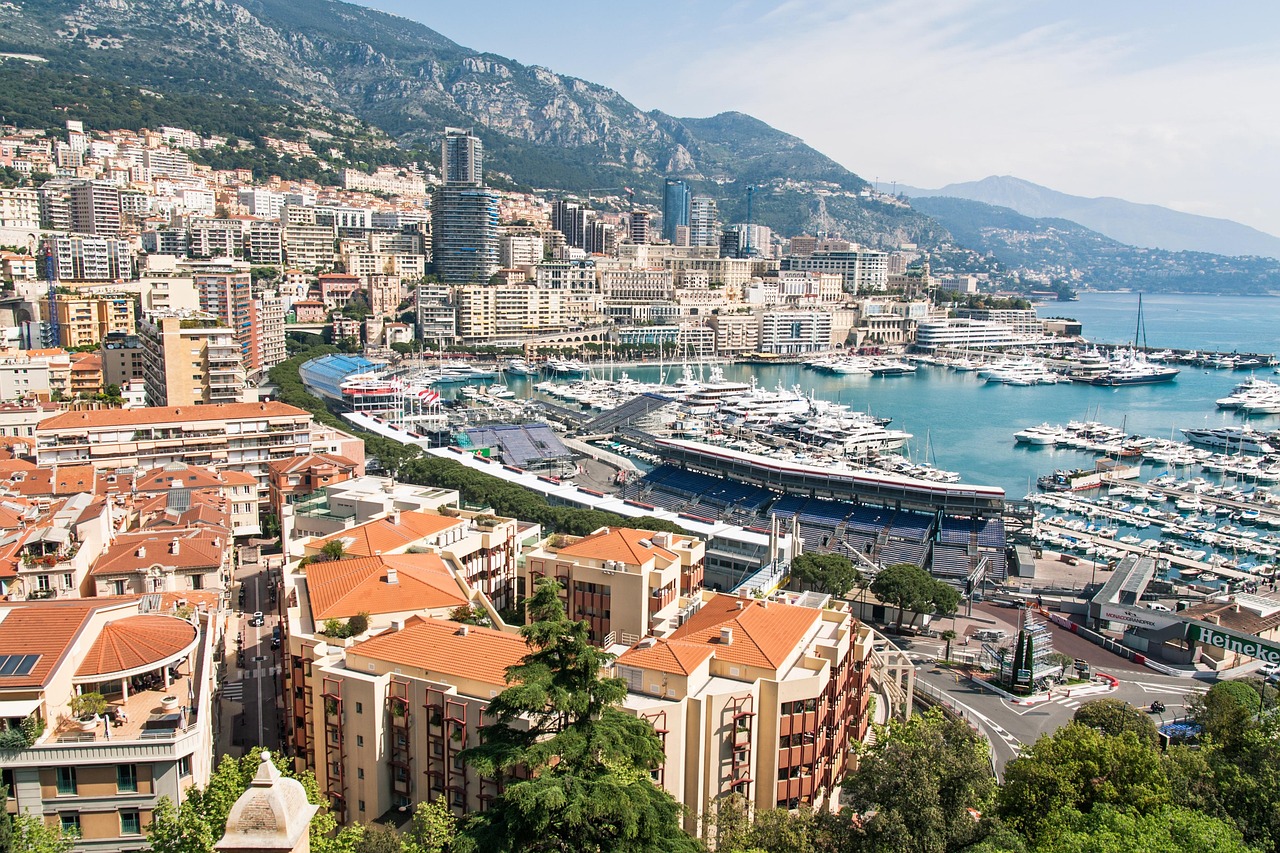
Monte Carlo may be tiny on the map, but on the ground it feels larger than life. It’s where the Alps tumble straight into the Mediterranean, where superyachts jostle for space in a toy‑box harbor, and where you can sip an espresso beside a Formula 1 barrier you watched on TV months before. I’ve been coming here on and off for over a decade, and every visit reminds me that Monte Carlo is more than just casinos and celebrities—it’s a surprisingly walkable, layered little city with real neighborhoods, traditions, and people behind the glittering façade.
In 2026, Monte Carlo is especially exciting. The district is still buzzing from recent upgrades to the Portier Cove eco‑district, new rooftop bars with sea views, and a growing wave of contemporary art and sustainable gastronomy. At the same time, the classics—the Casino de Monte‑Carlo, the Formula 1 Grand Prix, the Opera, the Belle Époque hotels—are as theatrical as ever.
Whether you’re planning 3 days in Monte Carlo, a more relaxed 4 day itinerary for Monte Carlo, or going all‑in with 5 days in Monte Carlo, this comprehensive travel guide for Monte Carlo will help you weave together the must‑see attractions, hidden gems, and authentic cultural experiences that make this place special.
Table of Contents
- Why Visit Monte Carlo
- Monte Carlo at a Glance
- Neighborhoods & Areas to Explore
- 20+ Must‑See Attractions in Monte Carlo
- Suggested 3–5 Day Itineraries
- Local Food & Drink in Monte Carlo
- Nightlife, Entertainment & Cultural Experiences
- Day Trips & Nearby Excursions
- Cultural Etiquette & Local Customs
- Practical Travel Tips & Money‑Saving Advice
- Major Events in 2026–2027
- Summary & Best Time to Visit Monte Carlo
Monte Carlo at a Glance
Monte Carlo is a district (ward) of the tiny Principality of Monaco, squeezed between the sea and steep hills about 20 minutes east of Nice by train. When people say “Monte Carlo,” they usually mean the glamorous slice around the Casino and the harbor, but the real experience stretches up and down the cliffs, into residential streets, leafy gardens, and seaside promenades.
- Language: French is official; Italian and English widely spoken.
- Currency: Euro (€).
- Power sockets: Type C & E (Europlug), 230V.
- Best for: Romantic getaways, luxury escapes, F1 fans, architecture lovers, foodies, and anyone curious about how such a tiny place packs in so much drama.
Neighborhoods & Areas to Explore in and around Monte Carlo
Monte Carlo Proper (Casino & Carré d’Or)
This is the Monte Carlo you’ve seen on postcards: the Casino, the Hôtel de Paris, the Café de Paris terraces. It’s polished, theatrical, and honestly fun to people‑watch. I like to come here early, before 9 a.m., when delivery trucks still rattle by and the square feels almost like a normal town.
Le Larvotto
Larvotto is Monte Carlo’s beachfront district—recently reimagined with a wide promenade, playgrounds, and a string of beach clubs and casual eateries. On hot days, this is where families build sand castles, locals jog, and everyone queues for gelato.
Monaco-Ville (Le Rocher)
While technically a different ward from Monte Carlo, the Old Town on “The Rock” is part of most Monte Carlo visits. Narrow lanes, pastel houses, the Prince’s Palace, the Cathedral, and the Oceanographic Museum all crown a rocky headland with cinematic sea views.
La Condamine & Port Hercule
Below the Rock, around Port Hercule, is La Condamine—my favorite area for feeling the “real” Monaco. There’s a covered market, cafés where you can grab a coffee for normal prices, and a waterfront that transforms each May into the Monaco Grand Prix circuit.
Fontvieille
Fontvieille is Monaco’s reclaimed district to the west, home to peaceful waterfront paths, a marina, and a surprisingly tranquil set of gardens. If you’re overwhelmed by Casino Square, come here to breathe.
20+ Must‑See Attractions & Hidden Gems in Monte Carlo
Below are detailed, story‑driven mini‑guides to the most important spots. I’ll weave in how to reach them, when to go, and what to look for that most visitors miss.
1. Casino de Monte‑Carlo
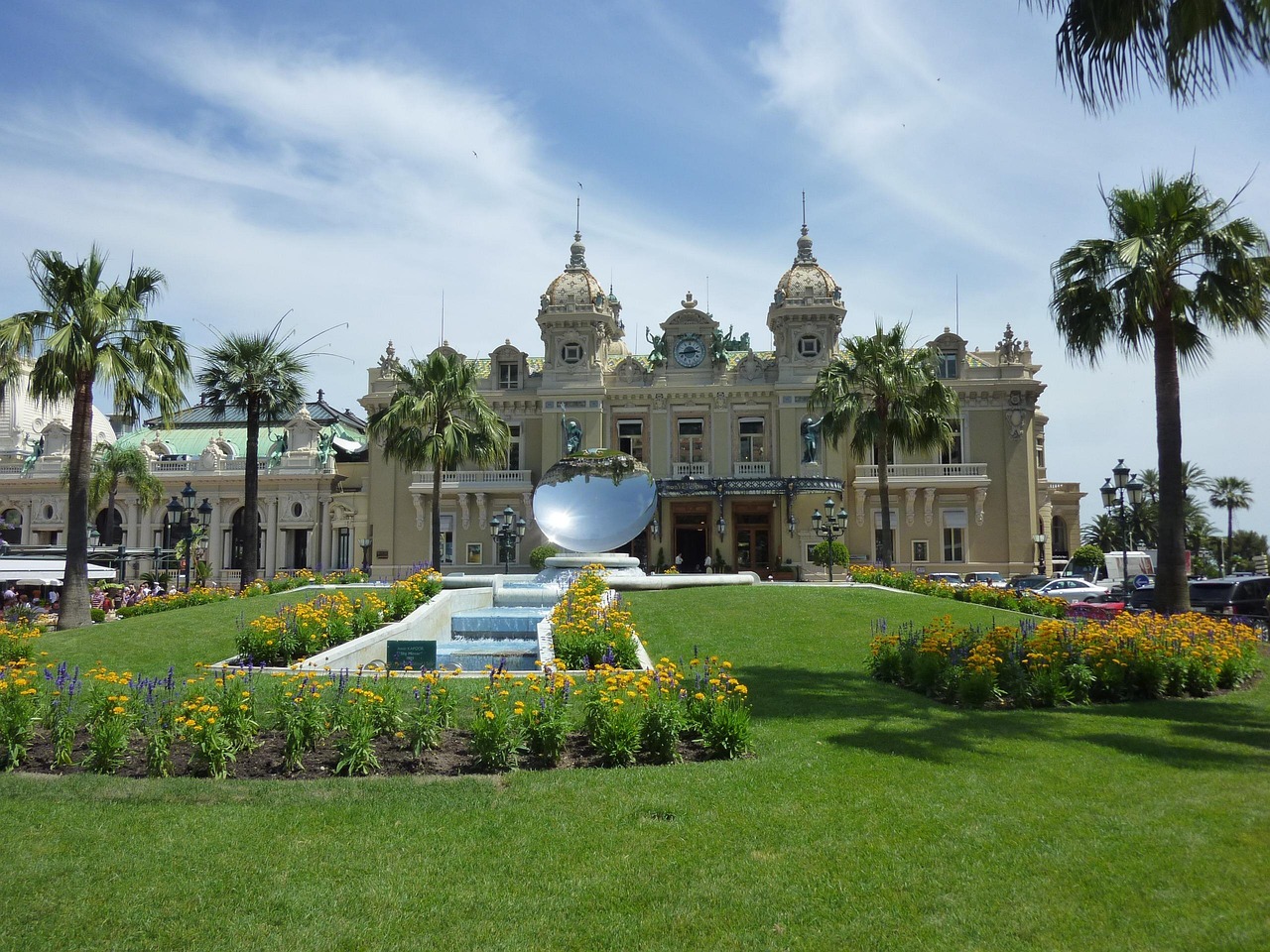
Even if you never lay a chip on the table, the Casino de Monte‑Carlo is a must‑see. I still remember my first visit: I’d dressed up more than I usually would for a sightseeing day—simple black dress, sandals, nothing fancy—and I still felt like I’d stepped onto a movie set.
History & significance: Opened in 1863, the Casino essentially saved Monaco from bankruptcy. Architect Charles Garnier (who also designed the Paris Opera) created an ornate Belle Époque palace of gaming and showmanship. It’s been immortalized in James Bond films and countless heist fantasies.
What it’s like inside: Once you pass the lobby (which you can often visit without a gaming ticket during the day), you’ll find marble halls, crystal chandeliers, and an almost reverent hush. The gaming rooms range from the more relaxed Salon Europe to the high‑stakes private salons. Even if you’re not here to gamble, wander slowly and take in the ceilings and painted details.
My tip: Arrive around 10:00–11:00 a.m. for a quieter visit and better access to the legendary gaming rooms without feeling rushed by crowds. In the evening, come back just to sit on the steps outside and watch the parade of supercars. You don’t have to spend a cent to enjoy the spectacle.
Dress code: During the day it’s more relaxed (smart casual is fine), but in the evening, especially in main salons, think elegant: long trousers, closed shoes for men; dresses or chic separates for women. Avoid shorts and flip‑flops.
How to get there: From Monaco‑Monte‑Carlo train station, follow signs for “Casino.” There are escalators and elevators that pop you out almost directly at Casino Square—very Monte Carlo.
2. Place du Casino & Carré d’Or
The square in front of the Casino is Monte Carlo’s living room. Even on days when I vow to explore only hidden corners, I somehow end up here for a coffee or an evening stroll.
What to do: Grab a terrace table at Café de Paris (yes, it’s touristy; yes, it’s worth it once), order a coffee or glass of rosé, and watch the show: wedding photo shoots, influencers posing, kids mesmerized by the car lineup. The mirrored sculpture in the center perfectly reflects the Casino façade.
Architecture watch: Look around: the ornate Hôtel de Paris, the more contemporary One Monte‑Carlo complex, and the Casino itself form an open‑air gallery of Monaco’s architectural evolution.
Photography tip: For the best light, come early in the morning or at blue hour after sunset. At night the whole square glows gold.
3. Hôtel de Paris Monte‑Carlo
Even if your budget doesn’t stretch to a room here (mine certainly doesn’t on most trips), the Hôtel de Paris is worth peeking into. On rainy days, I like to slip into the lobby just to enjoy the calm and the scent of polished wood and flowers.
Highlights: The sweeping marble staircase, the crystal chandeliers, and the quiet, thick‑carpeted corridors that feel like a different world from the buzzing square outside. If you want a treat, book a drink at the Bar Américain—live jazz some evenings and a timeless, clubby atmosphere.
Tip: Dress neatly even if you’re only popping in for a look; you’ll feel more at ease, and the staff are gracious but appreciate decorum.
4. Larvotto Beach
Larvotto is where Monte Carlo relaxes. On my last spring trip, I ended up here almost every afternoon, claiming the same spot of sand with a paperback and a takeaway pan bagnat (Niçoise tuna sandwich).
What to expect: A crescent of sand and pebbles (bring water shoes if you have sensitive feet), protected by breakwaters for calm swimming. Along the back row are beach clubs with loungers and cocktail menus; between them are public stretches where you can lay your own towel for free.
Family‑friendly: There’s a playground and shallow water near the shore, plus lifeguards in season. Early morning is best for kids before the midday sun gets intense.
Budget tip: Skip the pricey beach clubs one day and do it “local style”: pick up groceries at the supermarket just behind the beach—fruit, cheese, baguette, a can of iced tea—and picnic on the public area.
5. Oceanographic Museum of Monaco
Perched dramatically on the cliff edge of Monaco‑Ville, the Oceanographic Museum is my rainy‑day refuge and one of the best family‑friendly things to do in Monte Carlo’s orbit.
History: Founded in 1910 by Prince Albert I, a pioneering oceanographer, the museum combines grand Belle Époque architecture with modern, immersive exhibits.
Inside: You’ll find Mediterranean and tropical aquariums, shark lagoons, coral reef displays, and interactive installations on marine conservation. On my last visit, I spent almost an hour in the dimly lit aquarium hall watching schools of fish swirl like living sculpture.
Don’t miss: The rooftop terrace, which offers 360° views over Monaco, the sea, and the backside of the Rock. There’s a café up here—perfect for a coffee with perhaps the best panorama in the principality.
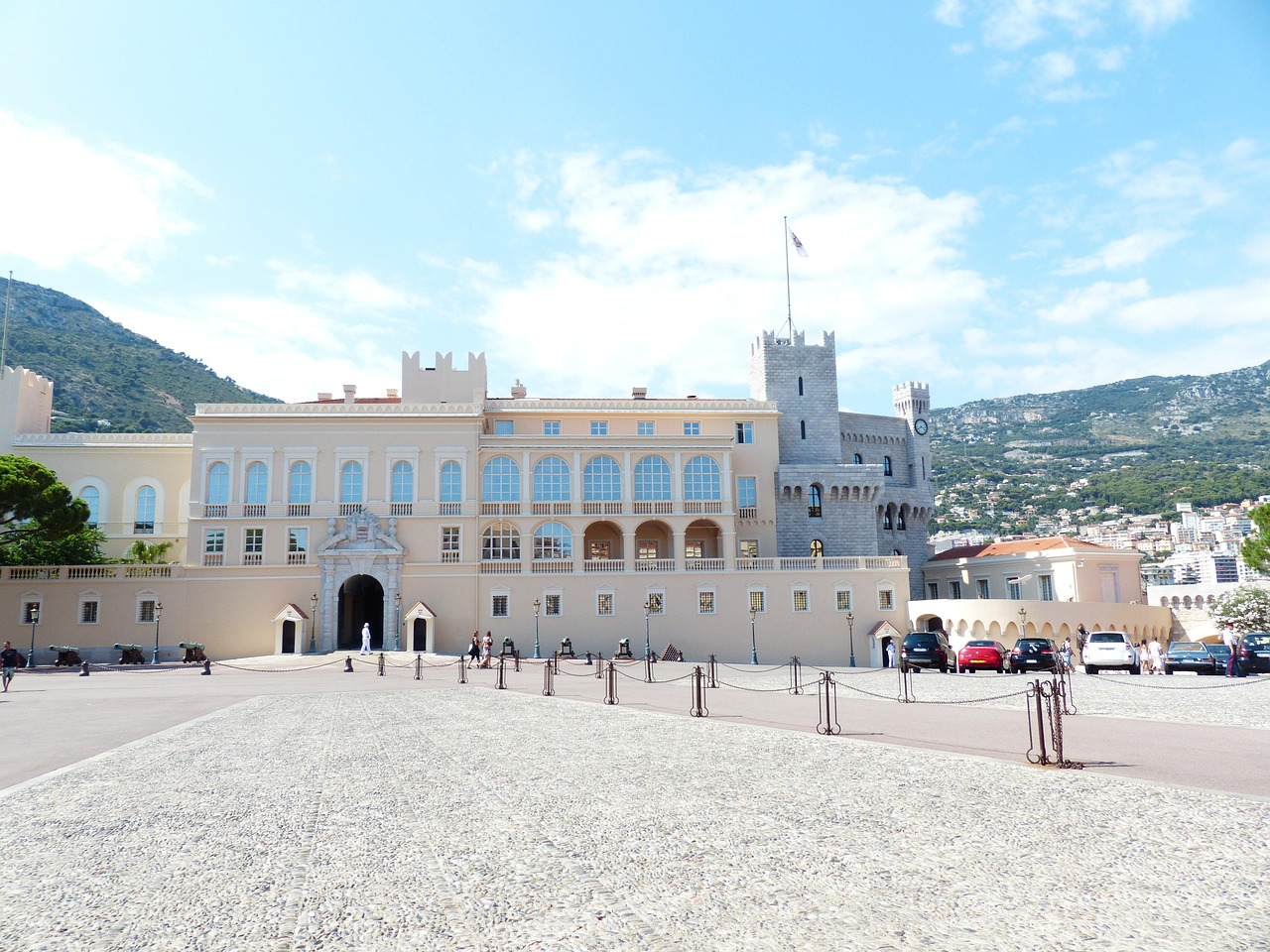
6. Prince’s Palace of Monaco
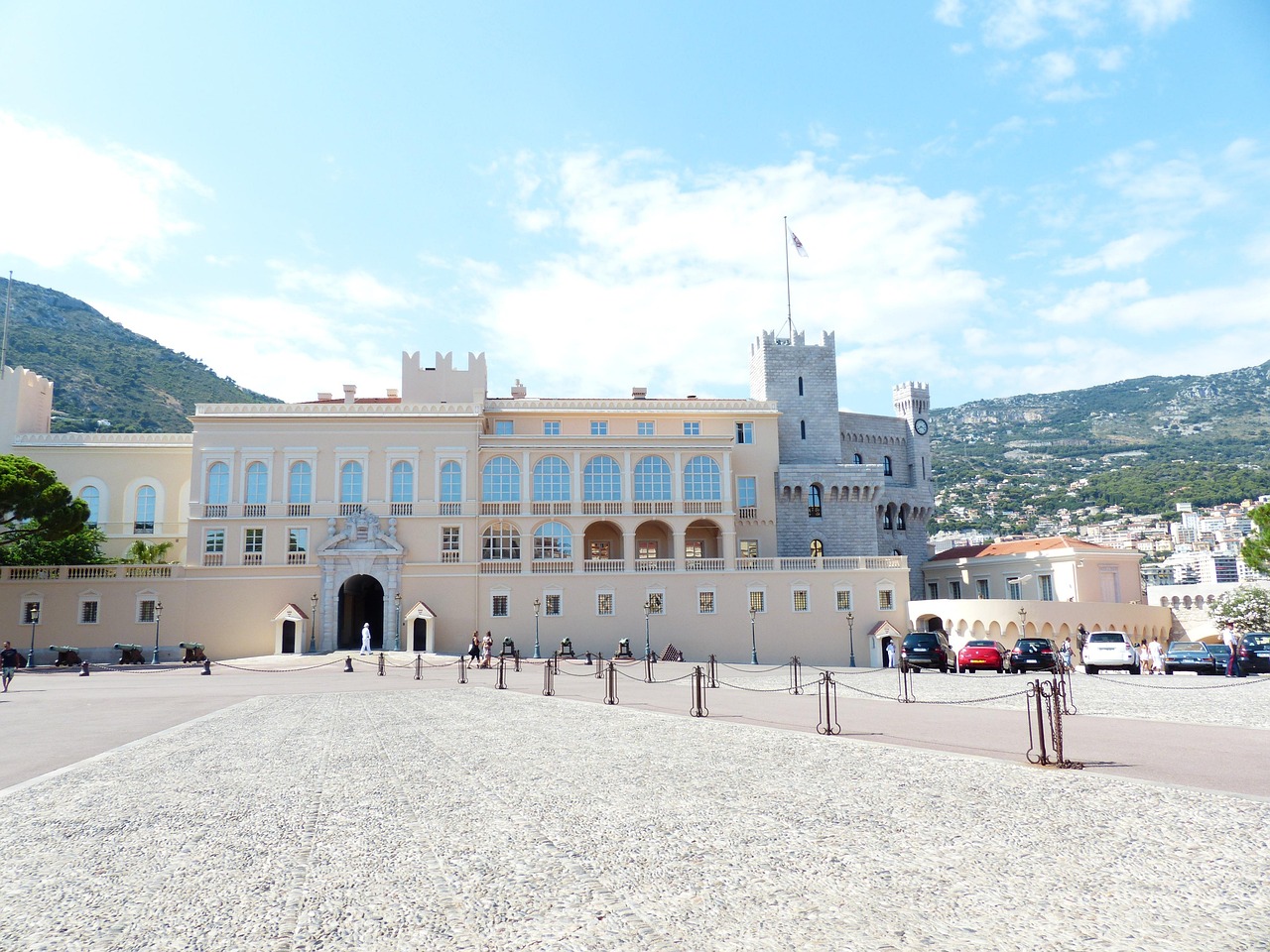
The Prince’s Palace is still a working royal residence, but part of it opens to the public seasonally. I’ve toured it twice, and both times I was struck by how intimate it feels compared to other European palaces.
Changing of the Guard: At 11:55 a.m. daily, the Palace Square hosts the changing of the guard ceremony. It’s fairly low‑key by big‑country standards, but the setting on the cliff edge is dramatic. Get there by 11:30 for a good spot.
Interior visit: The State Apartments (open roughly April–October) display frescoed ceilings, period furniture, and portraits of the Grimaldi dynasty. Audio guides are available and worth it for context.
Tip: Combine the Palace with a slow wander through Monaco‑Ville’s alleyways and a stop at Saint Nicholas Cathedral; it makes a lovely half‑day loop.
7. Saint Nicholas Cathedral (Monaco Cathedral)
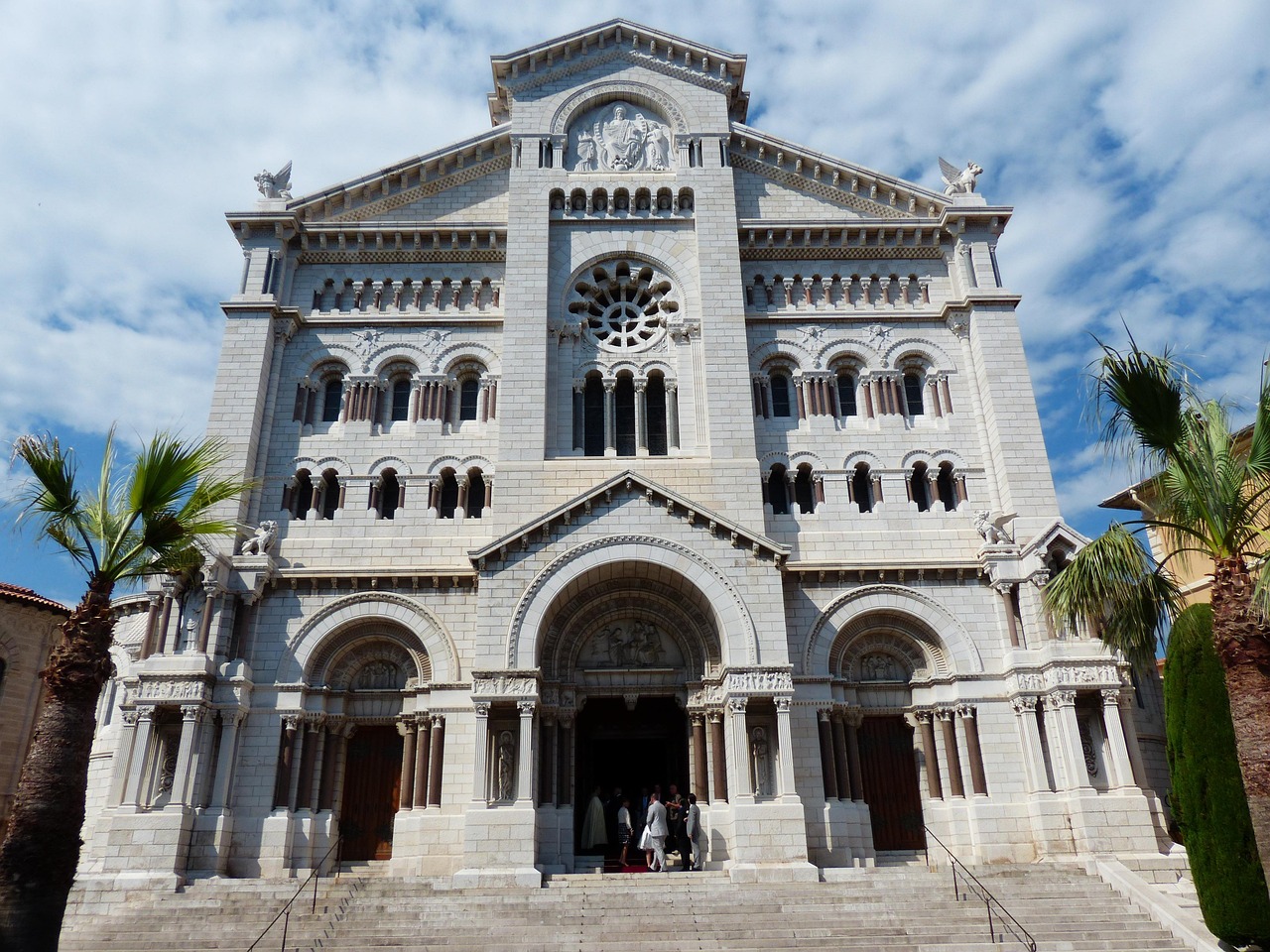
Monaco Cathedral is more serene than showy, built in white stone and known as the resting place of Prince Rainier III and Princess Grace.
Inside: Look for the simple but beautiful altar, the organ, and the royal tombs marked in the floor. I like to slip in either early in the morning or just before closing, when the crowds thin and you can sit quietly for a few minutes.
8. Jardin Exotique de Monaco
If you only visit one garden, make it the Jardin Exotique. High above Monte Carlo, this clifftop cactus garden offers some of the most staggering views over the entire principality.
My experience: I usually time my visit for late afternoon when the sun softens. You meander along paths lined with succulents and towering cacti, with the city and sea shimmering below. It’s photogenic from every angle.
Grotto: At the bottom of the garden, a staircase leads into an underground cave filled with stalactites and stalagmites—kids love it, and it’s a cool break from the sun.
Getting there: From Monte Carlo, take the #2 bus or a taxi; walking up is steep and better left to those who enjoy serious uphill climbs.
9. Port Hercule & F1 Grand Prix Circuit
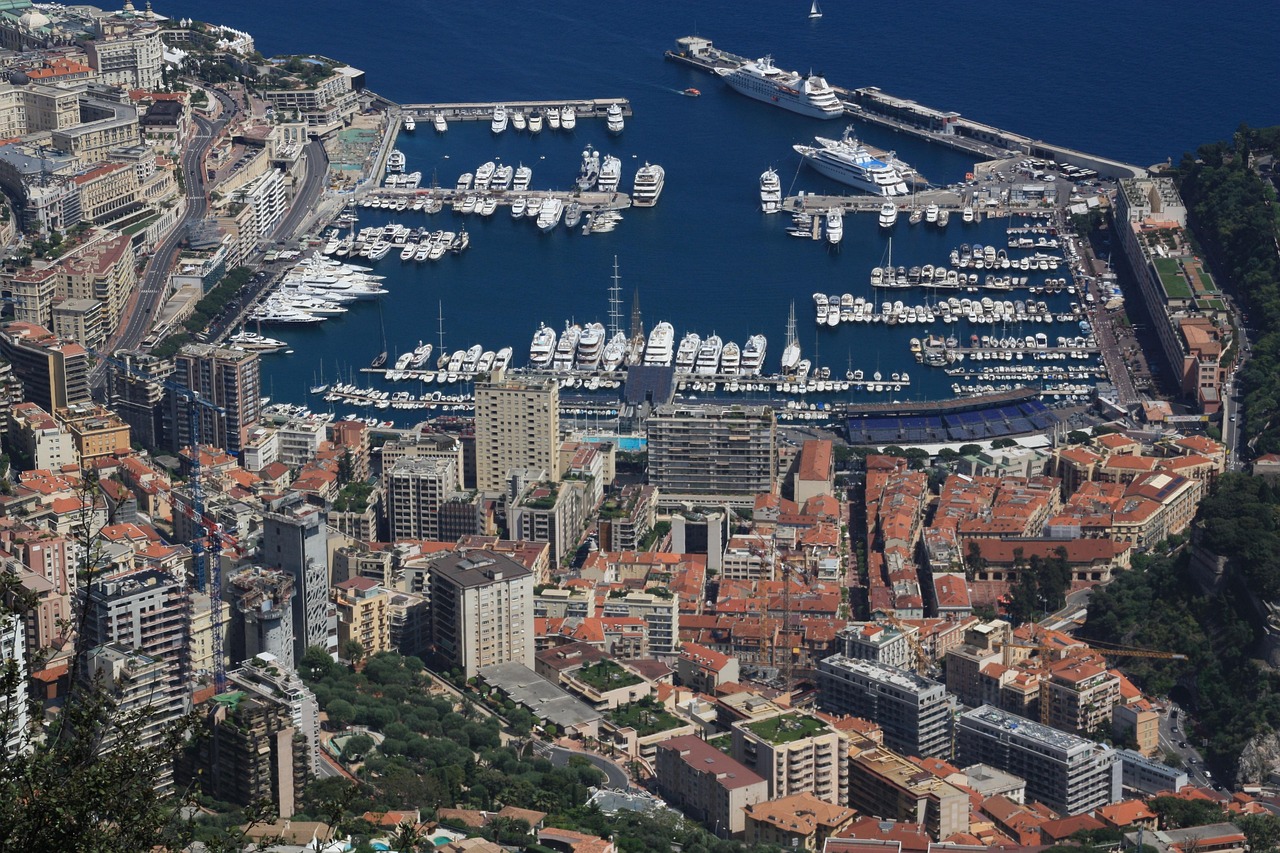
Port Hercule is the beating heart of Monaco’s harbor life. On non‑race weeks, I love to walk the quays, counting flag‑draped superyachts and imagining the lives on board.
F1 fan highlight: The Monaco Grand Prix circuit snakes through these streets. You can actually walk the track: start near Sainte‑Dévote corner, follow the uphill through Beau Rivage, past the Casino, down Mirabeau and the Fairmont hairpin, into the tunnel, and back to the harbor. In May, grandstands rise like temporary cathedrals of speed.
Family tip: In winter, the harborfront often hosts a funfair or seasonal events, with rides and market stalls that are far less expensive than the luxury image might suggest.
10. Promenade & Japanese Garden
Between the Grimaldi Forum and Larvotto Beach, there’s a small but lovely Japanese Garden that I often use as a shortcut—and a moment of calm—between appointments.
What you’ll find: Koi ponds, a red bridge, stone lanterns, and manicured pines, all framed by the surprising backdrop of high‑rise apartments. It’s free, open during daylight hours, and perfect for a quiet bench break.
11. Opéra de Monte‑Carlo (Salle Garnier)
Tucked into the Casino building, the Opéra de Monte‑Carlo is a jewel box of red velvet and gold. I’ve attended both an opera and a jazz concert here, and both times I spent as much time gazing at the ceiling as at the stage.
Why go: Even if you’re not an opera buff, catching a performance here is one of the most atmospheric cultural experiences in Monte Carlo. The acoustics are superb, and the small size makes everything feel intimate.
12. Grimaldi Forum
The Grimaldi Forum is Monaco’s modern cultural and conference center. It hosts international art exhibitions, concerts, and events.
My tip: Check what’s on during your visit—past years have seen major blockbuster exhibitions (think big‑name artists and fashion retrospectives) and world‑class dance performances. The seaside terrace is also a lovely, less‑known vantage point over Larvotto.
13. Métropole Shopping Monte‑Carlo
Even if you’re not here to shop, Métropole Shopping is worth strolling through for its marble staircases, glass chandeliers, and air‑conditioned calm. I often duck in on hot days to cool off and indulge in some window shopping.
14. Monte‑Carlo Country Club & Rolex Monte‑Carlo Masters
Technically just over the border in France, the Monte‑Carlo Country Club feels very much part of Monte Carlo’s universe. Its terracotta courts cascade down toward the sea.
For tennis fans: Each April, the Rolex Monte‑Carlo Masters brings top players here. I’ve attended once; the experience of watching world‑class tennis with the Mediterranean as backdrop is unforgettable.
15. Monte‑Carlo Bay Hotel & Resort
The Monte‑Carlo Bay is resort‑style Monte Carlo: a lagoon pool, gardens, and direct sea access. Even if you’re not staying here, you can sometimes get day passes to the pool area, which makes a decadent, relaxing break in between sightseeing.
16. Terrasses du Casino & Sea Views
Behind the Casino, the terraces step down towards the sea, framed by planted gardens and sculptures. This is one of my favorite sunset spots in Monte Carlo—quieter than the main square, with a wide horizon of sky and sea.
17. Champions Promenade (Football Walk of Fame)
Along the seafront between Larvotto and the Grimaldi Forum, look down: you’ll see bronze footprints of famous football players embedded in the pavement. It’s a fun free stop, especially if you’re walking the coast at sunset.
18. Marché de la Condamine
This covered market is my secret weapon for both budget eating and feeling like a local. It’s where office workers grab lunch, retirees linger over coffee, and everyone picks up fresh produce.
What to eat: Try barbajuans (deep‑fried vegetable and cheese pastries), socca (chickpea pancake), and pissaladière (onion tart). There are stalls where you can order a plate of mixed specialties and eat at shared tables.
19. Fontvieille Park & Princess Grace Rose Garden
Far from the Casino crowds, Fontvieille’s park and rose garden offer a genuinely peaceful escape. I like to wander the paths in late afternoon when the roses catch the golden light.
Romantic angle: This is one of the most quietly romantic spots in Monaco—a lovely detour for couples after a harbor walk.
20. Car Collection of H.S.H. the Prince of Monaco
Hidden beneath Fontvieille, this museum showcases an impressive collection of vintage and race cars owned by the princely family. I’m not a huge car person, but even I found myself nerding out over old rally cars and classic Rolls‑Royces.
21. A Few More Hidden Gems & Little Corners
- Chemin des Sculptures: A walking route dotted with modern sculptures, often overlooked by casual visitors.
- Rooftop bars: The newer rooftops over the One Monte‑Carlo complex and some hotels offer contemporary views and lighter, more modern vibes than the old‑school bars.
- Small chapels in Monaco‑Ville: Slip into the tiny, often empty chapels for a moment of stillness and a glimpse of local religious life.
Suggested 3–5 Day Itineraries for Monte Carlo
Here’s how I’d structure 3 days in Monte Carlo, and how to expand that into a relaxed 4 day itinerary for Monte Carlo or a more immersive 5 day itinerary for Monte Carlo. Think of these as story‑like blueprints you can adapt to your own pace.
Day 1: Iconic Monte Carlo – Casino, Square & Sea Views
On my most recent trip, I dedicated my first day entirely to the “classic” Monte Carlo you probably came for: the Casino, the grand hotels, the terraces, and the seafront. I stayed in a small guesthouse up the hill, but I always begin the day in Casino Square—it feels like saying hello to the city.
Morning: Arrive at Casino Square around 9:00–9:30 a.m. when the light is soft and the square still relatively quiet. Walk a slow loop around the square, admire the Casino, the Hôtel de Paris, and the Casino Gardens. Grab a coffee and croissant—if you want to splurge early, do it at Café de Paris on the terrace; if you’d rather save, head a block or two away into side streets where prices drop quickly.
Late morning, visit the Casino interior. Even if you’re not a gambler, buy the ticket to see the gaming rooms and absorb the Belle Époque opulence. I like to linger in the anterooms, looking up at the ceilings and imagining the stories that played out here over the decades.
Lunch: For a mid‑range lunch, walk down toward the Métropole Shopping center. The cafés nearby are less flashy but still good, and you’re close to bus stops for the next leg.
Afternoon: Head out the back of the Casino to the sea‑facing Terrasses du Casino. Wander through the landscaped gardens, pause at the balustrades for views over the sea and the Portier Cove district. On clear days you can see all the way to Italy. Continue along the coastal path toward the Grimaldi Forum and the Japanese Garden, stopping to sit on a bench if the sun gets strong.
By mid‑afternoon, you’ll probably be ready for a dip or at least a lounge. Continue to Larvotto Beach: claim a public space or rent a lounger at one of the clubs if you want full service. Order an iced coffee or a spritz and just watch the mix of locals and visitors enjoying the water.
Evening: Walk back along the Champions Promenade as the sun sets, admiring the footballers’ footprints and the changing colors on the high‑rises. Freshen up at your hotel, then return to Casino Square after dark. This is when the scene really turns cinematic: the Casino lit up, music spilling from the Café de Paris, the glow of headlights. If you’re up for it, try your luck with a small budget at the Casino. Set your limit before you go in—Monte Carlo is not the place to chase losses.
Day 2: Old Monaco – The Rock, Palace & Oceanographic Museum
On day two, shift gears and step into Monaco’s older, more intimate face on the Rock. I love this day because it balances history, views, and slow wandering.
Morning: Take the bus or walk to Monaco‑Ville. I usually approach from the Port Hercule side, climbing the ramped path up the Rock with the harbor opening behind me. Arrive at the Prince’s Palace square around 10:30 a.m. and tour the State Apartments if they’re open during your visit. Listen to the audio guide to appreciate how the Grimaldi story intertwines with European history.
At 11:55, stand on the edge of the square to watch the changing of the guard. It’s not a long ceremony, but the setting is beautiful, and it adds a bit of ritual to your visit.
Lunch: Afterward, dive into the narrow streets of Monaco‑Ville. There are a handful of small restaurants and takeaway stands; I usually look for somewhere serving local favorites like barbajuans or a salade niçoise. Grab an outdoor table if you can and soak up the small‑town feel.
Afternoon: Visit Monaco Cathedral, then continue to the Oceanographic Museum. Give yourself at least two hours to enjoy the aquariums, the interactive exhibits, and the rooftop terrace. Kids (and adults) will be drawn to the tanks; I often end up being the last one in my group to leave.
After the museum, walk the perimeter of the Rock, stopping at every viewpoint. The path along the southern edge offers some of my favorite perspectives of the sea and the cliffs; the view back toward Monte Carlo’s skyline from the western edge is postcard‑perfect.
Evening: Walk down toward Port Hercule and follow the waterfront promenade. If it’s spring or autumn, this is a lovely time to see locals out for their evening stroll. Choose a casual restaurant or pizzeria along the harbor; many have reasonably priced set menus. End the night with a gelato or a digestif and an unhurried walk back to your accommodation.
Day 3: Views, Gardens & Harbor Life
Day three is about zooming out—literally. You’ll climb high for panoramic views, then descend to the harbor for a taste of local life at the market and along the quays.
Morning: Take the bus or a taxi up to the Jardin Exotique. Wander among the cacti, stopping at every overlook. If you’re a photographer, bring a zoom lens; you can capture incredible compressed views of the city stacked against the cliffs. Visit the grotto if it’s open during your visit.
Late morning / Lunch: Head down (via bus or on foot if your knees can take steep descents) toward La Condamine. Make for the Marché de la Condamine around lunchtime. Order a plate of mixed Monégasque snacks at one of the indoor counters and eat at a communal table; you’ll likely be sharing space with office workers, retirees, and other travelers.
Afternoon: After lunch, explore the streets around the market, then wander to Port Hercule. If you’re into cars, detour to the Prince’s Car Collection in Fontvieille. If not, simply follow the harbor quay, reading the names and home ports of the yachts and imagining their stories. If the weather is good and your budget allows, consider a short boat tour from the harbor to see Monaco from the sea.
Evening: For a final sunset, climb to one of Monte Carlo’s viewpoints—either back to the Casino terraces or one of the upper streets in the residential areas above the harbor. For dinner, you can return to La Condamine or try a neighborhood bistro up in Beausoleil (just over the French border), where prices are often more forgiving.
Note for shorter stays: If you only have 3 days in Monte Carlo, these three days make a strong core itinerary. If you have more time, read on for how I like to expand this into a 4 or 5 day itinerary for Monte Carlo.
Day 4: Beach Time, Sports & Contemporary Culture
On my longer trips, day four is my “live like a local” day: slower, less structured, and focused on the seaside lifestyle and modern cultural scene.
Morning: Start with a jog or stroll along the Larvotto promenade. Watch residents walking dogs, kids heading to school, and early swimmers braving the (often brisk) morning sea. If you’re staying in a hotel with spa access, this is a good morning to enjoy it; otherwise, treat yourself to a long breakfast at a seafront café.
Later in the morning, visit the Japanese Garden and check what’s on at the Grimaldi Forum. If there’s a temporary exhibition that interests you, plan a couple of hours there.
Lunch: Try one of the newer, more contemporary restaurants in the Larvotto area—some focus on lighter Mediterranean fare and poke‑style bowls that are a welcome break from heavier dishes.
Afternoon: If you’re passionate about tennis and it’s outside of the April tournament window, see if the Monte‑Carlo Country Club is accessible for a look or a lesson. Otherwise, spend an unhurried afternoon on the beach or at a pool day pass. On one of my trips, I dedicated a whole afternoon to a spa and pool day at the Monte‑Carlo Bay; by the time the sun set, I felt like I’d been on vacation a week.
Evening: Dive into Monte Carlo’s more modern nightlife. Consider a rooftop bar for pre‑dinner drinks—some have DJs and a younger crowd compared to the classic hotel bars. For dinner, look for a restaurant that blends Mediterranean flavors with international twists; Monte Carlo’s dining scene has become far more global in recent years.
Day 5: Day Trip & Quiet Corners
With 5 days in Monte Carlo, I almost always dedicate one day to a nearby day trip. My favorites are Èze, Menton, and even a quick hop to Italy.
Option 1 – Èze: Take the bus or train + bus to Èze Village. Climb through the medieval stone streets, visit the Exotic Garden at the top for sweeping views back toward Monaco, and enjoy a long lunch. Return in the late afternoon and spend the evening strolling one last time around Port Hercule or Casino Square.
Option 2 – Menton: A short train ride east, Menton offers pastel façades, lemon groves, and a more relaxed, beach‑town atmosphere. Walk the old town, dip in the sea, and sample Menton’s famous citrus pastries before coming back.
Option 3 – Ventimiglia or Sanremo (Italy): Slightly farther by train, these Italian towns make for a fun cross‑border adventure: markets, Italian coffee, and a change of pace.
Evening back in Monte Carlo: Spend your final night revisiting your favorite spot—maybe a last glass of wine on the Casino terraces, or a quiet dinner in La Condamine where you can watch the city wind down.
Local Food & Drink in Monte Carlo
Monte Carlo’s dining scene stretches from three‑Michelin‑star temples to simple counters at the market. You can absolutely eat well here without going broke—if you know where to look.
Must‑Try Local Dishes
- Barbajuans: Deep‑fried pastries filled with Swiss chard, ricotta, and herbs—crisp outside, soft inside. My go‑to snack at Marché de la Condamine.
- Socca: Thin chickpea pancake, crisp at the edges and soft in the center, often sprinkled with pepper. A Niçoise specialty that’s also common here.
- Pissaladière: Caramelized onion tart with anchovies and olives.
- Pan bagnat: Sandwich version of a salade niçoise—perfect beach food.
- Fresh seafood: From grilled fish to shellfish platters, the Mediterranean is on your plate.
Where I Actually Eat
For budget‑friendly meals:
- Marché de la Condamine: Multiple stands offering Monégasque and Niçoise specialties at reasonable prices.
- Takeaway bakeries: Grab sandwiches, quiche, and pastries; eat on a bench with a view.
- Supermarkets: Don’t underestimate a picnic built from supermarket finds; it’s how many locals eat on busy days.
For mid‑range dinners:
- Neighborhood bistros in La Condamine or just over the border in Beausoleil (France) offer better value than the immediate Casino area.
- Seafood brasseries along Port Hercule with set menus can be good deals outside peak events.
For a splurge:
- Fine‑dining restaurants in the Hôtel de Paris or Hôtel Hermitage, or star‑chef spots in the Monte‑Carlo Bay, are where you lean into the full Monte Carlo fantasy. Reserve well in advance, especially in high season and during major events.
Drinks & Cafés
Coffee culture here is very European: stand‑up espresso at the bar for a quick, cheaper shot, or sit‑down terrace coffees for lingering and people‑watching.
Cocktail bars range from classic (hotel bars with live jazz) to trendy (rooftops with DJs). House wine by the glass is often decent; ask for local or regional choices from Provence and Liguria.
Nightlife, Entertainment & Cultural Experiences
Casino & Classic Bars
For many, Monte Carlo nightlife begins at the Casino and radiates outward. Even if you’re not into gambling, wandering through Casino Square after dark is an experience in itself.
Rooftop & Beach Clubs
In summer, some hotels and beach clubs transform into nighttime venues with DJs and dancing. Expect a smart dress code and higher prices, especially during big events.
Cultural Nights: Opera, Ballet & Concerts
Check the schedule at the Opéra de Monte‑Carlo, the Philharmonic Orchestra, and the Grimaldi Forum. I’ve had some of my favorite Monte Carlo evenings listening to music in ornate halls or under the stars, far from the casino tables.
Day Trips & Nearby Excursions from Monte Carlo
Èze Village
Perched on a cliff between Nice and Monaco, Èze is a stone‑built medieval village with an exotic garden and jaw‑dropping views. From Monte Carlo, take the bus or train + bus; travel time is about 30–45 minutes.
Menton
Menton is known as the “Pearl of France,” with pastel houses, lemon trees, and a gentler tempo. It’s an easy train ride east and makes a perfect half‑ or full‑day escape.
Nice
Nice offers museums, a long seafront promenade, and a lively old town. It’s about 20 minutes by train and gives you a broader taste of the Côte d’Azur beyond Monaco’s compact scale.
Italian Riviera Towns
Ventimiglia, Bordighera, and Sanremo are all reachable by train. Expect markets, Italian coffee bars, and a shift in architectural style and atmosphere.
Cultural Etiquette & Local Customs in Monte Carlo
General Behavior
- Dress: Monte Carlo is stylish but not always formal. Smart casual works almost everywhere; beachwear is strictly for the beach and pool areas—cover up in town.
- Greetings: A simple “Bonjour” when entering shops, cafés, and elevators goes a long way. Switch to English only after the greeting; many people are multilingual but appreciate the attempt.
- Noise: Residential areas are quiet at night. Keep voices down when returning to your hotel late.
Casino & High‑End Venues
- Respect dress codes; check in advance if you’re unsure.
- Photography may be restricted inside; ask or look for signs.
- Tipping is appreciated but not mandatory; round up or leave a few euros for good service.
On the Beach & in Public Spaces
- Topless sunbathing is generally tolerated but check the vibe around you; family areas lean more conservative.
- Picnics are fine on public beaches and some parks; leave no trace.
- Public displays of wealth are normal here; don’t feel pressured to match them. Locals can spot the difference between confidence and ostentation.
Practical Travel Tips & Money‑Saving Advice for Monte Carlo
Getting There & Around
Arrival: Most visitors fly into Nice Côte d’Azur Airport and then take a train, bus, or taxi to Monaco. The train is usually the best balance of cost and speed.
Public Transport: Monaco’s bus network is efficient and covers all major areas (Monte Carlo, Larvotto, Monaco‑Ville, Fontvieille, etc.). Buses are frequent, and multi‑trip tickets save money if you’re riding often.
Walking & Elevators: Monte Carlo is steep but surprisingly navigable thanks to public escalators and elevators carved into the cliffs. Look for signs pointing to lifts; they can save you a lot of uphill effort.
Car Rental: I rarely recommend renting a car just for Monte Carlo; parking is expensive and streets are tight. If you’re exploring the wider Riviera or hinterland, rent a car for those days only and use public transport within Monaco.
SIM Cards & Connectivity
EU roaming rules apply if you’re coming from another EU country (check your plan). Otherwise, you can buy a French SIM at Nice Airport or in nearby towns; coverage in Monaco is generally excellent. Some hotels and cafés offer free Wi‑Fi, but it’s wise to have your own data for maps and transport apps.
Visa & Entry Requirements
Monaco is not in the EU but is closely linked to France for border control. Schengen visa rules typically apply: if you can enter France, you can enter Monaco. Always check the latest requirements before travel, especially if you’re from outside the EU/Schengen area.
Driving & Foreign Licenses
Foreign driver’s licenses are generally accepted for tourists renting cars in France and driving into Monaco. An International Driving Permit can be useful but is not always mandatory—check with your rental company.
Money‑Saving Tips
- Stay in nearby France: Consider accommodation in Beausoleil, Cap‑d’Ail, or Roquebrune‑Cap‑Martin; you’ll be minutes from Monte Carlo by bus or on foot but pay less.
- Eat like a local at lunch: Use markets, bakeries, and supermarket picnics to keep costs down.
- Pick your splurges: Maybe one big dinner, one show or opera, and a modest casino budget, rather than trying to “do it all” luxuriously.
- Free attractions: Many of the best views, promenades, and gardens are free: Japanese Garden, Terrasses du Casino, seafront promenades, and wandering Monaco‑Ville’s lanes.
Best Seasons for Different Activities
- Spring (March–May): Ideal weather, Monte‑Carlo Masters in April, Monaco Grand Prix in May (busy and expensive but electric).
- Summer (June–August): Hot, lively, best for beach days and nightlife; book far in advance.
- Autumn (September–October): Warm sea, fewer crowds, great for a balanced cultural and beach trip.
- Winter (November–February): Quiet, mild, cheaper; good for a cultural city break and harbor walks. Occasional festive events around Christmas and New Year add charm.
Major Events & What’s New in 2026–2027
Annual Highlights (Expected 2026–2027)
- Monaco Grand Prix (May 2026 & 2027): The city transforms into an F1 temple. Book accommodation and tickets as early as possible; prices soar, but the atmosphere is unmatched.
- Rolex Monte‑Carlo Masters (April): ATP tennis tournament at Monte‑Carlo Country Club.
- International Circus Festival of Monte‑Carlo (January): A major circus arts event under the big top, family‑friendly and world‑renowned.
- Monaco Yacht Show (September): Superyachts fill Port Hercule; great for boat‑spotting even if you’re just a spectator.
- Cultural seasons at Opéra de Monte‑Carlo & Grimaldi Forum: Expect rotating programs of opera, ballet, concerts, and major exhibitions throughout 2026–2027.
Ongoing Changes in the Travel Scene
- Portier Cove / Mareterra development: The eco‑district built on reclaimed land continues to evolve, adding new promenades and public spaces that make Monte Carlo’s seafront more walkable and modern.
- Growing focus on sustainability: Expect more electric vehicles, greener hotel initiatives, and a push toward local, seasonal ingredients in restaurants.
Summary & Final Recommendations for Visiting Monte Carlo
Monte Carlo is a paradox: a village‑sized district with a global reputation, a place where you can spend thousands of euros in a night—or enjoy some of Europe’s finest views and coastal walks for almost nothing. The key is to decide what you want from your trip: glamor and casinos, quiet gardens and sea air, cultural evenings, or a bit of everything.
If you’re planning 3 days in Monte Carlo, focus on the Casino area, Monaco‑Ville, and one day of gardens and harbor life. With 4 days in Monte Carlo, add in a beach and spa day or deeper cultural experiences at the Grimaldi Forum and Opera. For a full 5 day itinerary for Monte Carlo, include a day trip to Èze, Menton, or Nice to see how Monte Carlo fits into the broader Riviera mosaic.
Best time to visit: For most travelers, April–June and September–October offer the best balance of weather, crowds, and prices. Come in May if you want the intensity of the Grand Prix; come in autumn if you prefer a slower, more reflective Monte Carlo.
However you structure your trip, leave room for unscripted moments: a detour to a viewpoint you spot between buildings, an extra coffee at a neighborhood bar, a sunset you watch just a few minutes longer. That’s when Monte Carlo stops being a backdrop and starts feeling like a place you know.