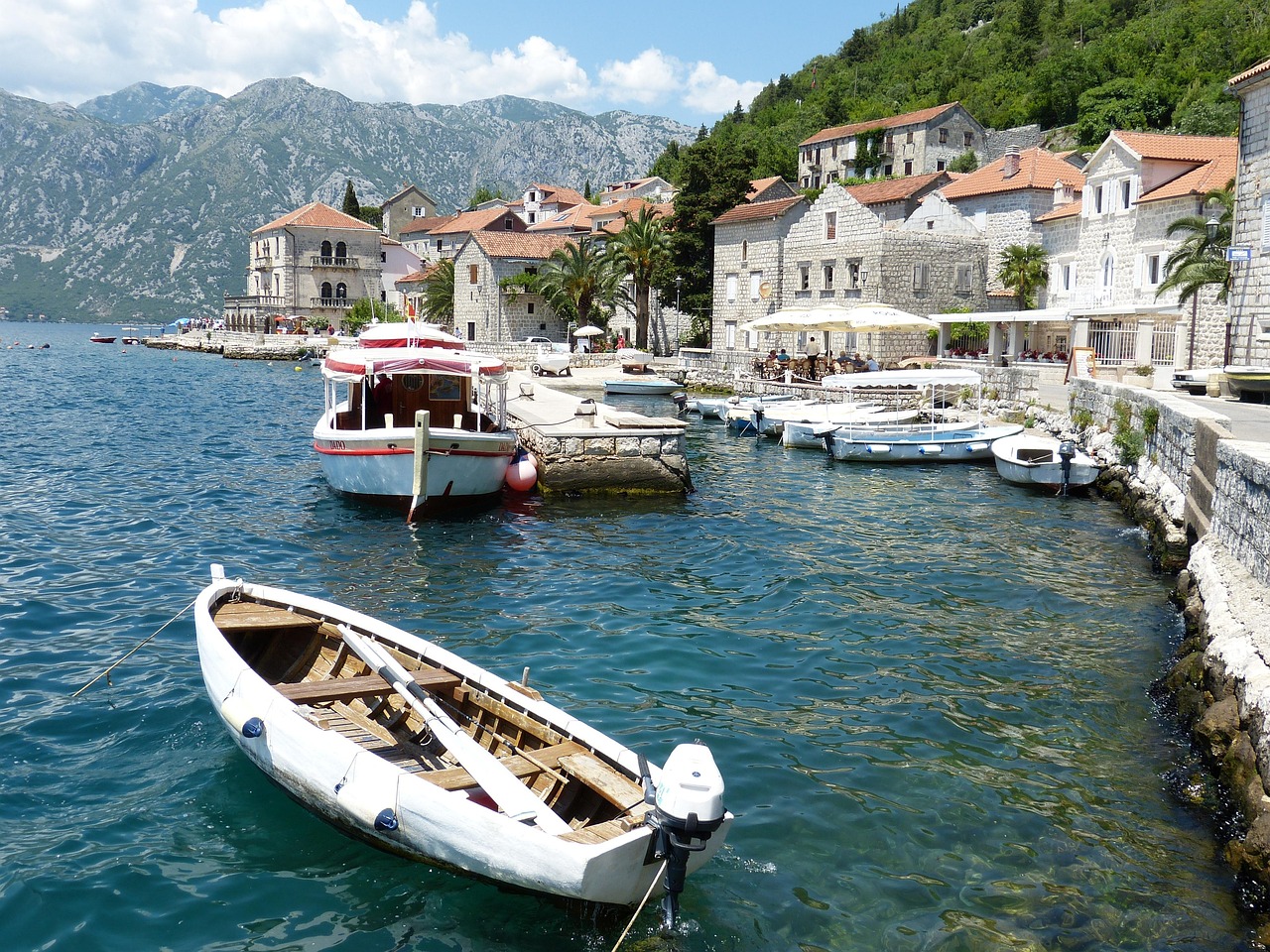
Why Visit Kotor, Montenegro?
Kotor is one of those places that doesn’t make sense until you’re actually standing there, surrounded by mountains that plunge straight into an impossibly still bay, church bells echoing off stone walls that have seen more centuries than you can easily imagine. It’s small enough to feel intimate, yet layered enough that each visit peels back something new.
I’ve been coming to Kotor regularly since my first long Balkans trip years ago, and it keeps pulling me back. In 2026, it’s busier and more polished than it used to be, but it’s still very much itself: a living medieval town, not a stage set. Cats sleep in sun-warmed doorways, grandmothers gossip under laundry lines, and the smell of grilled fish, strong coffee, and sea air follows you through the alleys.
Whether you’re planning 3 days in Kotor, a relaxed 4 day itinerary for Kotor, or you’re going all in with 5 days in Kotor and the surrounding bay, this travel guide for Kotor will walk you through the best places to visit in Kotor, the must-see attractions in Kotor, local food in Kotor, and the small cultural nuances that make all the difference.
Kotor works beautifully for:
- Romantic getaways – slow dinners by the bay, sunset viewpoints, quiet stone villages.
- Family trips – easy walks, shallow beaches nearby, boat trips, cats everywhere.
- Adventure – mountain hikes, kayaking, coastal road trips, canyoning day trips.
- Cultural immersion – Orthodox and Catholic heritage, Venetian architecture, local festivals.
Table of Contents
- Why Visit Kotor
- Kotor at a Glance (2026 Overview)
- Top 20+ Must-See Attractions in Kotor
- Itineraries: 3, 4, and 5 Days in Kotor
- Neighborhoods & Areas to Explore
- Local Food & Drink in Kotor
- Nightlife, Entertainment & Cultural Experiences
- Day Trips & Nearby Attractions
- Local Customs & Cultural Etiquette
- Practical Travel Tips for Kotor (Money, SIM, Transport, Visas)
- When to Visit Kotor & Seasonal Advice
- What’s New in 2026–2027: Events & Changes
- Final Summary & Key Takeaways
Kotor at a Glance (2026 Overview)
Kotor sits at the end of the Bay of Kotor – often called Europe’s southernmost fjord, though it’s technically a drowned river canyon. It’s part of Montenegro’s Adriatic coast, but it has a quieter, more introspective feel than nearby Budva or Dubrovnik across the border in Croatia.
In 2026, Kotor is firmly on the Mediterranean cruise map, but it’s also increasingly popular with independent travelers, road-trippers, and digital nomads who escape to the bay in shoulder seasons. The Old Town is a UNESCO World Heritage Site, and just outside those walls you have a ring of villages, viewpoints, and hiking trails.
Top 20+ Must-See Attractions in Kotor (With Personal Notes)
These are the things to do in Kotor that I recommend to friends, plus a few hidden gems in Kotor that don’t always make the lists.
1. Old Town Kotor (Stari Grad)
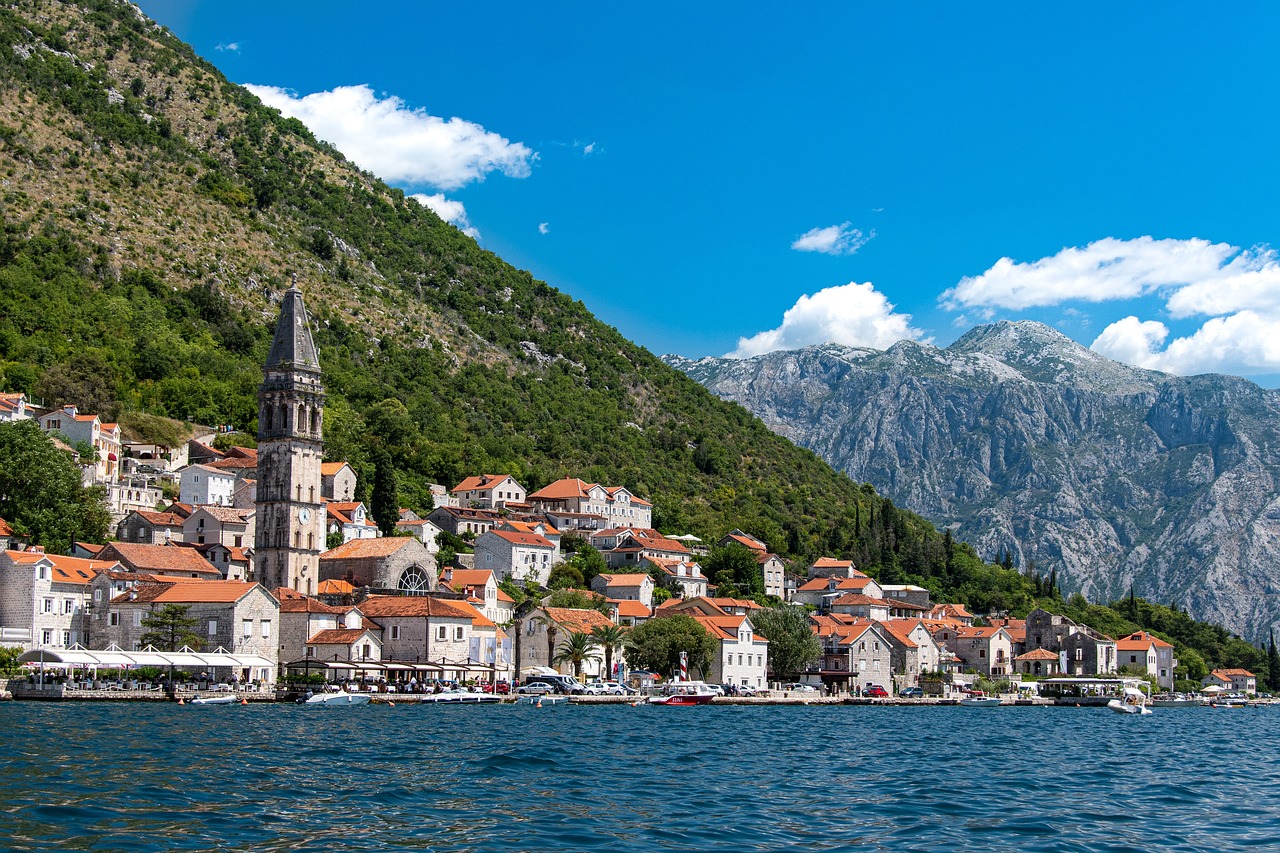
If you’ve seen photos of Kotor – stone alleyways, terracotta roofs, and cats napping on church steps – you’ve seen the Old Town. I still remember my first late arrival here: I walked through the Sea Gate at dusk, and the whole town smelled like stone after rain and grilled calamari. Church bells were ringing, and there was a violinist playing in a tiny square. That’s Kotor at its best.
The Old Town is a maze of lanes and small squares, each with its own mood. During the day, cruise ship crowds can be intense in summer, but early mornings and evenings feel almost timeless.
- History & significance: Kotor has been shaped by Illyrians, Romans, Byzantines, and Venetians. Much of what you see now – the walls, palaces, and squares – dates from Venetian rule between the 15th and 18th centuries. It’s a textbook example of a fortified Mediterranean merchant town.
- What I like to do: Start at the Sea Gate, wander without a map, and let the streets confuse you. Pause in Trg od Oružja (Arms Square) for a coffee, then detour into quieter residential corners where laundry hangs above your head and you can hear TV shows through open windows.
- Best times: Before 9:00 am or after 6:00 pm in high season. In April, May, late September, and October, the whole day is more manageable.
- Family tip: Make a “square hunt” game with kids – how many different squares can they find? The cats are an instant hit, too.
- Romantic tip: After dinner, do one slow lap under the streetlights. The town looks different at night and feels far more intimate.
2. Kotor City Walls & San Giovanni Fortress
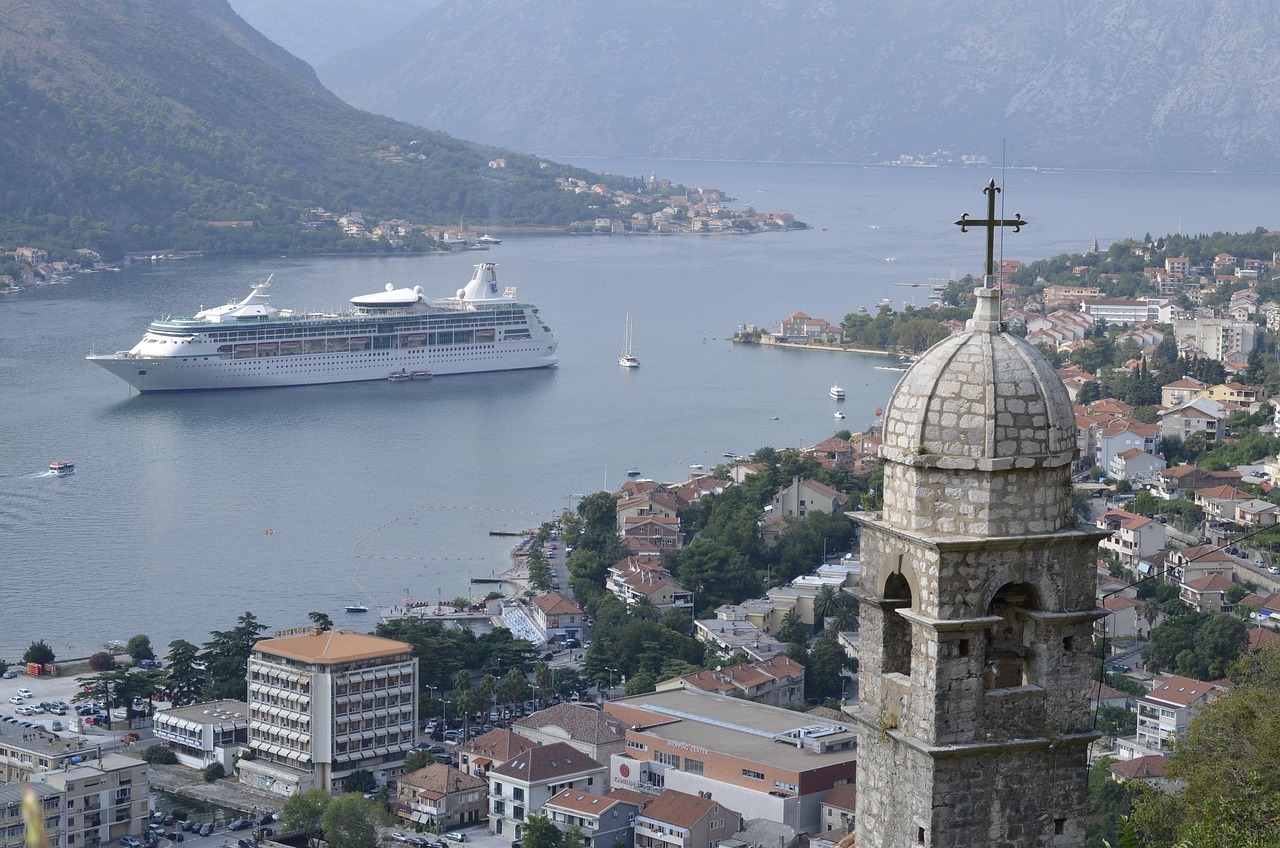
Climbing up to the fortress is the signature Kotor experience, and it’s where most postcard photos come from. I’ve done it in blazing August heat (wouldn’t recommend) and on a crisp October morning (absolutely magical).
- What it is: A massive defense system that snakes up the mountain behind the Old Town, culminating at the ruins of San Giovanni (St. John) Fortress. The climb is about 1,350 steps depending on the route.
- How to get there: The main entrance is in the Old Town near the Church of St. Mary of the River. There’s a ticket booth; fees change slightly year to year, but expect a small entry charge in 2026.
- My routine: Start just before sunrise. Bring water, a hat, and something windproof. I like to stop at the small chapel of Our Lady of Remedy halfway up, then continue to the fortress. On the way down, I often take detours along side paths to different viewpoints.
- Views: From the top, you see the entire Old Town, the bay curving out like a fjord, and villages glinting along the shore. It’s one of my favorite views in Europe.
- Family tip: Older kids and teens usually love the “castle ruins” vibe. For younger children, plan lots of breaks and avoid midday heat.
- Adventure tip: Combine the fortress climb with the Ladder of Kotor hike (more on that below) for a big mountain day.
3. Cathedral of Saint Tryphon
The twin-towered Cathedral of Saint Tryphon dominates one of the Old Town’s prettiest squares. I like to sit at a café just opposite and watch tours come and go, then slip inside when it’s quiet.
- History: Originally consecrated in 1166, the cathedral is one of the oldest in the Adriatic region. It’s dedicated to Kotor’s patron saint, Saint Tryphon, whose relics are housed here. Earthquakes over the centuries damaged and reshaped it, giving it a blend of Romanesque and Baroque elements.
- Inside: Frescoes, intricate stonework, and a small but fascinating treasury museum upstairs. The view from the upper loggia onto the square is a nice surprise.
- Tip: Shoulders and knees should be covered; carry a light scarf or shawl. Go early or late in the day for a calmer, more spiritual feel.
4. Kotor Maritime Museum
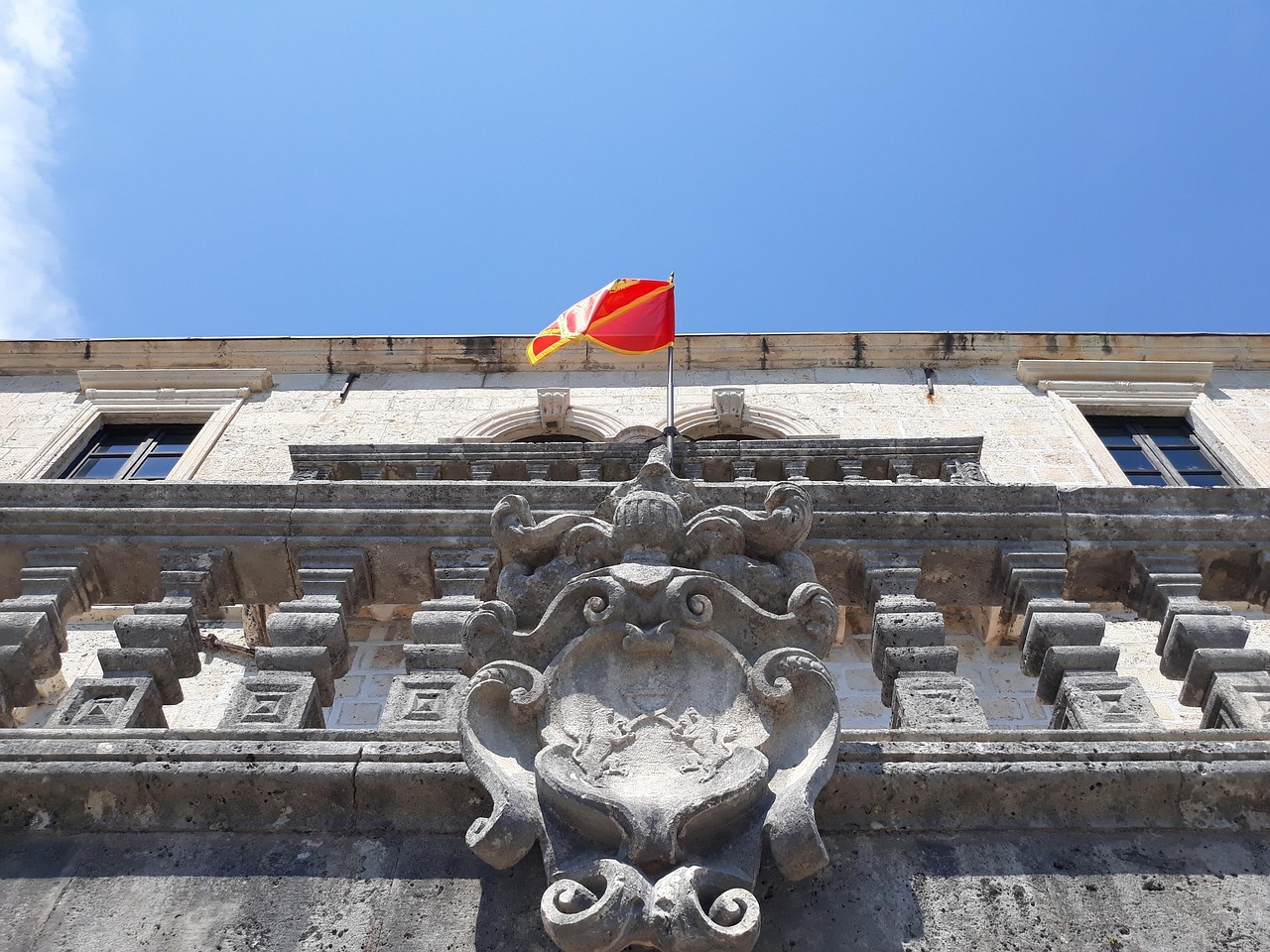
On my second visit to Kotor, a storm rolled in and the bay turned slate-grey. Instead of hiking, I hid in the Maritime Museum – and came out understanding the town in a completely new way.
- Why it matters: Kotor’s fortunes rose and fell with the sea. The museum, housed in a handsome 18th-century palace, tells the story of local seafaring families who sailed all over the world.
- Inside: Model ships, old navigation tools, portraits of captains, and rooms furnished as they would have been in wealthy Kotor homes. There’s enough English explanation to get a good feel.
- Good for: Families (kids enjoy the ship models), rainy days, and anyone who likes to connect a destination’s architecture and wealth with its trade history.
- Tip: Combine with a slow coffee on the nearby square afterward. Let the past and present blur a little.
5. The Ladder of Kotor (Hiking Trail)
Most visitors stick to the fortress, but the Ladder of Kotor is where the bay truly opens up. It’s an old caravan path of zigzags climbing high above the town. The first time I did it, I shared the path with goats and one very determined trail runner.
- Route: The classic hike starts near the north side of the Old Town and winds up in a series of switchbacks. You can loop back into town via the fortress (using a small, semi-official gate) or continue into Lovćen’s higher pastures.
- Difficulty: Moderate to strenuous depending on how far you go. The path is exposed; avoid the hottest part of the day in summer.
- What to bring: Sturdy shoes, at least 1.5L of water per person, sun protection, some snacks, and a light jacket in shoulder seasons.
- Reward: Panoramic views that make the effort worthwhile. The bay looks like a painting from up here.
6. Our Lady of the Rocks & Perast
Even after multiple visits, the boat ride out to Our Lady of the Rocks still feels special. The tiny, human-made island with its blue-domed church is one of the bay’s icons.
- Story: According to legend, sailors found an icon of the Virgin Mary on a rock here in the 15th century. They began dropping stones and sinking old ships to create an island, then built the church on top. Every July, locals still add stones in the Fašinada festival.
- How to visit: From Kotor, you can take a boat tour that stops at the island, usually combined with a visit to Perast, a gorgeous baroque town about 20 minutes up the bay by car or bus. I prefer spending more time in Perast and grabbing a local boat from there.
- Inside the church: Beautiful votive paintings, silver reliefs, and a small museum that tells the island’s story. Dress modestly.
- Romantic tip: Time your visit for late afternoon light; the dome glows, and the bay softens into gold.
7. Perast
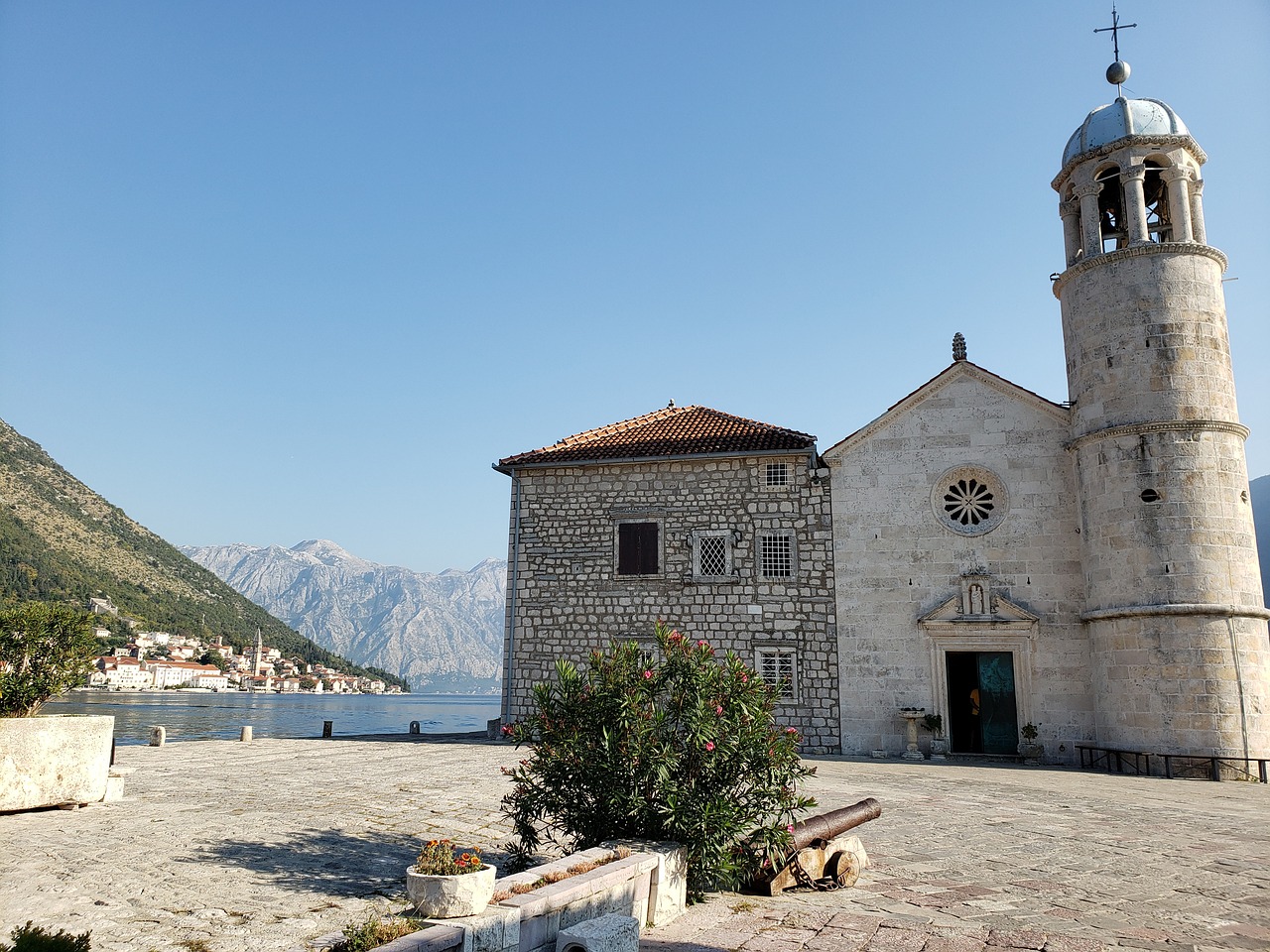
Perast looks like it has been plucked straight out of a 17th-century painting: stone palaces, church towers, and a waterfront where people sunbathe on stone jetties. I once spent an entire day here doing almost nothing – just swimming, reading, and watching boats putter past.
- Why go: It’s one of the best places to visit in Kotor Bay for slow travel vibes. No loud nightlife, just the sound of church bells and clinking cutlery.
- What to do: Climb the bell tower for sweeping views, wander the single main street, visit the small local museum, and swim from the jetties. Many waterfront restaurants will let you use their chairs if you buy drinks or lunch.
- Family-friendly: Calm water, no busy roads, and easy swimming make this a good spot with kids.
8. Boat Tour of the Bay & Blue Cave
If you only see Kotor from land, you’re missing half the story. Boat tours are touristy but fun, and they’re a great way to cool off in summer.
- Options: Short bay cruises, sunset tours, and longer trips out to the Blue Cave near Luštica Peninsula. The Blue Cave trips usually include swim stops and a fast speedboat ride past old submarine tunnels from the Yugoslav era.
- My take: I tend to avoid the busiest midday departures and choose early morning or late afternoon. Smaller boats mean fewer people and a more relaxed feel.
- Tip: Bring a light waterproof layer; it can get windy. In peak season, book the day before to secure a spot.
9. Dobrota Waterfront Promenade
When the Old Town feels too crowded, I escape to the Dobrota promenade. It runs along the bay, lined with old stone houses, jetties, and small churches. Early morning walks here are my favorite way to start a Kotor day.
- What to do: Walk, swim from the jetties, stop for coffee or ice cream, and watch the reflections of the hills in the water.
- Hidden gem: Some of the most atmospheric konobas (traditional taverns) are tucked along this stretch, away from the Old Town prices.
- Family tip: The promenade is relatively flat and stroller-friendly in many parts.
10. Lovćen National Park & Njegoš Mausoleum
Above Kotor, the road coils up the mountain in a series of dramatic hairpin bends (the famous Kotor–Lovćen road). At the top, you swap sea views for rugged peaks and thick forests. Lovćen is my antidote to hot August afternoons.
- Highlights: The Njegoš Mausoleum, perched at 1,657 m, is reached via a tunnel and a long staircase. From the top, you can see much of Montenegro on a clear day.
- Activities: Hiking, scenic drives, picnics, and long lunches in mountain restaurants serving njeguški pršut (cured ham) and cheeses.
- Getting there: By car, taxi, or organized tour. The road is twisty; confident drivers only.
11. Kotor Farmers’ Market
On weekend mornings, just outside the Old Town walls by the Sea Gate, the farmers’ market comes alive. This is my go-to spot for picnic supplies and people-watching.
- What you’ll find: Fresh figs and cherries in season, olives, local cheeses, pršut, honey, homemade rakija, and huge jars of pickled vegetables.
- Money-saving tip: Buying fruit, bread, and cheese here is a delicious way to cut restaurant costs, especially for breakfasts and simple lunches.
- Etiquette: Greet vendors with a friendly “Dobar dan” and don’t handle produce excessively without permission.
12. Church of St. Nicholas
This Orthodox church is one of the spiritual hearts of the Old Town. I like to slip inside during the heat of the day, when it’s cool, dim, and full of the scent of incense.
- Why visit: The iconostasis and icons are beautiful, and if you time it right, you might witness part of a service – chanting, candles, and a deep sense of continuity.
- Etiquette: Dress modestly, speak softly, and avoid flash photography. If a service is in progress, stay at the back and be unobtrusive.
13. The Cats of Kotor & Cat Museum
Kotor’s unofficial mascots are its cats. You’ll see them everywhere – on steps, in doorways, and sometimes sprawled on church pews (yes, really). There’s even a tiny Cat Museum devoted to feline-themed postcards and art.
- Family-friendly: Kids adore the cat “treasure hunt” through town.
- Kindness tip: Don’t overfeed; many are cared for by locals, and there are donation boxes supporting cat welfare.
14. Pima Palace & Historic Squares
Some of Kotor’s charm lies in its noble palaces and the small details you notice only when you slow down.
- Pima Palace: A standout example of baroque architecture facing one of the Old Town’s loveliest squares. I like to sit under its balconies with a glass of local wine and imagine 17th-century life here.
- Other squares: St. Luke’s Square and St. Nicholas’ Square are smaller and more intimate, perfect for a quiet moment away from the main flow.
15. Gurdic Gate & South Gate Area
The Gurdic Gate on the south side is my favorite way to enter or leave the Old Town. A stone bridge over the water, the mountains looming above, and often fewer people than at the Sea Gate.
- Why go: It gives you a feel for Kotor as a fortress, with its layered defenses and moats.
- Photo tip: Early morning light here is gorgeous for photos of walls meeting water.
16. Vrmac Ridge
Across the bay from Kotor rises the Vrmac ridge, a long, forested mountain with World War I fortifications and trails. It’s quieter than Lovćen and feels surprisingly wild in places.
- Activities: Hiking, mountain biking, and exploring abandoned Austro-Hungarian forts. The views back toward Kotor are spectacular.
- Getting there: By car, taxi, or guided trip from Kotor. Some trails start near the Kotor–Tivat road.
17. Tivat & Porto Montenegro
For a complete contrast, head to nearby Tivat and the luxury marina of Porto Montenegro. Sleek yachts, designer shops, and polished promenades make it feel like another world compared to medieval Kotor.
- Why visit: Waterfront restaurants, sunset strolls, and a different side of Montenegrin coastal life.
- Good for: Modern dining, people-watching, and a change of pace if you’re in Kotor for 4–5 days.
18. Prčanj
Prčanj is one of my favorite hidden gems in Kotor Bay. It’s a linear village across the water from Kotor, with a wide waterfront and an enormous baroque church that seems too big for such a small place.
- What to do: Swim, walk, linger at small waterfront cafés, visit the Church of Our Lady of the Nativity, and enjoy the bay view back toward Kotor.
- Vibe: Sleepy and local, especially outside high season. A great base if you prefer peace to nightlife.
19. Muo & Skaljari Villages
Just around the curve from Kotor, the villages of Muo and Škaljari offer a glimpse of everyday life. I often stay here instead of inside the walls – you get bay views, more space, and better parking, while the Old Town is a short walk away.
- Why go: More local housing, small bakeries, and quieter waterfront spots.
- Budget tip: Apartment rentals here are often cheaper than inside Kotor’s Old Town.
20. Nearby Beaches: Morinj, Bajova Kula & More
Kotor itself doesn’t have sandy beaches, but there are beautiful swimming spots around the bay and along the coast.
- Bajova Kula: A small but beloved beach club with a stone tower, loungers, and clear water. I like to come here on shoulder-season weekdays when it’s quieter.
- Morinj: Pebbly beaches with a lush, almost tropical feel and freshwater springs that flow into the sea.
- Plavi Horizonti: A sandy beach on the open coast (Luštica Peninsula), popular with families.
21. Church of St. Luke
Small, modest, and easy to miss, St. Luke’s Church is one of my quiet favorites. For a time, it served both Catholic and Orthodox communities, with two altars – a rare symbol of coexistence.
- Why visit: It embodies Kotor’s layered religious history. Step inside for a moment of stillness between sightseeing stops.
Itineraries: 3, 4, and 5 Days in Kotor
Here’s how I’d structure 3 days in Kotor, and how to expand that into 4 days in Kotor or 5 days in Kotor with deeper dives and day trips. I’ll walk you through each day like we’re traveling together, sharing what I actually do, where I pause for coffee, and when I escape the crowds.
Core 3-Day Itinerary for Kotor
Day 1: Old Town, City Walls & Bayfront Sunset
On your first morning in Kotor, wake up early. I like to be out by 7:30–8:00, when the streets are being swept, shutters are opening, and the only sounds are church bells and the clink of coffee cups.
Morning: Getting Lost in the Old Town
Start at the Sea Gate and step into Trg od Oružja (Arms Square). I usually grab my first coffee at a café here; it’s touristy but atmospheric, and it feels like a ritual to sit under the clock tower and watch the town wake up.
From there, wander without a strict plan:
- Slip into St. Tryphon’s Square and visit the Cathedral of Saint Tryphon. Take your time upstairs in the small museum.
- Follow side streets to St. Luke’s Church and St. Nicholas Church, stepping in briefly to appreciate the iconography and cool interiors.
- Keep an eye out for cats – they’re everywhere. I often carry a small bag of cat treats; kids love handing them out (sparingly).
Late Morning: Maritime Museum & Coffee Break
As the sun climbs, duck into the Maritime Museum. It’s compact but rich; I usually spend 45–60 minutes there. You’ll emerge with a better sense of how Kotor’s sailors shaped the town.
Afterwards, pick a quieter square – I like the ones behind the Maritime Museum – for a second coffee or a fresh juice. Prices inside the walls are higher, but still very reasonable by Western European standards.
Lunch: Konoba in the Old Town
For your first taste of local food in Kotor, choose a traditional konoba. Look for simple menus with grilled fish, black risotto (crni rižot), and stuffed peppers. Avoid places with aggressively multi-language menus and hawkers; Kotor has plenty of genuinely good options tucked into side streets.
Afternoon: City Walls & Fortress Climb
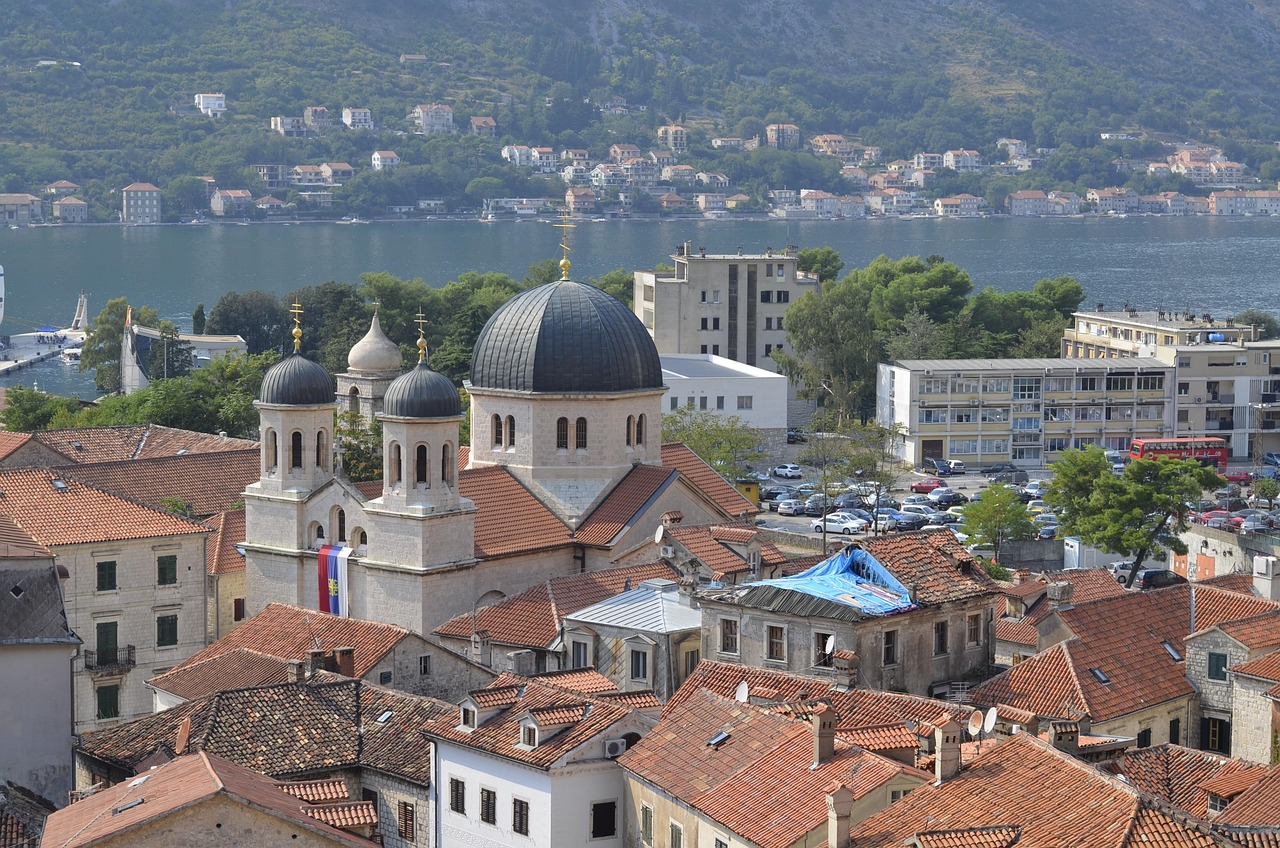
In summer, wait until 4–5 pm to start the climb to San Giovanni Fortress so you’re not roasting on the stones. In spring or autumn you can go earlier.
- Buy your ticket at the base and pace yourself. I’ll usually stop at the chapel of Our Lady of Remedy for a breather and some photos.
- Continue to the top, exploring the ruins and taking in the view. On one visit, I sat up there for almost an hour, just watching the light shift and boats move in the bay.
Evening: Dinner & Bayfront Walk
Back down in the Old Town, reward yourself with dinner – perhaps grilled sea bream or calamari and a carafe of local Vranac or Krstač wine. Afterward, walk along the waterfront outside the walls. The lights of Kotor reflected in the bay, with mountains looming dark above, is one of my favorite night-time views.
Day 2: Perast, Our Lady of the Rocks & Dobrota Promenade
Morning: Perast & Our Lady of the Rocks
Catching the morning light on the water is worth the early start. Take a local bus, taxi, or boat to Perast around 8:30–9:00 am.
- Stroll the waterfront before day-trippers arrive. The mountains across the bay often sit in a thin veil of mist – perfect for photos.
- Climb the church bell tower if it’s open for a 360-degree view of the bay and islands.
- Hire a small boat to Our Lady of the Rocks. Allow 30–45 minutes on the island to see the church and tiny museum.
Lunch: Waterfront in Perast
I like to choose a restaurant with a few tables right by the water and order something simple: octopus salad, grilled vegetables, and a glass of white wine. In summer, bring swimwear – you can usually slip into the water from a nearby jetty between courses.
Afternoon: Return via Dobrota & Promenade Stroll
On the way back to Kotor, ask the driver (if you’re on a bus or in a taxi) to drop you in Dobrota, a little before Kotor’s Old Town.
- Walk the waterfront promenade back toward Kotor, stopping to swim or sit on stone steps whenever you feel like it.
- Find a café or bar with loungers and linger over an ice cream or cold beer.
Evening: Sunset Drinks & Light Dinner
By now, you’ve earned a slow evening. One of my favorite things to do is grab a takeaway slice of burek from a bakery and eat it on a bench by the bay, then have a drink in a low-key bar in the Old Town, listening to live acoustic music drifting through the alleys.
Day 3: Hiking or Boat Adventures + Cats & Culture
For your third day, choose between a mountain adventure or more time on the water, depending on your energy levels and interests.
Option A: Ladder of Kotor Hike
If you love hiking, dedicate the morning and early afternoon to the Ladder of Kotor.
- Start early (7:00–8:00 am) to avoid heat.
- Follow the zigzagging path up, stopping often to catch your breath and absorb the changing perspective of the bay.
- Depending on conditions and your comfort level, you can loop back into the fortress path or retrace your steps.
Pack a picnic lunch – bread, cheese, fruit, and nuts from the market – and enjoy it somewhere with a view.
Option B: Blue Cave & Bay Boat Trip
If you’d rather rest your legs, book a Blue Cave and bay boat tour.
- Most tours last 3–4 hours, with swimming stops and commentary on the submarine tunnels and coastal villages.
- Bring a towel, swimwear under your clothes, and a dry bag for your phone and camera.
Afternoon: Cat Museum & Souvenirs
Back in town, visit the Cat Museum if you haven’t already. It’s quirky, tiny, and supports local cat care. Then wander the Old Town’s artisan shops for souvenirs – look for local honey, olive oil, handmade soaps, and ceramics.
Evening: Farewell Dinner
For your last night of a 3 day itinerary for Kotor, treat yourself to somewhere special. I usually pick a konoba with a quiet terrace, order the seafood platter to share, and toast the bay with a glass of loza (grape rakija). After dinner, do one last lap through the Old Town; it’s the kind of place that looks different every time you pass through.
Extending to a 4 Day Itinerary for Kotor
If you have 4 days in Kotor, add a day trip to the mountains for a totally different side of Montenegro.
Day 4: Lovćen National Park & Njegoš Mausoleum
Morning: The Serpentine Road
Arrange a car, taxi, or tour to take you up the spectacular serpentine road to Lovćen National Park. I remember my first drive up here – every bend revealed a new angle on the bay, and we kept pulling over for photos.
Midday: Njegoš Mausoleum
At the top, climb the steps and tunnel to the Njegoš Mausoleum. The statue inside is imposing, but it’s the viewing platform that steals the show. On a clear day, you can see both the bay and the interior of Montenegro stretching out in waves of mountain ridges.
Lunch: Mountain Konoba
Have lunch at a traditional mountain restaurant. I usually order:
- Njeguški pršut – smoky cured ham, a local specialty.
- Cheese plate – often with fresh and aged varieties.
- Kačamak or cicvara – hearty cornmeal and cheese dishes.
Afternoon: Short Hike or Scenic Return
Depending on your energy, do a short walk in the park or head back slowly, stopping at viewpoints along the way. Back in Kotor, a quiet evening drink by the bay is the perfect counterpoint to the mountain air.
Extending to a 5 Day Itinerary for Kotor
With 5 days in Kotor, you can add one more full day trip or a relaxed “living like a local” day. Here are two ways I love to use that extra time.
Day 5 Option A: Tivat & Porto Montenegro
Spend the late morning and afternoon in Tivat and Porto Montenegro.
- Stroll the marina, ogling yachts and modern architecture.
- Have a leisurely lunch in one of the waterfront restaurants – sushi, Mediterranean fusion, or burgers, depending on your mood.
- Visit the small Naval Heritage Collection if you’re into maritime history.
Return to Kotor for a final Old Town dinner, or stay for sunset drinks in Tivat before heading back.
Day 5 Option B: Slow Bay Life in Prčanj & Muo
If you’d rather go slow, dedicate your last day to the quieter villages.
- Take a local bus or taxi to Prčanj. Swim, read, and wander between cafés.
- Visit the big baroque church and climb up for views over the bay.
- Head back toward Kotor via Muo, walking a stretch of the waterfront if it’s not too hot.
This kind of day is what convinces many people to come back for longer stays – it’s about rhythm, not checklists.
Neighborhoods & Areas in and Around Kotor
Kotor Old Town (Stari Grad)
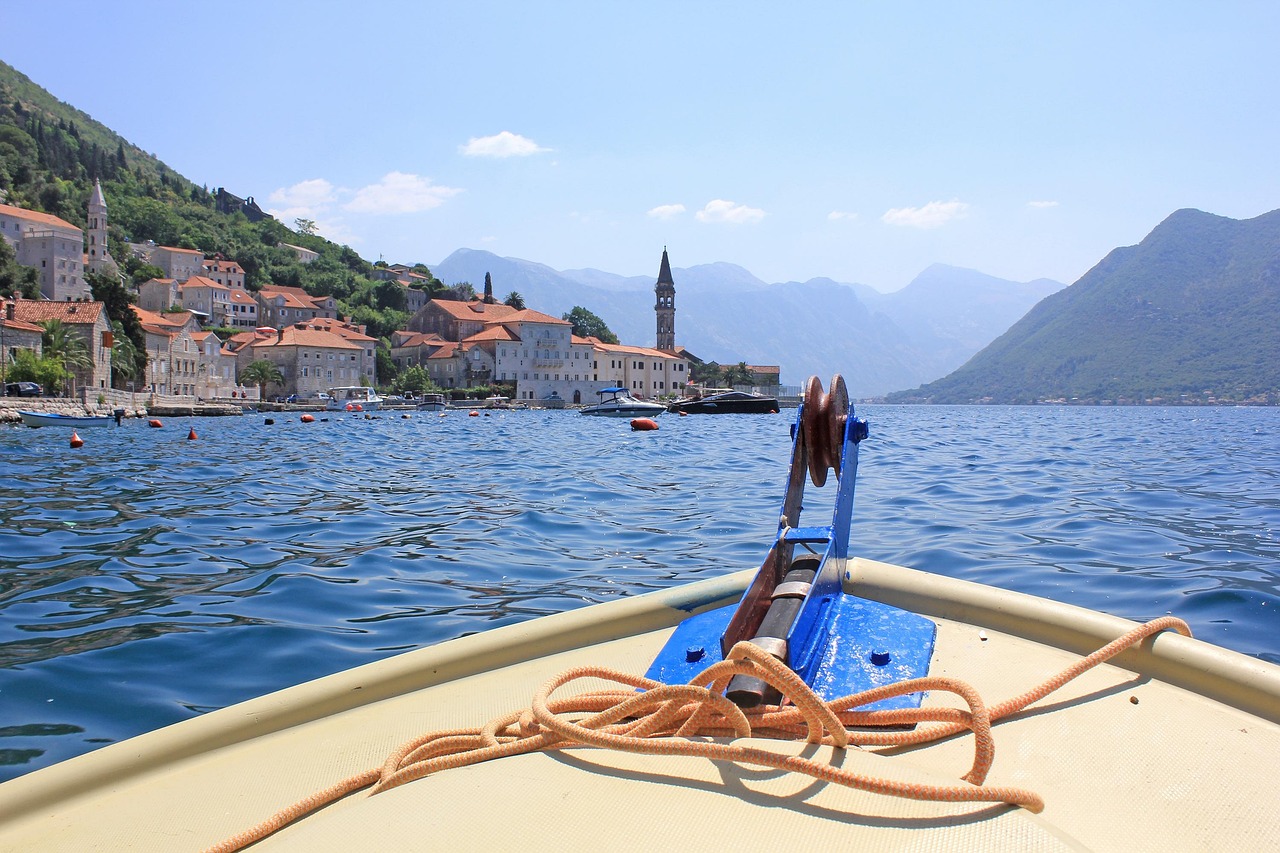
The Old Town is where history, nightlife, and crowds converge. Staying here means you’re in the thick of it: church bells in the morning, bar music at night, and no cars anywhere.
- Stay here if: You want to step out your door into the action and don’t mind some noise.
- Best for: Short stays (2–3 nights), couples, and culture-focused trips.
Dobrota
Stretching along the bay north of Kotor, Dobrota is a blend of old stone houses and newer apartments, with a lovely waterfront path.
- Stay here if: You want water access, quieter nights, and easy walks to Kotor (20–40 minutes depending on where you stay).
- Best for: Families, longer stays, and travelers with a car.
Muo & Škaljari
These are more residential areas just outside Kotor. You get a sense of real daily life – kids biking, neighbors chatting – plus some great viewpoints back toward the Old Town.
- Stay here if: You’re on a budget, want parking, or prefer a more local environment.
Prčanj
A linear village with wide bay views and plenty of swimming spots, Prčanj is perfect if you prefer tranquility.
- Stay here if: You’re staying 4–5 days or more and don’t mind bus or taxi rides into Kotor.
- Vibe: Sleepy, romantic, and a bit removed from the Old Town bustle.
Perast
Not technically in Kotor, but close enough to count as part of the same orbit. Perast is ideal for travelers who want to wake up to one of the most iconic bay views every day.
Local Food & Drink in Kotor
Kotor sits at the crossroads of Mediterranean and Balkan food traditions. You’ll find grilled seafood, Italian-inspired pastas and pizzas, and hearty inland dishes from the mountains.
Must-Try Dishes
- Black risotto (Crni rižot): Squid ink risotto, rich and deeply savory.
- Grilled fish (riba na žaru): Typically sea bream or sea bass, served whole with olive oil, lemon, and blitva (chard with potatoes).
- Octopus salad: Light, lemony, perfect as a starter.
- Burek: Flaky pastry filled with cheese, meat, or spinach – my go-to breakfast on busy days.
- Njeguški pršut & cheese: From the Lovćen region; smoky, salty, and often served on a wooden board.
- Ćevapi: Grilled minced meat sausages, usually served with flatbread and onions – a Balkan staple.
Local Drinks
- Vranac: Robust local red wine.
- Krstač: Indigenous white grape variety, crisp and refreshing.
- Rakija: Fruit brandy; try grape (loza) or plum (šljivovica). Sip, don’t shot.
- Local craft beer: Montenegro’s craft scene is growing; look out for regional labels in bars.
Saving Money on Food
For budget-conscious travelers, I often recommend:
- Breakfast from bakeries: burek and yogurt for a couple of euros.
- Picnic lunches from the market: bread, cheese, fruit, and olives.
- Main meal at lunch: many places have cheaper lunch specials than dinner menus.
Nightlife, Entertainment & Cultural Experiences in Kotor
Kotor isn’t a wild party town like some coastal destinations, but it does have a lively evening scene, especially in summer.
Nightlife
- Old Town bars: Small bars with outdoor seating, live music, and a mix of locals and travelers. Expect relaxed vibes rather than big clubs.
- Harborfront lounges: A few spots along the waterfront lean more upscale, with cocktails and DJs in high season.
Cultural Experiences
- Church concerts: In summer, look for classical music performances in churches or squares.
- Festivals: From traditional religious celebrations to modern music events (see the Events section below for 2026–2027 highlights).
Family-Friendly Evenings
For families, evenings are often about gelato walks through the Old Town, watching street performers, or throwing pebbles into the bay on the waterfront.
Day Trips & Nearby Attractions from Kotor
Budva & Beaches
About 30–40 minutes by bus or car, Budva offers sandy and pebbly beaches, a walled Old Town, and a much louder nightlife scene.
Luštica Peninsula & Blue Cave
Rocky coves, the famous Blue Cave, and clear water for swimming and kayaking. Some people do this as part of a boat tour from Kotor; others drive or take a taxi to Luštica and explore from there.
Skadar Lake
Further afield, but worth considering if you have 5+ days and a car. Skadar Lake is a huge freshwater lake with birdlife, traditional fishing villages, and boat tours amid lily pads.
Cetinje & Inland Montenegro
Cetinje, the old royal capital, pairs well with a Lovćen day trip for history lovers. Old embassies, museums, and a very different feel from the coast.
Local Customs & Cultural Etiquette in Kotor
Montenegrins are generally warm, direct, and proud of their country. A little cultural awareness goes a long way.
Greetings & Social Norms
- Use Dobar dan (good day) and Hvala (thank you). English is widely spoken in tourist areas, but trying a few words is appreciated.
- People may seem reserved at first, but conversations can quickly become very open and friendly, especially over coffee or rakija.
Dress Code
- Beachwear is for beaches. In town, especially in the Old Town and in churches, cover up more.
- Inside religious sites, shoulders and knees should be covered. Carry a scarf if you’re wearing a tank top.
Dining Etiquette
- Service is often relaxed; don’t expect hyper-fast turnover. If you’re in a rush, say so politely when ordering.
- Leaving a 10% tip in restaurants is customary if service was good.
Religion & Festivals
Kotor has both Orthodox and Catholic traditions. Respect processions, church services, and local holidays – they’re part of what makes the town feel alive.
Practical Travel Tips for Kotor
Getting Around Kotor & the Bay
- On foot: The Old Town is pedestrian-only and compact. Many waterfront areas are walkable.
- Buses: Regional buses connect Kotor with Budva, Tivat, Podgorica, and other towns. The main bus station is about 10–15 minutes’ walk from the Old Town.
- Taxis: Affordable by Western standards; always confirm the price before starting or ensure the meter is on.
- Car rental: Great for exploring beyond the bay. Roads are generally good, but mountain roads are narrow and winding.
- Boats: Water taxis and tours can be a practical way to reach some bay villages, especially in summer.
Saving Money in Kotor
- Visit in shoulder seasons (April–June, September–October) for lower prices and fewer crowds.
- Stay just outside the Old Town (Dobrota, Muo, Škaljari) for better-value accommodation.
- Use bakeries and markets for some meals instead of always eating out.
- Choose one or two paid attractions per day and balance them with free walks, hikes, and swims.
SIM Card & Connectivity
In 2026, major Montenegrin providers (like Crnogorski Telekom, ONE, and mts) offer tourist SIM packages with generous data.
- Buy at airports, in Tivat or Podgorica, or in Kotor’s bigger shops.
- Bring your passport; it’s often needed for registration.
Money & Payments
- Currency: Euro (€).
- Cards vs. cash: Cards widely accepted in restaurants and hotels; small shops, bakeries, and some apartments may prefer cash.
- ATMs: Easy to find; avoid those with very high fee prompts and use bank-branded ATMs when possible.
Visa Requirements & Driving
Rules can change, so always double-check with official sources before your trip, but generally:
- Many nationalities (including most of Europe, the UK, US, Canada, Australia, and New Zealand) can enter Montenegro visa-free for short stays.
- If you plan to drive, your home country license is often accepted for short visits; an International Driving Permit (IDP) is recommended and may be required depending on your nationality and rental company.
- Seatbelts are mandatory, and zero-tolerance policies for drunk driving are enforced.
Health & Safety
- Kotor is generally safe; petty theft can occur where there are crowds, so use standard precautions.
- Tap water is typically safe to drink; ask your host if unsure.
- In summer, heat and sun are your main concerns. Start hikes early, hydrate well, and wear sunscreen.
When to Visit Kotor & Seasonal Travel Advice
Choosing the right time can make or break your Kotor experience, especially if you’re aiming for a perfect 3 day itinerary for Kotor or planning 4–5 days in Kotor with day trips.
Spring (April–June)
- Pros: Mild temperatures, blooming hillsides, fewer crowds than summer.
- Cons: Water can still be cool for swimming in April.
- Best for: Hiking, sightseeing, and budget-conscious travelers.
Summer (July–August)
- Pros: Warm sea, long days, vibrant nightlife, many festivals.
- Cons: Heat, cruise ship crowds, higher prices.
- Best for: Swimming, boat trips, family holidays, and those who don’t mind busy streets.
Autumn (September–October)
- Pros: Warm sea, softer light, fewer crowds after mid-September.
- Cons: Some seasonal businesses start to close by late October.
- Best for: Balanced trips that mix swimming, hiking, and culture.
Winter (November–March)
- Pros: Very few tourists, atmospheric foggy days, lower prices.
- Cons: Many tourist-oriented businesses close, some hikes can be muddy or snowy higher up.
- Best for: Slow travelers, writers, and those who like moody coastal winters.
What’s New in 2026–2027: Events & Travel Scene Changes
As of 2026, Kotor continues to refine how it handles increasing visitor numbers while trying to preserve the character of the Old Town.
Recurring & Upcoming Events
- Kotor Carnival (Winter Carnival): Usually in February – parades, costumes, and street parties in the Old Town.
- Boka Night: A summer highlight, when decorated boats parade in the bay and fireworks light up the sky.
- Fašinada in Perast (late July): Locals in small boats throw stones into the sea around Our Lady of the Rocks, reinforcing the island.
- Summer music festivals: Expect a mix of classical, jazz, and contemporary performances in Kotor and nearby towns through July and August.
Travel Scene Shifts
- More emphasis on responsible tourism: incentives to visit in shoulder seasons and explore beyond the Old Town.
- Growing hiking and outdoor offerings: better-marked trails, more guided hiking and kayaking tours.
- A steady rise in boutique apartments and guesthouses in Dobrota, Muo, and Prčanj, giving travelers more characterful options outside the walls.
Summary: Key Takeaways for Your Kotor Trip
Kotor is one of those rare places where a 3 day itinerary feels full and satisfying, but a 4 or 5 day itinerary for Kotor opens up a whole new level of depth: mountain roads, stone villages, quiet swims, and long, late dinners under the stars.
- Best seasons: Late spring (May–June) and early autumn (September–early October) for balance; summer for swimming and buzz; winter for introspective quiet.
- Must-see attractions in Kotor: Old Town, San Giovanni Fortress, Perast & Our Lady of the Rocks, Dobrota waterfront, and at least one mountain viewpoint.
- Don’t miss: A sunrise or sunset from above the town, a simple seafood meal by the bay, and at least one long, aimless wander through the alleys after dark.
- Travel advice for Kotor: Start early to beat the heat and crowds, mix well-known sites with quieter corners, and allow space in your schedule for doing nothing but watching the water.
Every time I leave Kotor, I tell myself I’ve finally seen it properly. And every time I come back, I find a new stairway, a new café, a new trail, or a new angle of light on the bay that makes it feel like the first visit all over again. That, more than anything, is why I keep recommending it – and why I suspect you might, too, once you’ve stood on those stones yourself.