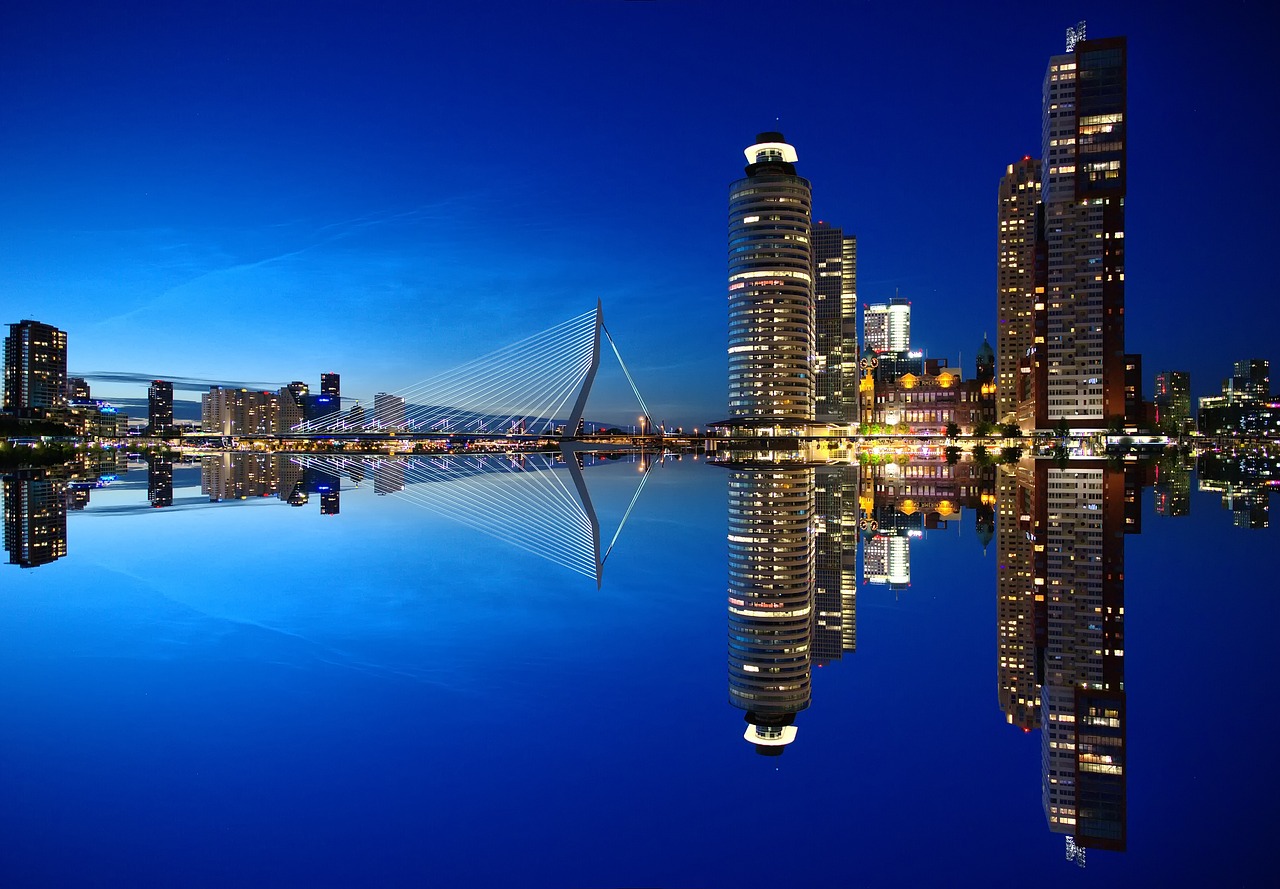
Why Visit Rotterdam in 2026?
Rotterdam is not your postcard-Dutch cliché. You come here not for canals and gables (though there are some) but for:
- Radical architecture – a skyline of cubes, tilting towers, and the famous Erasmus Bridge.
- Harbor energy – Europe’s biggest port, with boat tours through container cathedrals and old warehouses turned into creative hubs.
- Laid-back, creative vibe – street art, design shops, experimental cuisine, and a young, diverse population.
- Easy base for day trips – Delft, Kinderdijk’s windmills, The Hague, and even the beach at Hoek van Holland.
In 2026, Rotterdam is buzzing with new openings and events: expanded programming at Depot Boijmans Van Beuningen, harbor-front festivals, and ongoing redevelopment around the M4H district and Rijnhaven. It’s a perfect year to give the city the 3–5 days it truly deserves.
Table of Contents
- Why Visit Rotterdam
- 3–5 Day Itineraries for Rotterdam
- 20+ Must-See Attractions & Personal Notes
- Best Neighborhoods & Areas to Explore
- Local Food in Rotterdam & Where to Eat
- Nightlife, Entertainment & Cultural Experiences
- Best Day Trips from Rotterdam
- Cultural Etiquette & Local Customs
- Practical Travel Tips for Rotterdam
- Major Events in 2026–2027
- Summary & Best Time to Visit
Suggested 3–5 Day Itineraries for Rotterdam
These itineraries combine the best places to visit in Rotterdam with my own favorite walks, cafés, and little detours. You can easily adapt them for a 3 day itinerary for Rotterdam, 4 days in Rotterdam, or a full 5 days in Rotterdam.
Day 1 – Iconic Rotterdam: Skyline, Cubes & the Market Hall
When friends visit for the first time, I always start them in the city center between Blaak and the Erasmus Bridge. It’s the quickest way to feel Rotterdam’s energy.
Morning: Blaak, Markthal & Cube Houses
I like to arrive at Blaak Station around 9:00 a.m. After you exit, you’re immediately surrounded by some of the city’s most famous architecture.
Start at the Markthal (Market Hall), the horseshoe-shaped food hall whose inside ceiling looks like a digital Sistine Chapel of fruits and flowers. On a typical first-morning visit, I’ll grab:
- A coffee from a small roastery stand inside the hall.
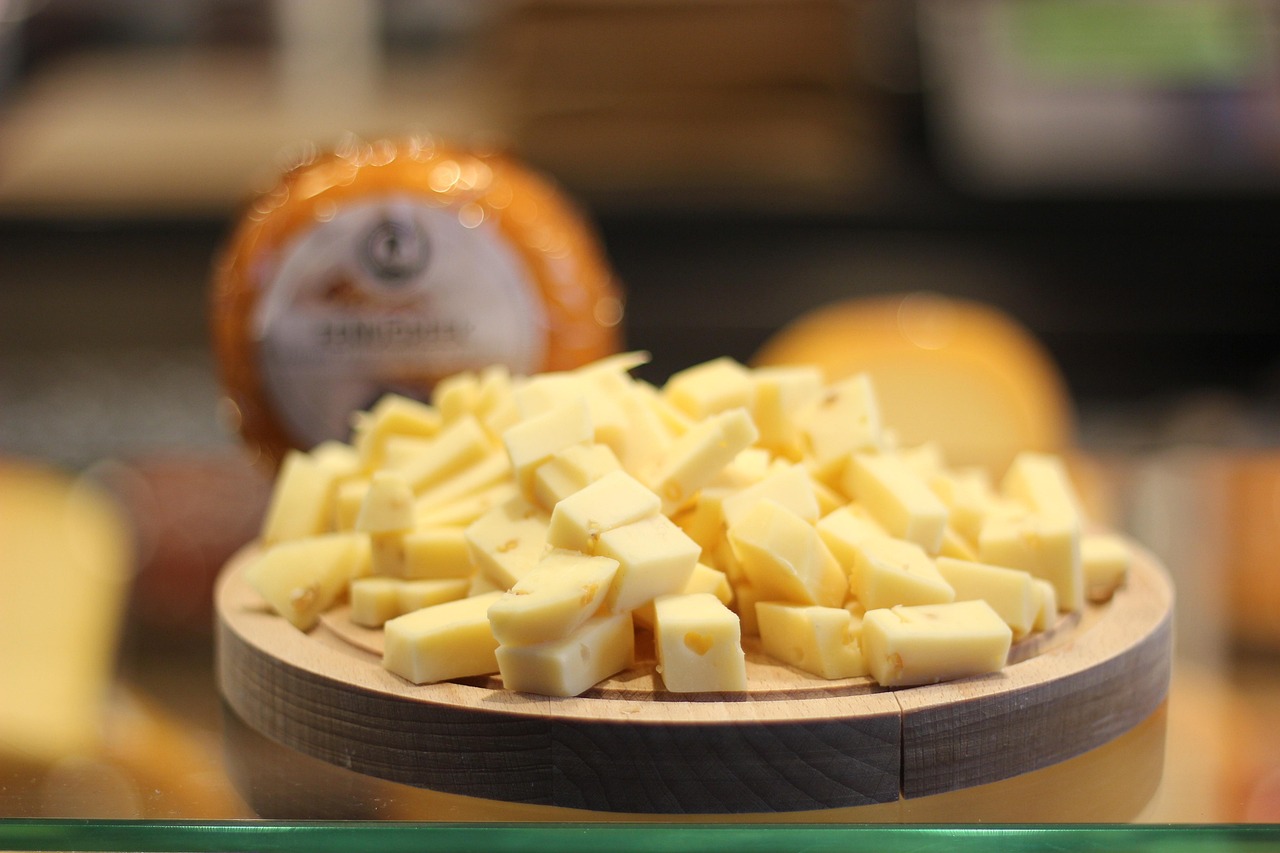
- A freshly made stroopwafel from one of the stalls – ask if they can make it warm to order.
- If you’re feeling brave, sample haring (raw herring) at a seafood stall. Locals eat it with onions and pickles.
Come hungry; prices are higher than an average supermarket but still fair, and you can easily make a “tasting brunch” for under €15 if you’re selective.
Across from the Markthal stand the famous Cube Houses (Kubuswoningen).
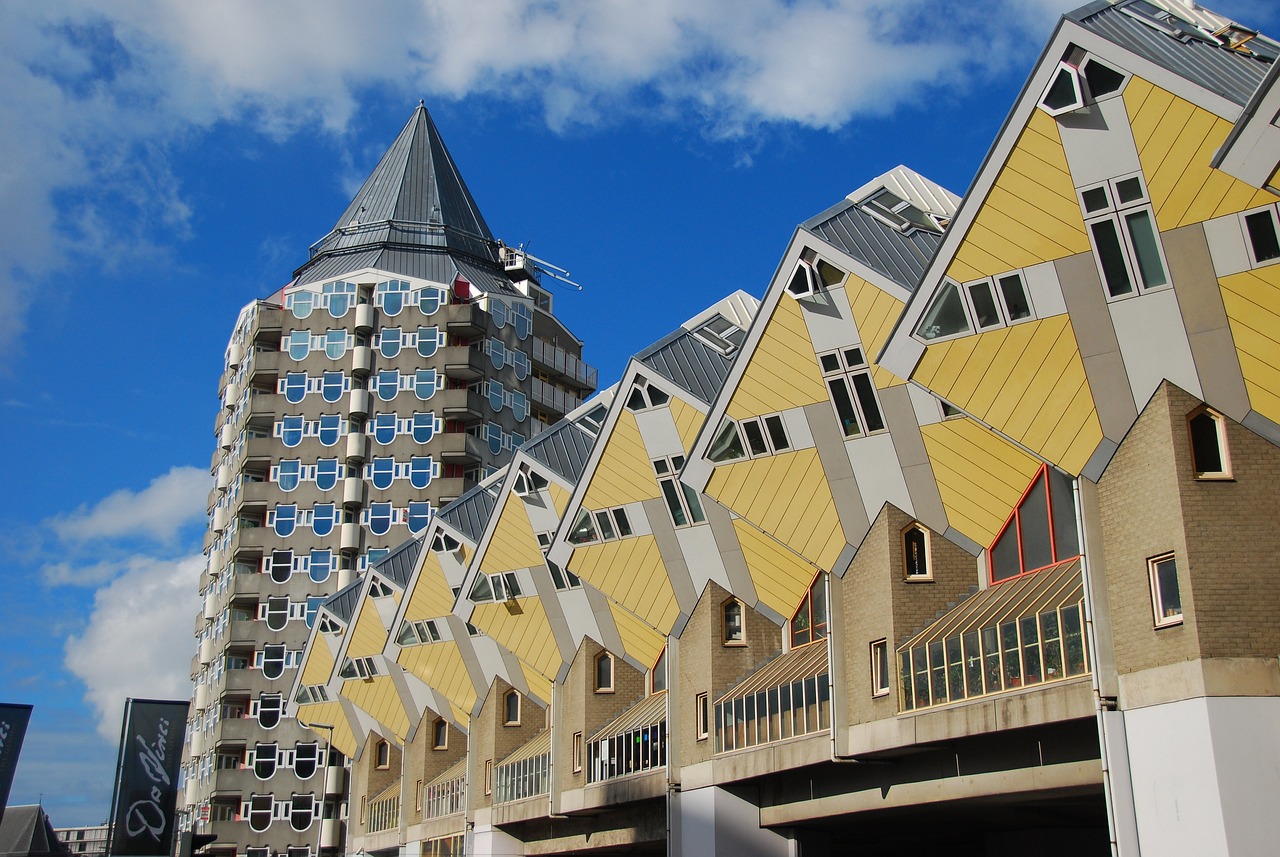
The first time I went inside the “Show Cube” museum, I realized how cleverly the space is used. The house feels surprisingly cozy, with sunlight pouring in from odd angles. It’s worth the small entry fee to satisfy your curiosity and get a feel for Rotterdam’s experimental spirit.
Practical tips:
- Best time: Morning on weekdays is calmest; weekends get busy by late morning.
- Tickets: Cube House Show Cube is usually cash or card at the door; no need to pre-book.
- Photo tip: From the small courtyard inside the Cube Houses, aim your camera upwards to capture the cubes forming a star-shaped frame of sky.
Midday: Old Harbor (Oude Haven) & Lunch by the Water
From the Cube Houses, walk down into the Oude Haven, one of the city’s oldest harbors. Historic boats bob in front of modern buildings, and the white Art Nouveau tower – the Witte Huis, once Europe’s tallest office building – watches over the scene.
This is one of my favorite spots for a relaxed lunch. Over the years I’ve tried most of the terrace cafés here; my go-tos are:
- Stockholm – for burgers and salads, good for families.
- Café Van Zanten – classic Dutch-style café, cozy inside on a cold day.
On sunny days, grab a terrace table, order a local beer or mint tea (hugely popular in the Netherlands), and watch the boats.
Afternoon: Erasmus Bridge & Wilhelminapier
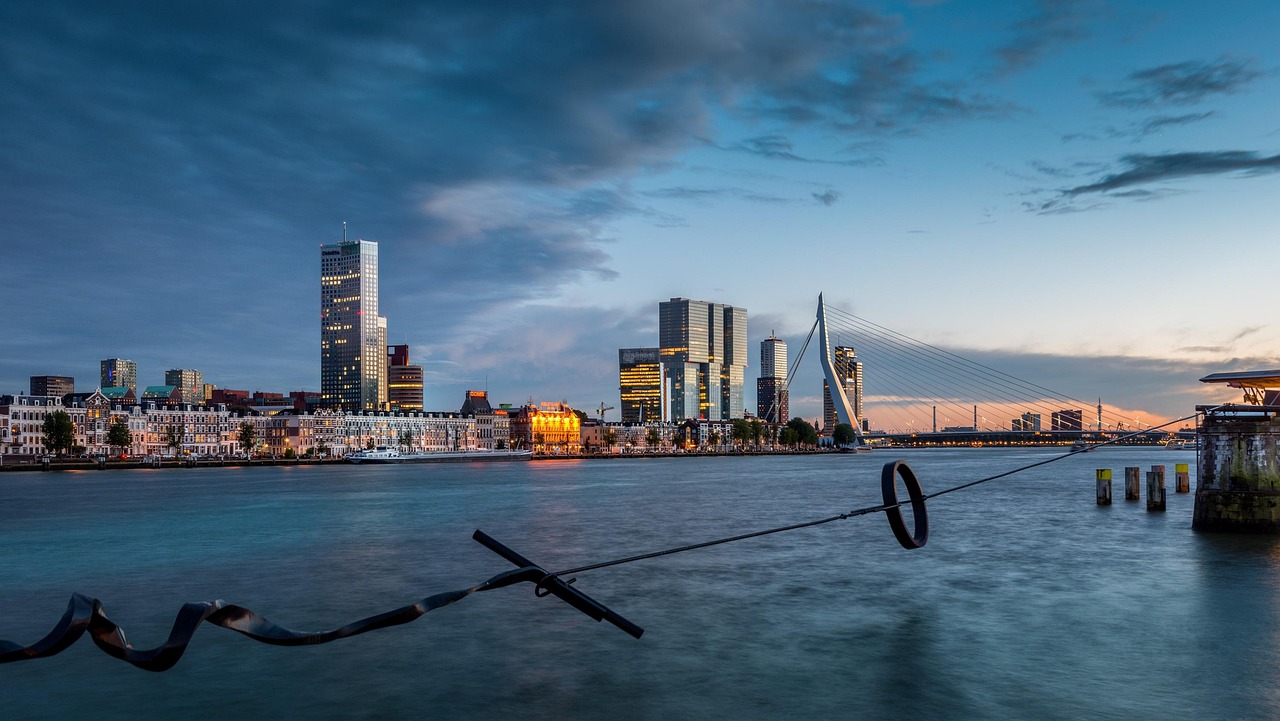
Walk west along the water, following signs towards the Erasmus Bridge (Erasmusbrug). The bridge is the city’s icon – locals call it “The Swan” – and crossing it on foot is a must, especially on your first day.
Halfway across, I usually stop and lean over the railing for a minute. You get a sense of why Rotterdam feels so big: barges, water taxis, and cruise ships slide under you; towers line the banks in every direction.
On the south side, you arrive at Wilhelminapier, Rotterdam’s answer to a mini Manhattan.
Here you’ll find:
- The historic Hotel New York, former headquarters of the Holland-America Line.
- The Nieuwe Luxor Theater.
- Some of the most striking high-rises, including De Rotterdam by Rem Koolhaas.
Tip for couples: On one of my favorite autumn evenings, I booked an early dinner at Hotel New York, then walked back over the bridge as the city lit up. For a romantic 3 day itinerary for Rotterdam, I always suggest this combo – it’s simple but memorable.
Evening: Drinks with a View
To cap off your first day, head to a rooftop or high-floor bar for night views:
- nhow Bar on Wilhelminapier – panorama over the Erasmus Bridge and city center.
- The Suicide Club (if open under a new concept) near Central Station – a longtime favorite rooftop scene.
Book a table if you’re visiting on a Friday or Saturday; locals love a good skyline view too.
Day 2 – Art, Parks & Local Streets (North & West)
On day two, I usually slow things down: more walking, more art, and time in parks. This is the day that often converts “I like Rotterdam” into “I could live here.”
Morning: Museum Park & Depot Boijmans Van Beuningen
Start near Museumpark, a green area that bundles several major museums together. The standout is the mirror-clad Depot Boijmans Van Beuningen, which opened as the world’s first publicly accessible art storage depot and continues to innovate in 2026 with new digital experiences and behind-the-scenes tours.
I’ve visited the Depot multiple times, and it feels different each time because the storage racks are rotated and new thematic tours pop up. Walking among racks of paintings and sculptures, with skylights and city reflections outside, is a surreal experience. If you’re into photography, the rooftop garden is a dream: glass, greenery, and skyline.
Tips:
- Book in advance for specific time slots, especially on weekends or school holidays.
- Combine with Kunstinstituut Melly or the Het Nieuwe Instituut if you’re into architecture and design.
Midday: Lunch in Witte de Withstraat
From Museumpark, it’s a short walk to Witte de Withstraat, a compact street packed with cafés, galleries, and bars. I often end up here even when I don’t plan to – it’s the city’s social living room.
For lunch, I rotate between:
- Bazaar – colorful, Middle Eastern and North African dishes, generous portions, good value.
- Ter Marsch & Co – famous for burgers, great for a hearty midday meal.
- Small coffee bars along the street for a lighter bite and excellent espresso.
Budget tip: Lunch deals are often cheaper than dinner, so if you want to stretch your euros, make lunch your main meal and keep dinner lighter.
Afternoon: Euromast & Het Park
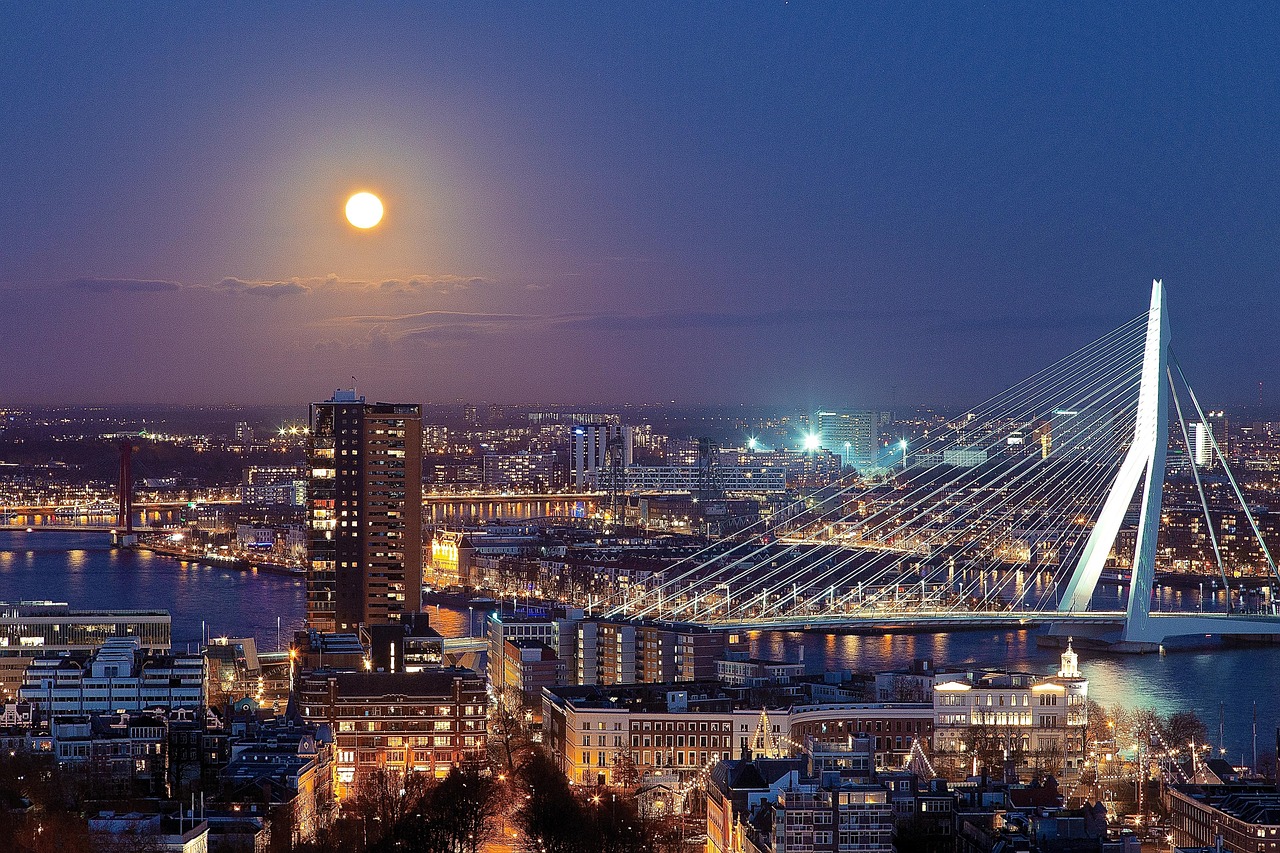
Walk or tram over to Euromast, the tower that has watched Rotterdam grow since the 1960s. I like to approach through Het Park, a serene green space where locals picnic, jog, and walk their dogs.
Euromast’s observation deck offers 360-degree views. On a clear day, you see the port stretching forever towards the sea and the whole city layout: Maas River, bridges, clusters of skyscrapers, and patches of green.
For the adventurous, there’s the option of abseiling or ziplining down the tower in summer months – I did the abseil once on a dare and ended up loving the rush (but I still recommend booking early and checking weather conditions).
Family-friendly: Kids usually enjoy the rotating glass elevator and spotting landmarks with the help of the maps on the deck.
Evening: Dinner in West & Craft Beer
In the evening, I like heading towards Rotterdam West, especially around Dakpark and the M4H creative district, where old warehouses have become studios, breweries, and event spaces.
For craft beer fans, there are a few microbreweries and edgy bars dotted around; it’s worth checking who’s pouring what in 2026, as the scene shifts quickly. You can also keep it simple and grab a casual meal at one of the multicultural spots on West-Kruiskade, famous for its Chinese, Surinamese, and Caribbean food.
Day 3 – Old Delfshaven, Harbor Tours & Local Markets
This day works perfectly if you’re doing exactly 3 days in Rotterdam, but it also slots nicely into a 4 day itinerary for Rotterdam or 5 days in Rotterdam. It’s about exploring the city’s maritime soul and one of its most atmospheric old quarters.
Morning: Historic Delfshaven
Delfshaven feels like you’ve stepped into another city – and another century. Miraculously spared from WWII bombing, its canals, gabled houses, and old church lean over the water like a scene from a Vermeer painting.
I like to come early, before the terraces fill. Grab a coffee from a small café (there are a few lovely spots right by the water), then wander the narrow streets, photographing reflections of brick houses in the calm harbor.
History buffs will appreciate that this is where the Pilgrim Fathers departed for the New World. Even if that’s not your thing, the vibe alone is worth the tram ride.
Beer tip: Later in the day, the small brewery Stadsbrouwerij De Pelgrim is a cozy place to try local brews.
Midday: Harbor Tour from the City Center
No travel guide for Rotterdam is complete without a harbor experience. I usually recommend a Spido harbor tour, which leaves from near the Erasmus Bridge. It’s touristy, yes, but also genuinely impressive.
The boat glides past container terminals, shipyards, and giant cranes. I still remember my first tour years ago: I was struck by the scale of everything – containers stacked like Lego towers, ships the size of apartment blocks, and a constant ballet of tugboats.
Tips:
- Bring a jacket, even in summer – it’s windier on the water than you think.
- For kids, the sheer size of everything is awe-inspiring; they usually love it.
- Audio guides are available in multiple languages, so you’ll catch the history and fun facts.
Afternoon: Fenix Food Factory & Katendrecht
After the harbor tour, head to Katendrecht, once a rough sailor’s district and now one of the city’s coolest peninsulas. The heart of it is the Fenix Food Factory (check for the latest location and setup in 2026, as it’s evolved over the years).
Here you’ll find small-scale food producers, craft beers, cheese, baked goods, and world cuisines under one roof. On my last visit, I made a light “tasting lunch” of local cheese, a small charcuterie board, and a beer, then sat outside watching the river and city skyline.
Katendrecht’s streets are fun to wander: restored houses, playgrounds, and a mix of old locals and new creative residents. It’s a nice peek into everyday urban life beyond the tourist core.
Evening: Back to the Center or Stay on the Peninsula
For a 3 day itinerary for Rotterdam, I’d end the evening with one of two options:
- Take the water taxi back to the Erasmus Bridge area for a final city-center dinner.
- Stay on Katendrecht and eat at a local bistro or Asian fusion spot, then stroll along the quays at night.
Day 4 – Hidden Gems, Street Art & Local Life
If you have 4 days in Rotterdam, this is when you start to see the city’s subtler layers: community markets, street art trails, and residential neighborhoods.
Morning: Rotterdam Noord & Hofbogen
Take a tram or bike up to Rotterdam Noord and the Hofbogen, an old railway viaduct that’s been partly transformed into creative spaces and, increasingly, into a long rooftop park.
On one of my favorite mornings, I grabbed coffee from a café tucked under the arches, then climbed up to the emerging rooftop park area. The views are less dramatic than Euromast but more intimate – you look over backyards, side streets, and small parks, getting a feel for how people actually live here.
Nearby, the ZoHo (Zomerhofkwartier) area has murals, studios, and occasional pop-up events. Keep your eyes open for street art; some pieces are tucked into alleyways and underpasses.
Midday: Lunch at a Neighborhood Café
One thing I love about Rotterdam is how easy it is to eat well outside the tourist core. In Noord and adjacent areas, you’ll find small bakeries and cafés where office workers, parents with strollers, and freelancers gather.
Grab a bowl of soup and a sandwich, or try a Dutch classic like broodje kroket (a croquette in a bun). It’s simple, filling, and cheap.
Afternoon: Street Art & “Luchtsingel” Bridge
Make your way towards the yellow wooden Luchtsingel, a pedestrian bridge that stitches together areas around Rotterdam Central Station. Built partly through crowdfunding, each plank carries the name of a donor – a fun detail to look for.
The bridge and surrounding spaces are dotted with murals and installations. On a sunny day, it’s a playful walk above traffic and rails, and a cool, very-Rotterdam example of citizen-led urban design.
Evening: Local Bar Scene & Live Music
For an evening away from the tourist trail, check out small bars and live music venues in Noord or West. Rotterdammers are serious about their music – from jazz to electronic – and you’ll often stumble on performances in unexpected places: a bar backroom, a tiny theater, or a repurposed warehouse.
Check local listings and flyers (Rotterdam still loves analog posters) to see what’s playing while you’re in town.
Day 5 – Day Trip or Deep Dive
If you have 5 days in Rotterdam, you can either dedicate a full day to a nearby gem or do a “deep dive” into an area that caught your heart.
Option 1: Day Trip to Kinderdijk Windmills
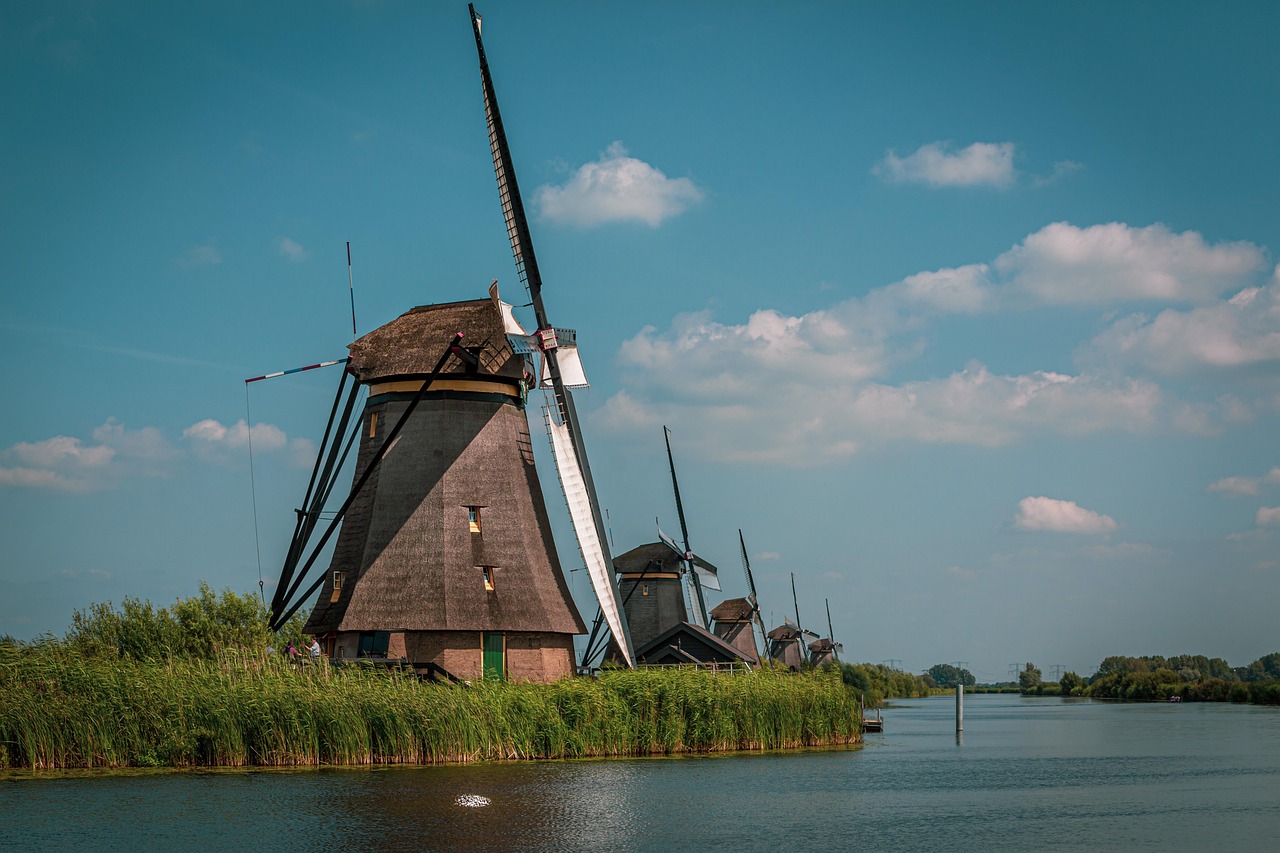
Kinderdijk, a UNESCO-listed cluster of windmills, is an easy and classic day trip. I usually recommend it for first-time visitors who want at least a taste of the “traditional” Dutch landscape.
You can reach Kinderdijk by waterbus and bus combo or with an organized tour. Once there, walking or cycling along the dykes between windmills is wonderfully peaceful. In summer, I like to pack a small picnic and sit on the grassy banks watching ducks and the gentle spin of the blades.
Option 2: Delft or The Hague
Delft is a charming university town with canals, churches, and the famous blue-and-white ceramics. It’s only about 15 minutes by train from Rotterdam Central.
The Hague (Den Haag), 30 minutes away, offers royal palaces, international institutions, and the seaside suburb of Scheveningen for beach walks and pier views.
Option 3: Deep Dive into Your Favorite Rotterdam Neighborhood
If you’d rather stay put, use day five to linger in whichever area grabbed you – maybe more time in Katendrecht, extra museums, or simply a long café hop in Witte de Withstraat. One of my best “extra” days was spent doing almost nothing: reading in Het Park, sipping coffee near the Markthal, and watching the sunset from the Erasmus Bridge. Sometimes, that’s the perfect way to end a trip.
20+ Must-See Attractions in Rotterdam (with Personal Notes)
Below are detailed looks at the best places to visit in Rotterdam, including history, significance, and personal tips from my own visits. Many of these appear in the itineraries above; here you get extra depth to decide what to prioritize.
1. Markthal Rotterdam
The Markthal is part food hall, part residential building, part art installation. Opened in 2014, it symbolizes Rotterdam’s post-war reinvention: practical (people live in the arch), playful (the inside artwork “Horn of Plenty” is huge and bright), and very foodie.
Over many visits, I’ve learned to treat it as both a snack stop and a cultural experience. I like to start on the ground floor, circling slowly, tasting samples of Dutch cheese and olives. Then I head downstairs to the supermarket if I’m staying in an apartment and need staples – prices there are much better than the stalls above.
Best for: Families (everyone can choose their own dish), foodies, and rainy days.
2. Cube Houses (Kubuswoningen)
Designed by Piet Blom in the 1970s, the Cube Houses are tilted 45 degrees, creating that famous optical-illusion effect. The idea was to create a “village in the city,” with each cube representing a tree and the whole complex a forest.
I always recommend visiting the Show Cube first to understand how anyone can live in a space like that. The interior is full of clever storage, custom furniture, and awkward corners that somehow work. After that, walk around the outside and over the small pedestrian bridge for photos.
Photography tip: Go just after sunrise or before sunset to avoid harsh shadows on the yellow panels.
3. Erasmus Bridge (Erasmusbrug)
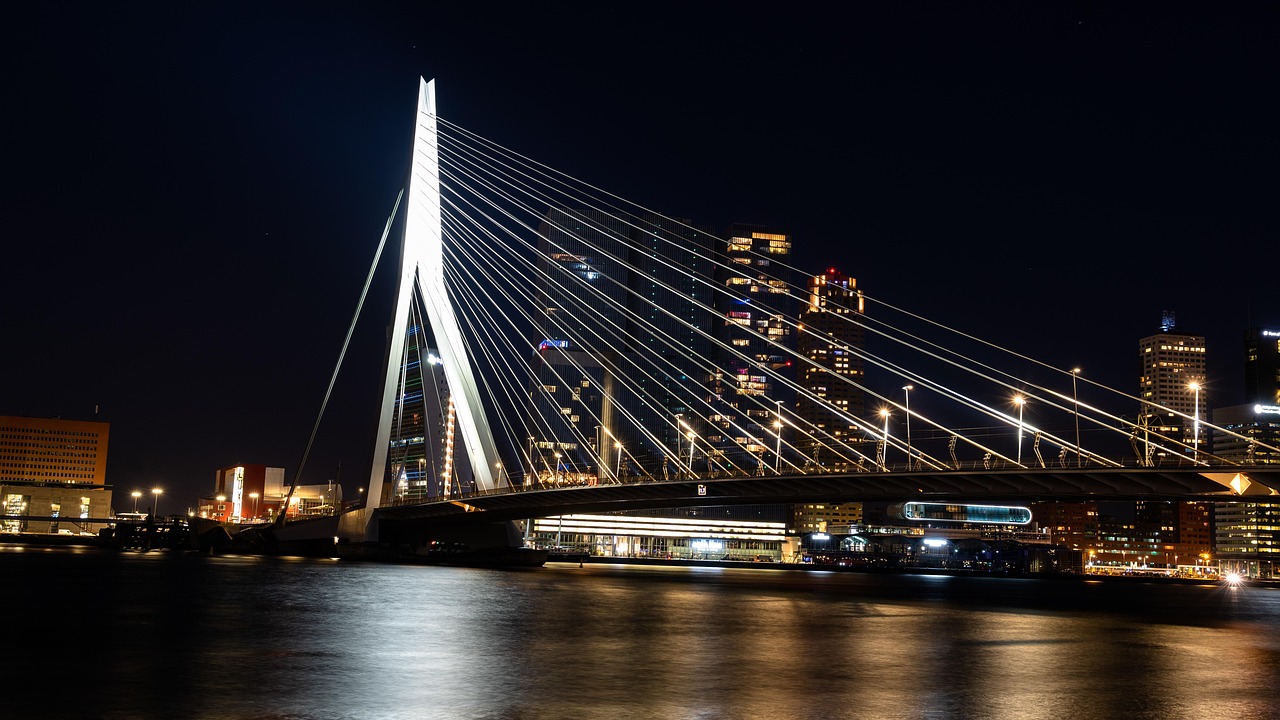
The Erasmus Bridge, completed in 1996, connects the north and south banks of the Maas River. Its 139-meter asymmetrical pylon and cable design give it the famous swan-like shape.
I’ve crossed it in all weathers: in summer, dodging cyclists and tourists; in winter, leaning into the wind as rain needles my face. Despite that, I never skip it – the perspective you get on the water, harbor, and skyline is unmatched.
Romantic tip: Couples – aim to cross around blue hour, when the sky is deepening and the lights flicker on. It’s one of the most beautiful city walks you can take in the Netherlands.
4. Euromast
Built for the 1960 Floriade garden festival, the Euromast was extended in the 1970s to its current height of 185 meters. It’s the classic viewpoint – but unlike some towers, it’s still reasonably priced and not overly commercial.
I like going up on clear late afternoons to watch the city transform as the sun sets. The rotating glass elevator up to the very top is a little nerve-wracking if you don’t love heights, but also thrilling.
There’s a brasserie inside if you want to splurge on a meal with a view; for most travelers, I suggest just doing a drink or dessert there to keep costs manageable.
5. Museumpark & Depot Boijmans Van Beuningen
Museumpark bundles several key institutions into a single green area: the Depot, the partly-closed-for-renovation Boijmans museum building, and others like the Het Nieuwe Instituut. The park itself has sculpture, lawns, and tree-lined paths – I often bring a coffee here between museum visits.
The Depot Boijmans Van Beuningen changed how I think about art storage. Instead of hidden basements, you see racks and cases in a gleaming mirrored bowl, with guided routes that take you from conservation labs to themed storage zones. In 2026, expect more digital and interactive features, plus continued rooftop programming.
6. Historic Delfshaven
Delfshaven predates Rotterdam and used to be a separate harbor town. Its survival during WWII gives Rotterdam a rare pocket of old Dutch charm. The Pilgrim Fathers Church and the small canalside houses tell stories that the glass towers downtown can’t.
I like to visit on a weekday morning for quiet reflections, then again in summer evenings when terraces fill and the sunset colors the brick façades. It’s also a nice place for couples to wander hand in hand, or families to show kids a “storybook” side of the Netherlands.
7. Witte de Withstraat
This street is a microcosm of Rotterdam’s creative energy: galleries, street art, bars, and an ever-changing lineup of restaurants and concept stores. Over the years, I’ve seen it morph from slightly edgy to almost mainstream, but it still retains a local, vibrant feel.
In the afternoon, it’s perfect for a coffee and people-watching. At night, it’s one of the nightlife hubs of the city – loud, social, and fun, especially on weekends.
8. Wilhelminapier & Hotel New York
Wilhelminapier is a peninsula of striking high-rises, theaters, and the historic Hotel New York, which once saw thousands of emigrants board transatlantic ships. Today, the hotel is a beloved café-hotel-restaurant with a nostalgic maritime charm.
I like to sit on the terrace in summer, feeling the breeze off the Maas and imagining the journeys that began here a century ago. Inside, the high ceilings, wooden details, and vintage suitcases keep that sense of travel history alive.
9. Katendrecht & Fenix Food Factory
Once infamous as a red-light and sailor’s district, Katendrecht is now a beloved residential and food hub. The Fenix Food Factory has been its beating heart, though the exact configuration continues to evolve as the area develops.
On my last visit, I spent an entire afternoon nibbling on cheeses, sipping local beer, and browsing secondhand books, then walked around the peninsula, watching kids play in modern playgrounds under old cranes. It’s a great family and foodie stop rolled into one.
10. Harbor Tours & Port Area
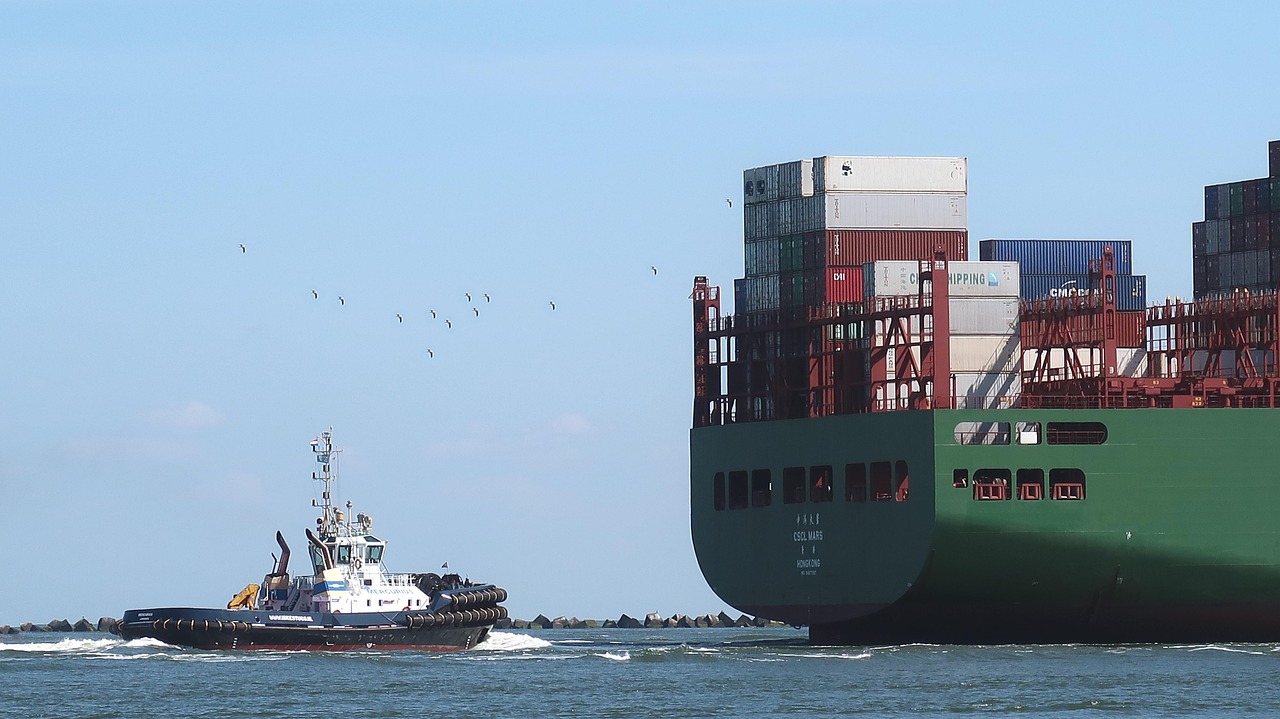
Rotterdam’s port isn’t just big; it’s a universe. While full port exploration would take days, a harbor tour gives you a concentrated look at its scale and operations.
Beyond Spido, there are also more industrial or theme-based tours, some focusing on sustainability and innovation in the port. If logistics, shipping, or industrial design interests you, it’s worth seeking those out; they reveal another layer of the city’s economy and identity.
11. Rotterdam Central Station
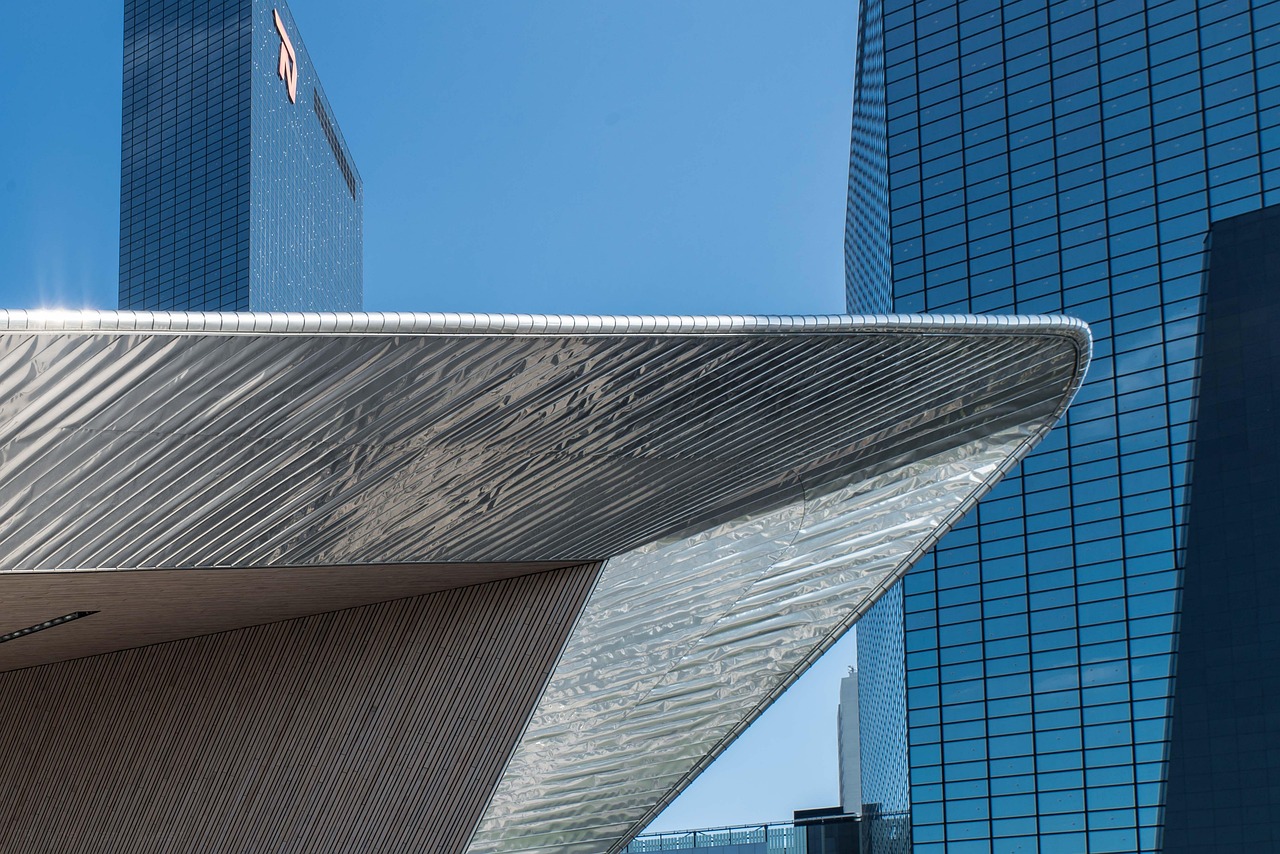
Even if you only pass through, take a moment to appreciate Rotterdam Centraal. The angular, stainless-steel roof pointing towards the city center has become an architectural symbol in its own right.
Inside, the station is bright, efficient, and surprisingly photogenic. I’ve killed many a layover wandering between the shops, grabbing a quick koffie verkeerd (Dutch café au lait), and watching the flow of commuters and travelers.
12. Het Park
Het Park, nestled around Euromast, is one of my favorite green escapes. Tall trees, winding paths, small ponds, and open lawns make it ideal for picnics or quiet walks.
On sunny spring days, the park fills with groups grilling, couples reading on blankets, and joggers looping around. I often bring a simple picnic from a supermarket and spend a couple of hours here between more “serious” sightseeing.
13. Luchtsingel Bridge & Hofplein Area
The bright yellow Luchtsingel is a pedestrian bridge and urban project that connects Rotterdam North with the center. It was financed partly by citizens, whose names are engraved on wooden planks.
Walking it feels almost like strolling through a community art piece. The once-neglected spaces it connects have slowly filled with gardens, small bars, and creative studios.
14. Street Art in Rotterdam (Especially in Noord & West)
Rotterdam’s street art scene is alive and layered. Large murals decorate building sides, while smaller stencils, stickers, and paste-ups hide in alleyways and underpasses.
I like to download a current street art map or follow local Instagram accounts before I go, then let myself wander. Noord, parts of West, and the Luchtsingel area are particularly rich hunting grounds.
15. Diergaarde Blijdorp (Rotterdam Zoo)
Diergaarde Blijdorp is one of Europe’s oldest zoos, beautifully landscaped and well-regarded for its conservation work. Families could easily spend a full day here.
The Oceanium, with its underwater tunnels and marine life, tends to be a favorite with kids. On my last visit with friends’ children, we had to practically drag them out at closing time.
16. SS Rotterdam
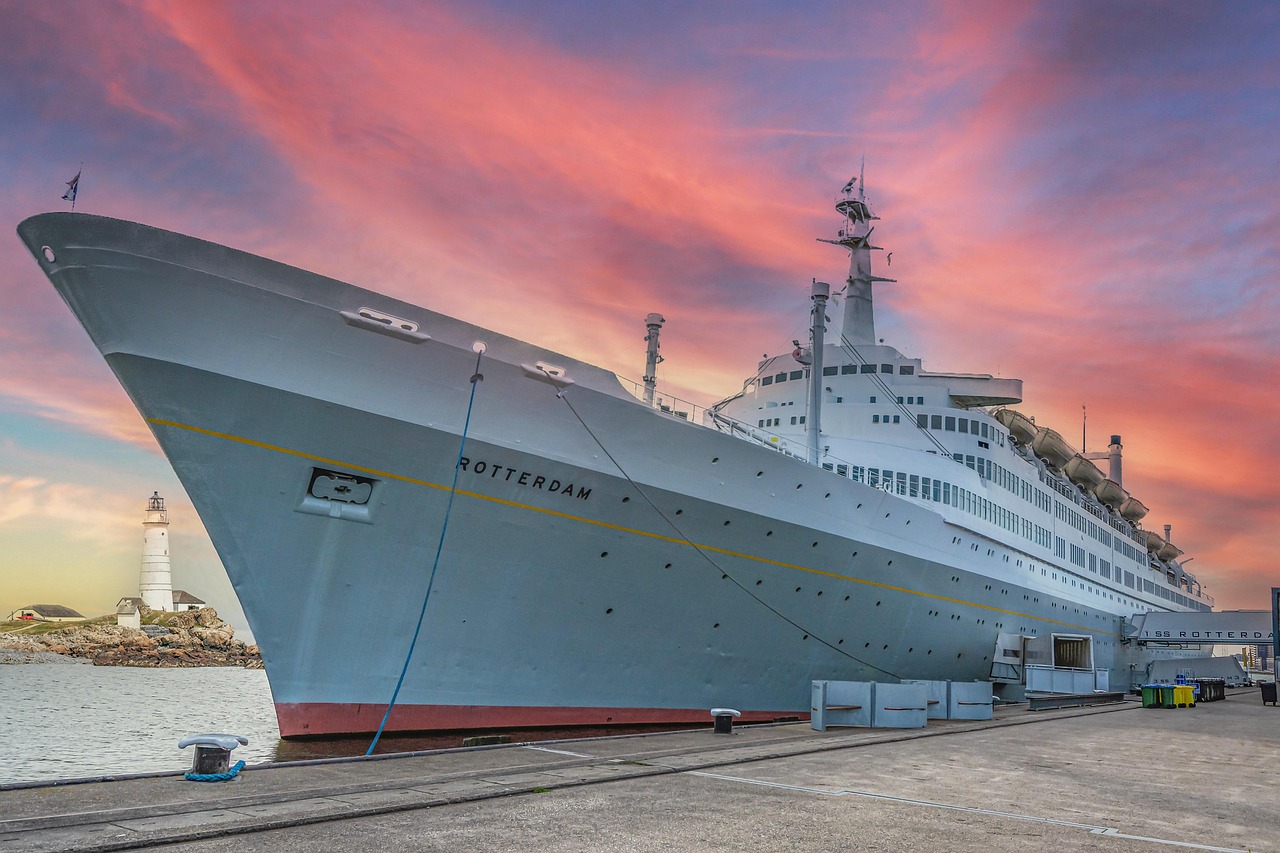
The SS Rotterdam is a former Holland-America Line ocean liner, now moored permanently and transformed into a hotel, restaurant, and attraction. Touring the ship gives you a taste of mid-20th-century cruise glamour: ballrooms, decks, and retro cabins.
I’ve stayed overnight once, and waking up to river views from a cabin window felt delightfully old-fashioned. Even if you don’t stay, a tour and a drink on the deck make a fun outing.
17. Maritime Museum
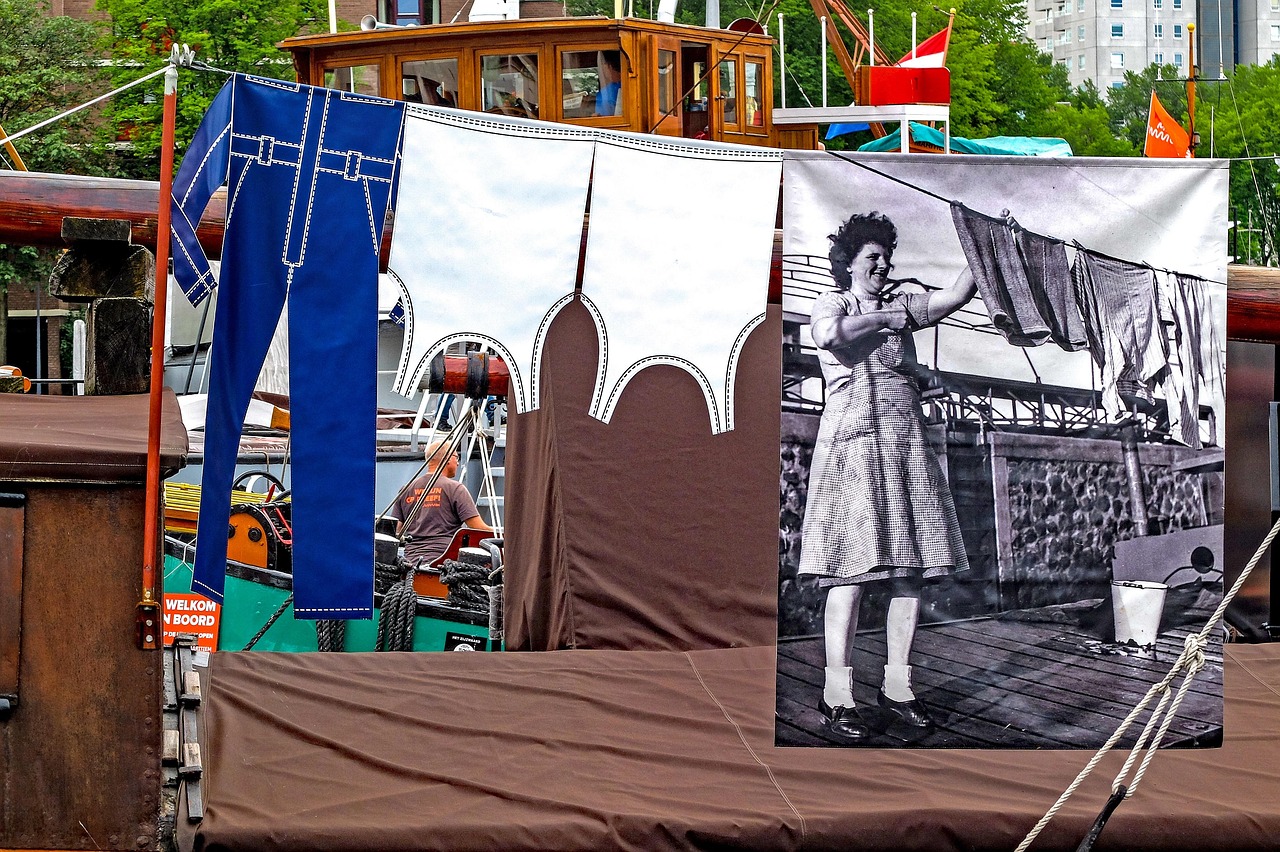
The Maritime Museum near the city center dives into Rotterdam’s seafaring history. Exhibits range from historic ship models to interactive displays about modern shipping and offshore technology.
For families, this is a very kid-friendly museum, with hands-on activities and a playful approach to big topics like maritime engineering.
18. Kralingse Bos & Kralingse Plas
In the eastern part of the city, Kralingse Bos and the Kralingse Plas offer a mix of forest, lake, and city views. It’s where locals go to run, sail, windsurf, and barbecue.
I like to bike around the lake on warm evenings when the sun sets behind the city skyline across the water – a beautiful, slightly lesser-known view of Rotterdam’s architecture.
19. Lijnbaan & Beurstraverse (Koopgoot)
The Lijnbaan was one of Europe’s first pedestrian shopping streets after WWII and remains the backbone of central Rotterdam shopping. The sunken Beurstraverse, nicknamed Koopgoot (“shopping gutter”), adds another layer of retail.
While I’m not a huge shopper, I enjoy walking this area to feel the city’s everyday pulse: teenagers hanging around, street performers, and shoppers from all backgrounds weaving through the stores.
20. Maasvlakte & Industrial Beaches
For something different, head out towards the Maasvlakte, the artificial land extension where the port meets the North Sea. There are wild-feeling beaches, dunes, and stark views of industrial landscapes blending into nature.
It’s not the classic pretty beach, but for photographers and industrial romantics, it’s a fascinating contrast: giant container cranes on one side, waves and sand on the other.
Interesting Neighborhoods & Districts in Rotterdam
Centrum (City Center)
The center is where you’ll likely spend much of your time, especially on a short 3 day itinerary for Rotterdam. Highlights include:
- Markthal, Cube Houses, and Blaak.
- Lijnbaan and Koopgoot shopping streets.
- Witte de Withstraat and Museumpark within walking distance.
It’s convenient for first-time visitors, with plenty of hotels, hostels, and apartment rentals.
Kop van Zuid & Wilhelminapier
On the south bank, this redeveloped dockland is full of contemporary architecture, theaters, and hotels. It feels like a mini skyline cluster and is perfect if you like modern cityscapes and water views.
Katendrecht
Once rough, now trendy and family-friendly, Katendrecht mixes old worker’s housing with new apartments, playgrounds, and the Fenix Food Factory. It’s great for those who want a neighborhood feel with easy access to the center (especially by water taxi).
Rotterdam Noord
Noord has a village vibe with tree-lined streets, creative spaces like Hofbogen, and a growing food scene. It’s ideal for repeat visitors or anyone wanting to feel more like a temporary local.
Rotterdam West
West is multicultural and vibrant, home to streets like West-Kruiskade, where you can eat your way through Surinamese, Chinese, Turkish, and Caribbean cuisines. Dakpark and the M4H area add green space and creative industry to the mix.
Kralingen
Kralingen, east of the center, is more upscale and residential, with leafy streets, student housing, and the Kralingse Bos and lake. It’s a pleasant area to stay if you like calmer surroundings and don’t mind a tram ride into the center.
Local Food in Rotterdam: What to Eat & Where
Rotterdam’s food scene reflects its port-city diversity: Indonesian, Surinamese, Turkish, Moroccan, Caribbean, and more, alongside Dutch classics and experimental fine dining.
Must-Try Dutch & Local Specialties
- Stroopwafels – Thin waffle cookies with caramel syrup; best eaten warm from a market stall.
- Haring – Raw herring with onions and pickles. Eat it “the Dutch way” by the tail or in a bun.
- Kibbeling – Battered, fried fish chunks with garlic sauce, available from many snack bars.
- Kroket & Bitterballen – Deep-fried ragout croquettes, perfect with a beer.
- Indonesian Rijsttafel – A spread of small dishes; a legacy of Dutch colonial history.
- Surinamese roti & sandwiches – Flavorful, inexpensive, and widely available around West-Kruiskade and beyond.
Recommended Areas & Spots
Instead of listing every restaurant (they change quickly), here are areas I consistently return to:
- Markthal – For grazing and trying multiple things in one place.
- Witte de Withstraat – Casual dining, burgers, Middle Eastern, and bars.
- West-Kruiskade – Surinamese, Chinese, and other international cuisines on a budget.
- Katendrecht (Fenix Food Factory) – Small producers, local beers, and artisanal snacks.
- Delfshaven – Canal-side cafés and breweries for atmospheric meals.
Money-Saving Food Tips
- Eat your main meal at lunch when many places offer better deals.
- Pick up picnic supplies (cheese, bread, fruit) at a supermarket and eat in a park.
- Look for “daghap” or “day dish” offers in cafés – simple, filling, and affordable.
- Street snacks like kibbeling or fries are inexpensive and tasty.
Nightlife, Entertainment & Cultural Experiences in Rotterdam
Nightlife
Rotterdam’s nightlife is diverse and down-to-earth. You’ll find:
- Bars & terraces – Especially around Witte de Withstraat, Oude Haven, and Wilhelminapier.
- Clubs & electronic music – The city has a strong techno and house culture; venues come and go, so check current listings.
- Jazz & live music – Small venues and bars host regular gigs; the legacy of North Sea Jazz lingers in the scene.
Cultural Experiences
- Museums – Depot Boijmans, Maritime Museum, Kunsthal, and Het Nieuwe Instituut are top picks.
- Theater & Dance – The Nieuwe Luxor and other stages host plays, musicals, and dance.
- Festivals – See the events section below; summer weeks are often packed with open-air events.
Day Trips & Nearby Attractions from Rotterdam
Kinderdijk
UNESCO-listed windmills; reachable by a combination of waterbus and bus. Perfect for photography, cycling, and a taste of the Dutch polder landscape.
Delft
Charming canals, churches, and Delftware ceramics. Only about 15 minutes by train; easy half or full-day trip.
The Hague & Scheveningen
Royal palaces, museums, and international institutions in The Hague; seaside fun at Scheveningen with its long beach and pier. Around 30 minutes by train from Rotterdam Centraal.
Hoek van Holland & the North Sea
Beach, dunes, and views of ships entering the Maas estuary. Reachable by metro (Hoekse Lijn) from Rotterdam in under an hour.
Cultural Etiquette & Local Customs in Rotterdam
The Dutch are famously direct and Rotterdam even more so. This can feel blunt if you’re from a more indirect culture, but it’s rarely meant as rude.
Social Etiquette
- Directness: People say what they think. Don’t be offended by honest feedback; it’s considered respectful.
- Punctuality: Being on time is a sign of respect, especially for tours and reservations.
- Queueing: Dutch people queue neatly; don’t push in.
- Greetings: A simple “Hoi” or “Hallo” is fine. English is widely spoken; asking “Spreekt u Engels?” is polite, but most will switch quickly.
Dining & Tipping
- Tipping: Service is usually included. Rounding up or leaving 5–10% for good service is appreciated but not mandatory.
- Splitting bills: The Dutch often split bills exactly; it’s normal to ask to pay separately.
Cycling & Pedestrian Rules
- Do not walk in bike lanes; cyclists will ring their bells or shout.
- Cross bike lanes as you would streets: look both ways, and don’t stop suddenly.
Practical Travel Tips for Rotterdam (2026 Edition)
Getting Around
Rotterdam’s public transport network (RET) covers trams, buses, and metro. The city is also extremely bike-friendly.
Public Transport
- OV-chipkaart & contactless payments: You can use a reusable OV-chipkaart or simply tap in and out with a contactless bank card/phone on most services in 2026.
- Day passes: Day tickets are great value if you’re hopping around a lot.
- Waterbus & Water Taxi: Fun and scenic; water taxis are pricier but great experiences.
Cycling
Renting a bike is an excellent way to explore. Follow all traffic lights and signs; cyclists are expected to know the rules and can be fined for violations. Helmets are not mandatory but are a good idea if you’re not an experienced urban cyclist.
SIM Cards & Connectivity
- European visitors often roam at domestic rates within the EU (check your provider).
- For others, buy a prepaid SIM from providers like KPN, Vodafone, or T-Mobile at the airport or in the city. Expect good 5G coverage by 2026.
- Free Wi-Fi is common in cafés, hotels, and some public spaces.
Money & Costs
- Currency: Euro (€).
- Cards are widely accepted; some places are card only.
- Rotterdam is slightly cheaper than Amsterdam but still a Western European city; budget accordingly.
Visa Requirements & Entry
- The Netherlands is in the Schengen Area. Many nationalities can visit visa-free for short stays; check current rules well before travel.
- From 2025–2026, some visitors may need to obtain an ETIAS travel authorization; consult official EU sources for up-to-date info.
Driving & Car Rental
- You don’t need a car in Rotterdam; parking is expensive and traffic can be busy.
- For day trips into the countryside, a rental car can be useful.
- EU/EEA driver’s licenses are accepted. Many other countries’ licenses are valid for short visits; consider an International Driving Permit (IDP) if yours isn’t in Latin script.
- Watch for bikes and trams when driving; always yield appropriately.
Safety
Rotterdam is generally safe. Usual big-city precautions apply: watch your belongings in crowded areas and on public transport, and avoid leaving valuables visible in parked cars.
Best Seasons & What They’re Good For
- Spring (April–June): Mild weather, blooming parks, fewer crowds. Great for walking and cycling.
- Summer (July–August): Warmest months, many festivals and outdoor events, busy terraces. Ideal for evening walks and harbor tours.
- Autumn (September–October): Still pleasant, beautiful park colors, fewer tourists. Nice for museum-hopping and relaxed city time.
- Winter (November–February): Cold, often wet, but cozy. Perfect for museums, cafés, and seeing the city’s lights. Pack layers and a good rain jacket.
Money-Saving Strategies
- Use public transport day passes instead of single tickets if you’re moving a lot.
- Stay slightly outside the center (Noord, West, Kralingen) for cheaper accommodation, and use trams/metro.
- Skip expensive hotel breakfasts; grab coffee and pastries from a bakery.
- Look for city passes that bundle museum entries and transport if you plan to visit multiple attractions.
Major Events & Festivals in Rotterdam (2026–2027)
Exact dates shift each year, so always check current schedules, but here are recurring highlights to watch for in 2026–2027:
- Rotterdam Marathon (NN Marathon Rotterdam) – Usually in April; the city fills with runners and spectators.
- Rotterdam Architecture Month – Tours, open buildings, and talks celebrating the city’s design heritage.
- Rotterdam Unlimited / Summer Carnival – A colorful parade and festival celebrating Caribbean and multicultural culture, usually in summer.
- North Sea Jazz Festival (nearby in Rotterdam Ahoy) – One of the world’s biggest jazz festivals, typically in July.
- World Port Days (Wereldhavendagen) – Early September; harbor tours, ship visits, and demonstrations showcasing Rotterdam’s port.
- Film, music, and design festivals – The city hosts a rotating calendar of cultural events year-round.
Summary: Planning Your Perfect 3–5 Days in Rotterdam
Rotterdam is a city of contrasts: old harbors and futuristic towers, industrial ports and peaceful lakes, bold street art and quiet neighborhood cafés. Whether you’re here for 3 days in Rotterdam, stretching to a 4 day itinerary for Rotterdam, or settling in for 5 days in Rotterdam, you’ll find a rhythm that suits you.
For a 3 day itinerary for Rotterdam, focus on the essentials: Markthal, Cube Houses, Erasmus Bridge, Wilhelminapier, Delfshaven, Euromast, and at least one museum and harbor tour. For 4 days in Rotterdam, add in Noord, street art, Katendrecht, and a deeper museum or park day. With 5 days in Rotterdam, you can comfortably add a day trip to Kinderdijk, Delft, The Hague, or the coast – or simply spend more time living like a local in your favorite neighborhood.
In my experience, the best time to visit Rotterdam is from late April to early October for comfortable weather and lively streets, with June and September offering a sweet spot of activity without peak crowds. But even in the gray drizzle of January, there’s a certain magic in ducking from museum to café, watching the cranes move through the mist over the Maas.
Come with curiosity, a raincoat, and an open schedule, and let Rotterdam surprise you. It always does me.