Why Visit Utrecht in 2026?
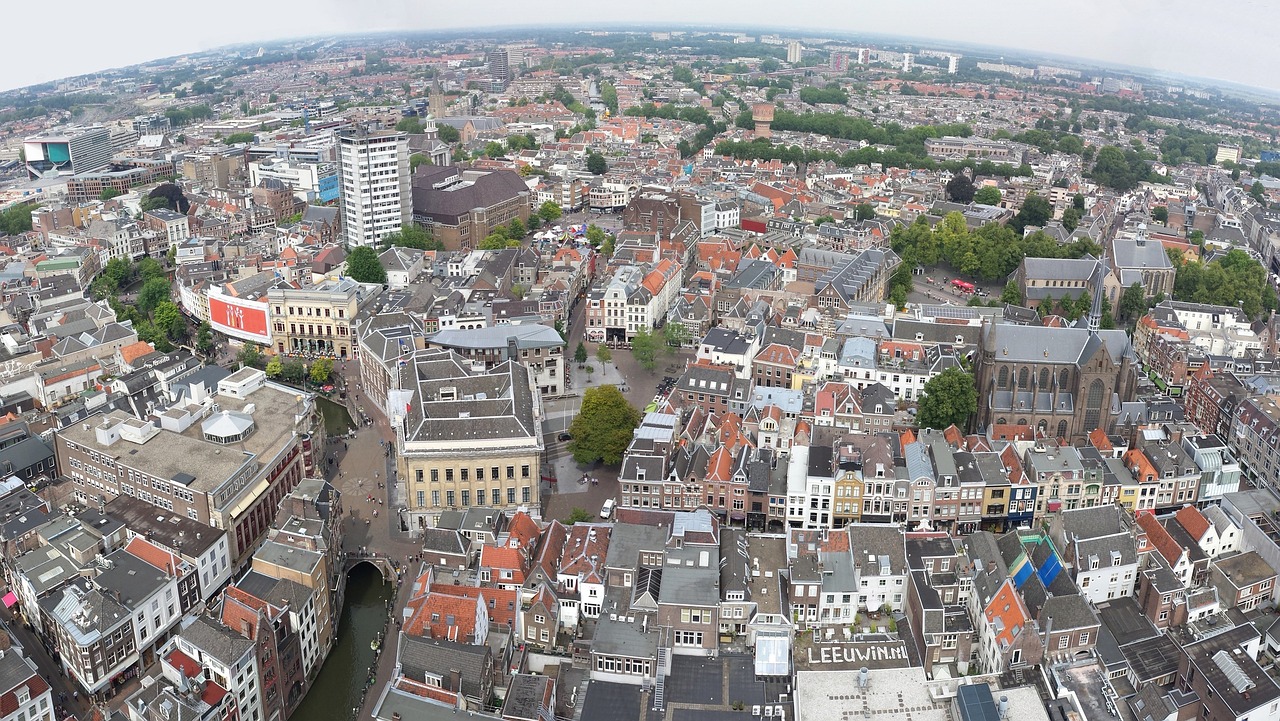
If Amsterdam is the headline act of the Netherlands, Utrecht is the intimate side-stage concert where the magic really happens. It’s a medieval canal city with a young soul: centuries-old church towers, wharf cellars turned into cafes, cyclists everywhere, and the constant hum of student life from Utrecht University.
I first came to Utrecht in 2014 for a single afternoon. I stayed five days. Since then, I’ve returned almost every year, including long stays in 2023, 2024, and 2025. Every visit confirms the same thing: Utrecht is one of Europe’s most livable and lovable small cities – and a brilliant base for 3, 4, or 5 days in the Netherlands.
In 2026, Utrecht is especially appealing: new cultural events, expanded bike routes, a growing food scene, and a city center that still feels local even as more travelers discover it. Compared to Amsterdam, it’s calmer, greener, and more affordable, yet packed with things to do.
This travel guide for Utrecht is designed for you if you’re planning 3 days in Utrecht, 4 days in Utrecht, or 5 days in Utrecht and want more than just a list of must-see attractions. I’ll walk you through detailed daily itineraries, neighborhoods, food, nightlife, cultural experiences in Utrecht, day trips, and lots of practical travel tips for Utrecht – all laced with personal stories and local insights.
Table of Contents
- Why Visit Utrecht in 2026?
- Quick Overview & Planning Your Trip
- Top 20 Attractions & Experiences in Utrecht
- 3–5 Day Itineraries for Utrecht
- Best Neighborhoods and Areas to Explore
- Local Food in Utrecht & Where to Eat
- Nightlife, Entertainment & Cultural Experiences
- Best Day Trips from Utrecht
- Major Events & Festivals 2026–2027
- Local Customs & Cultural Etiquette
- Practical Travel Advice for Utrecht
- Summary & Best Time to Visit Utrecht
Quick Overview & Planning Your Trip
Utrecht sits almost in the geographic center of the Netherlands, about 25 minutes by direct train from Amsterdam and Schiphol Airport. It’s a compact city where you can walk from the main station to the historic center in under 10 minutes, then spend days happily wandering canals, museums, cafes, and parks.
- Ideal trip length: A solid 3 day itinerary for Utrecht lets you see the main sights; 4 days in Utrecht adds depth, and 5 days in Utrecht gives you time for day trips and slow exploration.
- Best for: Culture lovers, couples, families, cyclists, architecture fans, and anyone who wants a more relaxed Dutch city than Amsterdam.
- Cost level: Mid-range by Western European standards; cheaper than Amsterdam but not a budget backpacker paradise.
- Getting around: On foot, by bike, or with excellent public transport. Driving in the center is more headache than help.
Top 20 Must-See Attractions & Experiences in Utrecht
These are the core places and experiences I return to every visit. Below, I go deep on each one – what to expect, why it matters, and how to enjoy it in your own style (family, romantic, adventurous, or just curious).
1. Dom Tower (Domtoren)
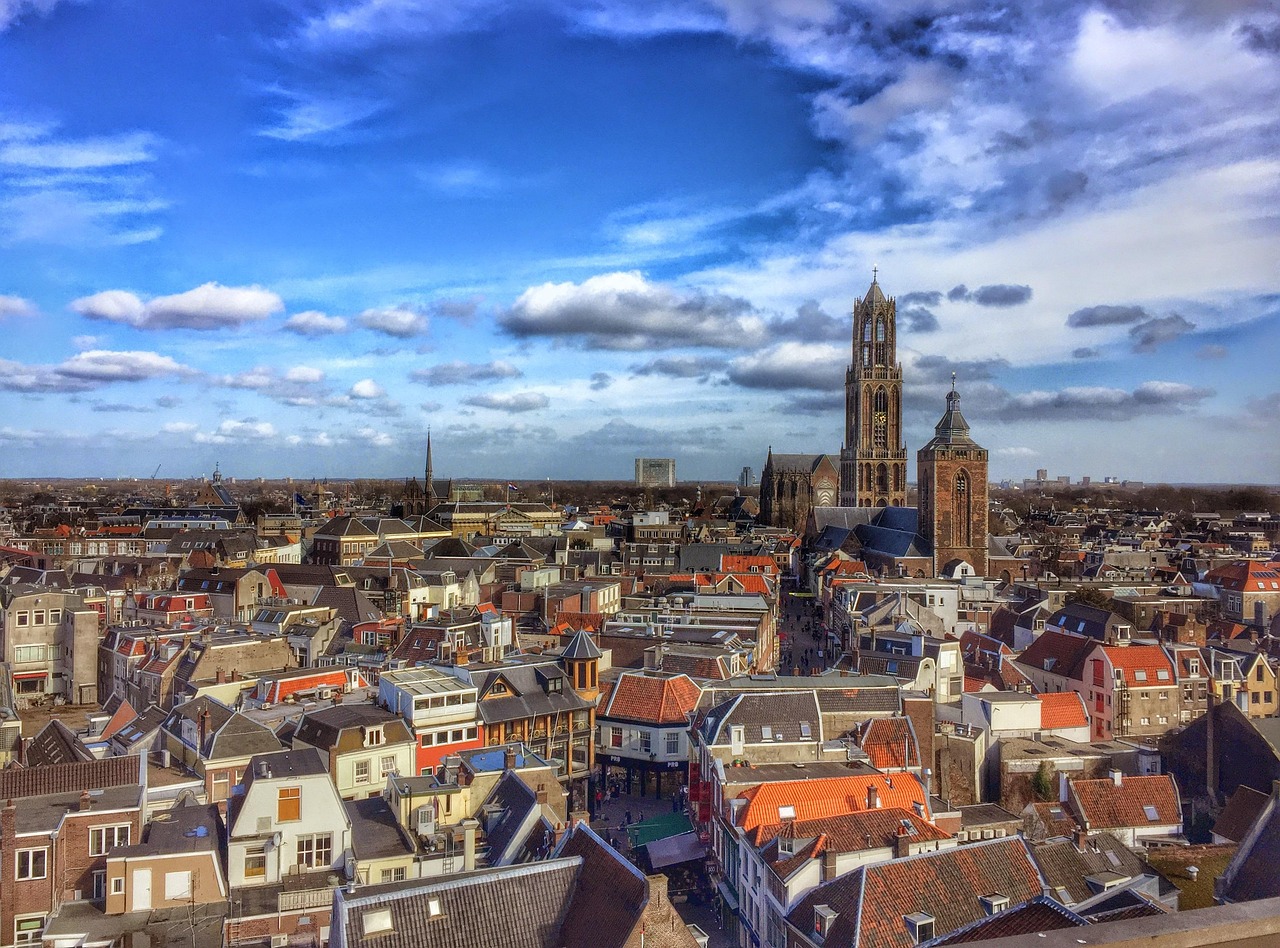
The Dom Tower is the beating heart of Utrecht and its most iconic silhouette. At 112 meters, it’s the tallest church tower in the Netherlands, and you’ll see it from almost every corner of the city.
The first time I climbed the tower, it was a crisp October morning. I joined a small guided tour (you can’t climb solo), and as we spiraled up the 465 steps, our guide layered history over every landing: stories of medieval builders, the storm that separated the tower from the cathedral nave in 1674, and how the carillon still rings over the city several times a week.
At the top, you step out onto the viewing gallery and suddenly all of Utrecht unfolds – canals tracing curves through the old town, the rail lines fanning out from the station, and on a clear day, even a glimpse of Amsterdam’s outskirts. It’s one of the must-see attractions in Utrecht, especially for first-time visitors or couples looking for a romantic city overview.
- Family-friendly? Yes, if your kids can handle stairs. Teens usually love the climb.
- Romantic? Very – try a late-afternoon tour to catch golden hour.
- Adventurous? The narrow staircases and height give a mild thrill.
Tips: Book tickets online, especially on weekends. In high season, early morning or late afternoon slots are less crowded. Wear comfortable shoes and bring a light layer; it can be windy at the top.
2. Dom Square (Domplein) & Cathedral Ruins
Just beneath the Dom Tower lies Domplein, a square that feels almost deceptively calm considering how much history sits under your feet. The medieval cathedral once connected directly to the tower; a violent storm in 1674 collapsed the nave, leaving the open square that stands today.
On my last spring trip, I spent an entire morning here doing nothing more than people-watching on a bench with a coffee. Locals cut across the square on their way to class or work, school groups gathered for tours, and occasionally, you’ll see costumed guides recreating historical scenes.
Look down near the center, and you’ll find outlines in the pavement showing where the cathedral nave once stood. Step inside the still-standing Dom Church (Domkerk) to admire understated Gothic interiors and a peaceful cloister garden that feels like another world from the buzzing square.
Tip: Visit Domplein twice – once in daylight to see the architecture, and once at night when the tower and square are beautifully lit. The atmosphere is completely different.
3. Oudegracht & the Canal Wharves
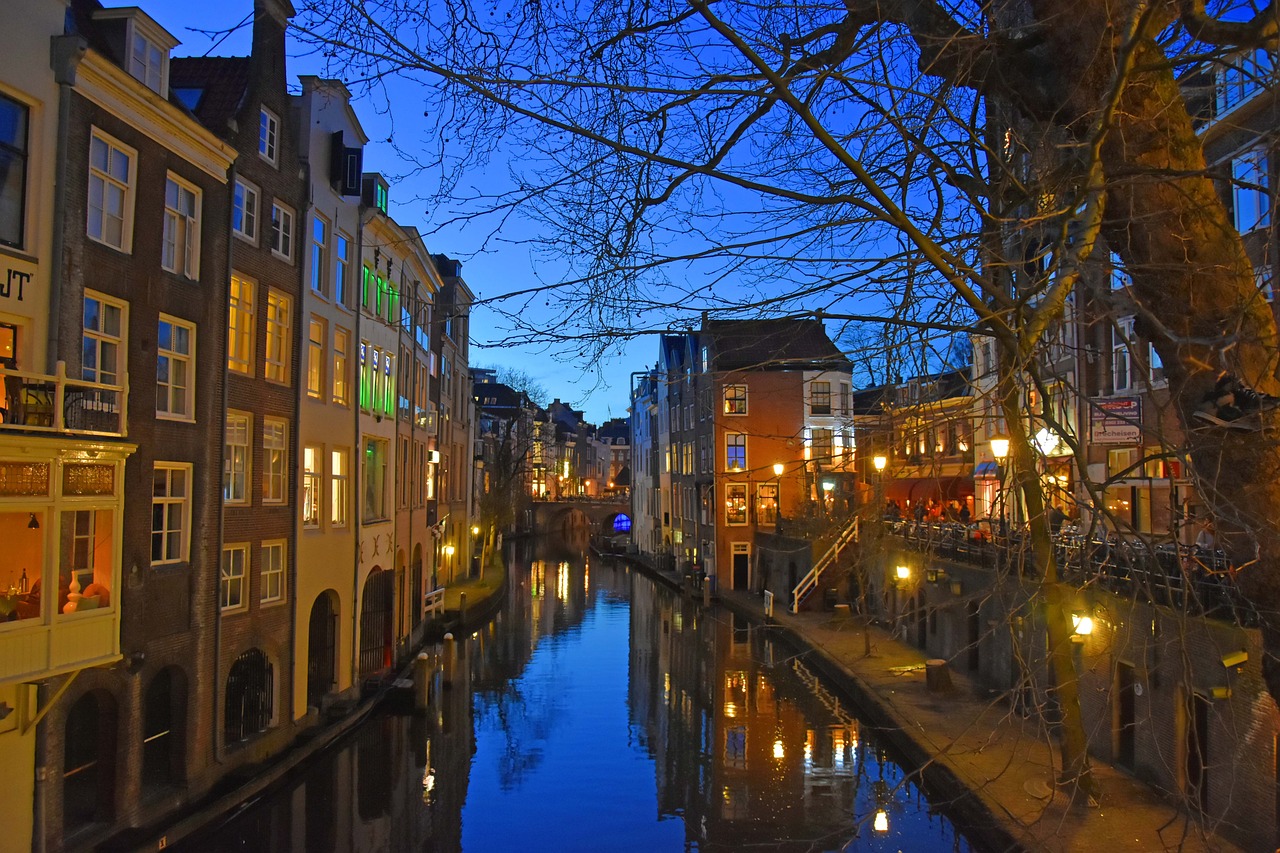
The Oudegracht (Old Canal) is the most distinctive feature of Utrecht’s cityscape – a broad, gently curving canal lined with warehouses, houses, and unique two-level quays. Those lower-level wharves used to be for trading goods; now they’re home to cafes, wine bars, workshops, and restaurant terraces right at water level.
I always recommend new visitors start their first afternoon in Utrecht by strolling from the Oosterkade area up along the Oudegracht into the old town. It gives you an instant feel for the city’s rhythm. My favorite stretch is between the Hamburgerbrug and Twijnstraat – it’s where the canal feels most intimate, with stone steps leading down to hidden terraces.
One December evening, I tucked into a wharf-level cafe for hot chocolate while a light rain dimpled the canal and bikes whizzed across the bridge above. It’s that vertical layering – street level, water level, tower above – that makes Utrecht’s architecture so photogenic.
Activities along Oudegracht:
- Take a canal cruise (day or evening).
- Rent a canoe or pedal boat for a DIY adventure.
- Dine on a wharf terrace at sunset in summer.
- Browse indie shops and galleries at street level.
Tip: For photos, come early in the morning to catch the canal calm and mostly empty, or later in the evening when lights reflect in the water.
4. Museum Speelklok (Self-Playing Instruments)
Museum Speelklok is one of the most unexpectedly delightful things to do in Utrecht, especially if you’re traveling with kids or you secretly love whimsical gadgets. The museum is dedicated to self-playing instruments: music boxes, street organs, automated clocks, and mechanical wonders from the 18th–20th centuries.
I visited on a rainy Tuesday, expecting a quick look, and ended up staying for nearly three hours. The guided demonstrations are the highlight: staff bring the instruments to life, and the entire room fills with music while gears and figurines whir and dance.
- Family-friendly? Absolutely. Kids are usually mesmerized.
- Romantic? Surprisingly yes – there’s something charmingly old-world about it.
- Adventurous? Not in the thrill sense, but a quirky deep-dive into niche history.
Tip: Time your visit to catch one of the free guided tours or demos (check times on arrival). The museum is compact, making it a perfect stop between canal walks.
5. Spoorwegmuseum (Dutch Railway Museum)
The Spoorwegmuseum is housed in the city’s former Maliebaanstation, a beautifully restored 19th-century railway station turned interactive museum. Even if you’re not a train enthusiast, it’s a fantastic half-day, especially for families.
On my second visit, I went with local friends and their two kids. We ended up riding the small internal train, climbing through historic carriages, and wandering through exhibits that recreate old station scenes with lights, sounds, and even theatrical touches.
Reaching the museum is part of the fun: from Utrecht Central, a dedicated museum train shuttles you right into the grounds, making the journey feel like an attraction in itself.
Tip: Arrive earlier in the day on weekends; it’s popular with local families. There’s a good cafe on site and plenty of space for kids to run around.
6. Centraal Museum & Rietveld Schröder House
Centraal Museum is Utrecht’s main art and city museum, and it’s far more interesting than its modest exterior suggests. Inside you’ll find Old Masters, modern art, fashion, and exhibits on the city’s history. It’s also where you pick up combined tickets or information related to the Rietveld Schröder House, Utrecht’s UNESCO-listed modernist gem.
The first time I walked into the Rietveld Schröder House, I felt like I’d stepped into a 3D De Stijl painting: red, blue, yellow, white, and black geometry everywhere, and walls that slide to transform the interior. It’s small and visits are by timed guided tour only, but it’s one of the most fascinating cultural experiences in Utrecht if you’re into design or architecture.
Tip: Reserve your Rietveld Schröder House tour well in advance; spots are limited and often booked out on weekends. Combine the visit with a walk through the surrounding residential streets to see how the house contrasts with its neighbors.
7. Rietveld Schröder House (Rietveld Schröderhuis)
This deserves its own spotlight. Built in 1924 for Mrs. Truus Schröder-Schräder by architect Gerrit Rietveld, the Rietveld Schröder House is an icon of the De Stijl movement and a UNESCO World Heritage Site.
On my last tour, our guide demonstrated how movable walls and sliding panels could transform the upstairs space from one open room into separate bedrooms. It still feels radical a century later. The house sits at the edge of a busy road, but inside, with its clever use of light, color, and lines, it feels calm and almost weightless.
Tip: This is better for adults and older teens; younger kids might find it restrictive. Photography is usually allowed but check the current rules.
8. Utrecht University Botanic Gardens (Botanische Tuinen)
Located on the Uithof university campus, the Botanic Gardens are a lush escape just a short bus or bike ride from the center. They’re built on and around an old fort, part of the New Dutch Waterline, and feature themed gardens, butterfly houses, and a rock garden.
I love coming here on sunny spring afternoons during exam season; the gardens fill with quiet students, reading on benches or sprawled on the grass, and you get a very local, youthful vibe. It’s a peaceful spot for couples and families alike, and a good place to picnic.
Tip: Check opening times; the gardens have seasonal hours and may close earlier in autumn/winter. Combine with a bike ride through the university district.
9. Nijntje (Miffy) Museum
Utrecht is the hometown of Dick Bruna, creator of Nijntje (known internationally as Miffy). The Nijntje Museum is a colorful, interactive space designed especially for kids up to about 6–7 years old.
Friends of mine with toddlers swear by this place; it’s where their kids can climb, play, and interact with Miffy-themed installations while they enjoy a coffee and a breather. It’s right across from the Centraal Museum, making it easy to split up if part of your group prefers art while others take the kids to Nijntje.
Tip: Book time slots in advance on weekends and school holidays; it’s very popular with Dutch families.
10. Vaartsche Rijn & Twijnstraat Area
Just south of the old center, the Vaartsche Rijn and Twijnstraat area is one of my favorite parts of the city – a blend of historic streets and quietly hip living. Twijnstraat is Utrecht’s oldest shopping street, now lined with independent boutiques, bakeries, and small eateries.
I stayed in this area for a couple of weeks in 2024, in a tiny apartment overlooking a side canal. Mornings meant strolling down to pick up fresh bread and cheese; evenings meant wine bars and casual bistros frequented mostly by locals. It’s a perfect neighborhood to base yourself if you want to feel part of everyday Utrecht life.
Tip: Come here for dinner one night if you’re on a 3 day itinerary for Utrecht, and for a slower brunch or lunch if you’re staying 4–5 days.
11. Leidsche Rijn Park & Modern Utrecht
To understand Utrecht fully, you need to see not just the medieval core but also its modern growth. Leidsche Rijn is a newer residential area west of the center, connected by train and bus, with wide green spaces and contemporary architecture.
I biked out here on a sunny Sunday and was struck by how quickly the city turns suburban and family-oriented. Leidsche Rijn Park is huge, with walking and biking paths, art installations, and play areas. It’s not a classic tourist attraction, but if you’re interested in urban planning or traveling with kids, it’s worth a few hours.
Tip: Combine a visit here with a stop at the nearby Castellum Hoge Woerd, a reconstructed Roman fort with a small museum, farm, and cafe – a lesser-known but fascinating hidden gem in Utrecht.
12. Hoog Catharijne & Utrecht Central Station
Most visitors will pass through Utrecht Centraal – the country’s busiest railway station – and the adjacent Hoog Catharijne shopping mall. While this might sound like the least romantic part of your trip, it’s actually an interesting symbol of the city’s evolution.
The station area has been heavily redeveloped in the last decade, adding bike-friendly infrastructure, a more open design, and better connections to the city center. I remember my first visit, when it felt like a maze; now, the flow from station to old town is much smoother, and there are even pleasant canal-side terraces near the mall.
Tip: Use this area for practical needs – groceries, SIM cards, quick meals – especially on travel days. There are also some surprisingly good coffee spots if you know where to look inside the station.
13. Griftpark
Griftpark is a clean, modern park northeast of the old center, built on the site of a former gasworks. Today, it’s a favorite hangout spot for local families, joggers, students, and dog walkers.
I’ve spent multiple summer evenings here with friends, a portable speaker, and a bag full of snacks and beers from the supermarket. The grassy slopes overlooking the pond are ideal for sunset picnics, and there’s a great playground and small animal farm for kids.
Tip: If you’re staying near Vogelenbuurt or the eastern side of the center, make Griftpark your “local” green space during a longer stay.
14. Wittevrouwen & Biltstraat
Wittevrouwen is a charming residential neighborhood just east of the city center, with narrow streets, small boutiques, and cozy cafes. The main artery, Biltstraat, is lined with eateries ranging from Indonesian to Middle Eastern.
One winter, I rented a room in a Wittevrouwen townhouse for a month. Every day, I would walk into the center along quiet streets, past bakeries and local shops, and every evening, I’d struggle to choose between the many tempting dinner options on Biltstraat. The area feels safe, local, and pleasantly lived-in.
Tip: This is a good area for an Airbnb or guesthouse stay if you want a quieter base still within walking distance of the old town.
15. Neude Square & Post Utrecht
Neude is one of Utrecht’s main squares and social hubs, ringed with cafes and bars. The old post office building has been transformed into Post Utrecht, a beautifully renovated space housing a public library, shops, and events.
I love grabbing a seat on Neude’s terraces for an afternoon drink and watching the city swirl around me – students, office workers, street performers, and visitors all intersect here. Inside Post Utrecht, the high ceilings, preserved details, and modern interior make it worth a look even if you’re not planning to shop.
Tip: Neude is often used for festivals, markets, and public screenings, especially in summer. If you’re in Utrecht during a big event, check what’s happening here.
16. Lombok Neighborhood
Lombok, just west of the station, is one of Utrecht’s most multicultural neighborhoods. It’s known for its Turkish and Middle Eastern grocery stores, halal butchers, and a broad selection of inexpensive eateries.
I often come here when I’m craving something different from Dutch food: freshly baked flatbreads, falafel, or Turkish pizza. The main street, Damhoflaan / Kanaalstraat, is busy and lively, especially in the late afternoon when locals do their shopping.
Tip: Lombok is great for budget-friendly meals and an everyday, non-touristy slice of city life. Come hungry.
17. Kromme Rijn River Walks & Canoeing
South and east of the center, the Kromme Rijn river meanders through green landscapes and past small forts. It’s a favorite route for local cyclists, joggers, and canoeists.
One summer, I rented a canoe with a friend and paddled a gentle stretch of the Kromme Rijn. We passed under low bridges, alongside gardens that dipped to the water’s edge, and small patches of woodland. It’s a completely different perspective from the city canals and a wonderfully relaxing half-day.
Tip: Look for canoe rental points near the river heading towards Bunnik. Bring sunscreen and water – shade can be limited.
18. De Haar Castle (Kasteel de Haar)
Just outside Utrecht, De Haar Castle is a spectacular fairy-tale castle rebuilt in the late 19th century on medieval foundations. With turrets, drawbridges, manicured gardens, and even a small village once owned by the castle, it’s one of the best day trips from Utrecht and a huge hit with families and couples.
I’ve visited in both summer and autumn, and each season has its own charm. In summer, the rose gardens explode with color; in autumn, the tree-lined avenues turn golden. Inside, you’ll find opulent rooms that once hosted European aristocracy and celebrities.
Tip: Take a train to Vleuten, then bus or bike to the castle. Arrive early to beat tour groups and give yourself time to wander the grounds as well as the interior.
19. Oude Hortus (Old Botanical Garden) & University Quarter
Tucked behind the University Museum near the old city center, the Oude Hortus is an older, smaller botanical garden that feels almost secret. With greenhouses and shaded paths, it’s a lovely spot to retreat to when the city feels crowded.
I stumbled upon it between meetings one afternoon and ended up sitting with my notebook under a tree for an hour, listening to birds and distant bells from the Dom. The surrounding university quarter is full of historic buildings and often quiet courtyards.
Tip: Combine a visit here with the University Museum if you’re interested in science and history; they’re right next to each other.
20. Fortresses of the New Dutch Waterline
Utrecht sits along the historic New Dutch Waterline, a defensive system of forts and floodable fields designed to protect the heart of the Netherlands. Several of these forts are within easy reach, converted into cafes, cultural spaces, and walking areas.
I cycled a section of the Waterline route from Utrecht, stopping at a couple of forts for coffee and apple pie. Some offer canoe rentals, exhibitions, or even overnight stays in simple accommodations. It’s a quieter, more adventurous side of the region that few short-term visitors see.
Tip: If you’re planning 5 days in Utrecht, put aside at least one day for a Waterline cycling or hiking excursion.
3, 4, and 5 Day Itineraries for Utrecht
Below are flexible, story-driven itineraries based on trips I’ve actually taken. Use them as templates and adjust based on your interests and pace. Each gives you a balance of must-see attractions in Utrecht, hidden gems in Utrecht, and genuine local experiences.
3 Day Itinerary for Utrecht (Perfect First Visit)
This 3 day itinerary for Utrecht assumes you arrive by late morning on Day 1 and leave on the evening of Day 3. It focuses on the historic center and a taste of local life.
Day 1 – Getting Oriented: Dom Tower, Canals & Old Town
Drop your bags at your accommodation and head straight toward the Dom Tower. I like to start every new Utrecht stay this way – it sets the tone and gives you a mental map of the city.
- Late Morning: Walk from Utrecht Centraal through Hoog Catharijne, follow signs to the center, and soon you’ll hit the canals. Stroll along Oudegracht towards Domplein, stopping for a coffee at a canal-side cafe.
- Early Afternoon: Climb the Dom Tower (pre-booked tour). Take your time at the top – spot the railway station, the ring of canals, and the modern university buildings beyond.
- Mid Afternoon: Explore Domplein and step into the Dom Church and cloister garden. Then wander the surrounding streets – the area north of Domplein is full of small boutiques and bookshops.
- Late Afternoon: Follow the Oudegracht southwards, dropping down to the wharf level occasionally to peek into wine bars and studios.
- Evening: Have dinner at a wharf-level restaurant. I like finding a spot halfway between the Dom and Twijnstraat – lively but not overwhelming.
Personal note: On one February trip, I ended my first day sitting under heat lamps on a wharf terrace, wrapped in a blanket, watching snowflakes drift into the canal. Utrecht can be moody and magical in winter.
Day 2 – Museums, Miffy, and Neighborhood Wandering
Today you’ll balance classic culture with playful experiences and a neighborhood exploration.
- Morning: Head to the Centraal Museum. If you’re traveling with young kids, split: one adult takes them to the Nijntje Museum across the street, while the other explores art and city history.
- Lunch: Grab lunch in the museum cafe or at a nearby cafe on Twijnstraat, Utrecht’s oldest shopping street. Try a broodje (sandwich) with local cheese or a simple soup-and-bread combo.
- Afternoon: Wander the Twijnstraat & Vaartsche Rijn area. Pop into indie shops, bakeries, and wine bars. If it’s warm, sit at a canal-side terrace near Vaartsche Rijn station.
- Late Afternoon: Make your way toward Neude via the smaller canals and side streets. Explore the Post Utrecht building and its library; climb to the upper levels for interesting interior views.
- Evening: Dinner and drinks around Neude or in the adjacent streets (there are options from Dutch to Asian fusion). For a low-key night, end with a canal-side stroll.
Day 3 – Trains or Gardens, plus a Canal Cruise
Your last day depends on your interests: families and transport fans should choose the Spoorwegmuseum, while others might enjoy the botanic gardens or simply more wandering.
- Option A (Family / Train Lovers): Take the dedicated train from Utrecht Centraal to the Spoorwegmuseum. Spend the morning exploring interactive exhibits and old locomotives.
- Option B (Garden / Design Lovers): Visit the Oude Hortus and University Museum, then stroll through the university quarter. If you booked in advance, you could also fit in the Rietveld Schröder House tour.
- Afternoon (Both Options): Return to the center and take a canal cruise. I tend to time this for late afternoon when my feet are tired and the light is soft for photos.
- Evening: Have an early dinner near the station or along the Oudegracht before catching your train. If you’re staying an extra night, consider a casual bar in Lombok or another quiet canal walk.
This 3 days in Utrecht plan gives you a comprehensive first taste of the city – architecture, canals, museums, and neighborhoods – without feeling rushed.
4 Day Itinerary for Utrecht (Adding Depth)
A 4 day itinerary for Utrecht lets you slow down and see more of the local side of the city. I recommend following the 3-day plan above, then adding a day focused on green spaces and modern Utrecht.
Day 4 – Gardens, Griftpark & Wittevrouwen
- Morning: Take a bus or bike out to the Utrecht University Botanic Gardens at Uithof. Wander the themed sections, greenhouses, and fort. Grab a coffee at the garden cafe.
- Lunch: Either eat at the gardens or head back toward the center and stop in Wittevrouwen or along Biltstraat for a casual meal – there are many good, affordable spots with outdoor seating.
- Afternoon: Walk through Griftpark. If the weather is nice, this is an ideal time for a long, lazy park break – reading, journaling, or simply watching local life go by.
- Late Afternoon: Wander the residential streets of Wittevrouwen, noting the distinctive Dutch brick facades and large front windows. Pop into a neighborhood cafe for cake and coffee.
- Evening: For dinner, either stay in Wittevrouwen/Biltstraat or head back to the old center. If you’re into craft beer, look up a local brewery bar for a tasting flight.
Personal note: My favorite Utrecht trips always include a “slow day” like this. It’s when you stop being a tourist and start feeling like a temporary local, even if just for a few hours.
5 Day Itinerary for Utrecht (With Day Trip)
With 5 days in Utrecht, you can really settle in – repeat your favorite cafes, explore additional neighborhoods, and take a proper day trip. Start with the 4-day plan above, then add:
Day 5 – De Haar Castle or Waterline Forts
- Option A: De Haar Castle
- Morning: Take the train from Utrecht Centraal to Vleuten (about 10 minutes), then bus or rental bike to Kasteel de Haar. Spend the morning touring the castle interior.
- Lunch: Enjoy lunch at the castle cafe or pack a picnic to eat in the grounds.
- Afternoon: Wander the expansive gardens and parklands. If you’re into photography, this is a dream location.
- Evening: Return to Utrecht for a relaxed final dinner along the canals.
- Option B: New Dutch Waterline Forts
- Morning: Rent a bike and follow a marked route along the New Dutch Waterline, visiting one or two forts. Many have cafes and small exhibitions.
- Lunch: Have lunch at a fort cafe or bring snacks with you.
- Afternoon: Continue cycling into green countryside or loop back toward Utrecht. This is an active, outdoorsy day best in spring–early autumn.
- Evening: Clean up and treat yourself to a special dinner – maybe a slightly higher-end local restaurant in the center – to cap off your trip.
This 5 day itinerary for Utrecht gives you the city, its gardens, and its surrounding heritage landscapes – a genuinely rounded sense of the region.
Neighborhoods & Areas to Explore in Utrecht
Utrecht’s charm comes not just from its monuments but from its neighborhoods. Here’s how I’d describe the main areas to explore or stay in, based on multiple stays all over the city.
- Historic Center (Binnenstad): Medieval streets, canals, Dom Tower, most major sights. Best if you want to step out your door into postcard Utrecht. Slightly pricier and busier.
- Twijnstraat & Vaartsche Rijn: Oldest shopping street meets a younger, hip vibe. Excellent for food, indie shops, and a neighborhood feel within walking distance of the center.
- Wittevrouwen: Leafy, residential, with Biltstraat as a dining corridor. Great for longer stays and quieter nights.
- Lombok: Multicultural, lively, great for budget eats and everyday life. Close to the station, walkable to the center.
- University Quarter / Museumkwartier: Around the Centraal Museum and University Museum, with pretty streets, small courtyards, and a young academic vibe.
- Oost (East Utrecht): Residential, green, with easy access to parks and the Kromme Rijn. Nice if you’re prioritizing outdoor time.
- Leidsche Rijn: Modern, family-oriented, further out. Better for people visiting friends or on longer stays than for a short tourist trip.
Where I like to stay: For first-timers, the historic center or Twijnstraat/Vaartsche Rijn area. For repeat visits, I love Wittevrouwen and the University Quarter.
Local Food in Utrecht & Where to Eat
Utrecht’s food scene reflects its student population, multicultural neighborhoods, and Dutch comfort food traditions. Here are key things to try and how to eat well on various budgets.
What to Eat in Utrecht
- Stroopwafels: Thin waffle cookies with caramel syrup in the middle. Buy fresh from a market stall when you can.
- Poffertjes: Mini fluffy pancakes dusted with powdered sugar and butter. Great street food or cafe snack.
- Bitterballen: Deep-fried meat ragout balls, typically served with mustard. Classic bar snack with beer.
- Haring: Raw herring, usually served with onions and pickles. An acquired taste but very Dutch.
- Indonesian Rijsttafel: A spread of small Indonesian dishes, a legacy of Dutch colonial history and now a staple of the national food scene.
- Cheese (Kaas): Gouda, Leiden, and more – sample at markets and specialty shops.
Where to Eat (Types of Places & Experiences)
Canal Wharves on Oudegracht: Plenty of mid-range restaurants with atmospheric terraces. Food quality can vary; check recent reviews, but the setting is unbeatable for a first-night dinner.
Twijnstraat & Vaartsche Rijn: My favorite area for a casual but high-quality meal: small bistros, bakeries, wine bars, and cafes with seasonal menus.
Biltstraat (Wittevrouwen): Great range of international cuisines, often more affordable than the tourist-heavy center.
Lombok: Best for Turkish, Moroccan, and Middle Eastern food, bakeries, and sweet shops. Ideal if you’re watching your budget.
Markets & Street Food: Utrecht hosts regular markets where you can pick up fresh produce, cheese, and snacks. Look for stands selling fresh stroopwafels or fish.
Saving Money on Food
- Eat your main hot meal at lunch; many restaurants have specials that are cheaper midday than at dinner.
- Use supermarkets (Albert Heijn, Jumbo, Lidl) for picnic supplies, breakfasts, or simple dinners.
- Try “broodjeszaken” (sandwich shops) and eetcafés (casual cafes) rather than formal restaurants.
Nightlife, Entertainment & Cultural Experiences in Utrecht
Utrecht’s nightlife is lively but not overwhelming, shaped strongly by its large student population. You’ll find everything from quiet brown cafes to concert halls and clubs.
Nightlife Areas
- Neude & Surroundings: Central, popular for terraces, bars, and some clubs. Good for bar-hopping.
- Nobelstraat & Janskerkhof: Lots of student bars and cheaper drinks; gets busy on Thursday and weekend nights.
- Oudegracht: Many bars at street and wharf level. Great for a more atmospheric night out by the water.
Cultural Venues
- TivoliVredenburg: A multi-hall music venue near the station, hosting everything from classical concerts to indie bands and club nights.
- Stadsschouwburg Utrecht: Main theater for plays, dance, and performances (mostly Dutch-language, but some international shows).
- Filmtheaters: Art-house cinemas show indie films, often in original language with Dutch subtitles.
Romantic Experiences
- Evening canal cruise with drinks.
- Sunset picnic in Griftpark or along the Kromme Rijn.
- Late-night walk around Domplein and along softly lit canals.
Family-Friendly Evenings
- Early dinner on a wharf terrace (ask for a spot away from smoking areas).
- Evening walk with ice cream along the Oudegracht.
- Occasional family-friendly events at Neude or Domplein during festivals.
Best Day Trips from Utrecht
One of Utrecht’s biggest advantages is its central location. If you’re staying 4–5 days or more, consider these easy excursions:
- De Haar Castle: As described above, a must for castle lovers and families. Train to Vleuten + bus/bike.
- Amsterdam: 25–30 minutes by direct train. Ideal for a day if you prefer to sleep in quieter Utrecht.
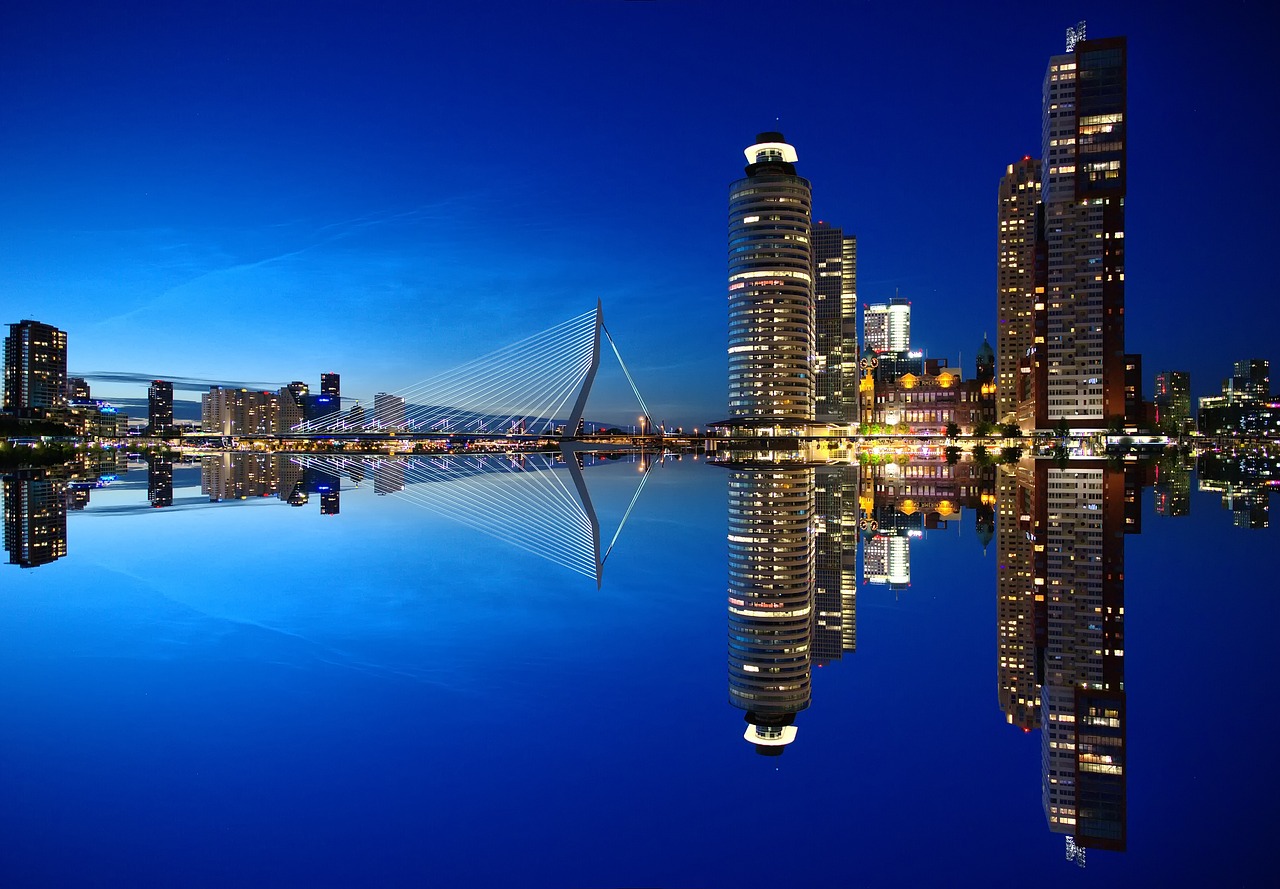
- Rotterdam: About 40 minutes by train. Striking modern architecture, port, and museums.
- ’s-Hertogenbosch (Den Bosch): Around 30–35 minutes by train. Lovely historic center and famous for Bossche Bollen (giant cream-filled pastries).
- Waterline Forts & Countryside: Accessible by bike or regional buses; great for active travelers and history buffs.
Tip: For multiple day trips, consider a Dutch public transport discount card or passes – details sometimes change, so check current offers in 2026 at stations or official websites.
Major Events & Festivals in Utrecht (2026–2027)
Utrecht’s calendar is filled with recurring events and evolving festivals. Exact dates shift each year, so always confirm closer to your travel dates, but here’s what to look out for in 2026–2027:
- King’s Day (Koningsdag) – April 27 each year. City-wide street party, orange everywhere, flea markets, music. Utrecht is lively but less overwhelming than Amsterdam.
- Spring & Summer Festivals: Music, food, and cultural festivals in parks and on squares (Neude, Lepelenburg, etc.). In recent years, TivoliVredenburg and Neude have hosted large outdoor events and concerts.
- Uitfeest / Cultural Season Openings: Late summer or early autumn showcases of theater, music, and arts for the coming season.
- Christmas Markets & Winter Events: Smaller than Germany’s, but Utrecht decorates its streets and hosts seasonal markets, especially in the old town and around the canals.
- 2026–2027 Travel Scene Changes: Expect continued improvements in bike infrastructure, incremental pedestrianization of central streets, and new small-scale food markets and pop-up venues, particularly around the station and Vaartsche Rijn areas.
Local Customs & Cultural Etiquette in Utrecht
The Dutch are known for being direct, pragmatic, and egalitarian. Utrecht is no exception. Understanding a few local norms will make your trip smoother and more enjoyable.
Social Etiquette
- Directness: Don’t be surprised if people speak very plainly. It’s not rude; it’s cultural. If you’re confused, ask for clarification.
- Personal Space: Dutch people generally value personal space; avoid unnecessary touching with strangers.
- Greetings: A simple “Hoi” or “Hallo” works in casual situations; “Goedemorgen/middag/avond” is more formal. Handshakes are common in formal or business contexts.
- On Time: Punctuality is appreciated. If you have a tour or meeting, aim to be on time or slightly early.
In Cafes & Restaurants
- Seat yourself unless there’s a sign or staff directing you.
- Service can feel slower than in North America; staff won’t hover. Signal or make eye contact when you’re ready to order or pay.
- Splitting bills is normal among locals; don’t hesitate to ask to pay individually (“apart betalen”).
- Tip around 5–10% in restaurants if service is good, or round up the bill in cafes and bars. Tipping is appreciated but not obligatory like in some countries.
Bike & Road Etiquette
- Never walk in the bike lane. Utrecht cyclists take their lanes seriously.
- When renting a bike, follow the rules: use lights at night, signal with your hand when turning, and obey traffic lights.
- Don’t block sidewalks or bike paths when stopping to take photos – step aside.
Practical Travel Advice for Utrecht (2026)
How to Get Around Utrecht
- Walking: The historic center is compact; most things to do in Utrecht are within 15–20 minutes on foot.
- Bike: Renting a bike for at least a day is a great idea, especially for exploring parks and university areas. Make sure you’re comfortable cycling in traffic.
- Public Transport: Buses and trams (if/where operating) connect the center with outer neighborhoods and Uithof. Use contactless payment (debit/credit card) directly at the card readers in 2026 or an OV-chipkaart if you have one.
- Car Rental: Not recommended for city use; parking is expensive and streets can be confusing. Rent a car only if you’re exploring rural areas extensively.
SIM Cards & Connectivity
- Local providers include KPN, Vodafone, and T-Mobile, among others.
- Prepaid SIMs are sold at phone shops, some supermarkets, and at/near Utrecht Centraal and Schiphol Airport.
- EU roaming rules often allow free roaming for EU sims, but always check your provider’s current policies.
- Wi-Fi is common in cafes, hotels, and public buildings like libraries.
Money-Saving Tips
- Stay a bit outside the absolute center (e.g., Wittevrouwen, Lombok, Vaartsche Rijn) for lower accommodation costs.
- Use supermarkets and markets for some meals; Dutch grocery stores are excellent.
- Rent a bike instead of using buses for short trips.
- Look into museum combination tickets or discount passes if you’re visiting several paid attractions.
Visa Requirements & Entry (2026)
- The Netherlands is part of the Schengen Area. Many nationalities can enter visa-free for short stays (typically up to 90 days in a 180-day period). Always check the latest rules for your passport nationality before traveling.
- From 2025–2026, the EU is implementing systems like ETIAS for some visitors; check if you need pre-travel authorization.
Driving & Foreign Licenses
- Foreign driver’s licenses are generally accepted for visitors for a limited time (commonly up to 6 months to a year, depending on your status). Check current Dutch regulations if you plan to drive.
- An International Driving Permit (IDP) can be useful, especially if your license is not in English or a European language.
- Remember: in Dutch cities, bikes often have priority, and there are many one-way streets and restricted areas.
Best Seasons for Different Activities
- Spring (April–May): Mild weather, blossoms, and King’s Day festivities. Great for walking, cycling, and gardens.
- Summer (June–August): Long days, outdoor terraces, festivals, canal activities. Also the busiest season and sometimes pricier.
- Autumn (September–October): Cooler, fewer crowds, beautiful foliage at De Haar Castle and along the Kromme Rijn. Great for culture and cozy cafes.
- Winter (November–February): Quiet, atmospheric, with holiday lights and occasional snow. Ideal for museum-hopping and people who enjoy a moody, slower city vibe.
Summary: Key Takeaways & Final Recommendations
Utrecht is a city that rewards both quick visits and slow stays. With its canals, the Dom Tower, wharf cellars, student buzz, and calm green spaces, it feels quintessentially Dutch yet distinctly itself.
- Best for short trips: A 3 day itinerary for Utrecht gives you the core highlights: Dom Tower, canals, museums, and a taste of neighborhood life.
- For deeper exploration: Choose 4 days in Utrecht to add gardens and quieter districts, or 5 days in Utrecht to include day trips like De Haar Castle or Waterline forts.
- Must-see attractions in Utrecht: Dom Tower, Oudegracht, Domplein, Museum Speelklok, Spoorwegmuseum, Centraal Museum, and the Rietveld Schröder House.
- Don’t miss: At least one wharf-side meal, a canal cruise, and time in a park like Griftpark or the Botanic Gardens.
- Best time to visit: Late spring and early autumn offer the best balance of pleasant weather and manageable crowds, but Utrecht is genuinely a year-round destination.
Whether you’re coming for 3 days in Utrecht as a side trip from Amsterdam or planning a full 5 day itinerary for Utrecht as your base in the Netherlands, this city has a way of getting under your skin. I’ve lost count of how many times I’ve said “I’ll just stay one more day” here – and I suspect you might, too.