Why Visit The Hague in 2026?
If Amsterdam is the Netherlands’ flamboyant big sibling, The Hague (Den Haag) is the sophisticated one who secretly knows where all the best beaches, cafés, and art are. It’s the political heart of the country and home to the Dutch royal family, yet it’s also a laid-back seaside city where you can go from Vermeer’s Girl with a Pearl Earring to surfing at Scheveningen in under 30 minutes.
I’ve been coming to The Hague for years—first as a day-tripper from Amsterdam, then as someone who kept extending her stays “just one more week.” What hooked me wasn’t just the museums or the international vibe, but how quickly the city feels like home: locals chatting on trams, kids biking to school, neighbors greeting each other on market days. It’s a city that invites you to live like a local, even for a few days.
This 2026 travel guide for The Hague is written for travelers who want more than a checklist of must-see attractions. I’ll walk you through my favorite neighborhoods, hidden gems, and the best haring stands and bitterballen bars, plus detailed 3, 4, and 5 day itineraries for The Hague that I’ve personally tried (and tweaked) over multiple visits.
Whether you have 3 days in The Hague or you’re planning a leisurely 5 day itinerary for The Hague, this guide will help you experience the city’s art, politics, beaches, and food in a way that feels both rich and relaxed.
Table of Contents
- Why Visit The Hague in 2026?
- Quick Overview & Practical Snapshot
- 20 Must-See Attractions in The Hague (Deep Dive)
- Best Neighborhoods & Areas to Explore
- Suggested 3–5 Day Itineraries (With Personal Stories)
- Local Food & Drink in The Hague
- Nightlife, Entertainment & Cultural Experiences
- Major Events in 2026–2027
- Best Day Trips from The Hague
- Getting Around, SIM Cards & Practical Transport Tips
- Money-Saving Tips & Budget Advice
- Cultural Etiquette & Local Customs
- Visas, Driving & Travel Formalities
- Best Time to Visit The Hague
- Final Summary & Key Takeaways
Quick Overview & Practical Snapshot
Before we dive deep, here’s the city at a glance.
- Country: Netherlands
- Population: ~560,000 (2026)
- Vibe: International, elegant, seaside-relaxed, politically important but personally chill.
- Ideal trip length: 3–5 days in The Hague (more if you add day trips).
- Best for: Art lovers, families, couples, history buffs, beach enthusiasts, international politics nerds.
- Language: Dutch (but almost everyone speaks excellent English).
- Currency: Euro (€)
- How to get there: 30–40 minutes by train from Amsterdam or Schiphol Airport; 20 minutes from Rotterdam.
20 Must-See Attractions in The Hague (With Local Insight)
These are the best places to visit in The Hague, from obvious icons to quieter corners I return to on almost every trip.
1. Mauritshuis Museum
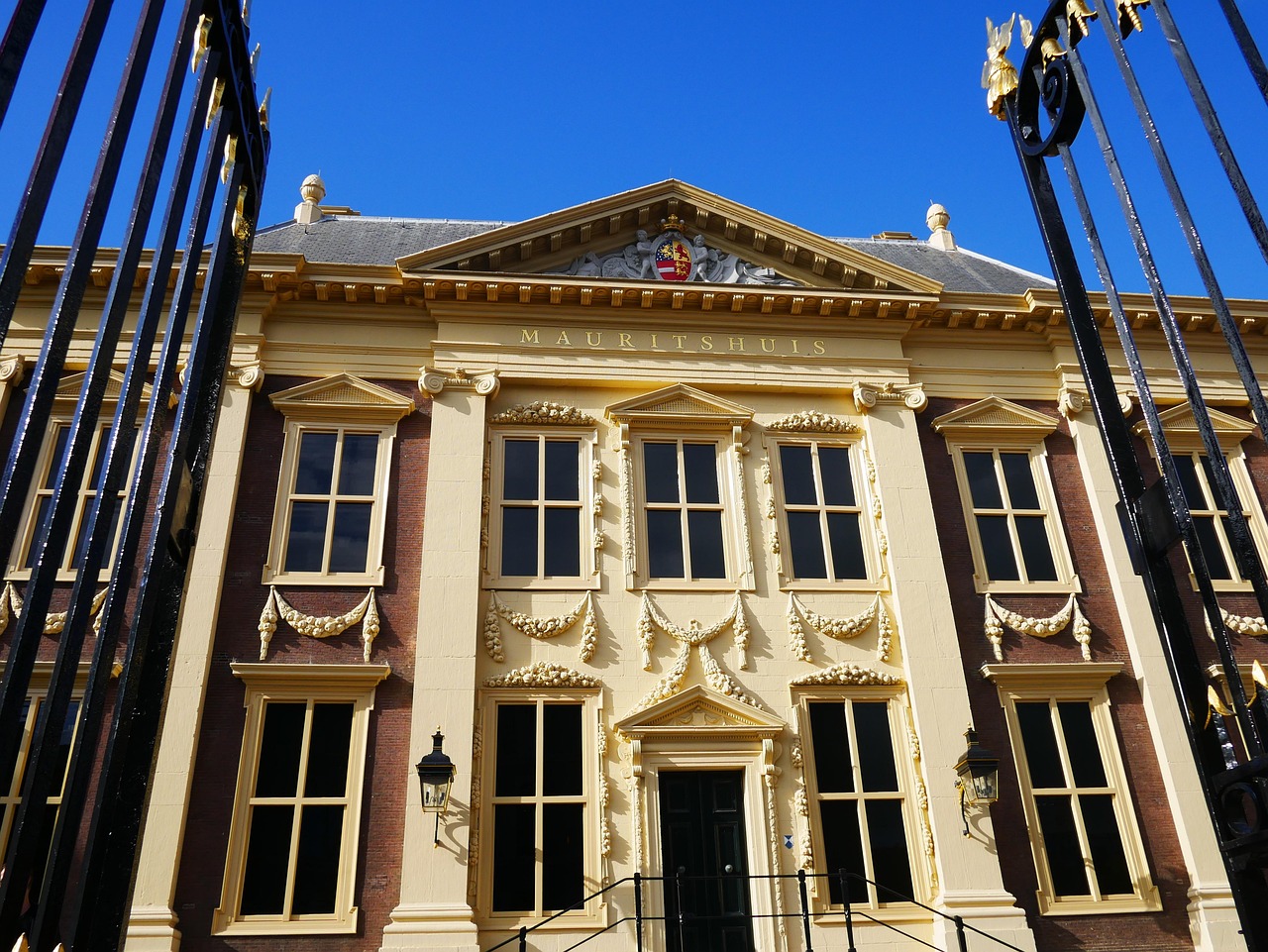
If you see only one museum in The Hague, make it the Mauritshuis. This jewel-box museum, set in a 17th-century mansion on the Hofvijver pond, holds some of the world’s most famous Dutch Golden Age paintings—including Vermeer’s Girl with a Pearl Earring.
On my first visit, I arrived right at opening on a drizzly Tuesday in March. The city was quiet, the pond misty, and I almost walked past the museum’s modest entrance. Inside, it felt like stepping into a private home—paintings hung close together, creaky wooden floors, and that warm hush that makes you instinctively whisper.
Highlights: Vermeer’s View of Delft, Rembrandt’s The Anatomy Lesson of Dr. Nicolaes Tulp, Fabritius’ tiny but unforgettable The Goldfinch, and a collection of still lifes that make you crave Dutch cheese and fruit.
Tips for visiting:
- Book tickets online for timed entry, especially in summer and on weekends.
- Best time: Early morning or late afternoon. I once went at 16:00 on a sunny June day and shared the Vermeer room with only five other people.
- Audio guide: Worth it if you like context; I especially enjoyed the stories behind the symbolism in the still lifes.
- Budget tip: Combine with another museum using a city card if available in 2026, or consider the Dutch Museumkaart if you’re staying longer in the Netherlands.
Food nearby: Walk a few minutes to the Plein square for café terraces. I like grabbing a soup and sandwich at a bruin café (brown café) there, especially on cooler days.
2. Binnenhof & Ridderzaal (Knight’s Hall)
The Binnenhof is the beating political heart of the Netherlands—a medieval complex of buildings where the Dutch parliament meets, right in the center of The Hague. The first time I walked into its courtyard, I genuinely forgot I was in a modern city; the cobblestones, gothic halls, and central fountain feel almost like a film set.
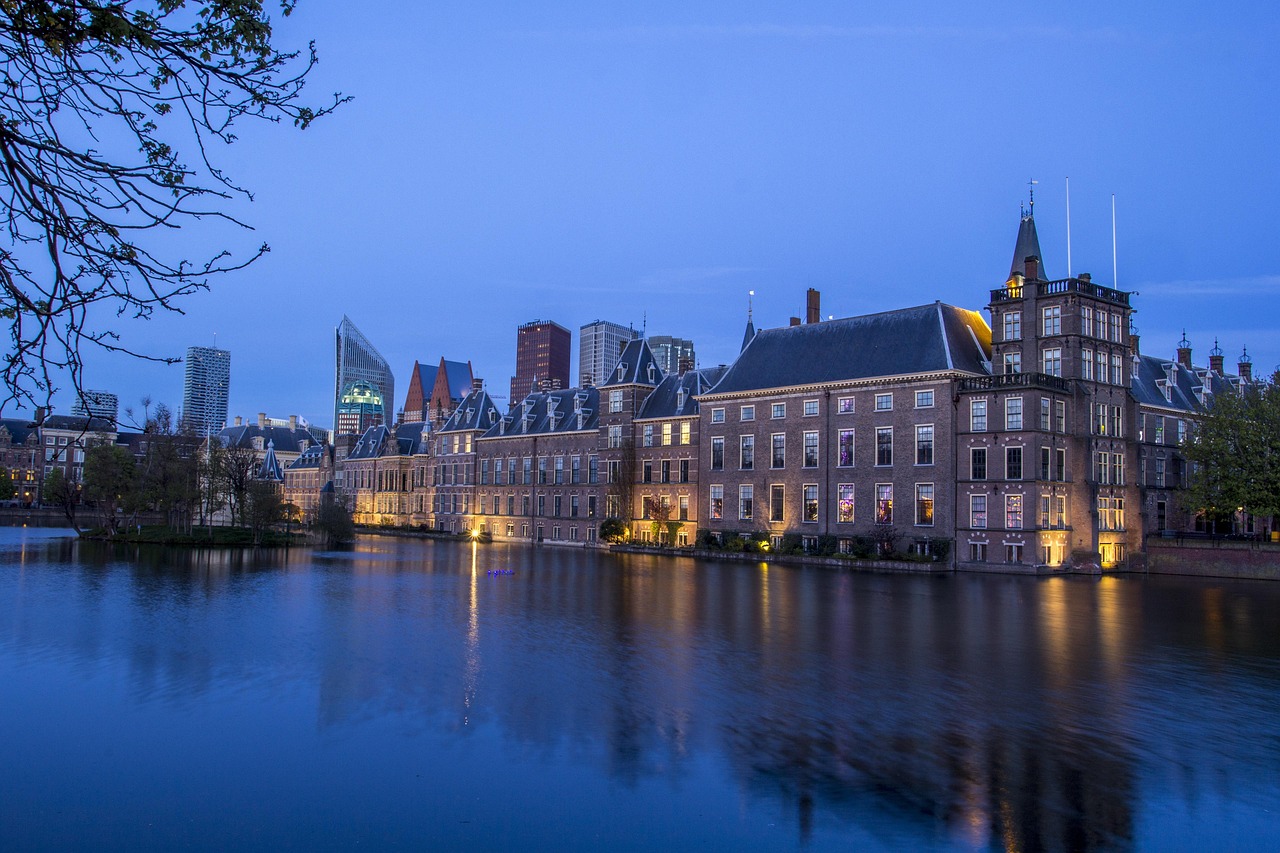
I like to approach from the pond side, especially at sunset. The reflection of the towers in the Hofvijver, with modern office buildings peeking behind, perfectly summarizes The Hague’s personality: history and politics layered with contemporary life.
What to do:
- Stroll the inner courtyard and admire the Ridderzaal (Knight’s Hall), where the King delivers the annual opening-of-parliament speech.
- Join a guided tour (if available during your visit—check ahead; renovations and security changes can affect access in 2026).
- Walk around the Hofvijver for classic cityscape photos.
Tip: Go early in the morning for peace, or later in the day when workers spill out and the area feels more lived-in. I enjoy grabbing a takeaway coffee from one of the small cafés nearby and sitting by the water to people-watch.
3. Panorama Mesdag
Panorama Mesdag is one of those places I half-expected to be a tourist gimmick—and then it completely won me over. It’s a 19th-century 360-degree painting of Scheveningen beach, housed in a circular building. You climb a small staircase and suddenly you’re standing on a “sand dune,” surrounded on all sides by an enormous, immersive panorama.
The first time I visited, it was a blustery November day. Inside, the painted sky was brighter than the real one outside. I spent almost an hour circling slowly, noticing tiny painted details: fishermen hauling nets, ladies in long dresses, the old lighthouse. It’s like time travel to a Scheveningen that no longer exists.
Why it’s special: It captures the soul of The Hague’s relationship with the sea—calm yet powerful, workaday yet romantic.
Practical tips:
- Located a short walk from the city center; combine with a visit to the Peace Palace or Noordeinde Palace.
- Good rainy-day activity and very family friendly—kids usually love the “illusion” of the panorama.
- Plan 45–60 minutes here.
4. Peace Palace (Vredespaleis)
The Peace Palace is where the International Court of Justice and Permanent Court of Arbitration sit. Even if you’re not a politics or law buff, the building and gardens are worth your time.
On one of my favorite visits, I joined a guided tour on a crisp Sunday morning. Listening to stories about how the palace was funded by Andrew Carnegie and designed as a symbol of international peace, while standing in its ornate hallways, felt surprisingly moving. The stained glass and woodwork alone are worth admiring.
Visitor Center: If you don’t manage to snag a tour, the Visitor Center offers a solid multimedia exhibition about international law and the work done here. I’ve ducked in more than once on cold days.
Tips:
- Book tours well in advance—they often sell out quickly, especially in peak season.
- Photography can be restricted inside; check rules when you arrive.
- Walk by the World Peace Flame at the entrance and read the plaques from different countries.
5. Scheveningen Beach & Pier
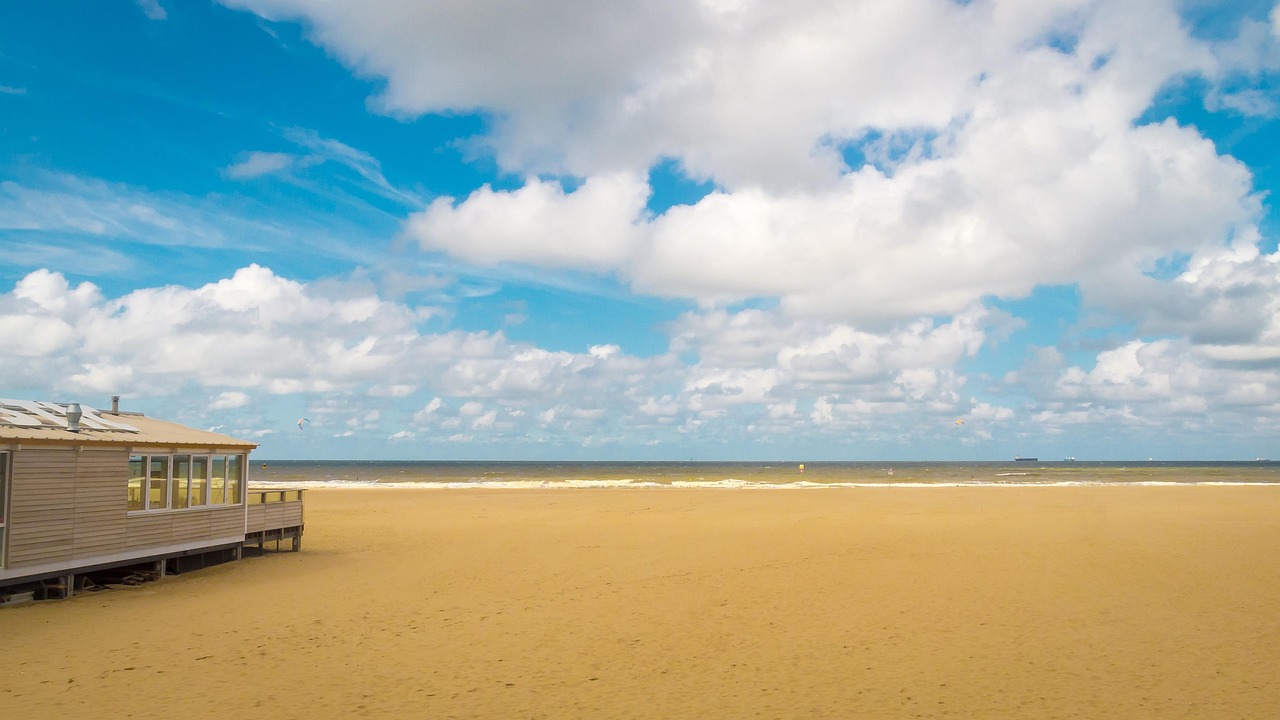
Yes, the name is a tongue-twister (locals will smile if you pronounce it correctly), but Scheveningen is The Hague’s playground by the sea. I’ve visited in every season: in July for long sunset walks and beach bars, in January for brisk, almost-empty strolls with hot chocolate after.
What to do:
- Walk the pier, ride the Ferris wheel, or try the bungee jump if you’re adventurous.
- In summer, rent a beach chair or daybed at one of the many strandtenten (beach clubs).
- Try patat (fries) with mayo or frites speciaal from a snack bar along the promenade.
- On windy days, watch the kite surfers; I once spent an entire afternoon just sitting on the sand, mesmerized by the colorful kites.
Family-friendly: Very. There are playgrounds in the sand, calmer areas for small kids, and plenty of casual food options.
How to get there: Tram 1 or 9 from the city center (15–20 minutes). I prefer Tram 1 because it continues along the coast toward Scheveningen Haven (the harbor), which feels more local and less touristy.
6. Escher in Het Paleis
Escher in Het Paleis is a museum dedicated to the mind-bending works of M.C. Escher, located in a former royal winter palace. It’s one of my go-to recommendations when friends ask for “something different” to do in The Hague.
Walking through the rooms, you see Escher’s famous impossible staircases and tessellations up close, but also his lesser-known early landscapes. The combination of a royal setting and surreal art is delightfully unexpected.
On my last visit, I timed it to avoid a rainy afternoon. The interactive installations on the top floor—where you can play with optical illusions—had a group of teenagers and a retired couple equally entertained, which says a lot.
Good for: Couples, families with older kids, anyone who loves art and puzzles.
Tip: Combine with a walk through the Lange Voorhout, the stately tree-lined avenue just outside, which is gorgeous in all seasons but especially in autumn when the leaves carpet the ground.
7. Kunstmuseum Den Haag (Formerly Gemeentemuseum)
The Kunstmuseum Den Haag is where I go when I want to sink deeply into art. Housed in a striking brick building by architect H.P. Berlage, it has an outstanding collection of modern art, including one of the world’s largest Mondrian holdings.
One rainy October afternoon, I spent over two hours in the Mondrian room alone, watching how his style evolved from representational painting to pure abstraction. The museum also often hosts excellent temporary exhibitions—from fashion to photography.
Why visit:
- See Piet Mondrian’s work, including his famous Victory Boogie Woogie.
- Explore decorative arts and design; there’s usually something unexpected in the side galleries.
- The building itself is a quiet masterpiece of 20th-century architecture.
Tip: The museum café is one of my favorites in the city—bright, airy, and perfect for a leisurely lunch. Budget travelers can just grab coffee and a pastry and enjoy the atmosphere.
8. Madurodam
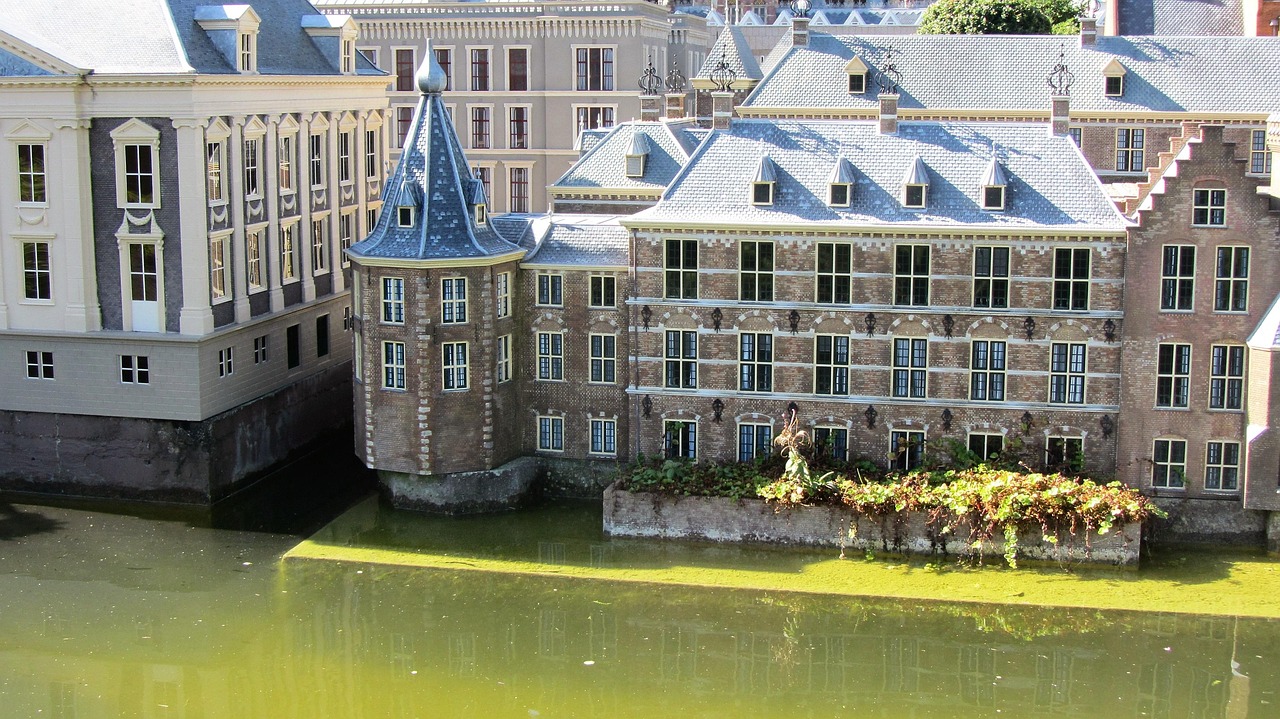
Madurodam is a miniature park featuring scale models of famous Dutch landmarks. I assumed it was just for kids until a local friend dragged me along; we ended up spending half a day there, laughing and pointing out places we recognized from real life.
Family-friendly factor: Off the charts. Kids can operate miniature cranes at the port of Rotterdam, send “cargo” along canals, and interact with various displays.
Local insight: It’s also quietly moving: the park is named after George Maduro, a Dutch resistance hero from World War II. There’s a small but powerful exhibition about him on-site.
Practical tips:
- Reachable by tram from the center (look up routes 9 or others depending on 2026 schedules).
- Plan 2–3 hours; more if you have young children.
- Food on-site is decent but not cheap; budget travelers might bring snacks.
9. Noordeinde Palace & Gardens
Noordeinde Palace is one of the working palaces of the Dutch King. While the interiors are rarely open, the palace and its gardens anchor one of the most charming shopping streets in The Hague.
I love walking down Noordeinde in late afternoon, when the golden light hits the historic façades and locals pop into small boutiques and antique shops. The palace itself is at the end of the street; behind it, the Paleistuin (Palace Garden) is a peaceful patch of green where I’ve picnicked more than once.
Do this:
- Stroll Noordeinde street, browsing galleries and design shops.
- Grab a coffee to-go and relax in the Palace Garden; in spring, the flowers are lovely.
- Check if any special palace openings are scheduled during your trip (they’re rare, but sometimes happen in summer).
10. Grote Markt & City Center
Grote Markt is the social heart of The Hague—a square ringed with bars and cafés, always buzzing with life. On sunny days, terraces spill into the square. On winter evenings, fairy lights and heaters make it cozy.
My routine often includes ending at least one day here: a beer at a corner café, listening to live music (there’s often something happening in the evenings in summer), and watching the eclectic crowd—students, office workers, tourists, and families.
Good for: Casual nightlife, people-watching, simple dinners, and meeting locals. It’s also a nice midpoint when you’re doing a DIY walking tour of the city center.
11. Haagse Bos & Huis ten Bosch
Haagse Bos is a stretch of ancient forest right at the edge of the city center, and it still surprises me how quickly you can leave the urban bustle and find yourself among tall trees and birdsong.
At the far end is Huis ten Bosch, another royal residence (famously home to former Queen Beatrix for many years). You can’t go inside, but you can catch glimpses of the palace through the trees as you walk or bike along the paths.
My favorite time: Early morning in spring, when the light filters through new leaves and joggers and dog walkers share the paths. It’s a perfect place to reset if you’re doing a packed 3 day itinerary for The Hague and need some nature.
12. Scheveningen Harbor (Haven)
The Scheveningen Harbor area feels more local than the main Scheveningen beach. Fishing boats, seafood restaurants, and a calmer promenade make it one of my favorite spots for a late lunch after a long walk.
I once spent a slow Sunday here in autumn: a walk along the harbor, watching gulls circle the boats, then a long seafood lunch on a terrace, followed by coffee at a small café tucked back from the water. It was one of those days where you feel like you’ve slipped into the city’s daily rhythm.
What to eat: Fresh fish—try grilled salmon, mussels in season, or simply fried fish and chips from a casual stand.
13. De Pier & Ferris Wheel
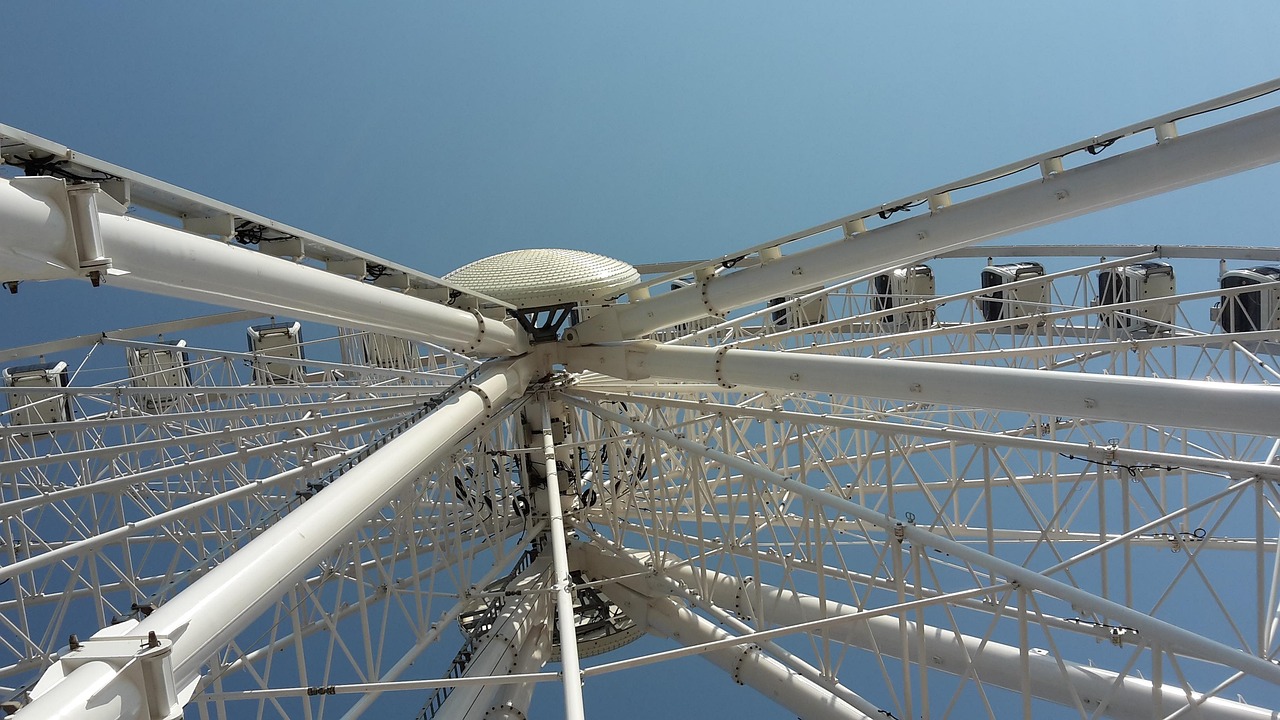
De Pier is the iconic structure jutting out into the North Sea at Scheveningen, topped with a Ferris wheel and bungee jump tower. It’s touristy, yes, but if you embrace it, it’s a lot of fun—especially for families and couples.
One windy evening, I rode the Ferris wheel just before sunset. The views over The Hague’s skyline and the curve of the coastline were worth every euro. We shared a small cabin with a local couple celebrating an anniversary; they pointed out their favorite beach clubs and neighborhoods from above.
Tip: Go on a clear day for the best views. Prices can feel steep; if you’re on a tight budget, just walk the pier and enjoy the free views down the beach.
14. Laakhaven & Modern Harbor Architecture
Laakhaven is an evolving area around The Hague’s “other” harbor, close to Hollands Spoor station. It’s not on most tourist maps, which is exactly why I like it. Here, you’ll find modern residential towers reflected in the canals, street art under bridges, and a few surprising cafés and creative spaces.
On a recent trip, I joined a friend who lives nearby for a late-afternoon walk. We followed the water, watched students hanging out on quays, and ended in a small bar tucked into a former warehouse. It’s a good reminder that The Hague is not just monuments and ministries—it’s also a living, changing city.
15. Museum Beelden aan Zee
Beelden aan Zee (Sculptures by the Sea) is a sculpture museum nestled in the dunes near Scheveningen. What I love about it is how subtly it’s integrated into the landscape; you almost stumble upon it as you walk along the dunes above the boulevard.
The museum focuses on modern and contemporary sculpture, with a mix of indoor and outdoor works. On a sunny spring day, wandering among sculptures with the sound of waves in the background is hard to beat.
Tip: Outside, don’t miss the whimsical fairytale-themed sculptures by Tom Otterness on the boulevard—kids adore them, and adults usually end up taking just as many photos.
16. Haags Historisch Museum
The Haags Historisch Museum sits right by the Hofvijver and tells the story of The Hague itself—from fishing village to royal and political center. I recommend it if you like context and want to understand how all the places you’re visiting fit together historically.
I popped in one windy afternoon when I needed a break from the cold. An hour later, I had a much clearer sense of the city’s evolution, plus a mental list of new places to explore. It’s not huge, but it’s dense with interesting stories.
17. PAARD (Paard van Troje) – Live Music Venue
PAARD is The Hague’s main live music venue, known locally by its old name, Paard van Troje. Over the years, I’ve seen everything here from indie bands to electronic DJs and local acts.
If you’re including nightlife in your 3 days in The Hague, check the PAARD schedule for your dates. It’s a great way to tap into the city’s contemporary culture and see how locals spend their nights.
18. Chinatown & Wagenstraat
The Hague’s compact Chinatown sits near the city center around Wagenstraat. It’s not huge, but it’s dense with Asian supermarkets, dim sum restaurants, Indonesian warungs, and bubble tea spots.
On one particularly cold winter day, I warmed up with a bowl of steaming noodles here, followed by a wander through an Asian supermarket that had half the ingredients I miss when I’m traveling. If you love food, put this on your list.
19. The Hague Markets (Haagse Markt & Others)
Haagse Markt is one of the largest open-air markets in Europe and a real slice of daily life in The Hague. It’s wonderfully multicultural—Turkish bakeries, Surinamese food stands, Dutch cheese stalls, fabrics, electronics, and pretty much anything else you can imagine.
I like to come here hungry and with an open mind: try fresh stroopwafels, Turkish pide, Surinamese snacks, or just buy fruit for your hotel room. Prices are excellent, so it’s great for budget travelers.
Tip: Watch your pockets (like any crowded market) and bring a reusable bag. Closed on some days; check current opening times when planning your 4 day itinerary for The Hague or longer.
20. Meijendel Dunes & Coastal Nature
Just north of Scheveningen lies the Meijendel dune area, a vast nature reserve of sand dunes, forests, and ponds. It’s my favorite escape when I’ve had my fill of museums and want to remember that the North Sea coast can be wild and quiet too.
I’ve biked and hiked through Meijendel in all seasons. In summer, it’s fragrant with pine and buzzing with insects; in winter, it’s stark and beautiful, with few people around. There are marked trails and a visitor center, plus a simple café for coffee and pancakes.
Perfect for: Half-day adventures, cycling, walking, birdwatching, and anyone wanting to balance urban sightseeing with nature.
Neighborhoods & Areas to Explore in The Hague
The Hague is wonderfully walkable, but its neighborhoods each have their own character. Here are the ones I recommend weaving into your 3–5 day itinerary for The Hague.
1. Centrum (City Center)
The Centrum is where most visitors naturally gravitate: the Binnenhof, Mauritshuis, shopping streets, and main squares like Grote Markt and Plein. It’s an elegant mix of 17th-century buildings, modern shops, and government offices.
I like to start my trips with an aimless wander here: from the train station to the Hofvijver, down narrow side streets, peeking into bookstores and design shops. It’s also where you’ll find many hotels and tram connections.
2. Archipelbuurt & Willemspark
Archipelbuurt and nearby Willemspark are leafy, affluent neighborhoods with beautiful townhouses, embassies, and quiet streets. They’re perfect for an afternoon stroll between the Peace Palace, Panorama Mesdag, and the city center.
On a sunny day, I like to detour through here and imagine what it would be like to live behind those tall, narrow windows with their lace curtains and overflowing window boxes.
3. Zeeheldenkwartier
Zeeheldenkwartier is one of my personal favorites: a slightly bohemian district west of the center, known for indie shops, cozy cafés, and a more alternative vibe. Think vintage stores, organic bakeries, and small galleries.
It’s where I go for brunch, slow coffee, or a casual evening drink. If you want to see where many young locals hang out, put this on your list.
4. Scheveningen
Scheveningen is its own world: beachfront apartments, hotels, the pier, the harbor, and endless sand. It’s busier and more commercial than the city center, but it’s where you feel the North Sea wind on your face and taste the salt on your lips.
Staying here can be a great option for families or beach lovers, with easy tram connections into the center.
5. Around Den Haag Centraal & Bezuidenhout
This area showcases The Hague’s modern side: glass office towers, sleek architecture, and busy commuters. The Bezuidenhout neighborhood just beyond has a mix of residential streets and local cafés.
If you arrive by train, give yourself an extra 15 minutes to walk outside and admire the contrast between these skyscrapers and the historic center just beyond.
3–5 Day Itineraries for The Hague (With Personal Stories)
These suggested itineraries are flexible: you can compress them into a 3 day itinerary for The Hague or stretch to a 4 or 5 day itinerary. I’ll outline a 5-day plan and note how to adapt it.
Day 1 – Historic Heart & Golden Age Art
I like to start my time in The Hague with a deep dive into its history and art—getting oriented in the compact center.
Morning: Mauritshuis & Hofvijver
After dropping my bag at the hotel near Den Haag Centraal, I usually walk straight toward the Hofvijver. The walk takes about 10–15 minutes and is a perfect introduction: modern station, shopping streets, then suddenly the water and the Binnenhof appear.
Book your Mauritshuis slot for around 10:00. Spend 1.5–2 hours wandering through the collection; don’t rush Vermeer’s rooms. I like to sit on a bench for a few minutes in front of Girl with a Pearl Earring and just watch how other visitors react to it—it’s almost part of the artwork’s life now.
Afterward, walk around the Hofvijver pond for classic photos of the Binnenhof’s silhouette against the water. In 2026, some renovation works may still be ongoing around the Binnenhof, so routes might shift slightly—but the views remain beautiful.
Lunch: Plein or Side Streets
Head to Plein, the square behind the Binnenhof, for a terrace lunch if the weather is kind. If it’s chilly or rainy, duck into a side street café for soup and a sandwich. I often choose a place with big windows so I can watch the flow of political staffers and locals on their lunch breaks.
Afternoon: Binnenhof Courtyard & Haags Historisch Museum
Wander into the Binnenhof courtyard. Depending on security and construction updates in 2026, access might be slightly more controlled than in the past, but it’s still a must-see. Then step into the Haags Historisch Museum to put everything you’re seeing into context.
Plan about an hour there. I like how manageable it is; you don’t get museum fatigue, but you come out with a better narrative thread for the city.
Late Afternoon: City Center Wandering
Use the rest of the afternoon to wander the Centrum. Walk past the royal passage (Passage), peek into bookstores, browse Dutch design shops. If you’re a coffee person, this is a good time to find a specialty café and rest your feet.
Evening: Grote Markt
End your first day at Grote Markt. In summer, grab a terrace table and order a beer or a glass of wine with bitterballen. In colder months, head indoors into one of the brown cafés. This square has become my “you’ve arrived” ritual spot in The Hague.
Adapting for 3 days: Day 1 stays the same; it’s your essential introduction to the city.
Day 2 – Politics, Peace & Escher’s Illusions
Morning: Peace Palace
Book a Peace Palace tour if available, ideally in the morning. I like taking tram or walking through Archipelbuurt to get there. Leave time to explore the Visitor Center before or after your tour.
There’s something grounding about starting your day in a place dedicated to international law and peace; it puts the rest of your sightseeing into perspective.
Late Morning: Archipelbuurt & Coffee Stop
Afterward, wander through Archipelbuurt’s quiet streets. Find a local café for a mid-morning coffee and pastry. This is the side of The Hague many tourists never see—stately, residential, serene.
Lunch & Early Afternoon: Panorama Mesdag
Head toward Panorama Mesdag. Grab a light lunch nearby (there are decent sandwich spots within a few blocks), then immerse yourself in the panoramic painting. Even on my third visit, I still discovered new details.
Afternoon: Escher in Het Paleis & Lange Voorhout
Walk down to Lange Voorhout, the beautiful tree-lined avenue, and visit Escher in Het Paleis. Give yourself at least 1.5 hours—more if you love puzzles and take time with the interactive exhibits.
After the museum, stroll under the trees. In spring and summer, outdoor exhibitions sometimes line the avenue; in winter, it feels elegantly bare.
Evening: Noordeinde & Palace Garden
Make your way to Noordeinde street. Browse boutiques and galleries, admire the palace, and, if it’s still open, wander into the Paleistuin for a sunset stroll. For dinner, choose a cozy restaurant along Noordeinde or one of the side streets.
Adapting for 3 days: Combine Escher and Panorama Mesdag more tightly, and skip the long Archipelbuurt wander if you’re short on time.
Day 3 – Beach Day at Scheveningen
No travel guide for The Hague would be complete without the sea. Day 3 is all about Scheveningen and the coast.
Morning: Scheveningen Beach & De Pier
Take tram 1 or 9 to Scheveningen. I like to arrive mid-morning, when the beach is still relatively quiet. Walk along the waterline, roll up your jeans if it’s warm enough, and then head up to the pier.
Decide if you want to splurge on the Ferris wheel or bungee jump (adventurous couples: this can be a memorable shared moment). Even if you skip the rides, the pier offers nice views and casual food stalls.
Lunch: Beach Club or Fish Stand
For lunch, choose between a trendy beach club (perfect for a long, lazy meal) or a simple fish stand along the boulevard. On budget trips, I’ve been perfectly happy with a paper tray of fries and kibbeling (fried fish pieces) eaten on a bench facing the sea.
Afternoon: Museum Beelden aan Zee or Scheveningen Harbor
After lunch, you have options:
- Visit Beelden aan Zee for art by the sea, then wander among the outdoor sculptures.
- Or walk (or take a short tram/bus) down to Scheveningen Harbor for a quieter, more local feel.
I often do both: museum first, then a harbor stroll. End with a coffee or ice cream overlooking the boats.
Evening: Sunset & Return to City
If the weather is good, stay for sunset on the beach. There’s something special about watching the sun drop into the North Sea, knowing you’re just a short tram ride from Vermeer and parliament.
Back in the center, have a relaxed dinner—or, if you still have energy, check if any live music is on at PAARD.
3 day itinerary for The Hague: This would likely be your final day. If you have only 3 days, you’ll leave with a satisfying balance of culture and coast.
Day 4 – Modern Art, Markets & Local Life
If you have 4 days in The Hague, this is where you start to sink below the surface and live more like a local.
Morning: Kunstmuseum Den Haag
Take tram or bike to the Kunstmuseum area. Spend your morning with Mondrian, modern art, and design. I like to arrive right when it opens; the quiet galleries feel almost meditative.
Have lunch in the museum café or nearby. If I’m on a tighter budget, I’ll grab something simple from a supermarket beforehand and eat on a bench outside, weather permitting.
Afternoon: International Zone Walk
From the museum, you’re not far from The Hague’s International Zone, where many international organizations are based. Take a self-guided walk past embassies and institutions; it’s not about specific sights as much as absorbing the city’s global role.
Late Afternoon: Zeeheldenkwartier
Make your way to Zeeheldenkwartier. This is one of the best neighborhoods to feel The Hague’s contemporary, creative side. Browse indie shops, stop for coffee, and maybe pick up a small piece of local design.
Evening: Dinner & Drinks in Zeeheldenkwartier or Centrum
Stay in Zeeheldenkwartier for dinner if you find a place that catches your eye, or head back to the center. On one trip, I spent an entire evening hopping between three small bars here, each with its own character, chatting with locals and expats.
4 day itinerary for The Hague: You could end here, feeling like you’ve seen both the headline attractions and some quieter corners.
Day 5 – Dunes, Madurodam & Markets
If you’re lucky enough to have 5 days in The Hague, day 5 lets you blend nature, family-friendly fun, and daily life.
Morning: Meijendel Dunes
Rent a bike or take public transport toward Meijendel. Spend the morning walking or cycling among the dunes. I usually follow one of the marked loops, stopping at lookouts and feeling that lovely mix of wind, sun, and sand.
Grab a snack or early lunch at the simple café near the visitor center.
Afternoon: Madurodam
On your way back into the city, stop at Madurodam. It’s especially ideal if you’re traveling with kids, but even adults can enjoy recognizing miniature versions of places they’ve visited elsewhere in the Netherlands.
Late Afternoon: Haagse Markt
Return to the city and head for Haagse Markt if it’s a market day. Shop for snacks, souvenirs, and people-watch. This is a great place to see The Hague’s diversity in action.
Evening: Farewell Dinner
For your last night, choose a restaurant you’ve been eyeing—perhaps Indonesian (The Hague is known for excellent Indonesian food), or a Dutch bistro. Reflect on how quickly the city starts to feel familiar.
5 day itinerary for The Hague: This final day rounds out your trip with nature, playfulness, and local color.
Local Food & Drink in The Hague
The Hague’s food scene reflects both classic Dutch flavors and its international makeup, especially Indonesian and Surinamese influences.
Must-Try Local Foods
- Haring (Herring): Eat it “Dutch style” with onions and pickles from a haring stand; Scheveningen harbor is perfect for this.
- Bitterballen: Deep-fried meat ragout balls, perfect with a beer at Grote Markt.
- Patat: Thick fries with mayo or speciaal (mayo, curry ketchup, onions).
- Stroopwafel: Caramel-filled waffle cookie; try them warm from a market stall.
- Indonesian Rijsttafel: A table full of small Indonesian dishes—The Hague does this particularly well due to historic ties.
Where to Eat (Personal Recommendations)
Because places can change by 2026, I’ll focus on the types of spots and areas rather than fixed names:
- City Center: Around Plein and Grote Markt for classic Dutch and European fare; side streets for smaller bistros.
- Zeeheldenkwartier: Brunch cafés, vegetarian and vegan-friendly spots, trendy wine bars.
- Chinatown/Wagenstraat: Dim sum, noodles, Indonesian warungs, bubble tea.
- Scheveningen: Beach clubs for cocktails and seafood, simple stands for fish and chips.
- Haagse Markt area: Street food and cheap eats from many cultures.
Saving Money on Food
- Use supermarkets (Albert Heijn, Jumbo, Lidl) for picnic supplies and breakfasts.
- Look for daghap (daily specials) in local cafés, usually cheaper.
- Markets like Haagse Markt offer very affordable fruit, snacks, and takeaway dishes.
Nightlife, Entertainment & Cultural Experiences
The Hague’s nightlife is more relaxed than Amsterdam’s but still varied enough for most tastes.
Casual Nights Out
- Grote Markt: Bars and terraces, often with live music or DJs in summer.
- Plein: Slightly more polished terraces with views of political buildings.
- Zeeheldenkwartier: Intimate bars and wine spots.
Live Music & Culture
- PAARD: Main venue for bands, DJs, and events.
- Theaters & Concert Halls: Check for classical concerts, theater performances, and dance; 2026 programming will be rich as usual.
- Film Festivals & International Events: The Hague often hosts international film, human rights, and documentary festivals—keep an eye on the city events calendar.
Romantic Experiences
- Sunset walk and dinner at Scheveningen beach.
- Evening stroll around the Hofvijver and Binnenhof, lit up against the water.
- Quiet wine bar in the center or Zeeheldenkwartier.
Family-Friendly Evenings
- Ferris wheel ride on De Pier before sunset.
- Evening beach walk with ice cream or hot chocolate, depending on the season.
- Early dinner at casual restaurants where kids are welcome (most places are).
Major Events in The Hague (2026–2027)
Exact lineups shift every year, but here are recurring events you can expect around 2026–2027:
- King’s Day (Koningsdag) – April 27: National holiday with orange-clad crowds, street markets, and parties.
- Flag Day (Vlaggetjesdag) in Scheveningen – early June: Celebrates the arrival of the new herring season; fish, music, and maritime traditions.
- Tong Tong Fair: A long-running festival celebrating Indo-Dutch culture; food, music, crafts. Usually late spring/early summer.
- International Fireworks Festival – Summer: Scheveningen hosts fireworks nights over the sea; exact dates vary.
- Prince’s Day (Prinsjesdag) – Third Tuesday in September: Ceremonial opening of Parliament, with the King’s carriage procession (routes may be adapted during renovations).
- Various Cultural Festivals: Expect film, music, human rights, and arts festivals throughout the year, especially in spring and autumn 2026–2027.
Day Trips from The Hague
One of the best things about basing yourself in The Hague is how easy it is to explore nearby cities.
Delft
Travel time: ~15 minutes by train.
Charming canals, blue-and-white ceramics, and a compact historic center. I often spend a full day here: visiting the Nieuwe Kerk, strolling canals, and popping into pottery studios.
Rotterdam
Travel time: ~20–30 minutes by train.
Striking modern architecture, a huge port, and excellent food halls. Great contrast to The Hague’s more historic feel.
Leiden
Travel time: ~15–20 minutes by train.
University town with canals, museums, and a relaxed student vibe. Lovely for a day of wandering and café-hopping.
Gouda, Utrecht & Beyond
With fast trains from Den Haag Centraal, you can reach other Dutch cities easily. For a 5+ day trip, I often add at least one such day trip.
Getting Around The Hague & Practical Transport Tips
Public Transport
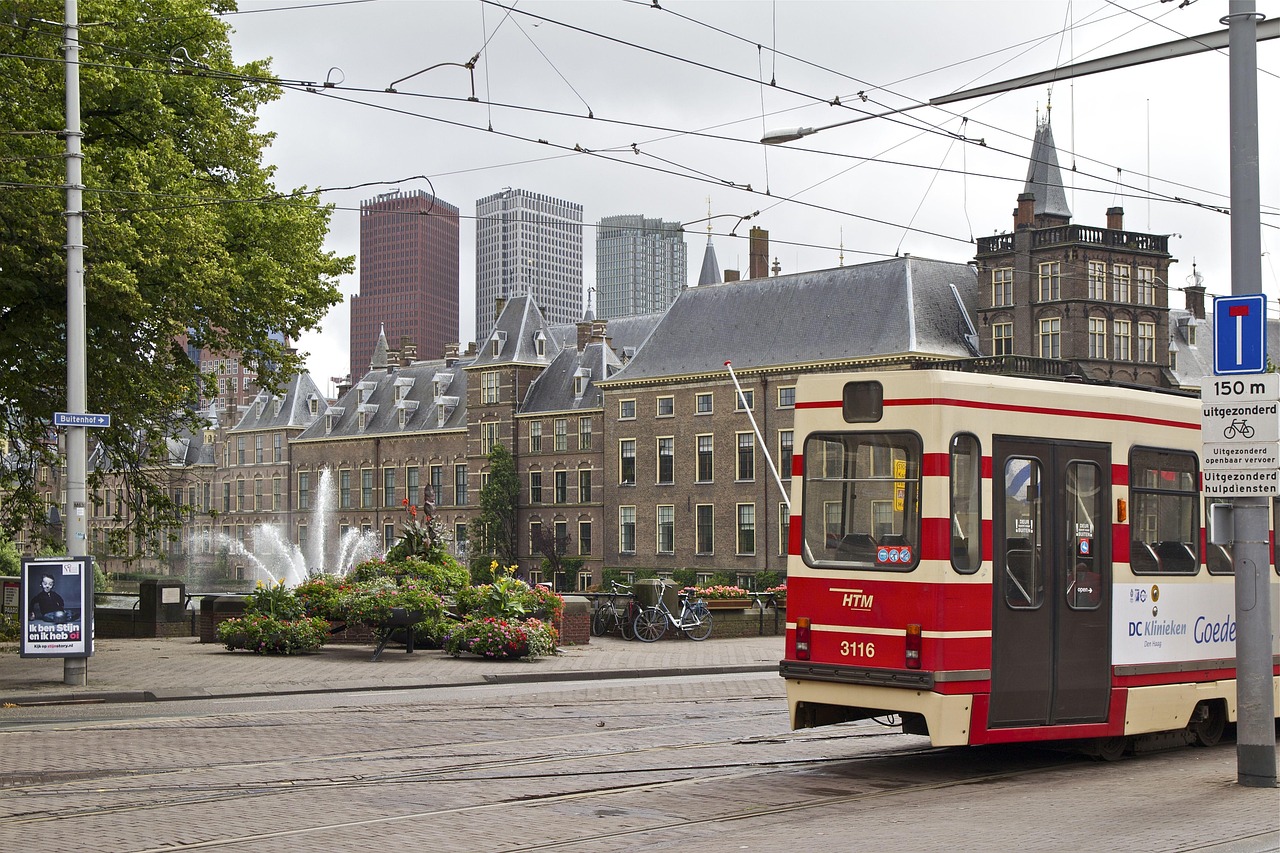
The Hague has an excellent network of trams and buses operated mainly by HTM.
- OV-chipkaart / Contactless: By 2026, you can tap in and out with contactless bank cards, credit cards, or mobile wallets on most public transport. Single-use tickets are also available but more expensive.
- Key lines: Tram 1 and 9 to Scheveningen; trams connecting Den Haag Centraal and Hollands Spoor to various neighborhoods.
- Trains: Two main stations: Den Haag Centraal and Den Haag HS (Hollands Spoor). Both are close to the center; Centraal is usually more convenient for first-time visitors.
Cycling
The Hague is bike-friendly, though slightly less chaotic than Amsterdam. I often rent a bike for a day to explore Meijendel or link city sights more quickly.
- Rent from bike shops near stations or in the center.
- Always lock your bike securely.
- Stay in bike lanes and obey traffic lights; Dutch cyclists take rules seriously.
Taxis & Ride-Sharing
Taxis are reliable but pricey. Ride-sharing services may be available depending on regulations in 2026. For most visitors, trams and walking will be enough.
Car Rental
You do not need a car inside The Hague and parking can be expensive. Rent a car only if you’re planning countryside trips that are not easily reachable by train.
SIM Cards & Connectivity
- eSIMs: By 2026, eSIM options for the Netherlands are widespread; you can buy data packages online before arrival.
- Physical SIM: Available at Schiphol Airport, phone shops, and some supermarkets. Look for plans from KPN, VodafoneZiggo, or T-Mobile/Tele2.
- Cafés and hotels almost always have free Wi-Fi.
Money-Saving Tips for The Hague
- Travel cards: Use contactless payments on transit; check if there’s a 1–3 day regional pass that covers HTM trams and nearby trains.
- Museum discounts: If visiting multiple museums across the Netherlands, a Museumkaart can pay off. Otherwise, look for combo tickets or online discounts.
- Stay slightly outside the absolute center: Neighborhoods just beyond the Centrum can offer better hotel or Airbnb rates while staying walkable or tram-connected.
- Self-cater breakfasts: Supermarkets have great fresh bread, cheese, yogurt, and fruit; I often do breakfast in my room to save money and time.
- Tap water: Perfectly safe and delicious. Skip bottled water.
Cultural Etiquette & Local Customs in The Hague
The Hague is international and relaxed, but a few cultural notes will make your visit smoother.
Direct Communication
Dutch people are famously direct; they say what they mean without much sugarcoating. Don’t mistake this for rudeness—it’s just the norm.
Punctuality
Being on time is appreciated, especially for tours and dinner reservations. If you’re meeting locals, try not to be late.
Cycling Etiquette
- Don’t walk in bike lanes; you’ll likely hear a bell if you do.
- Signal with your hand when turning on a bike.
- At night, use bike lights (front and back); it’s required.
Tipping
Service staff are paid better than in some countries, but tipping is still customary for good service: around 5–10% in restaurants, rounding up in cafés and taxis.
Personal Space & Noise
Dutch cities can be lively, but shouting on trams or speaking loudly in quiet cafés is frowned upon. In residential neighborhoods, keep noise down at night.
Cash vs Card
Contactless card payments are standard, and some places may even be card-only. Always carry at least a small amount of cash for markets or older venues, but expect to use your card most of the time.
Visas, Driving & Entry Requirements
Visa Requirements (2026)
The Netherlands is part of the Schengen Area. Many travelers can visit visa-free for short stays, but rules depend on your nationality.
- Check official Dutch government or EU sources before you travel; regulations can change.
- From some regions, ETIAS (European Travel Information and Authorization System) requirements may be in effect by 2026 for visa-exempt travelers—verify if this applies to you.
Foreign Driver’s Licenses
Tourists can generally drive in the Netherlands with a valid license from their home country, often with an International Driving Permit (IDP) recommended or required depending on your license language.
That said, you really don’t need a car in The Hague itself; trains and trams are easier and more eco-friendly.
Best Time to Visit The Hague
The Hague is a year-round destination, but each season has its own flavor.
Spring (March–May)
Cool to mild temperatures, blooming trees along Lange Voorhout and in parks, and fewer crowds than summer. Ideal for a balanced 3 day itinerary for The Hague with side trips to see tulips (Keukenhof, easily reached from The Hague by public transport during its season).
Summer (June–August)
Warmest weather, long days, and the best time for beaches and outdoor cafés. Also the busiest, especially in Scheveningen. Perfect for 4–5 days in The Hague if you want plenty of seaside time.
Autumn (September–November)
Mild early on, with colorful foliage in parks and Haagse Bos. Cultural season in full swing with festivals and performances. September’s Prinsjesdag and lingering beach days make early autumn especially nice.
Winter (December–February)
Cool to cold, often gray but atmospheric. Fewer tourists, cozy cafés, and beautiful lights around the center. Great for museum-focused trips and budget travelers, as accommodation can be cheaper.
Summary: Key Takeaways for Your The Hague Trip
The Hague is a city of layers: royal yet down-to-earth, political yet playful, historic yet seaside-relaxed. With 3 days in The Hague, you can see the essentials—Mauritshuis, Binnenhof, Peace Palace, Scheveningen beach. With 4 or 5 days, you can add modern art, dunes, markets, and more local neighborhoods, building a richer sense of place.
Use trams and bikes, eat both Dutch classics and Indonesian or Surinamese dishes, and balance museum days with beach or dune walks. Be curious but respectful, embrace the wind off the North Sea, and don’t be surprised if, like me, you find yourself planning a return visit before you’ve even left.
For most travelers, late spring to early autumn is the sweet spot for combining culture and coast, but with the right layers and mindset, The Hague rewards visits year-round. Whatever season you choose, this travel guide for The Hague should give you the tools—and inspiration—to make the city your own for a few unforgettable days.