Why Visit Doha in 2026?
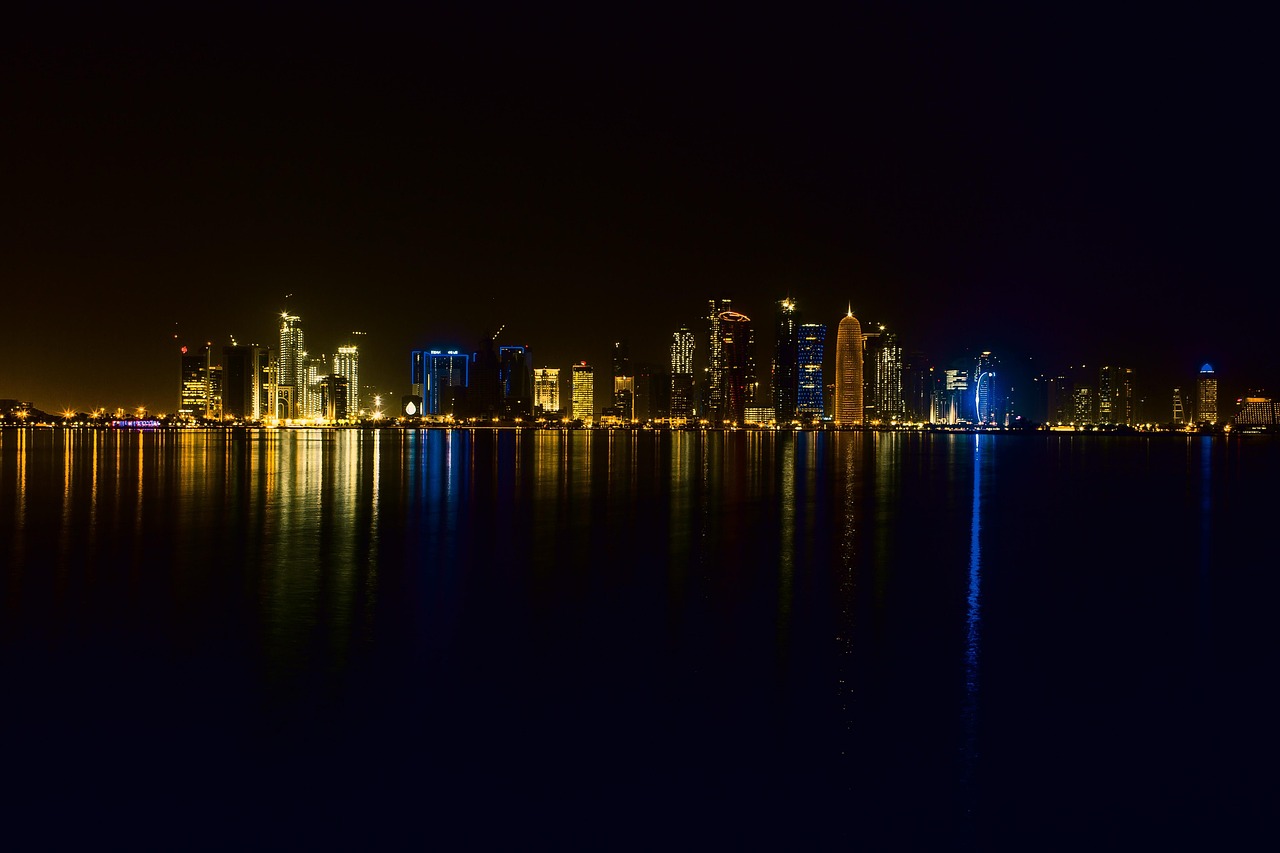
Doha is one of those cities that surprises people. Before my first trip, I’d heard all the clichés: “just a layover city,” “all malls and skyscrapers,” “only for business travelers.” Then I landed, stepped out onto the Corniche at sunset, and watched the skyline shimmer across the bay like a mirage made of glass and light. It felt both futuristic and deeply rooted in tradition—like a place still writing the first chapters of its story.
Since that first visit, I’ve returned to Doha several times, in different seasons and for different reasons: a winter escape when Europe was freezing, a quick 3-day stopover on my way to Asia, and once for a full 5 days, determined to “do it properly” like a local. Every time, I discovered more: hidden courtyards in Souq Waqif, quiet mornings in the MIA Park, late-night karaoke in West Bay, and long meals that stretched into the night over mezze and grilled seafood.
In 2026, Doha is in full stride after the post–World Cup wave. New museums are opening, the metro system is mature and easy to use, and cultural events are popping up practically every month.
If you’re wondering whether Doha is worth more than just a layover: yes. Whether you have 3 days in Doha or you’re planning a full 4 or 5 day itinerary for Doha, this city can keep you busy, well-fed, and genuinely inspired.
This travel guide for Doha is built from my own repeated visits, conversations with Doha-based friends, and a lot of trial and error. Consider it part personal diary, part local cheat sheet, and part deep dive into the city’s best experiences.
Table of Contents
- Why Visit Doha in 2026?
- Doha at a Glance
- 3–5 Day Itineraries for Doha
- 20+ Must-See Attractions in Doha (With Personal Notes)
- Neighborhoods & Districts to Explore
- Local Food in Doha: What and Where to Eat
- Nightlife, Entertainment & Cultural Experiences
- Day Trips & Nearby Escapes from Doha
- Cultural Etiquette & Local Customs
- Practical Travel Tips for Doha (Money, SIM, Transport, Visas)
- What’s New: Doha Events & Festivals 2026–2027
- When to Visit Doha & Final Takeaways
Doha at a Glance
Doha is the capital of Qatar, curving around a natural bay on the Arabian Gulf. It’s compact enough that you can cross the city by car in under 40 minutes in light traffic, yet diverse enough that each district feels like a different world: the traditional maze of Souq Waqif, the glass towers of West Bay, the artsy corners of Education City, and the polished waterfront promenades of The Pearl and Lusail.
It’s also one of the safest cities in the world, extremely clean, and surprisingly easy to navigate using the metro and ride-hailing apps. For solo travelers, couples, and families, Doha is straightforward and welcoming, as long as you respect local customs.
Recommended 3–5 Day Itineraries for Doha
Whether you have 3 days in Doha, 4 days in Doha, or a full 5 day itinerary for Doha, here’s how I’d structure your trip based on my own repeat visits. I’ll give a narrative overview here, then dive deeper into each attraction later.
3 Days in Doha — Classic Highlights Itinerary
If you’re doing a quick stopover and want the best places to visit in Doha without rushing, this is the 3 day itinerary for Doha I’d suggest.
Day 1: Corniche, MIA & Souq Waqif
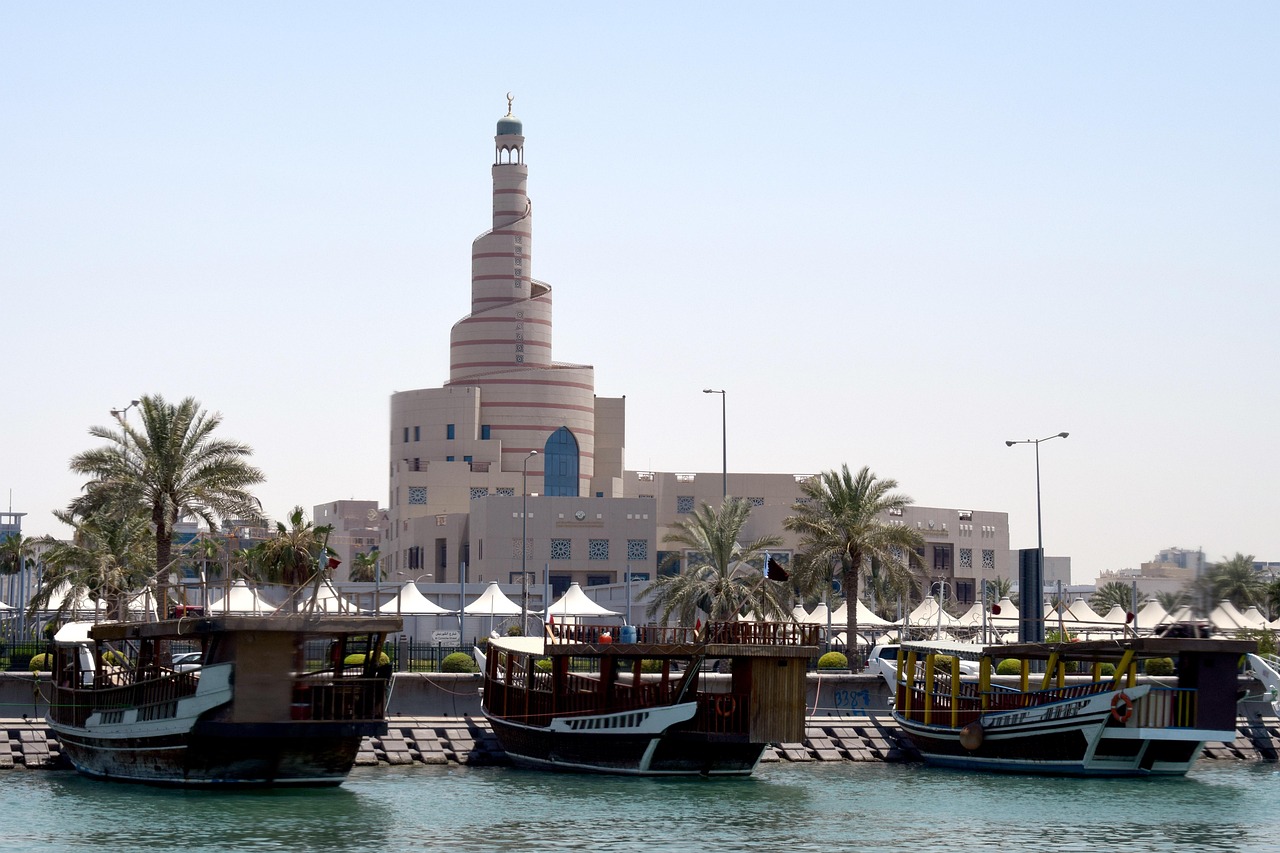
On my first day in Doha, I always start on the Corniche. It’s the city’s spine: a sweeping waterfront promenade with uninterrupted views of the skyline.
- Morning: Walk the Corniche from the Sheraton end towards the Museum of Islamic Art (MIA). Grab a karak (sweet spiced tea) from a kiosk. Pop into the MIA and its park.
- Afternoon: Explore Souq Waqif. Wander the spice alleys, falcon souq, and handicraft sections. Have a late lunch of grilled meats or machboos.
- Evening: Stay in Souq Waqif after dark when lanterns come on and the square fills with families. Try shisha and dessert at an outdoor café.
Day 2: West Bay, Katara & The Pearl
- Morning: Head to West Bay for skyscraper views. Go up to a rooftop café or observation spot in one of the hotels if possible.
- Afternoon: Metro or taxi to Katara Cultural Village. Visit the mosques, amphitheater, and art galleries. Walk along Katara Beach.
- Evening: Continue to The Pearl-Qatar for a stroll around Porto Arabia and Qanat Quartier. Have dinner at one of the waterfront restaurants.
Day 3: Desert Adventure & Shopping
- Morning & Afternoon: Join a half-day or full-day desert safari to the Inland Sea (Khor Al Adaid) for dune bashing, camel rides, and swimming.
- Evening: Return to Doha and finish with shopping and dinner at Msheireb Downtown or a mall like Doha Festival City or Mall of Qatar.
4 Days in Doha — Culture, Desert & Neighborhoods
With 4 days in Doha, you can slow down and add more cultural experiences in Doha plus an extra neighborhood.
- Day 1: Corniche, MIA, and Souq Waqif (as above).
- Day 2: West Bay, Katara, The Pearl (as above).
- Day 3: Desert safari (Inland Sea) + evening in Msheireb Downtown.
- Day 4: Explore Education City (Qatar National Library, Mathaf Museum), plus a visit to National Museum of Qatar and a relaxed evening at MIA Park.
5 Days in Doha — Deep Dive Like a Local
If you have 5 days in Doha, this is where the city really opens up. A 5 day itinerary for Doha lets you see both the must-see attractions and some genuine hidden gems in Doha.
- Day 1: Corniche, MIA, Souq Waqif.
- Day 2: West Bay, Katara, The Pearl.
- Day 3: Desert safari (Inland Sea) + Msheireb.
- Day 4: Education City, National Museum of Qatar, Al Bidda Park.
- Day 5: Lusail Marina & Boulevard, more local markets (like Wholesale Market or a fish market), and time for cafés, hammam, or spa.
Below, I’ll expand each day into a more narrative style and then go attraction by attraction in detail, so you can mix and match depending on your interests.
20+ Must-See Attractions in Doha (With Stories, Tips & History)
These are the core things to do in Doha. I’ve grouped them roughly from most iconic to more offbeat. Each one includes personal tips, a bit of background, and how to fit it into your itinerary.
1. Doha Corniche
The Corniche is a 7-km crescent-shaped promenade that hugs Doha Bay. It’s the first place I take friends when they land, regardless of the hour. Early morning, it’s all joggers, fishermen, and families with strollers. By sunset, it turns into Doha’s living room, with people sitting on the grass, kids riding scooters, and the skyline putting on a light show.
Historically, the area was a modest waterfront lined with dhow boats. Over the last few decades, it’s been transformed into a broad, landscaped promenade as Doha’s skyline shot up behind it. Yet, traditional wooden dhows still bob in the water, offering short cruises.
My routine here: I usually start around the Sheraton end and wander toward the Museum of Islamic Art. I stop at a small kiosk for a karak and a samosa, then sit on the rocks watching the dhows. If I’ve had a heavy day of sightseeing, this is where I decompress.
Tips for visitors:
- Best time: Sunrise or an hour before sunset, especially in cooler months (November–March).
- Family-friendly: Very. Smooth paths for strollers, lots of open space, and public toilets in some sections.
- Getting there: Use the Doha Metro to Corniche station or take a taxi to the Sheraton Grand Doha entrance or MIA Park.
- Budget tip: It’s completely free. Bring snacks or pick some up from a supermarket to avoid pricey cafés.
2. Museum of Islamic Art (MIA) & MIA Park
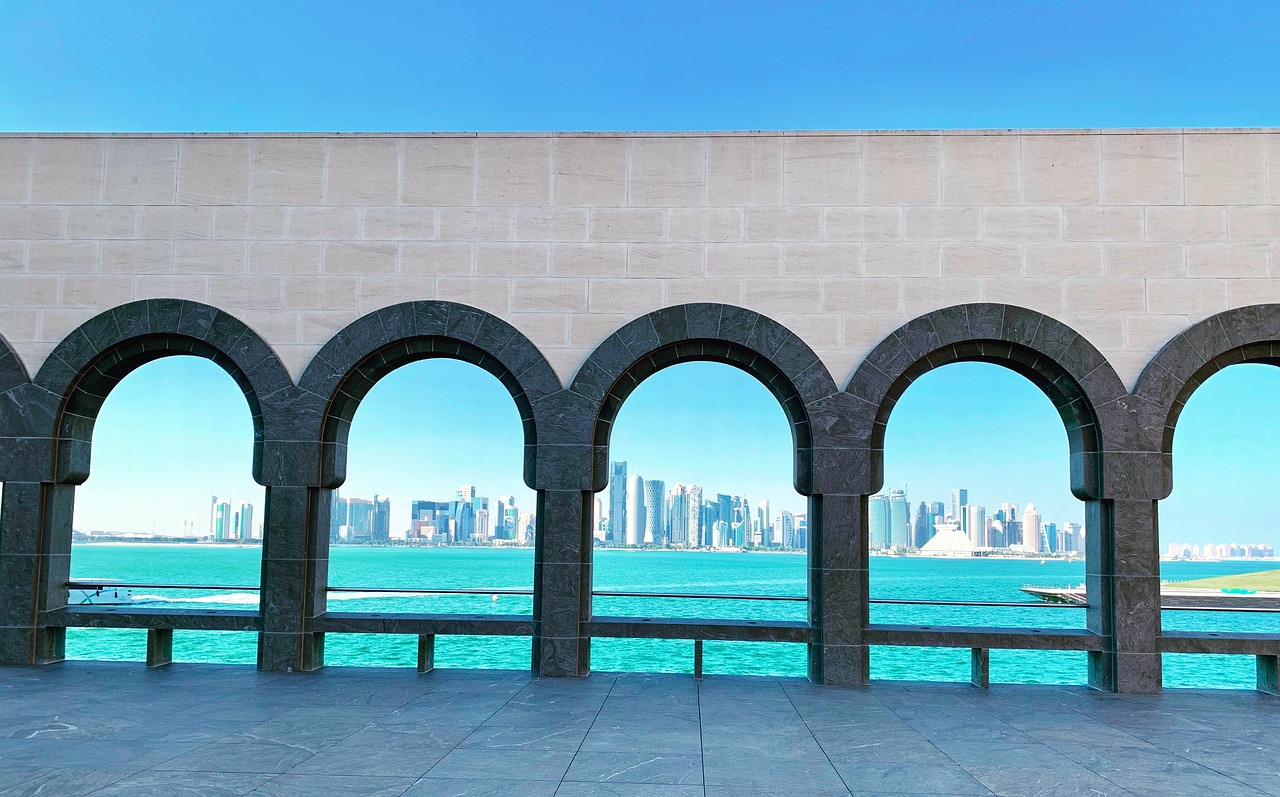
The Museum of Islamic Art is Doha’s architectural icon, designed by I.M. Pei. It sits on its own man-made island, jutting into the bay, like a sculpted fortress of limestone. Inside, it holds one of the world’s finest collections of Islamic art spanning 1,400 years.
On my second visit to Doha, I spent an entire half-day here and barely scratched the surface. I got lost (in a good way) among intricately illuminated Qurans, jeweled daggers, tiles, carpets, and ceramics from Spain to India. The building’s interior is as impressive as the collection: soaring atriums, a spiral staircase, and huge windows framing the skyline.
Outside, MIA Park is my favorite green space in the city. Families picnic here, couples sit on the grass, and there’s a gentle buzz from the park café. The view back to West Bay at night is unreal.
Tips for visitors:
- Plan 2–3 hours: More if you’re a museum nerd. Join a free guided tour if available.
- Café & food: The museum café has great views; the park has a casual café with snacks and light meals.
- Romantic pick: Come just before sunset. Walk the park, then sit at the edge of the water as the skyline lights up.
- Dress code: No strict code beyond modest clothing (shoulders and knees covered) as it’s a public space, but respectful attire is recommended.
3. Souq Waqif
Souq Waqif is Doha’s beating heart. It’s a reconstructed traditional market built on the site of an old Bedouin trading souq, and while much of it was renovated in the 2000s, it feels surprisingly authentic: mud-rendered walls, wooden beams, narrow alleys, and courtyards shaded by fabric canopies.
I’ve been to Souq Waqif on each of my trips, at different times of day. In the morning, many shops are closed, but you can watch deliveries and locals shopping for spices or incense. At midday in summer, it’s hot and quiet. At night, it’s electric: restaurants overflowing, children chasing each other, oud music drifting from doorways, and fragrant smoke from grills filling the air.
Don’t miss the Falcon Souq, where you can see prized birds and even a falcon hospital, and the pet market (though be aware it can be intense for animal lovers). The spice shops, perfume stalls (especially oud and attar), and textile alleys make for wonderful browsing.
What I usually do: I like to start in the spice section, buy some za’atar or saffron, then grab a table at a café on the main square for Arabic coffee. Dinner is often at one of the Yemeni or Qatari restaurants serving huge platters of slow-cooked lamb and rice.
Tips for visitors:
- Best time: After 6 pm, especially Thursday and Friday nights.
- Souvenirs to buy: Spices, dates, oud perfume, local sweets, and decorative lamps.
- Bargaining: Expected in smaller shops. Be polite, smile, and don’t be afraid to walk away.
- Family-friendly: Very. Kids love the open plazas and street performers on busy nights.
4. National Museum of Qatar
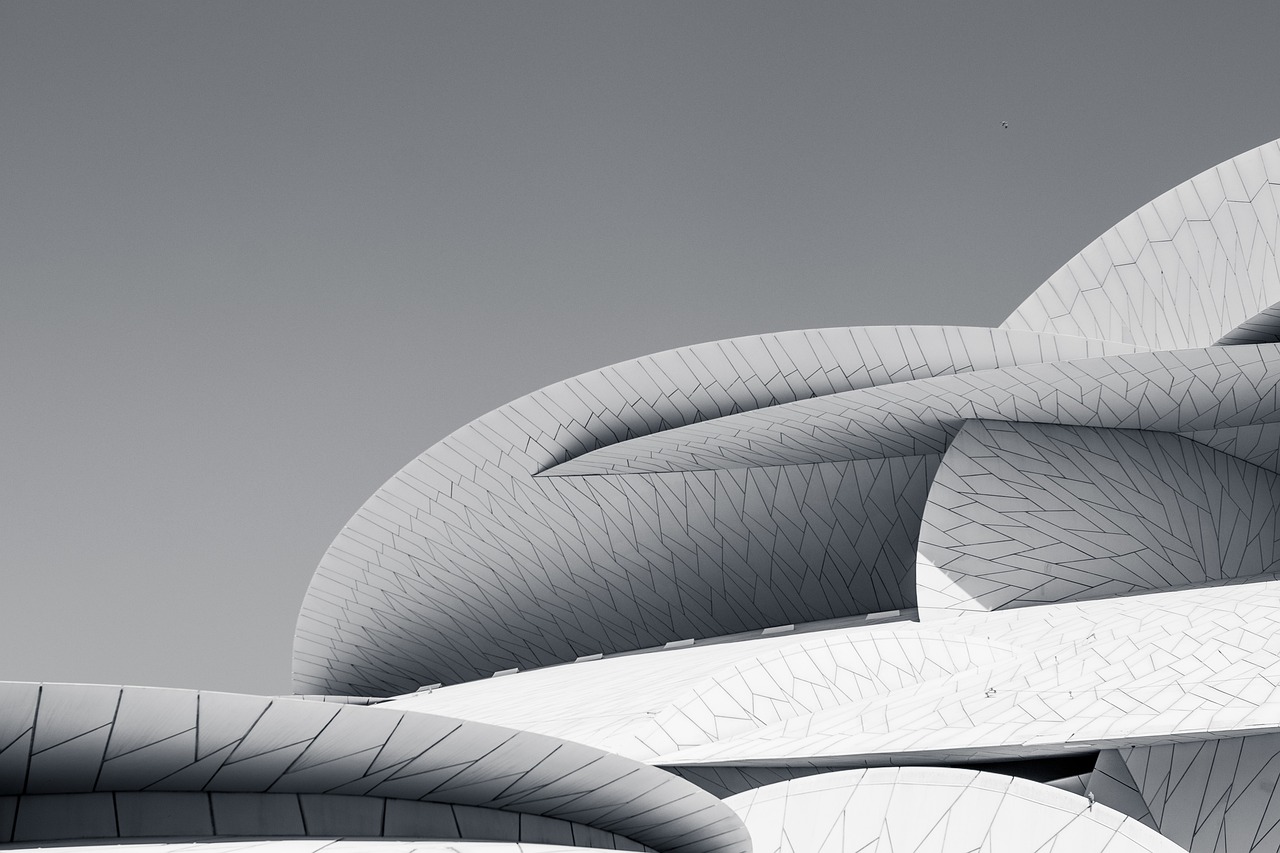
The National Museum of Qatar (NMoQ) looks like a futuristic desert rose exploding from the ground. Designed by Jean Nouvel, it’s one of the most striking buildings I’ve ever seen. Even if you never set foot inside, just walking around its exteriors and courtyards is worth the trip.
Inside, the museum tells the story of Qatar: its geology, Bedouin heritage, pearling history, and rapid rise thanks to oil and gas. Atmospheric galleries use immersive projections, sounds, and interactive displays. On my first visit, I ended up spending longer in the early history and pearl-diving sections than I expected. It gave me a completely different appreciation for the modern city outside.
Highlights: The restored Sheikh Abdullah bin Jassim Al Thani’s Palace, incorporated into the museum, and the café overlooking the reflecting pools.
Tips:
- Allow 2–3 hours: Especially if you like to read exhibits.
- Combine with: A Corniche walk or Souq Waqif; they’re a short taxi ride away.
- Photography: Exterior is a dream for architecture lovers. Come early morning for softer light.
5. West Bay & Skyscraper District
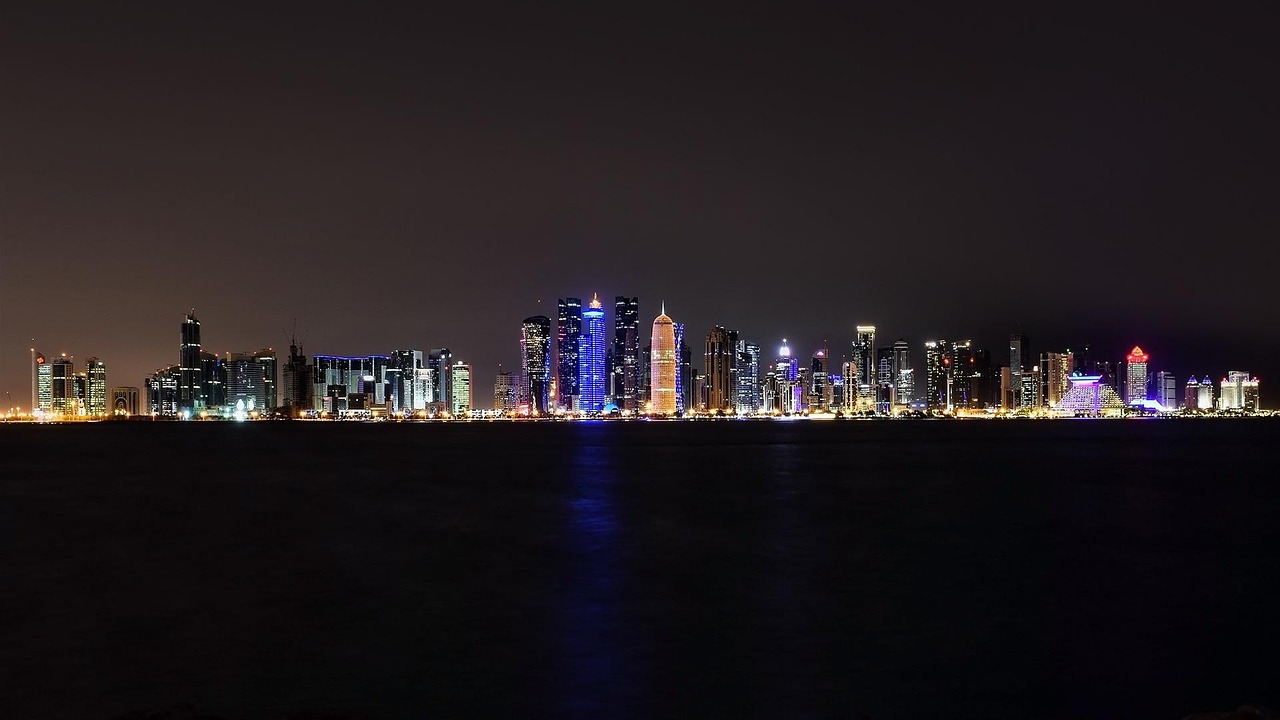
West Bay is Doha’s business and financial district, home to the city’s most dramatic cluster of skyscrapers. Each tower tries to outdo the next: spirals, curves, color-changing LEDs. At night, it’s like someone scattered jewels along the horizon.
My first time here, I wandered around feeling tiny and slightly lost among the mirrored façades. On later trips, I learned to use West Bay more strategically: as a base for rooftop bars, Friday brunches, and metro access to other parts of the city.
What to do:
- Visit a rooftop lounge or sky bar for panoramic views (many hotels have them).
- Enjoy a hotel brunch (especially on Fridays).
- Walk along the West Bay end of the Corniche at night to see the reflections on the water.
Tip: West Bay can feel sterile at street level, but it’s a great place to base yourself if you want easy access to most attractions via metro or taxi.
6. Katara Cultural Village
Katara Cultural Village is where Doha goes to celebrate art, music, and heritage. It’s a complex of theaters, galleries, mosques, cafés, and a public beach, designed like a modern reinterpretation of a traditional village.
I’ve come here for photography walks, to catch small exhibitions, and simply to sit under the colonnades with an ice cream watching families go by. The amphitheater, with its Greco-Arabic styling and sea views, is one of my favorite architectural spots in the city.
Don’t miss: The golden and blue-tiled mosques, the pigeon towers, and the beachfront promenade. If you’re lucky, you might stumble on a festival, live music, or film screening.
Tips:
- Best time: Late afternoon into evening when it’s cooler.
- Family-friendly: Yes, especially the beach area and open plazas.
- Combine with: The Pearl-Qatar, just a short drive away.
7. The Pearl-Qatar
The Pearl-Qatar is an artificial island with marinas, luxury apartments, and a mix of high-end boutiques and restaurants. It’s polished, planned, and a bit theatrical, but it can be a lovely place to wander, especially in the cooler months.
My favorite parts are Porto Arabia, with its sleek yachts and circular marina, and Qanat Quartier, modeled after Venice with canals, pastel-colored buildings, and little bridges. Yes, it’s a bit of a stage set, but it’s fun to photograph and stroll through.
Best for: An early evening walk, café-hopping, and a slightly glamorous dinner. Couples tend to love it for the views and atmosphere.
Tip: This area is pricey, so if you’re watching your budget, come for a coffee or ice cream rather than a full meal.
8. Lusail Marina & Boulevard
Lusail is Doha’s futuristic neighbor to the north. Built largely in the last decade, it feels like a city of tomorrow with broad boulevards, sculptural towers, and a flashy new marina.
On one of my more recent trips, I took the metro out to Lusail to see what all the post–World Cup buzz was about. The Lusail Marina Promenade is great for evening walks, with food trucks, pop-up markets, and light installations when events are on. The Lusail Boulevard has become a key venue for car parades, festivals, and open-air performances.
Who will like it: Those who enjoy urban design, modern architecture, and offbeat photo spots. It’s also a good “second wave” destination if you’ve already done the classic Doha sights.
9. Education City & Qatar National Library
Education City is a huge campus hosting branches of major international universities, museums, and research centers. It’s quieter than central Doha, with lots of green space and modern architecture.
The standout for me is the Qatar National Library (QNL), another Jean Nouvel design. The building feels like a flowing, terraced landscape of books under a glass roof. As a book lover, walking into QNL for the first time was goosebump-inducing. Even if you’re not a library person, the architecture and atmosphere are worth the trip.
Nearby, you have Mathaf: Arab Museum of Modern Art, which focuses on modern and contemporary art from the Arab world. It’s perfect if you want to balance more traditional Islamic art at MIA with something cutting-edge.
Tips:
- Getting there: Use the Green Line of the Doha Metro to Education City station, then walk or use internal shuttles/taxis.
- Plan: Combine QNL and Mathaf in one half-day trip.
10. Msheireb Downtown Doha
Msheireb Downtown is Doha’s sustainable smart-city quarter built right next to the old downtown and Souq Waqif. It’s full of pale stone buildings, shaded streets, and contemporary Qatari architecture that blends tradition with modern design.
I like Msheireb for its pedestrian-friendliness (a rarity in Gulf cities), the abundance of cafés, and the sense of calm in the evenings. The Msheireb Museums are housed in restored heritage houses and give a nuanced look at Doha’s history, including the pearling era and domestic life.
Best for: Evening strolls, café-hopping, photography, and low-key dinners. It’s a great “landing pad” after a desert safari when you want city life but not a hectic mall.
11. Al Bidda Park
Al Bidda Park is a huge urban park that runs parallel to a stretch of the Corniche. It’s one of the best places in Doha to feel like a local, especially on weekend afternoons when families spread out picnic blankets and kids play football.
On one of my trips, I grabbed takeaway shawarma from a small shop near my hotel and came here to eat under a tree, watching kites flying above the skyline. It’s simple, but it gave me one of my favorite memories of Doha.
Tips:
- Budget-friendly: Totally free, and you can bring your own food.
- Activities: Jogging tracks, bike rentals, playgrounds, and occasional events.
12. Desert Safari & Inland Sea (Khor Al Adaid)
No travel guide for Doha is complete without the desert. South of the city lies a landscape of rolling dunes that meet the sea at the Inland Sea (Khor Al Adaid), a UNESCO-recognized natural reserve.
I’ve done the classic half-day desert safari twice. Both times, it started with a 4x4 pickup in Doha, a quick stop at a roadside camel camp, then tire deflation and straight into dune bashing. It’s a rollercoaster ride over sand dunes—thrilling but generally safe with experienced drivers.
At the Inland Sea, the dunes slope down into calm, clear water with Saudi Arabia visible on the horizon. On my last trip, I took a moment to walk away from the group, sit on a dune ridge, and just listen to the wind. It’s a nice counterpoint to Doha’s urban buzz.
Tips:
- Time of day: Afternoon into sunset is ideal; mornings can be very bright and hot.
- What to bring: Sunglasses, hat, sunscreen, a light scarf, and a small daypack. Wear sandals or open shoes—sand gets everywhere.
- Family note: Kids usually love dune bashing, but if anyone has back issues or motion sickness, warn the driver to keep it mild.
13. Katara Beach & Watersports
Within Katara Cultural Village, the public beach is sandy, calm, and very controlled—this is no wild coastline, but it’s perfect for a quick dip or a lazy afternoon. There are also watersports operators offering kayaking, SUP, and sometimes small boat rentals.
I once spent a slow, hazy winter afternoon here reading a book under a rented umbrella, occasionally watching kids squeal as they splashed in the shallows. The views back toward the skyline are subtle but lovely.
14. Villaggio Mall & Aspire Zone
Villaggio Mall is Doha’s Venetian-themed shopping mall, complete with indoor canals, faux-sky ceilings, and gondola rides. Yes, it’s kitschy. But it’s also a very Doha experience, and in the heat of summer, the air conditioning and entertainment make it a magnet for families.
Nearby, Aspire Zone (also known as Doha Sports City) includes Aspire Park, one of the city’s prettiest green spaces, and the Torch Tower. On cooler evenings, locals jog around the park’s lake or picnic under trees.
15. Doha Festival City & Snow Dunes
Doha Festival City is another mega-mall, home to IKEA, international brands, and a cluster of indoor theme parks. One of the quirkiest options here is the indoor snow park (branding changes over time, but think snow-themed rides and artificial snow), which is a novelty in the desert.
If you’re traveling with kids and need a break from cultural sightseeing, this is a lifesaver: movies, arcades, food courts, and air-conditioning for hours.
17. Traditional Markets & Wholesale Area
Beyond Souq Waqif, Doha has more utilitarian markets where locals shop: produce markets, fish markets, and wholesale areas. They’re less polished but offer a deeper glimpse of everyday life.
I once tagged along with a Doha-based friend doing a weekly shop in a wholesale market. We navigated crates of vegetables, stacks of dates, and shouted negotiations in Arabic and English. It’s not a “sight” in the traditional sense, but if you like off-the-beaten-path experiences, ask your hotel or local contacts about nearby markets.
18. Art Galleries & Creative Spaces
Doha’s art scene is growing. Besides Mathaf and the big museums, keep an eye out for smaller galleries and creative hubs, especially around Katara and Msheireb.
On my last trip, I stumbled into a small gallery in Msheireb hosting a contemporary photography exhibition about migrant worker stories. It was powerful and nuanced, and a reminder that Doha is more than luxury façades.
19. Msheireb Museums
The Msheireb Museums occupy four restored heritage houses and offer intimate, story-driven exhibits on Doha’s past, including pearl diving, domestic life, and the history of slavery and labor in the region. It’s one of the few places where the narrative is honest about the country’s more complicated histories.
If you want depth beyond pretty skylines, put this on your list.
20. Falcon Souq & Falcon Hospital
Attached to Souq Waqif, the Falcon Souq is dedicated to falconry, a deeply rooted Gulf tradition. You’ll see falcons perched calmly on stands, with owners and buyers inspecting them carefully. Nearby, a specialized falcon hospital treats these highly valued birds.
On my first visit, I was nervous about intruding, but the shopkeepers were surprisingly welcoming, explaining different breeds and equipment. Just be respectful, ask before taking photos, and remember these are working animals, not props.
Neighborhoods & Areas to Explore in Doha
Souq Waqif & Old Downtown
This is the historic heart, perfect for wandering, people-watching, and tasting local food in Doha. Narrow alleys, traditional architecture, and easy access to the Corniche and Msheireb.
West Bay
Skyscrapers, embassies, and luxury hotels. Convenient, modern, and central, but less character at street level. Great base if you want international-standard hotels and easy metro access.
Msheireb Downtown
A walkable, design-forward district with cafés, boutiques, and heritage museums. Good for evenings and those who prefer an urban village vibe.
The Pearl-Qatar
Upscale island living. Marinas, international restaurants, and expat-heavy residential areas. Lovely for romantic walks but more expensive.
Lusail
Doha’s futuristic extension, still growing into itself. Wide boulevards, new stadiums, and event spaces. Worth visiting for events, car parades, and nighttime strolls.
Education City
Campus-style neighborhood with universities, libraries, and museums. Quiet but rich in culture and architecture.
Local Food in Doha: What to Eat & Where
Doha’s food scene is a mashup of Qatari, broader Gulf, Levantine (Lebanese/Syrian), Indian, Pakistani, and more. You can eat a different cuisine every day without leaving a 2-km radius.
Must-Try Qatari & Regional Dishes
- Machboos: Spiced rice with chicken, lamb, or seafood. Think of it as the Gulf’s answer to biryani.
- Harees: Slow-cooked wheat and meat porridge, often served in Ramadan.
- Majboos shrimp or fish: A seafood spin on machboos.
- Grilled meats & kebabs: Lebanese-style grills are everywhere.
- Hummus, mutabal, tabbouleh: Middle Eastern staples done very well.
- Luqaimat: Sweet fried dough balls drizzled with syrup or honey.
- Karak tea: A strong, sweet, cardamom-laced milk tea popular across the city.
Where I Like to Eat
Names and exact tenants change often, but some patterns hold:
- Souq Waqif: Great for Qatari and regional food in a lively setting. Try one of the Qatari restaurants lining the main street, plus Yemeni and Syrian spots.
- Katara: More upscale, with a mix of regional and international cuisines and sea views.
- Msheireb: Trendy cafés, brunch places, and mid-range restaurants.
- Malls: Food courts offer cheaper options, including Indian and Filipino comfort food.
Budget Eating Tips
- Look for small Indian or Pakistani cafeterias for very affordable, filling meals.
- Use delivery apps to compare prices and discover local favorites (if you have a local SIM).
- Eat your main meal at lunch, when some places offer specials.
Nightlife, Entertainment & Cultural Experiences in Doha
Doha isn’t a wild party city, but it has its own version of nightlife: hotel bars, rooftop lounges, shisha cafés, late-opening malls, and cultural performances.
Bars & Rooftops
Alcohol is served mainly in licensed hotel bars and some standalone venues. West Bay and The Pearl host many rooftop lounges with skyline and sea views. Dress codes tend to be smart-casual, and IDs are checked.
Shisha & Late Cafés
For a more local vibe, head to shisha cafés in Souq Waqif, Katara, or neighborhood spots. These stay open late and are popular with both locals and expats.
Cultural Experiences
- Music and dance performances at Katara or Msheireb during festivals.
- Film screenings, lectures, and exhibitions in Education City.
- Special museum nights or open-air events around National Museum and MIA Park.
Day Trips & Nearby Escapes from Doha
Desert & Inland Sea
The classic half-day or full-day trip, as covered above. Ideal for adventure seekers and families.
Al Zubarah Fort & North Qatar
Al Zubarah Fort is a UNESCO World Heritage Site about 1.5–2 hours from Doha. The fort itself is a compact, photogenic structure in the desert, and nearby are the remains of an old pearling and trading town. It’s not crowded, and the sense of history is palpable.
Renting a car or joining a tour is the easiest way to visit. Combine it with a stop at coastal villages for a full-day outing.
Al Thakira Mangroves & Al Khor
For something completely different, head north to the Al Thakira Mangroves. You can kayak through narrow channels of mangroves, watching birds and crabs in a quiet, green environment that feels worlds away from West Bay.
Cultural Etiquette & Local Customs in Doha
Qatar is a conservative Muslim country, but it’s also very international and used to visitors. The key is respectful awareness.
Dress Code
- Women: No need for headscarves, but cover shoulders and knees in public areas. In malls and souqs, avoid low necklines and very tight clothing.
- Men: T-shirts and long shorts/pants are fine; avoid going shirtless except at hotel pools/beaches.
Public Behavior
- Public displays of affection should be minimal.
- Avoid loud drunkenness or rowdy behavior; it’s not tolerated.
- Ask before photographing people, especially families and women.
Religious Considerations
During Ramadan, eating, drinking, and smoking in public during daylight hours is restricted. Many restaurants are closed during the day, but hotels often serve food in screened areas. Nights are festive, with special Ramadan tents and late-opening venues.
Practical Travel Tips for Doha (2026 Edition)
Visas & Entry
Qatar offers visa-free or visa-on-arrival entry to many nationalities, but rules change, so always check the official Qatar Airways or government websites before you fly. Your passport should be valid for at least 6 months.
SIM Cards & Connectivity
At Hamad International Airport, you can buy tourist SIMs from major providers like Ooredoo and Vodafone at dedicated kiosks. Packages are usually affordable and include data plus local calls. Bring your passport to register.
Money & Costs
- Currency: Qatari Riyal (QAR).
- Cards are widely accepted; ATMs are everywhere.
- Doha can be expensive, but you can eat and get around cheaply if you use the metro, local cafeterias, and budget hotel options.
Getting Around
- Metro: Clean, fast, and inexpensive. Connects the airport, West Bay, Msheireb, Katara, Lusail, and more.
- Taxis & Ride-Hailing: Karwa taxis and apps like Uber are widely used and safe.
- Car Rental: Available at the airport and in the city. A foreign driver’s license is generally accepted for short stays; check if an International Driving Permit is required for your nationality.
Saving Money
- Use the metro instead of taxis when possible.
- Stay in mid-range hotels in West Bay or near Msheireb and book early.
- Have some meals at mall food courts or small neighborhood eateries.
- Enjoy free attractions like Corniche, Souq Waqif, Al Bidda Park, and many public events.
What’s New: Doha Events & Festivals 2026–2027
Doha’s event calendar is increasingly busy. While exact line-ups change each year, you can expect:
- Qatar International Food Festival (QIFF): Usually in spring, with stalls, cooking demos, and performances.
- Doha International Book Fair: A major regional event for readers and publishers.
- Ajyal Film Festival: Focused on youth and family-friendly films, often late in the year.
- Sports events: International athletics, tennis, and football tournaments, building on Qatar’s sports infrastructure.
Check Visit Qatar and local listings closer to your travel dates for 2026–2027 specifics.
When to Visit Doha & Final Takeaways
Best Seasons for Visiting Doha
- November to March: The best time. Pleasant temperatures, outdoor events, and ideal for walking the Corniche, exploring souqs, and taking desert trips.
- April & October: Shoulder seasons. Warmer but manageable, with fewer crowds.
- May to September: Very hot and humid. Focus on indoor attractions, malls, and late-night outings if you visit then.
Key Takeaways
- Doha is absolutely worth more than a layover: plan at least 3 days in Doha, ideally 4 or 5 days if you want to mix city, desert, and culture.
- Balance your time between the big-ticket sights (MIA, National Museum, Souq Waqif, desert safari) and quieter areas (Msheireb, Education City, Al Bidda Park).
- Respect local customs, dress modestly, and you’ll find Doha welcoming and easy to navigate.
- Use the metro, drink lots of water, and time outdoor activities for mornings and evenings.
For me, Doha is a city of contrasts and layers: desert and sea, old souq and new skyline, quiet libraries and roaring dune buggies. If you give it a few days and approach it with curiosity, it will reward you with more than you expect.