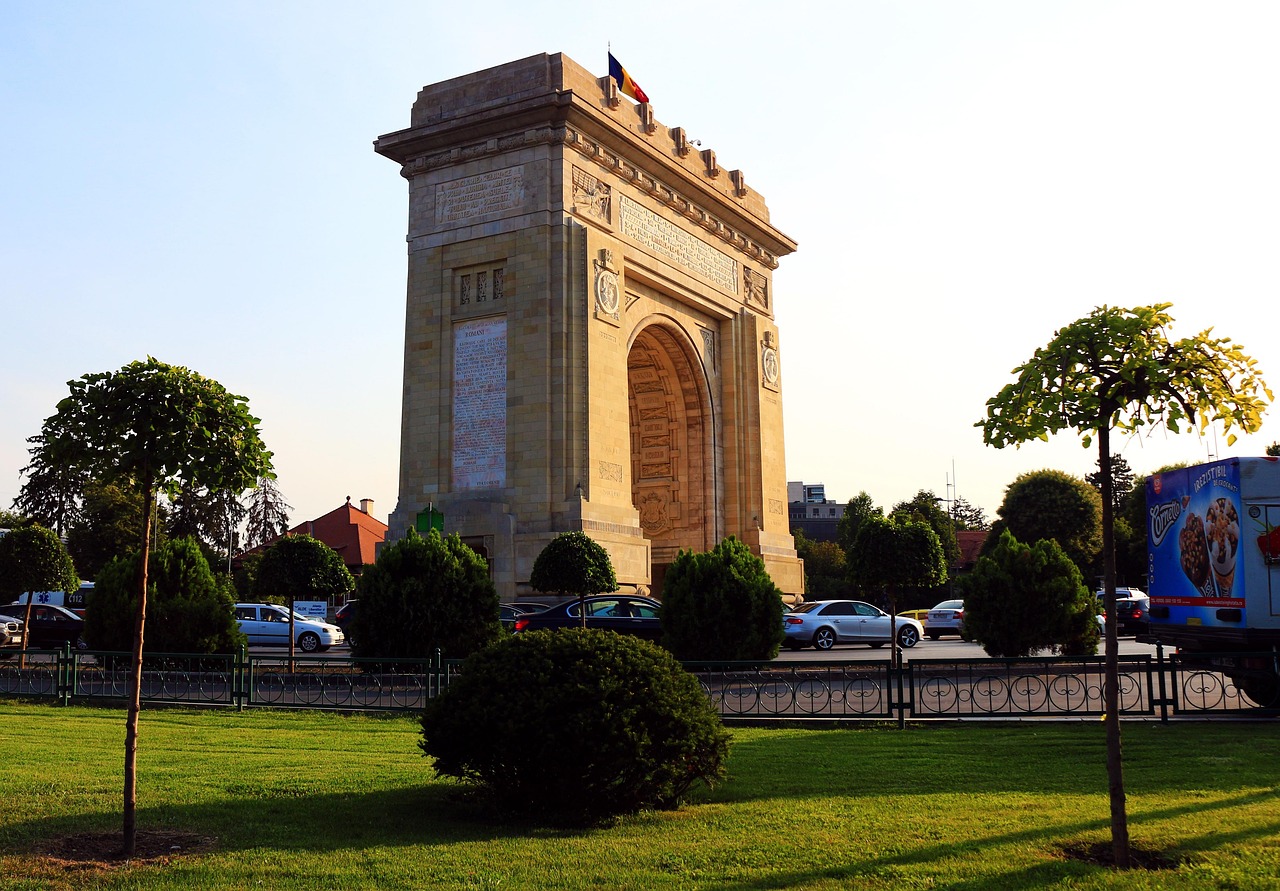
Why Visit Bucharest in 2026?
Bucharest is one of those cities that people still say they’re “surprised” by – and honestly, that’s part of its charm. It doesn’t hit you all at once like Paris or Rome. Instead, it unfolds slowly: a Belle Époque façade here, a brutalist concrete block there, a shaded park full of grandparents and kids, and then suddenly a courtyard bar buzzing with music and craft beer.
I’ve been coming to Bucharest regularly since the late 2010s, and I’ve watched it change season by season. By 2026, the city has fully stepped into its new identity: creative, confident, and still wonderfully affordable compared to Western Europe. Think café culture, lively nightlife, fascinating history, and a food scene that mixes hearty Romanian classics with modern bistros and specialty coffee.
Whether you’re planning 3 days in Bucharest as part of a larger Eastern Europe trip or a full 4 or 5 day itinerary for Bucharest to dig deeper, this travel guide for Bucharest will help you experience the city the way locals do.
What makes Bucharest special?
- Layered architecture: Neoclassical palaces, 19th-century mansions, interwar modernism, communist-era blocks, and sharp new glass towers exist side by side.
- Genuine prices: Eating out, taxis, public transport, and even museums are still very budget friendly by EU standards.
- Local food in Bucharest: From crispy mici and comforting sarmale to hip brunch spots and specialty coffee, you’ll eat very well.
- Hidden gems in Bucharest: Courtyard gardens, tiny churches tucked between office blocks, and alternative art spaces reward slow exploration.
- Nightlife and culture: Rooftop bars, live music, classical concerts, and a packed festival calendar for 2026–2027.
This guide is written as if I’m walking you through my favorite corners of the city: what to do, where to eat, how to get around, and the little travel tips for Bucharest and local customs in Bucharest that make life easier (and more fun) on the ground.
Table of Contents
- Why Visit Bucharest in 2026?
- Essential Info & Quick Travel Advice for Bucharest
- Overview: 20 Must-See Attractions & Experiences
- In-Depth Guide to 20 Major Attractions
- Neighborhoods & Areas to Explore
- Suggested 3–5 Day Itineraries
- Local Food & Drink in Bucharest
- Nightlife, Entertainment & Cultural Experiences
- Day Trips from Bucharest
- Cultural Etiquette & Local Customs
- Practical Travel Tips for Bucharest (2026–2027)
- Major Events & Festivals 2026–2027
- Summary & Best Time to Visit Bucharest
Essential Info & Quick Travel Advice for Bucharest (2026)
Before we dive into all the things to do in Bucharest, here’s the short version of what you need to know:
- Currency: Romanian leu (RON). Card is widely accepted; keep small cash for kiosks and markets.
- Language: Romanian, but English is broadly spoken in central areas, especially by younger people.
- Power: 230V, Type C & F plugs (standard European).
- Timezone: Eastern European Time (EET), UTC+2 (UTC+3 in summer).
- Best for: Affordable city breaks, foodies, history buffs, nightlife, digital nomads, and curious travelers wanting somewhere a little different from the standard Western European loop.
- Good to know: Bucharest is generally safe; pickpocketing is the main concern in crowded Old Town spots and on some buses.
Overview: 20 Must-See Attractions & Experiences in Bucharest
These are the must-see attractions in Bucharest I return to again and again, either with visiting friends or on my own. We’ll go into detailed stories later, but here’s the quick overview:
- Palace of the Parliament
- Old Town (Centrul Vechi) & Lipscani
- Romanian Athenaeum
- Revolution Square
- Calea Victoriei
- Herastrau Park & King Michael I Park
- Village Museum (Muzeul Satului)
- Romanian Peasant Museum
- Stavropoleos Monastery
- Carturesti Carusel & Carturesti Verona Bookstores
- Pasajul Macca-Vilacrosse
- National Museum of Art of Romania
- National History Museum of Romania
- Patriarchal Cathedral & Dealul Mitropoliei
- Carol Park & the Mausoleum
- Tineretului Park & Vacaresti Nature Park
- Obor Market
- Cișmigiu Gardens
- Dorobanti & Floreasca café and bar life
- Therme Bucharest (huge spa complex just outside the city)
In-Depth Guide to 20 Major Bucharest Attractions
1. Palace of the Parliament (Palatul Parlamentului)
No visit to Bucharest is complete without facing the sheer absurd scale of the Palace of the Parliament. I still remember my first time walking up Bulevardul Unirii toward it on a hazy autumn afternoon – the building seemed to grow with every step, until it felt like I was approaching a marble mountain instead of an office building.
Built during Nicolae Ceaușescu’s dictatorship, it’s the second-largest administrative building in the world after the Pentagon. It’s also a symbol of the extremes of the communist era: opulence for the few, paid for by hardship for the many. Today, it houses Romania’s Parliament and a conference center, and it’s one of the best places to visit in Bucharest to understand modern Romanian history.
What to Expect Inside
The interior is a sea of marble, chandeliers, enormous carpets, and grand staircases. Guided tours (mandatory) take you through vast hallways and ceremonial rooms. Every time I’ve done the tour (about four times now – it’s my go-to “wow” spot for first-time visitors), I spot new details: the intricate wooden doors, the light filtering through stained glass, the sheer number of lightbulbs.
Practical Tips
- Booking: For 2026, online reservations are strongly recommended, especially in summer and on weekends.
- ID: Bring your passport or national ID; security is strict.
- Timing: Tours generally run in the morning and early afternoon; I like the late morning slot, then lunch nearby.
- Photography fee: There’s often a small extra fee if you want to take photos inside; it’s worth it.
- How to get there: Metro to Izvor or Unirii, then a short walk. A taxi from Old Town is cheap and quick.
Family friendly? Older kids usually find the scale impressive; younger ones might get bored on the longer tours – bring snacks and water.
Romantic? Not exactly – but the views from the boulevard at sunset can be surprisingly atmospheric.
2. Old Town (Centrul Vechi & Lipscani)
Old Town is where I end up almost every single time I’m in Bucharest, even if it’s just to cross it on my way somewhere else. It’s lively, sometimes chaotic, and full of contradictions: loud bars next to tiny 18th-century churches, souvenir shops next to hip cocktail bars, cobblestones and neon and everything in between.
Historically, this was Bucharest’s commercial heart. Many of the streets are named after the types of merchants that once worked there, and if you duck into quiet courtyards away from the main bar drag, you can still feel that older character.
What I Love Doing in Old Town
- Morning coffee: I like to come early, before the nightlife wakes up, for a slow coffee at a café on Smârdan or Covaci.
- Stavropoleos Monastery: A serene, tiny monastery with stunning carved stone and woodwork (more on this below).
- Carturesti Carusel: Probably the prettiest bookstore you’ll ever see – a bright white interior with spiraling staircases and balconies.
- People-watching: In the evenings, the outdoor terraces fill up with a mix of locals, expats, and tourists.
Old Town is also the heart of Bucharest’s nightlife, with everything from cheesy party bars to polished speakeasies. If you only have 3 days in Bucharest, this is where you’ll probably spend at least one evening.
Tips for Enjoying Old Town
- Avoid the worst tourist traps: Some restaurants here are overpriced. If a place has overly pushy staff trying to drag you in, skip it.
- Pickpocket awareness: Keep an eye on your belongings, especially late at night on crowded terraces.
- Comfortable shoes: Cobblestones can be rough; heels are not your friend here.
3. Romanian Athenaeum (Ateneul Român)
The Romanian Athenaeum is my favorite building in Bucharest, full stop. I still remember my first concert there – a Sunday matinee, soft winter light coming through the dome, and the warmth of all the red velvet seats filled with families, students, and older couples dressed up for the occasion.
Completed in 1888, the Athenaeum is a neoclassical concert hall with a grand columned façade and a sumptuous interior. Inside, a circular auditorium is crowned by a painted frieze depicting scenes from Romanian history. It’s the home of the George Enescu Philharmonic Orchestra and the main venue for the George Enescu Festival.
Why You Should Go
Even if you’re not a classical music person, attending a concert here is one of the most memorable cultural experiences in Bucharest. Tickets are often very reasonably priced compared to Western Europe.
Practical Tips
- Booking: Check the official Philharmonic website for concerts. For popular performances, book at least a week or two in advance.
- Dress code: Smart casual is fine. Locals tend to dress nicely but not overly formal.
- Photography: You can usually enter during the day to see the lobby and sometimes the hall (small entrance fee). Be respectful if events are in progress.
- Nearby: Calea Victoriei and Revolution Square are just steps away, perfect to combine in a 3 day itinerary for Bucharest.
Romantic? Absolutely. An evening concert followed by a late dinner on Calea Victoriei is one of the loveliest date nights in the city.
4. Revolution Square (Piața Revoluției)
Revolution Square is where Romania’s 1989 Revolution turned decisively against Ceaușescu. The first time I stood here, listening to a local guide describe the crowds, the chaos, the fear, I felt goosebumps. It’s one of those places where recent history feels very close.
Today, the square is surrounded by grand buildings: the former Royal Palace (now the National Museum of Art), the Romanian Athenaeum, and the former Communist Party headquarters. In the middle stands the controversial Memorial of Rebirth, a tall white spire that locals sometimes mock but which still marks the site’s importance.
How to Experience It
- Guided walking tour: If you care about history, join a walking tour that includes Revolution Square – the stories are powerful.
- Combine with museums: Visit the National Museum of Art right next door, or the nearby Memorial of the Victims of Communism exhibits when available.
It’s an essential stop in any travel guide for Bucharest and fits well into a slow, reflective afternoon along Calea Victoriei.
5. Calea Victoriei
If Old Town is Bucharest’s party heart, Calea Victoriei is its elegant spine. This long, historic boulevard runs from Piata Victoriei down to the Dâmbovița River, passing some of the city’s most beautiful buildings.
On warm evenings, this is one of my favorite walks in Bucharest. Start around the Athenaeum and drift south: you’ll pass ornate 19th-century façades, boutique shops, cafés, and little side streets that beckon you to explore.
Highlights Along Calea Victoriei
- Romanian Athenaeum
- Revolution Square
- National Museum of Art of Romania
- Stirbei Palace
- CEC Palace – a gorgeous domed building (sadly often not open inside, but beautiful from the street)
On car-free weekends (a trend that has been expanding through 2025 and continues into 2026), parts of Calea Victoriei are closed to traffic and fill up with pedestrians, street performers, and pop-up stalls. If you’re in town, adjust your 3 or 4 day itinerary for Bucharest to walk here during those times – it’s when the boulevard really comes alive.
6. Herăstrău Park & King Michael I Park
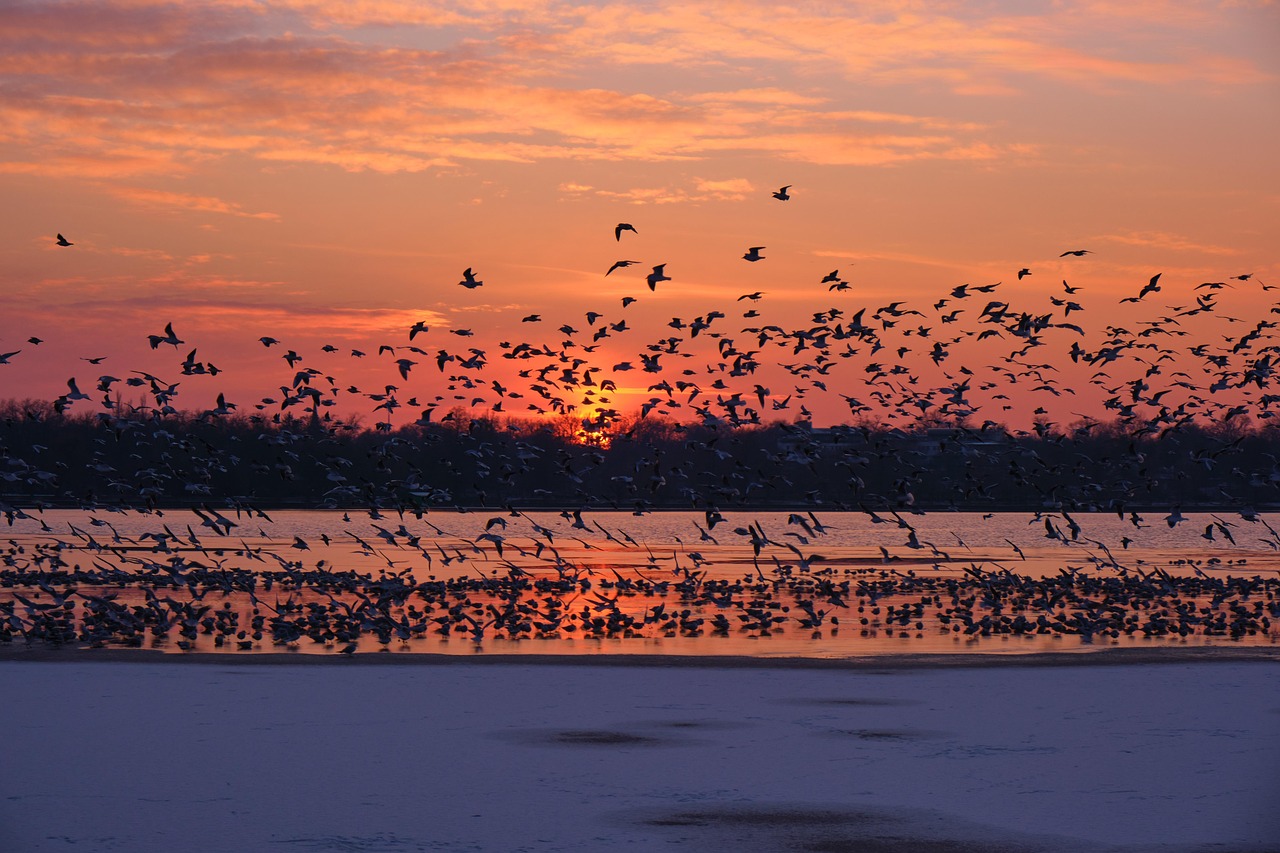
Whenever Bucharest feels too loud or too hot, I escape to Herăstrău Park (officially renamed King Michael I Park, though everyone still calls it Herăstrău). It’s the city’s largest park, wrapped around a lake in the north, and it’s where Bucharesters come to run, rollerblade, row, flirt, and eat ice cream.
I like to rent a bike and do a full loop around the lake, stopping at one of the terraces for a drink. On summer evenings, the walking paths are full of couples and families; in autumn, the trees turn glorious shades of gold.
What to Do
- Walk or cycle: There are dedicated bike paths and wide walkways.
- Boat rental: In summer, rent a paddleboat or rowboat on the lake – great for families and couples.
- Village Museum: Nestled inside the park is the amazing Village Museum (see below).
- Food & drinks: Lakeside terraces and kiosks offer snacks, beer, and coffee – prices are fair.
Herăstrău is an easy addition to a 4 or 5 day itinerary for Bucharest, especially on a sunny day when you need a break from museums.
7. Village Museum (Muzeul Satului)
The Village Museum is the place I bring people when they think Bucharest is “just another big city.” It’s an open-air museum on the edge of Herăstrău Park, showcasing traditional houses, churches, and farm buildings brought here from all over Romania.
The first time I visited, it was late spring. Lilacs were blooming, and the wooden houses smelled faintly of old wood and dust. I wandered from a thatched-roof house from Maramureș to a painted cottage from Oltenia, and suddenly Romania’s rural diversity clicked into place in my head.
Why It’s Worth Your Time
- Context: If you’re not doing a big countryside trip, this gives you a taste of rural Romania.
- Atmosphere: It’s peaceful, shady, and full of details: carved gates, colorful textiles, small chapels.
- Family friendly: Kids can run between houses; there’s space to roam and explore.
Tips
- Time needed: Allow at least 2 hours; more if you like to linger.
- Best time: Late afternoon light is beautiful; mornings are quiet.
- Combine with: Herăstrău Park and a lakeside meal.
8. Romanian Peasant Museum (Muzeul Țăranului Român)
Quirky, thoughtful, and full of character, the Romanian Peasant Museum gives a different take on traditional culture. Rather than just displaying objects, it tells stories about them – icons, textiles, tools, and everyday items are arranged in ways that feel almost poetic.
I spent a rainy November afternoon here once, and it was perfect: the red-brick building felt cozy, and I found myself lingering in front of hand-painted icons and embroidered shirts. The gift shop is also one of the best places in town to pick up quality, non-tacky souvenirs.
Practical Notes
- Location: Near Piata Victoriei, walkable from the northern end of Calea Victoriei.
- Time: 1–2 hours is enough for most visitors.
- Tip: Check if the basement cinema “Peasant Museum Cinema” is running indie films or festivals during your visit.
9. Stavropoleos Monastery
Stavropoleos is a tiny oasis of calm right in the middle of Old Town. I almost always step inside when I’m nearby – it’s my little ritual before plunging into the chaos of Lipscani’s nightlife.
Built in the early 18th century, the church is a jewel of Brâncovenesc style, with intricate stone carvings and frescoes. The courtyard, with its colonnades and fragments of old tombstones, feels like a world apart from the bars and restaurants just outside the gate.
How to Visit
- Dress respectfully: It’s an active religious site. Shoulders and knees covered is appreciated, especially during services.
- Photography: Be discreet and avoid flash; check posted signs and respect worshippers.
- Time: 15–30 minutes is enough to soak in the atmosphere.
For anyone interested in spirituality or art, this is one of the must-see attractions in Bucharest.
10. Carturesti Carusel & Carturesti Verona
Carturesti Carusel is probably the most Instagrammed spot in Bucharest – and yet, it still feels genuinely magical in person. The bright white balconies, the spiral staircase, the soft light: it’s the kind of place that makes you want to buy more books than you can carry.
Another favorite is Carturesti Verona, in a villa with a cozy garden in the Romana area. It’s quieter, with a lovely café and a more “local” feel.
Why I Love These Bookstores
- Great for gifts: Art books, design objects, Romanian literature (often in English translation), and local stationery.
- Cafés: Both locations have pleasant cafés inside or attached.
- Weather-proof: Perfect for a rainy or cold day in your 3 or 4 day itinerary for Bucharest.
11. Pasajul Macca-Vilacrosse
This yellow-glass-covered passage feels like a little slice of 19th-century Bucharest hidden behind modern storefronts. The first time I found it, I’d just ducked in to escape a sudden summer storm – and ended up staying for a shisha and tea, watching the rain hammer the glass above.
Today, the passage is lined with cafés, hookah bars, and small restaurants. It’s more atmospheric than culinary, but worth walking through at least once, especially in the evening when the lights glow under the glass roof.
12. National Museum of Art of Romania
Housed in the former Royal Palace on Revolution Square, this museum is surprisingly extensive. I’ve spent entire afternoons here, especially in winter when the thought of another walk in the cold is less appealing.
The museum is split between European art and Romanian art. The Romanian modern art section was a revelation for me: artists like Nicolae Grigorescu and Theodor Aman give a window into the country’s cultural history beyond politics.
Tips
- Plan time: 2–3 hours if you’re an art lover; 1–1.5 hours for a quicker overview.
- Combo: Combine with Revolution Square and the Athenaeum for a full cultural day.
13. National History Museum of Romania
Located in a grand old post office building on Calea Victoriei, this museum covers everything from ancient Dacian artifacts to royal regalia. The highlight for many is the collection of gold and jewelry, including pieces that look like they belong in a fantasy novel.
On one visit, I found a temporary exhibition on the communist era that I still think about – real letters, household items, and personal stories that made history feel deeply personal. Exhibitions rotate, so check what’s on when you visit.
14. Patriarchal Cathedral & Dealul Mitropoliei
Perched on a small hill above the city, the Patriarchal Cathedral is the center of the Romanian Orthodox Church. Walking up here feels like stepping back in time: cobbled streets, old houses, and then the cathedral complex itself, often with pilgrims and worshippers gathered outside.
I once came up here just before Easter and was struck by the mix of solemnity and bustle – candles, incense, people lining up to be blessed. Even if you’re not religious, it’s a fascinating cultural experience.
Tips
- Timing: Avoid big services if you prefer a quiet visit; or lean into it if you want to see the church alive.
- Dress & behavior: As with Stavropoleos, dress modestly and be respectful.
- Views: From the surrounding streets, you get nice views down to the city.
15. Carol Park & the Mausoleum
Carol Park is one of the more atmospheric green spaces in the city, with winding paths, statues, and a central lake. At the top of the hill stands the former communist mausoleum, a monumental structure of red stone columns. Today it’s a memorial to fallen soldiers.
I like to come here in the late afternoon, climb up to the monument, and look out over the city as the light softens. The area has a slightly melancholic beauty – a reminder of the many layers of Bucharest’s past.
16. Tineretului Park & Vacaresti Nature Park
South of the center, Tineretului Park is a favorite local hangout with a big lake, sports facilities, and plenty of space for picnics. If you walk a bit further, you’ll reach Vacaresti Nature Park – an accidental “urban delta” that formed in an unfinished communist-era reservoir.
Vacaresti is wild and a bit rough around the edges: reeds, birds, small mammals, and a skyline of apartment blocks beyond. Birdwatchers love it, and it’s one of the most unusual hidden gems in Bucharest.
Adventurous? A bit – you’ll be walking on dirt paths, so wear sturdy shoes. It’s best during daylight.
17. Obor Market
If you want to feel Bucharest’s everyday life, go to Obor Market. It’s massive, a mix of indoor and outdoor stalls selling everything from fresh fruit and vegetables to cheese, honey, and cured meats.
The first time I went, I got lost among mountains of peppers and tomatoes, then followed the smell of grilled meat to the famous mici stand outside. I ended up eating a paper plate full of juicy grilled mici with mustard, washing it down with a cold beer while pensioners discussed politics at the next table.
Why You Should Visit
- Local food: Try mici, pickles, cheeses, and seasonal fruit.
- Souvenirs: Honey, jams, and spices make great edible gifts.
- Budget-friendly: Prices are significantly lower than central supermarkets.
Obor is an excellent stop for budget travelers and food lovers planning 4 or 5 days in Bucharest who want something beyond the main sights.
18. Cișmigiu Gardens
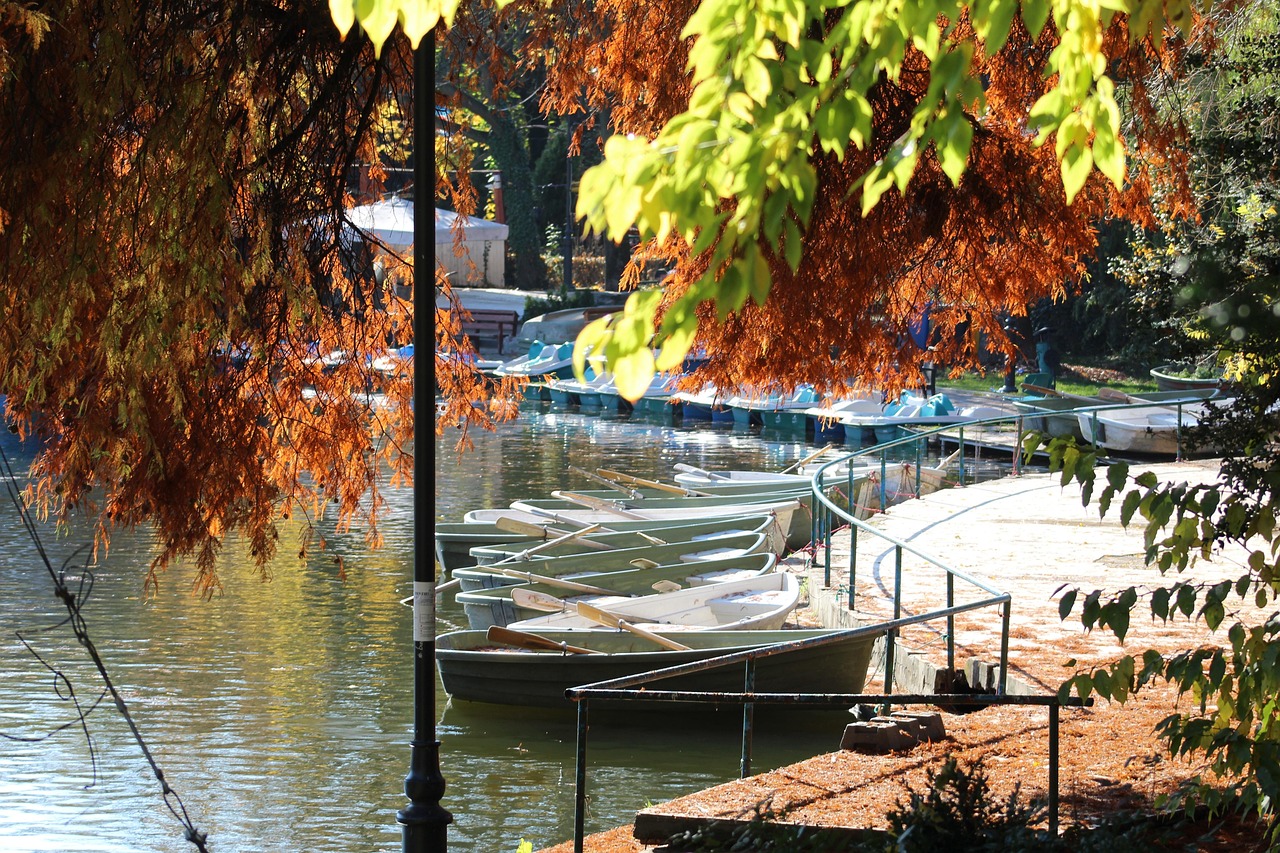
Cișmigiu is a romantic old park in the heart of the city, full of winding paths, benches, and a small lake. It’s where I go when I have an hour to kill between meetings or when I want to read a book in the shade.
In spring, the flowerbeds explode with color; in winter, when it snows, the park feels like something from a storybook. You can rent rowboats on the lake in summer, a charming little activity for couples or families.
19. Dorobanti & Floreasca: Café & Bar Life
North of the center, Dorobanti and Floreasca are the city’s chic, leafy residential neighborhoods. They’re where you’ll find many of the trendiest cafés, brunch spots, and wine bars. When friends ask where to see modern, everyday Bucharest beyond the tourist core, this is where I send them.
I’ve spent countless evenings here, hopping from one terrace to another, tasting Romanian wines by the glass and people-watching. It feels cosmopolitan but still relaxed.
This is also prime territory for digital nomads: laptop-friendly cafés, good Wi-Fi, and a safe, walkable environment.
20. Therme Bucharest
Therme is technically outside Bucharest, near the airport, but it’s such a big part of the city’s leisure life that it deserves a spot on any travel guide for Bucharest. It’s a huge thermal spa complex with multiple pools, waterslides, saunas, and tropical plants – yes, even in the middle of winter.
I once spent an entire grey January day here between flights, soaking in warm water while watching snow fall outside through the glass. Families come for the slides, couples for the wellness zones, and groups of friends for the evening “spa and cocktails” vibe.
Practical Info
- Getting there: Shuttle buses from the city and airport; taxis and ride-hailing apps are also an option.
- What to bring: Swimsuit; towels and robes can be rented.
- Time: At least 4–5 hours to make it worth the trip.
Bucharest Neighborhoods & Areas to Explore
Beyond the big sights, Bucharest rewards those who wander its distinct districts. Here are the areas I think every visitor should experience, especially if you have 4 or 5 days in Bucharest.
Old Town (Centrul Vechi)
Lively, touristy, and fun, this is the obvious base for many first-time visitors. Great for nightlife and walkability, less ideal if you’re a light sleeper. Stay just outside the noisiest streets for a better balance.
Universitate & Romană
My favorite central area to stay in. You’re close to everything, with easy metro access and lots of local cafés, bookstores, and restaurants. It feels more “real” than Old Town but still very convenient.
Dorobanti & Floreasca
Leafy, upscale, and full of modern eateries and wine bars. Great for longer stays and digital nomads. Less dense in tourist sights, but excellent quality of life and dining.
Herăstrău & Aviatiei
Near the park and many office buildings, this area shows Bucharest’s modern business side: glass towers, rooftop bars, and high-end apartments. Good if you like jogging in the park.
Tineretului & Timpuri Noi
Young, evolving neighborhoods south of the center, with growing numbers of cafés, co-working spaces, and modern apartment buildings. Tineretului Park is a big draw.
Cotroceni
One of Bucharest’s prettiest residential areas, full of charming houses and quiet streets. The Cotroceni Palace (Presidential Palace) and Botanical Garden are nearby. It’s a lovely place for an aimless afternoon walk.
Suggested 3–5 Day Itineraries for Bucharest
Here’s how I’d structure 3, 4, or 5 days in Bucharest, mixing the must-see attractions in Bucharest with food, hidden corners, and local life. I’ll give you the skeleton here; you can stretch or compress depending on your pace and interests.
3 Days in Bucharest: Classic Highlights & Local Flavor
If you’re planning a 3 day itinerary for Bucharest, this structure works well:
- Day 1: Old Town, Stavropoleos, Carturesti Carusel, Calea Victoriei, Revolution Square, Romanian Athenaeum
- Day 2: Palace of the Parliament, Patriarchal Cathedral, Cișmigiu Gardens, National Museum of Art or History
- Day 3: Herăstrău Park, Village Museum, Dorobanti/Floreasca cafés and bars, optional evening at Therme
Each day combines big-name sights with parks, cafés, and walking. If you’re traveling with kids, swap one museum for Obor Market or more park time.
4 Days in Bucharest: Deeper Exploration
With a 4 day itinerary for Bucharest, add:
- A half-day for the Romanian Peasant Museum and Cotroceni neighborhood.
- More time in Tineretului Park and Vacaresti Nature Park (especially if you like urban nature).
- A longer night out exploring Bucharest’s nightlife.
5 Days in Bucharest: Slow & Local
With 5 days in Bucharest, you can really take it slow:
- Include a full day trip to Therme or to nearby towns (see Day Trips).
- Spend an unstructured day just wandering neighborhoods: Cotroceni, Dorobanti, Tineretului, and lesser-known streets around Romana.
- Attend a concert, theater performance, or local event.
However you slice it, try to balance “see all the things” with just sitting in a café and watching Bucharest go by. That’s where the city’s charm really shines.
Local Food & Drink in Bucharest
Bucharest is a fantastic place to eat well without breaking the bank. The city’s restaurants run the gamut from rustic Romanian taverns to sleek fusion spots and third-wave coffee shops.
Traditional Romanian Dishes to Try
- Mici: Grilled minced meat rolls, usually eaten with mustard and bread. Best at Obor Market or simple neighborhood grills.
- Sarmale: Cabbage rolls stuffed with meat and rice, often served with polenta and sour cream.
- Ciorbă de burtă: Sour tripe soup – beloved by many locals; try it if you’re adventurous.
- Ciorbă de legume / ciorbă de fasole: Vegetable or bean sour soups, for a lighter option.
- Papanași: Fried or boiled doughnuts with sour cream and jam – dessert heaven.
- Zacuscă: Roasted eggplant and pepper spread, perfect on bread.
Where I Like to Eat
I won’t list every restaurant (places change fast), but here are types of spots and areas I return to:
- Old Town: Good for atmosphere. Look for places with menus in Romanian first, English second, and lots of local diners.
- Calea Victoriei & Romana: Trendy bistros and cafés with modern twists on Romanian cuisine.
- Dorobanti & Floreasca: Best for brunch, specialty coffee, and wine bars – great for evenings.
- Obor Market: For street-style mici and ultra-local vibe.
Drinks
- Wine: Romania makes excellent wines. Try Fetească Neagră (red) and Fetească Albă (white).
- Beer: Local lagers are cheap; craft beer is growing with several microbreweries in town.
- Țuică / Palincă: Strong fruit brandies – sip carefully.
- Coffee: Bucharest’s specialty coffee scene is solid. Look for third-wave roasters around Universitate, Dorobanti, and Floreasca.
Saving Money on Food
To eat well on a budget, avoid the most touristy Old Town restaurants. Instead, follow locals into canteens, smaller neighborhood places, and daily lunch menus (meniul zilei). Bakeries selling fresh pastries (covrigi, merdenele) are lifesavers for cheap, tasty snacks.
Nightlife, Entertainment & Cultural Experiences in Bucharest
Bucharest has a reputation for big nights out – and it’s deserved. But there’s also a softer side: wine bars, live jazz, classical concerts, and cozy pubs. Here’s how I’d break it down:
Nightlife Areas
- Old Town: Lively, loud, and sometimes wild. Great for pub crawls and dancing, but also the most touristy.
- Floreasca & Dorobanti: Chic bars, cocktail lounges, wine bars – more polished and local.
- Universitate / Romana: Student bars, smaller live music venues, and pubs.
Cultural Evenings
- Concert at the Romanian Athenaeum: A must for culture lovers.
- Theater & opera: The National Theatre and Opera have affordable tickets; performances are in Romanian, but staging and music can be enjoyed regardless.
- Film festivals: Bucharest’s film scene is active, with multiple festivals across the year.
Family-Friendly Evening Ideas
- Evening walk on Calea Victoriei when it’s pedestrianized.
- Boat rides in Herăstrău or Cișmigiu in summer.
- Relaxed dinners in parkside terraces rather than crowded Old Town bars.
Day Trips from Bucharest
Once you’ve tackled the main things to do in Bucharest, consider a day trip. Even with just 4 days in Bucharest, you can fit one in.
Sinaia & Peleș Castle
Probably the most famous day trip: a fairytale castle in the Carpathian Mountains, about 2 hours away by train. The castle is ornate, the mountain air is fresh, and the town has a pleasant alpine feel.
Brașov & Bran Castle
Longer for a day trip (3+ hours each way by train), but possible if you start early. Brașov’s medieval center is lovely, and Bran Castle is often (loosely) linked to the Dracula legend.
Snagov Monastery
Closer to Bucharest, on a lake, and said in some legends to be the burial place of Vlad the Impaler. A quieter, more reflective outing.
Therme Bucharest
As mentioned, this giant spa is essentially a day trip in itself, especially in winter or on a rainy day.
Getting Around for Day Trips
- Train: Reliable and inexpensive for Sinaia and Brașov. Book in advance if traveling on weekends.
- Tours: Many small-group tours run from Bucharest to castles; convenient if you don’t want to handle logistics.
- Car rental: Gives flexibility but consider traffic when leaving/returning to Bucharest.
Cultural Etiquette & Local Customs in Bucharest
Bucharest is relaxed and cosmopolitan, but a few local norms are helpful to know.
- Greetings: A simple “Bună” (hi) or “Bună ziua” (good day) goes a long way. Younger Romanians often switch quickly to English when they hear your accent.
- Personal space: People can be more direct and stand closer than in some Western cultures, especially in queues or public transport.
- Religious sites: Dress modestly, speak quietly, and avoid disruptive photography.
- Tipping: 10% is standard in restaurants, more for excellent service; round up in taxis.
- Shoes off: If you’re invited to a local’s home, it’s common to take off your shoes at the door.
- Queuing: Lines can be a bit fluid; gently assert your place if needed.
- Political discussions: Romanians can be frank about politics and history; listen respectfully, and avoid making sweeping statements if you’re not well-informed.
Practical Travel Tips for Bucharest (2026–2027)
How to Get Around
- Metro: Fast, cheap, and reliable. Great for major routes: Old Town (Unirii), Universitate, Romana, Victoriei, Aviatorilor, etc.
- Buses & trams: Cover the rest of the city. Use contactless cards or transport apps; avoid very crowded lines with valuables exposed.
- Taxis & ride-hailing: Inexpensive. Use reputable apps to avoid overcharging; check that the meter is on if you hail a cab.
- Walking: Central Bucharest is quite walkable, though distances can be longer than they look on the map.
- Car rental: Not recommended for use inside the city due to traffic and parking difficulty; useful only for day trips beyond.
SIM Cards & Connectivity
In 2026, mobile data in Romania is still among the cheapest in the EU. Major providers include Orange, Vodafone, and Digi. You can buy prepaid SIMs at the airport, malls, and dedicated shops with just your passport. eSIM options are increasingly available for tourists as well.
Money-Saving Tips
- Use public transport instead of taxis when possible.
- Eat your main meals at lunch with daily menus (meniul zilei).
- Visit free parks and churches for low-cost sightseeing.
- Avoid overpriced “tourist menus” in the most obvious Old Town spots.
Visa & Entry Requirements (Check Again Before You Travel)
As of 2026, Romania is aligned with EU entry rules. Many nationalities (including EU, UK, US, Canada, Australia, New Zealand, and others) can enter visa-free for short stays. However, regulations can change, and ETIAS (the EU travel authorization system) is expected to be in effect; always check the latest requirements from official Romanian or EU sources before traveling.
Driving & Licenses
Foreign driver’s licenses from many countries are accepted for tourists; an International Driving Permit is recommended if your license is not in a Latin alphabet. Drive defensively: traffic can be aggressive, and parking rules are sometimes unclear to visitors.
Safety
Bucharest is generally safe. The main issues are pickpocketing in busy areas, occasional taxi scams, and typical big-city nightlife concerns. Use common sense: watch your drink, keep your bag zipped, and use licensed transport.
Seasons & Weather
- Spring (April–June): One of the best times to visit. Parks are lush, temperatures are mild, and outdoor terraces open.
- Summer (July–August): Can be hot, with 30–35°C days. Great for parks, nightlife, and day trips, but plan for AC and midday breaks.
- Autumn (September–October): Another ideal season – crisp air, colorful leaves, fewer crowds.
- Winter (November–March): Cold, sometimes snowy. Atmospheric for Christmas markets and Therme visits; shorter days and more indoor activities.
Major Events & Festivals in Bucharest (2026–2027)
Events evolve every year, but these recurring highlights are worth watching for when planning your trip:
- George Enescu Festival (2027 edition): Romania’s premier classical music festival, usually in late summer/early autumn (every two years). The 2027 edition will bring world-class orchestras to the Romanian Athenaeum and other venues.
- Bucharest International Film Festival: Independent and international films, often in spring.
- Street food festivals: Several throughout the warm months, in parks and public squares.
- Christmas markets: Late November through December, typically in Piata Universitatii or Constitution Square.
- City Days & cultural nights: Public concerts, exhibitions, and open-air events marking Bucharest’s city celebrations (usually in early autumn).
For 2026 specifically, expect continued expansion of car-free weekends on Calea Victoriei, pop-up cultural events in parks, and more emphasis on outdoor festivals as the city leans harder into its creative identity.
Summary & Final Recommendations: When to Visit Bucharest
Bucharest isn’t a city you “do” in a checklist way. It’s a place to walk, to sit in parks and cafés, to learn a bit of complex history, and to appreciate the contrasts between old and new. With 3 days in Bucharest, you’ll see the headlines: the Palace of the Parliament, Old Town, Calea Victoriei, Herăstrău Park, and a couple of museums. With 4 or 5 days in Bucharest, you’ll start to feel the city’s rhythm – the morning coffee culture, the evening strolls, the layers of architecture, the warmth of local food.
For most travelers, the best seasons are:
- Late April to June: Pleasant weather, blooming parks, outdoor terraces, and fewer peak-season crowds.
- September to mid-October: Comfortable temperatures, golden light, and a rich cultural calendar.
Summer is lively but hot; winter is chilly yet atmospheric, especially if you combine Bucharest with Therme and perhaps a snowy mountain day trip.
However you design your 3, 4, or 5 day itinerary for Bucharest, leave space for the unplanned: a side street that looks interesting, a courtyard bar you stumble across, a neighborhood park full of families at sunset. That’s where Bucharest stops being “surprising” and simply becomes somewhere you’re happy to be.
And if you find yourself lingering over one last glass of Romanian wine on a terrace, watching the city lights blink on and thinking, “I could come back here,” then Bucharest has done its job.