Why Visit Belgrade? What Makes It Special
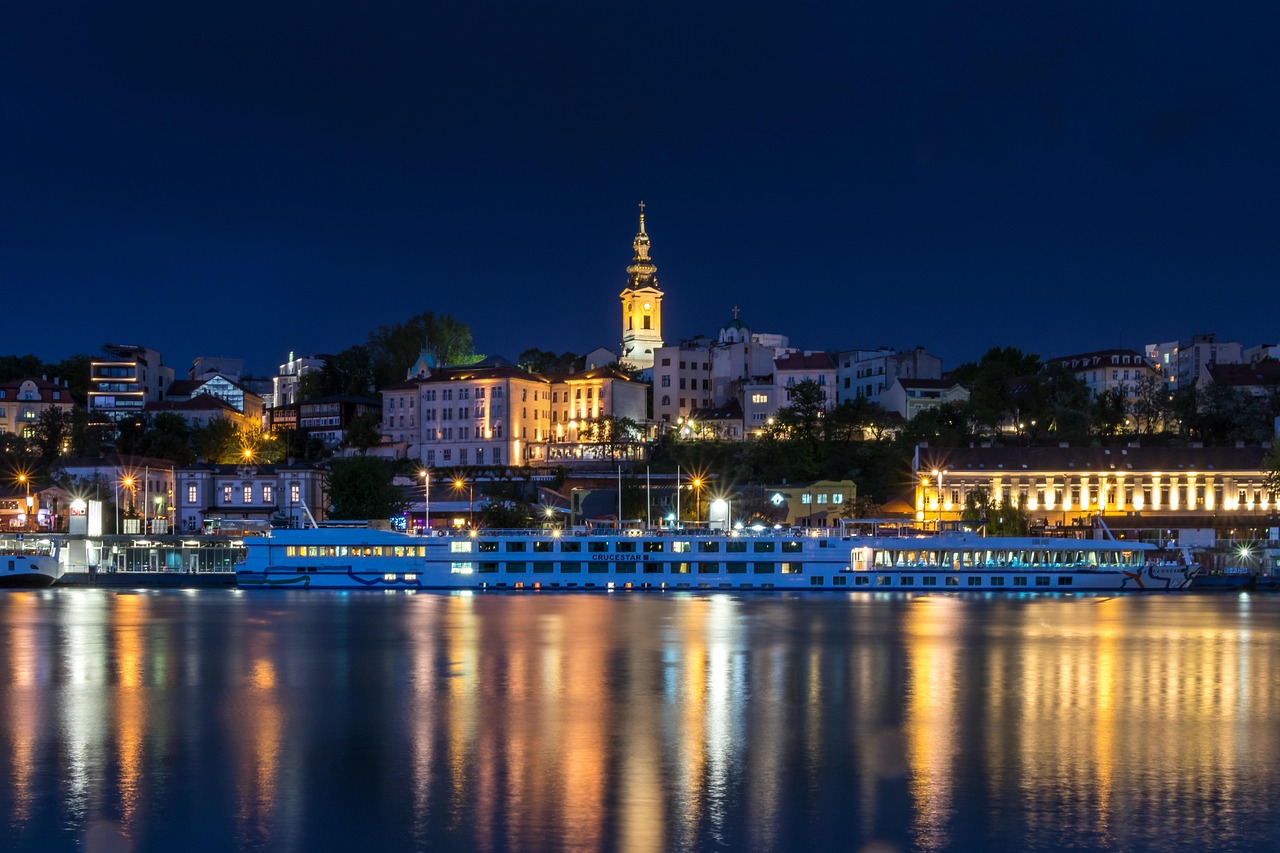
Belgrade is one of those cities that quietly gets under your skin. It doesn’t seduce you with perfection – it wins you over with energy, honesty, and a lived-in beauty that feels intensely real. Perched at the confluence of the Danube and Sava rivers, Belgrade has been destroyed and rebuilt more than 40 times, and that history shows up in its architecture, its food, and its famously resilient people.
On my first trip, I thought I’d stay three days. I stayed ten. Since then, I’ve returned almost every year, often for a month at a time. I’ve watched Belgrade change – new cafés, creative spaces, and riverside promenades – but the soul of the city remains: smoky kafanas with live music, strong coffee served with a side of gossip, and late nights that somehow become early mornings.
Belgrade is ideal if you’re looking for:
- Rich history without the museum fatigue – Ottoman, Austro-Hungarian, socialist Yugoslavia, and modern Serbia all in one city.
- Affordable European capital – food, drink, and accommodation are still great value compared to Western Europe.
- Lively nightlife – from floating river clubs (splavovi) to intimate jazz bars and bohemian taverns.
- Cultural depth – theaters, galleries, festivals, and a café culture that encourages slow, thoughtful days.
- Family-friendly parks and rivers – huge green spaces, bike paths, and kid-friendly attractions.
- Hidden gems – street art alleys, tiny wine bars, and neighborhoods most visitors never see.
Whether you’re planning 3 days in Belgrade, a 4 day itinerary for Belgrade, or even 5 days in Belgrade, this travel guide will help you build the perfect plan, from must-see attractions to true local experiences.
Table of Contents
- Why Visit Belgrade
- Belgrade at a Glance (2026 Update)
- Top 20 Must-See Attractions in Belgrade
- Suggested 3–5 Day Itineraries with Personal Stories
- Best Neighborhoods and Areas to Explore
- Local Food & Drink in Belgrade
- Nightlife, Entertainment & Cultural Experiences
- Best Day Trips from Belgrade
- Cultural Etiquette & Local Customs
- Practical Travel Tips for Belgrade
- Summary & Best Time to Visit Belgrade
Belgrade at a Glance (2026 Update)
Belgrade in 2026 is bustling, creative, and still refreshingly unpolished. The riverside promenades along both the Sava and Danube are more developed than ever, with new bike lanes, playgrounds, and cafés. Digital nomads have discovered the city, but it hasn’t yet tipped into “over-touristed” territory.
Expect a mix of grand Austro-Hungarian facades, chunky socialist-era blocks, and contemporary glass buildings. It’s a city where you can spend the morning in a centuries-old fortress and the evening sipping craft cocktails in a sleek rooftop bar.
Major Events in Belgrade (2026–2027)
- Belgrade Beer Fest (Beogradski Beer Fest) – Every August, a huge free-entry music and beer festival at Ušće Park, with local and international bands.
- BITEF – Belgrade International Theatre Festival – One of Europe’s most respected theater festivals, usually late September.
- Belgrade Jazz Festival – Held in autumn (October), fantastic for jazz lovers with international and regional acts.
- Belgrade Marathon – Each April, with routes passing through key sights along the river and city center.
- New Year’s Eve in Belgrade – City-organized concerts, open-air parties, and legendary indoor celebrations.
As of 2026, infrastructure improvements continue around the Sava riverfront and central areas, so expect occasional construction, especially near the modern “Belgrade Waterfront” district.
Top 20 Must-See Attractions in Belgrade (With Local Insight)
Below are twenty of the best places to visit in Belgrade, mixing famous landmarks with some quieter gems. For each, I’ve added not just history, but what it actually feels like to be there and what I do when I visit.
1. Kalemegdan Fortress & Park
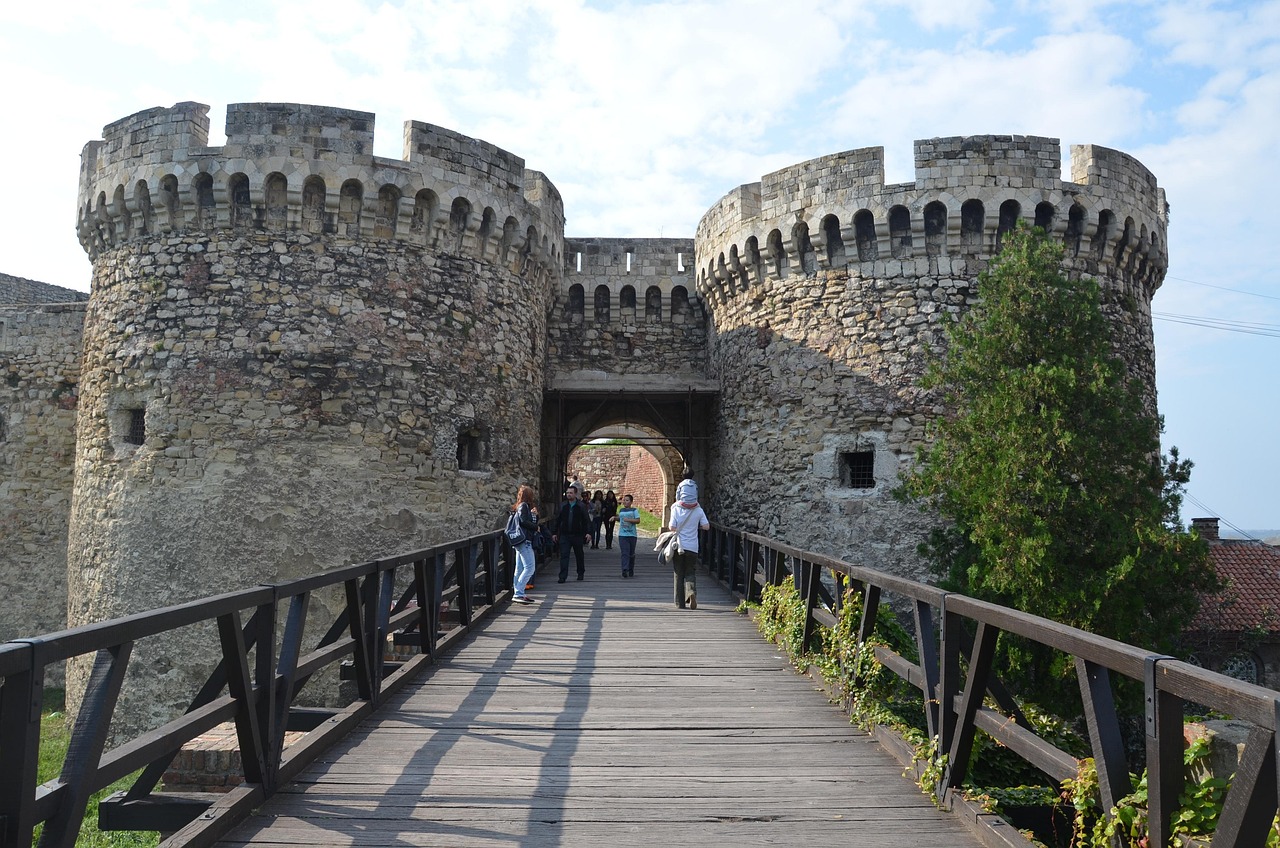
Kalemegdan is the beating historical heart of Belgrade – a fortress-park complex at the junction of the Danube and Sava rivers. I don’t think I’ve ever spent a week in Belgrade without wandering up here at least once.
The fortress dates back to Roman times, with layers added by Byzantines, Ottomans, and Austro-Hungarians. Yet today, it’s less a museum piece and more the city’s living living room: kids learning to ride bikes, old men playing chess, couples sneaking kisses by the walls.
What I usually do here: I like to enter from Knez Mihailova Street, passing through the big gates and slowly climbing toward the Victor monument. I grab a coffee or ice cream from a kiosk and just wander the ramparts. Around sunset, I claim a spot overlooking the Sava, watching the sky change color behind New Belgrade’s skyline.
Don’t miss:
- The Victor Monument (Pobednik) – an iconic statue with panoramic views.
- The small Military Museum and the outdoor display of tanks and artillery.
- The Sahat Kula (Clock Tower) and old gates like Stambol Gate.
- The quiet, shaded paths on the lower levels for a peaceful stroll on hot days.
Tips: Come for sunset; it’s romantic, family-friendly, and free. Wear comfortable shoes – cobblestones can be rough. In summer, bring water; shade is limited on the upper ramparts.
2. Knez Mihailova Street & Republic Square
This pedestrian artery is Belgrade’s social catwalk. Historic buildings, international shops, street performers, and endless cafés line the boulevard from Republic Square to Kalemegdan.
My first memory here is of a summer evening: the air smelled like roasted corn and popcorn, a violinist played movie soundtracks, and everywhere were groups of friends strolling slowly, just “doing a krug” (a lap) before settling into a café.
Highlights:
- Republic Square (Trg Republike) – the main meeting point, dominated by the statue of Prince Mihailo and flanked by the National Museum and National Theatre.
- Beautiful 19th-century facades and cultural centers tucked into side streets.
- Side alleys leading to hidden courtyards and smaller galleries.
Tips: Perfect for all itineraries – whether you have 3 days in Belgrade or a full week, you’ll walk Knez Mihailova multiple times. It’s very safe, but watch for pickpockets in crowds.
3. Church of Saint Sava
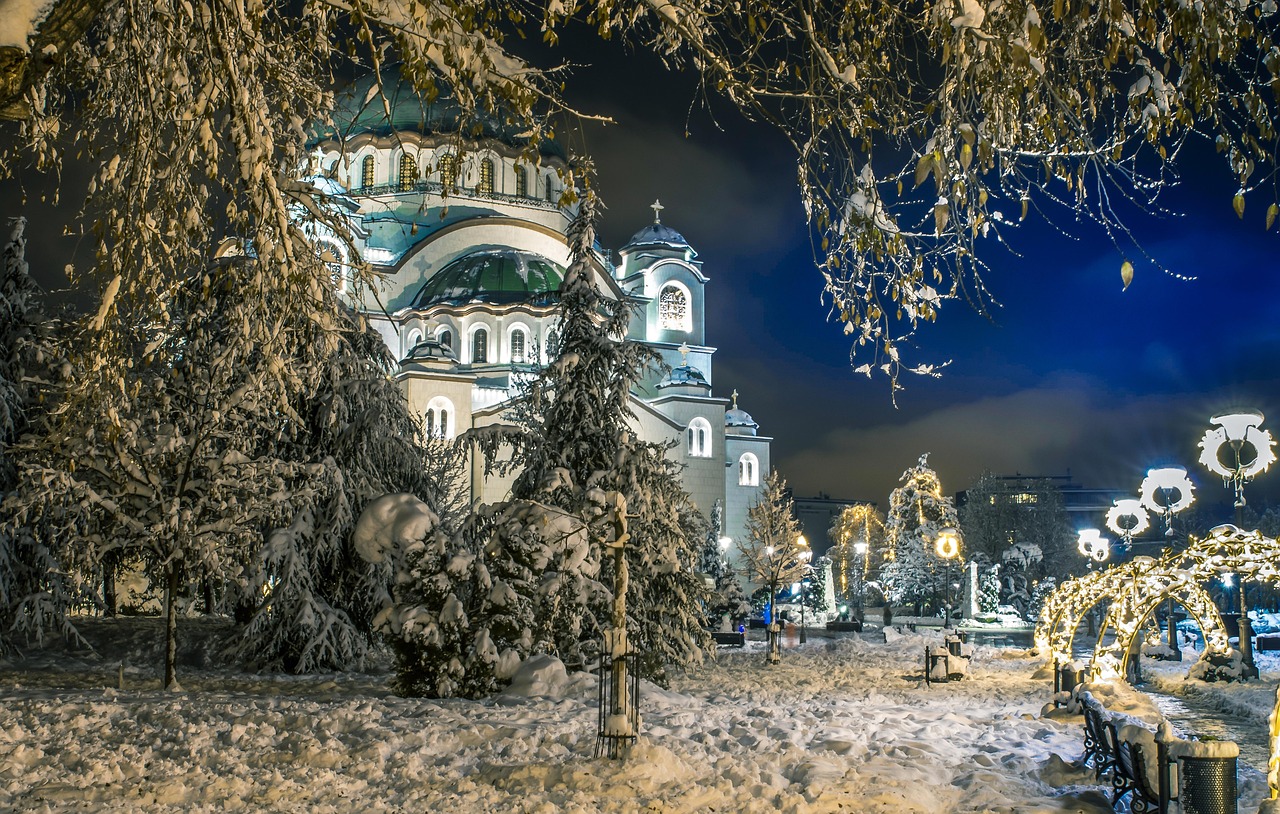
One of the largest Orthodox churches in the world, Saint Sava dominates the Vračar skyline. I remember the first time I saw it at night – illuminated white domes rising above the city like a spacecraft.
The interior used to be mostly bare concrete, but in recent years the crypt and frescoes have been finished, and now the inside is as jaw-dropping as the outside. The lower-level crypt is my favorite: glowing gold mosaics, columns, and an almost otherworldly silence.
What to do: Wander around the church square, sit by the fountains, and then step inside. Take your time in the crypt; even if you’re not religious, it’s hard not to feel moved.
Etiquette: Dress modestly (shoulders covered, no super-short shorts); photography is generally allowed but be discreet and respectful of worshippers.
4. Skadarlija Bohemian Quarter
Skadarlija is Belgrade’s cobbled bohemian street, often compared to Montmartre. It’s touristy now, but the charm is still there – lantern-lit restaurants, live traditional music, and flower-decked balconies.
I like to come here on my last night in the city. There’s something fitting about ending a trip over too much food, a carafe of house wine, and a band playing old Yugoslav songs at your table.
Best for: Romantic dinners, group celebrations, and first-time visitors wanting a classic “Belgrade evening.” It’s also fun for families if kids like live music and a bit of noise.
Tip: Prices are higher here than in less famous areas. For a similar vibe at local prices, head to neighborhood kafanas in Zemun or Vračar on other nights.
5. Ada Ciganlija (Belgrade’s “Sea”)
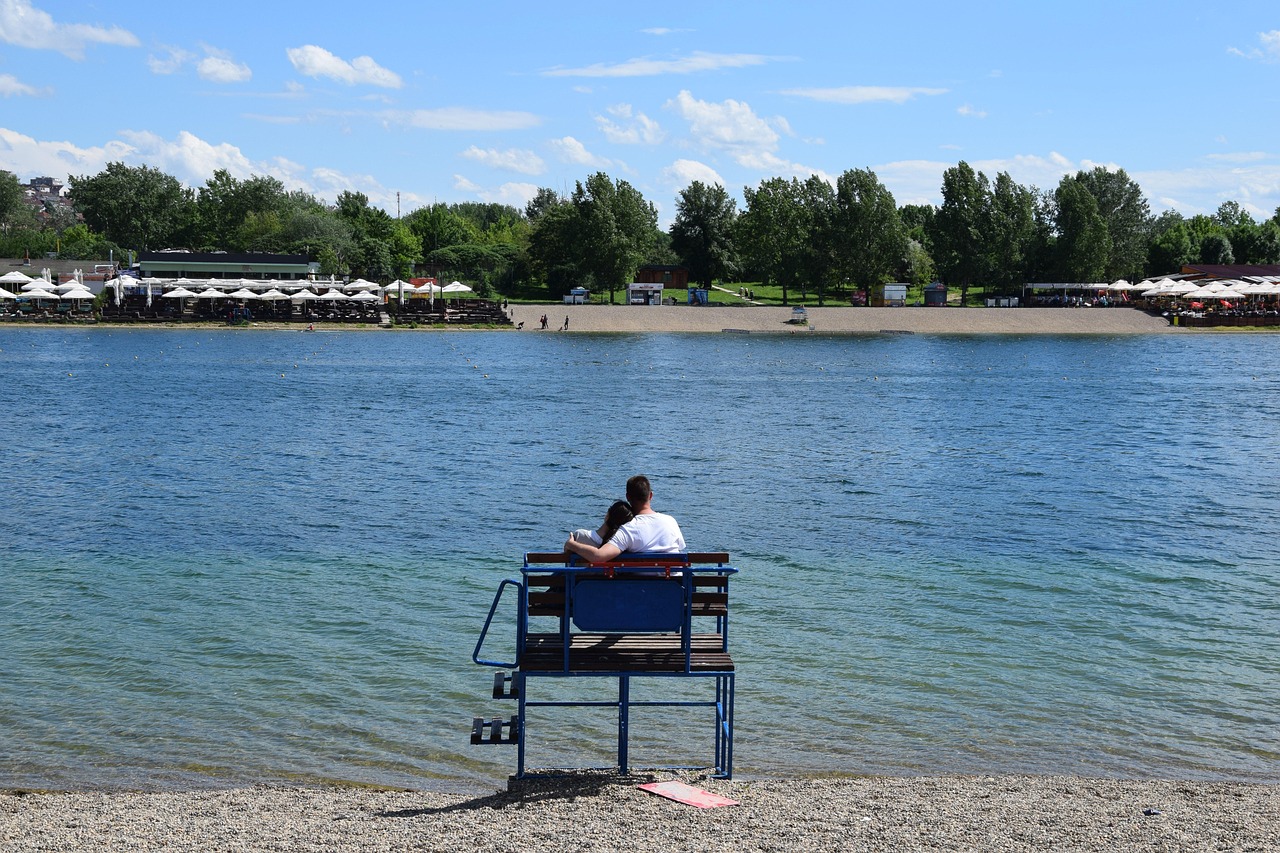
Locals call it the “Belgrade Sea” – a river island turned peninsula with a long artificial lake, beaches, sports courts, and bike paths. On a hot July weekend, it feels like the whole city is here.
One of my favorite days in Belgrade was a lazy Sunday at Ada. I rented a bike, circled the lake, stopped for a cold beer at a beach bar, swam, and watched kids paddleboard while friends played beach volleyball.
Great for: Families, active travelers, couples, and anyone visiting in late spring to early autumn. You can rent bikes, kayaks, SUP boards, and even try bungee jumping.
Tip: Take bus 52, 53, or 56 from the center, or a short taxi ride. Come early on weekends to avoid crowds.
6. Zemun & Gardoš Tower
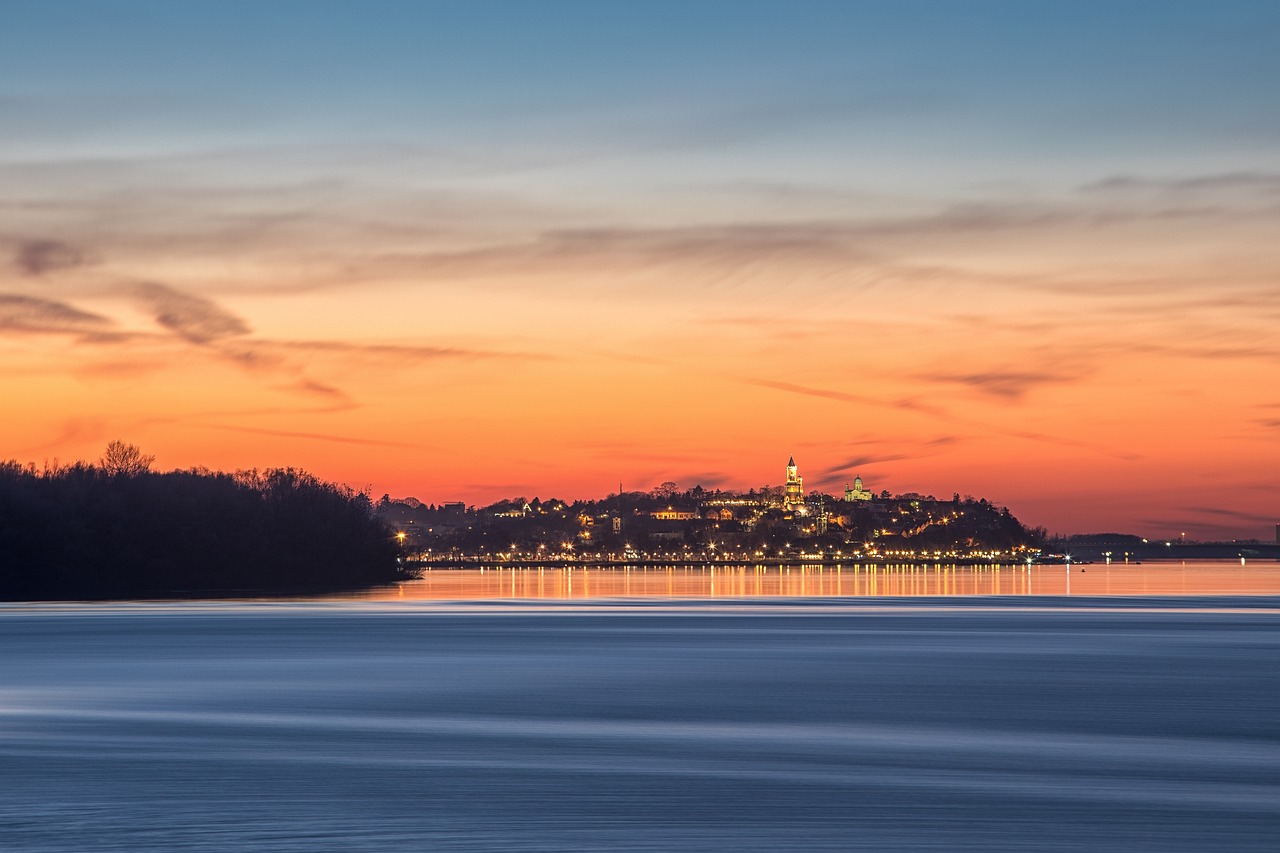
Zemun feels like a separate small town, and historically, it was. Once part of the Austro-Hungarian Empire, it has a riverside promenade, low houses, and a distinct vibe from central Belgrade.
I love to come here on late afternoons. I stroll the Zemun Quay, grab an ice cream, and then climb up narrow streets to Gardoš Tower for sunset views over the Danube and Belgrade’s skyline.
Don’t miss:
- Fresh fish restaurants along the waterfront.
- The cozy streets around the tower.
- Local markets in Zemun center in the mornings.
Tip: Bus 84 or 704 from Zeleni Venac gets you here. If you’re planning 4 days in Belgrade or more, Zemun is a must.
7. Nikola Tesla Museum
This small museum in a residential Vračar villa is dedicated to one of Serbia’s most famous sons, inventor Nikola Tesla. It’s compact but fascinating, especially if you join the guided demonstration.
I visited on a rainy afternoon and ended up staying much longer than planned, watching kids’ faces light up when they saw electricity sparks and plasma lamps in action.
Tip: Go early or book ahead; it can get crowded. Great for science lovers, families, and anyone on a 3 day itinerary for Belgrade who wants a quick, meaningful indoor stop.
8. Museum of Yugoslavia & House of Flowers
This complex includes exhibitions about former Yugoslavia and the mausoleum of Josip Broz Tito, known as the House of Flowers. It’s one of the most thought-provoking cultural experiences in Belgrade.
On my first visit, I expected something heavy and political; instead, I discovered a strangely nostalgic, very human portrait of everyday life in Yugoslavia – schoolbooks, gifts from foreign leaders, photos, and personal items.
Tip: Combine it with a walk through the leafy Dedinje neighborhood. Plan 2–3 hours if you like history; 1–1.5 hours if you’re going quickly.
9. Ada Huja & Danube Riverside
A less polished, more local alternative to Ada Ciganlija, Ada Huja is a riverside strip on the Danube with informal bars, fishing spots, and a more industrial backdrop. It’s not on most tourist lists, but I like it for sunset beers and a “real” Belgrade feel.
Best for: Travelers who enjoy off-the-beaten-path places and don’t need everything to be picture-perfect.
10. Beton Hala & Sava Promenade
Beton Hala is a line of former industrial warehouses turned into sleek restaurants and bars along the Sava river. On warm evenings, the terraces are full, music spills out, and the glow of New Belgrade’s high-rises reflects on the water.
I often start my night with a riverside dinner here – grilled fish, local wine – then walk toward the splavovi (floating clubs) if I’m in the mood for more.
11. Splavovi (Floating River Clubs & Bars)
Belgrade’s nightlife is legendary, and the splavovi are a big reason why. These floating venues on the Sava and Danube range from laid-back lounge bars to wild all-night clubs.
On one memorable summer night, I danced on a splav until sunrise, then watched the mist lift from the river as early-morning fishermen took their boats out. It’s not for everyone, but if you like nightlife, this is a unique experience.
Tip: Dress smart-casual, check the music style in advance, and consider booking a table if you’re a group.
12. Republic Square & National Museum of Serbia
The National Museum, overlooking Republic Square, was closed for years and reopened fully restored. Inside are treasures from prehistoric Serbia, Roman artifacts, medieval icons, and masterpieces by Serbian and international artists.
I spent a rainy April afternoon wandering its halls and was surprised by the breadth of the collection. If you’re interested in history and art, it’s worth a couple of hours.
13. Tašmajdan Park & St. Mark’s Church
Tašmajdan is a large city park with playgrounds, fountains, and the imposing St. Mark’s Church, a Serbian Orthodox church built in the 1930s in Serbo-Byzantine style.
On summer evenings, families crowd the benches, kids run around, and the air smells like crepes and popcorn from nearby stands. I like to sit on a bench with a takeaway coffee and watch life unfold.
14. Lower Dorćol & the Danube Quay
Dorćol is one of my favorite neighborhoods in Belgrade – a mix of old houses, street art, and new cafés. Lower Dorćol runs down to the Danube, where you’ll find riverside bars, bike paths, and industrial-chic vibes.
I’ve spent many afternoons writing in cafés here, then finishing the day with a walk along the water as the sun goes down.
15. Avala Tower & Avala Mountain
About 20 km from the city, Avala is a low mountain topped with Avala Tower, a 204 m TV tower with an observation deck. On clear days, you can see far across the plains.
It’s one of my favorite half-day getaways: fresh air, pine forests, and views. Families picnic here on weekends, and there’s a small playground and a couple of cafés.
16. Zemun Quay & Great War Island Views
The long riverside promenade in Zemun is perfect for a leisurely walk, bike ride, or coffee by the water. Across the river is Great War Island, a protected natural area, giving the whole scene an unexpectedly wild feel.
17. Old Belgrade Architecture & Palaces
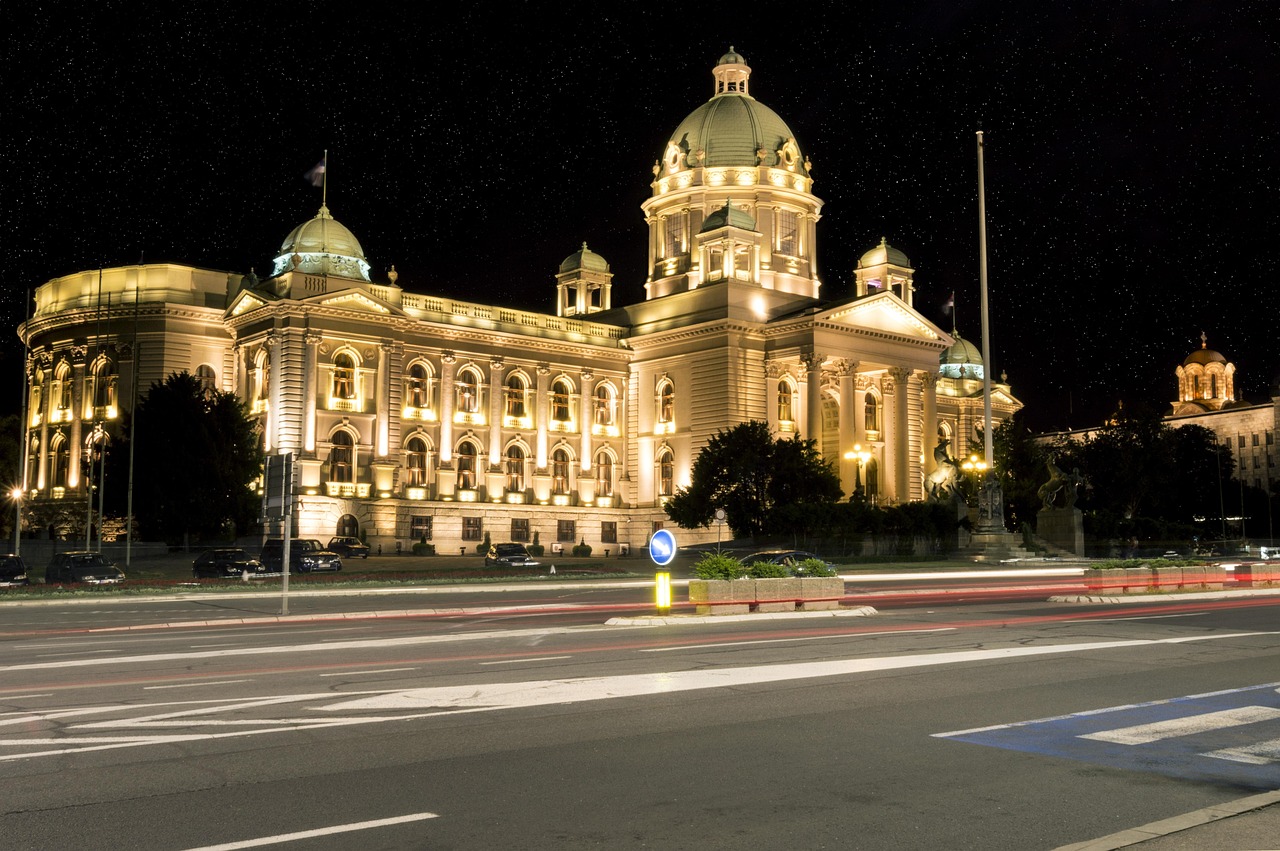
Between Terazije, Kneza Miloša, and King Milan Street, you’ll find a cluster of grand old buildings: the Old Palace, New Palace, ministries, and embassies in beautiful historic architecture.
On a bright autumn day, I like to wander this area with my camera, photographing facades, balconies, and details.
18. Belgrade Waterfront & Modern Skyline
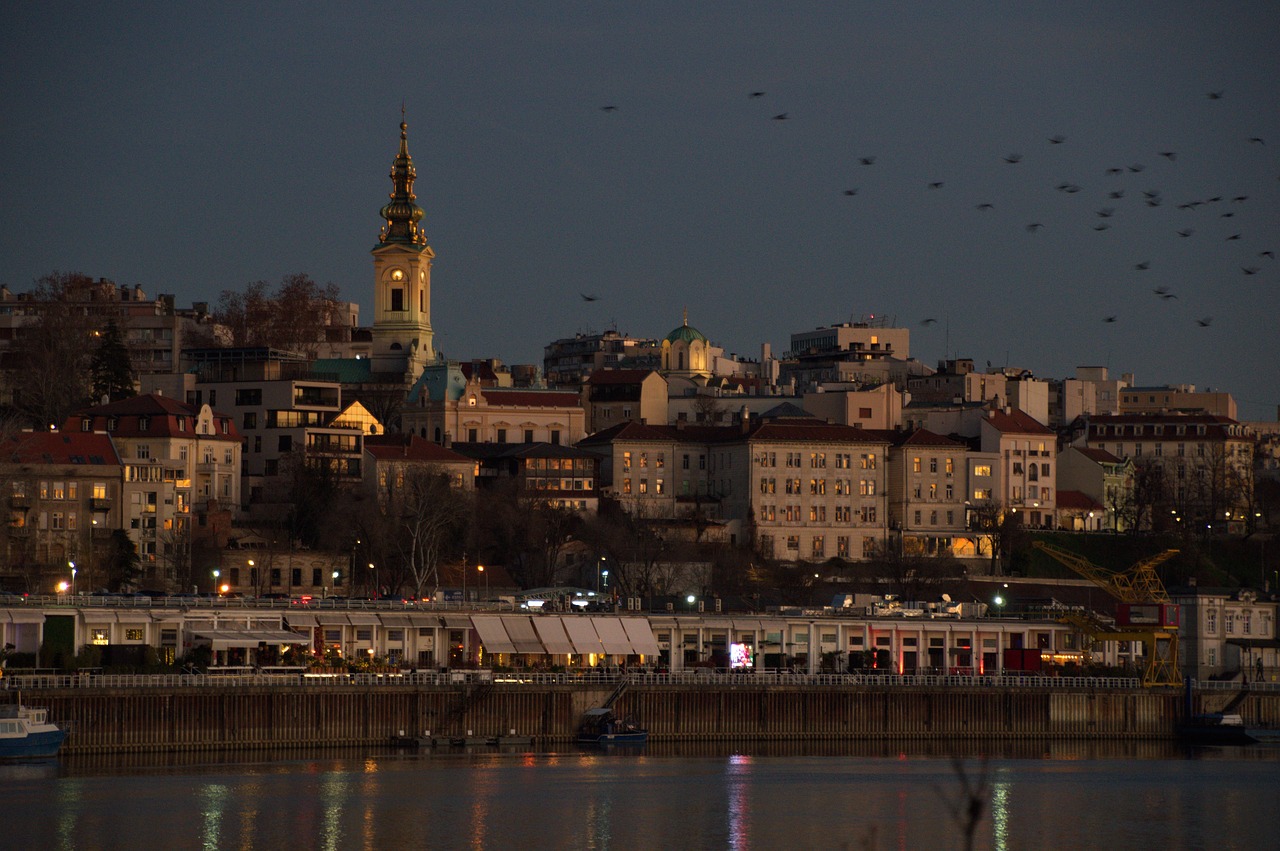
The Belgrade Waterfront is a newer district along the Sava, with modern glass towers, a big shopping center, and a long promenade. Purists argue about the aesthetics, but as a visitor, it’s an interesting contrast to historic Belgrade.
In the evenings, families stroll the wide promenade, kids play in fountains, and you get fantastic skyline views back toward Old Belgrade and New Belgrade.
19. Studentski Trg & Academic Quarter
Near the University of Belgrade’s main buildings is Studentski Park, a green space surrounded by cultural institutions. It’s a good spot to rest between sightseeing stops around Dorćol and Knez Mihailova.
20. Museum of Contemporary Art (Novi Beograd)
Across the river in New Belgrade, the Museum of Contemporary Art sits in Ušće Park. The building itself is a striking piece of modernism, and inside you’ll find works by Yugoslav and Serbian artists from the 20th century to today.
I like to pair a visit here with a picnic in Ušće Park or a walk along the riverbanks.
3–5 Day Itineraries for Belgrade (With Personal Stories)
Below are flexible itineraries you can adapt whether you have 3 days in Belgrade, 4 days in Belgrade, or a full 5 days in Belgrade. I’ve built them the way I actually spend my time here: a mix of big sights, hidden gems, slow café moments, and nighttime fun.
Day 1 – Classic Belgrade: Fortress, Old Town, and Bohemian Nights
Your first day sets the foundation: you’ll get your bearings, understand the layout, and see some of the must-see attractions.
Morning: Knez Mihailova & Kalemegdan
Start at Republic Square. This is where everyone in Belgrade says “Let’s meet” – usually “kod konja” (by the horse), referencing the statue of Prince Mihailo. Grab a coffee from a nearby kiosk or café; coffee is a ritual here, not a rushed caffeine fix.
Stroll down Knez Mihailova, taking your time. Don’t be afraid to duck into side passages; some hide small galleries or courtyards. Eventually, you’ll reach the entrance to Kalemegdan Fortress.
Each time I walk through the fortress gates, I try a different path: one day I might focus on the higher ramparts, another on the shaded lower gardens. Around midday, find a bench overlooking the confluence of the Sava and Danube. It’s a perfect “I’m really here” moment.
Lunch idea: Either grab something fast in the park (there are kiosks and simple food stands) or head back toward the city center for a sit-down lunch at a nearby kafana.
Afternoon: Dorćol & Danube Quay
From Kalemegdan, descend into Dorćol, one of Belgrade’s oldest and most interesting neighborhoods. This is where I often base myself when I stay longer – it’s central but still feels local.
Wander the streets, seek out street art, and find a café that speaks to you. One of my best workdays in Belgrade was in a Dorćol café with good Wi-Fi, watching neighborhood life through big windows as I typed.
Continue toward the Danube Quay in Lower Dorćol. If the weather’s nice, walk along the river, maybe grab a drink at a floating bar. This part of the city still feels a bit gritty and industrial – the kind of place where you can imagine Belgrade’s past lives.
Evening: Skadarlija Bohemian Quarter
As the light softens, head to Skadarlija. Yes, it’s touristy, but there’s a reason it’s on every list of things to do in Belgrade: lantern-lit cobblestones, old-style restaurants, and live music create a timeless atmosphere.
On one visit, I ended up at a long wooden table with locals who insisted I try their rakija (Serbian fruit brandy). By the end of the night, I’d learned a handful of Serbian phrases and a couple of old songs.
Tip: If you’re jet-lagged or not into late nights, Skadarlija still works for an early dinner. If you have energy, continue to a more modern bar in Dorćol or Savamala afterward.
Day 2 – Churches, Parks, and Riverfront Nights
This day combines spiritual grandeur, everyday greenery, and modern riverside fun.
Morning: Church of Saint Sava & Vračar
Start your day at the Church of Saint Sava. Come in the morning when it’s quieter. I like to walk around the exterior first, watching the light on the white marble, before stepping into the crypt and main nave.
Afterward, explore Vračar, the surrounding neighborhood. It’s full of small boutiques, bakeries, and cafés. This is a great area to try a leisurely breakfast or brunch – think omelets, burek, or pastries with strong coffee.
Midday: Nikola Tesla Museum
From Saint Sava, it’s a short walk to the Nikola Tesla Museum. Time your visit for a guided demonstration if possible; the interactive parts bring the story to life, especially for kids and science fans.
Afternoon: Tašmajdan Park & St. Mark’s Church
Walk or take a short bus ride to Tašmajdan Park. This is a place I end up over and over again – it’s central, green, and full of life. Sit in the shade, people-watch, or walk around to see St. Mark’s Church, whose interior has a darker, more somber beauty compared to Saint Sava.
Evening: Sava Promenade, Beton Hala & Splavovi
As the sun heads down, make your way to the Sava riverfront. Start at Beton Hala and decide: do you want a sophisticated dinner with river views or something simple and quick?
After dinner, walk along the river. If you’re into nightlife, this is the moment to pick a splav that matches your style – some focus on Serbian pop, others on electronic or international hits. If you prefer a quieter night, stick to one of the calmer bars or just enjoy the walk.
Day 3 – Zemun, New Belgrade, and Cultural Depth
On your third day, cross the river and explore a different side of Belgrade, plus dive deeper into local history.
Morning: Zemun & Gardoš Tower
Take a bus or taxi to Zemun. Start at the main square and the local market if it’s open (mornings are best). I love seeing what’s in season – from berries and cherries in summer to peppers and pickles in autumn.
Walk along the Zemun Quay, maybe grab a coffee or fresh juice, then climb up to Gardoš Tower. The view over the Danube and the city is one of my favorites. On clear days, the river seems to stretch forever.
Lunch: Pick a riverside restaurant and try grilled fish or fish soup. There’s a certain pleasure in eating fresh fish while watching boats drift by.
Afternoon: New Belgrade & Museum of Contemporary Art
Head back over the river to New Belgrade (Novi Beograd). The architecture here is a stark contrast – wide boulevards, large socialist-era blocks, and newer glass towers.
Visit the Museum of Contemporary Art in Ušće Park. Even if you’re not usually into modern art, the building and the riverside location make it worthwhile.
Evening: Ušće Park or Back to Old Town
End the day with a relaxed evening. You can stay in Ušće Park with a picnic, watching locals cycle and jog, or head back to the Old Town for a quieter dinner. By now, you’ll have your own favorite spots.
Day 4 – Yugoslav History, Hidden Cafés, and Neighborhood Life
If you’re following a 4 day itinerary for Belgrade, this is where you go beyond the obvious. It’s one of my favorite days: a mix of museums, quiet streets, and local life.
Morning: Museum of Yugoslavia & House of Flowers
Start in Dedinje, a leafy, upscale neighborhood. The Museum of Yugoslavia and House of Flowers are here. Give yourself time not just to see artifacts, but to reflect on how recent and complex this history is. I’ve had some of my deepest conversations with locals after visiting this place.
Afternoon: Dedinje & Senjak Walk
After the museum, walk through Dedinje and nearby Senjak if you like residential architecture – villas, embassies, and quiet streets. Stop at a café for a long coffee, Serbian-style.
Late Afternoon & Evening: Hidden Cafés & Bars in Dorćol or Vračar
Head back toward the center and spend the rest of the day exploring more of Dorćol or Vračar. Find that one café or bar where you feel at home and linger. This is huge in Belgrade: you don’t rush your drink, you inhabit the space.
Day 5 – Ada Ciganlija or Avala, Plus Last-Night Views
If you have 5 days in Belgrade, use the extra time for nature and a different pace.
Option A: Ada Ciganlija – Active & Relaxed
On sunny days, especially from late May to early September, spend the day at Ada Ciganlija. Rent a bike, swim, try water sports, or just lay out on the pebbly beaches.
One of my favorite Belgrade memories is a slow afternoon here, reading a book in the shade with the sounds of splashing water and distant laughter all around.
Option B: Avala – Fresh Air & Views
If you prefer a small “mountain” escape, go to Avala. Take a bus or taxi, ride up the Avala Tower, and enjoy the view, then walk some of the forest paths.
Evening: Farewell Belgrade
For your last night, pick a viewpoint: either back to Kalemegdan for sunset, or somewhere along the Sava or Danube. It’s a good time to reflect on your trip and maybe plan your return – because most people I know who truly visit Belgrade end up coming back.
Belgrade Neighborhoods & Areas to Explore
Understanding neighborhoods helps you plan your travel guide for Belgrade more effectively, especially when choosing where to stay and what to do.
Stari Grad (Old Town)
Home to Knez Mihailova, Kalemegdan, and much of Belgrade’s historic architecture. Ideal for first-time visitors, walkers, and culture lovers. It can be busy, but you’re close to almost everything.
Dorćol
Trendy, lived-in, and creative. Upper Dorćol is full of cafés and bars; Lower Dorćol stretches to the Danube with riverside spots. It’s where I often stay – central, but with a neighborhood feel.
Vračar
Centered around the Church of Saint Sava, Vračar is residential but lively, with plenty of restaurants and shops. It’s a great choice if you want a local feel but still be within easy reach of the center.
Savamala & Sava Riverfront
Formerly the gritty nightlife hub, Savamala has evolved with the development of the Belgrade Waterfront. You’ll still find artsy corners, but also modern promenades, Beton Hala, and new buildings.
Novi Beograd (New Belgrade)
On the opposite bank of the Sava, this area is full of large residential blocks, corporate offices, and wide roads. It’s not “pretty” in a traditional sense, but it’s very real and offers insight into Yugoslav urban planning. Also home to hotel chains and shopping centers.
Zemun
Once a separate town, now part of Belgrade. Riverside charm, Austro-Hungarian architecture, and a slower pace. Perfect for half-day trips and long walks by the Danube.
Dedinje & Senjak
Leafy, upscale neighborhoods with embassies, villas, and the Museum of Yugoslavia. Good for calm walks and a different perspective on the city.
Local Food in Belgrade: What to Eat & Where
Serbian cuisine is hearty, meat-heavy, and perfect for long meals with friends. In Belgrade, you’ll also find great bakeries, modern bistros, and international options – but start with the classics.
Must-Try Dishes
- Ćevapi / Ćevapčići – grilled minced meat sausages, usually served with flatbread (lepinja), onions, and kajmak (a creamy dairy spread).
- Pljeskavica – a large grilled meat patty, Serbia’s answer to a burger, often stuffed with cheese or spicy fillings.
- Sarma – cabbage rolls stuffed with meat and rice, especially good in colder months.
- Karađorđeva šnicla – a rolled, breaded schnitzel filled with kajmak.
- Prebranac – baked beans, rich and comforting, great if you need a meat break.
- Ajvar – roasted red pepper spread, delicious with bread.
- Burek – flaky pastry filled with cheese, meat, spinach, or potatoes; perfect for breakfast.
Drinks
- Rakija – fruit brandy (plum, apricot, quince). Strong. Sip slowly. Locals often toast with “Živeli!”
- Local wines – Serbia produces surprisingly good reds and whites; ask for regional labels.
- Domestic beers – Jelen, Lav, and various craft options.
- Kafa – strong coffee, often Turkish-style; coffee breaks are long and social.
Where to Eat (Styles & Tips)
Traditional Kafanas: These tavern-style restaurants are where you’ll find typical dishes, live music, and endless refills. They’re all over the city – Skadarlija has famous ones, but quieter neighborhoods have cheaper, more local spots.
Bakeries (Pekaras): My secret budget weapon. For a few euros, you can get a fresh burek, pastries, and yogurt. Perfect for breakfast on the go or a light lunch.
Modern Bistros & Cafés: In Dorćol, Vračar, and around the center, you’ll find stylish spots serving everything from brunch to fusion cuisine. These are great if you need a break from heavy meals.
Markets: Check out local green markets (pijaca) like Kalenić in Vračar for fresh produce, cheeses, and pickles. I love wandering these markets – even if you’re not cooking, it’s a great glimpse into daily life.
Saving Money on Food: Eating like a local is easy on the wallet. Use bakeries, workers’ restaurants (menza-style places), and neighborhood kafanas. Tourist-heavy zones like central Skadarlija are pricier; a few streets away, prices drop.
Nightlife, Entertainment & Cultural Experiences in Belgrade
Belgrade’s reputation as a party city is deserved, but there’s more than just clubs. The city is full of cultural experiences, from theatre to live jazz to traditional music.
Nightlife
- Splavovi (River Clubs) – For dance-heavy nights, mostly from late spring to early autumn.
- Bars in Dorćol & Vračar – Wine bars, cocktail spots, and casual pubs; great for quieter nights.
- Skadarlija Kafanas – Traditional live music, often until late; good for groups and celebrations.
Cultural Experiences
- National Theatre & Yugoslav Drama Theatre – Opera, ballet, and plays (mostly in Serbian, but still visually engaging).
- Concerts & Festivals – Keep an eye on local listings; Belgrade has a strong live music scene.
- Street Performers & Open-Air Events – Especially around Knez Mihailova and Republic Square in warmer months.
Some of my favorite nights in Belgrade have been low-key: a long dinner with friends, then a quiet bar with good conversation. The city makes it easy to stay out later than you planned.
Day Trips & Nearby Attractions from Belgrade
If you’re staying more than a few days, consider exploring beyond the city.
Avala Mountain
As described above, Avala is the easiest nature escape – half a day is enough. Combine tower views with a forest walk.
Sremski Karlovci & Novi Sad
A bit farther, but doable as a full day trip. Novi Sad is Serbia’s second city, with a relaxed vibe and the Petrovaradin Fortress. Nearby Sremski Karlovci is a small baroque town famous for wine. Organized tours or trains/buses make this trip relatively straightforward.
Danube Gorges & Iron Gates
For dramatic river scenery, consider a guided tour to the Đerdap Gorge region – it’s a longer day and usually requires an organized excursion, but the landscapes are stunning.
Cultural Etiquette & Local Customs in Belgrade
Serbs are generally warm, direct, and helpful, especially if you show interest in their culture.
Greetings & Politeness
- Handshake and eye contact are standard when meeting someone new.
- Close friends may greet with cheek kisses (usually three), but don’t initiate this as a visitor unless it’s clearly expected.
- Use “Dobar dan” (good day), “Hvala” (thank you), and “Molim” (please/you’re welcome). A few words go a long way.
In Churches
- Dress modestly – covered shoulders and no very short shorts.
- Speak quietly; avoid loud conversations and phone calls.
- Ask before taking photos, especially during services.
Dining & Drinking
- It’s polite to wait for everyone to be served and for someone to say “Prijatno!” (enjoy) before you start eating.
- Rakija is often sipped slowly with toasts, not taken like a quick shot (unless you’re going for it).
- Leaving a small tip (5–10%) in restaurants and cafés is appreciated.
Social Norms
- People can be direct and may talk openly about politics and history. Listen respectfully; if you’re not comfortable, it’s fine to gently steer the conversation elsewhere.
- Invitations to drink coffee can be frequent – coffee is social glue here.
Practical Travel Advice for Belgrade (2026)
Getting Around
Walking: Central Belgrade is very walkable; you’ll do a lot of sightseeing on foot.
Public Transport: Buses, trams, and trolleybuses cover most areas. Tickets are typically bought via vending machines, kiosks, or contactless options (check latest info locally in 2026). Validate your ticket on board.
Taxis: Affordable by European standards. Use official companies and ask for the meter to be turned on. Ride-hailing apps operate in the city and are convenient.
Car Rental: Not necessary for the city itself and can be a hassle due to parking. Consider renting only if you plan regional trips.
SIM Cards & Connectivity
Local SIM cards with generous data are easy to get from major providers’ shops in the center or malls. Bring your passport. Coverage is good in the city, and Wi-Fi is common in cafés, hotels, and restaurants.
Money & Costs
Currency is the Serbian dinar (RSD). Cards are widely accepted, but keep some cash for small purchases and older kafanas.
Belgrade is generally affordable: meals, public transport, and accommodation cost less than in Western Europe, though prices have been rising slowly each year.
Visas & Entry
Visa requirements depend on your nationality. Many visitors from Europe, North America, and some other regions can enter Serbia visa-free for short stays. Always check the latest rules with the Serbian embassy or official government websites before traveling in 2026.
Driving & Foreign Licenses
Foreign driver’s licenses are generally accepted for temporary stays, especially if they’re in Latin script. An International Driving Permit is recommended. Traffic can be busy, and parking in central areas is often limited and zoned.
Safety
Belgrade feels safe, even at night, especially in central areas. As always, watch for pickpockets in crowded spots and keep an eye on your belongings in bars and clubs.
Best Seasons for Different Activities
- Spring (April–June): Ideal for sightseeing, parks, and riverside walks. Mild temperatures, blooming trees, and fewer crowds.
- Summer (July–August): Hot, lively, and perfect for Ada Ciganlija, splavovi, and festivals like Belgrade Beer Fest. Expect heat waves and busier nights.
- Autumn (September–October): My favorite time: golden light, comfortable temperatures, harvest foods, and cultural festivals.
- Winter (November–March): Colder, with a chance of snow. Good for museum-hopping, cozy kafanas, and New Year’s celebrations. Some river venues close or reduce hours.
Saving Money in Belgrade
- Eat at bakeries and local kafanas away from the main tourist streets.
- Use public transport instead of taxis for longer distances.
- Drink local wine and beer instead of imported brands.
- Choose guesthouses or apartments in Dorćol, Vračar, or Zemun for better value than big hotels.
Final Thoughts: Key Takeaways & Best Time to Visit Belgrade
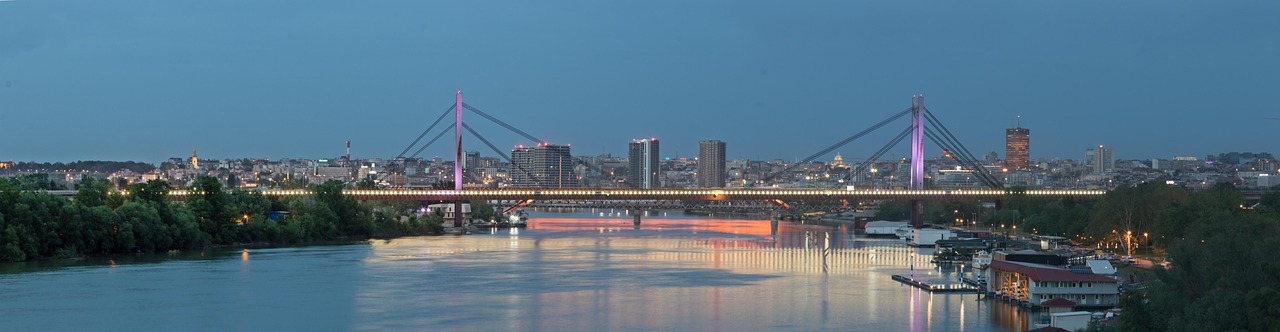
Belgrade is not the kind of city you “check off” with a rushed list of sights. It’s a place you feel: in fortress sunsets, long coffees, noisy dinners, and late-night walks along the rivers. It’s a city where history is layered into every corner, but life is very much lived in the present.
If you’re planning a 3 day itinerary for Belgrade, focus on the core: Kalemegdan, Knez Mihailova, Saint Sava, Skadarlija, and one riverfront evening.
With 4 days in Belgrade, add Zemun, the Nikola Tesla Museum, and a deeper dive into neighborhoods like Dorćol and Vračar.
With 5 days in Belgrade or more, you can slow down: spend a full day at Ada Ciganlija or Avala, explore the Museum of Yugoslavia, revisit your favorite cafés, and maybe take a day trip beyond the city.
For most travelers, the best time to visit Belgrade is late spring (May–June) and early autumn (September–early October), when the weather is comfortable and the city’s outdoor life is in full swing. Summer is amazing for nightlife and river life if you can handle the heat; winter is for cozy kafanas, museums, and festive lights.
What keeps bringing me back is that Belgrade feels real and welcoming, with enough surprises that each trip still feels new. If you give it time – and let yourself sit, sip, and watch – you’ll likely feel the same.