Why Visit Bratislava in 2026
If you’ve ever dreamed of a European city that still feels intimate and human, where locals actually sit in the main square and the bartender remembers your order after one night, Bratislava is that place. It’s small enough to walk almost everywhere, yet layered with history, art, and food that rival much bigger capitals.
I’ve been coming to Bratislava regularly for over a decade, and in 2026 the city is in a particularly exciting phase: creative neighborhoods are booming, the Danube waterfront keeps evolving, and cultural life is richer each year without losing that easygoing, slightly mischievous Bratislava vibe.
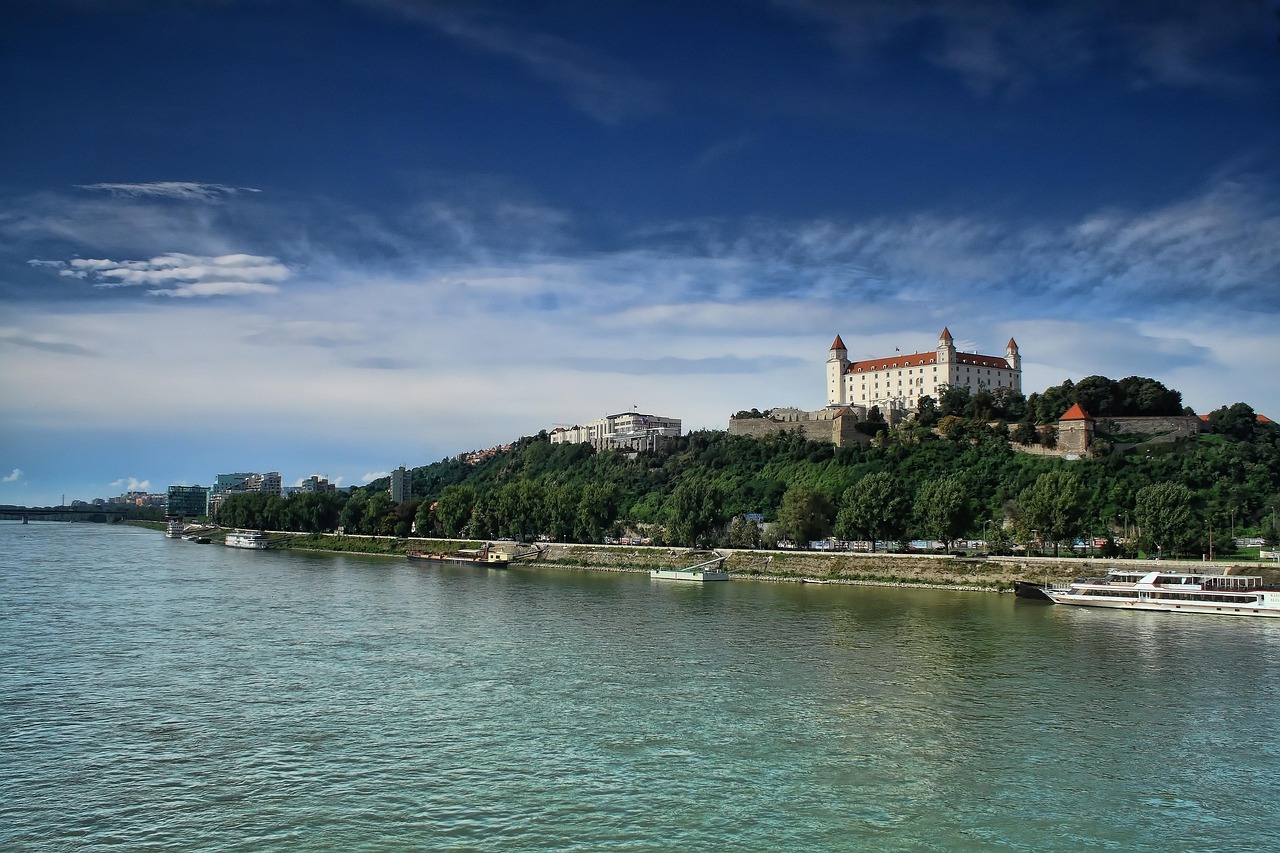
From the vantage point of Bratislava Castle you see three countries at once on a clear day. From the cobbled streets of the Old Town, you feel centuries of stories under your feet. From a Danube-side café, you can watch river cruisers, cyclists, and students sharing the same strip of city.
Whether you’re planning 3 days in Bratislava, a 4 day itinerary for Bratislava, or a slower 5 day itinerary for Bratislava, this guide is written as if I’m walking beside you, pointing out not just the must-see attractions, but also where to get the best poppy seed strudel, which tram seat has the best view of the UFO, and how to say “thank you” in a way that makes locals smile.
Table of Contents
- Why Visit Bratislava in 2026
- Suggested 3–5 Day Itineraries
- Top 20 Must-See Attractions in Bratislava
- Neighborhoods & Areas to Explore
- Local Food & Drink in Bratislava
- Nightlife, Culture & Entertainment
- What’s New: Events & Festivals 2026–2027
- Best Day Trips from Bratislava
- Cultural Etiquette & Local Customs
- Practical Travel Advice for Bratislava
- Summary & Best Time to Visit Bratislava
Suggested 3–5 Day Itineraries for Bratislava
This travel guide is built so you can easily adapt it for 3, 4 or 5 days in Bratislava:
- 3 days in Bratislava: Focus on Days 1–3.
- 4 days in Bratislava: Do Days 1–4.
- 5 days in Bratislava: Enjoy the full 5-day itinerary including a day trip.
I’ll walk you through each day as I usually show friends visiting for the first time—mixing big sights, hidden corners, and food stops that make it all memorable.
Day 1 – Old Town Icons & Your First Taste of Bratislava
Your first day is about grounding yourself: getting lost (on purpose) in the Old Town, spotting quirky statues, and tasting classic local food. I always tell friends: don’t rush today. Bratislava rewards slow wanderers.
Morning: Stroll into the Historic Heart
Start around Hlavné námestie (Main Square). I like to arrive just after 9:00, when the café terraces are waking up but tour groups haven’t fully descended.
Grab a table at one of the cafés on the square—yes, they’re a bit more expensive than side-streets, but the people-watching is worth it for your first hour. Order a kapučíno (cappuccino) and a slice of štrúdľa (apple or poppy seed strudel) and just watch the city breathe.
From here, wander towards Old Town Hall and the Roland Fountain. The Old Town Hall courtyard is one of my personal “reset” spots—quiet, atmospheric, and a great introduction to the city’s medieval bones.
Mid-Morning: Michael’s Gate & Rooftop View
Walk up Michalská ulica to Michael’s Gate (Michalská brána), the last preserved gate of the medieval fortifications.
Climb the tower (check opening hours, usually from around 10:00) for a view that I still love after countless visits. From up there, you see the red-tiled roofs of the Old Town, the white silhouette of the Castle, and the modern lines of the UFO bridge in the distance.
Tip: The stairs are steep and narrow; if you’re traveling with kids or anyone who hates tight spaces, set expectations before you start up.
Lunch: Local Classics Near the Old Town
For your first proper meal, I usually take visitors to a traditional-style place in or near the center for classic local food in Bratislava:
- Bryndzové halušky – potato dumplings with sheep cheese and bacon (share a portion if you’re not super hungry; it’s heavy).
- Kapustnica – cabbage soup with sausage; comforting in cooler months.
- Vyprážaný syr – fried cheese with tartar sauce, a beloved guilty pleasure.
Ask for a small local beer (malé pivo) or kofola (Slovakia’s herbal cola) if you want a non-alcoholic local taste.
Afternoon: Statue Hunt & Riverside Walk
After lunch, walk off the halušky by going on a mini “statue hunt” in the Old Town—kids especially love this.
- Čumil (The Peeper) popping out of a manhole on Panská Street.
- Schöner Náci tipping his hat nearby.
- Napoleon’s Soldier leaning over a bench in the Main Square.
From there, head down towards the Danube riverfront. I recommend crossing to the modern Eurovea side. It’s not the most “historic” place in town, but it’s where Bratislava’s contemporary life plays out—families, runners, office workers, and students all sharing the promenade.
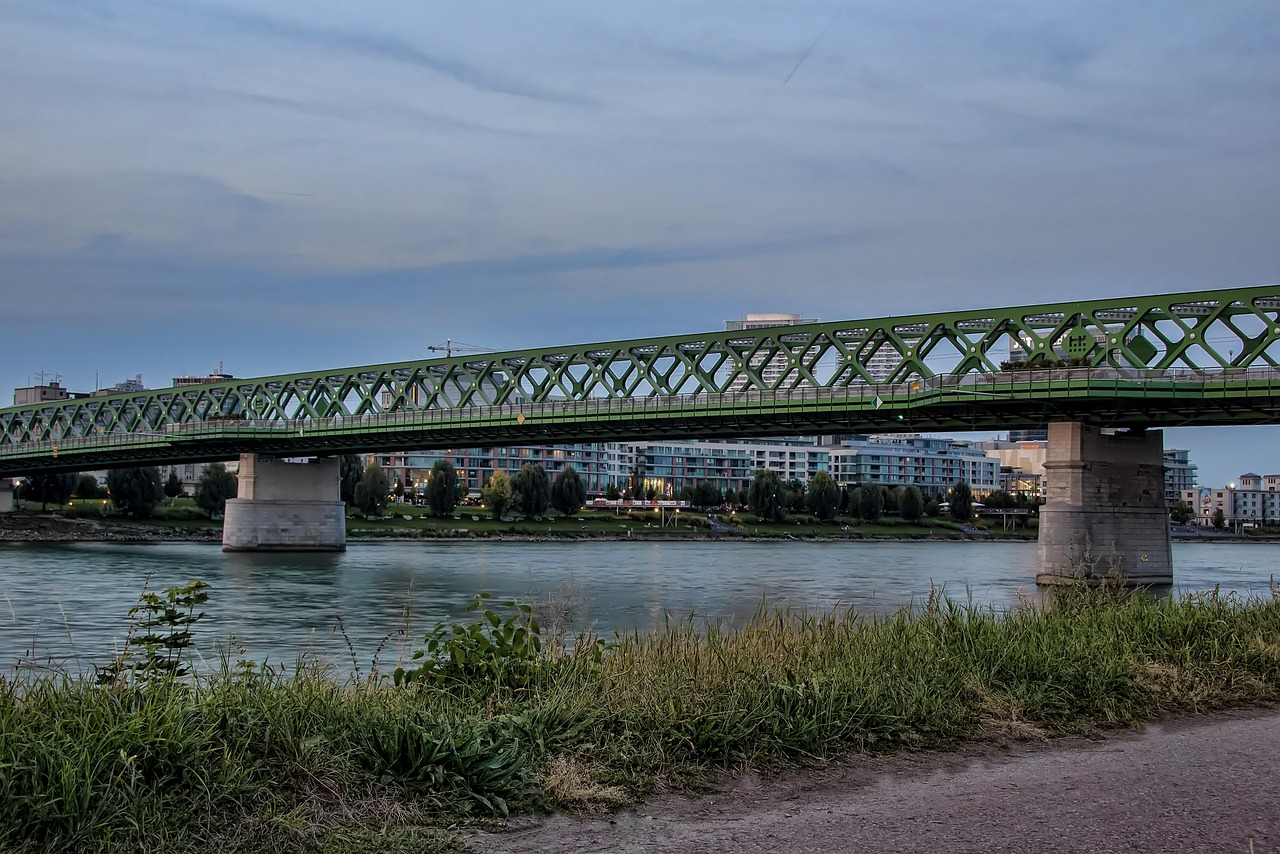
Grab a gelato or coffee and sit by the river. If you’re here on a sunny afternoon, this can easily stretch into an hour without you noticing.
Evening: First Night in the Old Town
For dinner on your first night, I usually suggest something slightly outside the most touristy lanes to save money and get a more local feel. Duck down one of the side streets off Panská or Ventúrska and look for smaller bistros.
After dinner, stroll back through the Old Town. The lighting on the facades is gorgeous, and street musicians often play under the arches. It’s a romantic moment for couples but equally magical for families—Bratislava at night feels safe and cozy rather than overwhelming.
If you’re not too tired and curious about nightlife in Bratislava, pop into a wine bar for a glass of local Frankovka red or Rizling vlašský (Welschriesling). Many are small and intimate; just ask the staff for a recommendation based on what you usually drink.
Day 2 – Bratislava Castle, St. Martin’s, and the UFO Bridge
On your second day you’ll hit some of the most iconic must-see attractions in Bratislava—the Castle, the main cathedral, and that spaceship-like UFO perched above the Danube.
Morning: St. Martin’s Cathedral
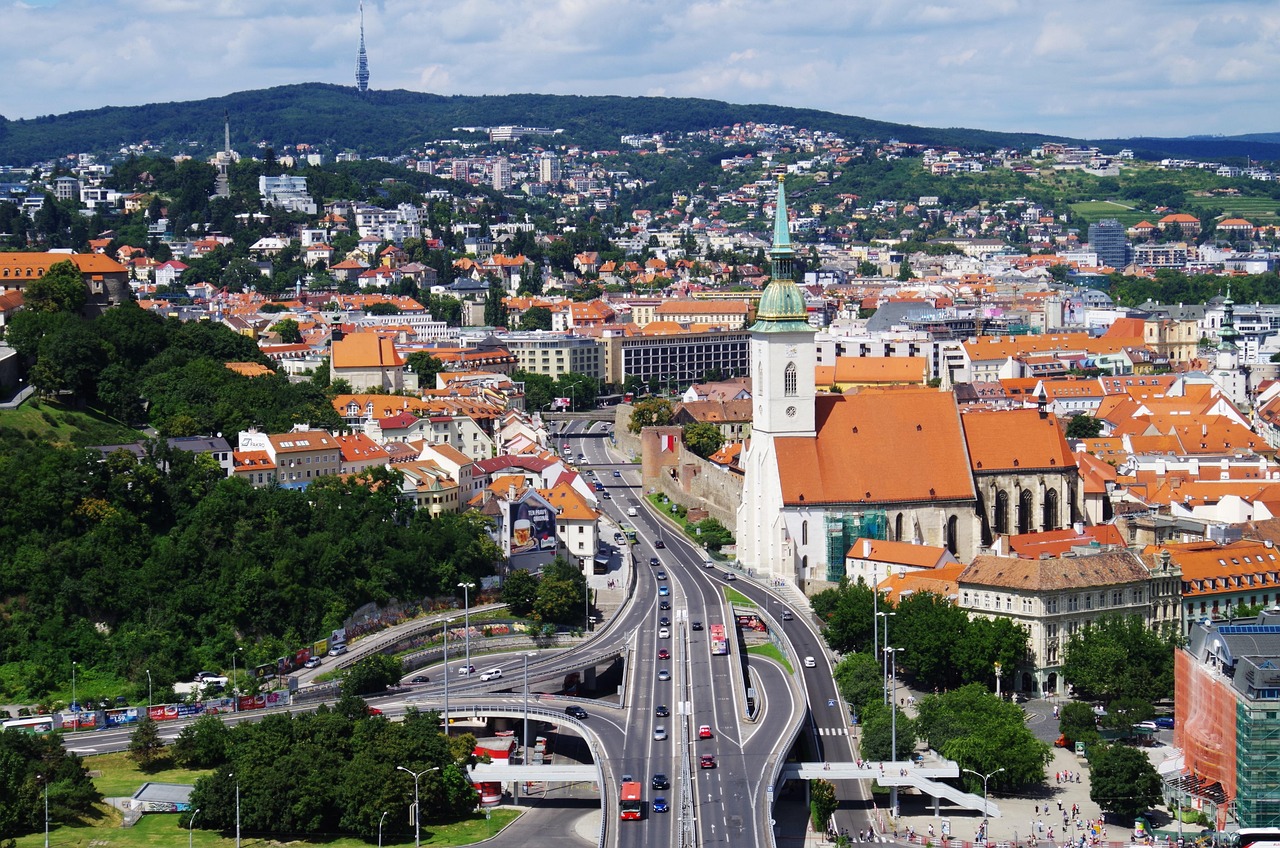
Start at St. Martin’s Cathedral (Dóm sv. Martina), where Hungarian kings and queens were once crowned. I like to slip in during the late morning when the light filters through the stained glass and it’s quieter.
Take a moment to notice the crown on top of the spire, a reminder of Bratislava’s role as a coronation city. It’s humbling when you think about the processions that once passed these streets.
Late Morning to Afternoon: Bratislava Castle
From the cathedral, follow the winding streets uphill to Bratislava Castle (Bratislavský hrad). The walk is short but a bit steep—wear comfortable shoes.
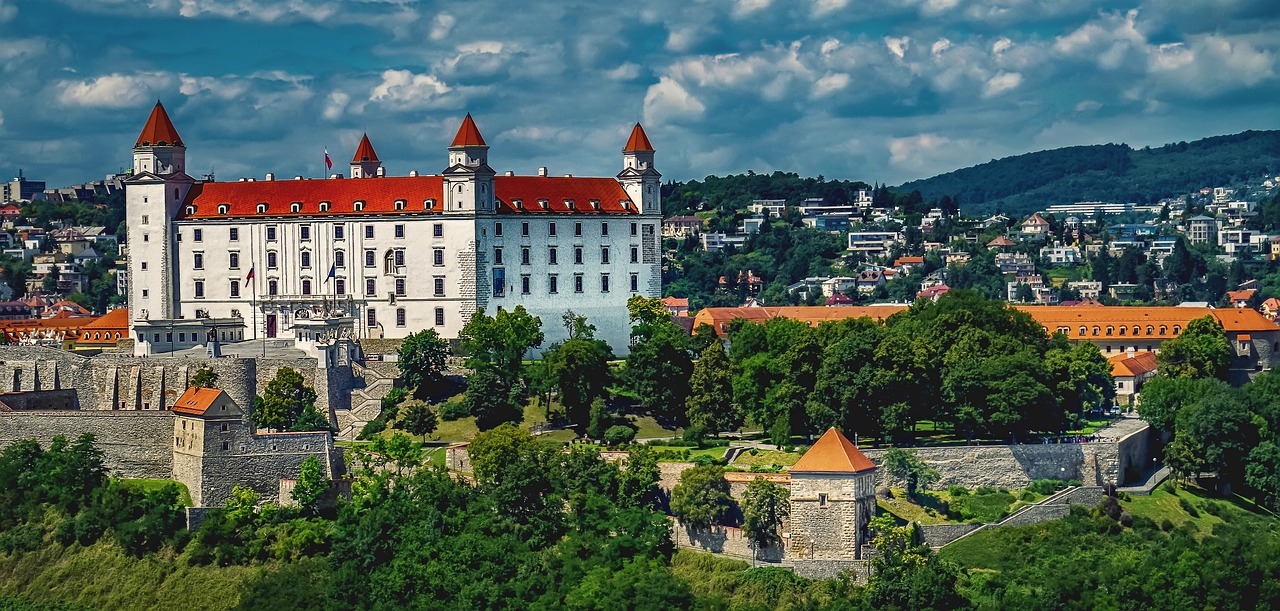
I try to time my visits to arrive at the castle around 11:00, when the sun lights up the Danube and you can clearly see across to Austria and Hungary. Families will appreciate the open spaces; kids can run freely while adults soak in the views.
Inside the castle, the museum gives a broad sweep of Slovak history; whether you go in depends on your interest level and time. Even if you skip the interior, the castle gardens and terraces alone are worth the climb.
Tip: Walk around the outer walls for different angles of the city. My favorite is the view back towards the Old Town roofs with the UFO bridge slicing across the river.
Lunch with a View
There are a couple of restaurants and cafés around the castle area, but prices can be higher. If you’re saving money, consider grabbing a lighter snack here (coffee, cake) and a full lunch back down in the Old Town or near the river.
Afternoon: UFO Bridge & Skywalk
After lunch, head for the most futuristic of Bratislava’s best places to visit: the UFO Observation Deck (UFO Most SNP).
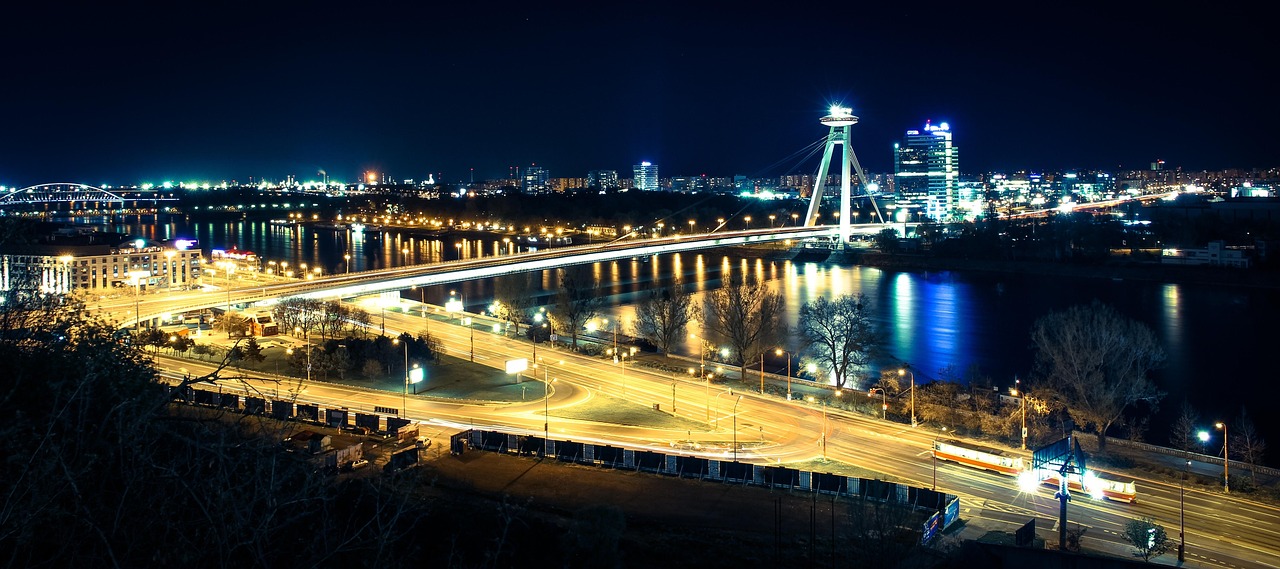
Cross the bridge on foot if the weather is good; the pedestrian path under the roadway gives cool perspectives of the river and riverbank graffiti. Then take the elevator up to the observation deck. I still get a small thrill every time the doors open and the panorama appears.
You’ll see the Castle behind you, the Old Town to the left, and the newer residential blocks spreading out like a concrete sea. It’s an honest, unfiltered view of Bratislava—the charming and the gritty side by side.
Couples: this is one of the best romantic spots in the city, especially near sunset. Families: the novelty factor is high and kids tend to love the “spaceship” feeling.
Evening: Danube Promenade & Modern Bratislava
Walk back along the Danube, maybe stopping in Sad Janka Kráľa, one of the oldest public parks in Europe, on the Petržalka side. It’s a peaceful place to sit under the trees and let the day sink in.
For dinner, try a more modern Slovak or fusion restaurant this evening—something that shows how Bratislava’s food scene is evolving beyond heavy classics.
Day 3 – Local Neighborhoods, Markets & Everyday Bratislava
By the third day, I encourage visitors to step a bit away from the postcard sights and lean into hidden gems in Bratislava and residential neighborhoods. This is where you really feel the city’s rhythm.
Morning: Miletičova Market (Trhovisko Miletičova)
Start with a tram ride to Miletičova market, the city’s open-air marketplace. It’s not polished, and that’s exactly why I love it. You’ll find everything from fragrant peaches and homemade pickles to socks and knock-off goods.
Grab a langoš (fried dough with garlic, cheese, and sour cream) or a simple sausage with mustard from one of the stalls and eat it standing up like locals do. It’s cheap, filling, and very Bratislava.
Midday: Blumentál & Račianske Mýto
From the market, wander or tram towards the Blumentál area. This is everyday Bratislava: residential blocks, small cafés, grandma-run bakeries. I often stop here for a second coffee at a quieter spot and watch neighbors greet each other on the sidewalk.
Afternoon: Šafko & Back to the Center
Loop back towards the center via Šafárikovo námestie and the nearby university area. This student-heavy zone has affordable food spots—great for saving money—and a casual, creative vibe.
If you still have energy, dip into a museum you skipped earlier or explore more lanes of the Old Town you haven’t walked yet. This is a flexible day; let your curiosity guide you.
Evening: Wine Bar or Craft Beer
Tonight is perfect for exploring cultural experiences in Bratislava through its drinks. Try a small wine bar specializing in Slovak wines—staff are often passionate and happy to explain regional grapes—or sample local craft beers in one of the newer breweries.
Day 4 – Museums, Architecture & Alternative Bratislava
If you have 4 days in Bratislava, this is where you dig deeper: more museums, more architectural contrasts, and a taste of the city’s alternative, creative side.
Morning: Slovak National Gallery & Danube Embankment
Begin at the Slovak National Gallery (SNG), freshly revitalized and one of my favorite rainy-day (and sunny-day) refuges. Exhibitions rotate, mixing Slovak art with broader Central European threads.
Even if you’re not a hardcore art person, give it at least an hour. The building itself, a blend of historical and modern architecture, is a statement about how Bratislava sees its past and future.
Midday: Blue Church (Church of St. Elizabeth)
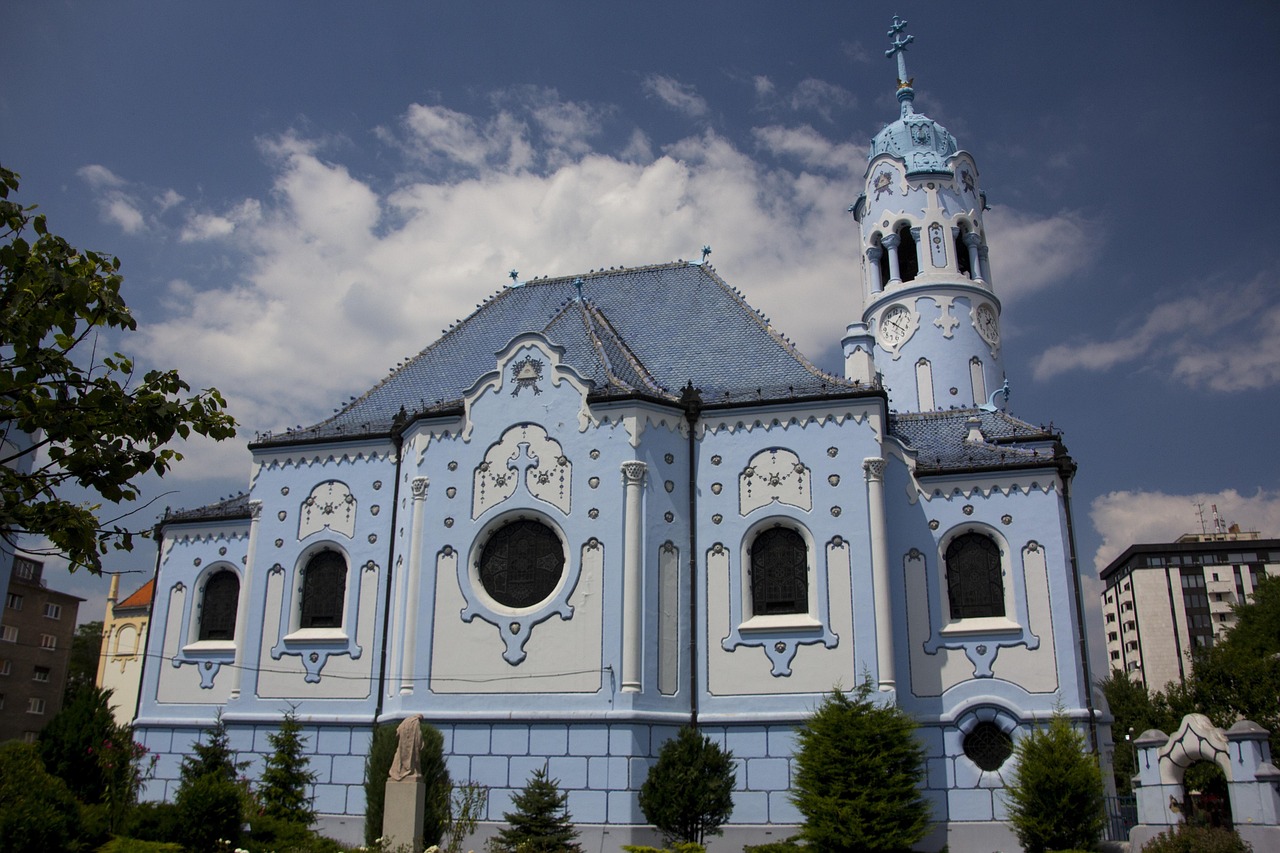
Walk or tram to the Blue Church. It really is as photogenic as Instagram suggests, but it’s small, so try to time your visit between tour group waves. I like to sit on the bench across the street and just admire the candy-like Art Nouveau details.
Afternoon: Trnavské Mýto & Nová Cvernovka (Creative Hub)
Head towards Nová Cvernovka, a creative hub in a former industrial/educational complex. Here you’ll find studios, exhibitions, events, and a café filled with Bratislava’s creative crowd.
Check their program in advance; there’s often something on—film screenings, small festivals, flea markets. This is where you feel the city’s younger energy, away from the tourist core.
Evening: Alternative Night Out
Tonight, explore a more alternative side of nightlife in Bratislava. Look for smaller venues featuring live bands, DJ sets, or indie cinema screenings. They change over the years, but locals and bar staff are usually happy to point you in the right direction if you ask where to hear good music.
Day 5 – Day Trip & Slow Farewell to the City
If you’re planning 5 days in Bratislava, use this day to step out of the city and then return for a mellow final evening.
Option 1: Devín Castle
Devín Castle is my most recommended day trip, especially for first-timers. It’s technically within the city limits, but it feels like a different world. Perched above the confluence of the Danube and Morava rivers, its ruins are steeped in both ancient and modern history (including the Cold War, when this was the Iron Curtain border).
Take bus 29 from under the UFO bridge; it’s straightforward and scenic. Bring good shoes—the paths are uneven—and your camera. In late spring and early autumn, it’s particularly magical.
Option 2: Wine Villages (Rača, Svätý Jur, Pezinok)
If you’re more into wine and countryside, hop on a local train or bus to nearby wine towns like Svätý Jur or Pezinok. In autumn, harvest festivals and open cellars offer one of the best cultural experiences in Bratislava’s surroundings.
Evening: Farewell Walk & Last Meal
Come back to Bratislava for a final unhurried stroll through the Old Town. Revisit your favorite spot—maybe the Castle terrace at dusk, the riverfront, or simply a bench by the Main Square. Have one last dinner of your favorite Slovak dish or try something completely different to round off your 5 day itinerary for Bratislava.
Top 20 Must-See Attractions in Bratislava (Deep Dive)
Below are detailed, story-rich mini-guides to at least 20 of the best places to visit in Bratislava. Use this as a reference whether you’re building a 3 day itinerary for Bratislava or stretching things out to 5 days.
1. Bratislava Castle (Bratislavský hrad)
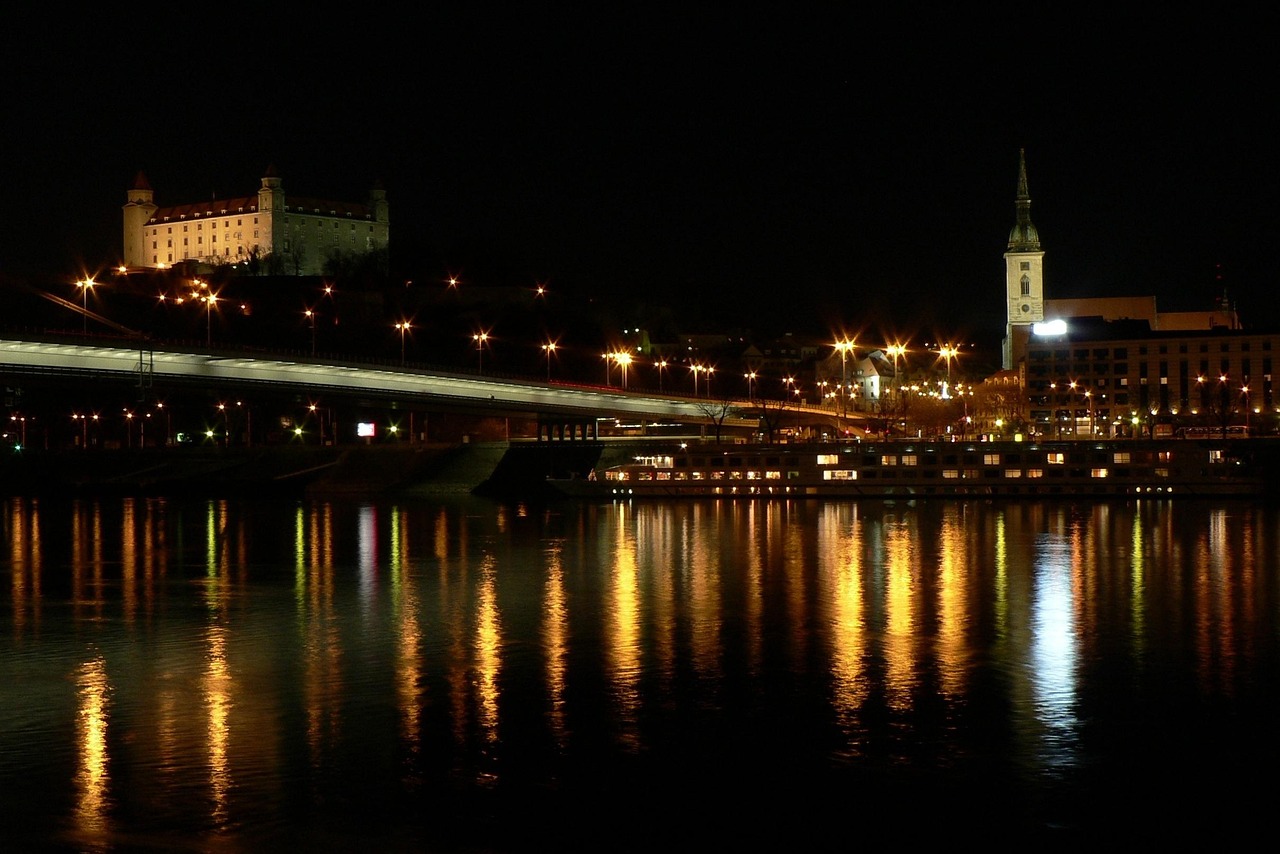
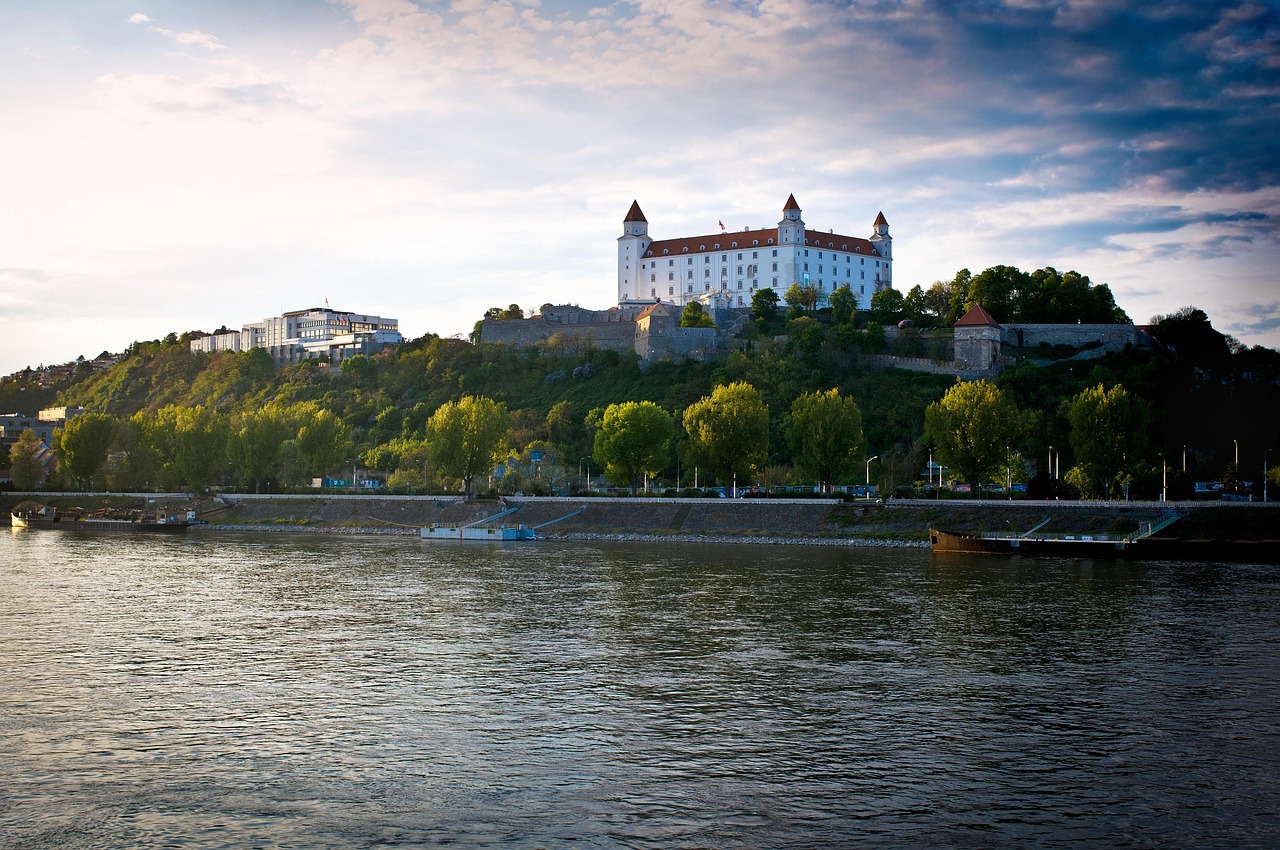
The four-towered silhouette of Bratislava Castle is the city’s calling card. My first memory of Bratislava is actually from up here—arriving on a winter afternoon when the rooftops were dusted with snow and the Danube looked like a strip of steel.
Historically, this site has been fortified since at least the 9th century. It served as a royal residence when Bratislava (then Pressburg) was a capital of the Kingdom of Hungary. The current castle was rebuilt in the 20th century after a devastating fire in 1811 left it in ruins for over a century—when you look at old photos, it’s shocking how close we came to losing it entirely.
What to do: Walk the courtyards and gardens, enjoy the city views from different angles, and, if you’re interested in history, visit the Slovak National Museum exhibits inside (archaeology, history, and decorative arts). Even on days when I skip the interior, I always circle around the ramparts; there’s something grounding about seeing Austria and Hungary from the same vantage point.
Practical tips:
- Getting there: It’s a steep but short walk from the Old Town; allow 10–20 minutes depending on your pace.
- Best time: Late afternoon for golden light and fewer tour groups. In summer, consider the early evening to avoid heat.
- Family-friendly: Yes—open spaces, plenty of room to run, and relatively safe edges (but still keep an eye on younger kids).
2. Bratislava Old Town (Staré Mesto)
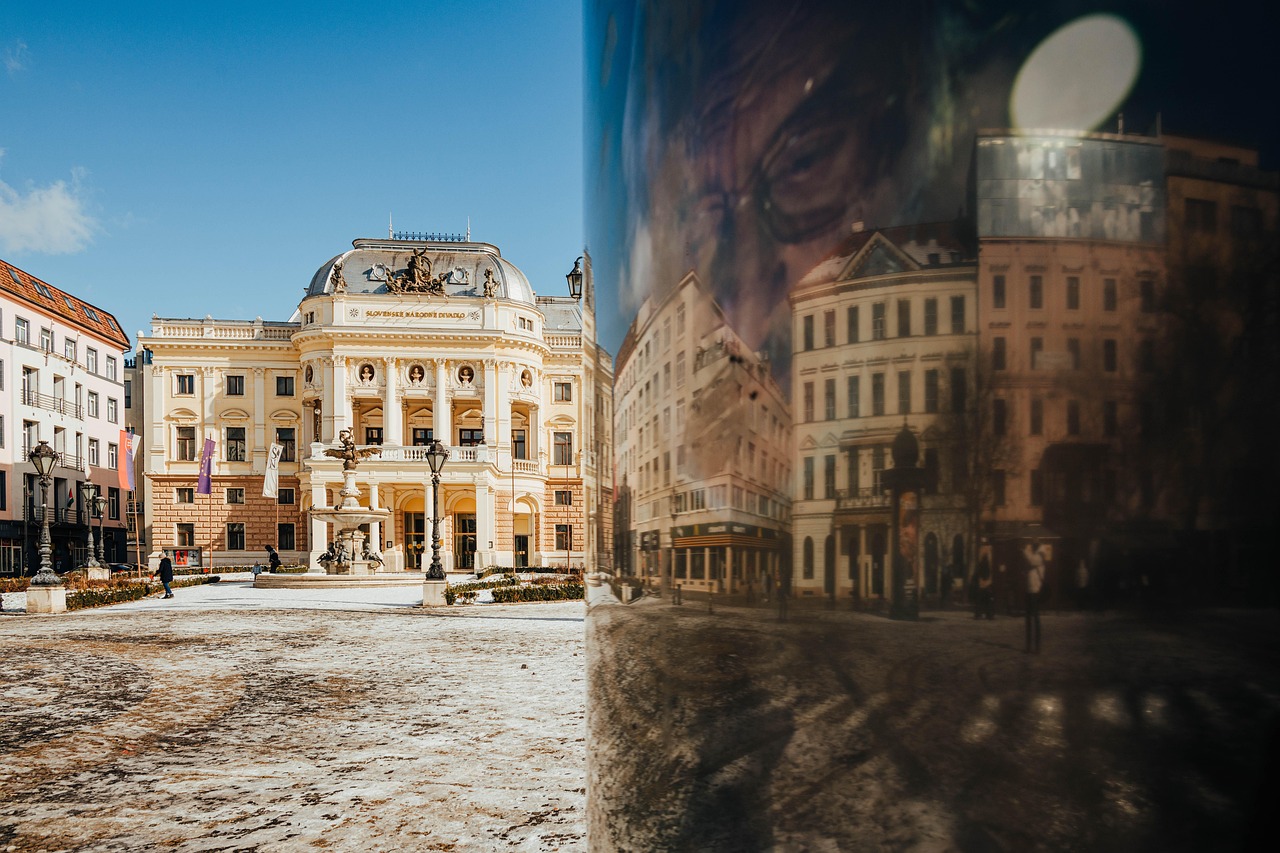
The Old Town is why so many people fall for Bratislava. It’s compact but never boring: Gothic portals next to pastel Baroque facades, tiny courtyards, and bars hidden under centuries-old vaults.
I’ve walked these streets at all hours—pre-dawn quiet when delivery trucks are the only movement, high noon in summer when café umbrellas are fully deployed, and late nights when laughter spills out of wine bars. Every time, I notice some new detail: a carved door handle, a faded wall painting, a tiny plaque.
Don’t miss: Hlavné námestie (Main Square), Primaciálne námestie (Primate’s Square), Ventúrska and Panská streets, the narrow Kapitulská street (especially atmospheric and often surprisingly empty), and hidden courtyards off the main arteries.
Tip: Step just one or two streets away from the most touristy lanes and prices drop, while quality often improves. This is essential if you’re trying to save money in Bratislava.
3. St. Martin’s Cathedral (Dóm sv. Martina)
St. Martin’s Cathedral anchors the western edge of the Old Town. From 1563 to 1830, it hosted coronations of Hungarian monarchs. Deep under the floor lie crypts and tombs; above, a gilded crown on the spire commemorates its royal history.
My favorite way to experience the cathedral is to sit in a side pew during a quiet moment, letting the cool stone and faint echoes wrap around you. Even if you’re not religious, it offers a contemplative pause amid sightseeing.
4. Michael’s Gate (Michalská brána)
The only surviving gate of the medieval fortifications, Michael’s Gate is both a photo spot and a tangible connection to 14th-century Bratislava. The small museum inside the tower showcases historic weapons and city defenses.
From the top, you get a postcard-perfect view down Michalská street and across the rooftops. I once timed a climb here just as a summer storm was clearing; the sky broke into dramatic clouds over the Castle—still one of my best Bratislava photos.
5. UFO Bridge & Observation Deck (Most SNP)
The UFO Bridge, officially Most SNP, is an unapologetically modern icon from the 1970s. Locals have a complicated relationship with it—it’s beloved and criticized in equal measure—but you can’t deny its character.
The observation deck and restaurant at the top offer 360-degree panoramic views. I recommend going up at least once, even if just for a drink. On my last visit, I watched a thunderstorm roll across the horizon while the Old Town stayed in sunlight—a reminder of how exposed and spectacular this vantage point is.
6. Devín Castle (Hrad Devín)
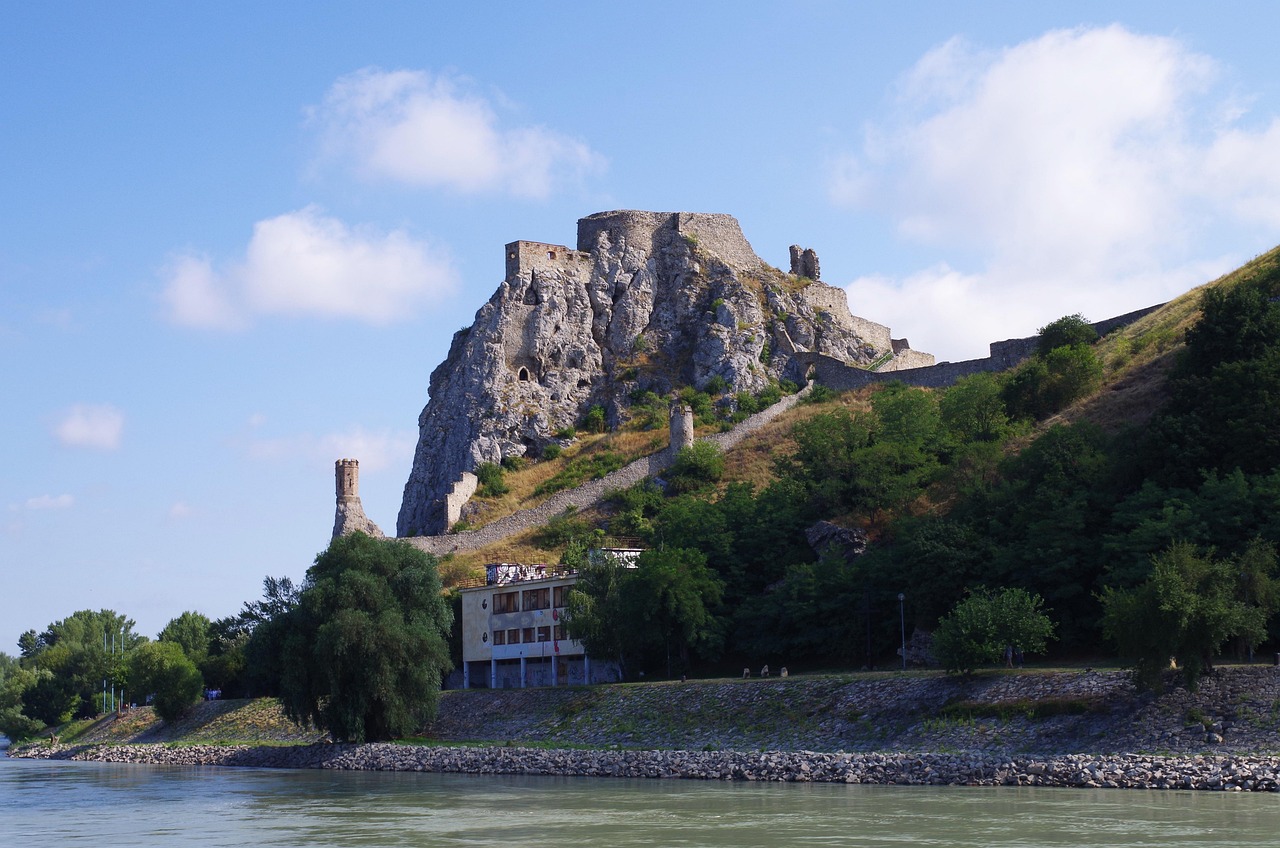
Devín Castle is where nature, history, and politics intertwine. Occupied since Celtic and Roman times, the castle later became a symbol of Slovak national identity. In the 20th century, this was the edge of the Iron Curtain; people once risked their lives trying to cross the river to the West.
Today, the mood is peaceful. Trails wind up through the ruins; from the top, you see the confluence of the Danube and Morava, fields stretching into Austria, and the odd barge passing below. I always bring visitors here when I want to show them that Bratislava is more than its Old Town.
7. Blue Church (Church of St. Elizabeth)
The Blue Church feels like it was plucked out of a fairytale. Built in the early 1900s in Art Nouveau style, everything from its facade to its roof tiles leans into shades of blue. Inside, the pastel theme continues.
It’s still a functioning parish church, so be quiet and respectful if you go in. I like to visit mid-morning on weekdays when it’s usually calm; it’s a short, sweet stop that leaves most visitors smiling.
8. Slovak National Gallery (Slovenská národná galéria)
The revamped Slovak National Gallery is one of the best places to see how Slovaks see themselves. Collections span medieval icons, 19th-century landscapes, and contemporary works wrestling with identity, politics, and daily life.
I like to pair a visit here with a slow walk along the Danube embankment afterwards; it gives your brain time to process the art.
9. SNP Square (Námestie Slovenského národného povstania)
SNP Square is both a transit hub and a place heavy with meaning. Named after the Slovak National Uprising against fascism in 1944, it has seen protests, celebrations, and everyday markets. I often cut through here when going between the Old Town and newer districts; its slightly worn facades and busy tram lines capture a slice of “real” Bratislava.
10. Slavín War Memorial
Slavín is a hilltop memorial and cemetery for Soviet soldiers who died liberating Bratislava in World War II. Politics aside, it’s a solemn, beautifully landscaped place with one of the best panoramas of the city.
On foggy days, the monument emerges like a ghost above the rooftops. I like to come up here around sunset; the peaceful atmosphere and broad views are a powerful contrast to the busy center.
11. Sad Janka Kráľa (Janko Kráľ Park)
One of the oldest public parks in Central Europe, Sad Janka Kráľa sits on the Petržalka side of the Danube. With mature trees, meandering paths, and a slightly wild feel in places, it’s a favorite for picnics, jogs, and romantic walks.
12. Eurovea & Modern Riverfront
Eurovea is the shiny face of modern Bratislava: a glassy shopping center, offices, apartments, and a lively promenade. Purists sometimes sneer at it, but I find it fascinating to watch locals embrace the riverside after decades when the Danube was underused.
13. Primate’s Palace (Primaciálny palác)
The pale pink Primate’s Palace hides a gorgeous Hall of Mirrors and a collection of English tapestries. In 1805, the Treaty of Pressburg between France and Austria was signed here after Napoleon’s victory at Austerlitz—one of those “if these walls could talk” moments.
14. Old Town Hall & City Museum
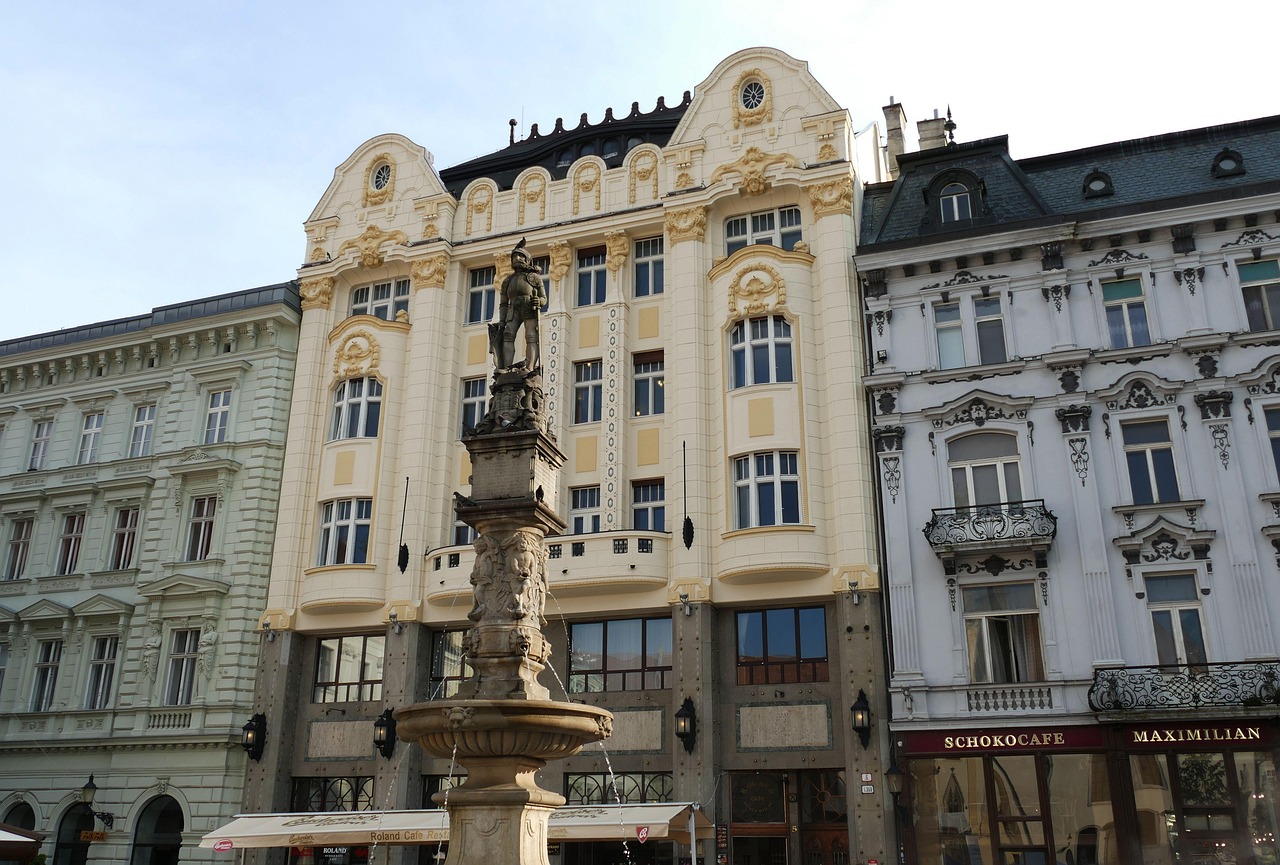
Old Town Hall is a cluster of historical buildings around a cozy courtyard. Inside is the City Museum, tracing Bratislava’s story from medieval times through the 20th century. The tower offers another excellent viewpoint—less crowded than Michael’s Gate on many days.
15. Kapitulská Street
Kapitulská is my secret antidote when the Old Town feels too busy. This quiet, slightly crumbling street near the cathedral feels like you’ve stepped back decades. No big shops, no loud bars—just old houses, ivy, and the occasional cat or priest.
16. Nová Cvernovka
Nová Cvernovka is Bratislava’s creative playground: studios, cultural events, a courtyard that fills with people during summer festivals. It’s an excellent example of how old industrial or institutional spaces are being reimagined.
17. Danubiana Meulensteen Art Museum
Located on a peninsula about 20 km from the city center, Danubiana is a striking modern art museum jutting into the Danube. The combination of contemporary art, sculpture park, and surrounding water makes it a great half-day trip for art lovers.
18. Miletičova Market
Miletičova is messy, loud, and alive. If you want to understand what locals eat at home, come here. In late summer, stalls overflow with tomatoes, peppers, and plums; in winter, there’s sauerkraut, smoked meats, and honey.
19. Bratislava Forest Park (Železná studnička & Kamzík)
North of the city, the Bratislava Forest Park offers hiking trails, picnic spots, and a chairlift to Kamzík tower. On hot summer days, locals escape here to cool off under the trees. It’s also a cheap, easy way to add nature to your trip without renting a car.
20. Rača Vineyards
Rača, a district on the city’s edge, is home to vineyards and wine cellars. In autumn, grape harvest festivities and burčiak (young wine) make this one of the liveliest parts of greater Bratislava.
Neighborhoods & Areas to Explore in Bratislava
Beyond the Old Town, Bratislava is a patchwork of distinct neighborhoods. Here’s how I describe them to friends.
Old Town (Staré Mesto)
The historic core—cobbled streets, main sights, many hotels and restaurants. Perfect for a first visit, especially if you only have 3 days in Bratislava. It’s more expensive than other areas, but unbeatable in convenience.
Petržalka
South of the Danube, Petržalka is a sea of paneláky (concrete apartment blocks) softened by parks and bike paths. Not conventionally pretty, but a fascinating example of socialist-era urban planning. Good for biking, jogging, and glimpsing everyday life.
Ružinov
East of the center, Ružinov mixes older housing, lakes, and new development. Great for longer stays and a more residential vibe. Easy tram connections to the center.
Nové Mesto
“New Town” covers a broad swath north and northeast, including areas around the main train station and shopping centers. It’s mixed: some concrete blocks, some older villas, hills leading to forest park. Practical but not particularly scenic—except when you climb towards Kamzík.
Riverside (Eurovea & River Park)
This stretch of the Danube has become a social spine for modern Bratislava. New towers, offices, and posh apartments line the water; at ground level, promenades, cafés, and bars invite lingering at all hours.
Rača & Vinohrady
At the foothills of the Small Carpathians, these areas blend city and countryside. Vineyards, small houses, and forest trails meet tram lines. Ideal if you want easy access to both wine and hiking.
Local Food & Drink in Bratislava
Food is one of Bratislava’s best gateways into local culture. Slovak cuisine is hearty, seasonal, and heavily influenced by neighbors—Austria, Hungary, Czechia. Over the years I’ve watched the city add more vegetarian and modern options while keeping its soul.
Must-Try Dishes
- Bryndzové halušky – Potato dumplings with sheep cheese and bacon; the national dish.
- Kapustnica – Sauerkraut soup with sausage; especially good in winter.
- Segedínsky guláš – Pork goulash with sauerkraut and sour cream.
- Vyprážaný syr – Deep-fried cheese with tartar sauce.
- Lokše – Potato pancakes served savory (with duck) or sweet (with poppy seeds or jam).
- Koláče & štrúdľa – Poppy seed, plum, cheese pastries; apple or cherry strudel.
Drinks to Sample
- Kofola – Herbal soft drink, a Central European classic.
- Local beers – Zlatý Bažant, Šariš, plus a growing craft scene.
- Slovak wines – Especially whites from the Small Carpathians.
- Slivovica & other fruit spirits – Strong; sip slowly.
Saving Money on Food
To keep your budget in check:
- Look for daily menus (denné menu) at lunch—two or three courses for a friendly price.
- Eat where students eat: near universities, you’ll find cheaper bistros.
- Use markets and supermarkets for breakfast picnics or simple dinners when tired.
Nightlife, Entertainment & Cultural Experiences in Bratislava
Bratislava’s nights are what you make of them: cozy wine bars, late-night clubbing, classical concerts, or just slow walks by the river.
Wine Bars & Beer Pubs
Wine bars in the Old Town and surrounding streets offer intimate settings and knowledgeable staff. Beer pubs range from traditional cellars pouring lagers to modern taprooms with rotating craft selections.
Clubs & Live Music
Clubs tend to be small to medium-sized, often with local DJs and occasional international guests. Live music venues host everything from jazz and rock to experimental electronics—check event listings when you arrive; things change quickly year to year.
Theatre & Classical Music
The Slovak National Theatre offers opera, ballet, and drama (some with surtitles). For classical music lovers, concerts in churches and smaller halls provide atmospheric evenings at reasonable prices.
Family-Friendly Evenings
Families can enjoy evening boat rides (seasonal), light projection shows during festivals, and simple pleasures like ice cream and people-watching in the Main Square.
What’s New: Events & Festivals in Bratislava 2026–2027
Bratislava’s event calendar evolves every year, but some patterns are predictable. For 2026–2027, expect:
- Bratislava City Days (April) – Free or discounted entry to many attractions, street performances, and open-air events.
- Bratislava Cultural Summer (June–September) – Outdoor concerts, theatre, and movie screenings in parks and squares.
- Coronation Days (September) – Historical reenactments recalling the city’s coronation past.
- Wine Harvest Festivals (September–October) – In Rača, Pezinok, and Svätý Jur, with parades, tastings, and music.
- Christmas Markets (late November–December) – On Hlavné námestie and Hviezdoslavovo námestie; mulled wine, crafts, and festive food.
As 2026 approaches, check the city’s official tourism site or cultural calendars for specific dates and any new festivals or one-off events (concert tours, sports tournaments, etc.).
Best Day Trips from Bratislava
One of Bratislava’s strengths is its location. In less than an hour, you can be in another country—or in vineyards, forests, and castles.
Devín Castle
Already covered above; it’s the top pick for a half-day trip.
Small Carpathian Wine Route
Town names to look up: Svätý Jur, Pezinok, Modra. Visit cellars, taste local wines, and walk among vineyards with mountain backdrops. Trains and buses run frequently; a rental car gives maximum flexibility but isn’t essential.
Vienna, Austria
Vienna is about an hour by train or bus. Many people base themselves in Bratislava (cheaper accommodation) and do a day trip to Vienna for museums and imperial grandeur.
Győr, Hungary
A lesser-known gem between Bratislava and Budapest, Győr has a charming Baroque center and thermal baths. Direct trains make it a manageable day trip.
Cultural Etiquette & Local Customs in Bratislava
Slovaks tend to be reserved at first but warm once you break the ice. A few etiquette points will make your stay smoother.
Greetings & Politeness
- Use Dobrý deň (good day) when entering shops or cafés.
- Prosím (please) and Ďakujem (thank you) go a long way.
- People generally queue in an orderly way; don’t cut in line.
Dining Etiquette
- It’s polite to wait until everyone is served before starting.
- When toasting, make eye contact and say Na zdravie (to your health).
- Tipping: around 10% in restaurants if service was good, often given by rounding up and telling the server how much to charge.
Public Behavior
- On public transport, offer seats to elderly, pregnant, or disabled passengers.
- Keep voices moderate; loud behavior stands out.
- Smoking is still relatively common in some outdoor areas; check local rules for indoor spaces.
Practical Travel Advice for Bratislava
Getting Around
Bratislava is very walkable, especially for Old Town and central districts. For longer distances, use public transport:
- Trams, buses, trolleybuses: Integrated system, tickets bought at machines or via mobile app; validate when boarding.
- Day passes: Great value if you’ll be hopping around a lot.
- Bike & scooters: Shared bikes and e-scooters are common; use bike paths where possible.
- Car rental: Not needed for the city itself; useful for regional exploration.
SIM Cards & Connectivity
Prepaid SIM cards are available from major providers (Orange, Telekom, O2) at shops and some kiosks; bring your passport. EU visitors can usually use roaming at domestic rates, but always check your plan.
Money & Costs
- Currency: Euro (€).
- Cards widely accepted, but carry some cash for markets and small places.
- Bratislava is generally cheaper than Vienna, comparable or slightly cheaper than Prague for food and accommodation.
Visa Requirements & Entry
Slovakia is in the Schengen Area. EU/EEA/Swiss citizens can enter freely. Many other nationalities (including US, Canada, UK, Australia) can enter visa-free for short stays (typically up to 90 days in 180), but regulations can change; always check the latest information from official sources before traveling.
Driving & Licenses
- Foreign drivers’ licenses from many countries are accepted; some non-EU visitors may need an International Driving Permit (IDP) as a supplement—verify based on your home country.
- Highways require an electronic vignette (toll), usually handled automatically by rental companies.
- Strict drink-driving laws: the tolerated blood alcohol limit is effectively zero.
Safety
Bratislava is generally safe. Use normal city common sense: watch your belongings in crowded areas, avoid overly drunk crowds late at night, and take licensed taxis or ride-hailing services if returning very late.
Best Seasons for Different Activities
- Spring (April–June): Ideal for city walks, moderate temperatures, blooming parks.
- Summer (July–August): Lively riverfront, outdoor events; can be hot and busier.
- Autumn (September–October): Wine festivals, colorful forests, comfortable weather—a favorite time for many locals.
- Winter (November–February): Christmas markets, potentially snowy castle views; shorter days and colder temperatures.
Money-Saving Tips
- Stay slightly outside the Old Town core for cheaper accommodation.
- Use lunch menus and cook simple breakfasts using supermarket goods.
- Walk or use public transport instead of taxis.
- Look for free walking tours (tip-based) for orientation, then explore on your own.
Summary & Final Recommendations
Bratislava may not shout as loudly as some European capitals, but that’s exactly why I keep returning. In 3 days in Bratislava, you can see the main sights and get a feel for local rhythm. With 4 days in Bratislava, you add museums, neighborhoods, and more nuanced cultural experiences. A full 5 day itinerary for Bratislava gives you time for day trips, wine villages, and forest walks—transforming a quick city break into a deeper connection.
If your priorities are history and food, come in spring or autumn. If you love outdoor events and river life, choose summer. For cozy markets and atmospheric evenings, aim for December.
However long you stay, let Bratislava be what it is: smaller, more intimate, and more personal than many capitals. Wander slowly, eat well, talk to people, and let the Danube, the Castle, and those narrow Old Town streets work their quiet magic.