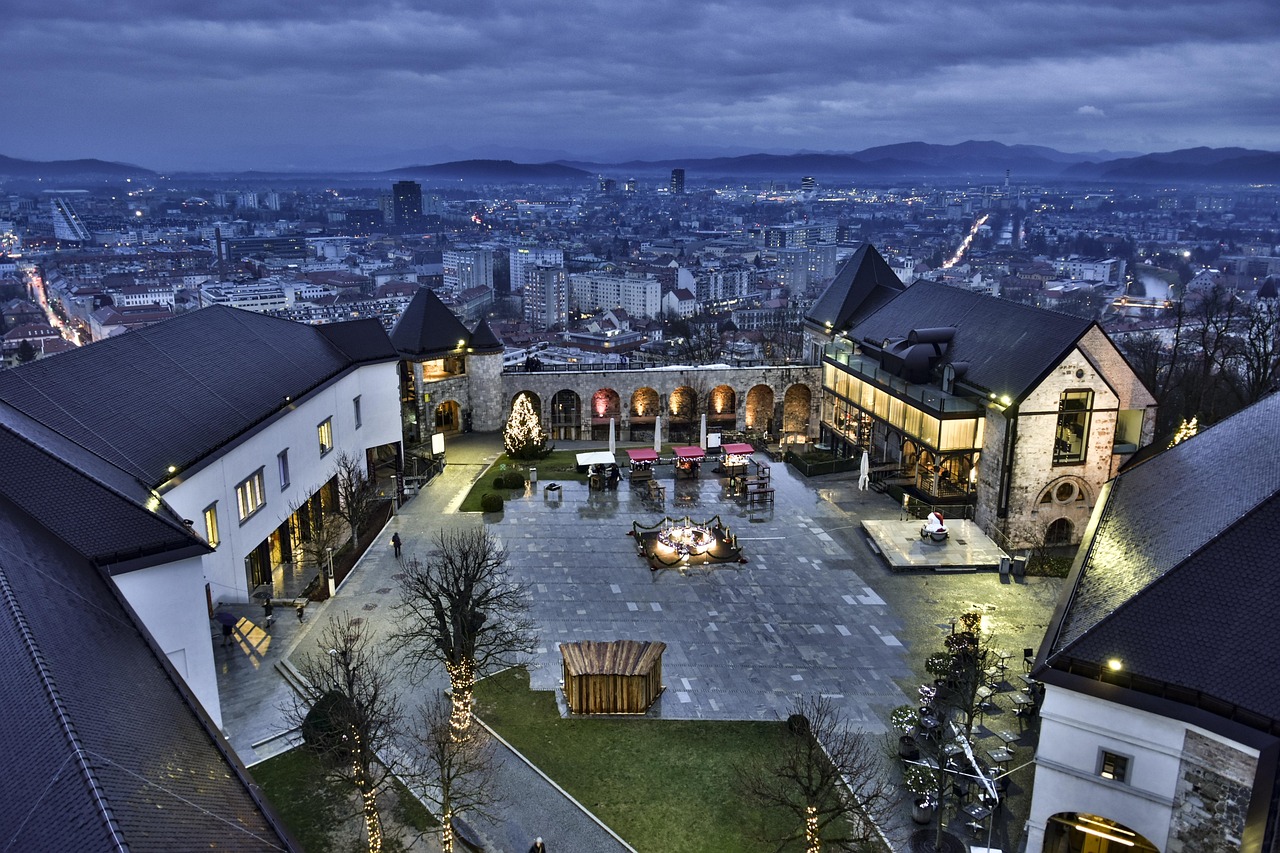
Why Visit Ljubljana in 2026
Ljubljana is one of those cities that quietly steals your heart. It doesn’t overwhelm you with noise or skyscrapers; instead, it wins you over with riverfront cafés, green parks, fairy-tale bridges, and a hilltop castle that watches over it all. I’ve been visiting Ljubljana regularly for more than a decade, and every time I return, I end up staying longer than planned.
In 2026, Ljubljana is especially appealing: the city is doubling down on its reputation as one of Europe’s greenest capitals, expanding bike lanes, reshaping its riverfront promenades, and hosting a packed calendar of events. Yet it still feels human-sized and deeply local. You’ll share space with students, artists, and families, not just tour groups.
This travel guide is written as if we’re friends planning your first (or second) trip together. I’ll walk you through what to see, where to eat, and how to structure 3 days in Ljubljana, 4 days in Ljubljana, or even 5 days in Ljubljana. You’ll get detailed stories from the city’s 20+ most important sights, plus my personal suggestions for hidden gems, local food, and cultural experiences in Ljubljana that many guides skip.
Table of Contents
- Why Visit Ljubljana in 2026
- Ljubljana at a Glance
- Suggested Itineraries (3–5 Days in Ljubljana)
- 20+ Must-See Attractions in Ljubljana (With Local Stories)
- Neighborhoods & Districts to Explore
- Local Food in Ljubljana: What & Where to Eat
- Nightlife & Cultural Experiences in Ljubljana
- What’s New & Upcoming: Events 2026–2027
- Best Day Trips from Ljubljana
- Cultural Etiquette & Local Customs in Ljubljana
- Practical Travel Advice for Ljubljana
- Summary & Best Time to Visit Ljubljana
Ljubljana at a Glance
Ljubljana (pronounced lyoo-blYAH-nah) is the capital of Slovenia, a small Central European country wedged between Italy, Austria, Hungary, and Croatia. The city has just under 300,000 residents, which means you can walk almost everywhere, yet it still offers the museums, nightlife, and food scene of a much larger place.
At its heart is the emerald-green Ljubljanica River, lined with pastel façades, baroque churches, and lively terraces. Above it all, Ljubljana Castle perches on a forested hill, visible from almost any point in the old town. Architect Jože Plečnik left his mark on bridges, markets, and colonnades, giving the city a cohesive yet quirky architectural personality.
Unlike many capitals, cars are banned from much of the center, so you’ll be walking, cycling, or catching the adorable free electric shuttles that locals call “Kavalir.” It feels safe, relaxed, and accessible—ideal for couples, families, and solo travelers alike.
Suggested Itineraries: 3–5 Days in Ljubljana
Whether you have 3 days in Ljubljana or 5 days in Ljubljana, the city rewards slow travel. Below are flexible itineraries built around my own visits—feel free to mix and match days depending on your interests.
3 Day Itinerary for Ljubljana (Highlights & Essentials)
If you only have 3 days in Ljubljana, focus on the historic core, the castle, and the city’s most atmospheric neighborhoods, with one afternoon set aside for nature or a nearby lake.
- Day 1: Old Town, Triple Bridge, Prešeren Square, riverfront cafés, Ljubljana Castle at sunset.
- Day 2: Central Market, Dragon Bridge, Plečnik’s Ljubljana, museums on Museum Quarter, Tivoli Park.
- Day 3: Metelkova art district, alternative river walk, optional half-day trip to Lake Bled or Velika Planina.
4 Day Itinerary for Ljubljana (Culture, Food & Nature)
With 4 days in Ljubljana, you can add more cultural experiences in Ljubljana and dig deeper into local food and hidden corners.
- Day 1: Classic Old Town and riverfront.
- Day 2: Markets, Plečnik sites, art museums, Tivoli.
- Day 3: Špica Park, Botanic Garden, local neighborhoods like Trnovo and Krakovo, evening wine bar hopping.
- Day 4: Full-day trip to Lake Bled & Vintgar Gorge or the Postojna Cave & Predjama Castle combo.
5 Day Itinerary for Ljubljana (Slow Travel & Day Trips)
5 days in Ljubljana is my ideal: enough time to see the must-see attractions in Ljubljana, explore at a local pace, and sample a couple of Slovenia’s blockbuster day trips.
- Day 1: Old Town, Triple Bridge, Castle.
- Day 2: Markets, museums, Tivoli Park, café culture.
- Day 3: Alternative Ljubljana: Metelkova, street art, modern architecture, riverside bars.
- Day 4: Day trip: Lake Bled & Radovljica or Škofja Loka.
- Day 5: Day trip: Postojna & Predjama or the Soča Valley; return for a final romantic dinner in Ljubljana.
Below, I’ll expand these into story-like days, but first let’s dive into the main attractions so you know what we’re talking about when we plan.
20+ Must-See Attractions in Ljubljana (With Local Stories & Tips)
These are the best places to visit in Ljubljana—mix of iconic highlights and hidden gems in Ljubljana. For each, I’ll share what it’s like to visit, some history, and personal tips.
1. Ljubljana Castle (Ljubljanski grad)
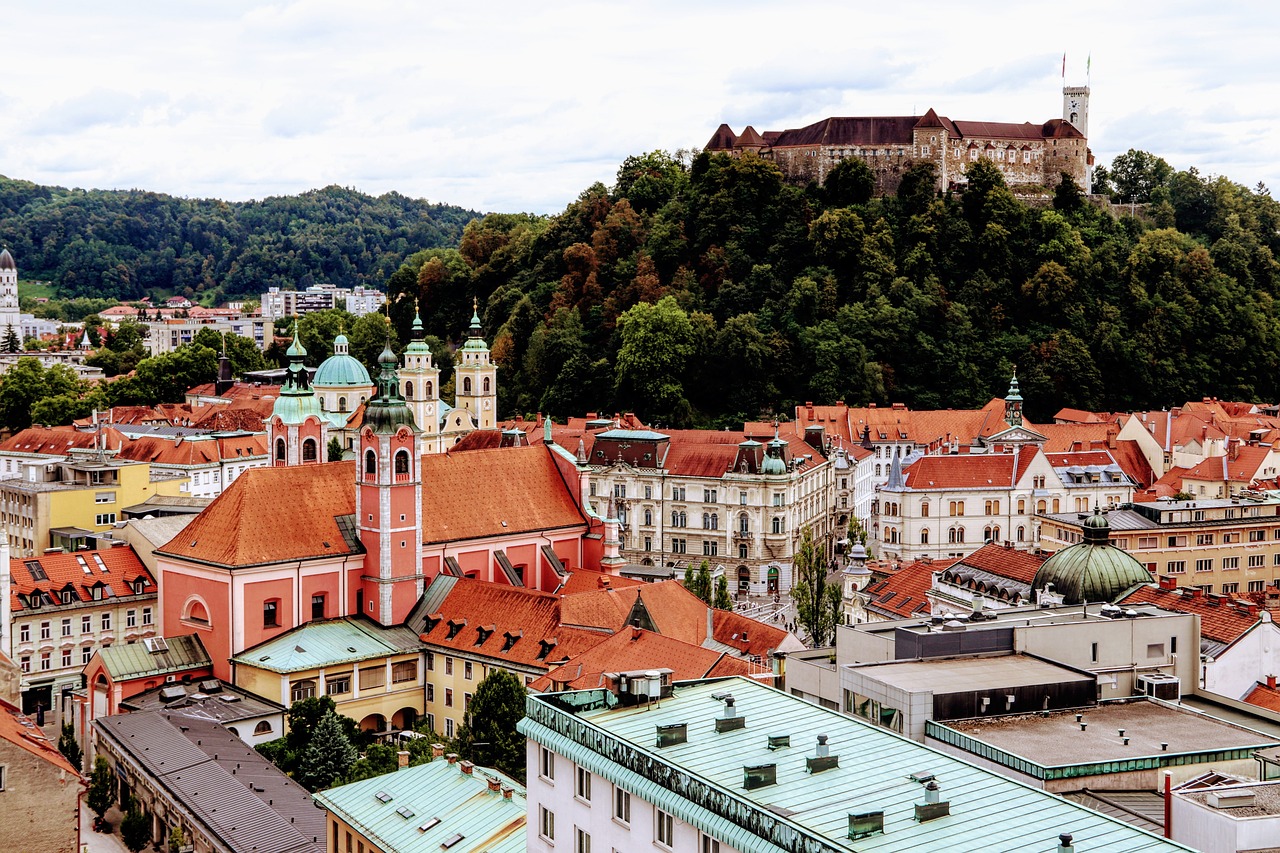
The first time I climbed up to Ljubljana Castle, I did it the old-fashioned way: on foot, panting my way up the cobbled path from the old town on a warm May afternoon. You can also take the glass funicular from Krekov trg, but the walk gives you those slow, expanding views over the red-tiled roofs and the Ljubljanica River bending through the city like a green ribbon.
The castle has watched over Ljubljana for about 900 years. Its current form is largely from the 15th century, built as a fortress when the region was under Habsburg rule. Today it’s more cultural hub than military stronghold—housing museums, art exhibitions, a puppet museum (kids love this), a chapel, and a panoramic tower with one of the best views in Slovenia.
What I usually do: I like to come in the late afternoon, wander the courtyards, check if there’s a temporary exhibition worth seeing, and then climb the Viewing Tower just before sunset. On clear days, you’ll see all the way to the Julian Alps. In winter, when the city is dusted with snow and Christmas lights glow below, the view is pure magic.
Food tip: There are two main dining options at the castle: a more upscale restaurant and a casual café. I often just grab a coffee or a glass of local wine and sit on the terrace. It’s not the cheapest drink in town, but the view makes it worth it.
Getting there: The funicular station is just below the castle at Krekov trg, across from the Central Market. Walking paths start from multiple points: near the funicular, from Stari trg, and from Študentovska ulica. The walk up takes about 10–15 minutes.
Traveler tips:
- Consider the combo ticket with funicular + castle exhibits if you plan to see everything.
- In summer, check for open-air cinema nights in the courtyard—one of my favorite cultural experiences in Ljubljana.
- Families: the castle’s interactive history tours and the puppet museum are very kid-friendly.
2. Prešeren Square (Prešernov trg)
Prešeren Square is Ljubljana’s living room. If you stand here for 10 minutes, you’ll see nearly every slice of local life: students rushing to class, couples meeting “under the statue,” street musicians, kids licking ice cream.
The square is named after France Prešeren, Slovenia’s national poet, whose statue stands at the center looking toward the pink façade of the Franciscan Church of the Annunciation. This is also where several of the city’s most iconic streets converge, including the Triple Bridge leading into the old town.
Personal ritual: Every time I arrive in Ljubljana, I drop my bags at my accommodation and walk straight here. I like to stand by the fountain, orient myself with the castle and river, and soak in the city’s rhythm. It’s especially pretty at blue hour, just as the streetlights flicker on.
Traveler tips:
- Look up: many of the surrounding buildings feature beautiful early 20th-century architecture.
- Step into the Franciscan Church if the doors are open—it’s usually quiet and free to enter.
- Great meeting point for free walking tours and bike tours.
3. Triple Bridge (Tromostovje)
The Triple Bridge is one of Jože Plečnik’s most playful designs. Instead of tearing down an older stone bridge, he flanked it with two pedestrian side bridges, creating the trio you see today. I’ve lost count of how many times I’ve crossed it, but the view from here never gets old: river cafés on both banks, the castle above, and swans gliding under the arches.
At night, the bridge is softly lit, and reflections dance on the water. In December, Christmas lights make it feel like a scene from a winter fairytale.
When to visit:
- Morning: Quieter, great for photos of the empty bridge.
- Afternoon: Bustling, full of energy; good for people-watching.
- Night: Romantic ambiance; ideal for couples.
4. Dragon Bridge (Zmajski most)
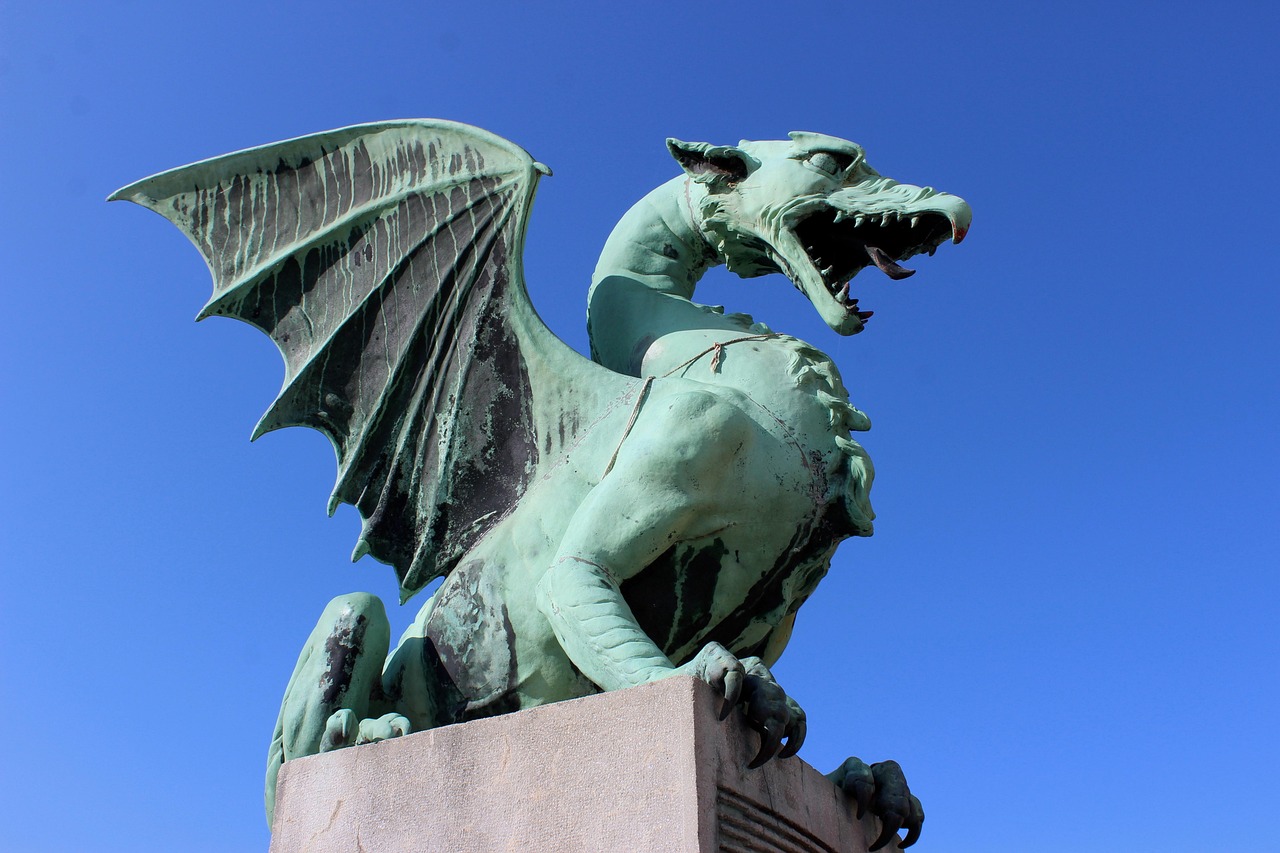
Ljubljana’s most photographed residents are probably the four green dragons perched on the corners of Dragon Bridge. Legend says Jason and the Argonauts killed a dragon here; the more likely story is that the bridge, completed in 1901, was one of the first reinforced concrete bridges in Europe and the dragons symbolize strength and courage.
Personal anecdote: On my second trip, I arrived in town during a sudden summer storm. I took shelter near the base of one dragon and watched lightning stitch the sky over the castle hill. The rain turned the river steel gray, and the dragons looked fiercer than ever.
Photo tip: The best angle is from the riverbank below or from the nearby Butchers’ Bridge, where you can capture all four dragons with the castle in the background.
5. Central Market (Osrednja tržnica)
If you want to feel like a local, start your day at the Central Market. It’s actually a complex of spaces: an open-air produce market, a covered market under Plečnik’s colonnade by the river, a fish market, and a cluster of small food stalls.
I love wandering the rows of seasonal fruit and vegetables—white asparagus and strawberries in spring, cherries and tomatoes in summer, mushrooms and pumpkins in autumn. Farmers often hand out samples, and if you greet them with a friendly “Dober dan,” they’ll usually light up.
What to eat:
- Fresh bread and pastries from local bakeries.
- Cheese and cured meats from small producers—perfect for a picnic in Tivoli Park.
- In summer, grab a scoop of locally made ice cream from nearby stalls.
Traveler tips:
- Market is most lively in the morning (closed on Sundays).
- Bring cash; some smaller vendors don’t accept cards.
- On Fridays from spring to autumn, the square hosts “Odprta Kuhna” (Open Kitchen) food market—more on that in the food section.
6. Tivoli Park
Ten minutes from the center and you’re in a huge city park that feels almost like a forest. Tivoli Park is where I go when I need a break from sightseeing or just want to sip coffee under the trees and watch local life unfold.
Designed in part by (who else?) Plečnik, the park features long promenades, fountains, a small pond, rose gardens, and walking trails that lead up into Rožnik Hill. Families picnic on the lawns, kids feed ducks, and dogs chase balls.
My favorite route: Start at the grand Jakopič Promenade, where open-air photo exhibitions line the path. Walk up to Tivoli Mansion (often housing art shows), then continue into the wooded trails if you feel like a small “hike.” I’ve spent rainy afternoons here too; the canopy of trees muffles the city.
Tip for runners & cyclists: The park is crisscrossed with well-maintained paths—ideal for a morning run before breakfast or a leisurely bike ride.
7. Metelkova Mesto
Metelkova Mesto is Ljubljana’s most famous alternative culture center, built on the site of a former military barracks. Today, it’s a kaleidoscope of graffiti, mosaics, sculptures, and bars. By day, it’s a fascinating open-air gallery; by night, it becomes one of the city’s key nightlife hubs.
The first time I visited, a friend led me there at dusk. We walked through a nondescript gate and suddenly were surrounded by color and sound—murals of fantastical creatures, a façade covered in ceramic tiles, improvised sculptures hanging from balconies.
Nightlife & culture: Metelkova hosts concerts, DJ nights, art exhibitions, and community events. The crowd is a mix of students, artists, locals, and travelers. It’s one of the most distinctive cultural experiences in Ljubljana.
Safety & etiquette:
- It’s generally safe, but as in any nightlife area, keep an eye on your belongings.
- Ask before photographing people; many don’t like being photographed without consent.
- Go in small groups at night, especially if you’re not used to alternative scenes.
8. Špica Park & the Ljubljanica Riverside
Follow the river south from the center and you’ll eventually reach Špica, a green peninsula where the Ljubljanica splits. It’s one of my favorite local hangouts—less touristy than the main riverfront, with grassy banks, sun loungers, and views of kayakers gliding past.
I like to stop here after visiting the Botanic Garden (just across the river). On summer evenings, locals sip drinks from the small café kiosk while kids play by the water. It’s relaxed, unpretentious, and perfect for couples wanting a quieter romantic corner.
Family-friendly: Kids love the open space and watching boats go by; bring a ball or a frisbee.
9. Ljubljana Botanic Garden
Established in 1810, the Botanic Garden is the oldest cultural, scientific, and educational institution in continuous operation in Slovenia. It’s not huge, but it’s incredibly peaceful—an oasis of greenery that feels far from the city even though you’re only a 20-minute walk from the center.
On my last visit, I arrived on a drizzly morning. Drops of water clung to leaves, and the paths were nearly empty. I ducked into the tropical greenhouse, where the air smelled of damp earth and orchids. It was the perfect slow-travel moment.
Traveler tips:
- Free to wander the outdoor areas; a small fee may apply for the greenhouse.
- Combine with Špica Park for a half-day nature escape within the city.
10. National Gallery of Slovenia (Narodna galerija)
For a deep dive into Slovenian art, the National Gallery is essential. Housed in a beautiful neo-Renaissance building near Tivoli Park, it showcases works from the Middle Ages to the 20th century.
I once spent a rainy November afternoon here, drifting from medieval altarpieces to impressionist landscapes. It’s not overwhelming like some big-city museums; you can see the highlights in a couple of hours and still have energy left for a café stop afterward.
Why go: It’s one of the best cultural experiences in Ljubljana and helps you understand the country’s artistic heritage, which many casual visitors skip.
11. Museum of Modern Art (Moderna galerija)
Just across from Tivoli Park, the Museum of Modern Art showcases Slovenian and international 20th-century and contemporary art. If you’re interested in how this small country navigated the 20th century through art—socialism, independence, modern identity—this is the place.
I like to pair a visit here with a walk in Tivoli and a coffee at one of the nearby cafés, turning it into a relaxed culture day.
12. City Museum of Ljubljana (Mestni muzej)
The City Museum dives into Ljubljana’s long history—from Roman times (when it was called Emona) to the present day. The building itself integrates archaeological remains into its design, which is fascinating.
One exhibit that stuck with me was a Roman road segment you walk over on glass. It’s a tangible reminder that the city you see today sits on layers of history.
13. St. Nicholas Cathedral (Ljubljana Cathedral)
St. Nicholas Cathedral, with its green dome and twin towers, is one of the old town’s central landmarks. Inside, baroque frescoes and gilt details create a rich, warm atmosphere.
Outside, don’t miss the impressive bronze doors created for Pope John Paul II’s visit in 1996, depicting scenes from Slovenian religious history.
Etiquette: Dress respectfully (shoulders covered), keep voices low, and avoid photography during services.
14. Krakovo & Trnovo Neighborhoods
Just south of the old town, Krakovo and Trnovo feel like small villages fused to the city. These former gardening districts still have vegetable plots, narrow lanes, and low, colorful houses with flower boxes.
I love wandering here in late afternoon, when the light is soft and locals are tending their gardens. It’s a gentle, authentic slice of Ljubljana that many short-stay visitors miss.
15. Cankarjev Dom & Republic Square
Cankarjev Dom is the city’s main cultural and congress center, hosting concerts, theater, film festivals, and conferences. Nearby Republic Square is a striking example of Yugoslav-era modernist architecture.
The contrast between this area and the baroque old town is stark but fascinating. When I first visited, I didn’t love it; now, I appreciate how it tells another part of the city’s story.
16. Butchers’ Bridge (Mesarski most)
Butchers’ Bridge connects the Central Market to the riverside near St. Nicholas Cathedral. It’s known both for its modern sculptures (slightly macabre figures by artist Jakov Brdar) and for the thousands of “love locks” couples have attached to its railings.
At night, the glass panels in the bridge light up, and the reflections on the water are beautiful from here.
17. Boat Cruise on the Ljubljanica River
A river cruise is slightly touristy, yes—but it’s also one of the loveliest ways to see the city’s architecture and bridges. The boats glide slowly under the Dragon Bridge, Triple Bridge, and Cobblers’ Bridge, giving you new angles for photos.
On a summer evening, I like to take the last cruise of the day, when the sun is low and terraces along the water are buzzing.
18. Ljubljana Zoo
Set in a forested area on the outskirts, Ljubljana Zoo is a popular family-friendly activity. It’s not huge, but the wooded setting makes it feel more like a nature walk with animals than a typical city zoo.
Families I’ve traveled with appreciate it as a half-day break from museums and architecture, especially with younger kids.
19. Slovenian Railway Museum
A bit of a hidden gem in Ljubljana, this museum is heaven for train enthusiasts and surprisingly fun for kids. Old locomotives, carriages, and equipment are displayed both indoors and outdoors.
I stumbled upon it on my third or fourth trip, almost by accident, and ended up spending a couple of hours clambering around historic engines with a big grin on my face.
20. Rožnik Hill & Šiška Area
Rožnik Hill rises gently behind Tivoli Park, offering forest paths and a traditional inn at the top. Locals hike up here for Sunday lunch or a quick nature fix.
From certain clearings, you get partial views over the city, but the real charm is the feeling of being in the woods while still within city limits.
Neighborhoods & Districts to Explore in Ljubljana
Ljubljana is compact, but each area has its own character. Here’s how I mentally map the city when planning a 3 day itinerary for Ljubljana or longer.
Old Town (Staro Mesto)
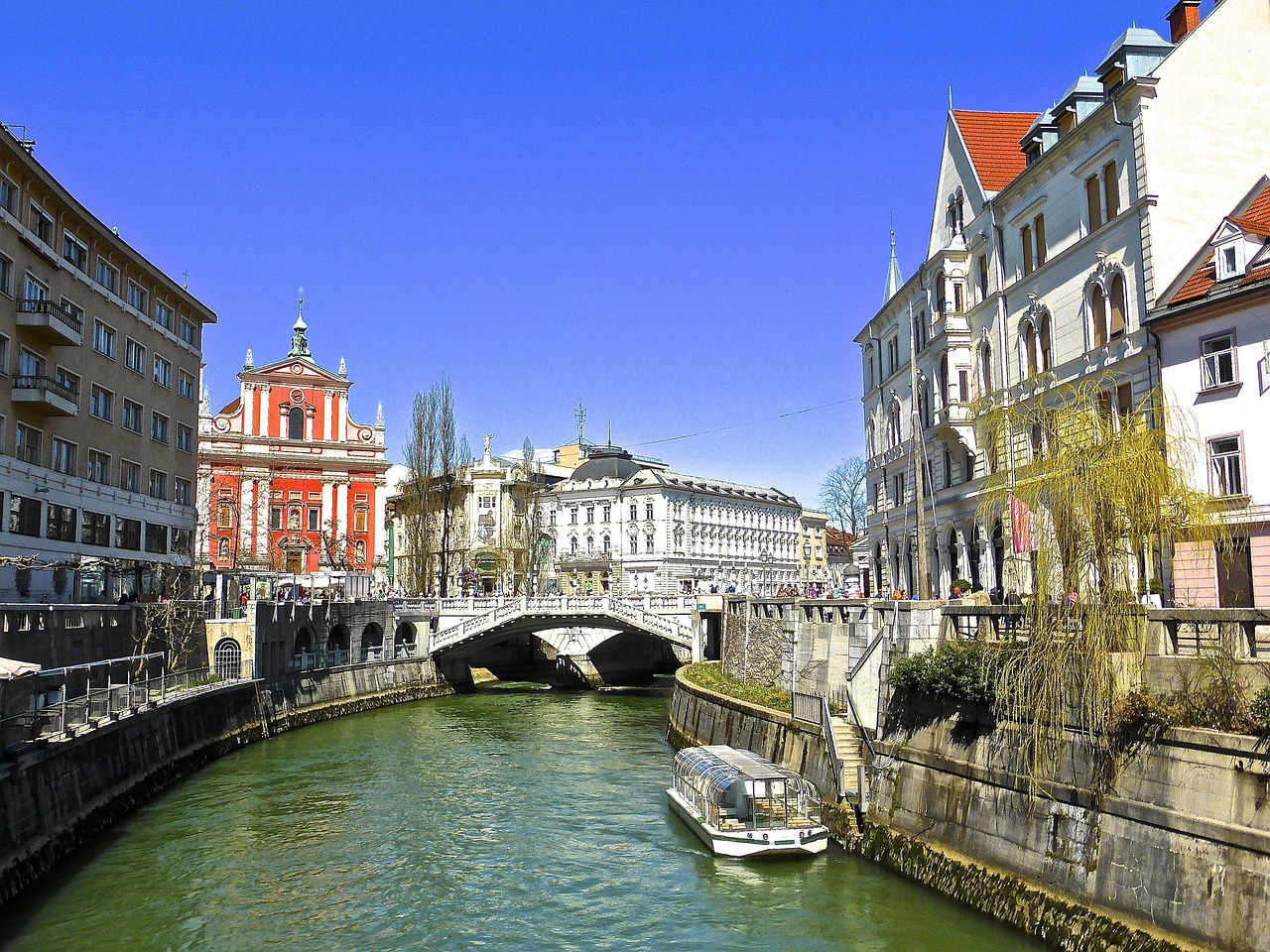
Think cobblestone streets, pastel façades, baroque churches, and the river curving through. This is where you’ll spend most of your first day: Prešeren Square, Triple Bridge, Stari trg, Mestni trg, and the walk up to the castle.
City Center & Slovenska Cesta
North and west of the old town, the center is more modern: shops, offices, and many hotels. Slovenska cesta, once a busy traffic artery, has become more pedestrian- and bike-friendly in recent years.
Trnovo & Krakovo
As described earlier, these riverside neighborhoods feel like villages, with gardens, low houses, and quieter streets—a beautiful place for an evening stroll away from the crowds.
Metelkova & Train Station Area
Just east of the main train station, Metelkova and the surrounding streets combine alternative culture, hostels, and museums (like the Museum of Contemporary Art Metelkova and the Ethnographic Museum).
Šiška & Beyond
Northwest of the center, Šiška is a largely residential district with some cool contemporary architecture and local cafés. It’s not essential for first-timers, but worth a visit if you’re into modern urban life.
Detailed 3–5 Day Itineraries: Living Ljubljana Like a Local
Below is how I’d structure 4–5 days in Ljubljana if I were showing you around in person. You can easily trim it down to 3 days by skipping or combining some activities.
Day 1: First Impressions – Old Town, Riverfront & Ljubljana Castle
On your first morning, we’d start gently. After dropping bags at your hotel or apartment, we’d head straight to Prešeren Square. I’d point out the castle on the hill, the Triple Bridge, and the Franciscan Church—your anchors for the next few days.
We’d wander across Triple Bridge into the old town, following the curve of the river along Cankarjevo nabrežje. Terraces here are perfect for your first coffee or hot chocolate. I still remember my first cappuccino here, jetlagged but happy, watching early sun glitter on the river.
From there, we’d drift through the narrow lanes of Stari trg and Mestni trg, stopping to admire architecture, local design shops, and small galleries. I’d show you my favorite spot to look up at the castle framed between pastel houses.
Around midday, we’d climb up to Ljubljana Castle—on foot if you’re up for it, or by funicular if your legs protest. We’d explore the courtyards, climb the Viewing Tower, and maybe catch a short historical film that gives context to what you’re seeing.
Lunch could be at the castle café or back down in the old town. I’d nudge you toward something traditionally Slovenian (more on food later): perhaps jota (a hearty sauerkraut and bean soup) or štruklji (rolled dumplings with various fillings).
In the afternoon, we’d stroll along the opposite riverbank, crossing Butchers’ Bridge and Dragon Bridge, then looping back via the Central Market if it’s open. You’d start to build your mental map of the city’s core, which is crucial for maximizing a 3 day itinerary for Ljubljana.
As evening falls, we’d settle at one of the riverfront restaurants or wine bars. I’d encourage you to try a glass of Slovenian wine—maybe a crisp white from the Vipava Valley or a rich red from Goriška Brda. The castle lights would come on above us, and we’d toast to your first night in the city.
Day 2: Markets, Plečnik, Museums & Tivoli Park
We’d start day two at the Central Market, weaving among stalls of produce, cheese, bread, and flowers. If it’s a Friday in warmer months, we’d check whether Odprta Kuhna (Open Kitchen) is setting up—dozens of food stalls representing Slovenia and the world.
After snacking our way through the market, we’d follow Plečnik’s colonnade along the river, admiring his geometric details and the way he framed views of the water. We might duck into a café for an espresso and a slice of seasonal cake.
Late morning and early afternoon would be museum time: perhaps the City Museum to understand Ljubljana’s history, then the National Gallery or Museum of Modern Art depending on your tastes. If you’re here with kids, we might swap in the Railway Museum instead.
In the mid-afternoon, we’d wander into Tivoli Park. Depending on your energy, we’d either stick to the manicured promenade or hike a bit up Rožnik Hill. I’d share some of my favorite chill spots—like a bench under a big chestnut tree where I once spent an hour reading while autumn leaves drifted down.
Evening would find us back in the center, perhaps exploring a different set of bars and restaurants—this time focusing on bistro-style places or modern Slovenian cuisine. If there’s a concert or performance at Cankarjev Dom that interests you, we’d time dinner accordingly.
Day 3: Alternative Ljubljana – Metelkova, Street Art & Riverside Walks
By day three, you’ve seen the postcard views; now it’s time for Ljubljana’s edgier side. We’d start with a relaxed breakfast in the center, then walk toward the train station and Metelkova Mesto.
In daylight, Metelkova feels almost like an open-air art installation: walls layered with graffiti, sculptural elements protruding from façades, unexpected details everywhere. We’d wander slowly, reading the murals, maybe stopping for a coffee at a nearby café.
Next, we might visit the Museum of Contemporary Art Metelkova or the Slovene Ethnographic Museum nearby—both excellent, both often blissfully uncrowded.
In the afternoon, we’d head south along the river, passing quieter stretches where locals walk dogs and jog. Eventually we’d reach Špica Park and the Botanic Garden, where we’d slow down, sit by the water, and maybe dip into the greenhouse if it’s open.
Back in town, you can rest before an evening return to Metelkova if you’re curious about its nightlife. Alternatively, we might choose a relaxed wine bar crawl through the old town and Trnovo, ideal for couples or friends on a romantic/foodie trip.
Day 4: Day Trip – Lakes, Caves or Medieval Towns
For a 4 day itinerary for Ljubljana, I strongly recommend dedicating one full day to exploring Slovenia beyond the capital. The most classic option is Lake Bled: emerald waters, a tiny island church, and a cliff-top castle. It’s as photogenic as you’ve heard, and getting there from Ljubljana is easy by bus, train + bus, or guided tour.
On another trip, you might choose Postojna Cave and Predjama Castle instead—an underground wonderland and a dramatic castle built into a cliff. Both make excellent day trips that return you to Ljubljana by evening, just in time for dinner along the river.
If you prefer somewhere less famous and more low-key, I often recommend Škofja Loka or Radovljica—charming medieval towns with colorful houses and quiet streets. They’re fantastic if you want a slower, less crowded day.
Day 5: Slow Farewell – Favorite Corners & Last-Minute Discoveries
If you’re lucky enough to have 5 days in Ljubljana, your last day can be wonderfully unstructured. This is when you revisit places you loved—another coffee on your favorite terrace, one more walk through Tivoli, a final climb to the castle—or explore something you missed, like the Zoo or Rožnik Hill.
On one of my longer stays, I spent my final day just wandering the backstreets of Krakovo and Trnovo, taking photos of doors and windows, chatting with local shop owners, and lingering over a long lunch. A perfect slow-travel end to a 5 day itinerary for Ljubljana.
Local Food in Ljubljana: What & Where to Eat
Slovenian cuisine reflects its crossroads location: Italian, Austrian, Hungarian, and Balkan influences all show up on menus, but there’s a clear local identity too. Eating well is central to any travel guide for Ljubljana.
Must-Try Slovenian Dishes
- Štruklji: Rolled dumplings with sweet or savory fillings (cottage cheese, walnuts, tarragon, apple). Comfort food at its best.
- Jota: Hearty stew with sauerkraut/turnip, beans, potatoes, sometimes sausage. Ideal on cold days.
- Carniolan sausage (Kranjska klobasa): Smoky, juicy sausage often served with mustard and bread.
- Žganci: Buckwheat or cornmeal mush, often served with stews or sauerkraut.
- Prekmurska gibanica: Rich layered cake with poppy seeds, walnuts, apples, and cottage cheese.
- Bled cream cake (Blejska kremšnita): Technically from Bled, but you can find it in Ljubljana too.
Where I Love to Eat in Ljubljana
(Restaurant names change, but the styles and areas remain.)
- Central Market & Odprta Kuhna: Perfect for sampling multiple dishes on a budget.
- Traditional gostilnas (inns): Look around the old town and Trnovo for cozy places serving classics like jota, štruklji, and roasted meats.
- Modern bistros: In and around the center, young chefs reinterpret Slovenian ingredients in creative ways—great if you enjoy tasting menus and wine pairings.
- Wine bars: The city has excellent bars focusing on Slovenian wines; ask staff for recommendations based on your tastes.
Saving Money on Food
- Eat your main meal at lunch when many places offer more affordable daily menus (malica or dnevni meni).
- Use bakeries for breakfast or quick snacks—fresh pastries are cheap and delicious.
- Shop at supermarkets or the Central Market for picnic supplies.
Nightlife & Cultural Experiences in Ljubljana
Nightlife in Ljubljana is vibrant but not overwhelming. Think relaxed bars and clubs, not giant superclubs. Students keep the energy high during the academic year.
Where to Go Out
- Old Town & Riverfront: Wine bars, craft beer spots, cocktail bars; great for low-key evenings.
- Metelkova: Alternative clubs, live music, DJ sets; best after 10–11 p.m.
- Tivoli & Cankarjev Dom: Check programs for concerts, theater, and festivals—some of the top cultural experiences in Ljubljana.
Family-Friendly Evenings
- Evening walks along the river with gelato.
- Boat cruises at sunset.
- Seasonal events like Christmas markets or summer open-air concerts.
Romantic Activities
- Sunset at Ljubljana Castle followed by dinner in the old town.
- Wine tasting in a cozy bar.
- Strolling in Krakovo/Trnovo at dusk, then riverside drinks.
What’s New & Upcoming: Ljubljana Events 2026–2027
Ljubljana’s event calendar shifts slightly each year, but the following are safe bets for 2026–2027 (dates approximate; always double-check closer to your trip):
- Ljubljana Festival (Summer 2026 & 2027): Classical music, opera, ballet, and theater performances in open-air venues.
- Druga Godba Festival (Late spring): Celebrated world music festival attracting international acts.
- Film Under the Stars at Ljubljana Castle (July–August): Open-air cinema in the castle courtyard.
- December Festivities & Christmas Markets (Advent–New Year): Light installations, markets, concerts—one of the coziest times to visit.
- City of Literature Events: Ljubljana is a UNESCO City of Literature, with regular book fairs, readings, and literary festivals.
In 2026, expect continued improvements to bike infrastructure and expanded pedestrian zones—great news if you prefer car-free city centers.
Best Day Trips from Ljubljana
One of Ljubljana’s biggest advantages is how easy it is to reach Slovenia’s other highlights. Here are some top options, all doable in a day:
- Lake Bled & Vintgar Gorge: Iconic lake, island church, castle; combine with a walk through the gorge in warmer months.
- Postojna Cave & Predjama Castle: Famous cave system plus a dramatic castle built into a cliff.
- Škofja Loka: Pretty medieval town close to Ljubljana; ideal for a quieter outing.
- Radovljica: Charming town known for its medieval center and honey tradition.
- Soča Valley (long day): For adventurous travelers—rafting, hiking, or just enjoying the turquoise Soča River, though this works better as an overnight trip.
Transportation options include buses, trains, rental cars, or organized tours. For most travelers on a tight schedule, a small-group tour can maximize time without the stress of logistics.
Cultural Etiquette & Local Customs in Ljubljana
Slovenians are generally friendly but a bit reserved at first. A few simple customs will help you blend in:
- Greetings: A polite “Dober dan” (good day) or “Živjo” (hi, informal) goes a long way. Shake hands in formal situations.
- Titles: Use Mr./Ms. with surnames in formal contexts until invited to switch to first names.
- Quiet in public: People tend to speak softly on public transport and in queues.
- Cafés: It’s normal to linger over a coffee; you’re not expected to vacate your table quickly.
- Tipping: Not mandatory but appreciated—round up or leave 5–10% in restaurants if service was good.
- Dress code: Casual but neat. In churches, cover shoulders and avoid very short shorts.
- Recycling & cleanliness: Ljubljana is proud of its green credentials; use bins and recycling containers correctly.
Practical Travel Advice for Ljubljana (2026)
Getting Around Ljubljana
- On foot: The historic center is compact; most must-see attractions in Ljubljana are within a 15–20 minute walk of each other.
- Bikes: Ljubljana has an excellent bike-share system and many bike lanes; ideal for reaching Tivoli, Špica, or the Zoo.
- Public transport: Buses cover the city; you’ll need an Urbana card (reloadable electronic card).
- Kavalir shuttles: Free electric shuttles in the pedestrian center, particularly useful for those with mobility issues.
- Car rental: Not needed in the city; rent only if you plan extensive day trips. Driving in Slovenia is straightforward, but parking in the center can be limited and paid.
How to Save Money in Ljubljana
- Stay slightly outside the old town (e.g., near the train station or in Šiška) and walk in.
- Use lunchtime daily menus and bakeries instead of dining out heavily every evening.
- Take advantage of free walking tours (tip-based) for an overview of the city.
- Many parks and viewpoints are free; plan your days around a mix of paid and free attractions.
SIM Cards & Connectivity
- EU travelers can usually roam on their home plans with no extra fees (check with your provider).
- Non-EU visitors can buy prepaid SIM cards from major providers (Telekom Slovenije, A1, Telemach) at kiosks or shops in the center and at the bus/train station.
- Expect good 4G/5G coverage throughout the city and most of Slovenia.
Visa Requirements & Entry
- Slovenia is part of the Schengen Area. Many nationalities (including US, Canada, Australia, UK, most of Latin America, and others) can enter visa-free for short stays; always confirm via official sources before traveling.
- From 2025–2026, the EU is rolling out ETIAS authorization for some visa-exempt travelers; check if it applies to you.
- Ensure your passport is valid for at least 3–6 months beyond your planned departure and has empty pages.
Driving & Foreign Licenses
- Most visitors can drive in Slovenia with their valid national driver’s license for short stays; an International Driving Permit (IDP) is recommended and required for some nationalities.
- Slovenia drives on the right. Highways require a vignette (toll sticker); rental cars usually include it, but confirm.
- Alcohol limits are strict; don’t drink and drive.
Best Seasons for Different Activities in Ljubljana
- Spring (April–June): Mild weather, blooming parks, fewer crowds—great for 3 day and 4 day itineraries in Ljubljana.
- Summer (July–August): Warm, lively, full event calendar; ideal for riverfront life and day trips but expect more tourists and higher prices.
- Autumn (September–October): My personal favorite: golden leaves, wine harvest season, pleasant temperatures.
- Winter (November–March): Quiet, occasionally snowy; December is festive with Christmas markets, January–February are calm and budget-friendly.
Summary: Key Takeaways & Final Recommendations
Ljubljana is a city that rewards slow exploration. In 3 days in Ljubljana, you can see the main sights: the castle, old town, bridges, Tivoli Park, and Metelkova. With 4 days in Ljubljana, you can add a full day trip to lakes or caves and dive deeper into cultural experiences in Ljubljana. With 5 days in Ljubljana, you’ll have time to breathe, linger in cafés, and discover hidden gems in Ljubljana that most tourists miss.
Use this travel guide for Ljubljana as a flexible framework: mix iconic attractions with quiet neighborhoods like Krakovo and Trnovo, balance museums with nature, and always leave some space in your schedule for serendipity. Eat local food in Ljubljana, learn a few Slovenian words, and you’ll find yourself welcomed into the city’s relaxed, creative rhythm.
For most travelers, the best time to visit Ljubljana is late spring (May–June) or early autumn (September–early October), when weather is pleasant, crowds are moderate, and prices are reasonable. But honestly, there’s no bad time: whether under summer sun or winter lights, Ljubljana remains one of Europe’s most charming and livable capitals.