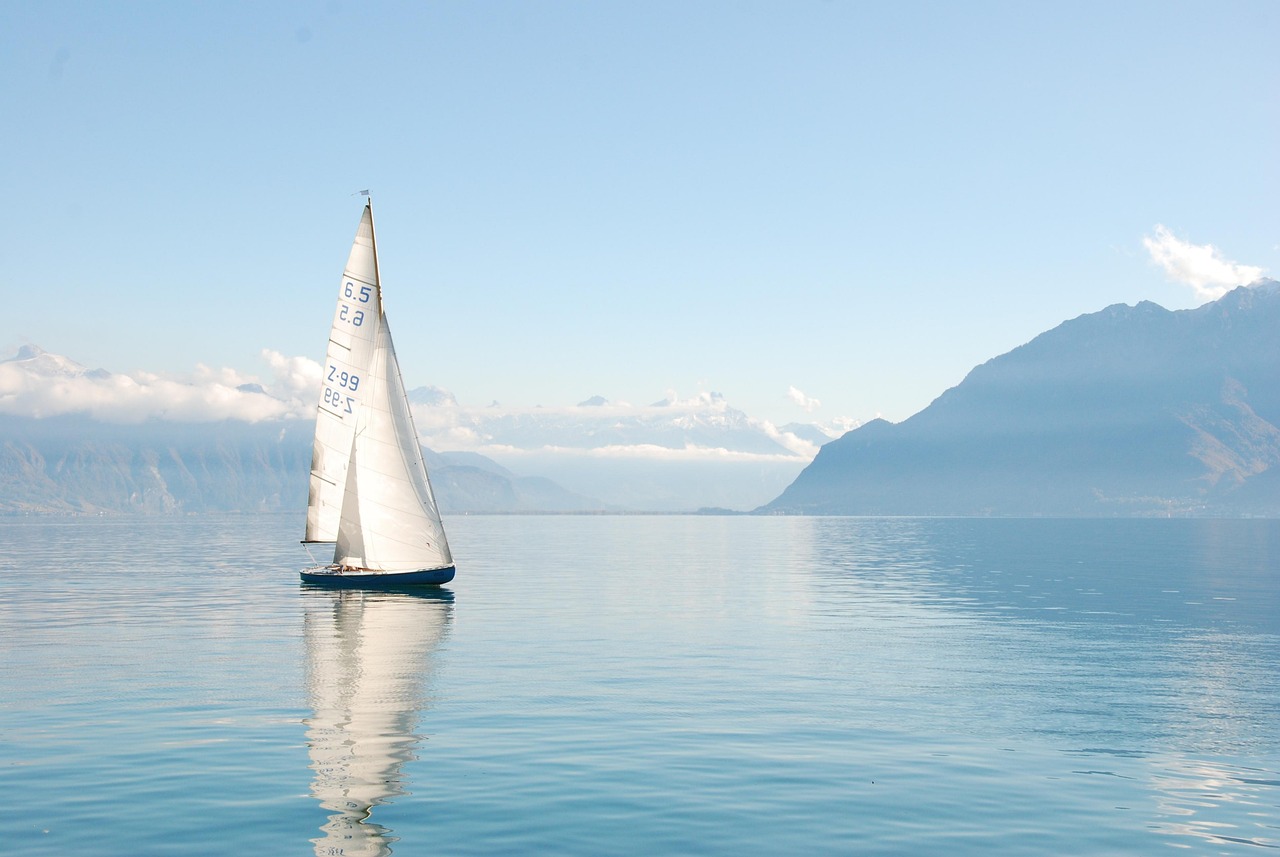
Why Visit Geneva in 2026?
I’ve lost count of how many times I’ve wandered Geneva’s lakeside promenades, watched the Jet d’Eau glow pink at sunset, or ducked into a tiny wine bar in Carouge on a rainy evening. Every time, the city feels both calmly familiar and quietly surprising.
Geneva is often labeled the “diplomatic capital of the world,” but as a local-based travel writer, I think that undersells it. It’s also a lakeside resort town, a gateway to the Alps, a patchwork of charming neighborhoods, and a melting pot where you’ll hear French, English, Arabic, Portuguese, and Spanish on a single tram ride.
In 2026, Geneva is especially worth your time: major cultural projects are finishing up, the festival calendar is packed, and sustainability-focused travel has become a real priority here—perfect if you prefer to explore mostly on foot, tram, and boat.
This travel guide for Geneva is written as if we’re planning your trip together over a coffee in Plainpalais. You’ll find:
- Detailed 3–5 day itineraries for Geneva (with my personal twists).
- Sub-guides to at least 20 of the best places to visit in Geneva with stories, history, and tips.
- Neighborhood deep dives, from the stately Old Town to bohemian Jonction.
- What and where to eat, from lakeside fondue to cheap student haunts.
- Hidden gems in Geneva you probably won’t find in the top-10 lists.
- Up-to-date travel advice for Geneva 2026–2027, including events, money-saving tips, transport, SIM cards, visas, and local customs.
Table of Contents
- Why Visit Geneva in 2026?
- Quick Overview & First Impressions
- 3–5 Day Itineraries for Geneva
- 20+ Must-See Attractions in Geneva (with Personal Notes)
- Neighborhoods & Areas to Explore
- Local Food in Geneva: What & Where to Eat
- Nightlife, Entertainment & Cultural Experiences
- What’s New: Events & Festivals 2026–2027
- Best Day Trips from Geneva
- Cultural Etiquette & Local Customs in Geneva
- Practical Travel Tips: Transport, SIM, Money, Visas & More
- When to Visit Geneva & Final Recommendations
Quick Overview & First Impressions
If you’re arriving by train, your first glimpse of Geneva will likely be the area around Gare Cornavin: busy, a bit chaotic, and not particularly glamorous. Don’t judge the city yet. Walk 10 minutes toward the lake and everything changes.
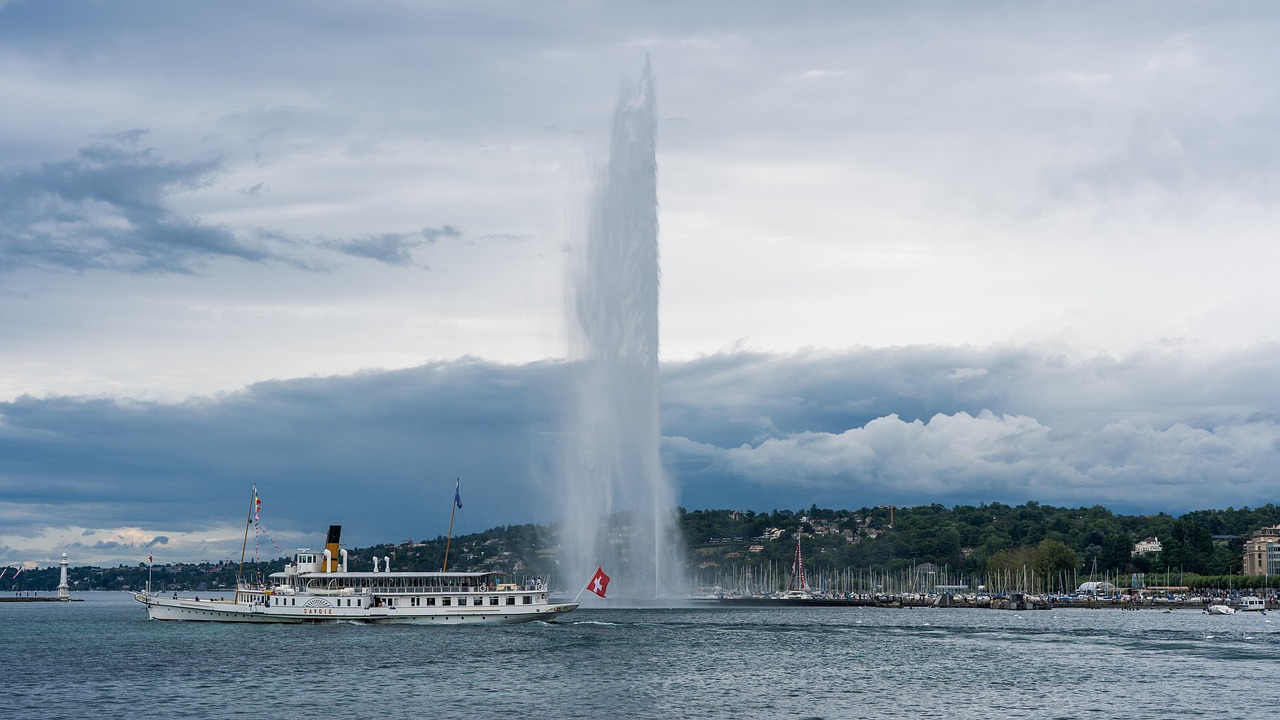
On my first evening here years ago, I dropped my bags, walked straight down Rue du Mont-Blanc, and suddenly there it was: the lake opening up, Mont Blanc glowing faintly in the distance, the Jet d’Eau shooting 140 meters into the air. A brass band was playing under the trees in the Jardin Anglais, couples were strolling with gelato, and office workers were unwinding with an after-work drink along the Quai du Mont-Blanc. That’s the Geneva you’re coming for.
Geneva is compact—perfect for a 3 day itinerary for Geneva if you’re short on time, but rich enough in museums, neighborhoods, and day trips that you could easily fill 4 days in Geneva or even a 5 day itinerary for Geneva without repeating yourself.
3–5 Day Itineraries for Geneva
These itineraries are flexible frameworks that mix must-see attractions in Geneva with local experiences and hidden corners I love. Use them as-is, or swap days around depending on your interests and weather.
3 Days in Geneva: Classic Highlights Itinerary
Day 1: Lake Geneva, Jet d’Eau & Old Town Charm
Themes: Iconic views, easy walking, classic “first-time in Geneva” feel.
Morning – Lakeside Promenade & Jet d’Eau
I like starting day one right at the water—especially if you’re jet-lagged. Grab a takeaway coffee and croissant from a bakery near Cornavin (Boulangerie Taillens is a reliable choice) and walk down Rue du Mont-Blanc to the lake.
- Stroll along the Quai du Mont-Blanc to soak in views of the Jet d’Eau. Cross over to the left bank via the Mouettes Genevoises (little yellow boat taxis included in many hotel transport passes).
- Walk the jetty all the way out to the base of the Jet d’Eau. On windy days you might get sprayed—fun in summer, less so in November.
- Continue along the Jardin Anglais to see the Flower Clock, a playful nod to Switzerland’s watchmaking heritage.
Personal tip: On clear mornings in late spring or autumn, you can sometimes see Mont Blanc faintly in the distance. I often bring a small pair of binoculars just for this moment.
Lunch: Light Lakeside Bite
For a simple, scenic lunch, I often pop into La Potinière in the park. Their salads, tartes, and light plates are ideal if you want to avoid a food coma. If you’re on a budget, grab a takeaway sandwich from Manor Food Hall (near Cornavin) and picnic on the grass by the lake.
Afternoon – Geneva Old Town (Vieille Ville)
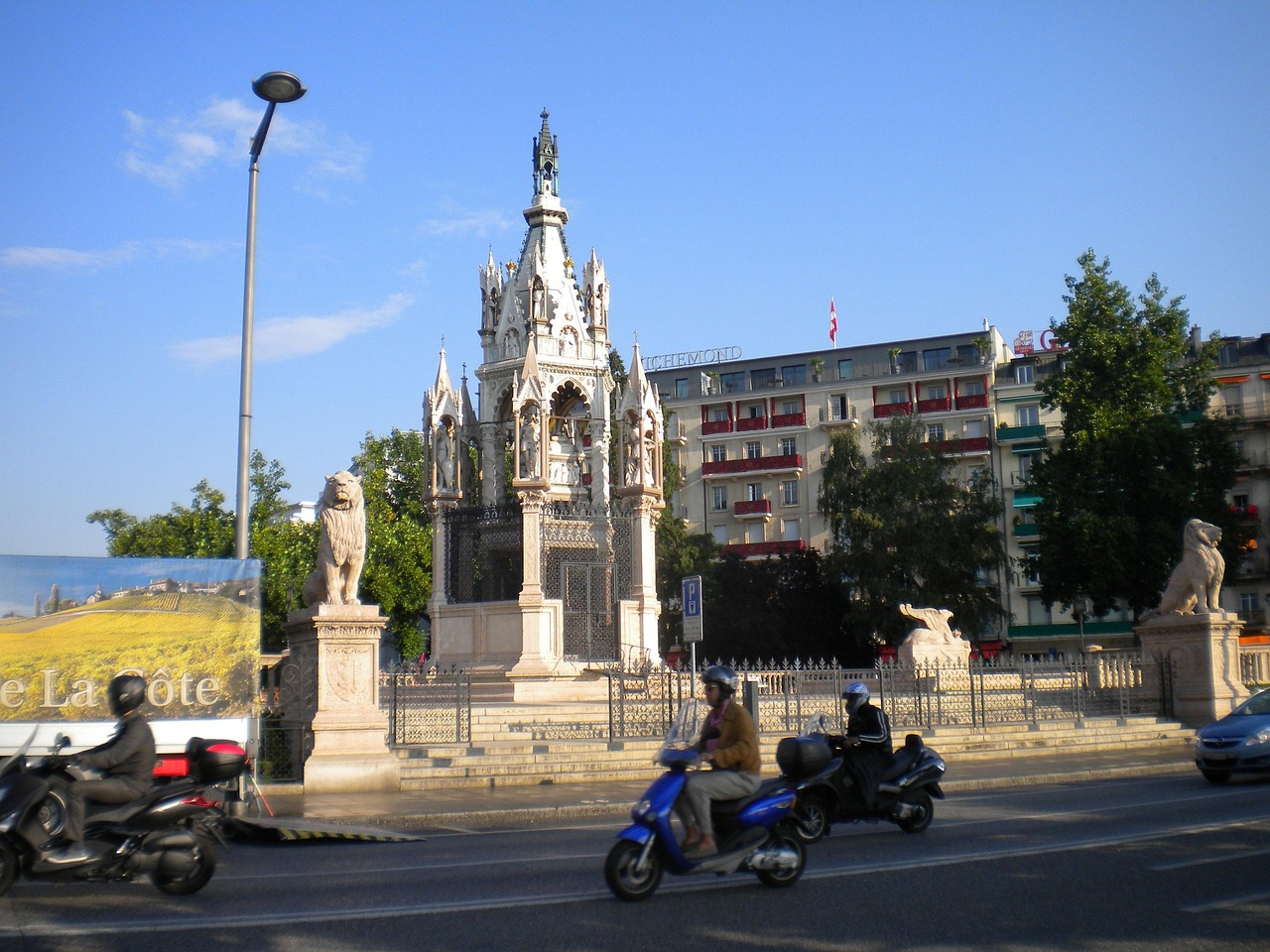
From the lake, head uphill into the Old Town. Yes, it’s a climb, but the reward is a warren of cobblestone streets, hidden courtyards, and one of my favorite city views.
- Visit St. Peter’s Cathedral (Cathédrale Saint-Pierre) and climb the towers for a panoramic view of Geneva’s rooftops and the lake. I like going mid-afternoon when the light is warm and the crowds thin.
- Wander around Place du Bourg-de-Four, Geneva’s oldest square. In summer, I inevitably end up on a café terrace here with a glass of local white wine.
- Duck into the Maison Tavel museum to get a sense of Geneva’s urban history. It’s small, free, and surprisingly atmospheric.
Evening – Fondue & First-Night Stroll
For your first dinner, lean into Swiss classics. I’ve taken many visiting friends to Restaurant Les Armures in the Old Town for their fondue and raclette. Yes, it’s popular with tourists, but locals eat here too, and the setting feels authentically old-world.
After dinner, walk back down to the lake. If it’s summer, the lakeside will be buzzing with people; in winter, the lights reflecting on the water feel almost cinematic. This is a good moment to adjust your internal clock and just let Geneva’s slower rhythm soak in.
Day 2: International Geneva & Parks
Themes: United Nations, peace & diplomacy, grand parks, easy tram connections.
Morning – United Nations & International District
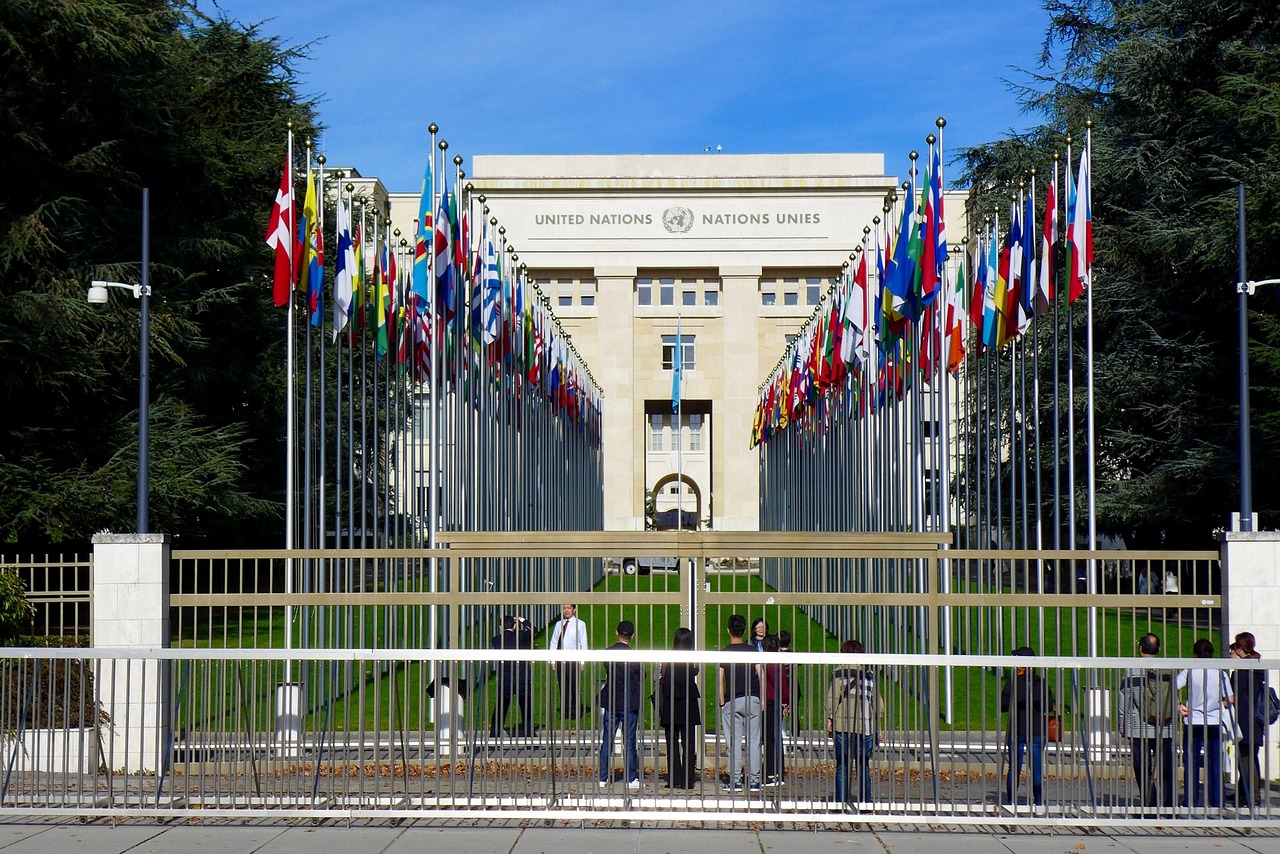
Start with a tram ride (No. 15 from Gare Cornavin) up to Palais des Nations, the European headquarters of the UN.
- Guided tour of the UN: As of 2026, tours still must be pre-booked online. You’ll see assembly rooms, artwork donated by member states, and learn about current global initiatives.
- Step outside to the Broken Chair sculpture opposite the main entrance—one of the most striking symbols of anti-landmine campaigns I’ve ever seen up close.
- Walk through the Ariana Park behind the UN. I’ve had picnics here under ancient trees with peacocks wandering around like they own the place.
Late Morning – Red Cross & Red Crescent Museum
A short walk from the UN, the International Red Cross and Red Crescent Museum is one of those places visitors often skip—and regret later when they hear about it. The interactive exhibits are moving without being melodramatic, and they bring Geneva’s humanitarian role into sharp focus.
Tip: Allow at least 2 hours here. The audio guide is excellent; I sometimes come back just to see new temporary exhibitions.
Lunch: International Flavors
The area around Nations has a handful of casual spots frequented by UN staff. One of my go-tos is a small Lebanese place on Avenue de la Paix for falafel wraps and mezze—fast, relatively affordable by Geneva standards, and filling.
Afternoon – Parc de l’Ariana & Botanical Gardens
From the UN area, stroll downhill toward the lakeside via the Jardin Botanique, Geneva’s botanical gardens. They’re free, beautifully landscaped, and a glorious antidote to museum fatigue.
- Wander the themed gardens and greenhouses.
- Look out for the quirky animal enclosures (kids love the ducks and peacocks).
- Take a short break at the garden café; I love their homemade cakes on sunny afternoons.
Evening – Carouge for Aperitif & Dinner
Take tram 12 or 18 down to Carouge, Geneva’s “little Italy” with a Sardinian twist. Its low-slung houses, courtyards, and indie boutiques feel like a different city altogether.
For aperitif, I often end up at a small wine bar off Place du Marché, where locals spill onto the pavement on warm evenings. For dinner, try a neighborhood trattoria for pasta or wood-fired pizza.
Carouge is also lovely for an evening stroll; the shop windows and ateliers are particularly atmospheric around Christmas, when lights and decorations transform the streets into something almost storybook-like.
Day 3: Art, Jonction & Bains des Pâquis
Themes: Local life, bohemian corners, art, and lake swimming (in summer).
Morning – Plainpalais & Patek Philippe (or Art Museums)
Start in Plainpalais, a large open square that hosts flea markets and food trucks. If you’re here on Wednesday or Saturday morning, don’t miss the flea market—I’ve found vintage watches, old posters, and quirky antiques here.
From Plainpalais, choose your museum flavor:
- Patek Philippe Museum (for lovers of fine watchmaking and decorative arts).
- MAMCO (Museum of Modern and Contemporary Art) and nearby galleries (for contemporary art and industrial-chic spaces).
Lunch: Student Eats
The universities around Plainpalais keep prices slightly saner. I often grab a plat du jour at a café on Rue de Carouge or a hearty falafel wrap from a street stand—both are solid ways to save money without sacrificing flavor.
Afternoon – Jonction: Where the Rivers Meet
Walk down toward Jonction, where the Rhône (turquoise) meets the Arve (milky grey). The color contrast from the bridge is striking, especially in summer. The area has a raw, slightly edgy energy: graffiti, warehouses converted into cultural spaces, and a young crowd.
On hot days, locals sunbathe along the riverbanks; just be cautious about currents if you’re tempted to swim, and respect any posted warnings.
Late Afternoon & Evening – Bains des Pâquis
End your 3 days in Geneva at my favorite place in the city: Bains des Pâquis, a public lake bath and pier on the right bank.
- In summer, swim in the lake, sunbathe on the piers, and watch the city glow in the late light.
- In winter, warm up in the sauna-hammam and then sip a hot soup while watching the Jet d’Eau mist in the cold air.
- Year-round, their simple lakeside restaurant serves affordable breakfasts (the muesli is great) and evening fondue.
I love coming here alone with a book or with friends for an informal evening. It’s one of the best people-watching spots in Geneva and a perfect closing chapter to a 3 day itinerary for Geneva.
4 Days in Geneva: Culture, Neighborhoods & Lake Cruises
If you have 4 days in Geneva, you can slow down and add more cultural experiences and neighborhood wandering. Days 1–3 can follow the classic itinerary; here’s how I suggest using day 4.
Day 4: Museums, Architecture & Lake Cruise
Morning – Museum of Art & History or Ethnography Museum
Geneva’s museums are underrated, and with four days you can give them the attention they deserve.
- Musée d’Art et d’Histoire (MAH): Classical art, archaeology, decorative arts. I like dipping into their painting galleries on rainy mornings.
- Musée d’Ethnographie de Genève (MEG): One of Europe’s best ethnographic museums, with thoughtful exhibits about world cultures and Geneva’s role in global networks.
Lunch – Cafés & Local Bistros
Nearby, you’ll find a mix of cafés with plat du jour options. I often end up at a small bistro with chalkboard menus—look for daily specials featuring lake fish or seasonal vegetables.
Afternoon – Lake Geneva Boat Cruise
In the afternoon, treat yourself to a Lake Geneva (Lac Léman) cruise. Even as someone who lives here, I still take these occasionally because the perspective of the city from the water is unbeatable.
- Short 1–2 hour cruises circle the bay and give you lake, Alps, and city skyline views.
- Longer cruises head toward Nyon, Yvoire, or Lausanne—good if you want a mini day trip without planning much.
- In summer, consider a sunset cruise; in winter, the snow on the surrounding peaks glows beautifully in late afternoon light.
Evening – Eaux-Vives or Pâquis Dining
For your fourth evening, explore the restaurant scenes of either Eaux-Vives (left bank, slightly more upscale and foodie) or Pâquis (right bank, more diverse and budget-friendly). I’ll detail those neighborhoods later, but both have excellent options for everything from Swiss to Thai to Ethiopian.
5 Days in Geneva: Slow Travel, Day Trips & Local Life
With 5 days in Geneva, you can really relax into the city, add a dedicated day trip, and leave room for serendipity.
Day 5: Day Trip to Montreux, Lausanne or Chamonix
On your fifth day, I recommend leaving the city to appreciate its position as a gateway to both lake and mountains. My three favorites:
Option 1 – Montreux & Château de Chillon (Romantic & Scenic)
Take the train along the lake to Montreux, then visit fairy-tale Château de Chillon. The combination of vineyards, lake, and mountains is impossibly romantic.
Option 2 – Lausanne (Urban & Cultural)
Lausanne has steeper hills and a livelier student vibe than Geneva. I like wandering the old town, then heading down to Ouchy for lakeside walks and the Olympic Museum.
Option 3 – Chamonix & Mont Blanc (Adventurous)
For mountain lovers, cross into France and spend the day in Chamonix. Cable cars, glaciers, and some of the best alpine scenery in Europe await. In winter, skiing; in summer, hiking and paragliding.
Return to Geneva in the evening for a relaxed final dinner. I often choose a quiet wine bar in Carouge or a lakeside terrace if the weather cooperates, and mentally replay the highlights of the week.
20+ Must-See Attractions in Geneva (With Local Insights)
Here are detailed mini-guides to more than 20 of the best places to visit in Geneva. I’ve grouped them loosely but you can mix and match according to your interests and how much time you have.
1. Jet d’Eau
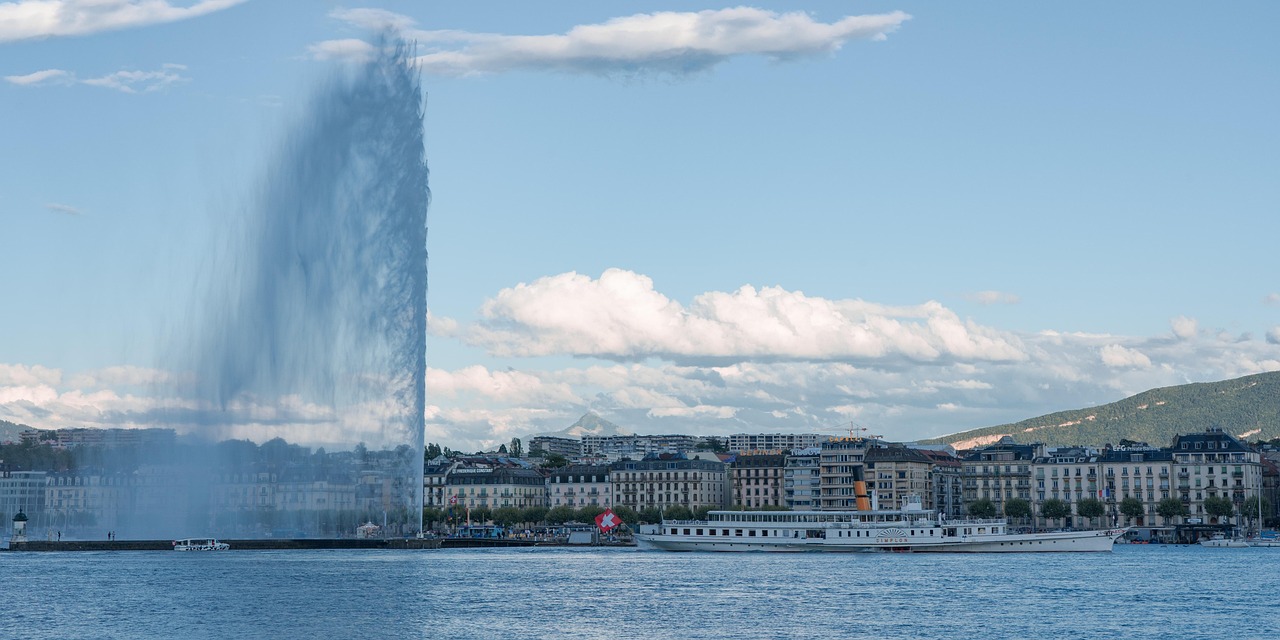
The Jet d’Eau is Geneva’s icon—a 140-meter plume of water visible from planes, trains, and most lakeside benches. It began as a pressure release valve for the city’s hydraulic network; today it’s both landmark and weather vane (if it’s off, high winds or maintenance are likely).
My favorite time to visit is just before sunset. I like walking out on the narrow jetty from the left bank; the spray on windy days feels like sea mist. In winter, tiny ice crystals sometimes form where droplets land—magical, but slippery, so wear good shoes.
Tips: The Jet d’Eau doesn’t run in very high winds or during certain maintenance periods, especially in winter. Check local info if it’s a must-see for you. For photos, shoot from the opposite bank with the city and mountains in the background.
2. Old Town (Vieille Ville)
The Old Town is compact but layered: Roman ruins underground, medieval lanes at street level, and 19th-century façades above. I often wander without a plan, turning up tiny alleys just to see where they lead.
Highlights include:
- St. Peter’s Cathedral and its archaeological site beneath.
- Place du Bourg-de-Four for coffee or apéro.
- Maison Tavel (city history museum).
- Hidden courtyards—look for open doorways and peek respectfully.
Best for: Couples (romantic walks), curious kids (tower climbs), photography lovers, and anyone interested in Reformation history.
3. St. Peter’s Cathedral (Cathédrale Saint-Pierre)
Perched on the Old Town hill, this cathedral is where John Calvin preached during the Reformation. Architecturally, it’s a mix: Gothic core, Neoclassical façade, and a surprisingly intimate interior.
Climbing the towers is a ritual for me when showing friends around. The wooden staircases creak, the landings offer framed glimpses of tiled roofs, and at the top you’re rewarded with a 360° view of Geneva and the lake.
Tip: In summer, go early or late to avoid queues. In December, the view over Christmas lights and markets is particularly beautiful.
4. Bains des Pâquis
Bains des Pâquis is Geneva’s democratic living room by the lake. In summer, locals of all ages sunbathe, swim, and share picnic spreads. In winter, steam rises from the saunas as people shuffle out wrapped in towels, then settle in for hot fondue.
I come here solo when I need headspace, and with friends when I crave simple food and good conversation. Their breakfasts—fresh bread, jams, coffee, and juice—are one of the best value meals in town.
Good for: Budget travelers, families, solo travelers, and people-watching enthusiasts. Bring a swimsuit year-round; you might surprise yourself.
5. Patek Philippe Museum
Even if you’re not a watch aficionado, the Patek Philippe Museum is a fascinating dive into tiny masterpieces. The displays trace Geneva’s watchmaking history, with ornate pocket watches that look like they belong in fairy tales.
I’m always struck by the patience and precision on display here—tiny mechanisms that took months or years to perfect. It’s a very Swiss combination of art and engineering.
Tip: No photos allowed inside. Plan 1.5–2 hours. Pair it with a stroll through nearby streets and Plainpalais for a half-day outing.
6. Palais des Nations (United Nations Office at Geneva)
The Palais des Nations embodies “International Geneva.” Tours take you through assembly halls, art-filled corridors, and sometimes glimpses of meetings in progress.
Every time I visit, I’m reminded how many global decisions have been debated within these walls. It’s humbling and oddly energizing.
Practical: Bring your passport for security. Book tours in advance. Combine with the Red Cross Museum and Ariana Park for a full, meaningful day.
7. International Red Cross and Red Crescent Museum
This museum is one of Geneva’s most powerful cultural experiences. Through interactive displays, testimonies, and artifacts, it tells stories of humanitarian crises and the people who respond to them.
I’ve left here teary-eyed more than once—but also inspired. If you want a deeper understanding of Geneva’s humanitarian identity, make time for this.
8. Conservatory and Botanical Garden (Jardin Botanique)
On sunny afternoons, I often escape to the botanical gardens. They’re free, beautifully maintained, and full of small surprises: a Japanese garden, an alpine rockery, Victorian-style greenhouses.
Families love the small animal enclosures; solo travelers love the benches under shady trees. Bring a snack and a book and let time slow down.
9. Carouge
Technically a separate municipality, Carouge feels like a Mediterranean village dropped at Geneva’s edge. Built by Sardinian architects, its arcades, courtyards, and pastel façades give it a different rhythm.
I love Carouge for:
- Independent boutiques and ateliers—perfect for unusual souvenirs.
- Shady squares with fountains and cafés.
- Evening apéros when the whole neighborhood seems to be out.
10. Plainpalais & Flea Market
Plainpalais is a big, triangular square that shifts identities depending on the day: skate park, flea market, funfair, or food truck hub.
On flea market days, I like arriving early, coffee in hand, to browse old books, vintage watches, mismatched china, and the occasional treasure. Haggling is low-key but possible; always be polite.
11. MAMCO & Contemporary Art Cluster
The Museum of Modern and Contemporary Art (MAMCO) anchors a cluster of galleries in converted industrial buildings. Exhibits change regularly and range from playful to provocative.
I enjoy wandering through without expectations; contemporary art can be hit-or-miss, but the spaces themselves are inspiring and the neighborhood has a raw, creative energy rare in buttoned-up Geneva.
12. Musée d’Art et d’Histoire (Museum of Art & History)
MAH is Geneva’s grand old museum. You’ll find fine art, archaeology, applied arts, and special exhibitions under one roof.
On rainy days, I like losing a few hours here, moving from ancient artifacts to 19th-century paintings, then back out into the modern city feeling pleasantly time-warped.
13. MEG (Musée d’Ethnographie de Genève)
MEG is bright, modern, and thoughtfully curated. Exhibits range from Amazonian rituals to Himalayan textiles, always with an eye on ethics and context.
It’s a reminder that Geneva is far more globally connected than its small size suggests—something you already feel on the streets, but which MEG makes explicit.
14. Parc des Bastions & Reformation Wall
Just below the Old Town, Parc des Bastions is a leafy park with giant chess boards and the imposing Reformation Wall. I often cut through here on my way into town, especially in autumn when the leaves turn copper and gold.
In summer, students sprawl on the grass; in winter, there’s sometimes an ice rink and seasonal events. It’s a great place to pause between sightseeing stops.
15. Jardin Anglais & Flower Clock
The Jardin Anglais is one of Geneva’s classic lakeside parks, home to the famous Flower Clock. Yes, it’s a bit of a cliché, but it’s also genuinely pretty, with changing designs every season.
I like wandering its paths with an ice cream or stopping on a bench to watch boats come and go. From here, you’re close to many central attractions, making it a convenient “green pause” in a busy day.
16. Jonction – Confluence of Rhône and Arve
Jonction is where the turquoise Rhône meets the silty Arve, creating a striking color boundary visible from above. It’s also a neighborhood where Geneva’s edgier, creative side lives: street art, alternative cultural spaces, river hangouts.
On warm evenings, I sometimes bring a picnic here and sit by the water. The city feels more raw and real in Jonction than in the polished lakefront districts.
17. Quartier des Bains
Adjacent to Plainpalais, the Quartier des Bains is Geneva’s contemporary arts district. Galleries, design studios, and hip cafés fill former industrial buildings.
On “Nuit des Bains” evenings (a few times a year), galleries open late and the streets hum with art lovers. Even on normal days, it’s a great place to combine coffee, culture, and people-watching.
18. Parc La Grange & Parc des Eaux-Vives
These two adjoining parks on the left bank offer sweeping lawns, rose gardens, and one of my favorite views back toward the Jet d’Eau and city.
In summer, free concerts and events take place here; families spread out with picnics; couples find shady corners. I often come with a takeaway salad from a nearby deli and just let the day drift by.
19. Carouge Market & Artisan Shops
On market days, Carouge’s squares fill with stalls selling produce, cheese, flowers, and crafts. I love the mix of locals chatting with stallholders and visitors discovering Swiss fruits and cheeses they’ve never heard of.
After the market, duck into nearby artisan workshops: pottery, jewelry, textiles. It’s a good area for finding meaningful souvenirs instead of mass-produced trinkets.
20. Musée Ariana (Ceramic & Glass Museum)
Right by the UN, the Ariana Museum showcases ceramics and glass in a gracefully curved 19th-century building. Even if you’re not a ceramics buff, the architecture and setting in Ariana Park are worth a visit.
I like combining a wander through the park, a quick look at the museum’s current exhibits, and a peaceful break under the trees here between heavier sights like the UN and Red Cross Museum.
Geneva Neighborhoods & Where to Explore
Right Bank (Rive Droite): Pâquis, Nations & Beyond
Pâquis is lively, diverse, and a bit gritty in places. It’s where I go for affordable international food—Eritrean, Indian, Thai—as well as for Bains des Pâquis and easy lake access.
Further north, the Nations area is more formal, with international organizations, embassies, and large parks. It’s not where you’d stay for nightlife, but you’ll likely visit for the UN and museums.
Left Bank (Rive Gauche): Eaux-Vives, Old Town & Carouge
Eaux-Vives blends residential calm with a growing food scene. It’s great for lakeside parks and slightly more upscale restaurants.
The Old Town crowns the hill between Rive Gauche and Rive Droite, while Carouge to the south offers its village-like charm and creative scene.
Plainpalais & Jonction: Student & Creative Zones
Plainpalais has a youthful, academic feel thanks to the universities, plus markets and skate parks. Jonction shows Geneva’s edgier side with street art and alternative venues.
If you’re into nightlife, live music, or just watching normal life unfold beyond the postcard views, spend an evening here.
Local Food in Geneva: What to Eat & Where
Geneva’s food scene reflects its lakefront location and international population. Expect a mix of Swiss comfort food, French finesse, and global flavors.
Must-Try Dishes
- Fondue – Classic Swiss melted cheese with bread. Best on cool evenings or winter days.
- Raclette – Melted cheese scraped over potatoes and pickles; more rustic, equally addictive.
- Filets de perche – Lake perch fillets, usually pan-fried with lemon and herbs, often served with fries.
- Papotages de Genève – Genevan sausages and charcuterie; ask for local specialties at traditional brasseries.
- Swiss chocolate & pastries – Obvious, but essential. Visit artisanal chocolatiers rather than only big brands.
Where I Actually Eat (By Budget)
Budget-Friendly
- Manor Food Hall – Self-service cafeteria with surprisingly good quality and fair prices.
- University area cafés (Plainpalais) – Daily specials and student prices; look for “plat du jour” signs.
- Various kebab and falafel stands around Plainpalais and Pâquis.
Mid-Range
- Bains des Pâquis café – Great value breakfasts, lunches, and winter fondue in an unbeatable location.
- Carouge trattorias – Reliable Italian, good for groups and families.
- Small bistros in Eaux-Vives – Excellent seasonal cuisine; reservations recommended on weekends.
Splurge
- Lakeside fine dining along Quai du Mont-Blanc or in Parc des Eaux-Vives, with views to match the prices.
- Hotel restaurants with Michelin ambitions—perfect for a romantic night out.
Saving Money on Food
Geneva is expensive, but you can eat well on a budget by:
- Choosing lunch as your main meal and ordering the plat du jour.
- Buying picnic supplies from Coop, Migros, or local markets.
- Staying in an aparthotel or Airbnb with a kitchenette for some self-catering.
Nightlife, Entertainment & Cultural Experiences in Geneva
Geneva isn’t a party capital, but it has a vibrant, if understated, nightlife and cultural scene.
Evening & Nightlife Suggestions
- Wine bars in Carouge & Eaux-Vives – Perfect for relaxed conversations and local wines.
- Bars and clubs in Pâquis – More energetic, with diverse crowds and music styles.
- Live music – Look for jazz clubs and small concert venues in Plainpalais and Jonction.
Cultural Experiences
- Grand Théâtre de Genève – Opera, ballet, and classical concerts.
- Victoria Hall – Beautiful venue for orchestral music.
- Cinemas – Many show films in original version (VO) with subtitles.
Geneva in 2026–2027: Events, Festivals & What’s New
Geneva’s calendar is full year-round. For 2026–2027, watch for:
- Geneva International Motor Show 2026 – After its evolving formats, expect a more future-mobility-focused edition.
- Fêtes de Genève – Summer lakeside festivities with food stalls, concerts, and fireworks.
- L’Escalade (December) – Historical festival with parades, chocolate cauldrons, and costumed processions.
- Music festivals – Including free summer concerts in Parc La Grange and other parks.
- Ongoing museum renovations and new exhibits as Geneva invests in cultural infrastructure.
Best Day Trips from Geneva
Montreux & Château de Chillon
How to get there: Direct trains from Geneva (about 1h15). From Montreux, walk or take a quick train/bus/boat to Château de Chillon.
What to do: Stroll Montreux’s flower-lined promenade, tour the castle, and enjoy lake and vineyard views. Ideal for couples and families.
Lausanne
How to get there: Frequent trains (35–45 minutes). Steep streets; good walking shoes are essential.
What to do: Visit the Cathedral, wander the old town, then head to Ouchy for lakeside walks and the Olympic Museum.
Chamonix & Mont Blanc
How to get there: Buses and private shuttles (about 1h30–2h). Remember to bring your passport; you’ll cross into France.
What to do: Take the Aiguille du Midi cable car, walk the town, go hiking or skiing depending on season. Ideal for adventurers and mountain lovers.
Yvoire & Nyon
How to get there: Train to Nyon (15 minutes), then boat to Yvoire (about 20–30 minutes).
What to do: Explore Nyon’s lakeside and castle, then cross to Yvoire, a medieval French village with flower-filled lanes and lake views.
Cultural Etiquette & Local Customs in Geneva
Geneva is cosmopolitan but still very Swiss when it comes to manners and expectations.
Greetings & Language
- Language: French is the main language. English is widely spoken in central areas and among younger people.
- It’s appreciated if you start with a “Bonjour, Madame/Monsieur” before launching into English.
- Among friends, the typical greeting is three kisses (cheek-to-cheek) but you won’t need this as a visitor.
Punctuality & Behavior
- Punctuality matters. If you have reservations or tours, be on time.
- Keep voices moderate on public transport; phone calls are usually quiet and brief.
- Queueing is normal; cutting in line is frowned upon.
Dining Etiquette
- It’s common to linger over meals; you may need to ask for the bill (“L’addition, s’il vous plaît”).
- Tipping: service is included, but rounding up or adding 5–10% for good service is appreciated.
- Tap water (“eau du robinet”) is safe and high quality; some places may prefer to serve bottled water but you can politely ask.
Practical Travel Tips for Geneva (2026 Edition)
Getting Around
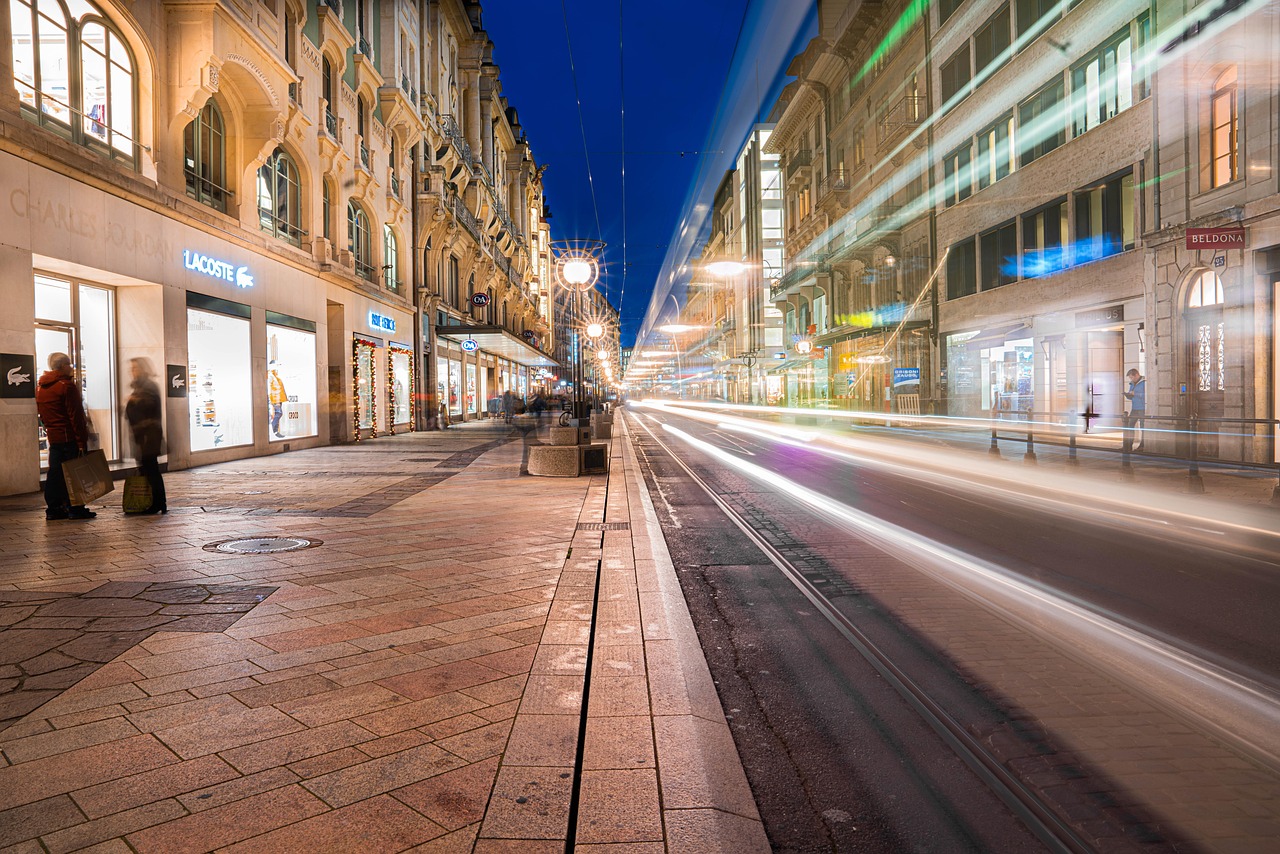
- Public Transport: Trams, buses, and boats are integrated and efficient. Many hotels provide a free transport card for the duration of your stay.
- Tickets: Buy at machines or via apps. Inspectors do check; fines are high.
- Walking & Cycling: The city center is very walkable. There are bike lanes and rental schemes; helmets are recommended.
SIM Cards & Connectivity
- Major providers: Swisscom, Sunrise, Salt.
- Prepaid SIMs are available at kiosks, electronics shops, and provider stores. Bring your passport.
- Many cafés and hotels offer free Wi-Fi.
Money & Costs
- Currency: Swiss franc (CHF). Euros sometimes accepted near the border, but change may be given in CHF at poor rates.
- Cards are widely accepted, including contactless.
- To save money: use supermarkets and markets for meals, choose lunch menus, and use public transport instead of taxis.
Car Rental & Driving
- You don’t need a car inside Geneva; parking is expensive and traffic can be dense.
- For regional trips, rental cars are useful. Your foreign driver’s license is generally accepted; an International Driving Permit can help but is not always mandatory (check your specific country’s agreements with Switzerland).
- Swiss roads are excellent; winter tires and/or chains are required in certain conditions in mountain areas.
Visa Requirements
- Switzerland is part of the Schengen Area. Citizens of many countries can enter visa-free for short stays (up to 90 days in 180).
- Always check the latest requirements from official Swiss government or embassy websites before traveling, as rules can change.
When to Visit Geneva & Final Recommendations
Geneva is truly a four-season destination, each with different strengths:
- Spring (March–May): Blossoms, milder temperatures, fewer crowds. Ideal for city walks and first hikes in lower elevations.
- Summer (June–August): Peak lake life—swimming, boat trips, festivals, long evenings at Bains des Pâquis. Best for families and lake lovers.
- Autumn (September–November): Crisp air, vineyard colors around the lake, fewer tourists. Perfect for foodies and photographers.
- Winter (December–February): Christmas markets, L’Escalade, and easy access to ski resorts. Best for combining city breaks with winter sports.
If it’s your first time and you want a balanced experience, I usually recommend late May–June or September. For a more festive, wintry atmosphere, choose December and wrap your 3–5 day itinerary for Geneva around L’Escalade and Christmas events.
Whether you have 3 days in Geneva, 4 days in Geneva, or a full 5 day itinerary for Geneva, this city rewards both careful planning and spontaneous wandering. Start with the lakeside icons, then let yourself drift into backstreets, parks, and neighborhood cafés. That’s where Geneva stops being just a pretty postcard and starts feeling like a place you’ll want to return to—I know I did.