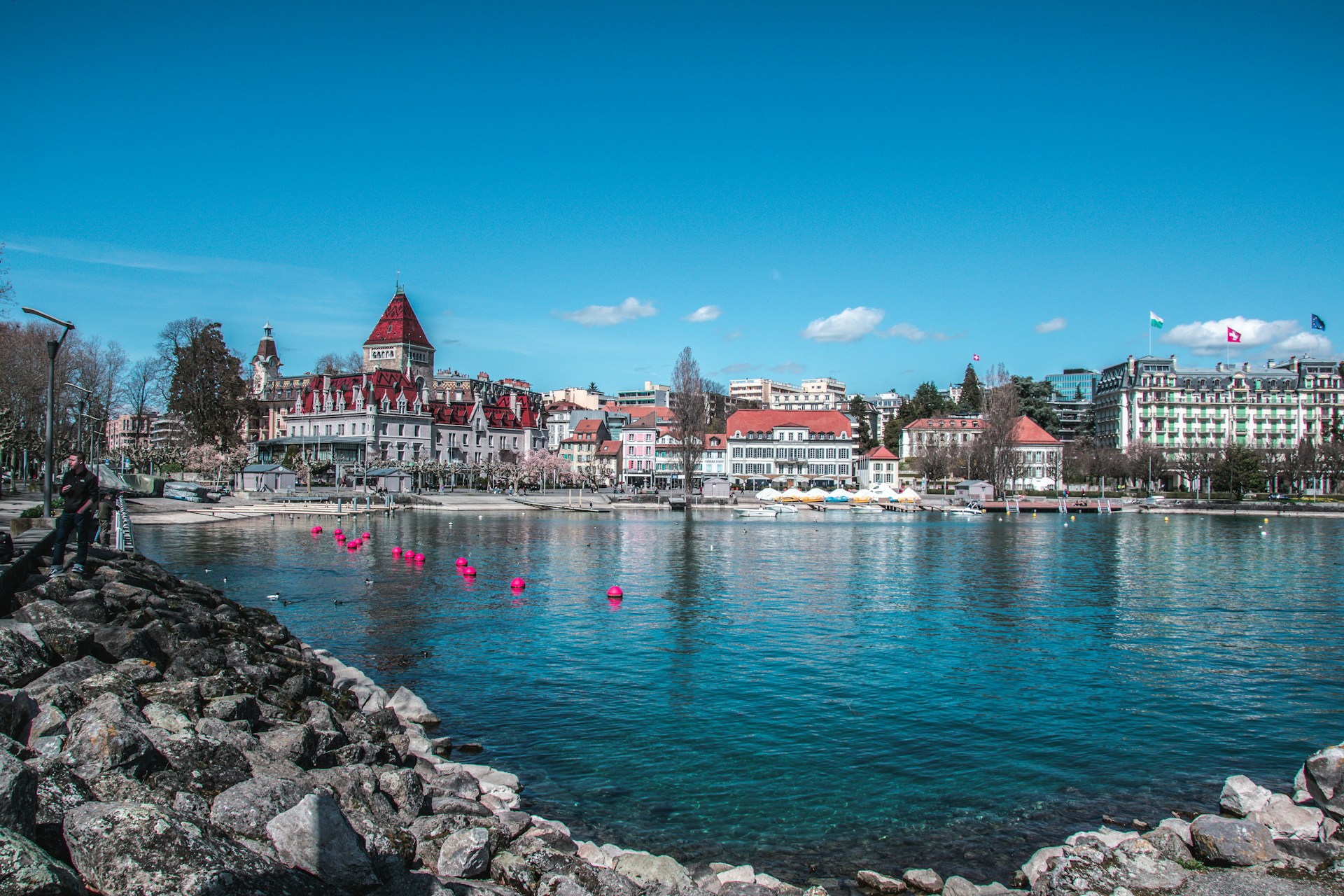
Why Visit Lausanne in 2026
Lausanne is one of those cities that quietly slips under the radar while Geneva and Zurich soak up the limelight. Yet every time I return (my first visit was in 2011, and I’ve been back almost every year since), I’m reminded why this hillside city on Lake Geneva might be my favorite place in Switzerland.
Imagine a compact, walkable old town perched over a glittering lake, framed by snow-capped Alps and terraced vineyards. Add a young, creative energy from thousands of students, the elegance of Olympic headquarters, and a food scene that swings from humble lakeside perch fillets to refined tasting menus. That’s Lausanne.
In 2026, Lausanne is especially worth visiting: the city is polishing its lakeside districts, new cultural programs are tied to the Olympic movement, and the region’s wine producers in Lavaux are leaning harder into sustainable and experiential tourism. Whether you have 3 days in Lausanne or you’re planning a deeper 5 day itinerary for Lausanne, the city rewards slow exploration.
Lausanne is perfect if you want:
- Romantic escapes: sunsets over the lake, vineyard walks, candlelit wine bars.
- Family-friendly fun: lake cruises, parks, easy museums, and safe streets.
- Active adventures: steep city walks, lake swimming, trail running, and easy access to Alps day trips.
- Cultural experiences: world-class museums, historic churches, and a vibrant arts scene.
Table of Contents
- Why Visit Lausanne
- Lausanne at a Glance
- Suggested 3–5 Day Itineraries
- 20 Must-See Attractions in Lausanne (With Personal Notes)
- Neighborhoods & Districts to Explore
- Local Food & Drink: What and Where to Eat
- Nightlife, Entertainment & Cultural Experiences
- Major Events in 2026–2027
- Best Day Trips from Lausanne
- Cultural Etiquette & Local Customs
- Practical Travel Tips for Lausanne
- Summary & Best Time to Visit Lausanne
Lausanne at a Glance
Lausanne is the capital of the canton of Vaud, French-speaking, and home to about 140,000 residents. It’s built on three hills, which you will feel in your legs by day two. The city drops dramatically down to Lake Geneva (Lac Léman), with the lakeside district of Ouchy acting as Lausanne’s front-row seat to the Alps.
Lausanne is also the Olympic Capital, hosting the International Olympic Committee (IOC) and one of Europe’s most impressive sports museums. Yet daily life still feels relaxed, almost village-like in some corners, especially in the old town and residential neighborhoods above the center.
Lausanne works beautifully for a 3 day itinerary if you’re focused on the city itself, or a 4–5 day itinerary if you want to mix in vineyards and mountain or lake day trips.
Suggested Itineraries: 3, 4 and 5 Days in Lausanne
3 Days in Lausanne: Classic Highlights & Lakeside Living
My very first proper 3 days in Lausanne trip was in late September, when the vineyards were turning golden and the lake was still warm enough for a quick dip. This itinerary distills those days into something you can follow step-by-step.
Day 1: Old Town, Cathedral & Lausanne’s Steep Heart
Morning: Lausanne Cathedral & Old Town
Start at Lausanne Cathedral (Cathédrale de Notre-Dame), the city’s spiritual and visual anchor. I like arriving around 9:00 a.m., before group tours appear.
- How to get there: Take the M2 metro to Riponne–M. Béjart and walk uphill through the old streets, or to Bessières and cross the bridge with cathedral views.
- What to do: Wander the nave, then climb the bell tower (small fee, but worth every franc) for a 360° view over roofs and lake. On a clear day, you’ll see the French Alps jagged on the horizon.
- Tip: The spiral staircase is narrow; go early if you dislike crowds or heights.
After the cathedral, follow the cobbled lanes down toward Place de la Palud. The walk is steep—but this is Lausanne, and your legs will adapt by tomorrow.
Lunch: Place de la Palud & Flon
Grab a seat on the terrace at a café on Place de la Palud. I often end up with a simple plat du jour (daily special) and a glass of local white wine. You’ll hear mostly French, with a mix of students and office workers. On Wednesdays and Saturdays, the market stalls spill into the surrounding streets, and the square feels like a village fair.
Then wander down into Le Flon, Lausanne’s contemporary district, for coffee. I usually head to a specialty coffee bar tucked into one of the converted warehouses.
Afternoon: Museums or Lakeside Stroll
If you’re a culture lover, spend your afternoon at one of the city’s central museums (more detail in the attractions section below):
- Collection de l’Art Brut for outsider art that’s raw and fascinating.
- MCBA (Musée Cantonal des Beaux-Arts) at Plateforme 10 for Swiss and international art.
Alternatively, if it’s sunny and you’re itching for lake views, ride the M2 metro down to Ouchy-Olympique and walk the lakeside promenade. I still remember the first time I stepped out of the station here; the light and space felt like a different city entirely.
Evening: Dinner in the Old Town
For a first-night dinner, stay in the old town. Look for a restaurant serving filets de perche (perch fillets) or fondue. Pair your meal with a glass of Dézaley or Epesses from the Lavaux vineyards. Reserve if your visit falls on a Friday or Saturday.
Day 2: Olympic Capital & Lakeside Lausanne
Morning: Olympic Museum
Dedicate a solid half day to the Olympic Museum in Ouchy. Even if you’re not a sports fan, the stories and interactive exhibits are surprisingly emotional; I’ve watched more than one visitor wipe away a quiet tear in front of the athletes’ stories.
- Getting there: M2 to Ouchy-Olympique, then a 10-minute walk along the lake.
- Tip: Arrive at opening time to avoid school groups. Budget at least 2–3 hours.
Lunch: Picnic by the Lake
Pick up picnic supplies from a Coop or Migros supermarket (look for local cheeses, dried meats, and a bottle of Swiss apple juice or wine) and settle on the grass in the Olympic Park or along the promenade. Swans will almost certainly drift by to supervise your meal.
Afternoon: Boat Cruise or Swimming
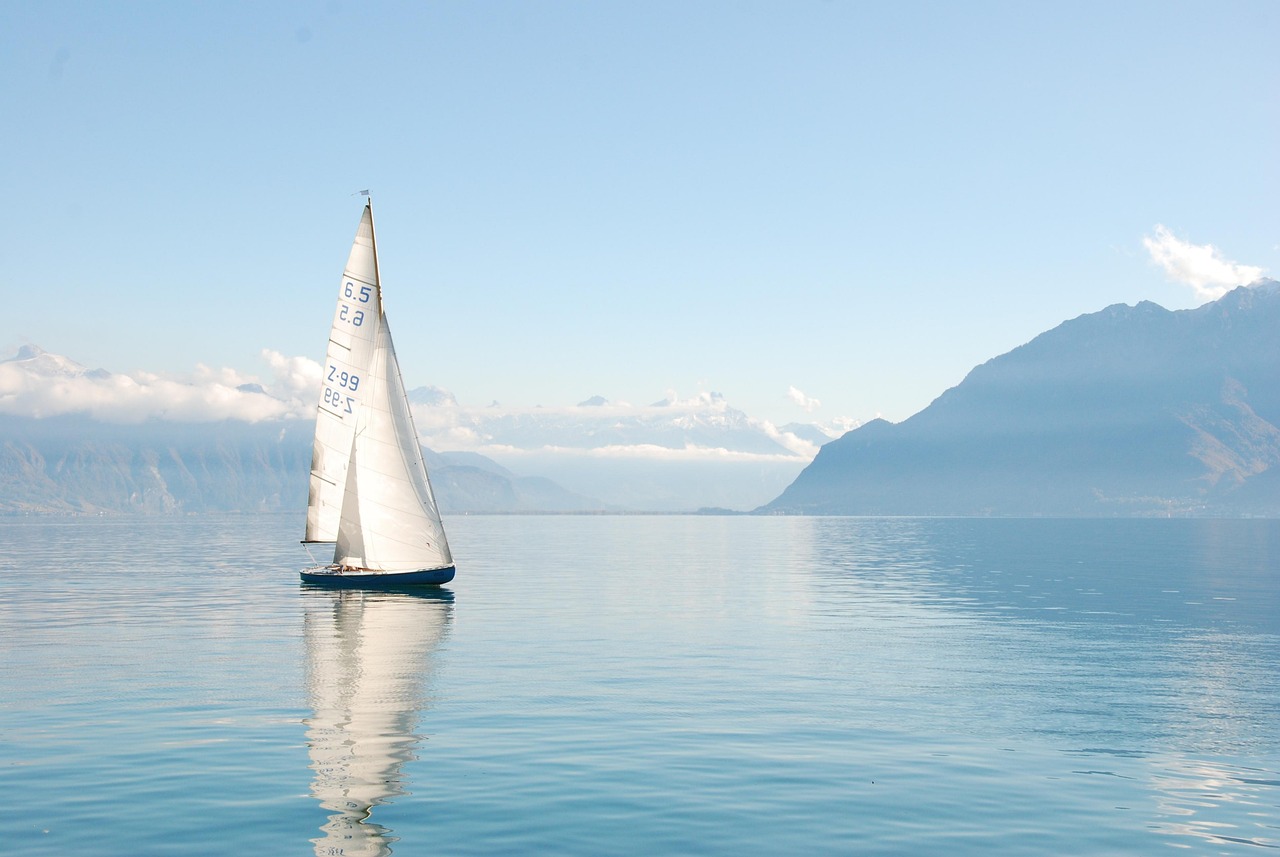
For a relaxed afternoon, take a CGN boat cruise on Lake Geneva. My favorite short route is Lausanne–Vevey–Montreux and back; sitting on the upper deck of a Belle Époque paddle steamer with a coffee in hand is peak Swiss romance.
In summer, bring swimwear. There are designated swimming spots near Ouchy; locals plunge in after work, and joining them is one of the cheapest, purest joys in Lausanne.
Evening: Sunset & Wine
Stay by the lake for sunset. The light turns the Alps pink, and the ferries slide like ghosts across the water. Finish with a drink at a lakeside bar. I like a crisp local Chasselas while watching the last boats come in.
Day 3: Lavaux Vineyards – The Perfect Lausanne Day Trip
On your third day, treat yourself to one of Europe’s most beautiful landscapes: the Lavaux Vineyard Terraces, a UNESCO World Heritage site. You can easily fit this into a 3 day itinerary for Lausanne without feeling rushed.
Morning: Train to Lutry or Cully
- Getting there: From Lausanne main station, regional trains run frequently to Lutry, Cully, Epesses, and Chexbres-Village. The ride is 10–20 minutes.
- I usually start in Cully and walk toward Epesses or Rivaz.
The moment the train rounds the bend and the terraces appear, layered like green and gold steps into the lake, you’ll understand why Lavaux is often the highlight of a longer 4 day itinerary for Lausanne.
Late Morning & Lunch: Vineyard Walk & Tasting
Follow the signed vineyard footpaths. They’re well-marked and easy to follow, though some sections are quite steep. Wear proper shoes and bring water, especially from May to September when the sun bounces off the stone terraces.
Stop at a caveau (wine cellar) for a tasting. Many small producers open for a few hours in the afternoon; I’ve had some of my most memorable conversations with winemakers here, talking about climate change and tradition while sipping Chasselas overlooking the lake.
Afternoon: Return & Relaxed Evening in Lausanne
Take a train back to Lausanne in the late afternoon. For your final evening, explore a different part of town—maybe a wine bar in the Flon area or a restaurant in a quieter residential district. If you’re leaving next morning, this is a good time for a last stroll through the old town and one more look at the cathedral, now familiar.
4 Days in Lausanne: Art, Architecture & More Lake Time
With 4 days in Lausanne, you can deepen your experience: add modern art, more architecture, and a slower pace. The first three days follow the 3-day plan; here’s how I like to use Day 4.
Day 4: Plateforme 10, Art Brut & Architectural Wanderings
Morning: Plateforme 10 – Lausanne’s Art District
Right next to the main train station, Plateforme 10 is a cultural campus that has transformed the area. The modern architecture alone is worth a visit; sweeping lines, big plazas, and clean sightlines to the tracks and the city.
- MCBA (Musée Cantonal des Beaux-Arts) – classic and contemporary art, including Swiss masters.
- mudac – design and applied arts, with exhibitions that are often playful and thought-provoking.
- Musée de l’Elysée – photography (check what’s on; I’ve stumbled into some outstanding shows).
When I’m in Lausanne for work, I often spend a weekday morning here; the cafés between the buildings are perfect for a mid-museum espresso and people-watching.
Lunch: Station Area or Quick Picnic
You’ll find a handful of bistros near Plateforme 10. For a budget option, I’ve often grabbed a takeaway salad or sandwich from the station Coop and eaten on the campus steps in the sun.
Afternoon: Collection de l’Art Brut
Take a bus or walk up to the Collection de l’Art Brut, housed in a small chateau-like building in a park. The works are by self-taught artists, many of whom created in isolation or under difficult circumstances. It’s intense, sometimes unsettling, and completely unlike most museums in Switzerland.
On my last visit, I spent nearly 30 minutes in front of a single series of drawings, trying to piece together the story behind them. Plan 1.5–2 hours here; it’s compact but emotionally dense.
Evening: Architectural & Nightlife Wander in Flon
Later, head back toward Flon, paying attention to the way Lausanne’s architecture changes with altitude—from medieval stone to 19th-century boulevards to repurposed industrial buildings. Have dinner at one of Flon’s many restaurants, then sample a bar or two if nightlife is on your wish list.
If your energy is low, simply sit with a drink on a terrace and watch the trams glide past. Flon at night feels like a small city playing at being big, and that’s part of its charm.
5 Days in Lausanne: Mountains, Monasteries & More Hidden Gems
A 5 day itinerary for Lausanne is ideal if you want the city to be your base for the region. You can fit in both Lavaux and at least one mountain or castle day trip.
Day 5 Option 1: Gruyères & The Pre-Alps
Morning: Train to Gruyères
From Lausanne, take the train to Gruyères (usually a change in Palézieux or Bulle). The journey is about 1.5 hours and takes you into softer, greener Pre-Alpine hills.
Spend your day between the medieval village, its castle, and—yes—cheese. I still remember my first proper fondue in Gruyères: eaten on a terrace with cowbells echoing across the valley, it set a new standard I’ve been chasing ever since.
Afternoon: Cheese Factory or Short Walk
Visit the cheese factory at the bottom of the hill or take a short walk into the surrounding countryside. Trains back to Lausanne run regularly, so you can time your return for early evening.
Day 5 Option 2: Château de Chillon & Montreux
Alternatively, dedicate your final day to Château de Chillon and nearby Montreux. Both are easy to reach by train or by the CGN boats from Lausanne.
- Explore the castle’s dungeons, halls, and lake-edge towers.
- Walk the flowered lakeside promenade of Montreux.
This combination gives you a magnificent castle, more lake time, and a different flavor of Riviera-esque glamour than Lausanne.
Evening: Farewell Lausanne
Come back to Lausanne for one last wander. I like to walk from the cathedral down to the station as the city lights flicker on, stopping at whichever wine bar or café is buzzing that evening. By day five, the steep alleys feel familiar, and that’s when Lausanne really starts to feel like yours.
20 Must-See Attractions in Lausanne (With Personal Notes)
Below are 20 of the best places to visit in Lausanne. I’ve included history, what makes each place special, and small personal tips gathered over multiple trips.
1. Lausanne Cathedral (Cathédrale de Notre-Dame)
Built between the 12th and 13th centuries, Lausanne Cathedral is considered one of the finest Gothic churches in Switzerland. Its location—high above the city, visible from almost everywhere—makes it the spiritual and geographical heart of Lausanne.
Why it’s special: The rose window is stunning, the carved portal is intricate, and the stonework glows warm in late-afternoon light. Climbing the tower gives you perhaps the best single view over the city and lake.
Personal note: One winter evening, I joined a friend to hear the organ concert here. As the music filled the vaulted space, snow began to fall outside; when we emerged, the city was dusted in white. It’s one of my favorite Lausanne memories.
Tips for visitors:
- Go early for quiet photos, or at sunset for golden light.
- Check if there’s an organ concert or choir performance during your stay.
- If you’re fit, climb the tower; the staircase is tight but safe.
Family-friendly? Yes, though young kids may get restless; the tower climb is fun for older children.
Romantic? Very, especially at dusk with city lights below.
2. Lausanne Old Town & Place de la Palud
The old town is a compact network of cobbled streets, stairways, and hidden corners that slope down from the cathedral toward the lower city. Place de la Palud is its social center, with a Renaissance-style fountain and the town hall.
History: Lausanne has existed in some form since Roman times (the original settlement was closer to the lake), but the hilltop location became important in the Middle Ages as a fortified town and bishopric.
Personal note: I love wandering here on market mornings. Farmers from the region bring cheeses, flowers, honey, and produce. Once, a cheesemaker insisted I try a tomme he’d aged himself “just long enough to be mischievous”—his words. He wasn’t wrong.
Tips:
- Visit on Wednesday or Saturday morning for the market.
- Wear shoes with good grip; cobbles can be slippery when wet.
- Use the small covered wooden stairways that connect levels—they feel like secret passages.
3. Le Flon District
Once a grimy warehouse and industrial zone, Flon has reinvented itself as Lausanne’s creative and nightlife hub. Old sheds have been turned into lofts, galleries, shops, and bars, and new contemporary buildings have sprouted between them.
Why it’s special: It showcases Lausanne’s modern side and is a perfect contrast to the old town. The architecture is playful—glass, steel, unexpected angles—and the plazas are lively in the evenings.
Personal note: I’ve spent many evenings debriefing a day of hiking over a drink here. It’s one of the few parts of Lausanne that feels like you could be in a bigger metropolis—yet walk 10 minutes uphill, and you’re back in medieval lanes.
Tip: Come at dusk for photos of the illuminated buildings and to feel the neighborhood come alive.
4. Ouchy & The Lakeside Promenade
Ouchy is Lausanne’s waterfront district, a former fishing village now transformed into a promenade of parks, piers, hotels, and ice-cream stands. It’s where locals come to breathe after a day in the hills.
History: Ouchy was historically separate from the upper town, connected by steep roads. Modern public transport and development have turned it into an integrated part of Lausanne, but it still keeps a slightly resort-like feel.
Personal note: On hot summer days, I like to take an evening walk from Ouchy toward the Vidy area, stopping to dangle my feet in the lake. The sound of clinking sailboat masts is my unofficial soundtrack of Lausanne summers.
Family-friendly? Absolutely: playgrounds, lawns, swans, boats.
Romantic? Possibly the most romantic spot in the city at sunset.
5. Olympic Museum (Musée Olympique)
The Olympic Museum is a must-see attraction in Lausanne and one of the city’s most visited sites. It traces the history of the Olympic Games from ancient Greece to modern times, with interactive exhibits, memorabilia, and powerful athlete stories.
Why it’s special: It’s not just about medals and torches. The museum explores politics, ethics, design, and media around the Games. The immersive exhibits make it engaging for all ages.
Personal note: I wasn’t expecting to be moved by an exhibit on Paralympians, but their stories stuck with me for days afterward. The museum does an excellent job of humanizing the athletes.
Tips:
- Book tickets online in high season.
- Combine your visit with a stroll through the surrounding Olympic Park and lakeside.
- Families: budget half a day; kids usually love the interactive parts.
6. Plateforme 10 – Art District
Plateforme 10 is Lausanne’s new cultural campus, grouping several major museums and cultural institutions next to the train station. It opened in phases over the last few years and continues to evolve in 2026.
Why it’s special: The architecture, the concentration of art, and the open public spaces. On a good-weather day, the outdoor areas are as enjoyable as the exhibitions inside.
Personal tip: If you’re into photography, time your visit for late afternoon; the low sun reflects off the pale façades and glass, creating strong shadows and clean compositions.
7. Collection de l’Art Brut
The Collection de l’Art Brut was founded by French artist Jean Dubuffet to house works created outside the academic art world—by psychiatric patients, prisoners, recluses, and other self-taught creators.
Why it’s special: The art is raw, obsessive, and often deeply personal. You see entire universes built by people who never thought of themselves as “artists” in the traditional sense.
Personal note: I never rush this museum. Some rooms are emotionally heavy; taking breaks in the small park outside helps process what you’ve seen.
8. MCBA – Musée Cantonal des Beaux-Arts
The MCBA is Lausanne’s main fine arts museum, now housed in a striking contemporary building at Plateforme 10. Its collections range from 18th-century works to modern and contemporary pieces.
Why it’s special: Strong holdings of Swiss art, thoughtful temporary exhibitions, and a building that genuinely enhances the viewing experience.
Tip: If you’re short on time, focus on one floor or section that interests you most and don’t try to see everything in one go.
9. Musée de l’Elysée – Photography Museum
Dedicated to photography, the Musée de l’Elysée has earned an international reputation for its collections and exhibitions. It is now integrated into the Plateforme 10 complex.
Personal note: I’ve stumbled into everything here from retrospective shows of legendary photographers to experimental installations by emerging artists. It’s always worth checking what’s on during your visit.
10. Parc de Mon Repos
Parc de Mon Repos is one of Lausanne’s most elegant green spaces, with manicured lawns, statues, and a small villa. It’s quieter and more formal than the lakeside parks.
Why it’s special: It shows a different, more aristocratic side of Lausanne’s past and offers a peaceful escape close to the center.
Personal tip: Bring a takeaway coffee and a book. This is where I go when I need an hour of calm between meetings or museum visits.
11. Vidy & Parc Louis Bourget
Vidy is the stretch of lakeside west of Ouchy, home to Parc Louis Bourget, sports fields, woods, and lakeside paths. It’s a favorite for joggers, dog walkers, and families.
Why it’s special: Less manicured than Ouchy, more natural, and often less crowded. You’ll see more of ordinary Lausanne life here.
Personal note: One summer evening, I rented a bike and cycled this stretch at golden hour. The lake was glassy, the mountains faded blue, and the barbecues were just lighting up; it felt like the city’s collective exhale.
12. Sauvabelin Tower & Forest
Above the city lies the Sauvabelin Forest, with a small lake and a striking wooden observation tower. The spiral staircases of the Sauvabelin Tower lead to a platform with sweeping views.
Why it’s special: A taste of nature and a different perspective on the city’s topography.
Family-friendly? Yes—there’s also a small animal park with local breeds.
Tip: Bring a light jacket; it’s often cooler up here, especially in spring and fall.
13. Palais de Rumine
Palais de Rumine is an Italianate palace near Place de la Riponne, housing several small museums (including zoology and archaeology) and a beautiful reading room.
History: Built in the late 19th century thanks to a donation from a Russian exile, Gabriel de Rumine, it reflects the era’s fondness for grand, eclectic styles.
Personal tip: Even if you’re not keen on the museums, step inside to admire the staircases and inner courtyard. The building itself is the star.
14. Lavaux Vineyard Terraces
Although technically outside Lausanne, Lavaux is so closely tied to the city that it belongs on any list of things to do in Lausanne. The terraced vineyards stretch for about 30 km along the lake, between Lausanne and Vevey.
History: The terraces date back to the 11th century, largely developed by Benedictine and Cistercian monks. UNESCO recognized Lavaux as a World Heritage site in 2007.
Personal note: I’ve walked Lavaux in every season—spring green, summer blazing, autumn gold, winter bare and austere. Each has its charm, but October, when the vines turn yellow and orange, might be my favorite.
15. Lutry Old Town & Port
The small town of Lutry, just a few minutes by train or boat from Lausanne, is a lovely half-day escape: stone houses, a small harbor, and lakeside terraces.
Why it’s special: It has a slower, more village-like pace than Lausanne but is close enough to feel like an extension of the city.
Tip: Come for a lakeside lunch or dinner; the sunset views are superb.
16. Pully & Its Lakeside
Pully is another neighboring municipality, essentially connected to Lausanne but with its own lakeside charm and small center.
Personal note: I once stumbled into a local festival here completely by accident—music, food stalls, kids running around. It felt like a Swiss small-town movie come to life.
17. Parc de Milan & Botanical Gardens
Parc de Milan slopes gently down toward the lake and hosts Lausanne’s small but charming botanical gardens.
Why it’s special: It’s another great green space within walking distance of the center, with a slightly wild, lived-in feel compared to manicured Mon Repos.
Tip: Combine a stroll here with a walk toward Ouchy for a varied urban-park-lake walk.
18. Château Saint-Maire
Château Saint-Maire sits above the cathedral and serves as the seat of the Vaud cantonal government. It’s a square, fortress-like building dating back to the 15th century.
Why it’s special: You can’t usually go inside, but the exterior is impressive and the square offers fine views over the city.
Personal note: This is one of my favorite places to pause at night: the illuminated castle against a dark sky, the quiet streets, the distant hum of the lower city.
19. The Animated Clock at Place de la Palud
On the façade of a building at Place de la Palud, an animated clock comes to life every hour, showing scenes from Vaud’s history.
Why it’s special: It’s a small, charming piece of local culture that kids adore and adults secretly enjoy.
Tip: Time your coffee break here to coincide with the hour; it’s a tiny show but very Lausanne.
20. Night Views from Bessières Bridge
Pont Bessières spans a deep ravine near the cathedral. At night, with the cathedral lit behind you and the lower city glowing below, it’s one of the city’s most atmospheric viewpoints.
Personal note: This is where I bring friends on their first night in Lausanne. We stand on the bridge, look out, and I say, “Welcome to the most beautiful small city you didn’t know you needed.” It works every time.
Lausanne Neighborhoods & Districts
Lausanne’s steep geography divides the city into distinct layers and districts, each with its own personality. Here are the main ones to know.
Centre-Ville & Old Town
The historic core around the cathedral, Place de la Palud, and Rue de Bourg. Expect boutiques, markets, narrow streets, and most of the city’s postcard views.
Flon
Lausanne’s modern, creative district in the valley between hills. Think design shops, cinemas, rooftop terraces, and nightlife. Great for evenings and people-watching.
Ouchy & Lakeside
Resort-like waterfront with promenades, big hotels, parks, and the Olympic Museum. Flat and stroller-friendly, ideal for relaxed days.
Vidy
More natural lakeside area with woods, parks, sports fields, and bike paths. Good for picnics and active travelers.
La Sallaz & Sauvabelin
Residential districts climbing toward the forest and Sauvabelin Tower. A glimpse of everyday Lausanne life plus easy access to greenery.
Chailly & East Side Districts
Quieter residential areas with local shops and cafés. Not essential for a short visit, but nice to explore if you enjoy getting off the main tourist grid.
Local Food & Drink in Lausanne
Lausanne’s food scene is a blend of classic Swiss comfort, lakeside specialties, and modern, cosmopolitan cooking. Eating well is easy; eating affordably just takes a bit of strategy.
Must-Try Local Dishes
- Fondue moitié-moitié – Classic Swiss cheese fondue, often with Gruyère and Vacherin Fribourgeois. Best on cool evenings.
- Raclette – Melted cheese scraped over potatoes, pickles, and onions. Winter comfort food.
- Filets de perche – Perch fillets from the lake, usually fried and served with fries and lemon.
- Papet vaudois – Leek and potato stew often served with local sausage; a Vaud-region specialty.
- Tartes & pâtisserie – Fruit tarts, pain au chocolat, and other French-style pastries from excellent local bakeries.
Local Wines & Drinks
- Chasselas – The signature white grape of Lavaux: light, fresh, perfect with lake fish and cheese.
- Pinot Noir & Gamay blends – Light reds from nearby slopes.
- Local craft beers – Lausanne has a growing craft beer scene; ask bars what’s local on tap.
Saving Money on Food
Switzerland is expensive, but there are ways to keep costs under control:
- Use Coop and Migros supermarkets for picnics, salads, and ready meals.
- Look for lunch menus (menu du jour), which are often better value than à la carte dinner.
- Skip drinks in restaurants when on a budget; tap water is safe and usually provided.
- Street food at festivals and markets can be relatively affordable.
Nightlife, Entertainment & Cultural Experiences in Lausanne
For a city its size, Lausanne has surprisingly lively nightlife, thanks largely to its student population and creative scene.
Evening & Nightlife Options
- Flon district – Bars, lounges, and clubs close together; good for bar-hopping.
- Old town wine bars – More intimate, atmospheric spots, ideal for couples.
- Ouchy – Lakeside bars and hotel lounges, quieter but with beautiful views.
Cultural Experiences
- Concerts at the cathedral – Organ and choral performances in a spectacular setting.
- Theatres & dance – Check schedules for the Opéra de Lausanne and dance venues; Lausanne has a strong contemporary dance tradition.
- Festivals – From music to food and wine, especially in summer and early autumn.
Major Events in Lausanne (2026–2027)
Event details can shift, so always confirm dates closer to your trip, but here’s what typically shapes Lausanne’s calendar in 2026–2027:
- Lausanne Estivale (Summer Festival) – June to August: open-air concerts, performances, and events across the city, many free.
- Festival de la Cité – Early July: multi-day arts festival in the old town, with music, theatre, circus, and installations.
- Lausanne Marathon – October: route often includes lakeside sections; great for runners or spectators.
- Wine harvest celebrations in Lavaux – September–October: tastings, small village festivals, and open-cellar days.
- Christmas Markets – Late November to December: markets in the city center with food, gifts, and mulled wine.
Best Day Trips from Lausanne
Montreux & Château de Chillon
Travel time: ~25–30 minutes by train to Montreux, plus a short bus or walk to Chillon. Or take a scenic boat.
Highlights: Medieval lake castle, flowered lake promenade, mountain views. Ideal for couples and families.
Gruyères
Travel time: ~1.5 hours by train.
Highlights: Castle, cheese, charming village, gentle hikes in the surrounding hills.
Bern
Travel time: ~1 hour by direct train.
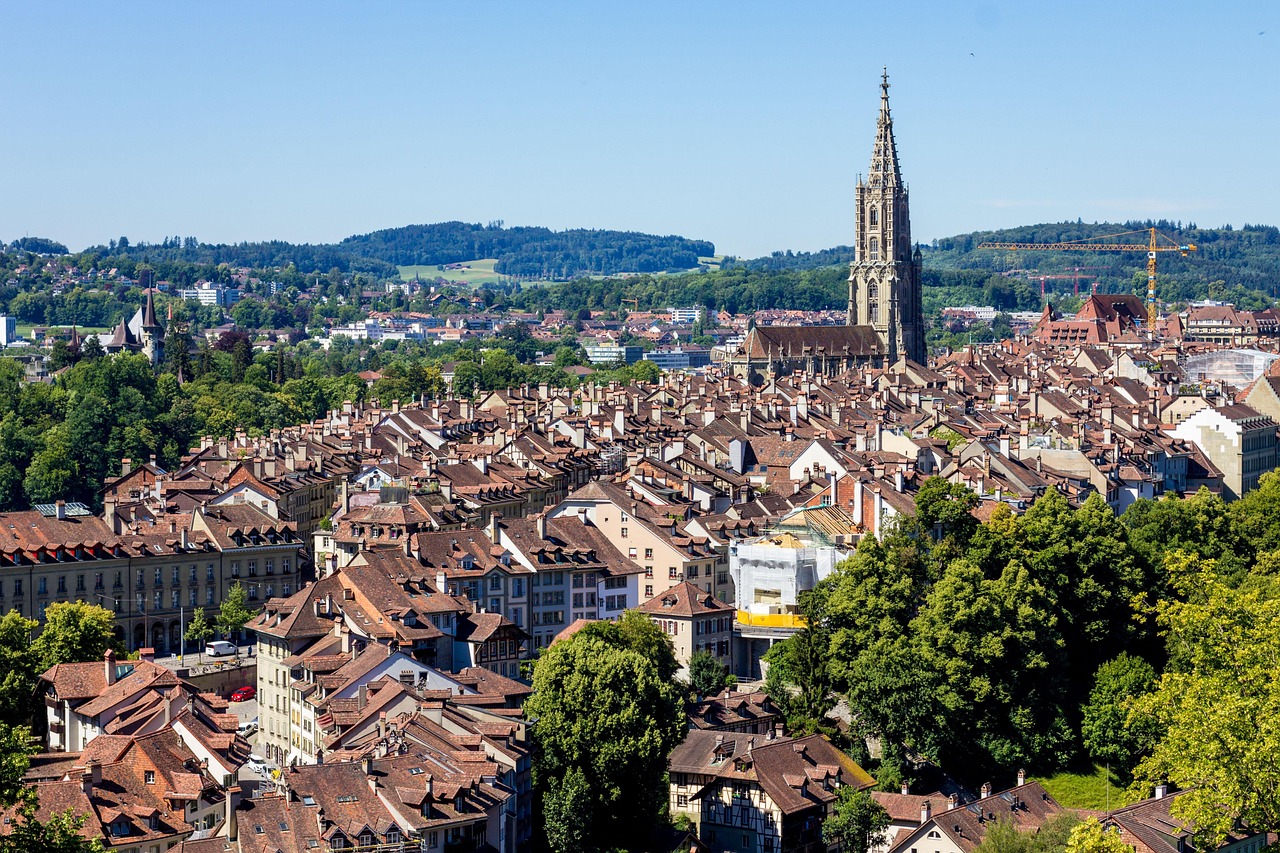
Highlights: UNESCO-listed old town, arcaded streets, river views, museums. Great if you want a taste of Switzerland’s capital during a longer Lausanne stay.
Cultural Etiquette & Local Customs in Lausanne
Lausanne is relaxed, but Swiss norms still apply. Understanding a few basics will make your trip smoother and interactions warmer.
Language & Greetings
- Primary language: French. English is widely spoken in tourist-facing places, but less so in small shops.
- Greet with a polite “Bonjour” during the day, “Bonsoir” in the evening before asking for anything.
- In social situations, people may use the classic three-kiss greeting, but it’s not expected with strangers.
Punctuality & Quiet
- Trains and appointments are expected to be on time; aim to be punctual.
- Keep voices low on public transport and in residential areas at night.
Dining Etiquette
- Wait to be seated or ask staff before sitting at a restaurant table.
- Service is generally included, but rounding up the bill or leaving 5–10% for good service is appreciated.
- Sharing fondue? Don’t lose your bread cube in the pot—it’s a running joke that you “owe” something (a round of drinks, a favor) if you do.
Respect for Nature & Public Spaces
- Use bins; littering is frowned upon and occasionally fined.
- Stick to marked paths in vineyards and forests.
- In lakes and parks, respect posted swimming zones and barbecuing rules.
Practical Travel Advice for Lausanne (2026)
Getting To & Around Lausanne
Arriving by train: Lausanne’s main station is a major hub, with direct trains from Geneva, Zurich, Bern, and beyond.
Public transport: The city has an excellent network of metros, buses, and regional trains.
- M2 metro – Switzerland’s first driverless metro, running from Ouchy to the northern hills.
- Buses – Fill in the gaps; stops are frequent and routes easy to navigate via apps.
Most hotels in 2026 still provide a Lausanne Transport Card for free, giving you access to local public transport during your stay—confirm when booking.
Car Rental & Driving
- A car is not necessary in Lausanne and can be a hassle due to parking and steep streets.
- If you plan multiple rural or mountain day trips, a car can be useful, but trains cover most popular destinations.
- Foreign driver’s licenses are generally accepted for tourists; check your specific country’s agreements in advance.
Money & Costs
- Currency: Swiss Franc (CHF), not the Euro (though some places may accept Euros at a poor rate).
- Cards are widely accepted, even for small amounts.
- Lausanne is expensive; budget travelers should lean heavily on supermarkets, picnics, and free outdoor activities.
SIM Cards & Connectivity (2026)
- Major providers: Swisscom, Sunrise, Salt. You can buy prepaid SIMs at their shops or at some supermarkets and electronics stores.
- EU travelers may have roaming included; check your plan.
- Cafés, hotels, and some public spaces offer free Wi-Fi.
Visa Requirements
Switzerland is part of the Schengen Area. Citizens of many countries can enter visa-free for short stays (up to 90 days), but rules vary:
- EU/EEA and Swiss citizens can travel freely.
- Many other nationalities require a Schengen visa in advance.
Always verify the latest entry rules and any digital pre-registration requirements for 2026 before you travel.
Safety
Lausanne is generally very safe, even at night. Normal city precautions apply:
- Watch your belongings in crowded areas and on trains.
- Use common sense late at night around stations and nightlife zones.
Best Seasons & What They’re Good For
- Spring (April–May): Blossoms, moderate temperatures, fewer crowds. Great for city walks and early vineyard hikes.
- Summer (June–August): Lake swimming, boat trips, long evenings, festivals. Also the busiest and priciest time.
- Autumn (September–October): Vineyard colors, wine harvest, still-pleasant weather. Ideal for Lavaux walks and city exploration.
- Winter (November–March): Quieter, Christmas markets, day trips to nearby ski resorts. The lake and city take on a moody, atmospheric beauty.
Saving Money: Local Tricks
- Stay in guesthouses or budget hotels slightly uphill from the center; you’ll often have better views and lower rates.
- Use your hotel’s transport card instead of taxis.
- Prioritize free attractions: parks, cathedral (small fee only for tower), lakeside, old town wandering.
- Group museum visits in a single day if there’s a combined ticket or pass available.
Summary: Key Takeaways & Best Time to Visit Lausanne
Lausanne is a city that rewards unhurried exploration. Over 3 days in Lausanne, you can see its essentials: cathedral, old town, lake, and Olympic Museum. With 4 days in Lausanne, you add rich cultural experiences at Plateforme 10 and Art Brut. A 5 day itinerary for Lausanne lets you weave in vineyard walks and mountain or castle day trips, turning the city into a perfect base for western Switzerland.
If you’re choosing when to come:
- June–September for swimming, long days, boat trips, and festivals.
- September–October if vineyards and wine are a priority—my personal favorite window.
- December for Christmas markets and a cozy city atmosphere, with easy access to snow in the nearby Alps.
What makes Lausanne special isn’t one single sight; it’s the combination of lake and hills, wine and sports, old stone and new glass, students and officials, all layered into a city that feels both intimate and worldly. Whether you’re here for a quick 3 day itinerary for Lausanne or you linger for 5 days in Lausanne or more, give yourself time to simply walk, watch, and let the city’s rhythm pull you in.