Why Visit Lucerne in 2026
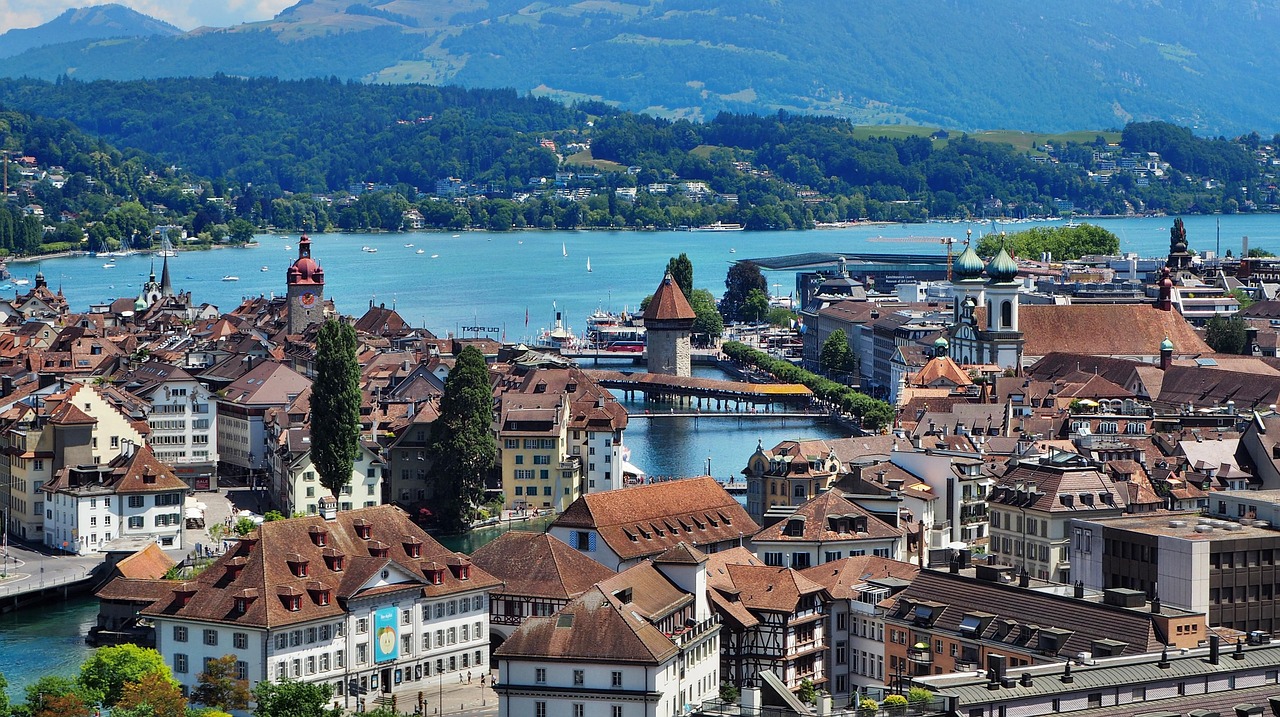
Lucerne is the kind of city that makes you slow down, even if you swear you’re “not a lake person.” It’s wrapped around a glittering corner of Lake Lucerne, framed by the jagged silhouettes of Mount Pilatus and Mount Rigi, and stitched together with medieval bridges, Baroque churches, and quiet cobbled alleyways. I’ve been coming here for years, and somehow the city still surprises me—whether it’s a new café tucked above the Reuss River or a sunset that turns Pilatus a smoky pink.
In 2026, Lucerne is especially worth a visit. Several cultural venues have refreshed their programming, the city is putting more emphasis on sustainable travel, and there’s a renewed energy around lake festivals and alpine events. Yet Lucerne remains compact, walkable, and deeply Swiss—just with enough international flair to keep things interesting.
If you’re planning 3 days in Lucerne, 4 days in Lucerne, or even 5 days in Lucerne, this guide is designed to feel like exploring the city with a friend who lives here: detailed, honest, and full of small, practical details that make a trip unforgettable.
Table of Contents
- Why Visit Lucerne in 2026
- Lucerne at a Glance
- Suggested Itineraries (3–5 Days in Lucerne)
- Neighborhoods & Areas to Explore
- 20+ Must-See Attractions in Lucerne (Detailed Guides)
- Local Food in Lucerne: What & Where to Eat
- Nightlife & Cultural Experiences in Lucerne
- Best Day Trips from Lucerne
- Local Customs & Cultural Etiquette
- Practical Travel Tips for Lucerne
- Major Events & Festivals in 2026–2027
- Summary & Best Time to Visit Lucerne
Lucerne at a Glance
Lucerne (Luzern in German) is in central Switzerland, on the shores of Lake Lucerne (Vierwaldstättersee). It’s part postcard fantasy, part real working city. The Old Town is a tangle of frescoed facades and narrow lanes, while just across the Reuss River modern glass architecture lines the waterfront.
The city is small enough to cross on foot in 20–30 minutes, yet it’s a major transport hub. That makes it ideal as a base for exploring the central Swiss Alps: Mount Pilatus, Mount Rigi, and Titlis are all easy day trips.
- Language: Swiss-German is the main language, but English is widely spoken in tourism.
- Currency: Swiss Franc (CHF).
- Best for: Lakeside strolls, mountain excursions, family trips, romantic weekends, and food-focused city breaks.
- Perfect trip length: A 3 day itinerary for Lucerne covers the main sights; 4–5 days in Lucerne lets you dive deeper and add alpine adventures.
Suggested Itineraries: 3–5 Days in Lucerne
3 Day Itinerary for Lucerne: Essentials
If you have 3 days in Lucerne, focus on the city’s highlights and one mountain excursion.
- Day 1: Old Town, Chapel Bridge, Old City Walls (Museggmauer), Lakefront promenade, sunset drinks.
- Day 2: Mount Pilatus (or Mount Rigi), afternoon spa or lake cruise, evening in the Old Town.
- Day 3: Lion Monument & Glacier Garden, Swiss Museum of Transport, Seeburg lakeside walk.
4 Day Itinerary for Lucerne: City + Two Mountains
With 4 days in Lucerne, you can add a second mountain and more cultural experiences.
- Day 1: Old Town highlights, Chapel Bridge, Museggmauer, boat ride at sunset.
- Day 2: Golden Round Trip to Mount Pilatus.
- Day 3: Mount Rigi via Vitznau or Weggis, evening at a lakeside restaurant.
- Day 4: Lion Monument & Glacier Garden, Swiss Museum of Transport, KKL concert or bar-hopping.
5 Day Itinerary for Lucerne: Slow & In-Depth (Story-Based)
What follows is a narrative-style plan for 5 days in Lucerne. I’ve structured it as I actually do Lucerne when I host friends: a mix of must-see attractions, hidden gems, and plenty of downtime at cafés and by the lake.
Day 1: First Taste of the Old Town & the Lake
I still remember my first arrival in Lucerne on a misty autumn morning: stepping out of the station, the lake ahead, and the angular glass of the KKL to my right. Even now, whenever I arrive, I start my day almost the same way.
Morning: Chapel Bridge & Old Town orientation
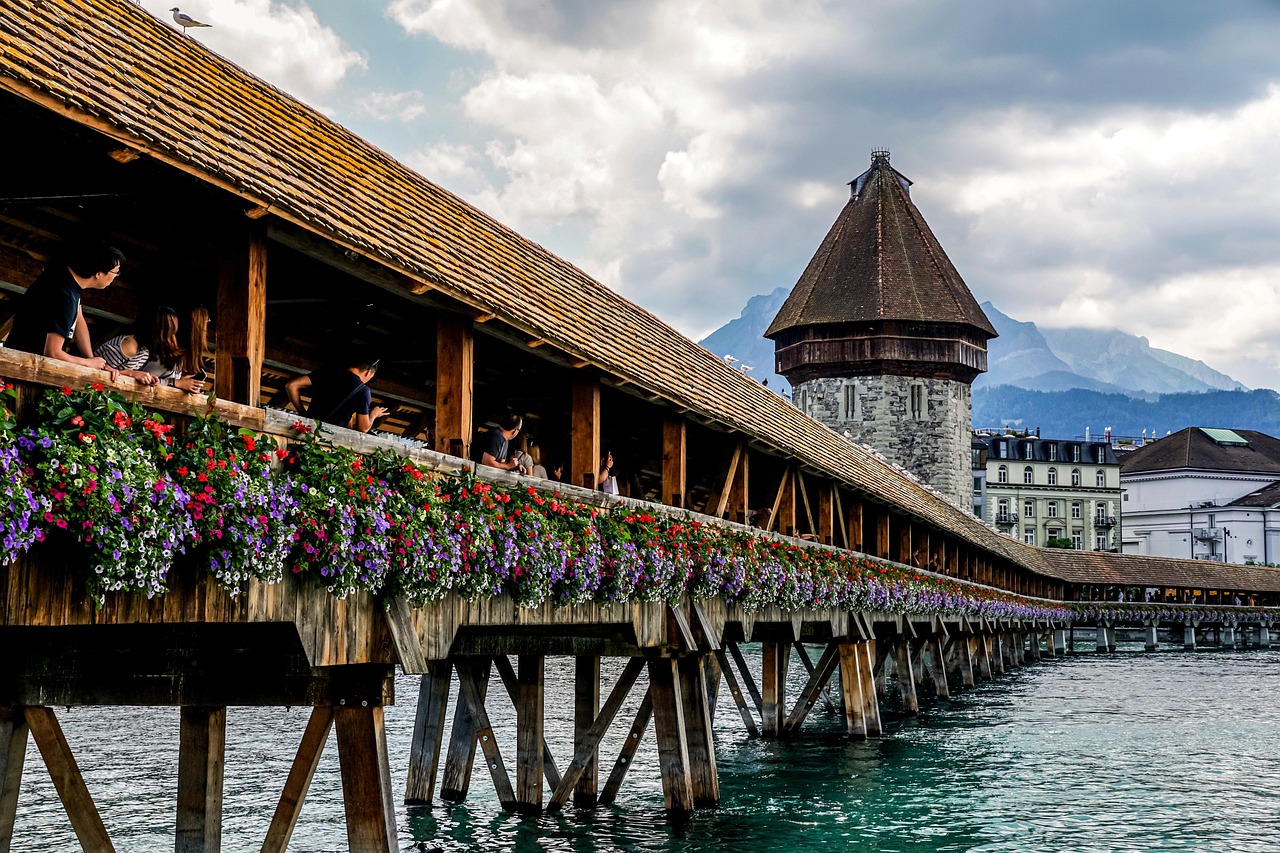
From the train station, I walk straight toward the water. Chapel Bridge (Kapellbrücke), with its wooden trusses and the octagonal Water Tower, pulls you across the Reuss like a magnet. Go early—around 8:00–9:00 a.m.—to enjoy relative quiet.
As you cross, look up: the triangular 17th-century paintings show scenes from Lucerne’s and Switzerland’s history. A tragic 1993 fire destroyed many originals, but the restored sequence still feels like a medieval comic strip overhead.
On the Old Town side, I like to duck into the lanes immediately—Hirschenplatz, Weinmarkt, and Kornmarkt. The painted facades here are the soul of Lucerne. On one visit in 2024, I spent nearly an hour tracing the stories on those walls: guild emblems, mythological figures, and allegories of justice and trade.
What to do & see:
- Walk Chapel Bridge slowly in both directions.
- Explore Weinmarkt and Kornmarkt squares.
- Step briefly into the Jesuit Church across the river for Baroque splendor (more on it later).
Coffee stop: I usually stop at a café near Kornmarkt for a Schale (Swiss-style latte) and a buttery croissant. Prices in central Lucerne are high, but standing at the bar instead of sitting can sometimes be cheaper.
Midday: Old City Walls (Museggmauer)
By late morning, head up to the Museggmauer, the old city walls that still crown the northern edge of the Old Town. From Weinmarkt, it’s about a 10–15 minute uphill walk. I like entering near the Schirmerturm tower—on weekends in summer, there can be a small queue, but it moves quickly.
Walking along the wall, you get some of the best free views in Lucerne: red-tiled roofs, the Reuss river, the edge of Lake Lucerne, and Pilatus looming behind. I remember one clear day in May 2025 when the snow line on Pilatus was still crisp; locals were in T-shirts below, skiers still carving high above.
Tips:
- The wall is usually open from roughly April to November, in daylight hours only.
- Wear good shoes—the wooden staircases inside the towers can be steep.
- Families: kids generally love climbing the towers, but keep an eye on younger ones.
Lunch: Walk back down toward the river and aim for a simple, local place—look for daily lunch menus (Mittagsmenü) which are often better value than à la carte items.
Afternoon: Lakeside promenade to Seeburg
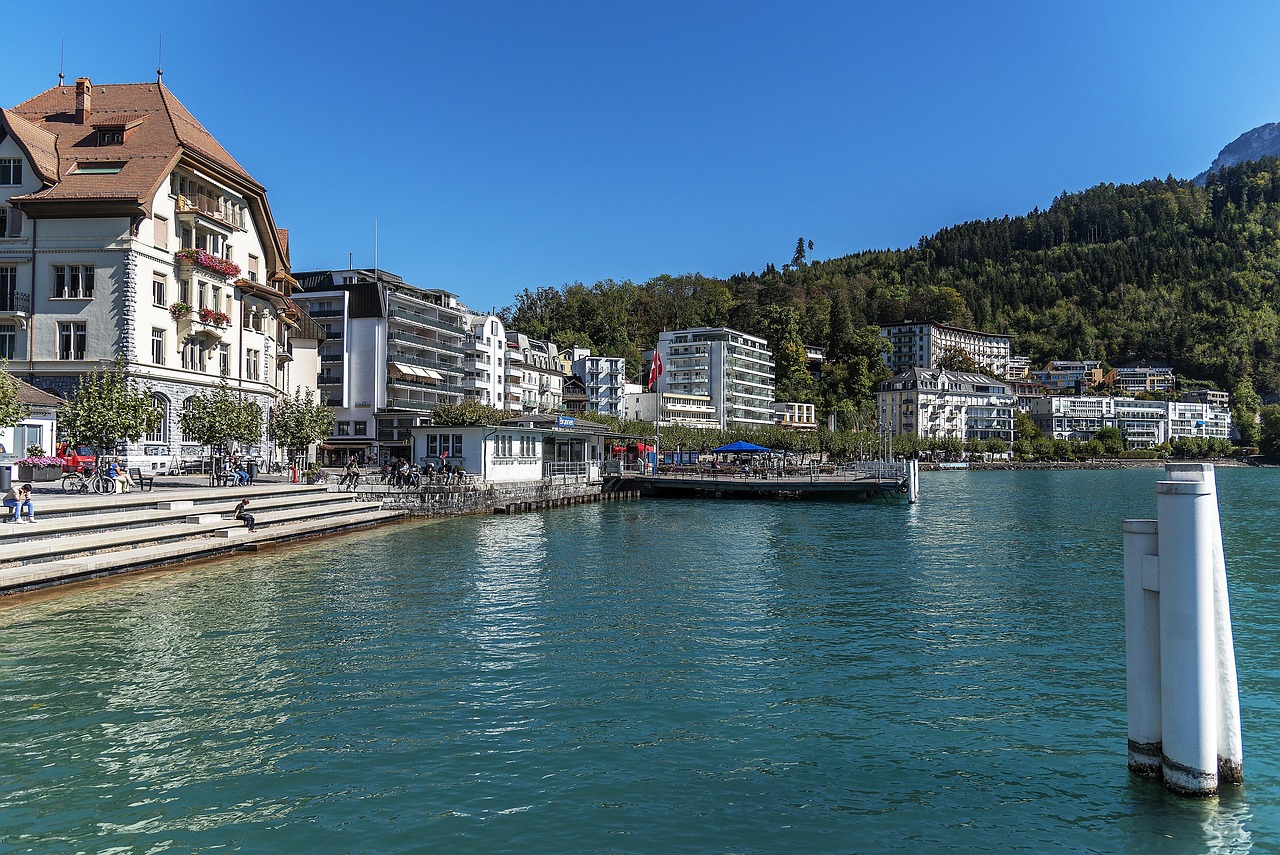
After lunch, I almost always head for the lake. From the station, turn left and follow the promenade along the Kurplatz and toward the Seeburg area. This walk is my prescription for jet lag: water, mountains, and people-watching.
You’ll pass elegant hotels, small green parks, and boat piers. In summer, the lawns are full of locals sunbathing on their lunch breaks, teenagers balancing on slacklines, and families picnicking. I like to bring a bakery snack and sit on one of the low stone walls right at the water.
Options:
- If you’re tired: Take a short lake cruise (1–2 hours) starting from the pier opposite the station.
- If you’re energetic: Continue walking all the way to Seeburg and circle back by bus.
Evening: Old Town dinner & night stroll
For your first night, pick a restaurant in the Old Town that serves Swiss classics—Älplermagronen (alpine macaroni), Rösti, or a simple grilled fish from the lake. I like grabbing an outdoor table when the weather cooperates; the sound of the Reuss in the background feels almost staged.
After dinner, cross back over Chapel Bridge and walk the riverfront on the newer side of town. Lucerne is safe and relaxed at night; the reflections of the bridge lights on the water are about as romantic as Switzerland gets without trying too hard.
Day 2: Mount Pilatus – The Dragon Mountain
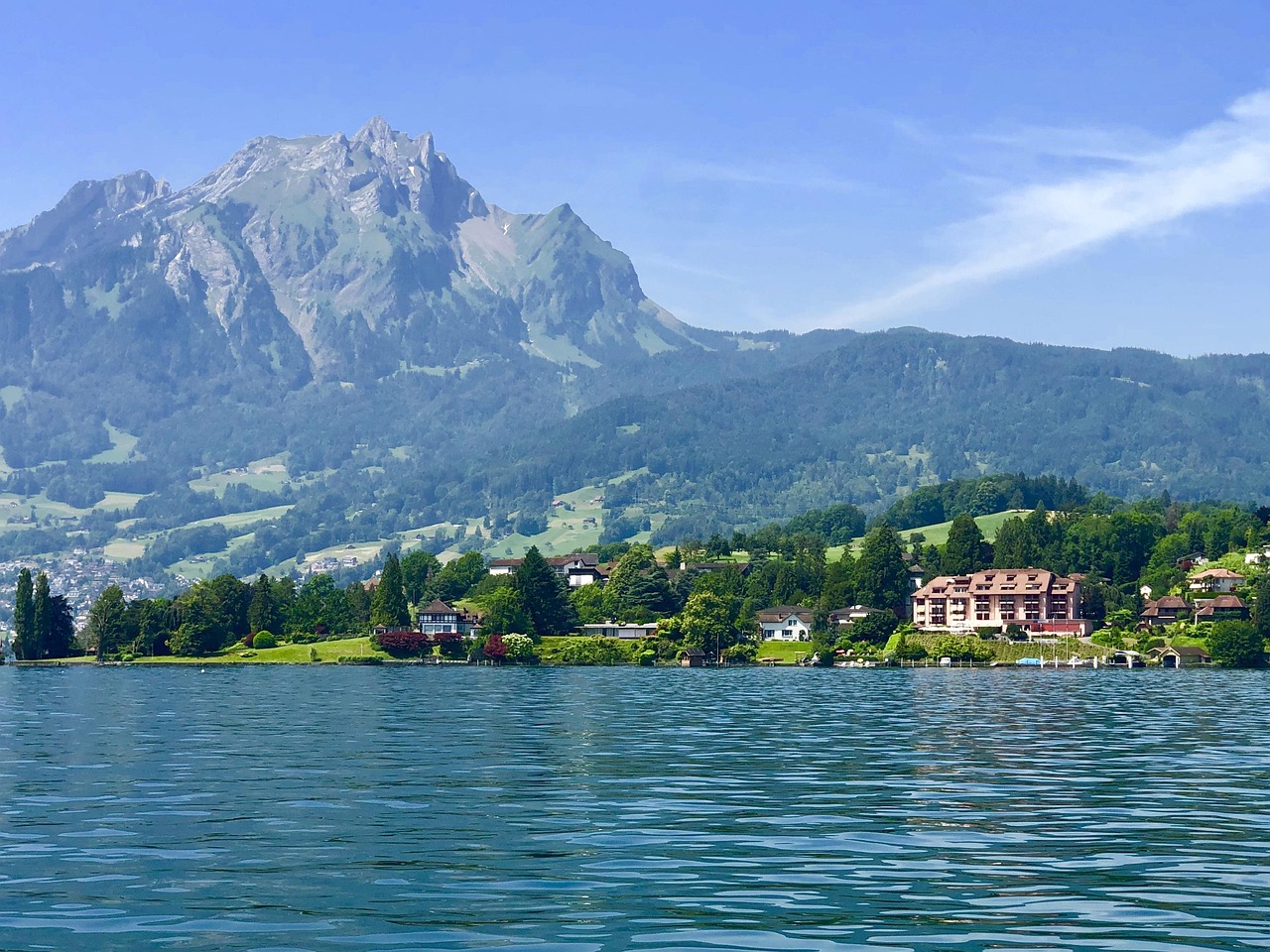
Mount Pilatus is the dramatic, jagged guardian of Lucerne. I’ve been up in every season: steaming in July heat, wrapped in fog in November, and sharp and icy in February. Each time feels like visiting a different mountain.
Morning: Golden Round Trip to Pilatus
The famous Golden Round Trip combines boat, cogwheel railway, aerial cableway, and gondola. It’s touristy, yes, but also genuinely fun and one of the best things to do on a 3 day itinerary for Lucerne.
- Boat from Lucerne to Alpnachstad (about 1 hour).
- Cogwheel railway (the world’s steepest) up to Pilatus Kulm.
- Cable car and gondola down the other side to Kriens.
- Bus back to Lucerne.
I usually catch a mid-morning boat to avoid the first-wave crowds and the heaviest mid-day ones. On a clear day, sit on the open deck; you’ll glide past coves and villages that feel like a movie set.
On the mountain:
- Walk the short ridge paths for panoramic views.
- Look for the occasional alpine choughs swirling around the cliffs.
- In summer, try the easy trails around the summit; in winter, check for snowshoe paths.
One July, I spent an extra hour on the terrace at Pilatus Kulm hotel with a coffee, watching clouds drift in and out of the valleys. An older local couple next to me shared how, as children, they used to hike up from the base before the cogwheel railway became their go-to. Pilatus has that kind of multi-generational presence in local stories.
Afternoon: Fräkmüntegg adventure stop
On the way down via cableway, consider getting off at Fräkmüntegg. There’s a toboggan run in summer, ropes park, and short trails. Families particularly love this stop; I once ended up racing a group of 10-year-olds on the toboggan and realized I am less fearless than I used to be.
Evening: Relaxed lakeside or spa
After returning to Lucerne, you’ll likely be pleasantly tired. This is a good night for:
- A casual dinner near the station or lakefront.
- A session at a local spa or hotel wellness area if your accommodation has one.
- Or simply grabbing gelato and walking the promenade again at dusk.
Day 3: Lion Monument, Glacier Garden & Jesuit Church
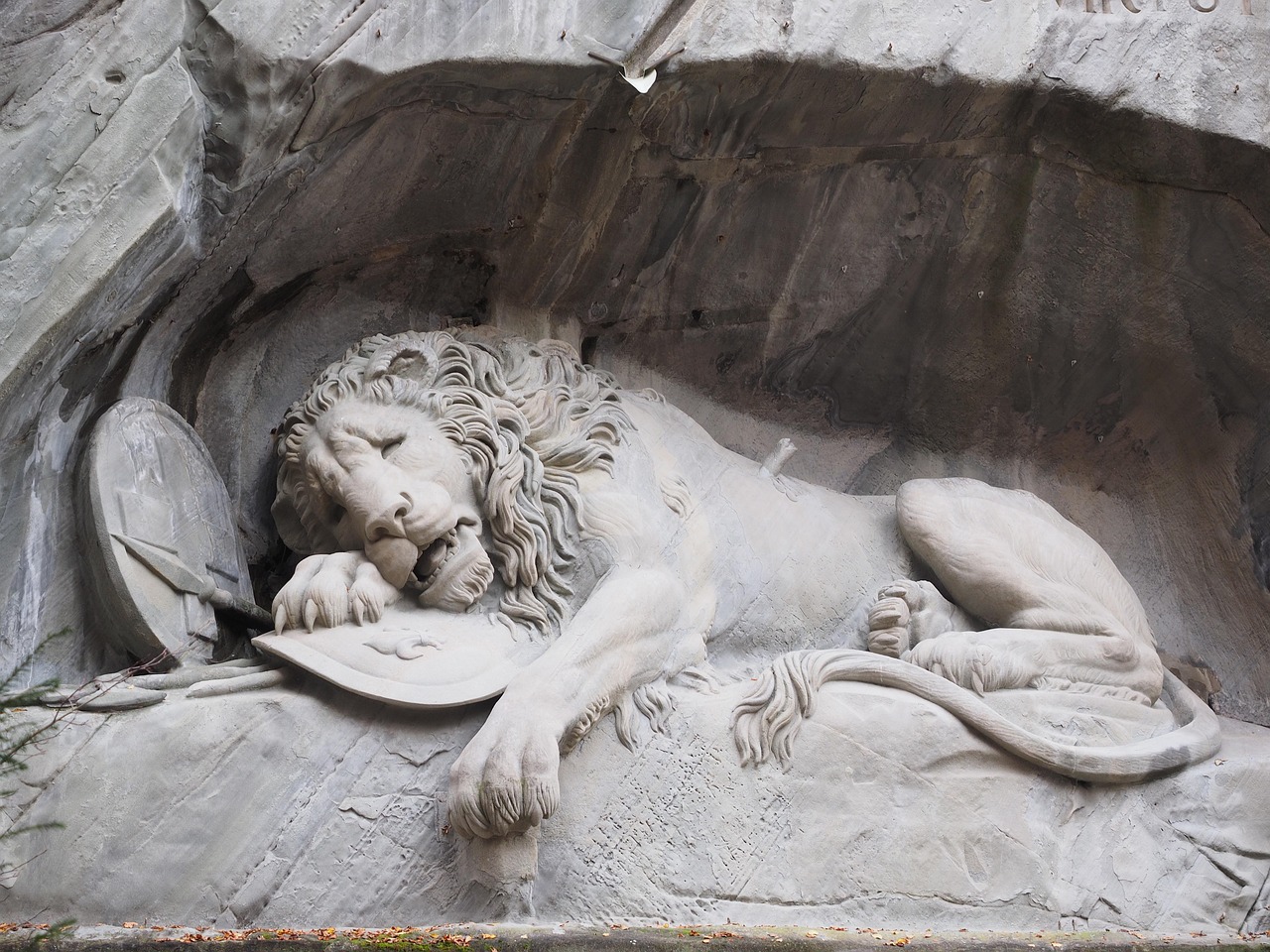
Day 3 starts with one of Lucerne’s most famous and unexpectedly emotional sights: the Lion Monument. I had seen photos for years before my first visit, but nothing prepared me for the quiet, heavy stillness around the rock face.
Morning: Lion Monument & Glacier Garden
The Lion Monument commemorates the Swiss Guards who died during the French Revolution. Mark Twain called this stone lion “the most mournful and moving piece of stone in the world,” and that’s still accurate. Go early if you can; by mid-morning, tour groups gather thick around the small pond.
Right next to it is the Glacier Garden (Gletschergarten), an underrated gem. Here you’ll find polished glacial potholes, fossils, and a small museum explaining how glaciers carved this region. On a drizzly day in 2023, I ducked in to escape the rain and ended up spending nearly two hours between the exhibits and the quirky mirror maze.
Tips:
- Buy a combined ticket for the Glacier Garden and the Lion Monument area exhibits if available.
- There’s a tower inside the Glacier Garden complex with a surprisingly good city view.
Lunch: The surrounding area has some quieter restaurants and cafés than the riverfront. This is a good place to try a simple plate of Rösti or a light salad before heading back down into town.
Afternoon: Jesuit Church & Reuss riverfront
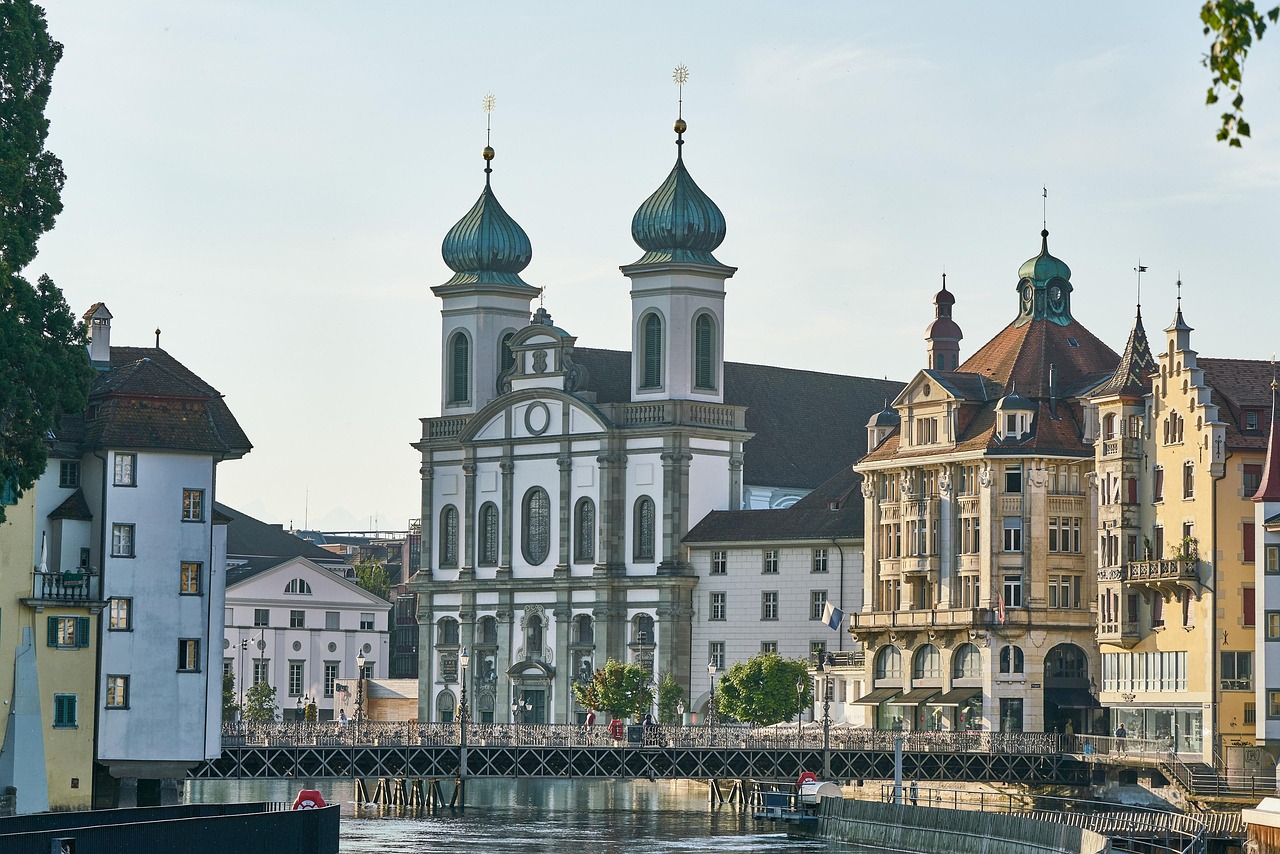
Cross back toward the station side of the river and step into the Jesuit Church (Jesuitenkirche). From the outside, its twin onion domes are a key feature of Lucerne’s skyline; inside, it’s an explosion of white and gold Baroque ornamentation.
I always sit for a few minutes near the back pews. Even when tourists are circulating, there’s a calm here. The church has free entry but appreciates small donations.
Afterward, stroll up and down the Reuss riverfront. The contrast between the historic Old Town façades and the more modern buildings across the water is a visual summary of Lucerne itself: half fairytale, half contemporary Swiss efficiency.
Evening: KKL & possible concert
With a bit of planning, consider booking a concert at the KKL (Culture and Convention Centre Lucerne). The acoustics in the main concert hall are world-class; I still remember a 2022 piano recital where a single note seemed to hang in the air for seconds.
Even if you don’t go inside, walk around the building, peek into the lobby, and enjoy the lake terrace. It’s especially atmospheric at blue hour, just after sunset.
Day 4: Mount Rigi – Queen of the Mountains
If Pilatus is dramatic and jagged, Mount Rigi is softer, greener, and more pastoral—though the views are no less impressive. I often suggest Rigi for families or anyone who prefers mellow hikes and meadows to sheer cliff faces.
Morning: Boat to Vitznau or Weggis
Start from the Lucerne boat pier and take a ship to Vitznau or Weggis. I like to go up via Vitznau and down via Weggis for variety.
- From Vitznau: Take the cogwheel train up to Rigi Kulm.
- From Weggis: There’s a cable car that joins the Rigi rail network higher up.
The ride through the lake’s narrow arms is one of my favorite journeys in Switzerland. On a clear morning, the peaks reflect crisp and blue across the water. On an overcast day, the atmosphere is moody and almost Nordic.
On the mountain:
- Walk the gentle trails from Rigi Kulm to Rigi Kaltbad.
- Stop at one of the mountain inns for a plate of Älplermagronen or a slice of homemade cake.
- In winter, consider sledging or snowshoeing (rentals available at the stations).
In 2024, I went up Rigi in late October. The larches were turning golden, the air had that crisp apple-scented edge, and cows with brass bells grazed on the last of the season’s grass. It felt like walking through a Swiss tourism brochure—only with fewer people than Pilatus.
Spa option: At Rigi Kaltbad, there’s a mineral bath and spa with a stunning view over the lake. Booking ahead is a good idea in high season.
Evening: Quiet dinner back in Lucerne
Return to Lucerne by boat or train, depending on your route. For dinner, you might choose a spot in the Neustadt (new town) for a more local vibe and slightly lower prices than the Old Town.
Day 5: Swiss Museum of Transport, Hidden Alleys & Neighborhood Wandering
Morning: Swiss Museum of Transport (Verkehrshaus)
The Swiss Museum of Transport is one of Europe’s best interactive museums—especially if you’re traveling with children or you’re a tech/engineering geek (I am both, on certain days). I’ve gone multiple times and still haven’t exhausted all the exhibits.
From the station, you can walk along the lakeside (about 30 minutes) or take a bus or short boat ride. Inside, you’ll find halls dedicated to trains, planes, cars, ships, and even space exploration.
Highlights:
- Historic locomotives you can climb into.
- Flight simulators and aviation exhibits.
- The Swiss Chocolate Adventure ride, which is slightly cheesy but fun and informative.
- Planetarium and film screenings (check schedules in advance).
On a rainy November morning in 2025, I watched as a group of kids spent nearly an hour operating miniature cranes and loading containers on a model port. The museum is that kind of place: tactile, curious, and surprisingly absorbing for adults too.
Afternoon: Neustadt & Bruch neighborhood
Dedicate your final afternoon to exploring Lucerne’s less-touristed side. Cross the station and wander into the Neustadt and Bruch districts. Here you’ll find:
- Tree-lined streets with late-19th-century buildings.
- Independent boutiques and record shops.
- Small parks where locals sit with takeaway coffees.
This is where I tend to shop for everyday things when I’m in town: a paperback from a local bookstore, good chocolate from a neighborhood shop, or a bottle of Swiss craft beer from a specialty store.
Evening: Farewell dinner & nightcap
For your last night, choose between:
- A classic Swiss restaurant in the Old Town for a “farewell fondue” (especially in cooler months).
- A modern bistro in the Neustadt with seasonal dishes and natural wines.
- A lakeside terrace (in summer) for grilled fish and crisp white wine.
After dinner, I like to walk one last loop: across Chapel Bridge, along the river, and back through the quiet alleys. Lucerne at night settles into itself, and you’ll likely feel the same calm that keeps pulling me back here year after year.
Neighborhoods & Areas to Explore in Lucerne
Lucerne is compact, but each area has its own character. Understanding them helps you choose where to stay and how to structure your days.
Altstadt (Old Town)
This is the heart of historic Lucerne, with narrow lanes, painted facades, and riverside terraces. It’s where most first-time visitors spend much of their time.
Best for: First-time visitors, couples, short stays.
Pros: Atmosphere, proximity to main sights, picture-perfect views.
Cons: Highest prices, most crowds, less “local” feel.
Neustadt & Bruch
Across the river and behind the station, the Neustadt and Bruch areas are where many Lucerne locals actually live. It’s still beautiful—think leafy streets and belle époque architecture—but with more everyday life: schools, bakeries, and corner bars.
Best for: Longer stays, travelers who like local cafés and independent shops.
Seeburg & Tribschen Lakeside
Heading east along the lake from the station brings you into the Tribschen and Seeburg areas, a stretch of water-facing villas, parks, and a couple of hotels with prime views.
Best for: Peaceful stays, lake swimming in summer, families.
Kriens & Horw (Suburban Gateways)
Just outside Lucerne proper, Kriens and Horw are quieter residential communities. Kriens is your gateway to Pilatus via cable car; Horw has a small peninsula with lakeside walks and a more suburban feel.
Best for: Budget-conscious travelers who don’t mind a short commute, visitors prioritizing Pilatus.
20+ Must-See Attractions in Lucerne (Deep Dives)
Below are detailed looks at more than 20 of the best places to visit in Lucerne. Many you’ll have met in the itineraries above; here we’ll go deeper into their history, character, and my favorite ways to experience them.
1. Chapel Bridge (Kapellbrücke)
Why go: It’s Lucerne’s most iconic sight and one of Europe’s oldest covered wooden bridges, originally built in the 14th century as part of the city’s fortifications.
Those triangular paintings you see overhead were added in the 17th century and depict scenes from Swiss and local history. After a devastating fire in 1993 (caused by a cigarette, locals still grumble), many panels were lost, but the city painstakingly restored the bridge, using surviving works and some replacements.
My experience: I’ve crossed the bridge in every season. My favorite time is early on a winter morning, when a light mist rises from the Reuss and the bridge feels almost otherworldly. In peak summer afternoons, it’s crowded, but even then, pausing mid-span to look at Pilatus and the Jesuit Church is worth the jostle.
Tips for visitors:
- Come early or late for quieter moments and better photos.
- Walk the adjacent pedestrian bridge too for a full view of Kapellbrücke itself.
- Look for the darker, charred triangular frames—these are scars left from the 1993 fire.
2. Museggmauer (Old City Walls)
The Museggmauer and its nine towers form one of the best-preserved city fortifications in Switzerland, dating back mainly to the 14th and 15th centuries. Walking the walls gives you context for Lucerne’s strategic importance in the past: perched on trade routes, defensible, and watching over the lake and river traffic.
Favorite moment: One late-September visit, I climbed the Zytturm (Clock Tower) just before noon and listened to the old mechanical clock strike. Its movement predates many modern nations and still marks time for the city below.
Visiting tips:
- Check seasonal opening times; the walls are usually closed in winter.
- Access is free; donations for maintenance are appreciated.
- In summer, bring water—shade can be sparse on the walls.
3. Lion Monument (Löwendenkmal)
Carved into a sandstone cliff in 1820–21, the Lion Monument commemorates the Swiss Guards killed while defending the Tuileries Palace in Paris in 1792. The dying lion, pierced by a spear and resting on a shield, is a powerful symbol of loyalty and sacrifice.
Personal impression: I’ve visited with history buffs, kids, and friends who “don’t really like monuments,” and almost all fall silent in front of it. The setting—shaded by trees, reflected in a still pond—enhances its emotional weight.
How to visit: It’s an easy 10–15 minute uphill walk from the Old Town. Pair it with the Glacier Garden next door. Early mornings and late afternoons are best for avoiding bus tour crowds.
4. Glacier Garden (Gletschergarten)
Once at the bottom of a glacial torrent, the Glacier Garden offers fossilized palm leaves, glacial potholes, and interactive exhibits explaining how ice and time shaped this landscape. It’s a surprisingly atmospheric space; the rock formations feel almost sculptural.
Why I like it: It’s both scientific and whimsical. The mirror maze in the adjacent pavilion is a hit with kids and secretly fun for adults. On a hot summer day, the shaded rock areas stay cool and refreshing.
5. Jesuit Church (Jesuitenkirche)
Completed in the late 17th century, the Jesuit Church was among the first large Baroque churches in Switzerland. Its white stucco, pink marble accents, and ornate altars were meant to impress and reinforce Catholic identity during the Counter-Reformation.
My ritual: I usually slip in for a quiet ten minutes in the afternoon, when the sun slants through the windows and dust motes swirl in the light. The church is free to enter; just be respectful of services or events in progress.
6. KKL Lucerne (Culture and Convention Centre)
Designed by French architect Jean Nouvel and opened in 1998, the KKL is an angular, glass-and-steel contrast to Lucerne’s medieval core. Its concert hall is known for phenomenal acoustics, and it hosts the Lucerne Festival and a wide range of events year-round.
Local tip: You don’t have to attend a concert to enjoy the building. The lakeside terrace is one of my favorite places for coffee or an evening drink, especially in summer when the outdoor seating is lively but not rowdy.
7. Swiss Museum of Transport (Verkehrshaus der Schweiz)
The Swiss Museum of Transport opened in 1959 and has grown into a sprawling complex. It traces everything from early alpine railways to Swissair’s history and cutting-edge space technologies.
Personal highlight: I love the railway hall, with its mix of sleek modern trains and hulking steam locomotives. Standing on the footplate of an old engine, you can almost hear the echoes of the Gotthard and Simplon lines being opened through the Alps.
Practical notes: Plan at least half a day if you’re a museum person; families often spend a full day. Book tickets online in peak periods to skip lines.
8. Mount Pilatus
Legends say Pilatus was once home to dragons and restless spirits; today, it’s home to cable cars, hotels, and hikers. The name likely comes from “pileatus” (cloud-capped) rather than Pontius Pilate, though that myth persists.
Best for: Adventurous travelers, families who enjoy activities (toboggan runs, rope parks), and anyone wanting dramatic views over central Switzerland.
Seasonal notes:
- Summer: Hiking, via ferrata routes, adventure park.
- Winter: Snowshoeing, limited skiing, winter walking paths (check conditions).
9. Mount Rigi
Known as the “Queen of the Mountains,” Rigi is gentler than Pilatus, with rolling meadows and panoramic ridges. Mark Twain famously hiked here in the 19th century and grumbled about the early start but praised the views.
Why I return: The combination of meadows, lake views, and moderate trails makes Rigi perfect for a relaxing mountain day. The Rigi Kaltbad spa is a strong bonus if you like combining hiking with soaking.
10. Old Town Squares & Frescoed Houses
Rather than a single “attraction,” the Old Town itself is an open-air museum. Squares like Weinmarkt, Kornmarkt, and Hirschenplatz are ringed with houses covered in colorful frescoes, often telling stories of guilds, saints, or civic pride.
How I explore: I like to wander without a set route, following whatever façade catches my eye. Many paintings are labeled; others invite a bit of imaginative guessing. In the quiet of early morning, you’ll mostly meet delivery workers and locals heading to work, giving you a glimpse of Lucerne beyond tourism.
11. Reuss Riverfront & Spreuer Bridge
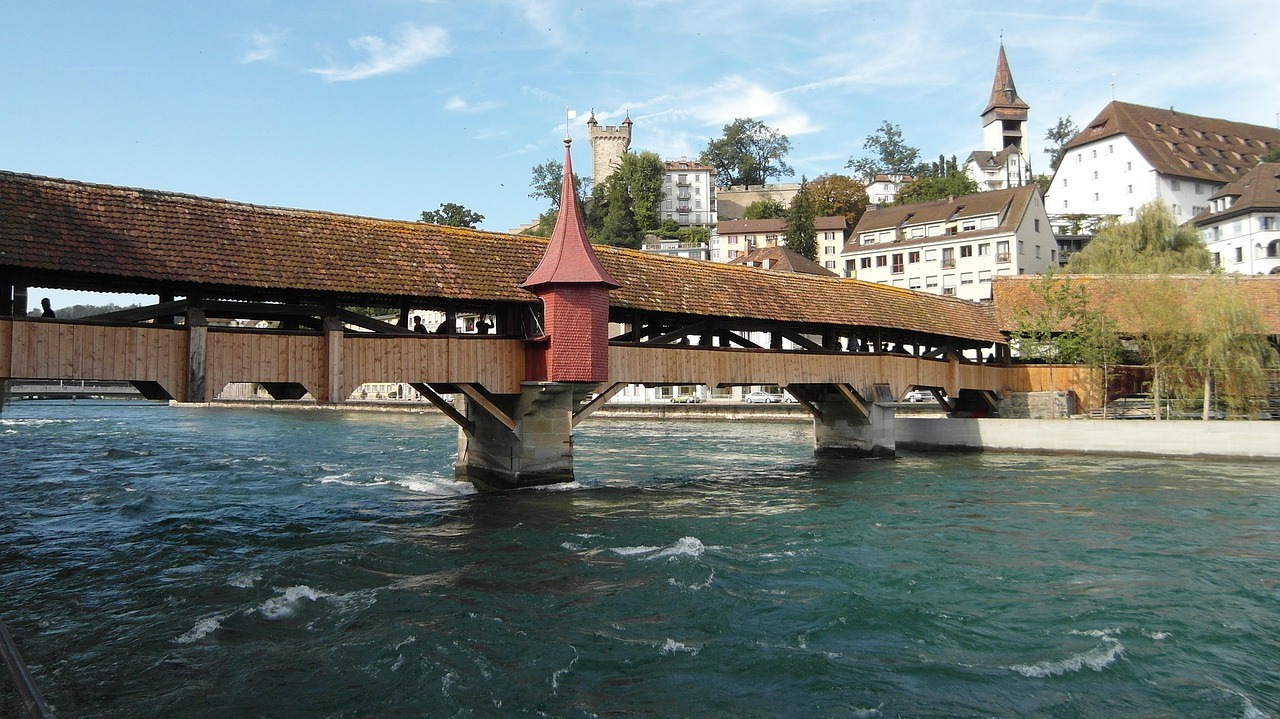
The Spreuerbrücke, another covered wooden bridge downstream from Chapel Bridge, is smaller but darker in tone. Its triangular panels show a “Dance of Death” cycle—grim but historically fascinating, a reminder of medieval attitudes to mortality.
Tip: Walk Chapel Bridge one way and Spreuer Bridge the other for a full sense of Lucerne’s defensive river crossings.
12. Seeburg Promenade & Lakeside Parks
East of the station, the lakeside walk passes parks, small beaches, and jetties. In summer, locals swim here before or after work. I’ve jumped in on late August evenings when the water is warmest and the sky stays light past nine.
Family-friendly: Several small playgrounds dot the route, and the water’s edge is generally calm (always watch children closely, of course).
13. Richard Wagner Museum (Tribschen)
Composer Richard Wagner lived in this lakeside villa in the 1860s, and it’s now a museum dedicated to his life and work. Even if you’re not an opera fan, the house and gardens are genuinely lovely, with views across the water.
Personal note: On a quiet weekday afternoon, I had the gardens nearly to myself. The combination of birdsong, lake light, and faint music drifting from inside the villa felt timeless.
14. Schwanenplatz & Lake Lucerne Boat Pier
Schwanenplatz is the main square by the lake where many boat excursions start. It’s lined with watch shops and cafés; while it’s not my favorite place to linger (a bit touristy), it’s a convenient hub for lake cruises and people-watching.
15. Church of St. Leodegar (Hofkirche)
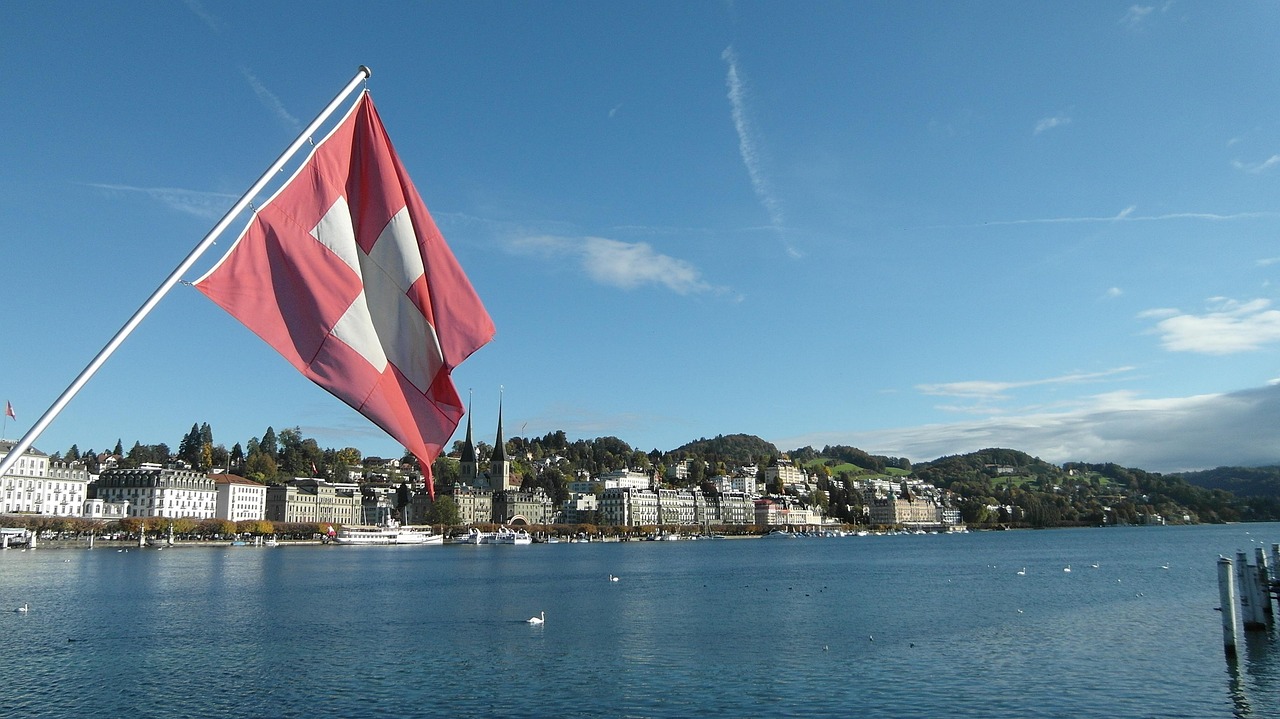
The twin spires of the Hofkirche are another key element of Lucerne’s skyline. The current church dates largely from the 17th century, built on the foundations of an earlier Romanesque basilica.
Why go: The interior is elegant without being overbearing, and the church terrace has a peaceful, slightly elevated view over the lake and city. I like to stop here on the way back from the Lion Monument or Glacier Garden.
16. Bruch Quarter
The Bruch area sits just west of the station and has a lived-in, neighborhood feel. You’ll find bakeries, small bars, and a mix of older and younger residents.
Hidden gem: There’s a small weekly market here (check current schedules) where I like to pick up cheese and seasonal fruit. It’s refreshingly absent of souvenir stalls.
17. Horw Peninsula
A short train or bus ride from Lucerne, the Horw peninsula offers quieter lakeside walks and residential vibes. It’s where you go when you want to sit by the water with locals rather than other visitors.
18. Bourbaki Panorama
This 19th-century circular panorama painting depicts the internment of the French Bourbaki army in Switzerland during the Franco-Prussian War. It’s a fascinating piece of art and history, showing Switzerland’s humanitarian tradition.
Why visit: It’s lesser-known than the Lion Monument but offers a powerful immersive experience. I once spent nearly an hour tracing individual figures in the painting, each with its own small drama.
19. Rosengart Collection
The Rosengart Collection showcases modern art, with a focus on Picasso, Klee, and other 20th-century masters. It’s compact but dense, occupying a former bank building near the station.
Art-lovers’ note: I find this museum a perfect size for a focused 1–2 hour visit—enough to be enriching without overwhelming your senses.
20. Nadelwehr (Needle Dam)
The Nadelwehr is a manually adjustable wooden dam on the Reuss River, built in the 19th century to regulate Lake Lucerne’s water level. Workers literally insert or remove wooden “needles” to control the flow.
Hidden-engineering gem: I love standing here when the river is high, watching water roar through the gaps. It’s an elegant, low-tech solution that still works in 2026.
21. Seebad Lucerne (Lakeside Bathing)
The Seebad is a wooden lakeside bath complex where you can swim, sunbathe, and sip drinks in summer. It has a slightly vintage charm, with wooden decks, changing cabins, and ladders down into the lake.
Local habit: Friends of mine in Lucerne buy season passes and come after work for a quick swim. For visitors, a day ticket is a great way to experience local life on a hot day.
22. City Parks: Vögeligärtli & Others
Parks like Vögeligärtli offer greenery right in the city center. Locals meet here with takeaway coffee or sandwiches; kids play on the grass and playgrounds.
Budget tip: Supermarket picnics in parks are one of the easiest ways to save money on food in Lucerne.
Local Food in Lucerne: What to Eat & Where
Food in Lucerne is classic central-Swiss with a lakeside twist. Prices are high by most standards, but there are ways to eat well without breaking your budget.
Must-Try Dishes
- Älplermagronen: Alpine macaroni with potatoes, cheese, onions, and apple sauce. Best enjoyed after a mountain hike.
- Rösti: Crisp potato pancake, often topped with cheese, mushrooms, or egg.
- Lake fish: Perch and whitefish from Lake Lucerne, usually grilled or pan-fried.
- Fondue & Raclette: More of a winter thing, but available year-round in touristy spots.
- Luzerner Chügelipastete: A local specialty: puff pastry filled with a creamy ragout of veal and mushrooms.
- Swiss chocolate & pastries: Treat yourself to pralines, truffles, and fruit tarts.
Where I Like to Eat
I avoid naming too many specific venues as ownership and quality can change, but here’s how I usually structure my meals in Lucerne:
- Breakfast: Grab coffee and a Gipfeli (croissant) from a bakery rather than sitting in a hotel restaurant to save money.
- Lunch: Look for daily menus at smaller restaurants or grab supermarket salads, sandwiches, and fruit for a picnic.
- Dinner: Splurge a bit on 1–2 nights for a proper Swiss meal; on other nights, try casual pizza, Asian, or vegetarian spots in Neustadt for better value.
Saving Money on Food
- Supermarkets: Coop, Migros, and Denner have good ready-to-eat options.
- Tap water: Safe and excellent; refill reusable bottles from fountains and taps.
- Lunch deals: Many places offer lower-priced lunch specials compared to dinner.
Nightlife & Cultural Experiences in Lucerne
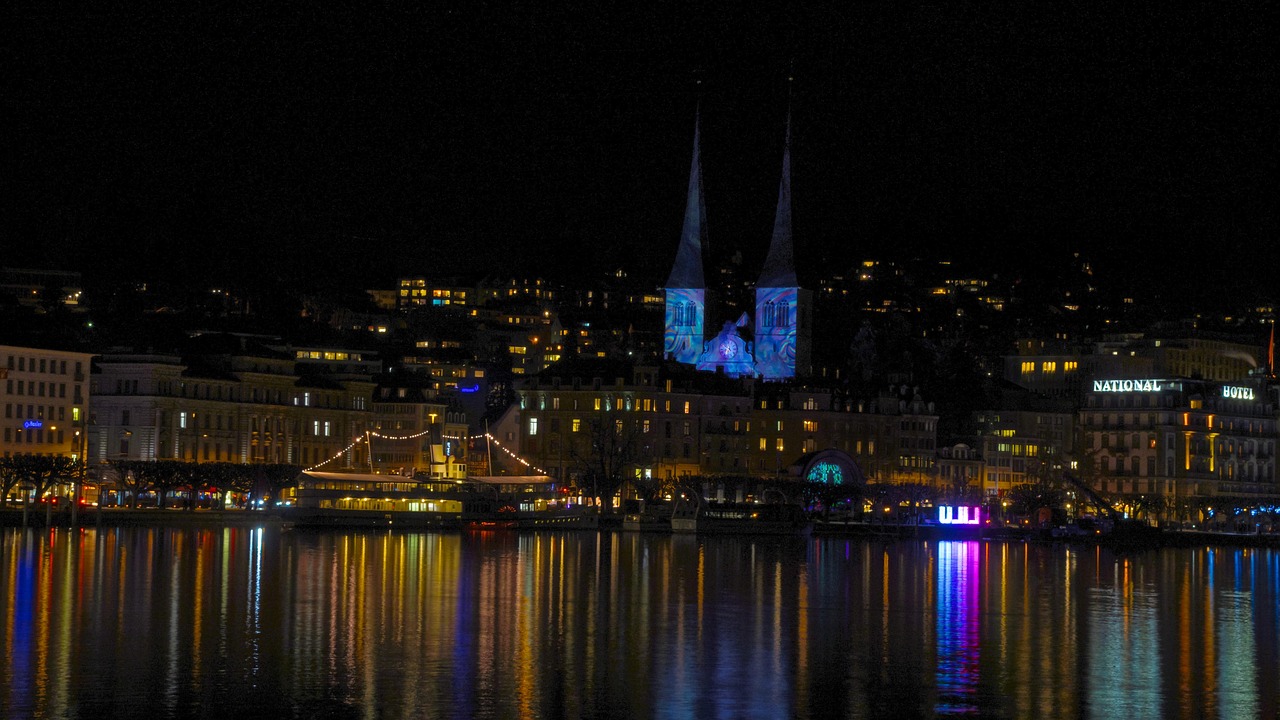
Lucerne is not a wild party city, but it has a pleasant, low-key nightlife and a rich cultural calendar.
Evening & Nightlife Options
- Riverside bars: Casual drinks along the Reuss, great for people-watching.
- Neustadt bars: More local, with small cocktail spots and pubs.
- Live music: Occasional jazz and rock nights at smaller venues—ask at the tourist office or check local listings.
- Clubs: A few exist, but they’re modest compared to big-city scenes.
Cultural Experiences
- KKL concerts: Classical, jazz, and contemporary music in a world-class hall.
- Local festivals: From classical music to street parades, especially around Fasnacht (Carnival).
- Museums & galleries: Rosengart Collection, Bourbaki Panorama, small galleries in Neustadt.
Best Day Trips from Lucerne
Mount Titlis
From Lucerne, take a train to Engelberg and then cable cars up to Mount Titlis. At over 3,000 meters, it offers near-guaranteed snow, a glacier cave, and a cliff walk.
Best for: Snow experiences outside deep winter, families, and anyone wanting a higher-alpine feel than Rigi or Pilatus.
Bern
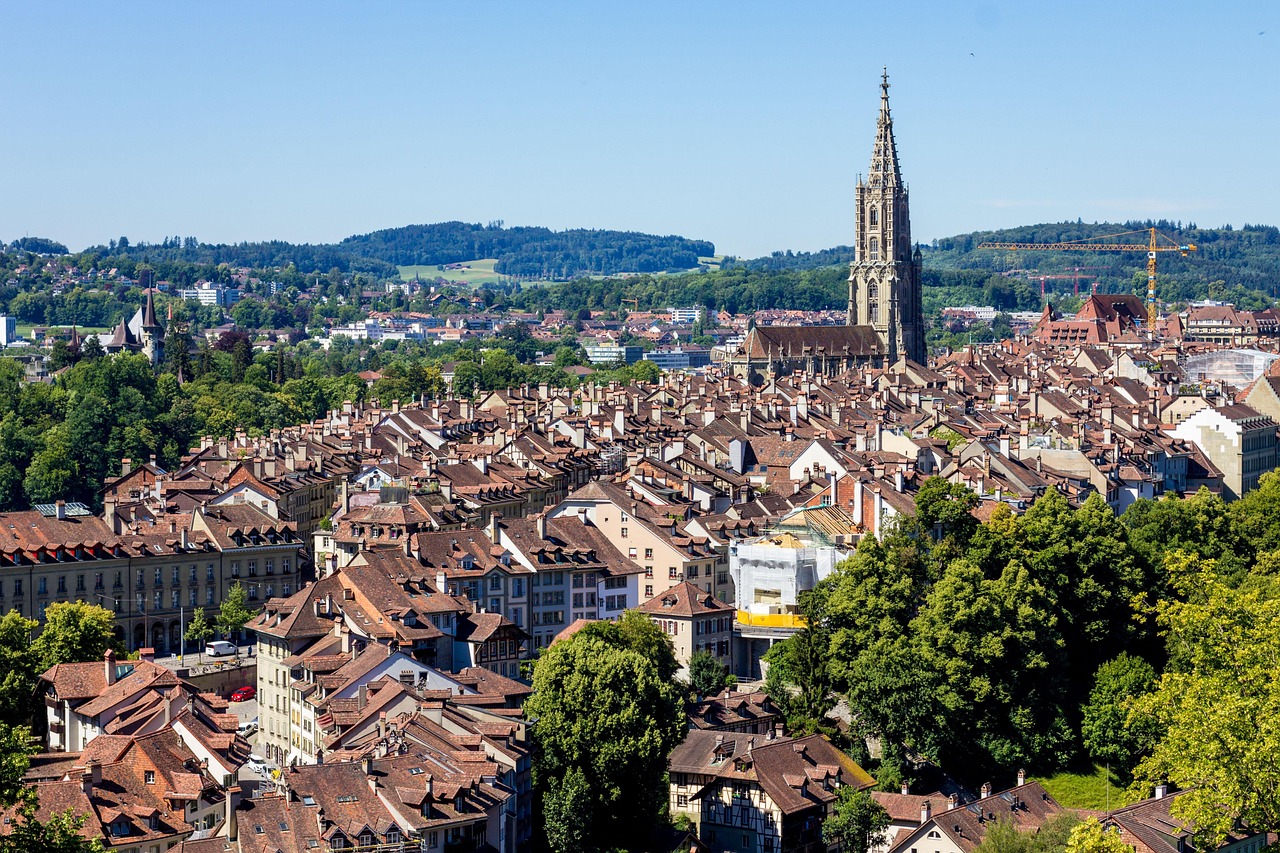
Switzerland’s capital is about an hour away by train. Its sandstone arcades, bear park, and riverfront offer a very different urban feel from Lucerne.
Zurich
Just 45–60 minutes by train, Zurich makes a great side trip if you want more big-city energy, shopping, and dining.
Stanserhorn & Bürgenstock
The Stanserhorn “Cabrio” cable car offers open-air upper deck rides, while Bürgenstock has scenic trails and views over the lake, including the historic Hammetschwand Lift.
Local Customs & Cultural Etiquette in Lucerne
Swiss-German culture is polite, reserved, and organized. A few basic customs go a long way.
Greetings & Behavior
- Say Grüezi (hello) when entering small shops or elevators.
- On hiking trails, a simple Grüezi or Hoi is standard when passing.
- Queuing is respected; don’t push ahead or hover too close.
Dining Etiquette
- Wait to be seated unless it’s clearly self-service.
- Service is generally unobtrusive; signal or politely say Entschuldigung if you need something.
- Tips are modest—round up or add about 5–10% if service was good.
Noise & Public Spaces
- Keep voices moderate in public transport and residential areas, especially at night.
- Switzerland has “quiet hours” (often 22:00–07:00); avoid loud behavior then.
Environmental Norms
- Recycling is taken seriously; use designated bins.
- On hikes, follow the “leave no trace” principle—carry out all trash.
Practical Travel Tips for Lucerne
How to Get Around
- Walking: The city center is best explored on foot.
- Buses: Efficient and clean; tickets can be bought via machines or apps.
- Boats: Part of the public transport network on Lake Lucerne.
- Trains: Lucerne station connects you to Zurich, Bern, and beyond.
Public Transport & Passes
- Consider a Swiss Travel Pass if you plan multiple train and boat journeys.
- For regional exploration, the Tell-Pass (Central Switzerland) can be good value, especially if doing Pilatus, Rigi, and Titlis.
SIM Cards & Connectivity
- Local providers include Swisscom, Sunrise, and Salt.
- You can buy prepaid SIMs at Zurich Airport, major train stations, and phone shops—bring your passport.
- eSIMs are widely supported if your phone is compatible.
Money & Costs
- Currency is CHF; euros sometimes accepted but at poor rates.
- Cards are widely used, even for small amounts.
- Lucerne is expensive: plan for high prices on dining and activities.
Car Rental & Driving
- You don’t need a car in Lucerne; public transport is excellent.
- If you do drive, you’ll need a vignette (toll sticker) for Swiss motorways—usually included in rentals.
- Foreign driver’s licenses are generally accepted for tourists; an International Driving Permit can be helpful but isn’t usually mandatory for EU/US/Canada/Australia/New Zealand visitors (check current rules before travel).
- Parking in Lucerne is limited and pricey; many hotels charge extra.
Visa Requirements
Switzerland is in the Schengen Area. Visa-free access is available for many nationalities for short stays (up to 90 days in 180), but always check the latest requirements from official sources or your local Swiss embassy.
Safety
- Lucerne is very safe; normal city awareness is enough.
- Tap water is drinkable everywhere.
- On mountains, follow marked trails and heed weather forecasts.
Best Seasons & What They’re Good For
- Spring (April–May): Fewer crowds, fresh greenery, some snow still on peaks. Good for mixed city/mountain trips.
- Summer (June–August): Warm, busy, long days; best for lake swimming, full mountain access, and outdoor dining.
- Autumn (September–October): Clear air, fall colors, calmer city. Great hiking season.
- Winter (November–March): Quiet city (except around Christmas and Fasnacht), snow on mountains. Best for snow activities and cozy fondue dinners.
Major Events & Festivals in Lucerne (2026–2027)
Event dates shift annually, so confirm closer to travel, but here’s what to look out for in 2026–2027:
- Lucerne Carnival (Fasnacht) – February/March 2026 & 2027: Wild costumes, Guggenmusik brass bands, confetti-filled parades. It’s loud, chaotic, and utterly unforgettable. Book accommodation early.
- Lucerne Festival (Easter, Summer, Piano) – 2026–2027: World-class classical music at the KKL and other venues. The summer edition (usually August–September) is the biggest.
- Blue Balls Festival (if running in 2026) – Summer: Music and arts festival on the lakefront, with open-air concerts and food stalls.
- Local lake and alpine events: Various regattas, mountain festivals, and village fairs around Lake Lucerne and Rigi/Pilatus throughout the year.
Summary & Final Recommendations
Lucerne combines the best of Switzerland into a single, manageable package: mountains, lakes, medieval streets, and world-class culture. Whether you plan 3 days in Lucerne, a 4 day itinerary for Lucerne, or a deeper 5 day itinerary for Lucerne, you can blend iconic sights with quiet local corners.
Key takeaways:
- Base yourself near the Old Town or Neustadt for easy walking and transport connections.
- Include at least one—ideally two—mountain days (Pilatus, Rigi, or Titlis).
- Balance “must-see attractions in Lucerne” (Chapel Bridge, Lion Monument, Museggmauer) with time in parks, lakeside promenades, and neighborhood cafés.
- Use boats and trains instead of a car; you’ll see more and stress less.
- For the very best mix of weather and atmosphere, aim for late spring (May–June) or early autumn (September).
If you let yourself slow down—sitting by the water, listening to church bells roll across the rooftops, watching the light shift on Pilatus—Lucerne will stay with you long after you’ve boarded your train or flight home.