Why Visit Bangkok in 2026
Bangkok is a city that never sits still. It’s hot, humid, noisy, and gloriously alive. I’ve been coming here regularly since the late 2010s, sometimes for quick weekend escapes, sometimes for month-long stays where I’d rent a small apartment near the BTS and pretend to be a local. Every time I return, the city feels both familiar and completely new.
In 2026, Bangkok is particularly exciting: new metro extensions have made more neighborhoods accessible, riverside districts are being revitalized, and the city is leaning harder into creative markets, art spaces, and sustainable tourism. Yet the essentials are the same—temples glowing at sunrise, canals lined with wooden houses, sizzling woks at 2 a.m., and that unforgettable mix of incense, exhaust, fried garlic, and jasmine that hits you as soon as you step outside.
If you’re planning 3 days in Bangkok or stretching it to a 4 or 5 day itinerary for Bangkok, this guide is written like a long conversation with a friend who’s already walked the streets, sweated through the markets, and figured out which boat pier you always miss the first time around.
Bangkok is special because it balances contradictions: sacred and profane, chaotic and calm, ultra-modern malls and crumbling shophouses, Michelin-starred street food and 25-baht noodle stalls. It’s also a perfect base for day trips and onward travel around Thailand.
Table of Contents
- Why Visit Bangkok in 2026
- Bangkok at a Glance (2026–2027)
- Bangkok Neighborhoods & Areas to Explore
- 20 Must-See Attractions in Bangkok (With Personal Notes)
- Suggested Itineraries: 3, 4 & 5 Days in Bangkok
- Local Food in Bangkok: What & Where to Eat
- Nightlife, Entertainment & Cultural Experiences
- Best Day Trips from Bangkok
- Cultural Etiquette & Local Customs
- Practical Travel Advice for Bangkok (2026)
- Summary & Best Time to Visit Bangkok
Bangkok at a Glance (2026–2027)
Bangkok (Krung Thep Maha Nakhon) is Thailand’s capital and home to around 11 million people in the metro area. It’s a hub for Southeast Asia, with direct flights from most major cities.
In 2026–2027, expect:
- Improved public transport: More Skytrain (BTS) and MRT lines and extensions, especially connecting to the Old Town and riverside, making it easier to explore without taxis.
- More art & creative spaces: The Charoenkrung, Ari, and Thonburi areas are seeing new galleries, indie cafes, and small music venues.
- Food scene evolution: Street food remains king, but there’s a rising wave of neo-Thai bistros, plant-based eateries, and craft coffee bars.
Major Events & Festivals 2026–2027
- Songkran (Thai New Year): Mid-April 2026 & 2027 – Massive water fights, cultural events, and temple ceremonies across the city.
- Loy Krathong & Yi Peng: Usually in November – Beautiful festival of lights along the Chao Phraya and canals.
- Bangkok Design Week: Typically Jan–Feb – Focused around Charoenkrung and creative districts; showcases Thai design, art, and urban innovation.
- Chinese New Year in Yaowarat (Chinatown): Jan–Feb – Lion dances, lanterns, and incredible street food.
Bangkok Neighborhoods & Areas to Explore
Bangkok is a patchwork of distinct neighborhoods. When I stay longer than a few days, I pick one area to “live” in and then explore outward. Here are the main ones you’ll encounter:
1. Rattanakosin (Old Town)
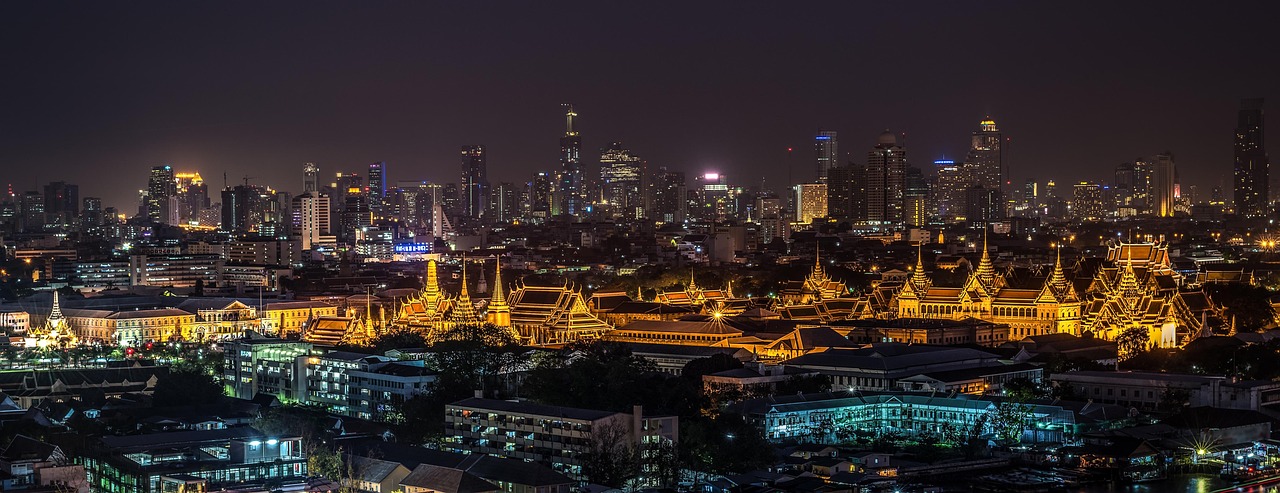
This is the historic core: the Grand Palace, Wat Pho, Wat Arun across the river, and a maze of old shophouses, local markets, and government buildings. It’s where you’ll spend at least one full day on a first visit.
2. Chinatown (Yaowarat)
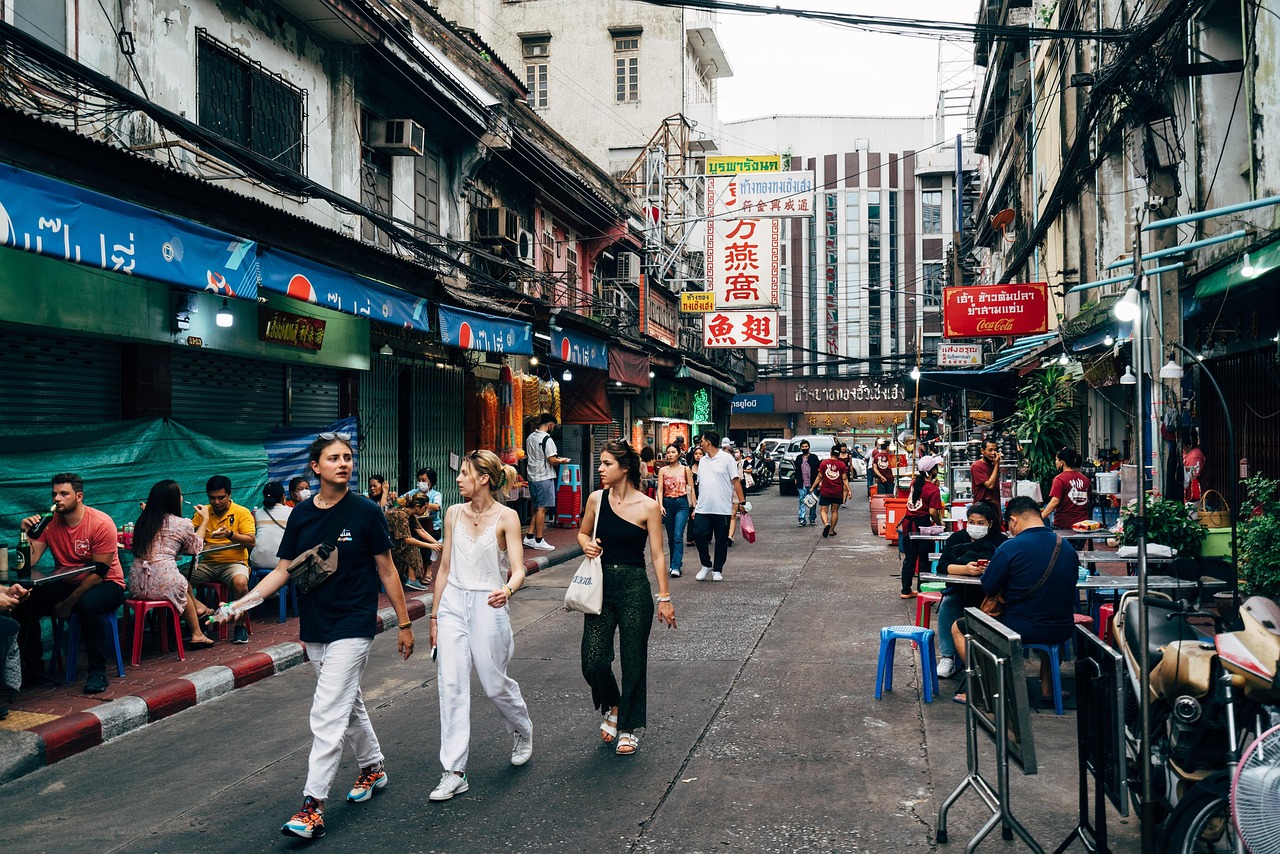
Dense, hectic, and delicious. By day, gold shops and Chinese pharmacies; by night, endless neon and some of the best street food in the city. Great for adventurous eaters and night photography.
3. Sukhumvit
A long boulevard that runs east from the city center, with different Sois (side streets) acting like mini-neighborhoods. This is where many visitors stay because it’s well-connected and full of hotels, malls, bars, and eateries. Thong Lo and Ekkamai lean trendy and upscale; Asoke and Nana are busier and more central.
4. Silom & Sathorn
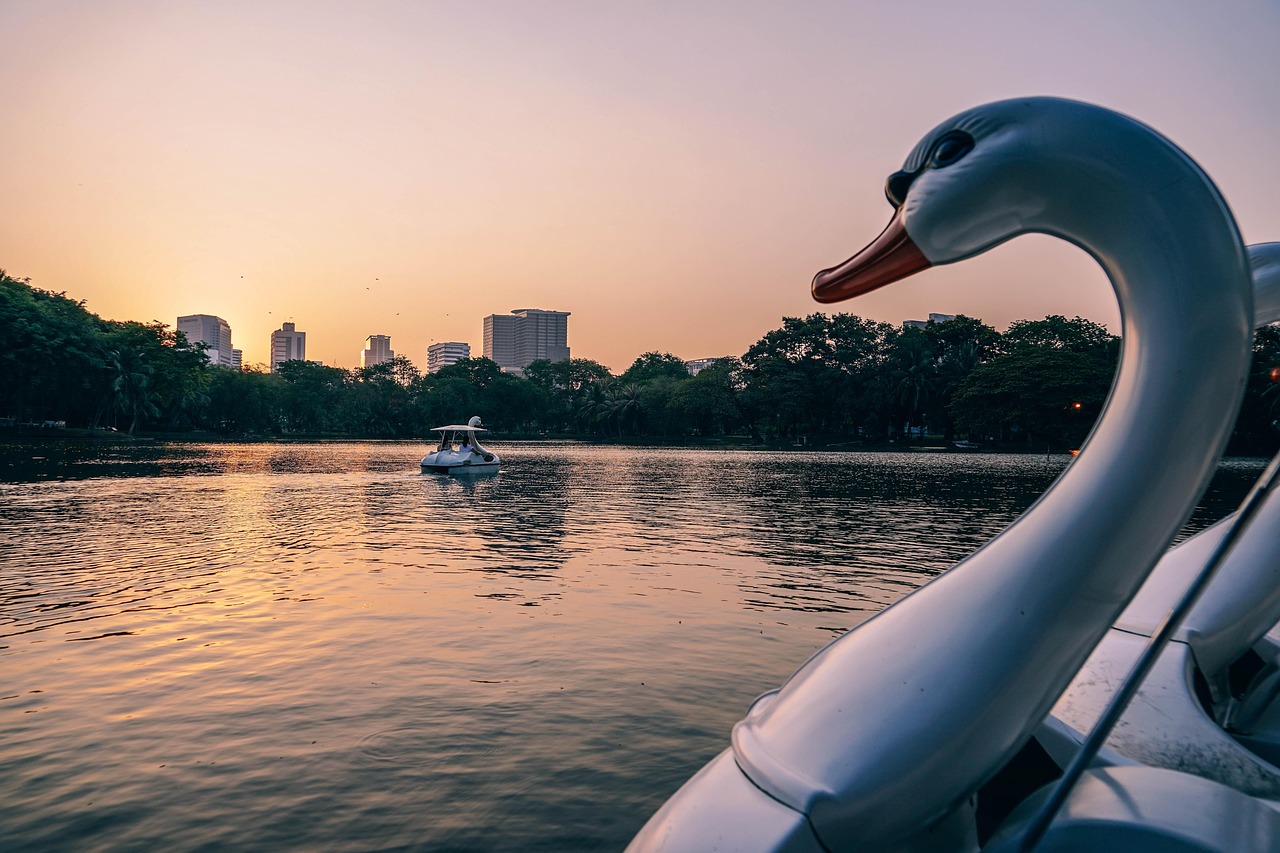
Bangkok’s original business district, Silom is bankers by day, nightlife by night. Sathorn is more upscale residential and embassy-heavy. Both are close to Lumpini Park, one of my favorite places for a morning run with a skyline view.
5. Thonburi (Across the River)
On the “other” side of the Chao Phraya River, Thonburi feels more local and laid-back. It’s a fantastic area to see old canals (khlongs), hidden temples, and wooden riverside houses. If you’ve done the usual attractions before, spend a day here.
6. Ari & Phaya Thai
Ari is a leafy, creative neighborhood with small cafes, co-working spaces, and boutique eateries. It’s one of my favorite “live like a local” areas—calmer than Sukhumvit but still connected by BTS.
7. Ratchada & Rama 9
Home to malls, office towers, and some night markets. Not the most beautiful, but interesting if you want to see everyday modern Bangkok and sample local nightlife away from the tourist zones.
20 Must-See Attractions in Bangkok (With Personal Notes)
These are the best places to visit in Bangkok, mixing icons with a few hidden gems in Bangkok. I’ve visited each of these multiple times over the years; below are my personal takes, history, and tips.
1. The Grand Palace & Wat Phra Kaew
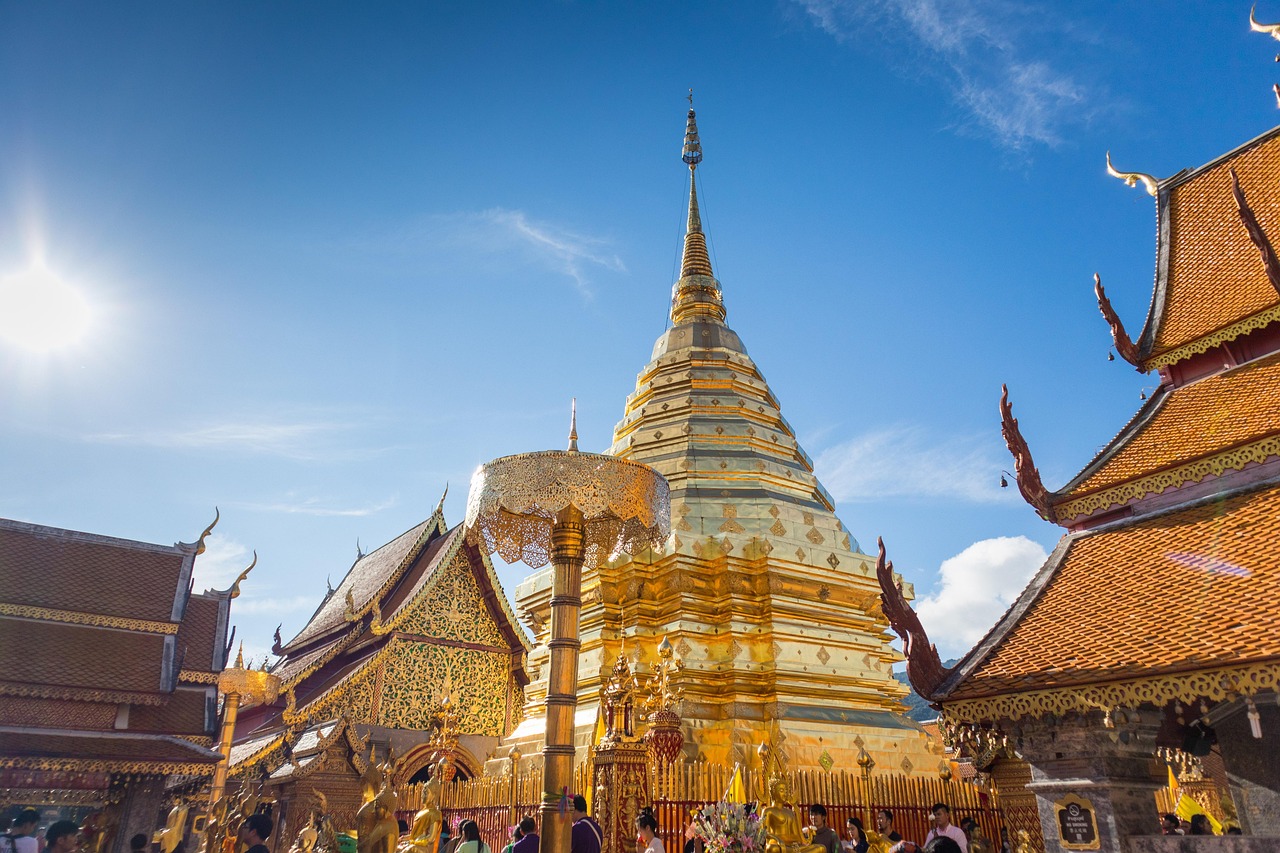
The Grand Palace is Bangkok’s most famous sight—and easily the most overwhelming. The first time I walked through the gates, it was a late December morning, already sticky-hot. Gold spires flashed in the sun, mirrored mosaics everywhere, and a solid wall of selfie sticks and tour groups.
Within the Grand Palace complex sits Wat Phra Kaew, the Temple of the Emerald Buddha, the most sacred Buddhist temple in Thailand. The Emerald Buddha itself is surprisingly small, carved from jade, and clothed in different seasonal costumes by the King.
History & Significance: Built in 1782 when King Rama I moved the capital to Bangkok, the Grand Palace was the royal residence and administrative center for over 150 years. Wat Phra Kaew houses the Emerald Buddha, believed to bring prosperity and protection to the kingdom.
My Tips (from multiple visits):
- Go early: Be at the gate before opening (usually around 8:30 a.m.). I like to stay near the Old Town the night before and walk over right after breakfast.
- Dress code is strict: Shoulders and knees covered (no ripped jeans, no see-through). I’ve seen people turned away even with shawls; bring proper clothing.
- Tickets: Buy on-site from the official counters only. Ignore touts saying “Palace closed” (it almost never is).
- Plan 2–3 hours: It’s intense. Afterward, I usually escape to a nearby cafe for air-con and a cold drink.
2. Wat Pho (Temple of the Reclining Buddha)
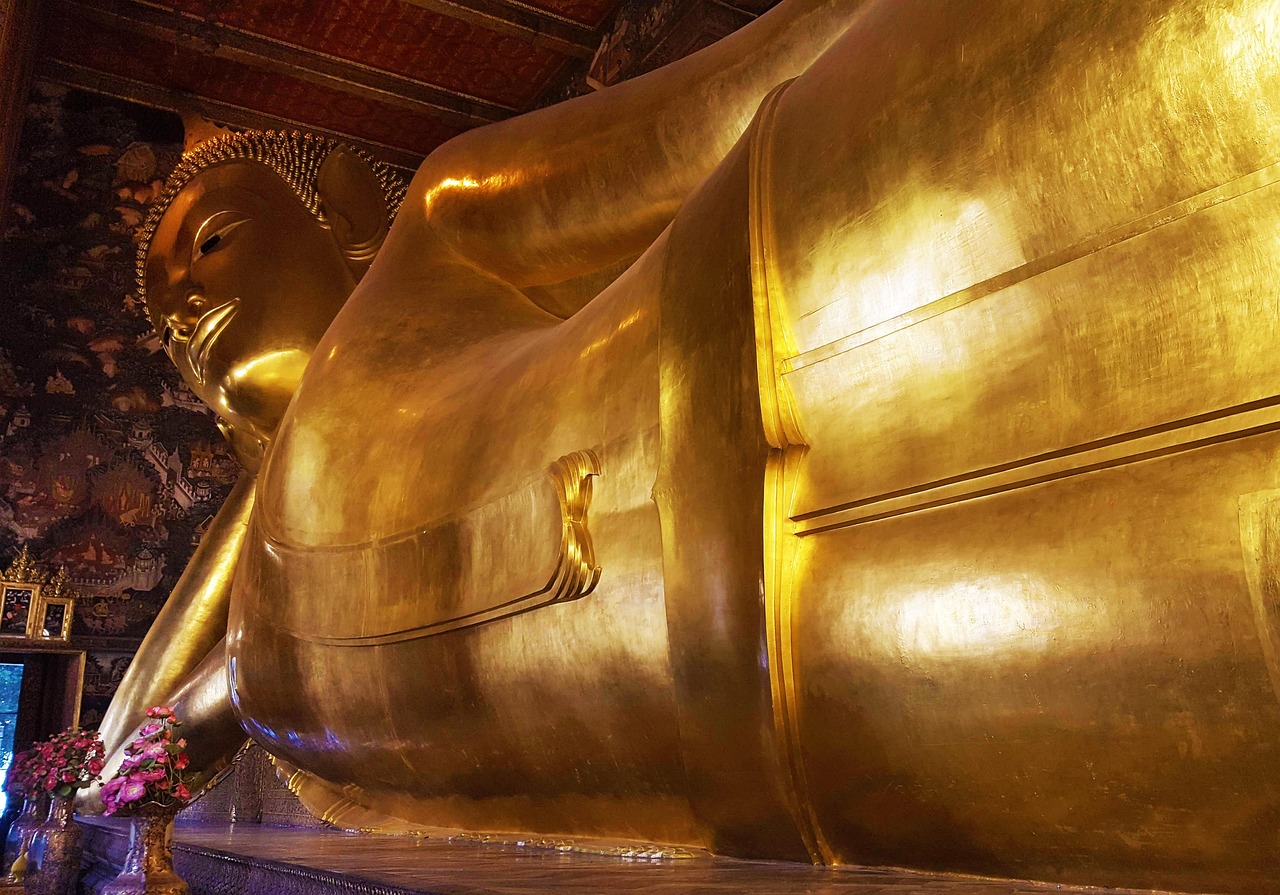
Just a short walk from the Grand Palace, Wat Pho is one of my favorite temples in Bangkok. The main hall houses a giant reclining Buddha, 46 meters long, covered in gold leaf. The first time I saw it, the sheer scale caught me off guard—it feels like the statue is barely contained by the building.
History: Wat Pho is older than Bangkok itself, renovated and expanded by King Rama I. It’s considered the birthplace of traditional Thai massage, and there’s still a famous massage school on-site.
Why I love it: Beyond the main hall, the compound is surprisingly peaceful. I’ve spent entire afternoons wandering the courtyards, photographing the chedis (stupas), and just sitting in the shade watching monks go about their routines.
Tips:
- Combine it with the Grand Palace in the morning and Wat Arun in the afternoon for a classic “temple day.”
- Get a traditional Thai massage at the Wat Pho massage school—slightly pricier than elsewhere but excellent quality.
- Dress respectfully, but the rules here are a bit more relaxed than at the Grand Palace.
3. Wat Arun (Temple of Dawn)
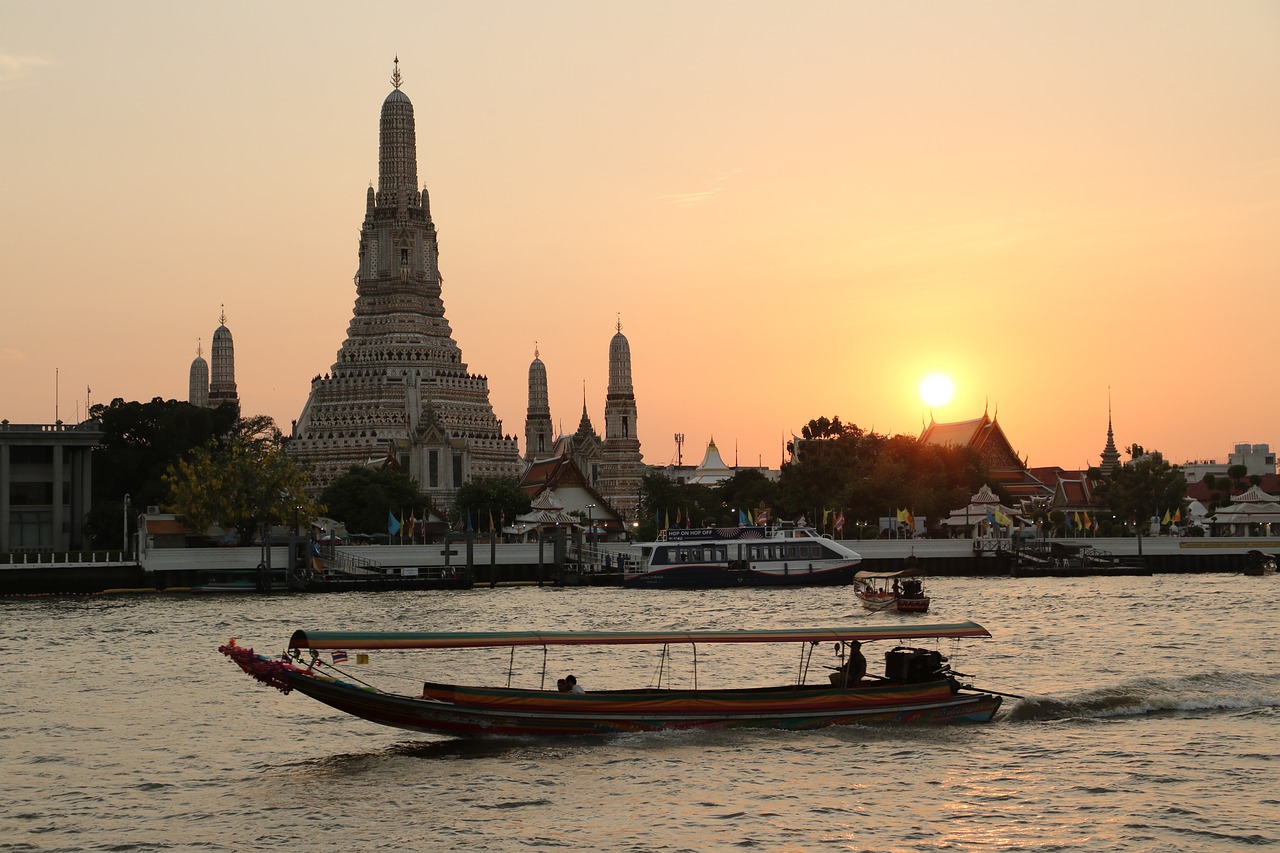
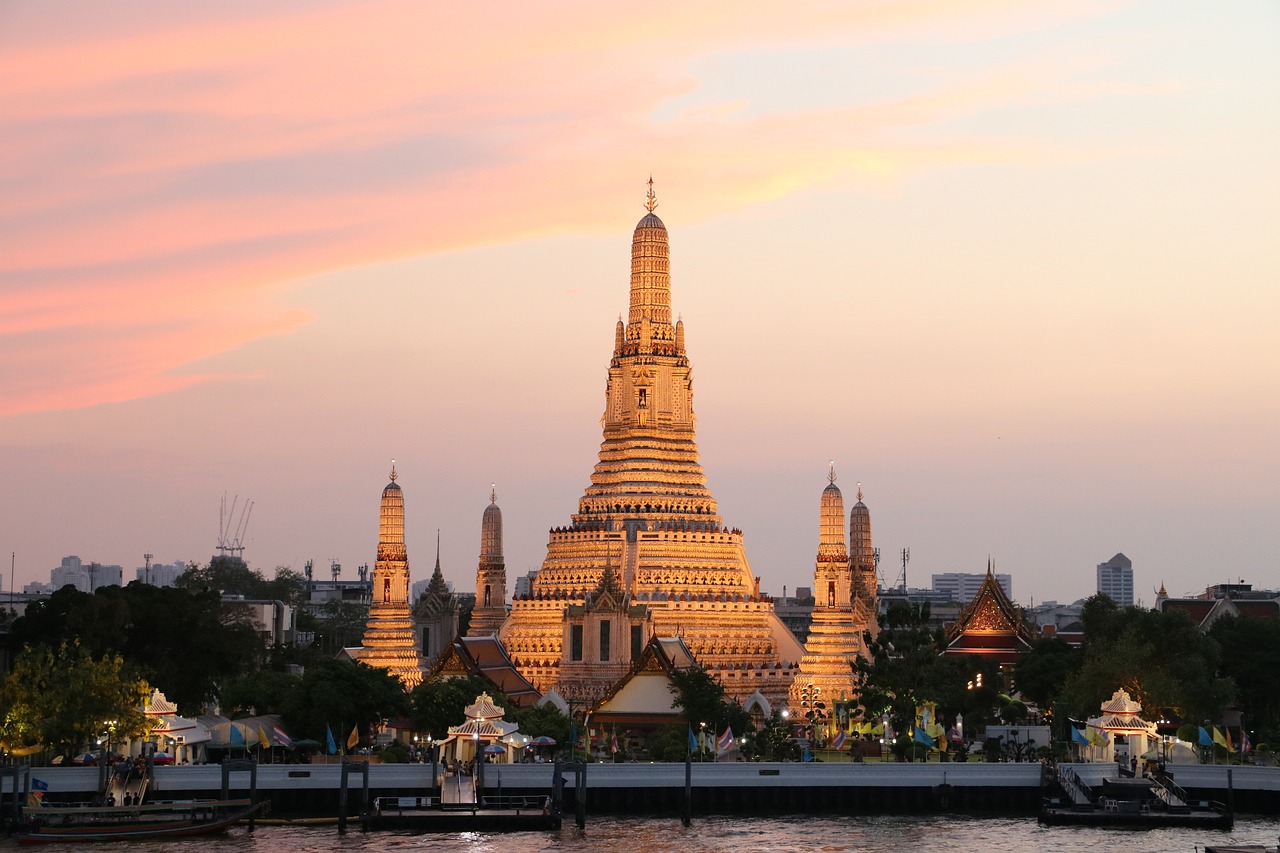
Wat Arun sits on the Thonburi side of the Chao Phraya River, its central prang (tower) rising like a stone lotus. Despite the name “Temple of Dawn,” my favorite time to visit is late afternoon, when the light softens and the river breeze picks up.
History: Wat Arun dates back to the Ayutthaya period and was once home to the Emerald Buddha before it moved to Wat Phra Kaew. The prang is covered in intricate porcelain mosaics, many recycled from old Chinese trading ships.
Personal ritual: I like to arrive around 4 p.m., climb partway up the prang (the stairs are steep!), and then linger by the river. Afterward, I’ll cross back to the opposite side by ferry and sit at a small riverside bar to watch Wat Arun light up as the sky turns pink.
Tips: Take the cross-river ferry from Tha Tien pier (cheap and easy), wear decent footwear for the steep stairs, and bring a camera—it’s one of the most photogenic spots in the city.
4. Chao Phraya River & Khlong Boat Rides
If you only travel by BTS and taxis, you’ll miss one of the city’s best experiences: the river. The first time I hopped on a Chao Phraya Express Boat, I felt like I’d unlocked a secret metro line—cheaper, breezier, and way more scenic.
Why it matters: The river is Bangkok’s original highway. Many of the city’s most important temples and palaces face the water, not the roads.
What to do:
- Use the Chao Phraya Express Boat (orange flag is easiest for visitors) as public transport between sights like the Grand Palace, Wat Arun, and Chinatown.
- Take a khlong (canal) tour in Thonburi to see stilt houses, local markets, and smaller temples.
- For something romantic, book a sunset dinner cruise (touristy but beautiful, especially for couples).
5. Khao San Road & Old Backpacker District
Khao San Road has changed a lot since the early backpacker days. It’s cleaner, more regulated, and a bit more commercial now, but it’s still a magnet for first-timers. I don’t stay there anymore, but I occasionally swing by for people-watching and a cold beer.
What to expect: Bars blasting music, neon signs, cheap clothes and souvenir stands, massage parlors, and every kind of traveler imaginable. It’s loud, chaotic, and not “authentic Bangkok”—but it is its own ecosystem.
Tip: If you want the vibe with slightly less chaos, walk over to Rambuttri Road just behind Khao San; it’s more relaxed and leafy.
6. Lumphini Park
On my longer stays, Lumphini Park becomes my daily reset button. At sunrise, the park fills with joggers, tai chi groups, and people doing aerobics to 80s Thai pop music. Monitor lizards laze by the lake, skyscrapers gleam in the background, and for a moment you forget you’re in one of the busiest cities in Asia.
Why go: When jet lag hits or the heat becomes too much, a stroll here can save your day. It’s also family-friendly—rent paddle boats, watch the turtles, or just find a shady bench.
7. Chatuchak Weekend Market
Chatuchak is overwhelming in the best way: thousands of stalls selling everything from vintage jeans and handmade ceramics to tropical plants and street snacks. I’ve gotten lost here more times than I can count, and that’s part of the fun.
Tips from many sweaty Saturdays:
- Go early (9–10 a.m.) before it gets too hot and crowded.
- Wear breathable clothes and comfortable shoes.
- Bring cash; some vendors take QR payments now, but not all.
- Use the BTS (Mo Chit) or MRT (Chatuchak Park) to avoid traffic.
8. Jim Thompson House Museum
This beautiful complex of traditional Thai teak houses sits just off a busy road near Siam, but once you step in, it feels like a different world. Jim Thompson was an American silk entrepreneur who helped revive the Thai silk industry, then mysteriously disappeared in Malaysia in 1967.
Why I like it: The guided tour is surprisingly engaging, even after multiple visits. The house is full of art, antiques, and little design details that blend Thai and Western influences.
Tip: Combine it with a shopping or cafe-hopping afternoon in nearby Siam and Ratchathewi. The on-site cafe is a peaceful spot for lunch.
9. Bangkok Art & Culture Centre (BACC)
Whenever I need an air-conditioned culture break, I head to BACC. This modern art center near Siam features rotating exhibitions, design shops, and small galleries. The spiraling ramps remind me of a mini-Guggenheim, but with a distinctly Thai flavor.
Good for: Art lovers, rainy days, or when your feet can’t handle another mall. It’s also free or very cheap depending on the exhibits.
10. MBK, Siam Paragon & the Mall Triangle
Shopping malls in Bangkok are more than just shopping—they’re social hubs and sanctuaries from the heat. MBK is chaotic and bargain-heavy, Siam Paragon is sleek and upscale, and Siam Center/Siam Discovery lean creative and fashion-forward.
My routine: I often escape the midday heat by ducking into these malls: grab lunch at a food court, catch a movie, then head back out when the sun is less brutal.
11. ICONSIAM & Riverfront Malls
ICONSIAM is a shiny, modern mall on the Thonburi side, with a “floating market” style food court and a massive riverside terrace. It’s a great place to get a taste of regional Thai foods in one place and enjoy city views.
Tip: Come in the late afternoon, eat at the ground-floor food market, then watch the sunset over the river from the terrace.
12. Yaowarat (Chinatown) Night Food Crawl
Yaowarat at night is one of my all-time favorite things to do in Bangkok. Neon signs, sizzling woks, aunties yelling orders, and an endless parade of skewers, noodles, seafood, and desserts.
How I do it: I arrive around 6–7 p.m., start near the Chinatown Gate, and slowly wander down Yaowarat Road, eating in small increments—one dish here, one snack there. I never sit for a full meal; grazing is the way to go.
13. Erawan Shrine & Central Bangkok Shrines
Wedged between malls and skywalks, the Erawan Shrine is always busy with worshippers offering jasmine garlands and incense. I like coming here early in the morning or just before sunset to watch the traditional Thai dance troupes hired to perform as offerings for answered prayers.
Why it’s interesting: It’s a window into how Buddhism, Hinduism, and local beliefs mix in Thai daily life—right at the heart of the modern city.
14. Soi Cowboy & Nana (Red-Light Districts)
These areas are part of Bangkok’s reality, whether you choose to visit or not. I mention them because many visitors stumble into them by accident while exploring Sukhumvit.
My take: I’ve walked through Soi Cowboy a few times—neon-lit, loud, and more cartoonish than seedy these days. If you go, go with awareness and respect, and understand it’s not a place for kids or sensitive travelers.
15. Rooftop Bars (Skyline Views)
Bangkok’s skyline at night is stunning, and a rooftop bar is one of the most romantic things you can do in the city. I’ve tried everything from ultra-luxury spots to hidden, more casual skybars.
Popular options: Sky Bar at Lebua, Vertigo at Banyan Tree, Octave at Marriott Sukhumvit, and more casual spots in Ari and Thong Lo. Dress codes can be strict at the high-end ones.
16. Bang Krachao (Bangkok’s “Green Lung”)
Bang Krachao is technically in Samut Prakan province but feels like an island of jungle just across the river from the city. The first time I biked there, it felt surreal to go from glass towers to raised walkways through palm trees in under an hour.
What to do: Rent a bicycle, explore small elevated paths, visit Sri Nakhon Khuean Khan Park, and on weekends drop by the local floating market.
17. Talad Noi & Charoenkrung Creative District
Talad Noi is one of Bangkok’s most atmospheric old neighborhoods: narrow alleys, colorful street art, Chinese shrines, and old car-part shops. I love wandering here late afternoon, camera in hand, then drifting towards Charoenkrung Road for dinner at a small bistro or riverside bar.
18. Museum Siam
Museum Siam is one of the most engaging museums in Bangkok, especially for understanding Thai identity and history. It’s interactive, modern, and a good way to give context to everything else you’re seeing.
19. Bangkokian Museum (Bangkok Folk Museum)
This small, free museum in Bang Rak is one of my favorite hidden gems in Bangkok. It’s set in preserved wooden houses that show how middle-class Bangkokians lived in the mid-20th century. Quiet, charming, and rarely crowded.
20. Small Art Galleries & Creative Hubs
By 2026, Bangkok’s indie art scene is thriving. Small galleries in Ari, Thong Lo, and Charoenkrung host exhibitions, talks, and live music. I often stumble into these spaces while looking for coffee or escaping a sudden rainstorm.
Suggested Itineraries: 3, 4 & 5 Days in Bangkok
Below are overlapping plans you can adapt depending on how many days you have. They’re written like I actually move through the city—heat breaks, detours, and all.
3 Days in Bangkok: Classic Highlights
This is a good 3 day itinerary for Bangkok if it’s your first visit.
Day 1: Temples, River & Old Town
I usually start Day 1 with the heavy hitters while my energy is high.
- Morning: Grand Palace & Wat Phra Kaew, then Wat Pho.
- Lunch: Simple local restaurant near Wat Pho—try pad gaprao (holy basil stir-fry) or kuay teow (noodle soup).
- Afternoon: Cross to Wat Arun by ferry, explore, then take a Chao Phraya Express Boat ride up or down the river.
- Evening: Head to a riverside bar or dinner spot near Tha Maharaj or in Phra Athit for sunset views.
- Night: If you have energy, stroll Khao San & Rambuttri for a drink and street snacks.
Day 2: Markets, Malls & Modern Bangkok
- Morning (weekend): Chatuchak Weekend Market; otherwise, visit a smaller local market.
- Afternoon: Head to Siam; explore BACC, Siam Paragon, MBK.
- Evening: Visit Erawan Shrine and nearby shrines, then dine at one of the many Thai restaurants in the area.
- Night: Rooftop bar for a skyline view.
Day 3: Chinatown & Hidden Corners
- Morning: Explore Talad Noi and Charoenkrung: street art, old warehouses, riverside cafes.
- Afternoon: Visit Museum Siam or the Bangkokian Museum.
- Evening: Chinatown (Yaowarat) night food crawl.
- Late night: Optional drink in a speakeasy-style bar in Chinatown or back near your hotel.
4 Days in Bangkok: Adding Local Flavor
For a 4 day itinerary for Bangkok, add:
Day 4: Thonburi & Bang Krachao
- Morning: Khlong tour in Thonburi to see canals and local life.
- Lunch: Simple riverside restaurant, ordering dishes like som tam (papaya salad) and grilled fish.
- Afternoon: Cross to Bang Krachao for biking and park time.
- Evening: Return to the city; relaxed dinner in Ari or Thong Lo.
5 Days in Bangkok: Slow & Deeper
With 5 days in Bangkok, you can build a richer 5 day itinerary for Bangkok. Use the first 4 days above, then:
Day 5: Neighborhood Hopping & Nightlife
- Morning: Coffee and brunch in Ari; wander side streets and small galleries.
- Afternoon: Head to Silom/Sathorn: Lumphini Park, maybe a spa or massage.
- Evening: Dinner in Thong Lo or Ekkamai—modern Thai or izakaya-style Japanese.
- Night: Explore live music venues, jazz bars, or a more low-key rooftop spot.
Local Food in Bangkok: What & Where to Eat
Bangkok is a paradise for food lovers. You can eat incredibly well on any budget—from street stalls to fine dining. Over the years, I’ve found myself returning to the same types of places: busy corner stalls, humble shophouse restaurants, and neighborhood food courts where office workers eat.
Must-Try Dishes
- Pad Thai: Stir-fried rice noodles. Look for places that cook over charcoal and don’t oversweeten.
- Pad Kra Pao (Holy Basil Stir-Fry): My go-to quick lunch with minced pork or chicken and a fried egg.
- Tom Yum Goong: Spicy-sour shrimp soup with lemongrass and lime.
- Khao Man Gai: Thai-style chicken rice—simple, comforting, and cheap.
- Som Tam (Papaya Salad): Spicy and tart; pair with grilled chicken and sticky rice.
- Boat Noodles: Intense, flavorful noodle soups, especially around Victory Monument.
- Mango Sticky Rice: Best when mangoes are in season (roughly Feb–June).
Where I Actually Eat
- Sukhumvit Soi 38: A cluster of street stalls—good intro for first timers.
- Ari neighborhood: Lots of small cafes and modern Thai spots without tourist crowds.
- Local food courts: In malls like Terminal 21 or MBK—clean, affordable, and varied.
- Chinatown (Yaowarat): For seafood, noodles, and Chinese-Thai fusion dishes.
Money-Saving Food Tips
- Eat where locals eat and where there’s a steady turnover of customers.
- Street food is still one of the best value options; expect 50–120 THB for most dishes.
- Bottled water is cheap, but I also refill at machines in some neighborhoods.
Nightlife, Entertainment & Cultural Experiences
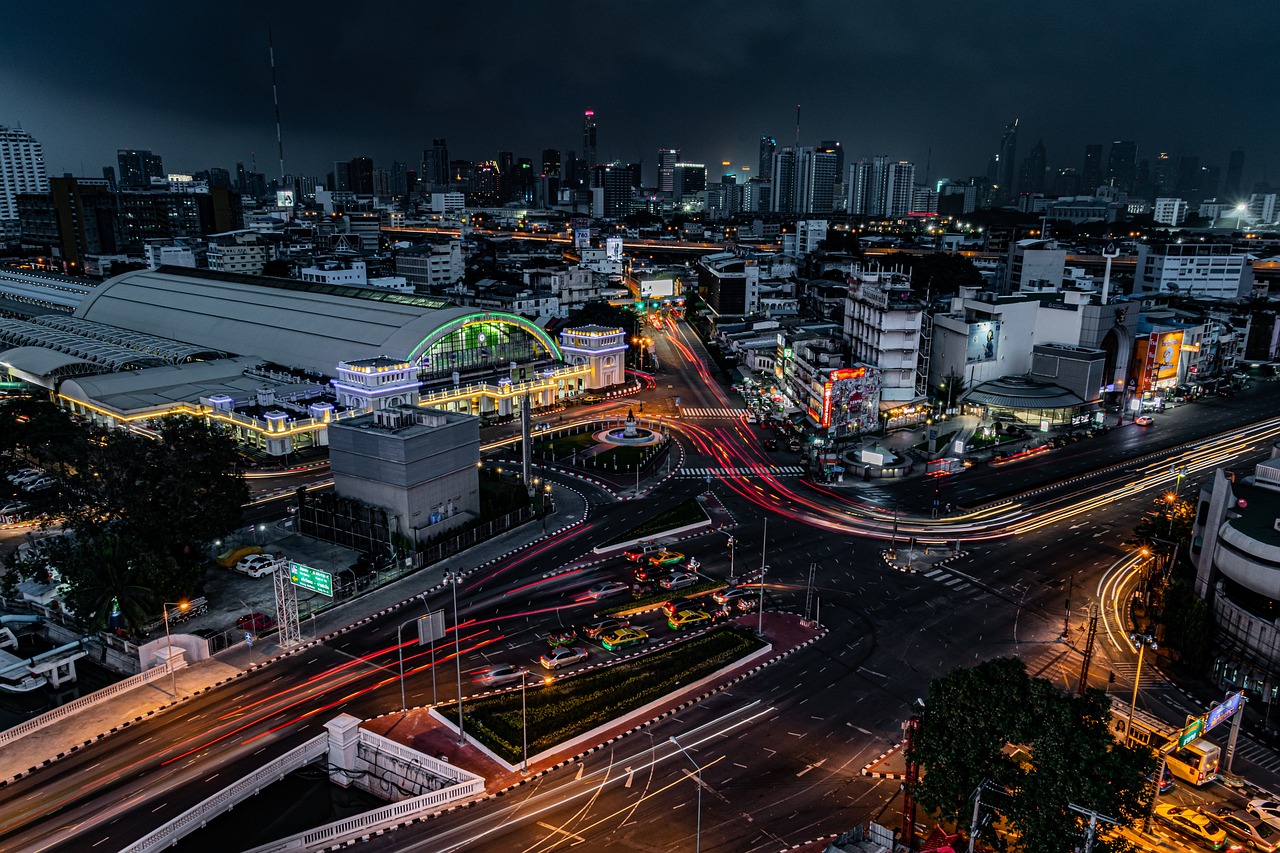
Bangkok at night can be whatever you want: romantic river cruises, raucous clubs, quiet jazz bars, or family-friendly night markets.
Rooftop Bars & Romantic Spots
- High-end rooftops: Great for couples; dress smart, expect higher prices.
- Riverside dinners: Around Tha Maharaj, Asiatique, or smaller piers.
Live Music & Bars
- Jazz bars in Victory Monument, old town, and Thong Lo.
- Indie music venues scattered through Ari, Ekkamai, and Chinatown.
Family-Friendly Evenings
- Asiatique The Riverfront: Open-air mall and night market on the river.
- Night markets: Rot Fai-style markets (locations shift, check current info in 2026).
Cultural Shows & Experiences
- Traditional dance performances at some cultural centers and hotels.
- Muay Thai matches (stadiums or more tourist-friendly shows).
Best Day Trips from Bangkok
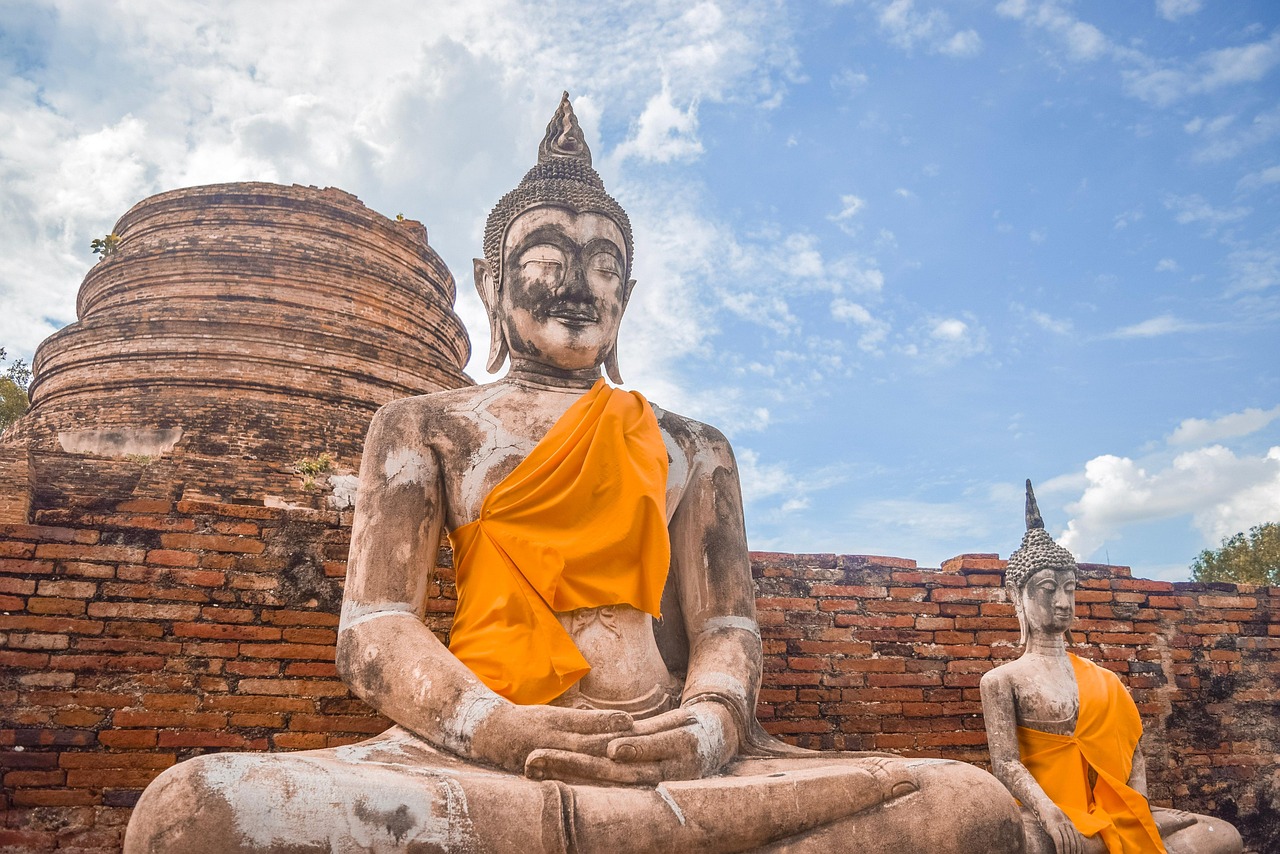
Once you’ve seen the main must-see attractions in Bangkok, consider these nearby escapes.
Ayutthaya Historical Park
Ancient capital with temple ruins and Buddha heads wrapped in tree roots. Easy by train or minivan; I like renting a bicycle or tuk-tuk for temple-hopping.
Damnoen Saduak & Amphawa Floating Markets
Damnoen Saduak is touristy but colorful; Amphawa feels more local, especially in the late afternoon and evening. Good for families and food lovers.
Kanchanaburi
Known for the River Kwai bridge, WWII history, and river scenery. Better as an overnight trip, but possible as a long day trip.
Pattaya & Nearby Islands
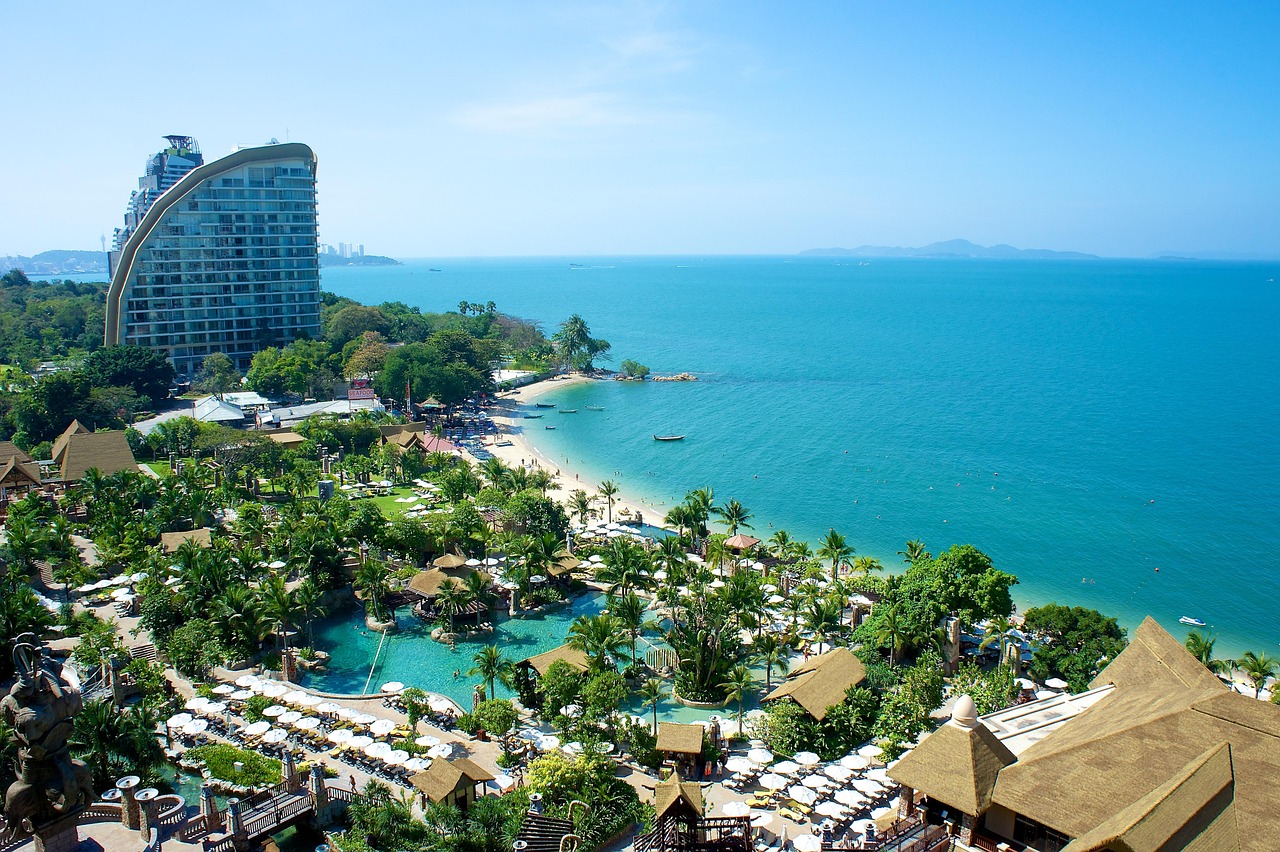
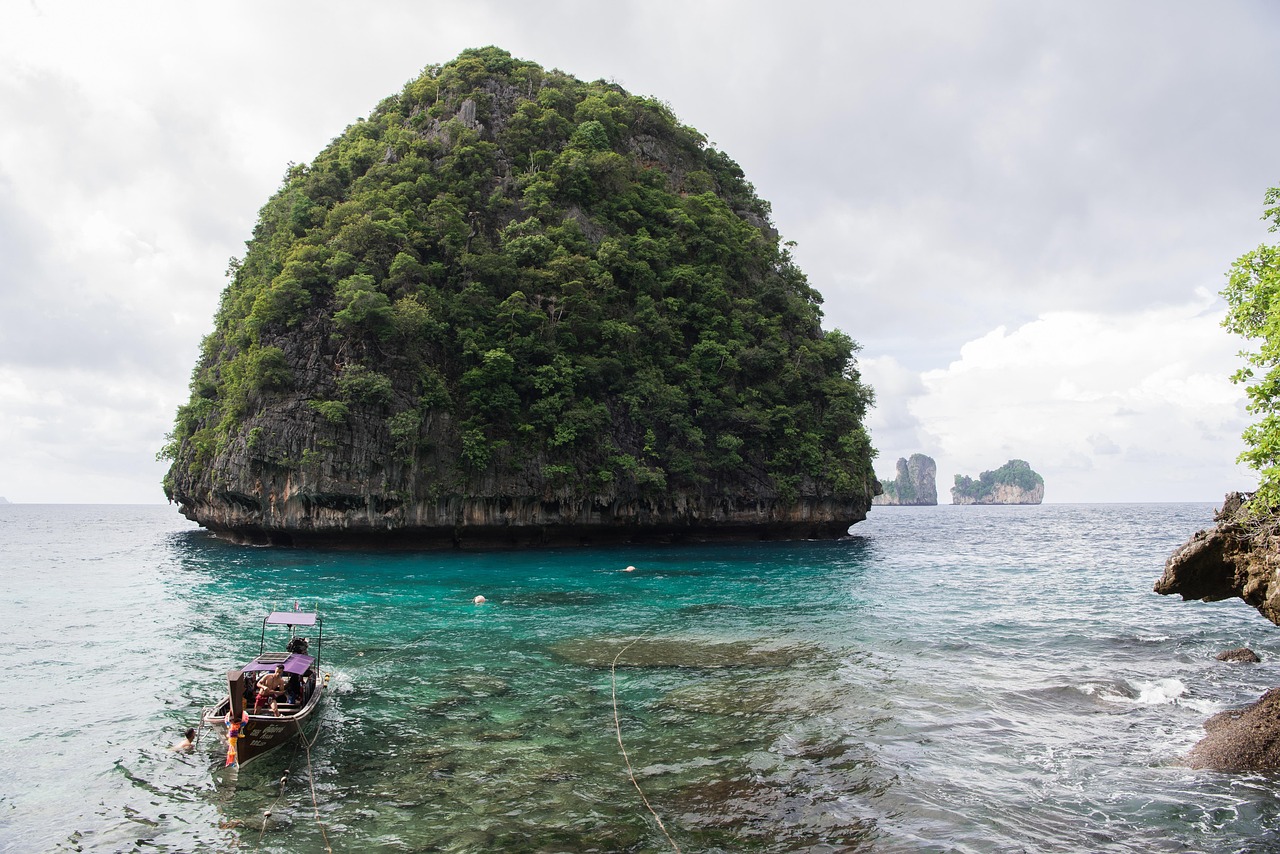
If you’re craving a quick beach fix, Pattaya and nearby islands are reachable within a few hours, though I prefer heading further south when time allows.
Cultural Etiquette & Local Customs in Bangkok
Understanding local customs in Bangkok makes your trip smoother and shows respect.
Temple Etiquette
- Dress modestly: shoulders and knees covered.
- Remove shoes before entering main temple buildings.
- Don’t point your feet at Buddha images or people.
- Keep your voice down; avoid touching relics or statues.
General Manners
- Thais value politeness and calm. Losing your temper rarely helps.
- A small wai (palms together) is appreciated, but as a foreigner, a smile and “sawadee khrap/ka” is usually enough.
- Don’t touch people’s heads; it’s considered the most sacred part of the body.
Royal Family & Religion
- Showing disrespect to the monarchy is illegal; avoid jokes or criticism.
- Be respectful of monks; women shouldn’t touch monks or hand objects directly to them (place items nearby instead).
Practical Travel Advice for Bangkok (2026)
How to Get Around
- BTS Skytrain & MRT: Fast, air-conditioned, and ideal for most central routes.
- Boats: Chao Phraya Express and canal boats are scenic and cheap.
- Grab & taxis: Use apps where possible; insist on the meter in regular taxis.
- Tuk-tuks: Fun for short hops; always agree on a price beforehand.
SIM Cards & Connectivity (2026)
- Buy a tourist SIM at the airport or major malls; AIS, True, and DTAC are main providers.
- Packages typically include generous data and some local calls.
Money-Saving Tips
- Use public transport where possible; traffic can eat into time and budget.
- Eat local—food courts and street stalls are both cheap and excellent.
- Book attractions and transport in advance only when necessary; many things are easier to arrange on the spot.
Visas & Entry (Check for 2026 Updates)
- Many nationalities get visa-free entry or visa on arrival for short stays; always confirm current rules with official Thai sources before traveling.
- Immigration often asks for proof of onward travel and accommodation.
Driving & Car Rental
- I don’t recommend driving in central Bangkok; traffic and parking are challenging.
- If you rent a car, an International Driving Permit plus your home license is typically required; confirm with the rental company.
- For most visitors, public transport and taxis are more than enough.
Weather & Seasons
- Cooler season (Nov–Feb): Best overall—more comfortable heat, ideal for walking and temple visits.
- Hot season (Mar–May): Very hot; plan midday breaks in malls, cafes, or your hotel pool.
- Rainy season (Jun–Oct): Heavy but usually short-lived downpours; good for lower prices and fewer crowds.
Health & Safety
- Tap water isn’t usually drunk directly; stick to bottled or filtered.
- Street food is generally safe where there’s high turnover; avoid items that look like they’ve been sitting out too long.
- Use common-sense precautions with valuables and late-night areas.
Summary & Final Recommendations
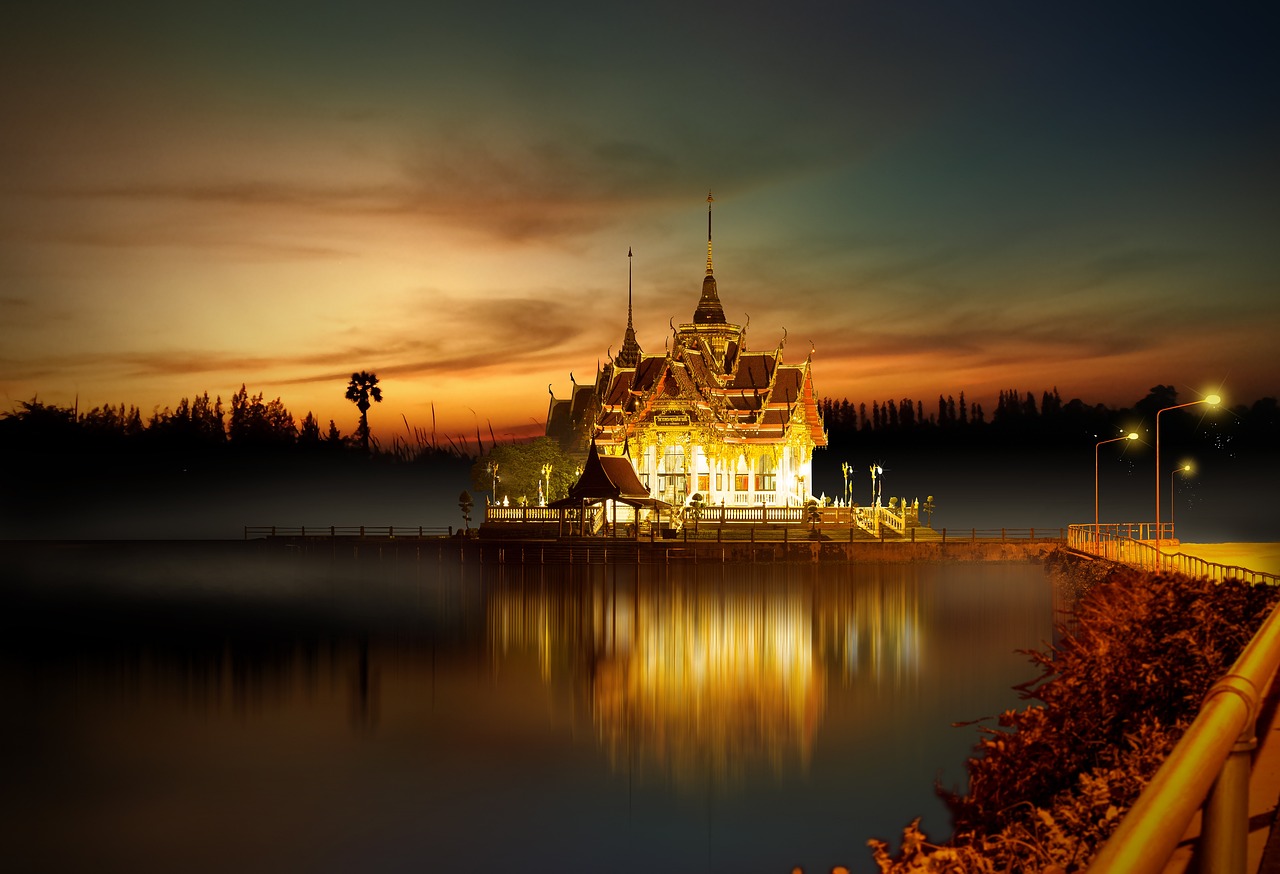
Bangkok is one of those cities that gets under your skin. It’s not always easy—heat, noise, and crowds can be intense—but if you give it time, it rewards you with unforgettable food, layered history, and a constant sense of discovery.
For first-timers, plan at least 3 days in Bangkok to see the main must-see attractions in Bangkok: the Grand Palace, Wat Pho, Wat Arun, a river ride, and Chinatown. If you can, extend to a 4 or 5 day itinerary for Bangkok to explore neighborhoods like Ari, Thonburi, and Talad Noi, and perhaps squeeze in a day trip to Ayutthaya or Bang Krachao.
Best time to visit: Late November to February offers the most comfortable weather, making it ideal for temple-hopping and walking tours. March to May is best for pool time and air-conditioned activities; June to October brings rain but also fewer tourists and lush scenery.
However long you stay, slow down at least once a day—sit by the river, in a park, or at a small street stall, and just watch Bangkok move around you. That’s when the city really starts to make sense.