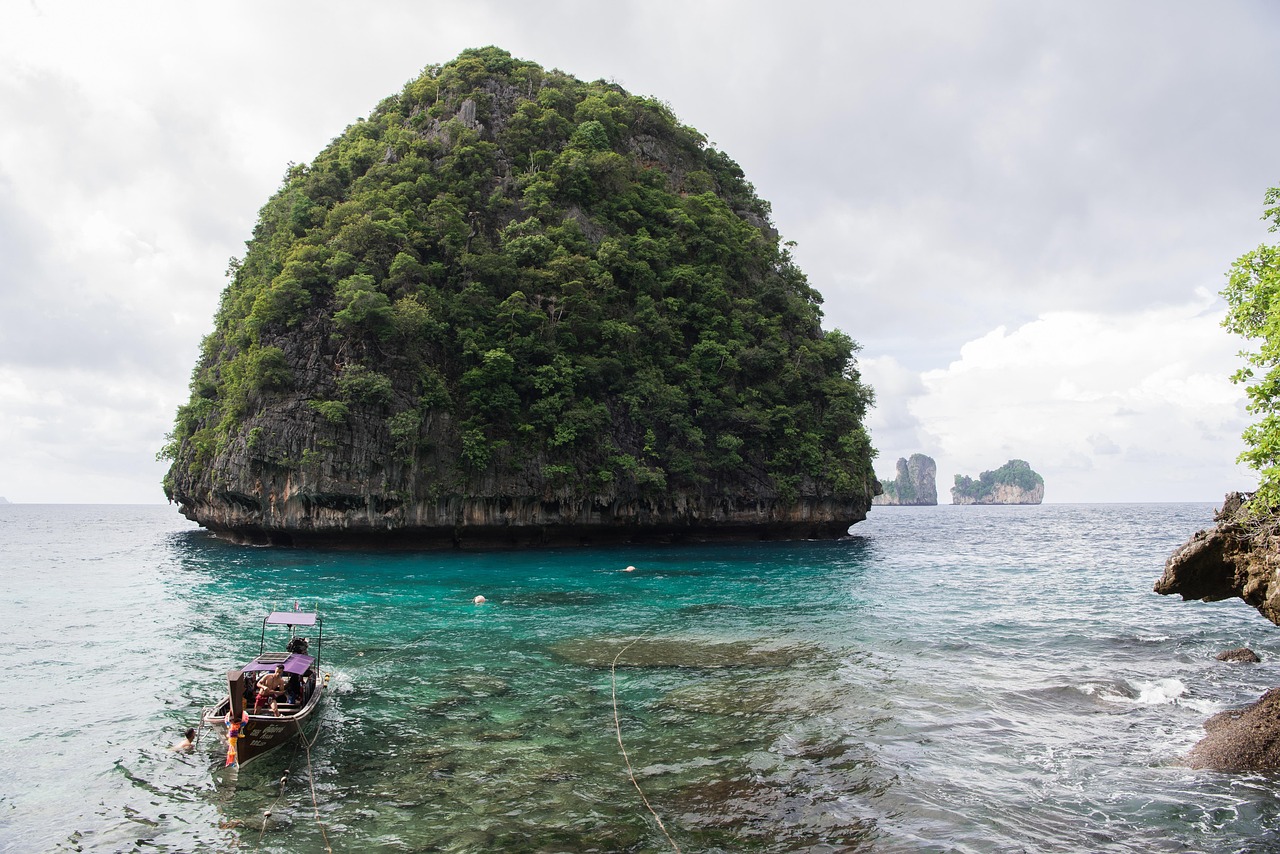
Why Visit Phuket in 2026?
If you only know Phuket as “that Thai island with Patong’s party street,” you’re missing 90% of what makes it special. Over the last decade, I’ve watched Phuket grow from a simple beach escape into a surprisingly multifaceted destination: Chinese-Portuguese shophouses painted like pastel macarons, jungle-cloaked hills, world-class diving, family-friendly resorts, and tiny local noodle shops where lunch still costs less than your coffee back home.
What keeps me coming back is the contrast. In a single day you can pray with locals at dawn at a hilltop temple, snorkel with neon fish in water like liquid glass, slurp boat noodles at a market, and end the night in a speakeasy hidden behind an unmarked door in Phuket Old Town. It can be as romantic, as adventurous, or as laid-back as you want it to be.
Phuket in 2026 is also easier than ever: better roads, more direct flights, and a growing focus on sustainability. There’s an expanded coastal promenade in Phuket Old Town, cleaner beaches thanks to community projects, and more ethical wildlife experiences. Yet, if you know where to look, you’ll still find sleepy fishing villages and quiet coves that feel decades away from the beach clubs.
This travel guide for Phuket is written as if I’m planning your trip the way I’d plan it for a good friend. We’ll cover detailed 3 day itinerary for Phuket ideas, how to stretch to 4 days in Phuket or even 5 days in Phuket, the best places to visit in Phuket, what to eat, how to get around, and the local customs in Phuket that will help you connect—rather than clash—with the island’s culture.
Table of Contents
- Why Visit Phuket in 2026?
- Phuket at a Glance
- Key Areas & Neighborhoods in Phuket
- 20 Must-See Attractions in Phuket (With Stories & Tips)
- Suggested Itineraries: 3, 4 & 5 Days in Phuket
- Local Food in Phuket: What & Where to Eat
- Cultural Experiences & Local Customs in Phuket
- Nightlife & Entertainment
- Day Trips & Nearby Islands
- What’s New: Festivals & Events 2026–2027
- Practical Travel Tips for Phuket
- Summary & Best Time to Visit
Phuket at a Glance
Phuket is Thailand’s largest island, attached to the mainland by a bridge at its northern tip. The west coast is where you’ll find the famous beaches and surf, the east coast faces Phang Nga Bay’s limestone karsts, and the interior is surprisingly hilly and green.
- Location: Andaman Sea, southwest Thailand
- Good for: Beach lovers, families, couples, foodies, divers, digital nomads
- Best quick trip: 3 days in Phuket hitting the highlights
- Deeper dive: 4 day itinerary for Phuket or 5 day itinerary for Phuket including islands + Old Town
- High season: December–March (dry, sunny, pricier)
- Shoulder season: April, November (warm, some rain, good deals)
- Green season: May–October (more rain, better surf, quiet beaches)
Key Areas & Neighborhoods in Phuket
Phuket Old Town
If you only stay at a beach resort, you’ll miss Phuket’s soul. Old Town is a compact grid of streets lined with Sino-Portuguese shophouses: pastel facades, louvered windows, and tiled corridors called five-foot ways. It’s my favorite place to wander in the late afternoon when the heat softens and the coffee shops fill with students and old-timers.
Come for street art, tiny shrines, local food courts, and increasingly creative bars. Stay for the Sunday Walking Street Market on Thalang Road, where the whole town turns into a festival.
Patong
Patong is wild, crowded, and absolutely not “authentic Thailand”—but it’s also convenient and fun in doses. The long sandy beach is lined with umbrellas and jet skis, and Bangla Road turns into one long party after dark. I like staying in Patong when I’m traveling with friends who want nightlife, but I usually base myself a block or two back from the beach for quieter nights.
Kata & Karon
South of Patong, Kata and Karon offer a gentler version of Phuket: long beaches, sunsets, surf schools, and a mix of mid-range and upscale hotels. Kata is more compact and walkable; Karon feels more spread out. Families and couples often prefer this area—it has enough restaurants and bars without the intensity of Patong.
Kamala, Surin & Bang Tao
This stretch of the northwest coast is where Phuket goes a bit more upmarket. Kamala has a village feel and a calm bay; Surin is sometimes called “Millionaire’s Row” thanks to its villas; Bang Tao has one of the longest beaches and several luxury resorts. There’s also a growing beach club and café scene, plus the Boat Avenue / Cherngtalay area with modern restaurants and bars.
Rawai & Nai Harn
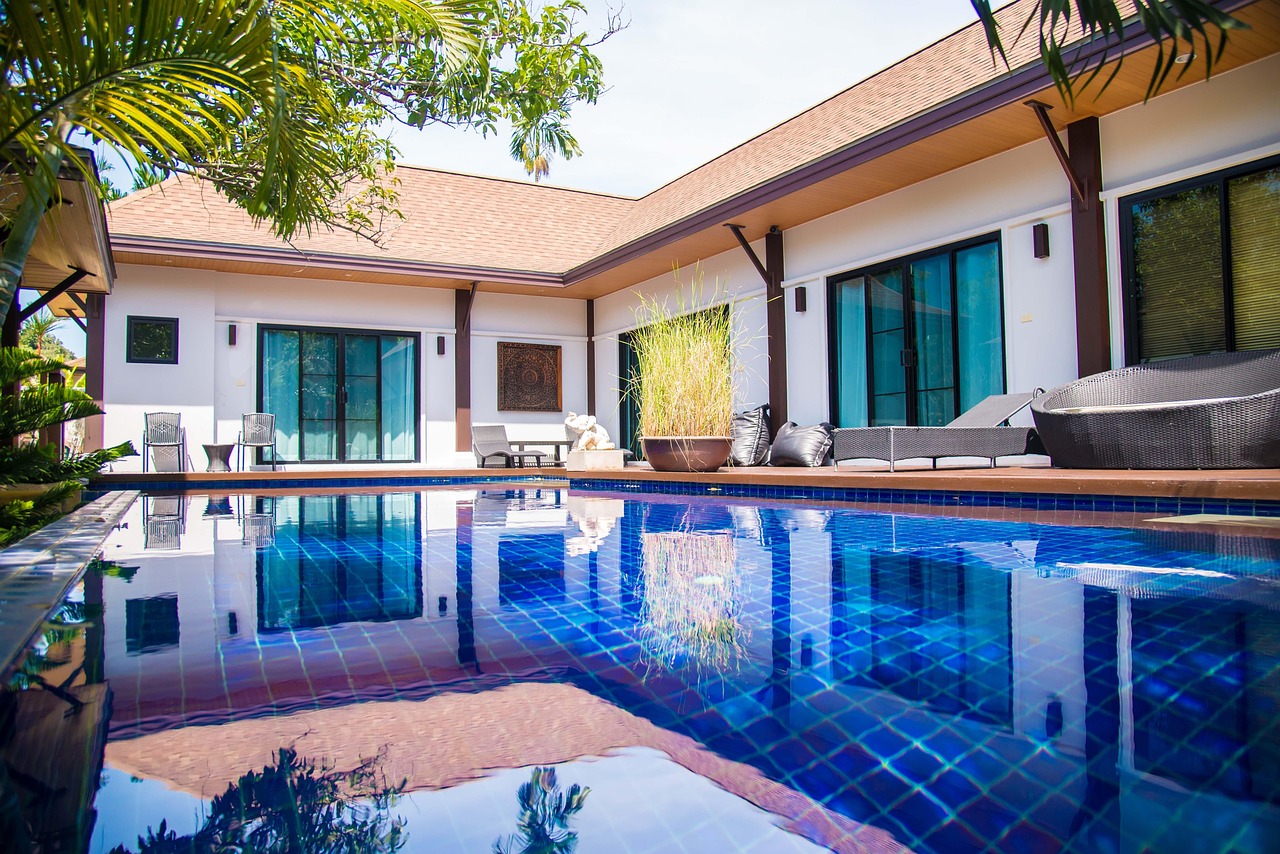
In the south, Rawai feels more local, with longtail boats, seafood restaurants by the water, and expat-friendly cafés. Nai Harn, nestled between green hills, remains one of the island’s most beautiful beaches. When I need a “reset” trip, I base myself here and pretend I live in Phuket for a week—morning swims, coworking cafés, and sunset at the viewpoint almost every day.
Phuket North (Mai Khao, Nai Yang, Nai Thon)
Close to the airport (but often overlooked), the northern beaches have fewer people, more space, and a more natural vibe. Mai Khao is part of a national park, with sea turtle conservation projects and long, wild stretches of sand. Great if you want relaxation over nightlife.
20 Must-See Attractions in Phuket (With Stories, History & Tips)
Below are twenty of the must-see attractions in Phuket that I return to again and again. I’ll weave in personal anecdotes from different visits so you can picture how your own days might unfold.
1. Big Buddha (Phra Phuttha Mingmongkol Eknakiri)
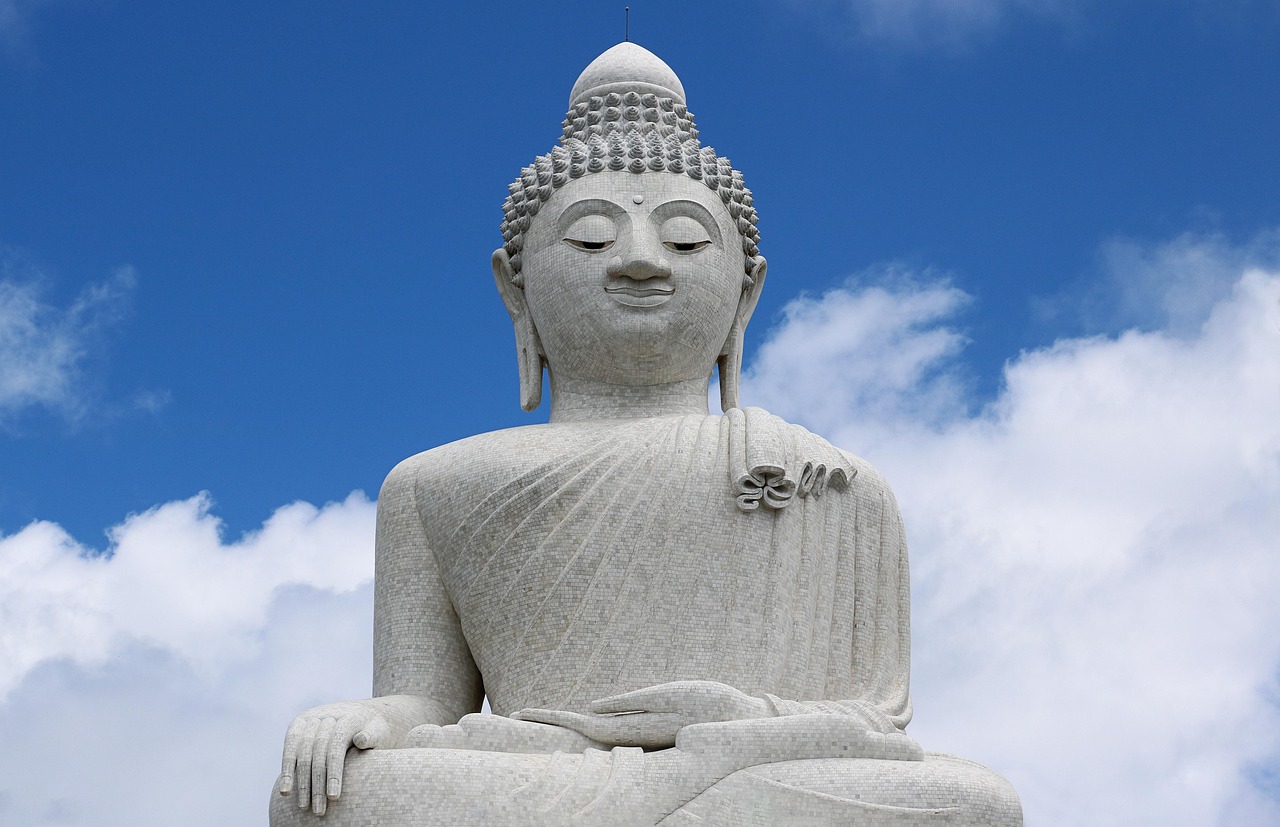
Perched atop Nakkerd Hill between Chalong and Kata, the Big Buddha is one of Phuket’s most recognizable landmarks. The 45-meter-tall statue, clad in white Burmese marble, catches the light differently throughout the day—soft gold at sunrise, blazing white at midday, a silhouette against crimson skies at sunset.
The first time I visited, in 2014, we wound up the steep road on a rented scooter, stopping twice because my friend was convinced the bike wouldn’t make it. By the time we reached the top, we were dusty, sweaty, and completely silent: the 360° view of the island shut us up. On clear days you can see Chalong Bay, Kata, Karon, and even parts of Phang Nga Bay.
History & significance: Construction began in 2004 as a donation-funded project; it’s both a religious site and a symbol of peace. The tinkling sounds you hear are small bells tied by devotees with prayers written on gold leaves.
What to do:
- Walk the viewpoint terraces and orient yourself to Phuket’s geography.
- Step inside the base to see photos of the construction and make a small donation if you wish.
- Receive a blessing from a monk (remember to sit lower than the monk and be respectful).
How to get there: It’s easiest by taxi or Grab. If you’re confident on a scooter, go early in the morning to avoid traffic and heat.
Tips: Dress modestly (shoulders and knees covered). Sarongs are usually available, but bring your own scarf if you can. It can be windy at the top; secure your hat and sunglasses. I prefer late afternoon visits for softer light, followed by dinner in Chalong.
2. Phuket Old Town & Thalang Road
Phuket Old Town is my non-negotiable recommendation, even if you only have 3 days in Phuket. The core of it is Thalang Road, Dibuk Road, and Soi Romanee—a once-seedy lane now lined with photo-ready cafés and restored shophouses.
On my most recent trip in early 2026, I stayed in a converted heritage guesthouse with creaky wooden floors and a shrine in the lobby. Every morning I’d watch locals stop to light incense before heading to work, the smell of coffee mixing with sandalwood.
History & significance: Phuket boomed in the 19th century from tin mining, attracting Chinese merchants who built the Sino-Portuguese architecture you see today. Many families still live above the same shops their grandparents ran.
What to do:
- Wander Soi Romanee for pastel facades and old Chinese clan houses.
- Visit Thai Hua Museum to understand the island’s Chinese-Thai heritage.
- Hunt for street art in alleys off Thalang and Dibuk.
- If you’re here on a Sunday, stroll the Sunday Walking Street Market: food stalls, live music, and crafts.
Food tip: Don’t miss kanom jeen (rice noodles with curry) at a local breakfast shop, and try o-aew, a jelly dessert unique to Phuket, at a tiny cart near the market.
3. Patong Beach & Bangla Road
Patong is chaotic, but if you approach it with the right expectations, it’s entertaining. The long crescent of sand fills with umbrellas, vendors, parasailers, and beach masseuses. Behind it, a grid of streets hides everything from food courts to tailor shops.
The first time I walked Bangla Road at night, I felt like I’d stepped into a neon fever dream: thumping music, bars spilling into the street, glowing beer towers, and street performers. I lasted an hour before escaping to a quieter side alley bar, which has since become my go-to—always look up; many of the calmer spots are on second floors.
Good for: Nightlife, people-watching, first-time visitors who want convenience; not ideal if you crave tranquility.
Tips:
- Swim more toward the middle of the beach where lifeguards are usually present.
- For families, enjoy the beach during the day and avoid the Bangla area late at night.
- Agree on prices before any activity (jet skis, tuk-tuks, etc.).
4. Kata & Karon Beaches
Kata and Karon have become my standard answer when people ask where to stay for a 4 day itinerary for Phuket that balances beach, food, and day trips. Kata’s bay is ideal for beginner surfers in the green season (May–October), and Karon’s long, golden stretch is perfect for sunset walks.
I love spending a slow day here: morning swim, late breakfast at a café up the hill, a nap, then a tuk-tuk to the Karon Viewpoint to watch the three bays glow in the evening light.
Tips: Surfboards and lessons are easy to find at Kata. Karon can feel windy; it’s great for kite flying, less so for small children on rough days. For a romantic evening, book dinner at a rooftop restaurant overlooking Kata Noi.
5. Promthep Cape (Laem Phromthep)
Every Phuket sunset is compared to Promthep Cape for a reason. Jutting into the sea at the island’s southern tip, it’s a natural amphitheater for the sky’s nightly performance. Tour buses arrive in waves, but the view is still worth sharing.
One of my favorite memories is from a July trip: dark clouds parted at the last minute, turning the whole sky into layered bands of pink and orange. Locals clapped when the sun finally sank—something I’d never seen anywhere else.
What to do: Climb down the path a little way from the main viewpoint if you want space (wear proper shoes). After sunset, head to Rawai for a seaside seafood dinner.
Tip: Arrive 45–60 minutes before sunset to find parking and a good spot, especially in high season.
6. Wat Chalong (Wat Chaiyathararam)
Wat Chalong is Phuket’s most important Buddhist temple and a peaceful counterbalance to the beach scene. The complex includes several ornate buildings with glittering glass mosaics, dragon-guarded stairways, and a tall chedi supposedly housing a bone fragment of the Buddha.
On my second visit, I arrived just after a local family had finished making offerings. The sound of firecrackers echoed from a brick tower—these are set off to thank the spirits when prayers are answered. It’s loud and a little startling, but very much part of the experience.
Dress & behavior: Shoulders and knees covered, remove shoes before entering temple buildings, speak softly. Photography is fine, but avoid flash near people praying.
7. Phi Phi Islands Day Trip
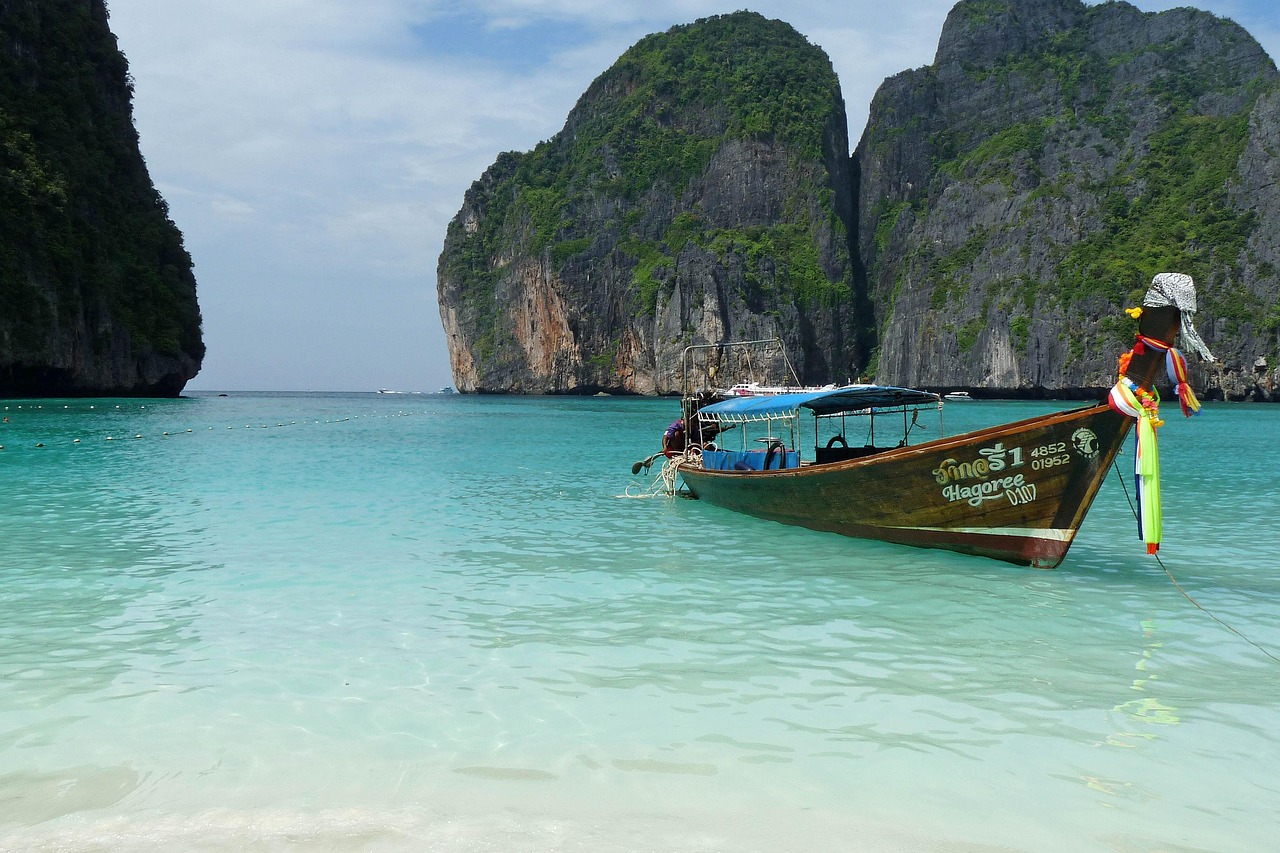
A 3 day itinerary for Phuket often includes a day trip to the Phi Phi Islands—and honestly, it’s hard to argue. Maya Bay (made famous by “The Beach”) has reopened with stricter rules to protect coral and limit crowds. The emerald water framed by towering cliffs still feels surreal, especially if you arrive early.
My best Phi Phi day was on a small-boat tour with a dawn departure: we dozed on the speedboat, then woke up to find ourselves nearly alone in Pileh Lagoon, the water so clear we watched schools of fish from the surface.
Tips:
- Choose a reputable operator that respects the new environmental regulations.
- Bring reef-safe sunscreen and a rash guard.
- If you hate crowds, consider a sunrise or late-afternoon tour.
8. Phang Nga Bay & James Bond Island
On the east side of Phuket, Phang Nga Bay is a labyrinth of limestone karsts rising from jade-green water. It feels almost prehistoric. Most tours include the famous “James Bond Island,” but the real magic is gliding through sea caves in a kayak or visiting floating villages like Koh Panyee.
On one trip, we had lunch in a stilted restaurant as a storm rolled in. The rain blurred everything but the nearest karsts; the only sounds were thunder and the clink of spoons. It was moody and unforgettable.
Good for: Families, couples, and anyone who loves landscapes. Less about beaches, more about scenery.
9. Similan Islands (Seasonal)
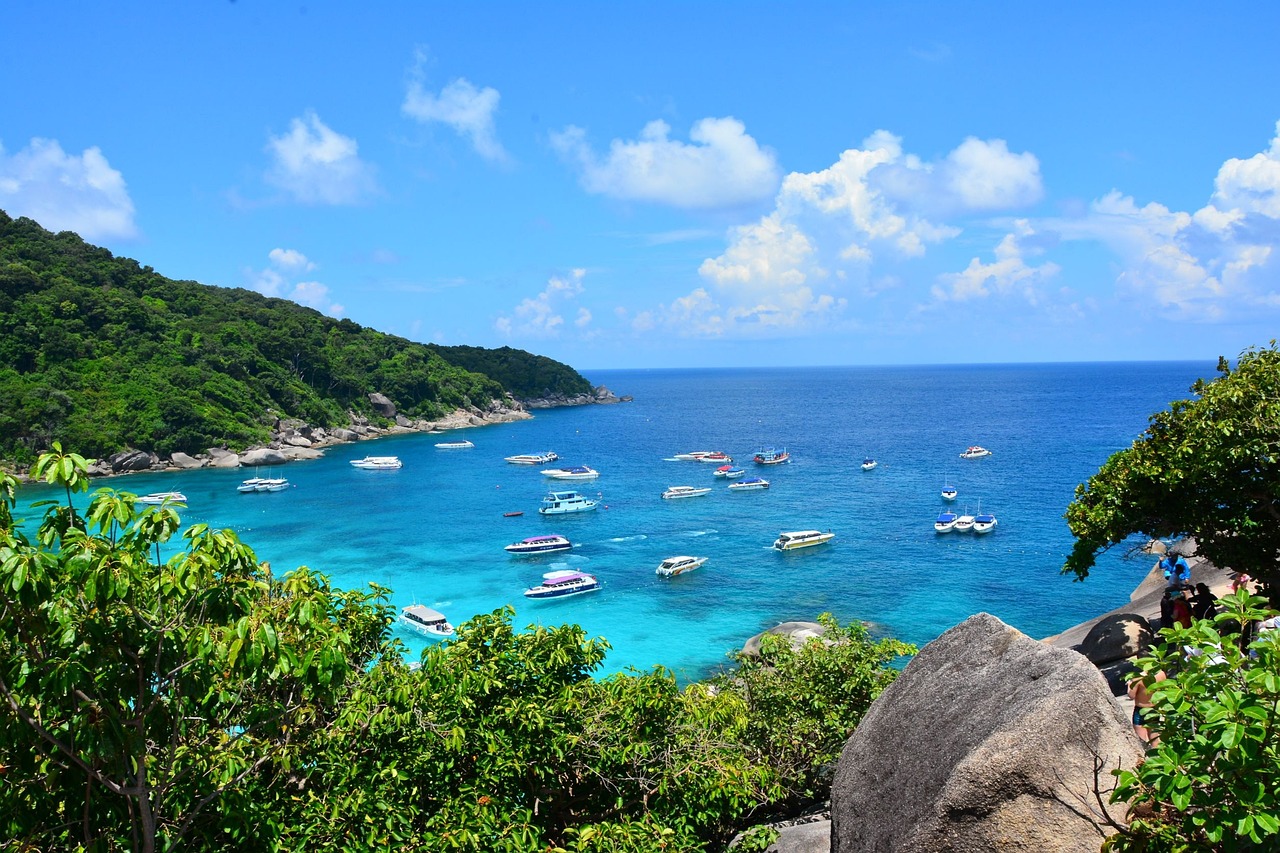
Further afield, the Similan Islands are among Thailand’s top dive and snorkel destinations. Think powdery white sand, giant boulders, and some of the clearest water you’ll see. They’re part of a national park and only open roughly November to mid-May.
I did a liveaboard dive trip once that included Similan, and even as a fairly experienced diver, the visibility and coral formations wowed me. For non-divers, day trips with snorkeling are also possible from Phuket (though it’s a long day).
Tip: If you only have 3 days in Phuket, Similan is probably too far; save it for a 5 day itinerary for Phuket or longer.
10. Nai Harn Beach
Nai Harn is a favorite among locals and long-stay expats. The bay is flanked by green hills and a small lake where joggers circle at sunset. The water is usually calm in high season, making it great for kids and casual swimmers.
Whenever I base myself in the south, my days fall into a delicious routine: morning swim at Nai Harn, grilled chicken and papaya salad from a beach stall, then a lazy afternoon reading under the shade trees.
11. Freedom Beach
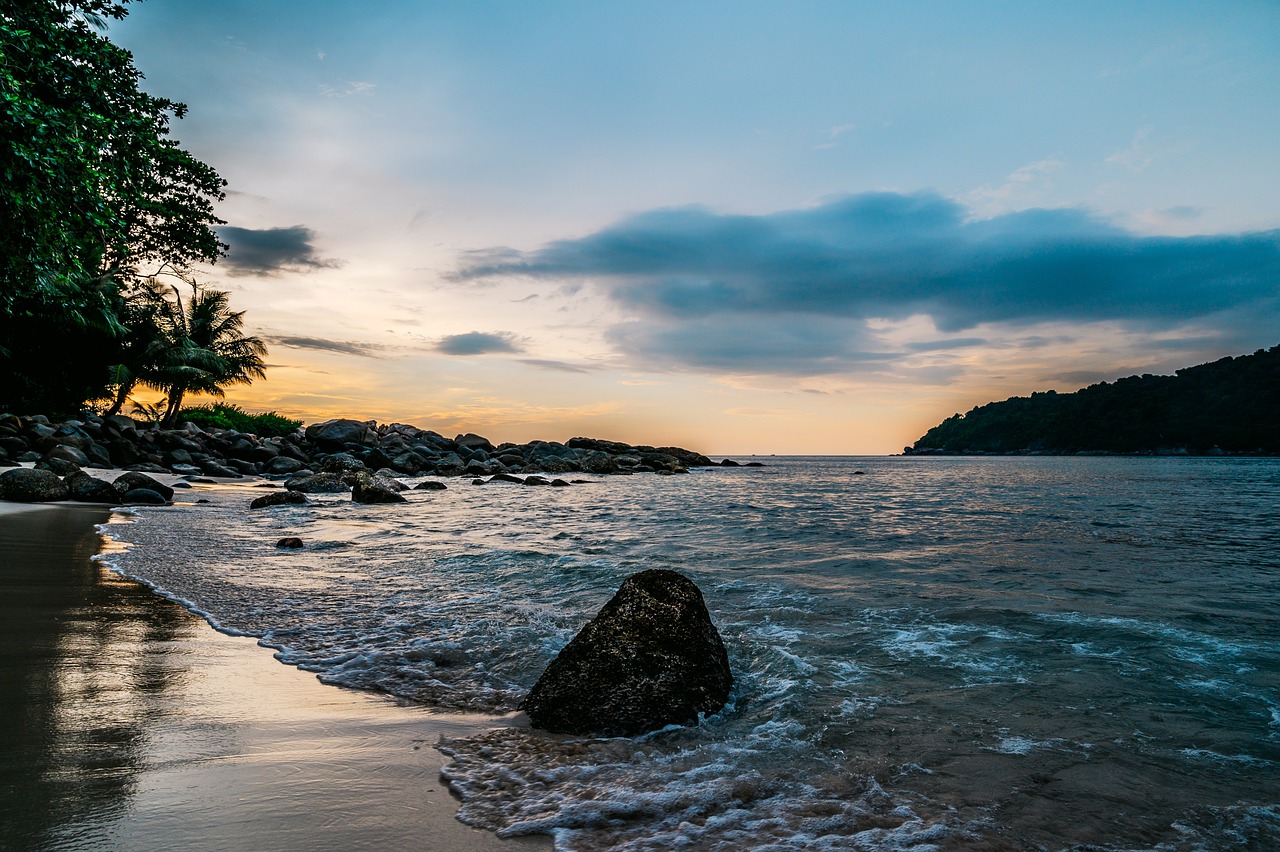
Despite being just around the headland from Patong, Freedom Beach feels like a different world. There’s no direct road; you either hike down a steep path from the hill or arrive by longtail boat.
I still remember the first time I saw it from above: a perfect crescent of sand, clear turquoise water, and jungle backing right up to the beach. We hiked down, swam for hours, and didn’t speak to another soul until mid-afternoon.
Tips: Wear proper shoes for the hike; it can be slippery. Bring cash for drinks or loungers. In high season, longtails from Patong, Karon, or Kata can take you—negotiate the price beforehand.
12. Bangla Road Nightlife
Bangla Road is one of Southeast Asia’s most infamous nightlife strips. It’s loud, colorful, and sometimes confronting. But it’s also where you’ll find live music bars, rooftop cocktail spots, and clubs that go until dawn.
My Bangla strategy is simple: go early evening when the energy is high but not overwhelming, pick a bar with live music, and people-watch. When it starts to feel too much, slip into one of the quieter side-street bars or head back to your hotel.
Tip: Watch your belongings, be wary of overly friendly strangers insisting on “special shows,” and always check drink prices before ordering in go-go bars.
13. Central Phuket & Old-School Markets
When an afternoon storm hits, I often head to Central Phuket (Festival & Floresta), the island’s biggest mall complex. Beyond shopping, it’s good for air-conditioned food courts, cinemas, and a quick immersion into modern Thai life.
But I always balance it with a visit to an old-school market like Phuket Town’s fresh market, where locals buy vegetables, herbs, and fresh seafood. The contrast between polished malls and wet markets says a lot about contemporary Thailand.
14. Chalong Bay Rum Distillery
Hidden in a green pocket near Chalong, this small-batch rum distillery has become one of my go-to recommendations for couples. The whitewashed buildings, sugarcane fields, and open-air bar feel more Caribbean than Thai, but the rum is very local.
I did a cocktail workshop here one rainy afternoon and left both tipsy and more informed about sugarcane and sustainable production. Their mojitos are dangerously good.
15. Phuket Sunday Walking Street Market
Every Sunday evening, Thalang Road in Old Town transforms into a pedestrian market. Strings of lights hang between buildings, food stalls sizzle, and local performers take to small stages.
I try to time my trips so I’m in Phuket on a Sunday. My ritual: arrive around 5 p.m., grab grilled squid or satay, wander with a coconut ice cream in hand, then sit on the curb to listen to a teenage band absolutely nailing Thai pop covers.
16. Karon Viewpoint (Three Bays Viewpoint)
Between Kata and Nai Harn, Karon Viewpoint offers a classic postcard shot of Phuket: three sweeping bays—Kata Noi, Kata, and Karon—stacked like blue-green commas against the coastline.
I’ve stopped here on scooters, in tuk-tuks, and once on a sweaty uphill jog (not recommended in midday heat). It’s an easy add-on to any south-coast day, especially near sunset.
17. Ethical Wildlife Encounters (And What to Avoid)
In the past, Phuket was known for touristy animal attractions—some of which are now widely criticized. By 2026, awareness and regulations have improved, but it’s still important to choose wisely.
Instead of elephant shows or tiger photo ops, I recommend visiting places like the Gibbon Rehabilitation Project near Bang Pae Waterfall, where rescued gibbons are slowly prepared for release back into the wild.
Seeing a gibbon swinging in a large enclosure, knowing it once lived chained to a tourist beach, is sobering—but it’s a way to support better practices with your wallet.
18. Bang Pae Waterfall & Khao Phra Thaeo National Park
In Phuket’s northeast, Khao Phra Thaeo National Park protects one of the island’s last virgin rainforests. Bang Pae Waterfall is a modest but lovely cascade, especially refreshing at the end of a short jungle walk.
On a steamy May morning, I hiked here after visiting the gibbon project. We ended up wading in the pool under the falls, fully clothed, laughing like kids. Bring a quick-dry outfit and you won’t regret it.
19. Rawai Sea Gypsy Village & Seafood Market
On the east side of Rawai, the so-called “Sea Gypsy Village” is home to people of Moken and Urak Lawoi heritage, traditionally sea nomads. Today, many make a living from fishing and tourism.
My favorite way to experience it is to buy fresh seafood at the market—prawns, fish, squid—and then take it to one of the restaurants opposite, where they’ll cook it to your taste for a small fee. Grilled with garlic and pepper, plus a cold beer and sea breeze? Perfection.
Tip: Go with respect: avoid photographing people without permission, and remember this is a living community, not a museum.
20. Sino-Portuguese Architecture & Shrines of Phuket Town
Beyond the big sights, one of Phuket’s quiet pleasures is simply admiring its architecture: arched windows, stucco flowers, wooden shutters, and Chinese characters on lintels. Many houses have a small shrine near the entrance, with fresh flowers and red candles.
On one solo trip, I spent an entire day just wandering, photographing door knockers and letterboxes, and chatting with shop owners. A third-generation goldsmith told me how his grandfather came from Hokkien and started with a tiny stall; now his children study in Bangkok but still come home for the Vegetarian Festival each year.
Suggested Itineraries: 3, 4 & 5 Days in Phuket
Below are flexible outlines rather than minute-by-minute schedules. You can swap days depending on weather and energy. I’ll keep things concise here but structured around what I actually do when I have 3 days in Phuket, then how I expand it for 4 days in Phuket and 5 days in Phuket.
3 Days in Phuket: Classic Highlights
Day 1: Old Town & South Coast Sunsets
Morning: Land in Phuket, check into your hotel (Patong for nightlife, Kata/Karon for balance, or Old Town for culture). Head straight to Phuket Old Town. Wander Thalang, Dibuk, and Soi Romanee, ducking into cafés and temples. Visit Thai Hua Museum if you like context.
Lunch: Eat at a local shophouse restaurant—try mee Hokkien (wok-fried Hokkien noodles) or kanom jeen.
Afternoon: Take a Grab or taxi to Wat Chalong, then continue up to the Big Buddha for late-afternoon light.
Sunset & Dinner: Continue south to Promthep Cape or Karon Viewpoint for sunset, then dine in Rawai at one of the beachfront seafood spots. Return to your base.
Day 2: Island-Hopping (Phi Phi or Phang Nga)
Use this day for a full-day tour:
- Option A: Phi Phi Islands (snorkeling, Maya Bay, Pileh Lagoon)
- Option B: Phang Nga Bay (James Bond Island, sea caves, Koh Panyee)
You’ll be picked up early, spend most of the day on the water, and return late afternoon.
Evening: If you’re staying near Patong and have energy, explore Bangla Road for a couple of hours. Otherwise, enjoy a quiet dinner near your hotel.
Day 3: Beach Time & Freedom Beach
Morning: Relax at your “home” beach (Kata, Karon, Patong, or Nai Harn). Swim, rent a board, or get a beach massage.
Afternoon: Take a boat or hike to Freedom Beach for a more secluded feel.
Evening: On a Sunday, head back to Phuket Sunday Walking Street Market. If not, consider a sunset drink at a hilltop bar above Kata or Patong, then pack up for departure.
4 Days in Phuket: Highlights + Depth
With 4 days in Phuket, keep the three days above and add:
Day 4: Jungle & Local Life
Morning: Head to Khao Phra Thaeo National Park to visit the Gibbon Rehabilitation Project and hike to Bang Pae Waterfall. Swim if conditions allow.
Lunch: Eat at a local roadside restaurant—this area has some excellent, simple Thai food.
Afternoon: Stop by a small rubber plantation or pineapple farm if your driver knows one, or head back to your beach for downtime.
Evening: Dinner and drinks in Phuket Old Town, perhaps at a Sino-Portuguese courtyard restaurant followed by a cocktail bar hidden behind an unmarked door (ask locals; these change often).
5 Days in Phuket: Slow & Satisfying
With 5 days in Phuket, you can slow down and weave in more cultural experiences in Phuket and hidden gems in Phuket. Keep the 4-day structure and add:
Day 5: North Coast or Extra Island Day
Option A – North Coast: Explore Nai Yang, Nai Thon, or Mai Khao. At Nai Yang, you can sometimes watch planes landing low over the beach near the airport (there’s a designated viewpoint).
Option B – Extra Island: Take a day trip to the Similan Islands (in season), Koh Racha, or Coral Island for more snorkeling and quieter sands.
Use the last evening for a special dinner—perhaps at a cliffside restaurant above Kata Noi, or a fine-dining Thai place in Old Town.
Local Food in Phuket: What & Where to Eat
Phuket is a UNESCO-listed “City of Gastronomy,” and you’ll taste why. The food blends Southern Thai spice, Chinese influences, and Malay flavors. Here’s what I always seek out:
- Mee Hokkien: Thick yellow noodles stir-fried with pork, seafood, and greens. Look for busy local noodle shops in Phuket Town.
- Kanom Jeen: Rice noodles with your choice of curries and herbs. Traditional breakfast but great any time.
- Nam Prik Goong Siap: Smoky dried shrimp chili dip with fresh vegetables.
- Massaman & Yellow Curries: Rich, fragrant, and usually milder—good if you’re spice-shy.
- Fresh Seafood: Rawai, Laem Hin, and beachfront grills are top spots.
- O-Aew: Phuket’s own jelly dessert with shaved ice and sweet toppings—perfect in the heat.
Budget tips: Night markets, food courts (like those at Central Phuket or local markets), and shophouse restaurants are your friends. A filling meal can be 60–120 THB. Tourist beachfront venues can be 2–3x more; walk one or two streets inland to save.
Cultural Experiences & Local Customs in Phuket
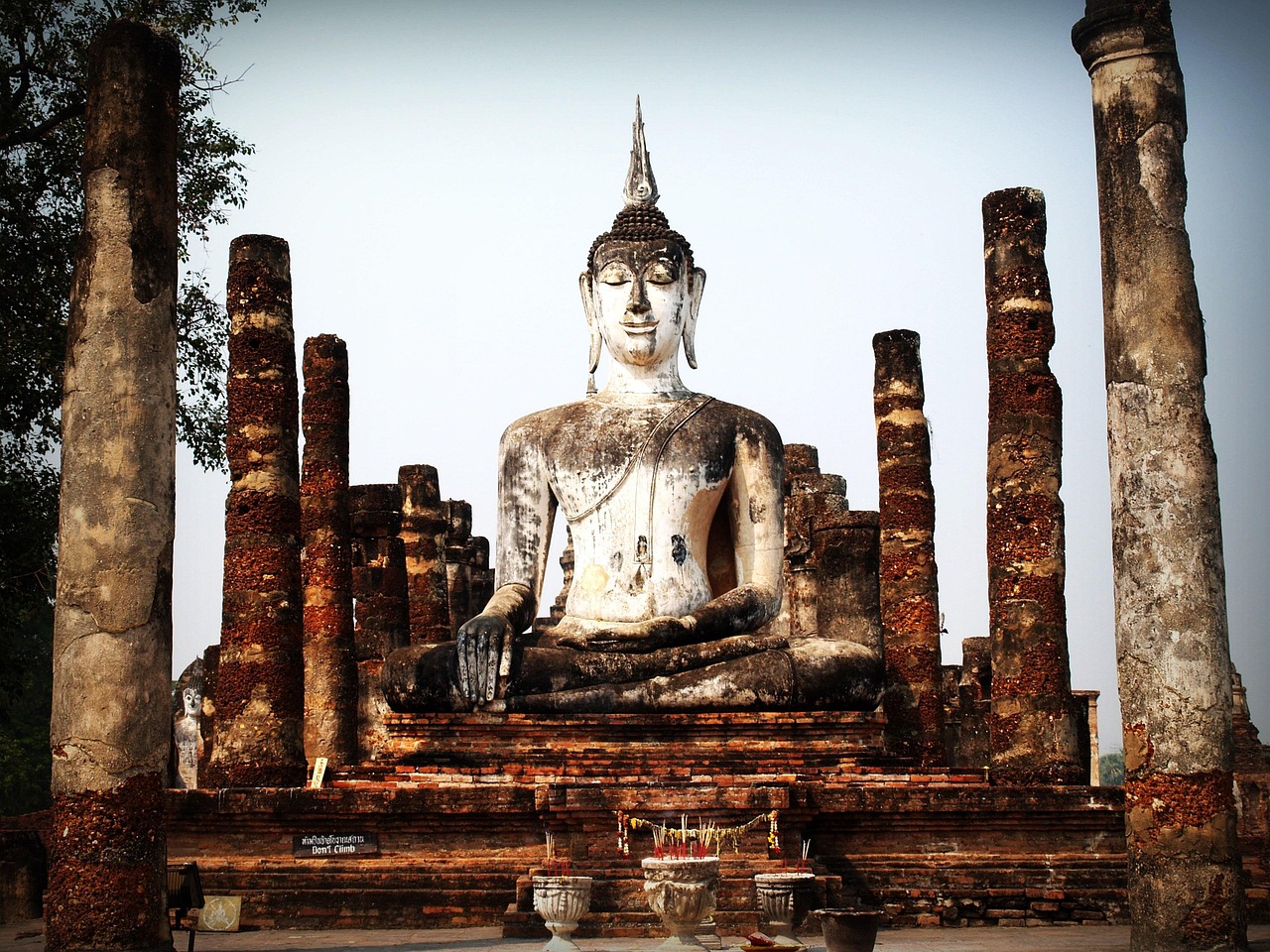
Even though Phuket is very touristy, it’s still deeply Thai and strongly Buddhist with a large Chinese-Thai community. A few basics:
- Wai & greetings: Thais press palms together in a wai; as a foreigner, a smile and nod is fine, but returning a wai from elders is appreciated.
- Temples: Dress modestly, remove shoes, never point your feet at Buddha images, and avoid sitting higher than monks.
- Royal family: Show respect; don’t joke about the monarchy.
- Feet & head: Feet are considered low/unclean; don’t put them on chairs or point them at people. Avoid touching people’s heads.
- Public affection: Hand-holding is fine; overt PDA is frowned upon.
Cultural experiences in Phuket to consider:
- Joining a morning offering of alms to monks (ask your hotel or a local guide).
- Taking a Thai cooking class focused on Southern dishes.
- Visiting during festivals like the Vegetarian Festival (Sept–Oct) to witness processions and street food (much of it meat-free).
Nightlife & Entertainment in Phuket
Phuket’s nightlife can be raucous or refined:
- Bangla Road: Clubs, beer bars, live music, and everything in between.
- Beach Clubs: Particularly around Bang Tao and Kamala—daybeds, DJs, cocktails at sunset.
- Old Town Bars: Speakeasy-style cocktail lounges, craft beer bars, and live jazz on some nights.
- Family-friendly: Night markets, cultural shows (choose ones focusing on dance and history rather than animal acts), and evening beach walks with fire shows in some areas.
Day Trips & Nearby Attractions from Phuket
Koh Racha (Raya)
Closer than Phi Phi and often less crowded, Koh Racha has beautifully clear water ideal for snorkeling. Day trips depart from Chalong Pier; you can also stay overnight in small resorts.
Coral Island (Koh Hae)
Quick hop from Chalong—great for families with limited time. Expect water sports, snorkeling, and beach time.
Phang Nga Town & Samet Nangshe Viewpoint
On the mainland, Samet Nangshe offers one of the best sunrises in southern Thailand: Phang Nga Bay’s karsts stretching to the horizon. It’s a very early start from Phuket but worth it for photographers and landscape lovers.
What’s New: Festivals & Events 2026–2027
Phuket’s event calendar evolves, but for 2026–2027 keep an eye on:
- Phuket Vegetarian Festival (Sept–Oct 2026 & 2027): Street processions, temple rituals, and an island-wide switch to vegetarian street food.
- Songkran (Thai New Year, April 13–15 each year): City-wide water fights and temple ceremonies.
- Loy Krathong (usually November): Floating flower offerings on lakes and the sea at night.
- Phuket King’s Cup Regatta (usually December): Sailing races off Kata and nearby waters.
- New eco-initiatives: Beach cleanups and sustainable tourism fairs are increasingly common, especially around World Oceans Day (June).
Practical Travel Tips for Phuket (2026)
Getting Around
- Airport to town: Airport buses, shared minibuses, taxis, and pre-booked transfers are all options. In 2026, app-based rides like Grab operate in many areas but can be restricted in some taxi-heavy zones.
- Local transport:
- Blue buses (songthaews): Cheap, slow, mostly between Phuket Town and beaches.
- Tuk-tuks & taxis: Always agree on price before riding; meters are rare.
- Scooter rental: 250–350 THB/day; only if you’re experienced and always wear a helmet.
- Car rental: Good for families or groups; international driving permit recommended.
SIM Cards & Connectivity
At Phuket Airport and in 7-Eleven stores, you’ll find tourist SIM packages from AIS, DTAC, and True. Expect affordable data for 7–30 days. eSIM options are increasingly available if your phone supports them.
Money-Saving Tips
- Eat where locals eat: markets, food courts, small shophouses.
- Use Grab or Bolt where allowed to avoid haggling.
- Book tours and ferries in town agencies (compare prices) rather than only via hotel desks.
- Travel in shoulder season (April or November) for lower hotel rates but still decent weather.
Visas & Entry (Check 2026 Rules Before You Go)
Thailand operates visa exemptions for many nationalities for short stays (often 30 days) if arriving by air, sometimes less by land. Rules can change, so always check with your local Thai embassy or official government sites before travel.
Driving & Licenses
Technically, you need an International Driving Permit (IDP) plus your home license to drive legally in Thailand. Police checks are common in Phuket, especially for scooters. If you’re not confident on two wheels at home, don’t learn in Phuket—use taxis or hire a car with a driver instead.
Seasons & Weather
- Nov–Mar (High Season): Best for calm seas, diving, and sunbathing. Higher prices, more crowds.
- Apr–May (Hot Shoulder): Very hot, some storms. Good deals, but plan afternoon breaks indoors.
- Jun–Oct (Green Season): More rain, often in short bursts. Rougher seas on west coast (red flags mean no swimming). Great for surfers, fewer tourists, lush landscapes.
Health & Safety
- Drink bottled or filtered water; ice in established places is generally safe.
- Use strong reef-safe sunscreen; the sun is intense even on cloudy days.
- Heed red flags on beaches—currents can be dangerous.
- Travel insurance is highly recommended, especially if you plan to ride scooters or try adventure sports.
Summary & Final Recommendations
Phuket is far more than a party island. If you give it at least 3 days, you can combine beaches, a temple or two, and a quick island-hopping tour. With 4 days in Phuket, you add jungle and local markets. With 5 days in Phuket, you start to feel the rhythms of the place—morning offerings at temples, schoolkids snacking at markets, older men playing checkers in Old Town arcades.
For most travelers, the best time to visit Phuket is between late November and March for sunny skies and calm seas. If you don’t mind some rain and want better deals, aim for April or November. Surfers and solitude seekers might even prefer the green season.
Whichever month you choose, build your own blend of things to do in Phuket: a sunrise at Big Buddha, a sunset at Promthep, noodles in Old Town, a quiet morning at Nai Harn, and at least one day when you do nothing but float in the sea. That’s when Phuket really gets under your skin—and why, like me, you might find yourself returning again and again.