Why Visit Bath in 2026?
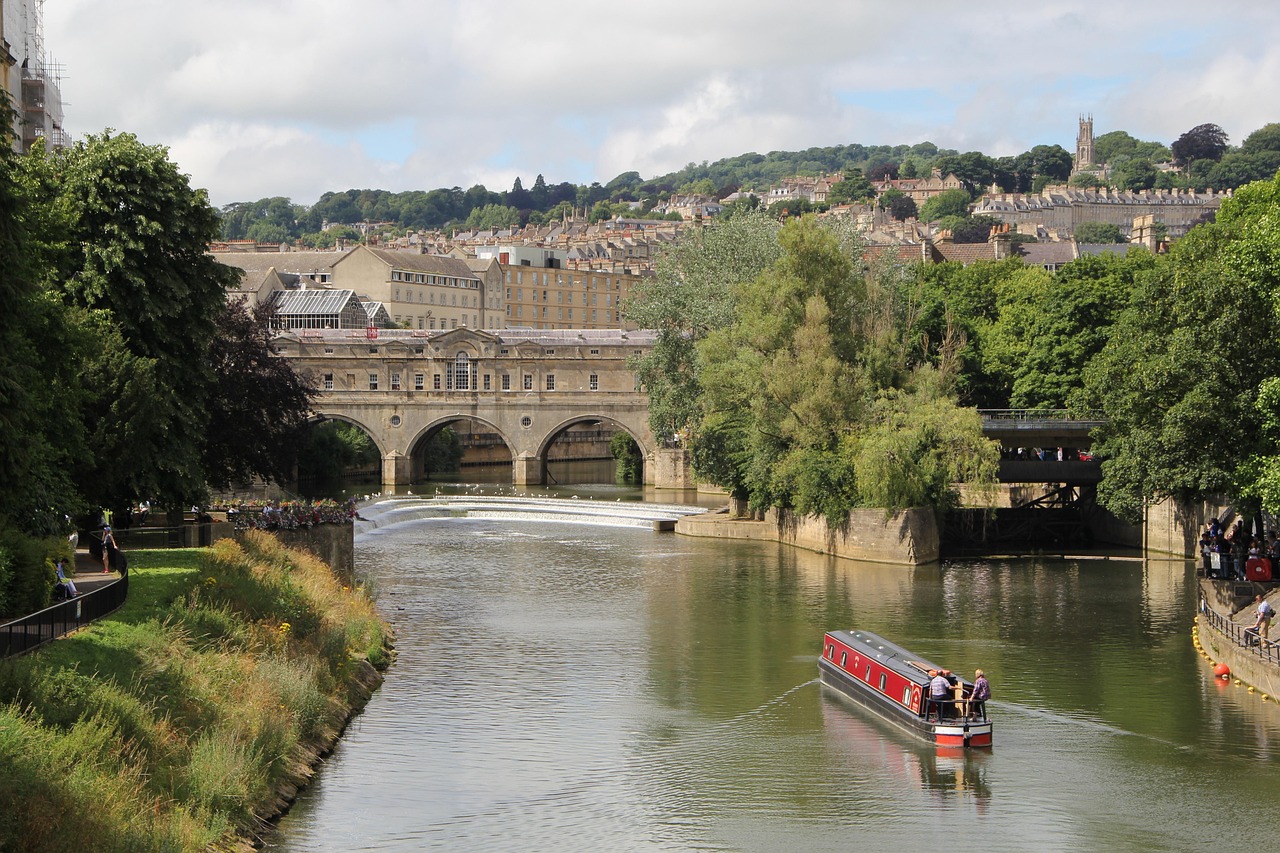
Bath is one of those rare cities where the whole place feels like a museum you can live in. Honey-coloured Georgian terraces curve around leafy crescents, steam rises from ancient Roman springs, and the River Avon loops lazily below golden stone bridges. I’ve been coming here for years—first as a broke student on day trips, then on winter spa weekends, and now often as a sort of “honorary local” who has learned which streets tourists rarely wander down.
In 2026, Bath feels especially alive. There’s fresh energy in its food scene, a renewed focus on sustainable travel, and a packed cultural calendar that goes far beyond the famous Jane Austen Festival. Whether you’re planning 3 days in Bath or a deeper 4–5 day itinerary for Bath, this city rewards slow travel: long lunches, riverside walks, spontaneous detours down cobbled lanes, and evenings spent in old pubs with low ceilings and roaring fires.
Bath is perfect for:
- Romantic getaways – spa days, candlelit restaurants, river walks, and rooftop sunsets.
- Family trips – interactive museums, city parks, boat trips, and easy day excursions.
- Solo travelers – walkable streets, friendly cafes, plenty of culture, and safe nightlife.
- Architecture & history lovers – Roman ruins, Georgian crescents, abbey towers, and elegant streets.
This travel guide for Bath is written as I’d plan the city for a good friend: detailed, honest, and full of personal tips—what to eat, how to avoid crowds, where the locals actually go, and how to build a 3, 4, or 5 day itinerary for Bath that feels like your own story, not just a checklist.
Table of Contents
- Why Visit Bath
- Quick Overview: 3–5 Day Itineraries
- Bath’s Neighbourhoods & Areas
- 20 Must-See Attractions in Bath (In-Depth Guides)
- Detailed 4–5 Day Itinerary (With Personal Stories)
- Best Local Food & Drink in Bath
- Nightlife, Entertainment & Cultural Experiences
- Bath in 2026–2027: Events & What’s New
- Best Day Trips From Bath
- Cultural Etiquette & Local Customs in Bath
- Practical Tips: Transport, SIMs, Visas, Seasons & Money-Saving
- Summary & Final Recommendations
Quick Overview: 3–5 Day Itineraries in Bath
If you’re just skimming for now, here’s how I’d structure your time—then we’ll dive into deeper stories and details.
3 Days in Bath
- Day 1: Roman Baths, Bath Abbey, Thermae Bath Spa, city walk, Pulteney Bridge, riverside dinner.
- Day 2: Royal Crescent, The Circus, No. 1 Royal Crescent, Royal Victoria Park, Jane Austen Centre, evening pub crawl.
- Day 3: Holburne Museum & Sydney Gardens, boat trip or river walk, hidden alleys, independent shops and tearooms.
4 Days in Bath
Add a day for countryside or lesser-known spots:
- Day 4: Canal walk to Bathampton, Prior Park Landscape Garden, Skyline Walk, or a half-day trip to Bradford-on-Avon.
5 Days in Bath
With 5 days in Bath, you can slow down and see more beyond the city centre:
- Day 4: As above (countryside & canal).
- Day 5: Full-day trip to the Cotswolds, Stonehenge & Avebury, or Wells & Cheddar Gorge.
Further below, I’ll walk through a 4–5 day itinerary for Bath in story form, with what I actually did each day, how I moved around, what I ate, and what I’d change next time.
Bath’s Neighbourhoods & Areas
Bath is compact, but each area has a distinct feel. When I stay in Bath, I choose my base by mood rather than price alone.
1. City Centre & Abbey Quarter
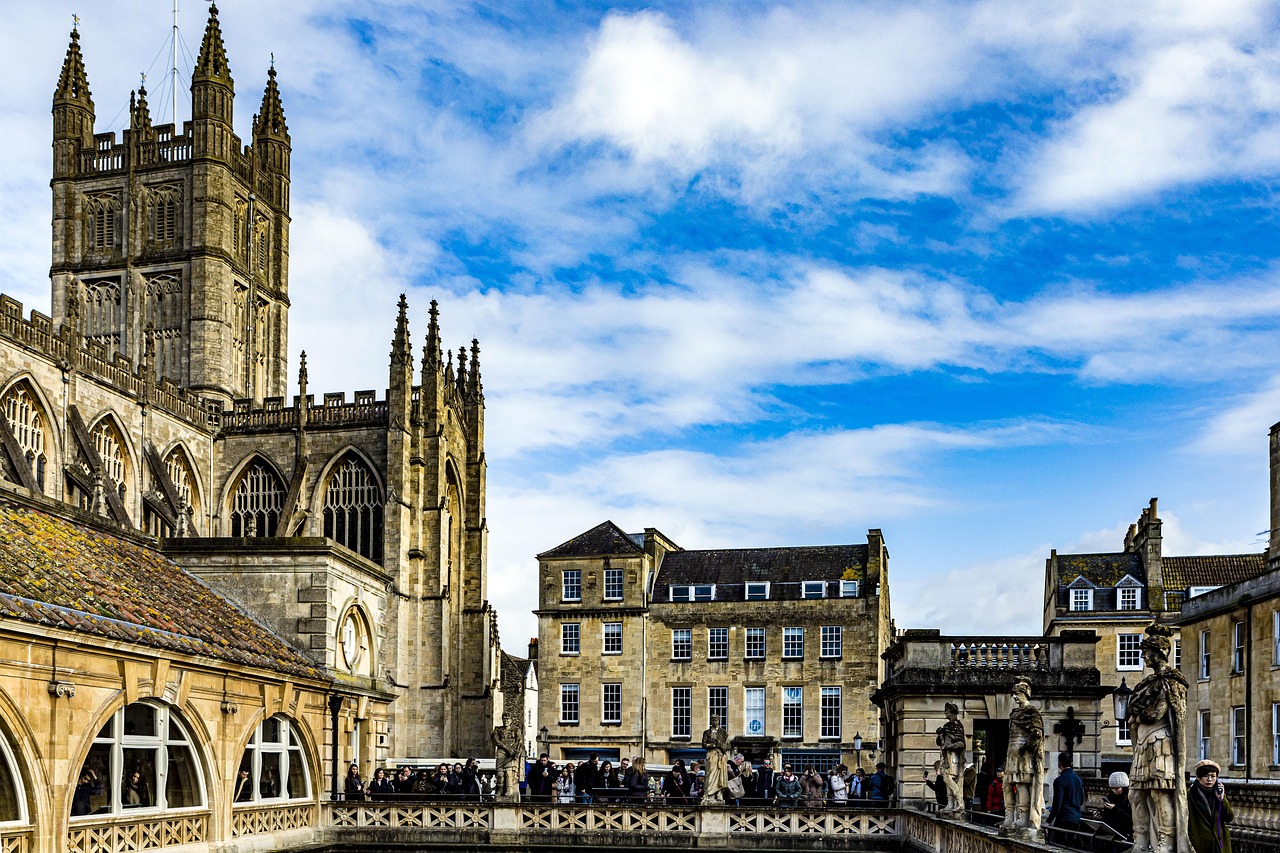
This is where most things to do in Bath cluster: the Roman Baths, Bath Abbey, Pulteney Bridge, and the main shopping streets. It’s busy, especially on Saturdays, but ideal if you want to walk everywhere and feel in the middle of things.
- Best for: First-time visitors, short stays, nightlife.
- Vibe: Lively, touristy by day, pleasantly buzzy at night.
- My tip: Stay just one or two streets off the main drag (near Queen Square or Henrietta Street) to sleep better but stay central.
2. Royal Crescent, The Circus & Upper Town
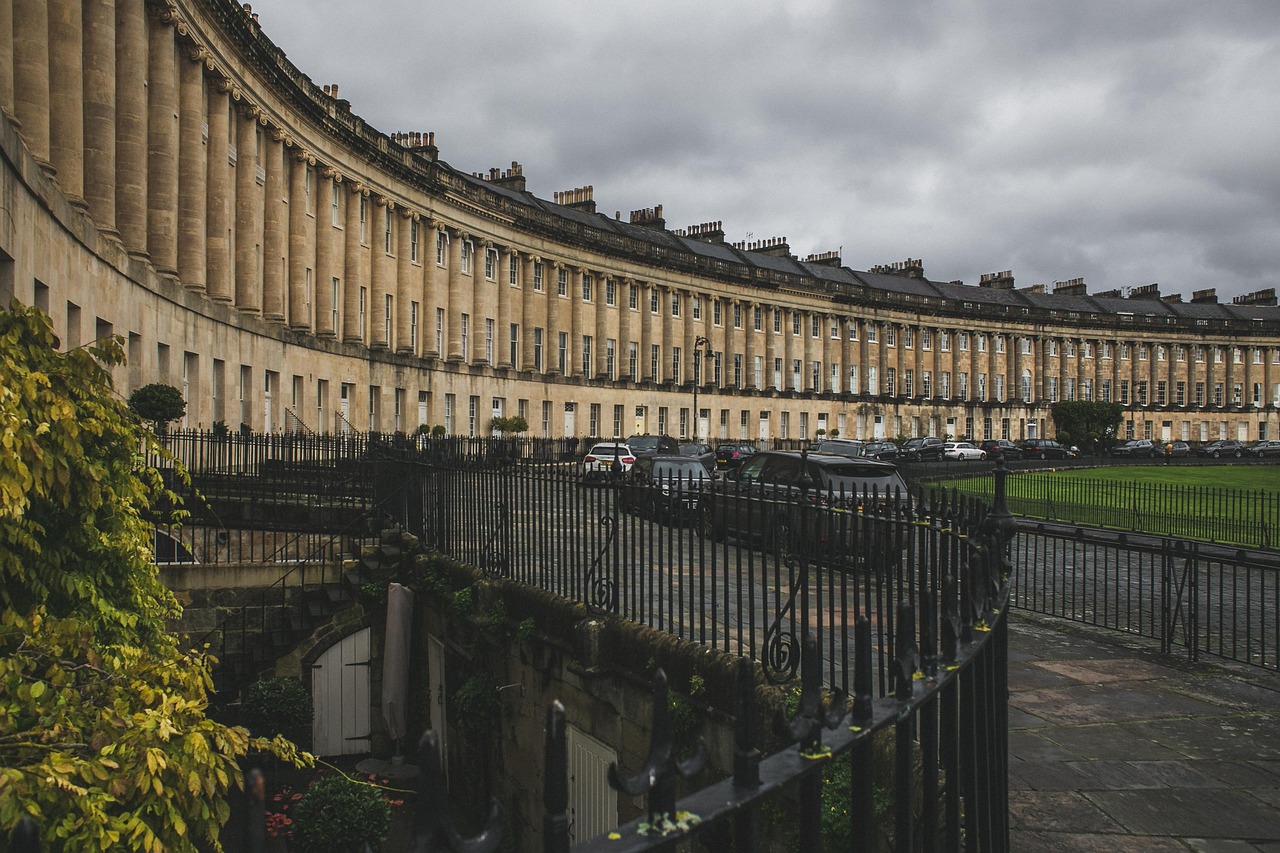
North of the centre, the streets rise gently towards the iconic crescents. This is the architectural showpiece of Bath: wide streets, elegant Georgian townhouses, tree-filled parks.
- Best for: Architecture lovers, quiet stays, families.
- Vibe: Residential, refined, tranquil at night.
- My tip: Mornings here are magic—few tourists before 9am, perfect soft light and empty crescents for photos.
3. Walcot & Artisan Quarter
Running along Walcot Street and London Road, this is Bath’s bohemian side: vintage shops, small galleries, quirky cafes, and the Saturday flea market. I love grabbing a takeaway coffee and slowly browsing here.
- Best for: Creative types, bargain-hunters, independent shopping.
- Vibe: Artsy, slightly scruffy in the best way.
- My tip: Aim for Saturday morning to catch the full market energy before wandering back into the historic centre.
4. Widcombe & Canal-Side
Just across the river and a short walk from the station, Widcombe feels almost like a small village bolted onto Bath. There’s a proper high street, canal paths, and some excellent traditional pubs.
- Best for: Peaceful stays within walking distance of the centre.
- Vibe: Local, relaxed, less touristy.
- My tip: Use Widcombe as your gateway to the Kennet & Avon Canal and the Bath Skyline Walk.
5. Bathwick, Pulteney Bridge & Sydney Gardens
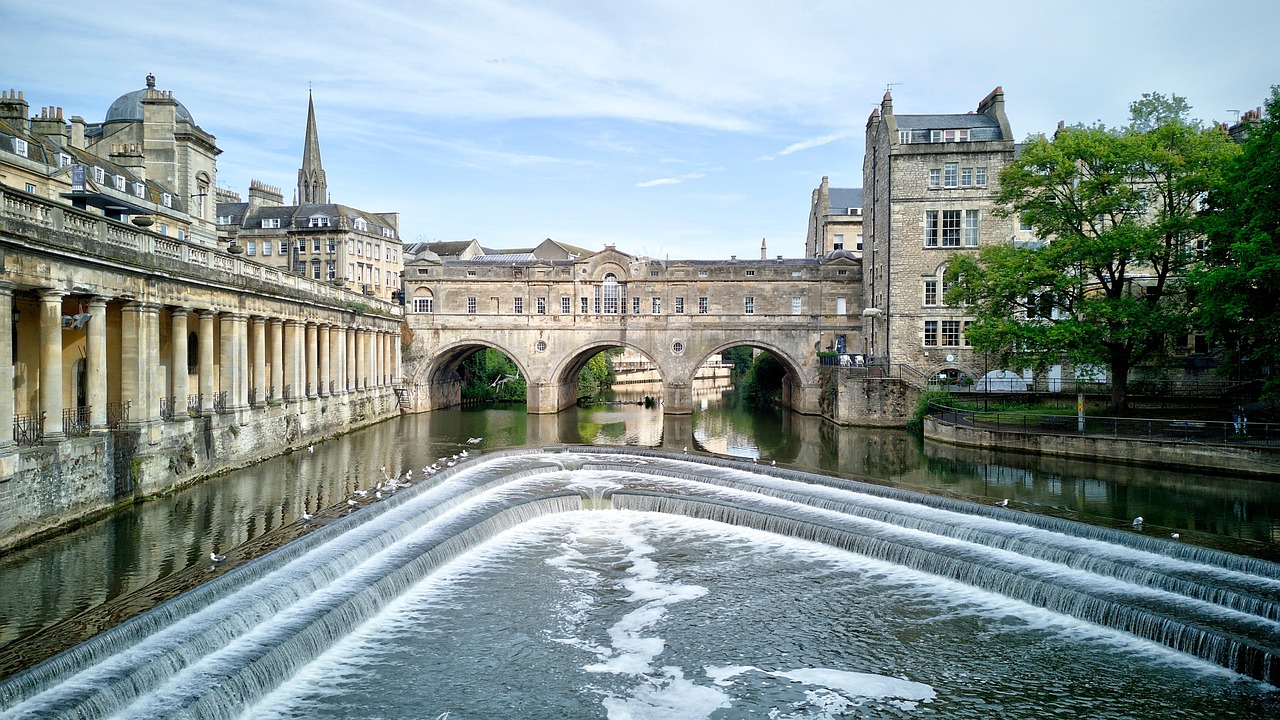
Cross Pulteney Bridge and you’re in Bathwick: grand avenues, the Holburne Museum, and leafy Sydney Gardens. It feels a touch more glamorous and serene, especially in the early evening.
- Best for: Romantic breaks, lovers of art & green space.
- Vibe: Elegant, calm, picture-perfect.
- My tip: Stay here if you want easy access to both the centre and riverside walks, but quieter nights.
20 Must-See Attractions in Bath (In-Depth Guides)
These are the best places to visit in Bath, from headline sights to quieter gems. I’ve visited each of these multiple times over the years; what follows is part history, part practical guide, part personal diary.
1. The Roman Baths
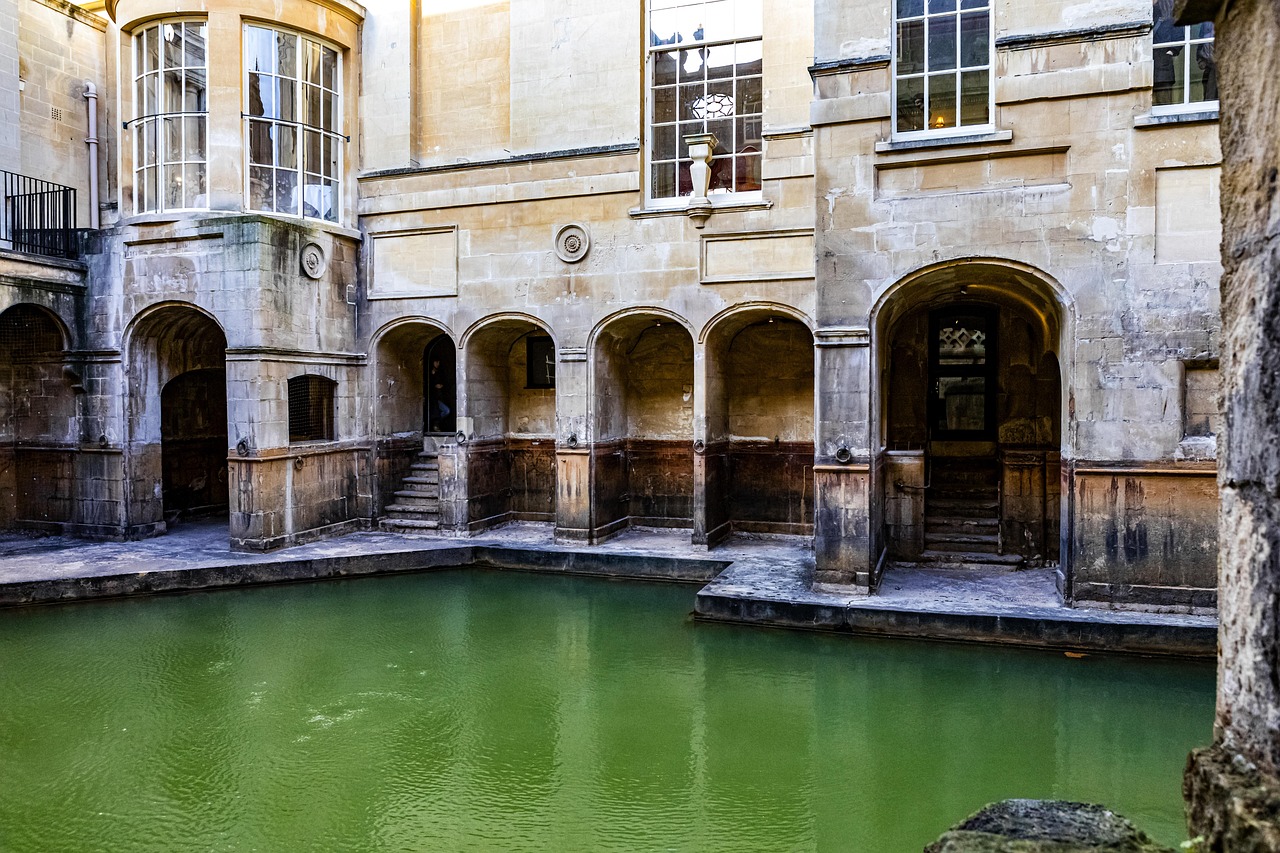
The Roman Baths are the heart of Bath—literally the reason the city exists. The first time I visited, I arrived just as they opened at 9am on a winter weekday, and for a few magical minutes I stood almost alone beside the Great Bath, watching steam rise into the cold air while the audio guide softly told stories of Romans soaking in almost the exact spot 2,000 years ago.
The complex includes the Great Bath, the Sacred Spring, a small but excellent museum, and the remains of temple buildings. The audio guide (included) is genuinely good; I always select a mix of the main commentary and the “curator” tracks for extra geeky detail. Allow at least 1.5–2 hours; history lovers may linger even longer.
Tips:
- Timing: Go right at opening or late in the evening slots in summer; midday can be very busy.
- Tickets: Book online for your preferred time; in peak summer and on weekends walk-up slots can sell out.
- Family-friendly: Kids get their own audio tracks and activity sheets—this keeps them far more engaged than you’d expect from “old stones.”
- Don’t: Don’t touch or try to dip hands into the water; it’s untreated and not for bathing.
Nearby food: I often follow a Roman Baths visit with a late breakfast or early lunch at a nearby cafe tucked into the lanes off Stall Street, away from the chain restaurants on the main road. It’s also worth popping up to the Pump Room (even just for a peek) to see the elegant Georgian tearoom.
2. Bath Abbey
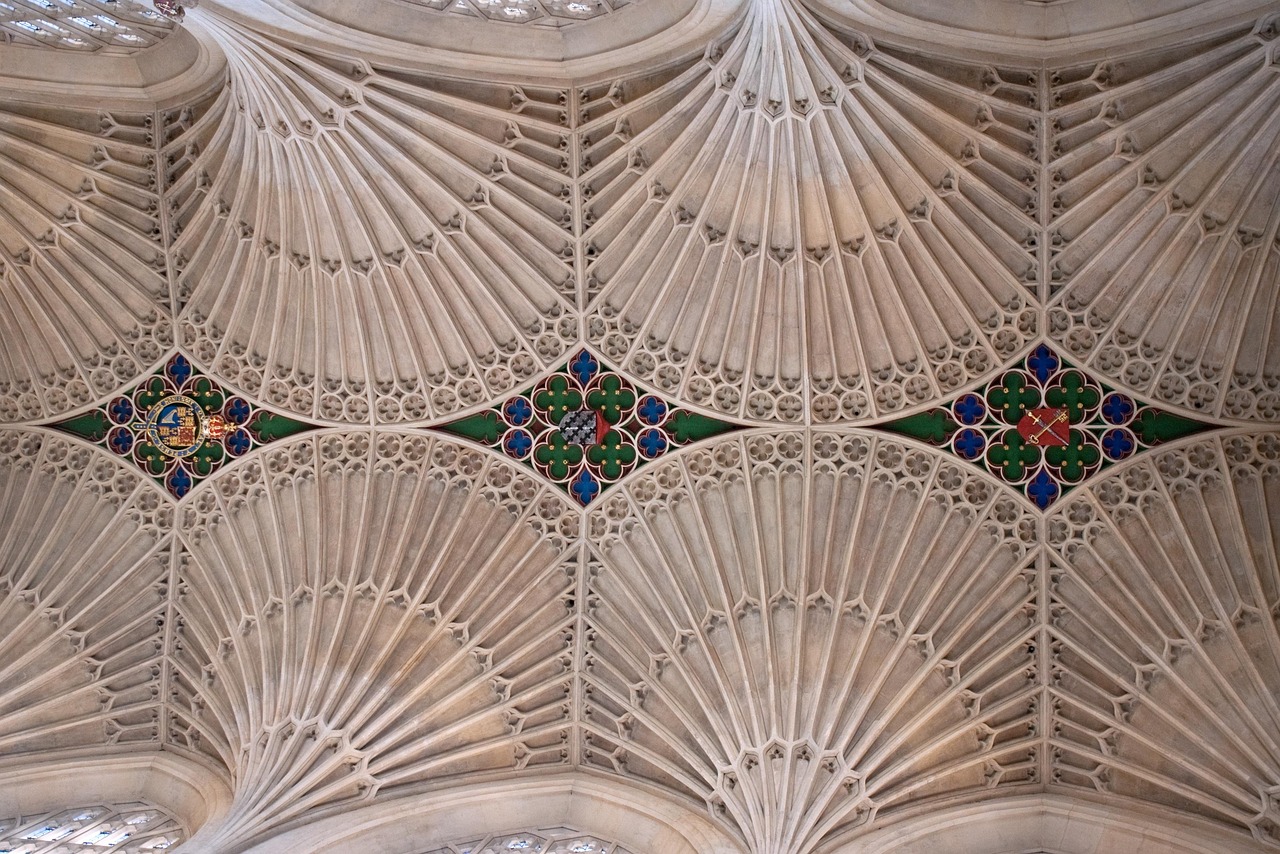
Bath Abbey is your constant landmark in the city centre, its fan-vaulted ceiling and honey-coloured stone glowing even on grey days. I’ve ducked inside on hot afternoons to cool down, on rainy days to dry off, and often just to sit quietly for ten minutes between attractions.
The Abbey you see now dates mostly from the 16th century, though there have been places of worship on the site for over a thousand years. Look up at the ceiling—its intricate fan vaulting is one of the finest examples in England. The stained glass is also stunning, particularly when low sun streams through.
Tower tours: If you’re up for a bit of a climb, the tower tour is absolutely worth it. You get rooftop views over the city, peek inside the bell chamber, and even stand behind the clock face. I did it once at sunset and still think about that view.
Tips:
- There’s usually a suggested donation for entry; card readers are by the door.
- Services and choir performances are open to visitors—check times at the entrance. Sitting through Evensong can be a beautiful cultural experience even if you’re not religious.
- Dress respectfully (no need for anything formal, just avoid hats and super revealing clothing inside).
3. Thermae Bath Spa
Modern Bath’s answer to its ancient springs, Thermae Bath Spa uses naturally heated mineral-rich water drawn from deep underground. I’ve visited in different seasons, but my favourite time is a cold, drizzly evening when you can sink into the warm rooftop pool and watch the city lights blur through the steam.
You don’t need to book the main spa session far in advance, but at peak times (weekends, holidays) pre-booking is wise. A standard session gives you a few hours to move between the open-air rooftop pool, the Minerva Bath, and the Wellness Suite with its saunas and steam rooms.
Romantic factor: Very. It’s one of my top recommendations for couples spending 3–4 days in Bath.
Tips:
- Bring: Swimwear. Towels and robes are usually included with admission; check the latest policy when you book.
- Timing: Late evening slots feel more relaxed and less rushed.
- Budget: It’s not cheap; if money is tight, make this your one big Bath splurge and save elsewhere.
4. Pulteney Bridge & Weir
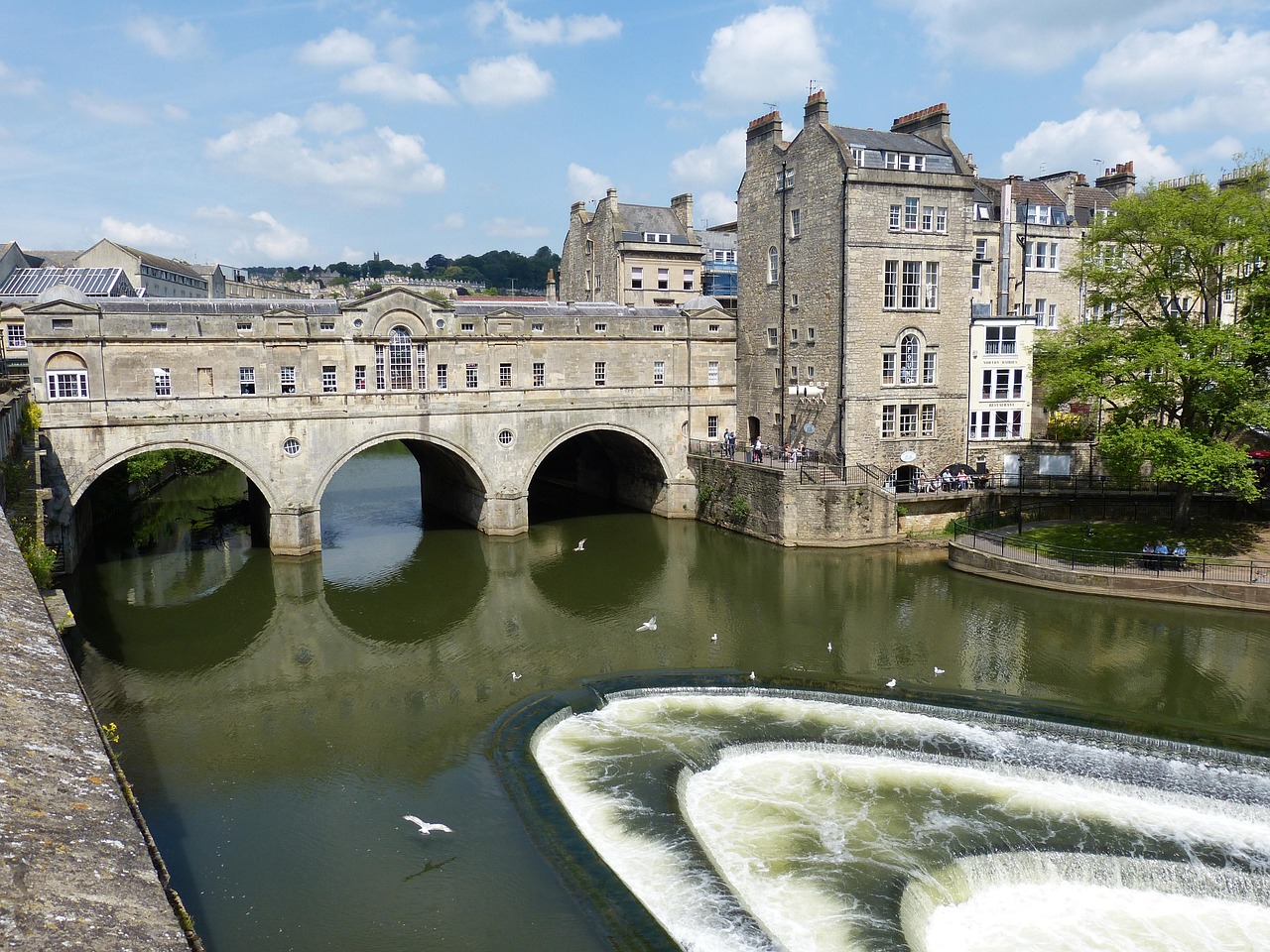
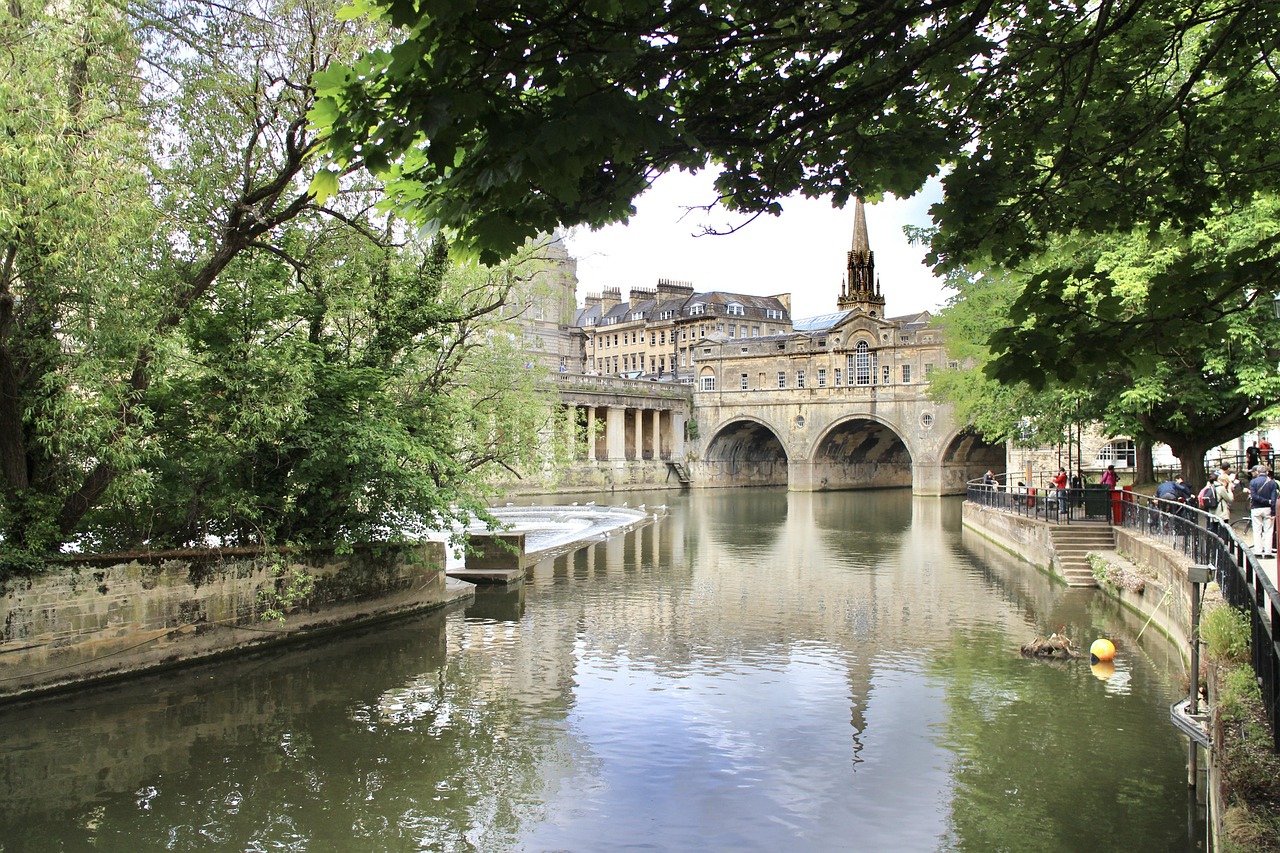
Pulteney Bridge is one of the most photogenic spots in Bath—an 18th-century bridge lined with little shops, spanning the River Avon above a dramatic horseshoe-shaped weir. It’s lovely by day, but I especially like wandering here in the early morning before the crowds, or at blue hour when the lamps reflect in the water.
Walk across the bridge (peek into the independent shops), then drop down to the riverside path for different angles. If the weather is kind, grab takeaway coffee or gelato and sit on the stone steps watching the river boats.
Boat trips: Several operators run short cruises from near Pulteney Bridge up the river and back. I’ve done one on a sunny afternoon: very gentle, very scenic, and great for families or anyone wanting a low-effort way to see Bath from a different perspective.
5. Royal Crescent & Royal Victoria Park
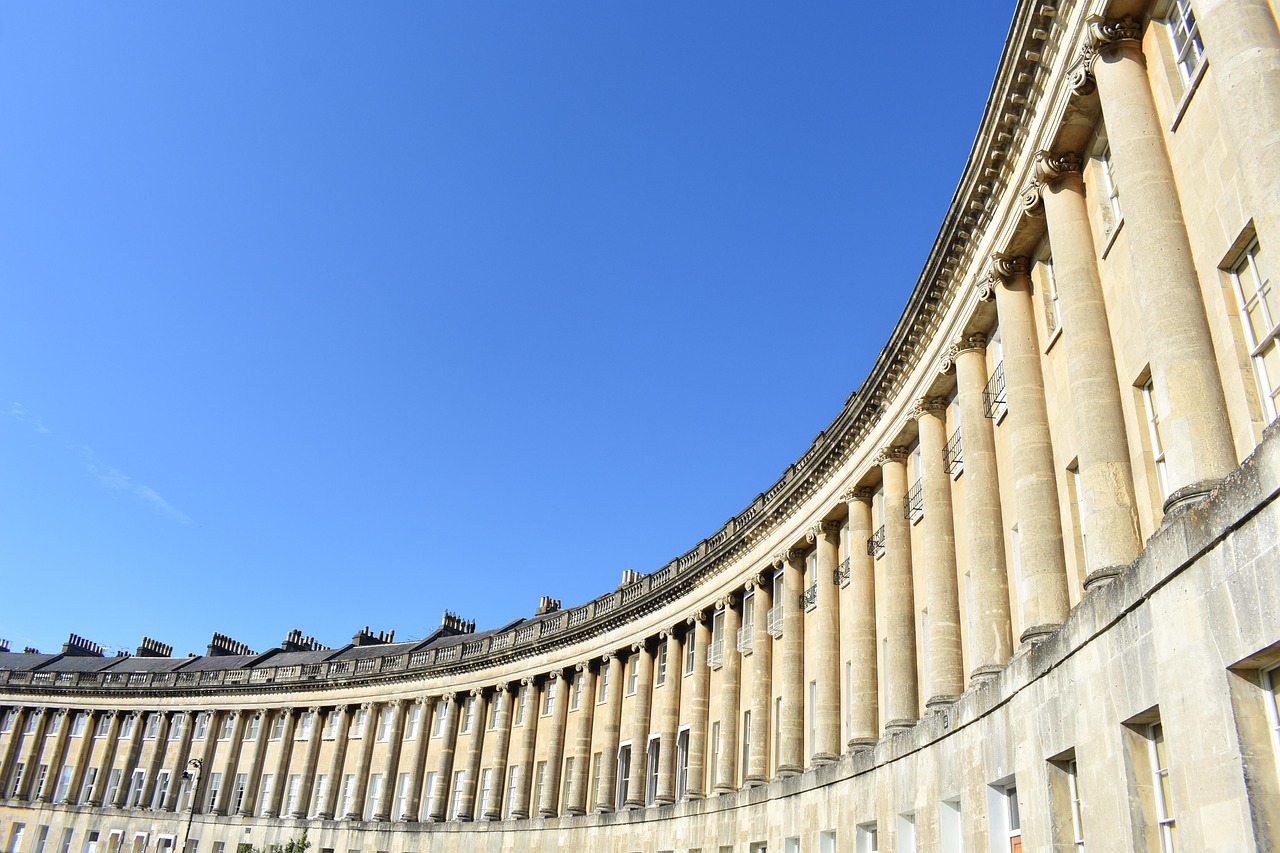
The Royal Crescent is Bath at its most postcard-perfect: a sweeping arc of 30 grand townhouses overlooking a grassy lawn and park. The first time I saw it in person, after years of photos, I still gasped a little—it feels bigger and more theatrical than any picture conveys.
I like to approach from Brock Street, passing The Circus first (another beautiful set of curved townhouses), then let the Crescent reveal itself as you emerge onto the open lawn. In summer, locals and students sprawl on the grass with picnics; in autumn, it’s scattered with golden leaves.
No. 1 Royal Crescent: One of the houses is now a museum, furnished as it would have been in the late 18th century. Walking through the rooms, you get a tangible sense of Georgian daily life—where servants worked, how families dined, what “home comforts” looked like 250 years ago.
Behind the Crescent, Royal Victoria Park offers botanical gardens, a playground (great for kids), and quiet walking paths. I often bring a sandwich here for a simple picnic lunch between sightseeing stops.
6. The Circus
The Circus is a perfect circle of Georgian terrace houses, tucked quietly above the centre. Architect John Wood the Elder designed it as a grand statement, and even now it feels striking: three curved segments, identical facades, trees in the middle.
I usually pass through The Circus on my way from the centre up to the Royal Crescent. Stand in the middle and slowly turn a full circle, noticing the carved stone details on each level. It’s also a good place to pause on a bench and just listen to the city hum gently around you—mostly locals and students walking dogs or heading home.
7. The Jane Austen Centre
If you’re even mildly fond of Jane Austen, this small museum is worth a stop. Jane lived in Bath for several years, and the city appears in her novels. The exhibition covers her life, her time in Bath, and how the city influenced books like “Persuasion” and “Northanger Abbey.”
I brought a friend here who’d never read Austen and, to my surprise, she still enjoyed it—the costumed guides are engaging and the displays are digestible. The Regency Tea Room upstairs is also a lovely place to linger afterwards.
Tip: To avoid feeling rushed, come earlier in the day or towards late afternoon when it’s less busy.
8. The Holburne Museum & Sydney Gardens
Walk across Pulteney Bridge and follow Great Pulteney Street—an impressively wide Georgian boulevard—until you reach the Holburne Museum at its far end. The building itself is a beauty, and behind it lies Sydney Gardens, one of the city’s most peaceful green spaces.
The Holburne’s collection ranges from 18th-century portraits to decorative arts and changing exhibitions. I like it because it’s compact: you can see everything in 60–90 minutes without feeling overwhelmed. I’ve had some of my quietest, most reflective Bath moments sitting on a bench in Sydney Gardens afterwards, watching dogs chase each other under the trees.
9. Sally Lunn’s Historic Eating House
Part bakery, part museum, Sally Lunn’s is famous for its “Bath buns”—more like a light brioche than a typical bun. The building itself is one of the oldest houses in Bath, and you can visit the little basement museum to see parts of the original kitchen.
I’ve tried both sweet and savoury buns here; a favourite combo is a toasted bun with cinnamon butter in the late afternoon, when your feet are tired and you need fuel to keep exploring. It can be busy, but the turnover is fairly quick; try off-peak hours (mid-morning or mid-afternoon) to avoid queues.
10. Fashion Collection & Assembly Rooms Area
Bath’s historic Assembly Rooms have long been a social hub, and the area around them still feels refined. The city’s fashion collections (check current location in 2026; they’ve been in flux) showcase centuries of clothing, including Georgian and Regency pieces.
I remember wandering through an exhibition of 18th-century gowns and realising how much clothing can reveal about social rules, class, and daily life. If you’re interested in costume dramas, period fashion, or just people-watching across history, it’s fascinating.
11. Victoria Art Gallery
Just off Pulteney Bridge, the Victoria Art Gallery is a compact, often overlooked gem. Inside you’ll find a mix of paintings, sculpture, and changing exhibitions. I like to pop in when the weather turns or when I want a quiet half-hour between heavier sights.
Budget tip: There’s often a free permanent collection and paid temporary shows; if you’re watching costs, stick to the free galleries and check if there are any donation-only days.
12. Royal Victoria Park & Botanical Gardens
West of the Royal Crescent, Royal Victoria Park is my go-to “breather” spot in Bath. There’s space to spread out, a big playground (families love it), and the Botanical Gardens in one corner with winding paths and labelled plants.
On warm days I’ll bring snacks and sit by the duck pond; in winter, it’s still a pleasant loop walk and often quieter than the city streets. If you’ve only got 3 days in Bath, it’s still worth budgeting an hour here just to reset.
13. Bath Skyline Walk
For a different angle on the city, the Bath Skyline Walk circles the hills above town, offering panoramic views of Bath’s golden terraces nestled in the valley. The full loop is about 6 miles (10 km), passing through woodland, meadows, and small lanes.
I like doing a shorter section if I’m tight on time—starting near Widcombe and climbing up for the viewpoints before looping back down. Wear decent shoes; some sections can be muddy after rain.
Adventurous factor: Moderate; great for active travelers and families with older kids who enjoy walking.
14. Kennet & Avon Canal & Bathampton
One of my favourite “hidden gems in Bath” isn’t hidden at all—it’s just slightly off most short itineraries. The Kennet & Avon Canal snakes quietly out of the city; follow the towpath and you’ll quickly feel as though you’ve stepped into the countryside.
I often walk or cycle the flat path to Bathampton (about an hour on foot), where you can reward yourself with lunch at a canalside pub before heading back. Narrowboats, ducks, and low stone bridges make this a dream for slow photographers.
15. Prior Park Landscape Garden
Owned by the National Trust, Prior Park sits in a valley above Bath, with one of only a few remaining Palladian bridges in the world. From the upper slopes, you get cinematic views back towards the city.
I visited once in early autumn; the trees were just starting to turn, and mist hung in the valley. It felt miles from the city even though it’s only a short bus ride or a hilly walk away.
Tip: Wear comfortable shoes; the paths involve some steep sections. Check opening times, as they can vary seasonally.
16. Theatre Royal Bath
Theatre Royal Bath is one of the oldest and most beautiful working theatres in the UK. I love booking tickets for an evening performance—it turns a regular day of sightseeing into a proper night out.
The programme ranges from West End transfers to new plays and comedy. Even if you’re not a big theatre-goer, the building’s interior is worth seeing; the auditorium is all plush red seats and ornate balconies.
Tip: Book ahead for popular shows. For last-minute bargains, check for same-day returns at the box office.
17. Sydney Gardens
Behind the Holburne Museum, Sydney Gardens is one of the oldest public pleasure gardens in the country. Train tracks and the canal both cut through, creating interesting viewpoints where you can watch boats and trains pass beneath old stone bridges.
This is where I come when I want quiet but don’t have time for the full Skyline Walk. It’s especially pretty at golden hour when sunlight filters through the mature trees.
18. Museum of Bath Architecture
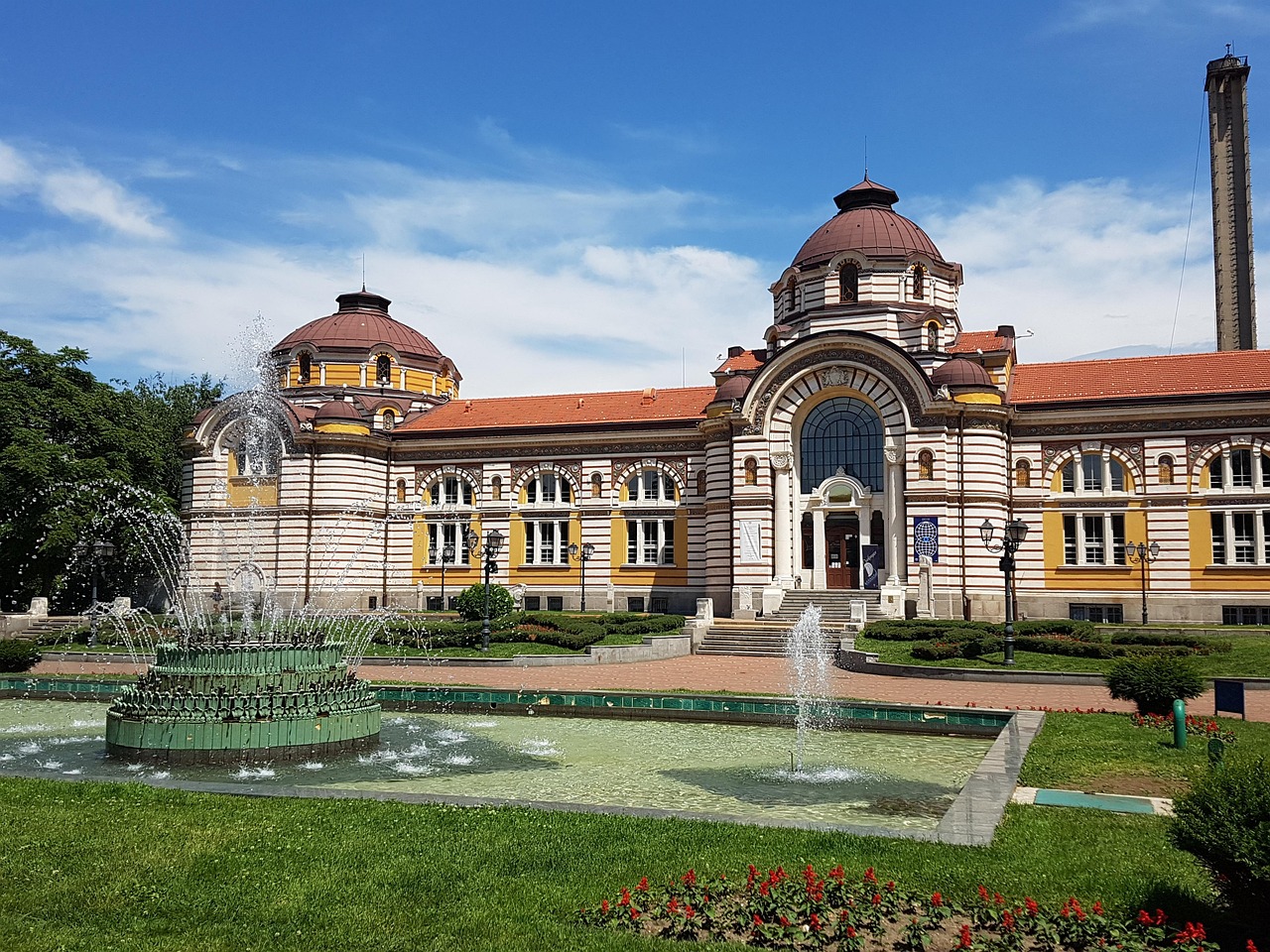
If you’ve found yourself constantly staring up at Bath’s terraces and wondering how on earth they built such a harmonious city, this small museum answers many of those questions.
You’ll see models, plans, and exhibits explaining how the Georgian architects shaped Bath’s streetscapes. It’s niche but fascinating, and it deepened my appreciation for every curve and column I noticed afterwards.
19. Bath Markets & Artisan Stalls
Bath’s markets change a bit through the year, but expect a mix of permanent indoor stalls, weekend artisan markets, and, in winter, the famous Christmas Market that fills the streets around the Abbey.
I like browsing the smaller craft stalls for handmade ceramics, prints, and local food products. It’s a good way to support independent makers and pick up souvenirs that aren’t mass-produced.
20. Sion Hill, Widcombe & Local Viewpoints
For quieter, more residential “attractions,” I love wandering around Sion Hill and Widcombe. These areas offer some of the best free viewpoints over the city, with elegant terraces and gardens.
On one spring trip, I spent a whole afternoon doing nothing “important” here—just following my nose up residential streets, pausing at railings to look down over the rooftops, and stopping in small local cafes for tea. If you’re in Bath for 4–5 days, give yourself at least half a day for this kind of slow exploration.
My Detailed 4–5 Day Bath Itinerary (Personal Story Style)
Below is how I like to plan 4 days in Bath, with options to extend to 5. Treat this as a flexible framework—you can swap days around depending on weather and energy levels. I’ll keep it detailed, but you can skim headings if you just want the structure.
Day 1: Classic Bath – Romans, Abbey & Rooftop Spa
I always start a Bath trip with the big hitters; they set the scene and give you context for everything you see later.
Morning: Roman Baths & Bath Abbey
On my last visit, I booked the Roman Baths for the 9am slot. I arrived a little early, grabbed a takeaway coffee from a side-street cafe, and watched the city square slowly wake up: delivery vans humming, shop shutters rattling open, pigeons pacing confidently around the Abbey steps.
Once inside, I moved fairly quickly through the first few rooms to reach the Great Bath before the crowds. After that, I took my time—listening to the audioguide, reading the plaques, and letting myself imagine the noise and bustle of a Roman bathhouse: gossip, deals, arguments, all swirling through the steam.
After about two hours, I stepped out into daylight and straight into Bath Abbey. The contrast felt deliberate: from pagan Roman temple remains to soaring Christian architecture in under five minutes. I like to sit in a side pew for a moment, phone away, just absorbing the cool quiet and faint sound of footsteps echoing on stone.
Lunch: Casual Bite Near the Centre
For lunch, I usually avoid the busiest streets (Stall Street, Union Street) and duck into the smaller lanes radiating off them. You’ll find independent bakeries and cafes serving sandwiches, soups, and good coffee. On tight budgets, a takeaway sandwich eaten on a bench near the Abbey or along the river is perfectly satisfying.
Afternoon: Pulteney Bridge & Riverside Wandering
After lunch, wander towards Pulteney Bridge. Cross it, peek into the small shops, then drop down to the riverside path for a loop walk. If the weather is decent, consider a short boat trip—gentle, scenic, and a good way to rest your feet while still exploring.
Late Afternoon / Evening: Thermae Bath Spa
I like booking a late afternoon or early evening session at Thermae Bath Spa on Day 1. By then, you’ve probably walked a lot; sinking into warm mineral water feels like a reward.
Afterwards, I wander slowly back through the softly lit streets, hair still slightly damp, body pleasantly heavy. If you’re feeling indulgent, book dinner at a mid-range or nicer restaurant for your first night—somewhere with candlelight and good local cider or wine. It sets a tone for the rest of the trip.
Day 2: Georgian Elegance – Crescents, Parks & Jane Austen
Day 2 is all about elegant architecture and literary connections, plus plenty of green space.
Morning: The Circus & Royal Crescent
Start by walking up from the centre through quiet streets towards The Circus. Morning is ideal: golden light on the facades, hardly any cars, and usually just a dog walker or two. Pause in the centre of The Circus, look up, and turn slowly to see the architectural rhythm of the windows and columns.
Continue to the Royal Crescent, approaching from above so it reveals itself all at once. Spend time on the lawn, then visit No. 1 Royal Crescent if you’re interested in interiors and social history.
Late Morning: Royal Victoria Park
Cross into Royal Victoria Park for a relaxing stroll. If you’re traveling with kids, factor in a good hour for the playground; it’s big and excellent. If not, head to the Botanical Gardens for a quieter wander.
Lunch: Picnic or Cafe
On a sunny day, I like to pick up picnic supplies from a deli or supermarket and eat in the park. On colder days, I retreat to a cafe back towards the centre or around George Street.
Afternoon: Jane Austen Centre & Tea
After lunch, walk back into town and visit the Jane Austen Centre. Even if you’re not deeply into Austen, it helps you imagine Bath in its Regency heyday. The costumed staff lean into the drama, which can be fun.
Finish the afternoon with tea—either in the Regency Tea Room upstairs or another tea shop nearby. A cream tea (scones, jam, clotted cream, with tea) is a must-try local experience.
Evening: Pub Night
For the evening, lean into Bath’s pub culture. Choose one or two traditional pubs—look for low ceilings, wooden beams, and locals chatting at the bar. Try a pint of local ale or cider; ask the bar staff for recommendations. This is an easy, relaxed way to end your second day, whether you’re solo, as a couple, or with friends.
Day 3: Art, Gardens & Riverside Calm
By Day 3, you’ll have seen the main sights. Today is about art, gentle walking, and discovering “your” corners of Bath.
Morning: Holburne Museum & Sydney Gardens
Start by walking across Pulteney Bridge and along Great Pulteney Street to the Holburne Museum. Spend an hour or so inside, then continue into Sydney Gardens behind it. This is a lovely spot for quiet reflection; I like to follow the canal section and watch boats move slowly through.
Late Morning: Canal or River Walk
From here, pick a direction:
- Option A: Follow the Kennet & Avon Canal out of the city towards Bathampton for a longer walk.
- Option B: Return towards the centre and walk along the River Avon paths for shorter loops.
Either way, this is your chance to escape shopfronts and Instagram spots and just enjoy the landscape around Bath.
Lunch: Canalside or Riverside Pub
If you walk to Bathampton, reward yourself with lunch at a canalside pub. If you stay closer to town, choose a pub or cafe with river views back near Pulteney Bridge or along the lower paths.
Afternoon: Victoria Art Gallery & Shopping
Head back into the centre and pop into the Victoria Art Gallery for a cultural fix. Then allow yourself some unstructured time to explore Bath’s independent shops—small bookshops, artisan boutiques, and local food shops. This is where I often find the best souvenirs: handmade ceramics, prints of Bath cityscapes, or locally produced gin and chutneys.
Evening: Theatre, Cinema or Quiet Night
For your third night, you have choices:
- Theatre Royal Bath for a proper night out.
- Indie cinema for a cosy film night.
- Early night if you’re preparing for a big day trip tomorrow.
Day 4: Countryside, Skyline & Hidden Corners
If you’re doing a 4 day itinerary for Bath, Day 4 is when you step beyond the city centre and deepen your connection to the landscape around it.
Morning: Bath Skyline Walk or Prior Park
Start early and head towards the Bath Skyline Walk. You can do the full loop or choose a shorter segment; either way, you’ll get wide views over the city and pass through meadows and woodland. Bring water and a light snack; there aren’t many shops en route.
Alternatively, focus on Prior Park Landscape Garden for a shorter but still rewarding countryside immersion. Explore the Palladian bridge, stroll around the lakes, and pause at the viewpoints.
Lunch: Village Pub or Back in Bath
Depending on your chosen route, find a village or canalside pub for lunch, or return to Bath and treat yourself to a hearty meal there. On one memorable trip, I ended up in a tiny pub with a fire going and a bowl of thick soup that tasted twice as good after the morning’s hill walking.
Afternoon: Sion Hill, Widcombe & Local Cafes
Use the afternoon to explore residential areas like Sion Hill and Widcombe. This is not about “sights” so much as about feeling how people actually live here. Notice front gardens, chat with cafe owners, and let yourself be a little aimless.
Evening: Final Dinner in Bath
For your last evening (if you’re on a 4-day plan), book a slightly special dinner: perhaps a modern British restaurant that champions local produce, or a cosy bistro you’ve walked past a few times and been curious about. Toast the city with local cider or English sparkling wine.
Day 5: Day Trip – Wells, Cotswolds or Stonehenge
If you’re planning a 5 day itinerary for Bath, use Day 5 to explore beyond the city. Bath makes an excellent base for several classic English day trips.
Option A: Wells & Cheddar Gorge
Wells is England’s smallest city, with a glorious cathedral and a charming market square. Cheddar Gorge offers dramatic limestone cliffs and caves nearby. You can visit both in a day via organised tour or by car.
Option B: Cotswolds Villages
Head to picture-perfect villages like Castle Combe or Lacock (often used as film locations). Organised tours from Bath are common and save you navigation stress.
Option C: Stonehenge & Avebury
The famous stone circle is about an hour away; Avebury offers an even more immersive stone circle experience you can walk among. Again, tours are easy to book from Bath.
Whichever you choose, return to Bath in the evening for one last stroll through the softly lit streets. I like to loop around the Abbey and Roman Baths after dark; the crowds are gone, and the stones feel almost private.
Best Local Food & Drink in Bath
The food scene in Bath has grown more interesting every year. It’s not London-level diverse, but for a city its size, you’ll eat very well.
What to Eat: Local Specialities & Classics
- Bath bun: Light, slightly sweet, often topped with sugar or served split and buttered. Try at Sally Lunn’s or a local bakery.
- West Country cider: The region around Bath produces excellent ciders—dry, medium, sparkling. Ask for local labels on tap in pubs.
- Cheeses: Look for Somerset cheddar, Bath Soft Cheese, and other regional varieties in delis and markets.
- Sunday roast: If you’re in Bath on a Sunday, a roast lunch in a good pub (with Yorkshire pudding, roast potatoes, vegetables, and gravy) is a cultural experience as much as a meal.
Favourite Types of Places (Rather Than Just Names)
Rather than listing specific restaurants that may change by 2026, here’s how I choose where to eat:
- Independent cafes on side streets: Better coffee, friendlier staff, and more character than big chains on the main streets.
- Pubs one or two streets off the centre: Often more local, less touristy, and better value than the pubs right by major sights.
- Delis & bakeries for picnics: Ideal for saving money and eating in parks or by the river.
- Ethnic restaurants near student areas: The student population keeps prices reasonable and food quality high.
Saving Money on Food
Bath can be pricey, but you can eat well without breaking the bank:
- Make lunch your main meal; many places offer good-value lunch specials.
- Use supermarkets for snacks, breakfast items, and picnic supplies.
- Share dishes in pubs (large mains, shared sides) if portions are generous.
- Skip bottled water; tap water in the UK is safe and generally tasty.
Nightlife, Entertainment & Cultural Experiences in Bath
Bath’s nightlife is more “cosy evening” than “wild party,” which suits the city’s atmosphere. Here’s how I like to spend nights in Bath:
Pubs & Bars
- Historic pubs: Low ceilings, fireplaces, and a mix of locals and visitors. Great for conversation.
- Cocktail bars: A handful of small, stylish spots serve excellent cocktails—ideal for date nights.
- Cider houses: Some places specialise in local ciders; ask for tasting flights if you’re curious.
Cultural Evenings
- Theatre Royal Bath: Plays, musicals, comedy.
- Live music: Pubs and small venues host local bands and acoustic sets; check posters around town.
- Cinema: Perfect for a low-key evening after a busy sightseeing day.
Romantic Experiences
- Rooftop spa session at Thermae Bath Spa followed by a candlelit dinner.
- Evening stroll along the river and around the Abbey, when crowds are gone and lights reflect on the stone.
- Sunset viewpoint from the hills above Bath (Sion Hill or parts of the Skyline Walk).
Family-Friendly Evenings
- Early dinner in a casual restaurant or pub with kids’ menus.
- Twilight river walks to burn off last bits of energy.
- Occasional early-evening performances or events; check listings for family shows.
Bath in 2026–2027: Events & What’s New
Bath’s calendar is busy year-round, but a few events are especially worth planning around in 2026–2027. Exact dates shift slightly each year, so use this as a guide and check specifics closer to your trip.
Major Annual Events
- The Bath Festival (May 2026 & 2027): A multi-arts festival covering music, literature, and talks. Expect concerts, readings, and events spread across venues.
- Bath Fringe Festival (late May–June): Quirky performances, street theatre, and independent arts—great if you like offbeat culture.
- Jane Austen Festival (September 2026 & 2027): Parades of people in Regency costume, talks, dances, and all things Austen.
- Bath Christmas Market (late November–December): Wooden chalets around the Abbey and Roman Baths, selling crafts, food, and mulled drinks. Very atmospheric, very busy at peak times.
Trends & Changes for 2026
- Sustainable tourism: More emphasis on walking routes, cycling, and minimising coach traffic in the centre.
- Food scene: Continued growth of small, seasonal, and locally focused restaurants and cafes.
- Digital tickets: Many attractions increasingly prefer or require pre-booking online timed slots, especially in summer and on weekends.
Best Day Trips From Bath
If you’re staying more than 3 days in Bath, consider at least one day trip. Here are the most popular options and how to approach them.
1. Cotswolds Villages (Castle Combe, Lacock & Beyond)
The Cotswolds are classic “chocolate box” English countryside: stone cottages, flower-filled gardens, and cosy pubs. From Bath, organised tours often visit Castle Combe and Lacock in one day, which is convenient if you don’t want to drive.
Tip: Bring comfortable walking shoes; village streets are often cobbled or uneven.
2. Stonehenge & Avebury
Stonehenge needs little introduction; Avebury offers a more immersive stone circle you can actually walk among. Many tours from Bath combine both, plus a village stop.
Tip: Dress for wind and changeable weather; these sites are very exposed.
3. Wells & Cheddar Gorge
Wells’ cathedral is one of my favourites in England, with a stunning West Front and a unique scissor arch inside. Cheddar Gorge adds outdoor drama with cliffs and caves.
Tip: Ideal for families and anyone who likes to mix culture and nature in one day.
4. Bristol
Just 15–20 minutes away by train, Bristol offers street art, a major harbour, and a different, more urban energy. If you want a contrast to Bath’s historic calm, spend a day here.
Cultural Etiquette & Local Customs in Bath
Bath is relaxed and welcoming, but a few cultural notes help things go smoothly.
General Behaviour
- Queueing: The British love orderly queues. Always join the end of the line; don’t push in.
- Punctuality: Being on time is appreciated, especially for tours and reservations.
- Quiet in churches: In Bath Abbey and other religious spaces, keep voices low and avoid disruptive photos during services.
In Pubs & Restaurants
- In many pubs, you order and pay at the bar, then your food is brought to your table; in restaurants, you’ll usually be seated and pay at the end.
- Tipping: Around 10–12.5% in restaurants if service isn’t already included; rounding up at the bar or leaving small change is appreciated but not mandatory.
- It’s polite to bring glasses and plates back to the bar in casual pubs when you’re finished, especially if it’s busy.
Dress & Conduct
- Bath is informal; smart-casual is fine almost everywhere. Only a few upscale restaurants or events might require dressier outfits.
- Swimwear is for spas and pools only, not for walking around town.
- Public displays of affection are generally fine, but keep them moderate.
Practical Travel Tips for Bath
Getting Around Bath
- On foot: The city centre is very walkable; most key sights are within a 15–20 minute radius.
- Buses: Useful for reaching outer areas and nearby villages. Contactless card payment is widely accepted.
- Taxis & ride-hailing: Available but not essential for most visitors; useful late at night or with luggage.
- Cycling: Canal paths are great for bikes; the central streets can be hilly and busy.
Getting to Bath
- By train: Frequent services from London Paddington (about 1.5 hours), Bristol, Cardiff, and other cities.
- By coach: Longer but cheaper than trains from London and other major cities.
- By car: Possible but parking in Bath is limited and often expensive; park-and-ride services on the edges of town help.
SIM Cards & Connectivity
In 2026, staying connected in Bath is easy.
- Major UK networks (EE, O2, Vodafone, Three) all have good coverage in Bath.
- You can buy prepaid SIM cards at airports, major supermarkets, and phone shops in Bath.
- Many cafes, hotels, and attractions offer free Wi-Fi; ask staff for passwords.
- Consider an eSIM from a travel provider if your phone supports it.
Saving Money in Bath
- Attractions: Look for combination tickets or city passes if you plan to visit several paid sights.
- Food: Picnics, supermarkets, and lunch deals can significantly reduce costs.
- Transport: Walk as much as possible; Bath is compact and scenic.
- Accommodation: Booking early and considering shoulder seasons (spring and autumn) often yields better rates.
Where to Stay: Areas & Styles
Types of accommodation you’ll find:
- Townhouse hotels: Elegant, often in Georgian buildings, great for romantic stays.
- B&Bs and guesthouses: Friendly, often slightly cheaper than full hotels, with breakfast included.
- Self-catering apartments: Good for families and longer stays; having a kitchen helps with budgeting.
Pick your area based on your priorities: centre for convenience, Upper Town or Bathwick for quiet elegance, Widcombe for a more local feel.
Visas, Entry & Driving
Visa requirements: Depend on your nationality and change over time. By 2026, many visitors from outside the UK may need to complete an online travel authorisation or visa application before arrival. Always check official UK government websites well before you travel.
Foreign driving licences:
- Short-term visitors from many countries can drive in the UK with their home licence; in some cases, an International Driving Permit is recommended or required.
- Driving is on the left; roads in and around Bath can be narrow and busy, with tight parking.
- If you’re not used to UK driving, consider skipping a rental car and using trains, buses, and tours instead.
Best Seasons to Visit Bath & What They’re Good For
- Spring (March–May): Blossoms in parks, milder weather, fewer crowds than summer. Ideal for walking and photography.
- Summer (June–August): Long days, outdoor events, busier and pricier. Great for canal walks and evening river strolls.
- Autumn (September–November): Beautiful foliage around the Royal Crescent and parks, calmer atmosphere after school holidays. Great for a 3 day itinerary for Bath focused on culture and food.
- Winter (December–February): Atmospheric, especially during the Christmas Market. Shorter days but perfect for spas, museums, and cosy pubs.
Weather & Packing
- Bring layers; weather can change quickly.
- Always pack a light waterproof jacket, even in summer.
- Comfortable walking shoes are essential—the city is hilly and cobbled in places.
Summary & Final Recommendations
Bath is one of those cities that reveals itself gradually. The first visit dazzles with the big sights: the Roman Baths, the Abbey, the Royal Crescent. On the second—or later the same trip, if you give yourself enough time—you start noticing the small things: the way light hits a particular terrace at 4pm, the quiet of Sydney Gardens on a weekday morning, the smile of a barista who recognises you on day three.
For 3 days in Bath, focus on the classics: Roman Baths, Abbey, Pulteney Bridge, crescents, parks, and a spa session. For 4 days in Bath, add countryside walks, canals, and smaller museums. For 5 days in Bath, use the city as a base to explore nearby villages, stone circles, or cathedrals.
Whenever you come—spring blossoms, summer festivals, autumn colours, or winter markets—Bath rewards those who slow down: who sit on a park bench a little longer, who wander one street off the tourist trail, who choose to walk rather than rush.
If you let it, Bath will become not just a place you visited, but a city you feel you briefly lived in. And that, to me, is the best kind of trip.