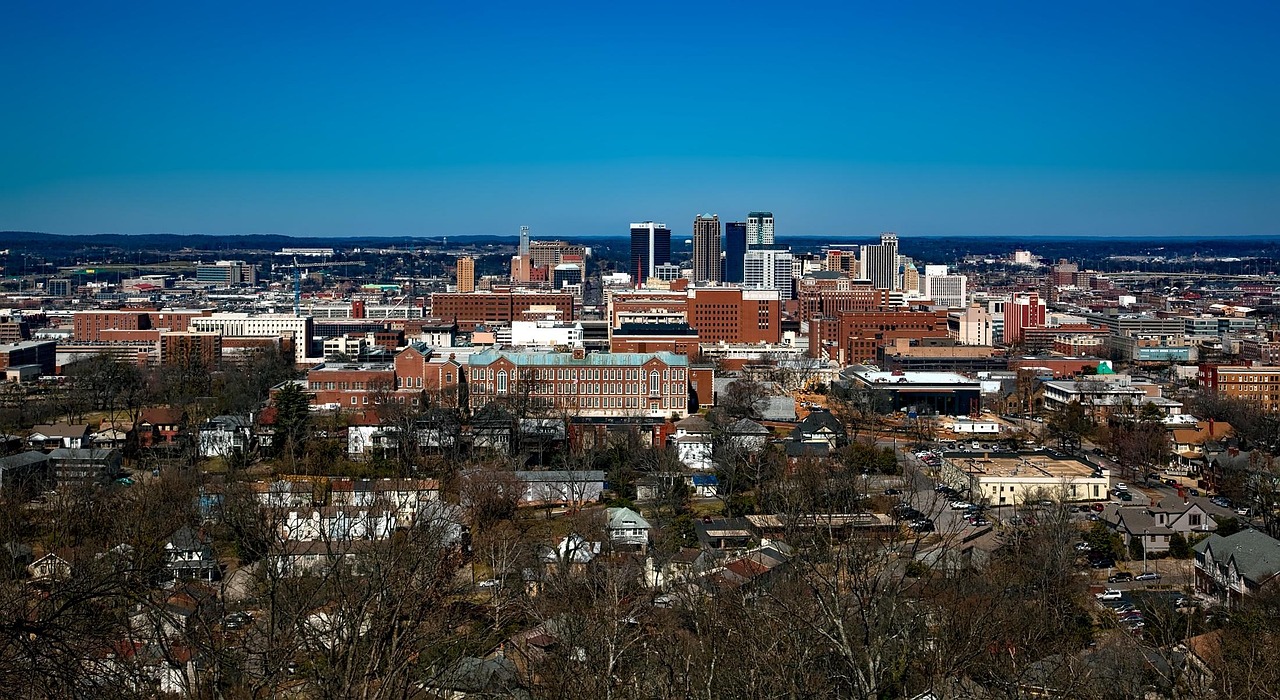
Why Visit Birmingham in 2026?
If your image of Birmingham is still “that industrial city somewhere between London and Manchester,” you’re in for a surprise. Over the last decade, Birmingham has quietly transformed itself into one of the UK’s most exciting city breaks—without the crowds or prices of London and without trying too hard to be “cool.”
I’ve lived in and around Birmingham for years, and I still get a kick out of walking along the canals at sunset, catching a jazz gig in Digbeth, or hopping between independent cafés in the Jewellery Quarter. In 2026, the city feels like it’s finally comfortable in its own skin: creative, multicultural, slightly scruffy in places, but full of character.
What makes Birmingham special for travelers?
- Genuine diversity: Over 180 nationalities live here. You taste it in the curry houses of the Balti Triangle, hear it in the music venues, and see it in the festivals.
- A walkable, canal-laced centre: The city centre is compact enough to explore on foot, with canals that often surprise people more used to associating waterways with Venice or Amsterdam.
- Food that punches above its weight: From Michelin-starred restaurants to Pakistani grills and Polish bakeries, Birmingham is one of the best cities in the UK for eating well without going broke.
- Cultural heavy-hitters: Birmingham Museum & Art Gallery, the Library of Birmingham, Symphony Hall, and the Birmingham Royal Ballet are all here—plus a thriving grassroots arts scene.
- Perfect for 3–5 day trips: Whether you have 3 days in Birmingham, 4 days in Birmingham, or even 5 days in Birmingham, you can build a rich itinerary mixing must-see attractions and local neighborhoods.
- Gateway to the Midlands: Day trips to Stratford-upon-Avon, the Black Country Living Museum, Warwick Castle, and the Malvern Hills are easy from Birmingham New Street.
This 2026 travel guide for Birmingham is written as if I’m walking beside you: pointing out the shortcuts, the quiet corners, the best-value lunches, and the little cultural quirks that don’t always make it into glossy brochures. Whether you’re planning a 3 day itinerary for Birmingham or stretching it to a 5 day itinerary for Birmingham, you’ll find detailed routes, must-see attractions, hidden gems, and plenty of practical travel advice for Birmingham.
Table of Contents
- Why Visit Birmingham in 2026?
- Birmingham at a Glance
- 3–5 Day Itineraries
- Top 20 Attractions & Experiences (In-Depth)
- Neighborhoods & Districts to Explore
- Local Food in Birmingham & Where to Eat
- Nightlife, Entertainment & Cultural Experiences
- Best Day Trips from Birmingham
- Cultural Etiquette & Local Customs
- Practical Travel Tips for Birmingham (2026–2027)
- Major Events & Festivals 2026–2027
- Summary & Best Time to Visit Birmingham
Birmingham at a Glance
Birmingham is the UK’s second-largest city, smack in the middle of England. Historically known as the “workshop of the world” during the Industrial Revolution, it’s now a major hub for business, media, and culture. But for visitors, what matters is that the city centre is compact, well-connected, and packed with things to do.
- Population: ~1.1 million in the city, ~4 million in the wider West Midlands.
- Language: English (with a distinctive local “Brummie” accent you’ll grow to love).
- Currency: British pound (GBP).
- Airports: Birmingham Airport (BHX), about 10–15 minutes by train from New Street station.
- Best for: Food lovers, culture seekers, families, couples, and travelers looking for a less-touristy UK city break.
Suggested 3–5 Day Itineraries in Birmingham
The beauty of Birmingham is that you can see a lot in a few days without rushing. Below are three flexible itineraries. If you’re planning a 3 day itinerary for Birmingham, start with the first three days. For a 4 day itinerary for Birmingham, add Day 4. For a 5 day itinerary for Birmingham, include Day 5 and one of the day trips.
3 Days in Birmingham: Classic Highlights
When friends ask me how to spend 3 days in Birmingham, I usually give them a version of this route. It covers the must-see attractions in Birmingham, a taste of the canals, a bit of shopping, some local food, and an evening in the Jewellery Quarter or Digbeth.
Day 1: City Centre Icons & Canals
Morning: Victoria Square, Town Hall & Birmingham Museum & Art Gallery
I like starting in Victoria Square, right at the heart of the city. It’s where you’ll feel Birmingham’s mix of old and new straight away: the grand neo-classical Town Hall, the ornate Council House, and the newer buildings peeking in from the edges.
- Best time: 9:00–10:00, when the commuters have mostly vanished and the square feels like yours.
- Don’t miss: “The River” fountain (locals know it as “The Floozie in the Jacuzzi”). She’s been through several renovations, but she’s still the unofficial mascot of the square.
From the square, duck into the Birmingham Museum & Art Gallery (BMAG). I’ve lost entire afternoons in here, especially in the Pre-Raphaelite galleries. The building itself is a Victorian beauty with mosaic-tiled floors and a grand central hall.
- Highlights: The Pre-Raphaelite collection, the Staffordshire Hoard (when on display), and rotating exhibitions that often focus on Birmingham’s social history.
- Tip: Entry is usually free for the main collection; special exhibitions may have a fee. In 2026, check ahead as some galleries are still being refreshed after long-term refurbishments.
Lunch: Great Western Arcade or Piccadilly Arcade
From Victoria Square, stroll to the Great Western Arcade, one of my favourite places to grab a casual lunch. It’s a Victorian arcade with beautiful ironwork and a mix of indie shops and cafés.
- Try: A sandwich or salad from an independent deli, or a pastry and coffee from one of the arcades’ cafés.
- Budget tip: Supermarkets like Tesco Express or Sainsbury’s Local nearby offer “meal deals” (sandwich, drink, snack) for a few pounds if you want to save money and picnic later by the canals.
Afternoon: Library of Birmingham & Canal Walks
Walk up to Centenary Square and you’ll see the striking Library of Birmingham—a stack of glass boxes wrapped in metal circles that look almost like lace. I still remember the first time I rode the escalators up to the rooftop gardens and realised how green and spacious the city looks from above.
- Inside: Don’t just look around the entrance. Head up the escalators, check out the big circular book rotunda, then continue to the Secret Garden terrace. On a clear day, you can see all the way to the Lickey Hills.
- Cost: Free to enter, but expect bag checks at the door.
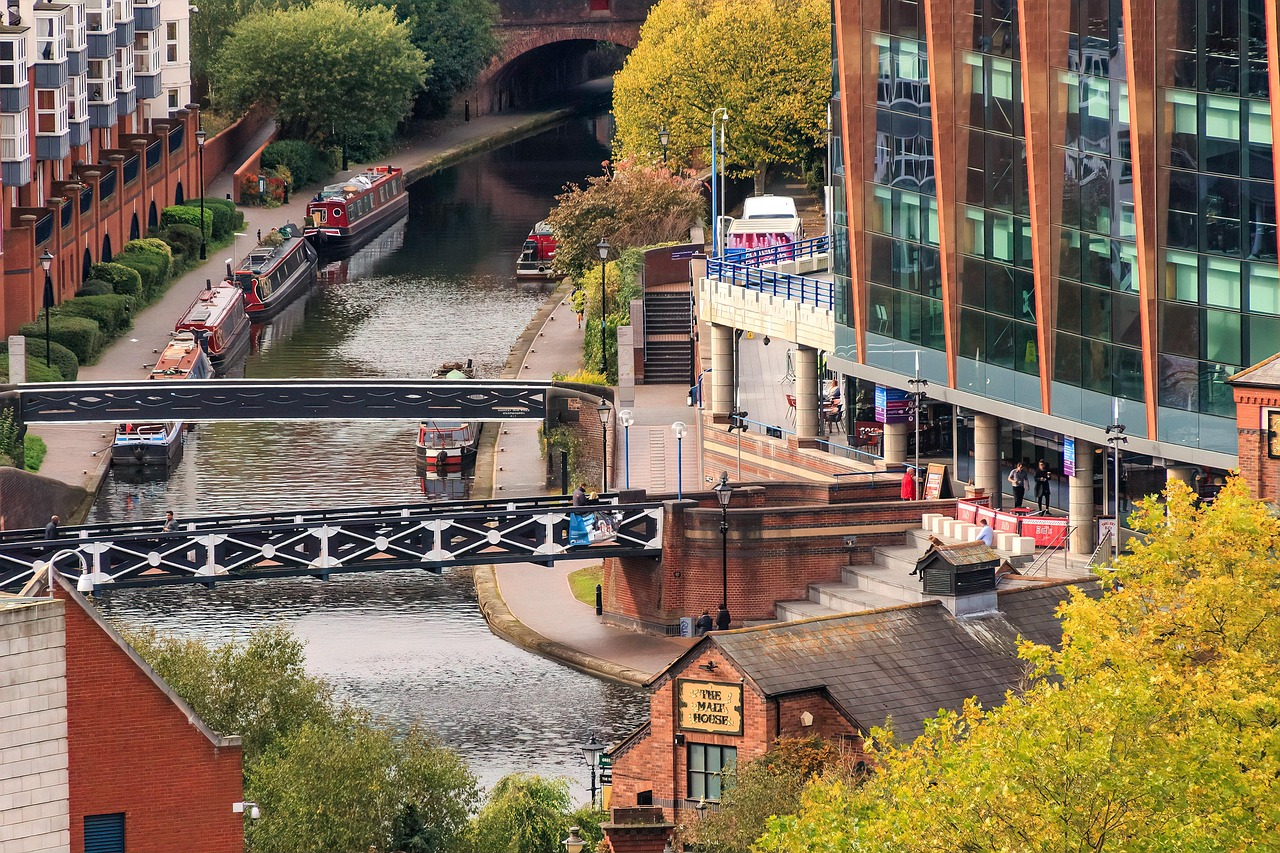
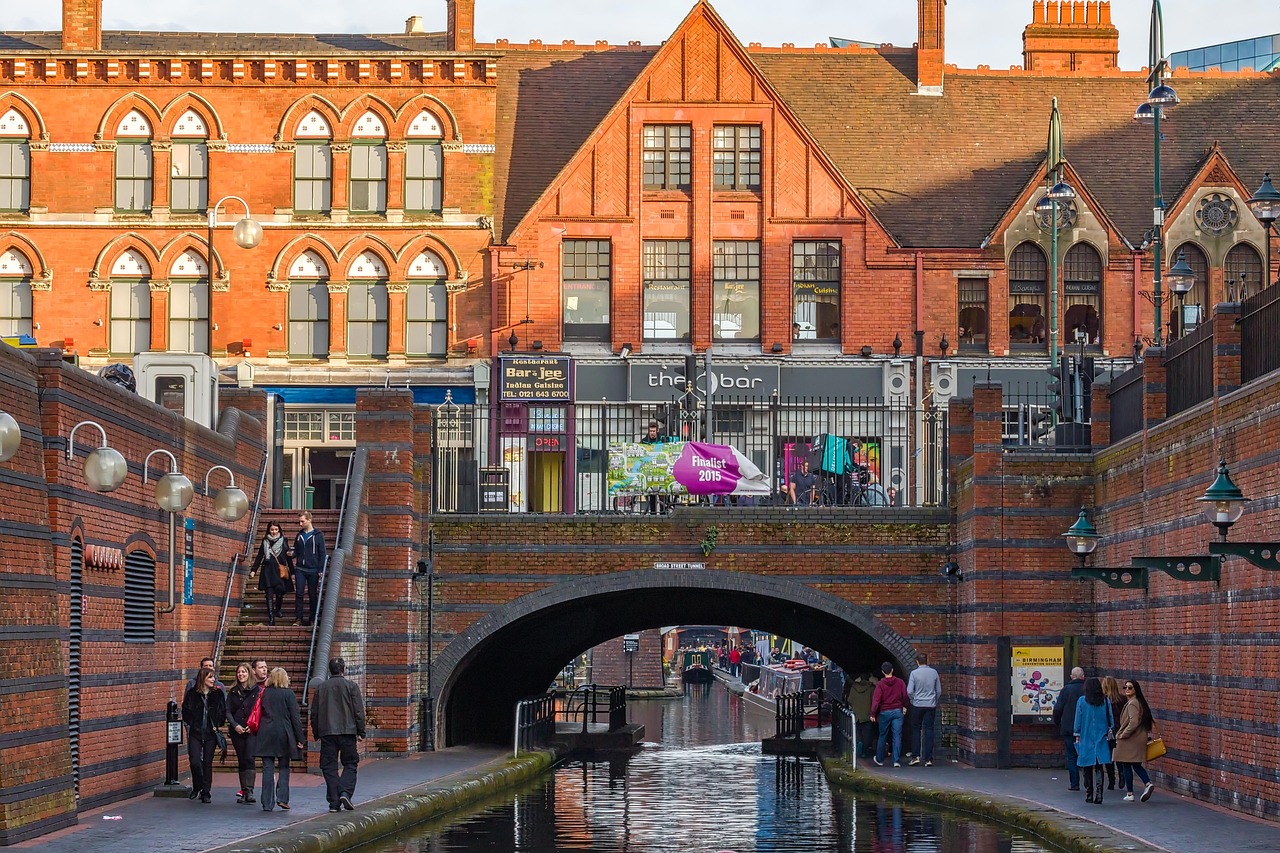
From the Library, follow the signs down to Brindleyplace and the canals. The first time I brought a friend here, they genuinely said, “I had no idea Birmingham looked like this.” Red-brick warehouses, waterside pubs, narrowboats, and footbridges make it a lovely place for a slow stroll.
- Route: Walk from Brindleyplace towards the MailBox, then loop back, or head out towards the Gas Street Basin and beyond.
- Family-friendly: The flat towpaths are great for prams; just keep an eye on kids near the water’s edge.
- Romantic tip: Sunset along the canals, followed by drinks at a waterfront bar, is one of the most underrated romantic things to do in Birmingham.
Evening: Dinner & Drinks at Brindleyplace or Mailbox
For a first evening, stay central. Brindleyplace and the Mailbox area are touristy, but they’re an easy way to ease into the city.
- For something local: Look for pubs that serve local Midlands ales; staff are usually happy to recommend something if you say you’re visiting.
- Budget option: Eat earlier (around 5–6 pm) for pre-theatre menus, or pick up takeaway and picnic by the canals in summer.
Day 2: Jewellery Quarter & Industrial Heritage
Morning: Jewellery Quarter Exploration
The Jewellery Quarter is one of my favourite parts of Birmingham: cobbled streets, old factories converted into studios, and a relaxed village vibe just ten minutes’ walk from the city core.
- Start: At St Paul’s Square, Birmingham’s only surviving Georgian square. It’s wonderfully quiet on a weekday morning.
- Coffee: Grab a flat white at an independent café—there are several dotted around the quarter—and people-watch.
Pop into the Museum of the Jewellery Quarter, a preserved jewellery workshop that feels like its owners just stepped out for lunch sometime in the 1980s and never came back.
- What to expect: Guided tours that explain how the jewellery trade worked, plus stories about the families who owned the workshop.
- Tip: Book ahead for tours, especially in summer or on weekends.
Even if you’re not into shopping, it’s worth browsing the jewellery stores; many are family-run and happy to explain their craft. If you’re visiting as a couple, this is a surprisingly nice place to window-shop for rings—no pressure, just fun.
Lunch: Local Pubs & Cafés
I often duck into a traditional pub in the Jewellery Quarter for lunch. Expect solid British pub classics: pies, fish and chips, roasts on Sundays.
- Budget tip: Look for “lunchtime specials” or smaller plates. Portions can be large; sharing sides is normal.
Afternoon: Thinktank Birmingham Science Museum
Jump on a tram or walk back towards the city centre and head to Thinktank, Birmingham’s science museum. I’ve been a few times with friends’ kids, and they loved it. But don’t be fooled: adults have just as much fun.
- Highlights: The MiniBrum kids’ city, the planetarium (check times for shows), and the galleries on Birmingham’s industrial past.
- Family-friendly: This is one of the best things to do in Birmingham with children; allow at least 3 hours.
Evening: Jewellery Quarter or City Centre
In the evening, you can either stay in the Jewellery Quarter for a quieter, local-feeling dinner or head back towards New Street for more choice.
- For drinks: Many Jewellery Quarter bars lean towards craft beer and cocktails; some host live music on weekends.
- Quiet night: If you’ve got 4 or 5 days in Birmingham, you don’t need to cram in nightlife every evening—this can be your “early night” after a big museum day.
Day 3: Cadbury World & Balti Triangle
Morning & Early Afternoon: Cadbury World & Bournville
No Birmingham travel guide feels complete without mentioning Cadbury World. Even if you’re not a chocoholic, the story of how the Cadbury family built a model village for their workers is fascinating.
- Getting there: From Birmingham New Street, take a local train to Bournville (about 15 minutes), then follow the signposted walk (10–15 minutes).
- What to expect: Interactive exhibits on chocolate-making, historical displays, and plenty of free samples. It’s decidedly family-oriented but I’ve gone as an adult group and we still had fun.
- Time needed: 3–4 hours, including the walk from the station.
Afterwards, wander around Bournville itself. The village green, arts-and-crafts-style houses, and green spaces are a window into utopian Victorian planning.
Late Afternoon & Evening: Balti Triangle
Back in the city, finish your 3 day itinerary for Birmingham with a pilgrimage to the Balti Triangle, south of the centre. This is where Birmingham’s iconic balti curry was born: fragrant curry served in a thin steel bowl with oversized naan breads.
- Getting there: Short bus or taxi ride from the city centre. Ask your hotel or host for the latest recommended routes; traffic patterns change.
- What to order: A balti (chicken, lamb, or vegetable), a big naan to share, and maybe a grilled starter like seekh kebab.
- Budget tip: Many places are BYOB (bring your own beer or wine); check ahead. Soft drinks are always available.
This is one of the quintessential Birmingham food experiences, and it’s a perfect finale if you’re only spending 3 days in the city.
4 Days in Birmingham: Adding Culture & Neighborhoods
If you’ve got 4 days in Birmingham, add this cultural-meets-local-neighbourhood day to your itinerary. It’s a nice rhythm: a big museum, some quiet green space, and a neighbourhood evening.
Day 4: Birmingham Back to Backs, Chinese Quarter & Digbeth

Morning: Birmingham Back to Backs
The Birmingham Back to Backs, run by the National Trust, are one of my favourite “hidden gems in Birmingham” for visitors who like social history. These are tiny Victorian houses built literally back-to-back around a courtyard, preserved to show different eras.
- Book ahead: Guided tours only, small groups. Weekends and holidays sell out quickly.
- Why go: It’s one of the best places to understand what life was like for working-class Brummies in the 19th and 20th centuries.
Lunch: Chinese Quarter
Just around the corner is Birmingham’s Chinese Quarter, marked by its ornate arch. When I’m in the area, I usually go for dim sum or a steaming bowl of noodles.
- What to eat: Dim sum, roast duck, bubble tea, or East Asian supermarket snacks to take away.
- Family tip: Many restaurants are very child-friendly; staff are used to accommodating families.
Afternoon & Evening: Digbeth & Creative Quarter
Walk or tram down to Digbeth, Birmingham’s creative and nightlife district. The first time I walked under the railway arches and saw the street art, it felt like discovering a different city.
- Explore: Street art murals, indie markets (often on weekends), vintage shops, and creative workspaces.
- Evening: Digbeth is one of the best places in Birmingham for nightlife: craft beer bars, cocktail spots, live music venues, and street food hubs.
- Romantic/Adult vibe: Digbeth skews more grown-up; if you’re with younger children, consider heading back earlier and choosing a family-friendly restaurant in the centre instead.
5 Days in Birmingham: Deep Dive & Day Trips
With 5 days in Birmingham, you can slow down, linger in favourite spots, and add a day trip. Here’s how I’d stretch a 5 day itinerary for Birmingham into something that feels more like living here than just passing through.
Day 5: Parks, Suburbs & Optional Day Trip
Option A: Stay Local – Parks & Harborne/Moseley
If you’re in the mood for greenery and local life, spend the day exploring Birmingham’s suburbs.
- Cannon Hill Park & MAC (Midlands Arts Centre): Great for walks, boating lake in summer, and art exhibitions and performances at MAC.
- Moseley: A bohemian suburb with independent shops, cafés, and bars. I often bring visitors here when they say they want to see “where people actually live.”
- Harborne: Leafy streets, gastropubs, and a village feel only a short bus ride from the centre.
Option B: Day Trip – Black Country Living Museum or Stratford-upon-Avon
For many, the best use of a fifth day is an immersive day trip:
- Black Country Living Museum: An open-air museum where you walk through recreated historic streets, ride old buses, and chat with costumed characters. It’s one of the top family-friendly day trips from Birmingham.
- Stratford-upon-Avon: Shakespeare’s birthplace, half-timbered houses, and riverside walks. Very picturesque and easy to reach by train.
Return to Birmingham in the evening for a relaxed final dinner and maybe a last stroll along the canals.
Top 20 Attractions & Experiences in Birmingham (In-Depth)
Below are twenty of the best places to visit in Birmingham, each with background, what to see, and personal tips. Many already feature in the itineraries above, but here they’re detailed so you can mix and match for your own 3–5 day itinerary.
1. Birmingham Museum & Art Gallery (BMAG)
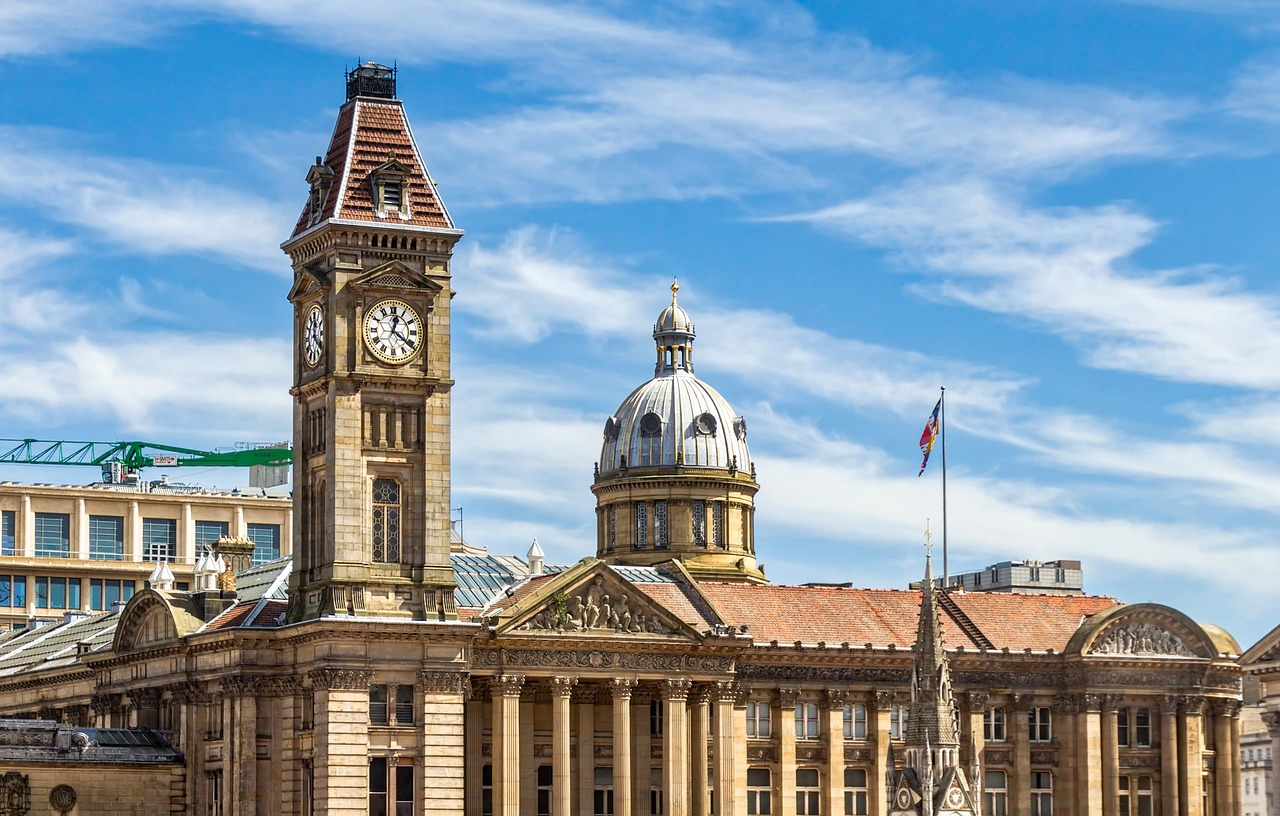
BMAG is Birmingham’s cultural anchor. The building itself is worth a visit: stone columns, mosaics, and a sweeping staircase that makes you feel like you’ve stepped back in time.
History & Significance: Opened in 1885, it showcased the wealth and ambition of industrial Birmingham. Today it’s best known for its world-class Pre-Raphaelite paintings and strong local history collections.
My experience: The first time I visited, I went “just for an hour.” I walked out three hours later, having spent most of it in front of one painting and in the Birmingham history galleries. Now, when I bring friends, I warn them not to over-plan the rest of the day.
Practical Tips:
- Check the website in 2026 for which galleries are open—some have been undergoing phased refurbishments.
- Entry to the main collection is usually free; special exhibits may charge.
- Arrive early if you prefer quiet galleries; afternoons can get busy on rainy days and weekends.
2. Library of Birmingham & Centenary Square
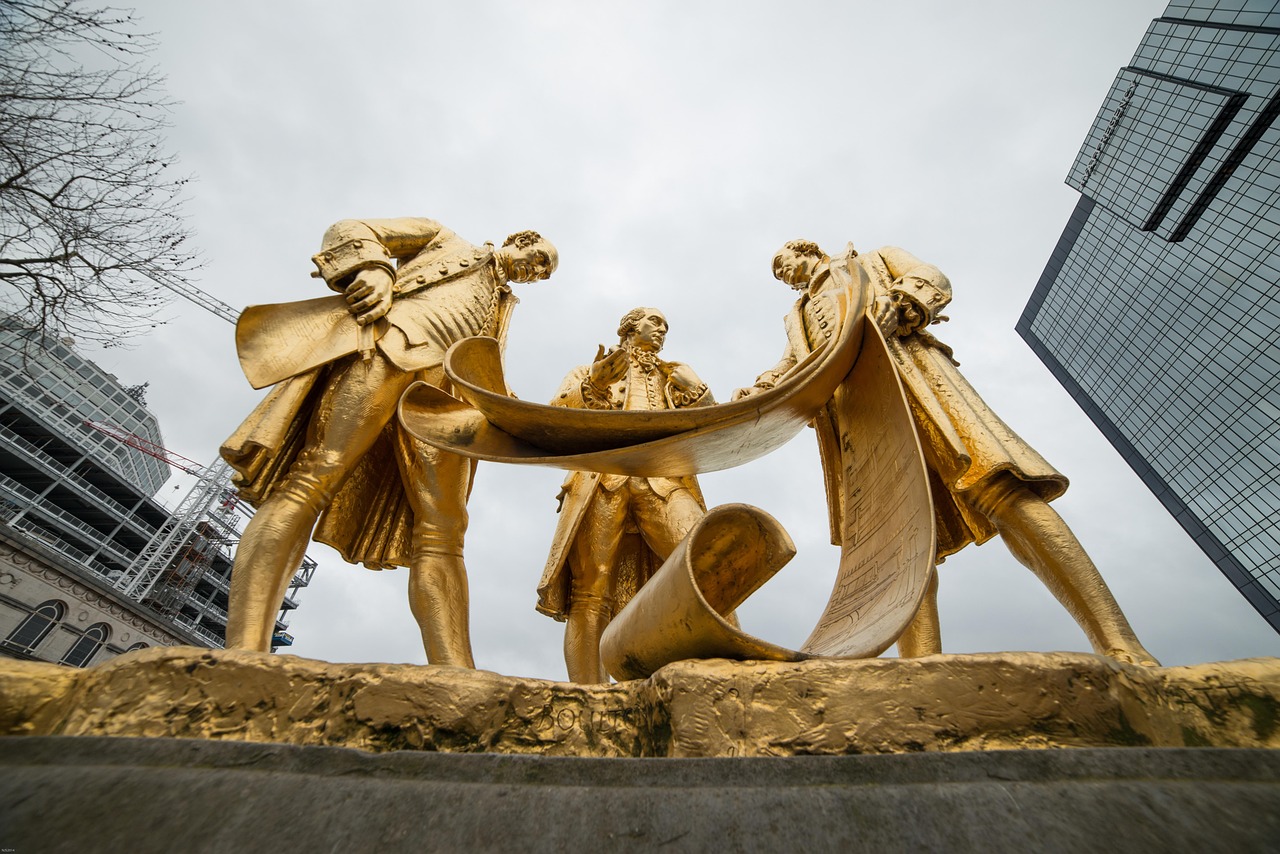
The Library of Birmingham is one of the city’s modern icons. Its gold-and-black façade divides opinion, but the views from the upper terraces win almost everyone over.
Why it matters: Opened in 2013, it symbolises Birmingham’s shift from factory city to knowledge and culture hub.
My experience: I sometimes bring a laptop and work on the upper levels, then take a break on the rooftop garden. It’s surprisingly peaceful for a city of this size.
Visitor Tips:
- Don’t skip the Shakespeare Memorial Room on the upper floors—a Victorian room painstakingly moved from the old library.
- Even if you’re not a library person, the building is worth 30–60 minutes for the views alone.
- Combine with a walk around Centenary Square, checking out the fountains and public art.
3. The Canals & Brindleyplace
Birmingham famously has “more miles of canal than Venice,” and while that’s a bit of a local brag, the canals are genuinely lovely.
History: Built during the Industrial Revolution to move coal and goods, the canals once fell into disuse and disrepair. In the last few decades, they’ve been cleaned up and the warehouses converted into offices, bars, and homes.
My experience: I like walking the stretch from Brindleyplace to the Mailbox just before sunset. On summer evenings, the light hits the brickwork in a way that’s unexpectedly romantic.
Things to Do:
- Take a canal boat tour to learn about the city’s industrial past from the water.
- Walk or cycle the towpaths; they’re mostly flat and well-maintained.
- Stop at a waterside pub for lunch or a drink.
4. Jewellery Quarter
The Jewellery Quarter is a living industrial district, still home to hundreds of jewellery businesses. But it’s also a residential and leisure area, full of character.
History: Jewellery-making in Birmingham dates back over 200 years. At one point, most of Britain’s jewellery was made here.
My experience: I bring out-of-town friends here when they say they want to “see the real Birmingham.” It feels more like a small town than part of a big city.
Highlights:
- Museum of the Jewellery Quarter – the preserved workshop.
- St Paul’s Square – Georgian square with bars and restaurants.
- Independent jewellers – from classic to contemporary designs.
5. Cadbury World & Bournville
Cadbury World is part theme attraction, part museum, and part chocolate shop. It’s built on the legacy of the Cadbury family, Quakers who believed in improving workers’ lives.
Why it’s special: Beyond the chocolate, you get a sense of social reform and the model village of Bournville, with its parks and worker housing.
My experience: I’ve been more than once, usually with kids in tow, and I still enjoy the historical sections and the smell of chocolate in the air.
Tips:
- Book timed tickets online, especially in school holidays.
- Combine with a stroll around Bournville village green and local green spaces.
6. Thinktank Birmingham Science Museum
Thinktank is housed in Millennium Point and covers everything from space to steam engines.
My experience: The planetarium shows are always a hit. The interactive exhibits mean kids can touch and experiment rather than just stare at things behind glass.
Good to know: Tickets can be bought on the day but booking ahead may save time in peak periods.
7. Birmingham Back to Backs
The Back to Backs are tiny houses arranged around a shared courtyard—a once-common style of working-class housing.
Why visit: It’s an intimate, human-scale history lesson told through the lives of real families.
My experience: Standing in the cramped upstairs rooms, hearing about families of eight or more living there, really brought home the realities of industrial Birmingham.
Practical: Tours are at set times; arrive 10–15 minutes early.
8. Birmingham Cathedral & Cathedral Square
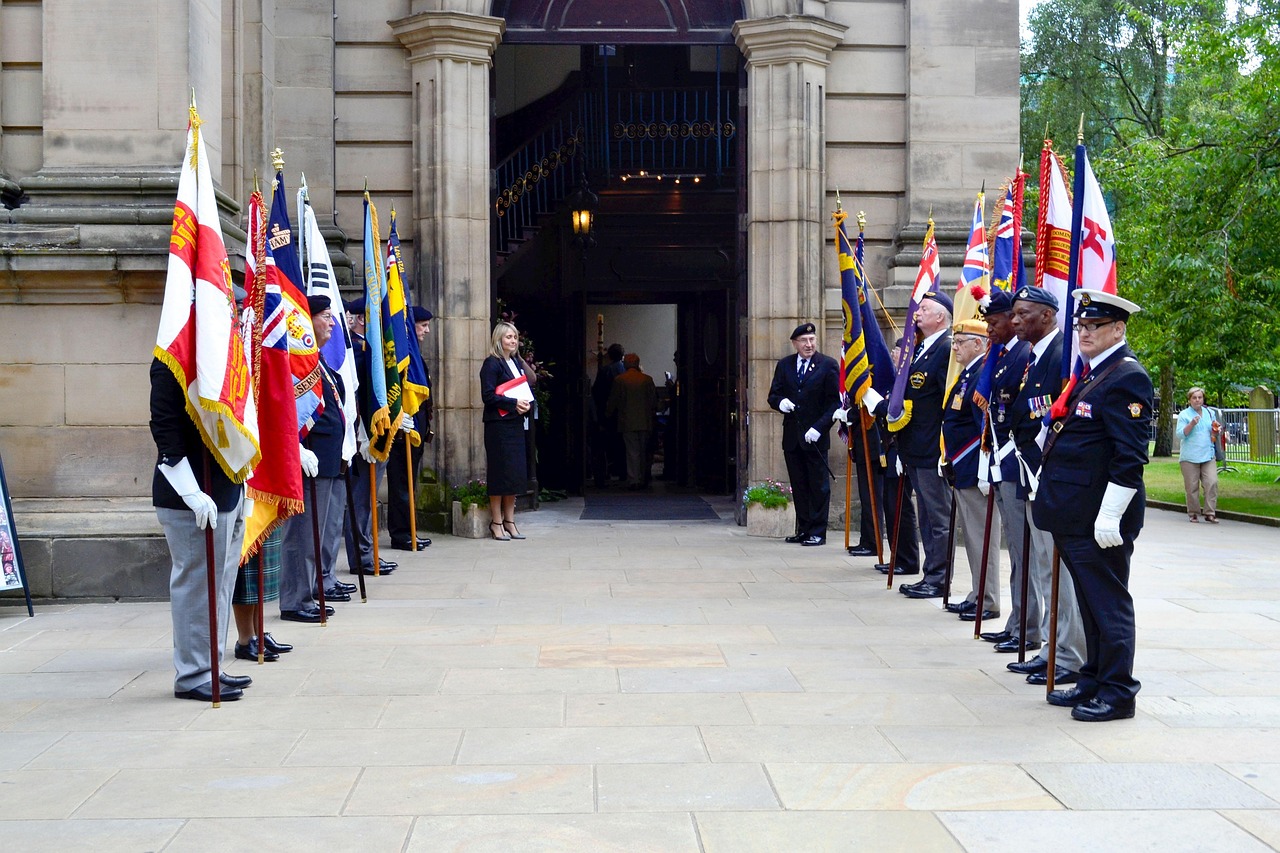
St Philip’s Cathedral is small but elegant, with exquisite stained glass windows by Edward Burne-Jones.
My experience: On sunny days, I like to sit in the surrounding square with a takeaway coffee—office workers, students, and visitors all share the lawns.
Tip: Pop in for a few quiet minutes between shopping or sightseeing; it’s free and usually calm.
9. Digbeth & Street Art
Digbeth is Birmingham’s creative playground, full of converted warehouses, studios, and vibrant murals.
My experience: I’ve spent entire Saturdays wandering from one piece of street art to another, then ending up at a food market under the arches.
What to look for: Large-scale murals, independent markets (often weekends), and pop-up events. The area evolves fast; what you see in 2026 might be different a year later.
10. Bullring & Grand Central
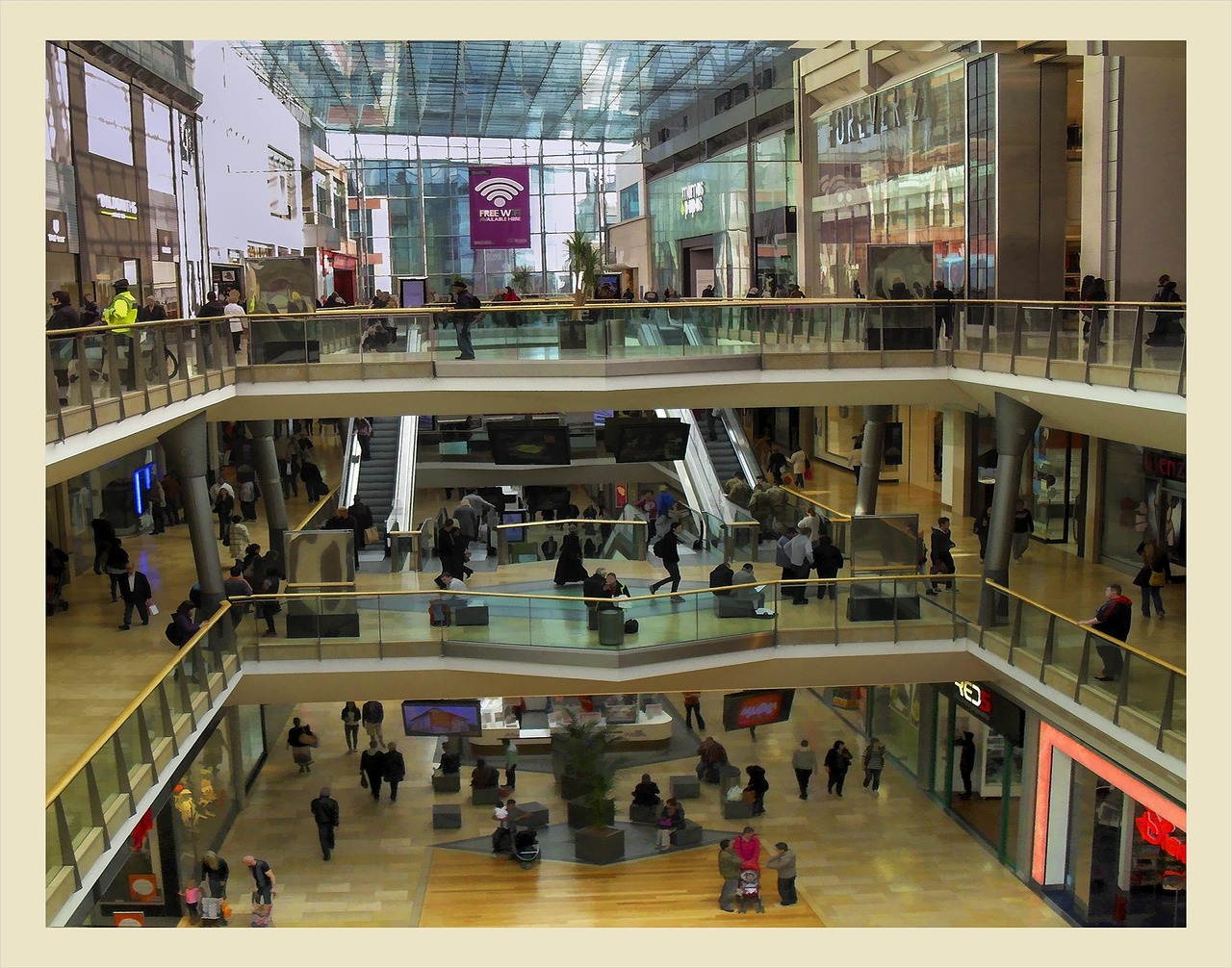
The Bullring is Birmingham’s main shopping centre, famous for its shiny, bubble-covered exterior and the giant bronze bull statue out front.
My experience: I rarely come here just to shop; it’s also a handy waypoint and a place to grab a quick meal or coffee between trains.
Tips:
- Grand Central, above New Street station, has a good mix of eateries.
- For a more local feel, combine shopping with the arcades (Great Western, Piccadilly) and nearby streets like Corporation Street.
11. Birmingham Hippodrome & Theatre District
The Hippodrome is one of the UK’s busiest theatres and home to the Birmingham Royal Ballet.
My experience: I’ve seen everything from West End musicals to contemporary dance here. The sightlines are generally good, even from cheaper seats.
Planning: Book ahead for weekend shows. Combine with dinner in the Chinese Quarter nearby.
12. Symphony Hall & Birmingham Town Hall
Symphony Hall is renowned for its acoustics and hosts classical, jazz, and contemporary music. Town Hall next door is a stunning historic venue.
My experience: Even if you’re not a classical music person, catching a concert here can be a highlight. I once took a visitor who “wasn’t into classical” to a film music night—they came out converted.
13. Cannon Hill Park & MAC (Midlands Arts Centre)
Cannon Hill Park is one of the city’s lungs: lakes, lawns, and woodlands just south of the centre. Within it sits MAC, a multi-arts centre.
My experience: I like to escape here on sunny days with a book. Families rent pedalos, kids run around, and there’s usually something interesting on at MAC—exhibitions, workshops, or performances.
Tip: Bring a picnic or grab something from MAC’s café; prices are reasonable.
14. Birmingham Botanical Gardens
These Victorian-era gardens in Edgbaston feature glasshouses, themed gardens, and open lawns.
My experience: I visit in late spring when the borders are bursting with colour. The glasshouses are a godsend on drizzly days.
Good for: Couples looking for a quiet romantic stroll, families, and plant lovers.
15. Aston Hall
Aston Hall is a Jacobean mansion set in a small park north-east of the city centre.
Why visit: Period rooms, stories of Civil War sieges, and a glimpse into aristocratic life. The house feels surprisingly atmospheric.
My experience: I’ve joined both standard tours and special events (like ghost tours around Halloween). If you like history with a bit of drama, it’s worth the short bus ride.
16. Sarehole Mill & Tolkien Trail
Sarehole Mill is a working watermill on the River Cole, associated with J.R.R. Tolkien, who spent part of his childhood nearby.
My experience: It’s a small site but very atmospheric. Walking the nearby Tolkien-related paths along the river, you can see how the landscapes might have influenced Middle-earth.
Tip: Best combined with a sunny-day walk; allow half a day.
17. National SEA LIFE Centre Birmingham
Located in Brindleyplace, the SEA LIFE Centre is an aquarium with an underwater tunnel, penguins, and various marine creatures.
My experience: It’s one of those places I thought would be “just for kids,” but the tunnel is immersive and surprisingly calming.
Good for: Families or anyone looking for an indoor activity on a rainy day.
18. The Mailbox & Gas Street Basin
The Mailbox is a high-end shopping and dining complex overlooking the canals; Gas Street Basin is nearby, where several canals converge.
My experience: I like coming here in late afternoon, watching narrowboats moored along the water and stopping for a drink at a terrace bar.
Tip: Walk the loop between Brindleyplace, Gas Street Basin, and the Mailbox for a great introduction to Birmingham’s canals.
19. Edgbaston Cricket Ground
For sports fans, Edgbaston is one of England’s major cricket grounds, hosting international matches and county games.
My experience: Even non-cricket fans I’ve taken here have enjoyed the atmosphere at big matches. On non-match days, the surrounding area is still pleasant for a walk.
20. Local Markets: Bullring Rag Market & Independent Markets
The Bullring Rag Market is a sensory overload of fabric stalls, household goods, and bargain finds. In contrast, pop-up independent markets around Digbeth and the Jewellery Quarter showcase local makers.
My experience: I’ve found everything from vintage fabrics to handmade ceramics here. If you like browsing markets when you travel, Birmingham won’t disappoint.
Neighborhoods & Districts to Explore
Beyond the city centre, Birmingham’s neighbourhoods each have their own flavour. For a richer travel experience, add at least one of these to your trip.
City Centre
Compact, walkable, and where you’ll likely spend much of your 3 days in Birmingham. Shopping, major museums, theatres, and the main train stations are all here.
Jewellery Quarter
Historic, slightly bohemian, and full of small workshops and independent businesses. Great for cafés, bars, and quieter evenings.
Digbeth
Creative and gritty in the best way. Expect street art, nightlife, and events more than tourist sights. Best explored in the afternoon into evening.
Bournville
Leafy, planned “model village” originally built for Cadbury workers. A glimpse into Quaker social ideals and a peaceful contrast to the centre.
Moseley & Kings Heath
South of the city, these suburbs are favourites with creatives and young families: independent shops, cafés, live music venues, and parks.
Harborne
Leafy suburb with a “village high street” feel and a growing food scene. Ideal if you want to stay somewhere residential but still lively in the evenings.
Local Food in Birmingham & Where to Eat
Birmingham is one of the UK’s best cities for eating out across all budgets. The mix of cultures means you can have Pakistani grills one night, Polish pierogi the next, and fine dining after that.
What to Eat in Birmingham
- Balti: The city’s signature curry, served in a thin steel bowl with naan. The Balti Triangle is the home of this dish.
- Desi grills: Punjabi and Pakistani mixed grills with marinated meats, often served sizzling.
- British pub classics: Pies, roasts, fish and chips—particularly good in traditional pubs.
- Street food: Digbeth often hosts street food markets with global flavours.
- Afternoon tea: Various hotels and cafés offer this British classic; some add a Birmingham twist.
Where to Eat (By Budget)
Budget: Street food markets, Chinese Quarter noodle shops, Balti Triangle curry houses, supermarket meal deals.
Mid-range: Independent bistros in the Jewellery Quarter, gastropubs in Harborne, family-run restaurants across the city.
High-end: Birmingham has several Michelin-starred and acclaimed restaurants, especially around the city centre and Edgbaston. Book well ahead for weekends.
Drinks & Nightlife
For drinks, you’ll find everything from cosy real-ale pubs to cocktail bars and craft beer taprooms. The Jewellery Quarter and Digbeth both have strong bar scenes, while the city centre offers more mainstream options.
Nightlife, Entertainment & Cultural Experiences
Birmingham’s nightlife is varied rather than concentrated in one place. That’s a good thing—it means you can tailor evenings to your style.
For Culture Lovers
- Symphony Hall: Classical, jazz, film scores.
- Birmingham Hippodrome: Musicals, ballet, big touring productions.
- MAC & Local Theatres: Smaller-scale plays, comedy, and experimental work.
For Live Music & Bars
- Digbeth: Bars under railway arches, live music venues, club nights.
- Jewellery Quarter: More relaxed bars and pubs, often with a local crowd.
- City Centre: Mix of chain bars, rooftop terraces, and hotel lounges.
Family-Friendly Evenings
- Early dinners at canalside restaurants.
- Evening walks through well-lit areas like Brindleyplace.
- Early theatre performances or cinema trips.
Best Day Trips from Birmingham
If you’re staying 4 or 5 days in Birmingham, day trips add variety. Trains from New Street, Moor Street, and Snow Hill are frequent and relatively fast.
Black Country Living Museum
Open-air museum near Dudley with recreated historic streets, costumed interpreters, and underground mine experiences.
- Getting there: Train or tram plus bus; allow 45–60 minutes each way.
- Good for: Families, history buffs, and anyone curious about industrial Britain.
Stratford-upon-Avon
Shakespeare’s birthplace, full of half-timbered buildings and riverside charm.
- Getting there: Direct trains from Birmingham Moor Street; around 45–60 minutes.
- Combine: House visits, a river cruise, and perhaps a play at the Royal Shakespeare Theatre.
Warwick Castle
Medieval castle turned family attraction with shows, dungeons, and beautiful grounds.
- Getting there: Train to Warwick from Snow Hill or Moor Street, then walk or bus.
Malvern Hills & Countryside
If you crave fresh air and hiking, the Malvern Hills are reachable by train and offer sweeping views across the Midlands.
Cultural Etiquette & Local Customs
Birmingham is relaxed and friendly, but a few local customs will help you blend in.
General Behaviour
- Queuing: The British love orderly queues. Join the end, don’t cut in.
- “Please” and “thank you”: Used frequently—with bus drivers, shop staff, everyone.
- Personal space: On public transport and in queues, avoid standing too close to others.
In Pubs & Restaurants
- Pubs: Often order and pay at the bar, then take your drink to your table.
- Tipping: 10–12.5% in restaurants if service isn’t included; round up small amounts in pubs or cafés if you wish, but it’s not obligatory.
Diversity & Respect
Birmingham is one of the UK’s most multicultural cities. You’ll see a wide variety of dress, languages, and religious practices. Basic respect and curiosity go a long way; photography of religious buildings is usually fine, but avoid photographing worshippers without permission.
Practical Travel Tips for Birmingham (2026–2027)
Getting To & Around Birmingham
By Air: Birmingham Airport (BHX) is connected to the city by frequent trains (10–15 minutes to New Street) and buses.
By Train: New Street is the main hub; Moor Street and Snow Hill also handle regional services. In 2026, continued rail improvements mean faster services on some intercity routes—check current timetables.
Public Transport
- Trams: The West Midlands Metro connects the city centre with Wolverhampton and expanding routes; handy for the Jewellery Quarter.
- Buses: Extensive network; contactless payment is widely accepted.
- Tickets: Day passes and contactless capping can save money if you’re taking multiple trips.
Car Rental & Driving
You don’t need a car for a central stay or a typical 3 day itinerary for Birmingham. For countryside day trips, renting a car can be useful.
- Driving side: Left-hand side of the road.
- Foreign licences: Most visitors with a valid licence from their home country can drive; check UK government rules if staying longer than 12 months or from outside recognised licence countries.
- City centre: Expect one-way systems, bus lanes, and parking charges; consider park-and-ride or trains instead.
SIM Cards & Connectivity
In 2026, eSIM options are common and easy to purchase online before you arrive. Physical SIM cards from major networks (EE, O2, Vodafone, Three) and budget brands are sold at airports, supermarkets, and phone shops.
- Tip: Look for prepaid bundles with data; Wi-Fi is also widely available in cafés, libraries, and hotels.
Money & Costs
- Currency: GBP (£). Cards and contactless payments are accepted almost everywhere.
- Budget tips: Free museums, supermarket meal deals, and day travel passes help keep costs down.
Safety
Birmingham is generally safe for visitors. As in any large city, keep an eye on your belongings, especially in busy areas and at night. Stick to well-lit streets, and use licensed taxis or ride-hailing apps after late nights.
Visa Requirements (Overview)
Birmingham follows UK immigration rules. Many nationalities can visit the UK visa-free for short stays; others must apply in advance. Always check official UK government websites or your local consulate for up-to-date entry requirements before travel in 2026–2027.
Best Seasons to Visit & What They’re Good For
- Spring (March–May): Mild weather, blooming parks, fewer crowds. Great for walking itineraries and gardens.
- Summer (June–August): Long days, outdoor events, busy festivals. Best for canal walks, parks, and day trips.
- Autumn (September–November): Colourful parks, comfortable temperatures, theatre season in full swing.
- Winter (December–February): Christmas markets, cosy pubs, and lower prices. Shorter days; plan more indoor attractions.
Major Events & Festivals in Birmingham (2026–2027)
Birmingham’s events calendar shifts year to year, but several recurring festivals and trends are worth noting for 2026–2027.
- Birmingham International Dance Festival (biennial): When scheduled, this brings performances to theatres and public spaces across the city.
- Flatpack Festival: A film and moving-image festival with screenings and installations in quirky venues.
- Jazz & Music Festivals: Various jazz, classical, and multi-genre music festivals make use of Birmingham’s venues.
- Cultural Celebrations: Diwali, Eid, Chinese New Year, St Patrick’s Day parades, and more reflect the city’s diversity.
- Christmas Markets: The Frankfurt-style Christmas market typically transforms the city centre from mid-November to late December.
For 2026–2027, expect more emphasis on sustainable travel, expanded tram routes, and ongoing development around Digbeth and the Curzon Street area, which will likely continue to change the cityscape and add new venues.
Summary & Final Recommendations
Birmingham rarely tops “must-see” lists for UK travel, and that’s exactly why many visitors end up loving it. You get a rich mix of things to do in Birmingham—from canals and chocolate factories to world-class art and street food—without the stress and crowds of more famous cities.
For a 3 day itinerary for Birmingham, focus on the city centre, canals, Jewellery Quarter, Cadbury World, and a Balti Triangle dinner. With 4 days in Birmingham, add the Back to Backs, Chinese Quarter, and an evening in Digbeth. If you have 5 days in Birmingham, deepen your experience with suburbs like Moseley or Harborne, or take a day trip to the Black Country Living Museum or Stratford-upon-Avon.
Best time to visit: Late spring to early autumn (May–September) offers the most comfortable weather and the fullest events calendar, but winter brings cosy pubs and Christmas markets that make a colder visit worthwhile.
Whether you’re here for family-friendly attractions, romantic canal-side walks, adventurous nightlife in Digbeth, or cultural experiences in galleries and theatres, Birmingham rewards those who give it a few days and an open mind. It’s a city that doesn’t shout, but if you listen—over a plate of balti, perhaps—it has plenty to say.