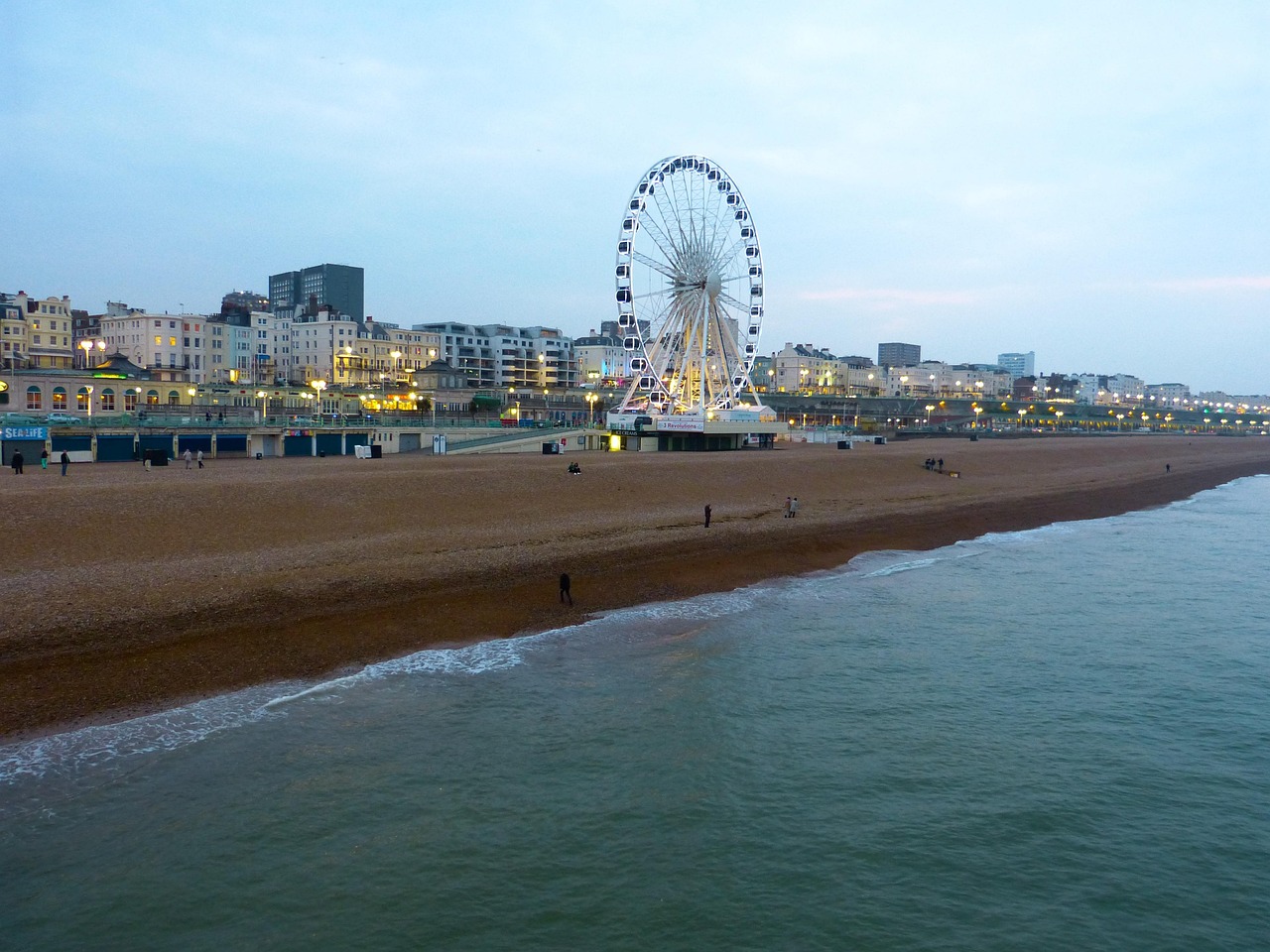
Why Visit Brighton in 2026?
Brighton is the kind of place that gets under your skin. I moved here “just for a summer” over a decade ago and somehow never left. It’s small enough to walk across in half an hour, yet dense with culture, nightlife, independent shops, and that slightly rebellious seaside energy you won’t find anywhere else in England.
In 2026, Brighton is buzzing: new street art, refurbished seafront arches, expanded cycle lanes, and a packed calendar of festivals from spring through winter. Whether you’re planning 3 days in Brighton or a 5 day itinerary for Brighton, this city will keep you busy without feeling overwhelming.
What makes Brighton special?
- Iconic seaside vibes – pebble beach, Victorian pier, and candy-coloured beach huts.
- Creative, bohemian spirit – street art, indie boutiques, tiny galleries, and buskers on every corner.
- LGBTQIA+ friendly – one of the UK’s most inclusive, progressive cities, with legendary Pride celebrations.
- Food obsessed – from fresh fish and chips to plant-based fine dining and hidden neighbourhood bakeries.
- Day-trip heaven – the South Downs, Seven Sisters cliffs, Lewes, and cozy villages just minutes away by train or bus.
Think of this guide as having a local friend in your pocket. I’ll walk you through detailed 3, 4, and 5 day itineraries for Brighton, share my favourite hidden gems, and give you practical travel advice for 2026–2027.
Table of Contents
- Why Visit Brighton
- Brighton at a Glance
- Neighbourhood Guide: Where to Explore
- 20+ Must-See Attractions in Brighton
- Suggested 3–5 Day Itineraries
- Local Food and Drink in Brighton
- Nightlife, Entertainment & Cultural Experiences
- Major Events in 2026–2027
- Best Day Trips from Brighton
- Cultural Etiquette & Local Customs
- Practical Travel Tips for Brighton
- Summary & Best Time to Visit
Brighton at a Glance
Brighton (officially Brighton & Hove) sits on England’s south coast, less than an hour by train from London. It’s compact, walkable, and built around a long seafront that curves gently along the Channel. The city centre fans out inland from the beach, climbing up gentle hills with views down to the sea.
- Population: ~290,000
- Vibe: Creative, laid-back, slightly eccentric, very progressive
- Best for: Foodies, couples, families, LGBTQIA+ travellers, culture lovers, and weekend city-breakers
- Ideal stay: 3–5 days in Brighton (plus a day trip or two)
Neighbourhood Guide: Where to Explore in Brighton
Brighton’s neighbourhoods each have a distinct personality. When you’re planning your 3 or 4 day itinerary for Brighton, it helps to cluster sights by area to cut down on walking time.
1. The Seafront & Brighton Beach
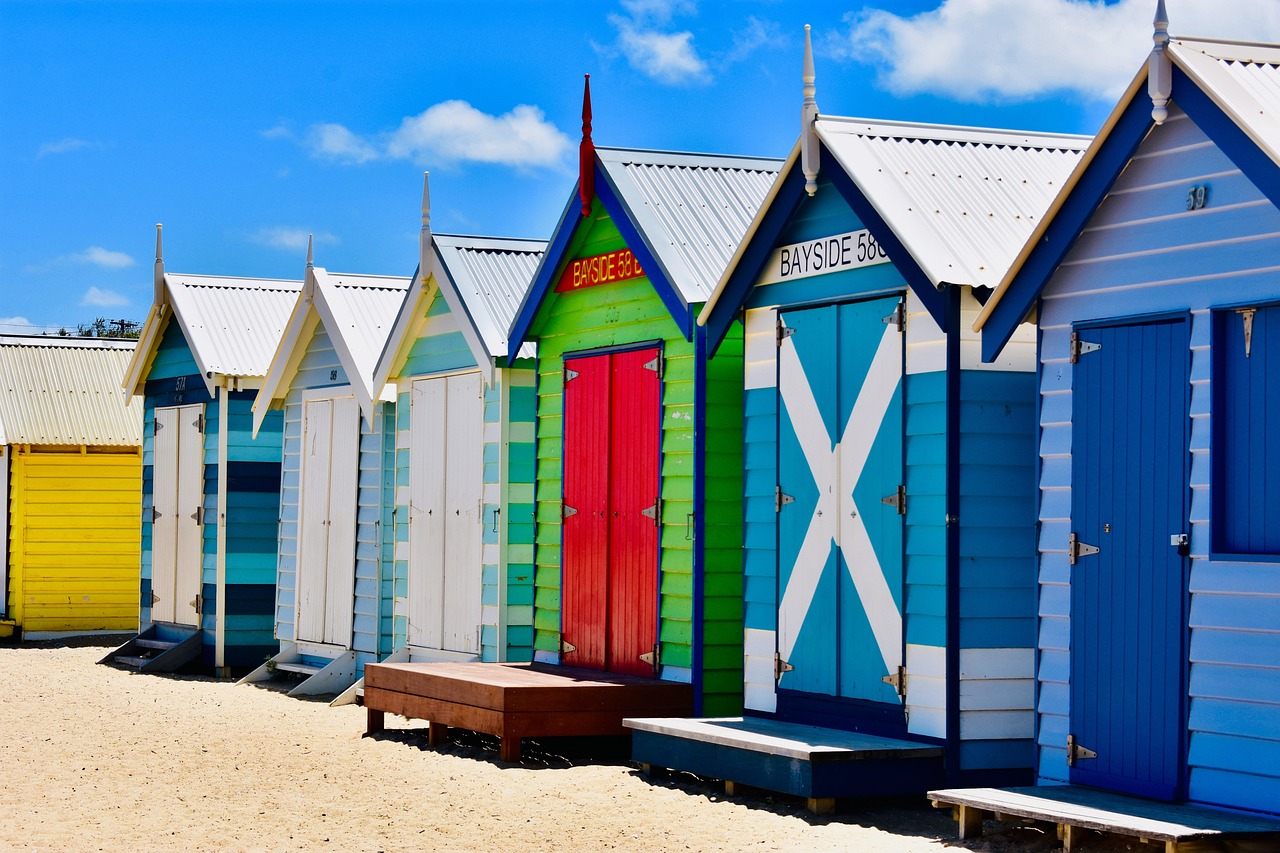
This is the postcard Brighton: pebble beach, sweeping promenade, the skeletal West Pier, and the funfair of Brighton Palace Pier. It’s the heart of the city during sunny weekends, Pride, and festivals.
2. The Lanes
A maze of narrow, twisting alleyways lined with jewellery shops, independent boutiques, tiny pubs, and cafés. This is old Brighton – it still feels a bit like a fishing village if you go early in the morning before the crowds arrive.
3. North Laine
Bohemian, colourful, and great for people-watching. Vintage shops, record stores, vegan cafés, murals, and buskers. If you’re here for only 3 days in Brighton, you’ll likely spend a lot of time in North Laine.
4. Kemptown
East of the pier, Kemptown is Brighton’s LGBTQIA+ hub and one of my favourite places to live and wander. Regency townhouses, sea views, independent bars, quirky antiques shops, and a slightly villagey feel.
5. Hove
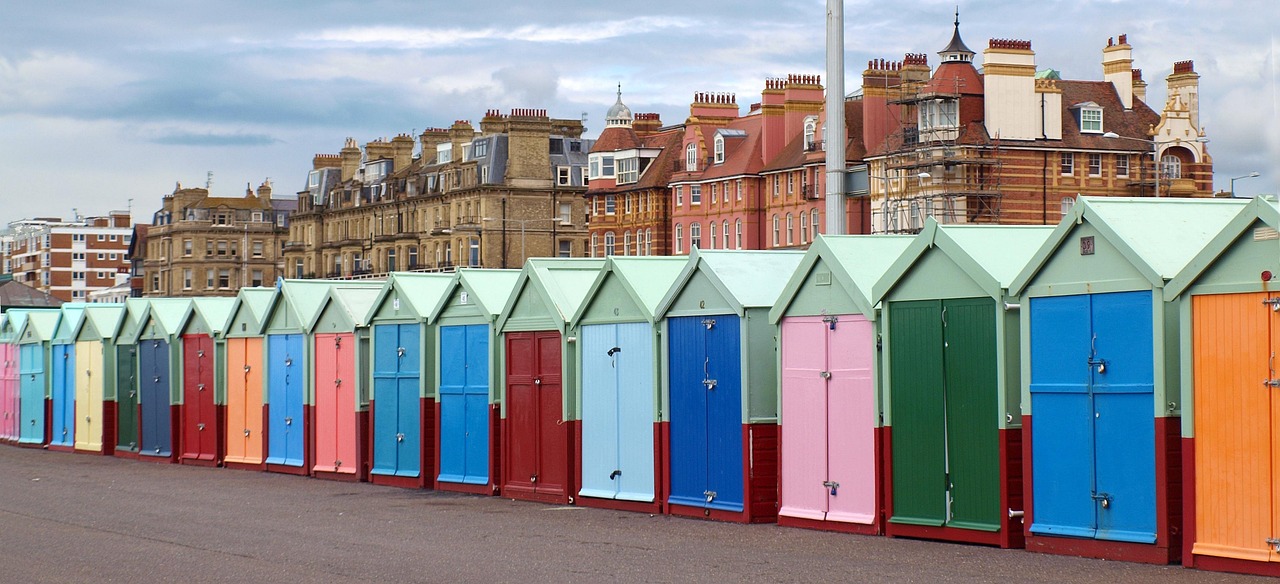
West of central Brighton, Hove is calmer and more residential, with colourful beach huts and wide seafront lawns. Ideal for a more relaxed stroll or picnic, especially if you’re visiting with family.
6. Hanover & Queen’s Park
Up the hill from Kemptown, Hanover is all pastel-painted terraced houses and steep streets, nicknamed “Muesli Mountain” for its eco-conscious, artsy residents. Queen’s Park nearby is green and peaceful.
7. London Road & The Level
Once a bit rough around the edges, this area has been steadily improving. The Level park is now a great family space with a big playground and skate park, and London Road has cheap eats and a big open-air market on weekends.
20+ Must-See Attractions in Brighton (With Local Insight)
These are the best places to visit in Brighton, from the big-ticket sights to smaller spots that locals love. I’ve visited each of these multiple times over the years; I’ll share both the story and the practical details so you can weave them into your own Brighton itinerary.
1. Royal Pavilion
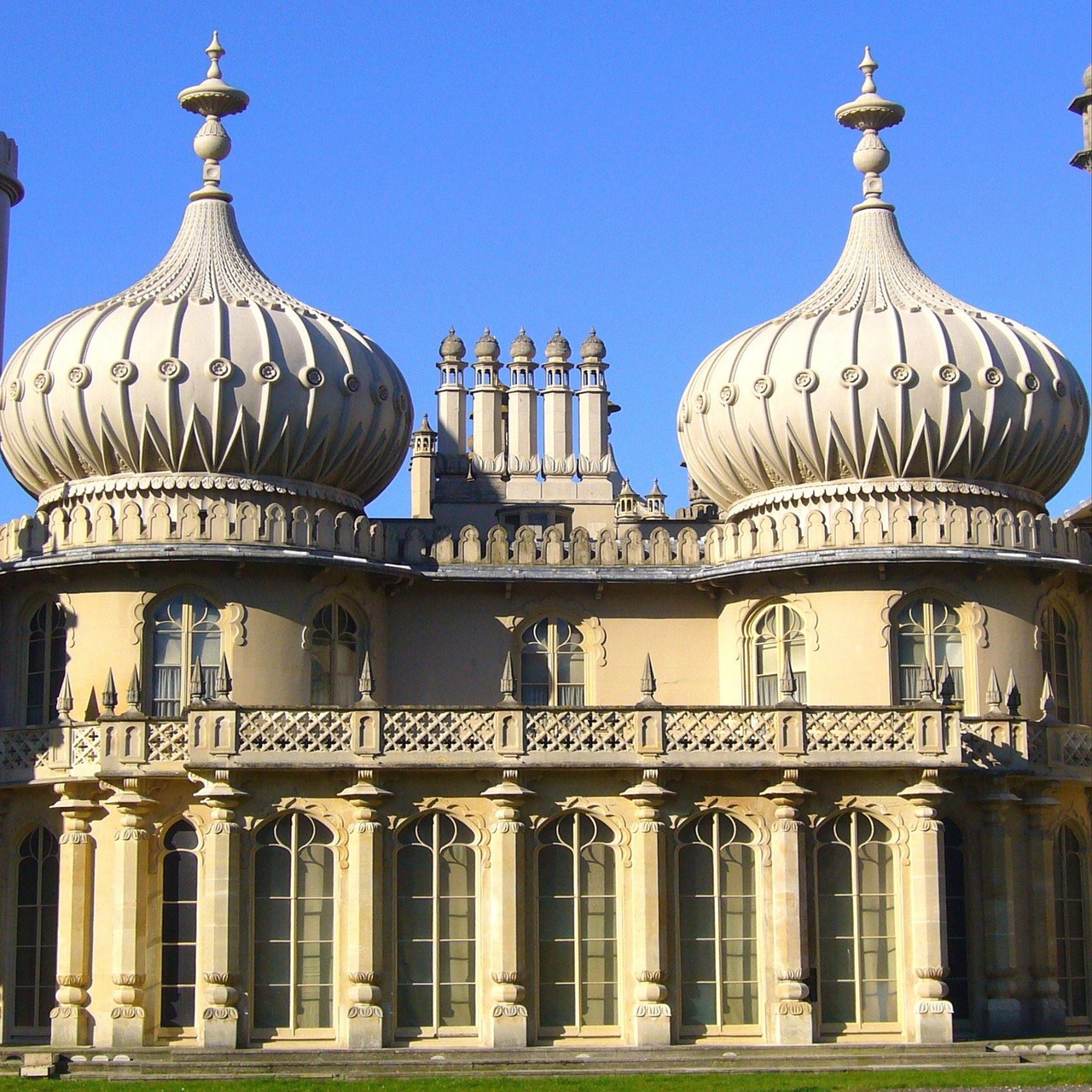
The Royal Pavilion is Brighton’s crown jewel – a fantasy palace that looks like it was teleported from India and China, then dipped in seaside light. Every time I walk past it, I still double-take.
A bit of history: Built for the Prince Regent (later King George IV) in the early 19th century, the Pavilion was his extravagant seaside pleasure palace. Architect John Nash wrapped it in onion domes and minarets, while the interiors are drenched in chinoiserie: dragons curling around chandeliers, painted bamboo, rich reds and golds. During WWI, it even served as a hospital for Indian soldiers.
My experience: My first proper visit inside was on a winter afternoon – drizzle outside, but inside the Pavilion felt like stepping onto a film set. I remember lingering in the Banqueting Room, imagining the absurdly lavish feasts they held here. Since then, I’ve been back with visiting friends, on a date night during late opening hours, and even to the ice rink in the gardens at Christmas.
Tips for visiting:
- When to go: Mornings on weekdays are quieter. Weekends in summer get busy.
- Tickets: Book online for small discounts and to skip queues in peak season.
- Time needed: 1.5–2 hours to do it justice.
- Good for: Families (kids love the dragons), couples, history buffs, and rainy days.
Practical note: The gardens (now called Pavilion Gardens) are free and open daily – they’re my go-to spot for takeaway coffee and people-watching, especially in spring when the flowerbeds erupt in colour.
2. Brighton Palace Pier
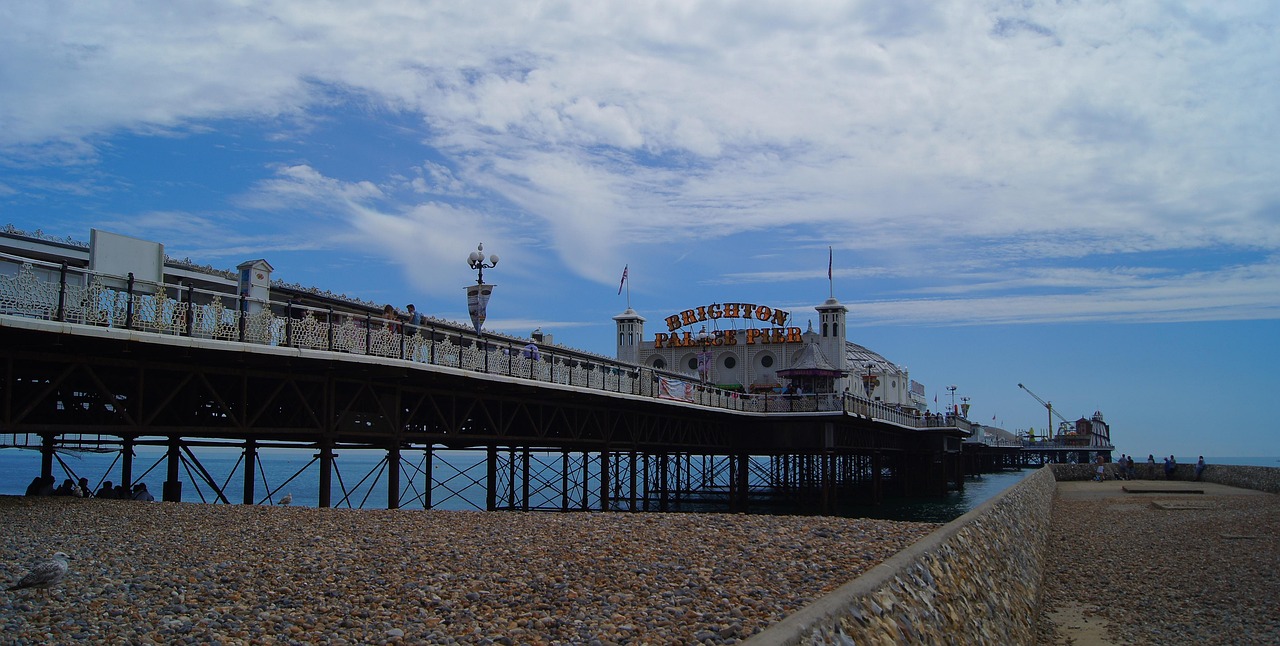
If the Royal Pavilion is the city’s crown, the Palace Pier is its beating, candyfloss-scented heart. Wooden planks, flashing arcades, and waves crashing underneath – this is old-school British seaside at its best.
My ritual: I’ve walked this pier in every type of weather. On stormy winter days, the wind whips so hard you feel the boards tremble under your feet. In high summer, I queue for a 99 Flake ice cream and head to the end of the pier just to lean on the railings and watch the horizon.
Things to do:
- Play 2p machines in the arcade (I always set a £2 limit).
- Ride the small rollercoasters and dodgems at the end.
- Grab fish and chips or doughnuts – they’re overpriced but part of the experience.
- Take photos looking back at Brighton’s skyline and the i360.
Tips: It’s free to enter; you pay per ride or get a wristband in peak season. Come around sunset on a clear day – the light over the sea is beautiful, and you can combine it with a stroll along the beach.
3. Brighton Beach & Promenade
Brighton’s pebble beach runs the length of the city and beyond. Don’t come expecting sand – you’ll be sitting on smooth pebbles – but do expect a lively, ever-changing scene.
My favourite stretch: Between the Palace Pier and the skeletal West Pier is where I spend most evenings in spring and summer. In 2020–2025, the council invested heavily in the seafront arches, so by 2026 there are more galleries, cafés, and bars tucked under the promenade than ever.
What to do:
- Walk or cycle the promenade from Brighton Marina to Hove Lagoon.
- Swim (if you’re brave) – locals go in year-round; I stick to late spring through early autumn.
- Grab a deckchair (small fee in summer) and simply watch the world go by.
Tip: Pebbles are unforgiving on bare feet; pack sandals or water shoes if you plan to swim. And respect the tide and flags – the sea can be deceptively strong.
4. West Pier Ruins & Brighton i360

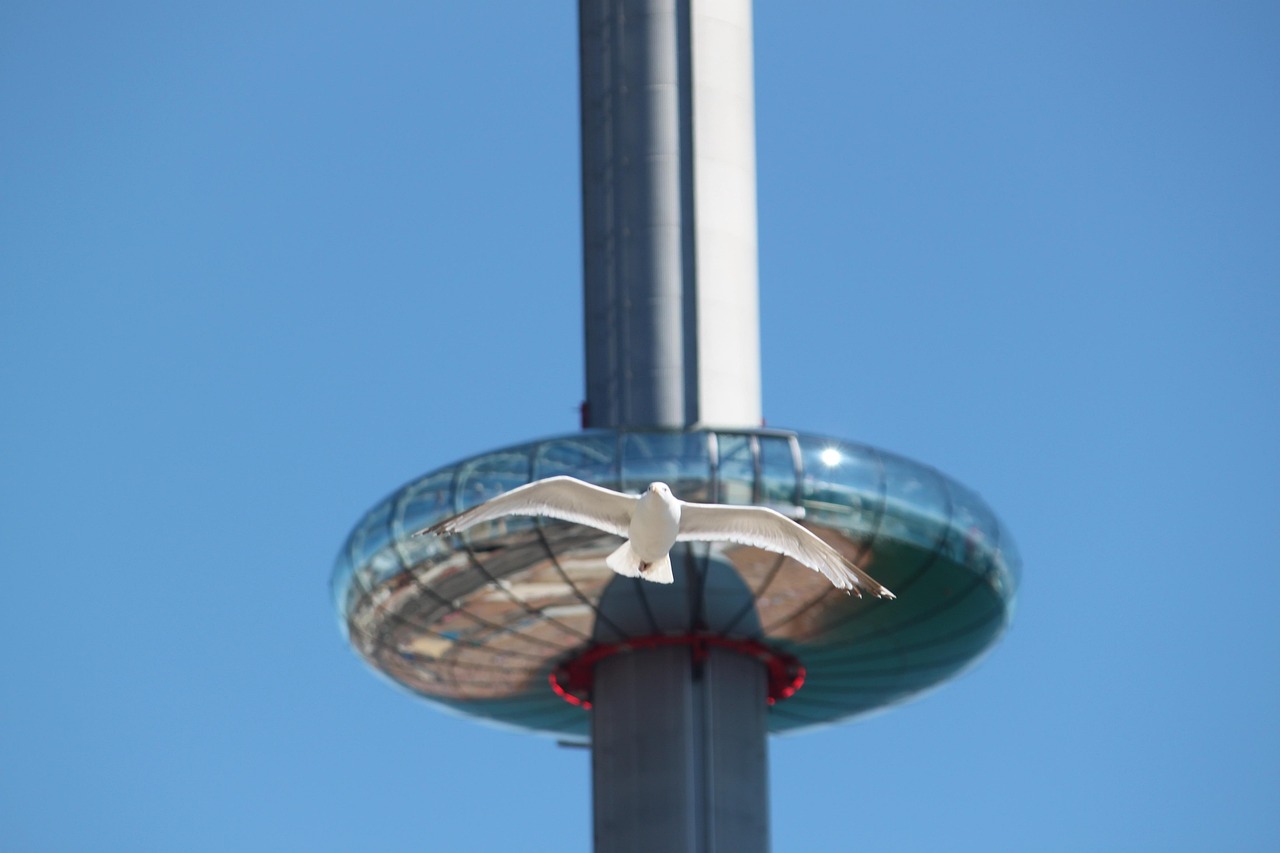
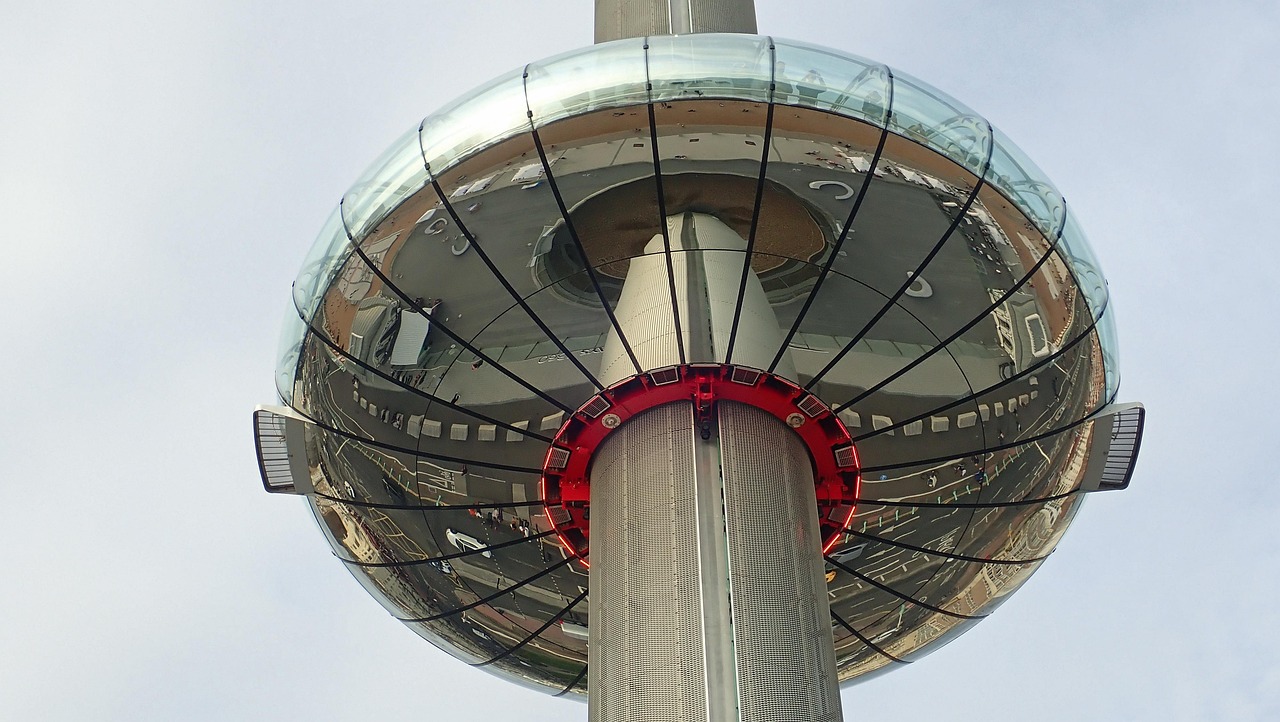
The ghostly skeleton of the West Pier is one of Brighton’s most photographed sights, especially at sunset when it becomes a silhouette against the sky. Right beside it stands the Brighton i360 – a futuristic glass observation pod that glides up a 162m tower.
My take: I was sceptical about the i360 at first (locals still argue about it), but my first ride up during golden hour converted me. The views across the city, South Downs, and along the coast are genuinely impressive.
Tips for the i360:
- Book a timed ticket, especially on summer weekends.
- Try for late afternoon on a clear day for the best light.
- There’s a small bar in the pod – a local beer or Prosecco makes it feel more celebratory.
Down at sea level, the beach here is often where locals gather for sunset drinks. If I had only 3 days in Brighton, I’d make sure at least one evening ended right here.
5. The Lanes
The Lanes are the knotty, medieval heart of Brighton – a warren of alleys where you can easily lose both your sense of direction and several hours.
What I love: I like coming here early, just as shops are opening. You can hear the clink of crockery from cafés, smell fresh pastries, and see jewellers setting up their sparkling window displays. In the evenings, it morphs into a cozy warren of pubs and restaurants.
What to look for:
- Independent jewellery shops and antique dealers.
- Tiny cafés with outdoor tables squeezed into alleyways.
- Street musicians echoing through the narrow lanes.
Tip: The Lanes can feel like a maze; don’t fight it. Let yourself wander and reorient later using the sea as your compass – it’s always downhill.
6. North Laine
North Laine is Brighton turned up to eleven – vintage shops, record stores, markets, and street art. This is where you feel the city’s creative soul most strongly.
My North Laine days: If I have a free Saturday, I grab coffee at a local café, wander the independent shops, and end up at a pub garden with friends. It’s the perfect place for aimless browsing.
Highlights:
- Brighton Open Market (under cover, great for crafts and street food).
- Indie bookshops, comic stores, and vinyl shops.
- Ever-changing murals – keep your camera handy.
If you’re on a 3 day itinerary for Brighton, consider dedicating at least half a day here, combining shopping with café-hopping.
7. Brighton Museum & Art Gallery
Tucked just behind the Royal Pavilion, this museum is one of Brighton’s underrated gems. Its collections range from local history and fashion to world art and design.
Why I go: On rainy days, it’s my retreat. I especially love the fashion and design gallery – Brighton has a long relationship with style and subculture, and you can feel it here.
Good to know:
- Check the temporary exhibitions – they often spotlight queer culture, design, or photography.
- Allow 1–2 hours; it pairs well with a Pavilion visit.
- Family-friendly, with interactive exhibits and space to roam.
8. Brighton Marina
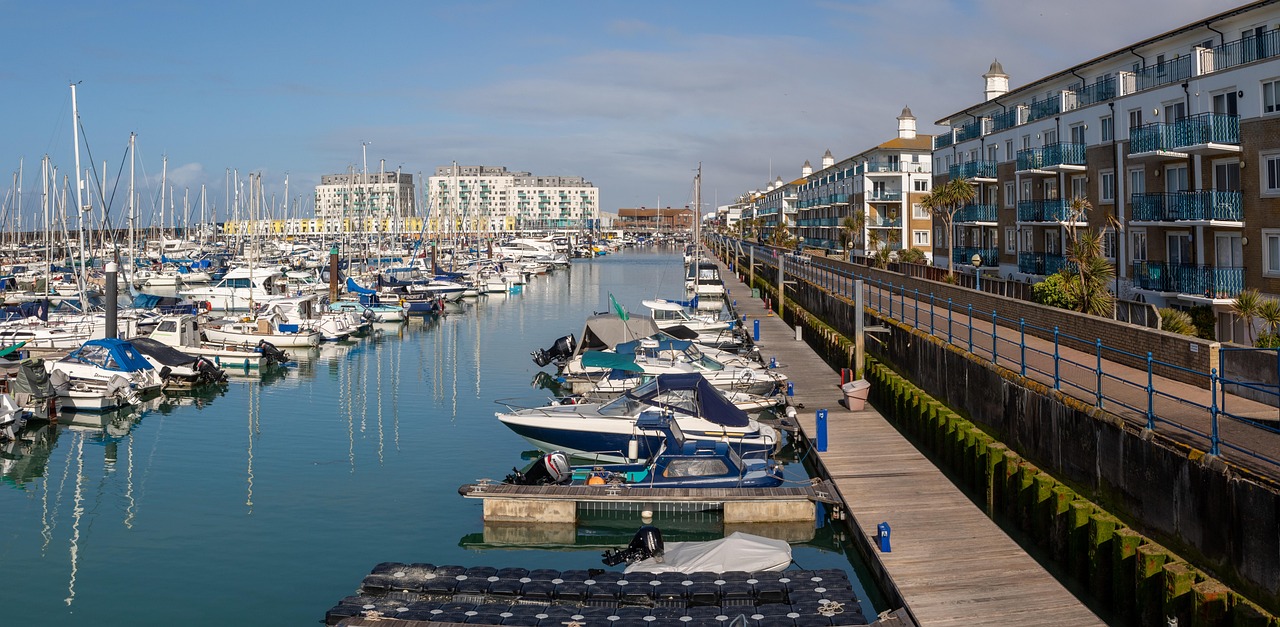
About 30 minutes’ walk (or a short bus ride) east of the centre, Brighton Marina feels like a different world: bobbing boats, chain restaurants, cinemas, and sea views.
My routine: I like walking out along the undercliff path from the city centre, arriving at the marina just in time for lunch. On calm days, the water can look almost Mediterranean.
Things to do:
- Boat trips and fishing excursions in summer.
- Walk the undercliff path towards Saltdean – dramatic chalk cliffs and sea air.
- Catch a film at the cinema on a rainy evening.
9. Volk’s Electric Railway
Running along the seafront between the Aquarium and Black Rock, Volk’s is the world’s oldest operating electric railway, opened in 1883.
Why it’s charming: It’s not fast, and it’s not long, but it’s pure seaside nostalgia. I first rode it with my nephew, who spent the entire journey waving at everyone on the beach. Now it’s a must-do with visiting kids.
Tip: Operates mainly in the warmer months; check dates and times in advance if you’re building a family-friendly 4 day itinerary for Brighton.
10. Brighton Beach Huts & Hove Lawns
West of the city centre, the crowds thin and the mood shifts. Hove Lawns is a long ribbon of green parallel to the beach, dotted with dog walkers, picnickers, and yoga classes in summer. Along the promenade, iconic wooden beach huts are painted every colour imaginable.
My favourite walk: From the i360, I head west along the promenade, stopping for coffee at a beach café and watching paddle-boarders bob on the waves. Sunset here can be spectacular, and it’s usually calmer than central Brighton beach.
11. Preston Park & Preston Manor
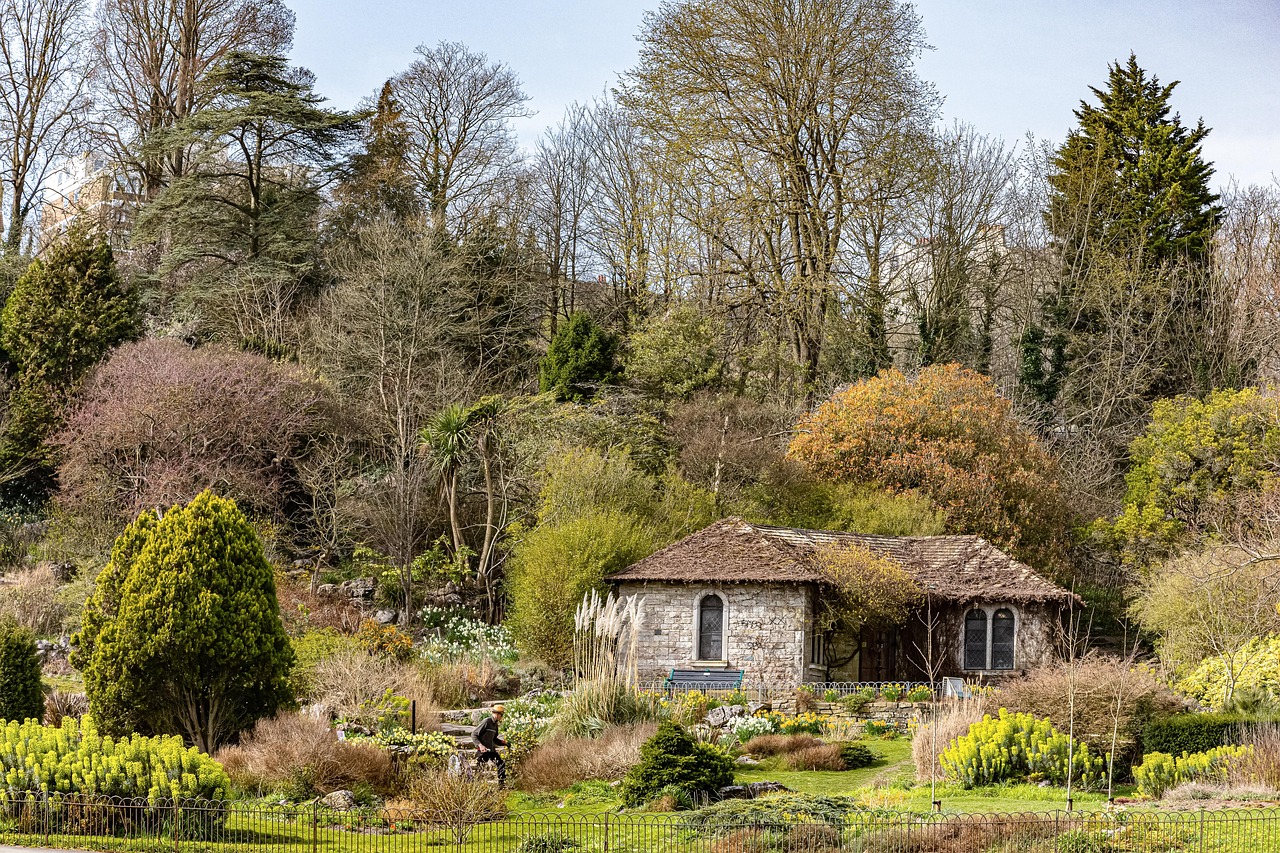
North of the centre, Preston Park is one of Brighton’s biggest green spaces – host to large events, including parts of Pride, and home to Preston Manor, a preserved Edwardian house.
Why I go: In spring, the blossom trees near the tennis courts are almost absurdly pretty. I’ve spent many lazy Sunday afternoons stretched out on the grass with a book here.
Preston Manor: Offers a glimpse into upper-class Edwardian life. It’s atmospheric and a bit spooky; ghost tours sometimes run in the evenings.
12. Devil’s Dyke
Just outside the city, Devil’s Dyke is part of the South Downs National Park – a deep valley carved by glaciers, with sweeping views over the countryside and down to the sea.
My routine: On clear days, I hop on the bus from the city centre and, within 30 minutes, I’m standing on a hilltop with sheep grazing around me. The contrast with urban Brighton is striking.
What to do:
- Walk circular trails along the ridge and valley.
- Paragliding (for the adventurous) – you’ll often see colourful chutes drifting above the valley.
- Pub lunch at the Devil’s Dyke pub with a view from the garden.
13. Brighton Fishing Museum
Right on the seafront near the Palace Pier, this small, free museum tells the story of Brighton’s fishing heritage.
Why I like it: It’s easy to miss, but worth a stop. Old photos, nets, and artefacts make you realise how recently Brighton was primarily a fishing town rather than a tourist city.
14. SEA LIFE Brighton
SEA LIFE Brighton is the world’s oldest operating aquarium, housed in a gorgeous Victorian arcade-like building opposite the pier.
Family perspective: Whenever friends visit with kids, this is an easy win – sharks, turtles, and colourful fish, plus interactive exhibits. The building itself, with its arched ceilings and tiled floors, is beautiful.
Tip: Online tickets are usually cheaper, and early slots are quieter.
15. Undercliff Walk
The Undercliff Walk runs from Brighton Marina to Saltdean, sandwiched between sheer chalk cliffs and the sea. It’s one of the most dramatic coastal walks you can do in under a couple of hours.
My experience: I often walk it in the late afternoon, when the light bounces off the white cliffs. There’s a tiny café at Ovingdean and another at Saltdean where you can refuel.
Good to know: It can be slippery in storms; check tide and weather, and avoid in severe weather due to rockfall risk.
16. Booth Museum of Natural History
A quirky Victorian natural history museum in the Seven Dials area, filled with taxidermy birds, fossils, and curiosities.
Why it’s a hidden gem: It feels like stepping into a 19th-century collector’s attic. Kids either find it magical or slightly creepy – sometimes both.
17. Brighton Open Market
On London Road, the Open Market is a covered space with permanent stalls and rotating traders: local crafts, vintage clothes, and street food.
My tip: Come at lunchtime to try cheap, tasty food from global cuisines, then browse the craft stalls. It’s especially lively on weekends and during themed market days.
18. St Nicholas Church & Churchyard
Brighton’s oldest surviving building sits on a hill above the centre. The churchyard is a peaceful green pocket with views over rooftops toward the sea.
Why I go: On busy summer days, it’s a quiet retreat. I sometimes bring a takeaway coffee and sit on a bench, listening to the city hum below.
19. Brighton Street Art Trails
Brighton’s walls are constantly changing canvases. From massive murals under the railway arches to tiny stencilled pieces in alleyways, street art is part of daily life here.
My favourites: I love wandering around the Trafalgar Street and London Road area to see what’s new. The city hosts street art festivals, so 2026–2027 will likely bring even more large-scale pieces.
Tip: Join a guided street art tour if you’re interested in the stories behind the works – it’s a great cultural experience in Brighton.
20. Brighton’s Historic Pubs
While not a single “attraction,” Brighton’s pub scene is integral to the city’s character. From centuries-old coaching inns to quirky themed bars, you’ll encounter local life here.
Personal note: Some of my warmest Brighton memories are of rainy evenings tucked into a corner of a wood-panelled pub, sharing a locally brewed ale with friends while the wind howled outside.
Suggested 3–5 Day Itineraries for Brighton
Below are flexible itineraries that mix must-see attractions, hidden gems in Brighton, and local experiences. You can compress them for a 3 day itinerary for Brighton or stretch them out if you have 4–5 days.
3 Day Itinerary for Brighton
Day 1: Seafront Icons & The Lanes
Morning: Start your first day where Brighton meets the sea. I like to grab a takeaway coffee from a kiosk by the pier and walk along the promenade while the city is still waking up. Head straight for Brighton Palace Pier – it’s much calmer in the morning, and you can get photos without the crowds.
Stroll down the pier, play a few arcade games, then wander west along the beach toward the West Pier ruins and i360. If the weather is clear, book a late-morning slot on the i360. From the top, orient yourself: you can see the curve of the coastline, the patchwork of rooftops, and the green hills of the South Downs beyond.
Lunch: I usually head back toward the Lanes, cutting up from the seafront near the clock tower. The streets behind the main shopping drag hide plenty of small cafés – pick one with outdoor seating if the sun is shining.
Afternoon: Spend the rest of the day exploring The Lanes. Let yourself get lost among jewellery shops, galleries, and tea rooms. Duck into Brighton Museum & Art Gallery if you want a cultural fix, especially on a rainy day.
Evening: For dinner, choose one of the many bistros in The Lanes or head back to the seafront for fish and chips. If you’re up for it, finish with an evening walk along the promenade – the lights of the pier reflected on the water are surprisingly romantic.
Day 2: North Laine, Royal Pavilion & Kemptown
Morning: Start in North Laine, when the cafes are filling with locals and students. Find a spot for a leisurely brunch – Brighton takes brunch seriously – then wander the vintage shops and record stores.
Mid-morning, cut through to the Royal Pavilion. Spend a couple of hours exploring the palace and its grounds; this is one of the must-see attractions in Brighton, and photos don’t do justice to the opulent interiors.
Afternoon: After the Pavilion, walk east into Kemptown. I like following St James’s Street down toward the sea, then weaving up and down the parallel residential streets to admire the Regency facades. Pop into a café or one of the independent LGBTQIA+ bookshops and bars.
If the weather is good, continue to the beach at the end of Madeira Place or the more relaxed stretch just east of the pier. In summer, this area often hosts small pop-up bars and food stalls.
Evening: Kemptown comes alive at night. For a low-key evening, choose a neighbourhood restaurant and then a cozy pub. For something livelier, explore the LGBTQIA+ bars along St James’s Street – Brighton’s nightlife is famously inclusive and fun.
Day 3: Nature & Hidden Corners
Morning: On your final day, head out to Devil’s Dyke. Catch the bus from the city centre and, within half an hour, you’ll be in the countryside. Walk one of the circular routes along the valley – I recommend following the ridge for panoramic views, then descending into the valley before looping back.
Lunch: Either picnic on the grass (on a clear day) or eat at the pub overlooking the valley. On misty days, the landscape can feel haunted and atmospheric.
Afternoon: Back in Brighton, spend some time exploring a quieter neighbourhood. You could stroll through Preston Park and tour Preston Manor, or head to Booth Museum and Seven Dials for something more offbeat.
Evening: For a final night, consider catching live music or comedy at one of the city’s venues, then walk down to the seafront one last time. If the tide is low and the sky is clear, you’ll understand why so many visitors decide to come back.
4 Day Itinerary for Brighton
With 4 days in Brighton, you can slow things down and add more cultural experiences and hidden gems.
Day 1–3:
Follow the 3 day itinerary above, but give yourself more breathing space – linger longer in North Laine, add an extra museum, or spend more time on the beach.
Day 4: Hove, Beach Huts & Undercliff Walk
Morning: Walk or cycle west along the seafront to Hove Lawns and the beach huts. Stop for coffee at a seafront café and enjoy the calmer atmosphere. If you’re travelling with kids, Hove Lagoon has a playground and water sports area.
Afternoon: Head back east to Brighton Marina and tackle part of the Undercliff Walk. Even walking just a section gives you dramatic cliff views and a different perspective on the city.
Evening: Eat at the marina or back in the centre, then consider a relaxed drink at a seafront bar to toast your 4 days in Brighton.
5 Day Itinerary for Brighton
With 5 days in Brighton, you can add a full day trip and dig deeper into local culture.
Day 1–4:
Use the 4 day itinerary as your base, taking your time and adding in extra cafés, shops, and galleries as they catch your eye.
Day 5: Day Trip – Lewes or Seven Sisters
On your fifth day, escape the city for a different side of Sussex.
Option 1: Lewes – A historic market town 15 minutes by train from Brighton. Explore the castle, wander the narrow streets, and visit Harvey’s Brewery shop for local ales. It’s a lovely, relaxed contrast to Brighton’s buzz.
Option 2: Seven Sisters – For dramatic coastal scenery, take a bus to Seven Sisters Country Park. Walk across the rolling cliffs and look back toward Brighton on a clear day. Pack a picnic and sturdy shoes.
Return to Brighton in the evening for a farewell dinner at a special restaurant you’ve had your eye on – perhaps one of the seafood spots by the beach or a creative vegetarian place in the Lanes.
Local Food and Drink in Brighton

Brighton punches far above its weight in the food department. The city is packed with independent eateries, with strong vegetarian and vegan options, great coffee, and surprisingly good international cuisines for a city this size.
What to Eat in Brighton
- Fish and chips: You’re at the seaside – at least one meal should be this classic. I prefer spots just off the main drag rather than the most obvious tourist places.
- Fresh seafood: Try local mussels, fish stews, and grilled fish at seafront restaurants.
- Vegan & vegetarian dishes: Brighton has been an early adopter of plant-based cuisine; you’ll find creative menus citywide.
- Sunday roast: Many pubs do excellent roasts – book ahead; locals take this seriously.
- Ice cream & doughnuts: Essential promenade snacks, especially on your first 3 days in Brighton.
Budget-Friendly Eating Tips
Brighton can be pricey, but it doesn’t have to be.
- Look for lunch deals and weekday specials – many restaurants offer set menus.
- Explore London Road and the Open Market for cheaper, delicious global food.
- Picnic: grab food from supermarkets or local bakeries and eat in Pavilion Gardens or on the beach.
Drinks & Local Brews
The city has several local breweries and a strong craft beer scene, plus cosy wine bars and cocktail spots. Ask for local ales on tap – bar staff are usually happy to recommend something.
Nightlife, Entertainment & Cultural Experiences in Brighton
Even with just 3 days in Brighton, you can sample the city’s nightlife. With 4 or 5 days, you can really dive in.
Nightlife
- Pubs: From centuries-old inns to craft beer bars, pubs are a cornerstone of local culture.
- Clubs: Brighton has a long-standing club scene, especially around the seafront and in Kemptown.
- LGBTQIA+ venues: Concentrated in Kemptown and the city centre, with friendly, welcoming atmospheres.
Cultural Experiences
- Theatre & comedy: Local theatres and small venues host plays, stand-up, and improv.
- Live music: From small pubs with acoustic sets to bigger venues for touring bands.
- Festivals: Brighton Festival, Fringe, Pride, and numerous niche events throughout the year.
Major Events in Brighton 2026–2027
Event dates can shift year to year, but here’s what to expect in 2026–2027. Always check official websites closer to your travel dates.
- Brighton Festival & Brighton Fringe (May 2026 & 2027): A month-long celebration of arts, performance, and culture. The city becomes one big stage – ideal if you enjoy cultural experiences in Brighton.
- Brighton Pride (usually early August): One of the UK’s largest Pride events, with a parade, park festival, and citywide parties. Book accommodation far in advance if you plan to attend.
- Burning the Clocks (December): A winter solstice lantern procession, ending with a beach bonfire and fireworks. Magical if you’re here in winter.
- Brighton Digital Festival, music festivals, and marathons: Smaller events throughout the year that add an extra buzz to the city.
Best Day Trips from Brighton
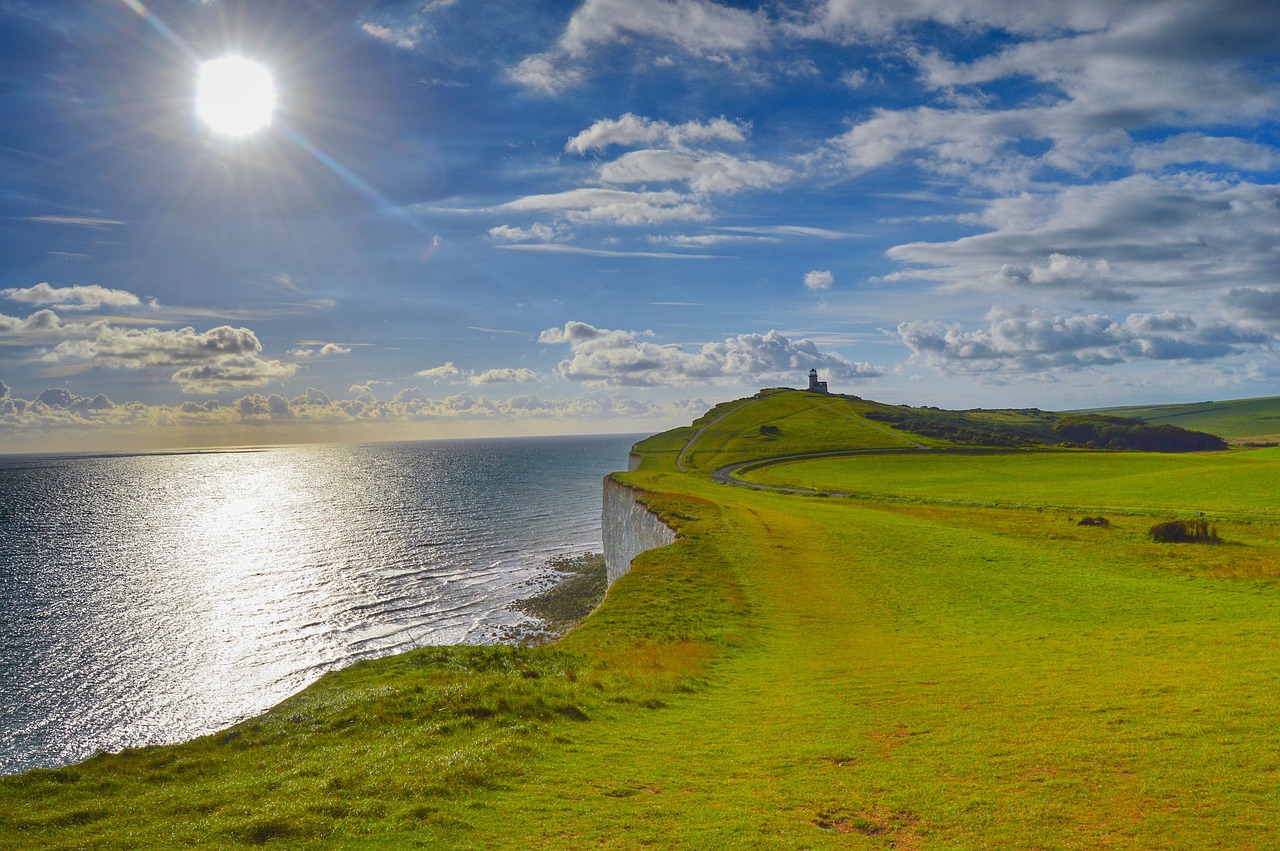
Once you’ve covered the main things to do in Brighton, use any extra days to explore the surrounding region.
Seven Sisters & Cuckmere Haven
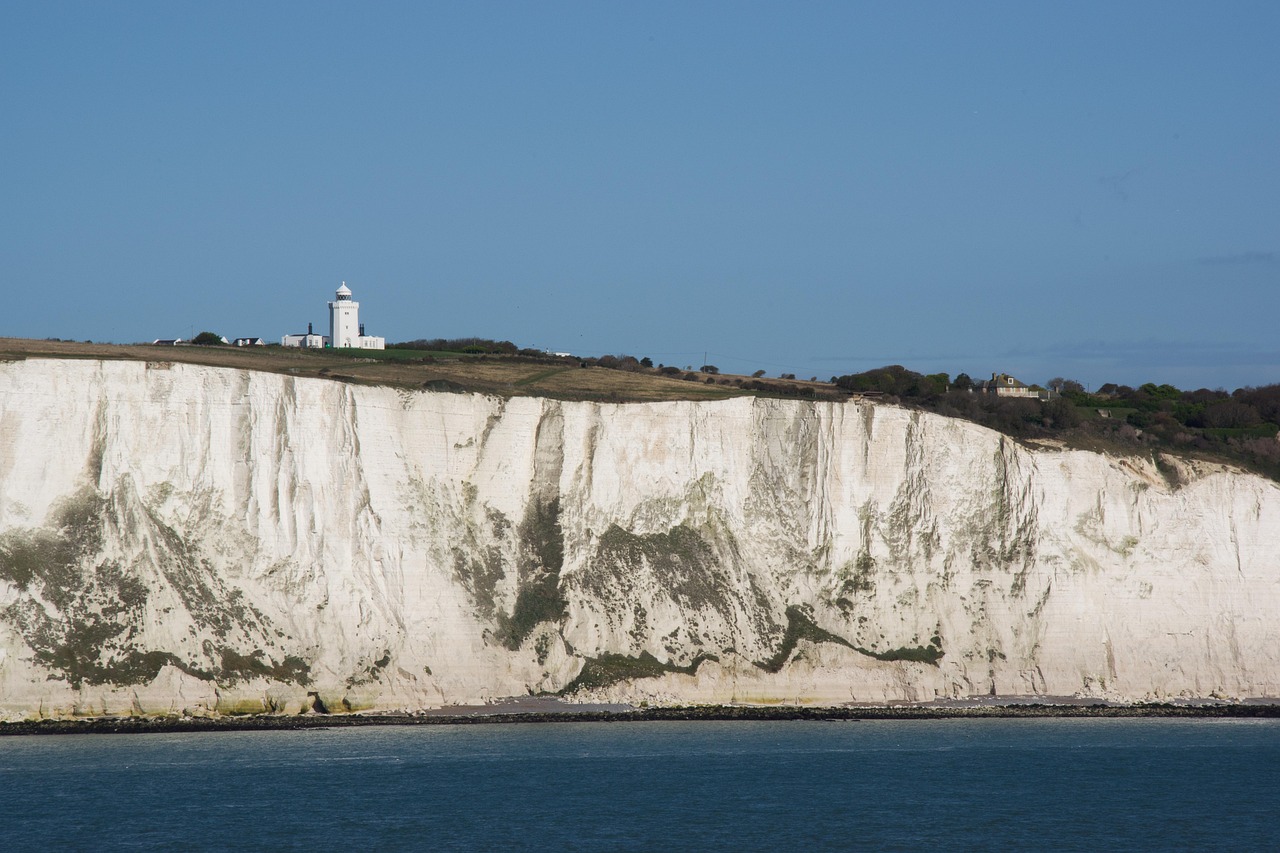
These brilliant-white chalk cliffs are some of the most dramatic coastal scenery in England. Walk across the rolling downs or down to the meandering river at Cuckmere Haven. Bring sturdy shoes, water, and a camera.
Lewes
A charming town with a castle, independent shops, and old-world pubs. Easy train connection from Brighton makes it perfect if you have 4 or 5 days in Brighton.
Arundel
Further afield but still accessible by train and bus, Arundel has a fairy-tale castle, riverside walks, and antique shops.
Cultural Etiquette & Local Customs in Brighton
Brighton is relaxed and open-minded, but a few local customs and cultural points are worth noting.
- Queuing: British people queue. Respect lines at bus stops, cafés, and attractions.
- Politeness: “Please,” “thank you,” and “sorry” are common lubricants of daily life.
- LGBTQIA+ respect: Brighton is proudly queer-friendly. Use inclusive language and respect pronouns.
- Beach etiquette: Take your litter with you, avoid loud music late at night, and be mindful of glass on the beach.
- Pubs: In many places you order and pay at the bar, then take drinks to your table.
Practical Travel Tips for Brighton (2026–2027)
Getting To Brighton
Most visitors arrive by train from London (around 1 hour from London Victoria or London Bridge). Trains also run to Gatwick Airport (30–35 minutes).
Getting Around Brighton
- On foot: The city centre is compact; walking is often the fastest.
- Buses: Brighton & Hove buses are frequent and reliable; contactless payment is accepted.
- Bikes & e-scooters: Bike lanes and rental schemes make cycling a good option in dry weather.
- Car rental: Not recommended for central Brighton; parking is expensive and limited.
Saving Money in Brighton
- Travel off-peak and midweek if possible.
- Look for combined tickets or city passes for attractions.
- Use supermarkets and local bakeries for some meals.
- Enjoy free experiences: beach walks, street art, parks, and window-shopping.
SIM Cards & Connectivity
In 2026, eSIMs and prepaid SIM cards are widely available. Major UK providers (EE, O2, Vodafone, Three) sell tourist-friendly packages. You can buy SIMs at airports, phone shops, and supermarkets. Many cafés and pubs offer free Wi‑Fi.
Visa Requirements & Driving
- Visas: Check the latest UK government guidance; requirements vary by nationality.
- Driving licences: Visitors from many countries can drive with their home licence for short stays; others may need an International Driving Permit. Renting a car is more useful for countryside trips than for Brighton itself.
Best Seasons to Visit Brighton
- Spring (March–May): Blossoms, festivals starting, milder weather. Great for walking and cultural events.
- Summer (June–August): Beach life in full swing, long evenings, big events like Pride. Also the busiest and priciest season.
- Autumn (September–November): Quieter, often still mild in September; good for a relaxed 3 or 4 day itinerary for Brighton.
- Winter (December–February): Stormy seas, cozy pubs, and events like Burning the Clocks. Fewer crowds, but short days and chilly weather.
Summary: Planning Your Perfect 3–5 Days in Brighton
Brighton is a city that rewards both planners and wanderers. You can follow a structured 3 day itinerary for Brighton and hit the must-see attractions – the Royal Pavilion, Palace Pier, beachfront, and North Laine – or stretch your stay into 4 or 5 days in Brighton to add countryside walks, day trips, and deeper dives into local food and nightlife.
For first-time visitors, I recommend:
- 3 days in Brighton: Perfect for a long weekend. Focus on seafront icons, Pavilion and Lanes, North Laine, and at least one foray into the Downs or Hove.
- 4 days in Brighton: Add more relaxed time in Hove, the Undercliff Walk, and an extra museum or two.
- 5 days in Brighton: Include a full day trip to Lewes or Seven Sisters and dive deeper into neighbourhoods and hidden gems.
Whenever you come, bring layers (the sea breeze can surprise you), comfortable shoes, and a willingness to wander. Brighton is at its best when you let it unfold at its own pace – one coffee, one beach stroll, one hidden alleyway at a time.