Why Visit Cambridge in 2026?
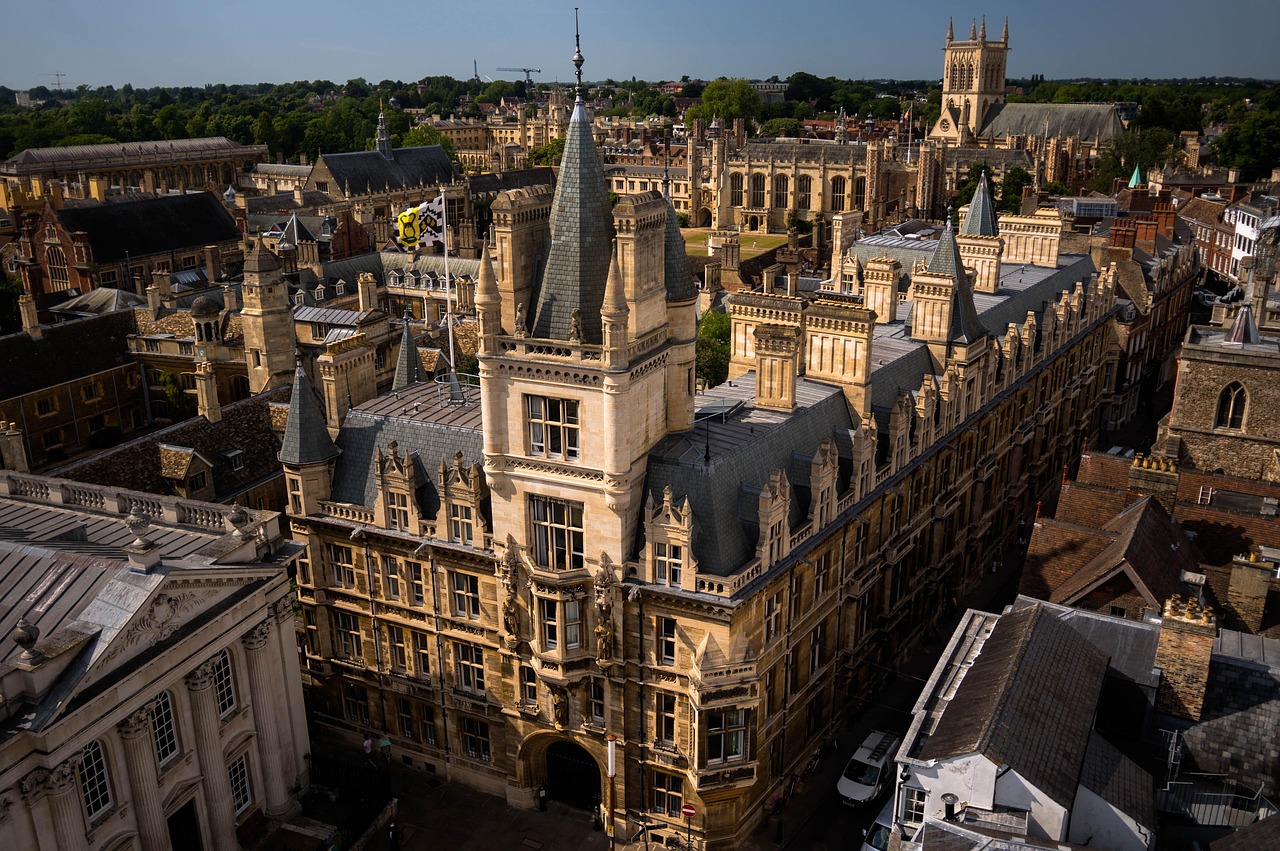
Every time I step out of Cambridge station and walk towards the city centre, there’s a moment—usually around Parker’s Piece—when the skyline of spires, towers, and ancient college gates comes into view. Even after years of visiting and later living here, that view still makes me slow down. Cambridge is one of those rare places that feels both postcard-perfect and completely lived-in.
In 2026, Cambridge is especially exciting. The city is leaning even further into pedestrian-friendly streets, riverside walking routes, and cultural events that spill out of the colleges and into public spaces. You’ll find centuries-old libraries sitting comfortably beside buzzing independent coffee shops, punting tours sharing the river with students training for races, and world-class museums that are completely free.
Whether you’re planning 3 days in Cambridge, a slower 4 day itinerary for Cambridge, or an immersive 5 days in Cambridge, this travel guide will help you stitch together the best places to visit, the must-see attractions, and the kind of hidden corners even some locals miss.
Cambridge is perfect if you:
- Love architecture and history (Gothic chapels, quiet cloisters, and cobbled lanes).
- Want gentle adventure (punting, riverside walks, cycling, rowing lessons).
- Enjoy local food and pub culture (from market stalls to riverside gastropubs).
- Appreciate cultural experiences (choir evensong, festivals, college gardens, theatre).
- Are looking for a romantic weekend, a family-friendly break, or a solo escape.
This 2026 travel guide for Cambridge is written as if I’m walking alongside you: sharing what I’d actually do with friends visiting for the first time, where I’d take my parents, and the little shortcuts and money-saving tricks I’ve picked up over the years.
Table of Contents
- Why Visit Cambridge in 2026?
- Cambridge at a Glance
- Suggested 3–5 Day Itineraries
- Top 20 Must-See Attractions in Cambridge
- Neighbourhoods & Areas to Explore
- Local Food & Drink in Cambridge
- Nightlife, Entertainment & Cultural Experiences
- What’s New & Upcoming Events 2026–2027
- Best Day Trips from Cambridge
- Practical Travel Tips for Cambridge
- Cultural Etiquette & Local Customs
- Summary & Best Time to Visit
Cambridge at a Glance
Cambridge is a compact, walkable city about an hour by train from London. It’s dominated by the University of Cambridge (founded in 1209), whose 30+ colleges are spread through the centre and along the River Cam. Yet just a few minutes’ walk from the ancient courtyards you’ll find quiet residential streets, modern research parks, and green spaces where cows still graze.
It’s a city of layers: medieval lanes, Victorian terraces, 20th-century science labs, and 21st-century tech hubs. On any given day you might see a Nobel Prize winner cycling past a group of tourists in punt boats while students in black gowns hurry to a formal dinner.
For travellers, this means an almost unfair concentration of things to do in Cambridge in a very small area: you can go from a world-class museum to a riverside meadow in under 10 minutes on foot.
Suggested Itineraries: 3–5 Days in Cambridge
Here’s how I usually plan a visit when friends ask for my best 3 day itinerary for Cambridge, and how I stretch it into 4 days in Cambridge or a full 5 day itinerary for Cambridge when they can linger.
Day 1 – Iconic Cambridge & The Backs
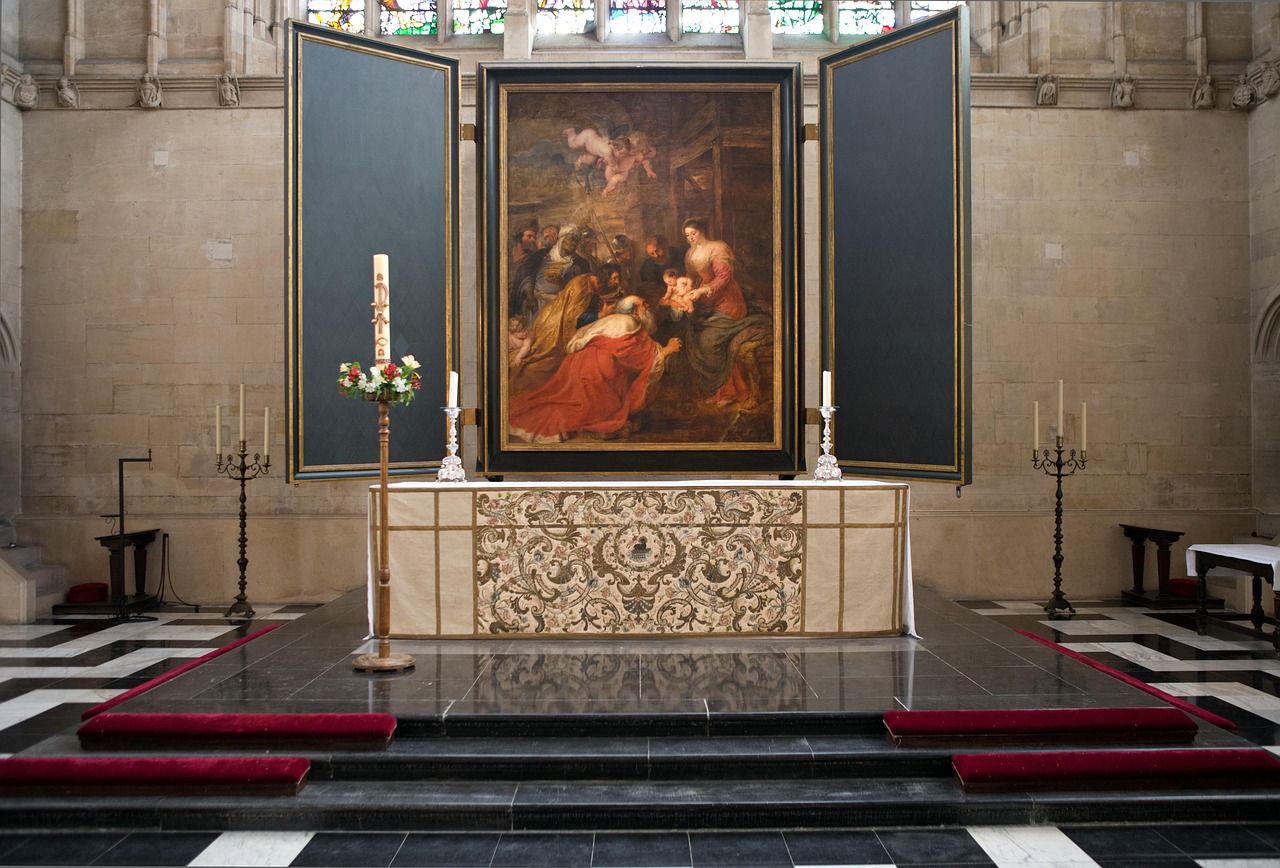
When I’m showing someone Cambridge for the first time, I always start with the greatest hits. Day 1 is about the must-see attractions in Cambridge, the classic postcard views, and that first punting trip along The Backs.
Morning: King’s Parade & King’s College Chapel
Start at King’s Parade, the spine of historic Cambridge. If you take the train, it’s about a 20–25 minute walk from the station (or a short bus ride). I like to arrive around 9:30–10:00 a.m., when the day-tripper crowds are still waking up.
On one of my favourite visits in late spring, I got to King’s Parade just as the sun was hitting the honey-coloured stone of King’s College Chapel. The queue was short, and within minutes I was standing under that incredible fan-vaulted ceiling, which somehow still takes my breath away even after a dozen visits.
Allow at least 60–90 minutes inside. Don’t rush. Sit for a moment in one of the side chapels; read some of the small plaques on the walls; listen to how your footsteps echo. This is one of the true architectural icons of England.
Tips for visiting King’s (2026):
- Book tickets online in advance in busy months (May–September, December). It saves queuing and helps with crowd control.
- If you can, attend Choral Evensong (usually late afternoon). Arrive 30–40 minutes early; the queue forms along the chapel wall on King’s Parade.
- Dress modestly for services (no need for formality, but avoid loud phone use and photography during worship).
Late Morning: St Mary’s, Senate House & King’s Parade Cafés
After King’s, cross the road to Great St Mary’s Church. For a small fee you can climb the narrow spiral staircase to the top of the tower. I’ve done this in all seasons; my favourite was a crisp January morning when the college roofs were dusted with frost. The 360-degree view of Cambridge is one of the best in the city.
From up there, you’ll see Senate House, where degree ceremonies still take place, and the tidy courtyards of Gonville & Caius and Trinity College beyond. It’s a perfect first orientation of the city layout.
Back on street level, wander along King’s Parade. Pop into the little bookstores and souvenir shops if you like, but I usually steer people towards an early coffee stop. I often head slightly off the main drag to avoid higher prices:
- Fitzbillies (Trumpington Street) – Famous Chelsea buns; I still remember the first time the sticky syrup ran down my fingers. Worth it.
- Hot Numbers (Trumpington Street) – My go-to for speciality coffee near the centre.
Afternoon: Punting on the River Cam
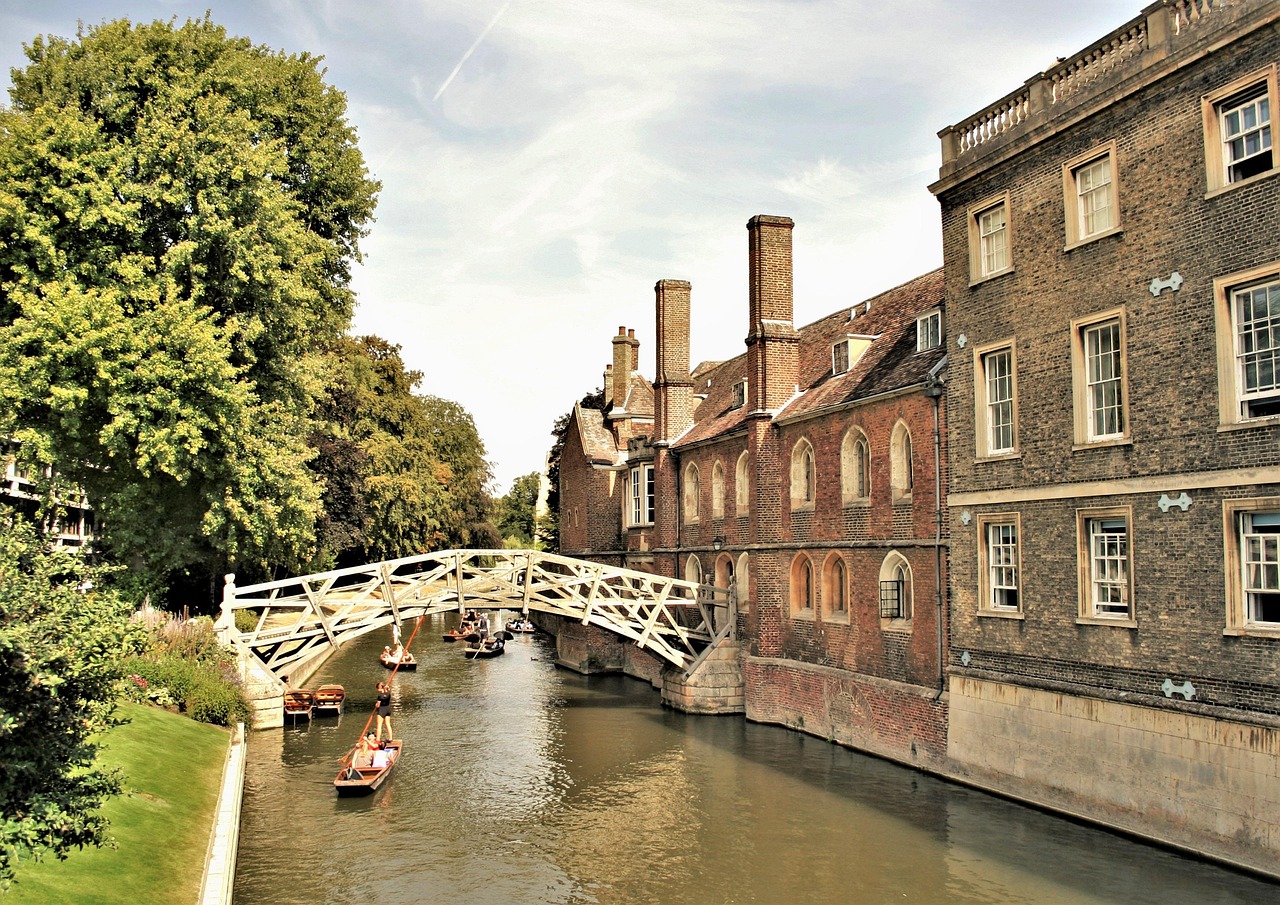
No travel guide for Cambridge is complete without punting. It’s touristy, yes—but also genuinely magical. You glide past the backs of the colleges, under arched bridges, with willows trailing in the water. I’ve done this in rain and shine, and somehow it’s always memorable.
You have two options:
- Chauffeured punt – A guide does the work and tells stories. Best for first-timers, families, and anyone nervous about falling in.
- Self-hire punt – You do the punting. Hilarious in groups, romantic if you know what you’re doing, but be prepared to zig-zag at first.
In 2026, you can book in advance or negotiate at the river. I usually book online in summer weekends to avoid haggling. If the weather looks changeable, I book with companies that offer flexible time slots.
My personal punting ritual: I like to start from the Mill Lane or Quayside area, do the classic route along The Backs as far as Magdalene, then loop back. On one memorable autumn trip, golden leaves floated past us while our guide told slightly scandalous tales of student pranks—exactly the atmospheric Cambridge I love.
Late Afternoon: The Backs & Trinity Street
After punting, stretch your legs along The Backs—the green spaces behind the riverside colleges. Depending on which colleges are open, you can often walk through King’s or Trinity and emerge onto the lawns near the river (access and routes vary through the year).
Next, head up Trinity Street, one of my favourite streets in Cambridge. You’ll pass:
- Gonville & Caius College – Look up at the ornate gates and intricate stonework.
- Trinity College Great Gate – Peer through to the Great Court, famous for the “Chariots of Fire” scene.
- St John’s College Gatehouse – Rich red brick and a hint of the grandeur inside.
Evening: Dinner & A Riverside Stroll
For dinner, I often recommend:
- The Cambridge Chop House – Traditional British dishes, good for a hearty first-night meal.
- The Mill – Pub by the river; grab fish and chips or a burger and sit outside if it’s warm.
- Galleria (Bridge Street) – Riverside dining with views of Magdalene Bridge and the punts below.
Finish with a slow stroll along the river near Quayside. On summer evenings the light lingers late, and it’s one of the most romantic spots in the city—street musicians, soft water sounds, and college towers glowing in the dusk.
Day 2 – Museums, Markets & More Colleges
Day 2 digs deeper into the intellectual side of Cambridge: museums, libraries, and some of my favourite quiet corners. It’s perfect for history lovers, families, and anyone who likes to mix indoor and outdoor time.
Morning: Cambridge Market & City Centre Wandering
Start at Market Square, just behind Great St Mary’s. I love coming here around 9–10 a.m., when stallholders are setting up and the smell of coffee and fresh bread fills the air.
Browse stalls selling everything from fresh produce and local cheese to second-hand books and hand-made crafts. Food-wise, I’ve had great falafel wraps, crepes, and freshly squeezed juices here. If you’re on a budget, this is one of the most affordable places for lunch in central Cambridge.
Late Morning: Fitzwilliam Museum
Walk down Trumpington Street to the Fitzwilliam Museum, housed in a grand neoclassical building with a columned entrance that always reminds me slightly of a temple.
The Fitz is free and honestly one of the best art and antiquities museums in the UK. I’ve ducked in here on countless rainy afternoons and always found something new. Highlights include:
- Egyptian galleries with mummies and intricate artefacts.
- European paintings by the likes of Monet, Titian, and Constable.
- Beautiful ceramics and illuminated manuscripts.
It’s very family-friendly, with activity sheets and interactive elements. If you’re short on time, give yourself at least 90 minutes. If you’re a museum lover, you could easily spend half a day.
Afternoon: Pembroke, Corpus & Hidden Courtyards
After the Fitz, I like to wander back up Trumpington Street and visit some of the slightly less obvious colleges, like Pembroke or Corpus Christi. They’re usually quieter than King’s or Trinity, and I’ve had some of my most peaceful Cambridge moments in their gardens.
College entry policies change frequently, but as of 2026 many still allow visitors for a small fee or donation outside exam times. Always check the college website or at the porters’ lodge. Be respectful: these are working academic communities, not just tourist sites.
Late Afternoon: The Round Church & Trinity/ St John’s
Head up towards Bridge Street to see the Round Church, one of the oldest buildings in Cambridge and one of only a handful of round churches in England. The simple stone interior and small exhibition give a good overview of the city’s Christian and educational history.
If you didn’t get to Trinity or St John’s on Day 1, this is a good time. I still remember the first time I stepped onto the Bridge of Sighs in St John’s on a college open day; the name is dramatic, but the views of the river and college courts are genuinely beautiful.
Evening: College Evensong & Casual Dinner
If you haven’t yet, try to fit in a college chapel Evensong on Day 2. King’s is the most famous, but choirs at St John’s, Trinity, and other colleges are also excellent and often less crowded.
For dinner, I often suggest something relaxed:
- Aromi (Bene’t Street) – Sicilian-style pizza, arancini, and cannoli. Always busy, always good.
- Pizza at Franco Manca (if you want a chain with sourdough and predictable quality).
- Pub grub at The Eagle or The Champion of the Thames.
Day 3 – Riverside Walks, Mill Road & Local Life
By Day 3, most visitors have ticked off the classic things to do in Cambridge. That’s when I like to show them a more lived-in side of the city: the neighbourhoods where students and locals actually hang out, and some of the true hidden gems in Cambridge.
Morning: Riverside Walk & Jesus Green
Start your day with a walk along the River Cam, ideally from near Jesus Lock across Jesus Green. I’ve done this walk in every season: in June when the grass is full of picnics, in November when the mist floats low over the water, and in March when rowers slice through the dawn light.
Jesus Green is perfect for families (there’s a playground and, in warmer months, the famous outdoor lido) and for anyone who needs a bit of green after busy city streets.
Late Morning–Afternoon: Mill Road – Cambridge’s Bohemian Strip
From Jesus Green, cut back into town and head towards Mill Road, one of my absolute favourite parts of Cambridge. This long, slightly scruffy street is lined with independent shops, world-food restaurants, thrift stores, and quirky cafés. It’s where a lot of the city’s diversity and creative energy live.
Some of my regular stops:
- International grocery stores with spices and ingredients from all over the world.
- Vintage and charity shops—great for budget-friendly treasure hunting.
- Independent cafés with excellent coffee and strong laptop-working culture.
- Casual eateries: Ethiopian, Indian, Turkish, Chinese, and more.
On one rainy weekday, I spent an entire afternoon café-hopping along Mill Road, reading and people-watching. It’s a great way to plug into the real rhythm of the city beyond the colleges.
Evening: Local Pubs & Live Music
Mill Road is also excellent for an informal night out. There are several pubs and bars with live music, quiz nights, or just a good, relaxed vibe. If you want more of a classic student-night-out atmosphere, you can head back towards the centre or to the areas around Regent Street and Hills Road.
Day 4 – Botanic Garden, Science, and Grantchester Meadows
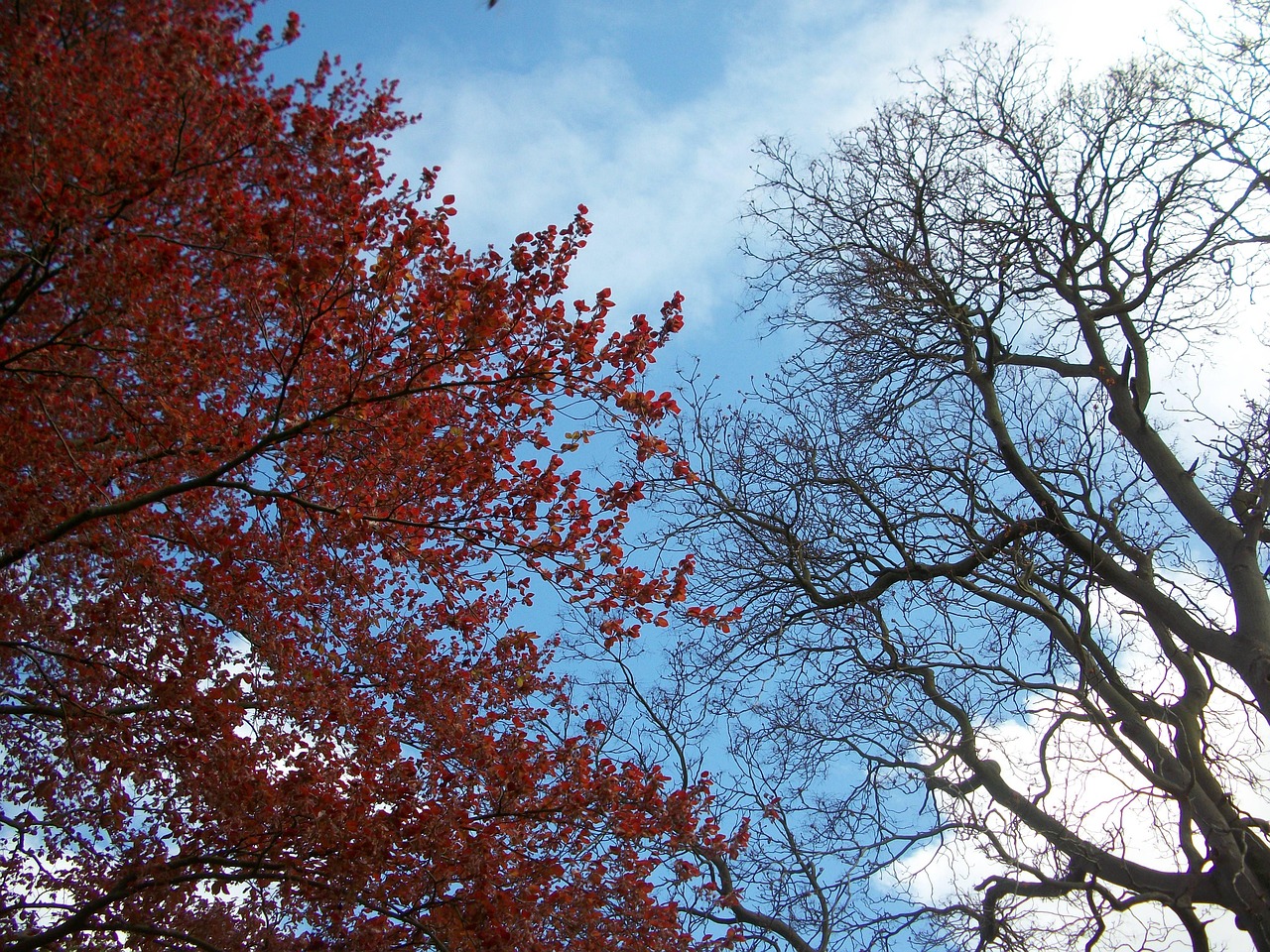
If you have 4 days in Cambridge, Day 4 is when you can slow down a little and make space for gardens, science museums, and a walk to one of my favourite nearby villages: Grantchester.
Morning: Cambridge University Botanic Garden
The Botanic Garden is about a 15–20 minute walk from the centre (or a short hop from the station). I love coming here on sunny mornings with a book and a takeaway coffee. There are over 8,000 plant species, glasshouses with tropical and arid plants, and a lovely lake.
It’s ideal for families (children love the different themed gardens), couples (there are plenty of quiet corners), and solo travellers who just want some calm. I still remember one late-September visit when the borders were blazing with colour and dragonflies zipped over the water.
Afternoon: Museums of Archaeology & Zoology, or Science Focus
Back in the centre, choose your own adventure:
- Museum of Zoology – Fantastic whale skeletons, bird displays, and interactive exhibits. Great with kids.
- Museum of Archaeology and Anthropology – Fascinating global collections, thoughtfully displayed.
- Whipple Museum of the History of Science – Quirky instruments and a real sense of the scientific heritage of Cambridge.
I’m particularly fond of the Zoology Museum; on one visit I ended up chatting with a volunteer about Charles Darwin’s connections to Cambridge while standing under a suspended whale skeleton. It’s that mix of the grand and the intimate that I love.
Late Afternoon & Evening: Grantchester Meadows
If the weather is kind, walk or cycle to Grantchester via the riverside path. It takes around 45–60 minutes on foot from the centre, meandering along meadows and under trees. I’ve done this walk in bare feet in summer and boots in winter; it’s beautiful in very different ways.
In the village, reward yourself with:
- Afternoon tea in one of the village tearooms.
- A pint in a traditional pub garden.
Walk back before dark, or take a taxi if you’ve overindulged in scones.
Day 5 – Day Trips & Deeper Dives
If you’re lucky enough to have 5 days in Cambridge, use Day 5 to either revisit favourite spots at a slower pace or take a day trip. Later in this guide, I’ll go into detail about nearby options like Ely, Wicken Fen, and London-by-train in under an hour.
Top 20 Must-See Attractions in Cambridge – In Depth
Below are 20 of the best places to visit in Cambridge, each with its own story, history, and personality. I’ll weave in personal experiences, practical tips, and suggestions for making the most of each visit.
1. King’s College Chapel
Why go: Iconic Gothic architecture, world-famous choir, and one of the most photographed buildings in England.
I’ve visited King’s Chapel in blazing sunshine, under grey winter skies, and once in December when a light drizzle made the stained glass shimmer. Each time, that first moment when you step inside and look up at the impossibly intricate fan-vaulted ceiling feels almost unreal.
History & significance: Founded by Henry VI in 1441, the chapel took nearly a century to complete. It’s a symbol of both royal ambition and the long, sometimes turbulent, history of the English church and state. The stained glass windows, miraculously preserved through the Reformation and civil wars, tell biblical stories in jewel-like colour.
Personal tips:
- Go early or late in the day to avoid coach groups.
- Bring a small pair of binoculars if you love details—you’ll appreciate the carvings and glass even more.
- If attending Evensong, switch your phone off completely and just let the sound wash over you. It’s a rare, screen-free hour.
2. The Backs
Why go: Classic riverside views of the colleges, best enjoyed on foot or by punt.
One autumn evening, I walked the length of The Backs as the sun was setting and the chapel of King’s College glowed rose-gold behind the trees. Rowers slid past on the Cam, and there was that particular hush you get in places that are loved but not overwhelmed.
What to do:
- Stroll from Queen’s Road along the backs of King’s, Clare, Trinity, and St John’s.
- Picnic (respectfully) on the public lawns.
- Combine with a punting tour for the full experience.
3. Trinity College
Why go: One of the wealthiest and most prestigious colleges, with a spectacular Great Court.
Trinity always feels slightly imposing to me, in the best way. I remember taking my dad there on his first Cambridge visit; he just stood in Great Court saying, “People actually study here?”
Highlights:
- Great Court – Try (mentally) racing the clock, as in “Chariots of Fire.”
- Trinity Library – Usually not open to casual visitors, but occasionally visible on special tours.
- Trinity backs – Beautiful lawns leading down to the river.
4. St John’s College & the Bridge of Sighs
Why go: A sprawling, handsome college with one of Cambridge’s most famous bridges.
On my first proper tour of St John’s, I got delightfully lost in its courts. One minute you’re in a quiet cloister, the next you’re on a bridge over the river, watching punts drift underneath the Bridge of Sighs.
Tips: St John’s charges an entry fee, but if you love architecture, it’s worth every penny. Go on a weekday morning for a more peaceful experience.
5. Fitzwilliam Museum
See the Day 2 section above for an overview; I’ll just add this: every time I think I’ve “done” the Fitzwilliam, I spot a room or a painting I’d somehow missed. It’s a place that rewards repeat visits.
6. Cambridge University Botanic Garden
I still remember the first time I walked into the glasshouses on a cold February day. One minute I was shivering in my coat; the next I was peeling off layers in a rainforest of dripping leaves and humid air. It felt like stepping through a portal.
Good for: Families, plant-lovers, couples, and anyone who needs a break from stone and spires.
7. Museum of Zoology
Free, modern, and wonderfully engaging. Kids love the giant whale skeleton; adults appreciate the thoughtful curation. I’ve happily lost hours here tracing the evolution of different species.
8. Museum of Archaeology & Anthropology
Smaller than the Fitzwilliam but rich in stories. I once wandered in here on a quiet weekday and ended up deep in an exhibit on Pacific navigation techniques—completely absorbing.
9. The Round Church
A compact, atmospheric church with simple stone walls and a peaceful interior. Worth 30–45 minutes, especially if you enjoy architectural oddities.
10. Queens’ College & The Mathematical Bridge
Queens’ straddles both sides of the Cam, connected by the famous Mathematical Bridge. Despite the myths, it wasn’t built without nails—but it’s still a beautiful piece of engineering.
On a late-spring visit, I watched wisteria spill over the walls here; it’s one of the most romantic corners of Cambridge when in bloom.
11. Clare College & Clare Bridge
Clare has one of the most beautiful riverside gardens in Cambridge. I still remember a summer afternoon sitting on the grass, watching punts drift under Clare Bridge, the oldest bridge in Cambridge, with its famously “broken” nose on one of the stone faces.
12. Pembroke College
Quieter than some of the bigger colleges but full of charm. I often recommend Pembroke to friends who want a more contemplative college visit without the crowds.
13. Corpus Clock
This strange, slightly unsettling clock on the corner of Corpus Christi College features a giant grasshopper (“chronophage” – time eater) crawling on top. I’ve stood here many times listening to guides explain it to their groups; it always causes mixed reactions, from delight to discomfort.
14. Cambridge Market Square
The daytime heart of the city. I love grabbing a snack here and sitting on the steps of Great St Mary’s to watch the world go by.
15. Jesus Green & Midsummer Common
Two big green spaces along the river, perfect for picnics, runs, and casual strolls. On warm days, Jesus Green’s lido is a local favourite; I’ve braved it once in April and regretted nothing (after I’d thawed out).
16. Mill Road
See Day 3 for more detail. If you love independent businesses and multicultural food, don’t miss it.
17. The Eagle Pub
One of Cambridge’s most famous pubs, where Watson and Crick reportedly announced the discovery of the structure of DNA. The “RAF Bar” ceiling is covered in World War II graffiti from airmen. I’ve spent many cosy winter evenings here nursing a pint and a bowl of chips.
18. Sedgwick Museum of Earth Sciences
Fossils, rocks, and geological history in a satisfyingly old-school museum setting. Great if you have kids who are dinosaur-obsessed—or adults who are.
19. Grantchester Village & Meadows
Technically just outside Cambridge, but emotionally part of the same landscape. Poets like Rupert Brooke once lived here; now it’s a favourite for afternoon teas and riverside walks. I’ve had some of my best long conversations with friends wandering back from Grantchester as the sun dipped low.
20. Kettle’s Yard
A modern art gallery and former home of Jim and Helen Ede, who created a living space filled with art and everyday objects arranged with incredible care. Visiting Kettle’s Yard feels like visiting a particularly tasteful friend’s house. I find it deeply calming, and I recommend booking ahead for timed entry in busy periods.
Neighbourhoods & Areas to Explore in Cambridge
Historic Core & The Colleges
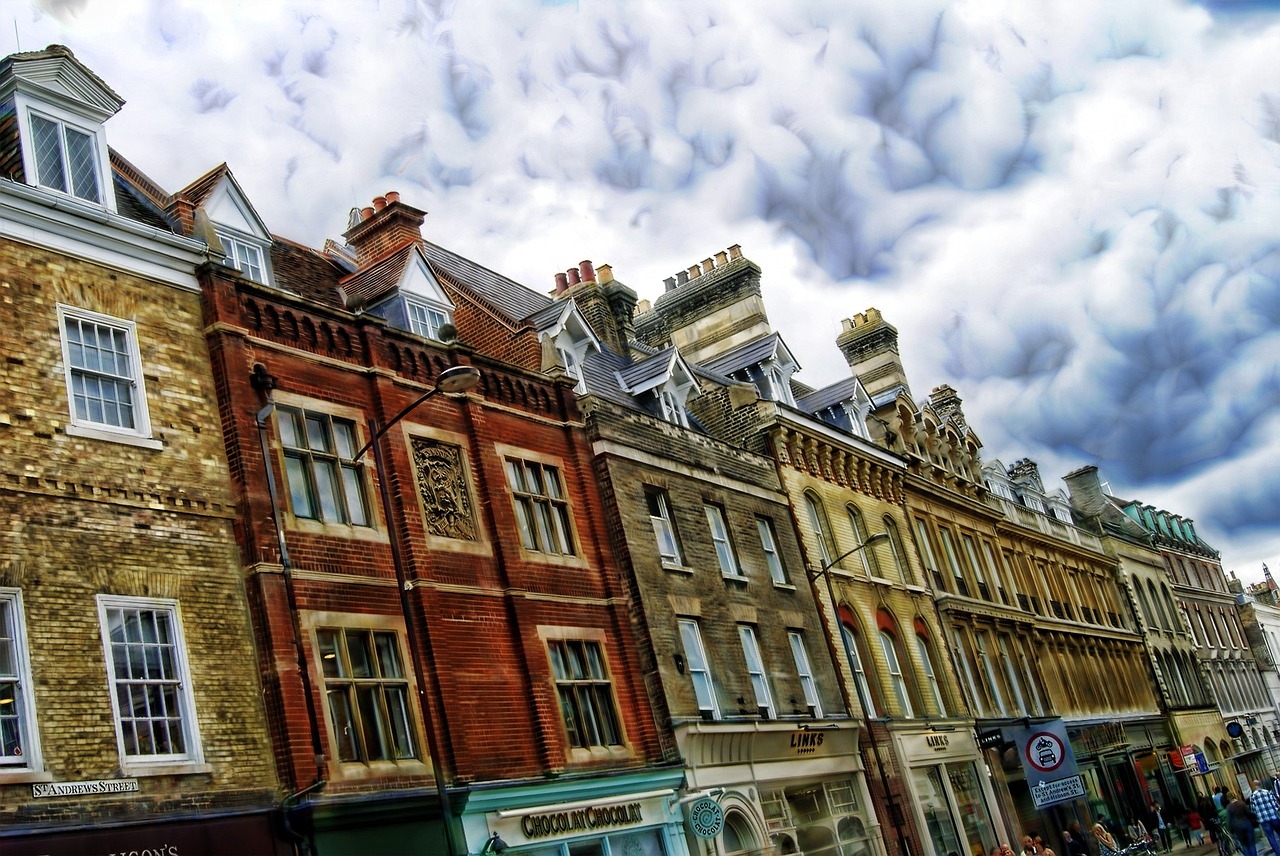
King’s Parade, Trinity Street, Bridge Street, and the lanes around them form the heart of “classic” Cambridge. It’s busy, beautiful, and best explored on foot early in the morning or in the soft light of evening.
River Corridor: Quayside, Jesus Green & Midsummer Common
This is where you’ll find punting companies, riverside pubs, and big open parks. I like to think of it as Cambridge’s living room in summer—everyone seems to end up here at some point.
Mill Road & Romsey
South-east of the centre, Mill Road and the Romsey area are full of independent life: bakeries, ethnic groceries, vintage stores, and cosy pubs. Prices are generally lower than in the tourist centre, making it a great area to eat and stay on a budget.
Station Road & CB1
The area around Cambridge station has changed dramatically in the last decade: modern offices, apartments, chain cafés, and hotels. It’s convenient for arrival and departure, and handy if you need a quick coffee or supermarket stop, but it doesn’t have the charm of the historic core.
Newnham & The Backs (West Cambridge)
Leafy, residential, and close to the river. I sometimes walk through Newnham to escape the crowds; it’s all Victorian terraces, quiet streets, and the feeling of being in a small town rather than a tourist hotspot.
Local Food & Drink in Cambridge
One of the joys of staying a few days is discovering the local food in Cambridge: from market stalls and bakeries to pub roasts and student-friendly curry houses.
What to Try
- Cambridge-style pub grub – Think fish and chips, pies, Sunday roasts.
- Chelsea buns – Fitzbillies is the classic spot.
- Afternoon tea – Either in town or out in Grantchester.
- Global cuisines on Mill Road – Ethiopian stews, Turkish grills, South Asian curries.
Budget & Mid-Range Eats
For saving money, my strategy is usually:
- Breakfast from supermarkets or bakeries.
- Lunch at Market Square stalls or cafés with set menus.
- Dinner at pubs or casual restaurants away from King’s Parade.
Some reliable mid-range spots (as of 2026):
- Fitzbillies – Brunch and baked goods.
- Aromi – Sicilian pizza and snacks.
- Hot Numbers – Great coffee and light meals.
- Mill Road curry houses – Excellent value if you share dishes.
Pubs & Drinks
Cambridge pub culture is strong but generally relaxed. Many pubs are family-friendly during the day and early evening. Some of my go-tos:
- The Eagle – Historic, central.
- The Mill – Riverside, good for sunset drinks.
- The Cambridge Blue – Great beer selection, slightly out of the centre but worth the walk.
Nightlife, Entertainment & Cultural Experiences
Evenings Out
Cambridge is not a wild party city like some university towns, but there’s a healthy mix of pubs, wine bars, and a few clubs. Nights tend to be more about conversation than chaos, especially outside term time.
Theatre, Music & Film
- Cambridge Arts Theatre – Touring productions, from drama to comedy.
- ADC Theatre – Student theatre with a long tradition.
- Corn Exchange – Concerts, comedy shows, and more.
- Arts Picturehouse – Independent and arthouse cinema.
I’ve seen everything from Shakespeare to stand-up here; it’s worth checking listings in advance, especially in summer and around festivals.
Cultural Experiences Unique to Cambridge
- College Evensong – A must for music and architecture lovers.
- May Week events (actually in June) – If you happen to be here, the city has a distinct buzz, though many events are private.
- Science & literary talks – The university often hosts public lectures; check listings.
What’s New & Upcoming Events in 2026–2027
Event calendars change year by year, but based on recent patterns and announcements, here are some highlights expected for 2026–2027 (always double-check closer to your travel dates):
- Cambridge Science Festival (Spring 2026 & 2027) – Talks, demos, and open labs; very family-friendly.
- Cambridge Literary Festival (Spring & Autumn) – Author talks, panels, and readings across the city.
- Cambridge Folk Festival (Summer) – One of the UK’s most famous folk festivals, held on the outskirts of the city.
- Open Cambridge (September) – Special access to historic buildings, talks, and tours.
- Christmas Lights & Carol Services (Dec 2026) – The city takes on a special magic; tickets for Carols from King’s are hard to get, but many chapels offer beautiful services.
In 2026, Cambridge is also continuing to expand its cycling infrastructure and pedestrian zones, making it even easier to explore on foot or two wheels.
Best Day Trips from Cambridge
Ely
Travel time: About 15 minutes by train from Cambridge.
Why go: An incredible cathedral rising out of the flat fens, a peaceful riverside, and a compact historic centre.
I’ve taken many visiting friends to Ely; we usually climb the cathedral tower, wander the cloisters, then have lunch by the river. It’s a perfect half or full day.
Wicken Fen
Travel time: Around 30–45 minutes by car or longer by bus/bike combinations.
One of the oldest nature reserves in the UK, with boardwalks, bird hides, and the chance to experience the unique fenland landscape. Great for walkers and birdwatchers.
London
Travel time: 50–70 minutes by fast train.
If you’re using Cambridge as a base, a day trip to London is straightforward. I’ve done the reverse many times—popping to Cambridge for the day from London—but it works just as well the other way round.
North Norfolk Coast
With a car, you can reach the North Norfolk coast in around 1.5–2 hours. Think big skies, sandy beaches, and salt marshes. Best as a long summer day out.
Practical Travel Tips for Cambridge
Getting Around
- On foot: The historic centre is compact; most attractions are within a 10–20 minute walk of each other.
- By bike: Cambridge is one of the UK’s most bike-friendly cities. You can rent bikes from several shops or use app-based schemes (check 2026 options on arrival).
- Buses: Local buses connect the centre with outlying areas and Park & Ride sites.
- Cars: Driving and parking in the centre is expensive and stressful. I strongly recommend leaving the car at your accommodation or using Park & Ride.
How to Save Money
- Stay slightly outside the centre (e.g., Mill Road, Newnham, near the station) and walk in.
- Use free museums (Fitzwilliam, Zoology, etc.).
- Eat lunch at markets or bakeries and have main meals at pubs rather than high-end restaurants.
- Consider walking tours run by official or student guides; they’re often better value than some on-the-spot offers.
SIM Cards & Connectivity
For international visitors, it’s easy to pick up a UK SIM from supermarkets or phone shops in Cambridge or at the airport. Common options include pay-as-you-go SIMs with data from providers like EE, O2, Vodafone, and Three. You can also eSIM in 2026 if your phone supports it, often cheaper if arranged before arrival.
Visa & Driving
Visa requirements: These depend on your nationality and may have changed post-Brexit. Always check the latest UK government advice before travelling. Many travellers from Europe, North America, and other regions can visit visa-free for short stays, but rules change.
Driving licences: Foreign licences are generally accepted for visitors; an International Driving Permit might be required depending on your home country. That said, you do not need a car in Cambridge itself.
Best Seasons for Different Activities
- Spring (March–May): Blossoms in college gardens, milder weather, fewer crowds. Great for walking and photography.
- Summer (June–August): Long days, outdoor events, punting at its best—but also the busiest and priciest.
- Autumn (September–November): Golden leaves, new academic term energy, often decent weather. My personal favourite time.
- Winter (December–February): Quiet, atmospheric, potential for frost and early dark. Wonderful if you love empty museums and cosy pubs; pack warm layers.
Cultural Etiquette & Local Customs in Cambridge
Cambridge is generally relaxed and welcoming, but there are a few unwritten rules that will help you blend in and avoid awkward moments.
- Respect the colleges: Many are working academic institutions. Stay within allowed visitor areas, keep noise down, and don’t picnic on college lawns unless clearly permitted.
- Chapel etiquette: During services, photography and loud conversation are not appropriate. Dress casually but respectfully.
- Cycling norms: Use bike lights at night, don’t ride on pavements (sidewalks), and lock your bike securely.
- Queuing: Brits queue. Join the end of the line and wait your turn, whether for buses, ice cream, or Evensong.
- Tipping: 10–12.5% in restaurants with table service is common; in pubs, tipping is optional.
Summary & Final Recommendations
Cambridge is one of those cities that’s easy to “do” in a day and impossible to fully know in a lifetime. In 3 days in Cambridge, you can tick off the big sights: King’s College Chapel, punting on the Cam, the Fitzwilliam, and a few colleges. With a 4 day itinerary for Cambridge, you can add gardens, neighbourhoods, and maybe a walk to Grantchester. Give yourself a full 5 days in Cambridge and the city starts to feel like a temporary home, with favourite cafés, quiet corners, and familiar evening walks.
For most travellers, the best time to visit Cambridge is late spring (April–May) or early autumn (September–early October), when the weather is kind, the gardens are at their best, and the crowds are manageable. Summer is wonderful but busy; winter is atmospheric and good for budgets if you don’t mind the cold.
However long you stay, take at least one unplanned hour each day to simply wander: along the river, through a college court, down a side street. Those are often the moments, in my experience, when Cambridge quietly becomes yours.