Why Visit Cardiff? What Makes Wales’ Capital So Special
I’ve lost count of how many times I’ve wandered across Cardiff’s Castle Street at sunset and thought: “This city is wildly underrated.” Cardiff (Caerdydd in Welsh) is small enough to feel friendly, big enough to keep you busy for days, and packed with a mix of medieval castles, Victorian arcades, a redeveloped waterfront, and some of the most passionate sports fans you’ll ever meet.
It’s a city where you can sip artisan coffee in a 19th‑century arcade in the morning, kayak in the Bay in the afternoon, and end the day with live music in a cosy pub where half the crowd ends up singing in Welsh. And it’s all walkable, affordable (by UK standards), and surprisingly relaxed.
Living in South Wales and visiting Cardiff regularly over the past decade, I’ve watched the city evolve: new independent restaurants in Canton, ever‑busier rugby match days, street food popping up in old industrial spaces, and a steady wave of students and creatives keeping things fresh. This guide pulls together those years of local wandering into a detailed, story‑driven travel guide for Cardiff in 2026.
Whether you’re planning 3 days in Cardiff, stretching to 4–5 days in Cardiff, or using it as a base to explore South Wales, this guide will help you build the perfect itinerary, dig into the best places to visit in Cardiff, discover hidden gems in Cardiff, and understand the local customs in Cardiff so you feel less like a tourist and more like a temporary local.
Table of Contents
- Why Visit Cardiff?
- Cardiff in a Nutshell (Quick Overview)
- 20 Must‑See Attractions in Cardiff (With Local Stories)
- Perfect 3, 4 & 5 Day Itineraries for Cardiff
- Neighbourhoods & Areas to Explore
- Local Food in Cardiff – What & Where to Eat
- Nightlife, Entertainment & Cultural Experiences
- Best Day Trips from Cardiff
- Cultural Etiquette & Local Customs in Cardiff
- Practical Travel Tips for Cardiff (Money, SIM, Transport, Visas)
- When to Visit Cardiff & 2026–2027 Events
- Summary & Final Recommendations
Cardiff in a Nutshell
Before diving deep, here’s a quick snapshot to help orient you.
- Country: Wales, United Kingdom
- Population: ~370,000 (city), over a million in the wider region
- Language: English widely spoken; Welsh (Cymraeg) also official – you’ll see bilingual signs everywhere
- Vibe: Compact, relaxed, creative, rugby‑obsessed, proud of its culture
- Best for: History and castles, affordable city breaks, food & drink, sports, waterfront strolls, easy access to nature
- Perfect trip length: 3 days in Cardiff for highlights; 4–5 days in Cardiff if you add day trips and slower exploring
20 Must‑See Attractions in Cardiff (With Local Stories & Tips)
These are the must‑see attractions in Cardiff that I keep returning to. For each one, I’ll share what it’s like to actually be there in 2026, a bit of history, and practical advice on how to make the most of your visit.
1. Cardiff Castle – The Beating Heart of the City
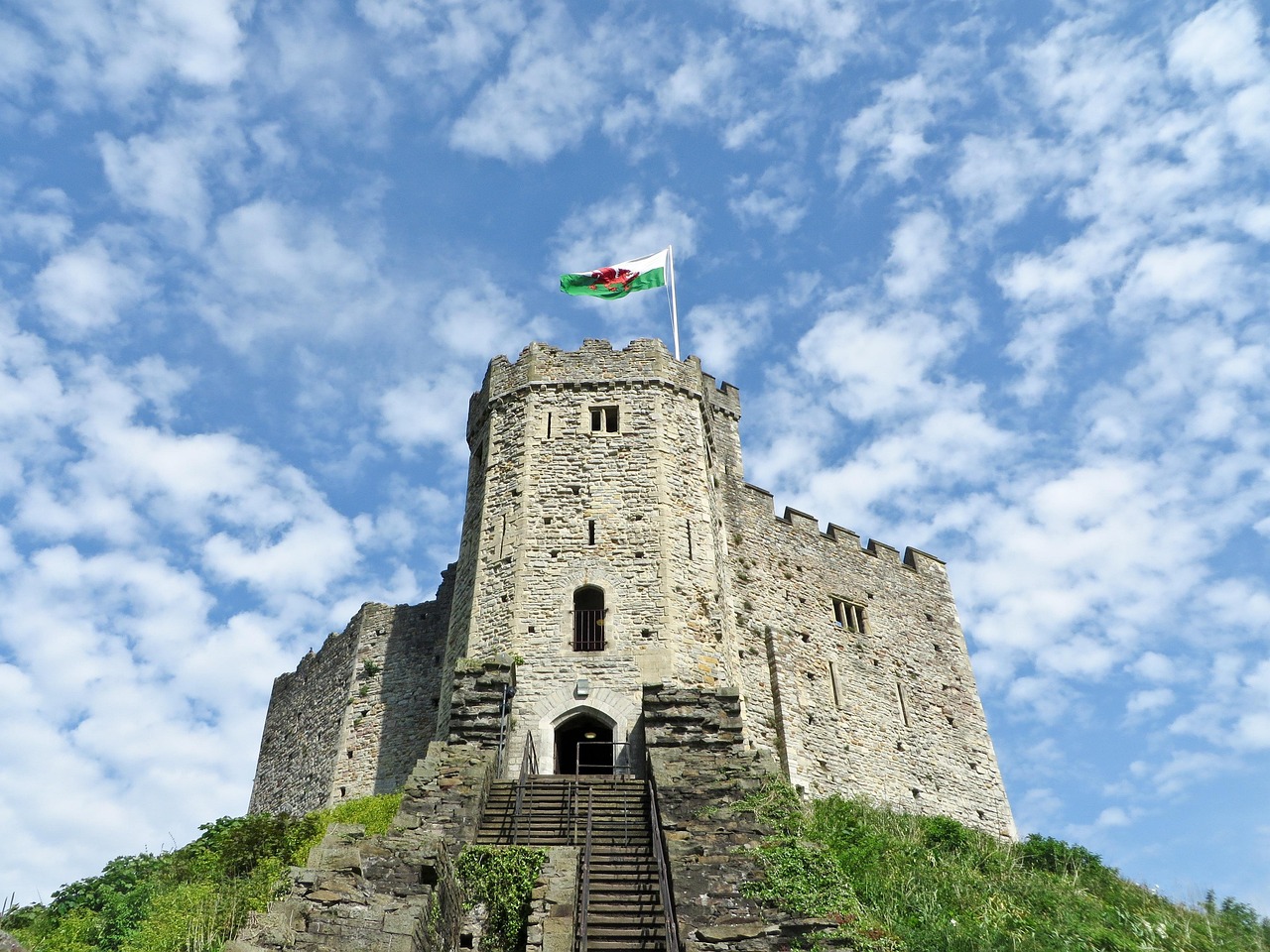
If Cardiff has a centre of gravity, it’s Cardiff Castle. I still remember the first time I emerged from the modern shopping streets into the shadow of the castle walls – it feels like someone dropped a medieval fortress in the middle of a High Street.
The site has Roman origins, but the fairy‑tale Gothic fantasy you see now is mostly 19th century, remodelled by the fabulously wealthy Marquess of Bute. Inside, the Arab Room ceiling is one of those places that genuinely makes people go quiet – gold, intricate patterns, and detail everywhere.
My routine here: I like to arrive shortly after opening (usually 9–10 am, check 2026 times ahead) to avoid school groups. I start with the House Tour (the interior is where the magic is), then climb the Norman Keep for that classic 360‑degree view of the city – stadium, parks, rooftops, and hills in the distance.
On warm days, I grab a coffee from one of the nearby cafés (there’s usually a cart or two just outside the walls) and sit in the castle green watching locals cut across the grounds as a shortcut to work. If you come in December, the Christmas at the Castle market and light displays are genuinely atmospheric, not just touristy.
- Family‑friendly? Very – kids love the battlements, wartime shelters, and dressing‑up bits in some exhibits.
- Romantic? Surprisingly yes – sunset in the keep, then a walk through Bute Park.
- Practical tip: If you’re on a budget, you can still walk around the outside walls and enjoy the view from Bute Park for free.
- Getting there: 10–15 minutes’ walk from Cardiff Central Station, right in the city centre.
2. Bute Park & Arboretum – Cardiff’s Green Lung
Behind the castle walls, Bute Park opens up like a secret garden that just keeps going. Even after years of coming here, I still find new corners – carved wooden sculptures, hidden benches by the river, and pockets of flowering trees that change the mood with the seasons.
Spring brings daffodils and blossom; in autumn the arboretum becomes a riot of colour. In summer, I’ll often bring a picnic from the Cardiff Market (fresh bread, Welsh cheese, fruit) and sit by the River Taff watching paddleboarders drift past.
There are a couple of small cafés inside the park – my go‑to is a little riverside kiosk where I’ve warmed my hands on a hot chocolate during many chilly November walks. The park also hosts events, from food festivals to open‑air theatre.
- Family‑friendly? Absolutely – huge open spaces, ducks to feed, and safe paths for scooters and bikes.
- Adventurous? Hire a bike and follow the Taff Trail north from here.
- Money‑saving tip: It’s free, and a great way to balance the cost of paid attractions.
- Getting there: Entrances behind Cardiff Castle and along North Road; easily walkable from the centre.
3. Cardiff Bay – Waterfront Walks, Culture & Views
Cardiff Bay is where I go when I want to feel like I’m on holiday without leaving the city. Once the world’s busiest coal port, it’s now a wide, calm freshwater lake ringed by restaurants, arts venues, and a long, flat path perfect for evening strolls.
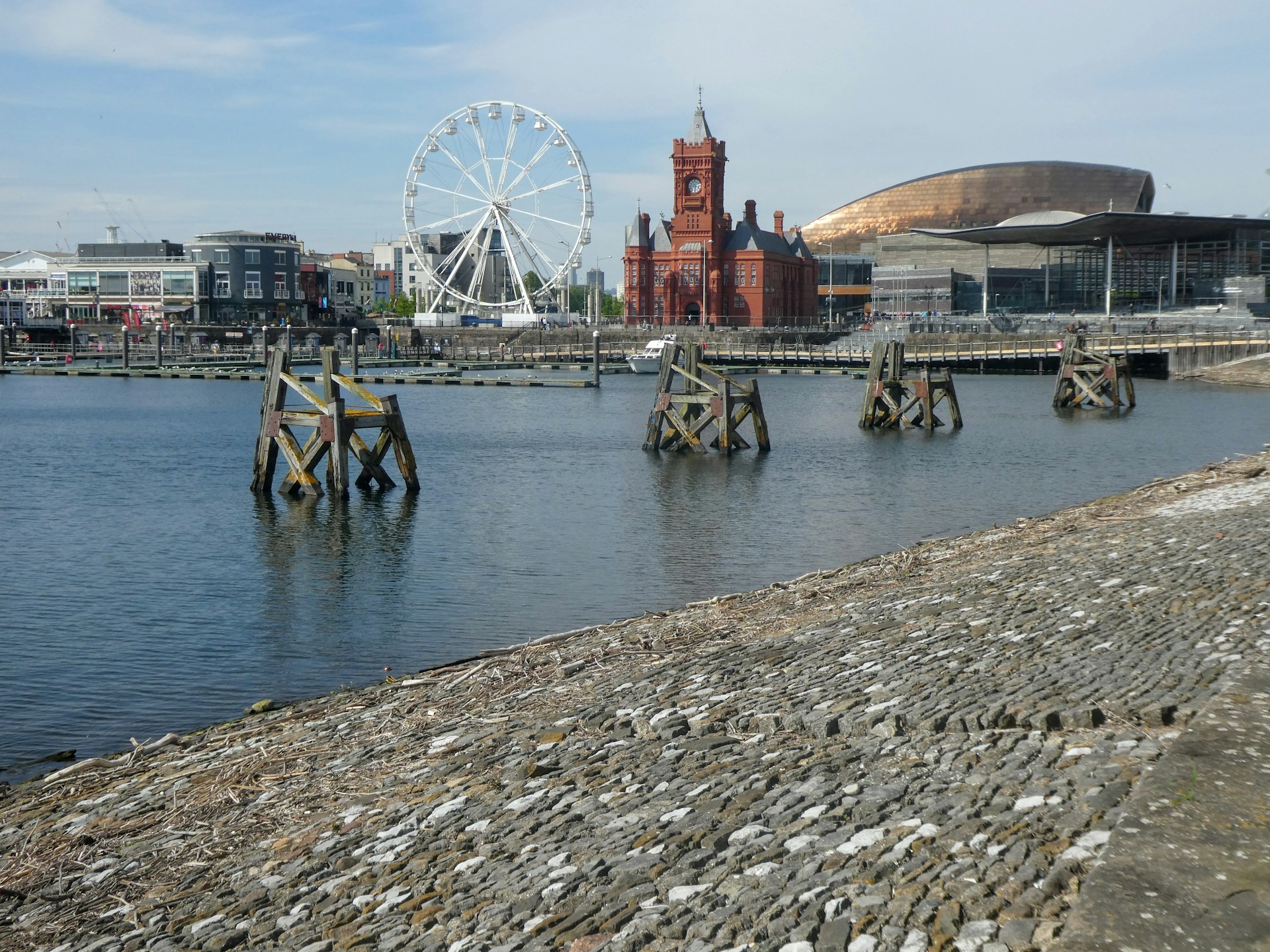
I like to start at Mermaid Quay and walk past the Senedd (Welsh Parliament), the striking red Pierhead Building, and on towards the barrage. On windy days, the waves slap dramatically against the barrage walls; on still evenings, the lights of the Bay reflect in the water like a postcard.
You’ll often find me sitting on the steps near the “Wales Millennium Centre” (more on that next), watching kids run through the fountains and street performers doing their thing. For a different perspective, I sometimes hop on a waterbus from Bute Park or the city centre and arrive in the Bay by boat – a lovely way to link two key parts of Cardiff.
- Family‑friendly? Very – flat paths, playgrounds, ice cream, boat rides.
- Romantic? Sunset walk along the barrage, then dinner overlooking the water.
- Adventurous? Try kayaking or stand‑up paddleboarding in the Bay.
- Getting there: 25–30 minutes’ walk from the city centre, or 5 minutes by train from Cardiff Central to Cardiff Bay Station, plus a short walk.
4. Wales Millennium Centre – The Cultural Icon
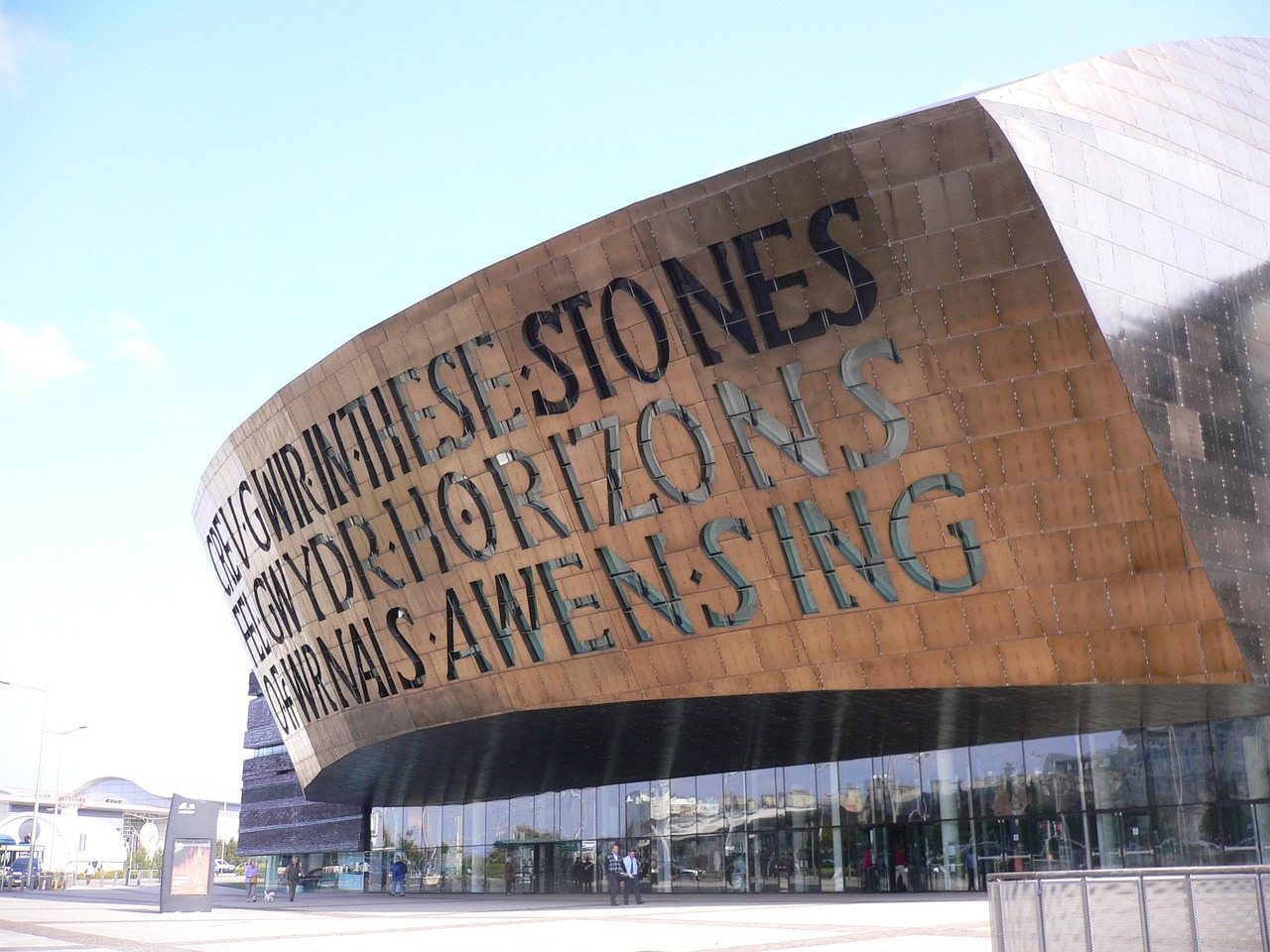
Even if you don’t step inside, the Wales Millennium Centre is one of the most recognisable buildings in Cardiff. The huge copper‑coloured façade, with its bilingual inscription lit from within at night, has become a symbol of modern Welsh culture.
I’ve seen everything here: touring West End musicals, Welsh language plays, contemporary dance, and tiny experimental shows in the smaller studios. In 2026, the programme continues to be a mix of big international productions and home‑grown talent.
My favourite thing? Arriving early for a show, grabbing a coffee or a glass of wine in the foyer, and people‑watching. You’ll see families dressed up for a musical alongside students heading to a fringe performance upstairs.
- Cultural experience: Check the schedule and book ahead – weekend shows often sell out.
- Money‑saving tip: Look for weekday matinees or last‑minute returns at the box office.
- Accessibility: Excellent – step‑free access, captioned performances, and good facilities.
5. National Museum Cardiff – Art, Dinosaurs & Free Culture
The National Museum Cardiff is my rainy‑day refuge. It’s housed in a grand civic building on the edge of Cathays Park, and somehow manages to combine top‑tier art with dinosaurs and natural history in a way that works.
On lazy Sunday afternoons, I like to wander the Impressionist galleries (the museum has one of the best collections outside Paris), then loop through the geology and fossil sections. It’s the kind of place where you often see grandparents explaining things to wide‑eyed kids, and students sketching statues in quiet corners.
- Family‑friendly? Yes – especially the dinosaurs and interactive exhibits.
- Cost: Free entry (donations welcome) – ideal for budget travellers.
- Tip: Combine with a walk through the civic buildings and Alexandra Gardens outside.
6. Principality Stadium – The Cathedral of Rugby

If you’re in Cardiff on an international rugby day, you’ll feel it. The Principality Stadium (locals still often call it the Millennium Stadium) looms over the River Taff, and on match days the whole city centre becomes a party: choirs on street corners, crowds in red jerseys, and a hum of pre‑game nerves.
I’ve been inside for both rugby matches and concerts, and the sound is enormous. When the roof is closed and the crowd sings “Hen Wlad Fy Nhadau” (the Welsh national anthem), you genuinely feel the stands vibrate.
- Sports fans: If you can, book a Six Nations game or an autumn international – but even a stadium tour offers a good sense of the atmosphere.
- Non‑sports fans: Check for concerts; big international names often play here in summer.
- Tip: On event days, arrive early – city centre pubs fill up hours beforehand, and roads can be closed.
7. Cardiff’s Victorian & Edwardian Arcades – Indie Shopping Heaven
These glass‑roofed, narrow shopping passages are my favourite part of central Cardiff. The City of Arcades – as it’s sometimes called – includes arcades like the Castle Arcade, High Street Arcade, and Morgan Arcade, all filled with independent shops and cafés.
I often duck in here for a coffee between errands, or browse vintage shops, record stores, and tiny bookshops. There’s a sense of continuity – some family‑run businesses have been here for decades – mixed with fresh places opened by young locals.
- Must‑do: Have at least one coffee or lunch in an arcade café; it’s peak “Cardiff local” energy.
- Money‑saving: Window‑shopping is free, and you’ll find more reasonably priced souvenirs than at big chain stores.
- Romantic? Yes – especially in the softer light of late afternoon when the arcades are quieter.
8. Cardiff Central Market – Everyday Life & Cheap Eats
When I want to feel plugged into everyday Cardiff life, I head to Cardiff Central Market. Beneath its Victorian iron and glass roof, stalls sell everything from fresh fish to vinyl records, from Welsh cakes to mobile phone covers.
It’s where I buy picnic supplies before heading to Bute Park, or grab a cheap, filling lunch from one of the food counters. There’s always a gentle buzz of conversation – market traders chatting with regulars, students hunting for bargains, office workers queuing for sandwiches.
- Food tip: Look for stalls selling Welsh cakes, bara brith, and local cheeses – a tasty, low‑cost intro to local food in Cardiff.
- Budget‑friendly? Very – ideal if you’re watching your spend.
- Timing: Best visited late morning to early afternoon; many stalls close by late afternoon.
9. St Fagans National Museum of History – Wales in One Place
A short ride outside the city, St Fagans is one of my favourite places to take visitors. It’s an open‑air museum where historic buildings from all over Wales have been carefully dismantled and rebuilt in parkland – cottages, a chapel, a school, a working men’s institute, even a castle and gardens.
Walking through St Fagans feels like travelling through Welsh history in an afternoon. I’ve warmed my hands by the fire in a reconstructed miner’s cottage, watched traditional crafts being demonstrated, and bought freshly baked bread from the on‑site bakery.
- Family‑friendly? Fantastic – lots of space to run around and interactive exhibits.
- Cost: Free entry, though you pay for parking and some activities.
- Getting there: Around 20 minutes by bus or taxi from the city centre.
10. Llandaff Cathedral & Village – Quiet, Historic Cardiff
North‑west of the centre, Llandaff feels like a small town absorbed by the city. Its cathedral sits in a dip, so you approach it from above, looking down on the tower and grounds. I’ve visited on misty winter mornings when the whole place feels otherworldly, and on sunny days when the lawns are dotted with picnickers.
Inside, the striking modern concrete arch with its Christ figure is a surprise in such a historic building. After exploring, I like to wander the narrow streets of Llandaff village and grab a coffee or bite to eat.
- Romantic? Yes – especially if you walk here via the Taff Trail from the city.
- Hidden gem factor: Many visitors never make it this far, so it’s usually peaceful.
11. Roath Park & Lake – Sunday Strolls & Boating
Ask a Cardiff local about childhood memories and Roath Park comes up a lot. The ornamental lake, with its small white lighthouse, is a classic Sunday walk spot. I’ve circled the lake in all weathers: brisk winter walks with gloves and scarves, lazy summer evenings with ice cream from the kiosk.
In summer, you can hire rowing boats or pedalos. There’s also a rose garden, a conservatory with tropical plants, and a big playground that’s perpetually full of kids burning off energy.
- Family‑friendly? Very – boating, playground, ducks to feed.
- Local life: Come on a Sunday morning to see joggers, families, and dog‑walkers.
12. Canton & Pontcanna – Creative, Foodie Cardiff
West of the centre, Canton and Pontcanna have become the city’s creative and foodie heartlands. I come here when I want good coffee, interesting food, and a slightly bohemian feel.
In Canton, ex‑industrial spaces now host art venues, indie cinemas, and street food markets. Pontcanna, with its tree‑lined streets and elegant houses, is packed with cafés, delis, and bars. Many of my favourite meals in Cardiff have been in tiny restaurants tucked into these neighbourhoods.
- Hidden gem status: Less visited by tourists but very popular with locals.
- Food tip: This is where to look for brunch spots, sourdough bakeries, and interesting small plates places.
- Getting there: 15–25 minutes’ walk from the centre, or a short bus ride.
13. Norwegian Church Arts Centre – Nordic History on the Bay
The white‑painted Norwegian Church on the edge of Cardiff Bay looks like it’s been lifted from a Scandinavian postcard. Once a church for Norwegian sailors when the docks were booming, it’s now an arts centre and café.
I like to come here on quieter weekday mornings, grab a coffee, and sit upstairs by the big windows overlooking the water. It’s one of those gentle, contemplative spots that many visitors walk past without realising you can go in.
- Hidden gem? Yes – peaceful and slightly off the main Bay route.
- Cultural note: Roald Dahl, whose parents were Norwegian, was baptised here when it was still a working church.
14. Techniquest – Hands‑On Science for All Ages
On the other side of the Bay, Techniquest is a science centre packed with interactive exhibits. I first came here as a kid and remember thinking it was the coolest place in the city. Coming back as an adult with friends’ children, it’s still brilliant – and I always end up playing with the exhibits myself.
- Family‑friendly? One of the best options in Cardiff, especially on rainy days.
- Tip: Book tickets in advance during weekends and school holidays.
15. Mermaid Quay – Eating & Drinking by the Water
Mermaid Quay is the social hub of Cardiff Bay – a cluster of restaurants, bars, and cafés overlooking the water. It’s not where I go for the most “authentic” food in Cardiff, but for a drink at sunset, or a meal with visiting friends who want a view, it’s perfect.
In summer, the outdoor terraces are packed; in winter, you can huddle inside with views across the Bay. I like to end Bay walks here with a drink and some people‑watching.
- Romantic? Yes, particularly if you time it for golden hour.
- Tip: For more local, independent spots, combine this with a meal in Canton or Pontcanna on another day.
16. The Cardiff Story & Local History Trails
Cardiff’s story – from small town to coal boom port to modern capital – is woven into several small museums and heritage trails rather than one giant attraction. I’ve spent many afternoons following plaques and information boards around the centre, learning about the Tiger Bay community, dockers’ strikes, and the growth of the city.
Keep an eye out in 2026 for updated heritage trails linking the centre and Bay, and for small exhibitions in civic buildings and libraries.
17. Cardiff International White Water – Urban Adventure
If you want an adrenaline hit, head to Cardiff International White Water in the Bay area. This man‑made course offers white‑water rafting, kayaking, and an indoor wave for surfing practice. I tried rafting here on a grey November afternoon, and by the first drop we were all wide awake and laughing.
- Adventurous? Very – great group activity.
- Tip: Bring a swimsuit and towel; all safety gear is usually provided.
18. Cardiff Bay Barrage – Long Walks & Sea Air
The Cardiff Bay Barrage is my go‑to for long, contemplative walks. It’s a wide, flat path stretching from the Bay towards Penarth, with views over the water, sculptures, and occasional sailing boats slipping past.
On weekend mornings, you’ll see runners, families with prams, and cyclists. On blustery days, the wind can be intense – bring a jacket – but there’s something grounding about standing at the edge of the Bay with the Bristol Channel beyond.
19. Cathays Park & Civic Centre – Architecture & Green Spaces
Just north of the centre, Cathays Park is where Cardiff puts on its formal face. White stone civic buildings – City Hall, the Law Courts, the University – surround green lawns and gardens. I often cut through here on my way to the museum or university area, admiring the architecture and statues.
In spring and summer, students lounge on the grass; in autumn, the leaves along the avenues turn rich gold. It’s not a “must‑see attraction” in the conventional sense, but it very much feels like Cardiff’s front room.
20. Chapter Arts Centre – Cardiff’s Creative Living Room
Back in Canton, Chapter Arts Centre is where I go when I want to feel part of Cardiff’s creative community. It’s an arts hub with cinemas, galleries, studios, and a busy café‑bar.
I’ve come here for independent films you’ll struggle to find elsewhere, for live performances, and just to sit in the courtyard with a coffee surrounded by artists, students, families, and remote workers. If you want to see what contemporary Cardiff feels like beyond the tourist trail, this is a good starting point.
- Hidden gem? For visitors, yes; for locals, it’s a staple.
- Tip: Check their programme online – there’s almost always something interesting happening.
3, 4 & 5 Day Itineraries for Cardiff – How to Structure Your Trip
People often ask me: is 3 days in Cardiff enough? It is – if you plan well. But if you can stretch to 4 days in Cardiff or even 5 days in Cardiff, you’ll have time for slower mornings, neighbourhood wandering, and at least one day trip.
Below are story‑driven itineraries showing how I’d personally spend 3–5 days in the city in 2026, mixing must‑see attractions in Cardiff with hidden gems and local experiences. Use them as templates and adjust based on your interests.
3 Day Itinerary for Cardiff – First‑Time Visitor Essentials
Day 1: Castle, Park & Arcades – Cardiff’s Historic Heart
On your first morning, do exactly what I still do when I’m showing friends around: start at Cardiff Castle. Aim to be at the gates just after opening. Spend a few hours exploring the house, climbing the keep, and wandering the walls. If you’re into history, take the guided tour; if not, you can explore at your own pace with the audio guide.
By late morning, step out into the bustle of the city centre and follow your nose to the Victorian arcades. I usually cut through High Street Arcade first, grab a coffee at a small independent café, and then drift into Castle Arcade and Morgan Arcade. Pick up a snack (Welsh cakes, maybe) and browse the shops.
For lunch, I like to head to Cardiff Central Market. Grab something simple but hearty – a pie, a filled roll, or a box of hot food from one of the counters. Then stroll a little to let it settle, and slip behind the castle into Bute Park.
Spend the afternoon wandering Bute Park. If the weather’s good, sit by the river with a book or just people‑watch. If you’re up for more walking, follow the river path north a little along the Taff Trail.
In the late afternoon, loop back through the city centre. If it’s a match day, you’ll feel the energy building around the Principality Stadium; if not, just take in the city streets, maybe duck into a pub for a pint of local ale or cider.
For dinner, I often suggest staying central on your first night – there are plenty of independent spots within walking distance of your hotel or guesthouse. Afterwards, if you still have energy, catch some live music or comedy in a small venue, or just wander the lit‑up streets around the castle and stadium.
Day 2: Cardiff Bay – Waterfront Culture & Easy Adventure
Start Day 2 with a change of scene: head down to Cardiff Bay. If you enjoy a bit of novelty, take a waterbus from Bute Park or near the stadium – I love the feeling of gliding quietly down the Taff, watching the city slip by.
Once in the Bay, walk around the Wales Millennium Centre and Pierhead Building, then pop into the Senedd if it’s open – it’s free, and the architecture is worth seeing. Grab a coffee on the steps of the Millennium Centre and soak up the view.
Late morning, visit Techniquest if you’re with kids (or just like interactive science), or wander over to the Norwegian Church for a quieter, more reflective stop. I often sit here by the windows on windy days, watching clouds scud across the Bay.
For lunch, Mermaid Quay has plenty of options – not the cheapest, but the views are hard to beat. In the afternoon, walk out along the Cardiff Bay Barrage. If you’re feeling adventurous, book a session at Cardiff International White Water – rafting or paddleboarding is a fun way to inject some adrenaline into your city break.
As the light softens, stroll back towards Mermaid Quay. This is one of my favourite spots in Cardiff for that golden‑hour glow. Have dinner overlooking the water, then either bus or train back to the centre, or stay a little later and enjoy a drink in one of the Bay’s bars.
Day 3: Museums, Civic Centre & Neighbourhood Flavours
On Day 3, switch gears and explore Cardiff’s cultural side. Start at the National Museum Cardiff. Give yourself at least a couple of hours – more if you love art. Move from Impressionist paintings to Welsh landscapes to stones and fossils; it’s a whole world under one roof.
Afterwards, wander through Cathays Park – admire the white civic buildings, the war memorial, and the green spaces. If it’s sunny, sit for a while and watch students walking between lectures.
For lunch, you can either head back to the city centre or walk towards the Roath or Pontcanna areas to find local cafés. I often choose Pontcanna at this point – the 20–25 minute walk is pleasant, and the food options at the end are worth it.
Spend the afternoon exploring Pontcanna and Canton. Drop into Chapter Arts Centre for a coffee or film, browse local shops, and get a feel for everyday Cardiff life away from the main tourist trail.
For your final dinner in this 3 day itinerary for Cardiff, I recommend choosing a small, independent restaurant in Canton or Pontcanna. Book ahead – these neighbourhood spots are popular. Then either walk or bus back to your accommodation, contentedly full and with a better sense of how locals live.
4 Day Itinerary for Cardiff – Adding a Taste of Welsh History
With 4 days in Cardiff, you can follow the 3‑day plan above and add a full‑day excursion that deepens your understanding of Wales.
Day 4: St Fagans & Llandaff – Time Travel & Quiet Corners
On Day 4, head out to St Fagans National Museum of History. I recommend arriving close to opening time; it’s a big site, and you’ll want most of the day to explore. Start with the visitor centre, then work your way through the grounds: farmsteads, cottages, chapel, school, and the elegant manor house and gardens.
Some of my favourite memories here involve simple things: listening to volunteers explain how people lived in the miners’ cottages, smelling bread from the traditional bakery, watching children play old‑fashioned games in the schoolyard. St Fagans makes history feel very present and very human.
Have lunch at the on‑site cafés or bring a picnic. In the afternoon, either continue exploring St Fagans or, if you’re ready for a change of scene, head back towards the city and get off in Llandaff.
Spend the late afternoon at Llandaff Cathedral and wandering the quiet streets of the village. It’s a different side of Cardiff – more village‑y, more contemplative. If you time it right, you can catch the golden light slanting across the cathedral grounds, then have an early dinner or drink in a local pub before heading back to your base.
5 Day Itinerary for Cardiff – City, Coast & Countryside
With 5 days in Cardiff, you can really settle in. I’d follow the 4‑day outline above and then add a proper day trip on Day 5.
Day 5: Day Trip – Castles or Coast
Two classic options from Cardiff: a castle‑hopping day in the Valleys, or a coastal escape to the Vale of Glamorgan.
- Castle option: Join a tour or use public transport/taxis to reach places like Caerphilly Castle (one of the largest castles in Britain, with dramatic leaning towers) and maybe Castell Coch (a fairytale‑style Victorian Gothic castle in the woods). It’s a deep dive into the region’s medieval heritage.
- Coast option: Head to Penarth (pretty pier and gardens) and the Vale of Glamorgan coast – think cliffs, beaches, and coastal footpaths. Grab fish and chips on the seafront and breathe in the sea air.
By the time you roll back into Cardiff in the evening, you’ll have seen city, Bay, countryside, and coast – a surprisingly rich cross‑section for a 5 day itinerary for Cardiff.
Cardiff Neighbourhoods & Areas to Explore
Cardiff is compact, but each area has its own character. Here’s how I think about the main neighbourhoods when planning where to stay and wander.
City Centre
Best for: First‑time visitors, short stays, nightlife, easy transport.
This is the practical choice if you’re here for 3 days in Cardiff. You’ll be within walking distance of the castle, Bute Park, the Principality Stadium, arcades, and Cardiff Central Station. It’s busy and lively, especially on weekends and match days.
Cardiff Bay
Best for: Waterside views, couples, families who like evening strolls.
Staying in the Bay gives you a more relaxed, holiday feel. You’ll have great access to the waterfront paths, restaurants, and cultural venues. It’s a short train, bus, or taxi ride from the centre.
Pontcanna & Canton
Best for: Longer stays, foodies, travellers who like feeling “like a local”.
These neighbourhoods west of the centre are packed with independent cafés, restaurants, and small creative spaces. Accommodation tends to be smaller hotels, guesthouses, and apartments. You’re close to Bute Park and Chapter Arts Centre.
Roath
Best for: Students, budget travellers, a local residential vibe.
East of the centre, Roath is student‑heavy, diverse, and full of cheap eats and small bars. Roath Park and Lake add green space and a classic Cardiff Sunday‑walk destination.
Llandaff
Best for: Quiet stays, history buffs, those who don’t mind commuting a bit.
Feels more like a small town, centred on its cathedral and village streets. Limited accommodation, but very atmospheric if you find a place here.
Local Food in Cardiff – What to Eat & Where
Cardiff’s food scene has grown a lot in the last decade. You can eat your way around the world here, but don’t miss the chance to try Welsh specialities and locally sourced dishes.
Must‑Try Welsh Dishes
- Welsh cakes: Small, griddled cakes with raisins, lightly spiced, dusted with sugar. Grab them warm from a market stall if you can.
- Cawl: Traditional Welsh soup/stew, often lamb‑based, with root vegetables. Perfect on a cold day.
- Rarebit: Toast topped with a rich cheese and ale sauce – comforting and filling.
- Bara brith: Fruited tea loaf, often served sliced with butter.
- Local lamb & beef: Often on menus in more traditional or modern Welsh restaurants.
Where I Actually Eat
To keep this general and timeless for 2026, I won’t list current restaurant names (they change), but here’s how I structure my eating in Cardiff:
- Breakfast / Brunch: Look to Pontcanna and Canton – independent cafés, good coffee, interesting brunch menus. In the centre, arcades hide a few excellent coffee spots.
- Lunch: Cardiff Central Market for budget‑friendly, filling options; small cafés in the arcades for something lighter; or simple pub lunches near the castle or stadium.
- Dinner: For views, eat in Cardiff Bay / Mermaid Quay at least once. For food quality and creativity, target Canton/Pontcanna or spots just off the main streets in the city centre.
- Snacks: Welsh cakes, pastries from local bakeries, and ice cream in Roath Park or the Bay on sunny days.
Drinks & Pubs
Cardiff does pubs well. You’ll find everything from old‑school locals with rugby on TV to craft beer bars and cocktail lounges.
- Ale & cider: Look for Welsh brews and ciders on tap; ask staff for recommendations.
- Match days: Pubs around the stadium and centre get very, very busy; arrive early if you want a seat.
- Cafés by day, bars by night: In Pontcanna and Canton, many places shift atmosphere in the evening, perfect for low‑key drinks.
Saving Money on Food
- Markets & supermarkets: Pick up picnic supplies and self‑cater some meals.
- Lunch specials: Many places offer cheaper lunch menus than dinner.
- Avoiding tourist traps: Mermaid Quay is fine if you choose carefully, but head a few streets back from the main squares in the centre for better value.
Nightlife, Entertainment & Cultural Experiences in Cardiff
Cardiff is lively after dark, but it doesn’t have to be rowdy unless you seek that out. Here’s how I think about evenings in the city.
Live Music & Performance
- Wales Millennium Centre: Big shows – musicals, opera, large concerts.
- Chapter Arts Centre & small theatres: Indie films, experimental theatre, local performances.
- Pubs & small venues: Regular live music, from traditional Welsh folk to indie bands.
Cardiff Nightlife Areas
- City centre: High‑energy bars, student nights, and mainstream clubs – especially on weekends.
- Cardiff Bay: More relaxed, scenic drinks by the water, couples and groups dining out.
- Canton & Pontcanna: Cosy bars, wine spots, and late‑opening cafés – great for conversation rather than clubbing.
Cultural Experiences
- Rugby matches: Watching Wales play at the Principality Stadium is a cultural event as much as sport.
- Welsh language events: Look out for gigs, poetry nights, or taster sessions – a good way to connect with local culture.
- Festivals: Food festivals, arts festivals, and seasonal events often fill the calendar (see events section below).
Best Day Trips from Cardiff
One of the perks of using Cardiff as a base is how quickly you can reach countryside and coast.
Caerphilly Castle
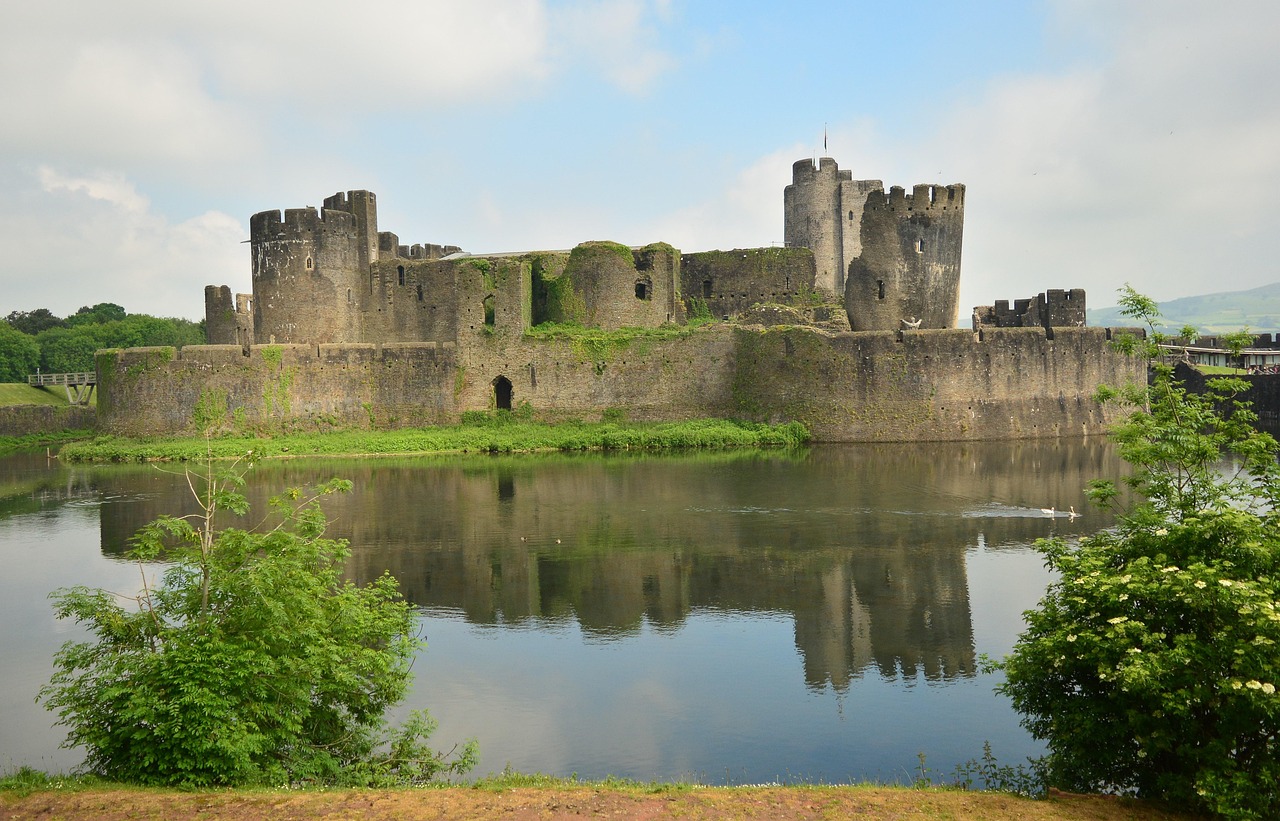
Just a short train ride away, Caerphilly Castle is enormous, with moats, towers, and famously leaning walls. It’s a brilliant half‑day trip for castle lovers and families. I like to bring a snack and sit by the water, with the castle reflected in the moat.
Castell Coch
Perched in woodland north of Cardiff, Castell Coch looks like a fairytale castle from the outside and feels like an eccentric Victorian fantasy inside. It’s smaller than Caerphilly but incredibly atmospheric, especially in autumn when the surrounding trees blaze with colour.
Penarth & Vale of Glamorgan Coast
Penarth is a pretty seaside town just south of Cardiff, with a pier, promenade, and Italianate gardens. From there, the Vale of Glamorgan coast offers beaches, clifftop walks, and rugged scenery. On warm days, I love grabbing fish and chips and eating them on the seafront, gulls and all.
Brecon Beacons (Bannau Brycheiniog)
A bit further, but doable as a full day with a car or organised tour, the Brecon Beacons national park offers mountains, waterfalls, and big skies. If you’re here for 5 days in Cardiff and love hiking, this is a rewarding side trip.
Cultural Etiquette & Local Customs in Cardiff
Wales is friendly and informal, and Cardiff reflects that. Still, a few cultural notes help you blend in and show respect.
Language & Identity
- Wales is not England: Cardiff is the capital of Wales; people are Welsh (and British), not English. It matters to locals, so phrase things accordingly.
- Welsh language: You’ll see and hear Welsh. Most people speak English fluently, but learning a few Welsh words – diolch (thank you), bore da (good morning) – is appreciated.
In Pubs & Public Spaces
- Queueing: The British love queues. Join the end, don’t push in.
- Ordering at the bar: In most pubs, you order and pay at the bar, then take your drinks to your table.
- Tipping: Not as automatic as in some countries, but 10–12% in restaurants with table service is welcomed; round up in pubs if you like, but it’s not mandatory.
Rugby & Match Days
- Friendly rivalry: Banter about rugby is normal, but keep it good‑natured.
- Crowds: Expect busy streets and full pubs; be patient and enjoy the atmosphere.
Respecting Spaces
- Religious sites: Dress modestly in cathedrals and churches, speak quietly, and respect services.
- Parks: Take litter with you; locals care about their green spaces.
Practical Travel Tips for Cardiff (2026)
Getting To & Around Cardiff
- By train: Cardiff Central is well connected to London, Bristol, and other UK cities. In 2026, advance tickets still save money; book ahead if you can.
- By air: Cardiff Airport is west of the city; there are also easy connections from Bristol Airport.
Public Transport
- Buses: Cover most of the city and suburbs, including Cardiff Bay, Roath, and Canton. Contactless payment is widely accepted.
- Trains: Handy for short hops to Cardiff Bay, Caerphilly, and the Valleys.
- Walking: The city centre, Bute Park, and Bay are very walkable; bring comfortable shoes.
- Cycling & scooters: Increasingly common; check local hire schemes and rules.
Car Rental & Driving
- Do you need a car? Not for central Cardiff or the Bay. A car is useful for rural day trips (Brecon Beacons, some coastal spots).
- Foreign licences: Most foreign driving licences are accepted for visitors; check UK government guidance before travel.
- Driving side: Left‑hand side of the road.
- Parking: Paid parking in the centre and Bay; residential areas may have restrictions.
Money & Costs
- Currency: Pound sterling (GBP).
- Cards: Contactless card and mobile payments are widely accepted, even for small amounts.
- ATMs: Easy to find in the centre and main districts.
- Saving money: Mix free attractions (Bute Park, museum, St Fagans entry) with a few paid ones (castle, stadium tours, white‑water).
SIM Cards & Connectivity
- Local SIMs: Available from major UK providers in shops and supermarkets; pay‑as‑you‑go data packages are common.
- eSIM: In 2026, many travellers use eSIMs bought online before arrival.
- Wi‑Fi: Free Wi‑Fi is common in hotels, cafés, some public areas, and on certain buses/trains.
Visas & Entry Requirements
- UK rules: Cardiff follows UK immigration rules. Check current UK government guidance before travel; requirements differ by nationality and can change.
- Length of stay: Many visitors can enter visa‑free for short stays; always verify for your passport.
Safety & Health
- Safety: Cardiff is generally safe; use usual city common sense (watch your belongings, especially at night and in crowds).
- Healthcare: Emergency care is available to everyone; non‑residents may be charged for some treatments. Travel insurance is strongly recommended.
When to Visit Cardiff & 2026–2027 Events
Cardiff has a mild maritime climate – changeable skies, relatively cool summers, and not‑too‑cold winters by continental standards. Any time can work, but some seasons suit certain activities better.
Seasons & Best Activities
- Spring (March–May): Parks come alive; great for Bute Park, Roath Park, and city walking. Layers recommended.
- Summer (June–August): Best for Cardiff Bay, coastal day trips, outdoor festivals, and long evenings. Can be busy in school holidays.
- Autumn (September–November): Beautiful colours in Bute Park, Roath Park, and around Castell Coch. Good for museums and cosy pub evenings.
- Winter (December–February): Christmas markets, rugby internationals, and quieter attractions. Short days; pack warm, waterproof layers.
Upcoming Events & Festivals (2026–2027)
Exact dates shift each year, but recurring highlights typically include:
- Six Nations Rugby (early 2026 & 2027): Home games at the Principality Stadium – the city’s biggest regular events. Book accommodation early.
- Cardiff Food & Drink Festivals (summer): Often centred around Cardiff Bay, showcasing local producers and street food.
- Music & arts festivals: Various events through spring and summer – from classical at major venues to smaller indie festivals in parks and arts centres.
- Christmas in Cardiff (late 2026): Christmas markets, lights, and seasonal events at the castle and in the city centre.
For exact 2026–2027 dates, check Cardiff’s official tourism and events listings closer to your trip – schedules evolve, and new festivals keep appearing.
Summary & Final Recommendations – Making the Most of Cardiff
Cardiff rewards people who slow down enough to notice its layers: Roman walls behind shopping streets, a Victorian castle interior behind medieval stone, a global port reborn as a waterfront playground, and a modern capital that still feels like a big village in places.
- If you have 3 days in Cardiff, focus on the city centre, Bute Park, Cardiff Bay, and a museum or two.
- With 4 days in Cardiff, add St Fagans and Llandaff to understand Welsh history and quieter corners of the city.
- With 5 days in Cardiff, fold in a day trip to castles or coast to see how the city fits into the wider Welsh landscape.
For most travellers, the best seasons to visit Cardiff are late spring to early autumn (May–September), when parks and the Bay shine. But if you love sport and cosy pubs, winter rugby season has a magic all its own.
Come curious, pack a rain jacket just in case, learn a few words of Welsh, and leave space in your days for wandering arcades, lingering in parks, and chatting to locals. That’s where Cardiff really comes alive.