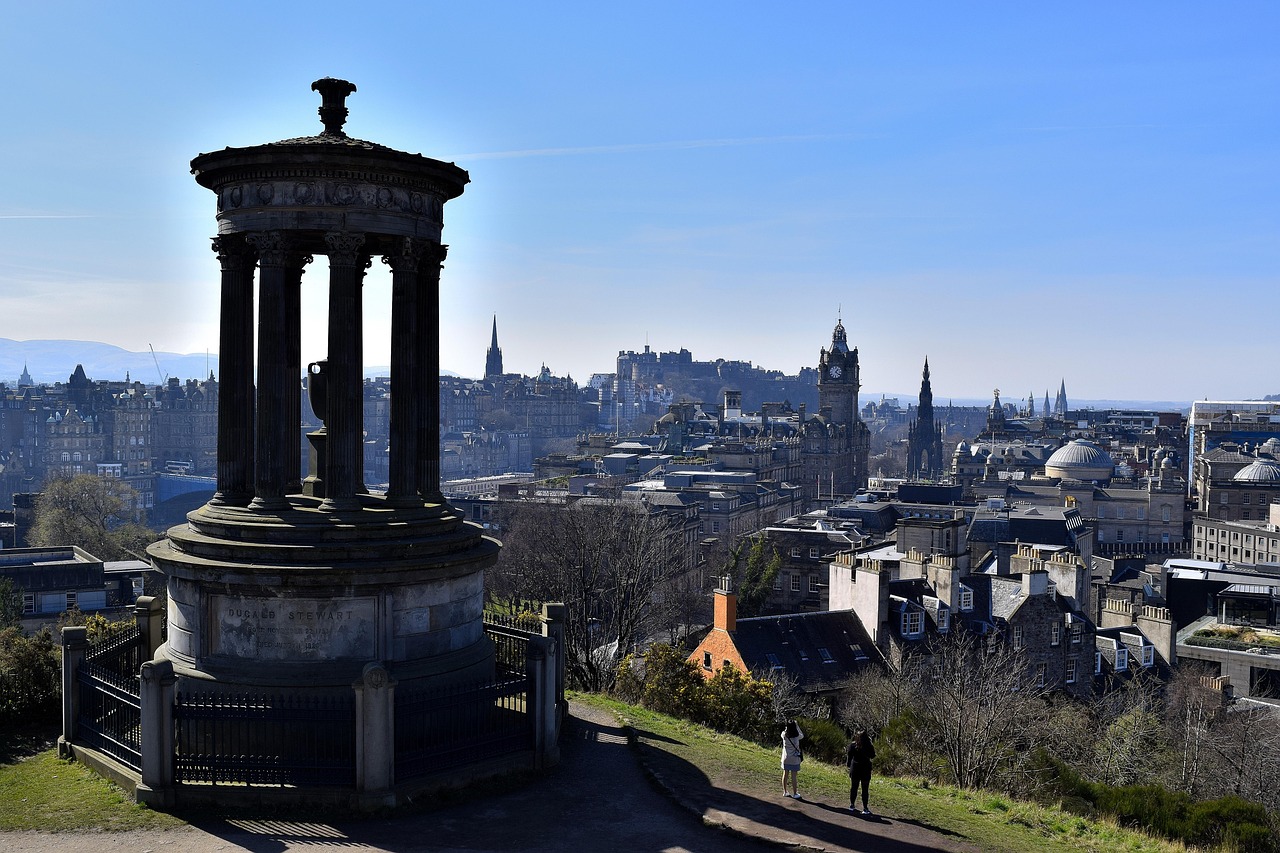
Why Visit Edinburgh in 2026
I’ve lived in and around Edinburgh for years, and it’s still the one place in the world that can stop me in my tracks on an ordinary Tuesday. The city is compact but layered, elegant yet gritty, ancient and creative all at once. You can wake up among medieval closes in the Old Town, spend lunch in the Georgian grace of the New Town, and end the day on a windswept hill with sea and mountain views.
What makes Edinburgh special isn’t only its iconic sights—Edinburgh Castle, Arthur’s Seat, the Royal Mile—but the way the city feels: the sound of bagpipes drifting over cobblestones, the smell of rain on old stone, the way the light hits the skyline at sunset. It’s a city that rewards slow travel: lingering in a café, chatting to a local in a pub, or wandering up a random stairway “just to see what’s there.”
In 2026, Edinburgh is buzzing. The festivals are back in full force, new restaurants are embracing Scottish produce in exciting ways, and the city is investing heavily in pedestrian- and bike-friendly infrastructure. Whether you have 3 days in Edinburgh, 4 days in Edinburgh, or a full 5 day itinerary for Edinburgh, this travel guide will help you experience both the famous landmarks and the quieter, very local corners that most visitors miss.
Table of Contents
- Why Visit Edinburgh
- Suggested Itineraries (3–5 Days in Edinburgh)
- 20+ Must-See Attractions in Edinburgh (With Local Tips)
- Neighbourhoods & Areas to Explore
- Local Food in Edinburgh & Where to Eat
- Nightlife, Entertainment & Cultural Experiences
- Best Day Trips from Edinburgh
- Cultural Etiquette & Local Customs
- Practical Travel Tips for Edinburgh 2026–2027
- Major Events & Festivals 2026–2027
- Summary & Best Time to Visit Edinburgh
Suggested Itineraries: 3–5 Days in Edinburgh
These itineraries are based on how I usually show friends around when they visit. Use them as a framework, then swap in anything that catches your eye from the attractions section below.
3 Day Itinerary for Edinburgh: First-Time Highlights
If you only have 3 days in Edinburgh, focus on the classics and a couple of hidden corners. Here’s how I’d do it.
Day 1: Royal Mile, Edinburgh Castle & Old Town Atmosphere
My favourite way to start any trip is right in the medieval heart of the city.

- Morning: Walk the Royal Mile, tour Edinburgh Castle, and wander the closes.
- Lunch: Try a hearty Scottish meal around the Grassmarket.
- Afternoon: Visit the National Museum of Scotland and climb its rooftop terrace.
- Evening: Ghost tour or storytelling walk; dinner and a dram in a traditional pub.
Personal tip: Book your Edinburgh Castle entry for the earliest slot. I like to be at the gates just before opening; for about 30 minutes it feels like the castle belongs to you and the gulls.
Day 2: Arthur’s Seat, Holyrood & New Town Elegance
- Morning: Hike Arthur’s Seat; walk through Holyrood Palace grounds.
- Lunch: Picnic in Holyrood Park or a café on Easter Road.
- Afternoon: Explore the New Town, Princes Street Gardens, and Calton Hill.
- Evening: Cocktails with a castle view, then dinner in Stockbridge or Broughton Street.
Day 3: Leith, Shoreline & Optional Museum Time
- Morning: Head to Leith, tour the Royal Yacht Britannia.
- Lunch: Seafood on The Shore.
- Afternoon: Choose between more museums (like the Scottish National Portrait Gallery) or a coastal walk to Portobello.
- Evening: Relax with live music in a local pub or a theatre performance.
If you’re rushing, this 3 day itinerary for Edinburgh hits most must-see attractions while still leaving space to breathe and simply enjoy being in the city.
4 Day Itinerary for Edinburgh: Highlights + Hidden Gems
4 days in Edinburgh gives you time to add neighbourhoods locals actually hang out in.
- Day 1: Old Town & Castle (as above).
- Day 2: Arthur’s Seat, Holyrood, New Town (as above).
- Day 3: Leith & Portobello (Shoreline day).
- Day 4: Dean Village, Stockbridge, and a sunset walk along the Water of Leith.
On day 4, I like to start in Dean Village early, when the light is soft and the only sound is the river. From there, wander to Stockbridge for brunch, browse the Sunday market if your timing is right, then follow the Water of Leith all the way to Leith or back towards the West End.
5 Day Itinerary for Edinburgh: Slow, Local & Flexible
With 5 days in Edinburgh, you can really sink into the city. This is my favourite rhythm:
- Day 1: Royal Mile & Castle.
- Day 2: Arthur’s Seat & New Town.
- Day 3: Leith & Portobello.
- Day 4: Dean Village, Stockbridge & galleries.
- Day 5: Day trip (St Andrews, North Berwick, or the Borders) or a “free day” to revisit spots you loved.
This 5 day itinerary for Edinburgh is perfect if you’re travelling as a couple (lots of romantic corners), or as a family (plenty of green space and kid-friendly museums). Mix in the hidden gems section below to customise it to your interests.
20+ Must-See Attractions in Edinburgh (With Local Stories)
Below are more detailed, story-style mini-guides to the main attractions and neighbourhoods, written from repeated visits over the years. I’ve ordered them from the most iconic to more off-the-radar spots.
1. Edinburgh Castle
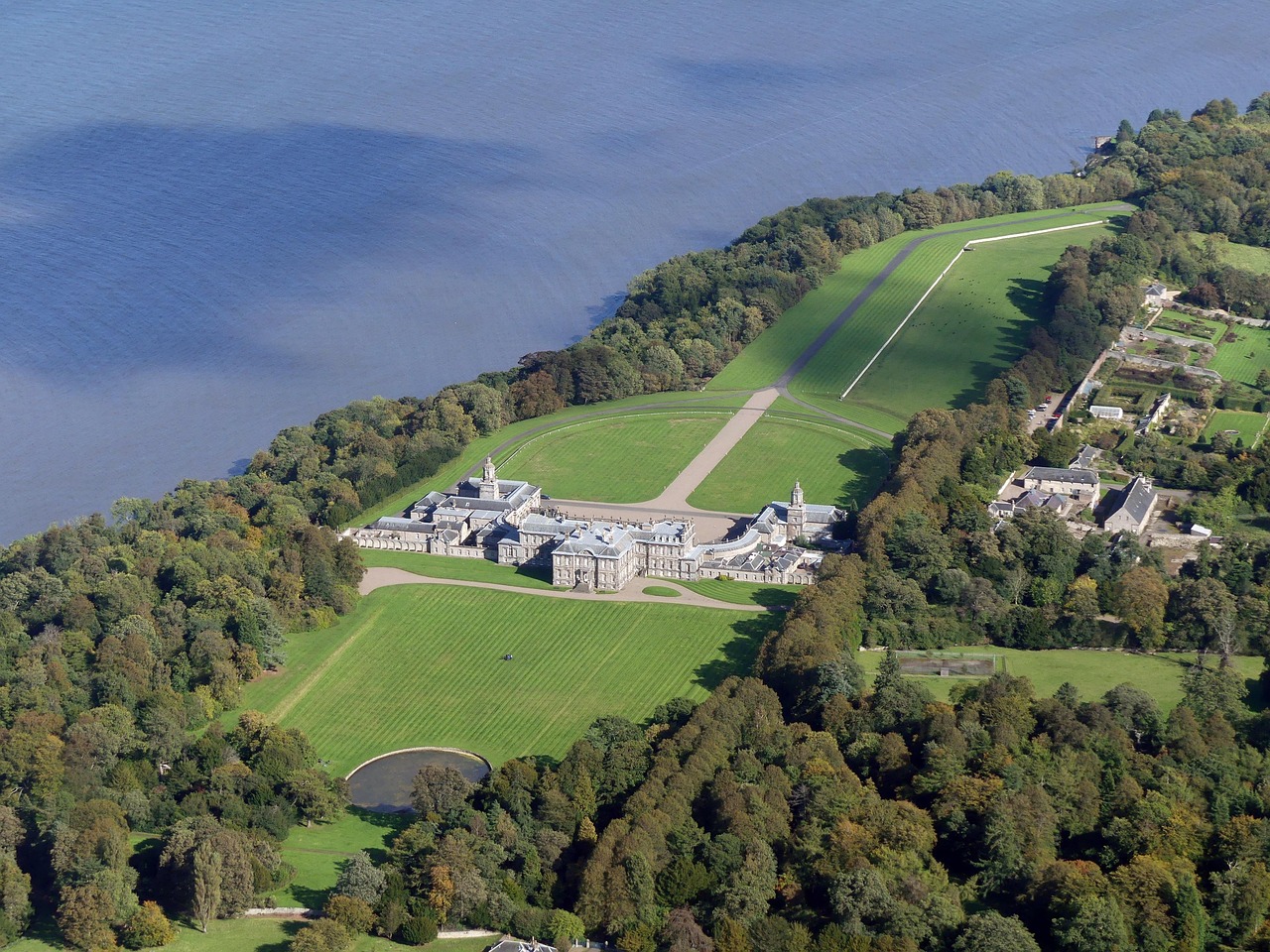
Edinburgh Castle dominates the skyline so completely that I still look up every time I walk down Princes Street. Perched on an ancient volcanic rock, it’s been fortress, royal residence, military garrison, and symbol of the city for centuries.
I usually tell friends: go early, and go slow. The first time I visited in winter, I booked the 9:30 slot and walked up the Esplanade with my breath fogging in the cold air. Inside, we took the audio guide and let ourselves get lost—through the Great Hall, the Crown Jewels, St Margaret’s Chapel (the oldest surviving building in Edinburgh), and the prisons where you can still see graffiti carved by POWs.
Family-friendly: The One O’Clock Gun is always a hit with kids; get there by 12:45 to snag a good spot. The exhibitions are interactive enough to keep children engaged.
Romantic: Stay behind as others rush past; the small viewpoints tucked into the walls are surprisingly peaceful, especially on a misty day when the city fades into grey-blue silhouettes.
Practical tips:
- Tickets: Book online in advance, especially in summer and during festivals.
- Time needed: 2–3 hours if you’re thorough.
- Food: Castle cafés are fine but pricey; I often grab a sandwich from a bakery on the Grassmarket beforehand.
- Accessibility: Cobblestones and hills can be tough; allow more time if you have mobility issues.
2. The Royal Mile & Old Town Closes
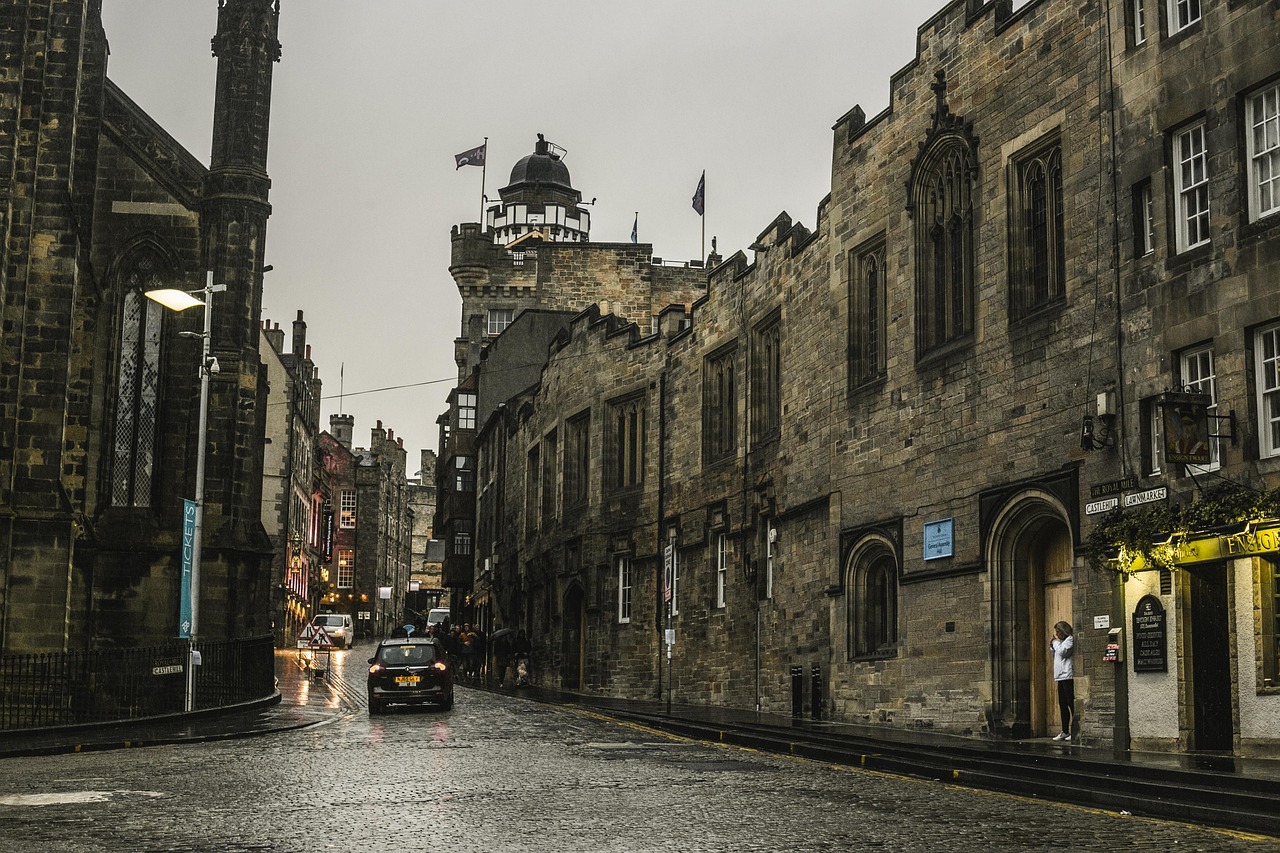
The Royal Mile is the spine of the Old Town, running from Edinburgh Castle down to Holyrood Palace. My first memory of it is arriving on a drizzly evening: buskers playing outside St Giles’ Cathedral, tourists darting in and out of wool shops, the smell of fudge and coffee mixing with rain.
The secret to enjoying the Royal Mile is to treat it as a base, not a checklist. The magic lies in the closes—those steep, narrow alleyways leading off the main street. I still discover new ones. Fleshmarket Close plunges you down to the station; Lady Stair’s Close opens onto a tiny courtyard with the Writers’ Museum; Whitehorse Close feels like stepping back into the 17th century.
Must-see stops:
- St Giles’ Cathedral: Beautiful stained glass and a calm interior; I sometimes pop in just to get out of the weather and sit quietly.
- Real Mary King’s Close: An underground tour beneath the Royal Mile—cheesy in parts, but a fascinating window into Edinburgh’s darker history.
- Scottish storytelling & ghost tours: Especially fun in the evenings; some are suitable for older kids.
Tip: Visit early morning or later in the evening for fewer crowds. Midday in August can feel like walking through a festival parade (because you are).
3. Arthur’s Seat & Holyrood Park

Arthur’s Seat is my go-to when I need to clear my head. It’s a proper hill—an extinct volcano—but you can walk from the Royal Mile to the summit in under an hour.
The first time I climbed it was in early spring. A cold wind came off the Firth of Forth and there were still patches of frost in the shadowy gullies. We took the steeper route from the palace side, stopping to catch our breath and look back at the city shrinking below. At the top, Edinburgh unfolded like a model: castle, spires, the New Town grid, and beyond it the shimmering water.
Routes:
- Steeper direct route: From Holyrood Palace car park; quicker but rockier.
- Gentler circuit: From Duddingston or the Holyrood Park road; better if you prefer a slower, less steep climb.
Family-friendly: Kids who enjoy walking will love it, but bring layers; the wind up there can be brutal even on seemingly warm days.
Romantic: Sunrise and sunset are spectacular. Pack a thermos of tea or a bottle of wine (and take your rubbish back down).
Tip: Wear proper shoes; I’ve seen more than one person sliding down in worn-out trainers. In wet weather, avoid the steepest rocky bits and stick to the main paths.
4. Palace of Holyroodhouse
At the opposite end of the Royal Mile from the castle sits the Palace of Holyroodhouse, the King’s official residence in Scotland. It feels quieter and more contemplative than the castle, with beautiful gardens and a dramatic ruined abbey.
I like visiting on a slower day—perhaps after a morning climb up Arthur’s Seat. The self-guided audio tour leads you through state apartments, Mary Queen of Scots’ chambers, and into the abbey ruins, where ivy creeps over stone and the open sky replaces the roof.
Tip: Check the official website before you go; the palace closes when the royal family is in residence or for official events.
5. National Museum of Scotland
If it’s raining (it often is), I head straight for the National Museum of Scotland. Even after dozens of visits, I still haven’t seen everything.
The Victorian Grand Gallery—its white ironwork, soaring glass roof, and natural light—is one of my favourite spaces in the city. Exhibits range from Scottish history and natural science to design, world cultures, and technology. I have a ritual: greet Dolly the sheep (the first cloned mammal), then head to the rooftop terrace for one of the best free views of the Old Town.
Family-friendly: Incredibly. There are hands-on science exhibits, dressing-up corners, and plenty to climb on and touch.
Budget tip: Entry is free (special exhibitions may charge). It’s a fantastic way to fill a few hours without spending much.
6. Calton Hill

For that postcard-perfect skyline view of Edinburgh, Calton Hill is unbeatable—and much easier than Arthur’s Seat. It’s a short, steep walk up from the east end of Princes Street.
On clear evenings, I often wander up with friends. From the top, the city fans out below: the Old Town ridge, the New Town grid, the Firth of Forth beyond. The National Monument (Scotland’s “unfinished Parthenon”) and Nelson Monument give it a slightly surreal feel.
Romantic: Sunsets here are hard to beat. Bring a warm layer; the wind can be fierce.
Tip: The paths can be slippery after rain, but it’s a manageable climb for most fitness levels.
7. Princes Street Gardens & Scott Monument

Princes Street Gardens sits in the old Nor’ Loch valley, separating the Old Town from the New Town. On a sunny day, it fills with students lazing on the grass, families with prams, and office workers on lunch breaks.
My favourite bench is near the Ross Fountain, looking up at the castle. In December, the gardens transform into Edinburgh’s Christmas Market, with twinkling lights, mulled wine, and the scent of cinnamon and sugar in the air.
The Scott Monument, a dark, spiky Gothic tower, rises on the edge of the gardens. You can climb its narrow spiral staircase for another viewpoint over Princes Street and the Old Town.
8. Edinburgh New Town & Georgian Architecture
The New Town is the elegant, ordered counterpoint to the Old Town’s chaotic charm. Laid out in the 18th and 19th centuries, it’s a masterpiece of Georgian urban planning: wide streets, symmetrical squares, and honey-coloured stone townhouses.
I like to start in George Street (shopping, bars, and restaurants), then wander over to Queen Street Gardens (private, but glimpses between the railings hint at their beauty), and up towards Moray Place and Circus Lane for those Instagram-famous curved terraces and mews.
Hidden gem: The back lanes and “mews” streets behind grand facades, especially around Circus Lane, are some of the most photogenic corners of the city.
9. Dean Village
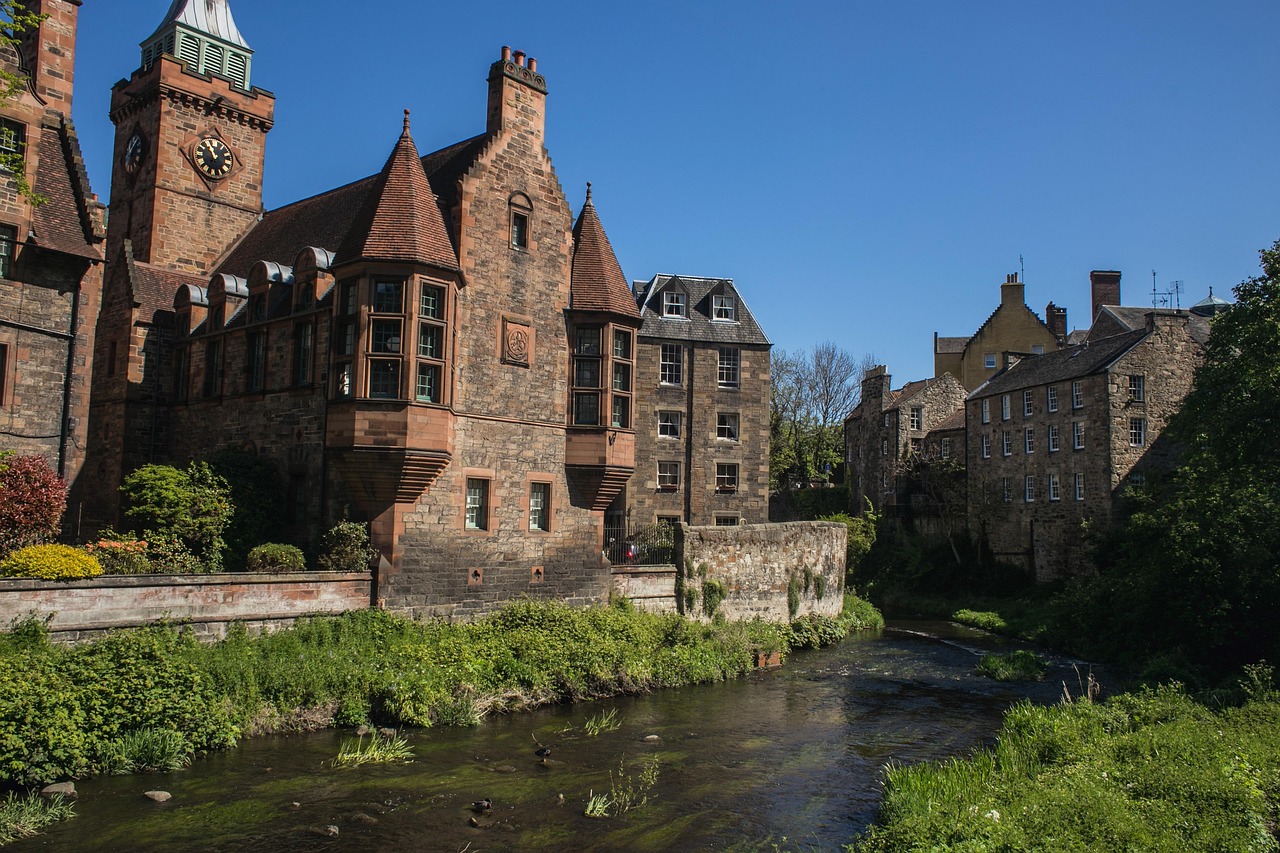
Dean Village feels like a fairy-tale hamlet dropped into the middle of the city. Once an industrial milling area, it’s now a peaceful cluster of old stone houses along the Water of Leith.
The first time I brought my parents here, my mum stopped and said, “Are we still in Edinburgh?” We walked slowly along the river path, past ivy-covered walls, old millstones, and tiny bridges, ending up at the Scottish National Gallery of Modern Art for coffee and sculpture gardens.
Tip: It’s primarily residential—be respectful of people’s homes. Stick to the paths and keep noise down, especially early or late.
10. Water of Leith Walkway
The Water of Leith Walkway is one of my favourite “hidden gem” experiences in Edinburgh. It’s a riverside path stretching around 20 km from Balerno to Leith, but you can easily just walk a small section.
My usual route: start in Dean Village, follow the path through leafy gorges and under bridges, past St Bernard’s Well—a neo-classical temple over a natural spring—then into Stockbridge. On a quiet morning, with birdsong and the sound of the river, you’d never guess you’re in a capital city.
11. Leith & The Shore
Leith used to be “the docks” in the rough-and-ready sense; now it’s one of the city’s most vibrant areas, with excellent food, street art, and a laid-back, maritime feel.
I first fell in love with Leith on a cold, bright winter’s day. We walked down from the city centre along Leith Walk, stopping for coffee at an independent café, then wandered around the Shore, watching sunlight flash on the water and seagulls patrol the old warehouses.
Food highlights: Leith is home to some of Edinburgh’s best seafood spots and a handful of Michelin-starred restaurants, alongside casual bistros and street food.
12. The Royal Yacht Britannia
Moored at Ocean Terminal in Leith, the Royal Yacht Britannia was the floating residence of the British royal family for over 40 years. I went in skeptical (I’m not a huge royal-watcher) and came out fascinated.
The self-guided tour takes you from the bridge and state rooms down to the crew’s quarters and engine room. What stuck with me was the contrast between the formal, almost austere décor of the royal spaces and the more relaxed, personal touches in areas like the sun lounge.
Family-friendly: Kids tend to love exploring a real ship, and there are good interactive displays.
13. Stockbridge & Circus Lane
Stockbridge is where many locals dream of living: independent shops, cosy cafés, leafy streets, and the river just a few minutes away. It has a village feel despite being a short walk from the city centre.
On Sundays, the Stockbridge Market is one of my favourite places to graze. I wander between stalls, sampling cheeses, picking up street food, and chatting with producers. Afterwards, I usually stroll over to Circus Lane, with its cobbles, stone archways, and flower boxes.
14. Greyfriars Kirkyard & Greyfriars Bobby
Greyfriars Kirkyard is one of the most atmospheric graveyards in the city. It’s also famous for the story of Greyfriars Bobby, the little dog who supposedly guarded his master’s grave for 14 years.
I’ve walked here in all weathers: crunching through autumn leaves, shivering on winter evenings, and watching the sun slant through gravestones in summer. The names on the stones have inspired everything from ghost stories to Harry Potter characters.
Tip: Please don’t rub the nose of the Greyfriars Bobby statue—it’s been worn down from overenthusiastic tourists. A quick photo is enough.
15. Victoria Street
Curving down from George IV Bridge to the Grassmarket, Victoria Street is possibly the most photographed street in Edinburgh: colourful shopfronts, arcades, and a steep cobbled curve.
I like coming here early, before the shops open, to enjoy the architecture without the crowds. Later in the day, it’s perfect for browsing independent boutiques, bookshops, and quirky gift stores.
Harry Potter fans: Many say this street inspired Diagon Alley, and you’ll find themed shops leaning into that connection.
16. Portobello Beach

When locals need sea air without leaving the city, we head to Portobello. It’s a sandy beach with a long promenade, just a short bus ride from the centre.
I love Portobello in all seasons. In summer, families build sandcastles and brave the chilly water. In winter, I bundle up and walk the length of the promenade with a hot chocolate, watching hardy swimmers wade in regardless of the temperature.
Family-friendly: Playground, ice cream shops, and plenty of space to run.
17. Camera Obscura & World of Illusions
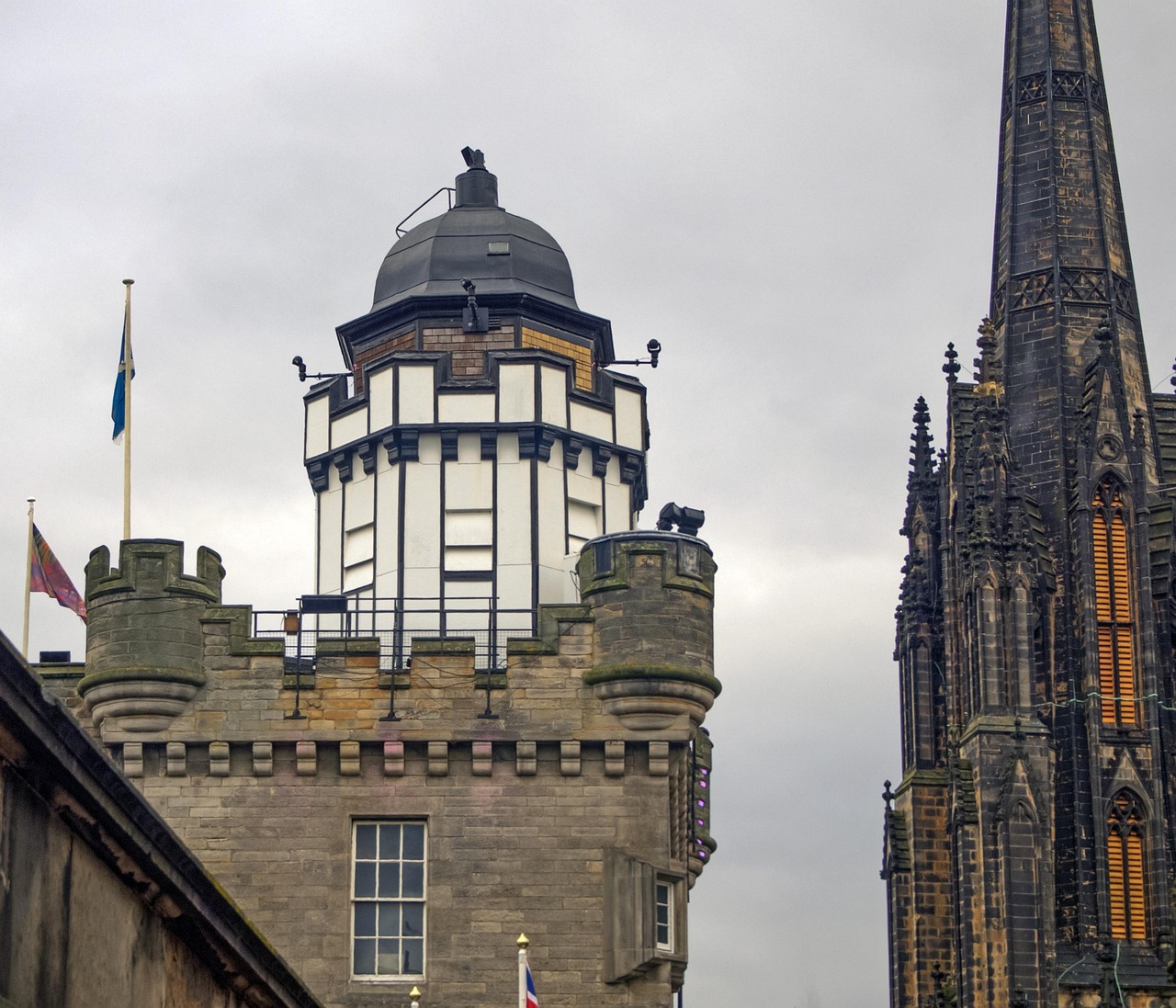
Just beside the castle, Camera Obscura is a fun, slightly bonkers mix of optical illusions and city views. I first went with friends on a rainy day, expecting a quick visit; we ended up staying for hours, playing with the exhibits like overgrown children.
The highlight is the Victorian-era camera obscura itself, projecting live images of the city onto a table. The rooftop terrace also offers panoramic views.
Family-friendly: Very. Kids love it, and adults pretend they’re just supervising.
18. Dynamic Earth
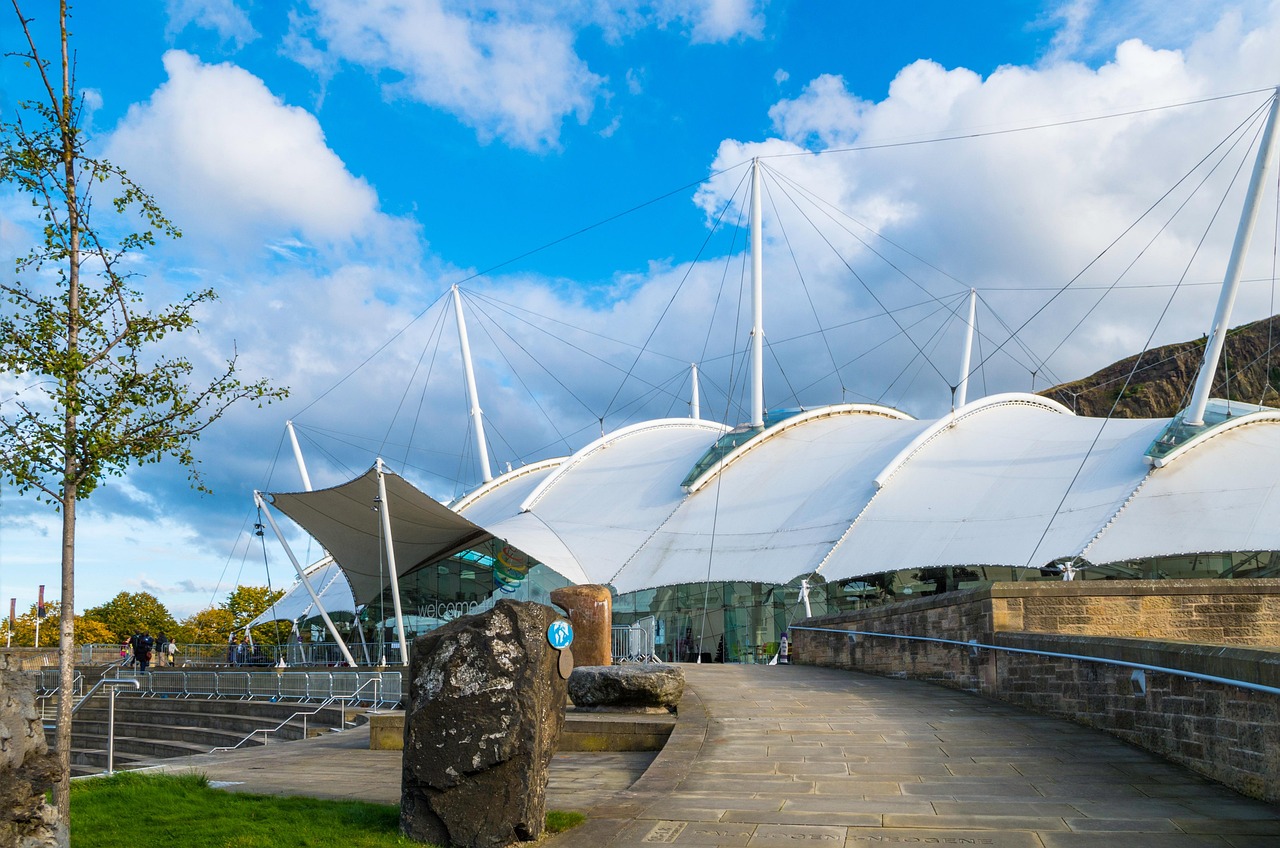
At the foot of Arthur’s Seat, Dynamic Earth is a science and nature attraction that takes you through the story of our planet—from the Big Bang to glaciers and tropical rainforests.
I’ve taken visiting nieces and nephews here multiple times; they still talk about the earthquake simulator and the ice wall you can touch. It’s a great option for families or for anyone who loves interactive science museums.
19. Scottish National Portrait Gallery
The Scottish National Portrait Gallery is often quieter than the main National Gallery, but the interior is one of the most beautiful in the city: a red sandstone Gothic building with a stunning central hall.
Inside, portraits of famous Scots—writers, scientists, politicians, artists—line the walls. I like coming here on grey days, wandering through the galleries, then having coffee in the café while watching locals meet for lunch.
Budget tip: Free entry to the main collections.
20. Edinburgh Zoo
On the western edge of the city, Edinburgh Zoo is built on a hillside, which means both exercise and views. It’s best known for its penguin parade (when conditions allow) and conservation work.
I’ve been a few times with families; the kids love the penguins and big cats, and there are regular talks and feedings. Be prepared for hills—comfortable shoes are a must.
Family-friendly: Entirely designed with families in mind; allow at least half a day.
Neighbourhoods & Areas to Explore
Old Town
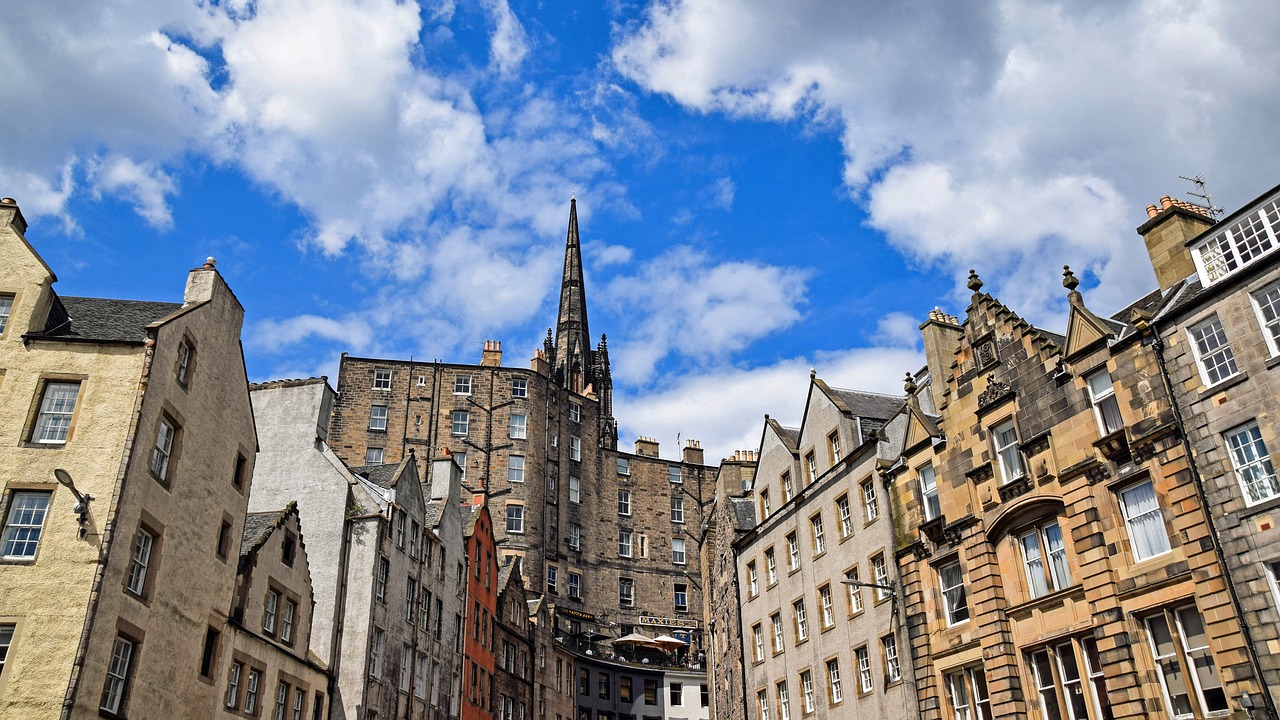
The Old Town is where you’ll likely spend much of your first 3 days in Edinburgh. It’s all steep staircases, layered buildings, and sudden views. Attractions cluster around the Royal Mile, but don’t be afraid to wander “off script”—some of my favourite discoveries have been from choosing a random close and seeing where it leads.
New Town
Elegant, refined, and a bit more polished, the New Town is perfect for shopping, dining, and architecture lovers. The grid system makes it easier to navigate than the Old Town’s tangle.
Leith
Edgy, creative, and increasingly foodie-focused. Leith is where you go for craft beer, street art, and waterfront strolls. It’s also usually a bit milder in winter thanks to the sea air.
Stockbridge
Village vibes, charity shops, gourmet delis, and leafy riverside walks. A lovely base if you prefer quieter evenings but want to be within walking distance of the centre.
Southside, Marchmont & Newington
Home to students and long-time residents, this area has a relaxed, lived-in feel. You’ll find second-hand bookshops, cheap eats, and access to the Meadows—Edinburgh’s big central park.
Bruntsfield & Morningside
Leafy, upmarket residential areas with boutique shops and excellent cafés. Bruntsfield Links is especially lovely on sunny days, with views back to the castle.
West End & Haymarket
Grand townhouses, independent boutiques, and easy connections via Haymarket station. A good compromise area for visitors who want quieter streets but central access.
Local Food in Edinburgh & Where to Eat
Scottish food has had a glow-up. Yes, you can still get deep-fried Mars bars (ask around in Leith), but you’ll also find inventive chefs using local produce: venison from the Highlands, seafood from the coasts, seasonal vegetables, and craft cheeses.
Scottish Dishes to Try
- Haggis, neeps & tatties: Rich, peppery, and surprisingly comforting. Many places offer vegetarian versions.
- Scottish salmon & seafood: Especially good in Leith and higher-end restaurants.
- Cullen skink: Smoked haddock chowder—perfect on a cold day.
- Shortbread & tablet: Sweet treats you’ll see everywhere.
- Full Scottish breakfast: Often includes black pudding, tattie scones, and sometimes haggis.
Where I Actually Eat (Personal Favourites)
I won’t list every place (Edinburgh’s restaurant scene changes fast), but here are the types of spots I gravitate to:
- Old Town: Cosy pubs for traditional fare, small bistros for modern Scottish tasting menus.
- Leith: Seafood restaurants on The Shore, casual spots in converted warehouses, plus street food at markets.
- Stockbridge: Brunch cafés and delis; perfect for a lazy mid-morning meal.
- Southside: Affordable, student-friendly places serving everything from curry to falafel.
Whisky, Gin & Local Drinks
Scotland and whisky are inseparable, and Edinburgh has plenty of places to taste it properly. Many bars have extensive whisky lists and staff happy to talk you through options based on what you like (or don’t yet know you like).
In recent years, Scottish gins have boomed, and you’ll find local labels on most cocktail menus. For beer lovers, Edinburgh’s craft beer scene is thriving, with microbreweries and taprooms across the city.
Money-Saving Food Tips
- Lunch deals: Many restaurants offer better-value set lunches than dinners.
- Supermarkets & picnic food: Grab supplies from local supermarkets or independent grocers and picnic in the Meadows or Princes Street Gardens.
- Street food & markets: Stockbridge Market (Sun), Leith markets, and festival pop-ups in summer are great for budget-friendly meals.
Nightlife, Entertainment & Cultural Experiences in Edinburgh
Edinburgh’s nightlife is less about giant clubs and more about atmospheric pubs, intimate music venues, and cultural events. On any given night you can find live folk music, comedy, theatre, or a quiet whisky bar for conversation.
Pubs & Bars
I tend to favour traditional pubs with real ale, dark wood interiors, and perhaps a fireplace. There are also sleek cocktail bars in the New Town and Leith if you want something more polished.
Live Music & Theatre
- Folk sessions: Many pubs host regular traditional music sessions, especially in the Old Town and Leith.
- Theatres: The Festival Theatre, King’s Theatre, and Traverse Theatre offer a mix of plays, musicals, and dance.
- Comedy: Year-round, but especially during the Fringe, when the whole city turns into a comedy venue.
Cultural Experiences
- Storytelling evenings: Dedicated venues and events where Scottish stories, myths, and legends come alive.
- Ceilidhs: Traditional Scottish dancing; great fun whether you know the steps or not.
- Gallery nights & late openings: Check local listings; some museums and galleries stay open late on certain days.
Romantic Ideas
- Sunset on Calton Hill or Arthur’s Seat followed by a cosy dinner.
- Evening stroll through the Old Town’s lit-up closes and squares.
- Whisky tasting for two in a quiet bar.
Best Day Trips from Edinburgh
If you have 4 or 5 days in Edinburgh, consider adding a day trip to see a different side of Scotland.
St Andrews
About 1.5–2 hours by bus or train + bus, St Andrews offers sandy beaches, castle and cathedral ruins, and a historic university town feel. Golf fans know it as the “home of golf.”
North Berwick
Only 30 minutes by train from Edinburgh Waverley, North Berwick is perfect for a half- or full-day trip: beaches, the Scottish Seabird Centre, and the dramatic Bass Rock offshore.
Rosslyn Chapel
Famous from The Da Vinci Code, Rosslyn Chapel is much more interesting than its pop culture fame suggests. The stone carvings are intricate and mysterious; the setting, in a small village south of Edinburgh, is peaceful. Reachable by local bus in around 45 minutes.
The Scottish Borders
A bit further afield, the Borders offer rolling hills, ruined abbeys (like Melrose and Jedburgh), and quieter, less touristy towns. Best with a car or organised tour, though some spots are reachable by train and bus.
Cultural Etiquette & Local Customs in Edinburgh
Edinburgh is friendly and laid-back, but there are a few local norms that will make your stay smoother.
Politeness & Personal Space
- Queues: Scots are serious about queuing. Always join the back of the line and don’t push in.
- “Sorry” & “Cheers”: You’ll hear “sorry” used frequently, even when it’s not strictly necessary, and “cheers” as thank you.
- Personal space: Respect people’s space on public transport and in queues.
In Pubs & Restaurants
- Ordering: In many pubs, you order and pay at the bar rather than at your table.
- Tipping: Around 10–12% in restaurants if service isn’t included; rounding up in pubs and cafés is appreciated but not mandatory.
- Drinking culture: Drinking is common but public drunkenness is frowned upon; know your limits.
Religion & Politics
People may have strong views on Scottish independence, the monarchy, or football teams. If you’re a visitor, it’s fine to ask genuine questions, but avoid being too confrontational in casual conversation.
Photography
- Always ask before photographing people, especially street performers and children.
- In churches and some historic sites, check for signs about photography rules.
Practical Travel Tips for Edinburgh (2026–2027)
How to Get Around Edinburgh
Edinburgh is compact; many of the best places to visit in Edinburgh are walkable if you’re comfortable with hills and cobblestones.
- Walking: The best way to feel the city. Wear comfortable shoes.
- Buses & Trams: Lothian Buses and Edinburgh Trams are reliable and frequent. Contactless payment is widely accepted; tap in when you board.
- Taxi & Rideshare: Black cabs are easy to find, especially in the centre. Ride-hailing apps operate too.
- Car rental: Not necessary in the city and parking can be difficult/expensive. Rent a car only if you’re heading into the Highlands or rural areas.
Arriving in Edinburgh
- Airport (EDI): Trams and airport buses connect the airport to the city centre in about 30–35 minutes.
- Train: Waverley Station drops you right between the Old and New Towns; Haymarket is handy for the West End.
SIM Cards & Connectivity
In 2026, eSIMs and physical SIMs from UK providers are widely available. You’ll find SIMs at the airport, in convenience stores, and in dedicated phone shops. Major providers (EE, O2, Vodafone, Three) all have prepaid options with generous data bundles.
Money & Costs
- Currency: Pound sterling (GBP).
- Cards: Contactless cards and mobile payments are accepted almost everywhere; cash is still useful for small purchases and markets.
- Budget tips: Use free museums, walk instead of taxi, eat your main meal at lunch, and make use of supermarket meal deals.
Visas & Entry Requirements
Visa requirements vary by nationality and can change; always check the official UK government website before you travel. Many visitors from Europe, North America, and parts of Asia can enter visa-free for short stays, but this may involve electronic authorisation systems being rolled out during 2026–2027.
Driving & Foreign Licences
- Side of the road: Left.
- Foreign licences: Many foreign driving licences are accepted for short-term visitors; check with your rental company. An International Driving Permit may be recommended for some nationalities.
- City driving: Narrow streets, one-way systems, and limited parking make driving in central Edinburgh stressful; I usually advise visitors to walk and use public transport.
Weather & What to Pack
Edinburgh’s weather is changeable. I’ve seen all four seasons in one day more than once.
- Year-round: Waterproof jacket, layers, comfortable shoes.
- Summer (Jun–Aug): Light layers, suncream (yes), and something warm for evenings.
- Winter (Nov–Feb): Warm coat, hat, gloves, scarf; it’s damp more than freezing, but wind can make it feel colder.
Best Seasons for Different Activities
- Spring (Mar–May): Great for walking, fewer crowds, blossoms in the Meadows.
- Summer (Jun–Aug): Festivals, long daylight hours, busier and pricier.
- Autumn (Sep–Oct): Beautiful foliage in parks and along the Water of Leith; cooler but still pleasant.
- Winter (Nov–Feb): Christmas markets, Hogmanay, cosier pub culture; short days and more rain.
Major Events & Festivals in Edinburgh 2026–2027
Edinburgh is famously a festival city. In 2026–2027, expect the usual packed calendar, plus some special events tied to ongoing cultural programmes.
Key Annual Festivals
- Edinburgh International Festival (August): World-class theatre, music, and dance.
- Edinburgh Festival Fringe (August): The world’s largest arts festival; thousands of shows in hundreds of venues.
- Edinburgh International Book Festival (August): Author talks, signings, and literary events.
- Royal Edinburgh Military Tattoo (August): Evening performances with massed pipes and drums on the Castle Esplanade.
- Edinburgh International Film Festival (dates vary): Screenings and events across the city.
- Hogmanay (New Year’s, 31 December–1 January): Street parties, concerts, and fireworks to welcome the new year.
- Beltane Fire Festival (30 April): A dramatic, pagan-inspired celebration on Calton Hill.
- Samhuinn Fire Festival (31 October): A fiery, theatrical marking of the Celtic New Year.
For exact 2026–2027 dates and any new events, check the official festivals’ websites closer to your travel dates. Some events require tickets that sell out months in advance (especially the Tattoo and major Hogmanay concerts).
Summary: Key Takeaways & Best Time to Visit Edinburgh
Edinburgh is one of those rare cities that works beautifully whether you have a whirlwind 3 day itinerary for Edinburgh or a slow, immersive 5 days in Edinburgh. It’s walkable, packed with history, and full of character.
Key Takeaways
- Don’t rush: Leave time between “big sights” for wandering, cafés, and unexpected viewpoints.
- Mix old and new: Spend time in both the Old Town and New Town, plus at least one neighbourhood like Leith or Stockbridge.
- Use free culture: Many museums and galleries are free; they’re excellent for both learning and sheltering from the rain.
- Embrace the weather: Pack layers and a waterproof, then go out anyway. Some of my best Edinburgh memories involve fog, drizzle, or sudden sunlight after a storm.
Best Time to Visit Edinburgh
- For festivals & nightlife: August (busy, expensive, electric atmosphere).
- For quieter sightseeing & decent weather: May–June and September.
- For Christmas markets & Hogmanay: Late November–early January.
- For budget-friendly trips: January–March (cold, but fewer visitors and cheaper accommodation).
Whether you follow a 3, 4 or 5 day itinerary for Edinburgh or simply show up and see where the closes take you, the city rewards curiosity. Look up, look down, duck into that intriguing alleyway, talk to the person serving your coffee, and let Edinburgh reveal itself layer by layer.