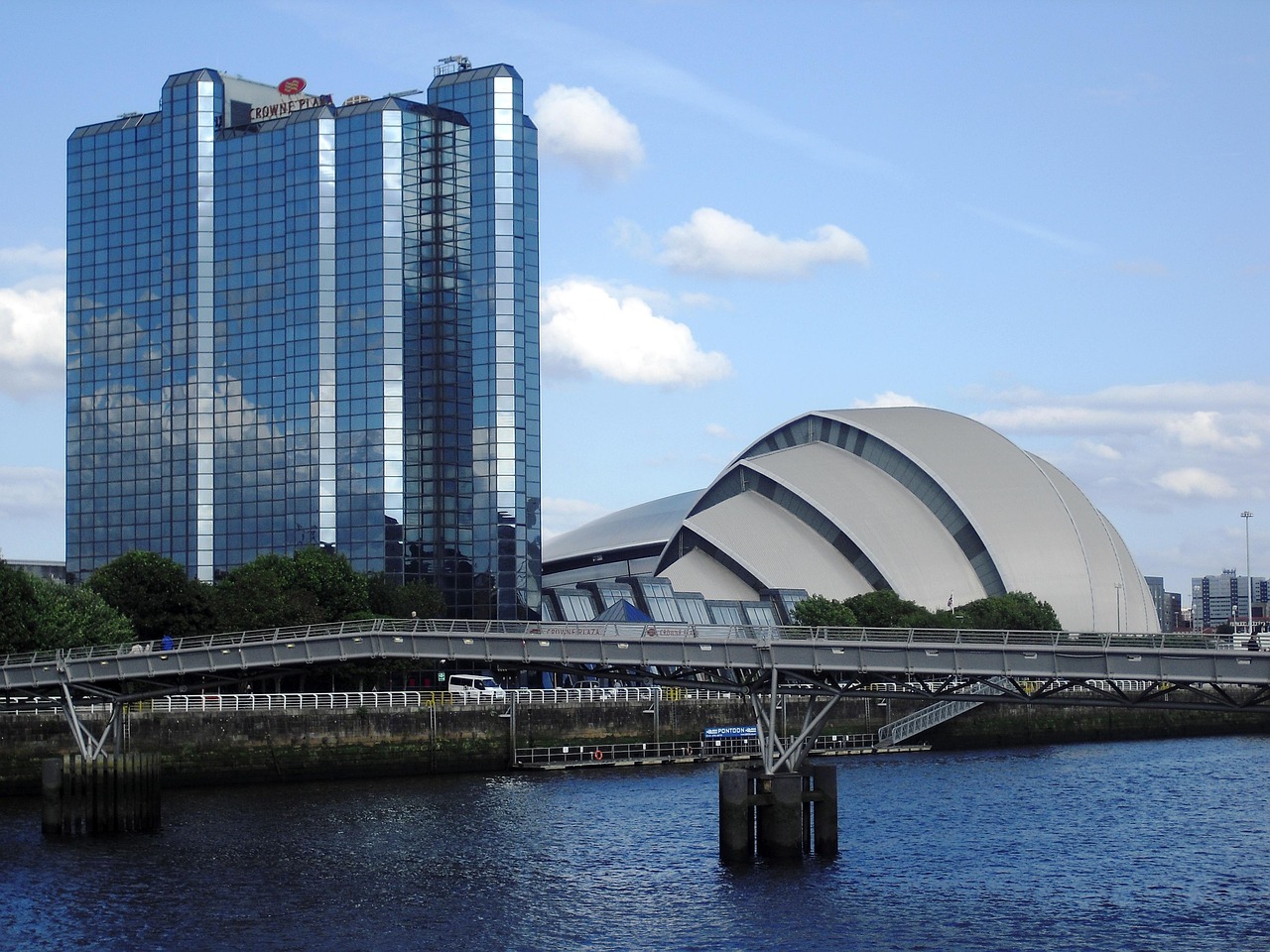
Why Visit Glasgow in 2026
If Edinburgh is Scotland’s postcard, Glasgow is its heartbeat. It’s the city where I’ve lost track of time in tiny pubs listening to world-class live music, wandered past grand Victorian facades and cutting-edge street art on the same block, and had strangers insist I “sit yersel’ doon” and share their chips on a rainy night.
Glasgow is a city of contrasts: industrial and elegant, gritty and gorgeous, fiercely working-class yet full of high culture. It’s a place where museums are free, conversations start at bus stops, and you’re never far from a park, a pint, or a plate of something hearty.
In 2026, Glasgow feels especially alive. The city is still riding the wave of investment and creativity that’s followed major events of the last decade, and there’s a renewed focus on sustainability, community-driven festivals, and the local food scene. New bars appear in forgotten lanes; old shipyard spaces are reborn as arts hubs; murals creep further along once-grey walls.
This comprehensive travel guide for Glasgow is written as if I’m walking alongside you, over several visits, sharing my favorite routes, missteps, shortcuts, and “you’ve-got-to-try-this” spots. Whether you’re planning 3 days in Glasgow or stretching to 4 or 5 days in Glasgow, you’ll find curated itineraries, must-see attractions, local customs, food tips, and plenty of hidden gems.
Table of Contents
- Why Visit Glasgow
- Glasgow at a Glance (2026–2027)
- Suggested Itineraries: 3, 4 & 5 Days in Glasgow
- 20+ Must-See Attractions in Glasgow (With Personal Notes)
- Neighbourhoods & Districts to Explore
- Local Food in Glasgow: What & Where to Eat
- Nightlife, Music & Cultural Experiences
- Best Day Trips from Glasgow
- Cultural Etiquette & Local Customs
- Practical Travel Tips for Glasgow (2026)
- Summary & Best Time to Visit Glasgow
Glasgow at a Glance (2026–2027)
Glasgow is Scotland’s largest city, spread along the River Clyde in the country’s west. Once defined by shipbuilding and heavy industry, it has reinvented itself as a hub of design, culture, and music while keeping its working-class humour and edge.
- Population: ~630,000 in the city; over 1.8 million in the metropolitan area.
- Vibe: Creative, down-to-earth, sociable, slightly chaotic in the best way.
- Cost: Cheaper than London and Edinburgh, but prices have crept up since 2020; still many budget-friendly options.
- Best for: Music lovers, architecture geeks, foodies, families seeking affordable city breaks, and anyone who values people over postcards.
Major Events in 2026–2027
Glasgow’s annual events calendar is packed, but a few highlights for 2026–2027 to keep an eye on:
- Celtic Connections 2026 & 2027 (January–February): The city’s flagship winter music festival, celebrating folk, roots, and world music. I try to go at least one weekend every year—book early for headline shows at the Royal Concert Hall.
- Glasgow International (GI) 2026 (likely April–May): The city-wide contemporary art biennial, with exhibitions in galleries and unexpected spaces. A dream time to be in town if you enjoy art and urban wandering.
- TRNSMT Festival 2026 & 2027 (July): Big open-air music festival on Glasgow Green; expect loud crowds, big headliners, and muddy shoes if it rains.
- Glasgow Mela, West End Festival, Pride events: Annual fixtures celebrating diversity, community, and culture—check dates closer to your trip.
Suggested Itineraries: 3, 4 & 5 Days in Glasgow
These itineraries are flexible. Think of them as frameworks rather than rigid schedules. Mix and match based on your interests and the weather (which, in Glasgow, does what it likes).
3 Day Itinerary for Glasgow: The Essentials
If you’ve only got 3 days in Glasgow, this itinerary focuses on the must-see attractions in Glasgow while giving you a flavour of local life.
- Day 1 – City Centre & Merchant City: George Square, Buchanan Street, Gallery of Modern Art, Merchant City lanes, riverfront walk, live music in the evening.
- Day 2 – West End & Kelvingrove: Kelvingrove Art Gallery and Museum, Glasgow University cloisters, Ashton Lane, Botanical Gardens, dinner and drinks in the West End.
- Day 3 – Riverside & East End: Riverside Museum & Tall Ship, Glasgow Cathedral, Necropolis, People’s Palace & Glasgow Green, brewery or distillery visit.
4 Day Itinerary for Glasgow: Culture & Neighbourhoods
With 4 days in Glasgow, you can slow the pace and add more cultural experiences in Glasgow.
- Days 1–3: Follow the 3 day itinerary for Glasgow above.
- Day 4 – Alternative Glasgow: Explore the Southside (Shawlands, Queen’s Park), street art trails, Pollok Country Park and the Burrell Collection, plus a night out in a local bar away from tourist crowds.
5 Day Itinerary for Glasgow: In-Depth Story
When I really want to sink into the city, I plan 5 days in Glasgow. Below is a narrative-style, day-by-day guide that blends the best places to visit in Glasgow with hidden gems, food stops, and honest notes from my own stays. This is where you’ll find that personal touch you rarely see in standard travel guides.
Day 1: First Impressions – City Centre, George Square & the River
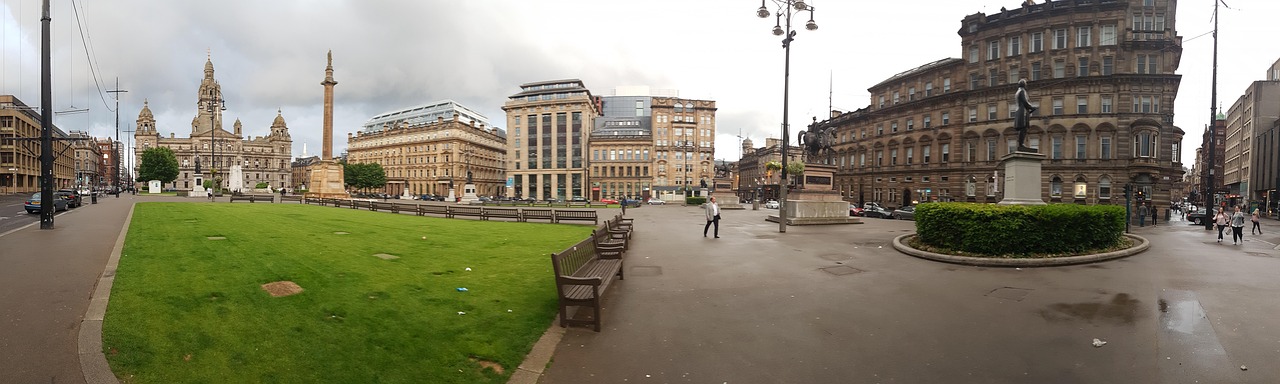
I like to start in the very heart of the city: George Square. On my last trip in early spring 2026, I arrived on a grey but bright morning, the kind Glasgow does so well. The square was busy with commuters, pigeons, and a group of students protesting something I couldn’t quite decipher.
George Square is ringed by statues and overlooked by the grand City Chambers. It’s not the prettiest square in Europe, but it’s an excellent orientation point and a good place to feel the city’s energy.
Morning: George Square & Buchanan Street
- Start at George Square: Have a quick look around, then duck into a nearby café for coffee and a roll. I often pop into one of the smaller independents off the main streets rather than the chains on the square itself.
- Walk down Buchanan Street: This is Glasgow’s main shopping artery, but it’s also a great people-watching corridor. Street performers, buskers, and a mix of Victorian and modern architecture line the route.
Even if you’re not shopping, look up: the stonework on some of the older buildings is stunning, and the Princes Square mall, hidden behind a fancy façade, is worth a peek for its glass roof and interior.
Gallery of Modern Art (GoMA)
At the bottom of Buchanan Street you’ll find GoMA, housed in a neoclassical building that used to be a mansion. Outside stands the statue of the Duke of Wellington, almost always sporting a traffic cone on his head—a very Glaswegian kind of irreverence.
Entry is free (as with most major museums in the city). I usually spend 45–60 minutes wandering the current exhibitions. In 2026, the programme is increasingly focused on local and global social issues, so expect thought-provoking works more than old masters.
Lunch in Merchant City
From GoMA, wander east into Merchant City, once the domain of wealthy tobacco and sugar merchants. Today it’s one of the best places to visit in Glasgow for food, drinks, and architecture.
I like to cut through the little lanes: Wilson Street, Candleriggs, Ingram Street. They’re full of cafés and restaurants. For lunch, you can go high-end or casual. I often end up somewhere moderately priced with a good soup-and-sandwich deal, or a place doing Scottish classics with a twist—think Cullen skink (smoked haddock chowder) or haggis bonbons.
Afternoon: River Clyde Walk & Central Station
After lunch, stroll down towards the River Clyde. The riverfront has been in a state of transformation for years—still a mix of the old industrial feel and new developments.
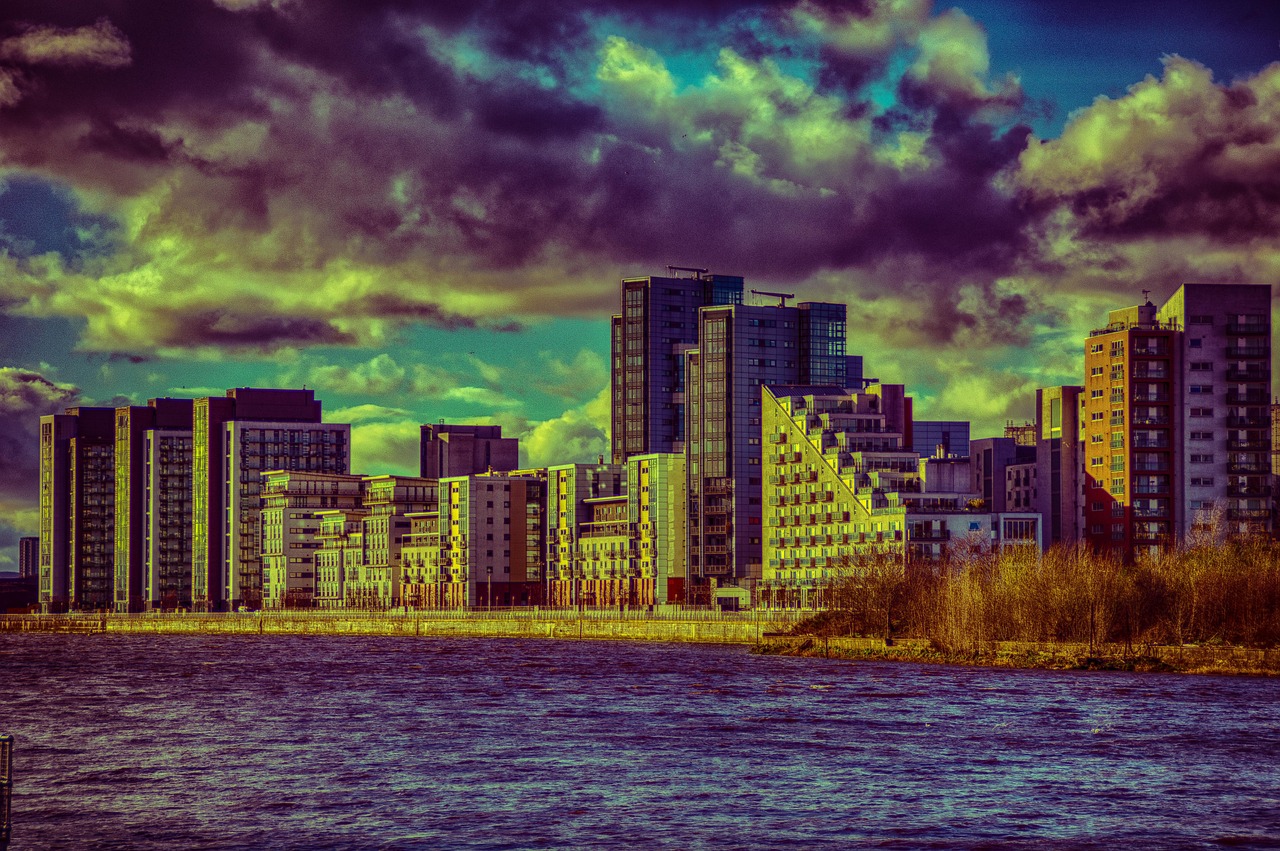
I like to walk along the riverside towards the Clyde Arc bridge (“Squinty Bridge”) to get a first sense of the city’s geography. On a clear day, it’s a surprisingly peaceful walk despite being so close to the city centre.
On your way back, detour through Glasgow Central Station. Even if you’re not catching a train, the Victorian architecture and ironwork are worth a look. There’s a popular behind-the-scenes tour of the station; if you’re into engineering and urban history, it’s a great add-on.
Evening: First Taste of Glasgow’s Nightlife
For your first night, stay fairly central. I often suggest:
- Early dinner at a city-centre restaurant doing modern Scottish or international dishes.
- Drinks & live music at one of the many pubs that host bands or folk sessions—ask your hotel/hostel staff for what’s on that night.
Glasgow’s nightlife is relaxed and friendly. Don’t be surprised if someone at the bar strikes up a conversation with you within ten minutes.
Day 2: West End Charms – Kelvingrove, University & Ashton Lane
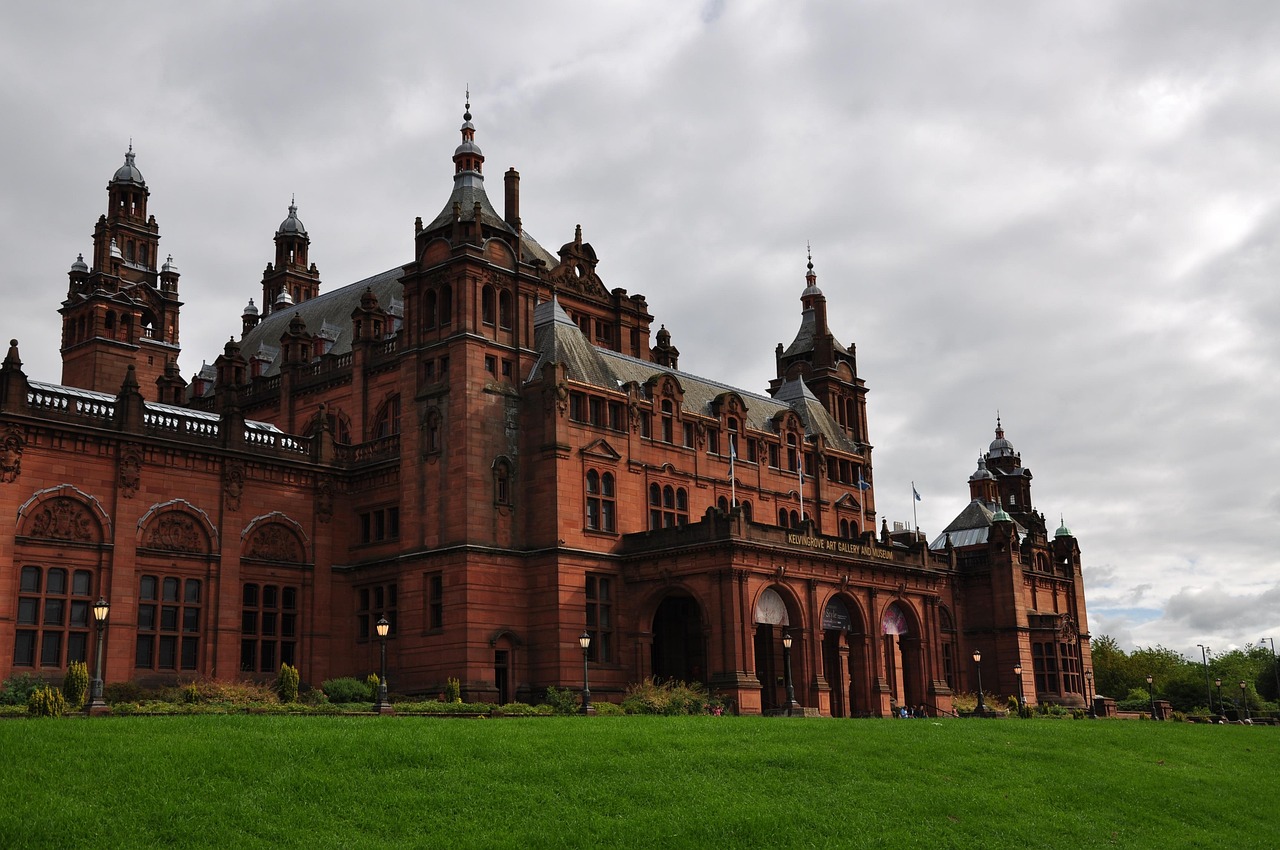
The West End is where I fall in love with Glasgow all over again each trip. Leafy streets, sandstone tenements, students from the University of Glasgow, and a laid-back café culture—it’s a city within a city.
Morning: Kelvingrove Art Gallery and Museum
Take the subway (locals call it “the Clockwork Orange” because of the colour and circular route) to Kelvinhall or Kelvinbridge and walk to Kelvingrove Art Gallery and Museum.
Kelvingrove is one of my absolute favourite places in Glasgow and easily one of the top must-see attractions in Glasgow.
- Entry: Free, donation encouraged.
- Family-friendly: Extremely; lots of interactive exhibits and a relaxed atmosphere.
- Time needed: At least 2–3 hours if you enjoy museums.
Inside, you’ll find everything from medieval armour and Ancient Egyptian artefacts to Scottish art and a famous Salvador Dalí painting (Christ of Saint John of the Cross). The building itself is a work of art—high ceilings, grand staircases, and that huge pipe organ in the central hall.
On one visit, I stumbled into a free lunchtime organ recital. Sitting on the balcony, listening to the music swell through the galleries while kids darted between exhibits, felt like a perfect snapshot of Glasgow: cultured, communal, and totally unpretentious.
Kelvingrove Park
When you’ve had your fill indoors, step out into Kelvingrove Park, a green bowl stretching between the museum and the University hill. If the weather plays nice (big “if”, this being Glasgow), grab a coffee or ice cream from a nearby kiosk and wander the paths.
The views up towards the university spires are fantastic, especially in late afternoon light. This is one of my favourite free things to do in Glasgow on a sunny day.
Afternoon: University of Glasgow & Cloisters
Head uphill to the University of Glasgow, one of the most photogenic campuses in Europe. The main building’s cloisters and quadrangles are often compared to Hogwarts, and it’s not just hype. I still remember the first time I walked under those vaulted arches and heard the faint echo of footsteps—it felt like stepping into another era.
- Tip: The Hunterian Museum and Hunterian Art Gallery on campus are also free and well worth a look if you’re into natural history or art.
- Romantic angle: This area is particularly lovely for couples; grab coffee and wander the grounds quietly together.
Ashton Lane & Byres Road
From the university, walk down to Byres Road, the spine of the West End. It’s full of shops, cafés, and bars. Tucked just off Byres Road is Ashton Lane, a tiny cobbled alleyway strung with fairy lights and lined with bars and eateries.
I’ve spent many evenings here over the years, slipping between a cosy pub serving craft beer and a small cinema showing indie films. Yes, it’s popular with visitors, but locals love it too. It’s especially atmospheric in the evening when the lights come on and the lane fills with chatter.
Evening: Dinner & Drinks in the West End
The West End is a great place to sample local food in Glasgow, from modern Scottish cuisine to international spots run by long-term immigrant communities.
- Budget tip: Look out for early-bird or pre-theatre menus, often available between 5–7 pm; they can save you a good chunk of money.
- Families: Many West End restaurants are kid-friendly, especially earlier in the evening.
After dinner, you can either wander back through Kelvingrove Park to catch the subway or stay out late and ride a taxi back to your accommodation.
Day 3: Riverside, Transport & the East End’s History
Morning: Riverside Museum & The Tall Ship
On my third day, I like to head back to the Clyde—but this time further west—to the Riverside Museum, Glasgow’s transport museum. It’s housed in a dramatic, zig-zag building designed by Zaha Hadid, right on the riverbank.
- Entry: Free.
- Great for: Families, transport geeks, rainy days.
Inside there’s an entire “old street” recreated, with vintage shopfronts you can step into, plus trams, locomotives, buses, and bikes hung from the ceiling. I always end up spending longer than planned here—it’s far more engaging than a dry history of vehicles.
Moored just outside is the Tall Ship Glenlee, a fully restored sailing ship you can explore (also free, donation-based). Standing on deck, with the modern city rising behind you, is a reminder of how much the Clyde has changed.
Afternoon: Glasgow Cathedral & the Necropolis
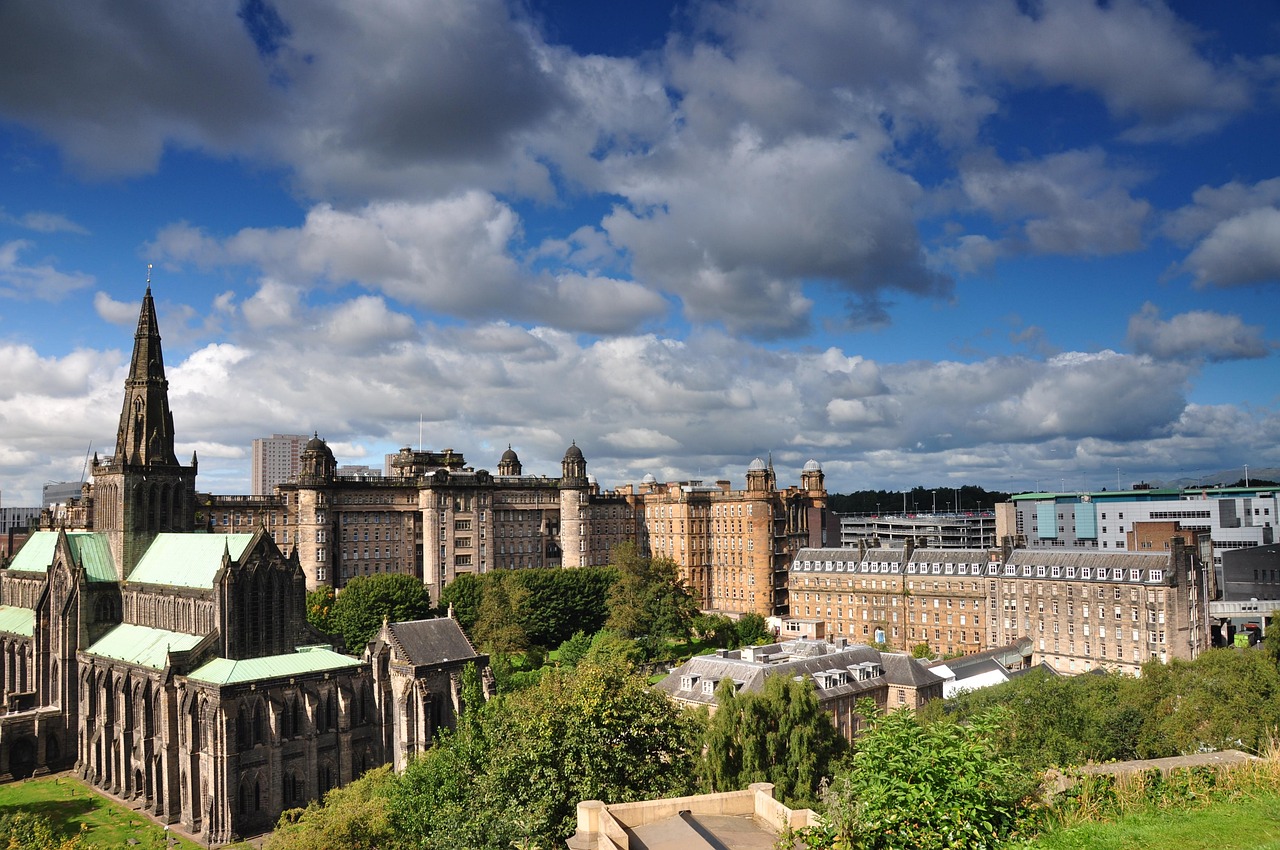
In the afternoon, cross to the East End to visit Glasgow Cathedral and the Necropolis, two of the most atmospheric historic sites in the city.
Glasgow Cathedral (also known as St Mungo’s) is a dark, brooding Gothic church dating back to the 12th century. The interior is cool and shadowed, with beautiful stained glass and a palpable sense of age. I like to sit for a few minutes in the choir, just listening to the faint creaks and echoes.
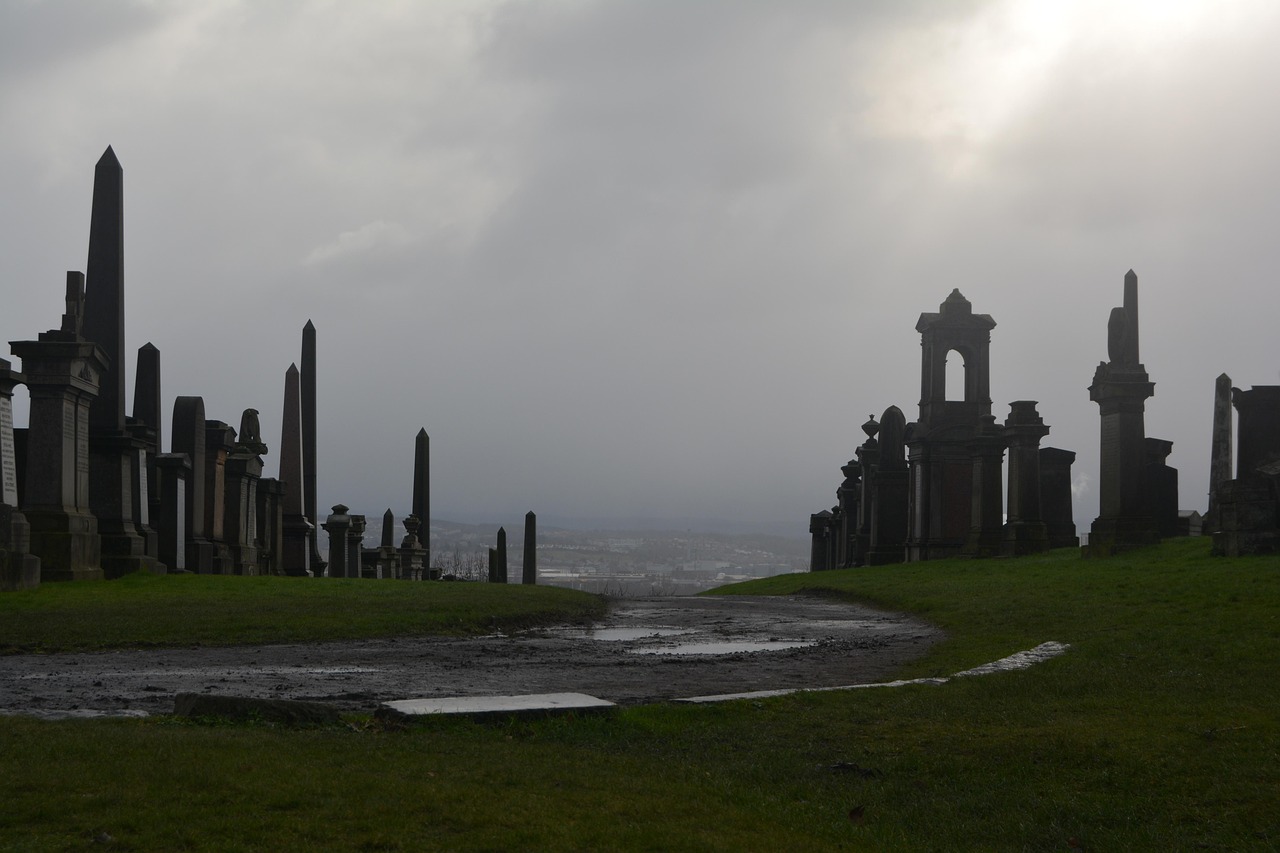
Behind the cathedral, a gate leads into the Necropolis, a vast Victorian cemetery on a hill. Climb the paths and you’ll be rewarded with some of the best views over Glasgow—spires, cranes, towers, and tenements in every direction. It’s melancholic but strangely peaceful.
Evening: People’s Palace & Glasgow Green (Optional Switch)
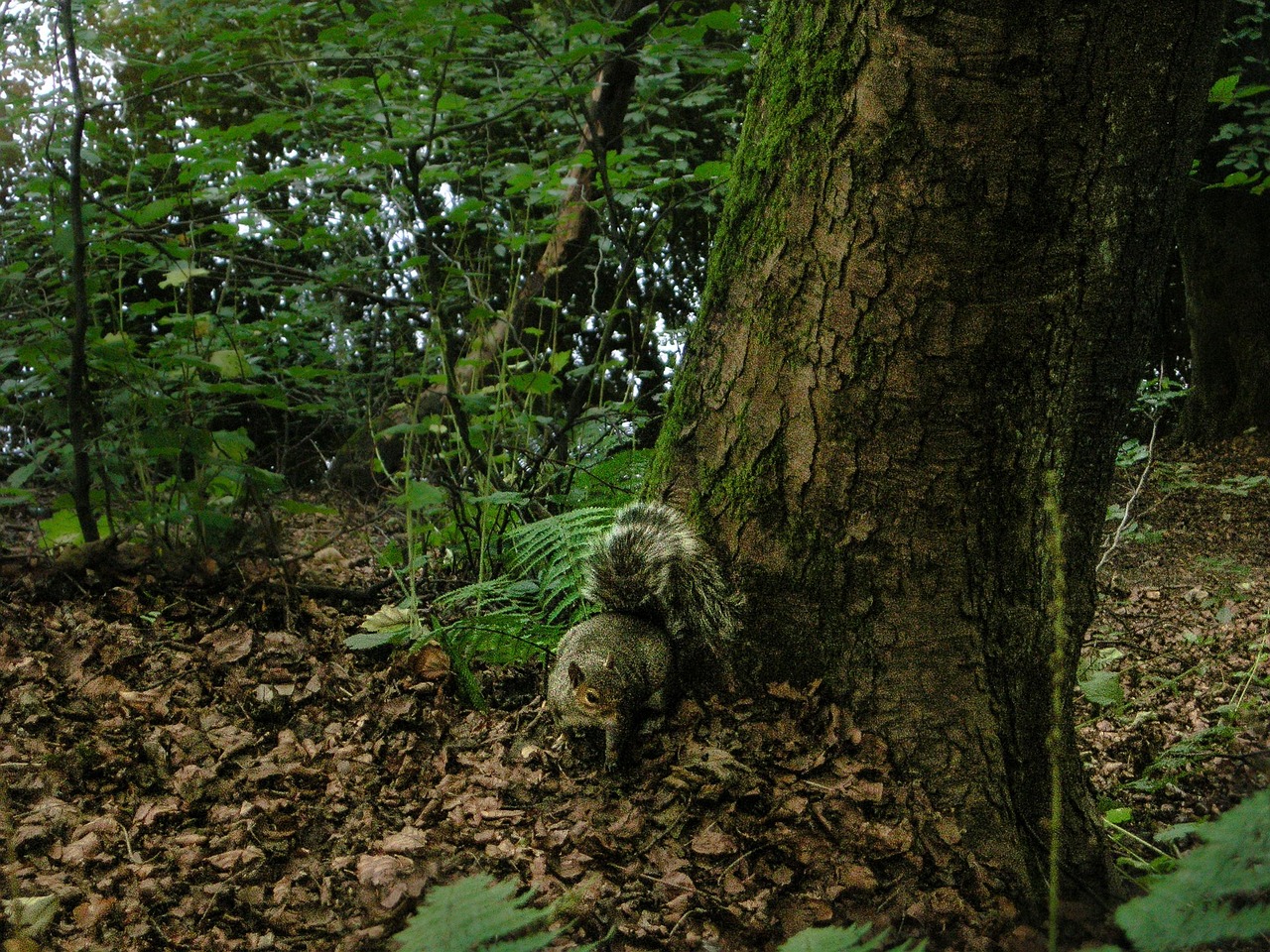
If you still have energy, continue to Glasgow Green, one of the city’s oldest parks, and the People’s Palace, a museum about the social history of Glasgow. It’s a good place to understand the city’s working-class roots and the struggles that have shaped its character.
If it’s a long summer evening, I like to grab some takeaway food and sit by the Doulton Fountain, watching dog walkers and football games unfold around me.
Day 4: Southside Stories – Shawlands, Queen’s Park & Pollok Country Park
For travellers staying 4 days in Glasgow or more, the Southside is where you start to feel the everyday life of the city. On my last visit, I based myself in Shawlands for a week and it changed how I see Glasgow—less as a set of attractions and more as a lived-in, loveable place.
Morning: Coffee & Queen’s Park
Grab a specialty coffee and a pastry from one of the Southside’s independent cafés (there are many along Pollokshaws Road and Kilmarnock Road), then climb up to Queen’s Park.
From the flagpole at the top, you’ll get a panoramic view of the city—on a clear day you can see right across to the Campsie Fells. I’ve sat up there with a takeaway coffee, watching clouds race across the skyline, feeling simultaneously part of and apart from the city below.
Pollok Country Park & The Burrell Collection
Next, head to Pollok Country Park, a huge green estate just a short train or bus ride away. It’s home to woodland trails, Highland cows, Pollok House, and the recently refurbished Burrell Collection.
The Burrell Collection re-opened after major upgrades and has become one of the must-see attractions in Glasgow for art lovers. The building is light-filled and modern, displaying a vast collection of art and artefacts donated by shipping magnate Sir William Burrell.
- Entry: Free.
- Good for: Families, art enthusiasts, couples looking for a quiet day.
One rainy afternoon, I lost hours wandering between medieval tapestries, Chinese ceramics, and Impressionist paintings, barely noticing the downpour outside. When I finally emerged, the park was misty and green, with the Highland cows grazing like something from a painting.
Evening: Southside Eats & Local Pubs
Back in Shawlands or Strathbungo, spend the evening exploring the Southside’s increasingly excellent dining scene. Many places champion local produce and inventive menus without the price tag you sometimes get in the city centre.
I love ending the night in a small neighbourhood bar, chatting to locals about football, music, and the weather (always the weather).
Day 5: Art, Architecture & Hidden Gems
With 5 days in Glasgow, you have time to chase some of the city’s more niche pleasures: street art, independent galleries, quirky museums, and architectural oddities.
Street Art & Murals
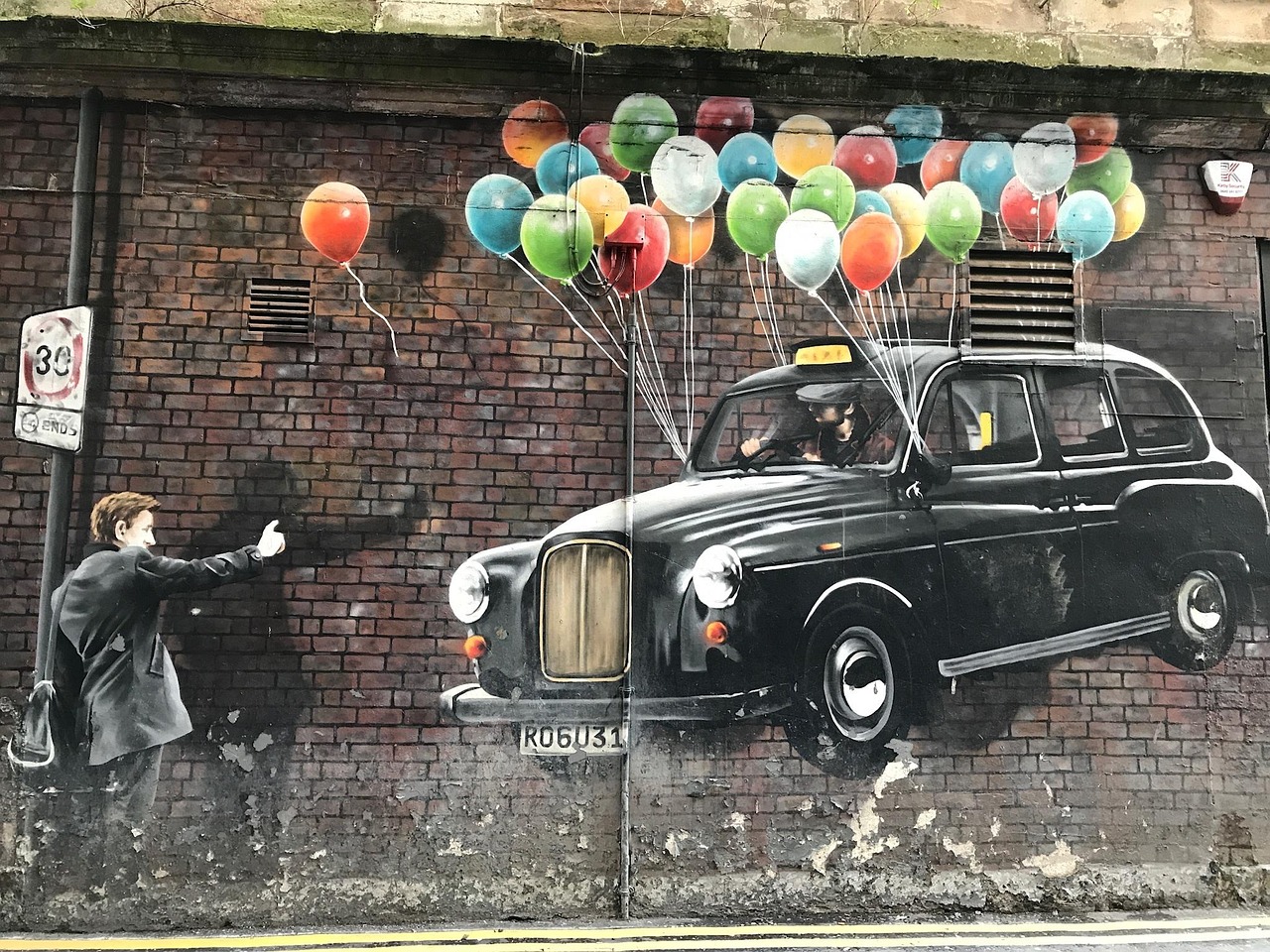
Start with a self-guided walk of Glasgow’s famous mural trail. The city has embraced large-scale street art, turning blank walls into canvases. Some of my favourites include the giant mural of St Mungo, the colourful underpasses, and the whimsical animals dotted around.
You can pick up a map from the tourist information centre or download a current version online. It’s a fun, free way to learn the city’s geography while spotting hidden gems in Glasgow you’d otherwise miss.
House for an Art Lover or Tenement House
Depending on your interests:
- House for an Art Lover: A fascinating interpretation of a Charles Rennie Mackintosh design set in Bellahouston Park. Great if you love architecture and design.
- The Tenement House: A preserved early-20th-century tenement flat, giving insight into how ordinary Glaswegians lived. It’s cosy, slightly claustrophobic, and very evocative.
Hidden Cafés & Bookshops
Spend the rest of your day dipping into independent bookshops, record stores, and cafés—especially around the West End and city centre fringes. This is where your own Glasgow story will diverge from everyone else’s as you stumble on places that never make the big lists of things to do in Glasgow but become “your” spots.
On one trip, I found myself in a tiny upstairs café above a music shop, nursing a pot of tea while rain lashed the windows and someone practised jazz guitar downstairs. I still think of that afternoon whenever I hear Glasgow mentioned.
20+ Must-See Attractions in Glasgow (With Personal Insights)
Below are in-depth looks at more than 20 of the best places to visit in Glasgow, including history, significance, and personal tips. Many feature in the itineraries above, but here you’ll get extra context and anecdotes.
1. Kelvingrove Art Gallery and Museum
Why go: A stunning red sandstone building packed with art, history, and curiosities, all for free. It’s one of the most popular attractions in Scotland.
History: Opened in 1901 as part of the Glasgow International Exhibition, Kelvingrove was designed to showcase the city’s wealth and cultural ambition. Over the decades, it’s become a beloved public space where Glaswegians bring children, grandparents, and visitors alike.
My experience: I’ve been to Kelvingrove at least a dozen times. One of my favourite routines is to head straight to the central hall, stand under the suspended Spitfire plane, then drift whichever way my mood takes me. Some visits I focus on the Scottish Colourists, other times I get lost in the natural history galleries.
Tips for visitors:
- Arrive early, especially on weekends and school holidays.
- Check if there’s an organ recital during your visit; they’re free and magical.
- Combine with a picnic in Kelvingrove Park on a clear day.
2. University of Glasgow & The Cloisters
Why go: One of the most beautiful university campuses in the world, with Gothic towers, cloistered walkways, and sweeping views over the city.
History: Founded in 1451, it’s the fourth-oldest university in the English-speaking world. The main Gilmorehill campus, with its iconic tower, dates from the late 19th century and was designed by Sir George Gilbert Scott.
My experience: I still remember the first time I approached the main building from Kelvingrove Park: the tower rising through the trees, the sound of bagpipes drifting from somewhere nearby. Even on repeated visits, the cloisters feel like a little slice of fantasy, especially when students hurry through in graduation robes.
Tips:
- Visit midweek during term for more buzz; summer can feel quieter but less crowded.
- Don’t miss the view from the grassy area behind the main building towards the river.
- Pop into the Hunterian Museum if you like scientific curiosities.
3. Riverside Museum of Transport and Travel
Why go: An engaging, family-friendly museum tracing Glasgow’s transport past, from trams and locomotives to skateboards and cars.
Design: The Zaha Hadid–designed building is a piece of contemporary architecture worth seeing in its own right, with an undulating roofline that echoes waves along the Clyde.
My experience: I’ve visited with friends, solo, and with kids in tow; it’s never dull. I love the recreated cobbled street lined with shops, where you can step into an old pub or photograph studio. Kids tend to gravitate towards the hands-on exhibits and vintage vehicles you can climb into.
Tips:
- Combine with the Tall Ship for a full morning.
- There’s a café, but you can also bring snacks; indoor seating is usually available.
- On sunny days, the riverside area is lovely for a short stroll.
4. Glasgow Cathedral & St Mungo’s
Why go: To experience the medieval heart of Glasgow and one of the few Scottish cathedrals to have survived the Reformation largely intact.
History: The site has been associated with St Mungo, Glasgow’s patron saint, since the 6th century. The present cathedral was built between the 12th and 15th centuries.
My experience: The lower crypt is my favourite part—vaulted, dimly lit, and quiet. I once sheltered here during a sudden downpour and ended up chatting with a guide about the building’s stonework and centuries of repairs.
Tips:
- Entry is free, donations welcome.
- Combine with the Necropolis and nearby St Mungo Museum of Religious Life and Art.
5. Glasgow Necropolis
Why go: For ornate Victorian monuments, atmospheric paths, and one of the best free viewpoints over the city.
History: Opened in 1833, the Necropolis was inspired by the Père Lachaise cemetery in Paris. It became the final resting place for many of Glasgow’s wealthy 19th-century industrialists.
My experience: I’ve been in sunshine, drizzle, and thick fog; each weather gives the place a different mood. On a clear evening, the sunset can be spectacular, with the city lights flickering on below.
Tips:
- Wear comfortable shoes; the paths can be steep and uneven.
- Respect that it’s still a burial place; keep noise down and avoid climbing on monuments.
6. Glasgow Green & the People’s Palace
Why go: Glasgow Green is the city’s oldest public park, a great place to relax, jog, or watch local life. The People’s Palace tells the story of ordinary Glaswegians over the past centuries.
My experience: I like coming here when I need a break from museums and shops. On warm days, the park fills with families, students, and dog walkers. In 2026, some areas are being used more often for events and festivals, so you might stumble upon a food market or music stage.
Tips:
- Check ahead on the current status of the Winter Gardens (the glasshouse), which has undergone closures for repairs in the past.
- Bring a picnic if the weather’s good; there are supermarkets and takeaways nearby.
7. Merchant City
Why go: For elegant 18th- and 19th-century buildings, stylish bars and restaurants, and an easy introduction to Glasgow’s café culture.
History: Once home to the mansions and warehouses of merchants trading in tobacco, sugar, and cotton (often tied to slavery), it has been reimagined as a cultural and nightlife district.
My experience: I have mixed feelings about Merchant City: it’s undeniably pretty and lively, but also a reminder of where much of Glasgow’s historical wealth came from. Still, it’s one of my go-to evening spots, especially for outdoor seating in summer.
8. GoMA (Gallery of Modern Art)
Why go: Compact, central, and often provocative, GoMA is a lovely short stop to break up a city-centre wander.
Personal tip: Even if you don’t go in, you must see the Duke of Wellington statue outside with its traffic cone. It’s one of those small things that perfectly captures Glaswegian humour and attitude to authority.
9. Glasgow Botanic Gardens
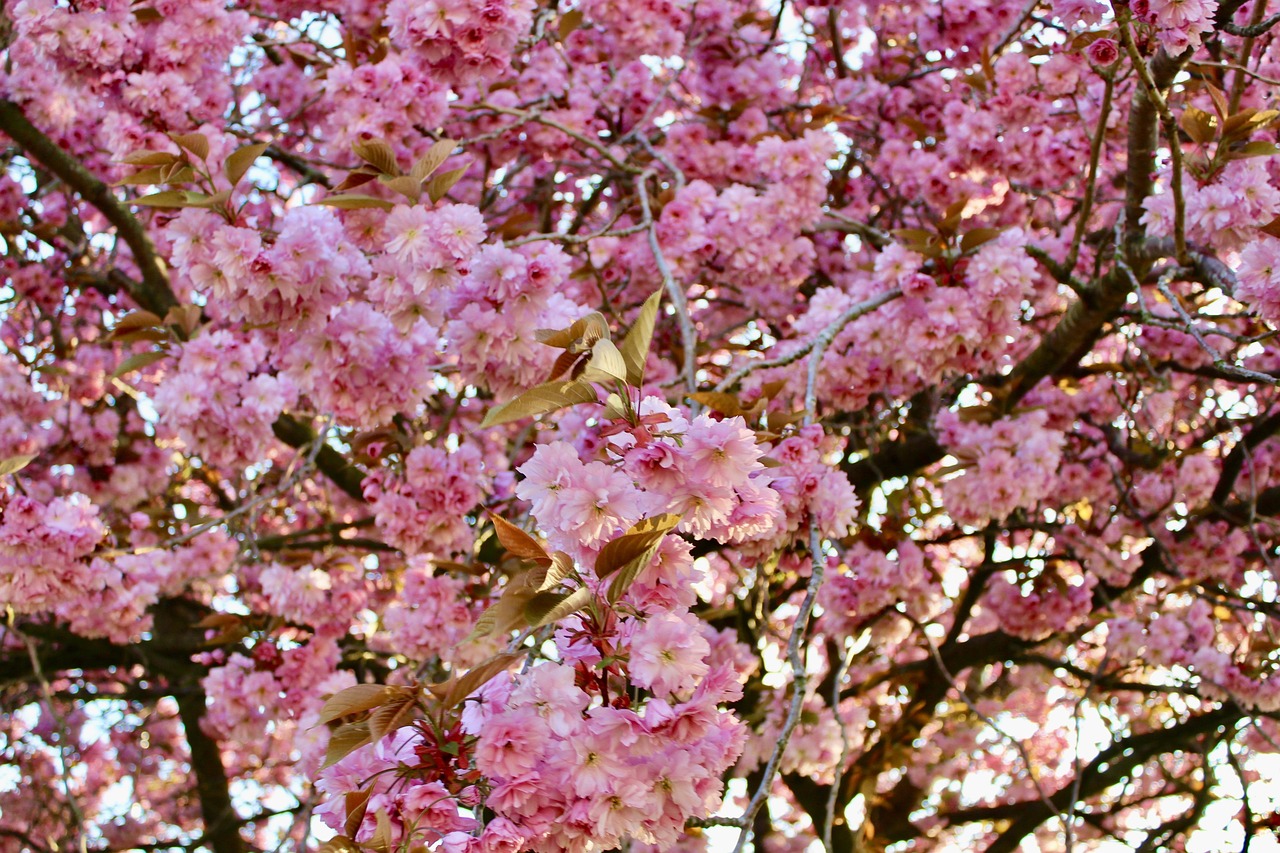
Why go: A beautiful green escape in the West End, with ornate glasshouses and riverside walks.
My experience: On my last autumn visit, I spent a drizzly afternoon wandering through the glasshouses, watching raindrops run down the panes while tropical plants steamed up the air. It felt like being in another climate entirely.
Tip: Continue along the River Kelvin walkway for a peaceful stroll back towards Kelvingrove or the city centre.
10. Pollok Country Park & The Burrell Collection
Why go: For woodland, Highland cows, and one of Europe’s great private art collections in a modern, eco-conscious building.
My experience: I love how quickly you feel “away from it all” here, despite being within city limits. The Burrell Collection’s redesign has made it brighter and more accessible, with good interpretation and kid-friendly areas.
11. House for an Art Lover
Why go: To immerse yourself in Charles Rennie Mackintosh’s vision of domestic design, interpreted and realised decades after his death.
History: Based on designs submitted to a German competition in 1901 but never built in his lifetime, the house was finally constructed in the 1990s in Bellahouston Park.
My experience: The interiors feel like stepping into a carefully balanced total work of art—every chair back, light fitting, and stencilled panel considered. I left feeling oddly calm and inspired to declutter my own home.
12. The Tenement House
Why go: To see how an ordinary Glaswegian middle-class woman lived in the early 20th century, preserved almost exactly as it was.
My experience: It’s a small attraction but surprisingly moving. The gas lights, box bed, and tiny kitchen bring history down to a human, domestic scale. I left thinking about all the unseen lives that built the city.
13. Buchanan Street & Style Mile
Why go: Glasgow’s main shopping drag, but also a showcase of Victorian commercial architecture and urban energy.
My experience: I rarely buy much here, but I love the buzz—buskers, shoppers, office workers, kids with headphones. Princes Square is particularly photogenic inside.
14. Glasgow Science Centre
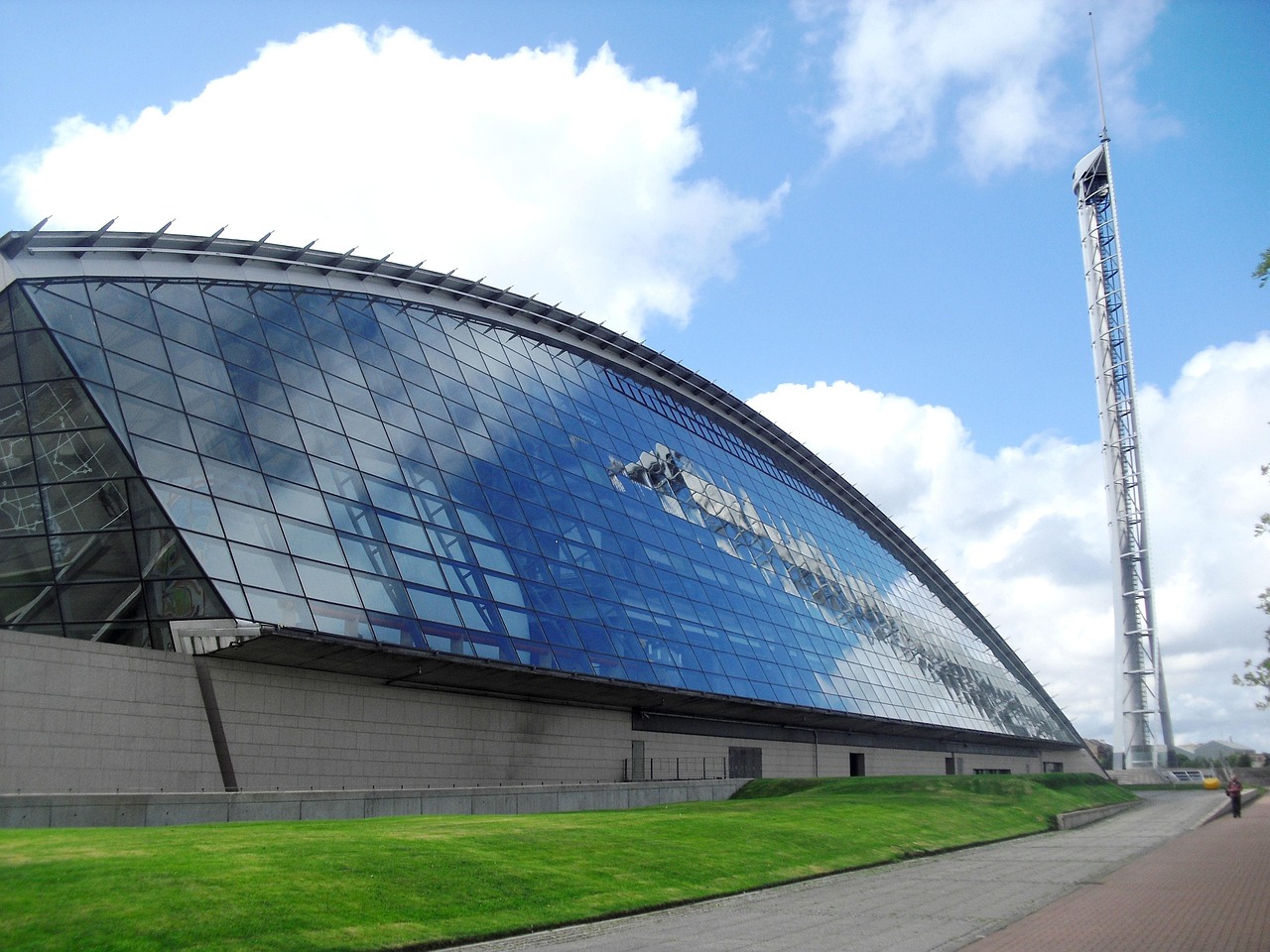
Why go: Interactive exhibits, an IMAX cinema, and a planetarium make this a top pick for families and science nerds.
My experience: I once met a local family here who told me they had annual passes because their kids loved it so much. It’s very hands-on—don’t be shy about pressing buttons and trying experiments.
15. The Clydeside Distillery
Why go: For whisky tastings with a strong sense of place, in a renovated pump house by the Clyde.
My experience: As someone who’s visited a lot of Scottish distilleries, I was impressed by how they tie the story of whisky to Glasgow’s industrial and maritime past. The tasting at the end was generous and well explained.
16. King Tut’s Wah Wah Hut
Why go: Legendary small music venue where acts like Oasis were famously discovered.
My experience: I saw a local band here on a rainy Tuesday; the room was small, sweaty, and electric. If you care about live music, check what’s on while you’re in town.
17. The Barras Market
Why go: A chaotic, colourful weekend market in the East End, historically famous for all manner of bargains and characters.
My experience: The Barras has changed over the years, with more vintage and craft stalls now, but it still has an edge. It’s not polished, and that’s part of its charm. Keep your wits about you and enjoy the patter.
18. OVO Hydro & SEC Campus
Why go: For big-name concerts and events in a spaceship-like arena near the river.
My experience: I’ve seen a couple of big shows here; the atmosphere can be incredible when 14,000 Glaswegians are singing along. If a favourite artist is in town while you’re visiting, it’s worth trying for tickets.
19. Mackintosh Architecture Trail (Various Sites)
Why go: To follow in the footsteps of Charles Rennie Mackintosh, Glasgow’s most famous architect and designer.
Sites: House for an Art Lover, Scotland Street School Museum, The Lighthouse (design and architecture centre), and various tearoom-style interiors.
My experience: Even after several visits, I still discover new Mackintosh details around town—stylised roses, geometric patterns, and delicate ironwork that feel years ahead of their time.
20. Queen’s Park & Shawlands
Why go: For a more local, less touristy side of Glasgow full of independent businesses and green spaces.
My experience: Staying here shifted my mental map of the city. Mornings in Queen’s Park with a coffee became a ritual; evenings hopping between small bars and restaurants made me feel less like a visitor and more like a temporary resident.
Neighbourhoods & Districts to Explore
Glasgow is a city of distinct areas, each with its own flavour. Understanding them helps you choose where to stay and what to prioritise.
City Centre
Best for: First-time visitors, short stays, nightlife, shopping.
Busy, compact, and well connected. This is where you’ll find George Square, Buchanan Street, GoMA, and Glasgow Central and Queen Street stations. Great if you want to be in the thick of it and don’t mind some noise.
West End
Best for: Longer stays, couples, students, café lovers.
Leafy and bohemian, anchored by the University. Highlights include Kelvingrove, the Botanic Gardens, Byres Road, and Ashton Lane. I often stay here when I want a balance of buzz and calm.
Merchant City & Trongate
Best for: Dining, bars, and boutique hotels.
Historic buildings, creative spaces, and nightlife. It’s also close to the Barras and Glasgow Green, making it a good base if you like walking.
Southside (Shawlands, Strathbungo, Queen’s Park)
Best for: Feeling like a local, foodies, longer stays.
Rapidly evolving with lots of independent businesses. Great parks, solid public transport, and less tourist traffic.
East End
Best for: History buffs, market lovers.
Home to Glasgow Cathedral, the Necropolis, the Barras, and Celtic Park. A mix of regeneration and grit.
Finnieston & Clyde Waterfront
Best for: Food, nightlife, event-goers.
Between the city centre and West End, Finnieston has become one of the trendiest areas, full of bars and restaurants. The SEC, Hydro, and Science Centre are along the river here.
Local Food in Glasgow: What & Where to Eat
Glasgow’s food scene has grown massively since my first visit. You’ll still find deep-fried everything and late-night chips, but also excellent coffee, inventive small plates, and serious attention to local produce.
Must-Try Scottish Dishes
- Haggis, neeps & tatties: Try it at a traditional pub; many places offer vegetarian versions.
- Cullen skink: Rich smoked haddock soup, perfect on a cold day.
- Fish and chips: Ask locals for their favourite “chippy”.
- Macaroni pie: A comfort food oddity you’ll find in bakeries.
Where I Like to Eat (By Area)
West End: Great for brunch spots, international cuisines, and cosy bistros. Byres Road and Great Western Road are your main hunting grounds.
Finnieston: If you want to sample what food writers rave about, this is the place—craft beer, seafood, small plates.
Southside: Shawlands and Strathbungo have excellent, often more affordable, independent restaurants and cafés.
Drinks & Pubs
Glasgow is a pub city. You’ll find:
- Old-school boozers: Dark wood, stained glass, locals at the bar.
- Craft beer bars: Rotating taps and knowledgeable staff.
- Whisky bars: Huge selections of Scotch, with staff happy to guide you.
Tip: Pubs are generally relaxed about solo visitors; I’ve had some of my best conversations with strangers over a quiet pint.
Saving Money on Food
- Look for lunch specials and pre-theatre menus.
- Supermarkets and bakeries offer good-value meal deals.
- Avoid eating every meal in the most touristy zones; walk a few streets back.
Nightlife, Entertainment & Cultural Experiences in Glasgow
Glasgow is famed for its nightlife and music scene. Even if you’re not a big drinker, there are plenty of cultural experiences in Glasgow after dark.
Live Music
- King Tut’s Wah Wah Hut: Indie and rock acts in an intimate venue.
- Barrowland Ballroom: Iconic larger venue with a sprung dancefloor and legendary atmosphere.
- Smaller pubs: Many host traditional music sessions or local bands; ask around.
Theatre & Comedy
- Theatre Royal & King’s Theatre: For West End shows, opera, ballet.
- Tron Theatre, Citizens Theatre: For more experimental or local productions.
- Comedy nights pop up in various bars; check listings while you’re in town.
Family-Friendly Evenings
Early dinners, evening walks along the river, and indoor attractions like the Science Centre’s late openings (on selected dates) can all work well with kids.
Day Trips from Glasgow
One of Glasgow’s biggest advantages is how quickly you can swap city streets for lochs and hills.
Loch Lomond & The Trossachs
Travel time: Around 45–60 minutes by train or car.
Why go: Classic Scottish scenery—mountains, forests, and the broad expanse of Loch Lomond.
Tips: Take the train from Glasgow Queen Street to Balloch or Arrochar & Tarbet, or join a guided tour if you don’t want to drive.
Stirling
Travel time: Around 30–45 minutes by train.
Why go: Stirling Castle, the Wallace Monument, and a compact historic centre.
Ayrshire Coast
Travel time: About 50–60 minutes by train to Ayr or Largs.
Why go: Seaside promenades, ice cream, and fresh air.
Cultural Etiquette & Local Customs in Glasgow
Glaswegians are famously friendly, but like anywhere, there are unspoken rules.
Politeness & Patter
- Say hello: A simple “Hiya” or “Alright?” goes a long way.
- Queueing: Brits queue; don’t push in.
- Banter: Teasing and humour (“patter”) are common, especially among friends. Don’t take light jokes too seriously.
In Pubs & Restaurants
- At many pubs, you order and pay at the bar rather than waiting for table service.
- Tipping around 10% in restaurants is customary if service is good; in pubs, tipping is appreciated but not mandatory.
Football (Soccer)
Glasgow has a passionate football culture, mainly split between Celtic and Rangers. If you’re not familiar with it, it’s often best to avoid strong opinions on teams, especially connected to politics or religion.
Language & Accent
The Glaswegian accent can be strong. Don’t be shy about politely asking someone to repeat themselves. Most people will slow down if they realise you’re not used to it.
Practical Travel Tips for Glasgow (2026 Edition)
Getting Around
- On foot: The city centre and much of the West End are walkable.
- Subway: A simple circular line with 15 stations; great for zipping between centre, West End, and some Southside spots.
- Buses: Extensive network; use contactless cards or mobile tickets.
- Trains: Connect the city to suburbs and beyond; handy for day trips.
- Taxi & ride-hailing: Readily available; safe and regulated.
Public Transport & Tickets
In 2026, tap-on contactless payment is increasingly standard across trains and many buses. For multiple journeys, look at day or multi-day passes, often better value than single fares.
Car Rental & Driving
- Driving is on the left side of the road.
- Foreign licences: Most foreign driving licences are accepted for visitors; check current UK rules for your country.
- Parking in the city centre can be expensive and tricky; only rent a car if you plan lots of day trips.
SIM Cards & Connectivity
UK SIM cards are easy to get from mobile shops and supermarkets. In 2026, eSIM options are also widely available. Look for plans from major providers offering generous data; coverage in Glasgow is generally excellent.
Money & Costs
- Currency: British Pound (GBP).
- Cards widely accepted; contactless is standard.
- ATMs are common, but watch out for machines that charge high fees—bank-branded ones are safer.
Visa Requirements (Overview)
Glasgow is in the UK, so UK entry rules apply. Citizens of some countries can enter visa-free for short stays; others need visas in advance. Always check the current official UK government website before travel, as rules can change.
Safety
Glasgow is generally safe for travellers, but like any big city:
- Keep an eye on your belongings, especially at night or in crowded areas.
- Don’t flash expensive items.
- If a street feels off, trust your instincts and choose another route.
Weather & What to Pack
Glasgow’s weather is famously changeable. In one day, I’ve used sunglasses, a scarf, and an umbrella.
- Essentials: Waterproof jacket, layers, comfortable walking shoes.
- Winter (Dec–Feb): Cold, wet, occasionally snowy; pack warm layers, hat, and gloves.
- Spring (Mar–May): Mild but unpredictable; blossom in parks.
- Summer (Jun–Aug): Often pleasant, 15–22°C, but rain is still common.
- Autumn (Sep–Nov): Beautiful foliage, cooler temperatures, more rain.
How to Save Money in Glasgow
- Take advantage of free museums and parks.
- Use public transport passes instead of taxis where possible.
- Choose accommodation in the West End or Southside for better value than some city-centre hotels.
- Look out for lunch deals and early-bird menus.
Hidden Tips from Repeat Visits
- Always have a backup indoor plan in case of sudden rain—Glasgow’s museums make this easy.
- Ask locals for recommendations; people are usually delighted to share their favourite spots.
- Don’t try to do everything in 3 days in Glasgow. Leave room to sit in a café and just watch the city go by.
Summary & Best Time to Visit Glasgow
Glasgow is a city that rewards curiosity. It’s less about ticking off famous sights and more about wandering from a grand museum into a tiny gallery, from a leafy park into a neighbourhood pub, from a packed concert into a quiet midnight walk along the Clyde.
Key Takeaways
- 3 days in Glasgow will show you the highlights: city centre, West End, riverside, and the cathedral area.
- 4 days in Glasgow lets you add the Southside or deeper cultural experiences.
- 5 days in Glasgow gives you time to explore hidden gems in Glasgow, relax, and maybe squeeze in a day trip.
- Many of the best things to do in Glasgow—museums, parks, street art—are free or cheap.
Best Seasons to Visit
- Late spring (May–June): My personal favourite—longer days, blossom, and generally milder weather without peak summer crowds.
- Summer (July–August): Festivals, outdoor events, and the nicest weather, but also busier and sometimes pricier.
- Autumn (September–October): Beautiful colours in the parks, cooler but atmospheric.
- Winter (November–February): Dark and wet but cosy, especially around Christmas; great for indoor cultural experiences in Glasgow and cheaper accommodation.
However long you stay, Glasgow has a way of getting under your skin. I still find new corners and stories every time I’m back. Come with an open mind, a waterproof jacket, and a willingness to chat to strangers—and you’ll understand why so many of us keep returning.