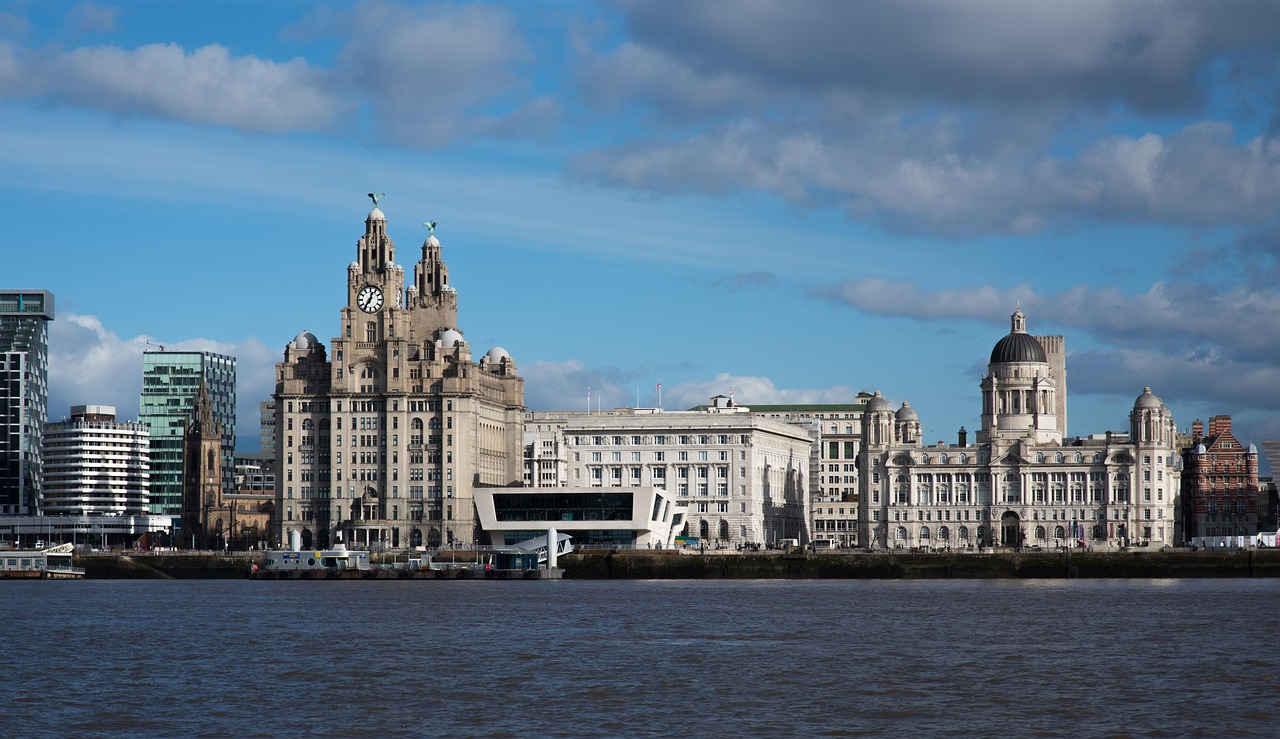
Why Visit Liverpool in 2026?
Liverpool is one of those cities that gets under your skin slowly. The first time I arrived—drizzling rain, a busker playing “Let It Be” at Lime Street Station, the smell of the Mersey in the air—I thought I’d stay two days. I ended up staying ten. Since then, I’ve come back almost every year, and 2026 is shaping up to be one of the most exciting times to visit.
Yes, Liverpool is The Beatles, two legendary football clubs, and a world-famous waterfront—but it’s also late-night conversations in cozy Baltic Triangle bars, kids splashing in Albert Dock on a rare hot day, and aunties arguing cheerfully in corner cafés over who makes the best Scouse. It’s a city of storytellers, where people will ask where you’re from before they ask what you do.
In 2026, Liverpool continues to reinvent itself—new waterfront developments, refreshed museums, and a packed calendar of festivals from music to maritime heritage. This guide is written as if I’m walking you around the city myself: sharing my favorite routes, the places where I always end up ordering “just one more” plate, and the corners where most tourists never wander.
Whether you have 3 days in Liverpool, 4 days, or a full 5-day itinerary to fill, I’ll help you plan a trip that mixes the must-see attractions with genuinely local experiences.
Table of Contents
- Why Visit Liverpool in 2026?
- Liverpool’s Neighborhoods at a Glance
- 20 Must-See Attractions in Liverpool (With Local Stories)
- 3–5 Day Itineraries: How to Spend Your Time
- Local Food in Liverpool: What & Where to Eat
- Nightlife, Entertainment & Cultural Experiences
- Day Trips & Nearby Adventures
- What’s New: Events & Festivals in 2026–2027
- Cultural Etiquette & Local Customs
- Practical Travel Tips for Liverpool
- Summary & Best Time to Visit Liverpool
Liverpool’s Neighborhoods: Where to Wander
Before we dive into specific attractions, it helps to understand how the city fits together. Liverpool is compact and walkable, with most major sights clustered around the city centre and waterfront.
- City Centre & Waterfront: Lime Street Station, shopping streets, the famous Pier Head and Albert Dock. Ideal base for first-time visitors.
- Baltic Triangle: Former industrial area turned creative hub—street art, independent bars, food halls, and live music.
- Ropewalks: Bohemian streets like Bold Street and Seel Street, packed with indie shops, cafés, and nightlife.
- Georgian Quarter: Leafy streets, classic architecture, the two cathedrals, and some of my favorite pubs and coffee spots.
- Anfield & Goodison: The football heartlands—home to Liverpool FC and Everton FC, with a distinct community feel.
- Hope Street Area: Culture corridor between the cathedrals—Everyman Theatre, Philharmonic Hall, and excellent dining.
- Sefton Park & Lark Lane: Green space plus boho bars and eateries; perfect for lazy afternoons.
- Wirral Side (across the Mersey): Technically a different borough, but easily accessible by ferry or train, with great coastal walks and skyline views.
20 Must-See Attractions in Liverpool (With Local Stories)
These are the pillars of any solid travel guide for Liverpool. I’ve been to each of these multiple times over the years, sometimes for work, sometimes wandering alone with a coffee, sometimes dragging visiting friends and watching them fall in love with the city.
1. Royal Albert Dock Liverpool
If I had to pick one place that captures Liverpool’s personality in a single frame, it would be the Royal Albert Dock. The red-brick warehouses reflected in the water, the constant shuffle of families, couples, and street performers—it’s where I always bring first-time visitors within an hour of their arrival.
Built in the mid-19th century, the docks were once the beating heart of the British Empire’s trade routes. By the 1970s they were derelict, but today they’re beautifully restored, housing some of the city’s best museums, galleries, restaurants, and bars. I love walking the inner dock loop at sunset—on a still evening, the water becomes a perfect mirror.
What to do: Pop into independent shops, nurse a drink overlooking the water, or visit the Tate Liverpool gallery and the Maritime Museum without ever straying far. Kids will love the wide promenades and occasional pop-up installations. In winter, the dock is draped in lights, and in summer it hosts food festivals and open-air events.
My tip: Go early morning on a weekday if you want quiet photos, then come back after dark for reflections and atmosphere. If you only have 3 days in Liverpool, this should be on day one of your itinerary.
Getting there: A 10–15 minute walk downhill from Lime Street Station, or hop on any bus heading towards the waterfront.
2. Pier Head & The Three Graces
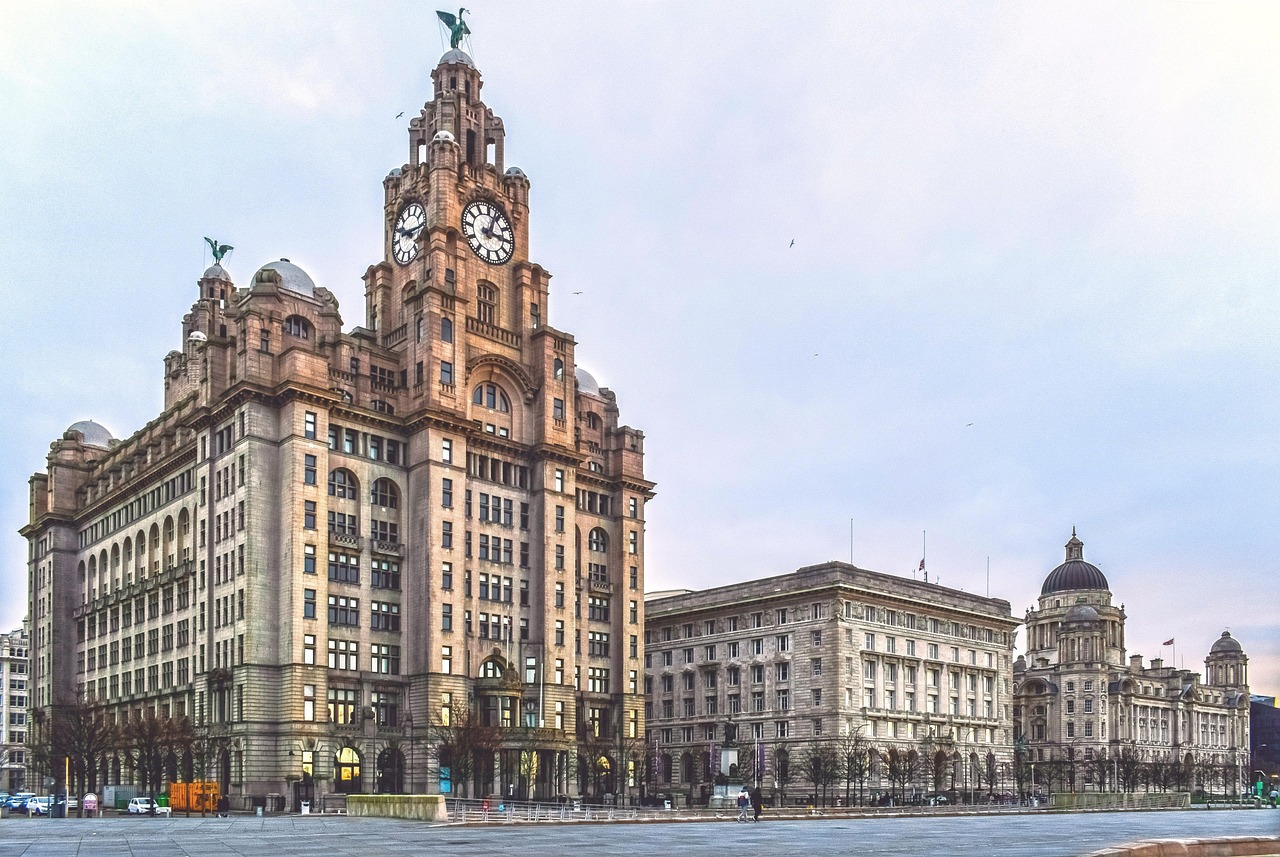
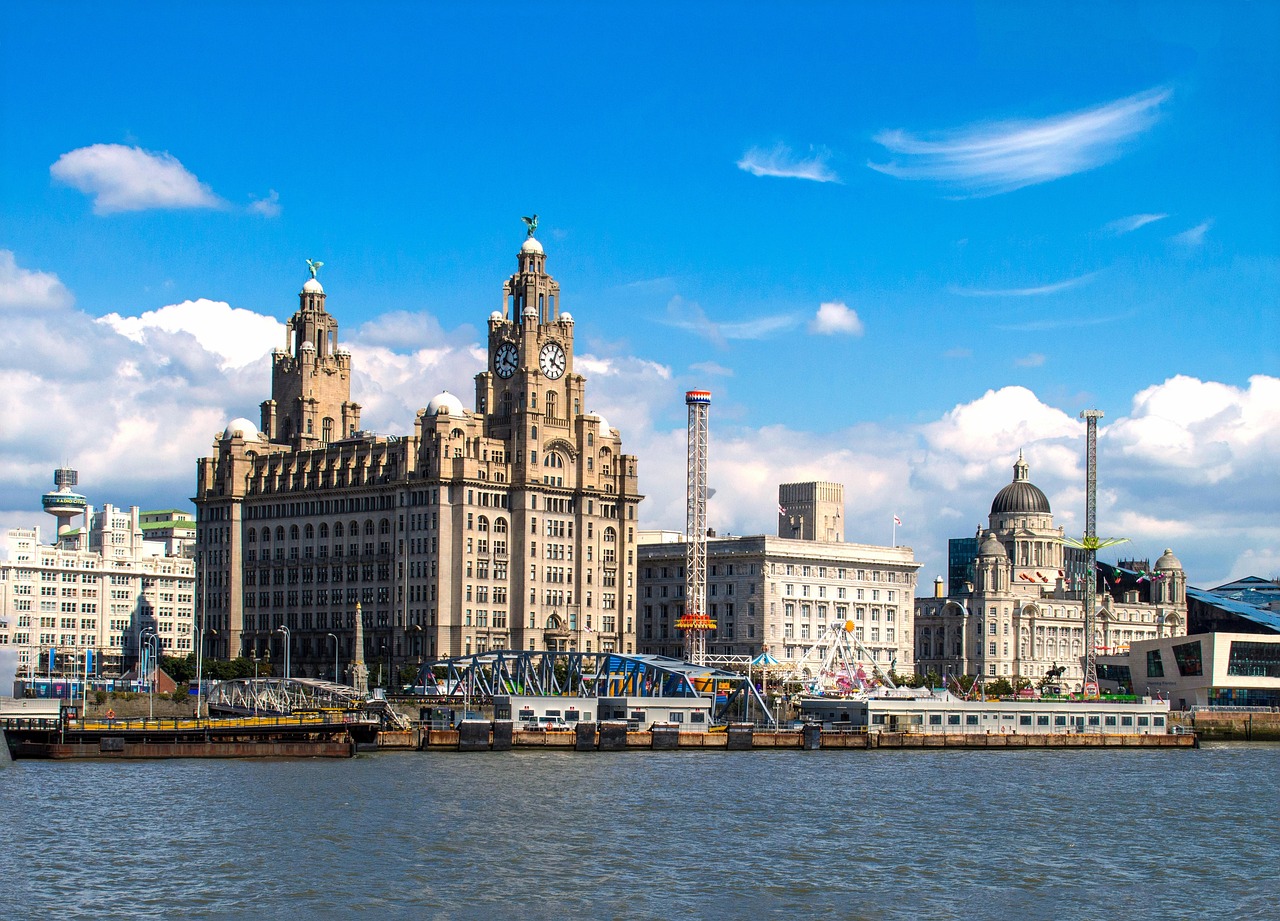
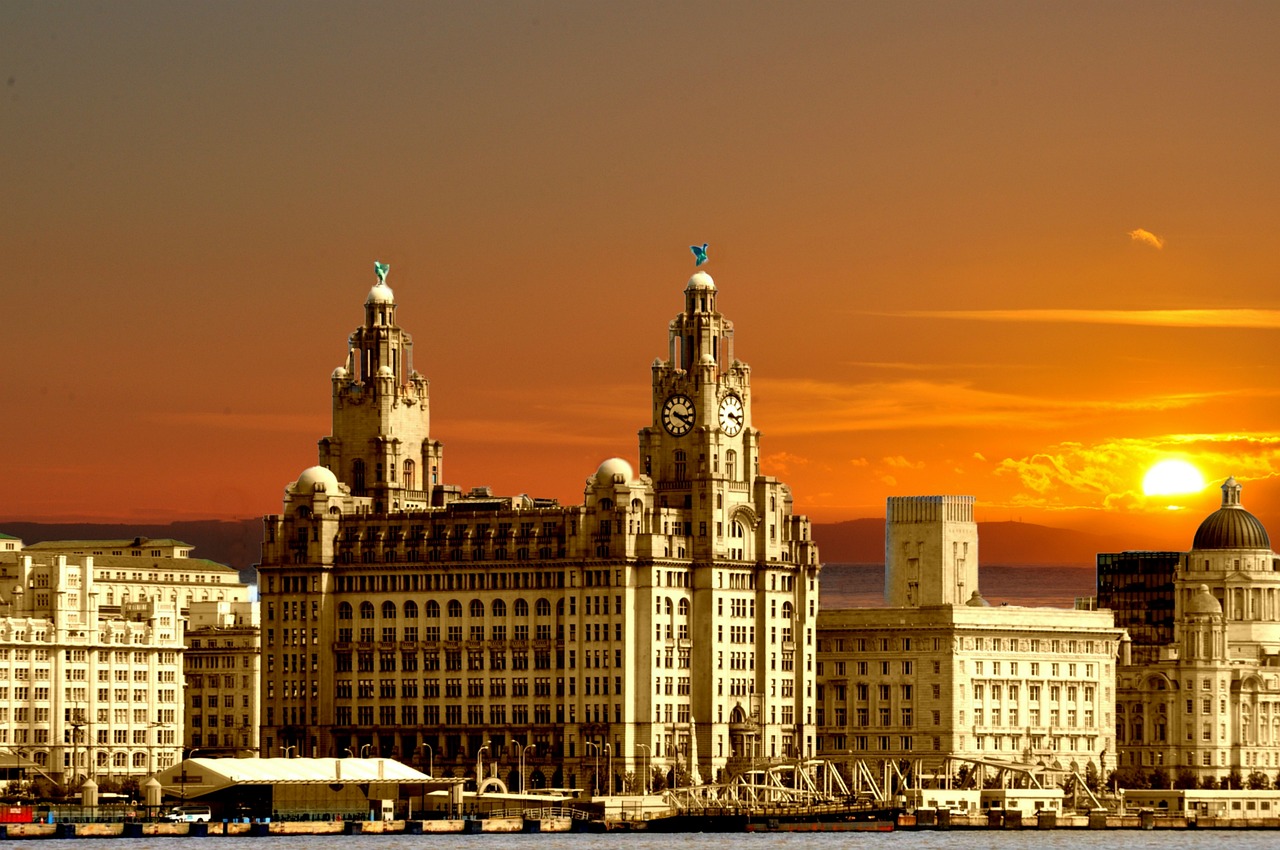
Stand on the Pier Head and turn slowly in a circle: on one side, the Mersey stretching out towards the Irish Sea; on the other, three majestic buildings—the Royal Liver Building, the Cunard Building, and the Port of Liverpool Building. These “Three Graces” are Liverpool’s most iconic skyline, and they still make my jaw drop, even after a dozen visits.
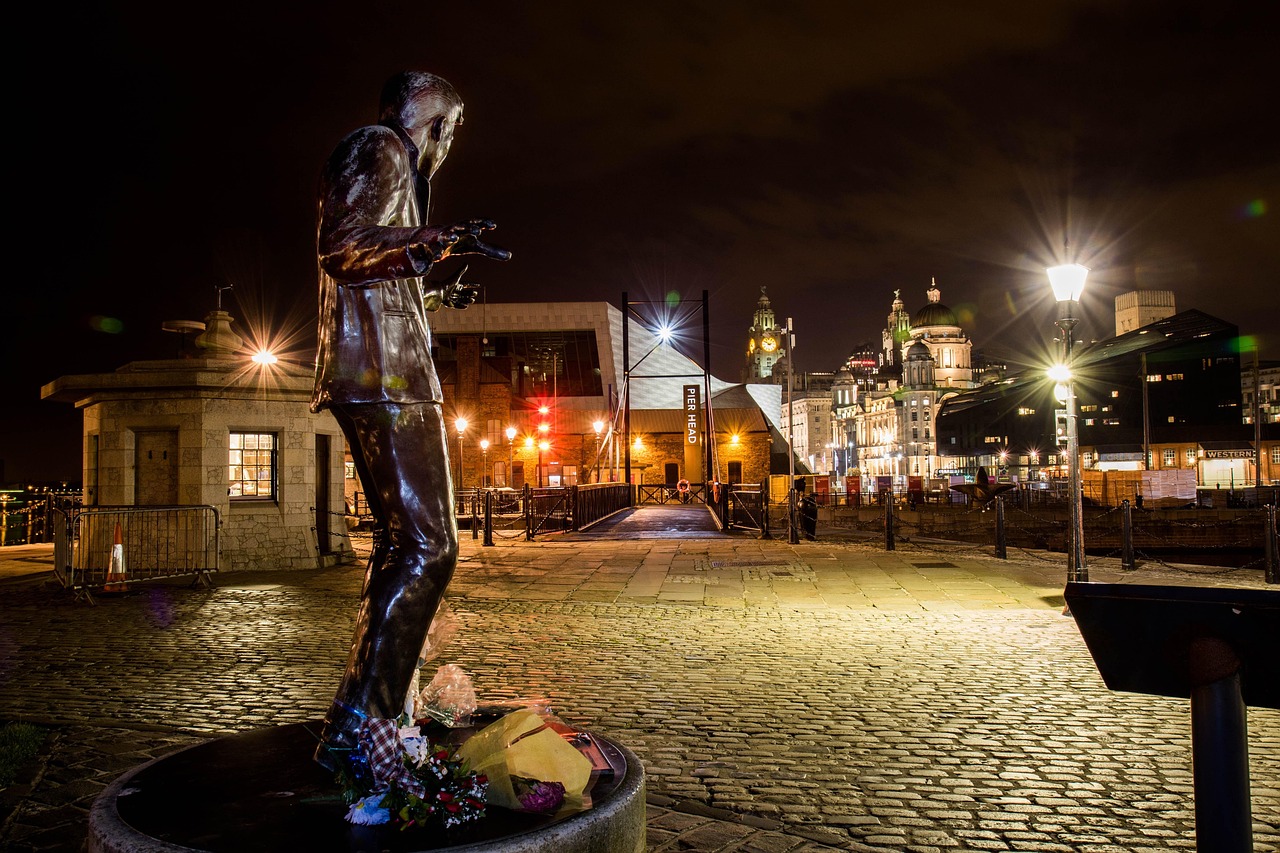
I like to come here just before golden hour. Office workers pour out of the surrounding buildings, tourists line up for photos with the Beatles statue, and kids chase each other around the fountains. There’s always a busker playing something nostalgic—it just fits the scene.
Don’t miss:
- A photo with the bronze Beatles statues (go early to avoid queues).
- A peek at the Royal Liver Building clock faces—the largest electronically-driven clocks in the UK.
- Views across to the Wirral; on clear days you’ll see the green hills beyond.
Best for: Architecture lovers, romantic sunset walks, and family-friendly waterfront time.
3. The Beatles Story
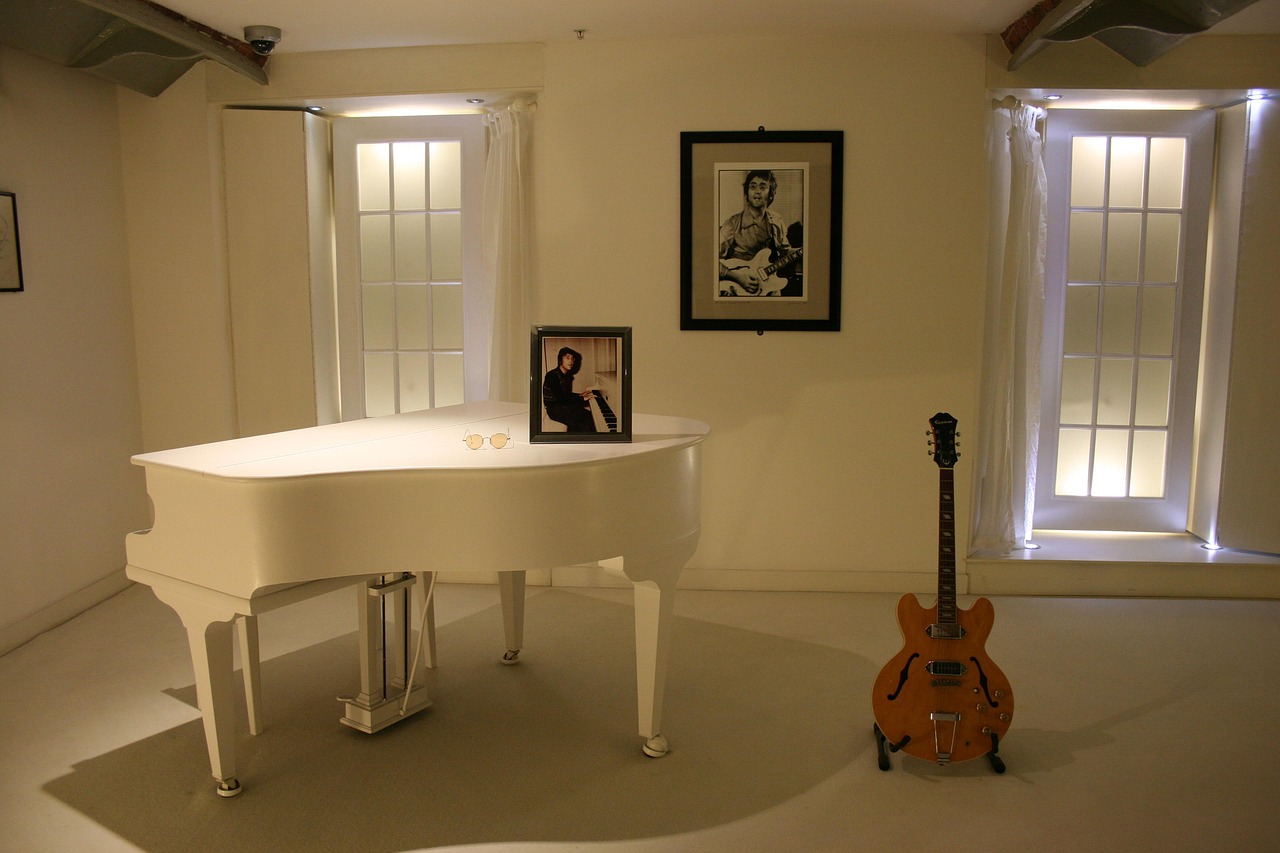
Even if you’re not a die-hard Beatles fan, it’s impossible to ignore their presence in Liverpool. The Beatles Story at Albert Dock is the most comprehensive museum dedicated to the Fab Four, and it’s surprisingly moving—even on my third visit I found details I’d missed.
Inside, you walk chronologically through their lives: recreated Cavern Club, early Hamburg days, Beatlemania, the studio years, and solo careers. The audio guide (included in the ticket) weaves in interviews and music; I recommend taking it slow and letting each track play out.
Personal note: I brought my dad here once—he grew up with Beatles records—and watching him mouth the lyrics quietly under his breath was one of my favorite Liverpool memories. It’s a wonderful multi-generational activity.
Practical tips:
- Time needed: 1.5–2.5 hours.
- When to go: Book timed tickets in advance, especially in summer and on weekends.
- Combine with: Tate Liverpool or a dockside lunch to build a perfect half-day.
4. The Cavern Club
It’s dark, cramped, and slightly sweaty—and that’s exactly the point. The Cavern Club on Mathew Street is where The Beatles cut their teeth, playing nearly 300 shows before the world took notice. The modern club is a reconstruction (the original was demolished), but the spirit is very much alive.
I’ve been here on a quiet weekday afternoon, sipping a beer while a solo guitarist played “Norwegian Wood” to a handful of us, and I’ve also squeezed in on a Saturday night, shoulder-to-shoulder, the crowd roaring out “Hey Jude” like a football chant. Both experiences felt authentically Liverpool.
Good to know:
- There’s usually a modest entrance fee, especially in the evenings.
- Afternoons are more relaxed and family-friendly; evenings get busy and loud.
- Arrive early if you want a seat close to the stage.
Nearby: Mathew Street can be rowdy at night; for a calmer post-gig drink, wander a few streets towards the Ropewalks area.
5. Liverpool Cathedral (Anglican)
Liverpool Cathedral is one of the world’s largest Anglican cathedrals, and its sheer scale never fails to surprise people. I still remember the first time I walked in—my steps echoed so loudly I instinctively slowed down, as if I’d entered some ancient forest.
Completed in 1978, it combines Gothic grandeur with 20th-century touches. Don’t miss the Great West Window and the Lady Chapel, which feels like a quieter church within the church. I love coming here on rainy days; the soft light through the stained glass gives the whole space a cocoon-like feel.
Tower experience: On one visit, I paid extra to climb the tower just before sunset. The panoramic views across the city, river, and out to the Welsh hills are unbeatable. If you’re planning 3 or 4 days in Liverpool, try to slot this in for a clear afternoon.
Tip: There’s a surprisingly good café inside with cakes and light lunches, plus clean toilets (always worth knowing when exploring a city on foot).
6. Liverpool Metropolitan Cathedral (Catholic)
A 10–15 minute walk up Hope Street from the Anglican Cathedral brings you to its modern counterpart: the Metropolitan Cathedral of Christ the King. Locals affectionately call it “Paddy’s Wigwam” because of its shape and strong Irish-Catholic connections.
Where the Anglican Cathedral is soaring and traditional, the Metropolitan is circular, filled with colored light. I like to sit in one of the pews and watch the stained glass shift across the walls as clouds pass overhead. Down in the crypt, exhibitions and events are often held (check ahead for 2026 programming).
Why visit both: Walking between the two cathedrals along Hope Street is a mini-itinerary in itself, passing theatres, independent restaurants, and some lovely Georgian architecture.
7. Tate Liverpool
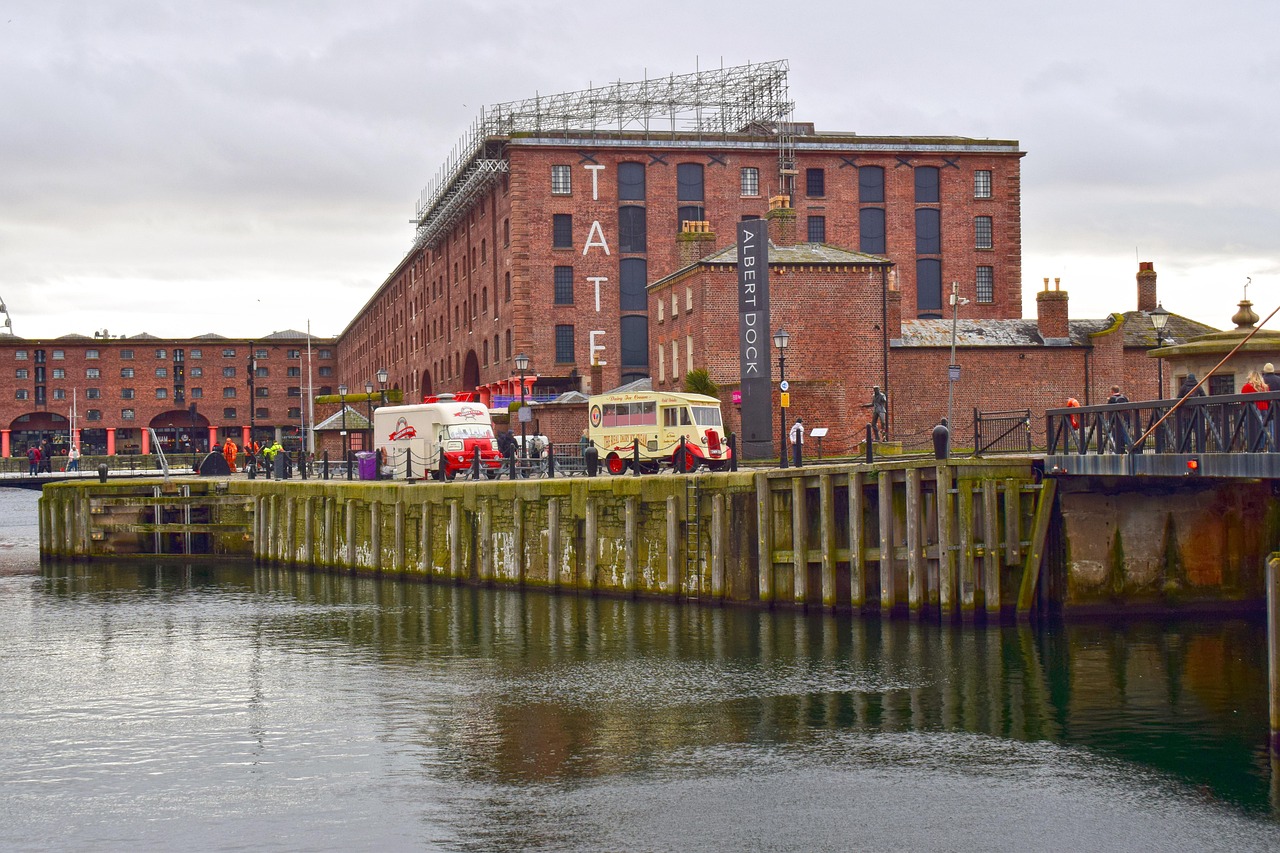
Tate Liverpool brings world-class modern and contemporary art to the waterfront. On my last visit, I spent almost as much time people-watching in the airy lobby as I did with the exhibits—families, art students, and older locals all mingling easily.
The gallery often features big-name exhibitions alongside free permanent collections. It’s small enough not to overwhelm but substantial enough to fill a half-day if you linger.
Budget tip: Many sections are free, making it one of the best value cultural experiences in the city.
8. Merseyside Maritime Museum & International Slavery Museum
Liverpool’s wealth was built on the sea—and on the transatlantic slave trade. The Merseyside Maritime Museum and the International Slavery Museum, housed in the same complex at Albert Dock, tell these intertwined stories honestly and powerfully.
Every time I return, I find new details: models of ships, accounts of migrants leaving from Liverpool, and deeply moving exhibits on enslaved people and their descendants. This isn’t light sightseeing, but it’s essential context for understanding the city.
Time needed: 2–3 hours if you want to do both museums justice. They’re free, which makes it easier to split your visit across days if needed.
9. Anfield Stadium (Liverpool FC)
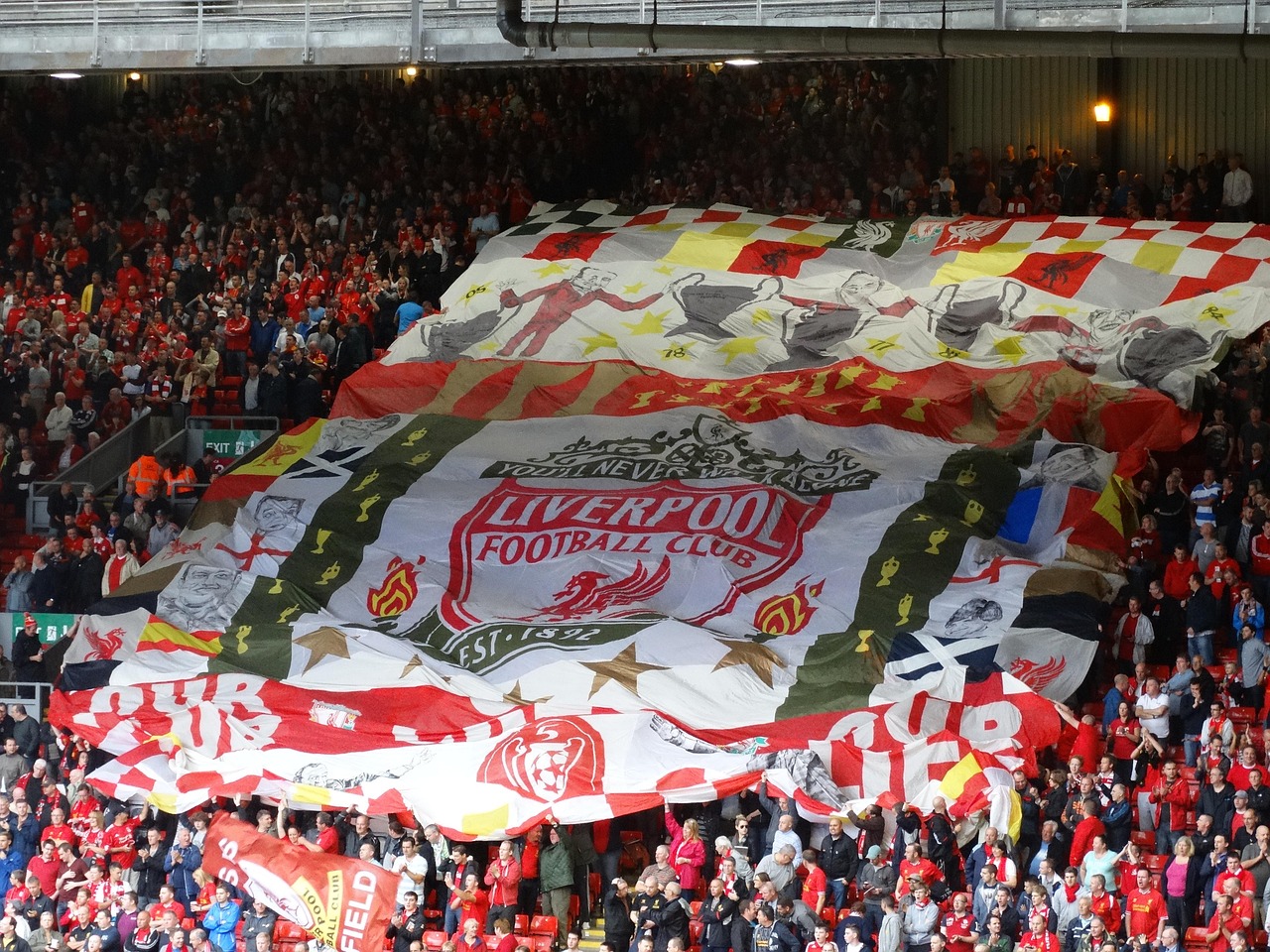
You don’t have to be a football fan to feel the electricity around Anfield on match day. The streets fill with red shirts, the smell of chips and burgers wafts through the air, and “You’ll Never Walk Alone” drifts from pubs and living rooms.
I’ve done the stadium tour twice. Walking through the players’ tunnel and standing pitch-side in an empty stadium is strangely intimate—you can almost hear the roar that fills it on game days. The club museum is a treasure trove of trophies and memorabilia.
Match day vs non-match day:
- Match day: Electric atmosphere, but crowded and more expensive. Book tickets months in advance.
- Non-match day: Quieter tours, easier to get photos, more relaxed for families.
Getting there: Buses from the city centre (e.g., 17, 26, 27) take around 15–20 minutes. On match days, allow extra time.
10. Goodison Park / Everton Stadium (and the New Bramley-Moore Dock Stadium)
On the other side of Stanley Park sits Goodison Park, the long-time home of Everton FC. While Liverpool FC gets more international visitors, Everton’s fanbase is fiercely loyal and deeply rooted in the local community. I’ve stood in the stands here and felt the raw, no-frills passion that defines English football.
By 2026–2027, Everton’s new Bramley-Moore Dock Stadium on the waterfront will be increasingly central to the club’s story. Keep an eye out for updated stadium tour options that may include both old and new venues.
Tip: If you’re a football fan visiting for 4 or 5 days, try to catch a match or tour at both clubs to experience their contrasting atmospheres.
11. St George’s Hall
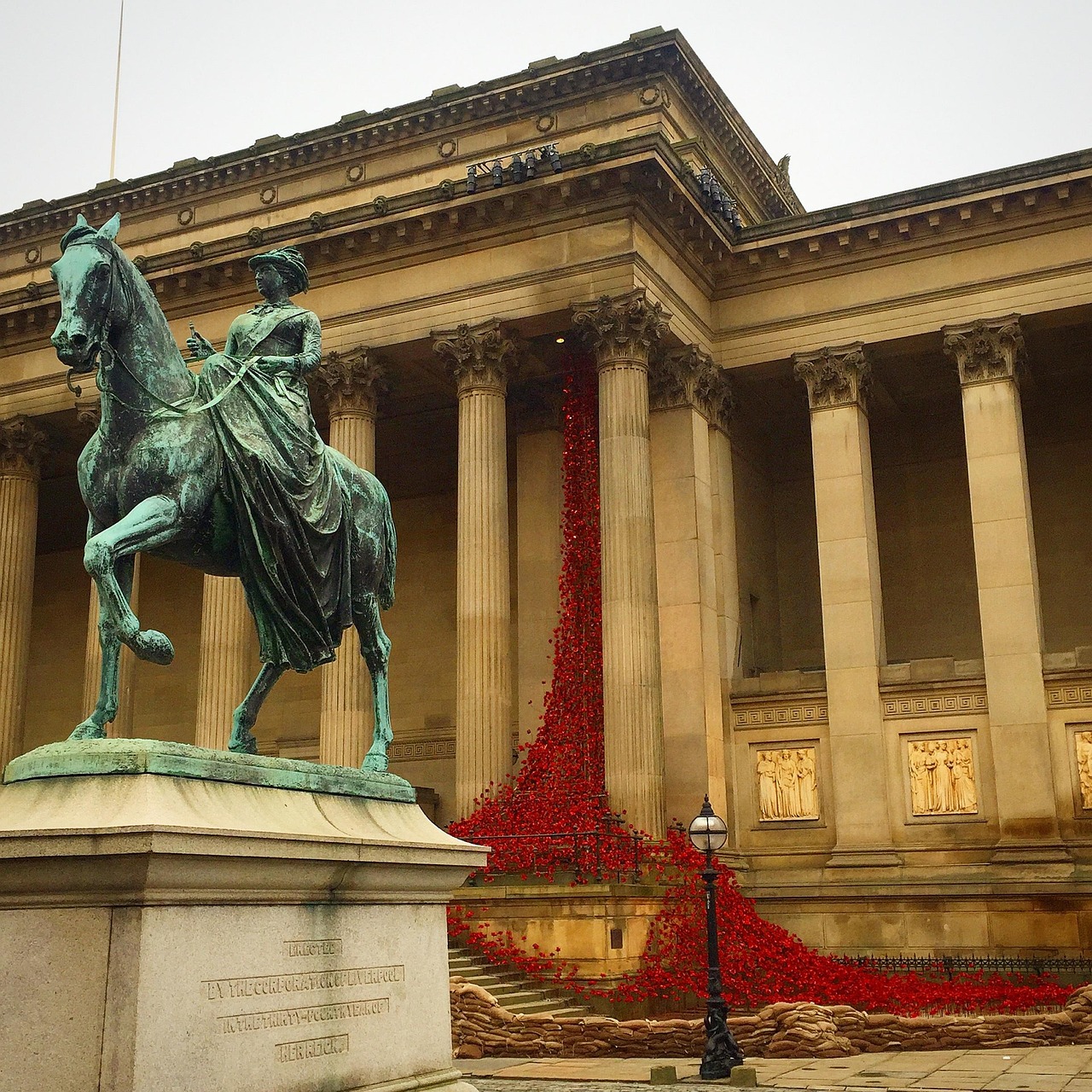
Step out of Lime Street Station and you’re greeted by the imposing neoclassical façade of St George’s Hall. It’s easy to rush past with your suitcase, but make time to explore inside. The Great Hall’s mosaic floor and ornate ceilings are stunning.
I once stumbled into a free organ recital here on a rainy afternoon, joining a few dozen people scattered in the pews while music thundered around us. It felt like being let in on a local secret.
Good for: Architecture fans, photography, and a quick cultural stop between trains and hotel check-in.
12. World Museum Liverpool
When I travel with friends who have kids, the World Museum is always on the list. Dinosaurs, aquariums, a planetarium, ancient Egypt exhibits—it’s like a greatest hits of childhood fascinations under one roof, and adults secretly love it too.
The building itself is grand, and entry is free. I once lost an entire rainy afternoon here without realizing how much time had passed.
Family tip: Go early on weekends and school holidays; it gets busy by midday.
13. Walker Art Gallery
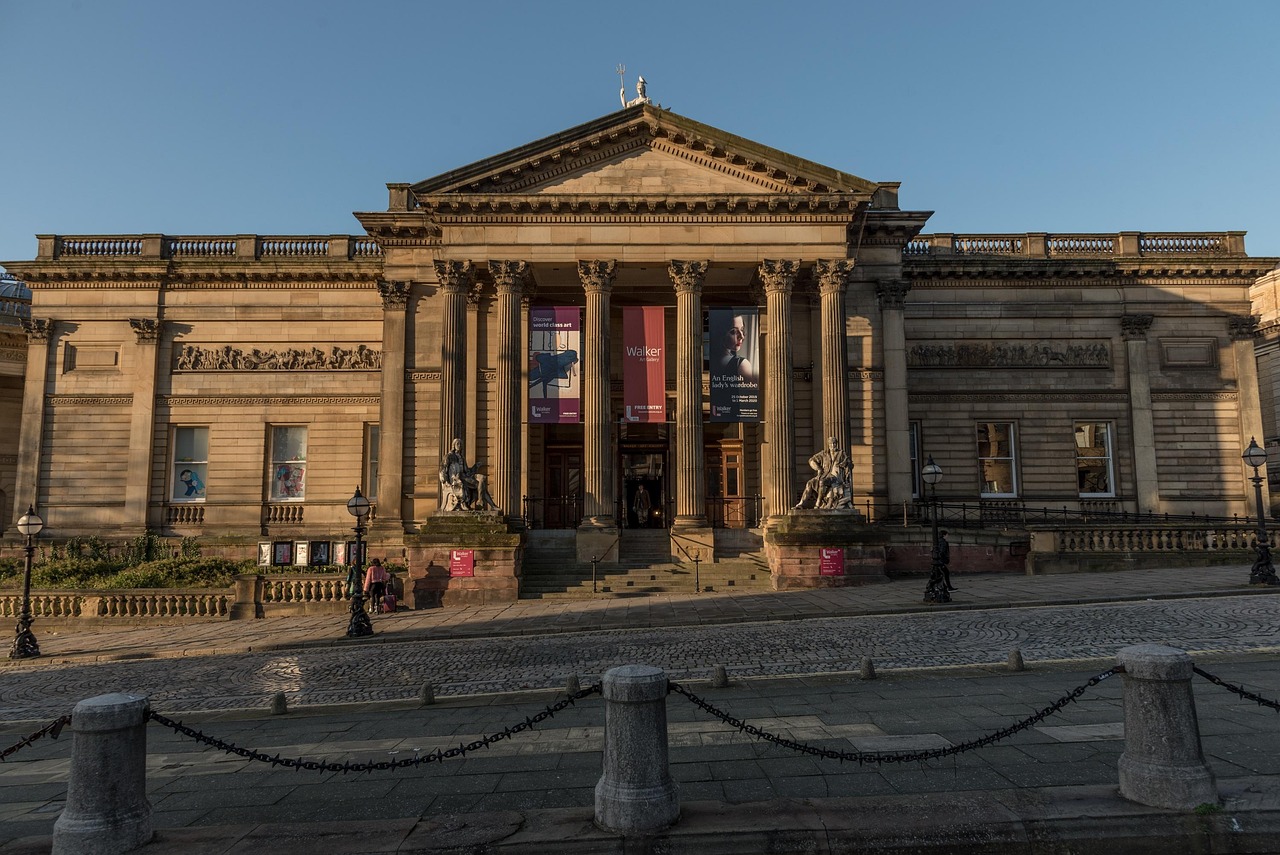
Just next to the World Museum, the Walker Art Gallery is often called the “National Gallery of the North.” It houses an impressive collection of European paintings, sculpture, and decorative arts.
On one visit, I spent an hour in front of a single Pre-Raphaelite painting, half-listening to a group of local art students debating composition and symbolism. This is the kind of place where you can dip in for 30 minutes or lose half a day.
14. Baltic Triangle
The Baltic Triangle is Liverpool’s creative playground—a cluster of former warehouses turned into bars, studios, food spaces, and street art galleries. It’s where I go when I want to feel the city’s younger, experimental side.
On a Saturday, I like to start at a coffee shop, wander past murals (look out for the giant liver bird artworks), and end up at a food hall for lunch. By evening, the area shifts into nightlife mode: craft beer, cocktails, and live DJs.
Highlights:
- Street art on Jamaica Street and surrounding lanes.
- Pop-up markets and events—check listings before your trip.
- Rooftop bars with city views, especially good at sunset.
15. Sefton Park & Palm House
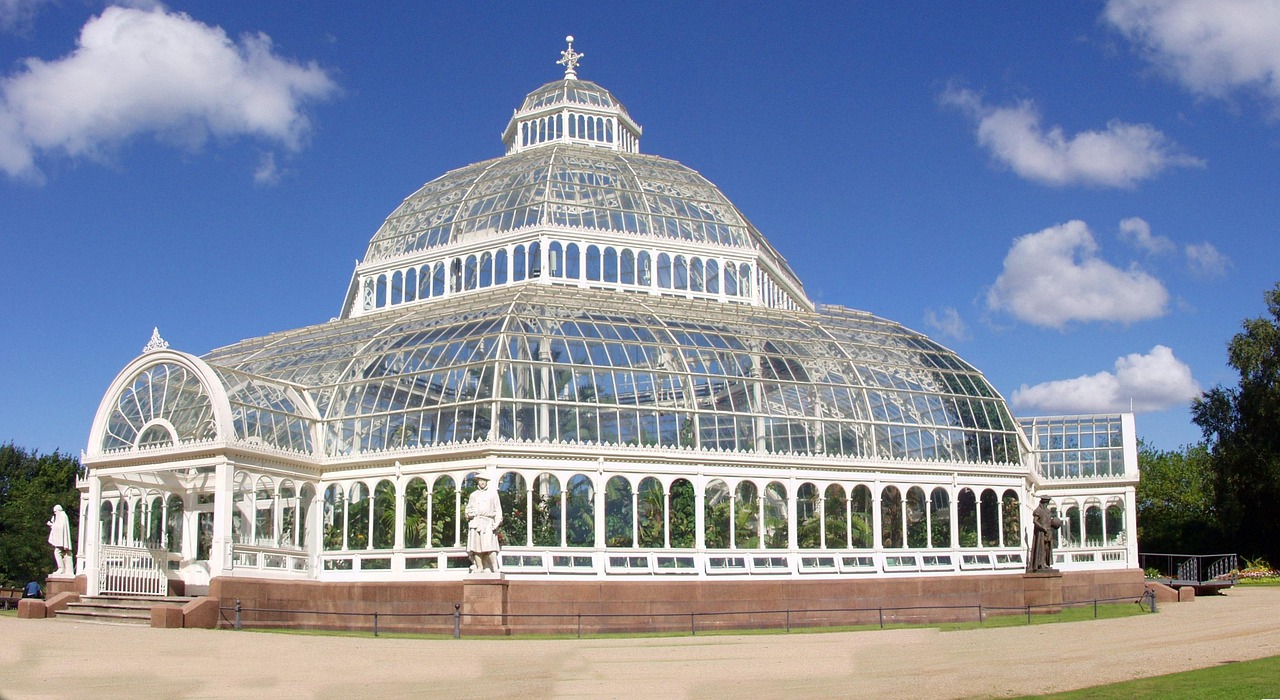
Whenever Liverpool’s weather cooperates, Sefton Park becomes the city’s shared backyard. Runners, dog walkers, picnicking families, couples on benches—it’s a snapshot of everyday life here.
At the heart of the park, the Palm House—an elegant Victorian glasshouse—hosts events, concerts, and exhibitions. I once attended an evening jazz concert here; as the sky darkened outside, the glass walls glowed, and it felt almost tropical inside, despite the chilly night.
Best for: Slow mornings, family time, or a break from sightseeing. In autumn, the trees turn a riot of reds and golds.
16. Lark Lane
Just south of Sefton Park, Lark Lane is a short, bohemian strip lined with independent cafés, pubs, and vintage shops. It feels like a self-contained village, with regulars greeting each other in the street.
I love coming here for brunch after a walk in the park, then browsing second-hand bookstores and craft shops. At night, the bars fill with a laid-back crowd—more local than touristy.
Tip: Great place to experience local food in Liverpool without city centre prices. Try a Sunday roast in one of the traditional pubs.
17. Bold Street & Ropewalks
Bold Street is Liverpool’s indie spine—a slightly scruffy, endlessly interesting street packed with global eateries, coffee shops, and small boutiques. It’s where I go when I can’t decide what to eat; you can find everything from Middle Eastern mezze to vegan burgers here.
The surrounding Ropewalks area (named for its history in rope-making for ships) is full of narrow streets and converted warehouses. By day: shopping and street art. By night: some of the city’s liveliest bars and clubs.
Hidden gem: Duck down side alleys for small galleries and secret bars—locals will happily point you in the right direction if you ask.
18. Hope Street & the Georgian Quarter
Hope Street connects the two cathedrals and runs through one of my favorite parts of Liverpool. Georgian townhouses, leafy squares, and a concentration of theatres, music venues, and top-notch restaurants make this a perfect area for an evening out.
I’ve had some of my best meals in Liverpool on and around Hope Street—slow dinners followed by a play at the Everyman Theatre or a concert at the Philharmonic Hall.
Don’t miss: The Philharmonic Dining Rooms pub, with its ornate Victorian décor (and famously beautiful gents’ toilets—so impressive they’ve been given listed status; staff will often let women peek in between uses).
19. Ferry ‘Cross the Mersey
Yes, it’s touristy. Yes, the song will get stuck in your head. But taking the ferry across the Mersey at least once is worth it for the skyline views alone.
I like to do the “River Explorer” cruise, which loops past key waterfront sights with commentary. On breezy days, bring a jacket—the wind can be fierce even in summer.
Tip: Great way to entertain kids while still feeling like you’re sightseeing. For photographers, aim for late afternoon when the light is softer.
20. Liverpool Chinatown & Chinese Arch
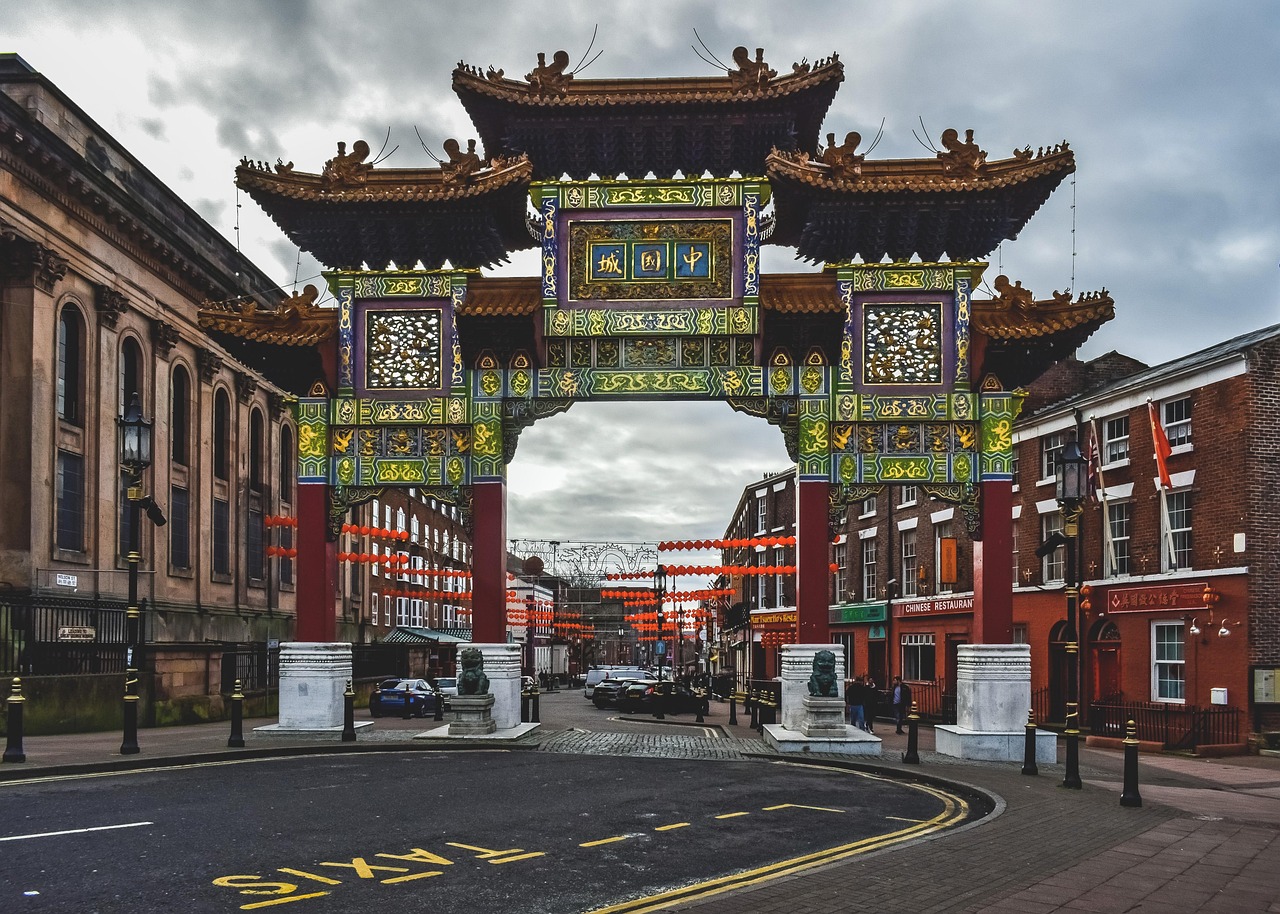
Liverpool is home to Europe’s oldest Chinese community, and its Chinatown still feels like a living neighborhood rather than a themed façade. The Chinese Arch—the tallest of its kind outside China—marks the entrance with bright colors and intricate carvings.
I’ve come here for New Year celebrations, lanterns swaying above the streets and firecrackers popping in the distance, and also on quiet midweek evenings for comforting bowls of noodles.
Food tip: If you’re craving authentic Chinese dishes at reasonable prices, this is where to go. Ask for the Chinese-language menu if you’re adventurous—often it lists more regional specialties.
3–5 Day Itineraries: How to Spend Your Time in Liverpool
I’ve structured these itineraries as if I’m showing you around myself. Each day mixes headline sights with local corners, with options to adapt depending on whether you’re here for 3 days in Liverpool, 4 days, or a full 5 day itinerary.
3 Day Itinerary for Liverpool: The Essentials
If you only have 3 days in Liverpool, focus on the waterfront, Beatles heritage, key museums, and one or two neighborhoods.
Day 1: Waterfront Wonders & The Beatles
Morning: Arrive at Lime Street Station and drop your bags at your accommodation (I recommend staying near the city centre or Albert Dock). Walk down towards St George’s Hall for your first taste of Liverpool’s grand architecture, then continue towards the Pier Head.
Standing by the Three Graces, take in the view and snap your obligatory Beatles statue photo. On my first trip, I remember feeling that slight giddiness of finally seeing a skyline I’d only known from photos.
Late morning to afternoon: Head into Royal Albert Dock. Visit The Beatles Story—book a morning slot so you can linger without rushing. Afterward, choose a dockside restaurant for lunch. I often opt for a simple fish and chips by the water; it feels right with the salty air.
Afternoon: Explore Tate Liverpool or the Maritime Museum depending on your interests. If you’re traveling with children, the Maritime Museum often wins for its hands-on exhibits.
Evening: Stay around the dock to watch the sunset over the Mersey. The brick warehouses glow in the low light, and lights start to twinkle across the water. For dinner, wander a few streets inland to Ropewalks and find a spot on Bold Street—plenty of budget-friendly, tasty options.
Day 2: Cathedrals, Culture & Nightlife
Morning: Start in the Georgian Quarter. Grab breakfast at a café near Hope Street, then visit the Liverpool Anglican Cathedral. If it’s clear, climb the tower for panoramic views. I still remember spotting Anfield and Goodison from above and tracing the Mersey’s curve with my eyes.
Late morning: Walk along Hope Street to the Metropolitan Cathedral, stopping for photos of the beautiful Georgian terraces. Pop inside the cathedral for a brief visit—15–30 minutes is enough to appreciate its unique design.
Afternoon: Explore the Walker Art Gallery and World Museum near St George’s Hall. If you’re feeling museum fatigue, take a break in St John’s Gardens behind the museums—locals eat lunch here on sunny days.
Evening: Head back to Hope Street or Ropewalks. This is a great night to catch a play at the Everyman Theatre or a concert at Philharmonic Hall. Have dinner nearby; I like slow evenings here, starting with a pre-show drink and ending with dessert or a nightcap at a cozy bar.
Day 3: Football, Baltic Triangle & Hidden Corners
Morning: If you’re a football fan, book a stadium tour at Anfield or Goodison. Even non-fans often come away impressed by the scale and passion. Take the bus up, do the tour, and be back in the city by early afternoon.
Afternoon: Make your way to the Baltic Triangle. Wander the streets, photograph the murals, and have a late lunch at a food hall. If you’re traveling with teens or younger adults, they’ll likely love the area’s creative, slightly gritty vibe.
Late afternoon: If you haven’t yet, hop on the ferry across the Mersey for a different perspective on the city. Or, if you prefer staying on land, consider a walk up to Chinatown and the Chinese Arch.
Evening: For your final night, either dive into Liverpool’s nightlife in Ropewalks or keep it relaxed with a waterfront dinner. If you’re extending to a 4 or 5 day itinerary, this is a good point to slow down and save some energy.
4 Day Itinerary for Liverpool: Essentials + Green Spaces
With 4 days in Liverpool, you can add parks, more neighborhoods, and a bit of breathing room.
Day 4: Sefton Park & Lark Lane
Morning: Take a bus or taxi to Sefton Park. Start with a leisurely loop around the lake—on my last visit, I watched a group of older men feed ducks and argue amiably about football results.
Visit the Palm House if it’s open (check ahead; it sometimes closes for private events). The humid air and lush plants transport you from Merseyside to something more tropical.
Afternoon: Wander down to Lark Lane for lunch. Pick any café that smells good and looks busy with locals. Spend a couple of hours browsing, people-watching, and maybe stopping for an afternoon pint.
Evening: Head back to the city centre. If you didn’t manage a night out yet, this is your chance—Seel Street and nearby lanes in Ropewalks offer everything from quiet cocktail bars to energetic clubs.
5 Day Itinerary for Liverpool: Day Trips & Deeper Dives
With 5 days in Liverpool, you can venture beyond the city limits or spend more time in favorite districts.
Day 5 Option A: Day Trip to the Wirral & New Brighton
Take a train from Liverpool Lime Street or Moorfields to New Brighton or other Wirral stops. Stroll along the promenade, enjoy ice cream on the beach, and gaze back at Liverpool’s skyline across the water. It’s a simple, refreshing escape.
Day 5 Option B: Chester or Formby
- Chester: A beautiful walled city about 45 minutes by train. Medieval rows, a Roman amphitheatre, and riverside walks—perfect if you want history and charm.
- Formby: Accessible by train, with sand dunes, red squirrel woods, and long beaches. On one hot June day, I watched locals picnic in the dunes and kids roll down sandy hills, shrieking with delight.
Evening: Return to Liverpool for a farewell dinner at a restaurant you’ve had your eye on—maybe back in Hope Street, Bold Street, or at the waterfront. This is when I like to take one last slow walk along the Pier Head and say a quiet goodbye to the Three Graces.
Local Food in Liverpool: What & Where to Eat
Liverpool’s food scene has exploded in the last decade. It’s still more relaxed than London or Manchester—less fuss, more flavor—and you can eat very well on a moderate budget.
Must-Try Local Dishes
- Scouse: A hearty meat (or veggie) stew with potatoes and carrots, usually served with pickled beetroot or red cabbage and crusty bread. I try to have at least one bowl per trip. Ask for “blind scouse” if you’re vegetarian.
- Fish and Chips: You’re by the sea—well, by the estuary—so it feels appropriate. Look for queues of locals as a sign of quality.
- Full English (or Scouse) Breakfast: Ideal if you’re tackling a busy day of sightseeing or nursing a mild hangover.
- Pies & Sunday Roast: Pubs across the city offer solid versions; Hope Street and Lark Lane have some standouts.
Areas for Eating & Drinking
- Bold Street & Ropewalks: Global cuisines, indie cafés, vegan-friendly spots.
- Baltic Triangle: Food halls, street food, craft beer, and brunch options.
- Hope Street: More refined dining; perfect for pre- or post-theatre meals.
- Lark Lane: Bohemian cafés, bistros, and pubs with good-value meals.
- Albert Dock: Scenic (and slightly pricier) waterfront restaurants; great for a splurge.
Saving Money on Food
On longer trips, I often mix restaurant meals with quick bites and supermarket runs. Many central supermarkets offer meal deals (sandwich + drink + snack) that are perfect for park picnics or quick lunches between museums.
Nightlife, Entertainment & Cultural Experiences in Liverpool
Liverpool punches above its weight for nightlife and culture. Music flows out of doorways, and there’s a friendly, unpretentious energy to most places.
Nightlife Hotspots
- Ropewalks & Seel Street: Bars, clubs, late-night venues; busy on weekends.
- Mathew Street: Touristy but fun; home of the Cavern Club.
- Baltic Triangle: Hip venues, live DJs, and more alternative nights out.
- Hope Street & Georgian Quarter: Quieter, more sophisticated bars and pubs.
Cultural Experiences
- Everyman & Playhouse Theatres: Contemporary plays, often with local themes.
- Royal Liverpool Philharmonic: Classical concerts, film scores, and special events.
- Festivals: From music to maritime heritage and arts; 2026–2027 will see expanded programming around the waterfront and cultural quarters.
Romantic travelers might enjoy a pre-show dinner on Hope Street followed by a concert; families might prefer early-evening waterfront walks with ice cream and a spin on a seasonal fairground ride.
Day Trips & Nearby Attractions from Liverpool
Once you’ve ticked off the must-see attractions in Liverpool, consider these easy escapes:
- Wirral Peninsula: New Brighton, West Kirby, and coastal walks—30–40 minutes by train.
- Formby: Dunes, red squirrels, and long beaches; accessible by train plus a short walk.
- Chester: Historic walled city with Roman and medieval heritage—around 45 minutes by train.
- Southport: Traditional seaside town with a pier and promenade.
All are suitable for families, couples, or solo travelers looking for a change of pace.
What’s New in 2026–2027: Events, Festivals & Changes
While specific line-ups change each year, 2026–2027 in Liverpool will continue to feature:
- River of Light Festival (Autumn): Illuminations along the waterfront—families love this one.
- International Music and Beatles-related Events: Tribute concerts, conventions, and special tours.
- Everton’s Bramley-Moore Dock Stadium Development: Expect evolving tours and experiences around the new site.
- Expanded Waterfront Programming: Open-air concerts, maritime festivals, and pop-up cultural events.
Check official tourism and city websites a few months before your trip for exact dates and details.
Cultural Etiquette & Local Customs in Liverpool
Liverpudlians (Scousers) are famously warm, quick-witted, and chatty. You’ll likely find yourself in spontaneous conversations—in queues, on buses, in pubs.
Things to Know
- Greetings: A simple “Hiya” or “You alright?” is common. It’s more of a greeting than a literal question; a nod and “Yeah, you?” works fine.
- Queuing: Brits queue. Don’t cut in line, whether at a bus stop or bar.
- Tipping: 10–12.5% in restaurants if service was good; rounding up in pubs and taxis is appreciated but not mandatory.
- Football Loyalties: Avoid teasing locals too harshly about their team. Friendly banter is fine; outright disrespect isn’t.
- Personal Space: Brits keep a bit of space in public, but Scousers are generally more relaxed and tactile than average.
Above all, politeness and a sense of humor go a long way. If you make an effort, locals will often go out of their way to help you.
Practical Travel Tips for Liverpool
Getting Around Liverpool
- On Foot: The city centre and waterfront are very walkable. Many attractions are within a 10–20 minute radius.
- Buses: Extensive network; buy tickets from the driver or via local apps. Day passes are good value if you’re moving around a lot.
- Trains (Merseyrail): Handy for reaching the Wirral, Formby, Southport, and suburbs.
- Taxis & Ride-hailing: Black cabs and app-based services are widely available and safe.
- Car Rental: Not necessary for city-only visits; useful for exploring rural areas. Traffic and parking in the centre can be a hassle.
Saving Money in Liverpool
- Use free museums and galleries (World Museum, Walker Art Gallery, many parts of Tate, Maritime Museum).
- Stay slightly outside the very centre (near Georgian Quarter or around Sefton Park) for better accommodation value, while still having good transport links.
- Take advantage of supermarket meal deals for some lunches.
- Look for early-bird menus in restaurants, especially in theatre districts like Hope Street.
SIM Cards & Connectivity
- UK & EU visitors: Many plans include UK roaming; check with your provider.
- International visitors: Buy a local SIM from major providers at airports, larger supermarkets, or phone shops in the city centre. Prepaid data packages are affordable.
- Free Wi-Fi is common in cafés, museums, and some public areas.
Visa Requirements & Driving
- The UK has its own visa rules separate from the EU. Check the official UK government website well before travel.
- Many nationalities can enter visa-free for short stays; others must apply in advance.
- Driving licences: Visitors from many countries can use their home licence for a limited period; some may need an International Driving Permit. Always check current rules.
- Remember: In the UK, you drive on the left.
Best Seasons & Weather
- Spring (March–May): Mild, changeable; flowers in Sefton Park. Good for sightseeing without big crowds.
- Summer (June–August): Warmest and busiest; best for outdoor festivals, beaches, and long evenings. Expect some rain regardless.
- Autumn (September–November): Cooler, beautiful foliage in parks, fewer tourists. Great for cultural experiences and museums.
- Winter (December–February): Short days, chilly, but cozy—Christmas markets, lights at Albert Dock, and quieter attractions.
For 3 or 4 days in Liverpool focused on walking and outdoor exploring, late spring and early autumn are ideal. For nightlife and festivals, aim for summer.
Summary: Key Takeaways for Your Liverpool Trip
Liverpool is a city of layers: maritime powerhouse, musical icon, football stronghold, and creative hub. In 3 days, you can see the essentials—waterfront, Beatles Story, cathedrals, and a museum or two. With 4 days in Liverpool, you add parks and neighborhood wandering. With a full 5 day itinerary, you can fold in day trips to the Wirral, Formby, or Chester and start to feel like you’ve truly lived in the city for a while.
The must-see attractions in Liverpool—Royal Albert Dock, Pier Head, the cathedrals, Beatles sites, and key museums—will anchor your visit. Add in hidden gems in Liverpool like Lark Lane, Baltic Triangle street art, or quiet corners of the Georgian Quarter, and you’ll experience a more local side of the city.
For most travelers, the best time to visit Liverpool is from late April to early October, with July–August particularly lively (but busier and pricier). If you prefer culture over crowds, consider September or early October, when festivals still run but lines are shorter.
Come with an open mind, a rain jacket, and enough time to sit in a café or pub and just listen. Liverpool rewards those who slow down a little—and I suspect that, like me, you may find yourself planning your return before you’ve even left.