Why Visit Manchester? What Makes This City Special
Manchester is the city I keep coming back to. I first arrived as a student in the early 2010s, and even now, every time I walk out of Piccadilly Station, the mix of red-brick warehouses, glass towers, and the low murmur of Northern accents feels like a welcome home. If you’re planning 3 days in Manchester, 4 days in Manchester, or even 5 days in Manchester, this city rewards you with layers: industrial history, cutting-edge music, football fever, diverse food, and a creative energy that’s impossible to fake.
Manchester is compact enough to walk, yet big enough that you’ll never run out of things to do. It’s a place where you can spend the morning in a Victorian library, the afternoon in a modern art gallery, and the evening in a tiny backstreet bar listening to the next big band. The city’s story runs from the Industrial Revolution through the Suffragette movement and the birth of modern computing, to Britpop, rave culture, and the current tech and media boom.
This travel guide for Manchester is written from the perspective of someone who has lived here, left, and keeps returning – as a local, a visitor, and a tour guide for countless friends. I’ll show you the must-see attractions in Manchester, the hidden gems in Manchester, the best local food in Manchester, and give you honest travel tips for Manchester so you can build the perfect 3, 4, or 5 day itinerary for Manchester.
Table of Contents
- Why Visit Manchester?
- Manchester at a Glance (2026 Snapshot)
- 20 Must-See Attractions in Manchester (With Local Stories)
- Neighbourhoods & Districts to Explore
- Suggested Itineraries (3–5 Days in Manchester)
- Local Food & Drink in Manchester
- Nightlife, Music & Cultural Experiences
- Major Events & Festivals 2026–2027
- Best Day Trips from Manchester
- Local Customs & Cultural Etiquette
- Practical Travel Advice for Manchester
- Summary & Best Time to Visit Manchester
Manchester at a Glance (2026 Snapshot)
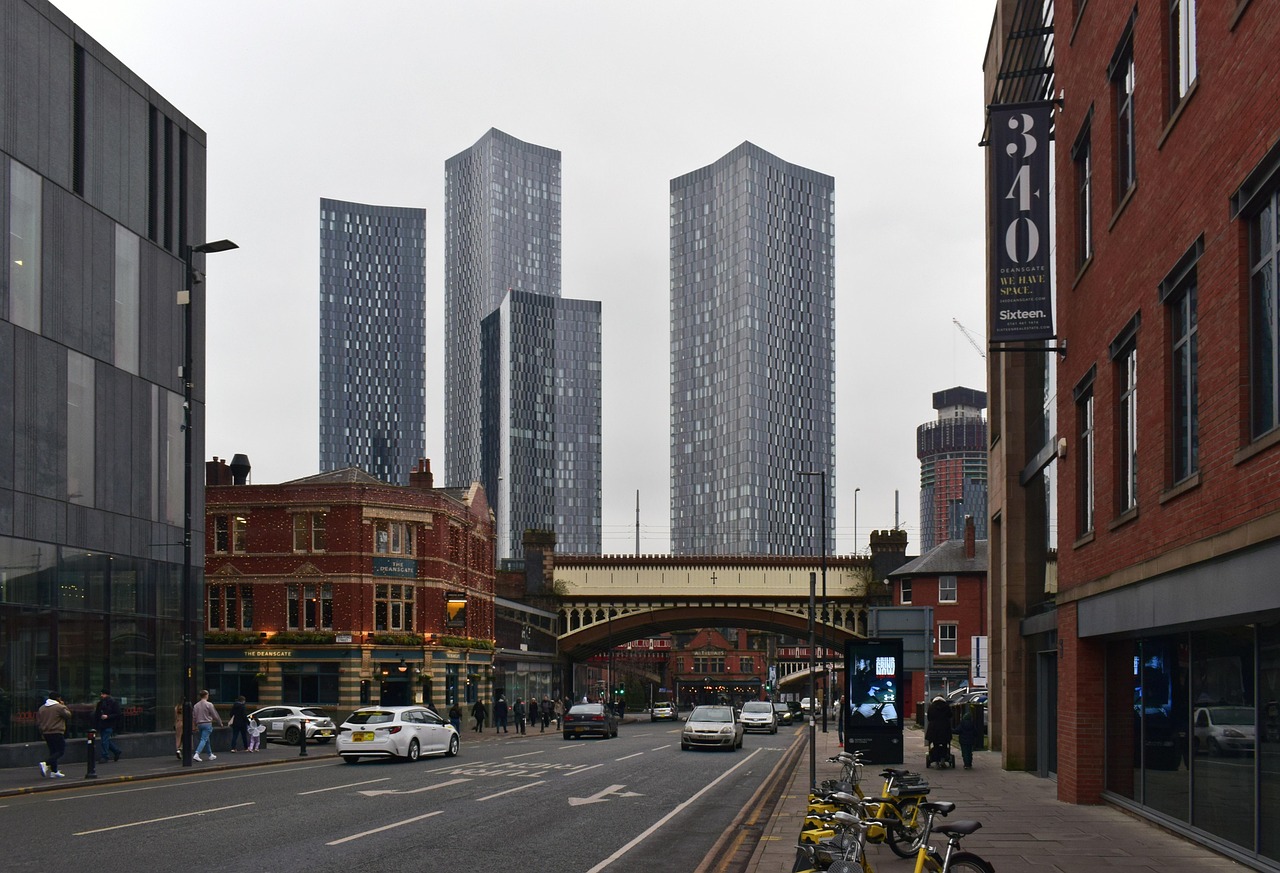
In 2026, Manchester feels like a city in full stride. The skyline keeps growing around Deansgate Square and the new towers near the River Irwell, the Northern Quarter’s street art changes weekly, and Ancoats has quietly become one of the best food neighbourhoods in the UK.
- Population: ~550,000 in the city; over 2.8 million in Greater Manchester.
- Vibe: Creative, friendly, proudly working-class roots with global outlook.
- Good for: Foodies, music lovers, football fans, architecture nerds, families, couples, and solo travelers.
- Best base: City Centre, Northern Quarter, Ancoats, Deansgate-Castlefield, or Oxford Road corridor.
20 Must-See Attractions in Manchester (With Local Stories)
These are the best places to visit in Manchester – from headline sights to quieter corners. I’ve included personal notes on when I go, what I look out for, and how to make each visit memorable.
1. Manchester Town Hall & Albert Square
Whenever I think of Manchester’s identity, my mind jumps to the gothic spires of Manchester Town Hall. Even with ongoing restoration (phased reopening is expected to continue into 2026–2027), the building and its surrounding Albert Square remain the civic heart of the city.
The first time I stepped inside, I joined a guided tour and remember standing in the Great Hall, staring up at Ford Madox Brown’s murals. They tell Manchester’s story: cotton, commerce, science, and struggle. If tours are running during your visit (they often sell out quickly), book ahead online – they’re absolutely worth it.
What to do:
- Wander Albert Square and admire the neo-gothic façade and statues.
- Join a Town Hall tour if available – they’re informative and full of quirky stories.
- Visit in the evening when the building is lit up – it’s especially atmospheric on a rainy night.
Food tip: I usually grab coffee and a pastry at one of the cafes on Albert Square or head to nearby Moose Coffee for an American-style brunch before exploring.
Family-friendly? Yes – kids often enjoy the sense of grandeur and the stories of mayors and monarchs.
Romantic? Very. The square at dusk has a cinematic feel.
How to get there: Easy walk from St Peter’s Square tram stop.
2. National Football Museum
Even if you’re not obsessed with football, the National Football Museum is a fun, immersive stop. Set in a glassy building by Cathedral Gardens, it’s full of memorabilia – World Cup trophies, retro kits, interactive penalty shoot-outs – that trace the game’s social history.
I’ve taken visiting friends from Brazil, Japan, and the US here; every time, I’m reminded how universal football is. We once spent an hour just messing around with the interactive exhibits and arguing about the “greatest goal of all time.”
Highlights:
- Historic shirts and boots from football legends.
- Interactive games – a big hit with kids and competitive adults.
- Exhibits on how football connects with politics, fashion, and identity.
Tip: Check online for any temporary exhibitions – in 2026 they’re planning more women’s football-focused displays.
Family-friendly? Absolutely – one of the best rainy-day options.
How to get there: A 5–10 minute walk from Victoria Station; several bus routes stop nearby.
3. Manchester Cathedral
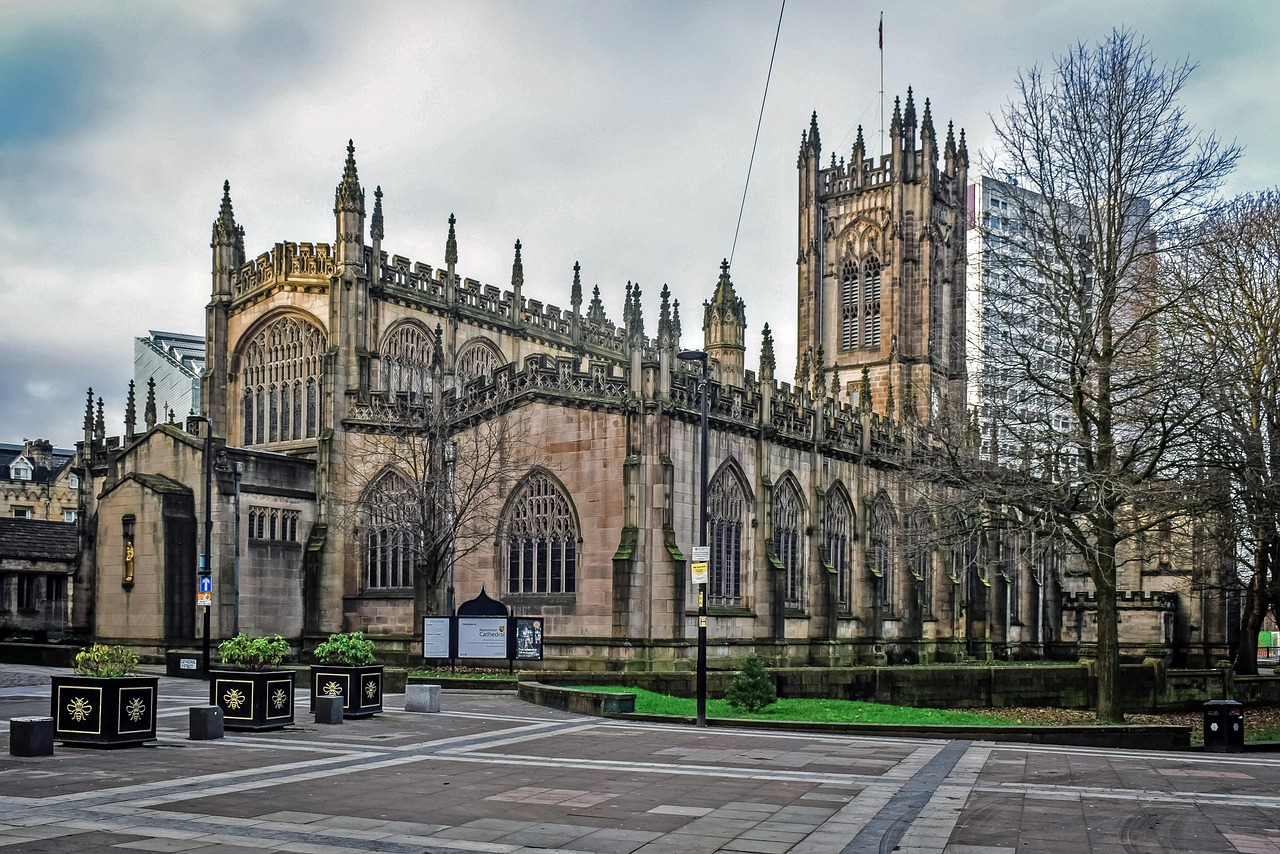
Just across from the National Football Museum stands Manchester Cathedral, often overlooked but deeply atmospheric. The first time I ducked inside, it was mostly to escape a heavy downpour; I ended up staying almost an hour, tracing the carved angels along the wooden choir stalls.
It’s a working cathedral with a long history, heavily damaged during WWII and later the 1996 IRA bombing, but lovingly restored. You’ll see a mix of medieval architecture and modern stained glass that throws coloured light across the stone.
What I love to do:
- Slip in mid-afternoon when the light is softest – it’s wonderfully peaceful.
- Attend an evening choral service if your timing works; the acoustics are superb.
- Walk out into Cathedral Gardens afterwards for a coffee or to people-watch.
Romantic? Yes – especially if you catch live music or a candlelit service.
How to get there: Short walk from Exchange Square tram stop.
4. Science and Industry Museum (MOSI)
Set on the site of the world’s first passenger railway station, the Science and Industry Museum (locals still call it MOSI) tells the story of how Manchester helped kickstart the modern world.
I’ve lost count of how many times I’ve been here – as a student on a rainy Sunday, as a guide for visiting cousins, even on a nerdy date. There’s something endearing about the clanking engines, the history of textiles, and the interactive science experiments.
Highlights:
- The restored Liverpool Road Station buildings – a must for train and history geeks.
- Textiles & cotton exhibits showing the city’s industrial roots (and their global consequences).
- Hands-on science galleries that kids love.
Tip: Parts of the museum have been undergoing redevelopment in phases; check the website to see which galleries are open in 2026, but there’s always plenty to see.
How to get there: 10–15 minute walk from Deansgate-Castlefield tram stop or from the city centre.
5. Manchester Art Gallery
Whenever I need a quiet hour in the city centre, I slip into Manchester Art Gallery. It’s right off the busy tram lines of St Peter’s Square, but inside you’ll find calm rooms of Pre-Raphaelite paintings, contemporary installations, and thoughtful curated exhibitions.
On one visit, I remember watching a group of teenagers sprawled on the floor sketching a painting – the gallery is that kind of space: accessible, free, and part of everyday life rather than a stuffy institution.
What not to miss:
- The strong collection of Pre-Raphaelite works.
- Rotating contemporary exhibitions that often tackle social themes.
- The small but well-chosen design and decorative arts sections.
Tip: Entry is free (donations welcome). It’s a perfect stop in a 3 day itinerary for Manchester when your feet need a break.
How to get there: Right by St Peter’s Square and Piccadilly Gardens tram stops.
6. John Rylands Library
If there’s one place that consistently blows visitors away, it’s the John Rylands Library. Stepping into the main reading room feels like you’ve wandered onto a Harry Potter set: vaulted ceilings, stained glass, and endless shelves of leather-bound books.
I still remember bringing my parents here; my dad, who never usually reacts to buildings, just stood in the doorway whispering “wow” to himself. It’s that kind of place.
What to do:
- Walk slowly through the reading room and side alcoves – look up, not just around.
- Check the small exhibitions that show off rare manuscripts.
- Spend a quiet moment at the statue of Enriqueta Rylands, who founded the library.
Photography tip: Go early in the morning or late afternoon for softer light and fewer crowds.
How to get there: Located on Deansgate, a short walk from Deansgate-Castlefield tram stop.
7. Northern Quarter
The Northern Quarter is Manchester’s creative heart – a grid of streets packed with independent cafes, vintage shops, tiny bars, live music venues, and some of the best street art in the UK. If you want to feel the city’s pulse, come here.
My perfect Northern Quarter afternoon is simple: coffee at Foundation or Just Between Friends, a wander through Afflecks (the multi-level indie emporium I’ve been visiting since I was a teenager), and then a craft beer in a tucked-away bar like Port Street Beer House.
Things to do:
- Hunt for street art on Stevenson Square, Tariff Street, and the alleyways.
- Browse records at Piccadilly Records and Eastern Bloc.
- Shop for vintage clothes and quirky gifts in Afflecks.
- End the day in a speakeasy-style bar or a cosy pub.
Best time: Late morning to evening. Friday and Saturday nights get lively.
Romantic? Yes, if you like low-lit bars and wandering in the rain under neon signs.
8. Ancoats & New Islington Marina
Ancoats has transformed from a cluster of old mills into one of the coolest neighbourhoods in the UK – but it still feels grounded. The red-brick warehouses, cobbled streets, and canals are a reminder of the city’s industrial past; the sourdough bakeries, natural wine bars, and acclaimed restaurants show where it’s going.
On one summer evening, a group of us grabbed pizza from Rudy’s and ate it by New Islington Marina, feet dangling over the water as narrowboats bobbed around us. It didn’t feel like the Manchester I grew up with – in the best possible way.
Highlights:
- Pizza at Rudy’s, pastries at Pollen Bakery, and tapas at Elnecot.
- A stroll along the canals, looping down towards the city centre.
- Independent coffee shops and bars on Cutting Room Square.
Family-friendly? Yes – the marina is fun for kids; just keep an eye near the water.
How to get there: 10–15 minute walk from Piccadilly Station or a short tram hop to New Islington.
9. Deansgate & Castlefield
Deansgate runs like a spine through the western side of the city centre, linking the grand Victorian buildings near the Town Hall with the canals and Roman ruins of Castlefield. It’s where old Manchester and new Manchester collide.
I often bring first-time visitors to Castlefield. We walk under the web of railway viaducts, pause by the canal basins, and climb up to the reconstructed Roman fort. In the late afternoon, the light slants through the brick arches and glass towers beyond – it’s one of the best places in the city for photos.
Things to do:
- Explore the Castlefield Bowl and canal paths.
- Visit the Roman fort remains and read the plaques about Manchester’s origins as “Mamucium.”
- Have a drink on a canal-side terrace in summer.
Tip: In recent years, Castlefield Viaduct has been partially transformed into a “sky park” with greenery and viewpoints – it’s small but worth popping up if open.
10. The Whitworth Art Gallery & Whitworth Park
Down the Oxford Road corridor, the Whitworth has long been one of my favourite escapes. The gallery blends Victorian architecture with sleek modern extensions that look out onto Whitworth Park – on a sunny day, the giant windows flood the galleries with light.
I once spent a whole afternoon here with a friend, alternating between contemporary installations, the textiles collection, and the café overlooking the trees, losing track of time until the staff politely ushered us out at closing.
Why go:
- Strong programme of contemporary art and thought-provoking exhibitions.
- Beautiful setting merging art and nature.
- Easy to combine with a wander through the university area.
How to get there: Take a bus down Oxford Road (plenty run every few minutes) and get off near Whitworth Park.
11. University of Manchester & Oxford Road Corridor
The Oxford Road corridor is Manchester’s “knowledge quarter,” lined with university buildings, museums, venues, and student haunts. It’s where I spent years as a student, darting from lectures to cheap eats and gigs.
Architecturally, you get everything: the red-brick Old Quadrangle, the futuristic Alan Gilbert Learning Commons, and glass science buildings with glowing labs at night.
Don’t miss:
- A walk through the main University of Manchester campus.
- Stopping into the Manchester Museum (recently refurbished) for dinosaurs, Egyptian collections, and natural history.
- Grabbing budget-friendly food from one of the student cafes or nearby curry houses.
Tip: This area is great for experiencing everyday cultural experiences in Manchester – students from all over the world, street posters for gigs, and an easy-going vibe.
12. Manchester Museum
Inside one of the university’s grand buildings, the Manchester Museum is a perfect family stop. Recently revamped, it feels brighter and more inclusive than the museums I remember from my childhood.
When I visited after reopening, I was impressed by how the displays acknowledged the colonial history behind some collections, especially in the Egyptology and anthropology sections. It’s educational in the best sense: engaging, honest, and full of surprises.
Highlights:
- The dinosaur skeletons and fossils – always a hit with kids.
- Ancient Egyptian artefacts, including mummies and everyday objects.
- Natural history collections and live reptiles.
How to get there: On Oxford Road, a short walk from the main university buildings.
13. Etihad Stadium & Manchester City Experience
For football fans, a tour of Etihad Stadium, home of Manchester City, is a pilgrimage. Even as someone who grew up in a United household, I have to admit: the facilities are impressive.
I joined a tour with a group of visiting friends; walking through the players’ tunnel with crowd noise piped in gave all of us goosebumps. The guides are full of anecdotes, and seeing the dressing rooms, press areas, and pitch from different angles brings match days to life.
Tips:
- Book tours in advance, especially around big fixtures.
- Combine with a wander around the wider Etihad Campus – training grounds, fan store, and sometimes community events.
How to get there: Take the tram (Metrolink) to Etihad Campus from the city centre (approx. 10–15 minutes).
14. Old Trafford & Manchester United Museum
Old Trafford, “The Theatre of Dreams,” needs little introduction. My first visit was as a teenager, clutching a match ticket and trying not to look too starstruck. Years later, I still get a buzz walking up Sir Matt Busby Way on match days – scarves, chants, and the smell of burgers in the air.
You don’t have to attend a game to appreciate the stadium. The Manchester United Museum & Tour walks you through the club’s history, from the Busby Babes to modern legends, with sobering stops at the Munich air disaster exhibits.
Tips:
- On non-match days, tours are less crowded and linger longer.
- On match days, arrive early, soak up the atmosphere, and know that transport will be packed afterwards.
How to get there: Tram to Old Trafford or trains to Manchester United Football Ground station on match days.
15. Heaton Park
Heaton Park is where Manchester goes to breathe. It’s huge – one of the largest municipal parks in Europe – with a boating lake, animal centre, woodlands, and even a tram museum nearby.
One of my favourite summer rituals is packing a picnic, hopping on the tram, and spending an afternoon here. We’ll wander up to Heaton Hall, feed ducks on the lake, and inevitably end up lying on the grass watching clouds.
Why visit:
- Green space to run, cycle, or just relax.
- Family-friendly activities like the animal farm and playgrounds.
- Occasional big events and concerts.
How to get there: Tram to Heaton Park stop; it’s a short walk from there.
16. Architectural Walk: Whitworth Street & Canal Street
Manchester’s architectural story is written in brick, glass, and steel. One of the best ways to see it is to walk along Whitworth Street, from the elegant Kimpton Clocktower Hotel (formerly The Refuge Assurance Building) towards Piccadilly.
I love how the tiled exteriors, ornate details, and massive windows speak of Victorian confidence. Turn off onto Canal Street and you’re in the heart of the Gay Village, where rainbow flags hang over the Rochdale Canal and cafes spill out onto the towpath in summer.
Things to look out for:
- The façade and lobby of the Kimpton Clocktower – step inside for a peek.
- Hidden details on warehouse buildings, many now converted into apartments or offices.
- The colourful, welcoming vibe of Canal Street, especially during Pride season.
17. People’s History Museum
Manchester has always been a city of ideas and protest. The People’s History Museum tells the story of democracy and working people in Britain, from the Peterloo Massacre to modern campaigns.
I’ve taken several friends here who “don’t really like museums” and watched them get completely absorbed by banners, posters, and interactive exhibits about suffrage, unions, and LGBTQ+ rights. It’s moving, inspiring, and gives real context to the city’s radical reputation.
Tip: Allow at least 1.5–2 hours; there’s more to read and absorb than you might expect.
How to get there: On the left bank of the River Irwell, a short walk from Spinningfields.
18. Rochdale Canal & Whitworth Locks
For a quieter view of the city, follow the Rochdale Canal from Piccadilly Basin down towards Deansgate. You’ll pass lock gates, graffiti-covered walls, and a behind-the-scenes slice of Manchester life.
On one misty morning, I walked this route before the city had fully woken up; the reflections of the warehouses in the canal water and the occasional cyclist whizzing past made it feel like a different city.
Good for: Urban photography, a reflective stroll, or breaking up a busy day of sightseeing.
19. HOME Manchester (Theatre, Cinema & Arts)
HOME is a contemporary arts centre near Deansgate-Castlefield, combining independent cinema, theatre, galleries, and a buzzing bar-restaurant. It’s where I go when I want to feel plugged into the international arts scene without leaving town.
One rainy Sunday, I watched a subtitled indie film, wandered a small photography exhibition upstairs, and ended up nursing a glass of wine in the bar, scribbling notes for this very guide.
Why go:
- Arthouse and world cinema you’ll struggle to find elsewhere.
- Innovative theatre and performances.
- Great people-watching from the ground floor café/bar.
20. Manchester Central Library & St Peter’s Square
The circular Central Library is one of Manchester’s most recognisable buildings. Inside, the domed reading room feels like a temple to knowledge, while the lower floors buzz with locals using computers, borrowing books, and attending events.
I’ve spent plenty of afternoons here writing, reading, or just enjoying the hush. Step outside into St Peter’s Square and you’re surrounded by a blend of old and new: the library, the Town Hall extension, modern office blocks, and the tram lines threading through it all.
Good for: A quiet hour, architectural appreciation, and understanding Manchester as a living, working city rather than just a tourist destination.
Neighbourhoods & Districts to Explore
Manchester is compact but varied. These areas should feature in any 3, 4, or 5 day itinerary for Manchester:
- City Centre: Shopping, main museums, Town Hall, Central Library, Chinatown.
- Northern Quarter: Indie shops, street art, bars, creative scene.
- Ancoats & New Islington: Foodie hotspot with canals and renovated mills.
- Deansgate & Castlefield: Historic viaducts, canals, Roman fort, bars.
- Oxford Road Corridor: Universities, Whitworth, Manchester Museum, venues.
- Gay Village (Canal Street): LGBTQ+ heart, nightlife, cafes by the canal.
- Salford Quays / MediaCityUK: Waterfront modernity, galleries, BBC/ITV studios.
- Chorlton: Leafy, bohemian suburb with cafes, bars, and independent shops.
- Didsbury: Village feel, parks, and good restaurants in the south of the city.
Suggested Itineraries: 3–5 Days in Manchester
Here are flexible itineraries that combine must-see attractions with local experiences. You can treat the 3 day itinerary for Manchester as a core plan, then bolt on extra days for a 4 day itinerary for Manchester or 5 day itinerary for Manchester.
3 Days in Manchester: Classic Highlights & Local Flavour
Day 1: City Centre Icons & Northern Quarter Evenings
I like to start visitors with a walking loop through the city centre – it gives you a feel for the layout and covers many of the must-see attractions in Manchester in one go.
Morning: Town Hall, Central Library & John Rylands Library
- Begin around St Peter’s Square. Pop into Central Library and then wander to the (partially reopened) Town Hall and Albert Square. If a guided tour is available, do it now while your energy’s high.
- Walk along Deansgate to John Rylands Library. Spend time in the main reading room – it’s a highlight of any 3 days in Manchester.
Lunch: Spinningfields or Deansgate
From John Rylands, cross into Spinningfields. There are plenty of options – from street food-style vendors to sit-down restaurants. On a budget, I’ll often grab something quick and sit in the public squares.
Afternoon: Manchester Art Gallery & City Streets
- Walk back towards St Peter’s Square and up to Manchester Art Gallery. Give yourself at least an hour or two here.
- From there, wander up through the shopping streets towards Piccadilly Gardens, then over to the Northern Quarter.
Evening: Northern Quarter – Food, Street Art & Bars
- Explore Stevenson Square, Tib Street, and the side alleys. Keep an eye out for murals and tiny galleries.
- Dinner at a Northern Quarter favourite: tacos, ramen, or small plates – there’s a huge variety of local food in Manchester here.
- End with drinks in a cosy bar or craft beer spot. If you’re into live music, check what’s on at places like Band on the Wall.
Personal note: My favourite moment on this day is stepping out of John Rylands into the bustle of Deansgate. You’ve just been in a gothic time capsule, and suddenly you’re among office workers, shoppers, and students – it sums up Manchester’s personality nicely.
Day 2: Museums, Canals & Gay Village Nightlife
Day 2 leans into history, science, and culture, with a relaxed evening by the canal.
Morning: Science and Industry Museum & Castlefield
- Head to the Science and Industry Museum when it opens. Explore the industrial halls, textiles displays, and railway buildings. I’d allow 2–3 hours.
- Walk to Castlefield afterwards – follow the canals, climb up to the Roman fort, and take photos under the viaducts.
Lunch: Deansgate-Castlefield
There are plenty of canal-side bars and restaurants here. On a sunny day, outside tables fill quickly – it’s one of the most pleasant spots in the city.
Afternoon: People’s History Museum & Riverside Walk
- Cross over to the People’s History Museum. Take your time with the exhibits – they give real depth to Manchester’s reputation as a radical city.
- Walk along the River Irwell past Spinningfields, or cut back into the city centre via the shopping streets.
Evening: Canal Street & the Gay Village
- Head to Canal Street in the Gay Village. Grab dinner at one of the many restaurants – there’s everything from pub grub to more refined options.
- Afterwards, enjoy drinks by the canal. Even if you’re not a big partier, the atmosphere is friendly and relaxed, especially in summer.
Personal note: One of my favourite evenings last year was a slow wander from Castlefield all the way to Canal Street via the canals, watching the city change around each bend.
Day 3: Football, Ancoats & New Islington Marina
Day 3 blends football (if you’re into it) with the city’s most exciting food neighbourhood.
Morning: Football Experience (Etihad or Old Trafford)
- If you’re a football fan, book a stadium tour at either Old Trafford (United) or the Etihad Stadium (City). Both tours usually take a couple of hours door-to-door from the city centre.
- If football’s not your thing, swap this for Manchester Museum or extra time exploring the Northern Quarter and city centre.
Lunch: Back in the Centre or Ancoats
Return to the centre and walk towards Ancoats. If you can snag a table at Rudy’s, treat yourself to what many argue is the best pizza in Manchester.
Afternoon: Ancoats & New Islington
- Explore Cutting Room Square and the surrounding streets – coffee, bakeries, and independent shops.
- Walk up to New Islington Marina, loop around the water, and follow the canals back towards town if you feel like stretching your legs.
Evening: Drinks & Dinner in Ancoats
- Stay in Ancoats for dinner – there are excellent tapas, modern British, and casual eateries.
- Finish with a drink at a neighbourhood bar or head back to the Northern Quarter for one last wander.
How this fits: This 3 day itinerary for Manchester gives you a balanced overview: history, museums, canals, nightlife, and food, with a side of football for those who want it.
4 Days in Manchester: Adding Parks & Galleries
If you have 4 days in Manchester, add a slower, greener day and more cultural depth.
Day 4: Oxford Road, Whitworth & Heaton Park
Morning: Oxford Road Corridor
- Take a bus or walk down Oxford Road. Pop into the University of Manchester campus and the Manchester Museum.
- Have coffee and a light brunch at a student café – this is one of the best ways to see everyday life in the city.
Afternoon: The Whitworth & Whitworth Park
- Continue down to The Whitworth. Browse the galleries and enjoy the park views.
- Weather permitting, relax in Whitworth Park for a while – it’s a popular spot with locals and students.
Late Afternoon / Early Evening: Heaton Park
- Hop on a tram out to Heaton Park. Walk around the lake, visit the animal centre, or just find a patch of grass to unwind.
- If you’re visiting in summer, you might catch an outdoor event or small festival.
Evening: Casual Dinner Back in the Centre
Return to the city and keep dinner simple: a pub meal, Chinatown feast, or a repeat visit to a favourite neighbourhood.
By the end of 4 days in Manchester, you’ll have covered the city’s big sights and had time to actually breathe and feel the rhythm of local life.
5 Days in Manchester: Day Trips & Deeper Dives
With 5 days in Manchester, you can add a day trip or a deep dive into a specific interest (music, football, or the countryside).
Day 5 Option A: Salford Quays & MediaCityUK
Morning: Salford Quays
- Take the tram to MediaCityUK. Walk along the waterfront and over the modern footbridges.
- Visit the Imperial War Museum North (technically in Salford but part of Greater Manchester) for powerful, immersive exhibits on conflict.
Afternoon: The Lowry & Outlet Shopping
- Explore The Lowry for art and theatre; don’t miss the LS Lowry paintings of Northern life.
- If you need some retail therapy, there’s an outlet mall nearby.
Evening: Back to the City for Nightlife
Spend your last night revisiting your favourite neighbourhood – Northern Quarter, Ancoats, or Deansgate – or catch a show at HOME or one of the city’s music venues.
Day 5 Option B: Day Trip to the Peak District
If you prefer countryside, swap Salford Quays for a day in the Peak District (details in the day trips section below). This contrast – wild hills and moorland so close to the city – is part of what makes Manchester such a good base.
Local Food & Drink in Manchester
Manchester’s food scene has exploded in the last decade. When I was a student, options were mostly pub grub, curry, and a handful of independents. Now, you can eat your way around the world in a few blocks.
What to Eat: Classic & Contemporary
- Pie & Mash: A proper Northern staple – try traditional pubs for hearty versions.
- Curry on the “Curry Mile”: Rusholme’s Wilmslow Road is lined with South Asian and Middle Eastern restaurants – perfect for sharing plates late into the night.
- Manchester Tart: Custard, jam, and coconut pie – you’ll find modern riffs in some bakeries.
- Street Food & Food Halls: Look out for food halls and markets featuring rotating vendors – great value and variety.
- Neapolitan Pizza in Ancoats: Places like Rudy’s helped put Manchester on the UK pizza map.
Where to Eat (By Area)
- Northern Quarter: Brunch spots, vegan cafes, burger joints, ramen bars.
- Ancoats: Sourdough bakeries, tapas, modern British – this is your “treat yourself” neighbourhood.
- Chinatown: Dim sum, hotpot, bakeries – a great place for group meals.
- Oxford Road / Rusholme: Budget-friendly student eats and the legendary Curry Mile.
Drinks: Pubs, Craft Beer & Coffee
- Pubs: Traditional pubs range from cosy locals to grand Victorian gin palaces.
- Craft Beer: Manchester has a strong craft beer scene; seek out dedicated beer bars and local breweries’ taprooms.
- Coffee: Independent roasters and cafes are everywhere; the Northern Quarter and Ancoats are especially rich hunting grounds.
Money-saving tip: Look for weekday lunch deals, early-bird menus, and set menus in higher-end places. Food halls and student areas are best for keeping costs low.
Nightlife, Music & Cultural Experiences in Manchester
Manchester’s nightlife reputation is well-earned. From the Hacienda days to present-day warehouse parties, music and going out are part of the city’s DNA.
Music & Venues
- Gig Venues: Check listings for venues big and small – there’s usually something interesting every night.
- Jazz & Blues: Intimate clubs and bars hosting live jazz, funk, and blues throughout the week.
- Classical: Orchestras and ensembles perform regularly in the city’s concert halls and churches.
Bars & Clubs
- Northern Quarter: Cocktail bars, dive bars, secret basements – great for bar-hopping.
- Deansgate Locks & Spinningfields: Trendier, more polished nightlife with riverside bars and clubs.
- Gay Village: Canal Street and surrounding streets are lively, welcoming, and inclusive.
Cultural Experiences
- HOME: Independent films, theatre, and exhibitions.
- Festivals: From literature festivals to design and film events, there’s always something going on (see events section).
- Football Matches: Watching a game at Old Trafford or the Etihad – or even in a packed pub – is a core Manchester experience.
Major Events & Festivals in Manchester (2026–2027)
Dates shift each year, so check closer to your travel dates, but here are recurring highlights likely to feature in 2026–2027:
- Manchester International Festival (MIF): Biennial arts festival bringing global artists and new commissions to the city. If it lands in 2027, book accommodation early.
- Manchester Pride (August): One of the UK’s biggest Pride celebrations centred on the Gay Village, with parades, music, and community events.
- Manchester Jazz Festival: Live jazz across venues and outdoor stages.
- Christmas Markets (Nov–Dec): Albert Square, St Peter’s Square, and surrounding streets fill with wooden stalls, lights, mulled wine, and festive food.
- Football Season (Aug–May): United and City home games create a city-wide buzz, especially on derby days.
In 2026, expect continued development around the city centre and new restaurants, bars, and cultural spaces opening, particularly in the Northern Quarter, Ancoats, and around Victoria/Angel Meadow.
Best Day Trips from Manchester
One of Manchester’s biggest advantages is its location. Within 60–90 minutes, you can be hiking hills, wandering lakesides, or exploring other historic towns.
Peak District
Rolling hills, moorland, and charming villages. Take a train from Manchester Piccadilly to stations like Edale or Hope and follow well-signposted trails. Great for walking, photography, and pub lunches.
Lake District
A bit further (typically 1.5–2 hours by train or car) but worth it if you’re craving dramatic scenery. You can reach towns like Windermere and Ambleside and fit in a lakeside walk or boat ride.
Liverpool
Under an hour by train from Manchester’s main stations. Ideal if you want a second city experience: Beatles history, waterfront, and different museums.
York
About 1.5 hours away, York offers medieval streets, a stunning Minster, and Roman walls – a strong contrast to industrial Manchester.
Tip: For day trips, book advance train tickets when possible and travel off-peak to save money.
Local Customs & Cultural Etiquette in Manchester
Manchester is friendly and informal, but a few local habits are worth knowing:
- Queues: Brits queue. Always join the end of the line and don’t push in.
- “You alright?”: This often means “hello” rather than a literal question – a simple “yeah, you?” works as a reply.
- Pub etiquette: Order and pay at the bar; tipping isn’t expected but rounding up is appreciated. In groups, people often buy rounds.
- Personal space: People are polite but generally keep a bit of distance in queues and public transport.
- LGBTQ+ friendliness: Manchester is broadly welcoming and proud of its LGBTQ+ community, particularly around the Gay Village.
- Football rivalries: Light banter is fine; avoid aggressive trash talk, especially in pubs on match days.
Practical Travel Advice for Manchester (2026)
Getting Around
- Walking: The city centre is walkable; most main sights are within 15–20 minutes of each other.
- Metrolink Tram: Covers the city and suburbs (including the airport, Etihad, Salford Quays, and Heaton Park). Buy tickets on machines or via app.
- Buses: Frequent and good value, especially along Oxford Road and to suburbs like Chorlton and Didsbury.
- Trains: Piccadilly, Victoria, Oxford Road, and Deansgate stations connect you to Greater Manchester and beyond.
- Car Rental: Not necessary for city exploration; useful for rural day trips. Be prepared for one-way systems and limited parking in the centre.
Money-Saving Tips
- Use day travelcards or contactless caps on public transport.
- Take advantage of free museums and galleries (donations optional).
- Eat where students eat – especially around Oxford Road and Rusholme.
- Travel off-peak on trains and book advance tickets for intercity journeys.
SIM Cards & Connectivity
- Major UK networks (EE, O2, Vodafone, Three) have good coverage in Manchester.
- Prepaid SIMs are available at the airport, major supermarkets, and phone shops in the city centre – bring an unlocked phone.
- Many cafes, pubs, and museums offer free Wi-Fi.
Visa & Entry Requirements
- Requirements vary by nationality and may change; always check official UK government guidance before travel.
- Citizens of many countries can visit visa-free for short stays; others require a visa in advance.
- Ensure your passport is valid for the duration of your stay (and ideally beyond).
Driving & Licences
- In the UK, you drive on the left.
- Most foreign driving licences are accepted for short visits; check official guidance for your country.
- City centre parking can be expensive; use park-and-ride or public transport where possible.
Weather & What to Pack
Manchester’s reputation for rain isn’t entirely undeserved, but it’s usually drizzle rather than downpours.
- Spring (Mar–May): Mild, changeable; good for city walks and fewer crowds.
- Summer (Jun–Aug): Long days, outdoor events, beer gardens – but still pack a light jacket.
- Autumn (Sep–Nov): Atmospheric, cooler; great for museums and galleries.
- Winter (Dec–Feb): Short days, cold and damp; Christmas markets add warmth and light.
Regardless of season, pack layers, a waterproof jacket, and comfortable walking shoes.
Hidden Tips from a Repeat Visitor
- Explore side streets off the main roads – that’s where you’ll find many hidden gems.
- Use lunchtimes for popular restaurants; they’re easier to get into than at dinner.
- Check local listings for last-minute gig tickets; some of my favourite nights here were unplanned.
- On busy weekends, book accommodation and football tours well in advance.
Summary & Best Time to Visit Manchester
Manchester isn’t a city that shouts; it grows on you. Spend 3 days in Manchester and you’ll tick off the must-see attractions. Stretch to 4 or 5 days in Manchester, and you’ll start to understand its layers: the radical history, the neighbourhood food scenes, the canals and parks that locals retreat to when the sun appears.
Best seasons to visit:
- Late spring (May–June): Longer days, milder weather, outdoor events starting up.
- Early autumn (Sep–Oct): Comfortable temperatures, cultural season in full swing, fewer crowds than summer.
- Winter (Nov–Dec): For Christmas markets and cosy pubs, if you don’t mind the cold and early sunsets.
Whatever time you come, bring curiosity, a raincoat, and an appetite. Let the city’s music, food, and stories guide you – and don’t be surprised if, like me, you find yourself planning your next visit before you’ve even left.