Why Visit Oxford in 2026?
Oxford is one of those rare cities that feels both timeless and alive. The first time I arrived (a drizzly October afternoon years ago), I stepped out of the train station, followed the flow of students and commuters, and turned onto Broad Street. The bells of the Sheldonian Theatre rang out, bicycles wove around me, and a sea of golden stone glowed in the late light. I remember thinking: “This looks exactly like the postcards… but it feels like a real, working city.”
That combination is why I keep coming back – and why I now treat Oxford almost like a second home. It’s a compact city you can cross in 20 minutes on foot, yet you could spend a lifetime exploring its lanes, libraries, college gardens, riverside paths, and pubs where literary legends once argued over pints.
In 2026, Oxford is especially worth visiting. The city has embraced sustainable tourism, made more college spaces accessible to visitors, expanded cycle lanes, and polished up a host of museums and public spaces. It’s an easy add-on to a London trip (just an hour away by train), but it absolutely deserves its own 3–5 day itinerary – or more.
Whether you’re planning 3 days in Oxford for a quick hit of history, a 4 day itinerary for Oxford packed with museums and riverside walks, or a deep-dive 5 day itinerary for Oxford that uncovers local food, hidden gems, and day trips, this comprehensive travel guide for Oxford will help you plan every detail.
Table of Contents
- Why Visit Oxford
- Oxford at a Glance
- 20 Must-See Attractions in Oxford (with Local Stories)
- Suggested Itineraries: 3, 4, and 5 Days in Oxford
- Neighbourhoods & Areas to Explore
- Best Local Food & Drink in Oxford
- Nightlife, Entertainment & Cultural Experiences
- Best Day Trips from Oxford
- Cultural Etiquette & Local Customs
- Practical Travel Tips for Oxford (Money, Transport, SIM, Visas)
- When to Visit Oxford & Seasonal Advice
- What’s New in 2026–2027: Events & Festivals
- Summary & Final Recommendations
Oxford at a Glance
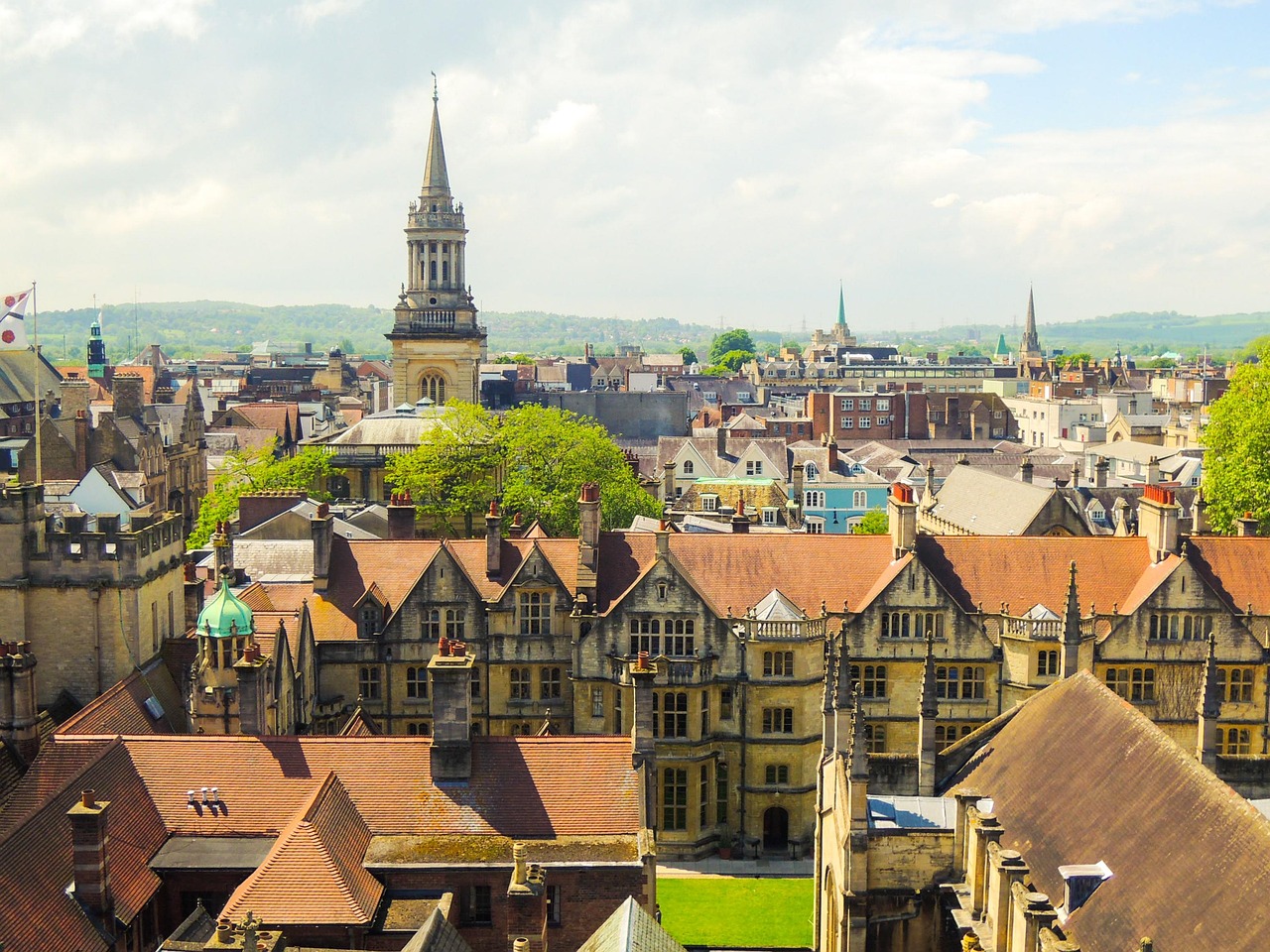
Oxford is often called the “City of Dreaming Spires” – a phrase coined by poet Matthew Arnold, inspired by the elegant towers and pinnacles of its university buildings. But beyond the romantic skyline, it’s also a small, diverse city with a lively student community, growing tech scene, and surprisingly good food.
- Location: South East England, about 90 km (56 miles) northwest of London.
- Population: Around 160,000, including over 40,000 students across the University of Oxford and Oxford Brookes University.
- Vibe: Historic but not stuffy, intellectual but not pretentious, busy by day and quietly charming at night.
- Perfect for: Culture-lovers, families, bookworms, couples, solo travelers, and anyone who enjoys walking cities with layers of history.
20 Must-See Attractions in Oxford (with Local Stories)
These are the places I return to again and again – with visiting friends, on solo wanders, or just to remind myself why I fell in love with Oxford in the first place. I’ll start with the iconic must-see attractions in Oxford, then gradually lead you to smaller, quieter corners that feel like hidden gems.
1. Radcliffe Camera & Radcliffe Square

If Oxford had a single postcard image, it would be the Radcliffe Camera – the perfectly round, honey-coloured library rising out of cobbled Radcliffe Square. The first time I walked into the square (coming from the High Street, squeezing through the narrow passage by St Mary’s Church), I literally stopped mid-step. The space is surprisingly intimate for such a famous view; you’re close enough to see the texture of the stone, the iron railings, the worn cobbles.
History & significance: Completed in 1749, the “Rad Cam” was originally the Radcliffe Science Library. Today it’s a reading room of the Bodleian Library, used mainly by students in the humanities. It’s not usually open for casual browsing, but you can see inside on certain Bodleian tours.
What I love doing here:
- Arriving early (before 9:00) when the square is quiet and the light is soft. You’ll share it with a few students hurrying to 9 am lectures and the odd tour guide prepping for the day.
- Looping around the square slowly: admire All Souls College’s elaborate facade on one side, the University Church of St Mary the Virgin on another, and Brasenose College peeking from the corner.
- Coming back at night: the Radcliffe Camera lit under the stars is one of Oxford’s most romantic sights – ideal for couples or for solitary, contemplative walks.
Photography tip: For the classic bird’s-eye shot of the Radcliffe Camera, climb the tower of St Mary the Virgin (more on that below). Go on a clear afternoon for warm light; mornings can be hazier but less crowded.
How to get there: From the High Street, enter via the passage by St Mary’s; from Broad Street, slip down Catte Street. It’s all pedestrianised – no buses or cars in the square.
Nearby snack: I often grab a takeaway coffee from Vaults & Garden (in the churchyard of St Mary’s) and sip it discreetly while wandering the square. It’s one of my favourite “I’m really in Oxford” rituals.
2. Bodleian Library & Divinity School
The Bodleian is more than a library; it’s Oxford’s beating scholarly heart. On my first visit as a student, I remember clutching my new library card like a golden ticket. As a visitor, you can’t roam the reading rooms freely (they’re working spaces for students), but the tours offer a wonderful peek into centuries of academic life.
Highlights:
- Divinity School: This late-medieval hall has one of the most exquisite stone-vaulted ceilings in Europe. Harry Potter fans will recognise it as Hogwarts’ infirmary and ballroom. I’ve stood here during quiet moments when the light filters in and you can almost hear the murmur of centuries of debates.
- Duke Humfrey’s Library: A wood-panelled, candlelit-feeling reading room that looks exactly how you imagine an ancient university library should look. I once joined a winter evening tour here – stepping into the dim, book-lined space felt almost illicit, like sneaking into a secret society.
- Old Schools Quadrangle: The central courtyard, surrounded by carved stonework, archways, and little doorways that look like portals into another era.
Practical tips:
- Book a tour in advance (especially March–October). The 60–90 minute tours are ideal for deep-divers; families might prefer the shorter options.
- Photography is sometimes restricted in Duke Humfrey’s; always ask your guide before snapping.
- Combine a Bodleian tour with the nearby Sheldonian Theatre and Radcliffe Camera area for a full morning of Oxford’s must-see attractions in one tight cluster.
3. Christ Church College & Meadow
Christ Church is the college I most often take first-time visitors to – not because it’s “the best” (every Oxfordian has their own favourite) but because it’s such a concentrated dose of wow. A cathedral, a grand dining hall, manicured quads, and open meadows leading to the river – it’s basically a mini city within the city.
Why it’s famous:
- Its dining hall inspired the Great Hall in the Harry Potter films.
- Lewis Carroll (Charles Dodgson), who wrote Alice’s Adventures in Wonderland, taught math here; you can still feel echoes of his whimsical imagination in the gardens.
- It uniquely serves as both a college and Oxford’s cathedral.
My favourite way to visit: I like to book timed-entry tickets online, go early on a weekday, and move slowly. The last time I visited in spring, the lawn in Tom Quad was a surreal, almost fluorescent green, framed by butter-coloured stone and the resonant toll of Tom Tower’s bell.
Don’t miss:
- The Hall: Wood-panelled, lined with portraits of stern-looking alumni and royals. If you’re here with kids, count how many portraits you can spot with unusual props or animals.
- The Cathedral: More intimate than many cathedrals, with beautiful stained glass. Evensong here (usually late afternoon) is one of Oxford’s most atmospheric free cultural experiences.
- Christ Church Meadow: Exit toward the meadow and stroll the paths along the River Cherwell and Thames (or “Isis,” as the Oxford stretch is called). I love this walk in late afternoon when the light hits the grazing cattle and rowing crews slice down the river.
Family-friendly: The meadow is perfect for letting kids burn off energy. Bring a picnic or grab sandwiches from nearby Covered Market and eat by the river (just mind the geese).
Romantic touch: Come close to sunset, then cross Folly Bridge and have drinks or dinner at a riverside restaurant.
4. Ashmolean Museum of Art & Archaeology
Whenever the weather turns (which, let’s be honest, is often in England), I retreat to the Ashmolean. It’s Britain’s oldest public museum, but it has a modern spirit – bright galleries, thoughtful curation, free entry, and an eclectic mix of everything from Egyptian mummies to Pre-Raphaelite paintings.
Personal favourite corners:
- The rooftop café: Not just for the coffee (which is decent) but for the rooftop terrace views over Oxford’s rooftops. I’ve whiled away many afternoons here, writing and watching the city shift in the light.
- The cast gallery: Full of plaster casts of famous ancient sculptures; it feels like stepping into a sculptor’s dream.
- Eastern Art galleries: Calmer and less crowded than the blockbuster European rooms, with beautiful ceramics, textiles, and Japanese prints.
Good to know:
- Free entry, with donations encouraged.
- Family trails and activity sheets are available; I’ve recommended these to friends with kids and they rave about how engaged their children were.
- Special exhibitions (ticketed) often feature big names; check the 2026 programme for highlights before you go.
5. Pitt Rivers Museum & Oxford University Museum of Natural History
This duo of museums, sharing a building, is my go-to recommendation for families and curious adults alike. The Natural History Museum’s light-filled main hall, with dinosaur skeletons and soaring glass roof, contrasts beautifully with the dark, cabinet-filled, almost Victorian eccentricity of the Pitt Rivers behind it.
Oxford University Museum of Natural History:
- Kids love the T. rex and other dinosaur skeletons; adults love the elegant iron-and-glass architecture.
- On a rainy afternoon, I once watched a group of children lie on the floor, sketching the ceiling arches while their parents sipped coffee from the café – it’s that kind of place.
Pitt Rivers Museum:
- Enter through the back of the Natural History Museum and you’re suddenly in a world of densely packed cases: shrunken heads, ceremonial masks, tools, instruments, amulets.
- It’s arranged by theme (how humans across cultures solve similar problems) rather than geography. I’ve spent whole afternoons lost here, reading tiny labels and marvelling at human creativity.
Tips:
- Free entry, donations welcome.
- Can get busy on weekends; weekday mornings are calmer.
- Bring a light layer – the buildings can be cool even in summer.
6. University Church of St Mary the Virgin & Tower
For the best panoramic view of Oxford’s dreaming spires, climb the narrow, spiral staircase of St Mary’s tower. I’ve done this climb at least half a dozen times, and it never gets old. The parapet at the top is narrow – you have to shuffle around other visitors – but the views are unbeatable.
What you’ll see:
- The Radcliffe Camera directly below, like a stone planet in a sea of rooftops.
- All Souls College’s spires, the Bodleian’s quad, and out to the hills beyond the city.
- On a clear day, you can see the pattern of Oxford’s medieval street grid.
Vaults & Garden Café: At ground level, this café in the church’s old vaults is one of my favourite lunch stops. Lots of vegetarian options, hearty salads, and locally sourced ingredients. In summer, the garden seating overlooking Radcliffe Square feels like the most luxurious picnic spot in town.
Practicalities:
- There’s a small fee to climb the tower; the church itself is free.
- The staircase is steep and narrow – not ideal if you’re claustrophobic or have mobility issues.
- Time your climb for mid-morning or late afternoon for the best light and fewer crowds.
7. Oxford Covered Market
The Covered Market is where Oxford’s daily life hums beneath its tourist sheen. I still remember my first winter here: I’d duck into the market to escape the cold, the smell of fresh bread and coffee wrapping around me like a blanket.
What you’ll find:
- Butchers, greengrocers, and fishmongers whose families have been here for generations.
- Independent cafés, bakeries, and ice cream shops (try a scoop at G&D’s if you see a branch).
- Quirky gift shops and Oxford-themed souvenirs that go beyond the generic.
Personal rituals: I like to grab a takeaway sandwich or pie, then wander the lanes people-watching. Students picking up quick lunches, locals doing their weekly shop, tourists photographing colourful fruit displays – it’s a slice of real Oxford.
Budget tip: Eating here is often cheaper (and more interesting) than sitting down at a High Street restaurant. Perfect for budget-conscious travelers and families.
8. Magdalen College & Addison’s Walk
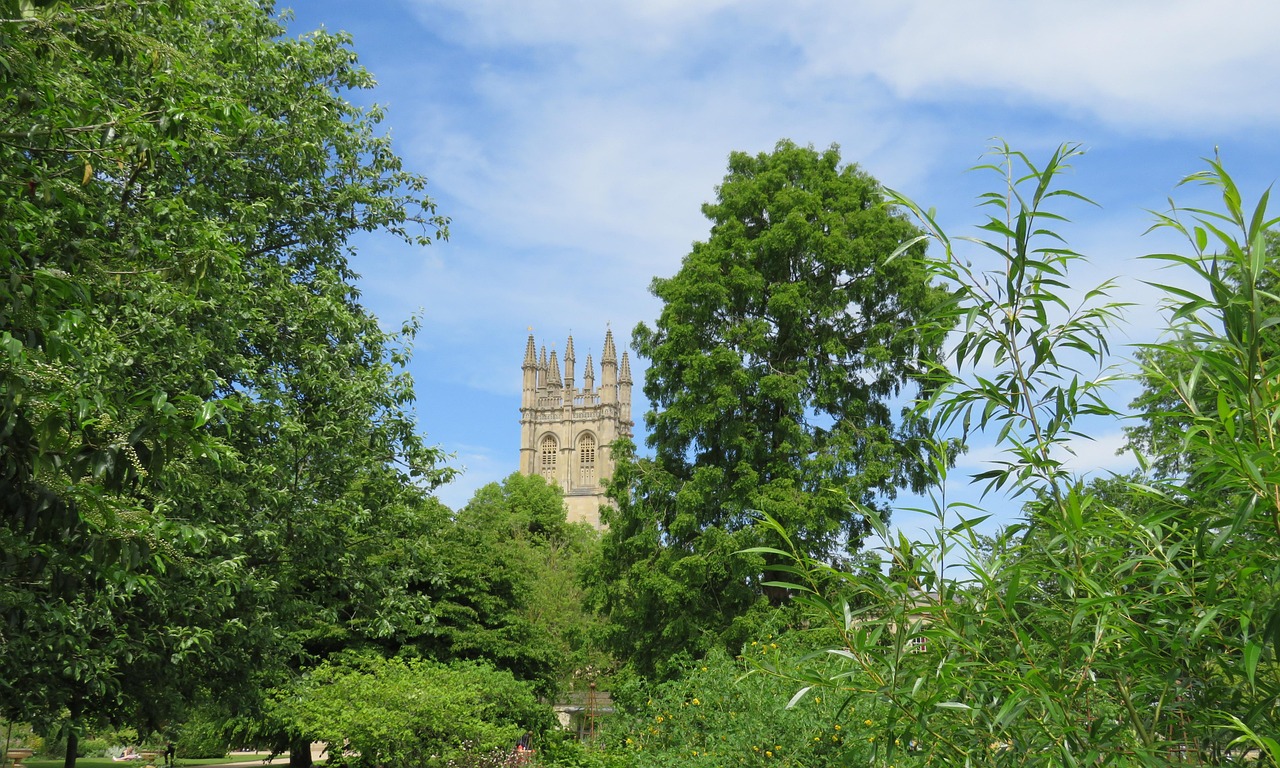
If I had to choose the most beautiful college grounds in Oxford, Magdalen would be a strong contender. I’ve visited in all seasons: frosty mornings when the deer park is dusted with white, spring days when the banks of the Cherwell explode with wildflowers, and long summer evenings when the light makes the stone glow.
Highlights:
- Magdalen Tower: One of Oxford’s iconic landmarks, especially famous for the May Morning celebrations on 1 May, when the choir sings from the top at dawn.
- Addison’s Walk: A beautiful riverside path looping around the college grounds and along the Cherwell. C.S. Lewis walked here often; I like to imagine plotlines of Narnia drifting out of the trees.
- Deer Park: Yes, the college has its own herd of deer. They’re usually visible in the meadow, adding a fairy-tale touch.
Tips:
- There’s an entrance fee for visitors; check opening times as they can vary with term dates.
- Perfect for a peaceful, almost countryside-feeling walk right in the city.
- Combine with a punt ride from the nearby Magdalen Bridge Boathouse for a romantic afternoon.
9. Punting on the River Cherwell
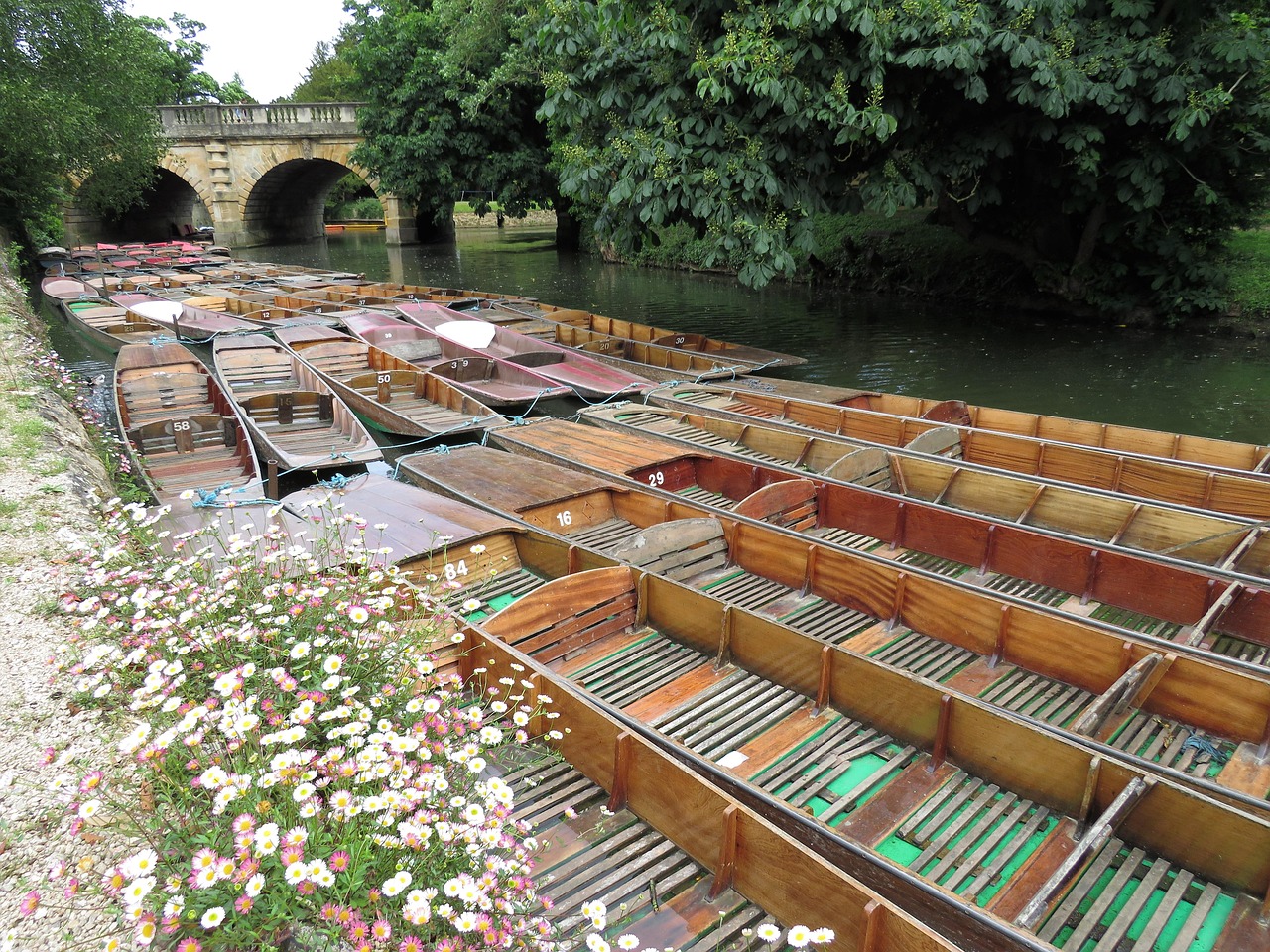
Punting is an essential Oxford experience – equal parts serene and slapstick. A punt is a flat-bottomed boat you propel with a long pole; it looks easy until you try to steer. I’ve done both self-punting (with much hysterical zig-zagging) and the far more relaxing chauffeured option.
Where to go:
- Magdalen Bridge Boathouse: The classic spot, right by Magdalen College. Head upstream for quiet, leafy views; downstream toward Christ Church Meadow and the Isis.
- Cherwell Boathouse (North Oxford): A bit further out but more tranquil, with a lovely riverside restaurant. I once spent a lazy summer afternoon here, punting up to the meadows, then lingering over dinner as the sky turned pink.
Family & couples:
- Families often love the mild adventure of self-punting; kids can sit at the front and “help” with the paddle.
- Couples might prefer a chauffeured punt with a bottle of something bubbly and a picnic basket.
Practicalities:
- Open roughly March–October (weather dependent).
- Wear shoes you don’t mind getting a bit wet.
- If you’re nervous about steering, don’t be shy about asking the staff for a quick tutorial.
10. Sheldonian Theatre
Designed by Christopher Wren (yes, the same architect as St Paul’s Cathedral in London), the Sheldonian is used for university ceremonies and concerts. From the outside, I love the ring of stone heads (the “Emperors”) watching over Broad Street. Inside, the painted ceiling is a baroque swirl of allegory.
Why visit:
- Climb to the cupola for another beautiful, slightly different 360-degree view of Oxford’s skyline. On my last visit, I had the viewing platform almost to myself and watched storm clouds roll in over the city.
- Check the programme: attending a concert here (classical, choral, or chamber music) is a wonderfully atmospheric evening activity.
11. New College
Ironically, New College is one of the oldest in Oxford (founded 1379). Its cloisters and gardens are achingly beautiful and slightly less overrun than some big-name colleges. I still remember a quiet golden hour visit: the lawn perfectly striped, wisteria draped over stone, the cloister echoing with my footsteps.
Highlights:
- Cloisters & Chapel: Atmospheric, with effigies and stained glass.
- Garden & City Wall: Part of Oxford’s medieval city wall runs through the gardens – a tangible reminder of the city’s fortified past.
Harry Potter note: Some scenes were filmed here, so it often appears on Potter-themed walking tours.
12. Merton College
Merton feels like a quiet secret – one of the oldest colleges, tucked slightly away from the main tourist drag. I love wandering its quads on still afternoons; the air feels almost heavy with history.
Why go:
- Beautiful quads and a serene chapel.
- The Fellows’ Garden with views over Christ Church Meadow and the river.
- Less crowded than Christ Church or Magdalen, making it ideal for contemplative visits.
As with all colleges, check visitor hours, which can vary with term time.
13. Balliol & Trinity Colleges (Broad Street Favourites)
On busy Broad Street, Balliol and Trinity sit almost opposite each other. They’re both lovely to visit and give a different flavour of college life.
Balliol College: One of the oldest colleges, with a reputation for political and intellectual life. I once attended a student debate here that carried on well past midnight in the college bar.
Trinity College: Known for its gorgeous gardens and lawns stretching behind the main buildings. In summer, students sprawl here with books and frisbees; as a visitor, you get a surprising sense of green space right off a major street.
Either (or both) are great additions to a “Broad Street and Bodleian” sightseeing morning.
14. Broad Street & Historic Bookshops
Broad Street is Oxford’s open-air living room: wide, pedestrian-friendly, lined with colleges, bookshops, and cafés. I often recommend it as the perfect starting point for anyone’s first walk through the city.
Don’t miss:
- Blackwell’s Bookshop: Especially the Norrington Room, an enormous subterranean hall of books. I can’t count how many rainy afternoons I’ve lost here, emerging with an armful of unexpected finds.
- Trinity & Balliol entrances: Peek into the quads even if you don’t have time to fully visit.
- Sheldonian & Clarendon Building: Anchoring the eastern end with architectural drama.
Tip: For book-lovers, combine Blackwell’s with a visit to the Weston Library (part of the Bodleian) across the road, which often has free exhibitions of rare manuscripts.
15. Thames Path & Port Meadow
For a completely different side of Oxford, follow the river. I often escape the crowds by heading to the Thames Path and wandering out toward Port Meadow.
Thames Path (Isis): Starting near Folly Bridge, you can follow the river past boathouses, houseboats, and grazing fields. It’s a lovely, flat walk suitable for all ages.
Port Meadow:
- A vast, ancient grazing meadow north of the city centre, unchanged in layout since medieval times.
- On summer evenings, the sky reflects in the floodplain ponds; cows and horses graze freely.
- I’ve had some of my most peaceful Oxford moments here, sitting by the water with a takeaway coffee, watching dog walkers and paddleboarders pass by.
Practical tip: Wear sturdy shoes if it’s been raining – it can get boggy. You can combine Port Meadow with a pint at one of the riverside pubs in Jericho.
16. Jericho & Canal Walks
Jericho is my favourite “evening neighbourhood” in Oxford – independent restaurants, cosy pubs, a cinema, and the peaceful Oxford Canal running just behind it.
What to do:
- Walk along the canal towpath, admiring narrowboats and waterside gardens.
- Catch an indie film or live event at the Ultimate Picture Palace or another local cinema (programmes change, but there’s usually something interesting).
- Enjoy dinner at one of Jericho’s many restaurants – from Middle Eastern to modern British.
It’s a great area for couples and groups of friends looking for relaxed nightlife without rowdiness.
17. The Headington Shark
This is one of Oxford’s quirkiest hidden gems: a massive fibreglass shark embedded headfirst into the roof of a suburban house on New High Street in Headington. The first time I cycled past, I did a double-take so hard I nearly fell off my bike.
Story: Installed in 1986 as a piece of protest art by the house’s owner, it was nearly taken down by the council but survived after a long battle. Today it’s a beloved oddity.
How to visit:
- Take a bus or cycle out to Headington from the city centre (about 15–20 minutes).
- Combine with a visit to the nearby CS Lewis Nature Reserve for a quieter, leafy walk.
18. Modern Art Oxford
When I need a hit of contemporary creativity after all the medieval stone, I head to Modern Art Oxford, just off the Westgate area. It’s a small but dynamic gallery, free to enter, with changing exhibitions and a good café.
Why go:
- Engaging exhibitions that often address current social, political, or environmental themes.
- A calm, reflective space amid the bustle of central Oxford.
- Family workshops and events are often scheduled in school holidays.
19. Westgate Oxford Rooftop & Shopping
Westgate is Oxford’s main modern shopping centre – not a historic attraction, but a very practical one. I mention it because the rooftop levels have surprisingly good views over the city and a cluster of restaurants and bars that come alive in the evenings.
What I like:
- Grabbing a drink on the rooftop terraces at sunset and watching the spires light up in the distance.
- Using Westgate as a weather-proof fallback for shopping, snacks, or just a bathroom break (travel realities!).
It’s also helpful for families needing familiar chain restaurants or quick bites.
20. Oxford Botanic Garden & Arboretum
Founded in 1621, this is the oldest botanic garden in the UK. I come here whenever I need green space but don’t have time to leave the city. The garden sits between the High Street and the River Cherwell; punting boats glide past just beyond the walls.
Highlights:
- Glasshouses with exotic plants – lovely on a chilly or rainy day.
- Herbaceous borders and themed beds that change with the seasons.
- Quiet benches where you can sit with a book and pretend you’re an Oxford don on a contemplative break.
Arboretum (Harcourt Arboretum): A few miles outside the city, this is especially gorgeous in autumn when the trees blaze with colour. If you have a car (or don’t mind a bus trip), it’s an excellent half-day out.
Suggested Itineraries: 3, 4, and 5 Days in Oxford
Here’s how I’d structure 3–5 days in Oxford, based on many trips and countless “show Jessica’s friends around” weekends. Each day mixes must-see attractions in Oxford with quieter corners, food stops, and local experiences. You can trim these for a 3 day itinerary for Oxford or expand them into a full 5 day itinerary for Oxford.
Day 1: Classic Oxford – Spires, Squares & Stories
I always spend my first day in Oxford re-connecting with the core: the Radcliffe Camera, Bodleian, Broad Street, and a couple of iconic colleges. It’s the perfect foundation whether you’re in town for 3 days or 5.
Morning: Radcliffe Square & Bodleian Library
- Start around 9:00 in Radcliffe Square. Circle the Radcliffe Camera, step into the porch of St Mary the Virgin, and get your bearings.
- Walk over to the Bodleian Library and join a morning tour (book ahead). You’ll hear how the library grew from a few hundred books to millions, and step into spaces used in films and novels.
- After the tour, pop into the Weston Library across Broad Street to see any free exhibitions of rare books and manuscripts – I’ve seen everything from Tolkien’s drafts to ancient maps here.
Coffee break: Duck into the Covered Market (5–7 minutes’ walk) for coffee and a pastry. I like sitting at a counter seat and watching the steady stream of students, workers, and tourists.
Late Morning: Broad Street & Bookshops
- Walk back to Broad Street. Browse Blackwell’s, making sure to find the Norrington Room.
- If you’re a serious reader, allow at least 45 minutes here; I’ve lost whole mornings.
Lunch: Head to Vaults & Garden Café by St Mary’s for hearty, fresh dishes. If it’s warm, sit outside facing Radcliffe Square – it’s one of the best-value “with a view” lunches you’ll find.
Afternoon: Tower Climb & College Visit
- Climb St Mary’s tower for those iconic views of Oxford. Take your time on the parapet – this is where the city’s layout really clicks.
- Afterward, visit one or two nearby colleges: New College (for cloisters and gardens) and/or Trinity (for lush lawns) are good Day 1 choices.
- Move slowly. Part of Oxford’s magic is just sitting on a bench in a quad, listening to the distant sound of a piano practice or a tutorial in progress.
Evening: Jericho Dinner & Canal Stroll
- Walk or bus to Jericho for dinner. Choose from its many independent restaurants – I’ve had memorable Middle Eastern feasts, Italian dinners, and modern British plates here.
- After dinner, take a gentle walk along the Oxford Canal. At dusk, the reflections of houseboats and streetlights make it feel like a secret, watery village inside the city.
By the end of Day 1, you’ll have taken in many of the must-see attractions in Oxford while still leaving plenty for later days.
Day 2: Colleges, Meadows & the River
Day 2 dives deeper into college life and Oxford’s green spaces. This is often visitors’ favourite day, especially for couples and families.
Morning: Christ Church College & Cathedral
- Book a morning slot to visit Christ Church. Arrive at opening time to avoid the worst of the crowds.
- Take your time through Tom Quad, the Hall, and the Cathedral. Follow the self-guided route and linger where you feel drawn – for me, it’s always the stained glass in the Cathedral and the view back across Tom Quad toward Tom Tower.
Late Morning: Christ Church Meadow Walk
- Exit toward Christ Church Meadow and stroll the loop path. You’ll see the spires of Merton and Corpus Christi on one side, and rowers practicing on the river on the other.
- In spring, this walk is lined with blossoms; in summer, it feels almost Mediterranean when the sun hits the long grass.
Lunch: Grab sandwiches from a High Street café or the Covered Market, and eat in the meadow (if dry) or in the Botanic Garden area (if you’re heading there next).
Afternoon: Oxford Botanic Garden & Punting
- Spend an hour or two in the Botanic Garden, wandering the glasshouses and borders. This is a great time to let younger travelers roam a bit.
- Then, walk to Magdalen Bridge Boathouse and hire a punt. Decide: self-punt (adventurous, occasionally chaotic, good for groups who like to laugh) or chauffeured (relaxing, romantic, excellent for photos).
- Head upriver through leafy, quiet stretches; bring drinks and snacks if you like.
Evening: High Street & Traditional Pub
- Walk back along the High Street, admiring the college facades glowing in the evening light.
- End at a traditional pub – perhaps one tucked down a lane near the High Street. Order a local ale or cider and something comforting like fish and chips or a pie.
Day 3: Museums, Hidden Gems & North Oxford
For your third day in Oxford, focus on museums and quieter neighbourhoods. This makes for a perfect 3 day itinerary for Oxford, and it’s also the foundation for longer stays.
Morning: Natural History & Pitt Rivers Museums
- Start at the Natural History Museum. Even if you’re not a museum person, the architecture alone is worth the visit.
- Slip through to the Pitt Rivers and get lost among its cabinets. Pick a theme – musical instruments, masks, weapons – and follow that thread; it’s less overwhelming that way.
Lunch: There’s a small café in the museum, but I often walk back toward the city centre for more options – maybe a quick bite at the Covered Market again or a sandwich from an independent café on Broad Street.
Afternoon: North Oxford & Port Meadow
- Walk or bus up to North Oxford, with its leafy residential streets and large Victorian houses.
- Head to Port Meadow and take a gentle riverside walk. If the weather’s good, this is one of the most relaxing things to do in Oxford – perfect for couples and solo travelers.
- Alternatively, for a shorter walk, circle back and explore Jericho again, ducking into different cafés or pubs from the previous night.
Evening: Westgate Rooftop & Night Views
- Finish the day at Westgate Oxford’s rooftop restaurants and bars. Have dinner or just a drink, and enjoy the view of illuminated spires beyond the modern terraces.
- If you still have energy, take a short night stroll past the Radcliffe Camera and Bodleian. The crowds will be gone; the magic will not.
For many visitors, these three days are enough to fall for the city. If you have more time, you can turn this into a richer 4 day itinerary for Oxford or even a 5 day itinerary for Oxford by adding day trips and deeper dives.
Day 4: Art, Modern Oxford & Quirky Sights
Day 4 is about seeing Oxford beyond the postcards: art galleries, modern shopping, and suburban quirks.
Morning: Ashmolean Museum
- Spend the morning at the Ashmolean. Focus on a few sections (e.g., Ancient Egypt, European paintings, Eastern art) rather than trying to see it all.
- Take a mid-morning break in the rooftop café; if the weather allows, sit outside and soak in the views.
Lunch: Plenty of nearby cafés and pubs around Beaumont Street and George Street. I often gravitate to a small independent spot for soup and a sandwich.
Afternoon: Modern Art Oxford & Westgate
- Walk to Modern Art Oxford and explore the current exhibitions. This offers a refreshing contrast to the Ashmolean’s historical collections.
- From there, wander through the Westgate area. Do any necessary shopping, or simply people-watch from the central atrium or rooftop levels.
Late Afternoon: Headington Shark Adventure
- Hop on a bus to Headington and trek to the Headington Shark. Snap some photos and enjoy the surreal sight of a shark plummeting into a very ordinary house.
- Optionally, extend your walk to the CS Lewis Nature Reserve for a tranquil woodland wander.
Evening: Local Dinner & Quiet Pub
- Either eat in Headington (there are several local restaurants) or bus back to the city centre or Jericho.
- Finish with a quiet drink at a less-touristed pub – ask locals or your accommodation for their current favourites, as the scene shifts.
Day 5: Day Trip & Deep Dives
For a full 5 day itinerary for Oxford, I recommend using Day 5 for a day trip or a slow “deep dive” into your favourite parts of the city.
Option 1: Cotswolds Day Trip
- Take a bus or organised tour from Oxford to the nearby Cotswolds – think honey-stone villages, rolling hills, and cosy tearooms.
- I once spent a blissful November day doing exactly this: a misty morning in Bibury, lunch by a fireplace in Burford, and back to Oxford by early evening.
Option 2: Blenheim Palace
- Bus to Blenheim Palace in Woodstock (about 30–40 minutes). Explore the opulent palace, extensive gardens, and lakeside walks.
- This is excellent for families and history buffs alike.
Option 3: Slow Oxford
- Revisit your favourite college or museum at a slower pace.
- Spend an afternoon writing or sketching in a café or the Botanic Garden.
- Explore lesser-known corners: quiet residential streets of East Oxford, hidden lanes like Holywell Street, or a new pub you haven’t tried.
By the end of Day 5, Oxford will feel less like a destination and more like a place you know – which is always my goal when travelling.
Neighbourhoods & Areas to Explore in Oxford
Oxford is compact, but each area has its own flavour. Understanding the neighbourhoods helps you decide where to stay and what to prioritise.
City Centre & Historic Core
This is the Oxford of postcards: colleges, cobblestones, and spires. Most must-see attractions in Oxford are here: the Radcliffe Camera, Bodleian, Christ Church, and major museums.
Best for: First-time visitors, short stays, those who want to walk everywhere.
Stay here if: You like stepping out of your hotel or guesthouse and being in the middle of everything.
Jericho
Northwest of the centre, Jericho was once a working-class suburb; now it’s a hip, slightly bohemian area with canals, independent shops, and a strong café and restaurant scene.
Best for: Evening dining, relaxed nightlife, longer stays.
Stay here if: You want a neighbourhood feel with easy walking access to the centre (about 10–15 minutes).
East Oxford & Cowley Road
East Oxford, centred on Cowley Road, is the city’s most multicultural, creative stretch – full of world food, bars, live music, and students. I used to live near here, and it still feels like the place where “real life” happens.
Best for: Budget eats, nightlife, people-watching.
Stay here if: You prefer local, lived-in neighbourhoods to tourist centres and don’t mind a 20–25 minute walk or short bus ride into the historic core.
North Oxford
Leafy, residential North Oxford is full of large Victorian houses, quiet streets, and a feeling of calm affluence. It’s also close to Port Meadow and some lovely walking routes.
Best for: Families, longer stays, those seeking calm.
Stay here if: You value quiet nights and don’t mind walking or cycling into the centre.
Headington
On a hill east of the centre, Headington is a mixed residential and student area, home to Oxford Brookes University and the famous Headington Shark.
Best for: Budget stays, visiting Brookes, or those who prefer a suburban base.
Best Local Food & Drink in Oxford
Oxford’s food scene has improved dramatically over the last decade. You can still find classic British pub fare, but you’ll also find inventive modern cooking, vegan-friendly spots, and global flavours – especially along Cowley Road.
Local Dishes & Drinks to Try
- Proper British breakfast: Eggs, bacon, sausage, beans, mushrooms, toast. Perfect fuel for a day of walking.
- Sunday roast: If you’re in town on a Sunday, book a pub roast – roast meat or a veggie option, potatoes, Yorkshire pudding, and gravy.
- Local ale & cider: Try something from Oxfordshire breweries; ask staff what’s on tap.
- Afternoon tea: Scones with clotted cream and jam, plus tea and cakes – many hotels and cafés offer versions, from simple to decadent.
Where I Actually Eat
I’ve eaten my way around Oxford over multiple visits and long stays. Here are the types of places I gravitate to:
- Covered Market cafés & bakeries: Affordable, local feeling, great for quick lunches.
- Jericho restaurants: Ideal for date nights or relaxed dinners with friends.
- Cowley Road eateries: My go-to for international cuisines and budget-friendly meals – Indian, Thai, Middle Eastern, vegan, you name it.
- Riverside spots: For long summer evenings, I love pubs and restaurants along the Thames or Cherwell, where you can watch boats drift past.
Saving Money on Food
Oxford can be pricey, but you don’t have to spend a fortune.
- Opt for lunch as your main meal – many places have cheaper lunch menus.
- Use supermarkets and bakeries for picnics in parks and meadows.
- Studenty areas (East Oxford, Jericho) often have cheaper eats than the absolute city centre.
Nightlife, Entertainment & Cultural Experiences
Oxford isn’t a wild party town (though students might disagree), but it has a rich cultural life and cosy, characterful nightlife.
Pubs & Bars
Traditional pubs are part of the cultural fabric. Many date back centuries, with low beamed ceilings and open fires.
- Look for pubs tucked down lanes or near colleges for atmosphere.
- In Jericho and along Cowley Road, you’ll find more modern bars and craft beer spots.
Theatre, Music & Film
- Theatres: Oxford has several, from bigger venues hosting touring productions to smaller spaces championing local work. Check listings during your visit.
- Classical & choral music: College chapels and the Sheldonian often host concerts; attending an evening performance can be a highlight of your cultural experiences in Oxford.
- Cinemas: From mainstream multiplexes to indie screens, there’s always something on – great for a rainy night.
Evening Walks
Some of my favourite Oxford evenings are simple: walking through the historic core after dark, when day-trippers are gone and the colleges are lit softly. Radcliffe Square, the High Street, and the bridges over the Cherwell and Thames are particularly atmospheric.
Best Day Trips from Oxford
Oxford is perfectly placed for day trips. Here are a few favourites:
Blenheim Palace (Woodstock)
World Heritage-listed Blenheim Palace is the birthplace of Winston Churchill and an architectural showpiece. The palace interiors are grand, but my heart belongs to the gardens and lakeside walks.
- Getting there: Bus from Oxford to Woodstock (30–40 minutes).
- Good for: Families, history lovers, walkers.
The Cotswolds
The Cotswolds region, with its storybook villages and rolling hills, is easily reached and pairs beautifully with an Oxford base.
- Getting there: Organised tours, buses, or self-drive.
- Good for: Couples, photographers, slow travellers.
Stratford-upon-Avon
Shakespeare’s birthplace is reachable by train or bus from Oxford, offering Tudor architecture, theatres, and riverside walks.
Cultural Etiquette & Local Customs in Oxford
Oxford is welcoming, but there are a few local customs and etiquette points that will make your visit smoother.
College Etiquette
- Respect private areas: Only walk where signs indicate visitors are allowed. Many lawns are for “members only” – don’t be offended; it’s tradition.
- Quiet in chapels & libraries: Keep voices low; switch phones to silent.
- Photography: Always check for signs. Some chapels and exhibitions restrict photos.
General British Norms
- Queues: The British take queuing seriously. Always join the end of a line and don’t cut in.
- “Please” and “thank you”: You’ll hear these constantly – using them liberally will be appreciated.
- Pubs: Order and pay at the bar unless told otherwise; tipping is not obligatory but rounding up or leaving small change is common.
Student Culture
Remember that the University of Oxford is a working university, not a museum. During term time, you’ll see students rushing to lectures, wearing gowns for formal events, and occasionally celebrating (or commiserating) loudly after exams. Enjoy observing it, but give them space.
Practical Travel Tips for Oxford
Here’s how to get around, save money, and avoid common snags when travelling to Oxford in 2026.
Getting To & Around Oxford
- From London: Trains from Paddington or Marylebone (about 1 hour). Also frequent “Oxford Tube” and “X90”-style coach services (around 90 minutes, traffic dependent).
- Within Oxford: Walking is best for the historic centre. Buses cover outer areas; contactless payment usually works on board.
- Cycling: Oxford is bike-friendly but busy; if you’re not confident cycling in traffic, stick to walking and buses.
Public Transport & Car Rental
Driving in Oxford is more hassle than it’s worth: narrow streets, one-way systems, limited parking, and expensive car parks.
- Park & Ride: If you must drive, use Park & Ride lots on the outskirts and bus into town.
- Car rental: Best used for day trips to the Cotswolds, Blenheim, or beyond, not for moving around the city itself.
SIM Cards & Connectivity
- In 2026, eSIMs and physical SIMs from UK providers are widely available. You can pick one up at airports, larger supermarkets, or mobile shops in Oxford’s centre or Westgate.
- Look for plans from major carriers that include generous data; Wi-Fi is common in cafés, hotels, and some public buildings.
Money-Saving Tips
- Free attractions: Many museums (Ashmolean, Natural History, Pitt Rivers, Modern Art Oxford) are free.
- Picnics: Use supermarkets or markets for picnics in meadows and parks.
- Walk: Avoid taxis within the city; distances are short.
- Check student discounts: Some attractions and theatres offer reduced prices if you have a valid student card.
Visa Requirements & Entry
Visa requirements depend on your nationality and current UK regulations. In 2026, most EU, US, Canadian, Australian, and many other travellers can enter the UK visa-free for short stays, but always check the latest official UK government guidance before travelling.
Foreign Driving Licences
Most foreign driving licences are accepted for short-term driving in the UK (up to 12 months), but regulations vary by country. Check before you travel if you plan to rent a car for day trips.
When to Visit Oxford & Seasonal Advice
Oxford is lovely year-round, but each season has its own flavour.
Spring (March–May)
Flowers in the Botanic Garden, blossom in college gardens, lengthening days. It can still be chilly and wet, but the city feels fresh and hopeful.
Best for: Walks in meadows, Addison’s Walk, moderate crowds.
Summer (June–August)
Long days, punting season, outdoor events. Also the busiest and often priciest time, with many language schools and tourists.
Best for: Punting, riverside picnics, Port Meadow, evening drinks outdoors.
Autumn (September–November)
My personal favourite. New academic term begins, leaves turn in parks and the Arboretum, and the light is beautiful. Weather is changeable but often pleasantly cool.
Best for: Authentic university atmosphere, photography, quieter museums than summer.
Winter (December–February)
Short days, potential frost or snow, but also Christmas lights and cosy pubs. Some attractions have reduced hours.
Best for: Budget-conscious travellers, museum visits, pub culture, and those who like crisp, moody cityscapes.
What’s New in 2026–2027: Events & Festivals
Oxford’s events calendar blends centuries-old traditions with modern festivals. For 2026–2027, watch for:
- May Morning (1 May 2026 & 2027): Choir singing from Magdalen Tower at dawn, crowds lining Magdalen Bridge, music and festivities across the city.
- Oxford Literary & Arts Festivals: Usually in spring; authors’ talks, readings, and cultural events held in colleges and venues across the city.
- Summer music and arts events: Outdoor concerts, college garden performances, and temporary exhibitions in museums.
- Christmas lights & markets (late 2026): The city centre lights up, with markets and late-night shopping events in the run-up to Christmas.
Specific dates and programmes change yearly, so check official tourism and event websites as your travel dates approach.
Summary & Final Recommendations
Oxford rewards both the whirlwind 3-day city break and the slower 4–5 day stay. Plan your 3 days in Oxford around the historic core, key colleges, and a museum or two; stretch to 4 days in Oxford to add riverside walks, Jericho, and East Oxford food; and treat yourself to 5 days in Oxford if you want to fold in a Cotswolds or Blenheim day trip and really feel the city’s rhythms.
For first-time visitors, I recommend:
- Staying centrally or in Jericho for easy access and atmosphere.
- Prioritising Radcliffe Square, the Bodleian, at least two colleges (Christ Church plus one quieter favourite), and one or two major museums.
- Leaving time for unstructured wandering – down lanes, along rivers, through markets and bookshops.
- Choosing a season to match your interests: summer for punting and meadows, autumn for atmosphere and colour, winter for cosy culture, spring for blossoms and hope.
If you come with a detailed travel guide for Oxford in hand but allow space for serendipity, you’ll find your own hidden gems in Oxford – a quiet bench in a quad, a favourite café corner, a view from a bridge at just the right sunset. Those personal moments are the ones that, years later, will make you feel like you never quite left the city of dreaming spires.