Why Visit York in 2026?
York is the kind of city that gets under your skin slowly and then refuses to leave. I’ve lived in and around York on and off for years, and every time I walk under the shadow of York Minster or slip down a crooked snickelway (our word for tiny alleyways), I’m reminded why this compact, walkable city is one of the most rewarding places to visit in England.
York is over 2,000 years old. Romans laid out the streets, Vikings turned it into a trading hub, medieval merchants grew rich on wool, and the Victorians stitched the city into Britain’s railway network. You can feel all those layers in a single afternoon: stand on Roman walls, sip coffee in a Georgian townhouse, then finish with craft beer in a former engine works.
What makes York special in 2026?
- Perfect size for 3–5 days: Big enough for world-class museums and nightlife, small enough to cross on foot in 20 minutes.
- Atmosphere: York is candlelit pubs, ghost stories, bells of the Minster, and the smell of roast beef and Yorkshire puddings drifting from Sunday lunch tables.
- History you can touch: Walk the city walls, climb medieval towers, and step into Viking streets reconstructed beneath your feet.
- Food scene: From traditional Yorkshire roast to indie coffee, craft beer, vegan bakeries, and surprisingly good street food.
- Family, couples, and solo friendly: Safe, compact, and full of attractions that work for kids, history nerds, romantics, and photographers.
- Upcoming events 2026–2027: Expanded festival calendar, new exhibitions at the National Railway Museum, and fresh openings around the riverside and station.
Whether you’re planning 3 days in York, a 4 day itinerary for York, or even 5 days in York, this in-depth travel guide for York is written like I’m walking alongside you, sharing what I’ve learned from dozens of visits in all seasons.
Table of Contents
- Why Visit York
- Neighbourhoods & Areas of York
- Top 20 Must-See Attractions in York
- Suggested 3–5 Day Itineraries
- Local Food in York & Where to Eat
- Nightlife, Entertainment & Cultural Experiences
- Best Day Trips from York
- Cultural Etiquette & Local Customs
- Practical Travel Tips for York
- Final Summary & Best Time to Visit
York’s Neighbourhoods & Areas to Explore
York’s centre is small, but each corner has its own personality. When I plan a 3 or 4 day itinerary for York for friends, I usually break it up like this:
Historic City Centre (Inside the Walls)
This is the York most visitors imagine: cobbled lanes, leaning timber-framed houses, tea rooms, and the Minster towering over everything. It’s busy, charming, and endlessly walkable.
Shambles & Fossgate Quarter
The medieval heart of York, now a mix of boutiques, fudge shops, and indie restaurants. Fossgate and Walmgate are my go-to streets for food and drinks in the evening.
Micklegate & Blossom Street
Cross the river from the station and you reach Micklegate, lined with handsome Georgian townhouses and some of York’s best pubs. It’s less touristy but only a 10-minute walk to the centre.
Bishopthorpe Road (“Bishy Road”)
A beloved local high street just outside the city walls. Cafés, delis, and a real neighbourhood feel. I often stay nearby when I want peace but easy access to the centre.
Bootham & Clifton
Leafy streets leading north from the Minster, dotted with B&Bs, the art gallery, and Museum Gardens. Great base for families and quieter stays.
Riverside & Foss Basin
Converted warehouses and modern apartment blocks along the River Ouse and River Foss. Good for walks, running, and waterside pubs.
Top 20 Must-See Attractions in York (With Local Tips)
Below are 20 of the best places to visit in York. I’ve included history, what you’ll actually experience, and my personal tips from many visits.
1. York Minster
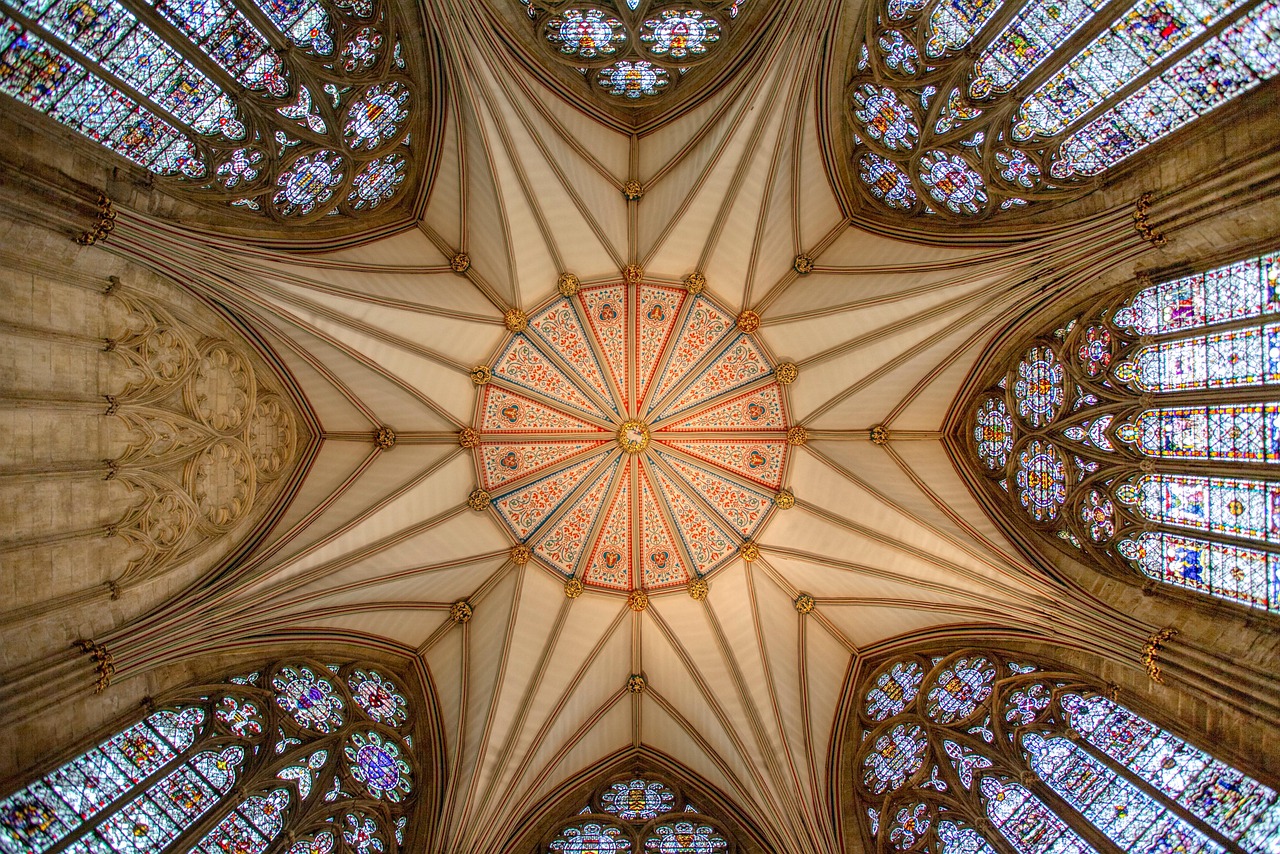
If you only see one thing in York, make it the Minster. I still get goosebumps emerging into the square and seeing the west front soar above the city. York Minster is one of the largest Gothic cathedrals in Northern Europe, and it truly dominates the skyline.
The first time I climbed the Central Tower, it was a crisp February morning. The stone steps were cold under my hands (you’ll use the handrail a lot), and when I stepped out onto the viewing platform, the whole of York unfolded below: terracotta roofs, the green ring of the city walls, and the distant outline of the North York Moors on the horizon.
History & significance: The site has been a centre of worship since the 7th century. The current Gothic structure dates mostly from the 13th–15th centuries. Its medieval stained glass, especially the Great East Window, is world-famous.
What to do:
- Explore the nave and choir; look up to appreciate the vaulting.
- Visit the Undercroft Museum to see Roman and earlier remains beneath the Minster.
- Climb the Central Tower for the best panoramic views in York (weather permitting).
- Time a visit to hear the choir at Evensong – it’s free, and the acoustics are heavenly.
Tips: Book tower tickets early on busy weekends. Dress modestly and quietly during services. Arrive near opening (usually around 9–10 am) to enjoy a calmer atmosphere before tour groups arrive. Combine with a walk around the nearby streets (Chapter House Street, College Street) for classic York photos.
2. York City Walls
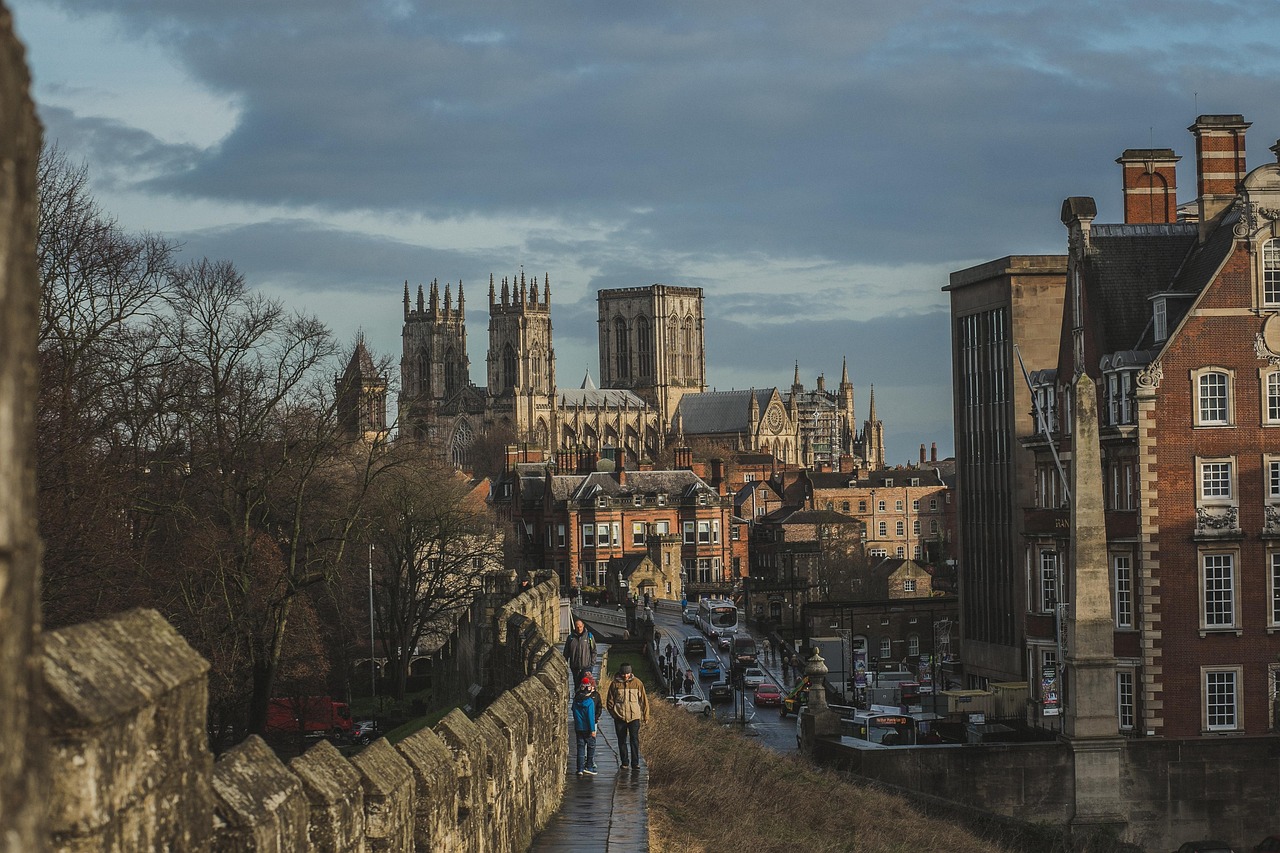
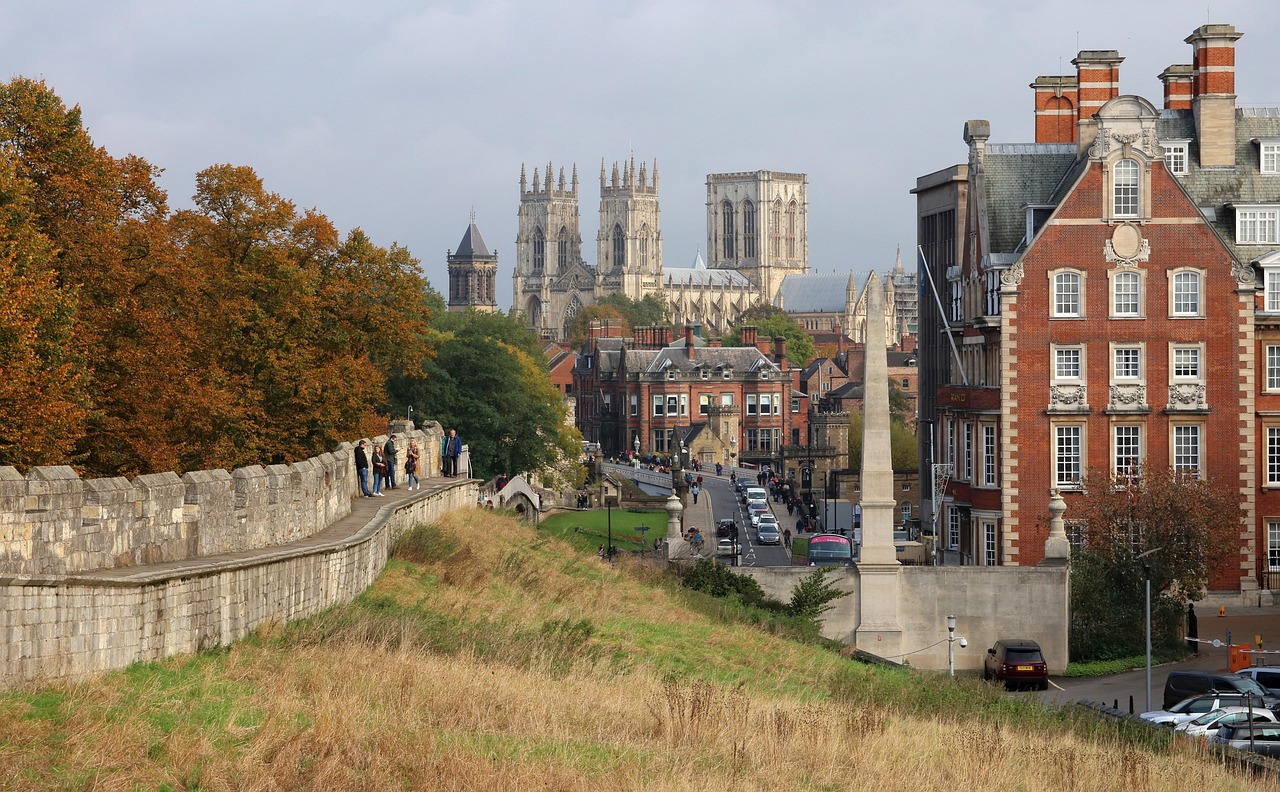
York’s medieval walls wrap around much of the old city, and walking them is my favourite free activity in York. I often do different sections depending on my mood: the stretch from Bootham Bar to Monk Bar offers the best Minster views, while the Micklegate Bar segment is quieter.
History: The first fortifications here were Roman, but most of the surviving stonework is medieval. The bars (gatehouses) were once checkpoints controlling access to the city.
Experience: The walls are narrow in places, with no guard rail on one side, so they’re not ideal if you’re very afraid of heights or have toddlers who like to run. But for most visitors, they’re a gentle, scenic walk.
My routine: On sunny evenings, I like to grab an ice cream from a café near Bootham Bar and stroll the section towards Monk Bar, watching the Minster change colour in the golden hour. In autumn, the leaves in the gardens below are stunning.
Tips: Wear comfortable shoes. Some sections close in icy or very wet weather for safety. There are several access points, so you don’t need to walk the full loop at once. Early morning or late afternoon are best for photos and fewer crowds.
3. The Shambles
The Shambles is often described as one of the best-preserved medieval streets in Europe. The overhanging timber-framed buildings lean so close at the top that you could almost shake hands across the lane. These days, the street is a mix of sweet shops, Harry Potter-themed boutiques, and cafés.
History: Originally a street of butchers’ shops, with meat displayed on the shelves outside and offal drained down the central channel. You can still see the hooks and wide ledges.
Experience: The Shambles is magical at 8 am when it’s almost empty. I once visited in December just after a fresh snowfall; the street looked like something from a Dickens novel. By midday, especially in high season, it can be absolutely packed.
Tips: Come early morning or in the evening to avoid crowds. Step into the tiny side snickelways (like Shambles Market and Lady Peckett’s Yard) to escape the bustle. The Shambles Market behind the street has street food stalls and local crafts – a good lunch stop.
4. JORVIK Viking Centre
JORVIK is where York’s Viking history comes to life. It’s built on the site of an archaeological dig that uncovered a whole Viking-age neighbourhood. The first time I visited as a kid, I was obsessed with the animatronic figures and the “authentic” smells; as an adult, I appreciate the detail even more.
What to expect: You sit in a slow-moving pod and glide through recreated Viking streets, with sights, sounds, and smells (yes, including the latrines). At the end, there’s a small but fascinating museum with real artefacts.
Family-friendly? Very. Kids usually love it. There’s a bit of darkness and some graphic historical detail but nothing most families will find problematic.
Tips: Pre-book timed tickets, especially weekends and school holidays. If you’re planning 3 days in York with children, put JORVIK on Day 1 or 2 when energy’s high. Budget around 1–1.5 hours.
5. National Railway Museum
Even if you’re not a train enthusiast, the National Railway Museum is one of the most impressive museums in England – and it’s free. I’ve lost whole afternoons here, drifting from polished royal carriages to hulking steam engines.
Highlights:
- Famous engines like the Mallard (world speed record holder for steam) and replicas of early locomotives.
- Royal carriages with lavish interiors.
- Interactive exhibits for children.
- A viewing area over the modern train station – fun for spotting today’s trains.
2026–2027 update: The museum has been undergoing a multi-year redevelopment, with new galleries and improved public spaces rolling out in phases. Check their website before you visit for what’s open; 2026–2027 is expected to feature major new exhibitions.
Tips: It’s just behind the station, making it an easy stop when you arrive or before you leave. Allow at least 2–3 hours. The café is decent, but for better coffee, I usually pop back into the city afterwards.
6. Clifford’s Tower
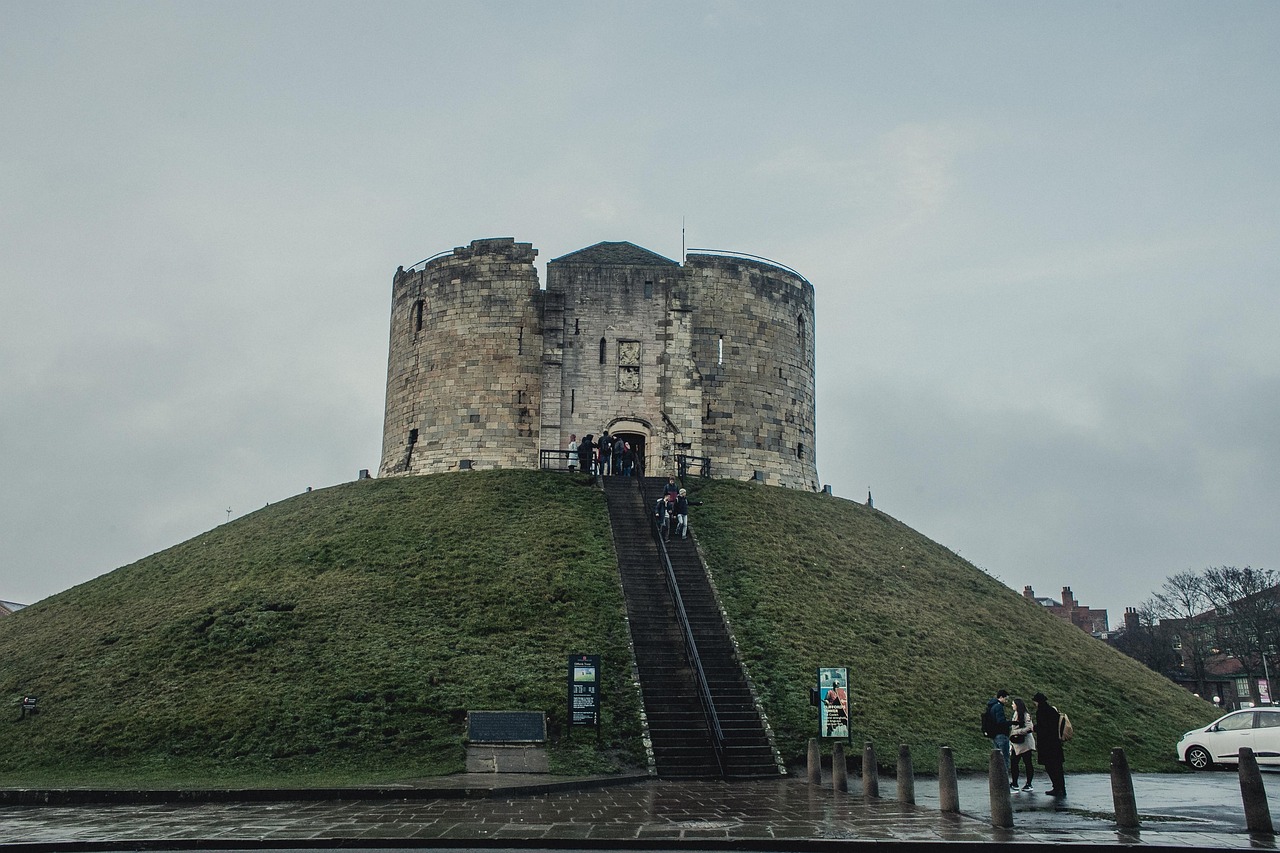
Clifford’s Tower sits alone on its grassy mound like a stone crown. It’s what remains of York Castle. I often use it as my personal weather check – if the flag on top is whipping frantically, I know to bring a scarf.
History: Originally a Norman motte-and-bailey castle, the tower has a grim history, including the 1190 massacre of York’s Jewish community. Today, the interpretation inside addresses this sensitively.
Experience: An English Heritage renovation has added new interior walkways and platforms, turning the tower into a multi-level viewing space. The rooftop views of York Minster and the river are outstanding.
Tips: It’s very exposed at the top – bring a jacket, even in summer. Combine this with a riverside walk or a visit to the nearby York Castle Museum.
7. York Castle Museum
York Castle Museum is one of the most immersive social history museums I’ve ever visited. The recreated Victorian street, Kirkgate, feels like stepping into a period drama. I once spent an hour just peering into the shop windows, reading the hand-painted signs.
What’s inside:
- Kirkgate – a cobbled indoor street with shops you can step into.
- Exhibitions on toys, fashion, and daily life through the centuries.
- The old prison cells, including the cell of infamous highwayman Dick Turpin.
Tips: It’s a brilliant option for rainy days. Allow 2–3 hours. Some of the prison content can be a bit intense for very young children, but most families manage fine by skipping certain panels.
8. York Museum Gardens & St Mary’s Abbey
When I need a breather from the city, I head to Museum Gardens. Locals treat it like a shared backyard: you’ll see students picnicking, families chasing kids, and tourists photographing squirrels.
Highlights:
- Ruins of St Mary’s Abbey – towering stone arches draped in ivy.
- Botanical collections and flower beds.
- The Yorkshire Museum (for archaeology and natural history).
- Views down to the River Ouse.
Tips: Free entry to the gardens; the Yorkshire Museum has a fee. Visit at sunset for beautiful light on the abbey ruins. In summer, bring a takeaway coffee or snack and join the locals on the grass.
9. Yorkshire Museum
Set within Museum Gardens, the Yorkshire Museum is small but packed with treasures: Roman mosaics, Viking hoards, and medieval artefacts that tell York’s long story.
Why go: If you’re a history buff, this rounds out the picture after JORVIK and the Minster. I particularly like the Roman gallery, where you can see objects found just beneath York’s streets.
Tips: Combine with a stroll in Museum Gardens and a walk along the river. If you’re short on time during a 3 day itinerary for York, prioritise JORVIK and the Castle Museum first, then add this if you have more than 3 days in York.
10. Merchant Adventurers’ Hall
Tucked just off Fossgate, this timber-framed hall is one of York’s most atmospheric buildings. It was built in the 14th century as a meeting place for wealthy merchants – the kind of people who shaped medieval York’s economy.
Whenever I step inside, the creak of the floorboards and the smell of old wood instantly transport me back centuries. It’s quieter than many York attractions, and I often recommend it to friends who want something less crowded but still iconic.
Tips: Visit mid-morning when it’s usually peaceful. The hall is sometimes closed for events or weddings – check ahead. Afterward, grab a coffee or lunch on Fossgate, one of my favourite streets.
11. Barley Hall
Barley Hall is a reconstructed medieval townhouse hidden behind Stonegate. I stumbled on it years ago by following a tiny sign down a narrow alley – classic York. Inside, rooms are laid out as they would have been in the 15th century, complete with furniture you’re allowed to sit on.
Why visit: It’s hands-on, intimate, and gives a sense of how York’s wealthy residents lived. Temporary exhibitions often focus on themes like medieval feasting or fashion.
Tips: Great for families and anyone who likes interactive history. Because it’s tucked away, it’s usually less busy than JORVIK or the Castle Museum.
12. York Art Gallery
Opposite Exhibition Square and near the city walls, York Art Gallery is a calm, bright space with a mix of historic and contemporary art. When it rains, I often duck in here, wander for an hour, then reward myself with cake at the café.
Highlights: British paintings, ceramics, and rotating exhibitions. The building itself, with its high ceilings and large windows, is lovely.
Tips: Check what’s on before you go; special exhibitions may have separate charges. Combine with a walk on the nearby walls and a stroll through Museum Gardens.
13. York’s Chocolate Story
York has deep chocolate roots – Rowntree’s and Terry’s both started here. York’s Chocolate Story is a fun, guided experience that explores this sweet history. On my last visit, I left with a bag full of custom-made chocolates and zero regrets.
Experience: Guided tours, tastings, demonstrations, and a shop at the end. It’s touristy but well done.
Family & couples: Kids love the tastings; couples often enjoy it as a light, indulgent stop during a romantic weekend.
Tips: Pre-book for peak times. I’d slot this into a 4 or 5 day itinerary for York, or as a “treat” stop if you’re only here 3 days.
14. River Ouse Walks & Boat Trips
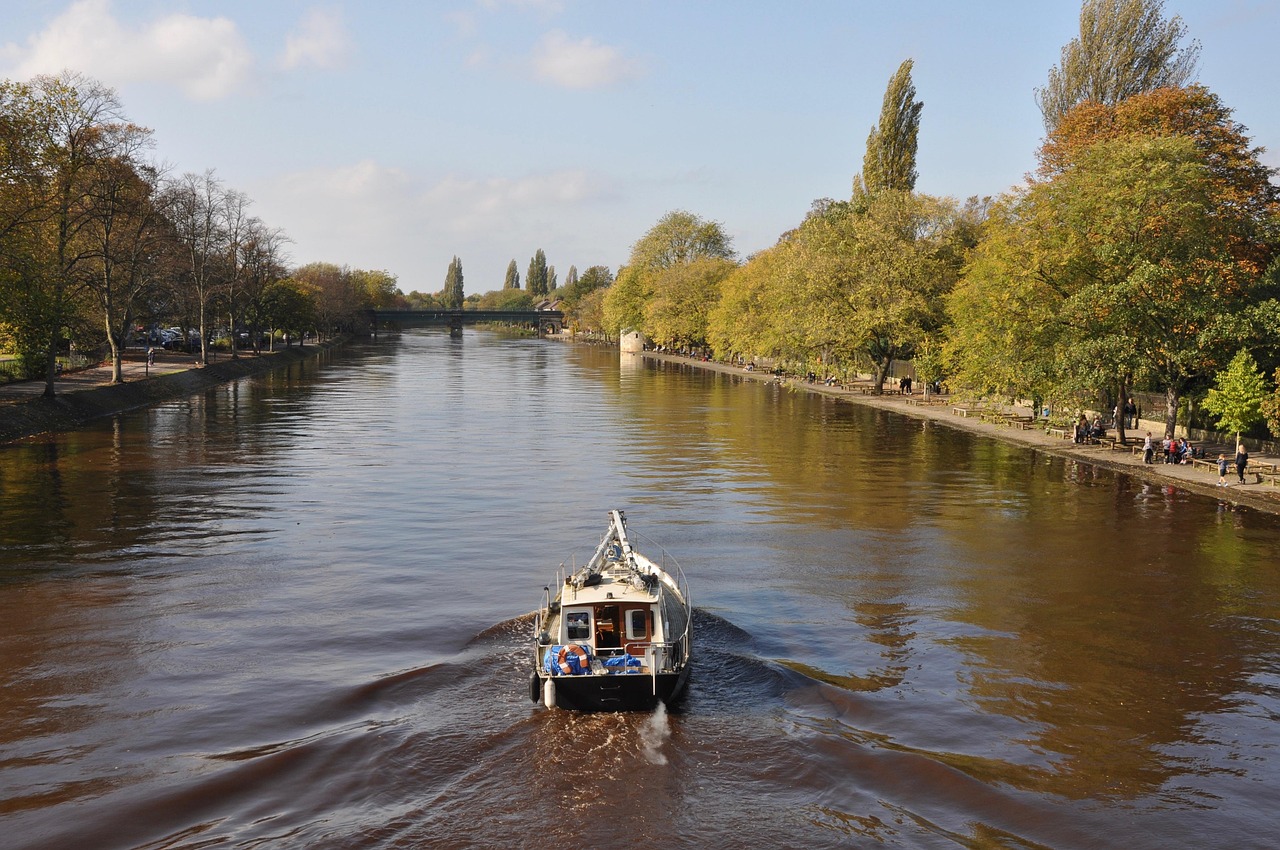
The River Ouse slices through York’s centre, and walking along it gives you a different perspective on the city. I particularly like the stretch from Lendal Bridge down to Millennium Bridge and over towards Bishopthorpe Road.
Things to do:
- Take a daytime sightseeing cruise for an overview of York’s history.
- Join an evening cruise with drinks for something more romantic.
- Simply walk the towpath, spotting rowers and river birds.
Tips: In winter or after heavy rain, the river can rise and flood parts of the path (Yorkers are used to it). Check conditions before planning a long riverside stroll.
15. York Mansion House
Right on St Helen’s Square, York Mansion House is the official home of the Lord Mayor of York. Inside, it’s full of Georgian elegance and civic treasures. I once joined a small group tour here and was surprised how much I enjoyed the stories behind the silverware and portraits.
Why go: It’s a window into York’s civic pride and long tradition of self-governance. Also, the view from the windows over the square is lovely.
Tips: Opening times can be limited; check ahead. If you’re short on time, this is more of a “bonus” stop for a 5 day itinerary for York than an essential for first-timers.
16. Treasurer’s House
Treasurer’s House is my go-to recommendation for people who think they’ve “done” York. Tucked behind the Minster, this National Trust property is a beautifully preserved townhouse with a mix of period rooms and one of York’s best small gardens.
Highlights:
- Period interiors from different eras.
- Stories about its eccentric early 20th-century owner, Frank Green.
- Ghost tales – including the famous Roman soldiers allegedly seen in the cellar.
- A peaceful walled garden with Minster views.
Tips: It’s usually blissfully quiet compared with the Minster. Perfect in spring or summer when the garden is in bloom. National Trust members go free.
17. Holy Trinity Church, Goodramgate
Slip through a little gate off Goodramgate and you’ll find one of York’s true hidden gems: a medieval church surrounded by a small, quiet churchyard. I often sit here when I need 10 minutes of calm.
Why visit: It feels untouched by time: uneven floors, boxed pews, and stained glass filtering the light. It’s also free, though donations are welcome.
Tips: Respect the quiet; this is still a place of worship. It’s a beautiful stop on a self-guided wander between the Minster and the Shambles.
18. Bishopthorpe Road (“Bishy Road”)
Bishy Road is where you’ll feel the “real” York. Lined with cafés, bakeries, and independent shops, it has a strong community vibe. On Saturdays, the pavement buzzes with locals grabbing brunch and chatting to their neighbours.
My favourites: Coffee and cake at a local café, browsing the deli for picnic supplies, and walking down to the riverside afterwards. This is also one of the best areas to stay if you want a neighbourhood base.
Tips: It’s about 15–20 minutes’ walk from the city centre, or a short bus ride. Include it as a late-morning or afternoon outing in a 4 or 5 day itinerary for York.
19. Micklegate & Micklegate Bar
Micklegate is where kings once entered York in procession. Today, it’s a handsome street of Georgian houses, independent shops, and some of my favourite pubs. Micklegate Bar itself houses a small museum about the city walls and past executions.
Why visit: Fewer tourists, more locals. Great for an evening pub crawl, especially if you’re into real ale and craft beer.
Tips: If you’re arriving by train, you’ll likely cross the river and pass near Micklegate – drop your bag at your hotel and come back for dinner or drinks.
20. Ghost Walks & Evening Tours
York calls itself one of the most haunted cities in Europe, and whether you believe in ghosts or not, the ghost walks are great fun. I’ve joined several over the years, and each guide has their own style – from theatrical to quietly eerie.
What to expect: Small groups, lanterns, and plenty of storytelling as you wander cobbled streets after dark. You’ll hear tales of Roman soldiers, grey ladies, and restless Victorians.
Tips: Dress warmly – evenings can be chilly even in summer. Avoid the largest, cheapest groups if you can; smaller, independent tours often give a better experience. Perfect for couples and older kids; younger children may find some stories scary.
Suggested Itineraries: 3–5 Days in York
Below are flexible itineraries based on how long you’re in town. Use them as a starting point; York rewards wandering and getting a little lost.
3 Day Itinerary for York: First-Time Highlights
This plan works well if you have a long weekend and want the must-see attractions in York, plus a few hidden gems.
Day 1: Minster, Walls & Medieval York
On your first morning, I recommend starting where York’s heart beats loudest.
Morning: Arrive, drop bags at your hotel, and walk straight to York Minster. Spend time inside, then climb the tower if you’re up for it. Afterward, wander the streets behind the Minster – Chapter House Street, College Street – for classic photos.
Lunch: Grab lunch near Stonegate or in one of the cafés around St Helen’s Square. I usually go for a sandwich or soup and save bigger meals for the evening.
Afternoon: Walk a section of the city walls from Bootham Bar to Monk Bar. Drop down near Monk Bar and head to the Shambles and Shambles Market. Duck into Holy Trinity Church off Goodramgate for a moment of quiet.
Evening: After dinner, join a ghost walk or stroll along the river. The city feels completely different at night, with the Minster lit up and pubs buzzing.
Day 2: Vikings, Castles & the River
Morning: Pre-book a morning slot at JORVIK Viking Centre. Afterward, walk to Clifford’s Tower for views and then explore the York Castle Museum.
Lunch: Try the street food in the Shambles Market or a cosy pub nearby.
Afternoon: Take a river cruise or walk along the Ouse to Museum Gardens. Spend an hour or two in the gardens and perhaps dip into the Yorkshire Museum.
Evening: Head to Fossgate or Walmgate for dinner – this is one of the best areas for local food in York. If you have energy, explore a couple of the area’s bars afterwards.
Day 3: Railways, Merchants & Hidden Corners
Morning: Walk to the National Railway Museum behind the station. Even if you only stay a couple of hours, it’s worth it.
Lunch: Grab something near the station or head back into town.
Afternoon: Visit Merchant Adventurers’ Hall and then wander over to Barley Hall and Treasurer’s House. Use this time to explore any streets you’ve missed – Stonegate, Petergate, Gillygate.
Evening: Finish with a relaxed dinner and perhaps a last walk around the Minster at night. If you’re catching a late train, the station is only 10–15 minutes’ walk away.
4 Day Itinerary for York: Slower Pace & Neighbourhoods
If you have 4 days in York, add more local flavour, neighbourhoods, and downtime to your plan.
Day 1–3:
Follow the 3 day itinerary for York above, but stretch lunch and café stops a little. You don’t need to rush: York rewards lingering in tearooms and on park benches.
Day 4: Bishy Road & Off-the-Beaten-Path York
Morning: Cross Millennium Bridge and wander to Bishopthorpe Road. Have brunch in a local café – I usually go for eggs or pancakes and a flat white – then browse the independent shops.
Afternoon: Walk back along the river into the city and explore Micklegate. Climb up onto the walls at Micklegate Bar and walk a section if you haven’t already. Visit the small museum in the bar if it’s open.
If you’re into art and culture, you can also use this day to spend more time at York Art Gallery or catch a matinee at York Theatre Royal.
Evening: Celebrate your last night with a special dinner – perhaps a modern British restaurant or a classic Yorkshire pub meal – then drinks in one of the characterful pubs on Micklegate or in the city centre.
5 Day Itinerary for York: Deep Dive & Day Trip
With 5 days in York, you can thoroughly explore the city and add a day trip.
Days 1–4:
Use the 4 day itinerary for York as your base. Keep one afternoon flexible to return to any favourite spots.
Day 5: Day Trip from York
Choose one of these easy day trips:
- Whitby (coast): Atmospheric seaside town with an abbey ruin and literary Bram Stoker connections. Direct trains (with a change at Middlesbrough) or buses, or join an organised tour.
- North York Moors: Rolling heather moorland, steam railway, and stone villages. Best with a car or organised tour.
- Castle Howard: Grand stately home and gardens, reachable by bus or tour from York.
- Harrogate: Elegant spa town, 30 minutes by train, perfect for tea rooms and parks.
Return to York for a final evening stroll and perhaps one last Yorkshire pudding before you leave.
Local Food in York & Where to Eat
York’s food scene has grown dramatically in the last decade. You can still get classic roast dinners and proper pies, but now you’ll also find vegan bakeries, street food, and inventive modern British cooking.
Must-Try Yorkshire Dishes
- Yorkshire pudding: Often served with roast beef and gravy. Sunday lunch in a pub is a rite of passage.
- Fish and chips: Best eaten fresh and hot, ideally by the river or in a park.
- Parkin and fat rascals: Traditional Yorkshire baked treats. Fat rascals (a kind of fruity scone) are a local favourite.
- Wensleydale cheese: From the wider region, often served with crackers or chutney.
Where I Like to Eat (Without Naming Every Place)
Rather than list dozens of venues that may change by 2026, here’s how I choose where to eat:
- Fossgate & Walmgate: My top pick for dinner – a mix of casual bistros, modern British spots, and global cuisine.
- Bishopthorpe Road: Excellent brunch and coffee, plus delis for picnic supplies.
- City centre side streets: Around Stonegate, Petergate, and Gillygate you’ll find tearooms and smaller restaurants.
- Shambles Market Food Court: Great for quick, cheaper lunches with lots of choice.
Saving Money on Food
York can be as budget or as indulgent as you want. To save money:
- Make lunch your main meal – many places have cheaper lunch menus.
- Use supermarkets and bakeries for breakfast and snacks.
- Look for early-bird or pre-theatre menus around the theatre and city centre.
- Share large pub mains; portions can be generous.
Nightlife, Entertainment & Cultural Experiences in York
York’s nightlife is more cosy-pub than thumping nightclub – which suits the city’s character perfectly. But there’s still plenty to do after dark.
Pubs & Bars
York is famous for its pubs. Many are centuries old, with low beams, fireplaces, and ghost stories. You’ll find:
- Traditional real ale pubs: Great for a quiet pint and conversation.
- Craft beer bars: Often around Fossgate, Micklegate, and the station area.
- Wine bars & cocktail spots: Scattered through the city centre, ideal for date nights.
Theatre, Music & Festivals
- York Theatre Royal: Hosts drama, comedy, and touring productions.
- Grand Opera House: Musicals, comedy, and live shows.
- Smaller music venues: For gigs by local and touring bands.
2026–2027 events to watch for:
- Jorvik Viking Festival (February): Re-enactments, markets, and family activities around Viking heritage.
- York Food & Drink Festival (usually September): Stalls, tastings, and demonstrations across the city centre.
- York Early Music Festival (summer): Classical and early music in historic venues.
- Christmas Markets (mid-November–December): Alpine-style chalets, lights, and festive treats.
Day Trips & Nearby Attractions from York
York makes an excellent base for exploring Yorkshire. A few of my favourite day trips:
Castle Howard
A grand stately home with lavish interiors and sprawling gardens, about 15 miles from York. Buses and tours run from the city in season. Allow a full day to explore the house, grounds, and lakes.
Whitby & the Yorkshire Coast
Whitby is a gothic-tinged seaside town with an abbey ruin and steep steps. You can reach it by train (with changes) or by bus; if you have a car or join a tour, you can combine it with coastal villages like Robin Hood’s Bay.
North York Moors
Rolling moorland, purple with heather in late summer, and stone villages. Ideal if you love walking and want a break from city streets. Easiest with a car or organised tour.
Harrogate
An elegant spa town 30 minutes by train from York. Perfect for tea rooms, parks, and a slightly slower pace.
Cultural Etiquette & Local Customs in York
York is relaxed and friendly, but a few local habits and British norms are worth knowing.
General Behaviour
- Queuing: Always form an orderly line and wait your turn. Jumping the queue is frowned upon.
- Politeness: “Please”, “thank you”, and “sorry” are used a lot. Don’t be surprised if people apologise when you bump into them.
- Personal space: Keep a respectful distance in lines and on public transport.
In Pubs & Restaurants
- In many pubs, you order and pay at the bar, then take your drink to your table.
- Table service is more common in restaurants and some modern bars.
- Tipping: 10–12.5% in restaurants if service is good and not already included; rounding up in pubs and cafés is appreciated but not required.
Religious & Historic Sites
- Dress respectfully in churches; it doesn’t have to be formal, but avoid very revealing clothing.
- Keep voices low in places like York Minster, Treasurer’s House, and small churches.
- Photography: Check signs; flash or tripods may be restricted.
Local Pace & Attitude
York moves at a gentler pace than London. People are generally happy to help with directions. If you’re unsure, just ask – starting with “Sorry, could you tell me…” goes a long way.
Practical Travel Tips for York
How to Get to York
- By train: York is on the main east coast rail line. London is around 2 hours, Edinburgh about 2.5–3 hours, Manchester around 1.5 hours.
- By air: The nearest major airports are Manchester, Leeds Bradford, and sometimes Newcastle. From Manchester Airport, there are direct trains to York.
- By car: York is accessible via the A64, A19, and A59, but parking in the centre is limited and can be expensive.
Getting Around York
York’s historic centre is compact and best explored on foot.
- On foot: Most attractions are within a 10–20 minute walk of each other.
- Buses: Good for reaching outlying areas like Bishopthorpe Road or the university. Buy tickets from the driver or via apps.
- Park & Ride: Several sites around the city let you park your car and bus in – useful if you’re staying outside York.
- Car rental: Not needed within York itself; consider renting only for day trips into the countryside.
Foreign Driving Licences & Rules
Most visitors can drive in the UK using their foreign licence for short stays (up to 12 months for many countries). Check UK government guidance before you travel. Remember:
- Drive on the left.
- Seatbelts are mandatory.
- City centre streets are narrow and often one-way; parking is limited.
Visas & Entry Requirements
Visa requirements for the UK vary by nationality and can change. Always check the official UK government website before you travel. Many visitors from Europe, North America, and some other regions can visit visa-free for short stays, but this is subject to change.
Money & Costs
- Currency: Pound sterling (GBP).
- Cards: Contactless cards and phone payments are widely accepted, even in many pubs and small shops.
- ATMs: Easy to find in the centre.
SIM Cards & Connectivity
Staying connected in York is straightforward:
- UK SIM cards: Available from major operators (EE, O2, Vodafone, Three) at supermarkets and phone shops. Many offer generous data on pay-as-you-go.
- eSIMs: Increasingly common; you can purchase online before arrival if your phone supports eSIM.
- Wi‑Fi: Cafés, many pubs, and hotels offer free Wi‑Fi. There’s also public Wi‑Fi in parts of the city centre.
Saving Money in York
- Focus on free or low-cost attractions: city walls, Museum Gardens, many churches, riverside walks, and the National Railway Museum.
- Consider a city pass if you plan to visit many paid attractions in a short time (check up-to-date offers in 2026).
- Stay slightly outside the walls (e.g., Bootham, Bishopthorpe Road, or near the station) for better-value accommodation.
- Use supermarkets for breakfasts and snacks; eat your main meal at lunch when deals are common.
Weather & When to Go

York’s weather is unpredictable but rarely extreme.
- Spring (March–May): Mild, with blossoms in Museum Gardens and fewer crowds. Great for walking the walls.
- Summer (June–August): Long days and festivals, but also the busiest and often priciest. Ideal for evening riverside strolls and outdoor dining.
- Autumn (September–November): My favourite: crisp air, golden leaves, and food festivals. Perfect for cosy pubs and ghost walks.
- Winter (December–February): Short days, Christmas markets, and a moody, atmospheric city. Can be cold and damp, but magical around the holidays.
What to Pack
- Comfortable walking shoes (cobbles and uneven pavements).
- Layers and a waterproof jacket, whatever the season.
- Scarf, hat, and gloves for winter; sunscreen in summer.
Hidden Local Tips
- Early starts pay off: See the Shambles and Minster area before 9 am for quiet streets.
- Use the snickelways: Tiny alleys link main streets – follow them and you’ll find unexpected views and shortcuts.
- Listen for bells: The Minster’s bells mark time throughout the day – a soundtrack to your visit.
- Escape the crowds: When the centre feels too busy, head to Museum Gardens, the riverside paths, or Bishy Road.
Summary: Key Takeaways & Best Time to Visit York
York is one of the most rewarding cities in the UK for a long weekend or short break. With world-class historic sites, walkable streets, and a thriving modern food scene, it works beautifully for:
- First-time visitors: A 3 day itinerary for York covers the Minster, walls, Shambles, JORVIK, Castle Museum, and river.
- Slow travellers & couples: 4 days in York lets you add neighbourhoods like Bishy Road, more museums, and evenings in cosy pubs.
- Deep explorers & families: 5 days in York gives time for a day trip to Castle Howard, the Moors, or the coast, plus extra time at your favourite attractions.
Best seasons: For most travellers, late spring (May–June) and early autumn (September–early October) offer the best balance of pleasant weather, lighter crowds, and full opening hours. Winter is atmospheric (especially around Christmas), while summer has the longest days and most events but also the biggest crowds and highest prices.
However long you stay, give yourself time to simply wander: follow the curve of the city walls, turn down a narrow snickelway “just to see where it goes”, and let the bells of the Minster and the smell of roasting coffee or Sunday lunch guide you. That’s when York stops being a checklist of must-see attractions and becomes a place you’ll want to return to – as I have, again and again.