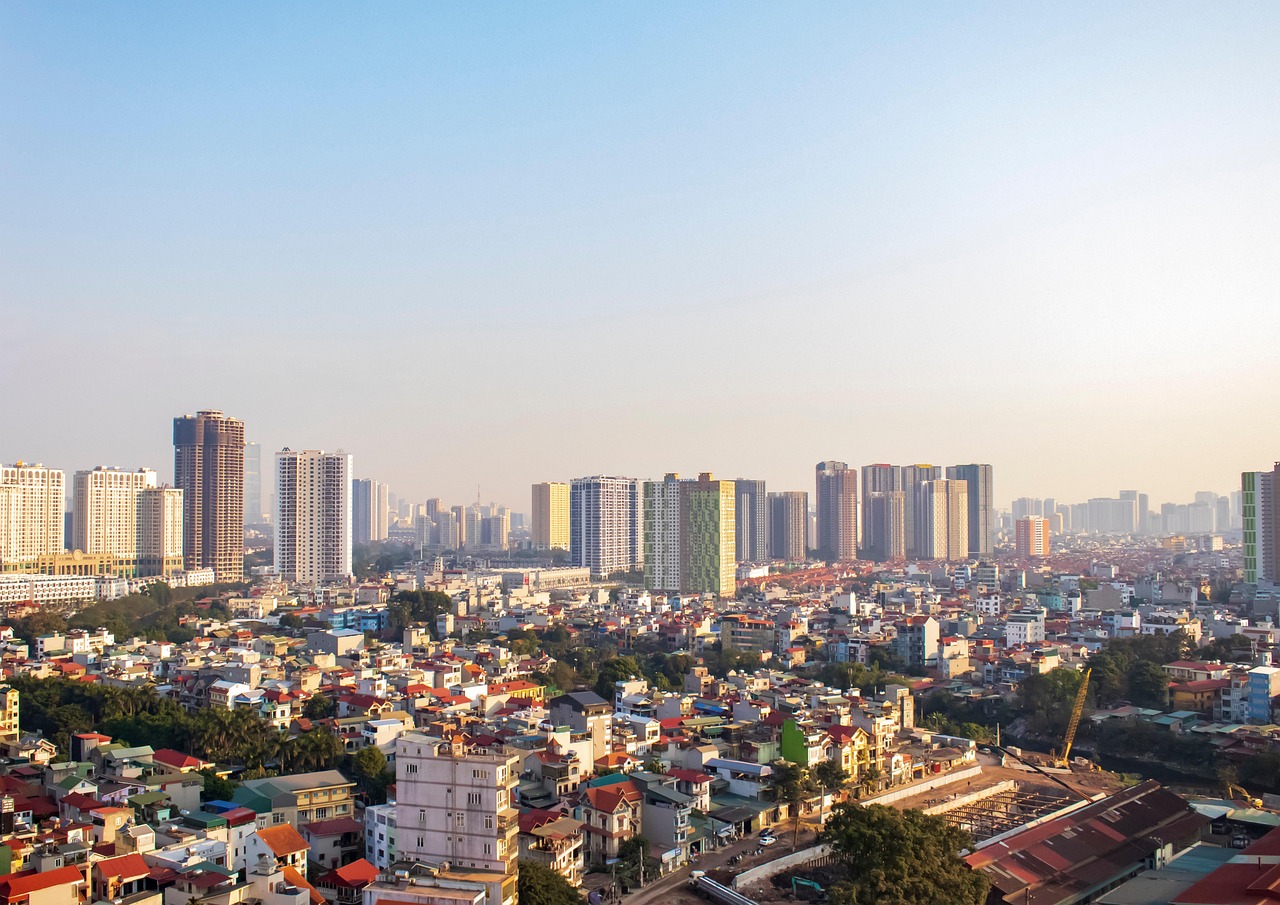
Why Visit Hanoi in 2026
Hanoi is the kind of city that grows on you slowly, like the aroma of strong cà phê phin (Vietnamese drip coffee) seeping through a metal filter. The first time I arrived, I was almost overwhelmed: a tapestry of honking scooters, tangled power lines, temples squeezed between tube houses, and the constant sizzle of something delicious frying just around the corner. By my third visit, I caught myself walking slower, noticing the details: the way morning light hits Hoàn Kiếm Lake, the smell of jasmine near West Lake at night, and the sound of vendors calling out in sing-song Vietnamese at dawn.
Hanoi in 2026 is especially exciting. The city has been investing in new metro lines, improving pedestrian areas around the Old Quarter, and polishing up heritage sites ahead of several major festivals and events. Yet, it’s still very much Hanoi: stubbornly traditional in some corners, creatively modern in others, and always deeply Vietnamese.
This travel guide for Hanoi is written as if I’m walking alongside you—sharing my favorite bowls of phở, pointing out the quiet alleys you’d otherwise miss, and helping you plan the perfect 3 days in Hanoi, 4 days in Hanoi, or even a full 5 day itinerary for Hanoi. Whether you’re here for must-see attractions in Hanoi or to hunt for hidden gems in Hanoi, I’ll help you experience the city like a curious, respectful insider.
Hanoi is perfect if you:
- Love layered history and cultural experiences in Hanoi—from Confucian temples to French colonial villas and contemporary art galleries.
- Travel with your taste buds: this is one of Asia’s best cities for local food in Hanoi, especially street food.
- Want a base for northern Vietnam: Ninh Bình, Hạ Long Bay, Sa Pa, and more are easy day trips from Hanoi.
- Enjoy people-watching, café culture, and wandering aimlessly through atmospheric neighborhoods.
In this 2026 guide you’ll find a detailed 4 day itinerary for Hanoi (expandable to 5 days), deep dives into at least 20 of the best places to visit in Hanoi, neighborhood breakdowns, practical travel tips for Hanoi, and those tiny, local details that make travel feel unforgettable.
Table of Contents
- Why Visit Hanoi in 2026
- Hanoi at a Glance
- Top 20+ Must-See Attractions in Hanoi
- Suggested Itineraries (3–5 Days in Hanoi)
- Neighborhoods & Districts of Hanoi
- Best Local Food & Drink in Hanoi
- Nightlife, Entertainment & Cultural Experiences
- Best Day Trips & Nearby Getaways
- Cultural Etiquette & Local Customs in Hanoi
- Practical Travel Advice for Hanoi (2026–2027)
- Summary & Best Time to Visit Hanoi
Hanoi at a Glance
Hanoi is Vietnam’s capital and the heart of the country’s political and cultural life. It’s older than many European capitals, with over 1,000 years of history since its founding as Thăng Long in 1010. Today, it’s a blend of ancient temples, communist monuments, leafy boulevards, and fast-changing urban districts.
- Population: ~8 million in the metro area.
- Language: Vietnamese; English is increasingly common in tourist areas and among younger locals.
- Currency: Vietnamese đồng (VND).
- Time zone: Indochina Time (UTC+7).
- Best for: food lovers, culture seekers, history buffs, photographers, families, and couples.
For first-time visitors, a 3 day itinerary for Hanoi covers the essentials; 4–5 days in Hanoi lets you go deeper, add day trips, and enjoy the city at a slower pace.
Top 20+ Must-See Attractions in Hanoi (With Personal Notes)
These are the places I find myself returning to every time I’m in Hanoi. Instead of just listing them, I’ll share how they feel, what to eat nearby, and tips to avoid the worst crowds.
1. Hoàn Kiếm Lake & Ngọc Sơn Temple
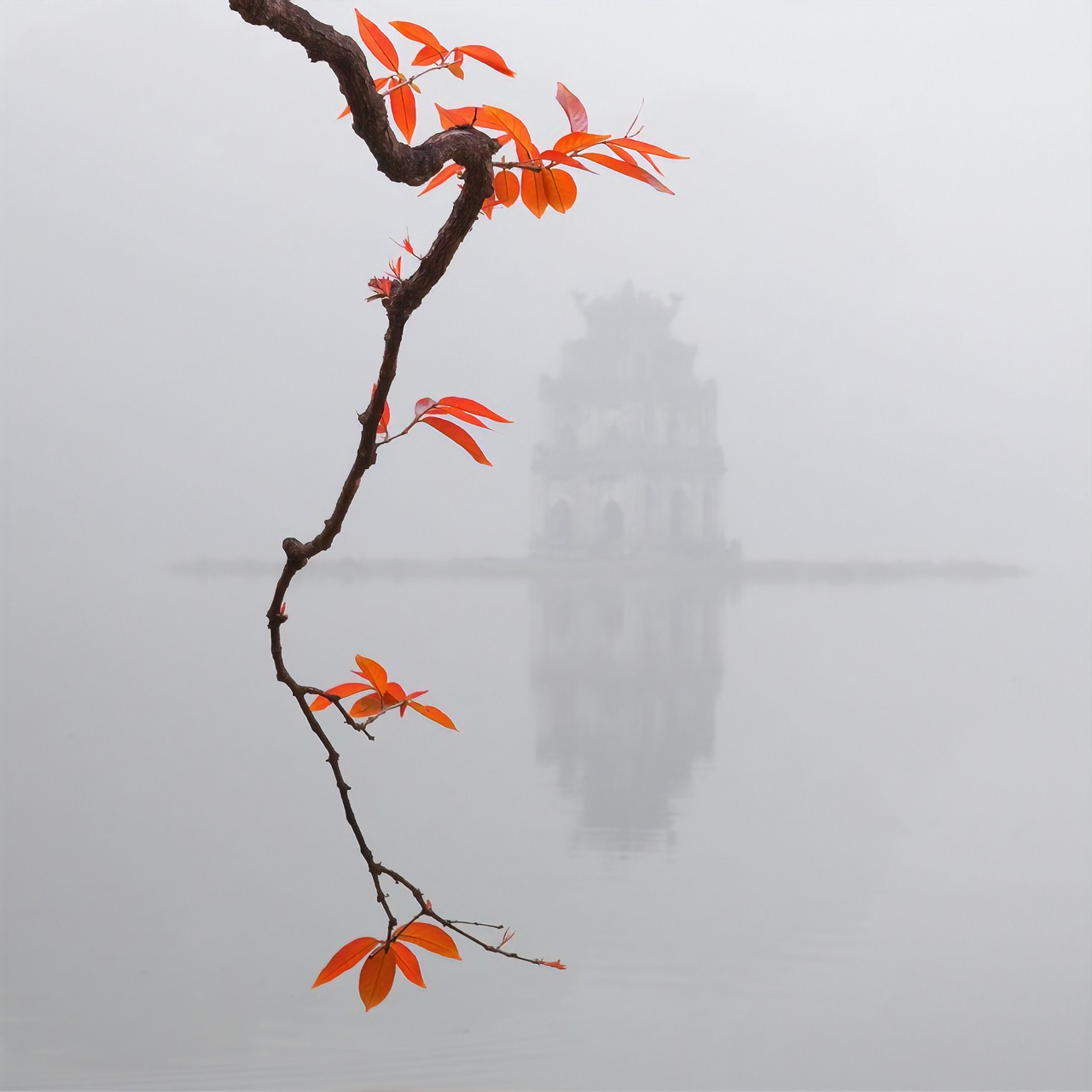
If Hanoi has a soul, it’s reflected in the surface of Hoàn Kiếm Lake. My favorite time to come here is just after sunrise, when the air is still cool and the city stretches awake. Elderly couples practice ballroom dance on the promenade, teens try TikTok dances, and a man who seems to be here every morning sells balloons near the red bridge.
What it is: A central lake wrapped in a pedestrian-friendly park, home to the iconic red-painted Húc Bridge and Ngọc Sơn Temple on a small island. It’s one of the most photographed places in Hanoi, yet it never feels like “just” a tourist spot.
History & significance: Hoàn Kiếm means “Lake of the Returned Sword.” According to legend, Emperor Lê Lợi was given a magical sword by a divine turtle to defeat the Chinese Ming dynasty. After victory, a turtle surfaced and took the sword back, returning it to the gods. In the middle of the lake stands Tháp Rùa (Turtle Tower), lighting up beautifully at night.
My experience: On my last trip, I stayed in the Old Quarter and made this my morning ritual: coffee in hand, one slow lap around the lake (~1.7 km). I watched brides in elaborate gowns posing on the Húc Bridge at 7 a.m. to avoid crowds and heat. Once, I slipped into a group doing tai chi—nobody minded my clumsy attempts; they just smiled and corrected my posture.
What to do:
- Walk or jog the full loop in the early morning or evening.
- Visit Ngọc Sơn Temple via the red Húc Bridge, dedicated to General Trần Hưng Đạo and other national heroes.
- People-watch on weekends when surrounding streets become pedestrian-only and fill with buskers, street games, and families.
Food & drink nearby: Grab an egg coffee (cà phê trứng) at a café overlooking the lake—there are several along Đinh Tiên Hoàng Street. For a cheap breakfast, I often head to a tiny bánh mì stall on a side street toward the Old Quarter.
How to get there: It’s on the southern edge of the Old Quarter. Most visitors can walk. From Tây Hồ (West Lake) or Ba Đình, use a Grab car or bike.
Tips: Come at sunrise for a local vibe or after dark for romantic strolls and skyline reflections. Weekends are busier but fun if you like atmosphere. Great for families (no traffic inside the lakeside promenade) and couples.
2. Hanoi Old Quarter (Hoàn Kiếm)
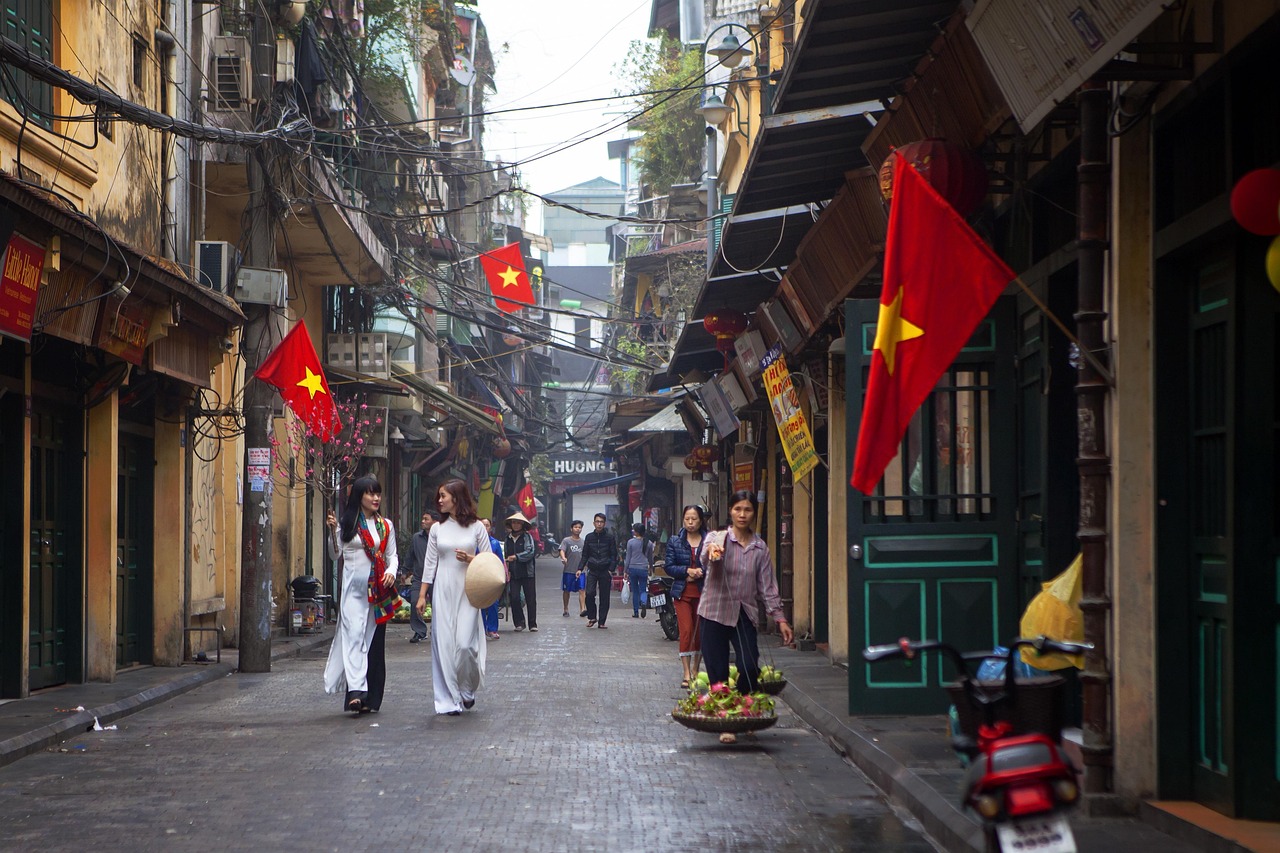
The Old Quarter is chaotic, cramped, and endlessly fascinating. The first time I arrived, I got lost within ten minutes and loved every second. Each street specializes in something different—jewelry, shoes, bamboo, herbs—and scooters somehow fit into alleys you’d think were pedestrian-only.
What it is: A historic commercial district with a grid of narrow, bustling streets, many still named after traditional trades. It’s the city’s main backpacker area, but also where many Hanoians still live and work in old “tube houses.”
History: The quarter dates back centuries as a hub of 36 guild streets, where merchants of the same trade clustered together. You can still see remnants of that system, especially early in the morning when shops are opening.
My experience: I usually stay here at least a few nights. One evening in 2025, a sudden downpour flooded the streets ankle-deep. Instead of running inside, locals pulled up plastic stools and kept eating under makeshift tarps, laughing as the water rose. I did the same with a bowl of hot bún chả—it tasted better in the rain.
What to do:
- Wander with no fixed plan. Peek into temples tucked between stores.
- Visit a traditional house like Heritage House on Mã Mây Street to see how families used to live.
- Shop for silk, coffee, lacquerware, and art (bargain politely).
- Try street food on tiny plastic stools (more on specific dishes later).
Food highlights: This area is street-food heaven. You’ll find phở, bún chả, bánh cuốn, bún thang, chè (sweet soups), and more. I’ll list specific spots in the food section, but don’t be afraid to follow your nose.
Tips: Traffic is intense; walk carefully and stay predictable. Hold small children’s hands. For photos, mid-morning and late afternoon have the best light. Noise can be heavy at night in certain streets (Ta Hiện, Mã Mây), so choose accommodation on a quieter lane if you’re sensitive to sound.
3. Temple of Literature (Văn Miếu – Quốc Tử Giám)
Whenever Hanoi’s traffic gets to me, I retreat to the Temple of Literature. Stepping inside feels like lowering the city’s volume knob. Courtyards unfold one by one, framed by ancient trees and red-tiled roofs.
What it is: Vietnam’s first national university and a Confucian temple dating back to 1070. It’s one of Hanoi’s most important cultural sites.
History & significance: Originally dedicated to Confucius, it became Quốc Tử Giám, the Imperial Academy, in 1076. For centuries, mandarins studied here to become imperial officials. The stone steles on turtle backs list the names of successful scholars, and touching them is believed to bring luck in exams (you’ll see students posing here in graduation gowns).
My experience: I once visited during exam season in 2024 and watched hundreds of students burn incense and pray for good results. A group of girls asked to practice their English with me; we ended up chatting for an hour about their dreams of studying abroad. They insisted I take photos with them in front of the Khue Văn pavilion, promising it would bring both of us “double luck.”
What to do:
- Stroll slowly through the five courtyards—don’t rush straight to the main temple.
- Read the (translated) inscriptions on the stone steles.
- Visit the small museum for old educational artifacts.
- Look out for calligraphers at the entrance, especially during Tet (Lunar New Year), offering lucky characters on red paper.
Family-friendly? Very. Kids can run safely in the courtyards and spot turtles, dragons, and phoenix motifs.
How to get there: A short Grab ride or a 20–25 minute walk from the Old Quarter.
Tips: Visit early morning to avoid tour groups. Shoulders and knees should be covered out of respect (no need to be formal, just modest). This is one of my top picks for your 3 day itinerary for Hanoi.
4. Ho Chi Minh Mausoleum & Ba Đình Square
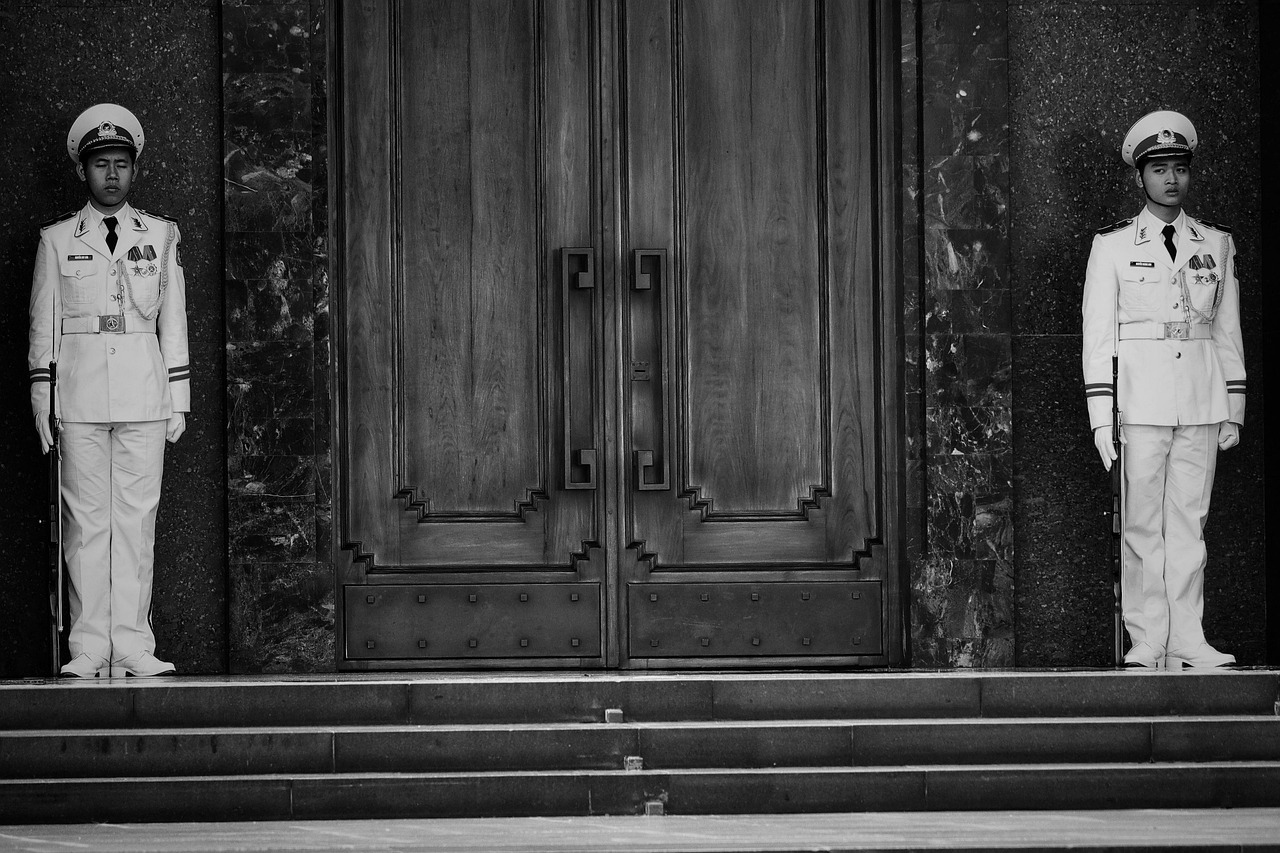
Visiting the Ho Chi Minh Mausoleum is a solemn, almost surreal experience. The first time I went, I queued silently with hundreds of Vietnamese families, many from rural areas, who’d come to pay their respects.
What it is: The resting place of Hồ Chí Minh, Vietnam’s revolutionary leader and president, whose embalmed body is displayed inside a monumental granite structure in Ba Đình Square.
History: Hồ Chí Minh actually requested a simple cremation, but the mausoleum was built after his death in 1969, inspired partly by Lenin’s Mausoleum in Moscow. It opened in 1975.
My experience: Inside, the atmosphere is strict: no talking, hands out of pockets, no cameras. Guards in white uniforms guide you in a slow, steady line around the glass sarcophagus. It’s over quickly but leaves a strong impression, especially when you see how emotional some Vietnamese visitors become.
What to do in the complex:
- Visit the Mausoleum (limited morning hours, closed some months for maintenance).
- Walk around Ba Đình Square, where Hồ Chí Minh declared independence in 1945.
- Tour the Presidential Palace area (outside only), Hồ Chí Minh’s stilt house, and the car collection.
- See the One Pillar Pagoda nearby.
Dress & etiquette: Dress modestly (no shorts above the knee, no sleeveless tops). Bags and cameras may be checked or restricted inside the mausoleum itself. This is a place of national reverence—follow the locals’ lead.
Tips: Go early (before 8 a.m.) to minimize queue times. Check current opening hours as they can change seasonally. If you’re short on time in a 3 days in Hanoi schedule, you can still walk around Ba Đình Square and see the mausoleum from outside.
5. One Pillar Pagoda (Chùa Một Cột)
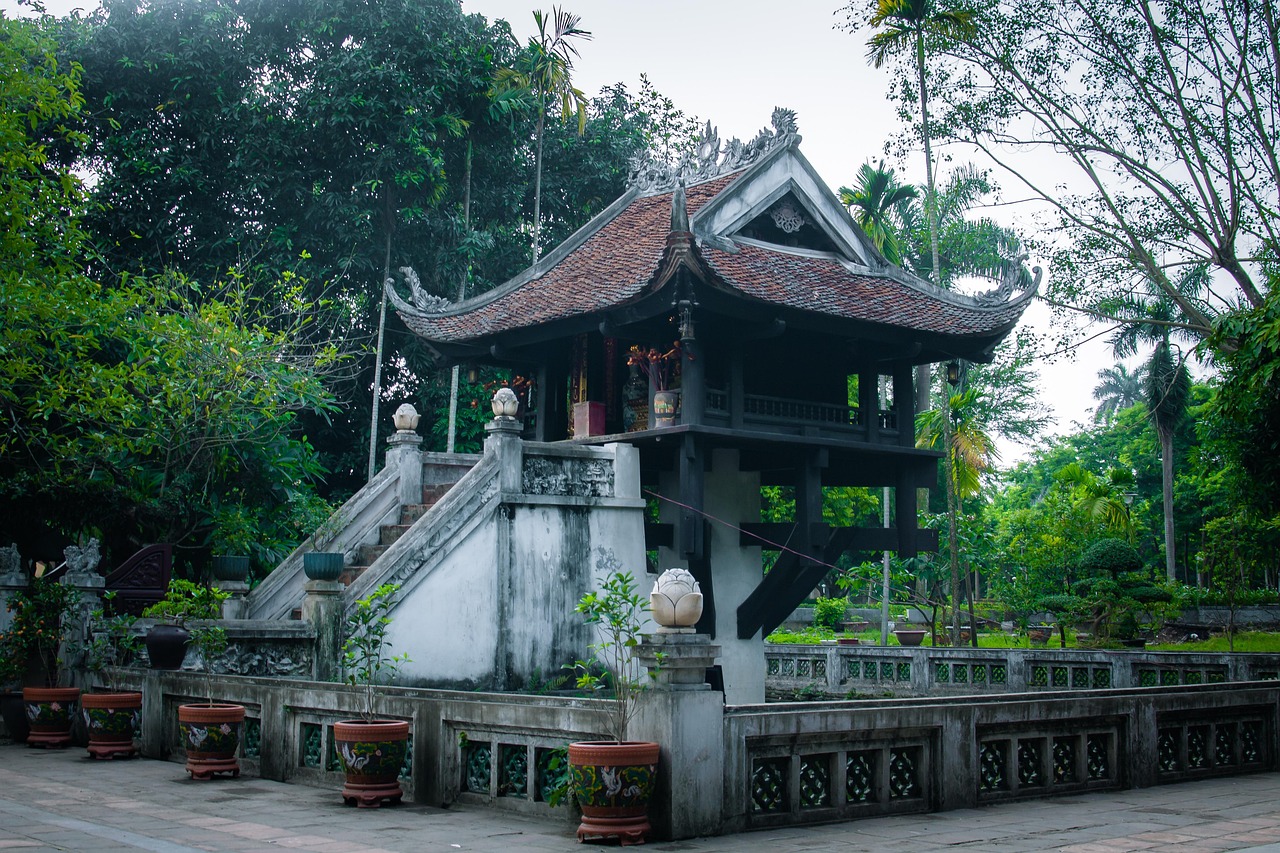
Right behind the Ho Chi Minh complex sits one of Hanoi’s most unusual temples, perched like a lotus on a single stone pillar.
What it is: A small Buddhist temple built on a single pillar rising from a pond, symbolizing a lotus flower emerging from muddy waters—purity and enlightenment in Buddhist thought.
History: Originally built in 1049 by Emperor Lý Thái Tông, inspired by a dream of the bodhisattva Avalokiteshvara sitting on a lotus seat. The current structure is a reconstruction after being destroyed in the 1950s.
My experience: I usually stop here after the mausoleum, more as a quiet interlude than a standalone destination. I like watching older women light incense and murmur prayers, oblivious to tourists snapping photos.
Tips: It’s small and gets crowded with tour groups; come early or be patient. Shoulders and knees covered; step inside the main shrine only if you’re comfortable with temple etiquette (no hats, remove shoes where indicated).
6. West Lake (Hồ Tây) & Trấn Quốc Pagoda
When Hanoi feels too dense, I escape to West Lake. It’s huge and breezy, with more locals out jogging, cycling, and café-hopping than tourists rushing between sights.
What it is: The largest freshwater lake in Hanoi, surrounded by upscale villas, expat bars, pagodas, and cafés. The highlight is Trấn Quốc Pagoda, one of Vietnam’s oldest Buddhist temples, on a small islet connected by a causeway.
My experience: I spent a few weeks living in Tây Hồ in 2023 and fell in love with late-afternoon walks along the water. Trấn Quốc at sunset is magical—the red pagoda silhouetted against the sky, reflected in the lake. One evening, a monk handed me a small lotus blossom after I quietly watched a ceremony; we couldn’t speak much, but he just smiled and nodded as if to say, “You’re welcome here.”
What to do:
- Visit Trấn Quốc Pagoda around golden hour for photos.
- Rent a bicycle and ride part of the lakeside road.
- Café-hop—West Lake has some of the city’s best coffee and brunch spots.
- In the evening, watch the skyline of newer districts glow across the water.
Family & couples: Great for a relaxed, romantic or family-friendly escape from the Old Quarter’s chaos.
7. French Quarter & Hanoi Opera House
Just a short walk from the Old Quarter, the vibe shifts: tree-lined boulevards, grand villas, and wide sidewalks. This is where Hanoi feels like a little slice of Paris in Southeast Asia.
What it is: The French Quarter is an area of colonial-era architecture, government buildings, and cultural institutions. Its centerpiece is the Hanoi Opera House, a striking yellow-and-white building completed in 1911.
My experience: One of my favorite evenings was dressing up slightly (by backpacker standards) and catching a performance of traditional music and contemporary dance inside the Opera House. The interior is all red velvet and gold trim—worth seeing even if you’re not a big opera fan.
What to do:
- Photograph the Opera House from the square in front (early morning is best, with fewer cars).
- Wander the surrounding streets for colonial villas and embassies.
- Visit nearby art galleries and high-end boutiques.
- Enjoy a more upscale café or patisserie.
Tips: Check listings for performances; buying tickets a day or two in advance is usually enough. For architecture lovers, this area is a must; it also adds variety to any 4 day itinerary for Hanoi.
8. Hỏa Lò Prison Museum (“Hanoi Hilton”)
Hỏa Lò is heavy, sobering, and important. I wouldn’t call it “fun,” but it’s essential if you want to understand Vietnam’s modern history.
What it is: A museum housed in the remains of Hỏa Lò Prison, originally built by the French in the late 19th century to hold Vietnamese political prisoners, later used by North Vietnam to detain American POWs during the Vietnam War (who nicknamed it the “Hanoi Hilton”).
My experience: On my first visit, I walked through the dim cells where mannequins depict shackled prisoners and read letters written by revolutionaries to their families. The stories are harrowing. The section on American POWs is more limited and propagandistic, but still historically significant.
Tips: Go when you have emotional bandwidth; it’s intense. English signage is generally good. This is a powerful stop for history-minded travelers and older teens/adults; I’d think carefully before bringing younger children.
9. Vietnam Museum of Ethnology
This is my top recommendation for understanding Vietnam’s incredible ethnic diversity beyond the Kinh majority.
What it is: A large museum dedicated to Vietnam’s 54 officially recognized ethnic groups, with exhibits on clothing, tools, rituals, and traditional houses set in an outdoor garden.
My experience: I spent almost a full day here the first time, and still felt like I’d only skimmed the surface. The outdoor section, where full-scale houses from different regions are reconstructed, is a delight—kids love climbing staircases carved from single tree trunks.
Family-friendly? Absolutely. There’s space to run, interactive displays, and occasional craft workshops.
Tips: It’s a bit outside the center; combine with other western-district stops or dedicate half a day. This is a wonderful addition if you have 4–5 days in Hanoi.
10. Vietnam National Fine Arts Museum
For art lovers (and even casual appreciators), this museum is a quiet treasure.
What it is: Vietnam’s main art museum, housed in a former Catholic girls’ school. Collections range from ancient Champa sculptures and Buddhist art to war-era paintings and contemporary works.
My experience: I came here on a rainy afternoon and stayed until closing. The lacquer paintings and woodblock prints stayed with me long after; they’re a beautiful counterpoint to the more common war narratives.
Tips: Right across from the Temple of Literature, so they pair well in a single outing. Quiet, air-conditioned, and a good break from the heat.
11. (Former) Hanoi Train Street Area
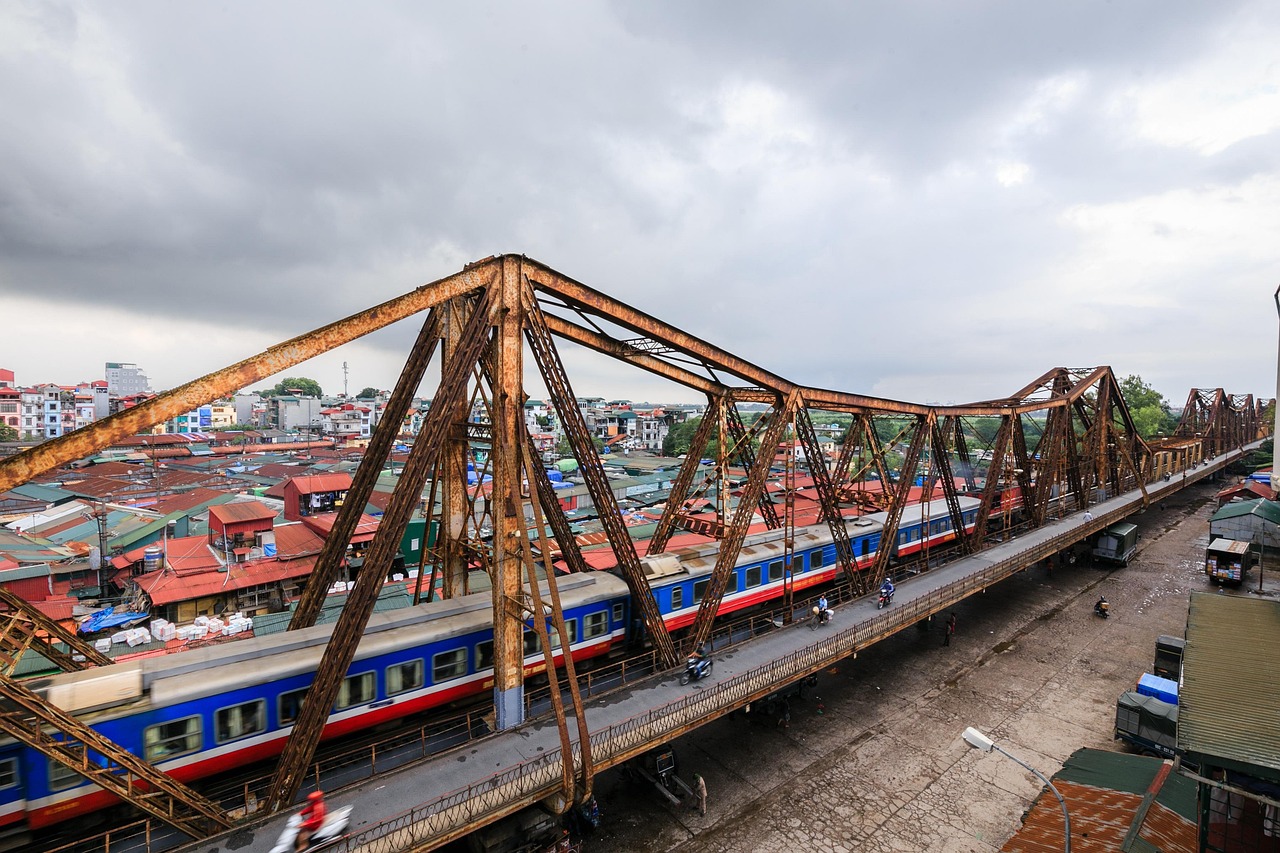
The famous “Train Street,” where trains once squeezed through a residential alley inches from cafés and tourists, has gone through many closures and restrictions for safety reasons. As of 2026, access is heavily limited and often officially closed, though some sections remain residential.
My experience: I visited back in 2018 when it was still freely accessible and remember the thrill (and mild terror) of a train rumbling past my table. But safety issues were real. Nowadays, I respect the restrictions and focus instead on neighboring alleys and cafés that offer similar charm without the risk.
Tips: If any access is allowed during your visit, follow current regulations and never trespass or pressure locals to let you in. Honestly, Hanoi has countless more meaningful things to do that don’t endanger anyone.
12. Long Biên Bridge
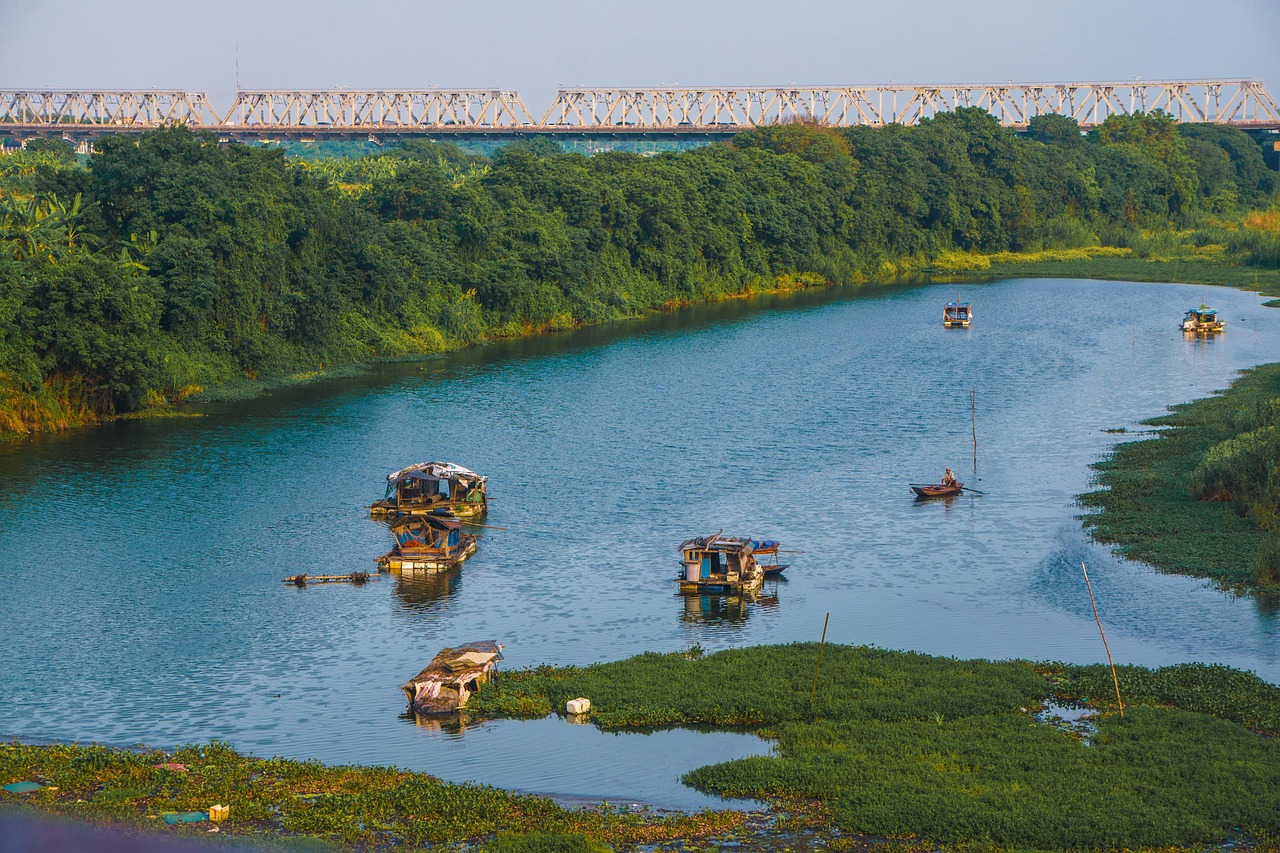
Rusty, rattling, and romantic in its own way, Long Biên Bridge is one of my favorite places to watch the city breathe.
What it is: A historic cantilever bridge designed by the architects behind the Eiffel Tower, completed in 1902. It crosses the Red River and was heavily bombed during the American War, with many sections rebuilt.
My experience: At sunrise, vegetable vendors push heavy carts up the ramps, and trains trundle slowly across. I once joined a group of local photographers there at 5 a.m.; we shared tripod spots and instant coffee sachets while the sky turned pink over the Red River.
Tips: There’s a narrow pedestrian section—walk with care and stay alert for motorbikes. Don’t lean too far over the edge for photos. This is a great spot for the adventurous and photographers; maybe not ideal with very young kids.
13. St. Joseph’s Cathedral (Nhà Thờ Lớn)
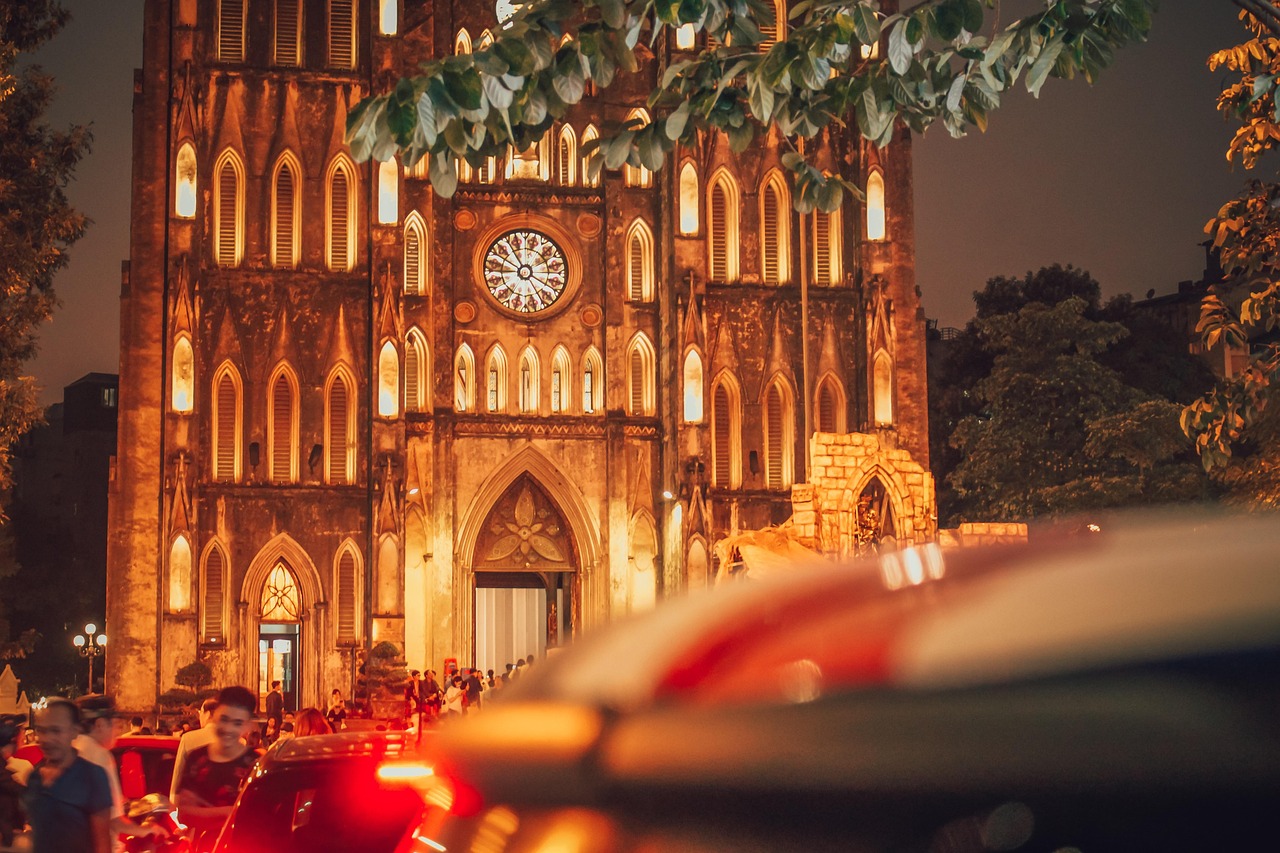
St. Joseph’s Cathedral is like a slice of Gothic Europe dropped in the middle of Hanoi, surrounded by bubble-tea shops and bánh mì stalls.
What it is: A late 19th-century Catholic cathedral, built by the French and still active today.
My experience: I love the contrast of this stately façade with the chaos around it. On Christmas Eve a few years ago, I joined thousands of people—Catholic and not—gathered in the square for mass, music, and street snacks. It was one of the most joyful nights I’ve spent in Hanoi.
Tips: Come in the late afternoon for nice light on the façade. Step inside if open, but be respectful if mass is in progress. Great café scene around the square.
14. Đồng Xuân Market
Đồng Xuân is a working wholesale market, not a sanitized tourist bazaar. That’s exactly why I like it.
What it is: A large market complex at the edge of the Old Quarter, selling everything from fabric and clothing to household goods and dried foods.
My experience: I once spent a steamy afternoon wandering its corridors, watching porters weave through with impossibly stacked loads. In the lanes outside, I stumbled onto a stall serving fried eel vermicelli (miến lươn) so good I came back two days in a row.
Tips: Great for cheap clothes, fabric, and local snacks. It’s easy to get lost; accept it as part of the experience. Secure your valuables—crowded markets anywhere are pickpocket territory.
15. Imperial Citadel of Thăng Long
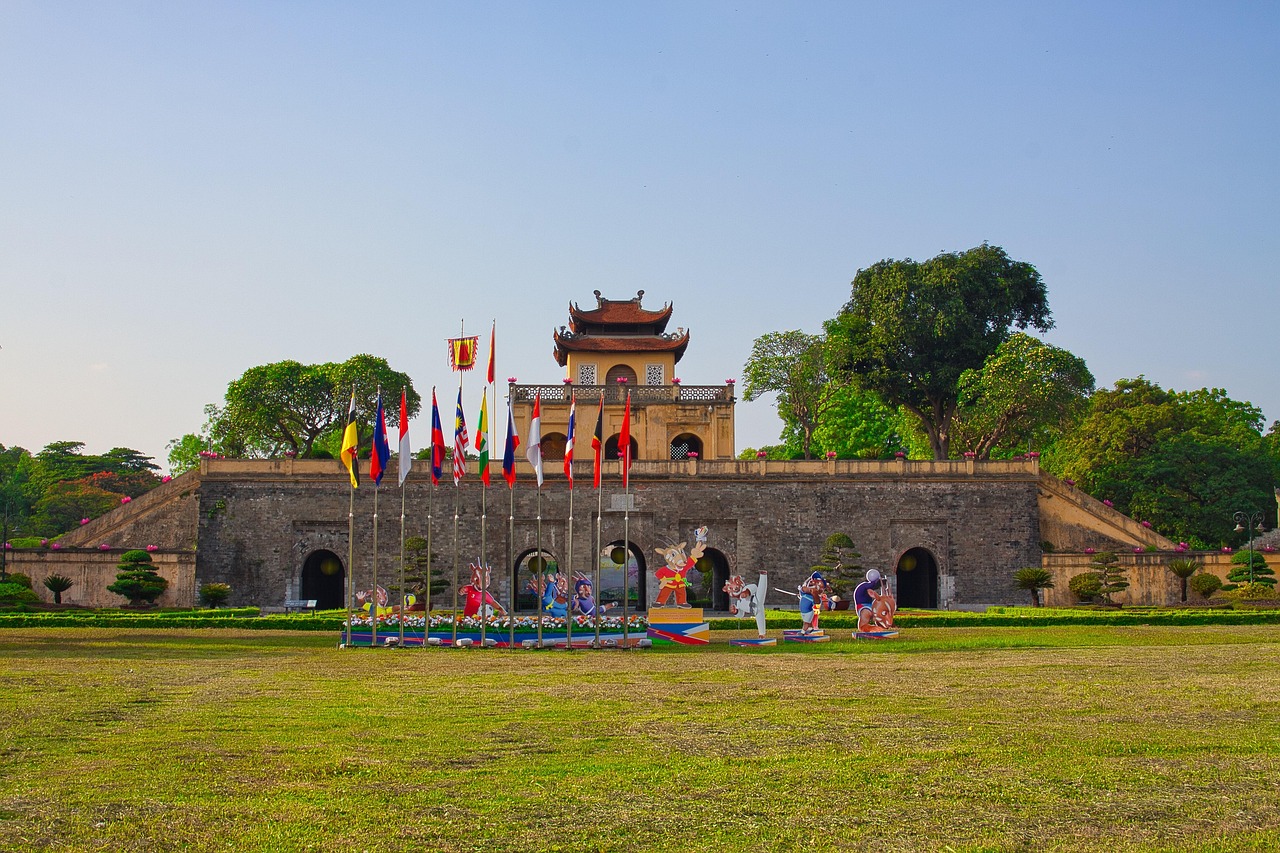
The Imperial Citadel doesn’t have the instant wow of, say, Hue’s Complex of Monuments, but it’s quietly fascinating and deeply historic.
What it is: A UNESCO World Heritage Site and former seat of Vietnamese power for over a thousand years, with layered archaeological remains and surviving gates, palaces, and bunkers.
My experience: I visited on a hazy weekday morning and practically had it to myself. Standing on the Flag Tower, looking over modern Hanoi, it’s easy to imagine the city as Thăng Long, the “Ascending Dragon.” The war-era bunkers and command rooms are especially interesting if you like 20th-century history.
Tips: Combine with Ba Đình sights; they’re walkable from each other. Signage is improving but still patchy—consider a guide or audio guide if you’re keen on history.
16. Hanoi Weekend Night Market (Old Quarter)
On Friday, Saturday, and Sunday nights, the Old Quarter’s main arteries transform into a lively night market.
What it is: A long stretch of pedestrian-only streets with stalls selling clothing, souvenirs, cheap electronics, and plenty of snacks, plus live music and street performances around Hoàn Kiếm.
My experience: I’ve spent countless evenings here with friends, snacking on grilled skewers and watching impromptu karaoke battles. It’s touristy but still fun, and many locals come to people-watch as well.
Tips: Bargain, but keep it friendly. It can be very crowded—keep an eye on kids and belongings. A highlight if you’re doing a 3 day itinerary for Hanoi that includes a weekend.
17. Hidden Café Culture (Egg Coffee & Rooftop Views)
Hanoi’s café culture is one of its greatest pleasures. Many of the best spots are hidden up narrow staircases or in courtyard houses, invisible from the street.
My experience: One of my regular rituals is ducking into a narrow alley on Nguyễn Hữu Huân Street, climbing three flights of stairs, and emerging into a leafy rooftop overlooking the Old Quarter. Here, I sip cà phê trứng—rich egg coffee that tastes like liquid tiramisu—and watch the city swirl below.
Tips: Look for small signs saying “café” over doorways or down alleys. Don’t be afraid to climb a dark staircase; they usually open into something beautiful. I’ll name a few favorites in the food section.
18. Phùng Hưng Mural Street
Under the old railway arches of Phùng Hưng Street, local artists have created a colorful open-air gallery.
What it is: A series of murals depicting scenes from Hanoi’s past and present—trams, markets, family life—perfect for a leisurely stroll and photos.
My experience: I discovered this on a hot afternoon and loved watching kids pose in front of the paintings while grandparents explained the “old days.” It’s a gentle, feel-good corner of the city.
19. Other Lakes & Green Spaces (Trúc Bạch, Thống Nhất Park)
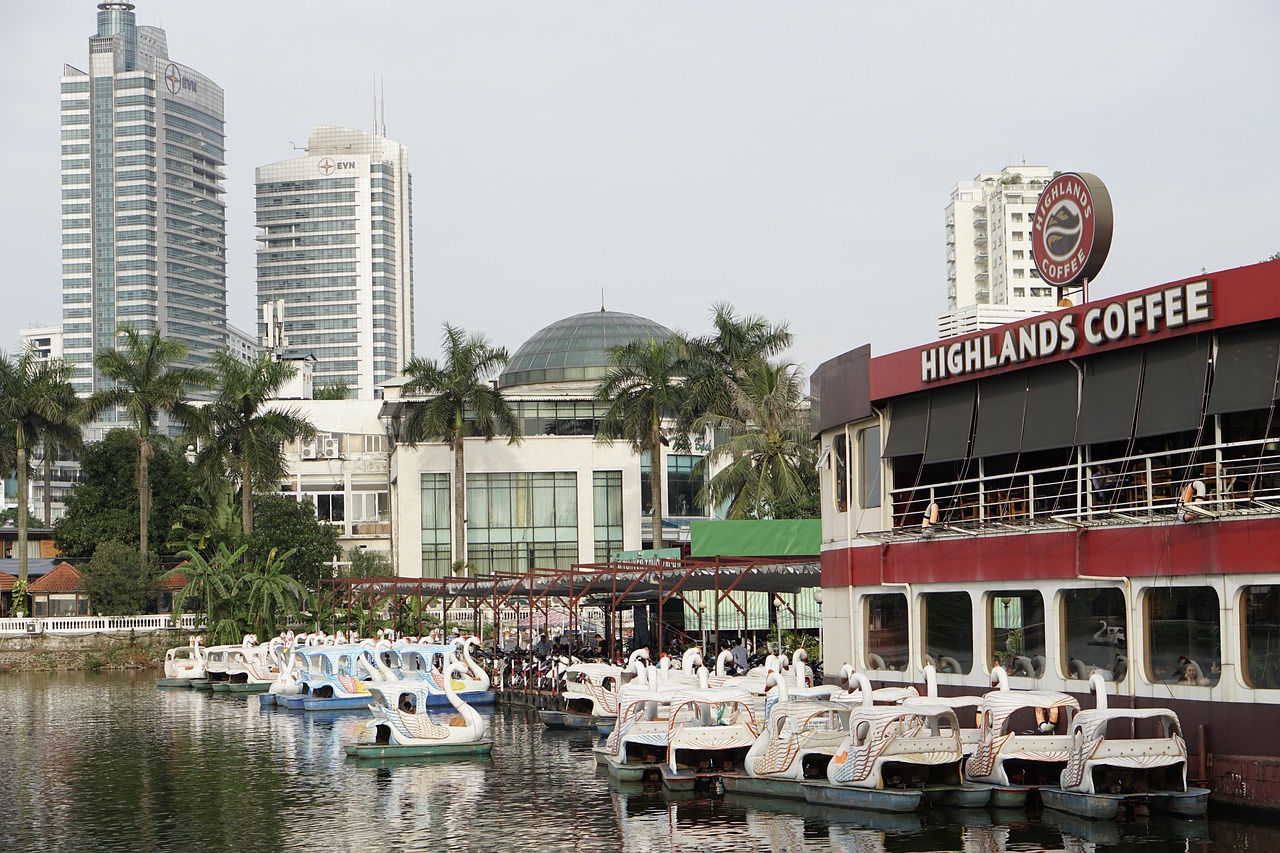
Hanoi is dotted with lakes and parks. Once you’ve seen Hoàn Kiếm and Tây Hồ, branch out to Trúc Bạch Lake (smaller, calmer, famous for bún ốc and pho cuốn) and Thống Nhất Park (Union Park), a large green lung popular with locals.
My experience: I often end up at Trúc Bạch around sunset, eating pho cuốn (fresh rice noodle rolls with beef and herbs) at a lakeside plastic table. It’s low-key, local, and rarely on first-timers’ lists.
20. Contemporary Art Spaces (Manzi, VCCA & More)
Hanoi’s contemporary art scene is quietly thriving, with small galleries and larger centers showcasing bold Vietnamese voices.
Favorites:
- Manzi Art Space: Intimate gallery and café in a French villa—great for drinks and thought-provoking exhibitions.
- VCCA (Vincom Center for Contemporary Art): Bigger, more polished space in a mall complex; often hosts ambitious installations.
My experience: I love pairing a morning of “classic” Hanoi—temples, lakes—with an afternoon of modern art; it gives a sense of Vietnam’s evolving identity.
21. Thăng Long Water Puppet Theater
Water puppetry is a uniquely Vietnamese art form and a fun, family-friendly cultural experience.
What it is: A traditional performance where wooden puppets dance on a water stage, controlled by puppeteers hidden behind a screen, accompanied by live music and narration in Vietnamese.
My experience: I’ve been three times, always with different friends. Even when you don’t understand the language, the humor and emotion come through. Kids especially love the dragon and fireworks scenes.
Tips: Book tickets earlier in the day or online for evening shows. This fits nicely into a 3 day itinerary for Hanoi as a night activity near Hoàn Kiếm.
Suggested Itineraries: 3–5 Days in Hanoi
Here’s how I’d structure your time, based on several trips and guiding friends through the city. You can adapt these plans for 3 days in Hanoi, 4 days in Hanoi, or 5 days in Hanoi.
3 Days in Hanoi: Classic Highlights & Flavors
If you only have three days, focus on the core: the Old Quarter, Hoàn Kiếm, key cultural sites, and a little breathing room for coffee, shopping, and street food.
Day 1: Old Quarter, Hoàn Kiếm & Street Food
Start your first morning with a gentle orientation walk around Hoàn Kiếm Lake, then dive into the Old Quarter. Visit Ngọc Sơn Temple, explore side alleys, and have your first phở brunch on a plastic stool. In the afternoon, continue wandering the Old Quarter, visit St. Joseph’s Cathedral, and hunt down a hidden egg coffee café.
At night, if it’s a weekend, head to the Hanoi Night Market and the pedestrian streets around the lake. Try grilled meats, sugarcane juice, and whatever else looks good.
Day 2: Mausoleum, Temple of Literature & French Quarter
Day two is for history and architecture. Go early to the Ho Chi Minh Mausoleum, then explore the complex and the One Pillar Pagoda. Grab lunch nearby, then walk or ride to the Temple of Literature and, if you have the energy, the Fine Arts Museum.
Late afternoon: head to the French Quarter and the Hanoi Opera House. Consider an evening performance or just enjoy dinner and drinks somewhere slightly more polished than the Old Quarter.
Day 3: West Lake or Museum of Ethnology + Water Puppets
For your final day, choose based on your interests:
- Option A (Culture & diversity): Visit the Vietnam Museum of Ethnology and spend time in its outdoor area. On your way back, stop at a café in Tây Hồ.
- Option B (Relaxed lakeside day): Focus on West Lake and Trấn Quốc Pagoda, plus lakeside cafés and maybe a sunset walk.
In the evening, catch a show at the Thăng Long Water Puppet Theater and say goodbye to Hanoi with one last bowl of bún chả or bún bò Nam Bộ.
4 Days in Hanoi: Adding Depth & Hidden Gems
A 4 day itinerary for Hanoi lets you slow down, add art, markets, and a bit more exploration.
Day 1–3: Same as 3-Day Plan
Follow the 3-day outline above.
Day 4: Long Biên, Đồng Xuân & Contemporary Hanoi
Start the day at Long Biên Bridge at sunrise, then wander through the nearby vegetable wholesale markets. Swing by Đồng Xuân Market mid-morning for a real local shopping scene and lunch at one of the surrounding street-food pockets.
Afternoon: explore Phùng Hưng Mural Street and then head to a contemporary art space like Manzi. End your day with rooftop drinks overlooking the Old Quarter or West Lake.
5 Days in Hanoi: With a Day Trip
With 5 days in Hanoi, you can follow the 4-day plan and still dedicate a full day to a nearby destination.
Day 5: Choose a Day Trip
- Ninh Bình (“Dry Hạ Long Bay”): Limestone karsts, boat rides, ancient temples. My top pick for nature and scenery.
- Hạ Long Bay day cruise: Long day but iconic; better as an overnight if you can spare more time.
- Ba Vì National Park: Cooler mountain air, forest walks, and old French ruins.
I’ll detail these in the day trips section below.
Hanoi Neighborhoods & Where to Stay
Understanding Hanoi’s main districts will help you choose where to stay and how to plan your days.
Old Quarter (Hoàn Kiếm)
Vibe: Chaotic, historic, noisy, endlessly entertaining.
Best for: First-timers, short stays, nightlife, street food, budget to mid-range stays.
My take: I almost always start here, even if I later move to a quieter area. You’ll walk out your door into instant Hanoi—good and bad.
French Quarter (South of Hoàn Kiếm)
Vibe: Elegant, spacious, more upscale.
Best for: Couples, travelers wanting walkable but calmer surroundings, higher-end hotels.
Ba Đình
Vibe: Government buildings, embassies, wide boulevards, relatively quiet.
Best for: Travelers interested in history, longer stays, those who prefer sleep over nightlife.
Tây Hồ (West Lake)
Vibe: Expat-heavy, airy, café-rich, scenic lake views.
Best for: Digital nomads, families, longer stays, those who want a slower pace.
My take: When I stayed here for three weeks, I felt like I had the best of both worlds: quiet nights and easy Grab rides into the Old Quarter.
Hai Bà Trưng & Đống Đa
Vibe: More local, student-heavy (lots of universities), fewer tourists.
Best for: Returning visitors, budget stays, foodies who want more local eateries than tourist-targeted spots.
Best Local Food & Drinks in Hanoi
Hanoi is one of Asia’s great food cities. Eating here is half the reason I keep coming back. Here are essential dishes and how to enjoy them like a local.
Iconic Hanoi Dishes to Try
- Phở Bò (Beef Pho): Hanoi’s signature breakfast. Look for metal pots steaming on the sidewalk and locals slurping at 7 a.m. I like to add lots of lime and chili.
- Bún Chả: Grilled pork patties and slices in a tangy broth, served with herbs and vermicelli. President Obama and Anthony Bourdain famously ate this in Hanoi.
- Bánh Cuốn: Steamed rice rolls filled with minced pork and wood ear mushrooms, topped with fried shallots and herbs.
- Bún Thang: Delicate noodle soup with shredded chicken, egg, herbs, and sometimes dried shrimp.
- Chả Cá Lã Vọng: Turmeric-marinated fish fried with dill and served with noodles and peanuts.
- Phở Cuốn & Phở Chiên Phồng: West Lake specialties—fresh rice noodle rolls and deep-fried noodle pillows with beef and greens.
Drinks You Shouldn’t Miss
- Cà Phê Trứng (Egg Coffee): Sweet, creamy, and unique to northern Vietnam. My go-to afternoon treat.
- Cà Phê Sữa Đá: Strong iced coffee with condensed milk—fuel for hot days.
- Bia Hơi: Fresh draft beer, light and cheap, best enjoyed on tiny street stools with peanuts and fried snacks.
Where I Love to Eat (Representative Types of Places)
Specific venues can change quickly, but look for:
- Family-run phở shops with short menus and lots of locals—avoid laminated “tourist” menus if you want authenticity.
- Sidewalk bún chả stalls with a smoky grill and trays of herbs; the more office workers at lunch, the better.
- Old Quarter alley cafés reached via narrow staircases for egg coffee and views.
- Tây Hồ brunch cafés for Western-style breakfasts and good Wi-Fi, balanced with Vietnamese coffee and snacks.
Street Food Safety & Money-Saving Tips
- Eat where it’s busy and turnover is high.
- Watch how food is handled; if it feels off, skip it.
- Street food is usually cheaper and often better than many sit-down “tourist” restaurants.
- Cash is still king at small spots; keep small notes (10,000–50,000 VND).
Nightlife, Entertainment & Cultural Experiences in Hanoi
Hanoi’s nightlife is more about street corners and live music than mega-clubs, though those exist too.
Casual Evenings
- Bia Hơi Corners: Plastic stools, cheap beer, sunflower seeds, and endless people-watching. Ta Hiện Street is famous but very backpacker-heavy; explore side streets for a slightly more local vibe.
- Lakefront Walks: Hoàn Kiếm and West Lake are lovely at night for couples and families.
Live Music & Culture
- Jazz bars and acoustic venues scattered around the Old Quarter and Tây Hồ—ask locals or your accommodation for current favorites.
- Water puppet shows at Thăng Long Theater as a family-friendly, early-evening activity.
- Opera House performances for a more formal cultural night out.
Romantic Ideas
- Sunset drinks on a West Lake rooftop.
- Late-night dessert cafés near St. Joseph’s Cathedral.
- Shared egg coffee while watching rain from a balcony café in the Old Quarter.
Best Day Trips & Nearby Getaways from Hanoi
Use Hanoi as a base to explore northern Vietnam. With 4–5 days in Hanoi, add at least one of these.
Ninh Bình (Tam Cốc / Tràng An)
Often called “Hạ Long Bay on land,” Ninh Bình is all about karst mountains rising from rice paddies, boat rides through caves, and hilltop pagodas.
What to do: Boat trips at Tam Cốc or Tràng An, climb to Mua Cave viewpoint, visit ancient Hoa Lư temples.
How to get there: 2–2.5 hours by bus, train, or private car from Hanoi. Possible as a day trip, better as an overnight.
Hạ Long Bay
What to do: Cruise among limestone islands, kayak, visit caves. A day trip is long (3–4 hours each way), but still doable if you’re short on time.
Ba Vì National Park
Forest-covered mountains, cool air, waterfalls, and old French ruins. Around 1.5–2 hours from Hanoi; good for hikers and those craving greenery.
Perfume Pagoda (Chùa Hương)
A complex of Buddhist temples and shrines built into limestone hills, reached by a scenic boat trip and cable car or hike. Best during the spring festival season but can be very crowded then.
Cultural Etiquette & Local Customs in Hanoi
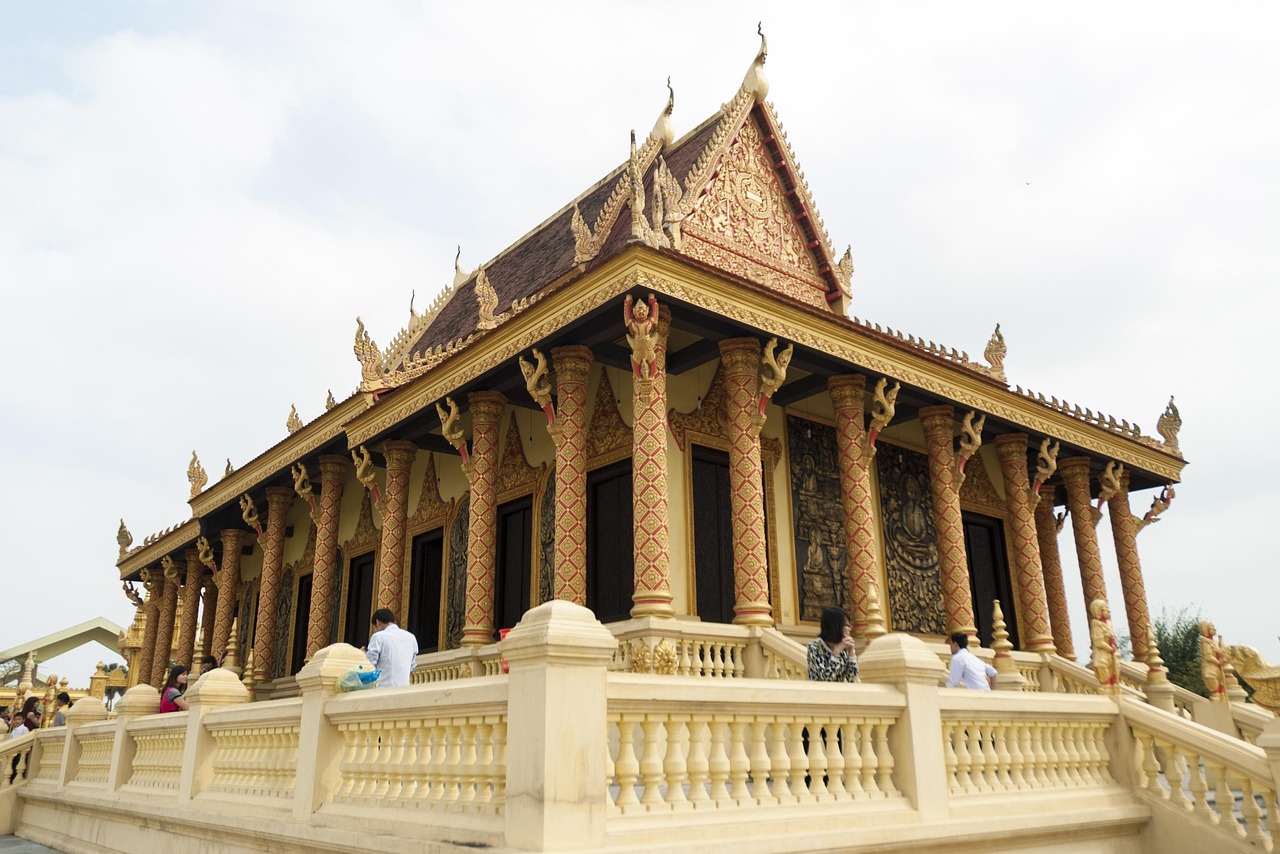
Vietnamese people are generally warm and forgiving toward visitors, but a few cultural basics go a long way.
Dress & Behavior
- Temples & mausoleums: Cover shoulders and knees; remove hats. Speak softly, especially near altars and in the Ho Chi Minh Mausoleum.
- Public affection: Mild affection is fine, but intense PDA is frowned upon.
- Feet & heads: Don’t point your feet at altars or people; don’t touch strangers’ heads.
Social Interactions
- A smile is the best icebreaker. Many young people are eager to practice English.
- Two-handed giving and receiving (especially money or business cards) is polite.
- In markets, negotiate, but keep it friendly. Walking away is an acceptable tactic.
At the Table
- Wait for shared dishes before diving in; if someone older invites you to eat, that’s your cue.
- Don’t stick chopsticks upright in rice; it resembles funeral offerings.
- It’s okay to leave a little food, but not too much—waste is frowned upon.
Practical Travel Advice for Hanoi (2026–2027)
Getting Around
- On foot: Best for the Old Quarter and Hoàn Kiếm area. Watch traffic carefully.
- Grab (ride-hailing): Cheap and convenient for cars and motorbikes; my main way of getting between districts.
- Public buses & metro: Growing network; good for budget travelers, but signage can be confusing.
- Motorbike rental: I don’t recommend this for short-term visitors unless you’re very experienced; traffic is intense and foreign licenses are a gray area.
Saving Money
- Eat where locals eat and avoid “Western” menus if you’re on a budget.
- Use Grab instead of taxis to avoid haggling and scams.
- Negotiate in markets but don’t sweat small overpayments; your stress isn’t worth the extra 50 cents.
SIM Cards & Connectivity
- Major providers: Viettel, Vinaphone, Mobifone.
- Buy a tourist SIM at the airport or official shops; bring your passport.
- Data is cheap; 10–20 GB for a couple of weeks is normal.
Visa & Entry (Check for 2026 Updates)
- Many nationalities either have visa exemptions for short stays or can get e-visas online. Rules change, so always check Vietnam’s official e-visa website or your embassy before traveling.
- Have at least six months’ validity left on your passport.
Driving & Licenses
- Vietnam generally requires a local or properly converted international license to legally drive; enforcement varies, but accidents can be complicated without proper documents.
- For most visitors, it’s safer and simpler to rely on taxis, Grab, or drivers.
Health & Safety
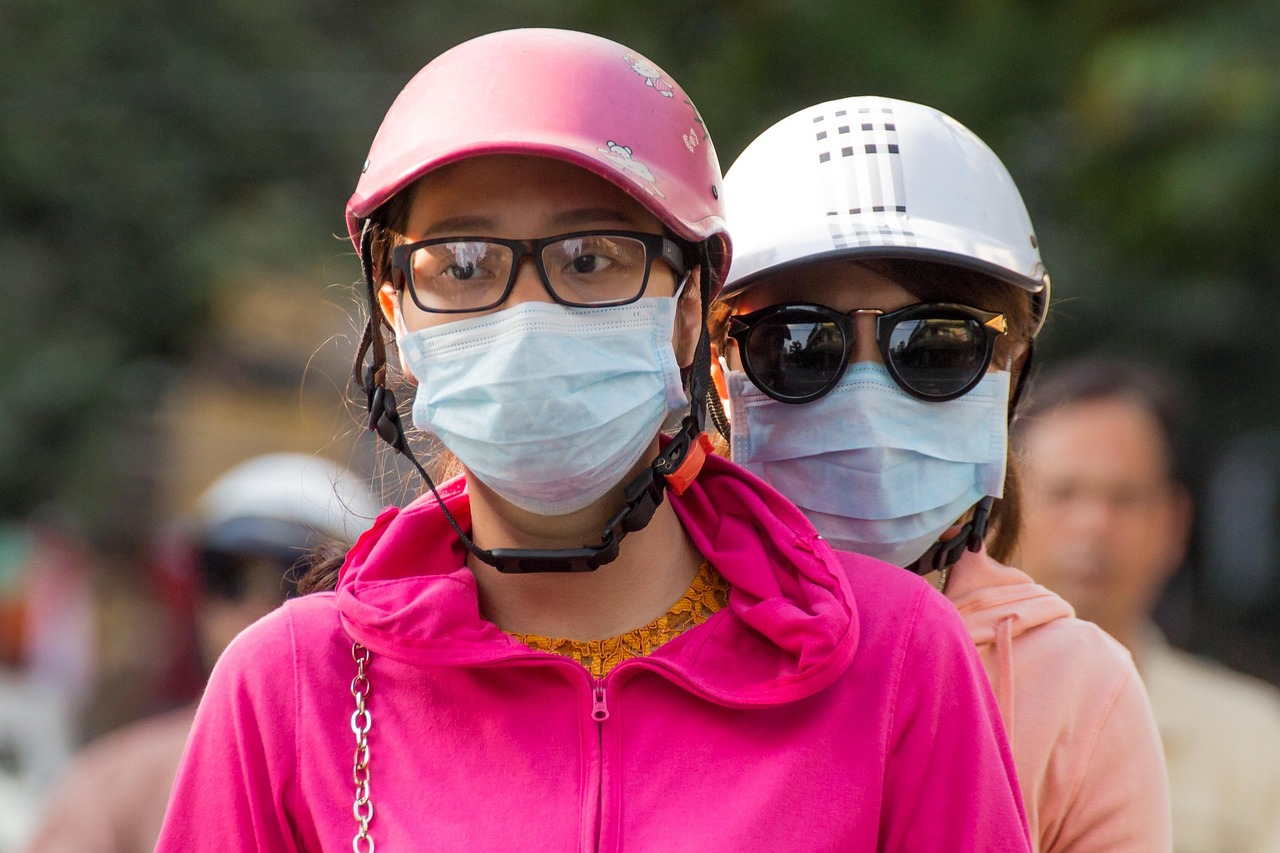
- Air pollution can be an issue; sensitive travelers might want masks or to avoid peak-traffic hours.
- Tap water is not potable; use bottled or filtered water.
- Petty theft exists—watch phones and bags in crowded areas, especially around night markets.
Weather & When to Go
- Autumn (Oct–Nov): Generally the best: cooler, drier, comfortable for walking and exploring.
- Spring (Mar–Apr): Mild and pleasant, though sometimes drizzly.
- Summer (May–Aug): Hot, humid, with heavy downpours; good for those combining Hanoi with beach destinations.
- Winter (Dec–Feb): Chilly and damp; bring layers. Not freezing, but the humidity can make it feel colder indoors.
Events & Festivals 2026–2027
- Tết Nguyên Đán (Lunar New Year): Usually late Jan or Feb. Magical but many businesses close; plan ahead.
- Mid-Autumn Festival: Lanterns, mooncakes, and children’s parades, especially around the Old Quarter.
- National Day (Sept 2): Parades and patriotic displays around Ba Đình and central Hanoi.
- In 2026, expect special cultural programming around ongoing city development and heritage initiatives (check local listings closer to your travel dates).
Summary: Key Takeaways & Best Time to Visit Hanoi
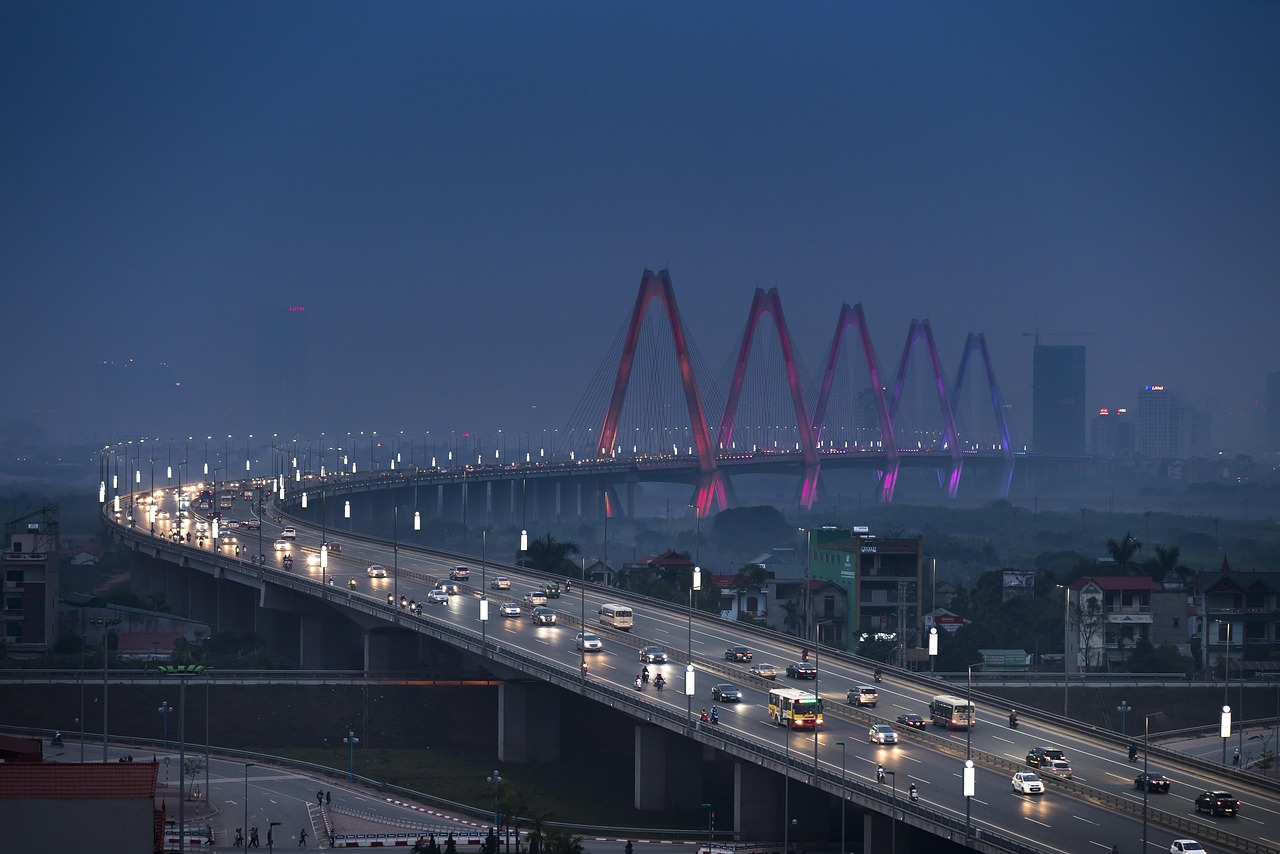
Hanoi is a city that rewards both quick visits and slow stays. In 3 days in Hanoi, you can cover the greatest hits: Hoàn Kiếm, the Old Quarter, the Mausoleum, Temple of Literature, and a taste of West Lake. With 4 days in Hanoi, you add markets, bridges, and contemporary culture. With 5 days in Hanoi, you fold in a day trip and start to feel the rhythms of everyday life.
Plan your 3 day itinerary for Hanoi or 5 day itinerary for Hanoi around:
- Core sights: Hoàn Kiếm Lake, Old Quarter, Temple of Literature, Ho Chi Minh Mausoleum complex, West Lake.
- Cultural experiences: Water puppets, museums, contemporary art, coffee culture.
- Local food in Hanoi: Phở, bún chả, bánh cuốn, egg coffee, bia hơi.
- Hidden gems in Hanoi: Phùng Hưng murals, Trúc Bạch Lake, side-street cafés, neighborhood markets.
For most travelers, the best seasons to visit Hanoi are October–November and March–April, when temperatures are mild and skies are more likely to be clear. Whenever you come, give yourself time not just to tick off must-see attractions in Hanoi, but to sit on a small plastic stool, sip something strong and sweet, and watch the city move around you. That’s where Hanoi really reveals itself.