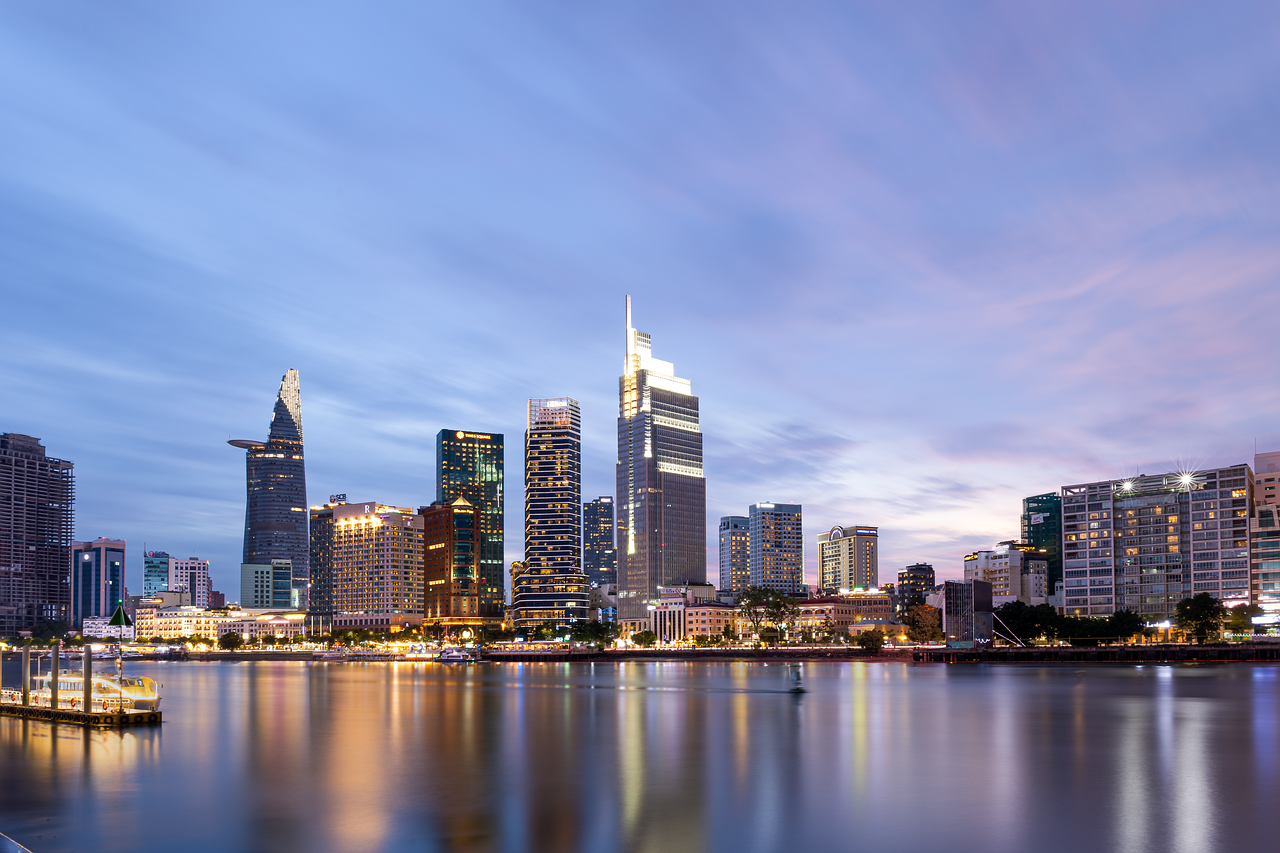
Why Visit Ho Chi Minh City?
Ho Chi Minh City (still affectionately called Saigon by locals) is a city that doesn’t just wake up—it hums, buzzes, and zips from dawn to well past midnight. Every time I land here, the mix of motorbike symphonies, fragrant street food smoke, and the sticky tropical air hits me like a familiar, chaotic hug.
This is Vietnam’s largest and most energetic city: a place where glassy skyscrapers lean over century-old shophouses, where rooftop cocktail bars share the same street as grand colonial-era post offices, and where every alley hides a café, a noodle stall, or a tiny temple.
What makes Ho Chi Minh City special is the contrast: old and new, French façades and neon lights, war memories and startup dreams. It’s a city that rewards curiosity: turn down the smallest hem (alleyway) and you’ll find the best bowl of phở you’ve ever tasted, a tailor who’s been in business for 40 years, or a courtyard café filled with students and artists.
In 2026, Saigon is in full swing: new metro lines are slowly transforming how people move, café culture is deeper than ever, and the food scene ranges from plastic-stool street eats to tasting menus that could rival any big global city.
Whether you have 3 days in Ho Chi Minh City or you’re planning a 4 or 5 day itinerary, this travel guide will walk you through must-see attractions, local food, cultural etiquette, and plenty of hidden gems. I’ll share what I actually do when I’m in town—where I eat, how I get around, and how to stretch your budget without missing out.
Table of Contents
- Why Visit Ho Chi Minh City?
- Quick Overview & When to Visit
- Neighborhoods & Districts to Explore
- Suggested 3–5 Day Itineraries
- Top 20+ Must-See Attractions (With Personal Stories)
- Best Local Food & Drinks in Ho Chi Minh City
- Cultural Experiences, Local Customs & Etiquette
- Nightlife & Entertainment
- Best Day Trips from Ho Chi Minh City
- What’s New & Upcoming Events 2026–2027
- Practical Travel Tips & Money-Saving Advice
- Summary & Best Time to Visit Ho Chi Minh City
Quick Overview & When to Visit
Ho Chi Minh City sits in southern Vietnam, firmly in the tropics. It’s hot and humid all year, but not all months feel the same.
Best Time to Visit Ho Chi Minh City
- December – March (Dry, Pleasant): The best overall time. Lower humidity, clearer skies, ideal for first-time visitors and families.
- April – early May (Hot, Pre-Rainy): Very hot; good for nightlife and indoor attractions. Budget deals begin.
- May – November (Rainy Season): Short, intense daily showers; lush scenery; fewer tourists and lower prices. I love June–August evenings when the city smells of wet asphalt and jasmine.
If you’re planning 3–5 days in Ho Chi Minh City, try to include at least one weekend for the night markets and live music scene.
Key Neighborhoods & Districts in Ho Chi Minh City
The city is divided into numbered districts (1, 3, 5, 7, etc.) plus some named areas. Where you stay and wander will color your whole experience.
District 1 – The Beating Urban Heart
District 1 is where most first-timers stay. Think French-era buildings, boulevards lined with trees, glossy malls, and many of the best places to visit in Ho Chi Minh City.
- Best for: First-time visitors, short 3 day itineraries, nightlife, major attractions.
- Highlights: Nguyen Hue Walking Street, Ben Thanh Market, Saigon Notre-Dame Cathedral, Saigon Central Post Office, Bitexco Tower.
District 3 – Local, Leafy, and Laid-Back
District 3 is where I stay when I want a more local feel but still be close to everything. It’s quieter, more residential, with excellent coffee and food.
- Best for: Foodies, longer stays, slightly cheaper accommodation.
- Highlights: War Remnants Museum, Buddhist pagodas, old villas turned into cafés.
District 5 (Chinatown – Chợ Lớn)
This is Ho Chi Minh City’s Chinatown: chaotic, colorful, and fascinating. I love visiting during festivals when lanterns and incense transform the streets.
- Best for: Markets, temples, photography, cultural experiences.
- Highlights: Binh Tay Market, Thien Hau Temple, cluttered herb shops.
District 7 – Modern and Family-Friendly
District 7’s Phu My Hung area feels almost like a different city: wide sidewalks, planned communities, parks, and international restaurants. Many expats with families live here.
- Best for: Families, longer stays, quieter nights.
- Highlights: Crescent Mall, riverside promenades, weekend markets.
Thao Dien (District 2) – Hip Expat Enclave
Technically part of Thu Duc City now, Thao Dien is the cool kid of Saigon: yoga studios, craft beer bars, boutique shops, and leafy villas.
- Best for: Digital nomads, café-hopping, nightlife that’s more chill than backpacker row.
- Highlights: Riverside bars, international eateries, indie galleries.
Suggested Itineraries: 3–5 Days in Ho Chi Minh City
Below are flexible itineraries based on trips I’ve taken (and retaken) over the years. You can trim them down to a 3 day itinerary for Ho Chi Minh City or stretch them into a 5 day itinerary if you love to wander and linger over coffee like I do.
3 Day Itinerary for Ho Chi Minh City (Essential Highlights)
If you have only 3 days in Ho Chi Minh City, focus on the greatest hits, a couple of hidden gems, and one evening of rooftop views.
- Day 1: District 1 icons – Notre-Dame Cathedral, Saigon Central Post Office, Independence Palace, Nguyen Hue Walking Street, Bitexco Skydeck.
- Day 2: War Remnants Museum, Ben Thanh Market, street food tour, evening in Bui Vien or a quieter speakeasy.
- Day 3: Half-day Cu Chi Tunnels or Mekong Delta sampler, then a chill evening in District 3 or Thao Dien.
4 Day Itinerary for Ho Chi Minh City (Culture + Food)
With 4 days in Ho Chi Minh City, add Chinatown and more local food adventures.
- Day 1: Classic District 1 highlights.
- Day 2: War history + Ben Thanh + rooftop sunset.
- Day 3: Chinatown (District 5) – temples, markets, and herbal shops.
- Day 4: Day trip (Cu Chi or Mekong) or café-hopping in District 3 and Thao Dien.
5 Day Itinerary for Ho Chi Minh City (Deep Dive & Day Trips)
5 days in Ho Chi Minh City gives you time to breathe, revisit favorites, and embrace slower, more local moments.
- Day 1: District 1 walking tour + evening on Nguyen Hue.
- Day 2: War Remnants Museum + hidden cafés + Ben Thanh street food.
- Day 3: Chinatown (District 5) + Vietnamese opera or water puppets at night.
- Day 4: Cu Chi Tunnels or Mekong Delta day trip.
- Day 5: District 3 villa cafés, Thao Dien riverside, spa and massage, sunset drinks.
Below I’ll walk through these days in more detail as a personal story, weaving in 20+ of the best places to visit in Ho Chi Minh City and plenty of hidden gems.
Top 20+ Must-See Attractions in Ho Chi Minh City (With Personal Stories)
This section is a deep dive into the most interesting things to do in Ho Chi Minh City, including iconic sites, lesser-known corners, and the small experiences that made me fall for this city. I’ll group them roughly from most famous to more hidden.
1. Saigon Notre-Dame Cathedral Basilica
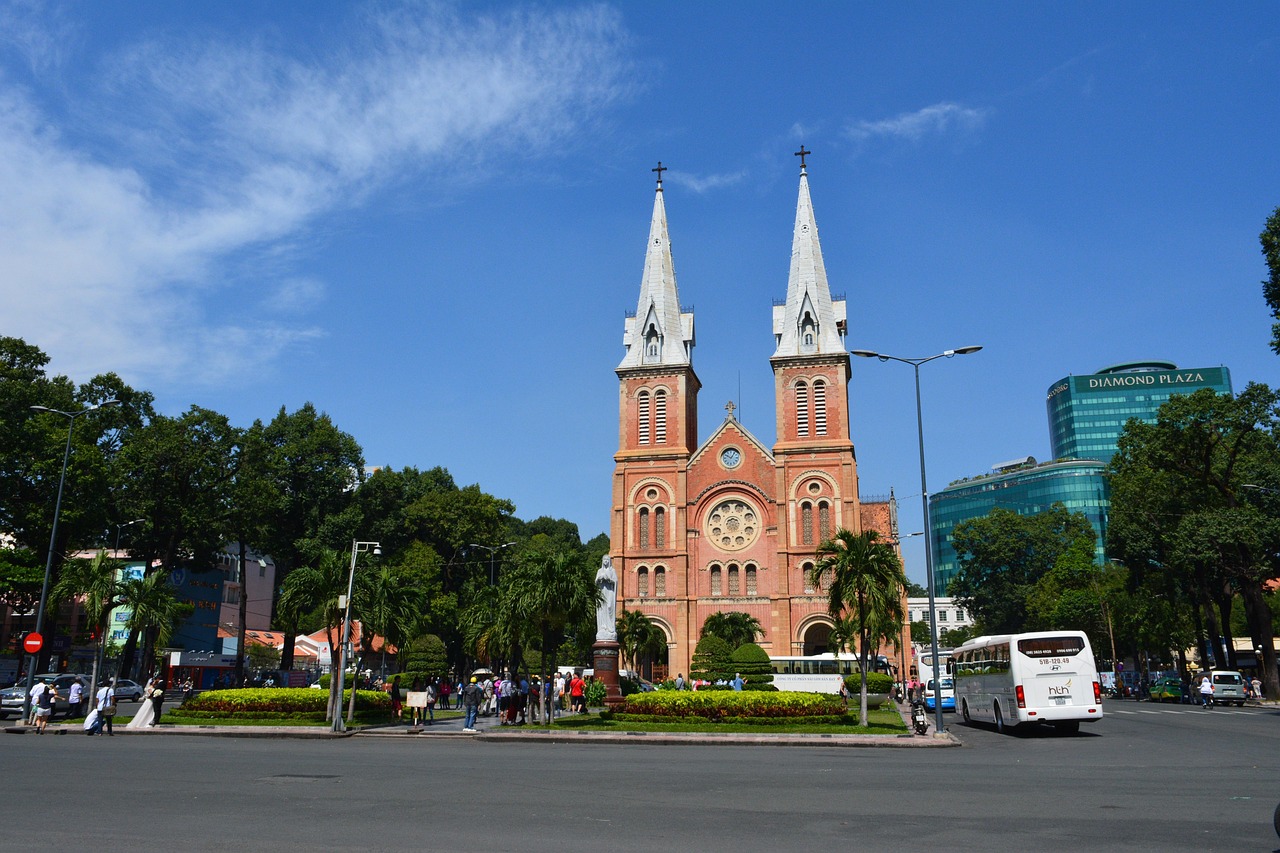
The red-brick towers of Saigon Notre-Dame Cathedral rise gently above the traffic mayhem like a memory from another city. Built by the French between 1877 and 1883, every brick was imported from Marseille. Standing in the square at 7 a.m. on a Sunday, watching Vietnamese Catholics gather in their Sunday best, I remember thinking how layered this city’s identity is.
In recent years, the cathedral has been undergoing restoration. In 2026 the façade is mostly visible again, but some scaffolding may remain. Even so, it’s a must-see—especially if you combine it with the Central Post Office across the street.
What I do here: I like to walk the small park in front, grab an iced coffee from the vendors who set up nearby, and just people-watch: students taking graduation photos, older couples on morning walks, vendors weaving through with baguettes and snacks.
How to get there: It’s in District 1, easily walkable from most central hotels or a short Grab ride away.
Tip: Come early in the morning to avoid the heat and tour buses. Dress modestly if you plan to enter (shoulders and knees covered).
2. Saigon Central Post Office
Right opposite the cathedral, the Saigon Central Post Office is a working time capsule. Designed by Alfred Foulhoux (often misattributed to Eiffel), it’s a stunning example of French colonial architecture.
Push through the doors and you step into a lofty hall with arched ceilings, a huge portrait of Ho Chi Minh at the far end, and rows of old wooden phone booths. On my first visit, I mailed postcards to friends back home; on my latest, I bought a set of vintage-style Vietnamese stamps as a souvenir.
Family-friendly: Kids love running down the long hall and picking stamps; it’s also air-conditioned, a blessing on hot afternoons.
Tip: Avoid the souvenir kiosks near the front that overcharge for trinkets; the small philately counter in the middle has better-priced, more interesting items.
3. Independence Palace (Reunification Palace)
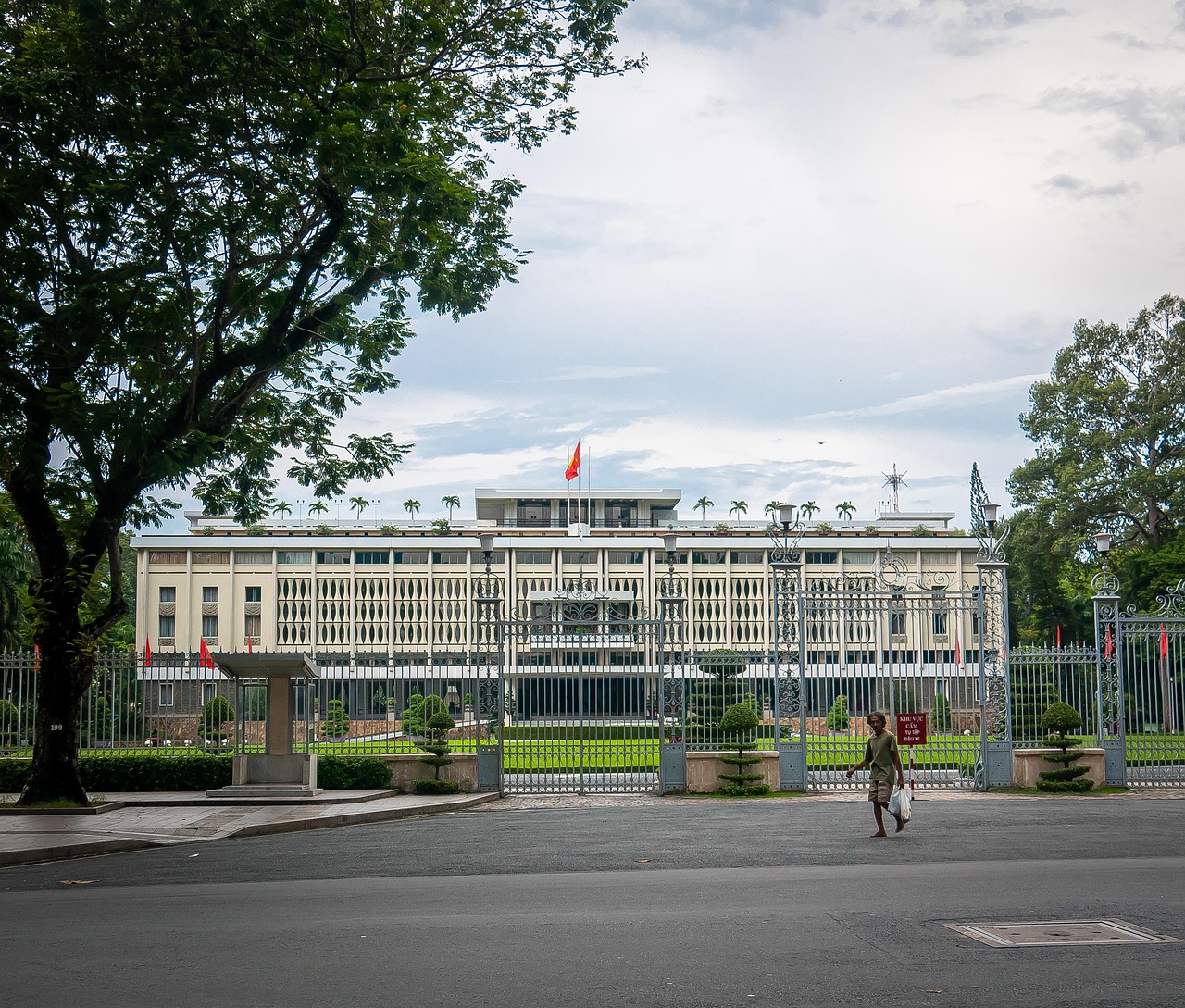
The Independence Palace is one of the most historically significant places in Vietnam. This is where tanks crashed through the gates on April 30, 1975, signaling the end of the Vietnam War. Today, the 1960s-modernist building is frozen in time, down to the control rooms and war rooms in the basement.
I’ve visited the palace three times now; each visit I discover some new detail—the retro furniture in the presidential living room, the rooftop helicopter, the underground bunker with maps and old communication equipment. It feels like wandering through a very real movie set.
How to visit: You can wander on your own, but I recommend joining a guided tour at the entrance. The guides are knowledgeable and the stories they tell bring the place to life.
Tip: Go in the morning before it gets too hot; the grounds are nice for strolling but shade is limited. Closed for a lunch break, so check current opening hours before you go.
4. War Remnants Museum
This is not an easy visit, but it is an essential one. The War Remnants Museum documents the Vietnam War from the Vietnamese perspective, and some of the photography and exhibits are deeply moving—and at times disturbing.
The first time I went, I spent over three hours inside and came out emotionally drained but grateful. I remember sitting on the low wall outside under the shade of a tree, watching kids climb on the old tanks and planes displayed in the courtyard, thinking about how differently generations experience history.
Family note: The museum is powerful but graphic in places; if you’re visiting with younger children, you may want to skip certain rooms.
Tip: Go in the late morning and take your time; plan something light afterwards like a café break in District 3 to decompress.
5. Ben Thanh Market
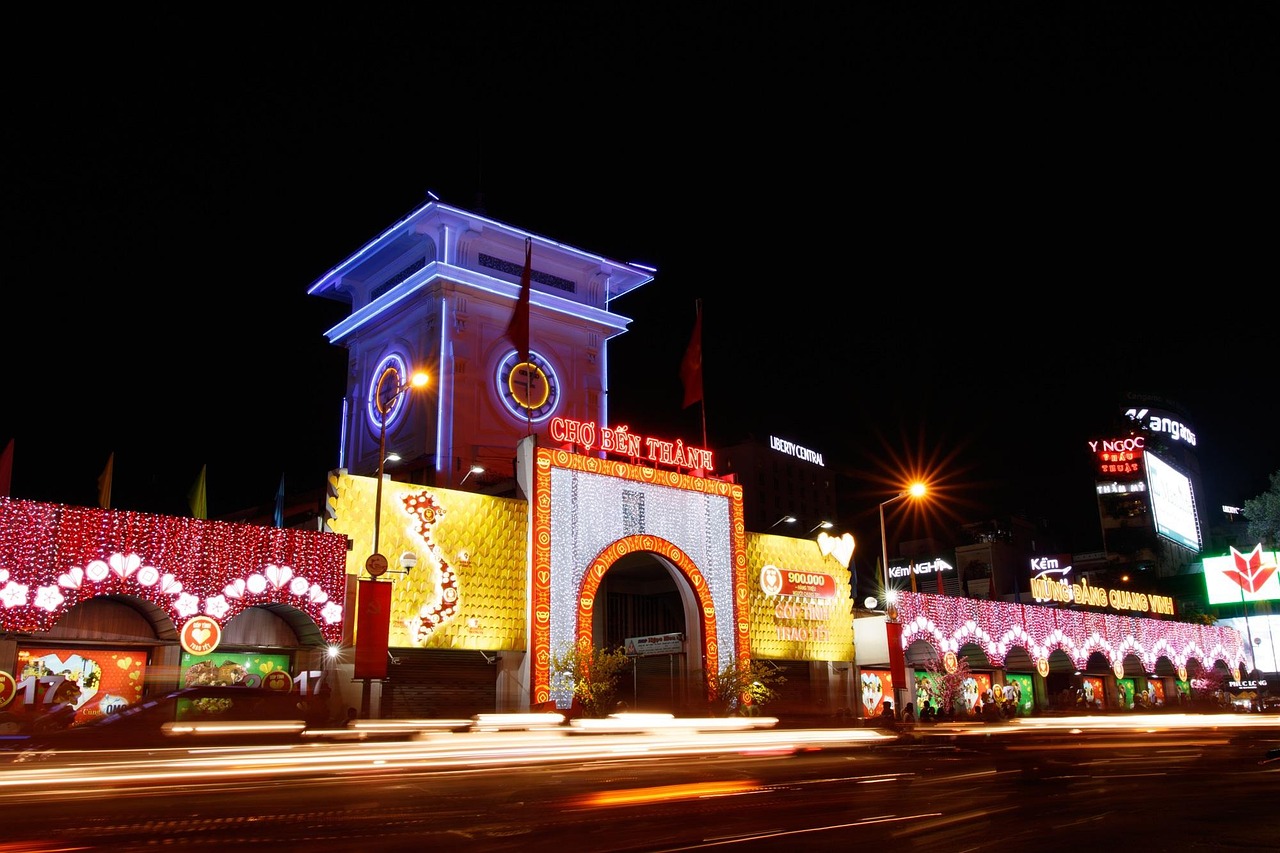
Ben Thanh Market is chaotic, crowded, and touristy—but I still love it. It’s one of those places where the scent of grilled meat, spices, and incense combines into something distinctly Saigon.
Inside, there are rows of clothes, souvenirs, dried fruit, coffee, spices, and kitchenware. I rarely buy much here (prices are inflated), but I enjoy the sensory overload. I usually head straight for the food stalls in the center for a bowl of bún thịt nướng (grilled pork with vermicelli) or a strong cà phê sữa đá.
Bargaining: Haggling is expected. Start at 30–50% of the first price offered and work up. Smile; it’s a game.
Tip: If you want more local prices, try Saigon Square (air-conditioned, nearby) or markets in District 3 and 5. For a night vibe, the streets around Ben Thanh transform into a night market with food and stalls.
6. Nguyen Hue Walking Street
In the evening, Nguyen Hue Walking Street becomes an outdoor living room. Families stroll, teenagers practice K-pop dance routines, kids zoom around on electric toy cars, and street performers set up small stages.
One of my favorite rituals: grabbing a takeaway milk tea or iced coffee, then finding a spot along the wide boulevard to sit and people-watch with the lit-up skyline and the City Hall building at one end.
Don’t miss: The “Cafe Apartment” building (42 Nguyen Hue), an old apartment block filled with cafés and boutiques. Climb the stairs (or pay a small fee for the elevator) and pick a balcony café for a killer view over the street.
Romantic: Come just after sunset when the heat drops and the lights come up. It’s one of the most atmospheric, romantic strolls in the city.
7. Bitexco Financial Tower & Skydeck
Once the tallest building in Vietnam, Bitexco still defines the Saigon skyline with its UFO-like helipad jutting out. The Skydeck offers a 360° view that’s especially breathtaking at sunset when the city lights flicker on.
On my last trip, the sky was hazy from afternoon rain, but as the sun went down the clouds parted just enough to cast a golden glow over the Saigon River and the maze of alleys below. I nursed a drink at the bar and watched the traffic slowly turn into moving lines of red and white.
Tip: You can either pay for the Skydeck ticket or go to the bar/restaurant higher up and pay for a drink instead. The bar option can be better value if you were planning on a drink anyway.
8. Bui Vien Walking Street (Backpacker Street)
Bui Vien is loud, neon-soaked, and utterly unapologetic. It’s the backpacker hub of Ho Chi Minh City, packed with bars, cheap hostels, and street food. The first time I walked here after dark, the noise hit me like a wave—music from every bar, hawkers selling everything from snacks to massages, tourists sitting on tiny stools sipping beer.
If you’re into nightlife, this is a must-visit. I usually stay for a drink or two and some people-watching, then retreat to a quieter neighborhood to actually sleep.
Safety: It’s generally safe but crowded; keep an eye on your belongings and be cautious with very cheap drink offers.
9. Cu Chi Tunnels (Day Trip)
About 1.5 hours from the city, the Cu Chi Tunnels are an extensive network of underground tunnels used by the Viet Cong during the war. Visiting is equal parts fascinating and claustrophobic.
I’ve been twice: the first time on a larger bus tour, the second on a small-group trip that left earlier in the morning. The small-group tour was worth the extra cost—less waiting, more time to explore, and a guide who shared personal family stories.
Walking (and sometimes crawling) through the widened sections of the tunnels gives you only a tiny sense of what it must have been like. Above ground, you’ll see trapdoor entrances, booby traps, and improvised weapons.
Tip: If you’re claustrophobic, you can skip the tunnel crawl and still learn a lot from the exhibits and your guide. Wear comfortable clothes you don’t mind getting dusty.
10. Mekong Delta (Day Trip)
The Mekong Delta is often called Vietnam’s “rice bowl,” a lush, fertile region of rivers, canals, and islands. From Ho Chi Minh City, you can visit on a day trip, though if you have time, I recommend an overnight.
On my last Mekong day trip, we visited small islands where families make coconut candy and rice paper, rode in a sampan boat under arching palm leaves, and had a simple lunch of fresh fish and greens. Yes, parts of it are touristy, but if you look past the souvenir stops, you catch glimpses of everyday life on the water: kids rowing to school, men mending nets, women washing vegetables at the river’s edge.
Tip: Choose a reputable tour company with smaller groups. Bring a hat, sunscreen, and mosquito repellent.
11. Chợ Lớn (Chinatown) & Binh Tay Market
Chinatown (District 5) is one of my favorite areas to wander. It feels older and grittier than District 1, with narrow streets stacked with goods, herbal medicine shops, and hidden temples behind unassuming gates.
Binh Tay Market is the wholesale heart of the area. Inside, you’ll find vendors selling everything in bulk: dried mushrooms, tea, incense, kitchenware, clothing. The rooftop and central courtyard (recently renovated) add to its character.
How I explore: I usually start early in the morning, walking from Binh Tay through nearby streets, stopping at tiny noodle stalls. On one visit, I ended up at a corner shop where an elderly woman insisted I try her homemade tofu pudding (tàu hủ) with ginger syrup. It cost almost nothing and remains one of my favorite Chinatown memories.
Tip: Bring a scarf or light shirt to cover shoulders when entering temples. Watch for motorbikes in the narrow lanes—they’re constant.
12. Thien Hau Temple
Dedicated to the sea goddess Mazu, Thien Hau Temple is one of the most atmospheric in the city. Coils of incense hang from the ceiling, sending fragrant smoke into the air while worshippers light candles and offer prayers.
I love visiting around late afternoon when the sun slants through the roof openings and catches the smoke—photographers’ heaven. During Lunar New Year and the Lantern Festival, it gets crowded but also especially beautiful.
Tip: Be respectful when taking photos. Avoid using flash on worshippers and step out of the main prayer areas if you’re just observing.
13. Saigon Opera House (Municipal Theatre)
This elegant French colonial building sits proudly at the end of Dong Khoi Street. By day, it’s a lovely photo stop; by night, it hosts performances ranging from A O Show (a contemporary circus performance about Vietnamese life) to classical concerts.
On one of my trips, I booked a last-minute ticket to A O Show. I went in with low expectations and walked out genuinely moved—the mix of acrobatics, live music, and everyday Vietnamese scenes (rice harvesting, village life, city chaos) was beautifully done.
Romantic: Dress up a little, have an early dinner nearby, then take in a show. It’s a lovely date night in Saigon.
14. Saigon River & Dinner Cruises
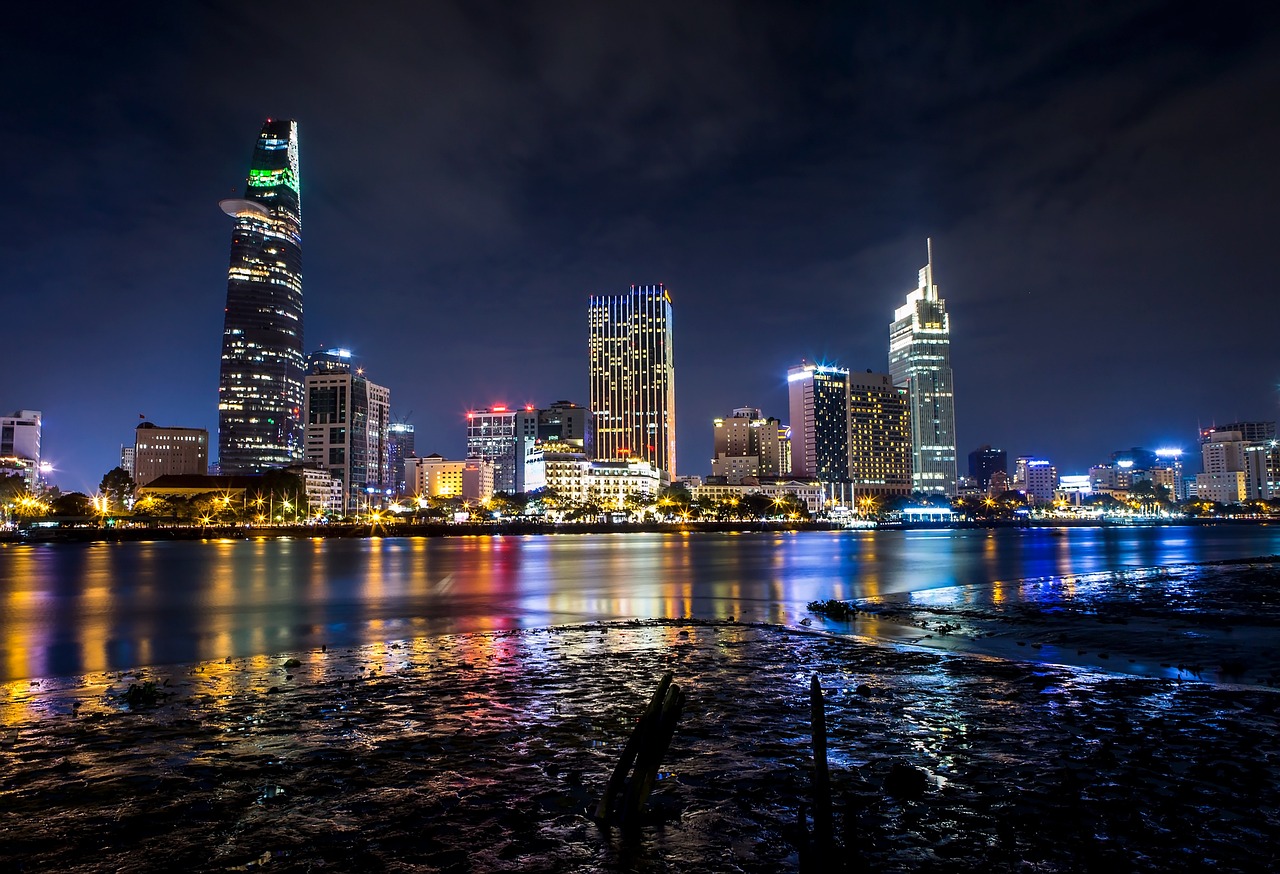
The Saigon River curves lazily around the city, and viewing the skyline from the water is a very different experience than watching it from above. Several companies run evening dinner cruises, ranging from simple to quite fancy.
The last time I booked a river cruise, I wasn’t expecting much—mainly wanted a cooler breeze. The food was decent, but the best part was standing at the railing after dinner with a drink, watching the city glow past as live music played inside.
Family-friendly: Kids love the boat element; just pick a cruise without very loud nightlife vibes.
15. Nguyen Van Binh Book Street
Tucked between the Central Post Office and the cathedral, Nguyen Van Binh Book Street is a tree-lined lane filled with bookshops and cute cafés. It’s small but charming, and I almost always end up here for a quiet break.
Even if you don’t read Vietnamese, you’ll find some English books and beautiful notebooks and art prints. I once spent an hour here browsing, then ended up chatting with a local student who wanted to practice English; she gave me her list of favorite street food spots, some of which turned into my own regular stops.
Tip: Great spot to escape midday heat; pair it with the cathedral and post office for an easy mini-route.
16. Tan Dinh Church (The Pink Church)
Tan Dinh Church is impossible to miss: it’s bubblegum pink, with white Gothic details. Built in the late 19th century, it’s become Instagram-famous over the past few years, but it’s still very much an active church.
I first visited in the late afternoon when the sun softened the pink into a gentle peach. Locals came and went quietly while tourists took photos outside. Across the street, a small market buzzed with fruit vendors and snack stalls—real life carrying on around a candy-colored landmark.
Tip: Dress modestly if you go inside; for photos, cross the street to get the full façade. Combine with a food walk in District 3.
17. Jade Emperor Pagoda
The Jade Emperor Pagoda is a Taoist temple that feels layered and mysterious. Rooms are filled with statues of deities, carved wooden panels, and dim light filtered through incense smoke.
It’s not a polished site like some others; instead, it feels intimate and lived-in. During one visit, I watched an elderly woman carefully light incense and bow before a statue, then quietly chat with the caretaker. It reminded me to move slowly and respectfully through spaces like this.
Tip: It can be quite smoky inside; if you’re sensitive, keep your visit shorter. As always, dress modestly.
18. Fine Arts Museum
Housed in a gorgeous yellow colonial-era mansion, the Fine Arts Museum is an underrated gem. Inside, you’ll find Vietnamese art ranging from ancient sculptures to modern paintings.
What I love most is the building itself: tiled floors, wooden shutters, balconies overlooking the courtyard. On a brutally hot afternoon, I once spent nearly two hours wandering its quiet rooms, then sat on a balcony for a while just listening to the muffled city noise outside.
Tip: A good stop for art lovers or anyone needing a calm, air-conditioned break from the streets.
19. Hidden Villa Cafés of District 3
District 3 hides some of the city’s loveliest cafés inside old villas and courtyards. These aren’t on most “must-see attractions in Ho Chi Minh City” lists, but they’re a huge part of how locals live and socialize.
One of my favorite afternoons was spent in a villa café tucked down a narrow lane off Vo Van Tan. To get there, I walked past motorbikes parked in a row, then through an arch into a shaded courtyard with trees and mismatched chairs. Inside, the walls were hung with local art; outside, a few cats dozed in the sun.
Tip: Search online maps for “garden café” or “villa café” around District 3. These spots are perfect for working remotely, journaling, or simply slowing down.
20. Thao Dien (District 2) Riverside & Lifestyle
Thao Dien feels like a leafy suburb fused with a global village: you’ll find Vietnamese street food next to organic bakeries, yoga studios, and craft beer bars. The Saigon River curves along its edge, and several bars and cafés make the most of the view.
On my last trip, I spent a late Sunday afternoon at a riverside bar here, watching the sunset over the water while kids played in a small yard and a DJ played low-key house music. It felt miles away from the frenzy of District 1, even though it was just a short Grab ride.
Tip: Thao Dien is perfect for an easy final day: brunch, a massage, a bit of boutique shopping, then sunset by the river.
21. Modern Skyline & Unique Architecture
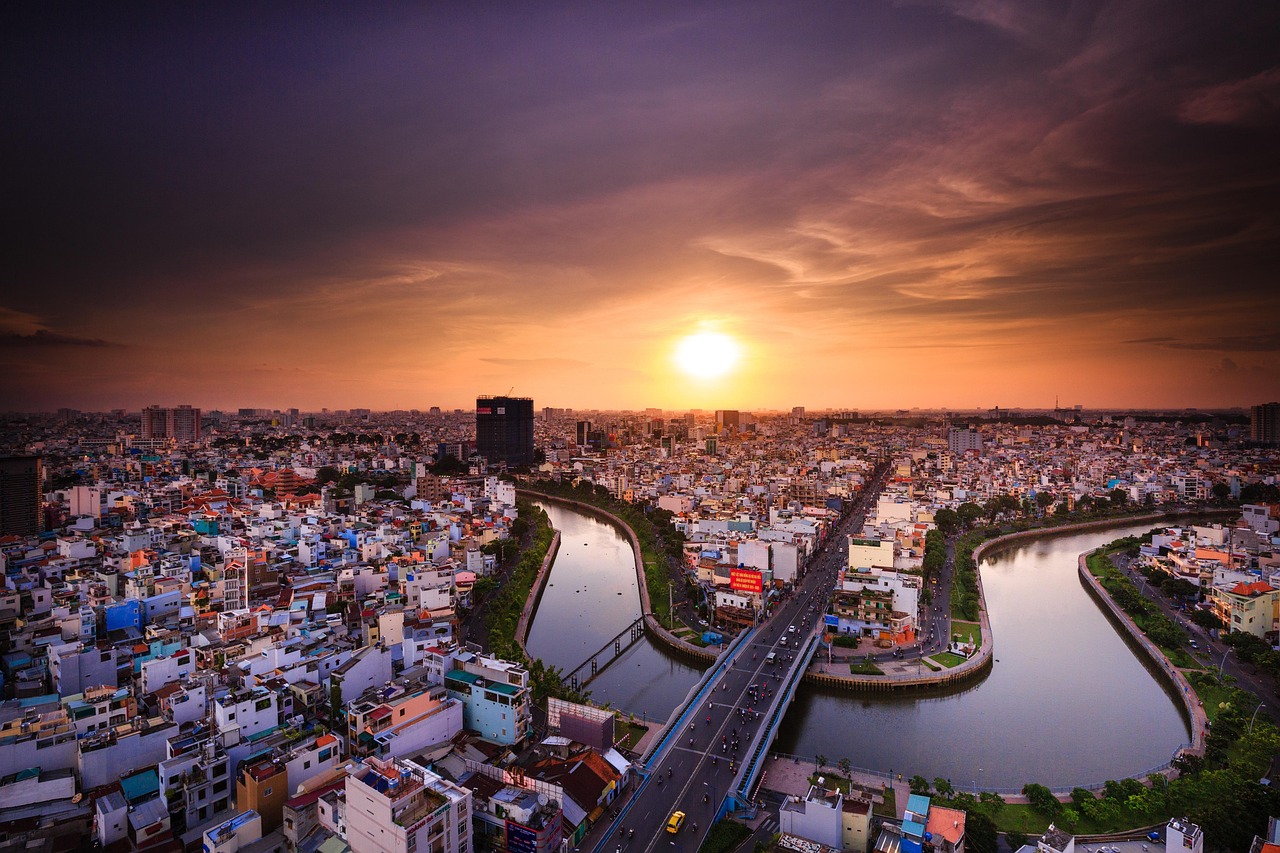
Ho Chi Minh City’s architecture is a patchwork: French colonial buildings, Chinese temples, Soviet-style blocks, glass skyscrapers, and skinny “tube houses” all crammed into the same visual frame.
For architecture photography, I like walking from the Opera House down Dong Khoi, then along the Saigon River, cutting through small alleys toward Bitexco and beyond. Each turn reveals something new—old balconies draped in laundry, futuristic towers reflecting sunset light, or hidden rooftop bars with views you’d never guess from street level.
Tip: For the best skyline views, aim for sunset from a rooftop bar in District 1, or cross the river to Thu Thiem for a skyline shot with the water in the foreground.
Best Local Food & Drinks in Ho Chi Minh City
Food is where Ho Chi Minh City truly shines. You could design an entire 3 or 5 day itinerary around eating and still barely scratch the surface.
Iconic Dishes to Try
- Phở: Northern-style noodle soup, but Saigon has its own takes.
- Bánh mì: Crispy baguette sandwich stuffed with pâté, cold cuts, herbs, and pickles.
- Cơm tấm: Broken rice with grilled pork, egg, and pickles—a Saigon specialty.
- Bún thịt nướng: Vermicelli noodles with grilled pork, herbs, and fish sauce.
- Hủ tiếu: Clear-broth noodle soup, especially popular in the south.
- Gỏi cuốn: Fresh spring rolls.
Street Food & Markets
My favorite meals in Saigon often cost less than a coffee back home. I gravitate toward busy stalls with lots of locals and a focused menu.
Ben Thanh Street Food Market: A more tourist-friendly environment near Ben Thanh, good for trying many dishes in one place, though prices are higher than street stalls.
District 3 & 5 alleys: For a more local feel, follow your nose into alleys in these districts around breakfast and dinner time.
Coffee Culture
Vietnam takes its coffee seriously. In Saigon, you can drink it on a plastic stool on the sidewalk or in a beautifully designed third-wave café with single-origin beans.
I like to alternate: morning cà phê sữa đá at a street stall, afternoon cold brew at a hip café in District 3 or Thao Dien. Don’t miss cà phê trứng (egg coffee)—creamy, rich, and far better than it sounds.
Saving Money on Food
- Eat where menus are in Vietnamese and prices are written clearly.
- Avoid places with touts aggressively calling you in, especially near main tourist streets.
- Use local delivery apps (GrabFood, ShopeeFood) when you’re tired; you can get great meals delivered cheaply.
Cultural Experiences, Local Customs & Etiquette
Understanding local customs in Ho Chi Minh City will make your experience much smoother—and often more rewarding.
Temple & Pagoda Etiquette
- Dress modestly: shoulders and knees covered.
- Remove hats; sometimes shoes, if locals do.
- Speak softly; don’t pose aggressively in front of altars.
- Ask before taking close-up photos of worshippers.
Social Norms
- Public affection: Keep it mild; hand-holding is fine, heavy PDA is frowned upon.
- Smiles go far: Vietnamese culture values politeness and indirectness; a smile smooths most interactions.
- Bargaining: Normal in markets; do it with humor, not aggression.
Cultural Experiences to Seek Out
- A traditional water puppet show.
- Live music in a small acoustic café or jazz bar.
- Joining locals in morning tai chi or exercise at a park (23/9 Park or Tao Dan Park).
Nightlife & Entertainment in Ho Chi Minh City
Saigon’s nightlife is diverse: noisy backpacker streets, rooftop cocktail bars, hidden speakeasies, live music lounges, and quiet riverfront spots.
Rooftop Bars
Rooftops are ideal if you want views without the chaos of Bui Vien. Expect higher drink prices but also some of the best skyline vistas.
Live Music & Jazz
Small bars across District 1 and 3 host live bands and acoustic sets. These are my favorite nights out: a stool, a beer, and a band covering both Vietnamese ballads and Western classics.
Family-Friendly Evenings
- Nguyen Hue Walking Street after dark.
- Saigon River dinner cruise.
- Night markets near Ben Thanh or in District 7.
Best Day Trips from Ho Chi Minh City
Beyond the Cu Chi Tunnels and Mekong Delta, there are a few other worthwhile escapes if you have 4–5 days in Ho Chi Minh City.
Vung Tau (Beach Escape)
A coastal city about 2–2.5 hours away by road or hydrofoil. Not Vietnam’s best beaches, but a popular weekend escape for locals with sea breezes, seafood, and a laid-back vibe.
Cần Giờ Mangrove Biosphere Reserve
A UNESCO-listed mangrove area south of the city. Good for seeing a different side of the region: mangroves, monkeys, and seafood. Go with a tour or private driver.
What’s New & Upcoming in 2026–2027
Ho Chi Minh City in 2026 is buzzing with development and events.
Major Events & Festivals (2026–2027)
- Tết (Lunar New Year): Usually January or February. The city decorates Nguyen Hue with elaborate flower displays; many shops close for several days, but it’s a fascinating time if you’re prepared.
- Reunification Day & Labor Day: April 30–May 1. Parades, flags, and busy domestic travel.
- Mid-Autumn Festival: September. Chinatown (District 5) explodes with lanterns and children’s toys.
- International music and food festivals: Increasingly common each year, especially around District 7 and Thu Thiem.
Metro construction continues to change the urban landscape; some central areas may have periodic roadworks, but in return you’ll see a city in motion, literally and figuratively.
Practical Travel Tips & Money-Saving Advice
Getting Around
- Ride-hailing: Grab and Gojek are the easiest way to get around. Choose car if you’re not comfortable on a motorbike.
- Taxis: Use reputable companies (Vinasun, Mai Linh) and ensure the meter is on.
- Walking: Totally doable in central District 1, but watch traffic when crossing—move slowly and predictably.
SIM Cards & Connectivity
Buy a local SIM at the airport or official stores in town. Viettel, Mobifone, and Vinaphone are common. A 7–30 day data package is inexpensive and makes ride-hailing and translation much easier.
Money & Costs
- Currency: Vietnamese đồng (VND).
- ATMs are everywhere; cash is king at small places.
- Street food: often 25,000–60,000 VND per dish.
- Cafés: 25,000–70,000 VND for coffee.
Visa Requirements & Entry
Visa rules change frequently; by 2026, many nationalities can use e-visas or visa exemptions for short stays. Always check the official Vietnamese government website or your nearest embassy before traveling.
Driving & Licenses
Traffic in Ho Chi Minh City is intense. Technically, you need a valid Vietnamese license or an International Driving Permit recognized by Vietnam to ride a motorbike legally. Many travelers still rent, but accidents are common; I strongly recommend using ride-hailing instead unless you are experienced and fully insured.
Health & Safety
- Tap water is not potable; stick to bottled or filtered water.
- Street food is generally safe—go where it’s busy and food is cooked fresh.
- Petty theft can happen; keep valuables close, especially in crowds and on busy streets.
Hidden Money-Saving Tips
- Eat at local com binh dan (simple rice eateries) at lunchtime for cheap, hearty meals.
- Use local coffee chains and street stalls rather than international chains.
- Choose guesthouses or small hotels in District 3 instead of big chains in District 1 for better value.
Summary: Key Takeaways & Best Time to Visit Ho Chi Minh City
Ho Chi Minh City is a swirl of scooters, street food, and stories. Whether you’re crafting a tight 3 day itinerary for Ho Chi Minh City or slowly savoring 4 or 5 days in Saigon, you’ll find more things to do than you can fit into one trip.
- Must-see attractions: Independence Palace, War Remnants Museum, Notre-Dame Cathedral, Central Post Office, Ben Thanh Market, Nguyen Hue Walking Street, Cu Chi Tunnels or Mekong Delta.
- Hidden gems: District 3 villa cafés, Chinatown alleys, Nguyen Van Binh Book Street, Thao Dien riverside.
- Best time to visit: December–March for pleasant weather; May–November for fewer tourists and lower prices (with afternoon showers).
- Don’t miss: At least one rooftop sunset, one morning in a local market, and as many bowls of noodles and glasses of iced coffee as your schedule allows.
Every time I leave Saigon, I leave with a list of places I didn’t get to—another café, another alley, another market. That’s the beauty of this city: it’s not something you “finish,” but a place you return to, again and again, always finding something new.