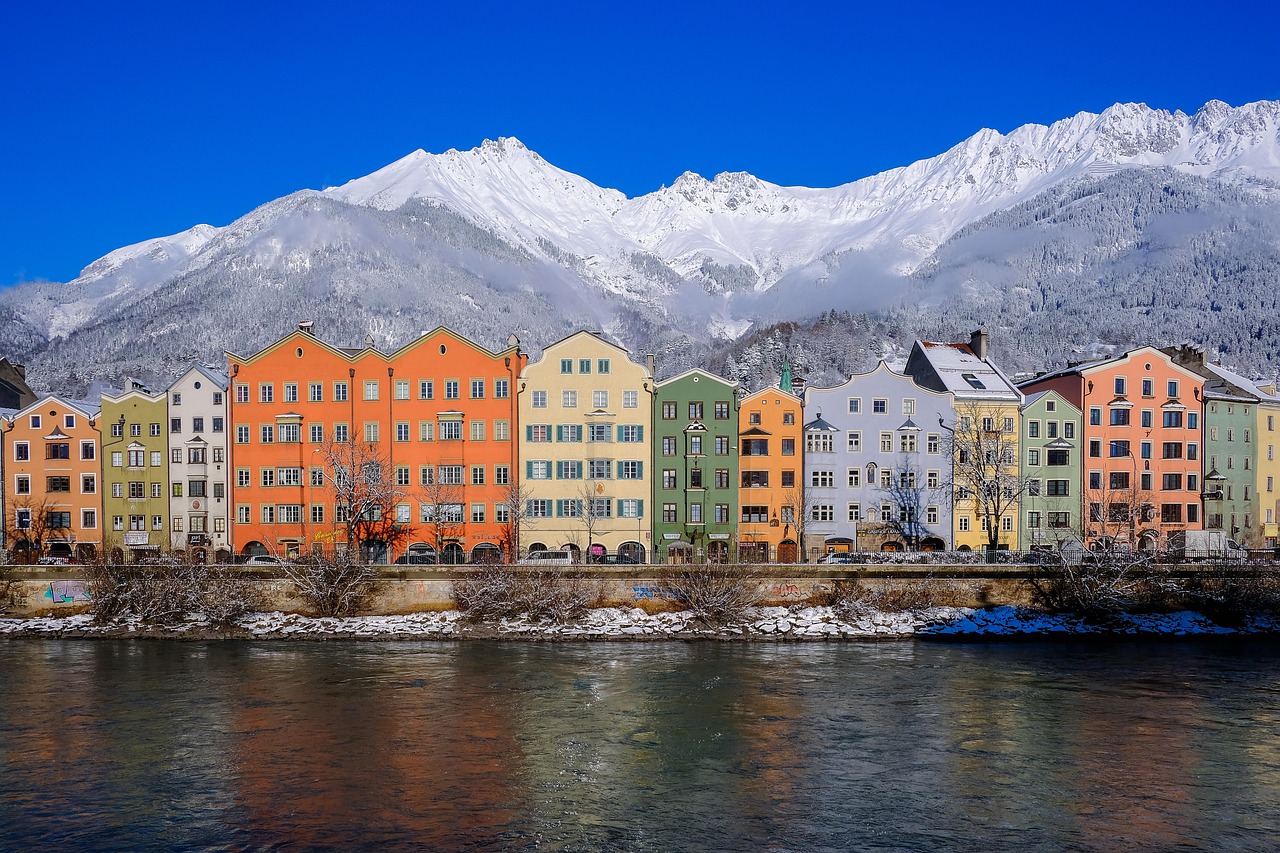
Why Visit Innsbruck? What Makes It Special
Innsbruck is one of those cities that makes you stop mid-step, coffee in hand, just to stare at the mountains. It’s a place where pastel Baroque facades, Gothic churches, and Habsburg palaces sit in a tight valley ringed by jagged Alpine peaks. And the magic is that it’s not just a pretty façade: Innsbruck is a real, lived-in university and sports city with a surprisingly relaxed, outdoorsy soul.
I’ve been coming back to Innsbruck since my early 20s — sometimes for skiing, sometimes for hiking, sometimes just to wander the Old Town and drink too much coffee by the River Inn. Each time, the city feels both familiar and new: a different mountain cable car to ride, a new café hidden in a side alley, a festival I’d never heard of the last time I was here.
You should consider Innsbruck for your next trip if you’re looking for:
- Alpine drama with urban comforts – World-class mountain access (literally from the city center) but with museums, cafés, and nightlife a short walk away.
- Flexible itineraries – Whether you have 3 days in Innsbruck, 4 days in Innsbruck, or 5 days in Innsbruck, you can craft an itinerary that mixes culture, food, and adventure.
- Year-round appeal – Skiing and Christmas markets in winter, hiking and mountain biking in summer, golden larch forests in autumn, and flower-filled meadows in spring.
- Manageable size – Big enough to stay interesting for a week, small enough that you won’t waste time commuting.
- Access to the wider Alps – Easy day trips to Swarovski Crystal Worlds, Hall in Tirol, Seefeld, Stubai Glacier, and more.
This travel guide for Innsbruck is written as if we’re planning your trip together over coffee in Maria-Theresien-Straße — with personal stories, honest tips, and nitty-gritty details about things to do in Innsbruck, local food in Innsbruck, hidden gems in Innsbruck, and travel tips for Innsbruck.
Table of Contents
- Why Visit Innsbruck
- Top 20 Must-See Attractions in Innsbruck
- Suggested Itineraries (3–5 Days in Innsbruck)
- Neighborhoods & Areas to Explore
- Local Food & Drink in Innsbruck
- Nightlife, Entertainment & Cultural Experiences
- Best Day Trips from Innsbruck
- What’s New: Events & Festivals 2026–2027
- Practical Travel Advice for Innsbruck
- Summary & Best Time to Visit Innsbruck
Top 20 Must-See Attractions in Innsbruck
These are the must-see attractions in Innsbruck, arranged roughly from the most iconic to lesser-known gems. For each, I’ll share what it’s like to visit, a bit of history, how to get there, and my own hard-earned tips.
1. Golden Roof (Goldenes Dachl)
The Golden Roof is the postcard star of Innsbruck’s Old Town. The first time I saw it, I’d just arrived on a snowy December afternoon; the copper tiles glowed warm against a steel-grey sky, while a brass band played carols below. It was one of those moments where you think: “Okay, this trip was a good idea.”
Commissioned by Emperor Maximilian I around 1500, the oriel balcony is covered with 2,657 gilded copper shingles. It was essentially a late-medieval flex: a place for the Emperor to watch tournaments and festivities while reminding everyone who paid the bills.
What to do:
- Walk the arcaded streets of the Old Town and approach the Golden Roof via Herzog-Friedrich-Straße — the view is wonderfully theatrical.
- Visit the Goldenes Dachl Museum inside. It’s small but packed with Habsburg history, multilingual displays, and models of how the city looked in Maximilian’s time.
- In winter, enjoy the Christmas market that spreads right under the balcony; it’s especially romantic at dusk.
Family-friendly? Absolutely. Kids enjoy the shiny roof and the little details in the façades around the square.
How to get there: In the heart of the Old Town; a 5–10 minute walk from almost anywhere in the center. Nearest tram stop: Maria-Theresien-Straße.
Tip: Come twice: early in the morning for quiet photos, and again in the evening when the façades are lit and the square feels like a stage set.
2. Nordkette Cable Car & Hafelekar Peak
If you only do one thing in Innsbruck, make it the Nordkette. It’s the city’s showpiece: a series of cable cars that carry you from the historic center to 2,256 meters in under 30 minutes. The first time I rode up, it was a clear October morning; the valley was full of mist, and as we broke through the layer it felt like floating above clouds with the city spread out like a model below.
The journey is almost as exciting as the destination. You start on the Hungerburgbahn, a funicular designed by Zaha Hadid, then transfer to cable cars to Seegrube and finally Hafelekar. Each step pulls you further from city life and deeper into the mountains.
At Hafelekar:
- Walk the short, steep path to the summit cross for a 360° panorama — one side over Innsbruck, the other into the Karwendel mountains.
- Watch paragliders launching into the valley; it’s dizzying, but mesmerizing.
- In winter, this is where ski tourers and freeriders drop into serious terrain; in summer, hikers head further into the Karwendel.
At Seegrube:
- Relax on the terrace of the Seegrube restaurant with a coffee or beer; the view is one of the best in the Alps.
- In summer, try the mountain playground and easy paths — perfect for families.
- In winter, this is the Nordkette ski area, steep and compact, popular with locals and advanced skiers.
How to get there: Take tram line 1 or bus J to Congress/Hungerburgbahn. The funicular station is right there.
Tip: If you’re planning multiple lifts (Nordkette plus Patscherkofel, for example), look into the Innsbruck Card — it often pays off.
3. Innsbruck Old Town (Altstadt)
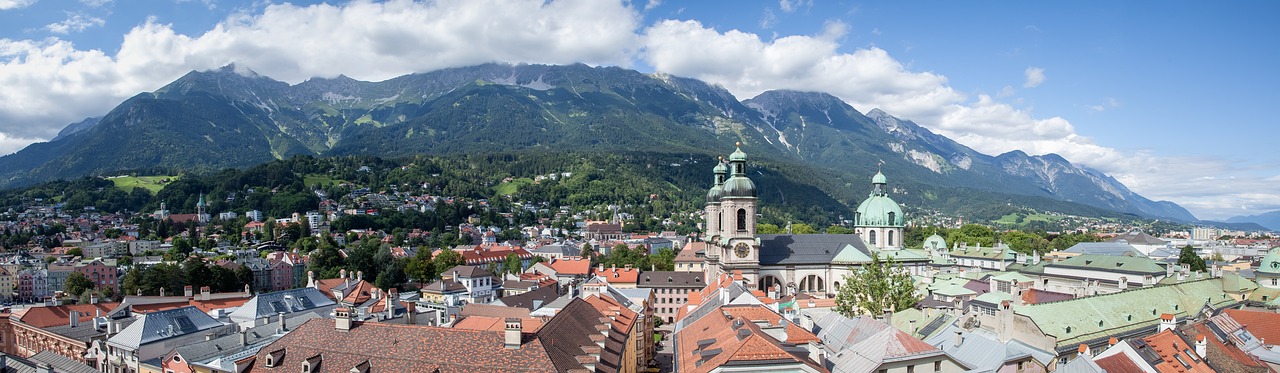
The Old Town is where I always end up, even if I just “pop in” for a quick walk. It’s compact but layered: Gothic arches, Baroque bay windows, wrought-iron signs, and that ever-present mountain backdrop.
Highlights:
- Herzog-Friedrich-Straße – The main spine, lined with arcades and pastel facades.
- Helblinghaus – A wildly ornate Baroque façade that looks like a frosted cake.
- Pfarrgasse & Hofgasse – Narrow side streets that feel almost medieval.
I love coming here early, grabbing a coffee to go, and watching the city wake up. By mid-morning, tourist groups appear, shop doors swing open, and the smell of baking pretzels drifts from the bakeries.
Family-friendly / romantic / relaxed? All of the above. It’s stroller-friendly, full of little romantic corners, and ideal for slow wandering.
Tip: Look up. Many visitors miss the little details above eye level: frescoes, saints’ niches, tiny sculptures of animals and faces.
4. Imperial Palace (Hofburg)
The Hofburg is Innsbruck’s grand reminder that this was once a Habsburg residence on par with Vienna. Empress Maria Theresa in particular left her mark, transforming it into a Baroque and Rococo showpiece in the 18th century.
Inside, the star is the Giant’s Hall (Riesensaal), with its white-and-gold stucco, crystal chandeliers, and life-sized portraits of Maria Theresa’s many children. Standing there, it’s easy to imagine court balls and diplomatic receptions — and to feel very underdressed in your hiking shoes.
What I like about it: It’s less overwhelming than Vienna’s palaces but still gives you that “imperial” dose. The audio guide is well done and doesn’t drone on forever.
How to get there: Just behind the Old Town, near the Hofkirche and the Hofgarten. 5 minutes’ walk from the Golden Roof.
Tip: Combine with the Hofkirche and Court Gardens for a half-day “imperial Innsbruck” theme.
5. Court Church (Hofkirche) & Emperor Maximilian’s Tomb
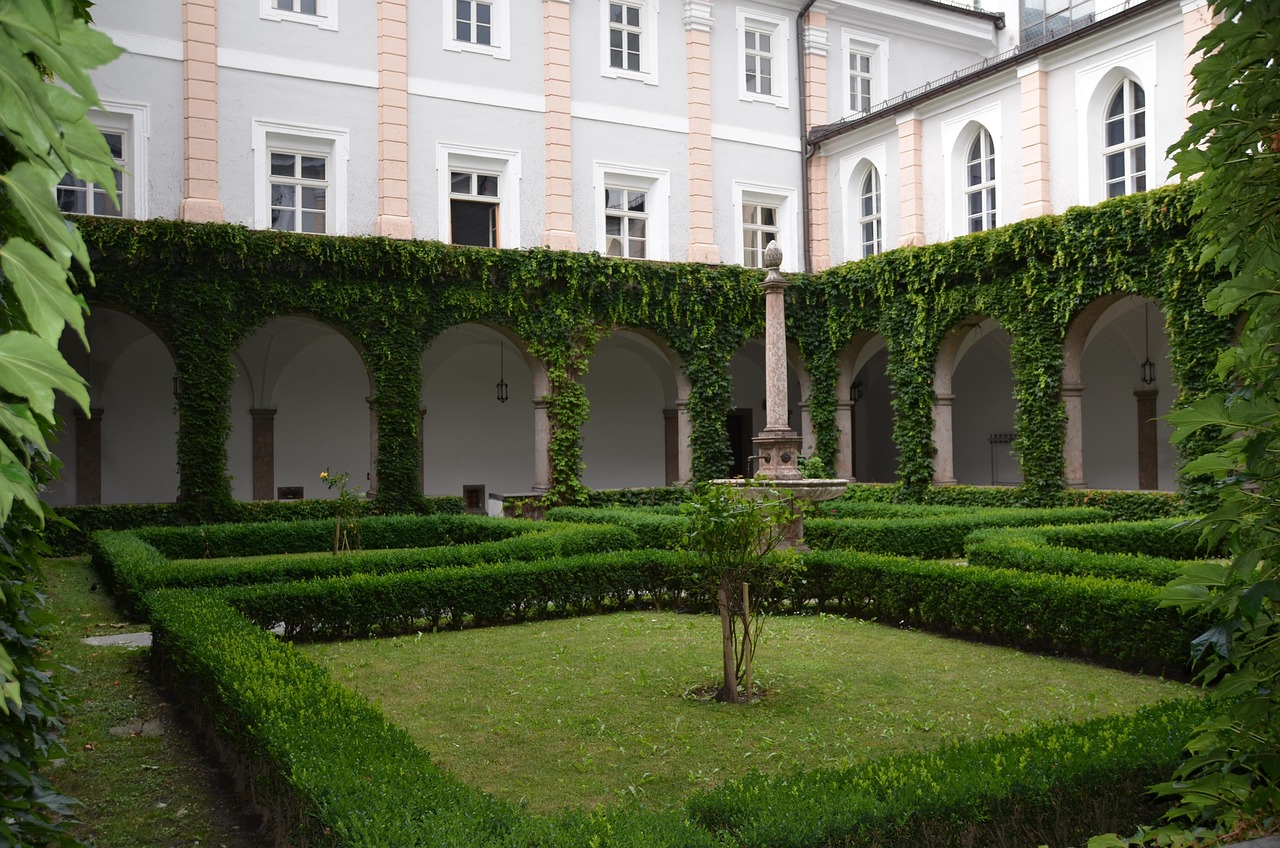
The Hofkirche is one of Europe’s most unusual imperial memorials. Emperor Maximilian I’s black marble cenotaph is surrounded by 28 larger-than-life bronze statues — ancestors, heroes, and legends cast in near-black metal, standing guard in perpetuity.
The first time I walked in, the sheer size and drama of those figures took my breath away. You feel watched, but in a strangely dignified way.
Why it matters:
- It’s a masterpiece of late-Gothic sculpture and imperial propaganda.
- Shows how Maximilian carefully crafted his image as a “last knight” of the Middle Ages and first modern ruler.
Tip: Take your time circling the tomb; the details in the armor and clothing are incredible. And don’t miss the adjacent Tyrolean Folk Art Museum, which is next on our list.
6. Tyrolean Folk Art Museum (Tiroler Volkskunstmuseum)
This is one of my favorite hidden gems in Innsbruck. Tucked beside the Hofkirche, it’s the kind of museum that sounds dry on paper and turns out to be unexpectedly delightful.
Inside, you’ll find painstakingly reconstructed wooden parlors (Stuben), traditional costumes, masks from Tyrolean carnival traditions, and everyday objects that tell you how people actually lived in the mountains.
Why I keep returning: On rainy days, it’s a cozy deep-dive into Tyrolean culture. The wooden interiors, especially, feel like stepping into someone’s 18th-century home.
Family tip: Kids tend to love the masks and the model houses. It’s also small enough that they won’t get bored.
7. Bergisel Ski Jump & Panorama
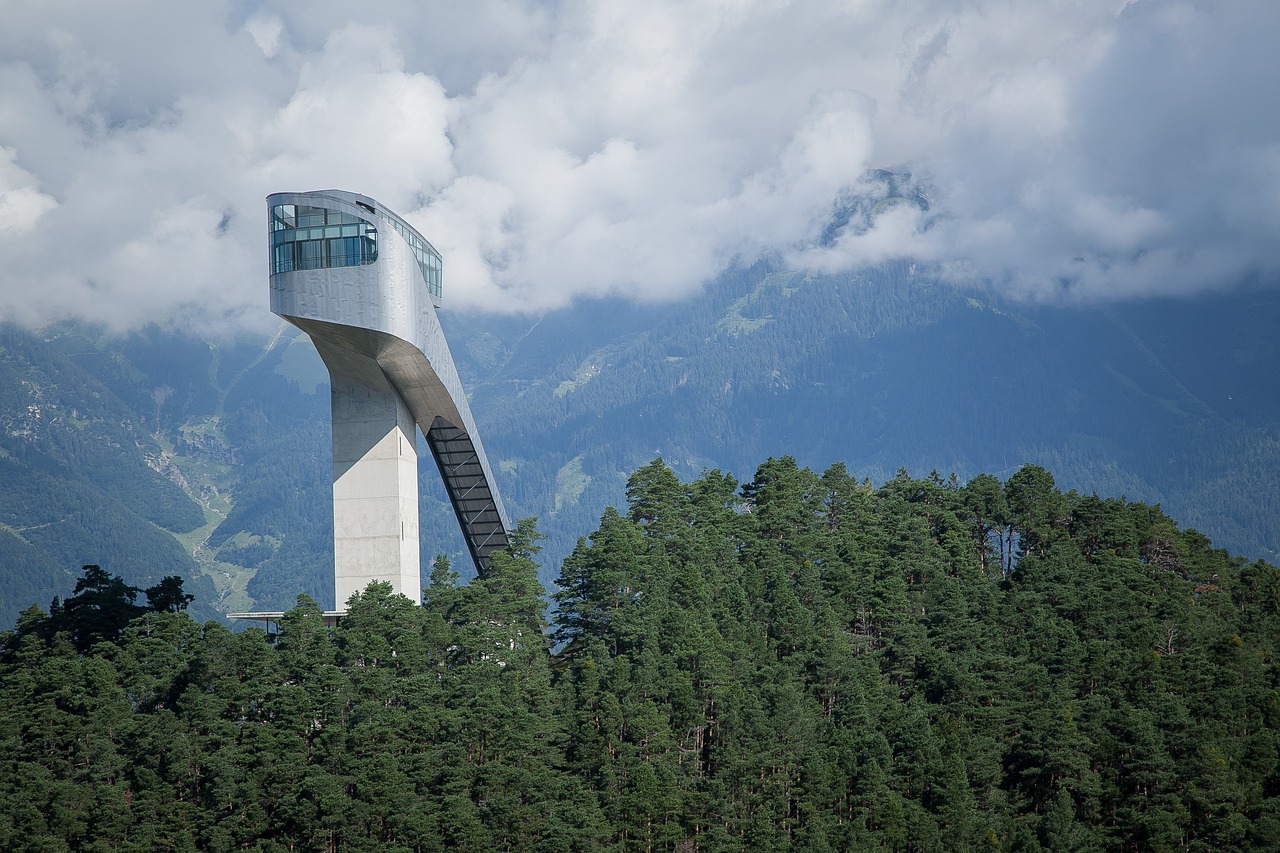
The Bergisel Ski Jump is where architecture, sports, and city views collide. Designed by Zaha Hadid, the swooping tower stands above a historic battlefield site and is still an active World Cup venue.
One summer afternoon, I rode the lift to the top just as a training session started. Watching jumpers launch themselves into space with the entire city framed behind them is equal parts terrifying and exhilarating.
What to do:
- Take the lift and stairs to the top platform for a panoramic view over Innsbruck and the Inn valley.
- Visit the small exhibition on ski jumping and the history of the site.
- Have a drink in the panorama café — it feels like hovering above the stadium.
How to get there: Tram line 1 or bus line TS to Bergisel. From there, follow signs uphill (10–15 minutes on foot) or use the funicular/lift combo.
Tip: Combine Bergisel with a visit to the nearby Tirol Panorama Museum and the Wilten Basilica.
8. Hofgarten (Court Garden)
The Hofgarten is my go-to place whenever I need a breather from sightseeing. Laid out in the 16th century as a pleasure garden for archdukes and empresses, it’s now a beloved public park full of old trees, lawns, and gravel paths.
On sunny days, students sprawl on the grass with textbooks, kids chase pigeons, and older locals claim benches with newspapers. In spring and early summer, flowerbeds explode with color.
Perfect for:
- Families – playgrounds and open space.
- Couples – quiet corners and shaded benches.
- Solo travelers – bring a book and some pastries and join the locals.
Tip: The park is especially atmospheric just before dusk in summer, when the light filters through the old trees and the city noise feels far away.
9. Maria-Theresien-Straße
This broad, pedestrian-friendly boulevard is Innsbruck’s living room. Lined with shops, cafés, and grand townhouses, it stretches from the Triumphal Arch up to the Old Town, with the Nordkette mountains perfectly framed at the far end.
I’ve lost track of how many coffees and Aperol spritzes I’ve had along this street. It’s ideal for people-watching: students rushing to class, families with strollers, tourists photographing every angle.
Don’t miss:
- The St. Anne’s Column in the center.
- The side view into the Old Town alleys.
- Late-afternoon terrace seating when the façades glow in the low sun.
Tip: Prices are a bit higher here than in side streets. For better value, wander one or two blocks away from the main drag.
10. Inn Riverfront & Mariahilf District
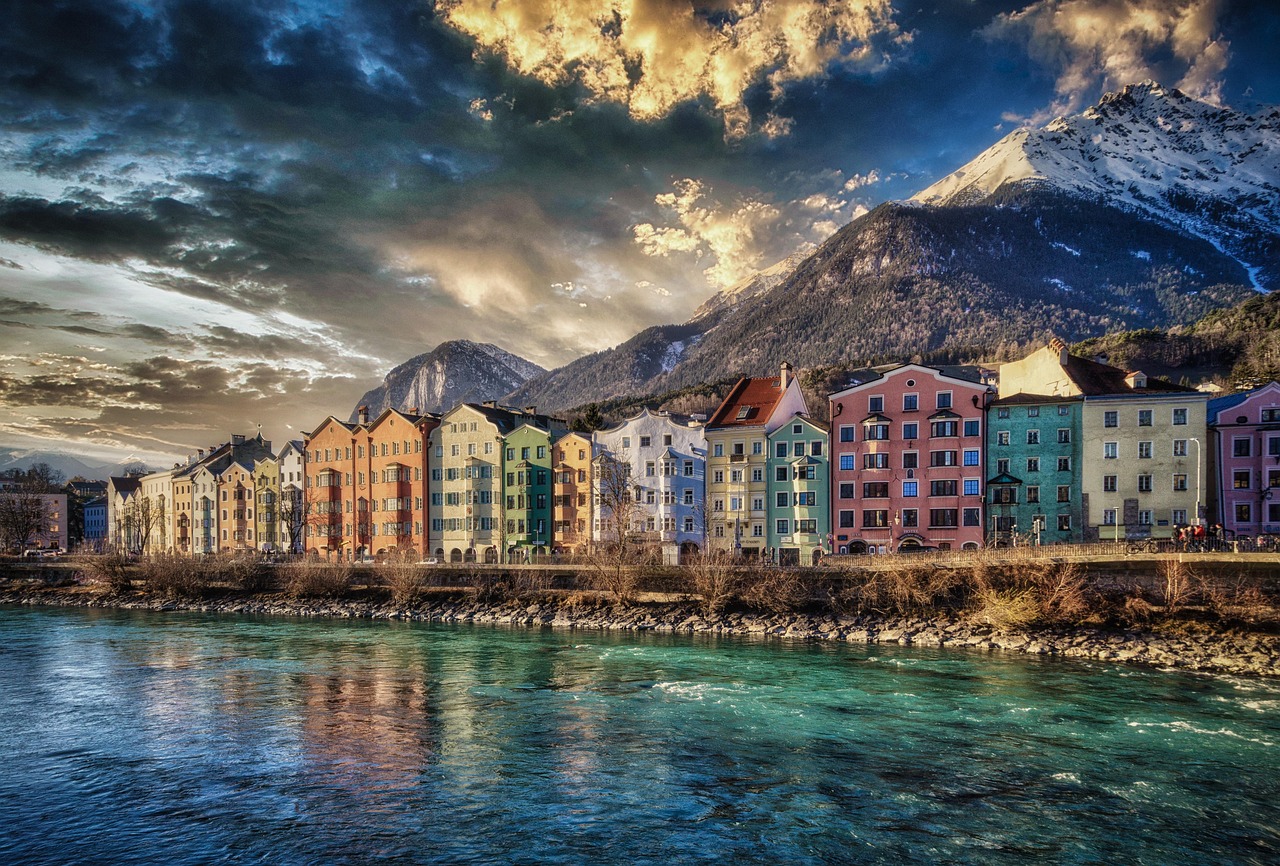
The classic Innsbruck postcard — colorful townhouses lined up along the river with snowy peaks behind — is taken from the Marktplatz side, looking across to Mariahilf.
Walk along the riverfront in the late afternoon, when the facades reflect in the water and cyclists glide silently past. Cross the bridge towards Mariahilf and wander its narrow lanes; this once-working-class area has a slightly scruffier charm and some excellent small eateries.
Romantic? Very. This is one of my favorite places for an evening stroll, especially in summer when the sky doesn’t fully darken until late.
11. Alpenzoo Innsbruck
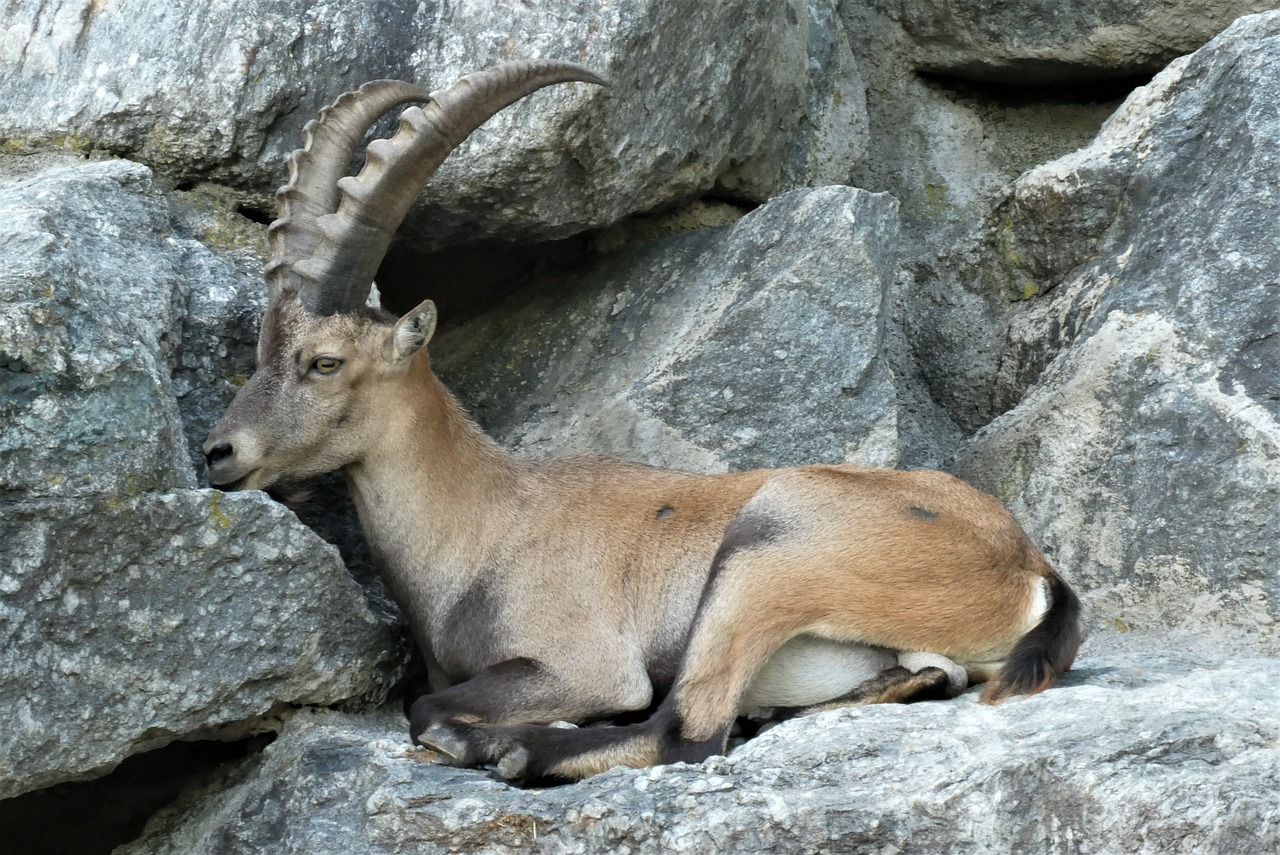
Perched on the slopes above the city, the Alpenzoo is dedicated entirely to Alpine species: ibex, chamois, lynx, wolves, otters, eagles, and more. It’s one of the highest-altitude zoos in Europe and a firm family favorite.
I visited with friends and their two kids one overcast morning; we ended up staying much longer than planned. Watching ibex navigate rocky enclosures with the real mountains behind them is oddly hypnotic.
Good for: Families, animal lovers, and anyone wanting a gentle half-day outdoors with city views.
How to get there: Take the Hungerburg funicular from the city center and get off at Alpenzoo. There’s also a bus, but the funicular is more fun.
Tip: Wear comfortable shoes; the paths are steep in places and you’ll be walking uphill and down.
12. Patscherkofel Mountain & Cable Car
On the opposite side of the valley from the Nordkette, Patscherkofel is a round, forested mountain with a big open summit that hosted the Olympic downhill races in 1964 and 1976. Today, a modern cable car takes you up from Igls to 1,965 meters in minutes.
On one late-September trip, I spent a full day here walking the Zirbenweg (Stone Pine Trail) — a gently undulating path through fragrant stone pine forests with uninterrupted views across the valley toward the Nordkette. It’s one of the most beautiful and accessible hikes near Innsbruck.
Winter: An excellent ski area for beginners and intermediates, with wide pistes and a relaxed vibe.
Summer: Hiking, trail running, and wildflower meadows.
How to get there: Tram 6 or bus J from Innsbruck to Igls, then walk or bus to the cable car base station.
13. Ambras Castle (Schloss Ambras)
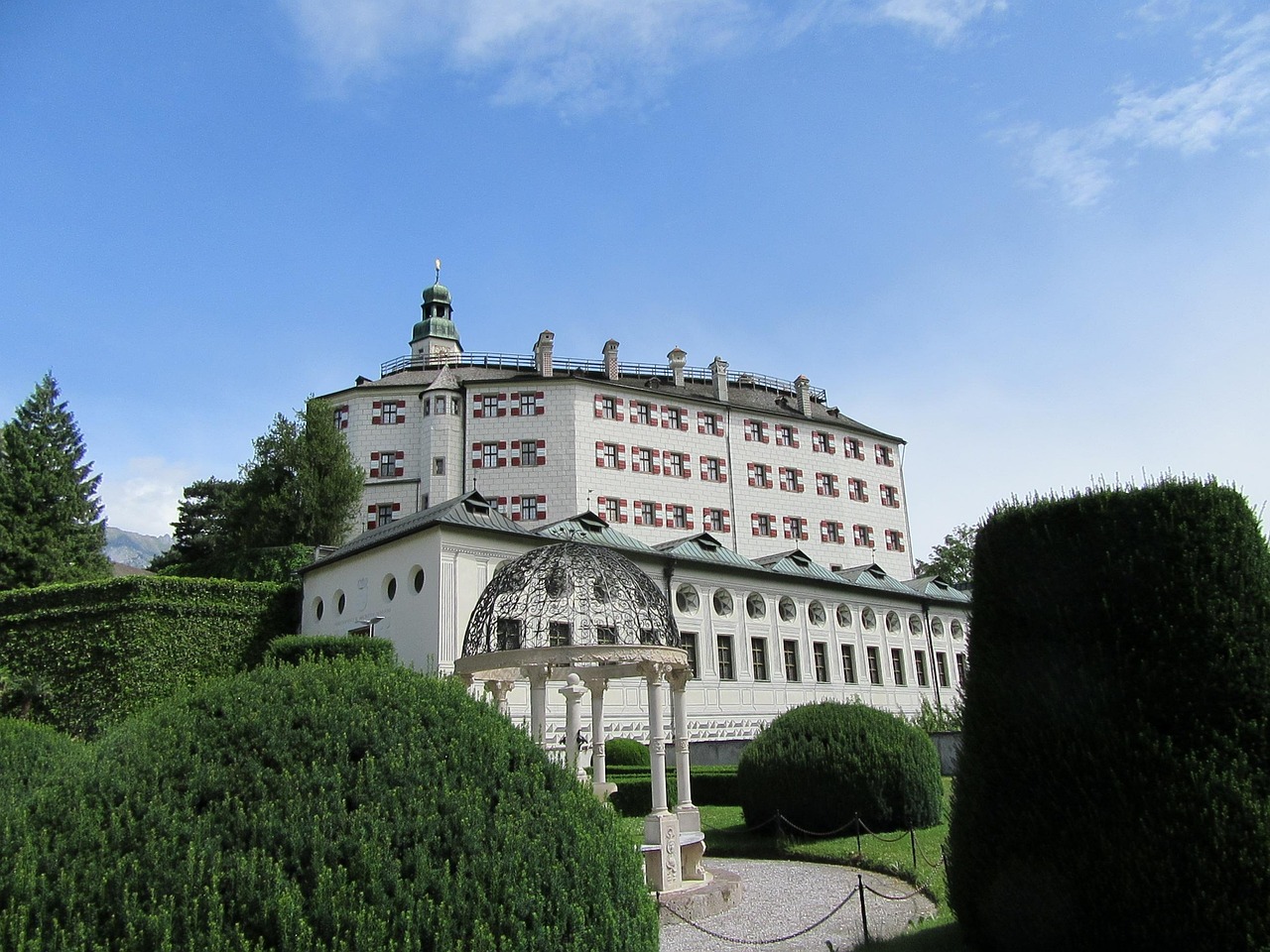
Ambras Castle is a Renaissance delight perched on a hill above Innsbruck, surrounded by parkland and gardens. It was the residence of Archduke Ferdinand II, who created one of Europe’s earliest museums here in the 16th century.
Inside, don’t miss the Spanish Hall — a long, wood-paneled hall lined with portraits — and the quirky Chamber of Art and Curiosities, full of oddities and wonders collected centuries ago.
On a warm summer day, I love wandering the grounds, watching peacocks strut on the lawns and finding shady corners to sit with a book.
How to get there: Bus C or Sightseer bus from the city center. You can also hike up through the forest if you’re feeling energetic.
Tip: Combine Ambras with a picnic; the castle grounds are perfect for it.
14. Innsbruck Market Hall (Markthalle)
For a taste of local food in Innsbruck, head to the Markthalle by the river. It’s a covered market with stalls selling fresh produce, cheeses, meats, breads, and regional specialties, plus little counters where you can eat on the spot.
My usual ritual: grab a coffee, pick up a still-warm pretzel, and then wander between the cheese counters asking shamelessly for samples of mountain cheeses. If you’re staying in an apartment, this is the place to stock up for breakfasts and picnics.
Tip: It’s busiest on Saturday mornings, when farmers from the region come in. Come early for the full buzz.
15. Wilten Basilica & Wilten Abbey
Just south of the center, Wilten Basilica is one of the most beautiful Baroque churches in Tirol, with a pink-and-cream façade and a lavishly decorated interior. Next door, the Premonstratensian Wilten Abbey adds another layer of history.
On one rainy afternoon, I ducked in here mostly to get dry and ended up staying for a full hour, just gazing at the ceiling and letting the organ music wash over me.
How to get there: Tram line 1 or 3 to Wiltener Platzl or Basilika Wilten.
Tip: Combine with a walk to Bergisel and the Tirol Panorama; they’re all in the same general area.
16. Seefeld in Tirol (Nearby Mountain Plateau)
Technically not in Innsbruck but close enough (35 minutes by train) that it’s a classic day trip, Seefeld is a sunny plateau town at 1,200 meters known for cross-country skiing, hiking, and lakes.
I often recommend it for travelers who want that “mountain village” feel without changing hotels. In winter, the cross-country trails are world-class; in summer, easy hikes and lake walks make it perfect for families and more relaxed travelers.
How to get there: Regular ÖBB trains from Innsbruck Hauptbahnhof (about 35 minutes).
17. Hall in Tirol
Hall in Tirol is a medieval town 10–15 minutes east of Innsbruck by train. It’s smaller, quieter, and in some ways even more atmospheric than Innsbruck’s Old Town, with narrow alleys and a big central square.
I like to come here when I’ve had my fill of busy streets; wander, sit in a café, and enjoy a slower pace. The salt trade made Hall rich, and you can sense that history in the architecture.
18. Swarovski Crystal Worlds (Swarovski Kristallwelten)
About 20 minutes from Innsbruck in Wattens, Swarovski Crystal Worlds is a surreal art park and exhibition celebrating all things crystal. Even if you’re not into sparkly things, it’s a surprisingly engaging mix of light installations, sculpture, and playful spaces.
The giant green “giant head” with a waterfall pouring from its mouth is one of Tirol’s most photographed landmarks. Inside, different rooms created by artists play with reflection, color, and sound.
Family tip: The outdoor play areas and garden are excellent for kids, especially in summer.
19. Stubai Valley & Stubai Glacier (Day Trip)
The Stubai Valley, south of Innsbruck, is one of my favorite escapes when I want big-mountain scenery. The Stubai Glacier offers almost year-round skiing, while lower down you’ll find waterfalls, gorge walks, and mellow pasture hikes.
On one late-May visit, I skied in the morning on the glacier and then hiked in green meadows in the afternoon — the Alpine version of having your cake and eating it too.
20. Innsbruck Cathedral (Dom zu St. Jakob)
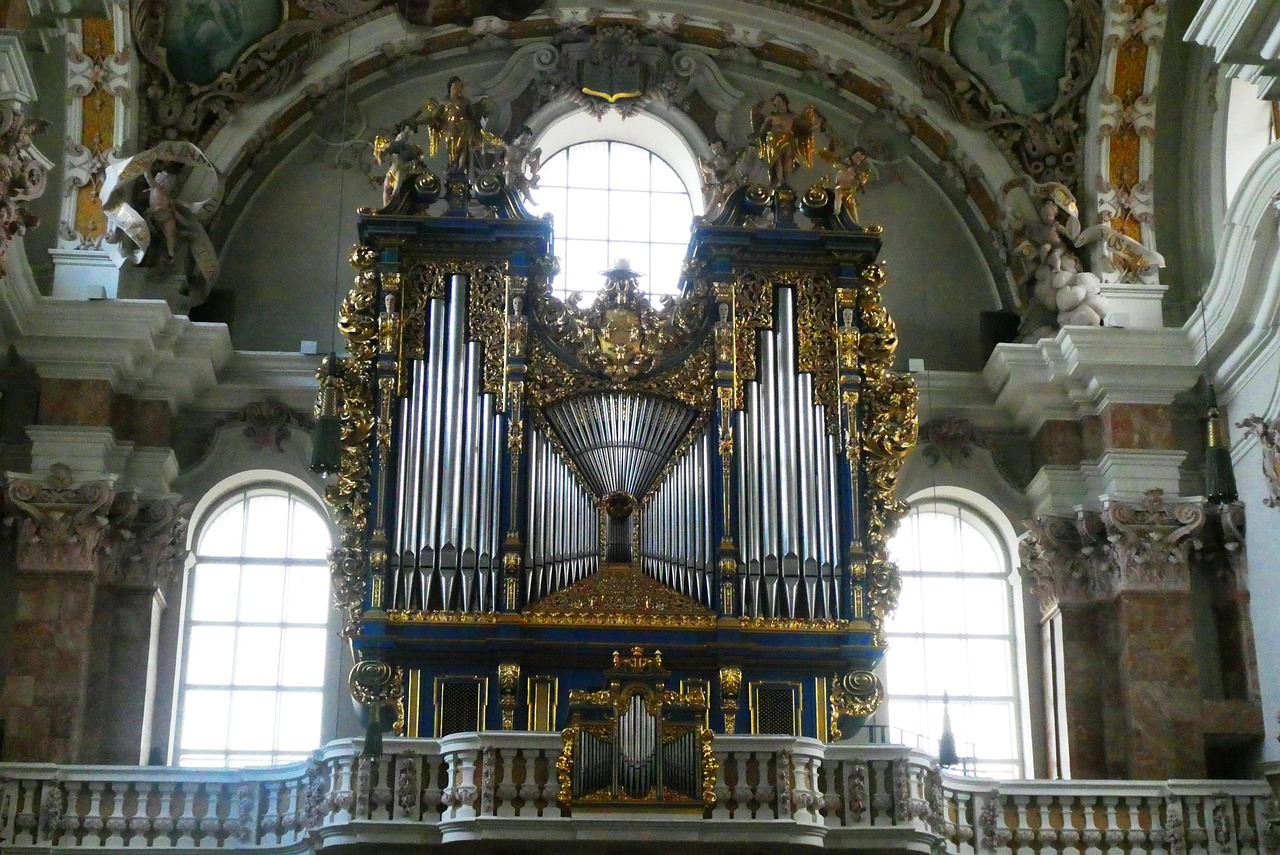
The Cathedral of St. James is a Baroque jewel with frescoed ceilings, twin towers, and a famous painting of the Virgin Mary by Lucas Cranach the Elder.
I like to pop in during the day when the interior is filled with soft light and the murmur of visitors. It’s right in the Old Town, so don’t miss it — even if you’ve seen a dozen churches already, this one stands out.
Suggested Itineraries: 3–5 Days in Innsbruck
Here’s how I’d structure your time, based on multiple visits and a lot of trial and error. These outlines are flexible: you can mix and match days depending on whether you have a 3 day itinerary for Innsbruck, a 4 day itinerary for Innsbruck, or a 5 day itinerary for Innsbruck.
3 Days in Innsbruck: Classic Highlights
With 3 days in Innsbruck, you’ll focus on the city’s greatest hits and one big mountain experience.
Day 1: Old Town, Imperial Innsbruck & Riverfront
Start your first day with a slow breakfast at a café on Maria-Theresien-Straße, then dive into the Old Town: Golden Roof, Helblinghaus, and the Cathedral. Late morning, head to the Hofburg and Hofkirche, followed by the Tyrolean Folk Art Museum.
After lunch (try a Tyrolean dish like Käsespätzle or Tiroler Gröstl in a traditional inn), stroll the Hofgarten, then make your way to the Inn riverfront for that classic postcard view of the colorful houses.
In the evening, return to the Old Town for dinner and maybe a drink at a cozy bar tucked into one of the side streets.
Day 2: Nordkette Adventure
Dedicate a full day to the Nordkette. Go early, especially in peak season, to beat the crowds and make the most of the light. Ride all the way up to Hafelekar, hike to the summit cross, and linger at Seegrube for lunch with a view.
In summer, bring a light jacket — it can be surprisingly cool at altitude, even when the city is hot. In winter, consider combining the trip with a bit of skiing or snowshoeing.
Back in town, reward yourself with something sweet from a bakery and a relaxed evening on Maria-Theresien-Straße.
Day 3: Bergisel, Wilten & Ambras or Swarovski
On your last day, head south to Bergisel and the Wilten Basilica. After taking in the views from the ski jump, stroll through the Tirol Panorama Museum or walk one of the forest paths around the hill.
In the afternoon, choose between:
- Ambras Castle – for history, art, and garden time.
- Swarovski Crystal Worlds – for a more contemporary, artsy experience.
Either way, end your 3 days in Innsbruck with a final stroll through the Old Town at night — it’s quieter, and the lit facades feel almost theatrical.
4 Days in Innsbruck: Classic + Nature Getaway
With 4 days in Innsbruck, you can follow the 3-day plan and add a deeper nature experience.
Day 4: Patscherkofel & Zirbenweg or Seefeld
Use your fourth day to explore the opposite side of the valley:
- Option A: Patscherkofel & Zirbenweg – Take the Patscherkofelbahn up, walk part or all of the Zirbenweg (Stone Pine Trail), and enjoy big views back across to the Nordkette.
- Option B: Seefeld in Tirol – Train to Seefeld, then spend the day walking to nearby lakes, riding a local cable car, or simply soaking up the mountain-village vibe.
Return to Innsbruck in the evening for a relaxed dinner, maybe trying a new neighborhood like Mariahilf or Pradl.
5 Days in Innsbruck: Deep Dive into the Region
With 5 days in Innsbruck, you have time for a full day trip beyond the immediate surroundings and a slower pace overall.
Day 5: Hall in Tirol & Swarovski or Stubai Valley
Two great options for your extra day:
- Option A: Hall in Tirol + Swarovski Crystal Worlds – Train to Hall for a quiet morning in its medieval streets, then continue to Wattens for an afternoon at Swarovski Kristallwelten.
- Option B: Stubai Valley – Take the bus to the Stubai Valley and either:
- Ride up to the Stubai Glacier for skiing (in season) or high-mountain views.
- Hike to waterfalls and alpine meadows in lower Stubai (summer/autumn).
Back in Innsbruck, spend your final evening doing whatever you loved most: another walk by the river, a last wander through the Old Town, or a nightcap at a cozy bar.
Neighborhoods & Areas to Explore in Innsbruck
Altstadt (Old Town)
The Altstadt is where most visitors spend the bulk of their time: narrow lanes, arcades, and historic buildings wrapped into a compact pedestrian zone. It’s touristy, yes, but also where you’ll find some of the city’s best architecture and many classic things to do in Innsbruck.
Stay here if: You want to step out of your hotel and be in the middle of everything.
Maria-Theresien-Straße & City Center
This is the commercial heart of Innsbruck, with big-name shops, banks, and plenty of cafés. The architecture is a mix of Baroque, 19th-century, and modern, but the mountain backdrop ties it all together.
Stay here if: You like being central with easy tram connections and don’t mind a bit of bustle.
Mariahilf & Hötting
Across the Inn from the Old Town, Mariahilf and the lower part of Hötting are more residential, with colorful riverside houses and quiet lanes climbing the hillside.
Why I love it: It feels local but is still only a short walk from the center. Some of my favorite small restaurants and bars hide up here.
Pradl & Saggen
East of the center, Pradl and Saggen are leafy neighborhoods with turn-of-the-century villas, apartment blocks, and a more “everyday” feel. Accommodation can be better value here.
Stay here if: You want a quieter, residential base but still be within walking or short tram distance of the Old Town.
Wilten
South of the railway tracks, Wilten is anchored by the basilica and abbey. It has a slightly bohemian feel with a mix of students, families, and long-time residents.
Why visit: To see the basilica, explore non-touristy streets, and grab a drink somewhere where you might be the only visitor.
Local Food & Drink in Innsbruck
Tyrolean cuisine is hearty, mountain fare: potatoes, dumplings, cheese, cured meats, and rich stews designed to fuel a day of hiking or skiing. But Innsbruck also has a growing scene of lighter, modern options and international food.
Must-Try Tyrolean Dishes
- Tiroler Gröstl – A pan of fried potatoes, onions, and leftover roast meat, topped with a fried egg. Ultimate comfort food.
- Käsespätzle – Soft egg noodles baked with mountain cheese and onions, like a very Alpine mac and cheese.
- Speckknödel – Bacon dumplings served in broth or with sauerkraut.
- Kaspressknödel – Flat, fried cheese dumplings, often served in soup or with salad.
- Apfelstrudel & Kaiserschmarrn – Classic Austrian desserts that taste even better after a hike.
Where to Eat: Personal Favorites
(Names may change, but look for places that locals queue at for lunch and where the menu is in German first and English second.)
- Traditional Inns – In and around the Old Town you’ll find several “Gasthaus” and “Wirtshaus” offering classic Tyrolean dishes. I like to sit in wood-paneled interiors and order whatever the daily special is.
- Markthalle Stalls – Great for a casual, budget-friendly lunch of soup, sausages, or fresh pasta.
- Cafés & Konditoreien – Don’t skip coffee and cake culture; it’s as important here as in Vienna, just more laid-back.
Saving Money on Food
- Lunch specials – Many places offer cheaper Mittagsmenü (lunch deals) than dinner.
- Supermarkets – Billa, Spar, and MPreis have good takeaway options; MPreis often stocks regional products.
- Picnics – Grab supplies at the Markthalle or supermarket and eat in the Hofgarten or by the river.
Nightlife, Entertainment & Cultural Experiences
Innsbruck’s nightlife reflects its student and sports-town character: more laid-back bars and pubs than big clubs, with a smattering of cultural venues.
Evening Options
- Bars & Pubs – Around the Old Town, Mariahilf, and Wilten. Expect beer, wine, and schnapps rather than fancy cocktails (though those exist too).
- Live Music – Check local listings for small venues hosting jazz, rock, or singer-songwriter nights.
- Tyrolean Evenings – Some venues host folk music and dance shows; touristy but can be fun if you’re curious about local traditions.
Cultural Experiences
- Tiroler Landestheater – Theater, opera, and dance performances.
- Festivals – From summer music to winter sports events, the city’s calendar is busy (see events section below).
Best Day Trips from Innsbruck
One of Innsbruck’s strengths is how easy it is to escape into the wider region.
- Hall in Tirol – Medieval charm just 10–15 minutes away.
- Seefeld in Tirol – Mountain plateau with hiking, lakes, and skiing.
- Stubai Valley – Glacier skiing, waterfalls, hiking.
- Swarovski Crystal Worlds – Art, design, and crystals in Wattens.
- Nearby Lakes – Depending on the season, locals head to lakes for swimming and sunbathing; ask at your accommodation for current favorites and access info.
Practical tip: Regional buses and trains are efficient and frequent. If you plan multiple day trips, look at regional ticket offers or guest cards included with some accommodations.
Events & Festivals in Innsbruck (2026–2027)
Innsbruck’s calendar is full of sports events, music festivals, and seasonal celebrations. For 2026–2027, expect:
- Winter Sports Events – World Cup ski jumping at Bergisel, international snow sports competitions in nearby resorts.
- Summer Music & Culture Festivals – Open-air concerts, classical and contemporary music events, often held in historic courtyards and mountain venues.
- Christmas Markets (Advent 2026 & 2027) – Multiple markets around the Old Town, Maria-Theresien-Straße, and Hungerburg, with crafts, food, and mulled wine.
Exact dates and lineups change annually, so check the official Innsbruck tourism website as your trip approaches.
Practical Travel Advice for Innsbruck
Getting Around Innsbruck
On foot: The center is compact; most best places to visit in Innsbruck are walkable.
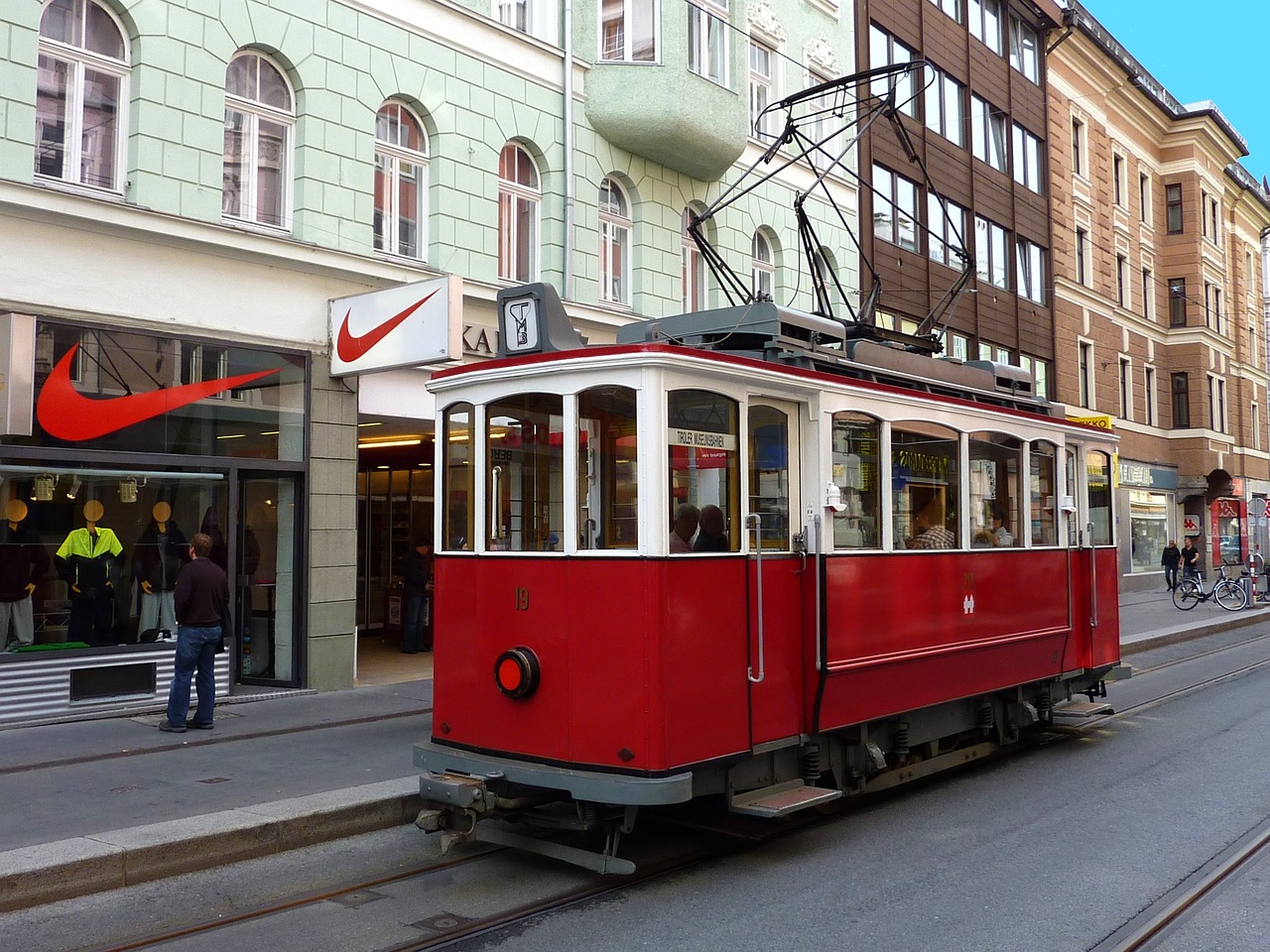
Public transport: Trams and buses are frequent, clean, and easy to use. Tickets can be bought at machines, via apps, or from some drivers (slightly more expensive).
Innsbruck Card: Worth considering if you plan to use multiple lifts, museums, and public transport. It can save money and simplifies logistics.
Car rental: Not necessary for staying in Innsbruck itself; more useful if you plan to explore remote valleys or multiple villages on your own schedule. Parking in the center can be pricey.
How to Save Money in Innsbruck
- Travel off-peak – Late spring and autumn often have lower prices and fewer crowds.
- Use lunch deals – Mittagsmenü is often the best-value hot meal of the day.
- Self-cater partly – Apartments with kitchens plus Markthalle/supermarkets can cut costs dramatically.
- Walk when you can – Distances in the center are short.
- Look for guest cards – Some hotels and guesthouses include regional guest cards that offer free or discounted transport and attractions.
SIM Cards, Visa & Driving
SIM cards: Austria has several major providers (A1, Magenta, Drei). You can buy prepaid SIMs at airports, electronics stores, or dedicated phone shops; you’ll need your passport. EU roaming rules apply for EU SIM holders.
Visa requirements: Austria is part of the Schengen Area. Many nationalities can enter visa-free for short stays, but always check current rules with your local Austrian embassy or government website before traveling.
Foreign driver’s license: Most non-EU licenses are accepted for short stays; an International Driving Permit (IDP) can be helpful and is sometimes required depending on your country of issue. Check Austrian regulations and your rental company’s policies.
Cultural Etiquette & Local Customs
- Greetings: A simple “Grüß Gott” or “Guten Tag” is appreciated in shops and when entering small cafés or restaurants.
- Punctuality: Austrians value being on time; this applies to tours, dinner reservations, and meeting locals.
- Quiet hours: Residential areas observe quiet times at night; keep noise down late, especially on balconies or open windows.
- Cash vs card: Cards are widely accepted, but it’s still useful to carry some cash for small purchases.
- Tipping: Round up or add 5–10% in restaurants and for taxis; hand it directly to the server when paying rather than leaving it on the table.
- Mountain etiquette: Stay on marked trails, greet fellow hikers with a friendly “Servus” or “Grüß Gott,” and respect signs regarding grazing animals and private land.
Best Seasons for Different Activities
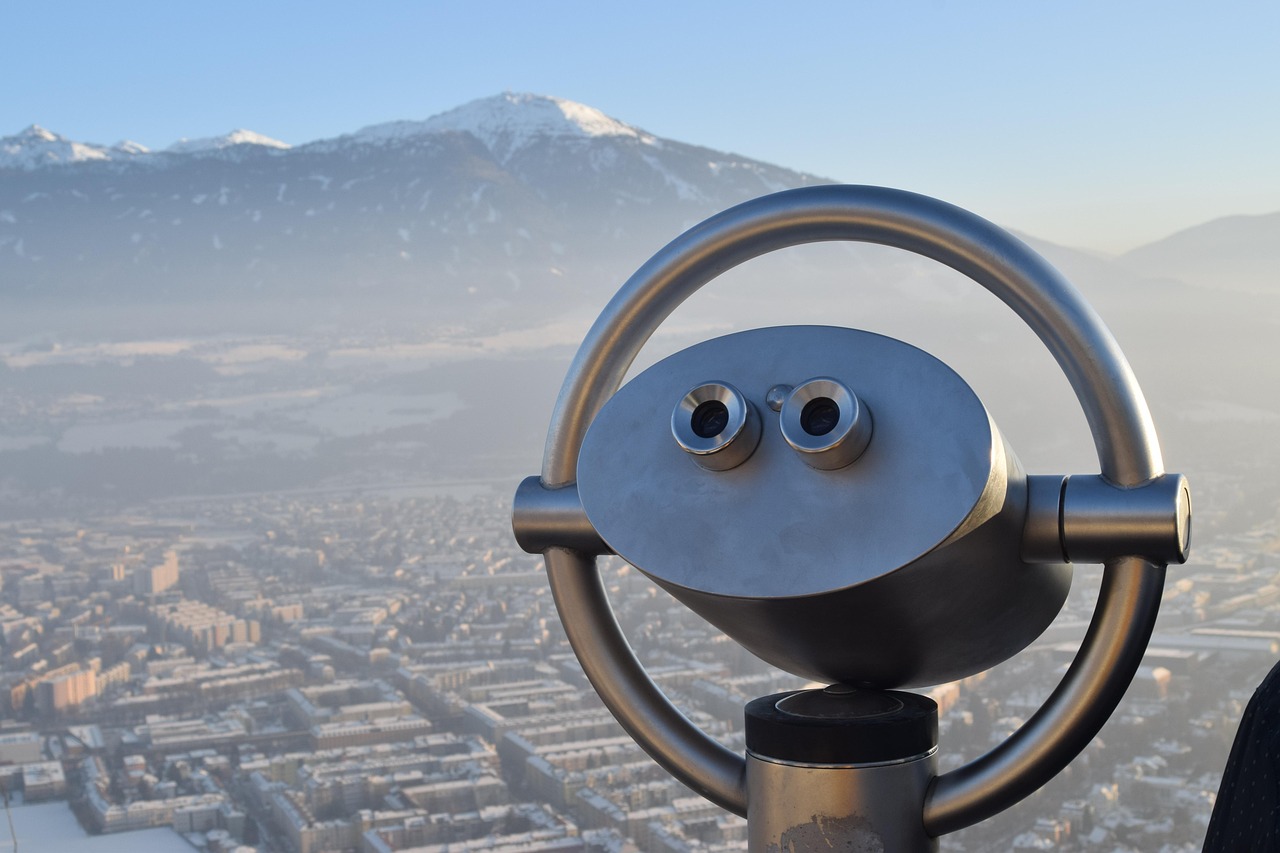
- Winter (Dec–Mar): Best for skiing, snowboarding, Christmas markets, and a cozy city vibe.
- Spring (Apr–May): Snow still on the peaks, flowers in the valley; great for mixed city and light hiking, though some high trails remain snowy.
- Summer (Jun–Aug): Prime time for hiking, biking, and long evenings outdoors. Warm in the valley, cooler in the mountains.
- Autumn (Sep–Nov): Beautiful fall colors, quieter trails, cooler temperatures; great for photography and more relaxed city time.
Summary & Final Recommendations
Innsbruck is a rare blend: a small, walkable city with the cultural depth of an old Habsburg residence and the raw drama of the Alps at its doorstep. Whether you follow a 3 day itinerary for Innsbruck, stretch it to 4 days in Innsbruck, or go for a full 5 days in Innsbruck, you can combine imperial palaces, medieval alleys, and big mountain adventures without ever feeling rushed.
Key takeaways:
- Use at least one full day for the Nordkette — it defines the city.
- Balance “must-see” sights (Golden Roof, Hofburg, Bergisel) with quieter corners (Hofgarten, Mariahilf lanes, Wilten).
- Eat local: Tyrolean dishes are simple but satisfying, especially after a long day outdoors.
- Take advantage of public transport and lift passes to maximize your time and budget.
If you want skiing and Christmas markets, aim for December to March. For hiking, long evenings, and café terraces, choose June to September. For a calmer, more local feel with lower prices, consider late spring or autumn.
However you structure your trip, Innsbruck has a way of getting under your skin. I’ve left many times already planning my next visit — and I suspect you might, too.